How to Start A Farm From Scratch – Beginner’s Guide To Growing Vegetables For Profit
I quit my office job three years ago to start a small vegetable farm. Everyone thought I was crazy. I had zero farming experience and $8,000 in savings.
My first year was a disaster. I lost money, worked 80-hour weeks, and seriously questioned my life choices. But I learned what actually works for making money growing vegetables.
Now I make $45,000 a year farming just one acre. Not rich, but enough to live on. And I’m outside doing physical work instead of staring at a computer screen all day.
Let me show you how to actually start a profitable vegetable farm without going broke or giving up after one season.
Why I Left My Desk Job For Dirt
I was making $65,000 a year sitting in a cubicle. Sounds good, right? But I was miserable every single day. The fluorescent lights, the meetings, the pointless emails.
I wanted to make something real with my hands. Grow actual food that people could eat. Be outside in the sun instead of trapped inside under artificial lights.
Everyone told me farming doesn’t make money. That I’d go broke and regret leaving my “good job.” But I was already dying slowly in that office anyway.
I gave myself two years to make the farm work. If I failed, I’d go back to office work. That deadline forced me to figure things out fast instead of messing around.
My Biggest First Year Mistakes (Learn From These)
I planted way too many different crops. Like 40 different vegetables. I couldn’t keep track of anything and half the crops failed because I didn’t know how to grow them properly.
I tried to farm five acres right away. Huge mistake. I couldn’t keep up with weeding and maintenance. Everything got overgrown and half my crops were lost to weeds.
I had no real customers lined up before planting. I just assumed people would buy vegetables if I grew them. Wrong. I ended up giving away hundreds of pounds because I had no sales channels.
I bought a used tractor that broke constantly. Spent more time fixing it than using it. Should’ve just used hand tools my first year and saved the money.
Start With One Acre Maximum (Seriously)
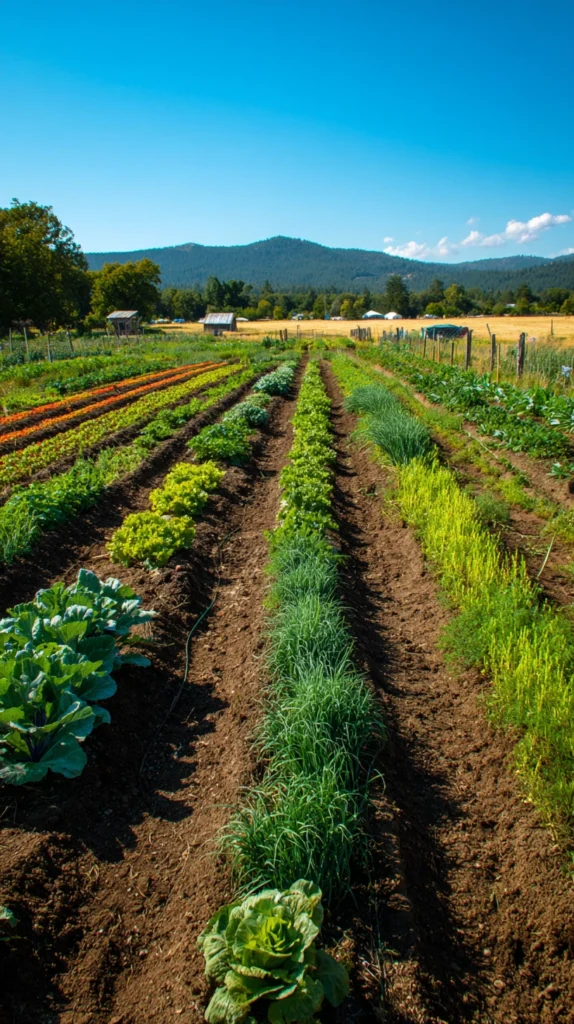
One acre is about 43,560 square feet. That sounds small but it’s actually huge when you’re managing it alone or with one helper. Way bigger than you think.
I make $45,000 profit per year from one intensively farmed acre. Some farmers make $100,000+ per acre using high-value crops and good marketing. You don’t need land to make money.
Starting with five or ten acres spreads you too thin. You can’t maintain quality. Weeds take over. Crops suffer. It’s better to farm one acre really well than five acres poorly.
Most beginning farmers fail because they take on too much land too fast. Start small, perfect your systems, then expand only when you’re actually making money and have extra time.
Realistic acre expectations:
| Acres Farmed | Hours Per Week | Gross Revenue Potential | Reality Check |
| 1 acre | 40-50 hours | $30,000-$100,000 | Very manageable solo |
| 2 acres | 60-70 hours | $60,000-$200,000 | Need help or great systems |
| 5 acres | 80+ hours | $150,000-$500,000 | Need employees, not beginner-friendly |
I still farm just one acre three years later. I keep increasing profit per acre instead of adding more land. More land means more problems and more work for not always more money.
The Crops That Actually Made Me Money
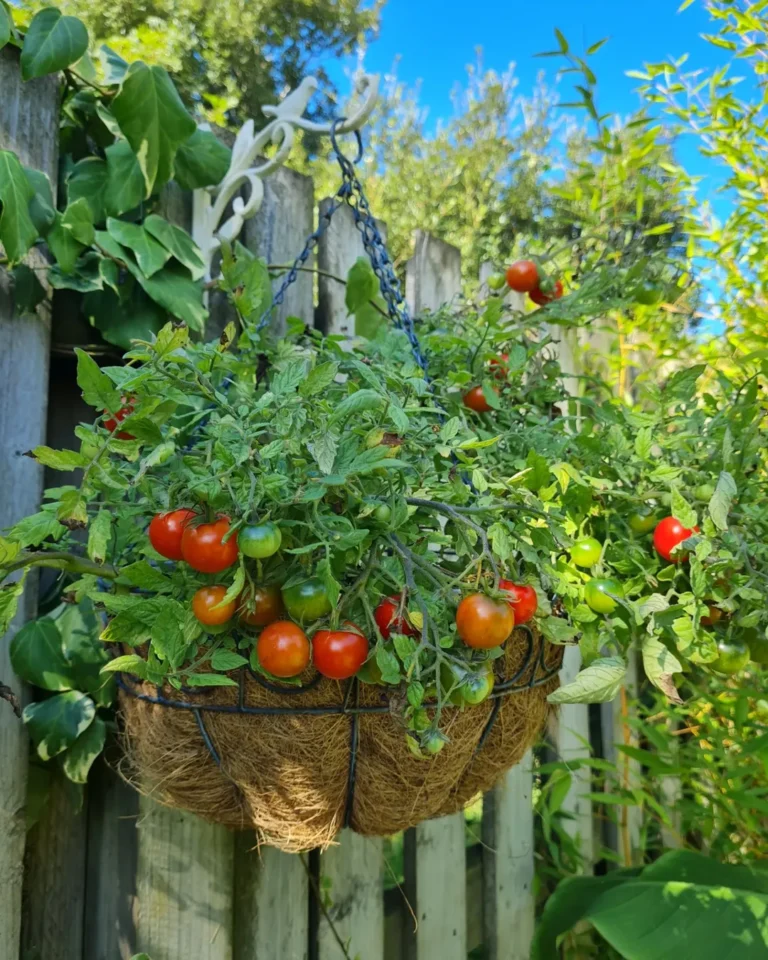
Cherry tomatoes were my biggest money maker year one. People pay $6-8 per pint at farmers markets. I grew 30 plants and made $4,000 just from tomatoes.
Salad greens were my second best crop. I could grow them fast, harvest weekly, and sell them fresh at premium prices. One 100-foot bed made me $800 in a season.
Specialty items nobody else grew did really well too. Purple cauliflower, rainbow carrots, unusual peppers. People paid extra for vegetables they couldn’t get at grocery stores.
Basic stuff like regular tomatoes and green beans barely made money. Too much competition from cheap grocery store produce. I learned to focus on premium specialty crops instead.
My most profitable crops year one:
| Crop | Revenue | Growing Time | Why It Worked |
| Cherry tomatoes | $4,000 | 90 days | High price, people love them |
| Salad mix | $3,200 | 30 days | Fast turnover, multiple harvests |
| Specialty peppers | $2,400 | 100 days | Unique varieties, no competition |
| Heirloom tomatoes | $2,000 | 90 days | Premium pricing at markets |
| Fresh herbs | $1,800 | 60 days | High markup, easy to grow |
I stopped growing anything that sold for less than $3 per pound. Low-value crops eat up time and space that could grow high-value crops instead. Focus on profit, not volume.
Where to Actually Sell Your Vegetables
Farmers markets were my main income the first two years. I set up at two markets per week and made $800-1,200 per market day. Direct customer contact and good prices.
CSA (Community Supported Agriculture) boxes became my stable income in year two. People pay upfront for weekly vegetable boxes. I had 30 CSA members paying $25/week for 20 weeks.
Restaurants bought from me starting in year one. I contacted 15 local restaurants and 3 agreed to buy regularly. They wanted a consistent supply of specialty items grocery stores don’t carry.
I tried wholesale grocery stores once. They wanted a huge volume at super low prices. Made barely any money and the work was insane. Never doing wholesale again.
Sales channels ranked by profit:
| Sales Method | Price I Get | Pros | Cons |
| Farmers markets | Full retail ($4-8/lb) | High prices, direct contact | Weather dependent, weekends only |
| CSA boxes | Good ($3-5/lb) | Guaranteed income upfront | Must deliver weekly, variety needed |
| Restaurants | Medium-high ($3-6/lb) | Steady orders | Picky about quality, want consistency |
| Wholesale | Terrible ($1-2/lb) | Large volume | Barely profitable, not worth it |
I now do 50% farmers markets, 40% CSA, and 10% restaurants. This mix gives me stable income plus the high profits from direct market sales. Diversifying income streams keeps me stable.
The Real Startup Costs Nobody Mentions
I spent $8,000 my first year. That covered seeds, basic tools, irrigation setup, a small greenhouse, farmers market fees, and some soil amendments. Barely enough really.
The biggest unexpected expense was infrastructure. Fencing to keep deer out cost $1,200. The irrigation system was $800. These weren’t optional – I needed them to actually grow crops successfully.
I didn’t buy a tractor in year one. Used a wheel hoe and hand tools. This was actually smart because I couldn’t afford a reliable tractor anyway. Hand tools cost maybe $400 total.
Marketing and packaging cost more than expected too. Farmers market booth tent, tables, signs, harvest bins, bags for greens. Another $600 I didn’t budget for initially.
My actual year one expenses:
| Category | Amount | Was It Necessary? |
| Seeds | $600 | Yes, but bought too many varieties |
| Tools and equipment | $1,200 | Yes, needed basics |
| Irrigation setup | $800 | Absolutely necessary |
| Deer fencing | $1,200 | Required or lose everything |
| Small greenhouse | $1,400 | Very helpful for starting seeds |
| Soil amendments | $800 | Needed for soil health |
| Market fees and booth | $900 | Necessary for sales |
| Packaging supplies | $400 | Needed for professional look |
| Misc. and emergencies | $700 | Stuff always breaks |
You can start cheaper if you already have some tools or don’t need deer fencing. But budget at least $5,000-8,000 realistically. Going too cheap means crop failures and no income.
Finding Land When You Don’t Own Any
I don’t own my farm land. I lease one acre from a landowner for $500 per year. This let me start farming without buying expensive land upfront.
I found the land on Craigslist. Posted an ad saying I wanted to lease small acreage for vegetable farming. Three landowners contacted me. Picked the best location with good soil and water access.
The lease is year-to-year with option to renew. Not ideal long-term but fine for starting. I couldn’t commit to buying land until I knew farming would actually work for me.
Some beginning farmers work at established farms for a year to learn before starting their own. This gives you experience plus sometimes land access. Smarter than jumping in blind like I did.
Places to find farmland to lease:
- Craigslist (where I found mine)
- Local land trust organizations
- State agricultural department websites
- Facebook farming groups
- Ask other farmers about land availability
- Churches or nonprofits with unused land
Lease rates vary wildly. I’ve seen $100-2,000 per acre per year depending on location and land quality. Anything under $1,000 per acre is reasonable for starting out.
Soil Prep Made Simple (Don’t Overthink This)
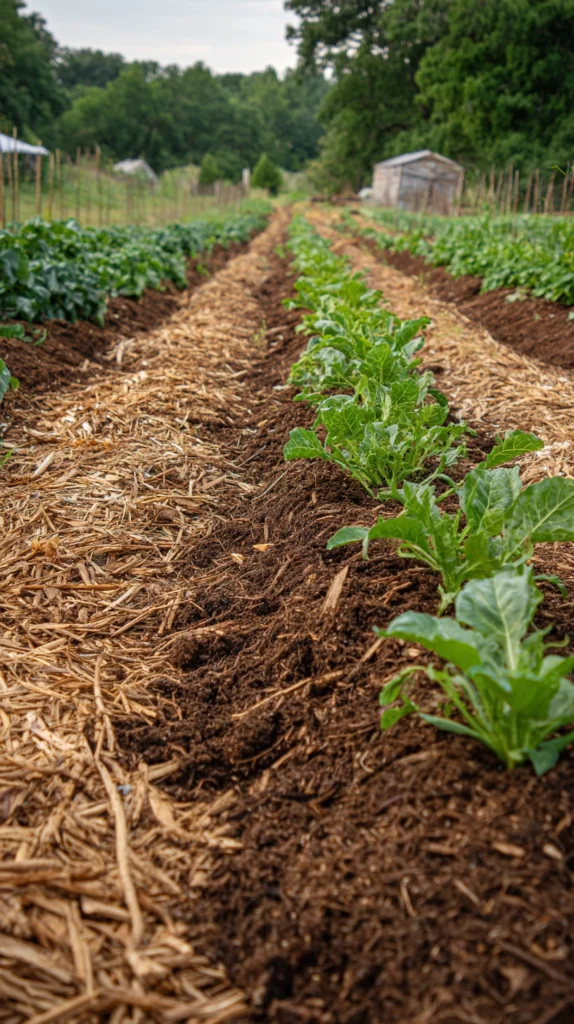
My soil was compacted clay that grew nothing but weeds. I couldn’t afford to bring in tons of compost. So I mulched the first year with free wood chips and grew them in raised beds.
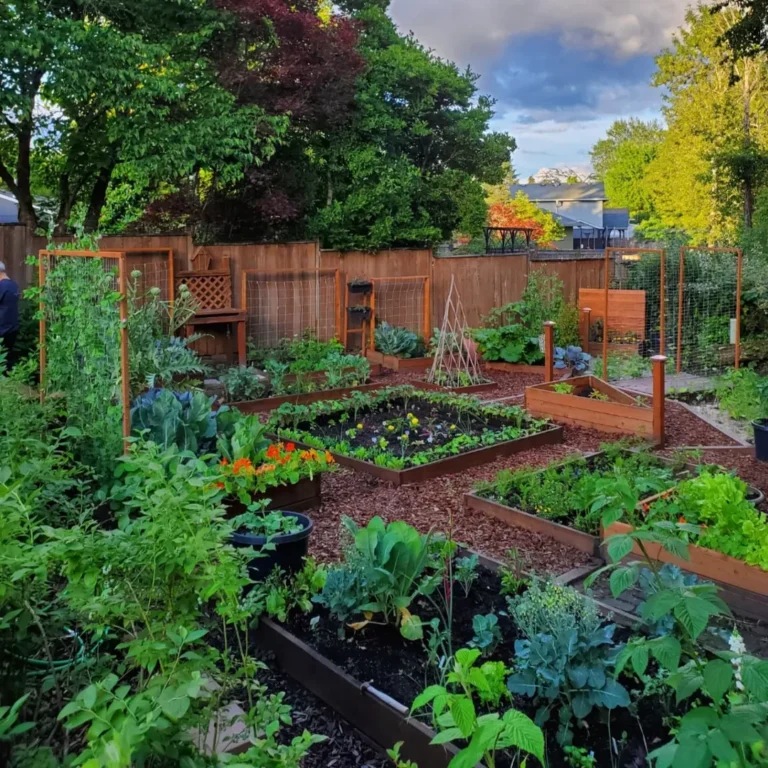
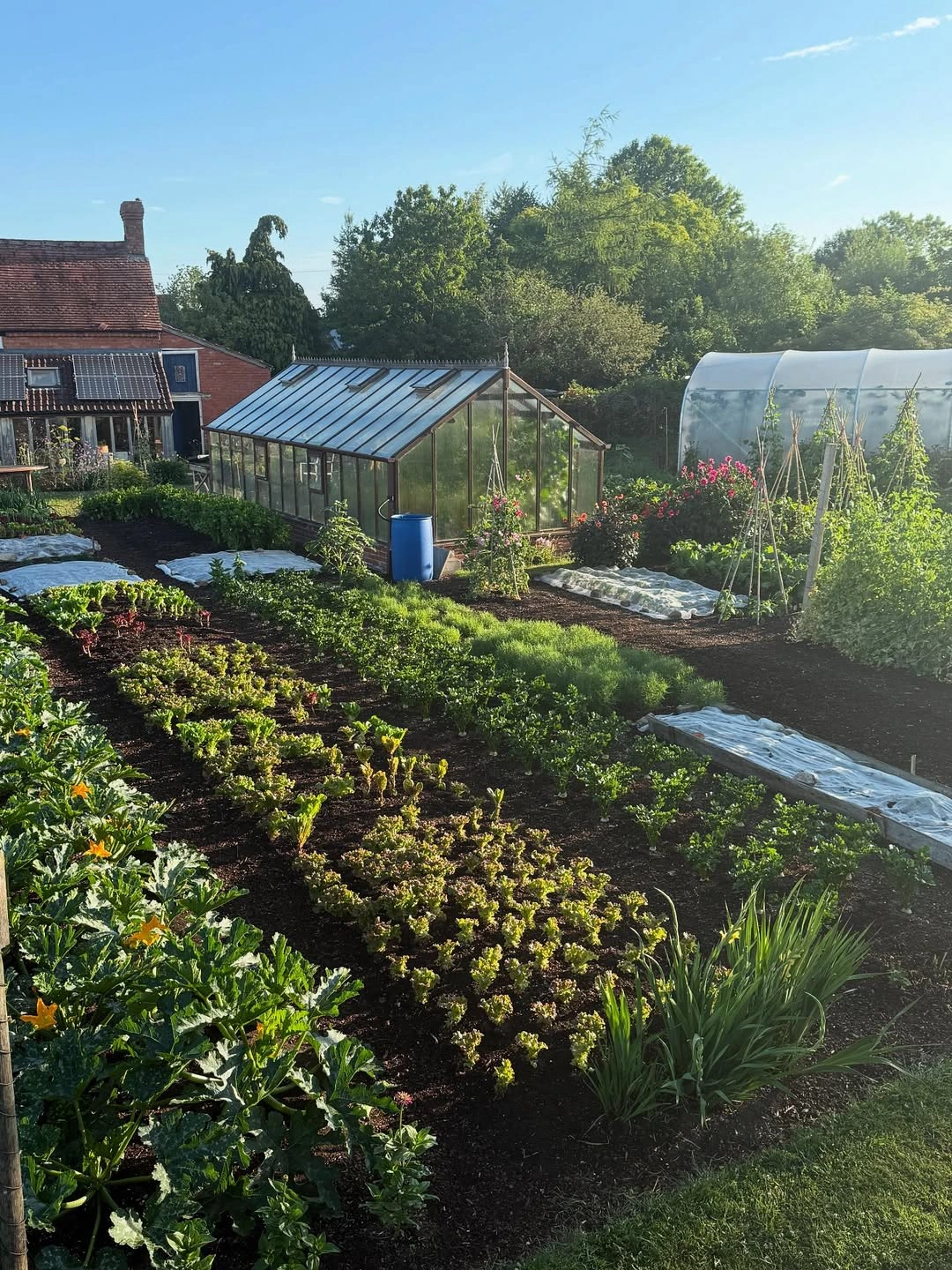
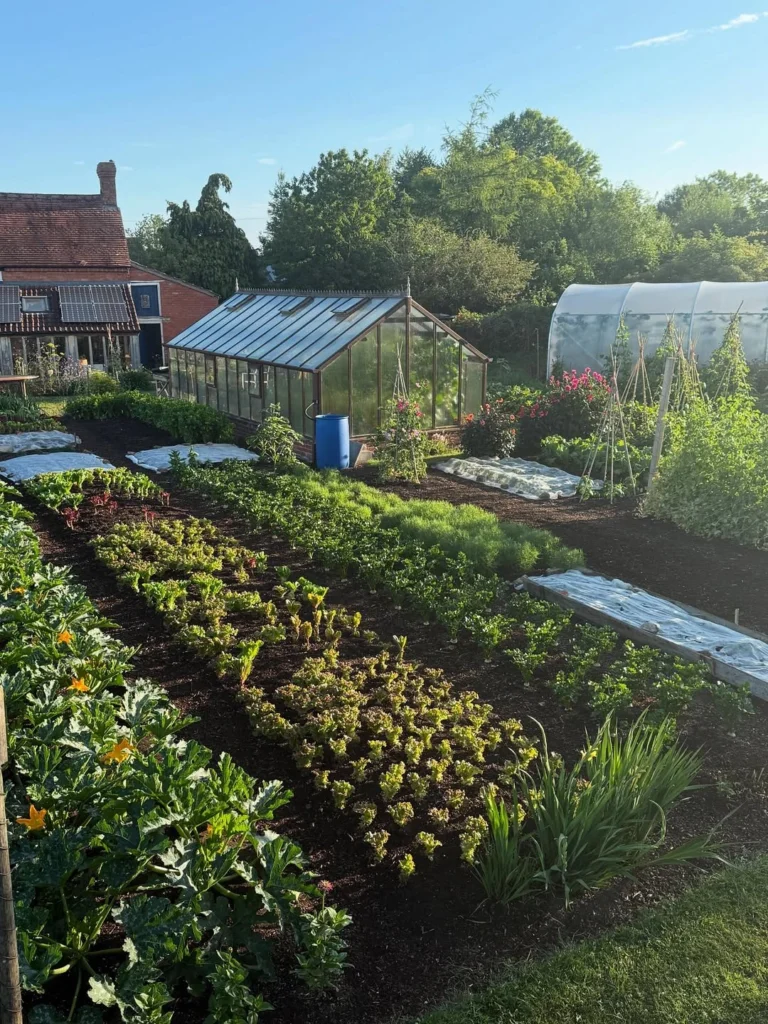
I built 30-inch wide raised beds with just soil mounded up. No wooden frames needed. The beds were 100 feet long and I could reach the middle from either side without stepping in.
I added compost and organic fertilizer to beds before planting. This gave crops good nutrition in the root zone. The areas between beds stayed as paths with wood chips for weed control.
The soil improved dramatically after one season. The wood chips broke down, worms moved in, and the clay started loosening up. Now in year three the soil is dark and rich.
My simple soil prep method:
- Cover whole area with cardboard (kills weeds)
- Put 3-4 inches of wood chips over cardboard
- Create raised beds by mounding soil 6 inches high
- Add compost and organic fertilizer to beds
- Plant crops in beds only
- Keep paths between beds mulched
This method cost me maybe $400 for compost and fertilizer. Wood chips were free from tree service companies. Way cheaper than hiring someone to till and amend the whole acre.
Tools You Actually Need (Skip The Rest)
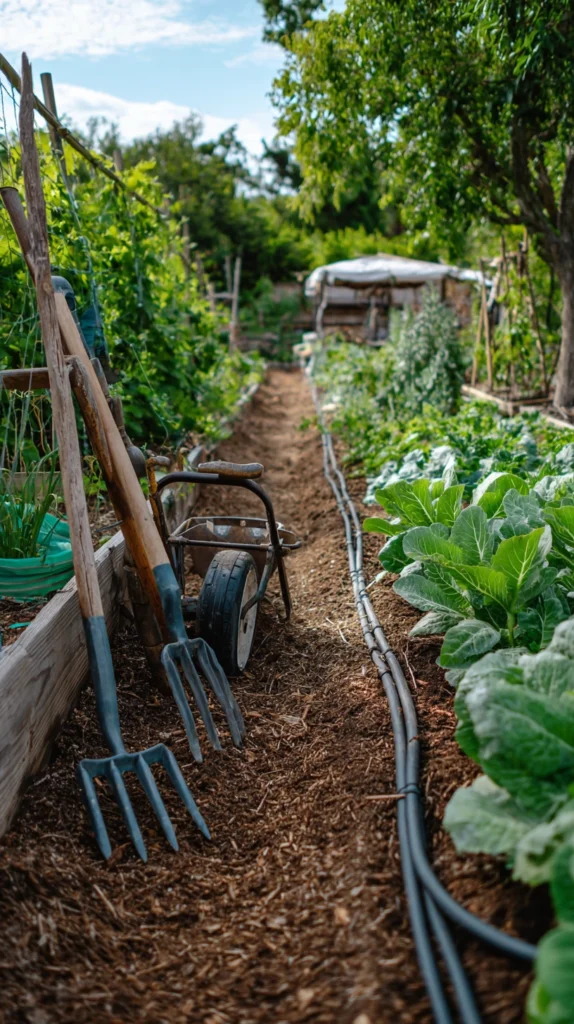
A good garden fork and spade are essential. I use these daily for bed prep and harvesting. Spent $60 on quality versions that haven’t broken yet after three years.
The wheel hoe saved my back and time. Pushes through soil to cut weeds just below the surface. Cost $200 but replaced hours of hand weeding. Best tool investment I made.
Drip irrigation was crucial. Hand watering one acre takes forever and wastes water. I spent $800 on a drip system that pays for itself in saved time and water costs.
Harvesting knives, scissors, and bins are necessary. I use harvest knives for cutting greens, pruners for tomatoes, and plastic bins for collecting produce. Maybe $100 total for good quality.
Essential tools for one acre:
| Tool | Cost | Why You Need It |
| Garden fork and spade | $60 | Daily bed prep and harvesting |
| Wheel hoe | $200 | Weed control without chemicals |
| Drip irrigation | $800 | Save time and water |
| Harvest knives/scissors | $40 | Clean cuts, professional harvest |
| Harvest bins | $60 | Transport crops without damage |
| Hoses and sprinklers | $100 | Backup watering system |
| Basic hand tools | $80 | Trowels, hoes, rakes |
I didn’t buy a tractor until year three. Spent $4,500 on a used one that actually works. Most beginning farmers waste money on cheap broken tractors. Wait until you can afford reliable equipment.
Getting Your First Customers Before You Plant
I made the mistake of planting everything then trying to find customers. Had hundreds of pounds with nowhere to sell it. Don’t do this.
Now I line up customers in winter before I plant anything. I talk to restaurants, recruit CSA members, and apply for farmers markets during off-season. Sales first, then plant.
I posted on Facebook and Instagram about starting a farm. Got my first 15 CSA members from social media before I even had vegetables. They paid upfront which funded spring planting.
I visited restaurants with sample vegetables from my home garden. Showed quality and asked what they needed. Three restaurants committed to weekly orders before my farm season even started.
How to get customers before harvest:
- Apply to farmers markets in January-February
- Recruit CSA members via social media in March
- Visit restaurants with samples in early spring
- Post regularly on Instagram showing farm progress
- Join local food groups and announce your farm
- Create simple website or Facebook page
Having 20 CSA members locked in before planting meant guaranteed income. I knew exactly how much to plant and had $10,000 coming in regardless of farmers market sales.
The Growing Calendar That Works
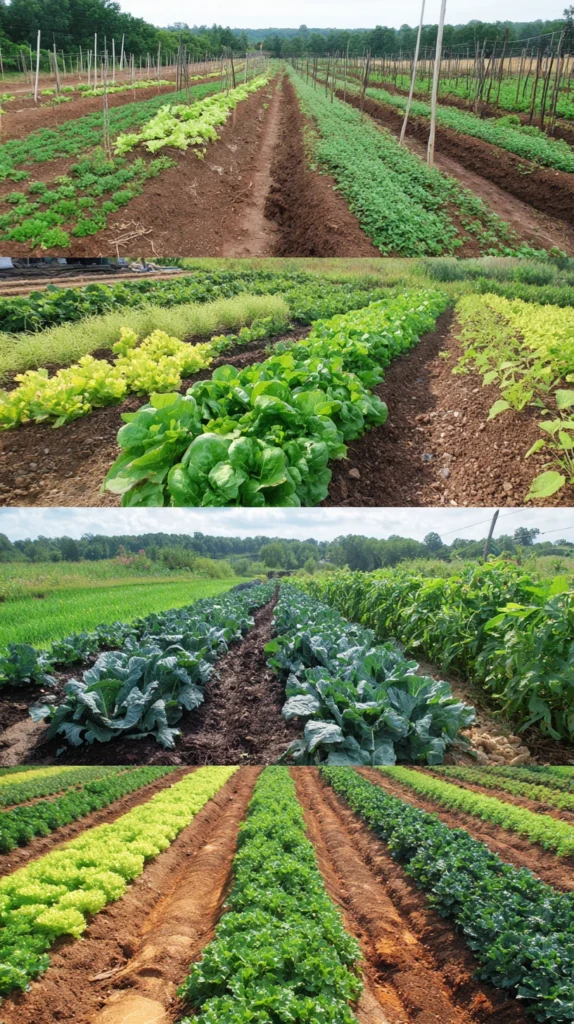
I plant cold-hardy crops in March here. Lettuce, spinach, peas, radishes. These handle frost and give me early income when other farmers don’t have fresh produce yet.
Main season crops go in after the last frost in May. Tomatoes, peppers, squash, beans. These are the money makers that produce from July through October. I focus 60% of space on these.
I do succession planting of quick crops. Plant lettuce every two weeks so I have fresh greens constantly instead of one big harvest then nothing. Same with radishes and beans.
Fall crops get planted in August. More greens, root vegetables, and cold-hardy stuff. This extends my season through November and fills the gap when summer crops slow down.
My planting schedule:
| Month | What to Plant | Why |
| March | Lettuce, spinach, peas, radishes | Early income, before competition |
| April | More greens, onions, potatoes | Extend early season |
| May | Tomatoes, peppers, squash, beans | Main money makers |
| June | Succession plantings, summer greens | Keep production steady |
| July | More beans, fall brassicas | Transition to fall |
| August | Fall greens, root vegetables | Extend season late |
Having something to sell from May through November meant income for 7 months instead of just the 3-month summer season. Extending the season makes way more money than just summer farming.
How I Actually Made $45,000 From One Acre
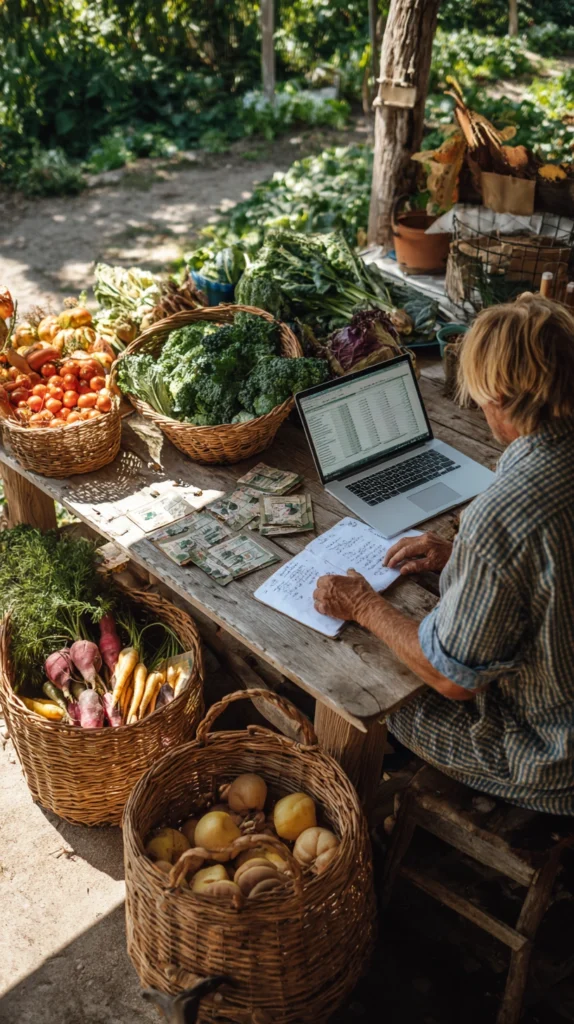
My revenue breakdown year three: $18,000 from farmers markets, $15,000 from CSA, $8,000 from restaurants, $4,000 from random farm stand sales. Total $45,000 gross revenue.
My expenses were about $12,000. Seeds, fertilizer, irrigation repairs, farmers market fees, packaging, fuel, misc. repairs. I track everything in a simple spreadsheet religiously.
Net profit after expenses: $33,000. Then I paid $4,500 in self-employment taxes. Left me with about $28,500 actual take-home income after taxes and expenses.
Not amazing money but I work 40-45 hours per week instead of 80 like year one. And I’m outside doing physical work I actually enjoy instead of dying in an office.
Year three financial breakdown:
| Item | Amount | Notes |
| Gross revenue | $45,000 | From all sales channels combined |
| Minus expenses | -$12,000 | Seeds, supplies, fees, repairs |
| Net farm profit | $33,000 | Before taxes |
| Minus self-employment tax | -$4,500 | Required for self-employed |
| Actual take-home | $28,500 | What I live on |
Some farmers make $80,000-100,000 per acre. They’re better at marketing, grow only high-value crops, and have systems dialed in. I’m still learning but improving every year.
The Weekly Schedule That Keeps Me Sane
Monday and Tuesday I harvest for Wednesday farmers market. Tuesday evening I pack the truck and prep everything. Wednesday morning I’m at the market from 6am-1pm.
Thursday I harvest for CSA boxes and restaurant deliveries. Pack boxes in the afternoon and deliver Friday morning. Fridays are short days, usually done by 2pm.
Saturday morning farmers market 7am-1pm. Saturday afternoon I rest because I’m exhausted. Sunday is my real day off unless there’s an emergency.
Monday-Wednesday-Saturday I’m selling. Tuesday-Thursday-Friday I’m harvesting and delivering. This rhythm works and keeps me from burning out like year one.
My actual weekly schedule:
| Day | Morning (6am-12pm) | Afternoon (12pm-6pm) |
| Monday | Field work, weeding | Harvest for Wednesday market |
| Tuesday | Finish harvest, pack truck | Prep and load for market |
| Wednesday | Farmers market | Return home, wash bins, rest |
| Thursday | Harvest CSA and restaurant orders | Pack CSA boxes |
| Friday | Deliver CSA and restaurants | Field work, planting, light tasks |
| Saturday | Farmers market | Rest and recover |
| Sunday | Day off | Day off (usually) |
I tried working seven days a week year one. Burned out hard by August. Now I protect Sundays and work smarter during the week. Sustainability matters more than maximum effort.
Marketing That Actually Gets Customers
I post on Instagram 3-4 times per week showing farm life. Behind-the-scenes stuff, harvest photos, pretty vegetable pictures. Built up 1,200 local followers who became customers.
Word of mouth is huge. Happy CSA members tell their friends. I give existing members $25 credit for each referral. This got me 12 new members last year for free.
I made professional signs for farmers markets. Clear pricing, farm name and logo, nice photos. Looks way better than handwritten cardboard. People trust professional presentations more.
I offer samples at markets. Cut up tomatoes, bring raw snap peas for tasting. Once people taste how good fresh vegetables are, they buy. Samples convert browsers to buyers.
Marketing methods that worked:
- Instagram showing farm life and harvests
- Customer referral bonuses ($25 credit)
- Professional printed signs and banners
- Free samples at markets
- Email newsletter to CSA members
- Recipes and cooking tips on social media
- Being friendly and knowledgeable at markets
I spent maybe $300 on marketing materials in total. Professional banner, printed signs, business cards. Small investment that makes me look legitimate and increases sales noticeably.
What I’d Do Differently Starting Over
I’d work on an established farm for one full season first. Learn from someone experienced instead of making every mistake myself. Would’ve saved me $3,000 in failures.
I’d start with only 10 crops instead of 40. Master growing a few things really well instead of growing many things poorly. Quality over variety for beginners.
I’d have all my sales channels lined up before planting anything. CSA members recruited, restaurant contacts made, market spots secured. Sales first, production second.
I’d invest more in soil from day one. Good soil makes everything easier. Healthy plants resist pests, produce more, and taste better. Soil is literally your foundation.
My startup plan if doing it again:
| Timeline | What I’d Do | Why |
| Year before | Work on farm for experience | Learn before spending my own money |
| Winter | Line up customers, secure land | Sales first, then plant |
| Early spring | Soil prep, infrastructure | Good foundation before planting |
| Spring | Plant only 10 proven crops | Master basics before expanding |
| Summer | Focus on quality and marketing | Build reputation |
| Fall | Evaluate and plan year two | Learn what worked and didn’t |
But honestly, jumping in and making mistakes taught me a ton. Some people study forever and never actually start. Sometimes you just have to do it and learn as you go.
The Hardest Parts Nobody Warns You About
The physical exhaustion is real. I’m sore most days even three years in. Farming is hard physical labor in heat, cold, and rain. It’s not romantic Instagram photos all day.
The financial uncertainty stressed me out constantly year one. Some weeks I made $1,500, other weeks $200. Inconsistent income is scary when you have bills to pay every month.
Weather destroys your plans regularly. Hail wiped out my tomatoes one year. Too much rain rotted my squash another year. You can’t control the weather and it will ruin stuff.
Being alone all day gets lonely. I’m outside by myself most of the time. Some people love solitude. I missed having coworkers to talk to. It’s isolating if you’re social.
Hardest parts of starting a farm:
- Physical exhaustion and body soreness
- Financial uncertainty and inconsistent income
- Weather ruining crops you worked hard on
- Loneliness and isolation working alone
- Equipment breaking at worst possible times
- Pests and diseases destroying plants
- Working weekends and holidays
The mental challenge is harder than physical. When crops fail or sales are slow, it’s emotionally draining. You question if you’re wasting your time. Self-doubt is constant year one.
When You’ll Actually Start Making Money
I lost $2,000 my first year after all expenses. Barely broke even year two. Didn’t make real profit until year three when systems were dialed in and I had repeat customers.
Most beginning farmers take 2-3 years to become profitable. Year one is learning and making mistakes. Year two is improving. Year three things finally click and you make money.
Don’t expect to quit your job and farm full-time immediately. I kept my job the first six months while getting the farm started. Transitioned slowly instead of jumping in blind.
Having 6-12 months of living expenses saved before starting is crucial. I had eight months saved which got me through the rough first season. Without savings I would’ve failed.
Realistic income timeline:
| Year | What Happened | Income Result |
| Year 1 | Learning, mistakes, building systems | Lost $2,000 |
| Year 2 | Improvements, repeat customers | Broke even |
| Year 3 | Systems working, good reputation | Made $28,500 |
| Year 4 | Expanding slightly, raising prices | Projected $35,000 |
Some people make money faster if they have prior experience or work with a mentor. But 2-3 years to profitability is normal. Don’t get discouraged when year one is rough.
Is Vegetable Farming Actually Worth It?
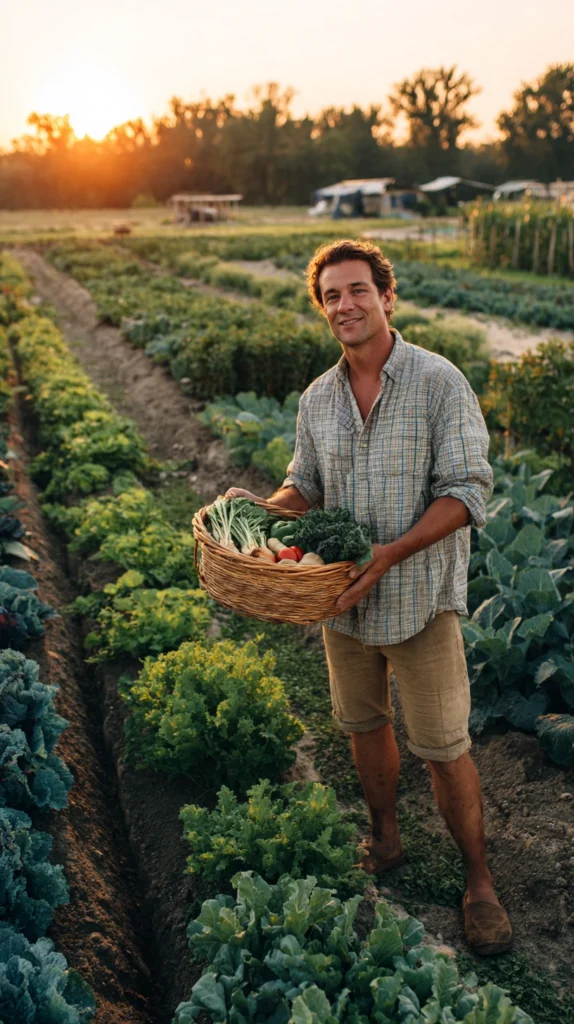
For me, yes. I make less money than my old office job but I’m way happier. I’m outside, building something real, and growing food people actually eat and appreciate.
The lifestyle suits me. I like physical work, being outside, and the seasonal rhythm. Not everyone would. If you hate getting dirty or working in extreme weather, farming isn’t for you.
You won’t get rich farming vegetables on one acre. But you can make a decent modest living if you’re smart about crop selection and marketing. It’s a viable small business.
Independence is worth a lot to me. I’m my own boss, make my own decisions, and succeed or fail based on my own work. No pointless meetings or office politics.
Who should consider vegetable farming:
- People who love physical outdoor work
- Those okay with modest income for lifestyle benefits
- Self-motivated people who work well alone
- People willing to work weekends and odd hours
- Those with some savings to survive startup phase
- People in areas with good farmers market culture
Who shouldn’t start a farm:
- People expecting to get rich quick
- Those who hate physical labor or weather extremes
- People who need stable consistent paychecks
- Anyone without at least $5,000 startup capital
- Those who give up when things get hard
I’d do it again knowing what I know now. The first year was brutal but it got better. Now I can’t imagine going back to office work. This is my life now.
Ready to Start Your Own Vegetable Farm?
Don’t quit your job tomorrow. Start small on weekends while keeping your income. Test if you actually like farming before betting everything on it.
Work on someone else’s farm first if possible. Learn from experienced farmers. Make mistakes with their crops, not yours. Get paid while learning instead of paying tuition.
Start with one quarter acre or even less. Prove you can grow quality vegetables and sell them before expanding. Small success beats large failure every time.
Line up customers before you plant seeds. Talk to restaurants, recruit CSA members, apply to markets. Sales first, production second. Don’t grow vegetables with nowhere to sell them.
Have realistic expectations about income and timeline. You probably won’t make money in year one. Plan for 2-3 years to profitability. Save money before starting to survive the learning phase.
The farming life isn’t for everyone. But if you love being outside, growing things, and building something with your hands, it might be perfect for you. Just go in with open eyes.
Now go visit some local farms, talk to farmers, and get your hands dirty before investing thousands. Learn if this is actually what you want before betting your life on it!
Quick Summary:
- Start with 1 acre maximum as beginner
- Budget $5,000-$8,000 minimum for startup costs
- Focus on 10 high-value specialty crops, not 40 varieties
- Line up customers (CSA, markets, restaurants) before planting
- Expect 2-3 years before real profitability
- Sales channels: farmers markets (highest profit), CSA (stable income), restaurants (consistent orders)
- Best crops: cherry tomatoes, salad greens, specialty items, fresh herbs
- Essential tools: wheel hoe, drip irrigation, harvest supplies, basic hand tools
- Skip the tractor year one, use hand tools
- Work on established farm first if possible for experience
- Extend season (March-November) for more income months
- Post on social media regularly for customer building
- Protect one full day off per week or burn out
- Physical and mental challenges are real
- Income year 3: $28,500-$35,000 realistic on one acre
- Not get-rich-quick, but viable modest living for right person