Taming the Slope: Landscaping Ideas for a Steep Hill
My backyard slopes 12 feet over 30 feet. For three years it was a muddy, eroding mess that I couldn’t use for anything.
Every heavy rain: Mud washed down into my patio, killing grass and creating gullies. I spent hundreds on grass seed that just washed away.
Then I learned slopes need completely different landscaping than flat yards. Fighting the hill doesn’t work. You have to work with it.
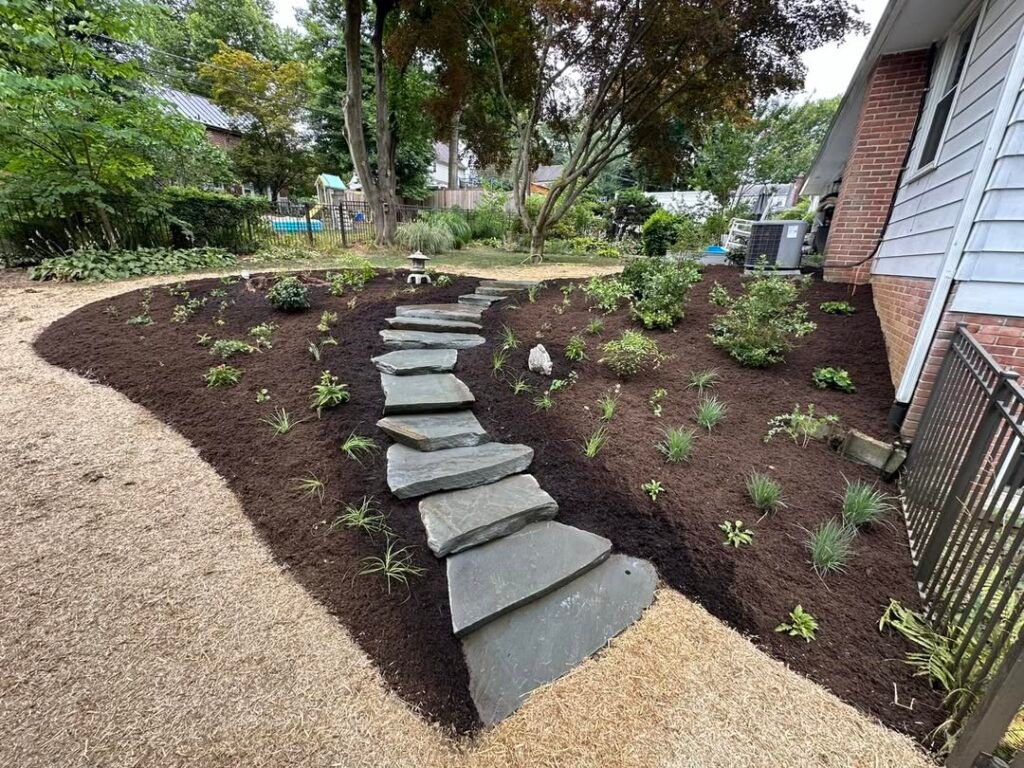
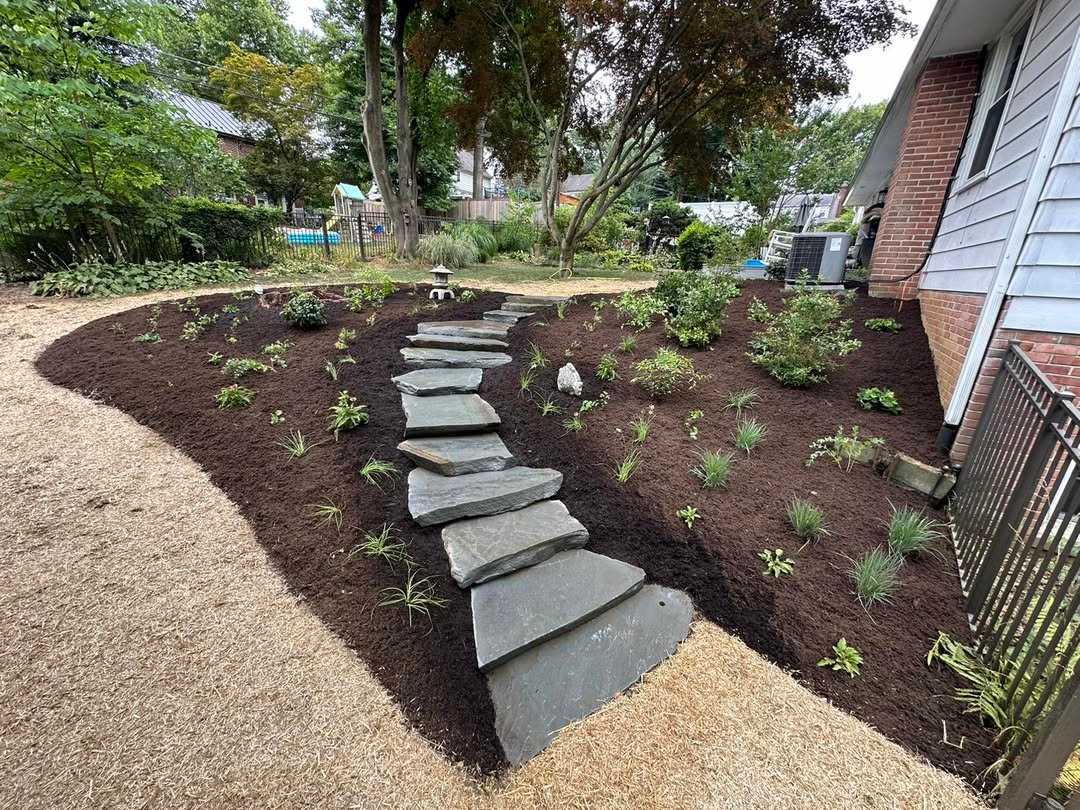
Now my slope is terraced with stone walls, planted beds, and usable flat spaces. Zero erosion, beautiful landscaping, and I actually use the space.
Let me show you what actually works for steep slopes.
Why My First Attempts All Failed
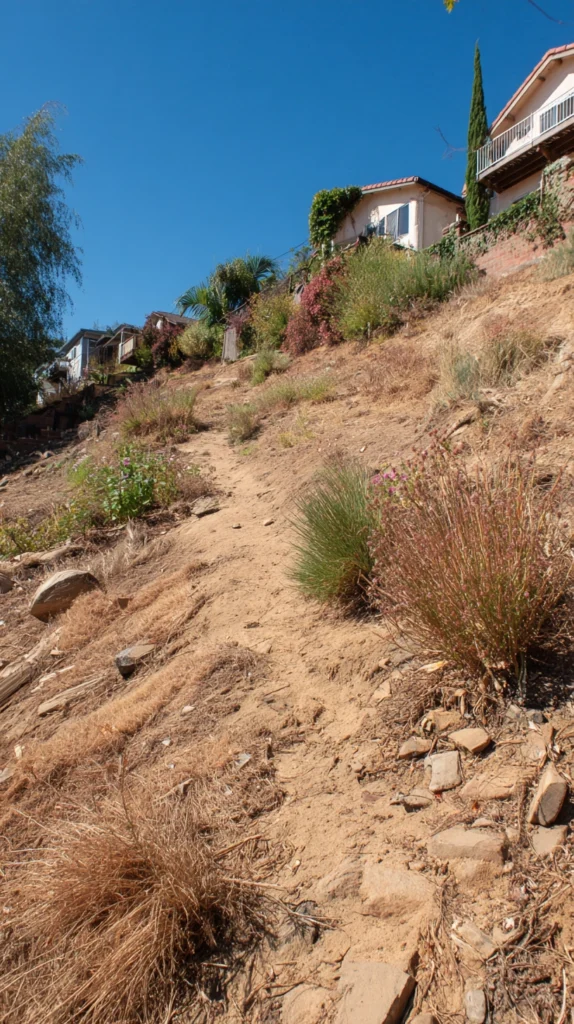
Three disasters before I figured it out:
Disaster 1: Grass Everywhere
I tried planting grass seed. Five times. Every time, rain washed it down the hill before it could establish.
Cost: $300 in wasted seed Result: Bare dirt and frustration
Disaster 2: Mulch Sliding
Put down 3 inches of mulch thinking it would prevent erosion. First rain, all the mulch slid to the bottom in a big pile.
Cost: $200 in mulch Result: Huge mess to clean up
Disaster 3: Random Plantings
Planted shrubs randomly on the slope. Half died from water rushing past them (too dry at top, waterlogged at bottom).
Cost: $180 in dead plants Result: Still eroding, now with dead plants in it
What I learned: You can’t treat a slope like flat ground. Need structures to slow water and create level planting areas.
Understanding Your Slope First
Before spending money, measure your slope angle.
How to Measure Slope
My simple method:
- Measure horizontal distance (30 feet for me)
- Measure vertical drop (12 feet for me)
- Calculate: Rise ÷ Run = Slope
My calculation: 12 ÷ 30 = 0.40 = 40% slope
What slope percentages mean:
| Slope % | Angle | Difficulty | Best Solutions |
| 0-10% | Gentle | Easy | Grass, simple beds |
| 10-25% | Moderate | Medium | Ground covers, terracing |
| 25-40% | Steep | Hard | Terraces, retaining walls |
| 40%+ | Very steep | Very hard | Professional help needed |
My 40% slope is steep. Grass won’t work, terracing is required.
Sun and Water Patterns
Walk your slope and observe:
Which direction does it face?
- South-facing: Hot and dry (my situation)
- North-facing: Cool and shady
- East/West: Mixed conditions
Where does water flow?
- Watch during rain
- Mark channels where water runs
- Note wet and dry spots
My slope: South-facing, water rushes straight down creating gullies. Hot and dry at top, soggy at bottom.
This information determines what solutions work for your specific slope.
Terraced Retaining Walls (What Saved My Slope)
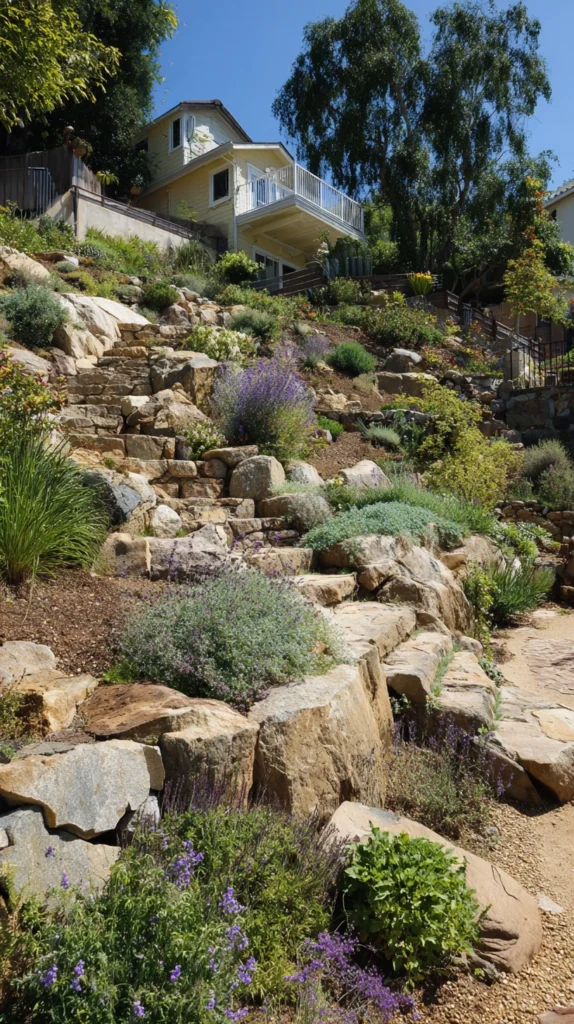
Creating flat areas with stone walls was the game-changer for me.
What terracing does:
- Stops erosion completely
- Creates usable flat spaces
- Holds water for plants
- Looks intentional and beautiful
My Three-Tier System
I built three terraces at different heights:
Top terrace (4 feet tall wall):
- 8 feet deep flat area
- Drought-tolerant plants
- Stone wall holds back slope
Middle terrace (4 feet tall wall):
- 8 feet deep flat area
- Mixed sun/shade plants
- Catches water from above
Bottom terrace (3 feet tall wall):
- 6 feet deep flat area
- Water-loving plants
- Catches everything
Total flat space created: 176 square feet (was zero before)
Building Retaining Walls
I hired someone for this. Retaining walls over 3 feet require:
- Engineering (soil pressure is serious)
- Proper drainage behind wall
- Strong foundation
- Experience to build safely
Cost for my three walls: $4,500 Worth it? Absolutely. Solved erosion permanently and created usable space.
DIY option: Walls under 2 feet can be DIY with:
- Retaining wall blocks
- Gravel drainage behind
- Level base
- Proper technique
I built one 2-foot wall myself as a test. Took a weekend, cost $300 in blocks. Worked great for the small slope section.
Terrace Wall Materials
What’s available:
Natural stone ($$$):
- Most expensive
- Most beautiful
- Lasts forever
- Professional installation recommended
Retaining wall blocks ($$):
- Medium cost
- Easy to install
- Many styles available
- DIY-friendly for short walls
Landscape timbers ($):
- Cheapest option
- Rot over time (5-10 years)
- Good for temporary solutions
- Easy DIY
Poured concrete ($$$$):
- Most permanent
- Requires professionals
- Works for any height
- Can be decorative
I used retaining wall blocks. Good balance of cost, durability, and appearance.
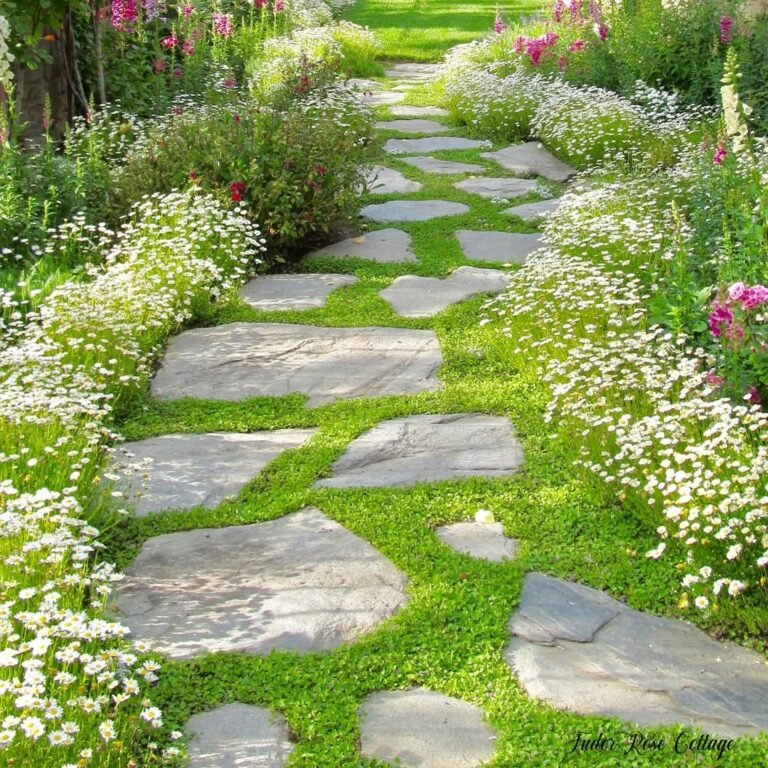
Ground Cover Plants (Low-Maintenance Slope Solution)
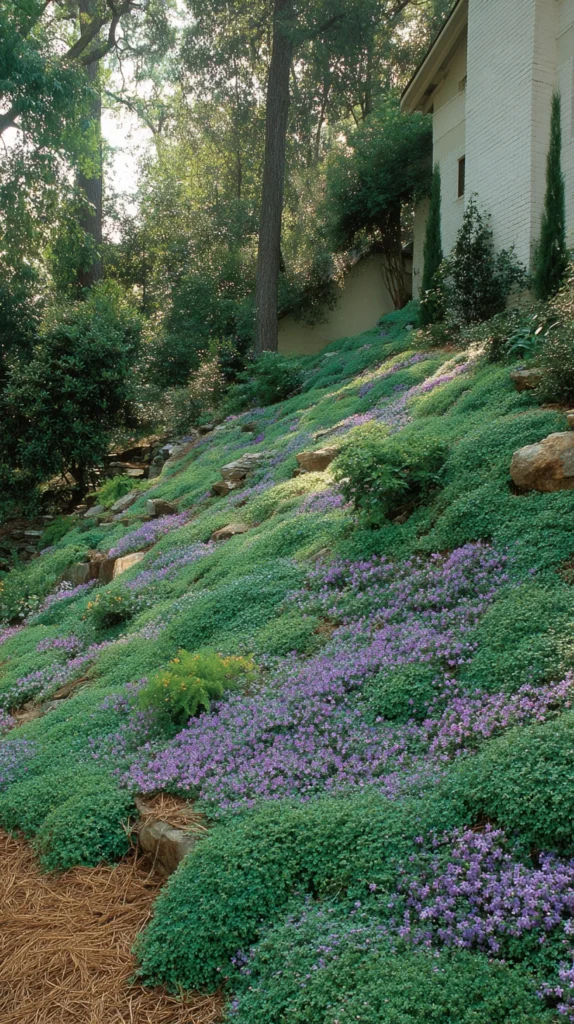
Instead of grass, plant low-growing spreaders. They hold soil without mowing.
My ground cover success:
What I Planted
Creeping juniper (top of slope):
- Drought tolerant
- Spreads fast
- Deep roots hold soil
- Never needs mowing
Creeping phlox (middle slope):
- Spring flowers (purple carpet)
- Evergreen foliage
- Fills in completely
- Looks beautiful
Vinca minor (bottom slope):
- Tolerates shade
- Purple flowers
- Aggressive spreader
- Chokes out weeds
Total cost: $240 for 50 plants Coverage: Full coverage in 2 years Maintenance: Basically zero
Planting on a Slope
How I kept plants from washing away:
Step 1: Dig level pocket into slope
- Create flat spot for each plant
- Minimum 12 inches wide
- Catch water naturally
Step 2: Plant with biodegradable jute fabric
- Staple fabric above plant
- Covers slope temporarily
- Holds soil while plants establish
- Decomposes after 2 years
Step 3: Mulch heavily
- 3-4 inches around each plant
- Use shredded bark (stays better than chunks)
- Refresh yearly
This method worked. No plants washed away, all survived and spread.
Best Ground Covers by Condition
Full sun slopes:
- Ice plant (colorful flowers)
- Sedum (succulent, drought-proof)
- Creeping juniper (evergreen)
- Creeping thyme (fragrant, walkable)
Shade slopes:
- Vinca minor (aggressive)
- Pachysandra (classic choice)
- Ajuga (purple flowers)
- Liriope (grass-like)
My mix: 30% creeping juniper, 40% phlox, 30% vinca. Creates texture and color variety.
Terraced Garden Beds (Growing Food on Slopes)
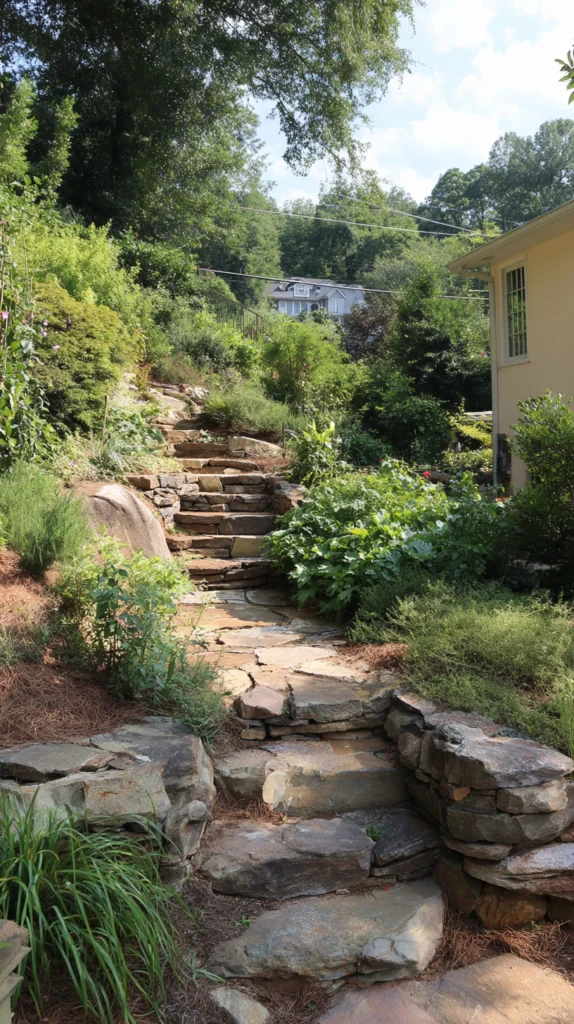
I turned part of my slope into productive terraced vegetable beds.
Layout:
Four terraces stepping down hill:
- Each 3 feet wide, 12 feet long
- 2 feet tall retaining walls
- 3-foot path between each
- Steps connecting levels
What this created:
- 144 square feet of flat growing space
- Good drainage (water moves down)
- Easy access via paths
- Beautiful stair-step appearance
Building Terraced Beds
Materials per terrace:
- Retaining wall blocks: $120
- Soil to fill: $40
- Gravel for drainage: $15
- Total per bed: $175
Construction:
- Mark level line on slope
- Dig into slope to create flat area
- Build retaining wall at front edge
- Install drainage gravel behind wall
- Fill with quality soil
- Repeat down the hill
My four beds cost: $700 total Time to build: Two weekends
Yields: Tomatoes, peppers, herbs, greens all summer. Worth every penny.
What Grows Well on Slopes
Top terrace (dry and hot):
- Tomatoes (love heat and drainage)
- Peppers (same)
- Herbs (Mediterranean types)
Middle terraces:
- Beans, squash
- Root vegetables
- General vegetables
Bottom terrace (more moisture):
- Lettuce and greens
- Cabbage family
- Water-loving crops
The drainage is actually perfect for vegetables. Never waterlogged, never too dry.
Switchback Path System (Making Slopes Accessible)
Straight up-and-down paths erode badly. Switchback paths work better.
What I built:
Zigzag path from bottom to top:
- Each section at gentle angle
- Switch direction every 15 feet
- Much easier to walk
- Prevents water erosion
Materials:
- Landscape timbers for edges
- Gravel for path surface
- Landscape fabric underneath
Cost: $300 for materials Time: One weekend
Path specs:
- 3 feet wide
- 6-inch gravel depth
- Edged with 6×6 timbers
This path solved two problems:
- Easy access to all slope areas
- Water diverted away from straight channels
Path Construction
How I built it:
- Mark path route with stakes and string
- Dig out path 8 inches deep
- Install landscape fabric
- Edge with timbers (secured with rebar)
- Fill with gravel
- Tamp firmly
The zigzag pattern slows water naturally. Each turn has a water bar that diverts water to planted areas instead of down the path.
Rock Gardens (Natural Slope Solution)
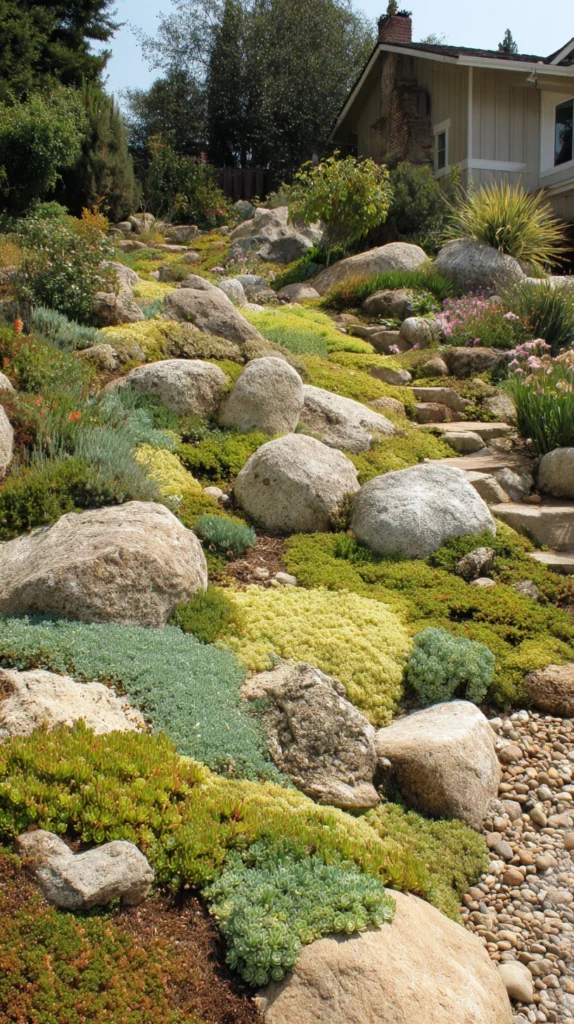
Large boulders scattered on slopes create natural-looking terraces.
What rocks do:
- Create mini-terraces above them
- Slow water flow
- Hold soil in place
- Look beautiful and natural
My Rock Garden Design
Placed 8 large boulders on slope:
- Each 2-4 feet diameter
- Positioned to break up water flow
- Planted around with alpine plants
- Created Japanese garden aesthetic
Boulder costs:
- Delivered by landscaping company
- $400 for 8 boulders (including delivery)
- Crane placed them (couldn’t move manually)
Plants between rocks:
- Sedums and sempervivums
- Ornamental grasses
- Small conifers
- Creeping thyme
Result: Natural-looking, low-maintenance, erosion-proof section of slope.
DIY Rock Placement
For smaller rocks you can move:
Rules for natural appearance:
- Bury 1/3 of rock in ground
- Group odd numbers (3, 5, 7)
- Vary sizes
- Angle rocks slightly into slope
Avoid:
- Bowling ball arrangement (all same size)
- Straight lines
- Rocks just sitting on surface
- Even spacing
I watched three YouTube videos on Japanese rock placement before starting. Made a huge difference in final appearance.
Erosion Control Fabric and Jute Netting
Temporary solutions while plants establish.
What I used:
Jute Erosion Control Netting
Biodegradable mesh that holds soil:
- Staple to slope with landscape pins
- Plant through it
- Lasts 2-3 years
- Decomposes naturally
Cost: $80 for 300 square feet Installation: One afternoon
My results: Held soil perfectly while ground cover plants established. After 2 years, netting was mostly decomposed and plants had taken over.
Where I Used It
Steepest sections where nothing else was working:
- Too steep for terracing
- Between rock features
- While waiting for plants to fill in
Combined with plants: Netting bought time for roots to develop and hold soil naturally.
Drainage Solutions (Critical for Slopes)
Water management is everything on slopes.
French Drains
I installed French drains to control water flow.
What they do:
- Collect water from uphill
- Channel it safely away
- Prevent erosion channels
- Reduce waterlogging at bottom
My system:
Two French drains running across slope:
- Each 30 feet long
- Perforated pipe in gravel-filled trench
- Wrapped in landscape fabric
- Diverts water to safe areas
Cost: $400 for both drains Impact: Eliminated erosion channels that had developed
Swales (Earth Berms)
Shallow ditches that capture water:
I built three swales across slope:
- Dug on contour (level across slope)
- Berm on downhill side
- Plants in swale bottom
- Water soaks in instead of running off
Benefits:
- Slow water flow
- Direct water to plants
- Free to build (just digging)
- Reduce erosion
My swales are planted with:
- Water-loving shrubs
- Flowering perennials
- Everything thrives with extra water
Slope Stabilization with Deep-Rooted Plants
Strategic planting prevents erosion long-term.
I planted deep-rooted shrubs and trees:
Shrubs That Hold Slopes
What I planted:
Sumac (top of slope):
- Roots 10+ feet deep
- Spreads via suckers
- Holds soil aggressively
- Fall color bonus
Forsythia (mid-slope):
- Dense root system
- Fast growing
- Spring flowers
- Tough as nails
Spirea (various locations):
- Fibrous roots
- Forms colonies
- Pretty flowers
- Low maintenance
Total investment: $180 for 12 shrubs Erosion reduction: Noticeable within one year as roots established
Trees for Slope Stability
Planted three trees strategically:
Willow (bottom slope):
- Loves water
- Extensive root system
- Fast growing
- Handles wet conditions
Dogwood (mid-slope):
- Medium roots
- Shade for under-plants
- Beautiful flowers
- Native
Pine (top slope):
- Deep taproot
- Drought tolerant
- Year-round color
- Windbreak
These trees anchor major sections of slope with root systems. Combined with ground covers and terraces, the slope is now completely stable.
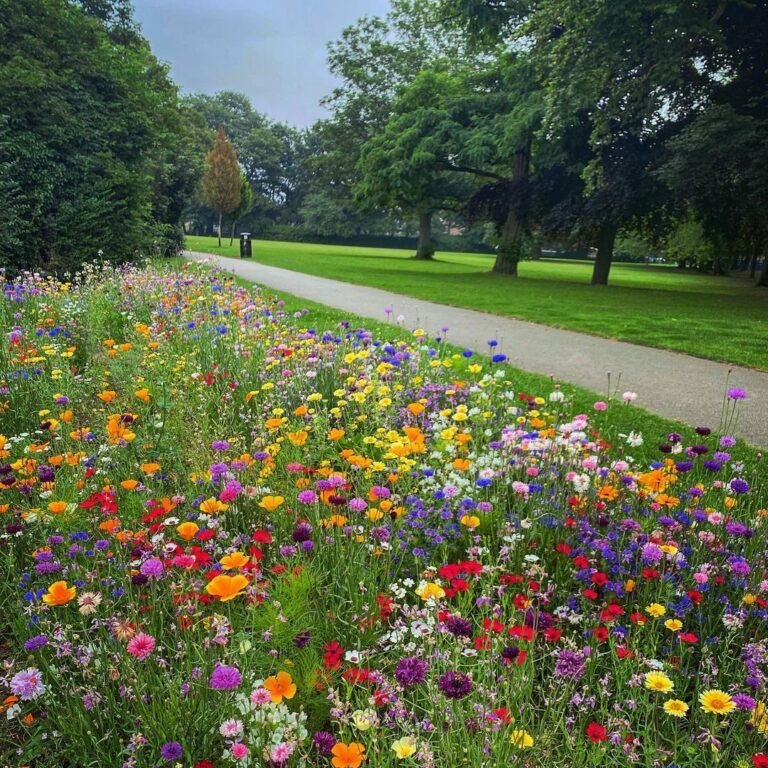
Low-Maintenance Wildflower Meadow
For sections I didn’t want to intensively landscape.
What I did:
Seeded 400 square feet with native wildflower mix:
- Spring-blooming natives
- Drought-tolerant varieties
- Mixed heights and colors
- No mowing needed
Prep:
- Rough up slope surface
- Broadcast seed
- Covered with thin layer of compost
- Watered for 3 weeks
Cost: $60 for seed Maintenance: Basically zero
Result: Beautiful natural-looking meadow that holds soil, supports pollinators, and needs no care.
Wildflower Slope Success Tips
What worked for me:
Choose native mixes:
- Adapted to local conditions
- Better survival rate
- Support local wildlife
- Lower maintenance
Plant in fall:
- Seeds overwinter naturally
- Spring rains help establishment
- Better success than spring planting
Accept some bare spots:
- Completely normal first year
- Plants fill in year 2-3
- Looks more natural anyway
Don’t mow until after bloom:
- Let seeds set
- Self-seeding for next year
- Only mow once in late fall
My wildflower section costs almost nothing and looks better than expensive landscaping.
Deck or Platform on Slope (Creating Flat Space)
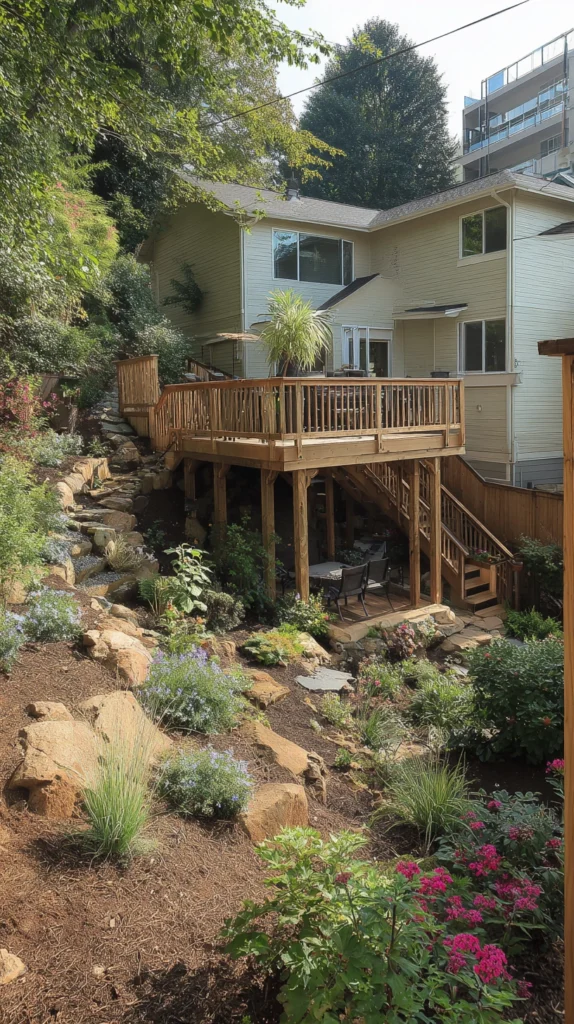
Building out from the slope creates a usable area.
My neighbor built a deck on their steep slope:
Elevated deck design:
- 12×16 feet deck
- Posts set into hillside
- Level entertaining space
- Storage underneath
Cost: $3,500 (they DIY’d it) Benefit: Usable outdoor living space on previously unusable slope
Under-deck area used for:
- Storage shed
- Potting bench
- Garden tool organization
This is cheaper than terracing for creating one large flat area and adds outdoor living space.
Professional vs DIY Solutions
What I hired out vs what I did myself:
Hired Professionals For:
Retaining walls over 3 feet:
- Safety critical
- Need proper engineering
- Require heavy equipment
- Cost: $4,500
Boulder placement:
- Needed crane
- Too heavy to move myself
- Professional eye for placement
- Cost: $400
French drain installation:
- Wanted it done right
- Needed proper grading
- Perforated pipe expertise
- Cost: $400
Total professional costs: $5,300
DIY Projects:
Terraced garden beds:
- 2-foot walls manageable
- Used retaining blocks
- Weekend project
- Saved $1,500
Ground cover planting:
- Simple but labor-intensive
- Just digging and planting
- Saved all labor costs
- Saved $800
Path construction:
- Basic gravel path
- No special skills needed
- Just time and muscle
- Saved $600
Wildflower seeding:
- Easiest project
- Just spreading seed
- Zero skill required
- Saved $300
Total DIY savings: $3,200
My approach: Hire for structural/safety-critical work, DIY for labor-intensive projects.
What My Slope Costs Broke Down To
Complete transformation over 2 years:
Year 1 (major work):
- Three retaining walls: $4,500
- Terraced garden beds: $700
- Ground cover plants: $240
- Boulders: $400
- Wildflower seed: $60
- Year 1 total: $5,900
Year 2 (finishing touches):
- Switchback path: $300
- Shrubs and trees: $180
- Jute netting: $80
- Additional plants: $120
- Year 2 total: $680
Grand total: $6,580
What I got:
- Zero erosion (was losing 6 inches topsoil yearly)
- 320 square feet usable flat space (was zero)
- Beautiful landscaping (was ugly mess)
- Productive garden beds
- Increased home value (estimated $15,000+)
Is it worth it? Absolutely. Solved major problems and created beautiful functional space.
Maintenance After Installation
Slopes need less maintenance than I expected once established.
Monthly tasks:
- Check for new erosion spots
- Trim ground covers if overgrown
- Weed terrace beds
- Time: 2-3 hours
Seasonal tasks:
- Refresh mulch in spring
- Prune shrubs as needed
- Reseed any bare wildflower spots
- Check drainage after heavy rain
Year 2 maintenance was 75% less than year 1. Plants established, systems working, minimal intervention needed.
Compare to pre-landscaping:
- Constant erosion damage repair
- Reseeding grass that washed away
- Mud cleanup after every rain
- Endless frustration
Now it basically runs itself.
Biggest Mistakes to Avoid
Learn from my expensive errors:
Mistake 1: Trying to Grass It
Wasted $300 and countless hours before accepting grass won’t work on steep slopes.
Fix: Use ground covers instead.
Mistake 2: Building Without Drainage
My first small wall failed after 6 months because water pressure built up behind it with no drainage.
Fix: Always include gravel drainage behind walls.
Mistake 3: Planting Wrong Zones
Put drought-lovers at bottom (too wet, died) and water-lovers at top (too dry, died).
Fix: Match plants to slope conditions.
Mistake 4: Underestimating Water Force
Thought small measures would work. Heavy rain proved me wrong repeatedly.
Fix: Overengineer water management systems.
Mistake 5: Impatience
Wanted instant results, spent extra on large plants that couldn’t establish on slope.
Fix: Use smaller plants, be patient, let roots develop.
Starting Your Slope Transformation
Don’t try to do everything at once like I did.
Year 1 priorities:
Focus on erosion control:
- Install critical retaining walls
- Plant ground covers
- Add drainage where needed
Year 2:
- Create usable spaces (terraces, paths)
- Add decorative elements
- Fine-tune planting
Year 3:
- Finishing touches
- Expand successful areas
- Maintain and enjoy
My mistake: I tried to do everything the first year, burned out, ran out of money.
Better approach: Solve problems first (erosion, drainage), beautify second (decorative planting, extra features).
Worth the Investment?
My slope transformation:
Problems solved:
- Erosion eliminated completely
- Usable space created
- Beauty instead of eyesore
- Lower maintenance long-term
Added value:
- Home appraisal increased $15,000
- Better curb appeal
- Functional outdoor space
- Productive garden area
Cost: $6,580 over 2 years
Return on investment: Home value alone paid for it twice over.
Beyond money:
- Actually use my backyard now
- Proud of property instead of embarrassed
- Neighbors compliment it
- Kids play on terraces safely
Would I do it again? In a heartbeat. Wish I’d started sooner instead of fighting the slope for three years.
Slopes are challenges but also opportunities to create something unique and beautiful that flat yards can’t match.
Now go measure your slope and start planning your transformation!
Quick Summary:
First steps:
- Measure slope percentage
- Note sun/shade patterns
- Observe water flow during rain
- Determine if DIY or professional needed
Best solutions by slope steepness:
Gentle (0-10%): Grass or simple ground covers
Moderate (10-25%): Ground covers, low terraces, rock gardens
Steep (25-40%): Retaining walls, terraces, professional help
Very steep (40%+): Professional engineering required
Most effective solutions:
- Terraced retaining walls (stops erosion, creates flat space)
- Ground cover plants (low maintenance, soil-holding)
- Strategic drainage (French drains, swales)
- Deep-rooted plants (long-term stabilization)
Budget options:
- Jute netting: $80 (temporary while plants establish)
- Wildflower meadow: $60 (natural look, zero maintenance)
- Ground covers: $240 (permanent solution)
- DIY small terraces: $300 (retaining blocks, 2-foot walls)
Professional required for:
- Walls over 3 feet tall
- Boulder placement (heavy equipment)
- Complex drainage systems
- Structural engineering
DIY-friendly projects:
- Ground cover planting
- Small retaining walls (under 2 feet)
- Gravel paths
- Wildflower seeding
- Mulching
Timeline expectations:
- Year 1: Major structural work, erosion control
- Year 2: Ground covers establish, add features
- Year 3: Fully mature, low maintenance
Realistic costs:
- Small slope (simple solutions): $500-1,500
- Medium slope (terracing needed): $3,000-7,000
- Large/steep slope (major work): $8,000-15,000+
Maintenance after establishment:
- Monthly: 2-3 hours checking and trimming
- Yearly: Mulch refresh, prune shrubs
- Much less work than fighting erosion
Avoid these mistakes:
- Trying to grass steep slopes (won’t work)
- No drainage behind walls (will fail)
- Fighting slope instead of working with it
- Doing everything at once (burnout)
- Skipping professional help on tall walls