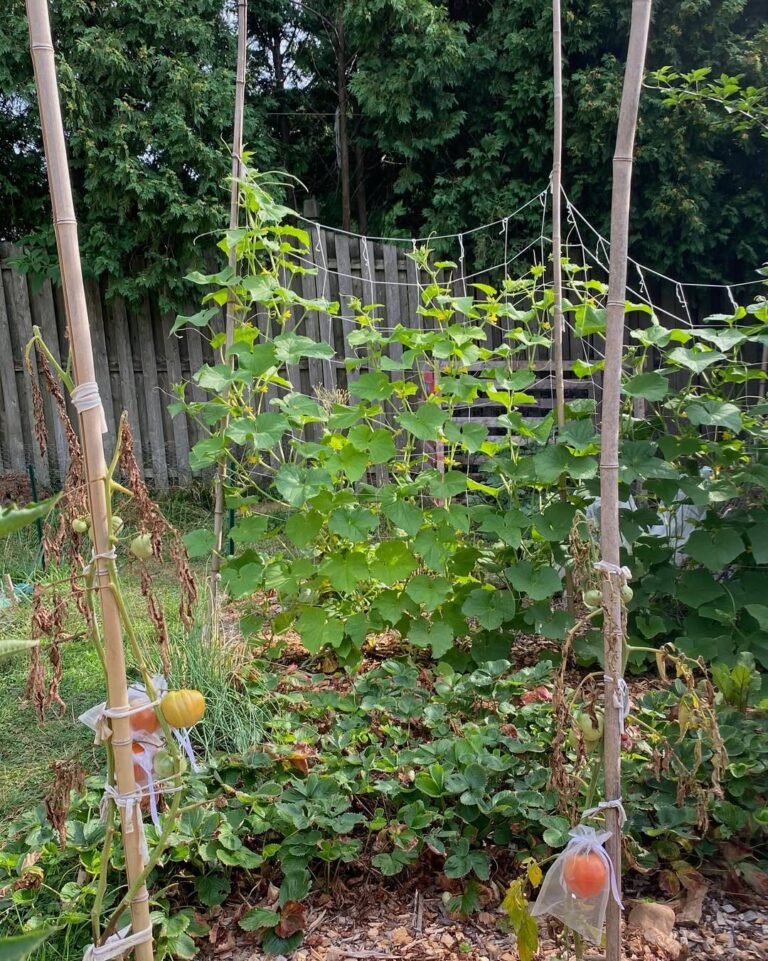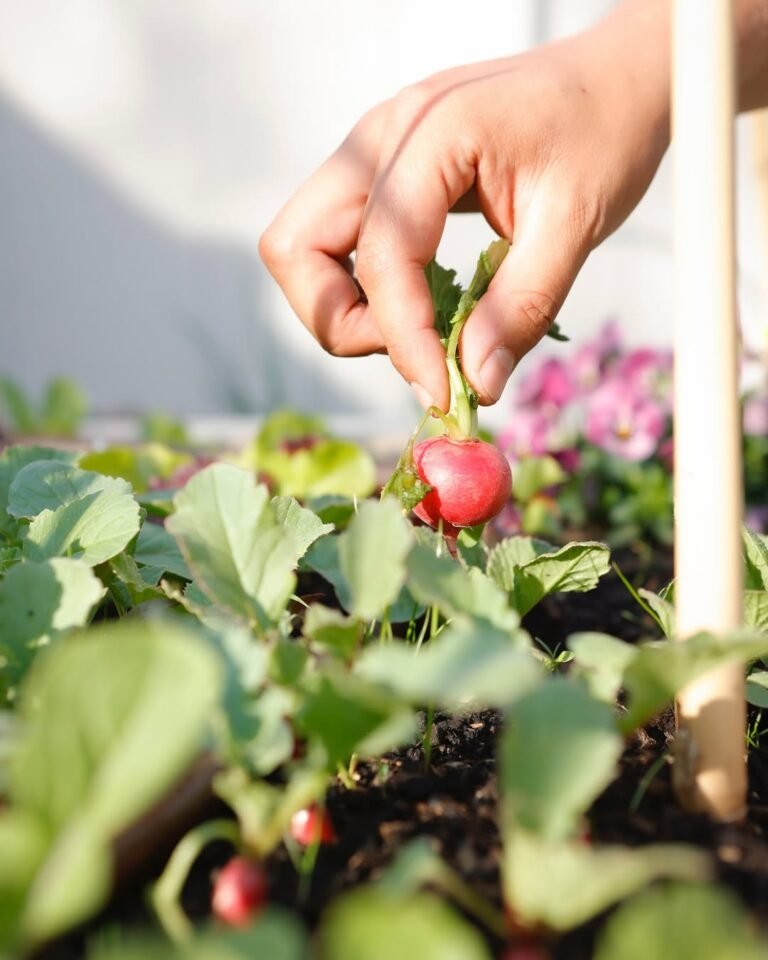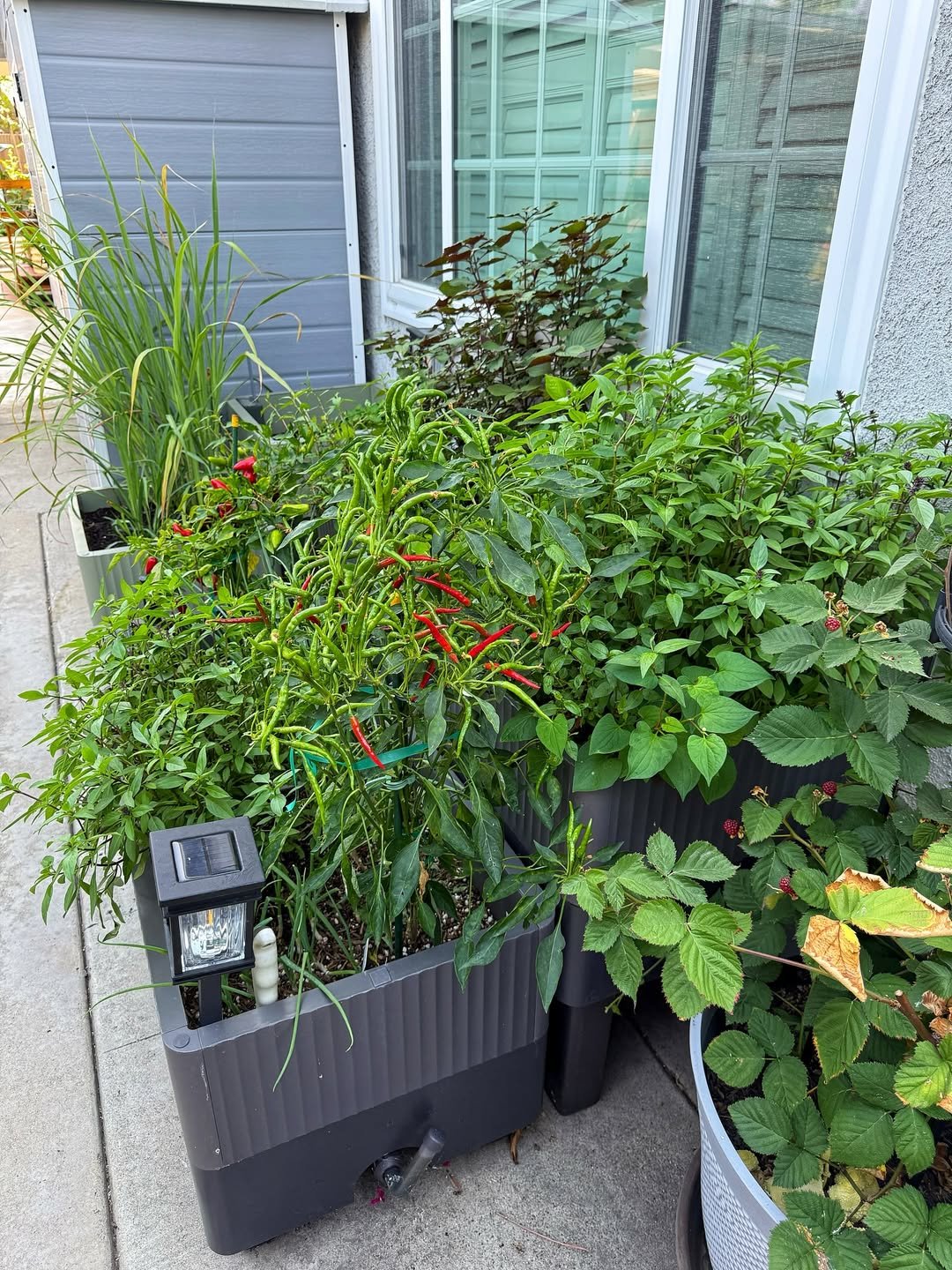
15 Creative Small Vegetable Garden Design Ideas
My first vegetable garden was a chaotic mess. I crammed 30 plants into a 6×6 space with no plan or design.
The result? Plants shaded each other, I couldn’t reach half of them, weeds took over, and the harvest was pathetic.
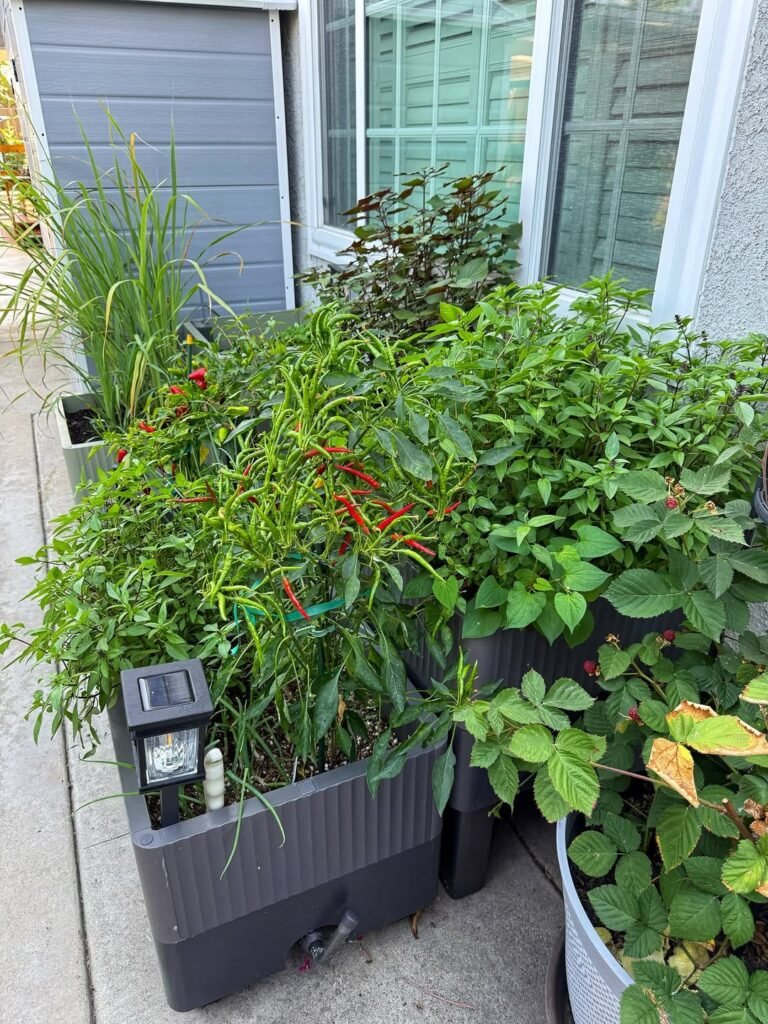
Then I learned that design actually matters for small gardens. Same space, better layout, triple the harvest plus it looked intentional instead of random.
Let me show you 15 creative designs that maximize space and actually look good.
Why Design Matters in Small Spaces
Random planting wastes precious space.
My chaotic garden problems:
- Tall plants shaded short ones (both died)
- Couldn’t reach center without stepping on plants
- No clear paths (constant plant damage)
- Looked messy and unplanned
- Harvested maybe 20% of potential
After implementing proper design:
- Every plant accessible
- Maximum sun exposure
- Clear organization
- Beautiful appearance
- Triple the harvest in same space
In small gardens, every square inch matters. Can’t afford wasted space or poor planning.
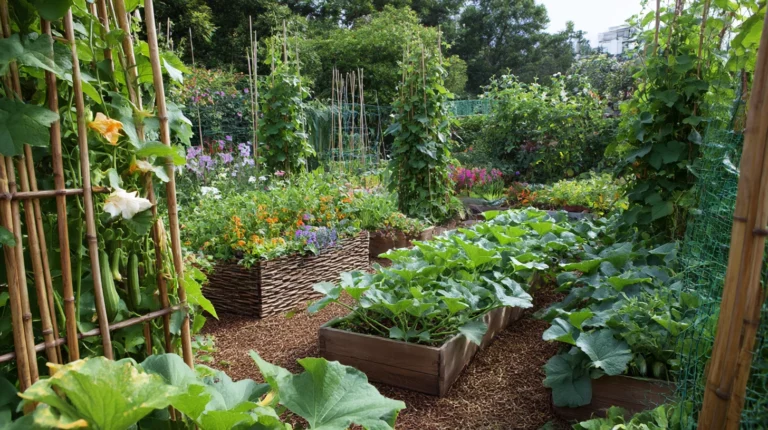
1. Potager Garden Design (French Kitchen Garden)
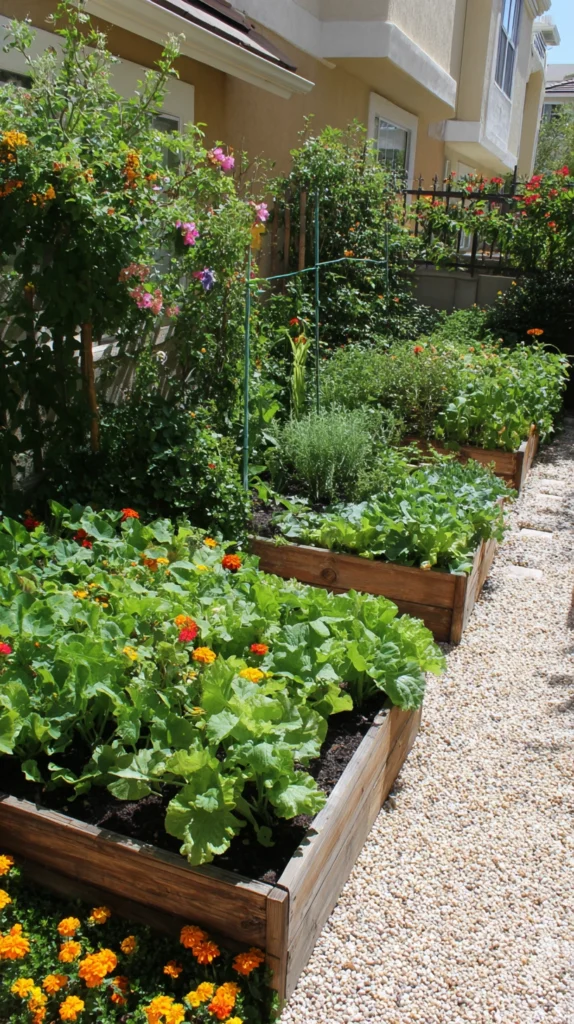
Ornamental and productive combined. My favorite design for front yards where appearance matters.
What makes it special:
- Geometric beds (usually four squares)
- Mix vegetables with flowers
- Edible landscaping
- Beautiful year-round
My 12×12 potager layout:
Four 4×4 beds in square pattern:
- 3-foot path cross in middle
- Each bed different theme
- Flowers on edges
- Vegetables in center
Bed assignments:
Bed 1 (northwest): Tomatoes with basil border, marigold corners
Bed 2 (northeast): Peppers with parsley edge, nasturtiums
Bed 3 (southwest): Lettuce with chive border, pansies
Bed 4 (southeast): Rainbow chard center, violas around edge
Total space: 144 square feet Growing space: 64 square feet (beds only) Path space: 80 square feet Harvest: Fed family of 4 in salad greens and fresh vegetables
Design Elements That Work
Symmetry creates elegance:
- Matching bed sizes
- Centered paths
- Repeated plant patterns
- Coordinated colors
Mix of textures:
- Leafy greens
- Upright herbs
- Trailing flowers
- Varied heights
Succession planting:
- Spring: peas, lettuce, radishes
- Summer: tomatoes, peppers, basil
- Fall: kale, chard, pansies
This design looks so good that neighbors thought it was purely decorative until they saw me harvesting.
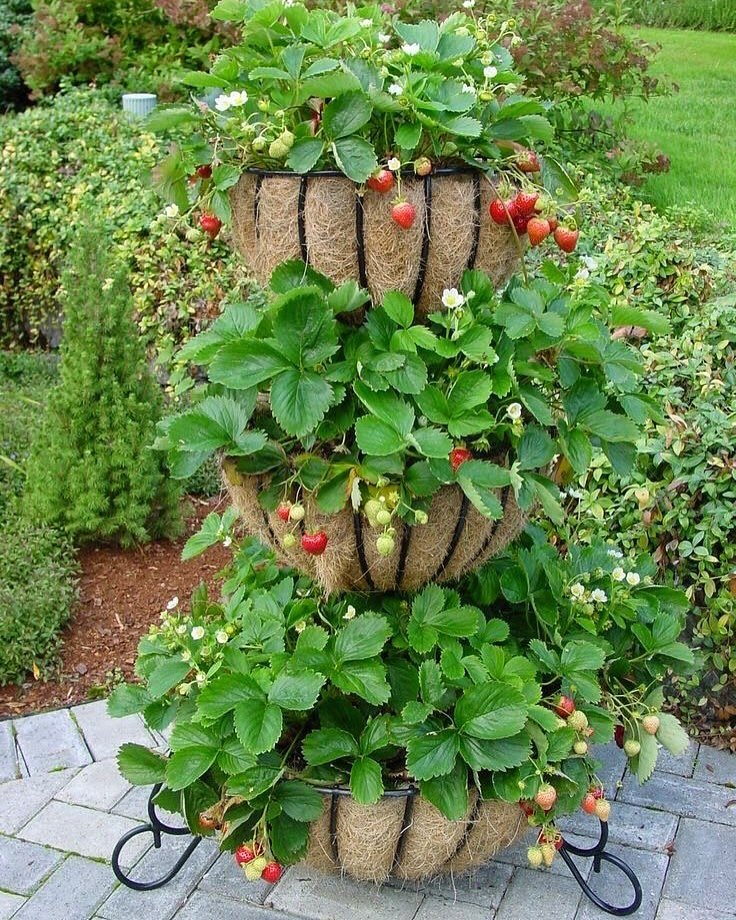
2. Vertical Tower Garden (Maximize Height)
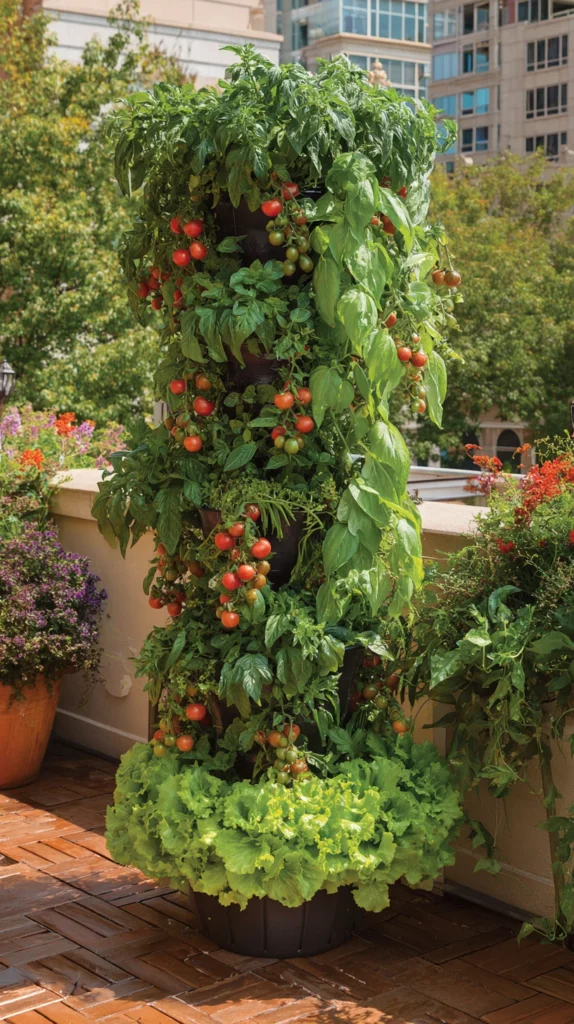
Growing up instead of out in a 3×3 footprint.
My tower setup:
5-foot tall structure:
- Repurposed tomato cage
- Hanging baskets at three levels
- Climbing plants on sides
- Ground-level planting at base
What grows on it:
Top level: Cherry tomatoes (hanging basket)
Middle levels: Herbs in pockets (basil, parsley, cilantro)
Climbing sides: Pole beans wrapping around
Ground level: Lettuce in shade underneath
Footprint: 3×3 feet (9 square feet) Actual growing area: Equivalent to 25+ square feet Plants grown: 15+ in tiny space
Building a Simple Tower
Materials I used:
- Heavy-duty tomato cage ($12)
- Three 10-inch hanging baskets ($15)
- Potting soil ($8)
- S-hooks to attach baskets
Assembly:
- Place cage in pot or ground
- Attach hanging baskets at different heights
- Plant climbers at base
- Fill baskets with soil and plants
- Train vines up cage sides
Cost: $35 Time: 1 hour Space saved: Massive
This tower produces more food than my old 4×4 ground bed using 75% less space.
3. Raised Bed Spiral Garden (Unique and Functional)
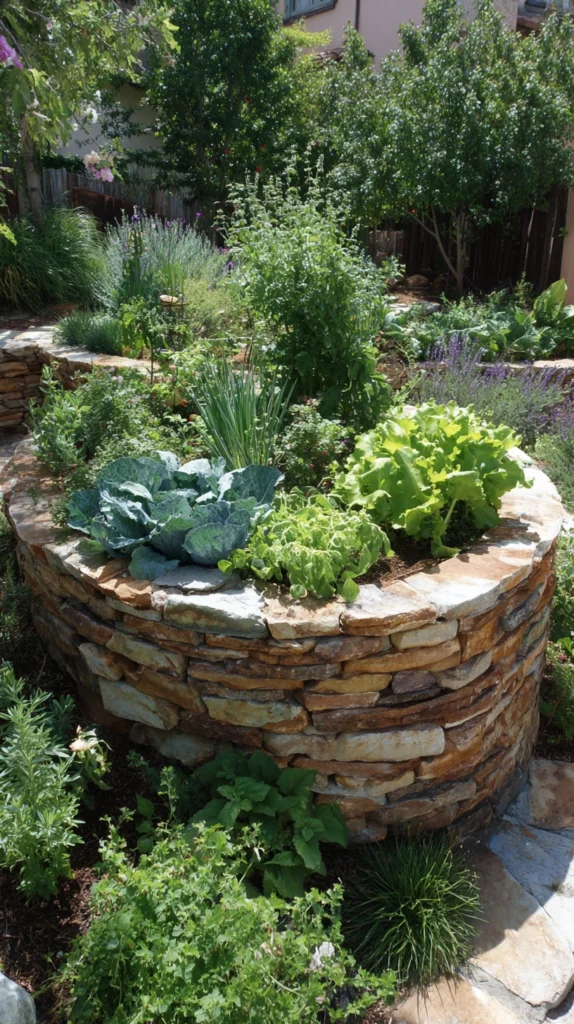
Spiral raised bed creates multiple microclimates in one structure.
Design concept:
- Circular base (6 feet diameter)
- Spiral wall rising from edge to center
- Creates natural terraces
- Top is hottest/driest, bottom coolest/wettest
What I planted by height:
Top center (hot, dry):
- Rosemary
- Thyme
- Oregano
- Mediterranean herbs
Middle spiral (moderate):
- Tomatoes
- Peppers
- Basil
Bottom edge (cool, moist):
- Lettuce
- Spinach
- Cilantro
- Parsley
Space used: 28 square feet (circular footprint) Planting area: 40+ square feet (spiral creates extra edge) Plants grown: 30+
Building a Spiral Bed
I hired someone for this ($400 labor + materials).
Construction:
- Mark 6-foot circle
- Build 3-foot tall wall at outer edge
- Spiral wall down to 6 inches at center
- Fill with soil
- Creates natural terracing
DIY-friendly version:
- Use stacked stones (no mortar)
- Start with smaller 4-foot diameter
- Build 2 feet tall maximum
- More forgiving for beginners
Benefits beyond space:
- Dramatic focal point
- Water drains naturally
- Easy harvest access
- Different growing zones in one bed
My spiral bed is the most-photographed part of my garden.
4. Salad Table Garden (Accessible Height)
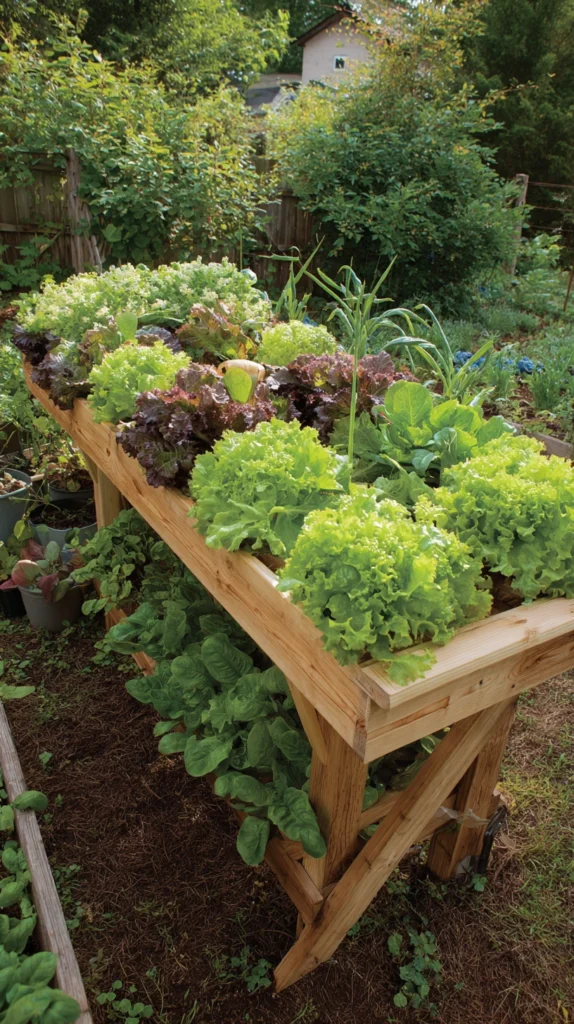
Waist-high planting table for easy access and succession planting.
My setup:
Dimensions:
- 6 feet long × 2 feet wide
- 36 inches tall (waist height)
- 6 inches soil depth
Divided into six sections:
- Each section 1×2 feet
- Plant one section every week
- Continuous lettuce harvest
Weekly planting rotation:
| Week | Section | Crop | Harvest Week |
| 1 | A | Lettuce mix | Week 5 |
| 2 | B | Arugula | Week 6 |
| 3 | C | Spinach | Week 7 |
| 4 | D | Lettuce mix | Week 8 |
| 5 | E | Radishes | Week 9 |
| 6 | F | Mixed greens | Week 10 |
By week 5: Harvesting section A while planting section A again. Continuous cycle.
Why This Design Works
Accessibility:
- No bending (waist height)
- Perfect for mobility issues
- Easy maintenance
- Less back strain
Production:
- Fresh salad greens 8 months/year
- Never overwhelmed with harvest
- Always something ready
- Minimal waste
Space efficiency:
- 12 square feet footprint
- Equivalent to 20+ square feet ground bed
- Height makes it feel larger
I built mine from:
- 2×6 lumber for frame
- 4×4 posts for legs
- Hardware cloth bottom
- Landscape fabric
- Total cost: $85
5. Keyhole Garden (360-Degree Access)
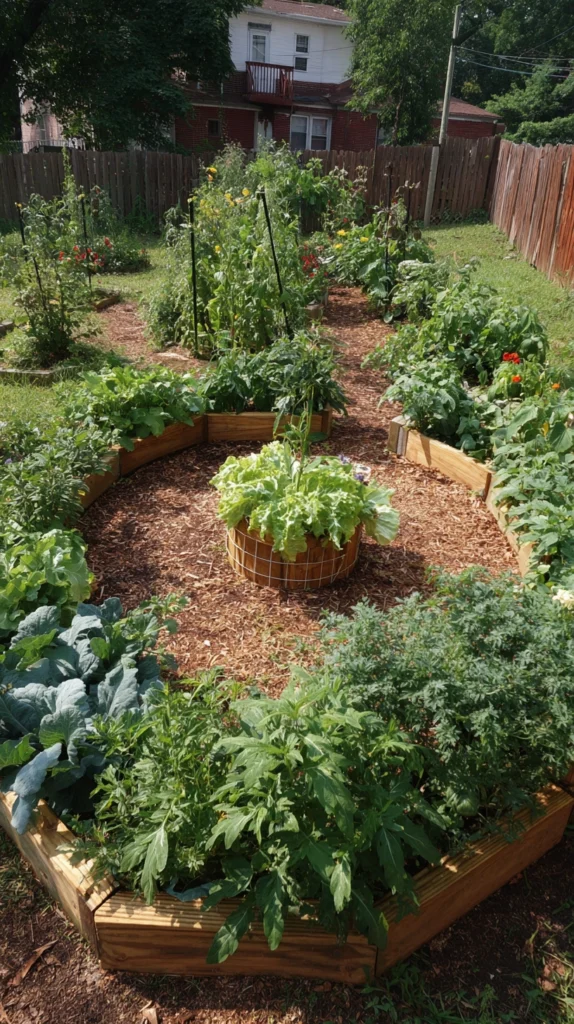
Circular bed with path to center compost basket.
Design specs:
- 6 feet diameter circle
- 3 feet tall walls
- Wedge-shaped path (2 feet wide)
- Wire compost basket in center
How it functions:
Compost in center:
- Add kitchen scraps
- Water through compost
- Nutrients leach to surrounding plants
- Self-feeding system
Plant in circular beds:
- Walk to center via path
- Reach all plants from center
- No stepping on soil
- Perfect access
My planting zones:
Inner ring (near compost): Heavy feeders
- Tomatoes
- Peppers
- Squash
Middle ring: Moderate feeders
- Beans
- Lettuce
- Chard
Outer ring: Light feeders
- Herbs
- Radishes
- Carrots
Space used: 28 square feet Planting area: 24 square feet (minus path) Plants grown: 35+
Building a Keyhole
Materials:
- Bricks or stones for wall
- Wire mesh for compost basket
- Good soil to fill
- Time and patience
I stacked bricks (no mortar) in a 6-foot circle with a wedge-shaped opening.
Cost: $120 for used bricks Time: One weekend Lifespan: 10+ years
This design is most productive per square foot of any bed I’ve tried.
6. Vertical Pallet Garden (Upcycled and Cheap)
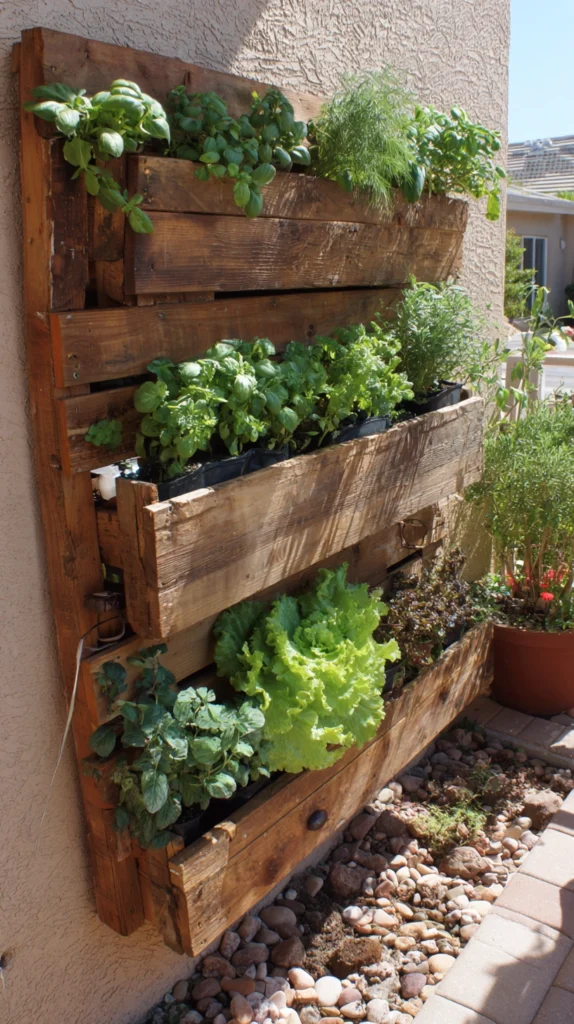
A free wooden pallet becomes a vertical garden.
My three-pallet setup:
Each pallet (4×4 feet):
- Lean against fence or wall
- Landscape fabric stapled on back
- Soil packed in slats
- Plants in each pocket
What grows well:
- Lettuce (shallow roots)
- Herbs (compact)
- Strawberries (trailing)
- Radishes (quick harvest)
Per pallet capacity:
- 15-20 plants
- Multiple harvests
- Vertical space only
Total for three pallets:
- 45-60 plants
- Wall space: 12×4 feet
- Ground footprint: 1 foot deep
Pallet Garden Construction
Step-by-step:
- Find free pallet (not treated wood)
- Sand rough edges
- Staple landscape fabric on back and bottom
- Lay flat, fill slats with soil
- Plant in gaps between slats
- Let establish flat for 2 weeks
- Stand upright against support
- Water regularly (dries fast)
Cost: Free pallet, $10 for fabric and soil Time: 2 hours per pallet Maintenance: Water daily in summer
My three pallets produce more lettuce and herbs than I can use.
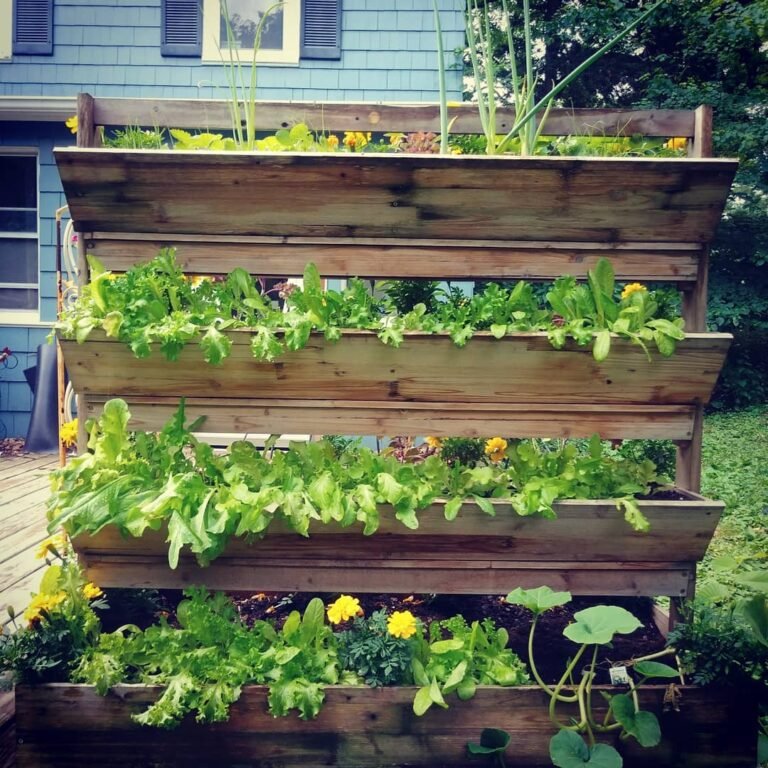
7. Tiered Planter Staircase (Decorative and Productive)
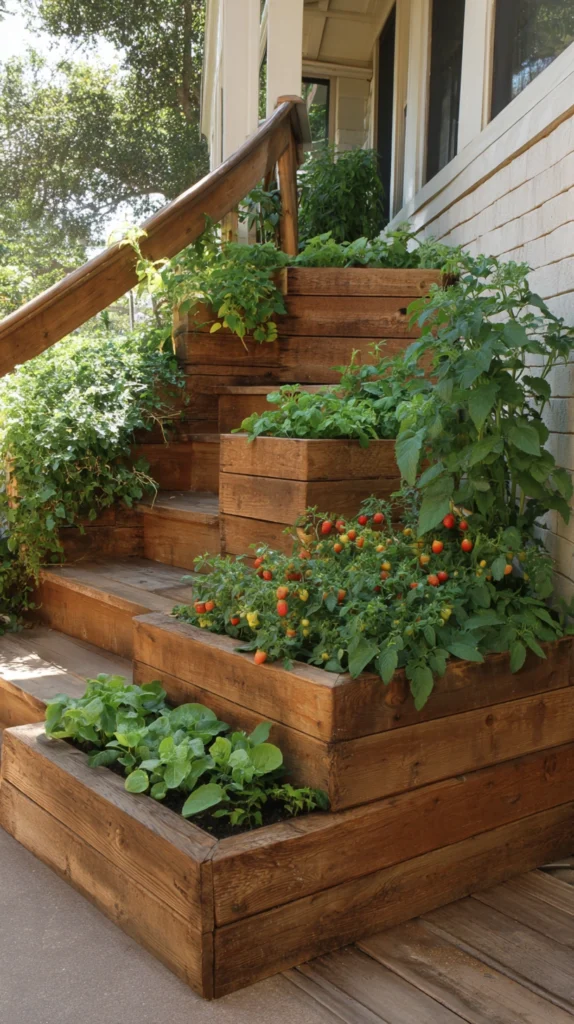
Stepped planters create visual interest plus growing space.
My five-tier system:
Bottom tier (largest):
- 4×2 feet planter
- Tomatoes and peppers
Second tier:
- 3×2 feet
- Beans and peas
Third tier:
- 2×2 feet
- Lettuce and greens
Fourth tier:
- 18×18 inches
- Herbs (basil, parsley)
Top tier:
- 12×12 inches
- Trailing strawberries
Total footprint: 4×2 feet Total planting area: 30+ square feet Visual impact: Stunning
Building Tiered Planters
I used cedar boards:
Bottom planter: 12 inches tall Each tier up: 2 inches shorter Stair-step appearance
Positioned against:
- South-facing wall
- Reflects heat
- Full sun all day
- Beautiful focal point
Cost: $180 in cedar lumber Time: One weekend Wow factor: Neighbors constantly compliment
This design turns a boring wall into a productive vertical garden.
8. Window Box Kitchen Garden (Micro Growing)
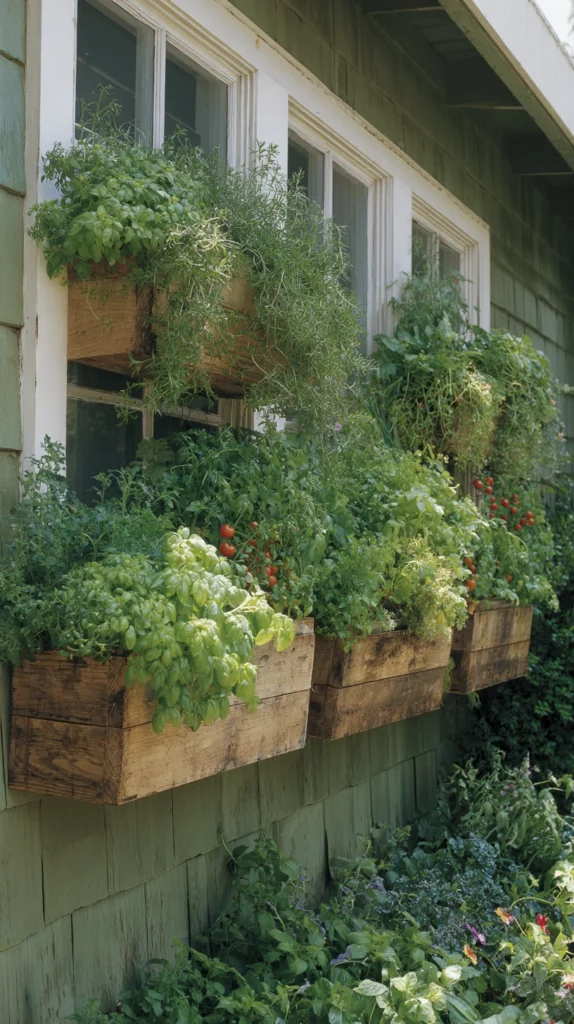
Six window boxes provide fresh herbs outside my kitchen.
Each box (3 feet long):
Box 1: Basil and oregano Box 2: Parsley and cilantro Box 3: Thyme and rosemary Box 4: Chives and dill Box 5: Lettuce (cut-and-come-again) Box 6: Cherry tomatoes
Total space: 18 linear feet Depth: 8 inches Width: 10 inches
Harvest frequency: Daily during summer
Window Box Success Tips
What works:
- Drainage holes mandatory
- Quality potting soil
- Water daily in summer
- Fertilize weekly
- Harvest often
What failed:
- Cheap thin boxes (cracked in sun)
- Garden soil (too heavy)
- Inconsistent watering
I upgraded to:
- Self-watering window boxes ($25 each)
- Premium potting mix
- Drip irrigation on timer
Now maintenance is minimal and production is constant.
Cost: $180 for six boxes + soil Convenience: Can’t beat it (literally outside kitchen window)
9. Espaliered Fruit Tree Design (Flat Growing)
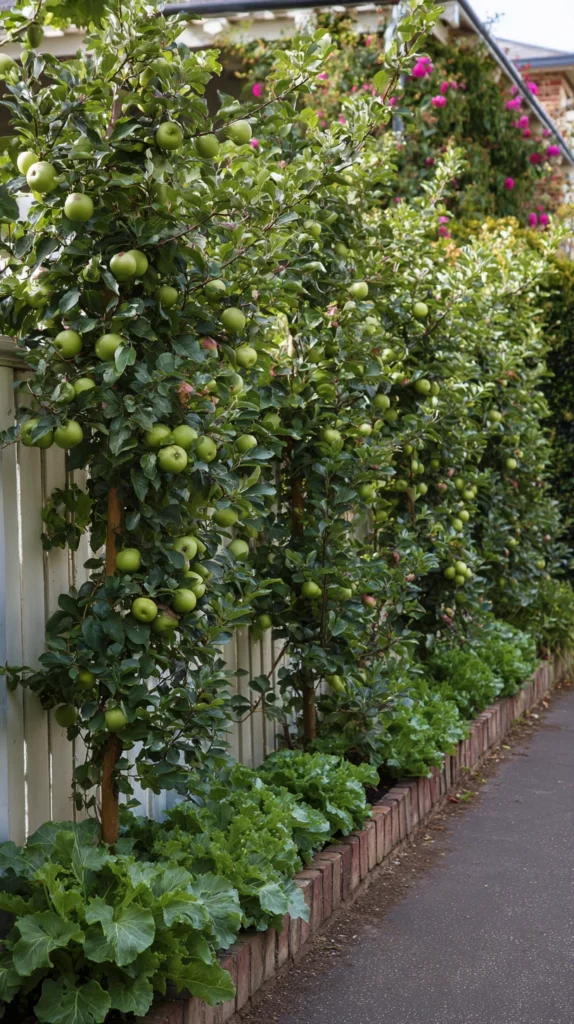
Training fruit trees flat against fences saves massive space.
My espalier setup:
Two dwarf apple trees:
- Trained horizontally along fence
- 6 feet wide each
- Only 18 inches deep from fence
- Multiple tiers of branches
Space comparison:
Standard dwarf tree: 10×10 feet (100 sq ft) Espaliered tree: 6×1.5 feet (9 sq ft) Space saved: 91 square feet per tree
Plus vegetables in front:
- Lettuce in spring
- Herbs in summer
- Nothing in winter (trees dormant)
Annual harvest: 40+ apples per tree
Espalier Training
This takes years but is worth it.
Process:
- Plant young dwarf tree against support
- Prune to encourage horizontal branches
- Train branches along wires
- Repeat yearly
- Fruiting starts year 3-4
I hired an arborist for first-year training ($100). Now I maintain it myself.
Vegetables grown underneath:
- Spring: lettuce, radishes
- Summer: herbs, greens in shade
- Fall: spinach, arugula
This design is the ultimate space saver for fruit production.
10. Raised Bed With Built-In Trellis (Vertical Integration)
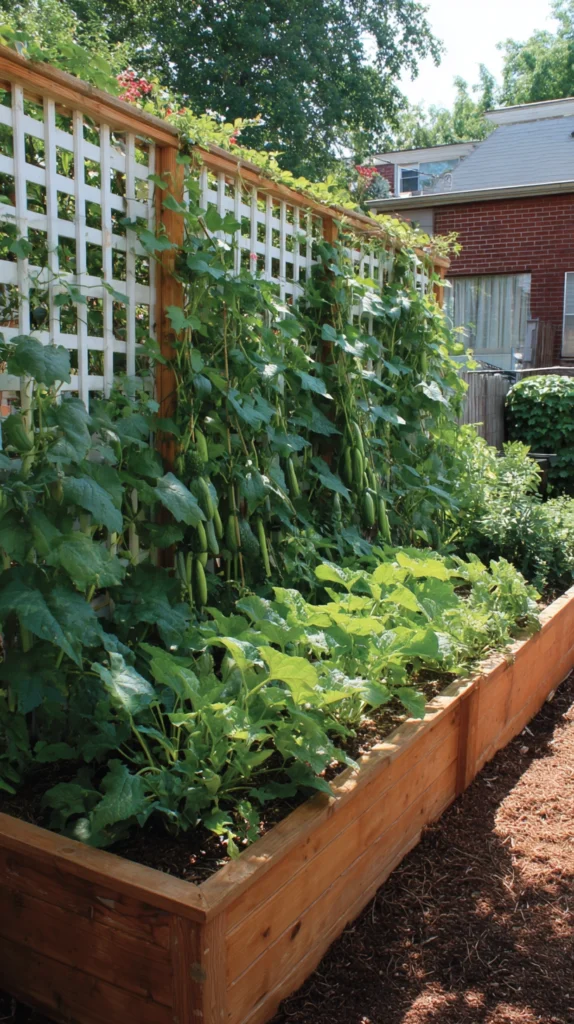
Trellis attached directly to bed eliminates separate installation.
My 4×8 bed design:
North end:
- 6-foot trellis attached to bed
- Cattle panel arched over
- Permanent structure
Climbing crops (north):
- Cucumbers
- Pole beans
- Peas in spring
Low crops (south):
- Lettuce (in cucumber shade)
- Herbs
- Radishes
Benefits:
- Trellis never moves (permanent)
- Doubles growing capacity
- Provides shade for heat-sensitive crops
- Looks intentional
Building Integrated Trellis
Materials:
- 4×8 raised bed ($120 in lumber)
- Cattle panel (4×8 section, $15)
- Two 8-foot posts ($16)
- Wire or zip ties
Construction:
- Build standard raised bed
- Attach posts to inside of north edge
- Attach cattle panel to posts
- Optionally arch panel for strength
Cost: $151 total Time: 3 hours Versatility: Plant climbers every year, change what you grow
This is my most-used bed because it’s so versatile.
11. Container Garden Grouping (Mobile Productivity)
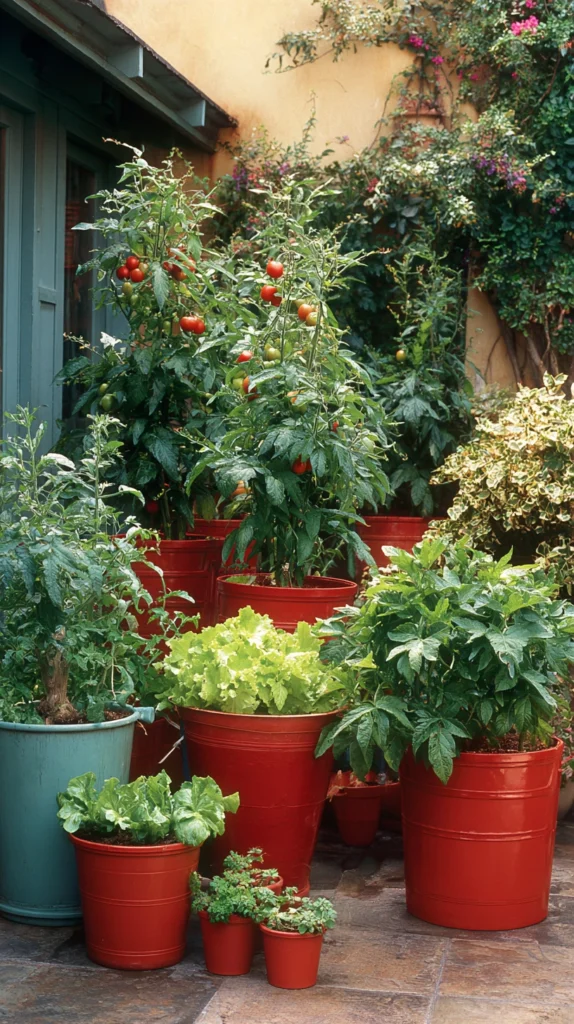
Strategic container placement creates designed appearance from random pots.
My patio design:
Back row (against wall):
- Three 5-gallon buckets: tomatoes
- Tallest plants
- Dark colored containers
Middle row:
- Four 3-gallon pots: peppers and eggplant
- Medium height
- Terracotta color
Front row:
- Six varied pots: herbs and lettuce
- Shortest plants
- Matching saucers
Color coordination:
- Warm terracotta tones
- Unified appearance
- Looks designed not random
Spacing:
- Pots grouped close (not scattered)
- Creates mass impact
- Easier to water
- Defined growing zone
Total plants: 25+ Footprint: 8×4 feet Appearance: Intentional garden not pot collection
Making Container Chaos Look Good
What transformed my random pots:
Before (ugly):
- Mismatched containers
- Scattered placement
- No color scheme
- Messy appearance
After (designed):
- Coordinated pot colors
- Grouped by height
- Defined growing area
- Added decorative mulch
Changes that cost nothing:
- Rearranged by height
- Grouped instead of scattered
- Aligned in rows
Cheap upgrades ($40):
- Spray painted bright pots one color
- Added matching saucers
- Decorative stones on top soil
Now people compliment it instead of wondering why I have pots everywhere.
12. Hanging Basket Herb Garden (Overhead Growing)
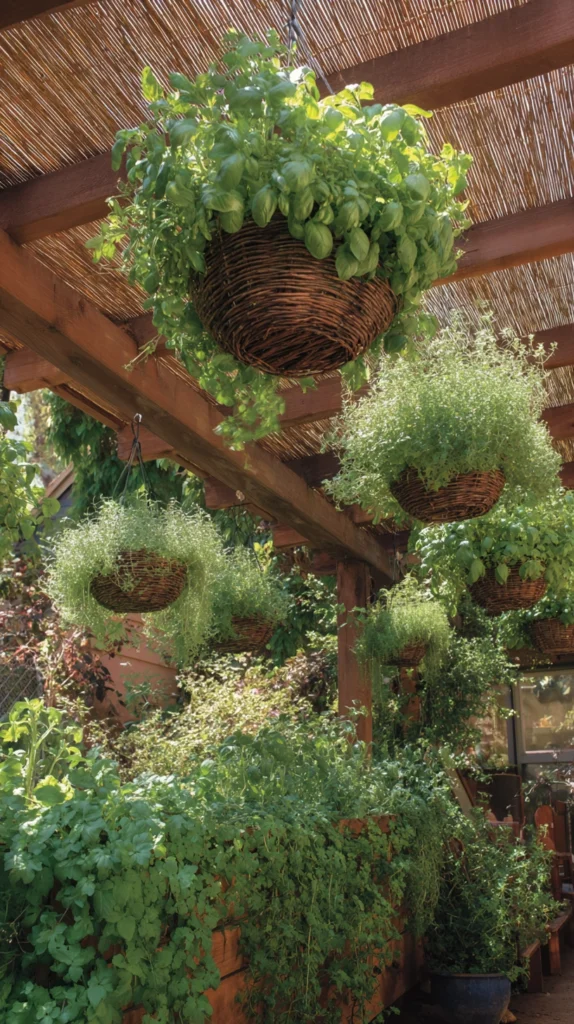
Utilize air space above eye level.
My setup across pergola:
Six hanging baskets:
- 12-inch diameter each
- Spaced 3 feet apart
- Different herbs in each
- Creates herb canopy
Basket contents:
- Basil (Italian and Thai)
- Parsley (flat and curly)
- Cilantro
- Oregano and thyme
- Mint (contained!)
- Trailing cherry tomatoes
Advantages:
- Zero ground space used
- Perfect drainage (no root rot)
- Easy harvest (eye level)
- Decorative and functional
- Contained mint (won’t spread)
Harvest method:
- Scissors always nearby
- Snip while cooking
- No walking to garden
- Literally overhead in outdoor kitchen
Hanging Basket Success
What works:
- Self-watering baskets ($15 each)
- Coconut coir liners
- Quality potting mix
- Daily watering in summer
What failed:
- Cheap thin plastic (cracked)
- Small 8-inch baskets (dried out hourly)
- Regular garden soil (too heavy)
Watering system:
- Drip lines to each basket
- Timer controls twice daily
- Worth the $60 investment
I cook with fresh herbs daily because they’re literally overhead while grilling.
13. Succession Planting Grid (Continuous Harvest)
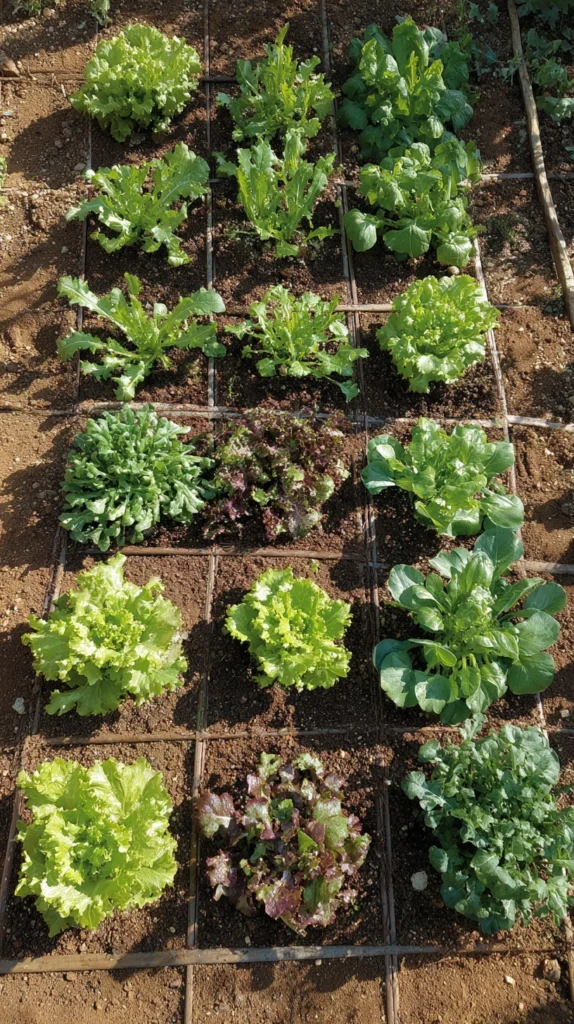
One 4×4 bed divided into 16 squares with staggered planting.
Grid layout:
Week 1: Plant squares 1,5,9,13 with lettuce Week 2: Plant squares 2,6,10,14 with radishes
Week 3: Plant squares 3,7,11,15 with arugula Week 4: Plant squares 4,8,12,16 with spinach
Result:
- Week 5: Harvest square 1, replant immediately
- Week 6: Harvest square 2, replant
- Continuous rotation forever
Benefits:
- Fresh greens always available
- Never overwhelming harvest
- Constant production
- Minimal waste
My grid produces:
- 4-6 salads per week
- 8 months per year
- From 16 square feet
Grid Management
I keep a chart:
| Square | Planted | Crop | Harvest Date |
| 1 | 4/1 | Lettuce | 5/1 |
| 2 | 4/8 | Radish | 5/3 |
| 3 | 4/15 | Arugula | 5/15 |
This tracking prevents:
- Forgetting what’s planted where
- Harvesting too early
- Planting same crop in same square repeatedly
It takes 5 minutes weekly to manage. Totally worth it.
14. Living Wall Vertical Garden (Maximum Density)
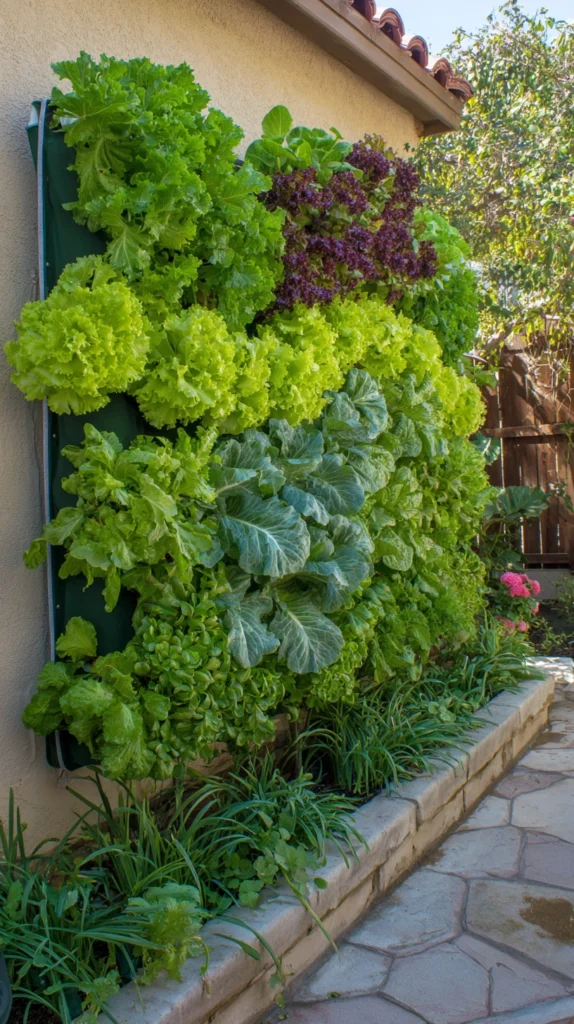
Wall-mounted felt pockets create dense planting wall.
My 6×8 wall:
48 pockets total:
- Arranged in rows
- Mounted on south fence
- Irrigation at top
- Lettuce and herbs
Pocket spacing:
- Rows 12 inches apart
- Pockets 12 inches apart
- Staggered for coverage
What grows:
- Lettuce (most pockets)
- Herbs (scattered)
- Strawberries (bottom row, trailing)
Production:
- 48 plants
- 6×1 feet footprint (only depth from wall)
- Equivalent to 100+ square feet ground space
Living Wall System
I bought premade system:
- Woolly Pocket wall planter ($200)
- Built-in irrigation
- Easy installation
- Worth the cost
DIY alternative:
- Hanging shoe organizer ($10)
- Cut drainage holes
- Fill pockets with soil
- Works but not as pretty
Irrigation:
- Soaker hose along top
- Water trickles down
- Waters all pockets
- Timer controlled
This wall feeds us salad greens for 8 months yearly.
15. Mini Market Garden Bed (Intensive Restaurant-Style)
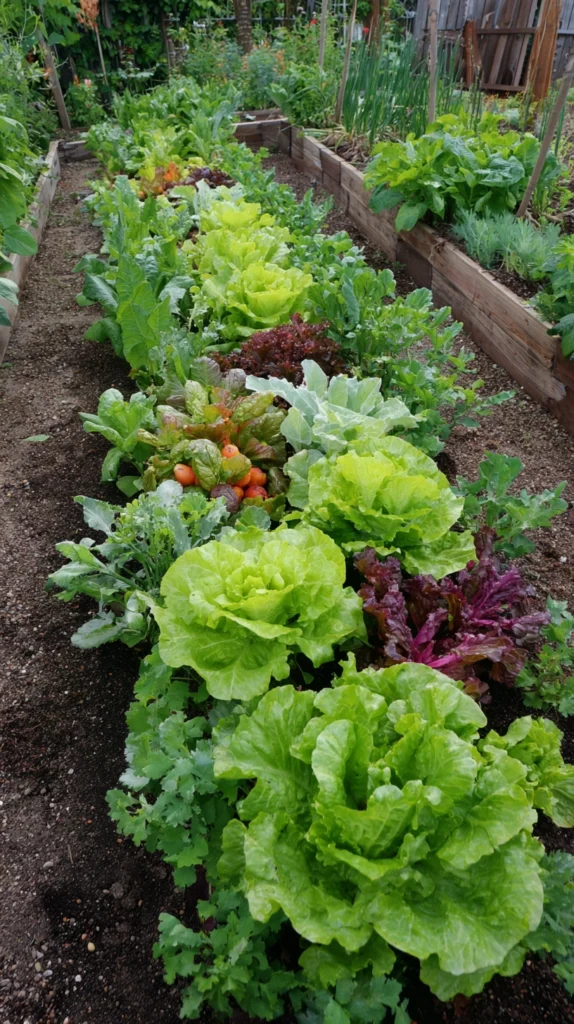
Professional intensive planting scaled to 4×8 beds.
Market garden technique:
- Plants spaced minimally
- No walking in bed
- Permanent paths
- Maximum production
My 4×8 bed:
Plant spacing:
- Lettuce: 6 inches apart (64 heads)
- Carrots: 2 inches apart (192 carrots)
- Radishes: 2 inches apart (192 radishes)
No internal paths. Reach from edges only.
Soil management:
- Never compacted (no walking)
- Heavily composted
- Perfect fertility
- Premium tilth
Annual production:
- 200+ lettuce heads
- 300+ carrots
- 400+ radishes
- Plus succession plantings
This one bed produces more than most people’s entire gardens.
Intensive Methods
What makes it work:
Excellent soil:
- 6 inches compost yearly
- Never compact it
- Perfect fertility
Dense spacing:
- Leaves touch when mature
- Shades out weeds
- Maximizes space
Succession planting:
- Harvest and replant immediately
- Something always growing
- Year-round production
Time investment:
- 30 minutes daily
- Mostly harvesting
- Very productive
I sell surplus at the farmer’s market. One bed generates $400+ yearly.
Choosing the Right Design for Your Space
Match design to your specific situation:
By Available Space
Tiny (under 10 sq ft):
- Window boxes
- Vertical towers
- Hanging baskets
- Single pallet wall
Small (10-50 sq ft):
- One raised bed with trellis
- Container grouping
- Potager (small version)
- Salad table
Medium (50-100 sq ft):
- Multiple raised beds
- Keyhole garden
- Tiered planters
- Combination designs
By Sun Exposure
Full sun (6+ hours):
- Any design works
- Maximize fruiting crops
- Tomatoes, peppers, squash
Partial sun (4-6 hours):
- Focus on greens
- Herbs tolerate this
- Quick crops
Shade (under 4 hours):
- Lettuce and greens only
- Forget tomatoes
- Embrace limitations
By Mobility/Access Needs
Easy access required:
- Salad table (waist height)
- Raised beds (18+ inches)
- Container gardens
- Wide paths
Standard access:
- Ground level beds
- Normal raised beds
- Vertical structures
By Aesthetic Priorities
Appearance matters (front yard):
- Potager design
- Tiered planters
- Coordinated containers
- Espaliered trees
Function over form (backyard):
- Intensive market garden
- Maximum production
- Practical layouts
- Efficient designs
Combining Multiple Designs
I use five different designs in my small yard:
Main production: Intensive market garden bed (4×8)
Vertical space: Living wall on fence (6×8)
Herbs: Window boxes outside kitchen (18 linear feet)
Containers: Grouped patio pots for tomatoes/peppers (8×4 area)
Decorative: Small potager in front yard (6×6)
Total footprint: Maybe 150 square feet Actual growing area: Equivalent to 400+ square feet Annual production: Feeds family of 4 in vegetables 8 months/year
Mixing designs creates:
- Visual interest
- Maximum production
- Varied microclimates
- Different harvest times
- Beautiful functional space
Budget Comparison by Design
What each design actually costs:
| Design | Materials | Time | Difficulty | Lifespan |
| Potager | $200 | 1 weekend | Medium | 10+ years |
| Vertical tower | $35 | 1 hour | Easy | 5 years |
| Spiral bed | $400 | Professional | Hard | 20+ years |
| Salad table | $85 | 1 weekend | Medium | 10 years |
| Keyhole | $120 | 1 weekend | Medium | 15+ years |
| Pallet garden | $10 | 2 hours | Easy | 3-5 years |
| Tiered planters | $180 | 1 weekend | Medium | 10 years |
| Window boxes | $180 | 2 hours | Easy | 5-10 years |
| Espalier | $100 | Years | Hard | 50+ years |
| Bed with trellis | $151 | 3 hours | Easy | 15+ years |
| Container group | $40 | 1 hour | Easy | 5+ years |
| Hanging baskets | $150 | 2 hours | Easy | 5 years |
| Grid succession | $120 | 1 weekend | Easy | 10+ years |
| Living wall | $200 | 4 hours | Medium | 10 years |
| Market garden | $120 | 1 weekend | Medium | 10+ years |
Best value: Market garden bed or bed with trellis Easiest start: Container grouping or vertical tower Most impressive: Spiral bed or tiered planters Best production: Market garden or living wall
Starting Your Creative Design This Weekend
Pick ONE design based on your space and budget.
This weekend:
Saturday morning:
- Gather materials
- Clear space
- Mark layout
Saturday afternoon:
- Build structure
- Fill with soil
- Initial planting
Sunday:
- Finishing touches
- Watering system
- Labels and organization
Week 2 onward:
- Watch plants grow
- Adjust as needed
- Plan next design addition
My first design: Simple raised bed with trellis My favorite design: Potager (beautiful and productive) Most productive: Market garden intensive bed Best ROI: Salad table (constant harvest, minimal space)
Don’t overthink it. Start with one design, master it, add more later.
Creative design transforms small vegetable gardens from random plant collections into beautiful productive spaces.
Now go sketch your design and start building!
Quick Summary:
Best designs by goal:
Maximum production: Market garden intensive bed, living wall
Best appearance: Potager garden, tiered planters, espaliered trees
Easiest start: Container grouping, vertical tower, window boxes
Space saving: Living wall, vertical tower, hanging baskets, pallet garden
Accessibility: Salad table, window boxes, raised beds 18″+ tall
Budget-friendly: Pallet garden ($10), container grouping ($40), vertical tower ($35)
Design principles that work:
- Vertical growing doubles/triples capacity
- Succession planting extends harvest season
- Height arrangement prevents shading
- Color coordination improves appearance
- Defined spaces look intentional
Common elements in successful designs:
- Good soil (quality matters more in small spaces)
- Efficient watering (drip irrigation ideal)
- Maximum sun exposure
- Easy access to all plants
- Clear organization
Space-saving techniques:
- Grow up (trellises, towers, walls)
- Intensive spacing (closer plants)
- Succession planting (continuous use)
- Container grouping (vertical stacking)
- Overhead growing (hanging baskets)
Aesthetic improvements:
- Match container colors
- Group by height
- Symmetrical layouts
- Mix flowers with vegetables
- Define edges clearly
Start simple:
- One raised bed with trellis ($151)
- Container grouping on patio ($40)
- Window boxes ($180)
- Add complexity as you learn
Realistic timelines:
- Simple designs: One weekend
- Complex designs: Multiple weekends or hire help
- Full maturity: 1-3 growing seasons
Production expectations:
- Well-designed small garden (100 sq ft): Feeds 1-2 people in vegetables
- Multiple designs combined: Feeds family of 4 seasonally
- Intensive methods: Possible to sell surplus
Investment range:
- DIY budget designs: $10-50
- Standard raised beds: $100-200
- Premium designs: $200-500
- Professional builds: $500-2,000+