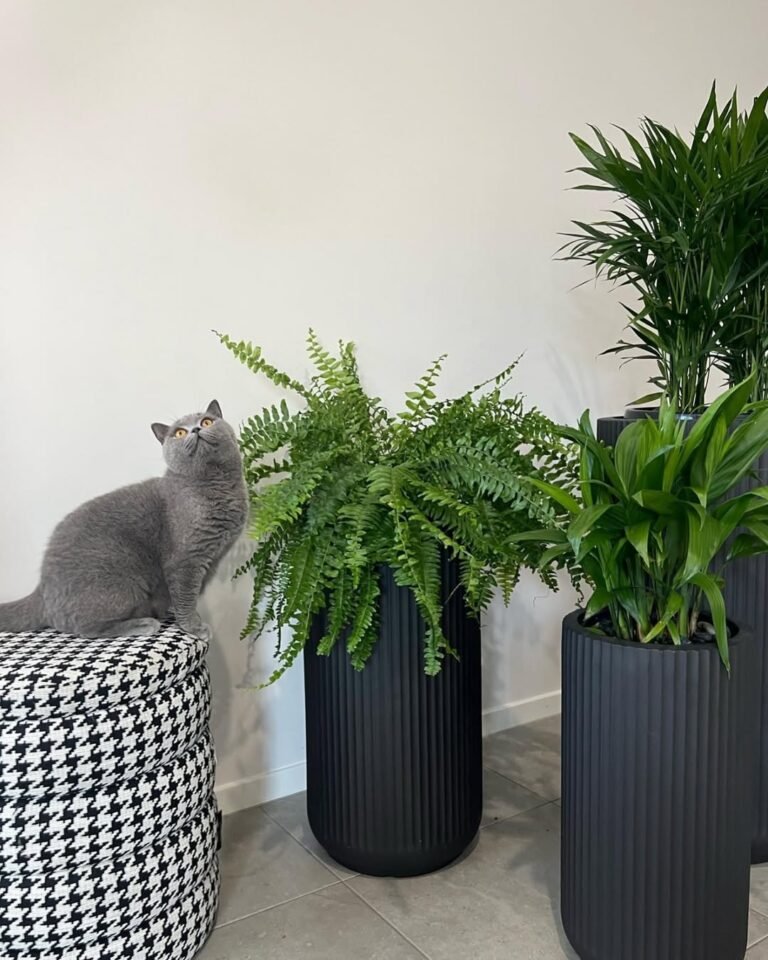
16 Best Indoor Plants That Don’t Need Sunlight
Not every home or office is blessed with large windows, bright corners, or steady natural light. Apartments facing other buildings, basement rooms, interior offices, and windowless bathrooms can feel limiting when it comes to greenery. Fortunately, many indoor plants thrive in low-light or even near-dark conditions. These plants have adapted to forest floors or shaded environments and can survive — and often flourish — with minimal sunlight and artificial lighting.
This guide explores 16 of the best indoor plants that don’t need sunlight, explaining why they work well in low-light spaces, how to care for them, and where they fit best in your home or workplace. Whether you want to improve air quality, enhance décor, or simply enjoy the calming presence of plants, these options make it possible almost anywhere.
Why Choose Low-Light Indoor Plants?
Low-light plants are ideal for modern living because they are:
- Suitable for apartments and offices with limited windows
- Easy to maintain and forgiving of care mistakes
- Often slow-growing, which means less pruning
- Able to tolerate artificial lighting
- Excellent for improving indoor aesthetics without demanding conditions
Understanding which plants truly tolerate low light — rather than merely surviving short periods without sun — is key to long-term success.
1. Snake Plant (Sansevieria)
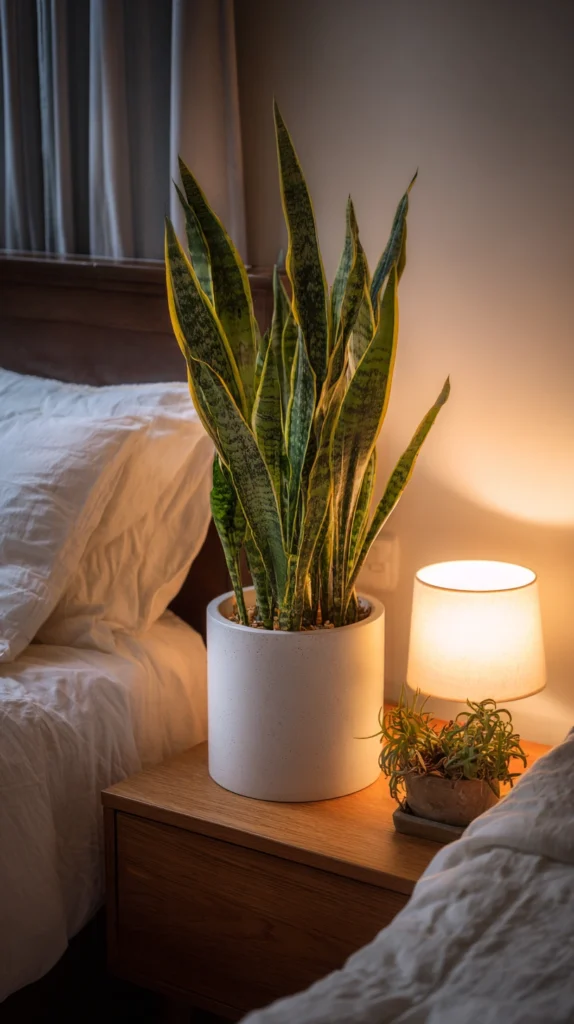
The snake plant is widely regarded as one of the toughest indoor plants available. Its upright, sword-like leaves are both decorative and highly adaptable.
Snake plants tolerate extremely low light, including fluorescent office lighting. They grow slowly in shade but remain healthy and upright. One of their biggest advantages is their ability to store water in their thick leaves, making them drought-tolerant and ideal for forgetful plant owners.
They also help improve indoor air quality by filtering toxins. Snake plants prefer infrequent watering and well-draining soil, making them nearly indestructible in low-light environments.
2. ZZ Plant (Zamioculcas zamiifolia)
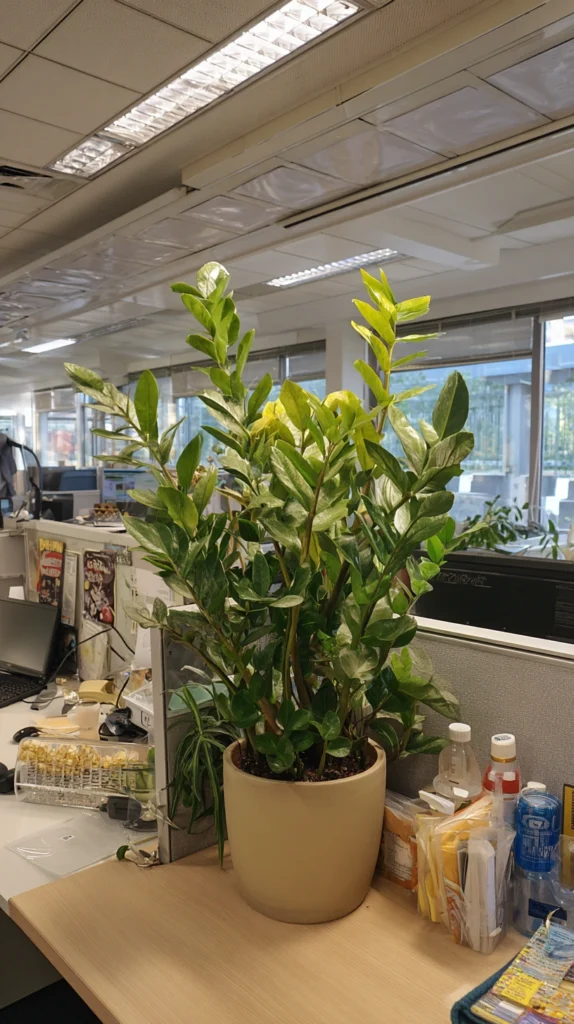
The ZZ plant is famous for its glossy, dark green leaves and remarkable resilience. Native to Africa, it evolved to survive in dry, shaded environments.
This plant performs exceptionally well in low-light spaces and can even tolerate rooms with no windows. Its thick rhizomes store water, allowing it to go weeks without watering. Overwatering is the most common mistake, as the ZZ plant prefers dry soil between waterings.
Its elegant appearance makes it popular in offices, hotels, and minimalist interiors.
3. Cast Iron Plant (Aspidistra elatior)
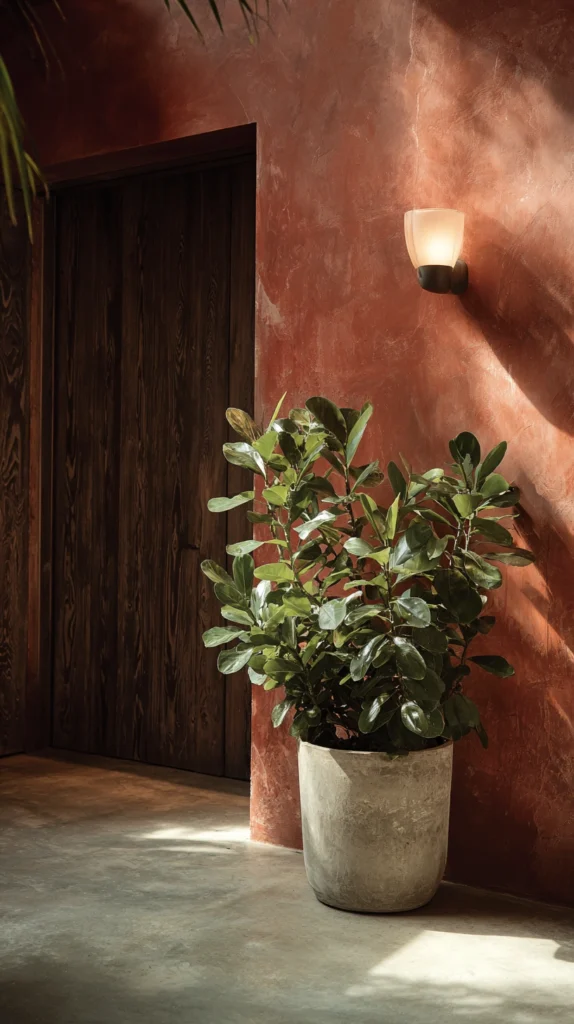
True to its name, the cast iron plant is incredibly tough. It has long, dark green leaves and a simple, classic appearance.
This plant thrives in low light, shade, and even fluctuating indoor temperatures. It was historically popular in Victorian homes, which often had limited sunlight due to heavy curtains and architecture.
The cast iron plant grows slowly but steadily and requires minimal care. Occasional watering and dusting of leaves are usually enough to keep it healthy.
4. Peace Lily (Spathiphyllum)
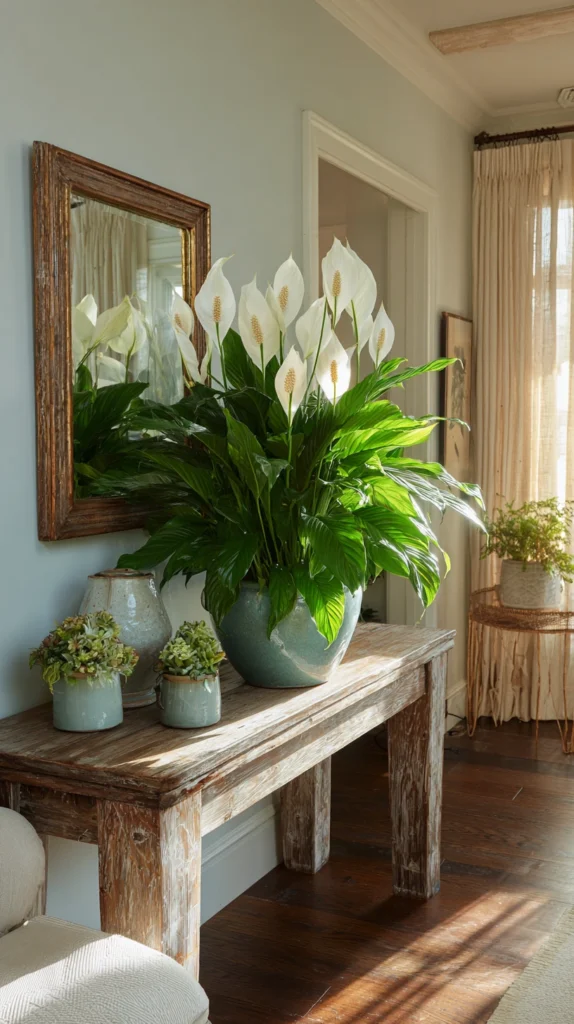
Peace lilies are known for their graceful white blooms and deep green foliage. While they can bloom better in moderate light, they survive very well in low-light conditions.
They are excellent indicators of watering needs — their leaves droop when thirsty and recover quickly after watering. Peace lilies also help filter indoor air and add a soft, elegant feel to interior spaces.
They prefer consistently moist soil but should not sit in standing water. Low light may reduce flowering, but the plant itself remains lush and attractive.
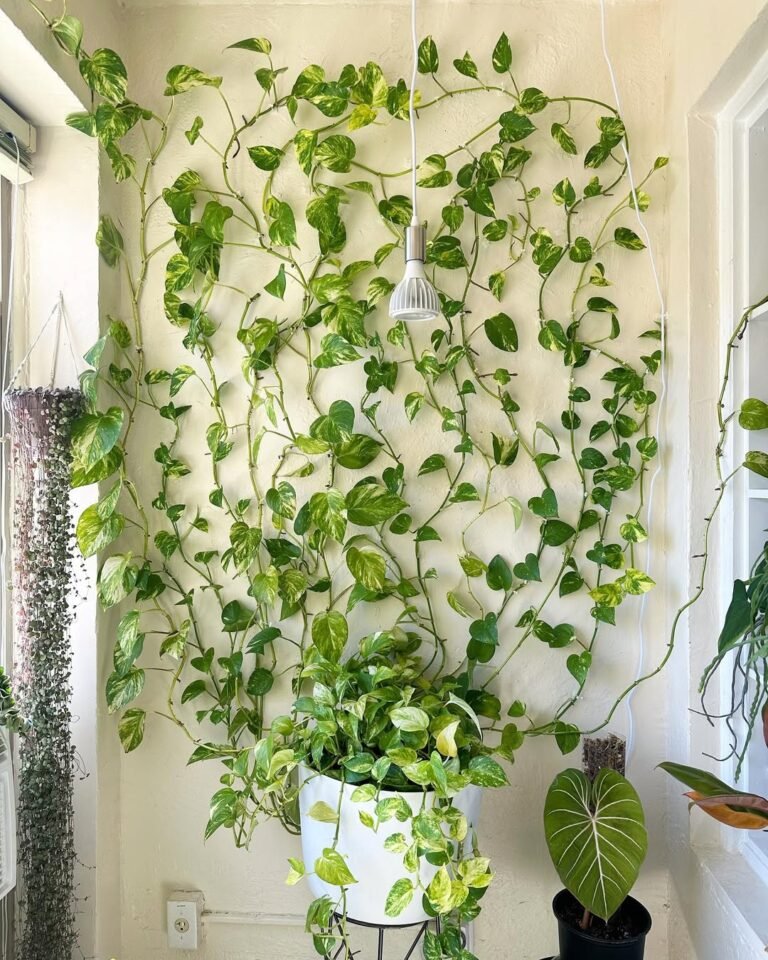
5. Pothos (Epipremnum aureum)
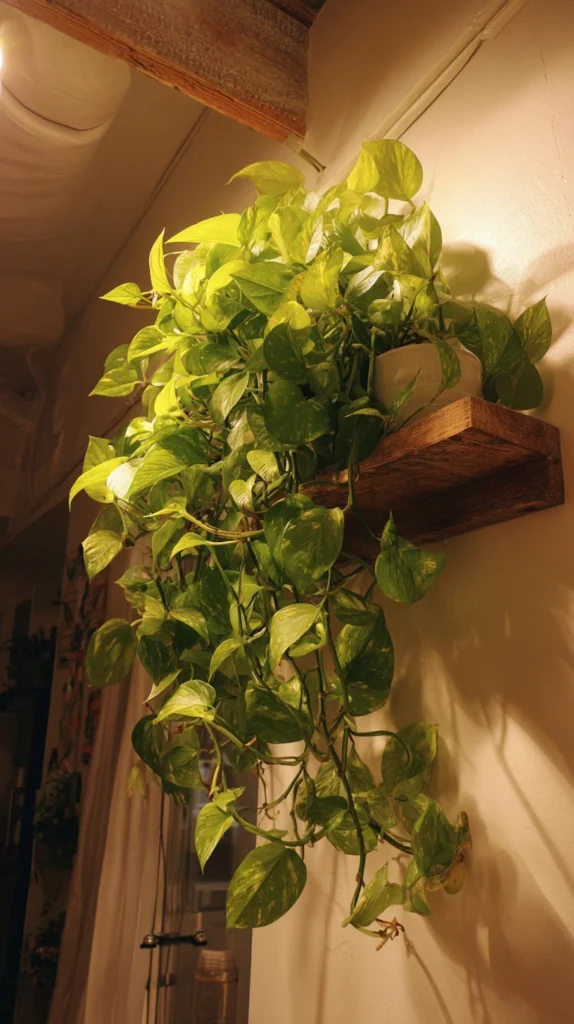
Pothos is one of the most popular trailing indoor plants, and for good reason. It is highly adaptable and thrives in low-light environments.
In shade, pothos grows more slowly and may produce smaller leaves, but it remains healthy and vibrant. Its cascading vines make it perfect for shelves, hanging baskets, and high cabinets.
Pothos tolerates irregular watering and adapts easily to artificial lighting, making it a favorite for offices and dorm rooms.
6. Philodendron (Heartleaf Philodendron)
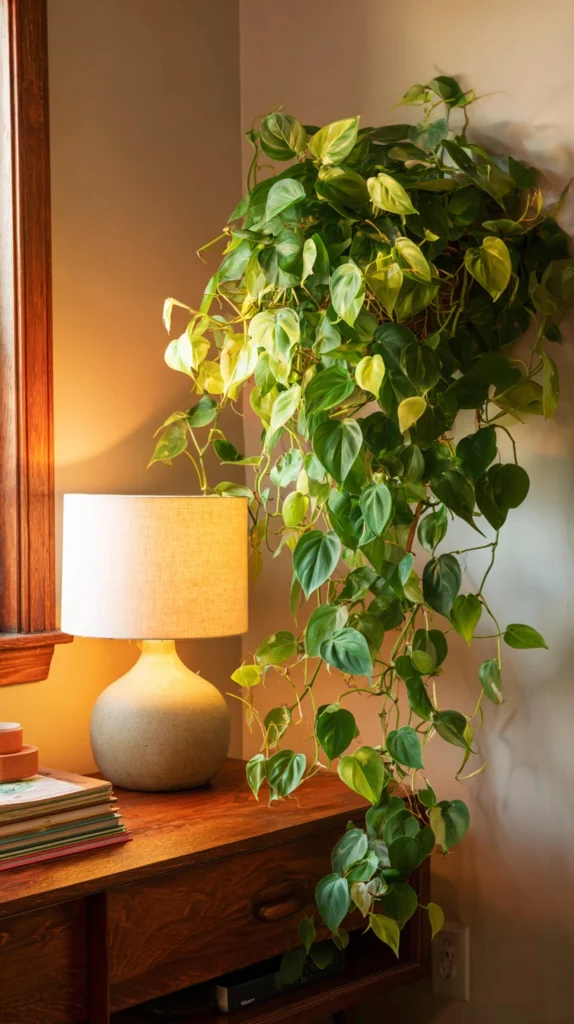
Heartleaf philodendrons are excellent low-light plants with soft, heart-shaped leaves and trailing stems.
They tolerate shade extremely well and can survive with only indirect or artificial light. Like pothos, philodendrons are forgiving when it comes to watering and thrive in average indoor humidity.
Their relaxed growth habit makes them ideal for bookshelves, wall planters, or desk corners where sunlight is minimal.
7. Chinese Evergreen (Aglaonema)
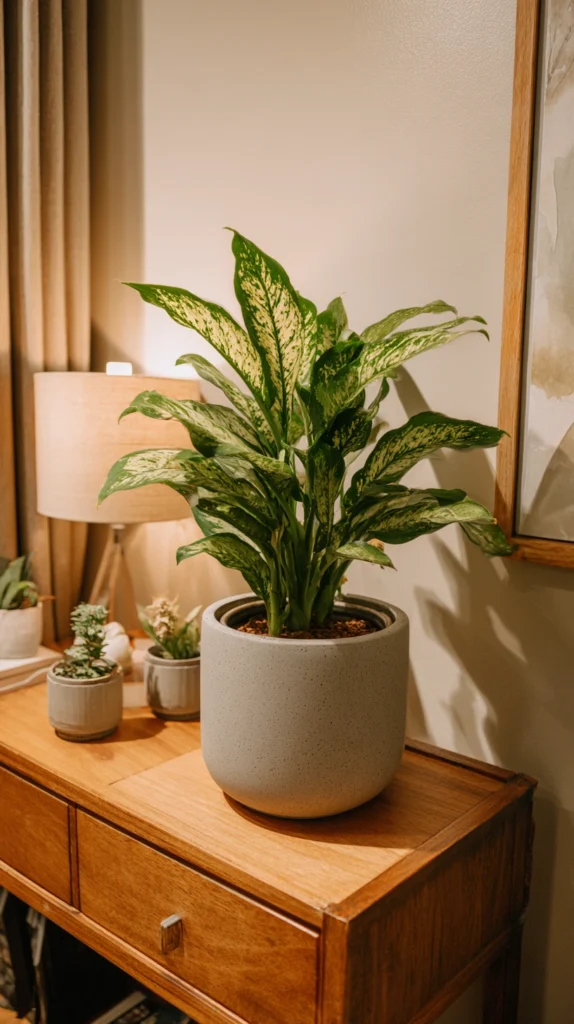
Chinese evergreen plants are prized for their attractive foliage, which often features silver, red, or pink patterns.
These plants are among the best choices for low-light environments. In fact, darker-leaved varieties perform especially well in shade. Chinese evergreens prefer warm indoor temperatures and moderate watering.
They are commonly used in commercial spaces because of their durability and ability to thrive under fluorescent lighting.
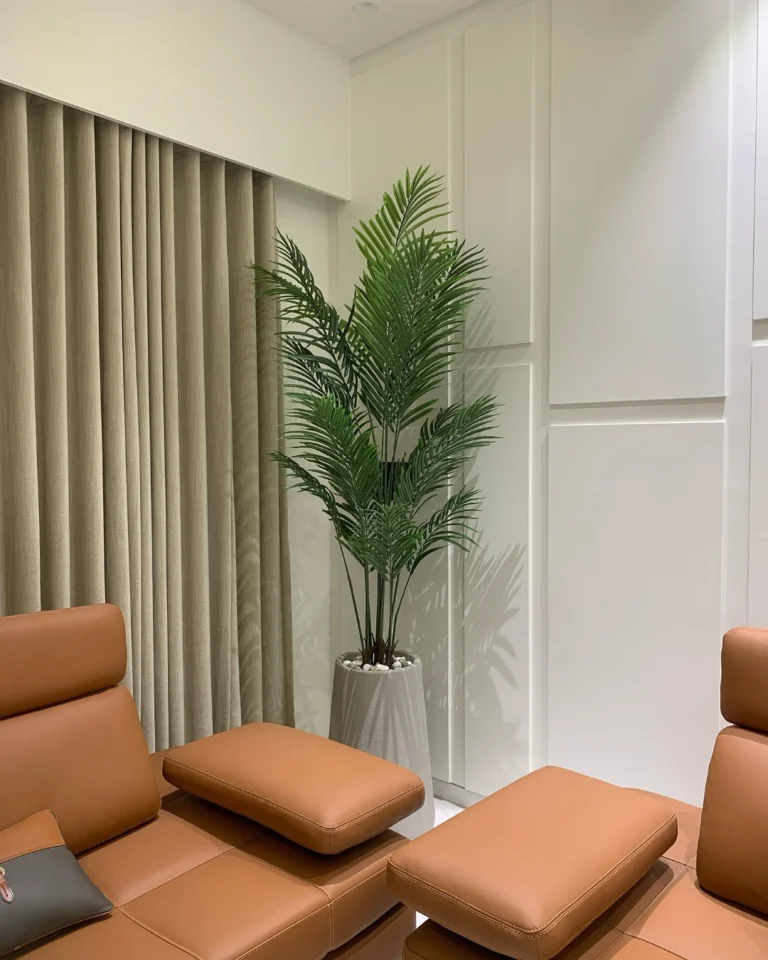
8. Parlor Palm (Chamaedorea elegans)
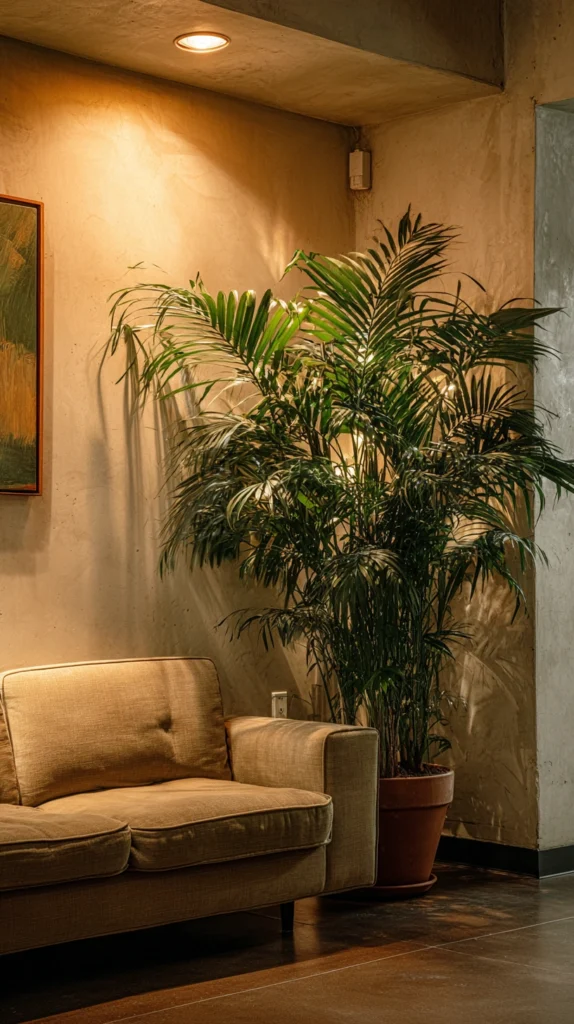
The parlor palm is a compact, elegant palm that has been grown indoors for centuries.
It thrives in low to medium indirect light and prefers shaded locations. Unlike many palms, it does not require bright sunlight to maintain its graceful fronds.
Parlor palms enjoy slightly moist soil and average indoor humidity, making them well-suited for living rooms, bedrooms, and offices.
9. Dracaena
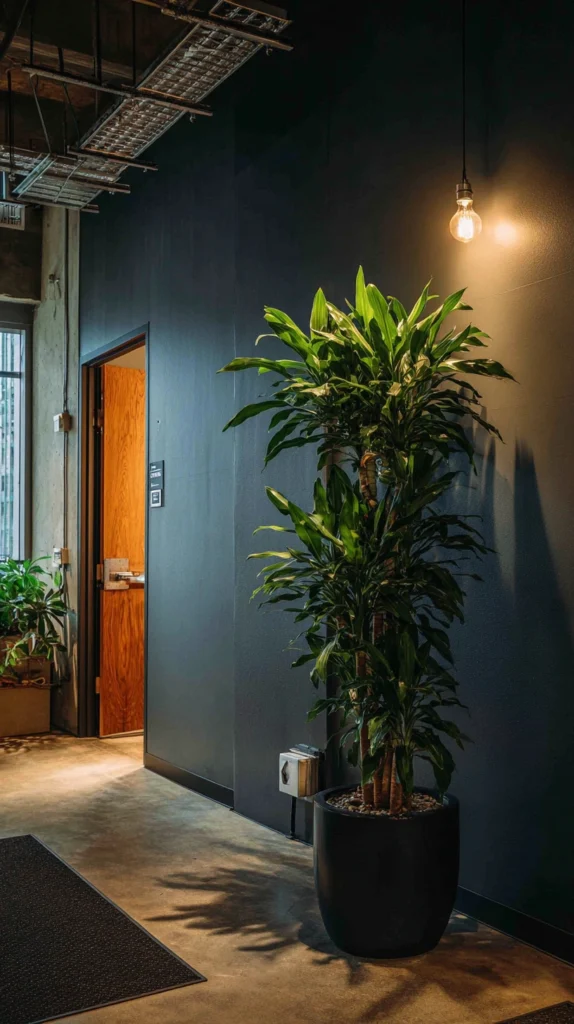
Dracaena plants come in many varieties, all known for their long, arching leaves and architectural shape.
They adapt well to low-light conditions, especially darker-leaved cultivars. While growth may slow in shade, dracaenas remain healthy and visually striking.
They prefer infrequent watering and can tolerate dry indoor air, which makes them ideal for modern homes and office environments.
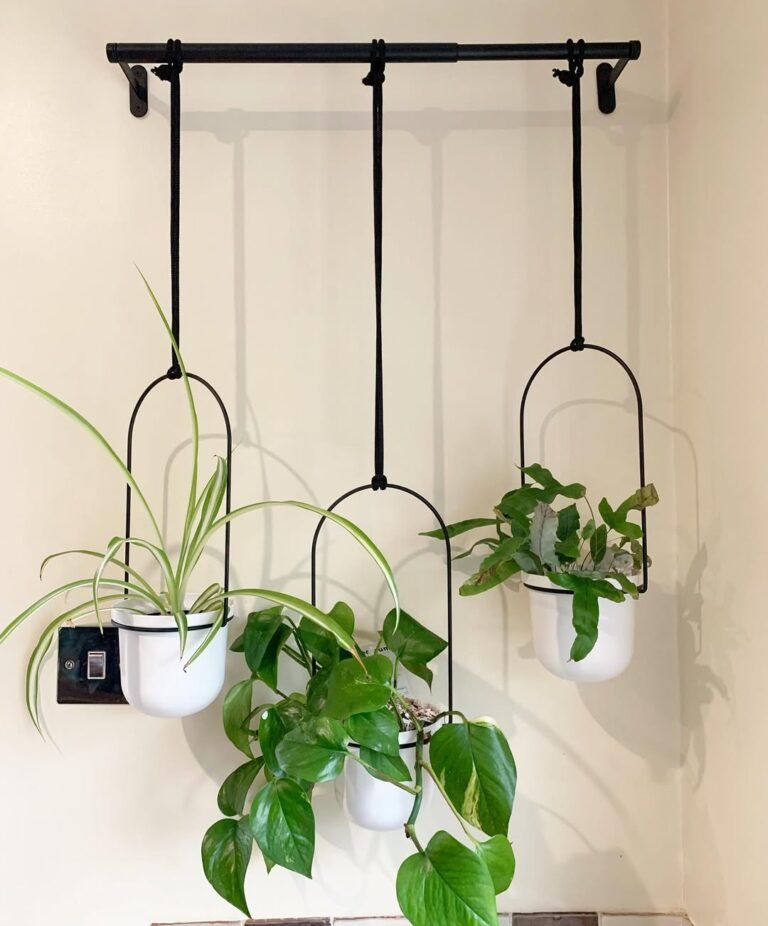
10. Spider Plant (Chlorophytum comosum)
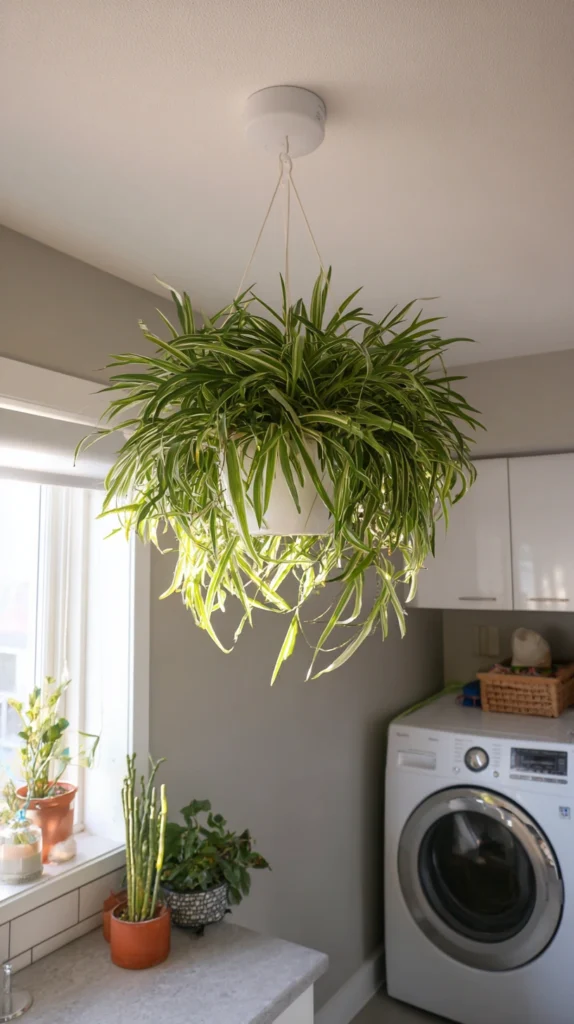
Spider plants are resilient and adaptable, capable of surviving in low-light conditions.
While they grow faster and produce more plantlets in brighter light, they still thrive in shade. Their arching leaves and small offshoots add movement and visual interest to indoor spaces.
Spider plants are easy to care for and tolerate occasional neglect, making them a good choice for beginners.
11. English Ivy (Hedera helix)
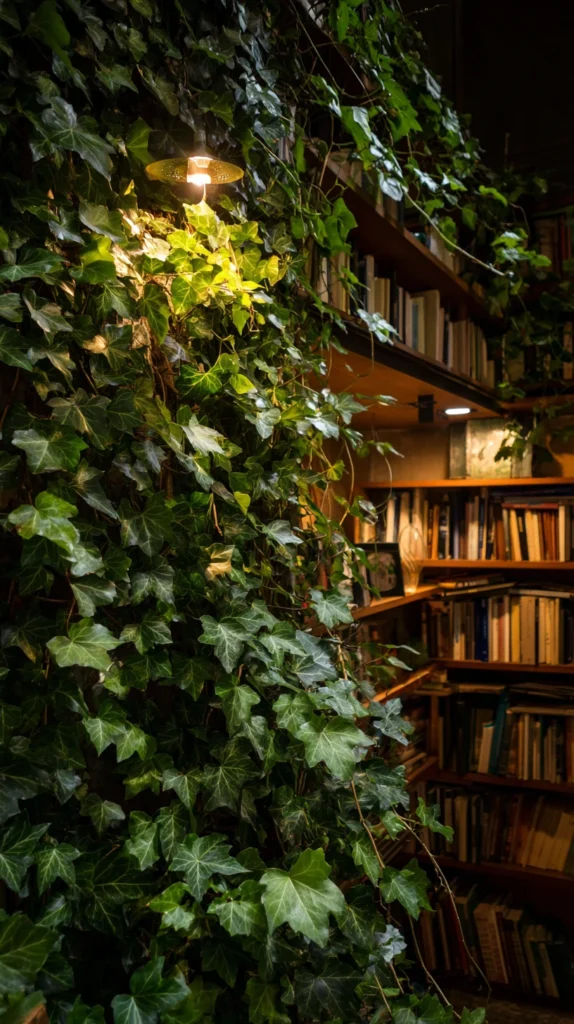
English ivy is a classic trailing plant that performs well in low-light interiors.
It prefers cooler indoor temperatures and indirect light, making it suitable for shaded rooms and hallways. In low light, growth may be slower, but the plant remains healthy.
English ivy can be trained to climb or allowed to trail, adding a traditional, elegant look to indoor décor.
12. Lucky Bamboo (Dracaena sanderiana)
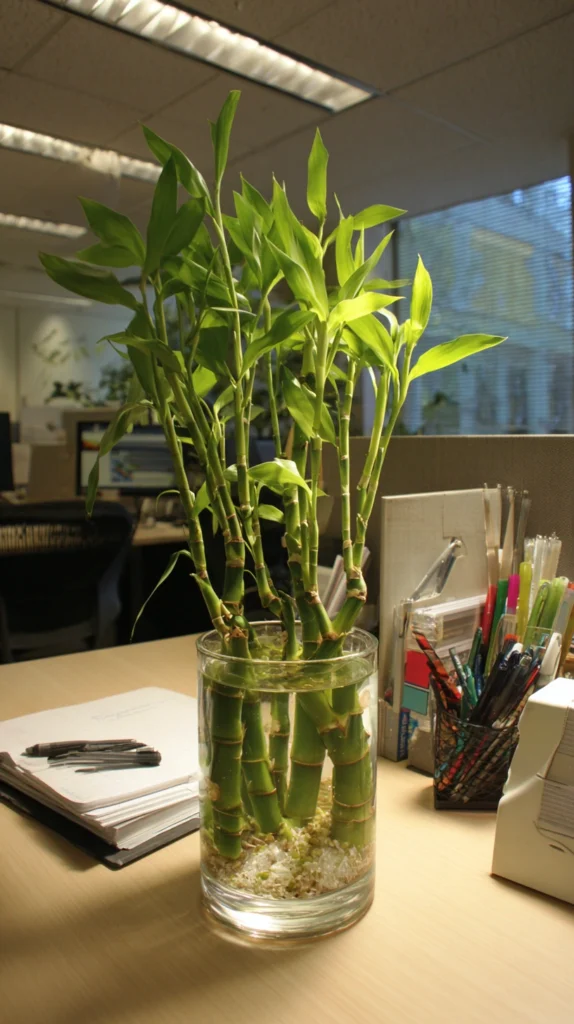
Lucky bamboo is often grown in water and is well known for thriving without direct sunlight.
It prefers low to moderate indirect light and can suffer if exposed to too much sun. This makes it perfect for interior spaces far from windows.
Lucky bamboo requires clean water or lightly moist soil and is often used in offices and homes for both decoration and symbolic meaning.
13. Maidenhair Fern (Adiantum)
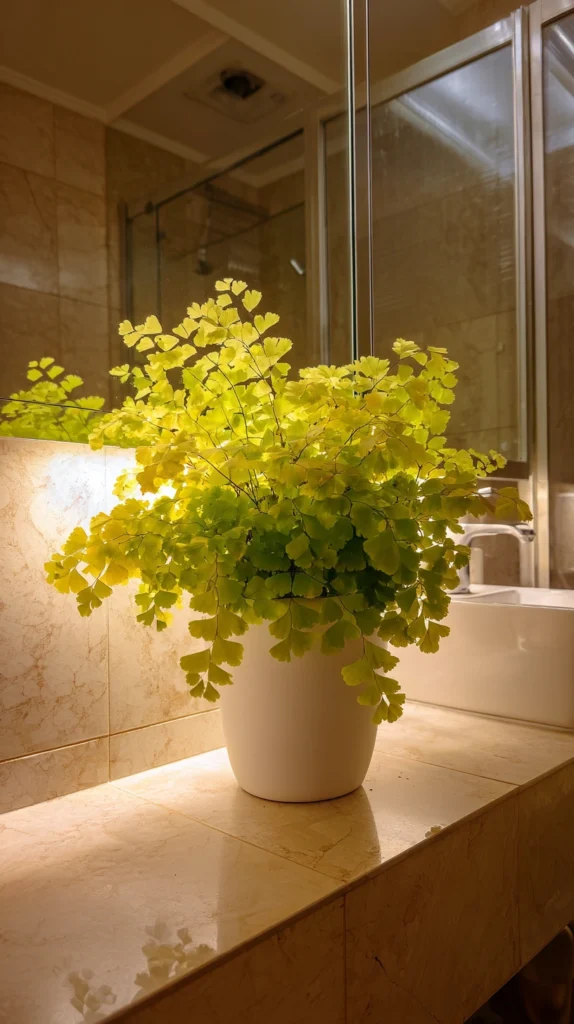
Maidenhair ferns are delicate-looking plants that prefer shade and indirect light.
While they require more consistent moisture than many low-light plants, they thrive in dim spaces when humidity is adequate. Bathrooms with artificial light are often ideal locations.
Their soft, feathery foliage adds a refined, natural feel to interiors that lack sunlight.
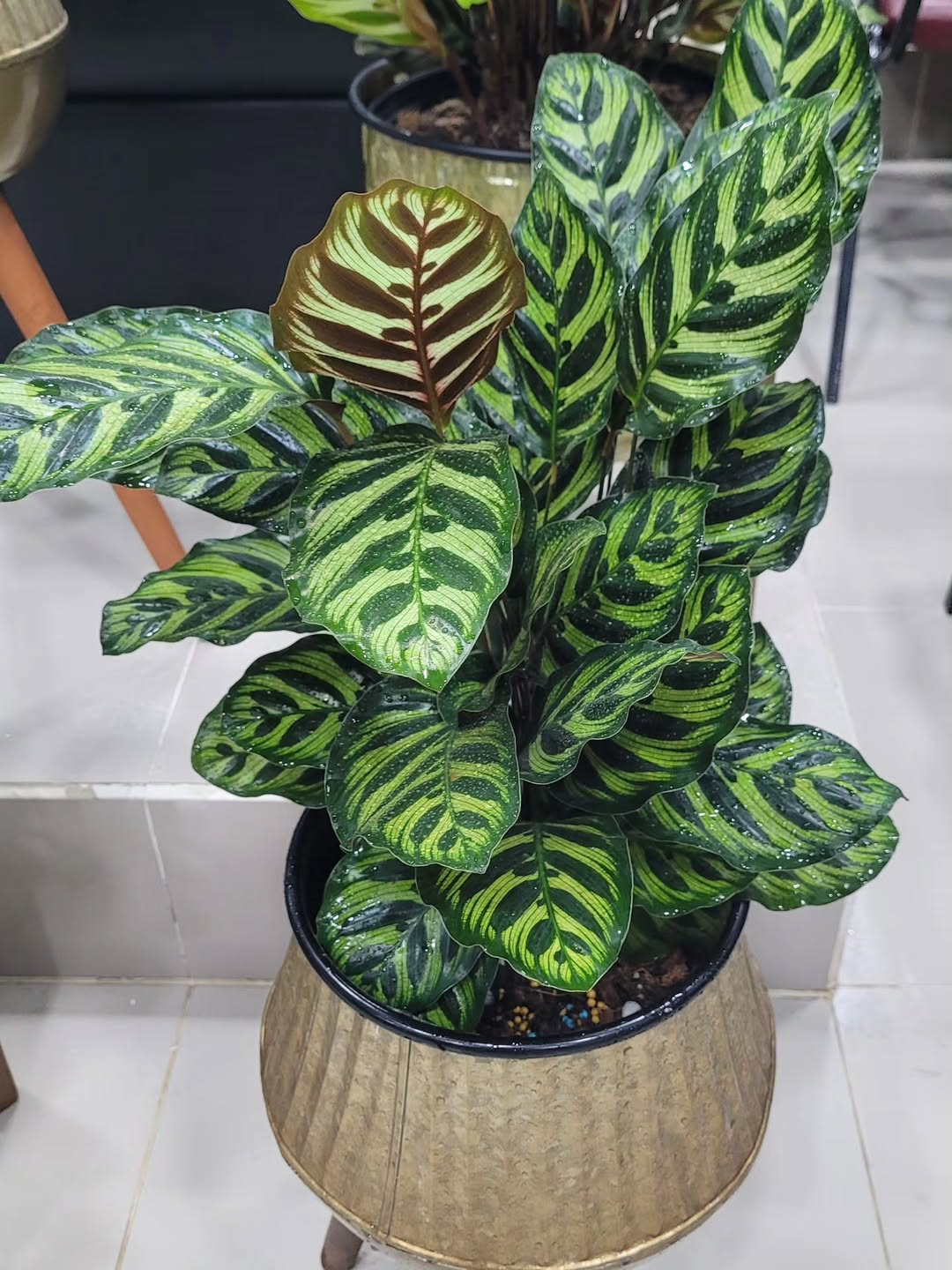
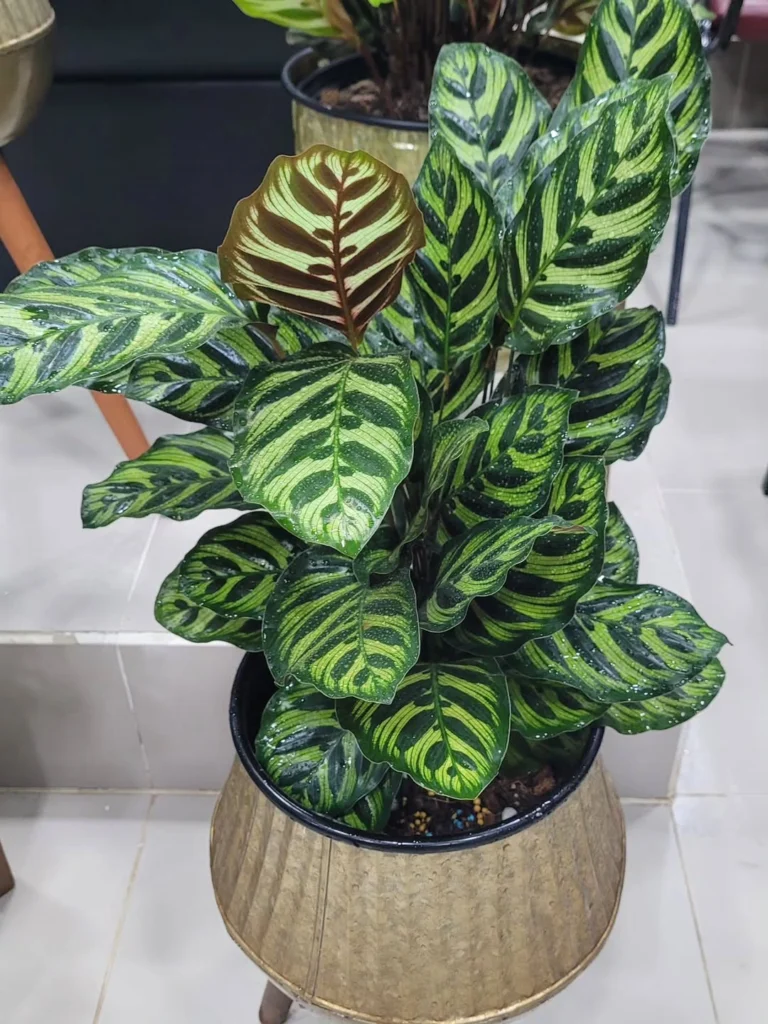
14. Peacock Plant (Calathea makoyana)
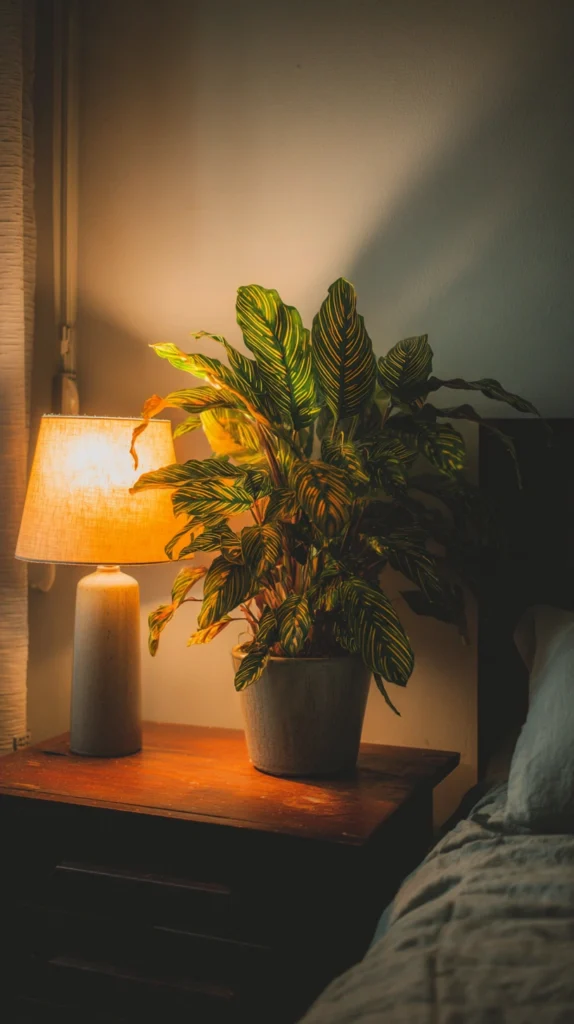
Peacock plants are known for their stunning patterned leaves that resemble feathers.
They naturally grow on forest floors, making them well-adapted to low-light environments. Bright light can actually damage their leaves, causing fading or curling.
Peacock plants prefer evenly moist soil and higher humidity, making them perfect for shaded rooms with stable indoor conditions.
15. Dieffenbachia (Dumb Cane)
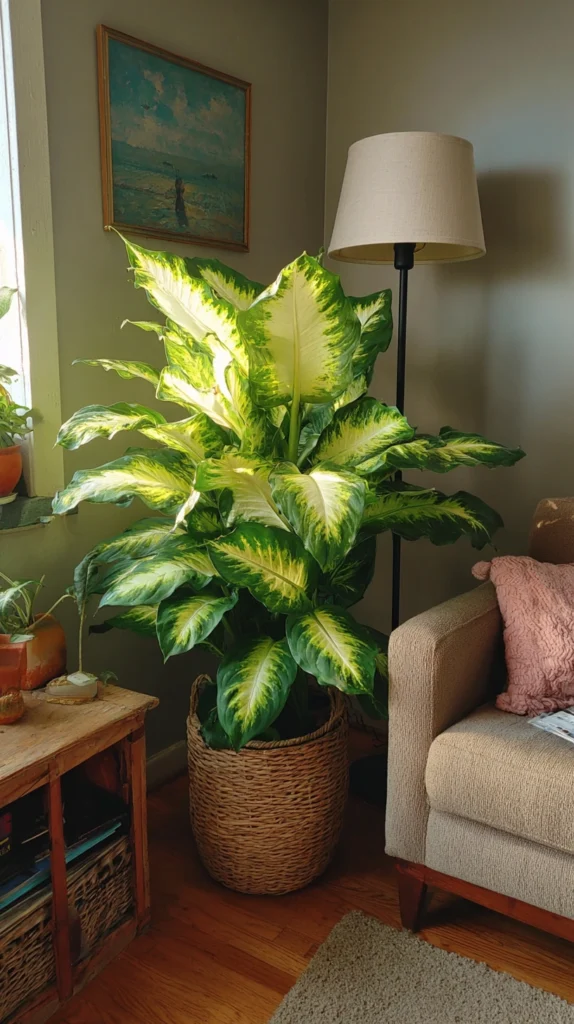
Dieffenbachia plants have large, patterned leaves and a bold presence.
They tolerate low light well, although brighter indirect light enhances leaf color. In shaded areas, they still grow steadily and maintain their lush appearance.
They prefer moderate watering and warm temperatures, making them suitable for living spaces and offices.
16. Japanese Sago Palm (Cycas revoluta)
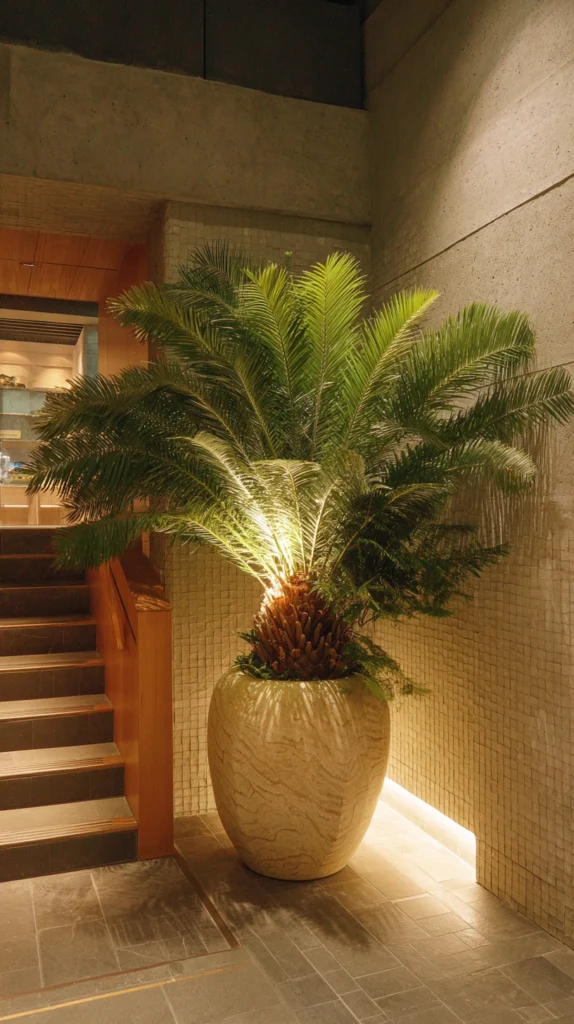
Despite its palm-like appearance, the sago palm is actually a cycad and grows very slowly indoors.
It tolerates low light better than many palms and can survive in shaded rooms with indirect or artificial lighting. Its stiff, symmetrical leaves add a structured, sculptural look to interiors.
The sago palm prefers well-draining soil and infrequent watering, making it a low-maintenance option for darker spaces.
Tips for Caring for Plants Without Sunlight
Even low-light plants need basic care to stay healthy. Here are some essential tips:
- Avoid overwatering, as low light slows evaporation
- Rotate plants occasionally for even growth
- Clean leaves to improve light absorption
- Use artificial lighting if rooms are completely dark
- Choose darker-leaved varieties for the best low-light tolerance
Final Thoughts
A lack of sunlight does not mean you have to give up on indoor plants. With the right selection, even the darkest corners of your home or office can feel alive and inviting. From the nearly indestructible snake plant to the elegant peace lily and decorative calathea, these 16 indoor plants that don’t need sunlight prove that greenery is possible anywhere.
By choosing plants adapted to shade and providing simple, consistent care, you can enjoy the benefits of indoor plants — improved mood, better air quality, and enhanced aesthetics — no matter how limited your natural light may be.