How to Grow Cilantro Indoors: A Step-by-Step Guide for Beginners
I killed cilantro six times before I figured out what I was doing wrong. Six pots of sad, wilted cilantro that died within weeks.
The problem? I treated it like my other herbs. Cilantro is completely different from basil or mint and needs totally different care.
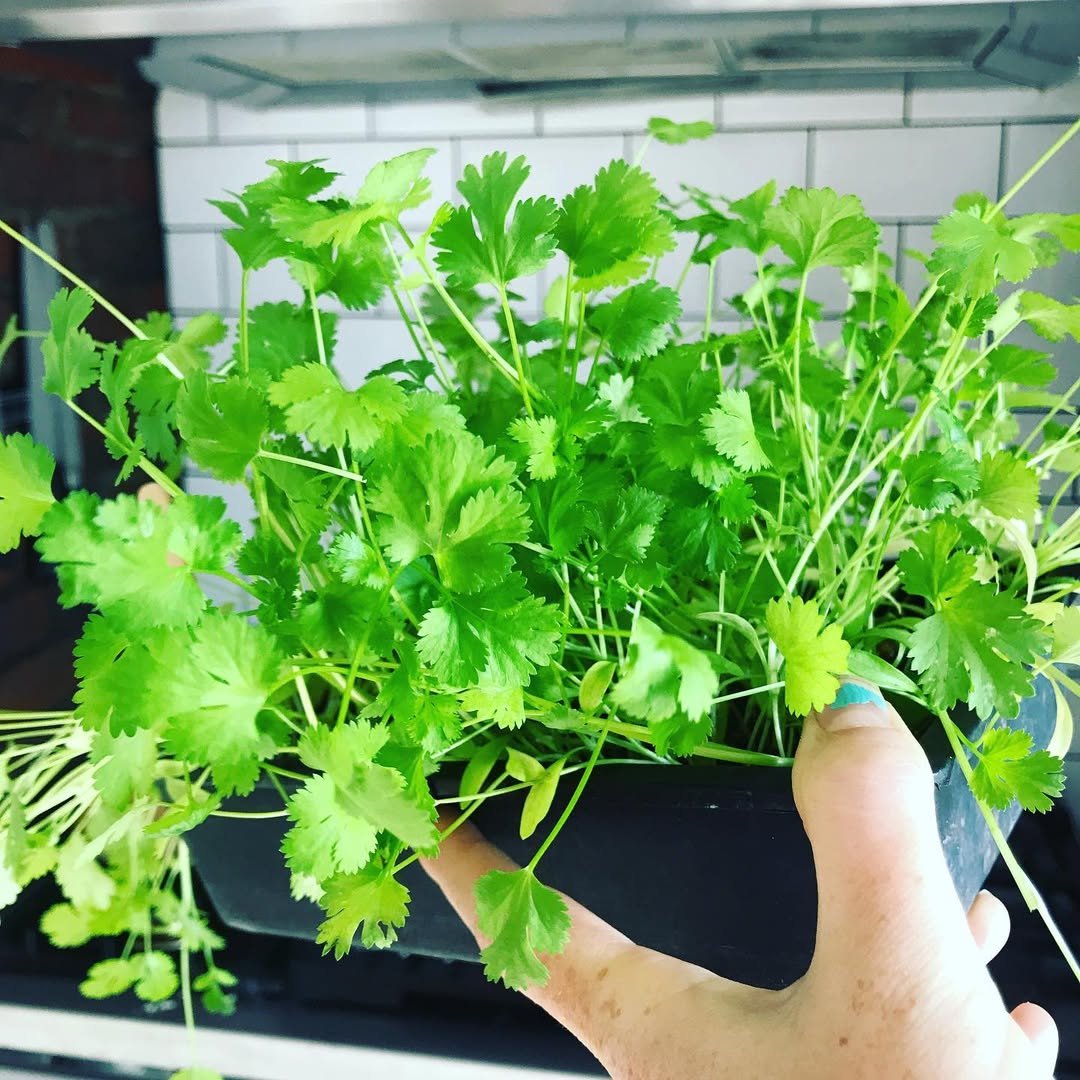
Now I grow cilantro year-round on my kitchen counter. Fresh leaves for tacos, salsa, and curry whenever I want them.
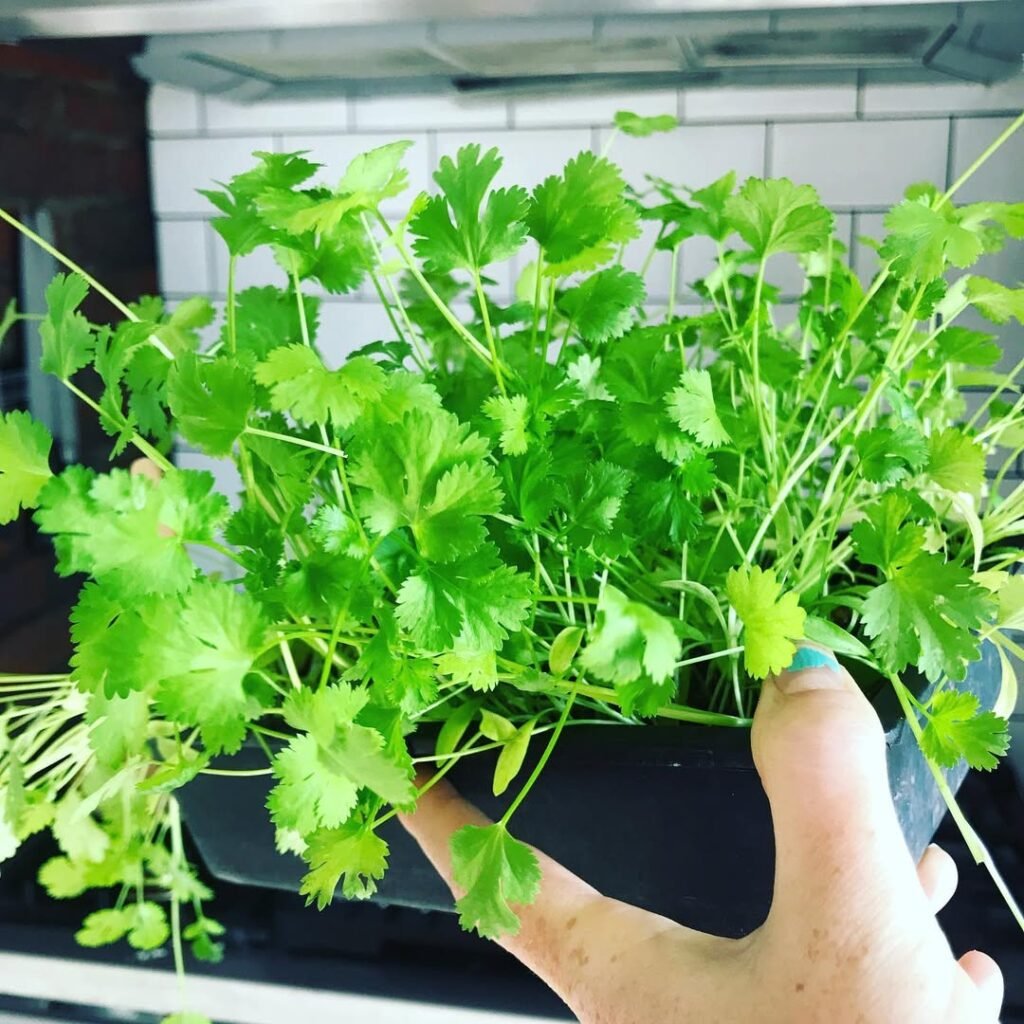
Let me show you how to actually keep cilantro alive indoors instead of watching it die like I did.
Why My First Cilantro Plants All Died
Three mistakes killed every single plant:
- Too much heat (cilantro hates warm rooms)
- Not enough light (got leggy and weak)
- Wrong watering (either too wet or bone dry)
I kept cilantro in my 72°F kitchen. It bolted to seed within three weeks every time. Cilantro wants cool temperatures, not cozy warm rooms.
I also planted it in a pot that was way too small. The roots ran out of space and the plant just gave up and died.
The Temperature Problem Nobody Warns You About
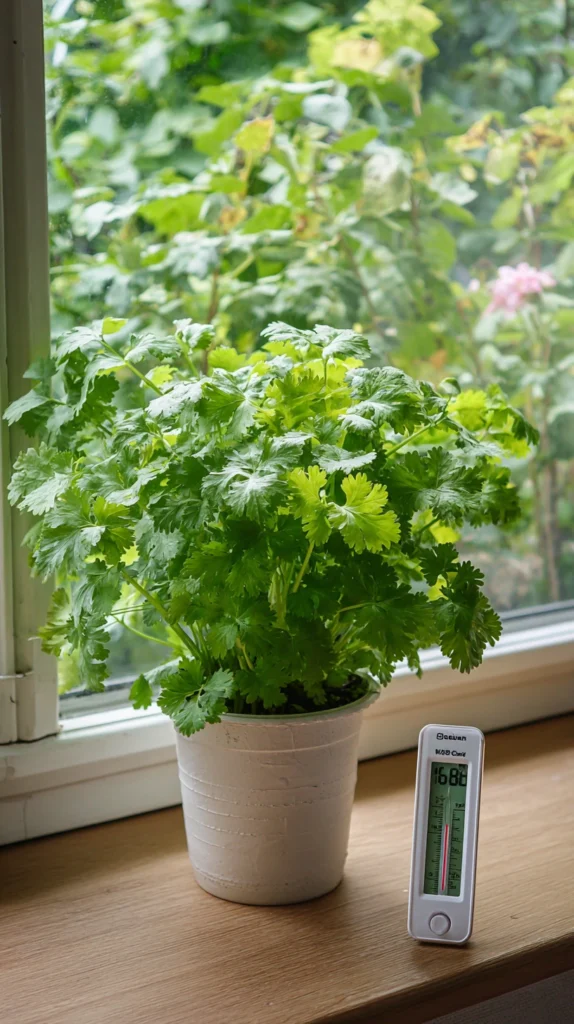
Cilantro is a cool-season herb. It wants temperatures between 50-70°F. Most houses are too warm for it to thrive.
What happens in warm temperatures:
- Plant bolts (goes to seed) in 2-3 weeks
- Leaves taste bitter
- Growth stops, plant dies
- Basically gives up on life
I moved my cilantro to the coolest room in my house – a bedroom we keep at 65°F. The difference was immediate. The plant stayed leafy for months instead of bolting in weeks.
Finding Cool Spots in Your House
Best locations for cilantro:
- Unheated sunroom or enclosed porch (if above 50°F)
- Basement with grow lights
- North-facing bedroom
- Coolest room in your house
- Near (not on) a cool window in winter
Avoid these spots:
- Next to heating vents
- Above refrigerator (gets warm)
- Sunny south window in summer (too hot)
- Any room above 75°F regularly
My setup: Bedroom windowsill that stays 62-68°F year-round. Cilantro loves it there.
Choosing the Right Pot Size
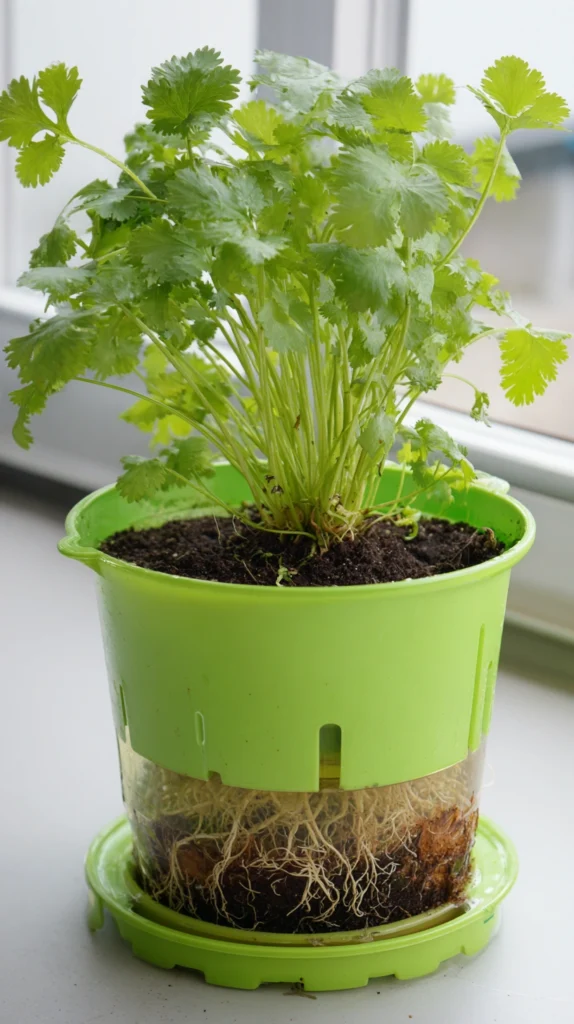
Cilantro needs deep pots because it has a taproot. This was my second-biggest mistake – using shallow pots.
Minimum pot requirements:
- 8-10 inches deep (critical for taproot)
- 6-8 inches wide for one plant
- 12 inches wide for multiple plants
- Must have drainage holes
I use 10-inch deep pots now. The taproot grows straight down 6-8 inches. Shallow pots restrict the root and the plant dies fast.
Pot material options:
| Material | Pros | Cons |
| Plastic | Cheap, holds moisture | Can get algae in sun |
| Terracotta | Breathes, looks nice | Dries out faster |
| Ceramic | Pretty, stable | Heavy, expensive |
I use plastic pots because cilantro needs consistent moisture. Terracotta dries out too fast and I’d have to water daily.
Drainage is Critical
No drainage holes = dead cilantro within two weeks. I learned this the hard way with a pretty ceramic pot.
Water sits at the bottom, roots rot, plants die. Drainage holes are non-negotiable.
If you have a pot with no holes:
- Drill holes in the bottom
- Use it as an outer decorative pot only
- Or don’t use it for cilantro
The Soil Mix That Actually Works
Don’t use garden soil or cheap potting mix. Cilantro needs light, well-draining soil.
My soil recipe:
- 60% quality potting mix
- 30% perlite or vermiculite
- 10% compost
The perlite keeps soil from compacting. Cilantro hates dense heavy soil that stays wet. Roots need air or they rot.
Pre-made option: Buy potting mix labeled “seed starting” or “herb mix.” These are lighter and drain better than regular potting soil.
I spent $12 on a bag of good potting mix and it lasted for 8 pots. Worth the investment – cheap soil kills plants.
Starting from Seeds vs Transplants
Seeds are way better than buying transplants for cilantro. Here’s why:
Seeds ($2-3 per packet):
- Last for years
- Can succession plant every 2-3 weeks
- Plants don’t get transplant shock
- Germinate in 7-10 days
Store transplants ($4-5 per pot):
- Often already stressed
- Bolt quickly after transplant
- More expensive long-term
- Root-bound in tiny pots
I use seeds exclusively now. One $2 packet has lasted me two years of continuous cilantro growing.
How to Plant Seeds
Directly sow seeds in the final pot. Cilantro hates being transplanted because of that taproot.
My planting method:
- Fill pot with damp (not soaking) soil
- Scatter 8-10 seeds on surface
- Cover with 1/4 inch soil
- Mist with water
- Keep soil damp until sprouting
Seeds germinate in 7-10 days. Sometimes faster if warm, slower if cold.
After sprouting: Thin to 3-4 strongest seedlings per 8-inch pot. Use scissors to cut weak ones at soil level.
Light Requirements (This Makes or Breaks Success)
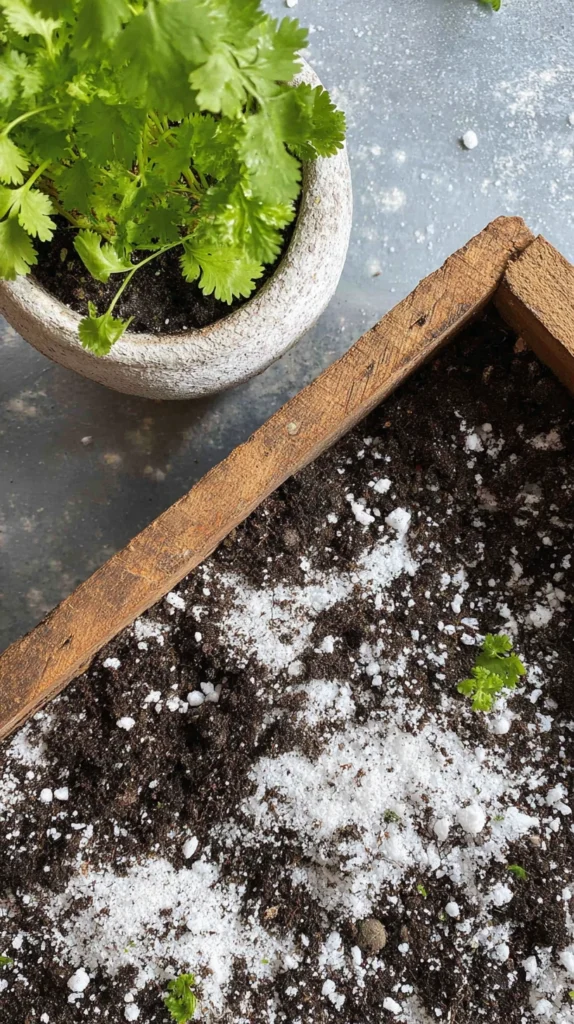
Cilantro needs 4-6 hours of bright light minimum. More is better but it’ll survive on 4 hours.
Without enough light:
- Plants get tall and leggy
- Stems weak and floppy
- Leaves small and pale
- Falls over under own weight
I tried growing cilantro in a north window on my first attempt. It grew tall and spindly, then died. Not enough light.
Best Window Options
Ideal: East or west window (bright but not scorching)
Acceptable: South window with sheer curtain in summer
Not enough: North window in most climates
My setup: East window gets bright morning sun for 5 hours. Cilantro stays compact and bushy.
Using Grow Lights
Can’t get enough natural light? A simple grow light solves this completely.
What I use:
- $25 LED shop light from hardware store
- Hung 6 inches above plants
- On timer for 12-14 hours daily
- Full spectrum or “daylight” bulbs
This setup grows better cilantro than my window plants. Light is consistent regardless of weather.
Watering Without Killing It
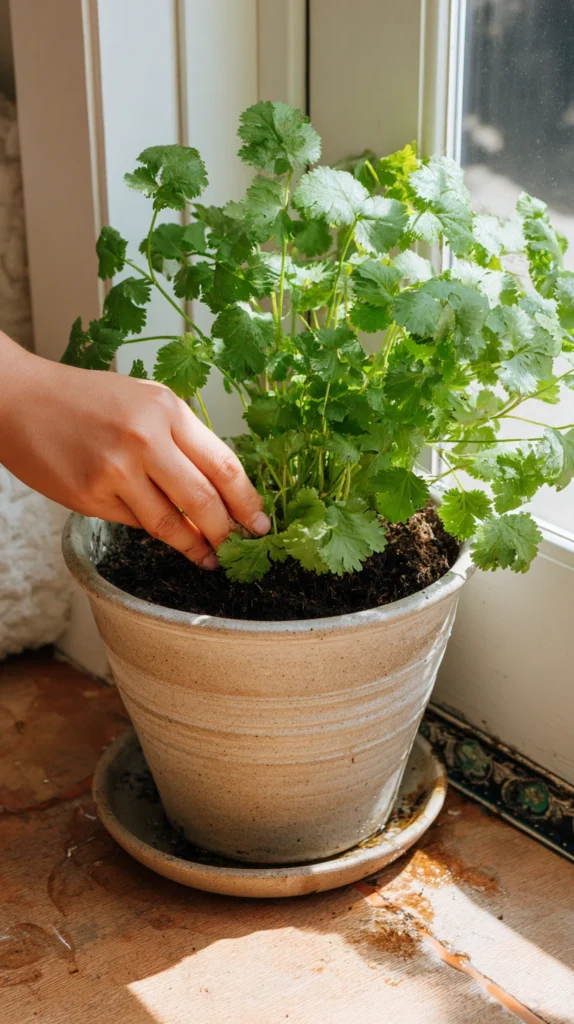
Cilantro wants consistently moist soil. Not soaking wet, not bone dry. This balance is tricky.
The finger test:
- Stick finger 1 inch into soil
- Damp = don’t water yet
- Dry = time to water
- Do this every 2-3 days
I water when the top inch is dry. For me that’s every 3-4 days. Your schedule depends on temperature, humidity, and pot size.
How I water:
- Pour water slowly until it drips from drainage holes
- Let it drain completely (5 minutes)
- Dump any water from saucer
- Never let pot sit in standing water
Signs of Watering Problems
Overwatered (most common):
- Yellow leaves falling off
- Soil stays wet for days
- Roots turning brown
- Plant wilting despite wet soil
Underwatered:
- Leaves drooping and dry
- Soil pulling away from pot edges
- Growth stops
- Leaves turning crispy
I’ve killed more cilantro from overwatering than underwatering. When in doubt, wait another day before watering.
Dealing With Bolting (The Biggest Challenge)
Bolting = plant going to seed. This is cilantro’s natural life cycle and happens to every plant eventually.
What triggers bolting:
- Temperatures above 75°F
- Long day length (summer)
- Plant reaching maturity (6-8 weeks)
- Stress (transplanting, drought)
Once it bolts, leaves taste terrible. Bitter and awful. The plant is done producing good leaves.
Delaying Bolting
How I keep cilantro leafy longer:
- Keep it cool (under 70°F if possible)
- Harvest often (every 5-7 days)
- Plant new seeds every 3 weeks (continuous supply)
- Pinch off flower buds immediately
Even with perfect care, cilantro bolts after 6-8 weeks. Succession planting is the real solution.
My Succession System
I always have 3 pots going:
| Pot | Stage | What I Do |
| Pot 1 | Mature (6 weeks) | Harvest heavily, let bolt |
| Pot 2 | Growing (3 weeks) | Light harvesting |
| Pot 3 | Seedlings (new) | No harvesting yet |
When Pot 1 bolts and dies, I plant new seeds. Always have fresh cilantro at some stage.
Harvesting to Keep Plants Producing
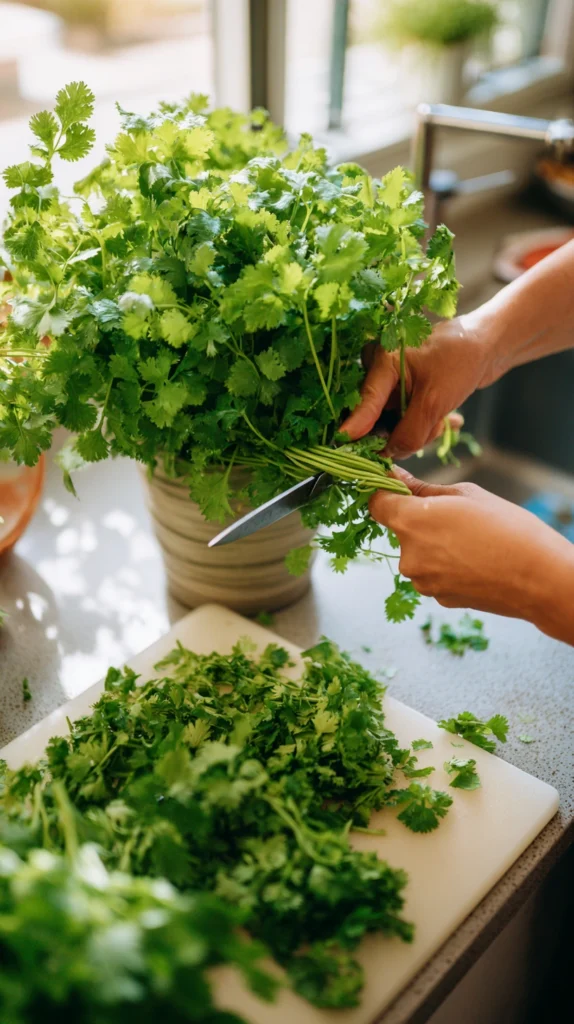
Start harvesting when plants are 4-6 inches tall. Don’t wait for them to get big.
How to harvest:
- Cut outer leaves first
- Leave center growing point intact
- Use clean scissors
- Cut stems, not individual leaves
- Harvest morning for best flavor
How much to take: Up to 1/3 of the plant at once. More than that stresses it.
I harvest every 5-7 days once plants are established. Regular harvesting actually encourages more growth and delays bolting slightly.
What to Do With Lots of Cilantro
Can’t use it all fresh? Here’s what I do:
- Freeze in ice cube trays with water or oil
- Make cilantro pesto (freezes well)
- Dry it (loses flavor but works in a pinch)
- Give to neighbors (they love free fresh herbs)
I make cilantro-lime butter and freeze it in logs. Slice off rounds for cooking. Amazing on fish and chicken.
Fertilizing Indoor Cilantro
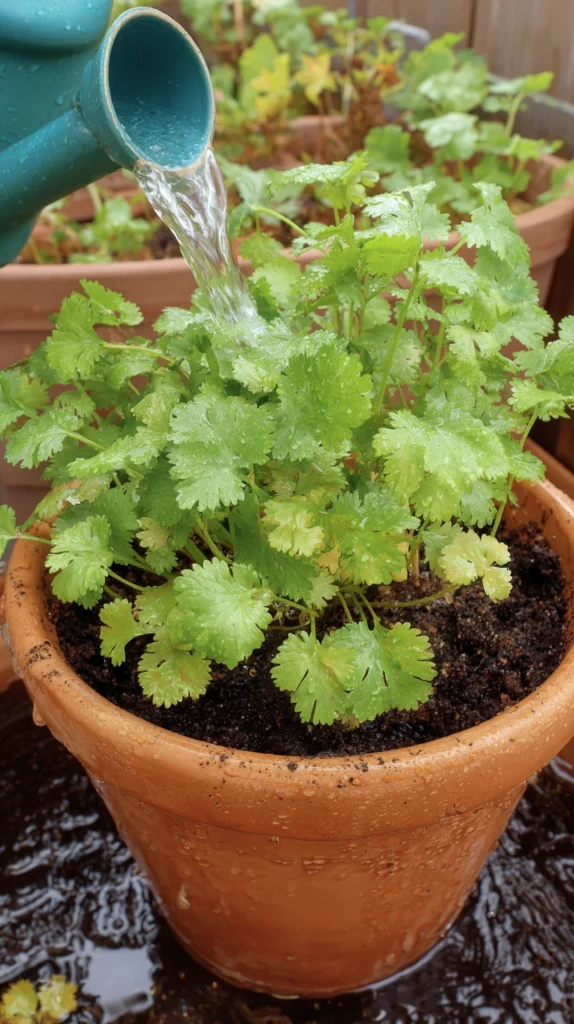
Cilantro needs food because potting soil runs out of nutrients fast.
I use liquid fertilizer at half strength every 2 weeks. Full strength burns the roots.
What I use:
- Any balanced liquid fertilizer (10-10-10)
- Fish emulsion works great
- Diluted to half package directions
- Applied every other watering
Signs it needs fertilizer:
- Pale yellow-green leaves
- Slow growth
- Small leaves
- Weak stems
Signs of too much fertilizer:
- Leaf tips turning brown
- White crust on soil surface
- Excessive leafy growth then sudden death
I skip fertilizer for the first month after planting. Potting soil has enough nutrients initially. Start feeding after first harvest.
Common Pests on Indoor Cilantro
Indoor cilantro gets fewer pests than outdoor, but you’ll still see some problems.
Aphids (Most Common)
Tiny green or white bugs on new growth. They suck plant juices and multiply fast.
How I deal with them:
- Spray plant with water in sink (knocks them off)
- Repeat every 2-3 days for a week
- Works 90% of the time without chemicals
If water doesn’t work: Mix 1 teaspoon dish soap in 1 quart water. Spray plants. Rinse after 30 minutes.
Fungus Gnats
Tiny flies around soil surface. They breed in wet soil and are super annoying.
Prevention:
- Don’t overwater
- Let soil surface dry between waterings
- Use yellow sticky traps
I had fungus gnats from overwatering. Let the soil dry out more and they disappear within two weeks.
Why Winter is Actually Better for Cilantro
Summer heat kills indoor cilantro fast. Winter cold actually helps it thrive.
Winter advantages:
- Houses are cooler (cilantro loves this)
- Less bolting
- Plants last 2-3× longer
- Better flavor
My winter cilantro lives 10-12 weeks before bolting. Summer cilantro bolts in 4-5 weeks. Huge difference.
If you can only grow cilantro one season, choose fall/winter over spring/summer. Way more success.
Varieties That Work Better Indoors
Not all cilantro is equal. Some varieties are bred to resist bolting longer.
Best varieties for indoor growing:
- ‘Slow Bolt’ (my favorite – lives 8-10 weeks)
- ‘Calypso’ (bred specifically for indoor growing)
- ‘Leisure’ (slow to bolt)
- ‘Santo’ (compact, good for small pots)
Regular cilantro from any seed packet works fine. But these varieties give you extra weeks before bolting.
I grow ‘Slow Bolt’ exclusively now. Worth the extra $1 per seed packet for the extended harvest.
Coriander Seeds (Bonus from Bolted Plants)
When cilantro bolts, it makes coriander seeds. These are actually useful!
What I do with bolted plants:
- Let flowers develop fully
- Wait for seeds to turn brown
- Cut seed heads
- Dry for 1 week
- Store in jar
Coriander uses:
- Grind for curry powder
- Use whole in pickling
- Plant for more cilantro
- Add to bread dough
My bolted cilantro gave me 2 tablespoons of coriander seeds. Not a huge amount but free spice is free spice.
The Setup That Works For Me Now
After killing six plants, this is what actually works:
Location: Cool bedroom (65°F), east window
Pots: Three 10-inch deep plastic pots with drainage
Soil: Quality potting mix with added perlite
Watering: Every 3-4 days, soil moist but not soggy
Light: 5 hours morning sun + bright indirect rest of day
Fertilizing: Half-strength liquid fertilizer every 2 weeks
Succession planting: New seeds every 3 weeks
Result: Fresh cilantro year-round, never run out
My Weekly Schedule
Sunday: Check all plants, water if top inch dry
Wednesday: Quick check, water if needed, harvest from mature plants
Every 3 weeks: Plant new seeds in rotation
Every 2 weeks: Fertilize during watering
Total time: Maybe 15 minutes per week for three pots of continuous cilantro.
Mistakes I Made (So You Don’t Have To)
Using shallow pots – Taproot had nowhere to go, plants died young
Keeping it too warm – Bolted within 3 weeks every time
Waiting too long to harvest – Let it get big, then it bolted before I could use it
Not succession planting – Had cilantro for 6 weeks, then none for months
Overwatering – Rotted roots on two plants before I learned
Starting with transplants – They were already stressed and bolted immediately
Is Growing Indoor Cilantro Worth It?
For me, absolutely yes. Here’s why:
Cost comparison:
| Method | Cost | How Long It Lasts |
| Store bunches | $2 each | 3-5 days in fridge |
| My indoor setup | $15 startup | Continuous for years |
Startup costs:
- Seeds: $2
- Pots: $9 (three pots)
- Soil: $4
- Total: $15
Ongoing costs:
- Seeds every few months: $2
- Fertilizer: Basically nothing
- Water: Pennies
I’ve grown cilantro for 18 months from that initial $15 investment. Way cheaper than buying bunches.
The Convenience Factor
Walk to the kitchen, snip cilantro, and use it immediately. No trips to the store, no wilted bunches in the fridge.
Fresh cilantro tastes completely different from store-bought that’s been sitting for days. Brighter, more citrusy, more flavorful.
My cooking improved just from having fresh herbs always available. I use cilantro in way more dishes now.
Can You Grow Cilantro Long-Term Indoors?
Not from one plant. Cilantro’s life cycle is about 6-8 weeks before it bolts and dies.
But with succession planting, you can have continuous cilantro forever. That’s the secret.
My longest continuous harvest: 18 months and counting by always having new plants started before old ones bolt.
It’s not about keeping one plant alive forever. It’s about always having plants at different stages.
Starting Your Indoor Cilantro This Week
Here’s exactly what to do:
Day 1:
- Buy seeds, pots (10″ deep), potting mix
- Find cool spot in house with good light
- Fill pots with soil
Day 2:
- Plant seeds (8-10 per pot)
- Water gently
- Place in chosen location
Week 2:
- Seeds should sprout
- Keep soil moist
- Thin to 3-4 strongest seedlings
Week 4-5:
- Start harvesting outer leaves
- Begin fertilizing
- Plant second pot of seeds
Week 8:
- First pot bolting, let it go to seed
- Second pot in prime harvest stage
- Plant third pot of seeds
Week 12:
- First pot dead, composted
- Plant fourth pot of seeds
- Continuous cycle established
This system gives you fresh cilantro forever from a $15 investment.
Now go buy some seeds and get your first pot started. In 5 weeks you’ll be harvesting your own fresh cilantro!
Quick Summary:
Critical requirements:
- Cool temperature (60-70°F, under 75°F always)
- Deep pots (minimum 8-10 inches for taproot)
- Bright light (4-6 hours minimum, east window best)
- Consistent moisture (not wet, not dry)
- Succession planting (new seeds every 3 weeks)
Best practices:
- Start from seeds, not transplants
- Use light, well-draining soil with perlite
- Harvest regularly starting at 4-6 inches
- Fertilize half-strength every 2 weeks
- Keep pots in coolest part of house
- Accept bolting is inevitable (plan around it)
What kills cilantro:
- Heat above 75°F (bolts immediately)
- Shallow pots (restricts taproot)
- Overwatering (root rot)
- Low light (gets leggy and weak)
- No succession planting (runs out)
Startup costs: $15 for seeds, pots, soil Time investment: 15 minutes weekly Harvest timeline: 4-5 weeks from seed to first harvest Plant lifespan: 6-8 weeks before bolting Solution: Always have 2-3 pots at different stages