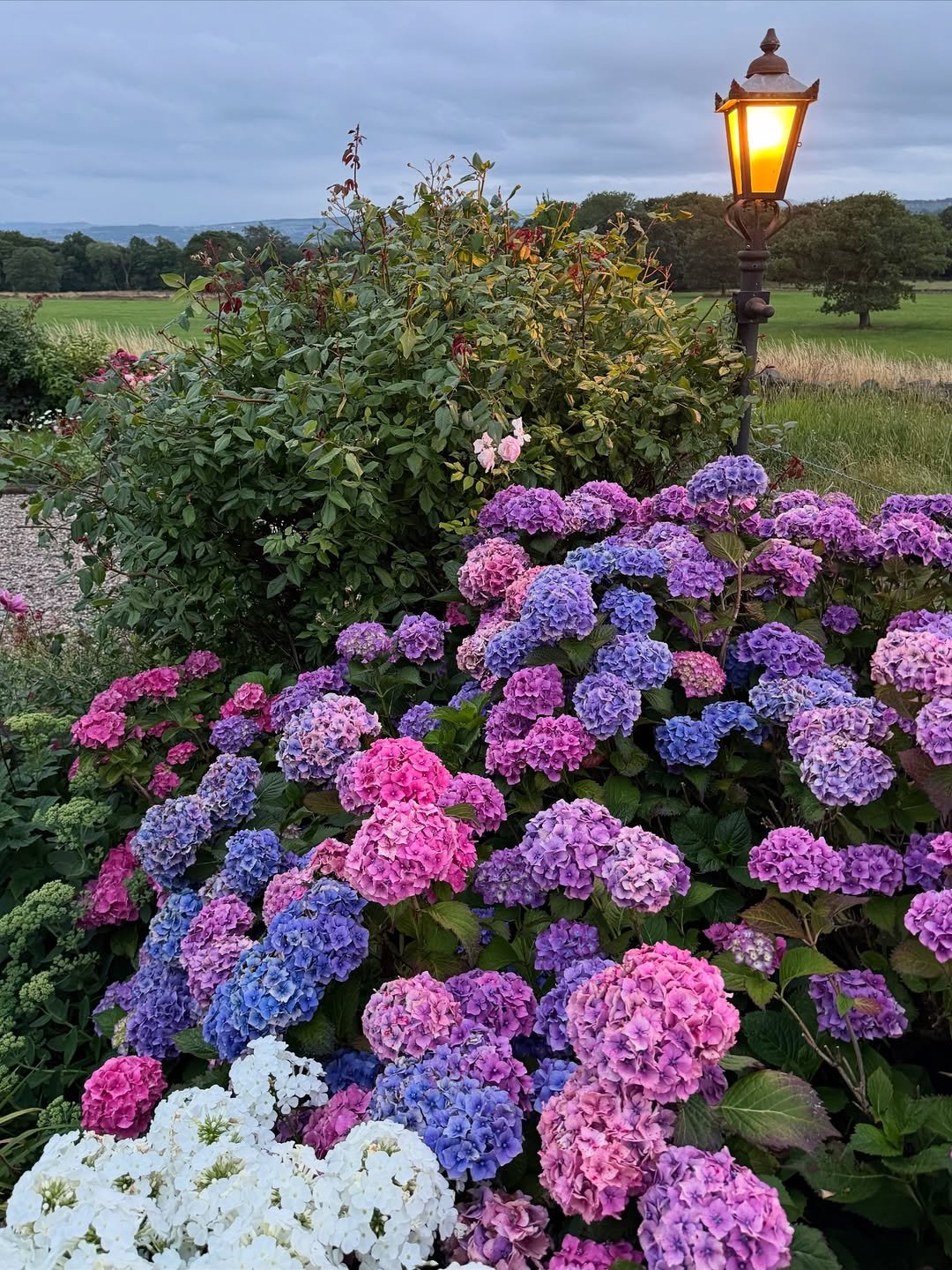
15 Perennials for a Low-Maintenance Garden
I replanted my flower beds every spring for five years. Spent $300 yearly on annuals that died after one season.
Then I discovered perennials. Plant once, and they come back for 10-20 years with minimal care.
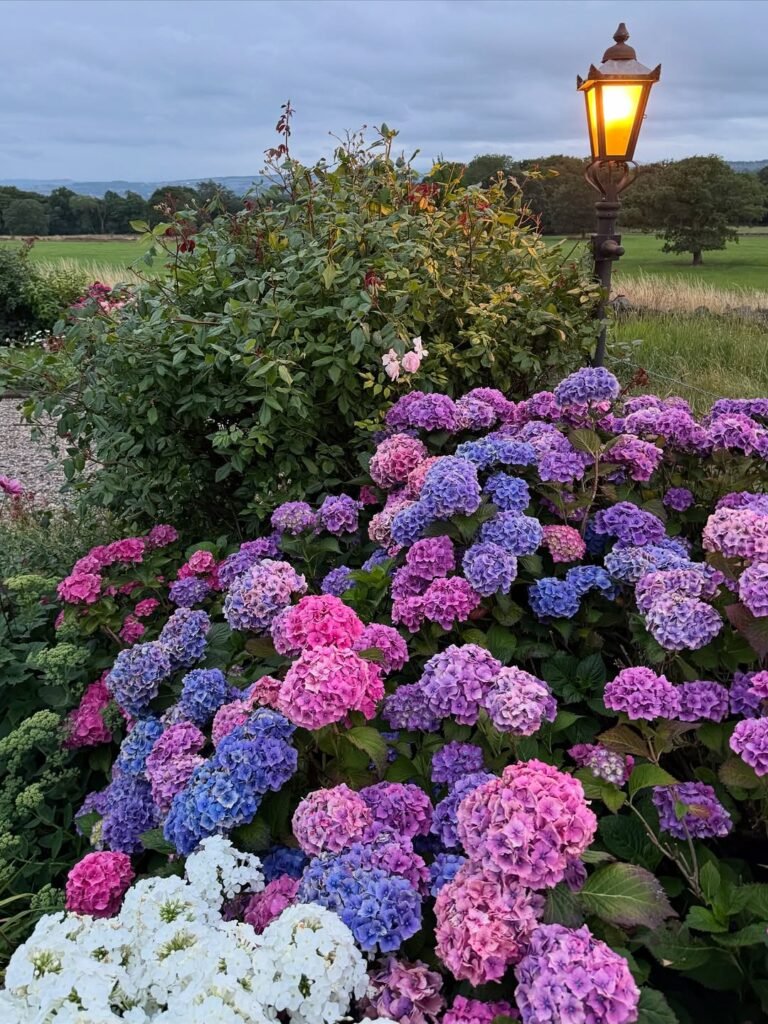
Now my garden blooms beautifully with maybe 2 hours of work monthly. No replanting, less watering, barely any fussing.
Let me show you 15 perennials that actually survive neglect and still look amazing.
Why I Switched to Perennials
Annual flower problems:
- Replant every single spring
- Constant deadheading needed
- High water requirements
- Expensive yearly investment
- Die after the first frost
My annual costs (5 years):
- Petunias, marigolds, impatiens: $300/year
- Potting soil: $40/year
- Fertilizer: $30/year
- Total yearly: $370
- 5-year total: $1,850
Then I switched to perennials:
Year 1 investment: $400 for 30 plants. Years 2-5 investment: $0 Total 5-year cost: $400
Savings: $1,450 over 5 years
Plus, they look better because plants get bigger and more established yearly.
What “Low Maintenance” Actually Means
Not zero maintenance. But close.
Low-maintenance perennials need:
- Water first year only
- Dividing every 3-5 years (optional)
- Cutting back once a year
- Maybe 30 minutes per plant annually
High-maintenance perennials need:
- Deadheading constantly
- Staking
- Frequent dividing
- Pest management
- Special soil requirements
I only grow low-maintenance types. Life’s too short for fussy plants.
1. Black-Eyed Susan (Rudbeckia) – My Top Pick
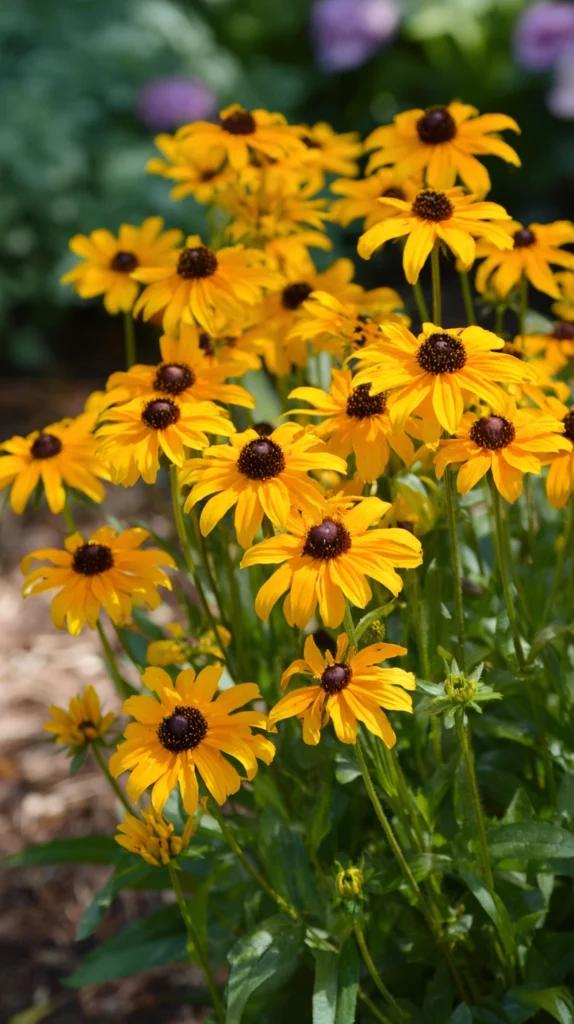
If you plant only one perennial, plant this.
I have 12 black-eyed Susans planted 4 years ago. Zero maintenance beyond cutting them back once in spring.
Why they’re perfect:
- Bloom June through October (5 months!)
- Tolerate drought once established
- Handle poor soil
- Never need dividing
- Self-seed (free new plants)
- Deer and rabbit resistant
- Attract pollinators like crazy
Care I actually give them:
- Water first year
- Cut back dead stalks in early spring
- That’s literally it
Bloom performance:
- Year 1: Small, few flowers
- Year 2: Double in size
- Year 3-4: Triple original size, hundreds of flowers
- Gets better with age
Cost: $8 per plant Lifespan: 10+ years Cost per year: 80 cents
Varieties I Recommend
Goldsturm (what I grow):
- Classic 2-3 feet tall
- Golden yellow with black center
- Most reliable variety
Indian Summer:
- Larger flowers (4-5 inches)
- Shorter plant (18 inches)
- More compact
Cherry Brandy:
- Deep red-burgundy petals
- Unique color
- Same low maintenance
All varieties are equally easy. Can’t kill them if you try.
2. Daylily (Hemerocallis) – Indestructible Beauty
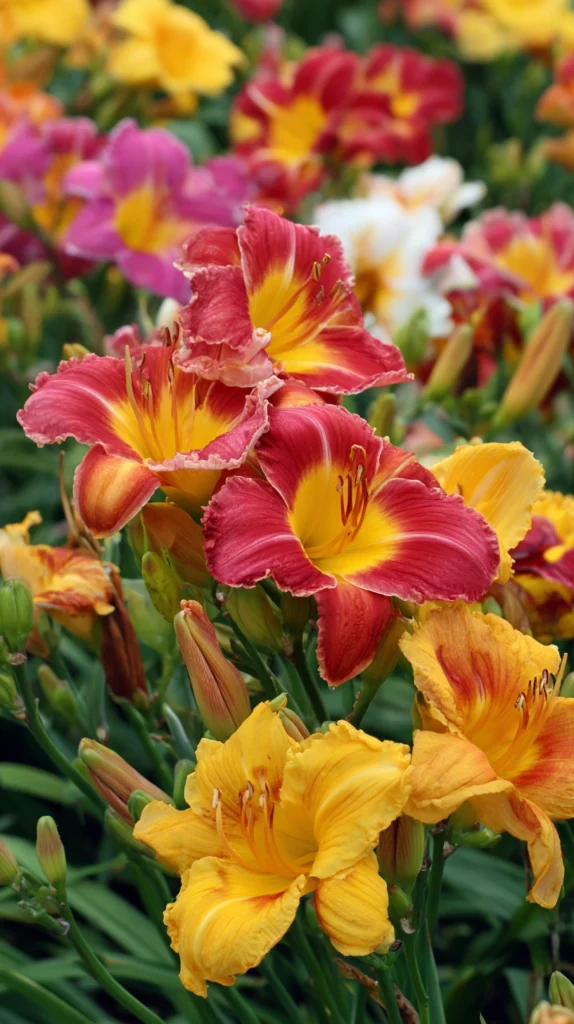
The plant you give people who kill everything.
I planted 8 daylilies in terrible clay soil with partial shade. They still bloom beautifully every June.
What makes them bulletproof:
- Survive any soil (clay, sand, rocks)
- Tolerate drought or wet conditions
- Grow in sun or shade
- Never get diseases
- Deer resistant
- Zero pest problems
- Multiply every year
My maintenance:
- Cut back brown leaves in spring
- Divide every 5 years (because I want more plants, not because I have to)
Each plant produces:
- 20-30 flower stems per summer
- Each stem has 10-15 buds
- Blooms for 6+ weeks
One daylily = 200+ flowers per season
Daylily Reality Check
Each bloom lasts ONE day. That’s why they’re called daylilies.
But so many buds open that you don’t notice. Always fresh flowers.
Colors available:
- Every color except true blue
- Solids, bicolors, patterns
- Thousands of varieties
I have three colors:
- Yellow (classic, always blooms)
- Red (‘Pardon Me’, compact)
- Purple (‘Grape Velvet’, dramatic)
All equally tough and easy.
3. Sedum (Stonecrop) – The Drought Survivor
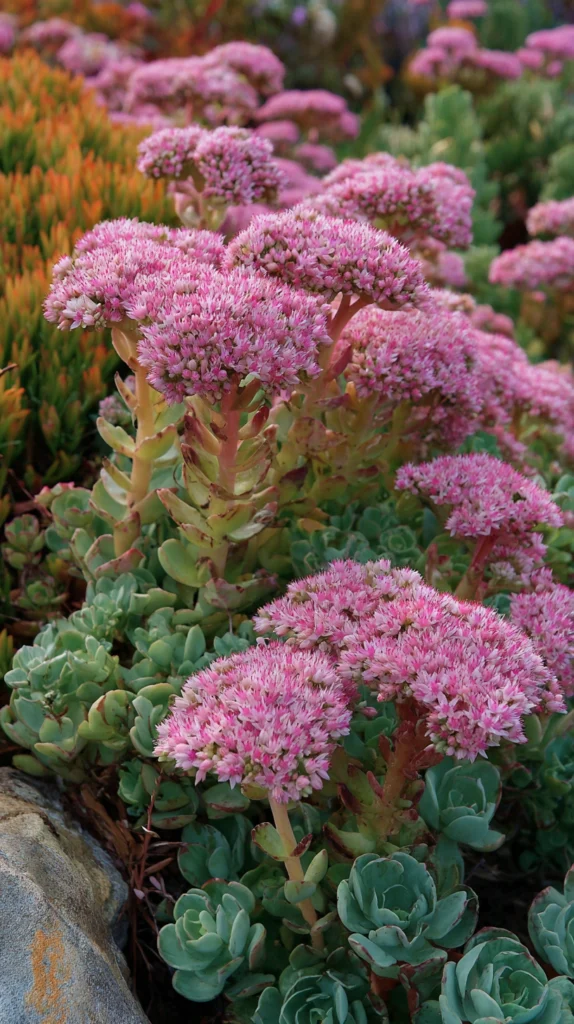
Succulent perennial that survives apocalyptic neglect.
I have sedum in the hottest, driest corner of my yard. Full scorching sun, terrible soil, rarely watered.
It thrives.
Why sedums are ultimate low-maintenance:
- Succulent leaves store water
- Survive weeks without water
- Require zero fertilizer
- Never need dividing
- Butterflies love the flowers
- Beautiful spring through fall
- Different varieties for different looks
My care routine:
- Plant it
- Ignore it
- Cut back dead stalks in spring
- Ignore it more
Varieties I grow:
‘Autumn Joy’ (most popular):
- 18-24 inches tall
- Pink flowers turn burgundy in fall
- Upright habit
- Blooms August-October
‘Dragon’s Blood’ (ground cover):
- 3-4 inches tall
- Red foliage
- Pink flowers
- Spreads to fill space
Both are indestructible and look completely different.
Sedum for Terrible Conditions
Where sedum thrives:
- Hellstrip (between sidewalk and street)
- Rocky poor soil
- Slopes that erode
- Spots nothing else survives
I use it in problem areas where other plants die. It’s my troubleshooting plant.
Bonus: Cuttings root instantly. Break off piece, stick in ground, new plant.
4. Hosta (Shade Champion) – Foolproof Foliage
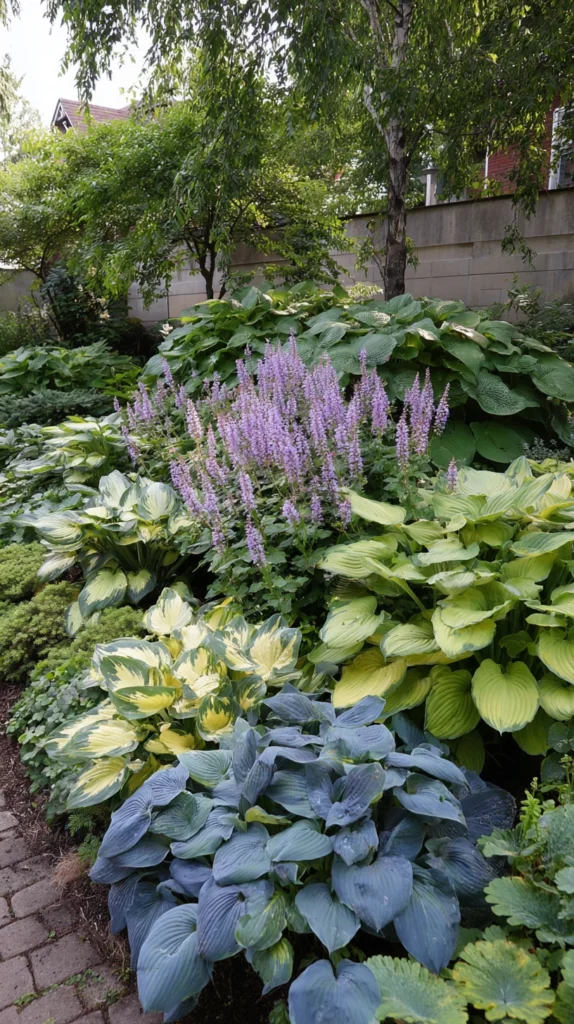
Shady areas where nothing grows? Plant hostas.
I have 15 hostas under trees. They’ve been there 6 years with almost zero care.
Why they’re perfect for shade:
- Thrive in full shade
- Beautiful foliage (flowers are bonus)
- Hundreds of varieties
- Grow bigger every year
- Never get diseases (in my experience)
- Drought tolerant once established
My maintenance:
- Cut back brown leaves in spring (5 minutes per plant)
- Watch them grow
- Admire dramatic foliage
Size range:
- Miniature: 6 inches tall
- Medium: 18 inches
- Giant: 4 feet tall and wide
I have all three sizes for layered effect.
Slug Problem (Only Issue)
Hostas can get slug damage (holes in leaves).
My solution:
- Scatter crushed eggshells around plants
- Slugs hate crawling over sharp edges
- Free and organic
Or just ignore it. Slug damage doesn’t kill the plant. I mostly ignore it.
Deer will eat hostas unless you use repellent. This is my one maintenance task – monthly spray in spring.
5. Russian Sage (Perovskia) – Silvery and Fragrant
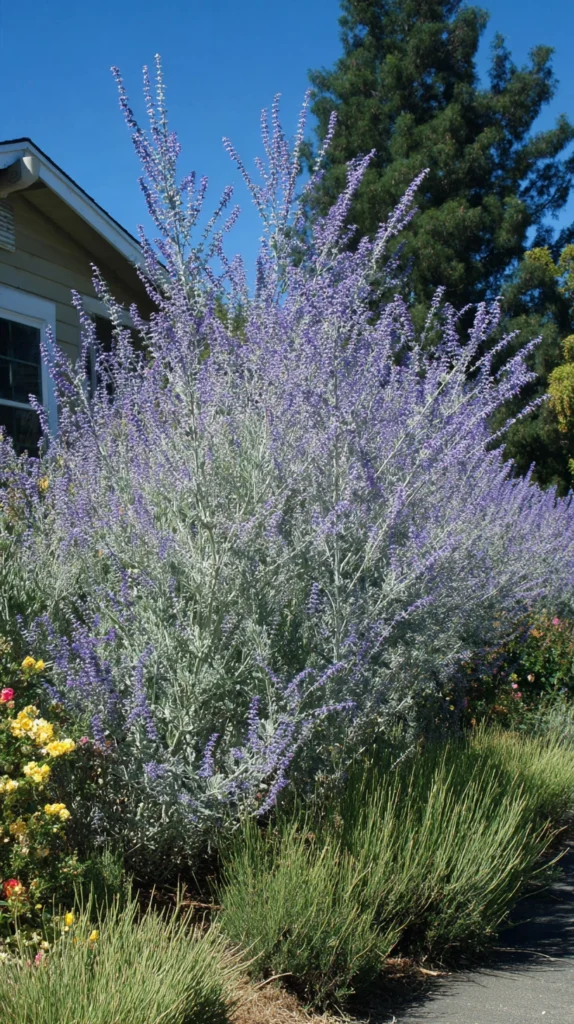
Looks delicate, actually tough as nails.
My Russian sage has survived drought, flooding, extreme heat, and neglect. Still blooms beautifully.
What I love:
- Silvery-gray foliage (unique color)
- Purple-blue flowers July-September
- Aromatic (smells like sage)
- Deer resistant
- Drought tolerant
- Never needs water after year 1
Care requirements:
- Cut to ground in early spring
- That’s it
Growth habit:
- 3-4 feet tall
- 3 feet wide
- Airy, see-through quality
- Sways in breeze
Pairs beautifully with:
- Black-eyed Susan (yellow + blue)
- Purple coneflower
- Any hot-colored flowers
Cost: $12 per plant Lifespan: 15+ years
Why It’s Drought Proof
Native to steppes of central Asia. Evolved in harsh, dry conditions.
In my garden:
- Full sun
- Well-draining soil
- Rain only (never watered)
- Looks great always
Perfect for xeriscape gardens or people who forget to water.
6. Lamb’s Ear (Stachys byzantina) – Soft Silver Ground Cover
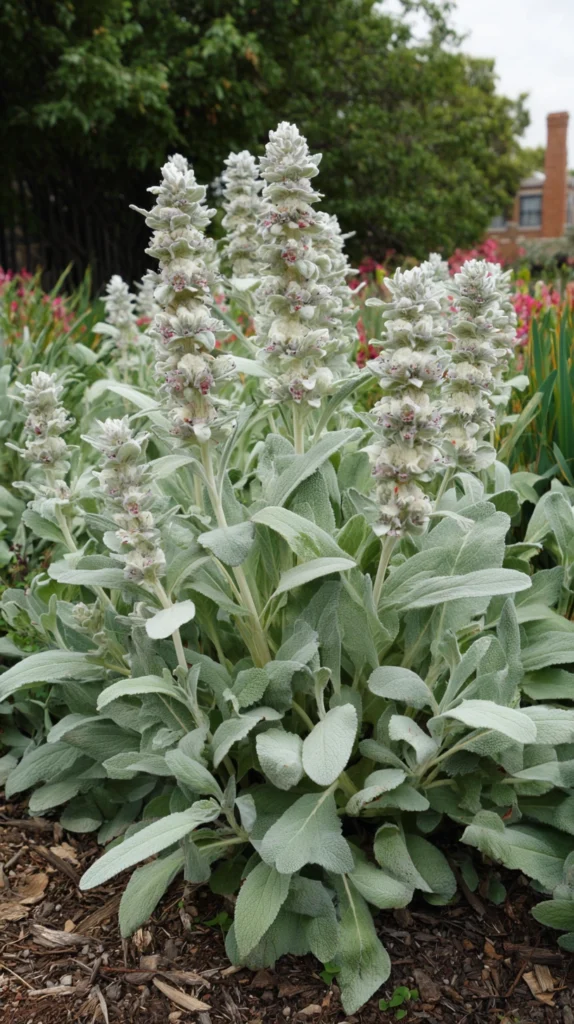
Fuzzy silver leaves kids love to touch.
I planted 3 lamb’s ear plants 5 years ago. Now I have 30+ plants from spreading and self-seeding.
Why it’s low-maintenance:
- Spreads to fill space (free plants)
- Drought tolerant
- Evergreen in mild winters
- Deer resistant
- Rabbits avoid it
- Beautiful silver color contrasts with green
My care:
- Pull out extras if spreading too much
- Remove flower stalks (optional, I do it for looks)
- Divide every 3-4 years if you want
Uses in my garden:
- Front border (silvery edge)
- Ground cover under roses
- Between stepping stones
- Filler between other perennials
Texture is amazing. Literally like petting a lamb.
Growing Tips
Needs good drainage. Will rot in soggy soil.
I lost 2 plants in a low wet spot. Moved to the raised bed, thrived.
Plant in:
- Well-draining soil
- Full sun to part shade
- Slopes work great
Bonus: Cut leaves for flower arrangements. They last weeks.
7. Catmint (Nepeta) – Long Blooming Lavender-Look
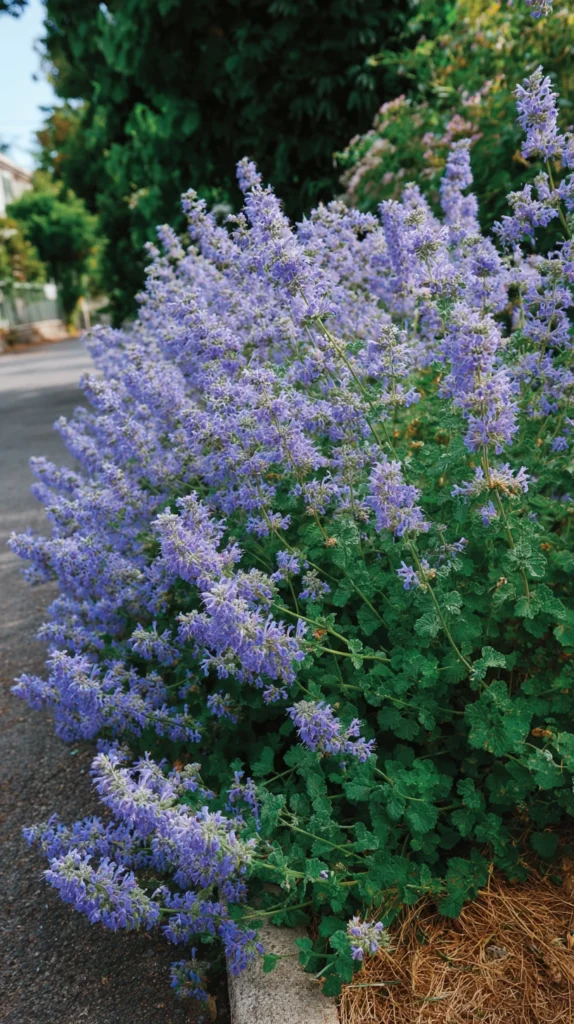
Looks like lavender, easier to grow.
My catmint blooms May through October with zero deadheading needed.
Why I love it:
- Blooms for 5+ months
- No deadheading required
- Drought tolerant
- Deer and rabbit proof
- Fragrant (cats love it, hence the name)
- Low growing (12-18 inches)
Care I provide:
- Cut back by half after first bloom (gets second flush)
- Cut to ground in spring
- Ignore rest of year
My cat rolls in it constantly. The plant is so tough it doesn’t care.
Bloom colors:
- Blue-purple (most common)
- White varieties available
- Pink varieties (newer)
I have classic blue. Combines beautifully with everything.
Catmint vs Catnip
Not the same plant.
Catmint (Nepeta × faassenii): Ornamental, less attractive to cats
Catnip (Nepeta cataria): Herbs, cats go crazy for it
Both are low-maintenance, but catmint is prettier for flower beds.
8. Coreopsis (Tickseed) – Non-Stop Blooms
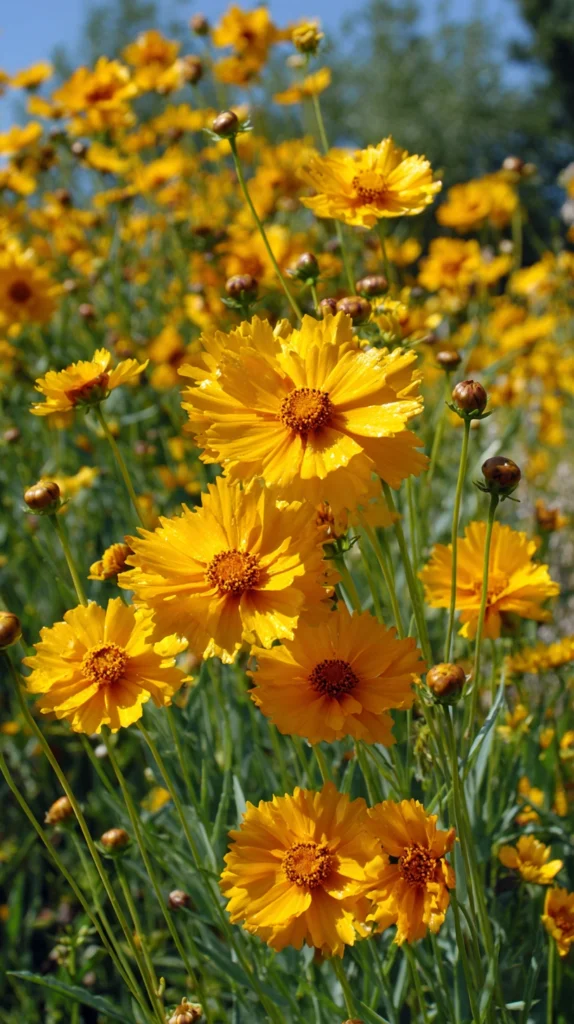
Blooms from June until frost with minimal care.
I have 8 coreopsis plants that bloom constantly all summer without deadheading.
What makes it easy:
- Self-cleaning (old flowers fall off)
- Drought tolerant
- Poor soil is fine
- Rarely needs dividing
- Reseeds (free plants)
- Attracts butterflies
- Looks cheerful always
Maintenance:
- Cut back in spring
- Maybe remove dead stalks mid-summer
- Otherwise leave it alone
Flower colors:
- Classic yellow
- Red-yellow bicolors
- Pink varieties
- All equally easy
‘Moonbeam’ variety:
- Pale yellow (not harsh)
- Longest blooming
- Most popular
- What I grow
Performance:
- Year 1: Small, moderate blooms
- Year 2-3: Covered in flowers
- Just keeps getting better
9. Salvia (Perennial Sage) – Hummingbird Magnet
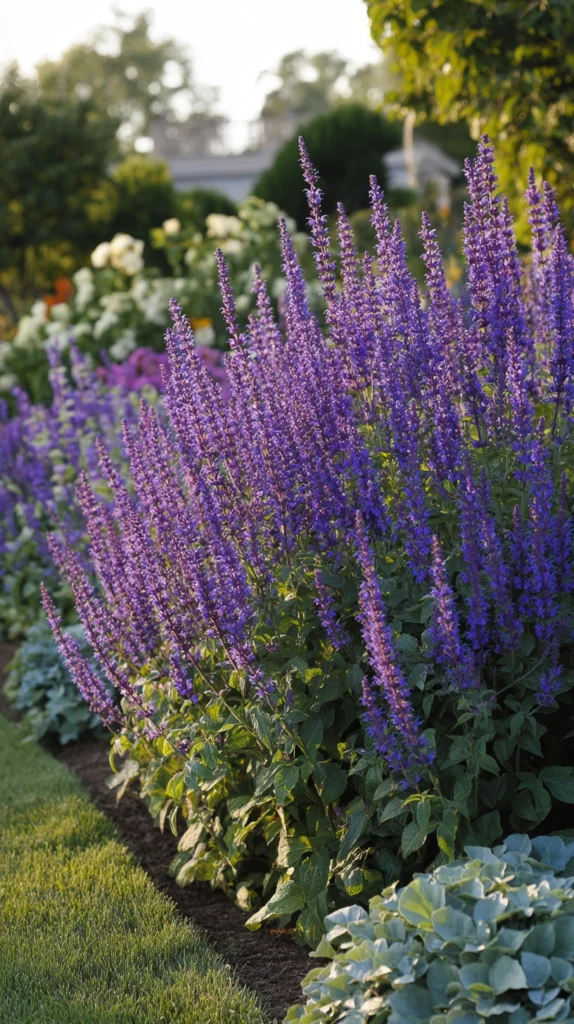
Spike flowers bloom spring through fall.
My salvias attract 20+ hummingbirds daily in summer. Entertainment and low maintenance.
Why they’re easy:
- Bloom repeatedly without deadheading
- Drought tolerant
- Deer and rabbit resistant
- Long bloom season
- Many colors available
- Never get pests or diseases (in my experience)
Varieties I grow:
‘May Night’ (classic):
- Deep purple spikes
- 18 inches tall
- Blooms May-July, again in fall
‘Caradonna’:
- Dark purple flowers
- Dark stems (dramatic)
- 24 inches tall
Care required:
- Cut back spent flower stalks (encourages reblooming)
- Cut to ground in spring
- Water first year
After establishment: basically zero care.
Salvia for Every Climate
Hundreds of species, some for every zone.
Cold climates: Salvia nemorosa varieties (what I grow)
Warm climates: Salvia greggii (autumn sage), more varieties
All are low-maintenance once you pick the right one for your zone.
10. Ornamental Grasses – Movement and Texture
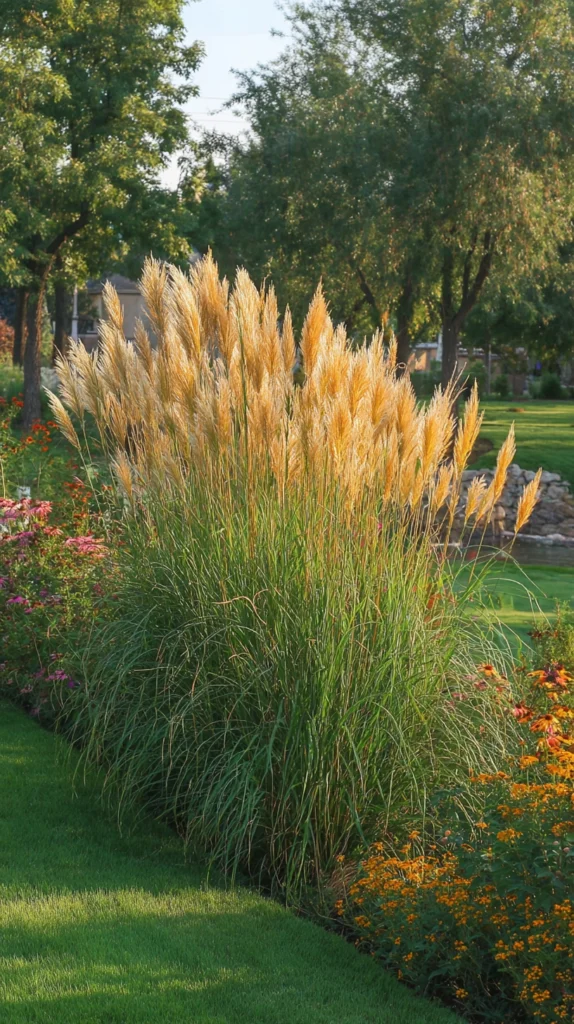
Adds motion to the garden with zero work.
I have 5 different ornamental grasses. Planted once, never divided, minimal care.
Why grasses are ultimate low-maintenance:
- Never need dividing
- Drought tolerant
- No pests ever
- No diseases
- Beautiful 4 seasons
- Sway in breeze (adds movement)
- Winter interest (tan plumes)
My grass collection:
Karl Foerster Feather Reed Grass:
- 5 feet tall
- Upright habit
- Early blooming (June)
- Non-spreading
Little Bluestem:
- 2-3 feet tall
- Blue-green in summer
- Orange-red in fall
- Native prairie grass
Maiden Grass:
- 6 feet tall
- Silvery plumes in fall
- Fountain-like form
- Dramatic specimen
Care for all:
- Cut to ground in early spring (once yearly)
- That’s it
Never water, fertilize, divide, or fuss with them.
Grass Placement
I use grasses for:
- Back of borders (tall backdrop)
- Corners (focal points)
- Between flower beds (transition)
- Along driveway (texture)
They’re workhorses that fill space with zero care.
11. Aster (Fall Blooming) – End of Season Color
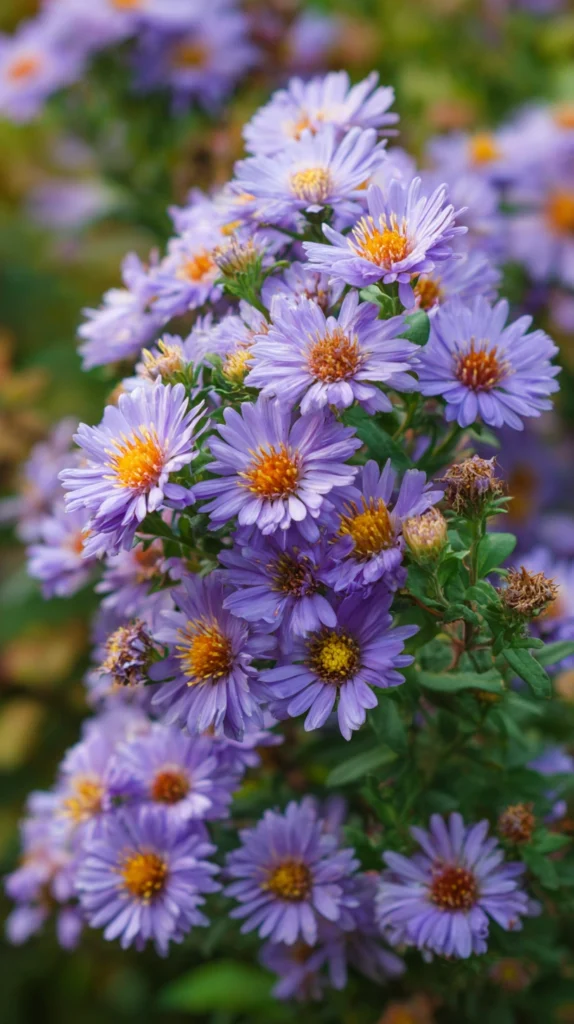
Blooms when everything else is done (September-October).
My asters provide color when the garden would otherwise be brown.
Why they’re low-maintenance:
- No care spring through summer (just growing)
- Bloom when others are finished
- Frost doesn’t kill them
- Drought tolerant
- Self-supporting (no staking needed with right varieties)
Best varieties:
‘Purple Dome’:
- Compact (18 inches tall)
- Doesn’t need staking
- Covered in purple flowers
- What I grow
‘Wood’s Blue’:
- Native species
- 3 feet tall
- Pale blue flowers
- Native to my area
Care:
- Pinch back in early June (makes them bushier, optional)
- Cut back in spring
- Divide every 3-4 years if they get floppy
I don’t pinch mine. Too much work. They bloom fine without it.
Aster and Bees
Fall asters are critical for pollinators.
Late-season bees need food before winter. My plants are covered in bees and butterflies September-October.
This alone makes them worth growing even if they require more care (which they don’t).
12. Baptisia (False Indigo) – Once and Done
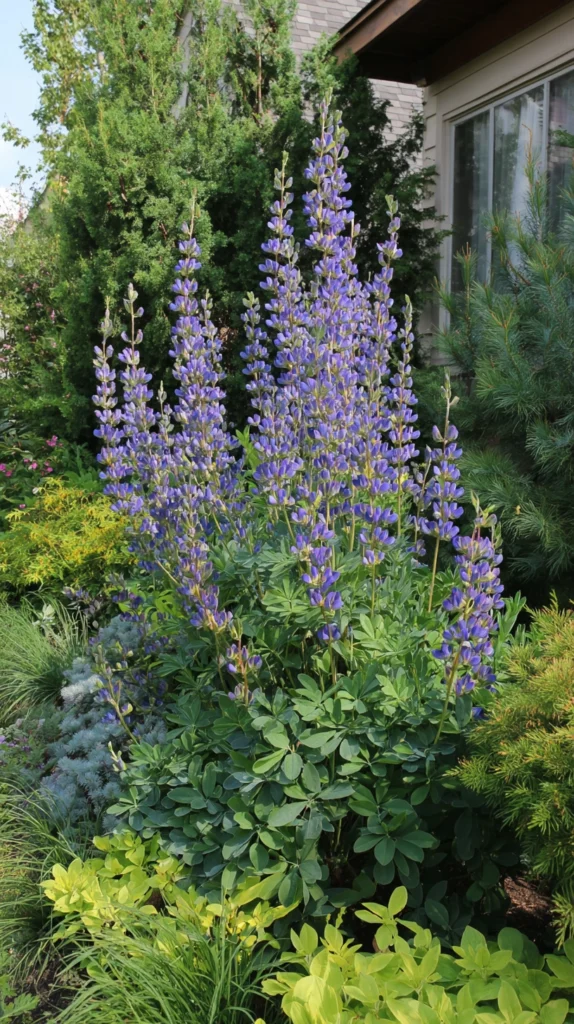
Plant it once, ignore it for 30 years.
My baptisia is 6 years old and has never needed any care beyond cutting back once yearly.
Why it’s ultimate low-maintenance:
- Extremely long-lived (50+ years)
- Never needs dividing (deep taproot)
- Drought tolerant
- Deer resistant
- No pests or diseases
- Beautiful foliage even when not blooming
- Blue-green color unique
Care I provide:
- Cut back in spring
- Literally nothing else
Growth timeline:
- Year 1-2: Small, establishing
- Year 3: Noticeably bigger
- Year 4-5: Full size (3×3 feet)
- Year 6+: Same size, more flowers
Slow to establish but worth the wait.
Flowers:
- Blue-purple spikes (like lupines)
- Bloom late spring
- Interesting seed pods after
Some people grow it for the pods (dried flower arrangements). I just enjoy the plant.
13. Peonies – Long-Lived Beauties
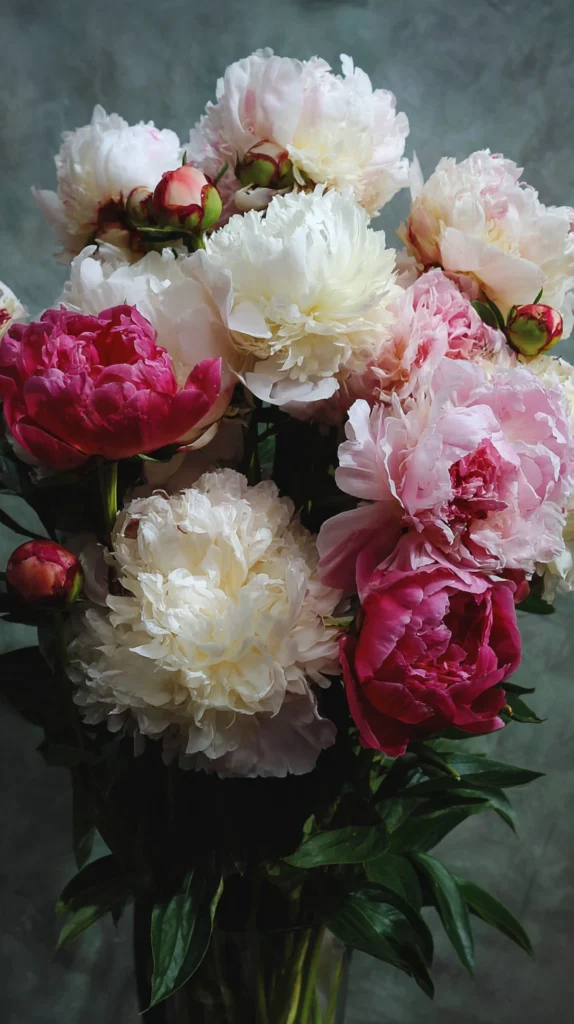
My grandmother’s peonies are 60+ years old and still blooming.
I planted 6 peonies 4 years ago. They’re already massive and blooming abundantly.
Why peonies are low-maintenance:
- Live 50-100 years in same spot
- Never need dividing
- Get better every year
- Fragrant flowers
- Beautiful foliage all season
- Tolerate cold winters perfectly
Common complaints (that don’t bother me):
- Bloom only 2 weeks (but those 2 weeks are spectacular)
- Need ants to open (actually false, but ants don’t hurt)
- Need staking (some varieties do, others don’t)
My varieties:
‘Sarah Bernhardt’:
- Pink double flowers
- Strong stems (no staking)
- Classic variety
‘Festiva Maxima’:
- White with red flecks
- Very fragrant
- Old variety (1856!)
Care:
- Cut back in fall after frost
- That’s it
Never water, fertilize, or divide them.
Peony Planting Depth
Critical: plant eyes 1-2 inches deep. Too deep and they won’t bloom.
I planted one too deep. Moved it up after 2 years of no blooms. Now it blooms beautifully.
Otherwise they’re foolproof.
14. Shasta Daisy – Classic White Blooms
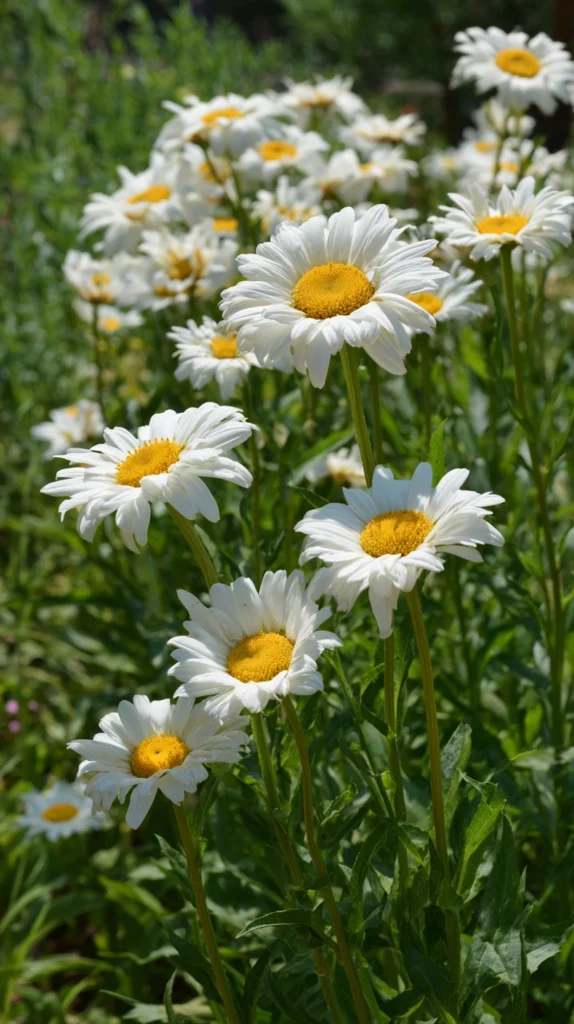
White daisies with yellow centers are cheerful and easy.
My Shasta daisies bloom June through August with minimal care.
Why they’re low-maintenance:
- Bloom for months
- Tolerate heat and drought
- Self-cleaning (somewhat)
- Easy to divide (makes more plants)
- Combine with everything
- Classic look never goes out of style
Care I give:
- Deadhead occasionally (encourages more blooms)
- Cut back in spring
- Divide every 3 years (they get crowded)
More care than some perennials but still minimal.
My favorite use:
- Cutting garden (flowers last weeks in vase)
- White brightens darker areas
- Between colorful perennials (visual break)
Varieties:
‘Becky’:
- Taller (3-4 feet)
- Larger flowers
- Stronger stems
‘Snowcap’:
- Compact (12 inches)
- Good for front of border
Both are equally easy.
15. Liriope (Lilyturf) – Indestructible Ground Cover
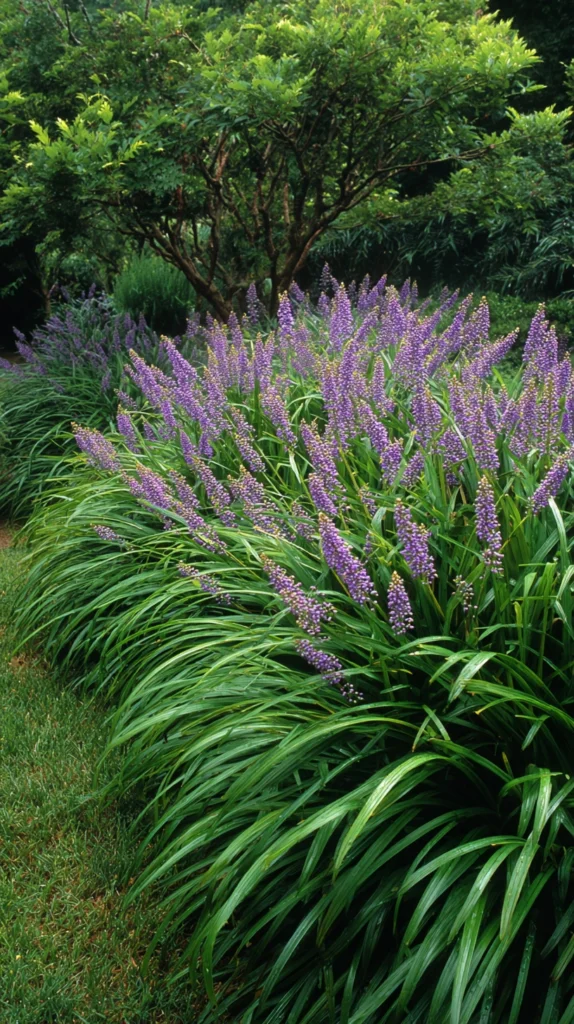
The plant that survives anything.
I have liriope in terrible compacted soil under trees where nothing else grows. It thrives.
Why it’s ultimate tough plant:
- Grows in any soil
- Sun or deep shade
- Drought or wet conditions
- Never gets pests
- Never gets diseases
- Evergreen foliage
- Spreads slowly (not aggressive)
Uses in my garden:
- Ground cover under trees
- Edging along paths
- Between shrubs
- Problem areas nothing else survives
Care:
- Cut back dead foliage in early spring (optional)
- That’s literally it
Flowers:
- Purple spikes in late summer
- Not showy but nice
Foliage is the main attraction:
- Grass-like arching leaves
- Dark green
- Neat appearance year-round
I’ve never watered, fertilized, or otherwise cared for it beyond cutting back once yearly.
Liriope vs Mondo Grass
Very similar plants. Both are equally easy.
Liriope: Slightly larger, more sun-tolerant
Mondo grass: Shorter, deeper shade tolerance
Both are perfect for neglected gardens.
How to Design Low-Maintenance Beds
My process for new beds:
Step 1: Choose 3-5 perennials from this list
Step 2: Repeat each plant in groups of 3+
- More impact
- Less scattered look
- Still low-maintenance
Step 3: Layer by height
- Tall in back (Russian sage, grasses)
- Medium in middle (black-eyed Susan, salvia)
- Short in front (catmint, sedum)
Step 4: Consider bloom times
- Early: Daylilies, peonies
- Mid: Black-eyed Susan, coreopsis
- Late: Aster, sedum
Example bed (10×6 feet):
Back row: 3 Russian sage Middle row: 5 black-eyed Susan, 3 salvia Front row: 5 catmint, 7 sedum
Total plants: 23 Cost: ~$180 Maintenance: 2-3 hours yearly Blooms: May through October
Soil Prep (Do This Once, Right)
Good soil preparation = lower maintenance long-term.
What I did:
- Remove sod/weeds
- Add 3 inches compost
- Mix into top 6 inches
- Mulch 2-3 inches after planting
Cost: $80 for 10×10 bed (compost and mulch)
This prep means:
- Less watering needed
- Fewer weeds
- Better plant growth
- Rarely need to fertilize
I haven’t added fertilizer to my perennial beds in 4 years. Soil prep handled it.
First Year Watering (Critical)
Even low-maintenance perennials need water year 1.
My first-year schedule:
Weeks 1-4: Water every 2-3 days Months 2-6: Water weekly Months 7-12: Water during dry spells only
Year 2 onward: Rainfall only (unless extreme drought)
I lost plants by not watering the first year. They need time to establish deep roots.
After year 1, they’re drought-tolerant and basically care for themselves.
Mistakes That Increase Maintenance
Learn from my errors:
Mistake 1: Planting High-Maintenance Perennials
I planted delphiniums (need staking, deadheading, perfect soil, frequent dividing).
They’re beautiful but exhausting.
Ripped them out, replaced with Russian sage. Much happier.
Mistake 2: Too Many Different Plants
I planted 20 different perennials in one bed.
Resulted in:
- Confusing care schedules
- Couldn’t remember what needs what
- Looked chaotic
Now I use 3-5 types per bed. Way easier to manage.
Mistake 3: Wrong Plant, Wrong Place
Planted sun-lovers in shade. They struggled, needed constant attention.
Moved to a sunny spot: Thrived with zero care.
Match plants to conditions for true low-maintenance.
Mistake 4: Buying Cheap Plants
Bought discount rack clearance plants (half-dead, root-bound).
Many died, needing replacement. False economy.
Now I buy healthy plants from good nurseries. They establish faster and need less babying.
My Current Garden Maintenance
What I actually do:
Spring (1 day, maybe 4 hours):
- Cut back all dead stalks
- Add fresh mulch
- Clean up beds
Summer (30 minutes monthly):
- Pull obvious weeds
- Deadhead Shasta daisies
- That’s it
Fall (1 hour):
- Cut back a few things
- Leave most standing for winter interest
Total yearly maintenance: 8-10 hours for 300 square feet of perennial beds.
Compare to annuals: 40+ hours yearly for the same space.
Cost Comparison: Perennials vs Annuals
My 300 sq ft of beds:
Annual approach:
- Plants: $300 yearly
- Soil: $40 yearly
- Fertilizer: $30 yearly
- Time: 40 hours yearly
- 10-year cost: $3,700 + 400 hours
Perennial approach:
- Year 1: $400 plants + $80 soil prep = $480
- Years 2-10: $0
- Time: 10 hours yearly
- 10-year cost: $480 + 100 hours
Savings: $3,220 and 300 hours over 10 years.
Plus perennials look better because they mature and fill in.
Starting Your Low-Maintenance Garden
Weekend plan:
Saturday:
- Choose 3 perennials from this list
- Buy 3-5 of each (9-15 plants total)
- Prep one bed (10×6 feet)
Sunday:
- Plant in groups
- Mulch heavily
- Water well
Following weeks:
- Water regularly (first year only)
- Watch them establish
- Plan next bed
My recommendation for first bed:
- 5 black-eyed Susan
- 5 daylilies (different colors)
- 7 sedum
Total cost: ~$130 Maintenance: 2 hours yearly after year 1 Blooms: June-October Lifespan: 10-20+ years
Three plants, huge impact, minimal work.
Now go plant some perennials and start your low-maintenance journey!
Quick Summary:
Easiest perennials (truly foolproof):
- Black-eyed Susan (blooms 5 months, zero care)
- Daylily (survives anything, multiplies)
- Sedum (drought-proof, succulent)
- Hosta (shade champion, bulletproof)
Longest blooming:
- Catmint (May-October)
- Coreopsis (June-frost)
- Black-eyed Susan (June-October)
- Russian sage (July-September)
Best for specific conditions:
Full sun, dry: Sedum, Russian sage, coreopsis Shade: Hosta, liriope, some asters Drought: All of these once established Wet soil: Liriope, some hostas, asters
Maintenance reality:
Year 1: Water regularly, plants establish Year 2+: Rain only, cut back once yearly Time investment: 2-3 hours yearly per plant Lifespan: 10-50+ years depending on plant
Design for low maintenance:
- Choose 3-5 types maximum per bed
- Plant in groups of 3+ (not singles)
- Layer by height (tall back, short front)
- Match plant to site conditions
Budget expectations:
Small bed (6×10 feet):
- 15-20 plants: $120-180
- Soil prep: $50-80
- Total: $170-260
- Lasts 10-20+ years
Cost per year: $10-25 (amazing value)
First year critical care:
- Water every 2-3 days first month
- Weekly through first summer
- Rainfall only after year 1
Avoid these for low-maintenance:
- Delphiniums (staking, fussy)
- Phlox (prone to powdery mildew)
- Chrysanthemums (need frequent dividing)
- Oriental poppies (go dormant mid-summer, leave gaps)
Best perennial combinations:
- Black-eyed Susan + Russian sage (yellow + blue)
- Daylily + hosta (sun + shade transition)
- Sedum + ornamental grass (texture contrast)
Signs of true low-maintenance:
- Rarely needs dividing
- No staking required
- Self-cleaning (old flowers fall off)
- Drought tolerant after year 1
- Disease resistant
- Deer/rabbit resistant
ROI timeline:
- Year 1: Investment and establishment
- Year 2: First significant blooms
- Year 3+: Full maturity, peak performance
- Pays for itself year 2-3 vs annuals
