15 Pet-Friendly Non-Toxic Indoor Plants for Low Light Spaces
I killed three houseplants before realizing my cat was eating them. She’d nibble the leaves, vomit on my carpet, and I’d panic about vet bills.
Then I learned most popular houseplants are toxic to pets. Pothos, philodendrons, snake plants – all the “easy” ones can make cats and dogs sick or worse.
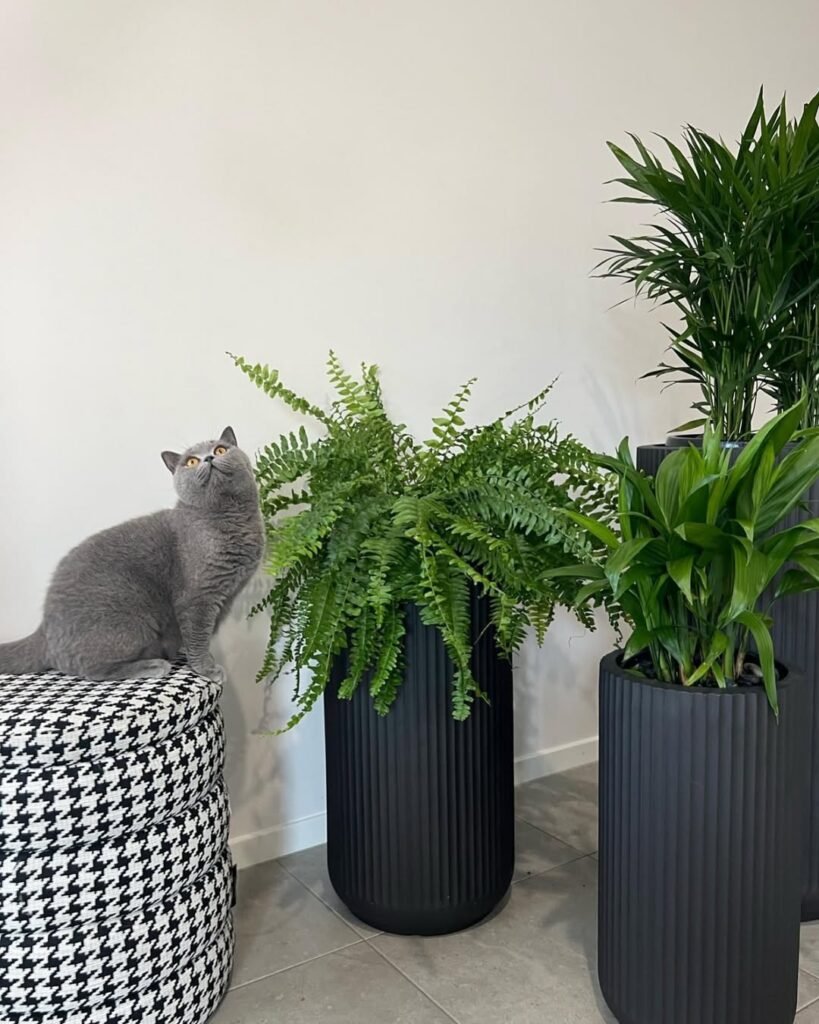
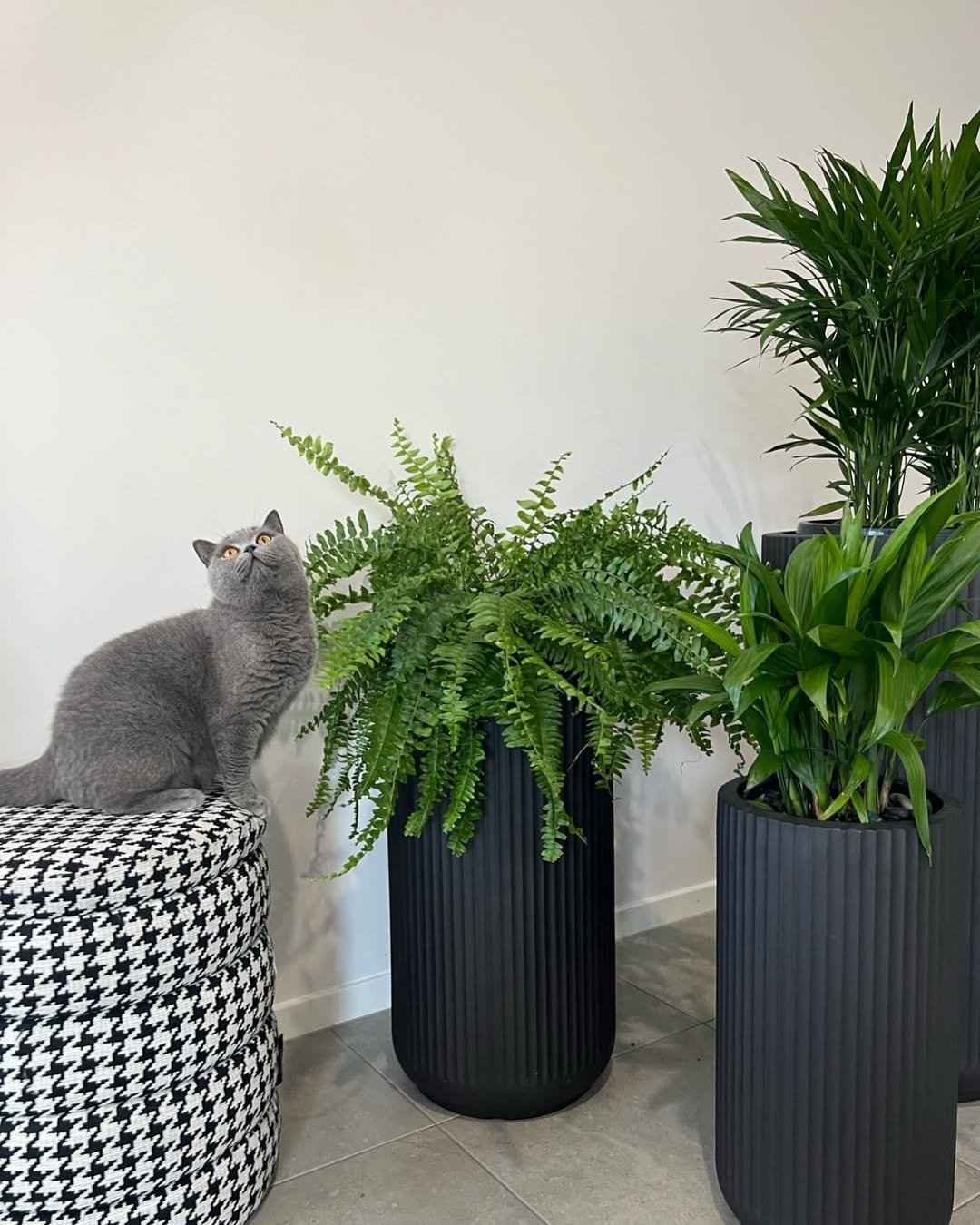
Now I only keep pet-safe plants that survive in my dark apartment. No more vet emergencies, no more dead plants, and my cat still nibbles without getting sick.
Let me show you plants that won’t kill your pets or die in low light.
Why Most “Easy” Houseplants Are Pet Poison
The popular beginner plants are almost all toxic:
Pothos: Causes mouth swelling, vomiting Snake plant: Nausea, vomiting, diarrhea
Philodendron: Mouth pain, difficulty swallowing Peace lily: Severe mouth irritation, kidney damage ZZ plant: Severe stomach pain
My cat ate pothos leaves. Her mouth swelled, she drooled everywhere, and couldn’t eat for a day. Emergency vet visit: $280.
That’s when I threw out every toxic plant and started over with safe ones.
How Pets Get Poisoned
It’s not just eating leaves:
- Chewing stems or flowers
- Drinking water from drainage saucers
- Licking plant sap off their fur
- Playing with fallen leaves
My cat doesn’t even like plants. But she knocked one over, got sap on her paw, licked it clean. Instant vomiting.
Even “non-plant-eating” pets can accidentally ingest toxins.
What “Low Light” Actually Means
Marketing lies about light requirements. Here’s the reality:
True low light:
- North-facing window
- Room with no direct window
- 10+ feet from window
- Bathroom with small frosted window
Medium light (often called “low”):
- East-facing window
- Bright room with indirect light
- 5-10 feet from window
My apartment: One north window, mostly dark. True low light. Most plants labeled “low light” still died.
Testing Your Light Level
Phone camera trick:
- Stand where plant will go
- Take photo without flash
- If photo is very dark/grainy: True low light
- If photo clear: Probably medium light
I took photos in all my rooms. Only my bathroom had enough light for most “low light” plants. The rest of the apartment was darker.
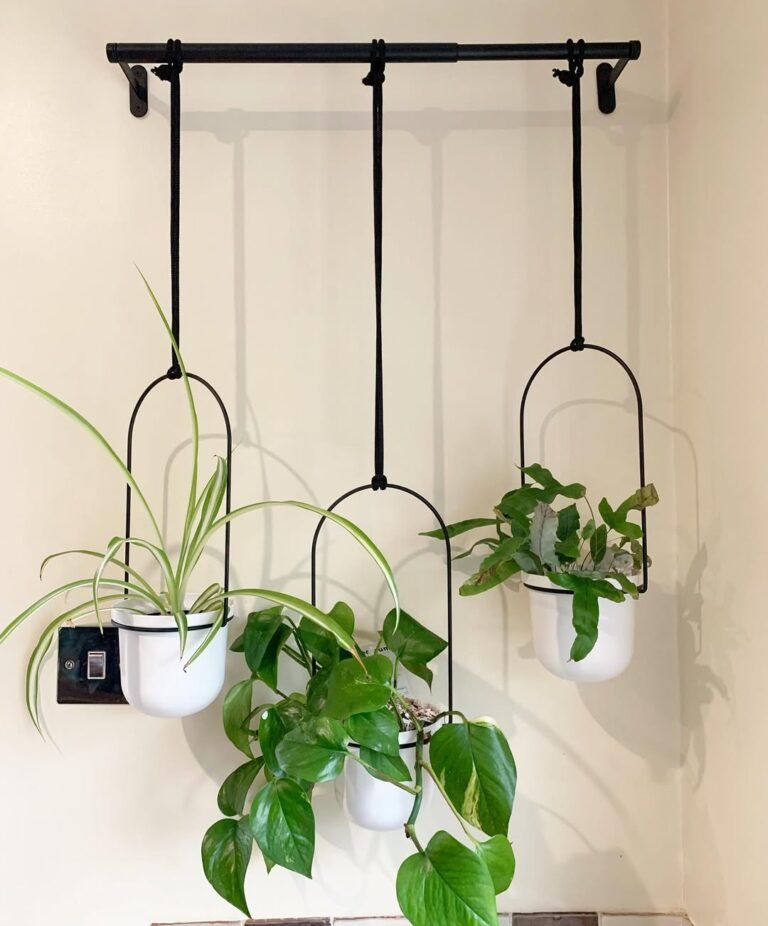
1. Spider Plant (My Top Pick)
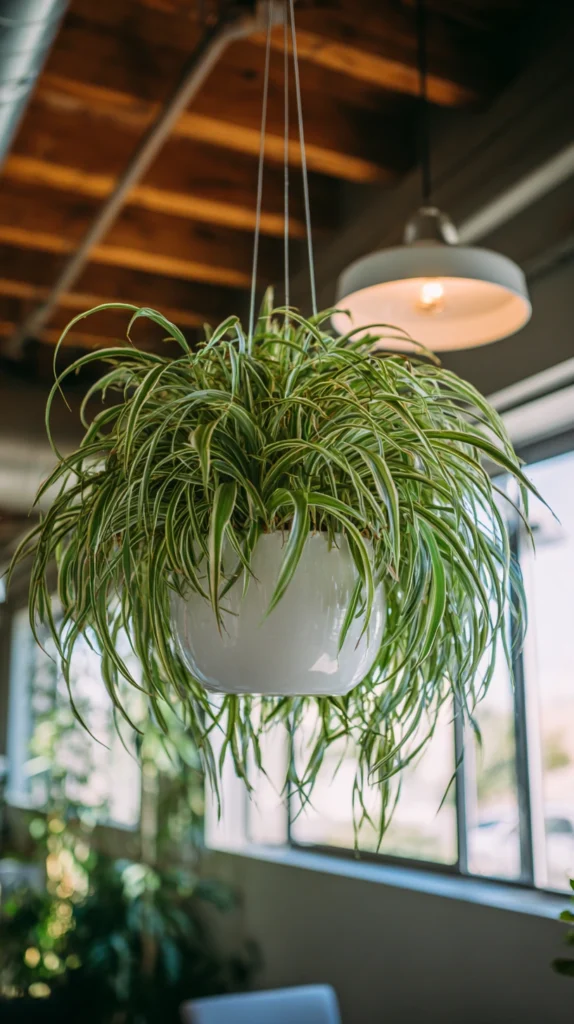
Completely non-toxic and survives true darkness.
I have five spider plants in my windowless bathroom. They’re thriving with only overhead light.
Why it’s perfect:
- 100% pet safe (ASPCA verified)
- Tolerates extremely low light
- Makes baby plants constantly
- Impossible to kill
- Air purifying bonus
My cat chews it constantly. No problems ever. Just makes the leaves look raggedy.
Care basics:
- Water when top inch dry (weekly-ish)
- Any light level works
- Room temperature fine
- No fertilizer needed
Propagation:
- Cut off baby “spiderettes”
- Put in water until roots grow
- Plant in soil
- Free plants forever
I started with one $8 spider plant. Now I have 12 plants from babies. Give away 20+ to friends.
Spider Plant Varieties
Different looks, all pet-safe:
Variegated (most common):
- White stripes on green
- Brightest and showiest
Solid green:
- Darker leaves
- Even more low-light tolerant
Curly:
- Leaves curl and twist
- Unique texture
All varieties are equally safe for pets and easy to grow.
2. Boston Fern (Loves Humidity)
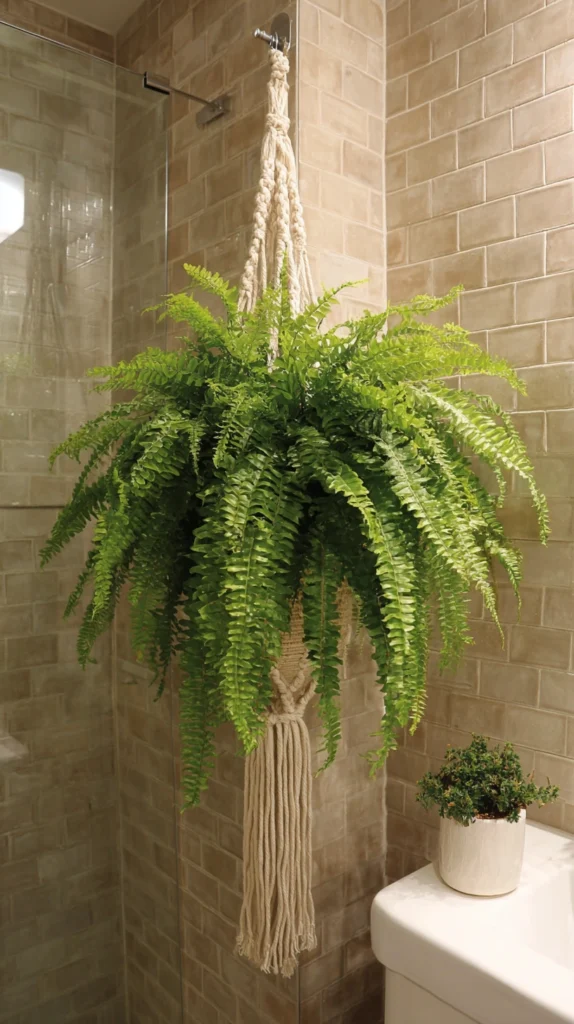
Totally safe for curious pets but needs specific conditions.
What it does:
- Non-toxic if eaten
- Adds humidity to air
- Fluffy cascading fronds
- Dramatic appearance
My bathroom setup:
- Hanging from ceiling
- Steamy shower humidity
- North window light
- Thriving for 2 years
Care requirements:
- Consistent moisture (not soggy)
- High humidity (40%+ ideal)
- Cool temperatures (60-75°F)
- Low to medium light
Where I failed: The living room was too dry. Fern turned brown and died within a month.
Where it worked: Bathroom humidity from showers. Perfect conditions, zero effort.
Keeping Ferns Happy
Humidity tricks:
- Place on pebble tray with water
- Group with other plants
- Keep in bathroom
- Mist twice weekly (helps but not enough alone)
I use a pebble tray in my bedroom fern. Raises humidity just enough to keep it alive.
3. Prayer Plant (Moves at Night)
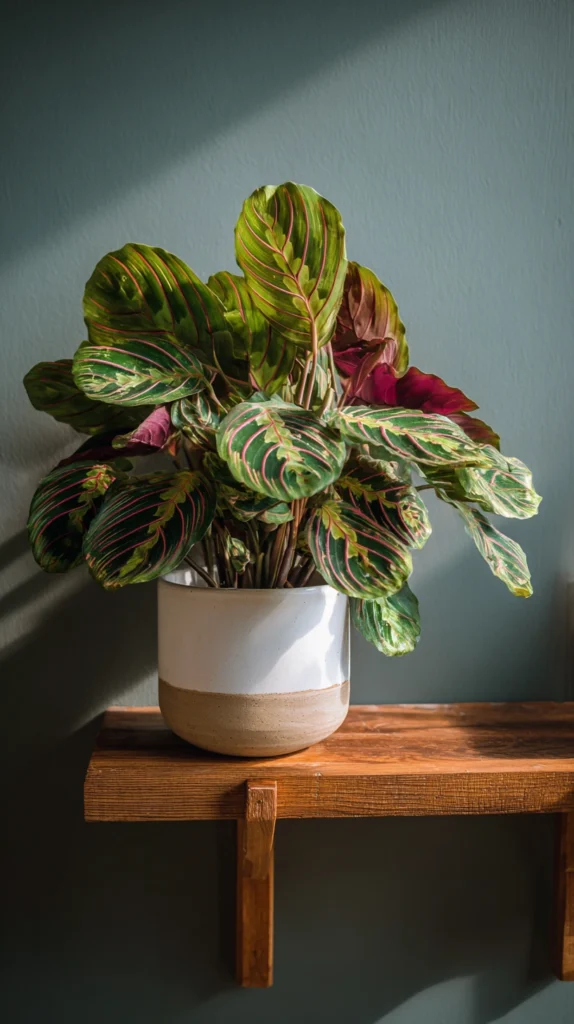
Non-toxic and tolerates low light beautifully.
What makes it special:
- Leaves fold up at night (hence “prayer”)
- Stunning leaf patterns
- Pet-safe
- Compact size
I keep one on my bedroom dresser. No direct light, just ambient room brightness. It’s been alive for 18 months.
Care basics:
- Water when top inch dry
- Prefers humidity but tolerates normal
- Low to medium light
- Keep soil slightly moist
My cat knocked it over twice. Ate some leaves. Zero health issues. Plant looked rough but the cat was fine.
Prayer Plant Varieties
Different colors, all safe:
Red-veined (my favorite):
- Dark green with red veins
- Most common variety
- Dramatic appearance
Green prayer plant:
- Lighter green
- Subtle patterns
- Even more low-light tolerant
All varieties have the folding leaf behavior. Fun to watch at night.
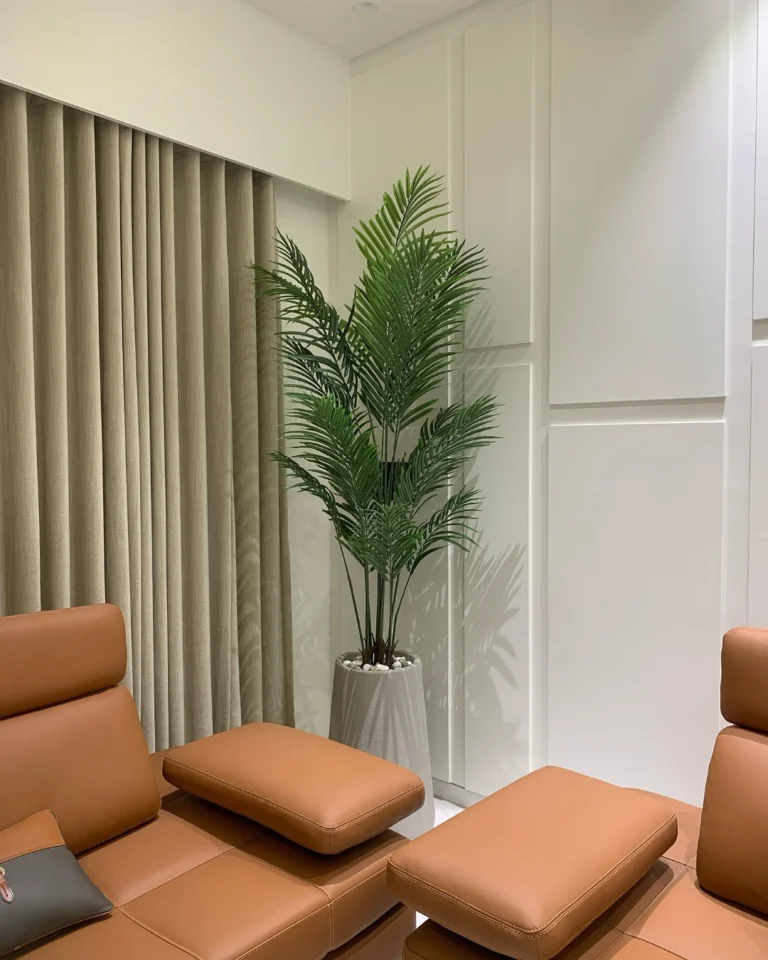
4. Parlor Palm (Classic and Safe)
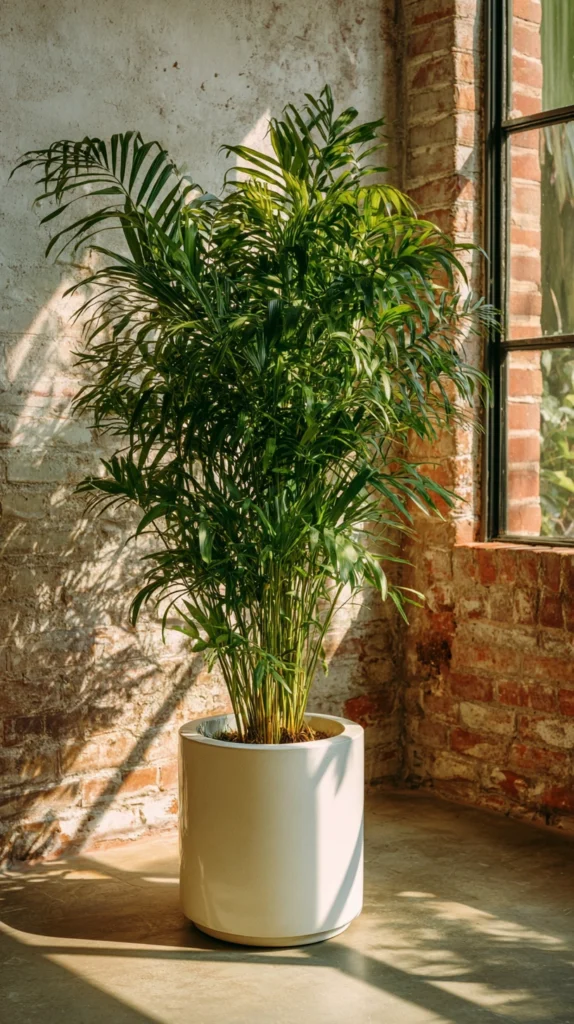
The only palm that actually tolerates low light.
Why I love it:
- Completely pet-safe
- Grows in dark corners
- Looks tropical and elegant
- Low maintenance
I have one in my dark hallway corner. Gets maybe 2 hours of indirect light daily. Still growing slowly after 2 years.
Care requirements:
- Water when top 2 inches dry
- Low to medium light
- Average humidity
- Fertilize monthly in summer
Growth rate: Very slow in low light. Mine grows maybe 2-3 inches per year. That’s normal.
My dog sniffed it constantly when I first got it. Never got sick, plant is fine.
Why Other Palms Don’t Work
Areca palm: Needs bright light Majesty palm: Needs high humidity Sago palm: Extremely toxic to pets
Only parlor palm tolerates typical apartment conditions and is pet-safe.
5. Peperomia (Over 1,000 Varieties)
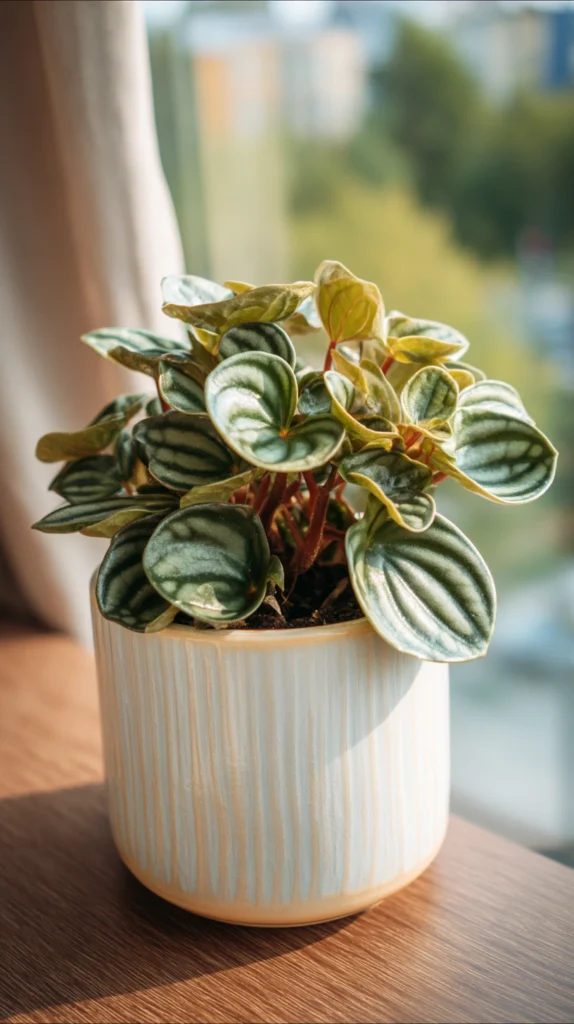
Entire family of plants, all non-toxic.
What makes them great:
- Hundreds of varieties (different looks)
- All pet-safe
- Compact size
- Low water needs
- Tolerate low light
I have four different peperomias. Different leaf shapes and colors, all thriving in medium-low light.
Popular varieties:
Watermelon peperomia:
- Striped leaves like watermelon rind
- Most dramatic appearance
- My favorite
Ripple peperomia:
- Textured wrinkled leaves
- Compact and cute
- Easiest variety
Baby rubber plant:
- Thick glossy leaves
- Upright growth
- Very forgiving
Care for all types:
- Water when soil mostly dry (every 10-14 days)
- Low to medium light
- Don’t overwater (succulents-ish)
- Room temperature
My cat ignored these completely. The texture doesn’t appeal to her I guess. Perfect for me.
6. Calathea (Dramatic Patterns)
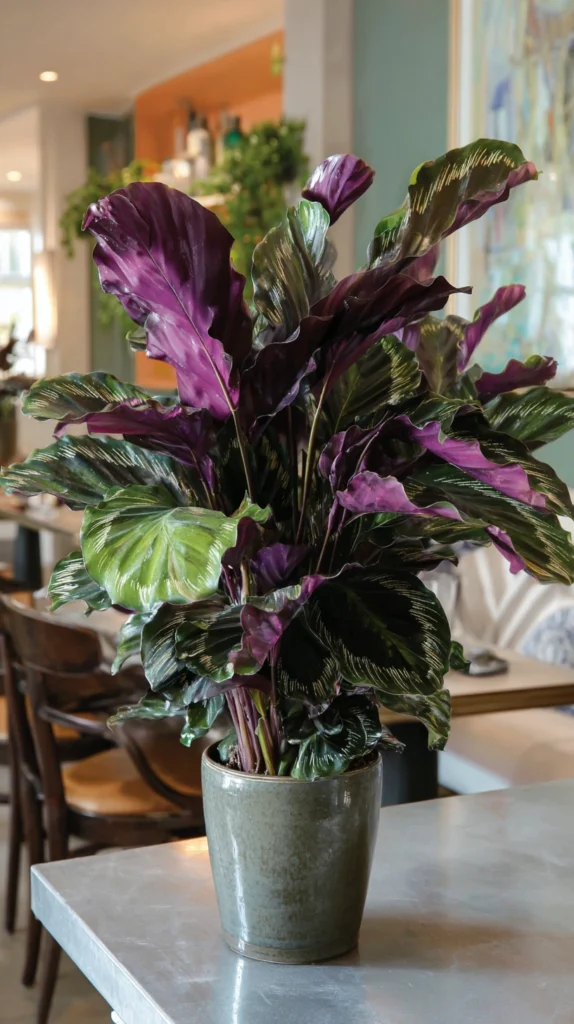
Related to prayer plants, equally pet-safe.
What’s special:
- Stunning leaf patterns
- Many varieties
- Non-toxic to pets
- Leaves move slightly (not as much as prayer plant)
I killed two calatheas before figuring out their needs. They’re pickier than prayer plants but worth it.
Care requirements:
- Distilled or filtered water (tap water burns leaves)
- High humidity (50%+ ideal)
- Low to medium light
- Consistently moist soil
Where mine died: Dry living room, tap water
Where it thrived: Bathroom, filtered water only
Calathea Varieties
All pet-safe, different looks:
Rattlesnake calathea:
- Wavy leaf edges
- Purple undersides
- Most forgiving variety
Peacock calathea:
- Intricate patterns
- Deep colors
- Showiest variety
Pinstripe calathea:
- White stripes on green
- Elegant appearance
I have a rattlesnake variety because it tolerates my care mistakes better.
7. African Violet (Pet-Safe Blooms)
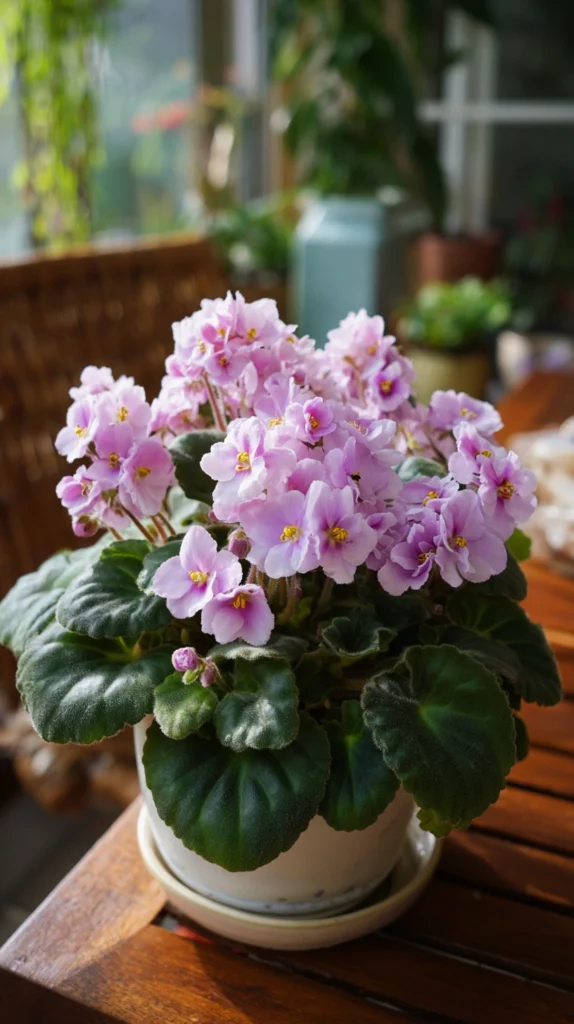
One of few flowering plants that’s non-toxic.
Why it’s great:
- Colorful flowers
- Compact size
- Pet-safe
- Tolerates medium-low light
I have three on my kitchen counter. They get indirect east window light and bloom constantly.
Care basics:
- Water from bottom (don’t wet leaves)
- Medium light (not low-low)
- Room temperature
- Fertilize for blooms
Light requirements: Needs more light than other plants on this list but tolerates medium-low.
My cat chewed flowers once. No reaction, flowers just looked ugly. The plant and cat are both fine.
Getting Blooms
Mine bloom year-round with:
- 8-10 hours indirect bright light
- Fertilizer every 3 weeks
- Consistent moisture
- Deadheading spent flowers
In darker spots, leaves grow fine but no flowers. Still pretty, just green.
8. Ponytail Palm (Not Actually a Palm)
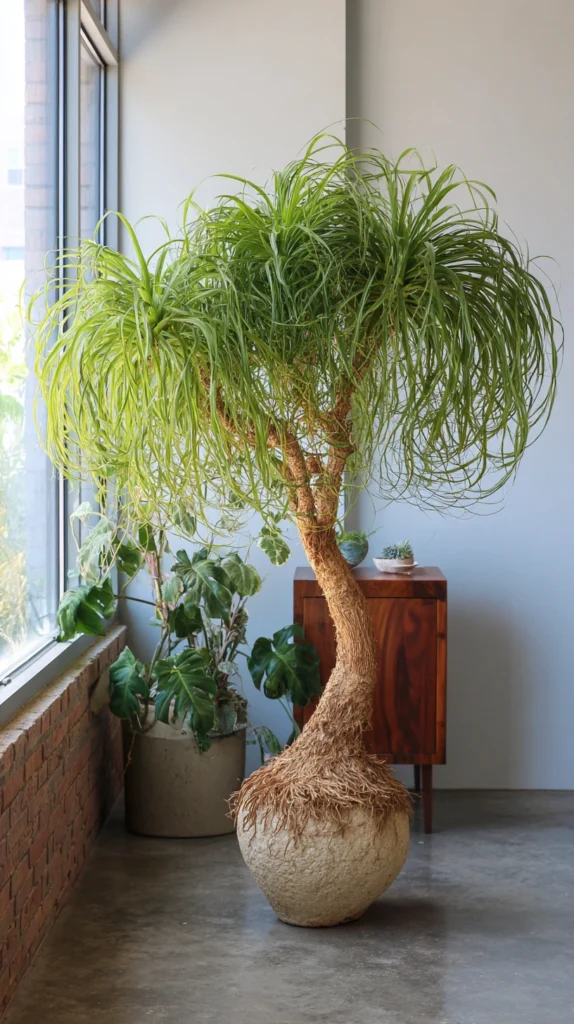
Technically a succulent, completely pet-safe.
What I love:
- Weird curly leaves
- Needs water rarely
- Tolerates neglect
- Non-toxic
I have one that I forget to water for months. Still alive and growing.
Care requirements:
- Water every 3-4 weeks (seriously)
- Medium light (tolerates low but grows slower)
- Well-draining soil
- Don’t overwater
My dog chewed the leaves. They’re tough and stringy, he gave up. No health issues.
Growth: Extremely slow. Mine has grown maybe 4 inches in 3 years.
Why It’s Forgiving
Stores water in a bulbous base. Can survive months without water by using stored reserves.
Perfect for forgetful plant owners or people who travel.
9. Friendship Plant (Textured Leaves)
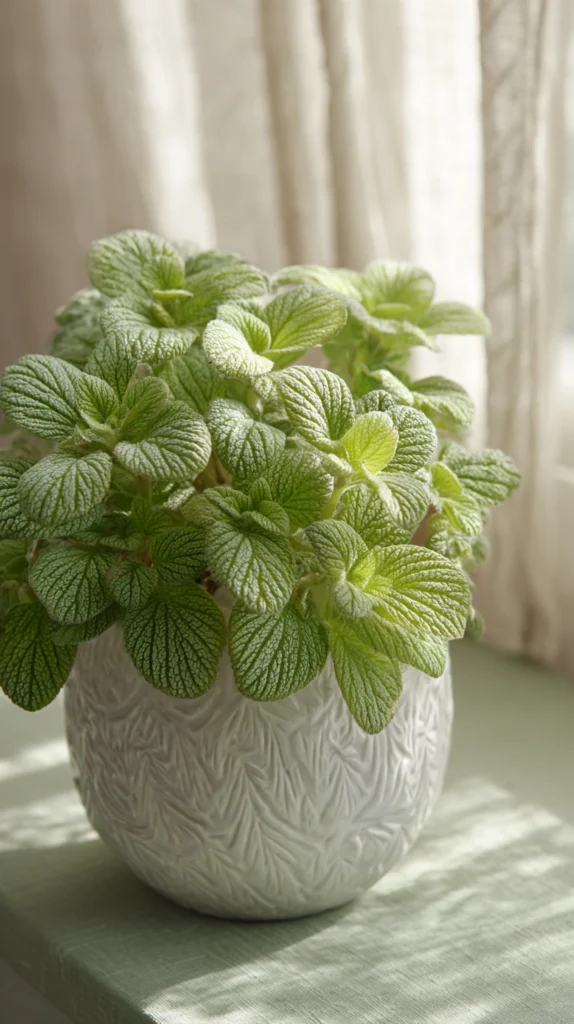
Compact, pet-safe, low-light tolerant.
Characteristics:
- Quilted textured leaves
- Spreads slowly
- Non-toxic
- Unique appearance
I keep one in my bedroom on a bookshelf. Indirect light from across the room. Doing great.
Care basics:
- Water when top inch dry
- Low to medium light
- Average humidity
- Pinch back to keep compact
Name origin: Traditionally you’d share cuttings with friends (hence friendship plant).
My cat sniffed it, deemed it boring, and never bothered it again.
10. Orchid (Elegant and Safe)
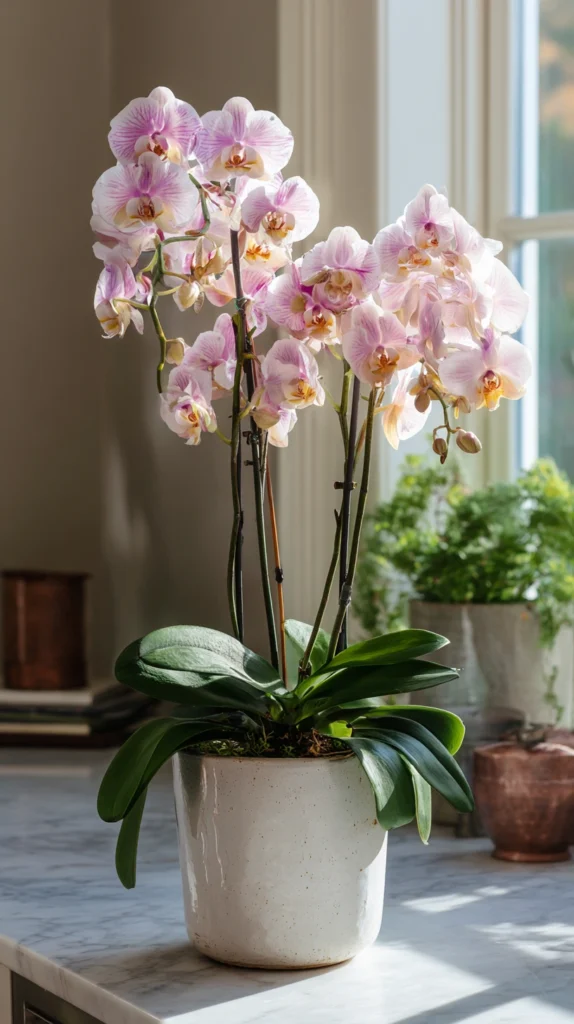
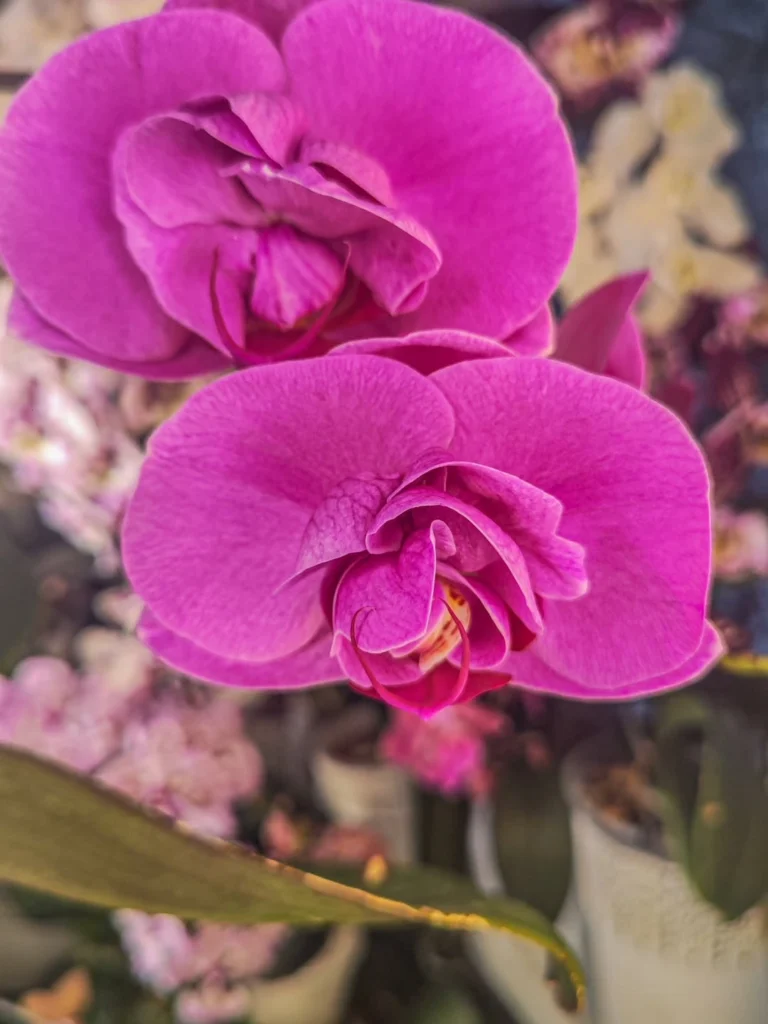
Most orchids are pet-safe including common Phalaenopsis.
Why they work:
- Non-toxic to cats and dogs
- Flowers last months
- Tolerate medium-low light
- Elegant appearance
I have two orchids that have been alive for 3 years. They rebloom annually.
Care requirements:
- Water weekly (let dry between)
- Medium-low light (bright indirect)
- Good air circulation
- Special orchid potting medium
Light level: Need more light than true low but work in medium-low (bright room with no direct sun).
My cat knocked one over. Dirt everywhere, broken flower spike. The cat licked the flowers. No reaction, cat fine.
Reblooming Orchids
My method:
- After flowers fade, cut spike above node
- Move to cooler room (60°F nights)
- Reduce watering slightly
- Wait 2-3 months
- New spike appears
Works about 70% of the time for me. Worth the effort for free flowers.
11. Hoya (Wax Plant)
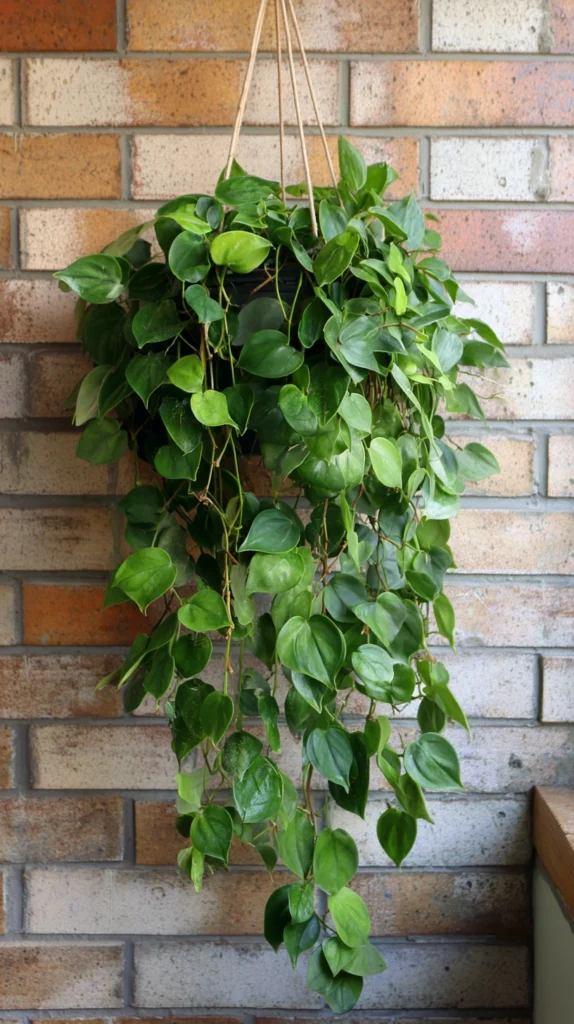
Trailing vines, waxy leaves, pet-safe.
What’s great:
- Completely non-toxic
- Thick waxy leaves
- Tolerates low light
- Very low maintenance
I have a trailing hoya in a hanging basket. Gets indirect light from across the room. Thriving.
Care basics:
- Water every 2-3 weeks (succulent-like)
- Low to medium light
- Room temperature
- Don’t overwater
Flowers: Mine hasn’t flowered (not enough light) but flowers are also pet-safe.
My cat chewed leaves a few times. They’re thick and waxy, hard to bite through. She gave up.
Hoya Varieties
All pet-safe:
Hoya carnosa (common):
- Thick waxy leaves
- Easiest to grow
- Most available
Hoya heart:
- Single heart-shaped leaf
- Novelty gift plant
- Very slow growing
Hoya compacta:
- Crinkled rope-like leaves
- Unique texture
- Slower growing
I have a carnosa variety because it’s the most forgiving.
12. Cast Iron Plant (Indestructible)
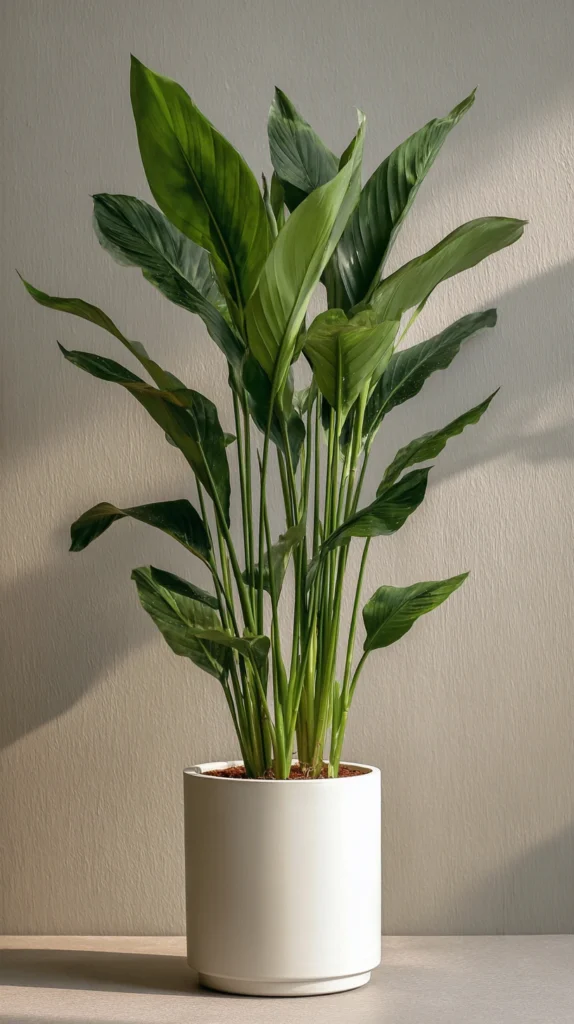
Named “cast iron” because it’s nearly impossible to kill.
Perfect for:
- Extreme low light
- Neglectful owners
- Pet-safe environments
- Dark corners
I have one in my darkest corner that gets zero direct light ever. Still alive after 2 years.
Care requirements:
- Water every 2-3 weeks
- Any light level (even very low)
- Any temperature
- Basically indestructible
Growth rate: Glacially slow. Mine has made 3 new leaves in 2 years. That’s normal.
My cat ignored it completely. Leaves are tough and not appealing apparently.
Why It’s Actually Hard to Kill
Tolerates:
- Low light to medium light
- Drought
- Poor soil
- Neglect
- Temperature swings
Only things that kill it:
- Overwatering (root rot)
- Direct hot sun (burns leaves)
Basically don’t drown it or put it in direct sun. Everything else is fine.
13. Polka Dot Plant (Colorful and Safe)
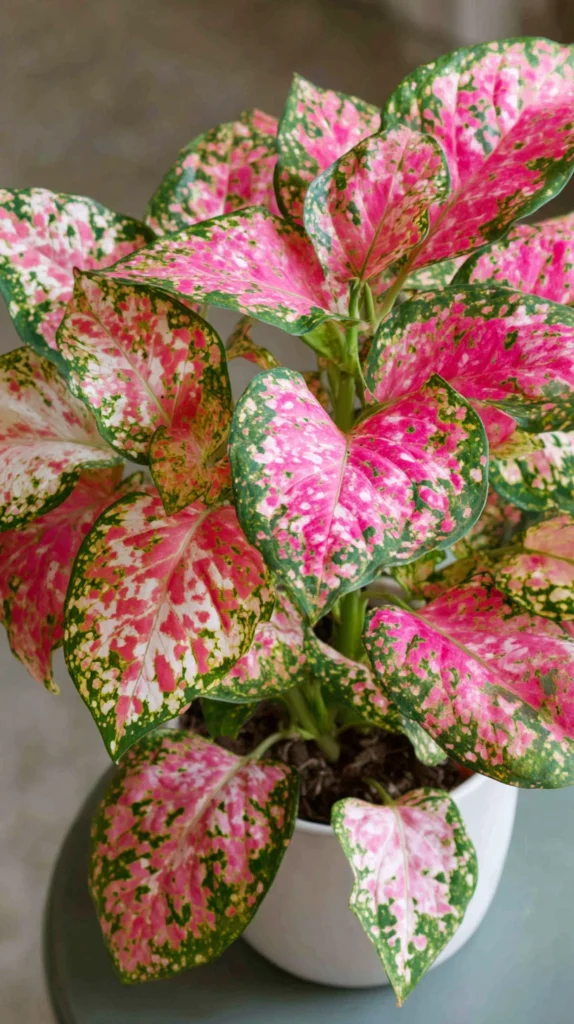
Bright pink/red/white spotted leaves, non-toxic.
Why I like it:
- Colorful (not just green)
- Pet-safe
- Compact size
- Unique appearance
I keep one in my medium-low light bedroom. Colors are less vibrant than bright light but still pretty.
Care basics:
- Water when soil surface dry
- Medium light (colors fade in low-low)
- Keep moist
- Pinch back to prevent legginess
Light trade-off: More light = brighter colors. Low light = greener, less contrast. Still alive in low light, just less dramatic.
My cat chewed it once, no reaction, never bothered it again.
14. Baby Tears (Ground Cover)
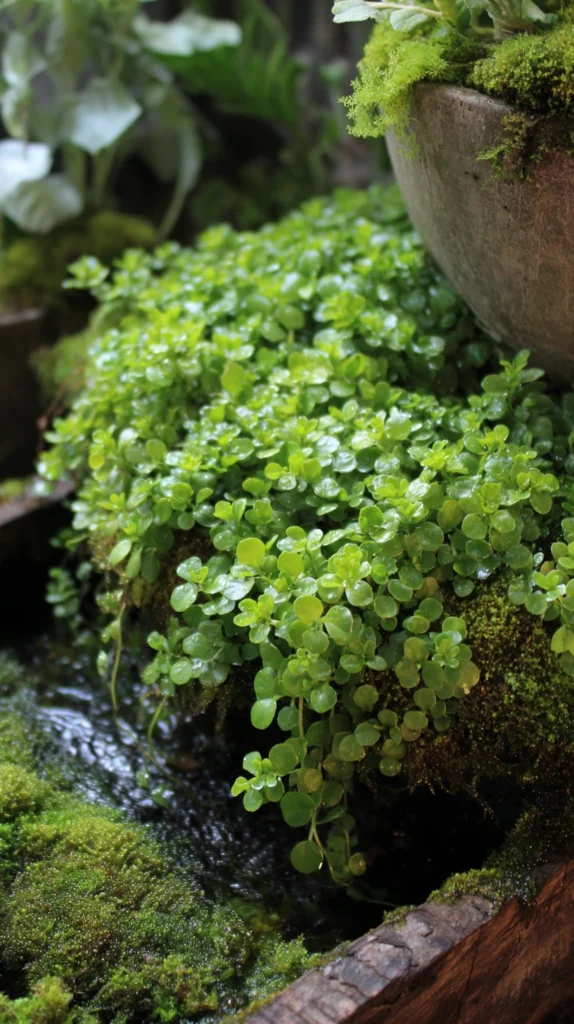
Tiny delicate leaves, cascading habit, pet-safe.
Characteristics:
- Non-toxic
- Looks like moss
- Cascades beautifully
- Delicate appearance
I have one in a terrarium setup with high humidity. It struggles in normal conditions but thrives in terrariums.
Care requirements:
- High humidity (needs terrarium or bathroom)
- Consistent moisture
- Medium-low light
- Cool temperatures
Not beginner-friendly unless you have a terrarium or humid bathroom.
My setup: Closed glass terrarium, self-watering, thriving with minimal intervention.
15. Aluminum Plant (Metallic Leaves)
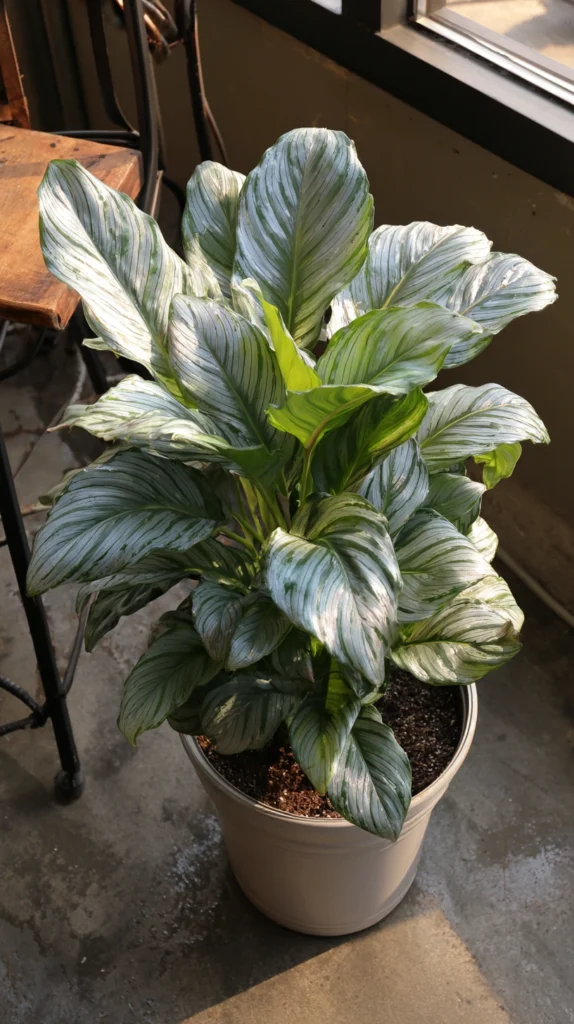
Silver-striped leaves that look metallic, pet-safe.
What makes it special:
- Unique metallic appearance
- Non-toxic to pets
- Compact bushy growth
- Tolerates low light
I have one on my bookshelf in medium-low light. Colors are less bright but plants are healthy.
Care basics:
- Water when top inch dry
- Low to medium light
- Average humidity
- Pinch to keep bushy
My cat sniffed it, found it uninteresting, and never bothered it again.
Light affects appearance: More light = brighter silver. Low light = greener with subtle silver.
Plants I Thought Were Safe But Aren’t
Common mistakes I almost made:
Aloe vera: Toxic to pets despite being medicinal for humans
Jade plant: Toxic – causes vomiting in pets
Dumb cane (Dieffenbachia): Extremely toxic – severe mouth swelling
English ivy: Toxic – vomiting, diarrhea
Rubber plant: Mildly toxic – can cause stomach upset
Always verify with the ASPCA database before bringing plants home with pets.
Verification: Using ASPCA Poison Control
I check every plant on the ASPCA website before buying.
How to use it:
- Go to aspca.org
- Search “Poison Control”
- Find toxic/non-toxic plant database
- Search plant name
- Only buy if listed “non-toxic”
My rule: If not on the safe list or uncertain, I don’t risk it.
What “Non-Toxic” Actually Means
Non-toxic doesn’t mean completely harmless:
- Eating large amounts can still cause upset stomach
- Mechanical irritation from tough leaves
- Individual pet sensitivities vary
But it means: Not poisonous, won’t cause serious harm, safe in home with pets.
Making Plants Less Appealing to Pets
Even safe plants, I’d prefer my cat didn’t destroy.
What worked for me:
Citrus spray:
- Mix lemon juice with water
- Spray on leaves weekly
- Cats hate citrus smell
- Doesn’t harm plant
Physical barriers:
- Hanging baskets (out of reach)
- High shelves
- Closed terrariums
- Window boxes
Cat grass alternative:
- Grow cat grass in separate pot
- Gives cat something to chew
- Redirects attention from houseplants
Texture deterrents:
- River rocks on soil surface
- Cats don’t like walking on rocks
- Prevents digging
I use a combination of hanging baskets and citrus spray. Cats largely ignore plants now.
What Actually Survives True Low Light
Of these 15 plants, here’s reality of very low light:
Thrive in true low light:
- Spider plant
- Cast iron plant
- Pothos palm (slow growth)
- Prayer plant
Survive but don’t thrive:
- Boston fern (needs humidity more than light)
- Calathea (needs humidity more than light)
- Peperomia (very slow growth)
- Hoya (won’t flower)
Need medium-low minimum:
- African violet (won’t bloom without more light)
- Orchid (won’t rebloom in low light)
- Polka dot plant (loses color)
- Aluminum plant (loses metallic sheen)
My darkest corners: Spider plant and cast iron plant only. Everything else needs at least medium-low light.
Care Mistakes That Kill Low-Light Plants
Low light doesn’t mean low care.
Mistake 1: Overwatering
Low light = slow growth = less water needed.
I killed three plants by watering them on the same schedule as bright-light plants.
Fix: Water less frequently in low light. Check soil, don’t water on schedule.
Mistake 2: Over-Fertilizing
Slow growth doesn’t need much food.
I fertilized monthly like bright-light plants. Caused chemical burn, killed a fern.
Fix: Fertilize half strength, half as often in low light (every 2-3 months max).
Mistake 3: Repotting Too Soon
Slow growth means roots aren’t filling the pot quickly.
I repotted a spider plant way too early. Too much soil stayed wet, root rot developed.
Fix: Wait until the plant is visibly root-bound (roots growing from drainage holes).
Mistake 4: Expecting Bright-Light Growth
Low light plants grow slowly. This is normal.
I thought my cast iron plant was dying because it only made 1-2 leaves yearly. That’s actually healthy growth for low light.
Fix: Adjust expectations. Slow growth ≠ dying plant.
Pet Emergency: What to Do
Despite safe plants, pets might eat something toxic.
Signs of plant poisoning:
- Drooling excessively
- Vomiting
- Diarrhea
- Lethargy
- Difficulty swallowing
- Pawing at mouth
What I did when cat ate pothos:
- Called ASPCA Poison Control: (888) 426-4435
- Had plant name and pet weight ready
- Followed their instructions
- Monitored cat closely
- Vet visit next morning
Cost: ASPCA hotline charges $75 consultation fee. Worth it for immediate guidance.
My vet bill: $280 for exam, bloodwork, IV fluids.
Now I only keep safe plants. Prevention is cheaper than treatment.
Budget-Friendly Plant Shopping
Where I buy pet-safe plants cheaply:
Grocery stores:
- Spider plants: $5-8
- Small ferns: $6-10
- Often healthier than big box stores
Home Depot/Lowe’s:
- Large selection
- $3-15 range
- Watch for sales
Local nurseries:
- More expensive
- Staff knowledge helpful
- Better plant health usually
Facebook Marketplace/Craigslist:
- Free to $5 often
- People giving away divisions
- Verify species before taking
Propagation/sharing:
- Spider plant babies: Free
- Friend’s plant divisions: Free
- Online plant swap groups: Free
I’ve spent maybe $60 total on plants. Rest came from propagation and friends.
My Current Pet-Safe Plant Collection
What’s actually alive in my apartment:
Living room (medium-low light):
- 2 spider plants (hanging)
- 1 prayer plant (shelf)
- 1 peperomia (side table)
Bedroom (low light):
- 1 cast iron plant (dark corner)
- 1 friendship plant (bookshelf)
- 1 polka dot plant (dresser)
Bathroom (high humidity):
- 3 spider plants (various locations)
- 1 Boston fern (hanging)
- 1 calathea (counter)
Kitchen (medium light):
- 3 African violets (counter)
- 1 hoya (hanging)
Total: 15 plants, all pet-safe, all thriving in various low-light conditions.
My cat has access to all. She occasionally nibbles spider plants. Zero health issues in 2 years.
Starting Your Pet-Safe Collection
Weekend plan:
Saturday:
- Check ASPCA database for safe plants
- Visit local store
- Buy 2-3 starter plants
- Choose different varieties
Recommended first three:
- Spider plant (easiest, any light)
- Peperomia (compact, forgiving)
- Prayer plant (beautiful, tolerant)
Sunday:
- Position plants in low-light areas
- Water appropriately
- Watch pet’s reaction
- Take before photos
Week 2 onward:
- Monitor plant health
- Adjust watering as needed
- Watch for pet interest
- Expand collection if successful
My start: Bought one spider plant ($8), loved it, now have 15 plants.
Don’t overthink it. Start with one safe plant and see how it goes.
Now go check the ASPCA database and start shopping for plants that won’t poison your pets!
Quick Summary:
Easiest pet-safe low-light plants:
- Spider plant (survives anything, totally safe)
- Cast iron plant (true low light champion)
- Parlor palm (only safe palm for low light)
- Prayer plant (beautiful, tolerant)
Need humidity (bathroom plants):
- Boston fern
- Calathea
- Baby tears
Medium-low light (not darkest corners):
- African violet (blooms with more light)
- Orchid (needs bright indirect)
- Polka dot plant (colors fade in low)
Completely pet-safe verified:
- All 15 plants on ASPCA non-toxic list
- Safe if chewed, eaten, or licked
- Won’t cause serious harm to pets
Plants to AVOID with pets:
- Pothos (toxic)
- Philodendron (toxic)
- Snake plant (toxic)
- Peace lily (toxic)
- ZZ plant (toxic)
- Aloe vera (toxic despite human benefits)
Care for low-light plants:
- Water less frequently than bright-light plants
- Fertilize half strength, half as often
- Growth will be slow (normal)
- Don’t repot until root-bound
Preventing pet damage:
- Hang plants out of reach
- Use citrus spray deterrent
- Provide cat grass alternative
- Place rocks on soil surface
Emergency resources:
- ASPCA Poison Control: (888) 426-4435
- Cost: $75 consultation fee
- Have plant name and pet weight ready
- Keep list of plants in home
Budget shopping:
- Grocery stores: $5-10
- Big box stores: $3-15
- Propagate spider plants: Free
- Friend divisions: Free
- Online plant swaps: Free
Reality check:
- “Low light” often means medium-low
- Very few plants thrive in true darkness
- Test light with phone camera
- Adjust expectations for slow growth