15 Stunning Small Backyard Garden Ideas
My backyard is tiny. Like really tiny. Just 15 feet by 20 feet of boring grass and a rusty chain link fence.
I thought you needed a huge yard to have a real garden. Everyone online had these massive beautiful spaces with room for everything. Mine looked pathetic in comparison.
Then I figured out how to make my tiny yard actually work. Now I grow vegetables, flowers, and herbs in that same small space. Neighbors stop to compliment it all the time.
Let me show you what actually works when you don’t have much space to work with.
Why I Almost Gave Up on Gardening
I tried planting a traditional garden in my small yard. I put in rows like my grandma used to do on her farm. Total disaster.
The rows took up all my space and I could barely grow anything. Maybe 6 tomato plants and some sad lettuce. Not worth the effort.
I had no room left to actually sit outside or let my kids play. The whole backyard became just garden rows. My wife hated it and wanted the grass back.
I was ready to quit gardening completely. Then I watched a video about vertical gardening and container gardens. Changed my whole approach to small spaces.
1. Vertical Garden Wall (My Biggest Space Saver)
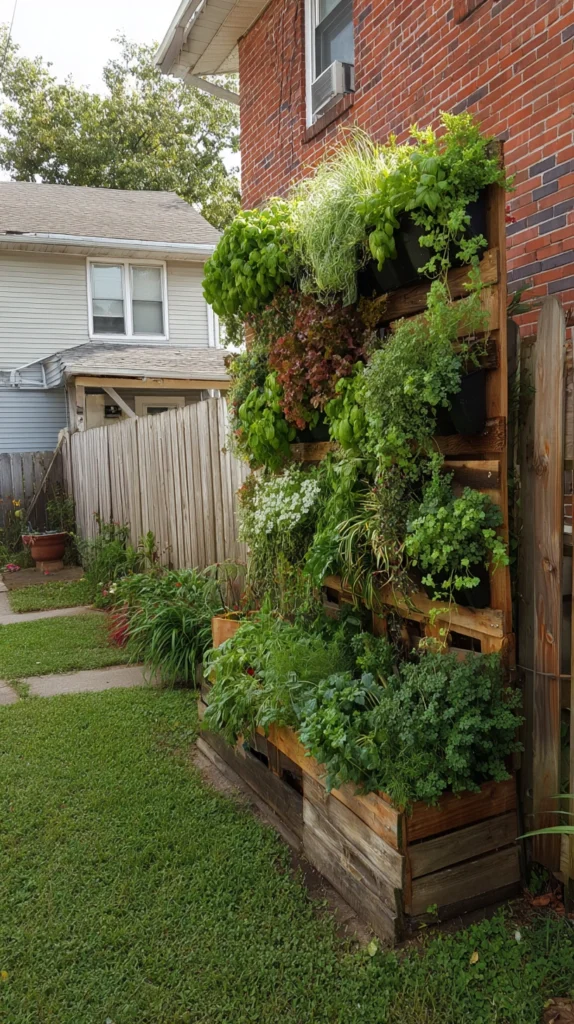
I mounted wooden pallets on my fence and filled them with potted herbs and flowers. This took up zero floor space but added like 20 plants to my yard.
The vertical wall became the prettiest part of my whole garden. Everyone who visits takes pictures of it. It looks way fancier than it actually is to build.
I spent maybe $30 on the pallets, landscape fabric, and some nails. Took one Saturday afternoon to set up. Best gardening project I ever did for the money.
What I planted on my wall:
- Basil and parsley in the top pockets (get the most sun)
- Strawberries in the middle (they trail down prettily)
- Succulents at the bottom (need less water)
- Annual flowers for pops of color everywhere
The plants grow out from the wall and create this amazing living wall effect. It blocks the ugly fence and gives me tons of growing space without using floor area.
You can water from the top and it drips down to lower plants. I water once a day in summer and the whole wall stays happy. Way easier than I expected.
2. Raised Bed Along the Fence (Define Your Space)
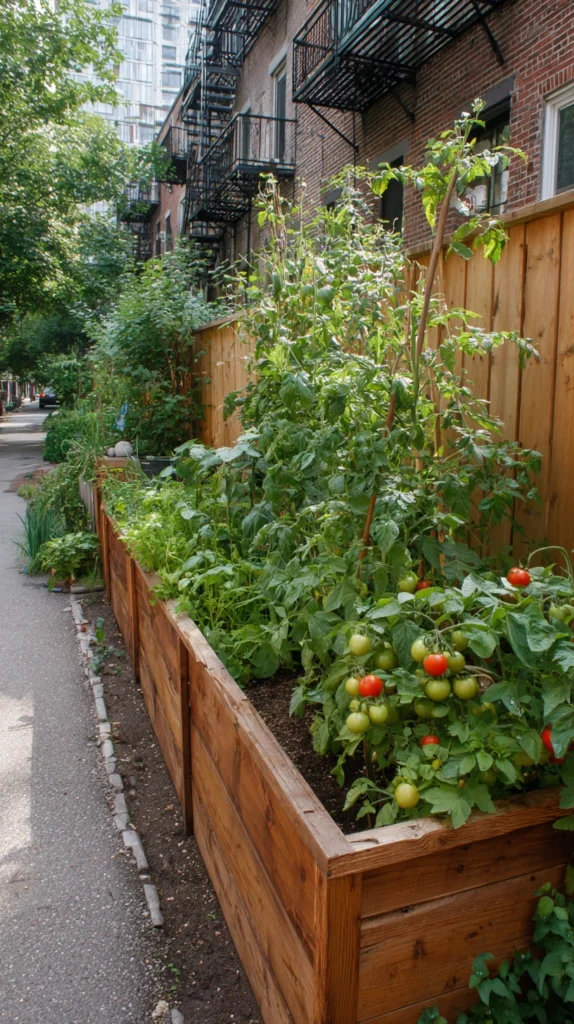
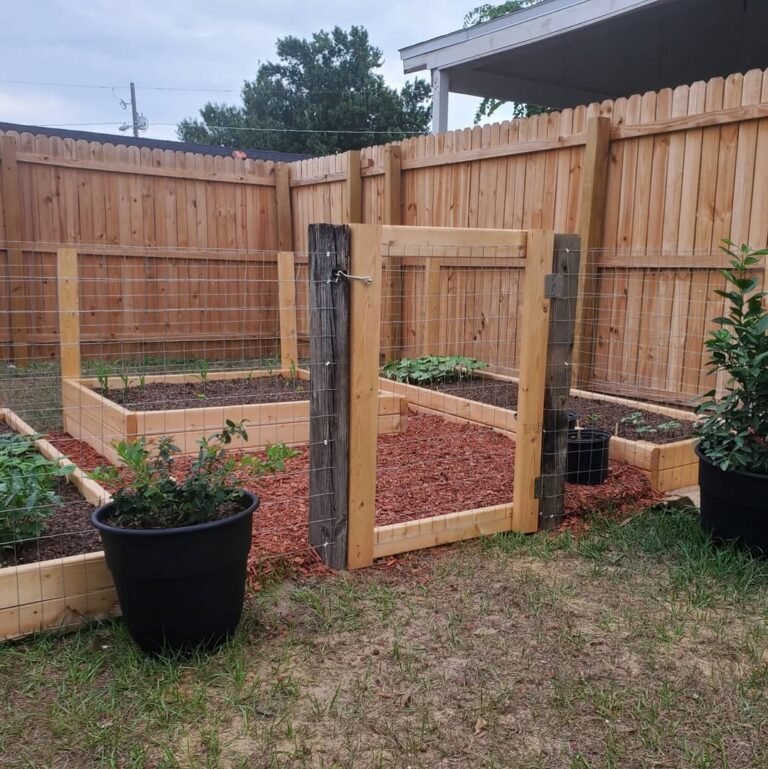
I built one long raised bed right against my back fence. It’s 12 feet long but only 2 feet wide. Doesn’t eat up much yard space but holds a ton of plants.
The raised bed defines the edge of my yard and makes everything look intentional and designed. Before it just looked like random plants stuck wherever. Now it looks planned.
I grow all my vegetables in this one bed. Tomatoes, peppers, beans, squash – everything fits because I plant intensively instead of in wasteful rows. No wasted space between rows.
My raised bed specs:
| Dimension | Measurement | Why This Size |
| Length | 12 feet | Fits along fence |
| Width | 2 feet | Easy to reach middle |
| Height | 18 inches | Good soil depth |
| Material | Cedar boards | Lasts 10+ years |
I can reach the middle from either side without stepping in the bed. This means I don’t compact the soil by walking on it. Plants grow way better in loose fluffy soil.
The height makes it easier on my back too. Less bending down to plant and harvest. I’m 50 and my back thanks me every time I garden now.
3. Hanging Baskets Everywhere (Use the Air Space)
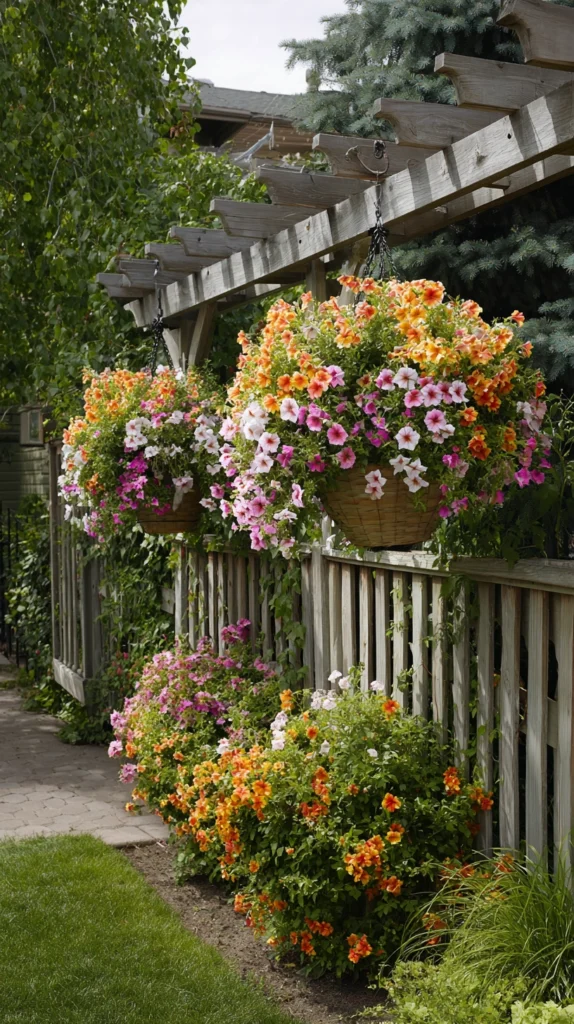
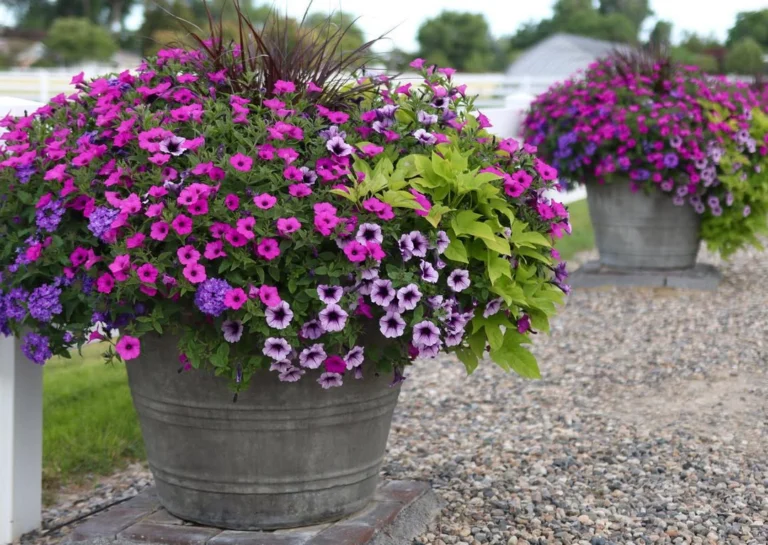
I have 8 hanging baskets hanging from my pergola, fence posts, and shepherd’s hooks. They’re filled with trailing flowers and cherry tomatoes. Look amazing and use zero ground space.
Hanging baskets get the most sun since they’re up high. My cherry tomatoes in baskets produce way more than the ones planted in the ground. Better light equals more tomatoes.
I use coconut liner baskets instead of solid plastic ones. Water drains better and roots can breathe. Plus they look more natural and pretty than plastic hanging around.
The key is using a drip tray under each basket or hanging them where drips don’t matter. I learned this after water spots ruined my deck furniture underneath. Now I plan drip zones better.
Best plants for hanging baskets in small yards:
- Cherry tomatoes (heavy producers in small space)
- Strawberries (trail down beautifully)
- Petunias (constant flowers all summer)
- Fuchsias (do great in partial shade)
- Herbs like thyme and oregano (trail nicely)
I water them every single day in summer because they dry out fast. I use a watering wand with an extension so I can reach high baskets easily. Takes maybe 10 minutes total.
4. Container Garden on the Patio (Move Things Around)
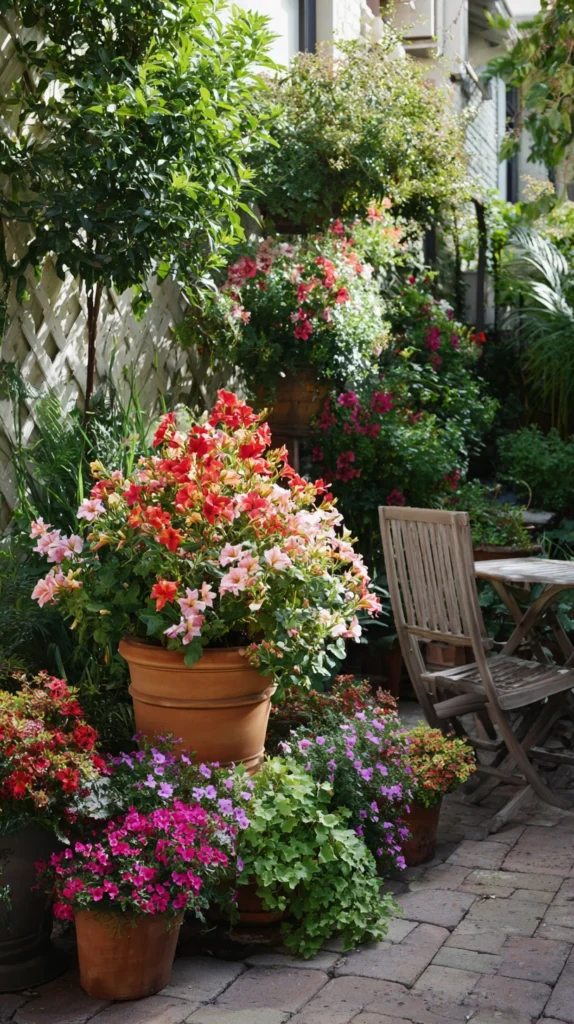
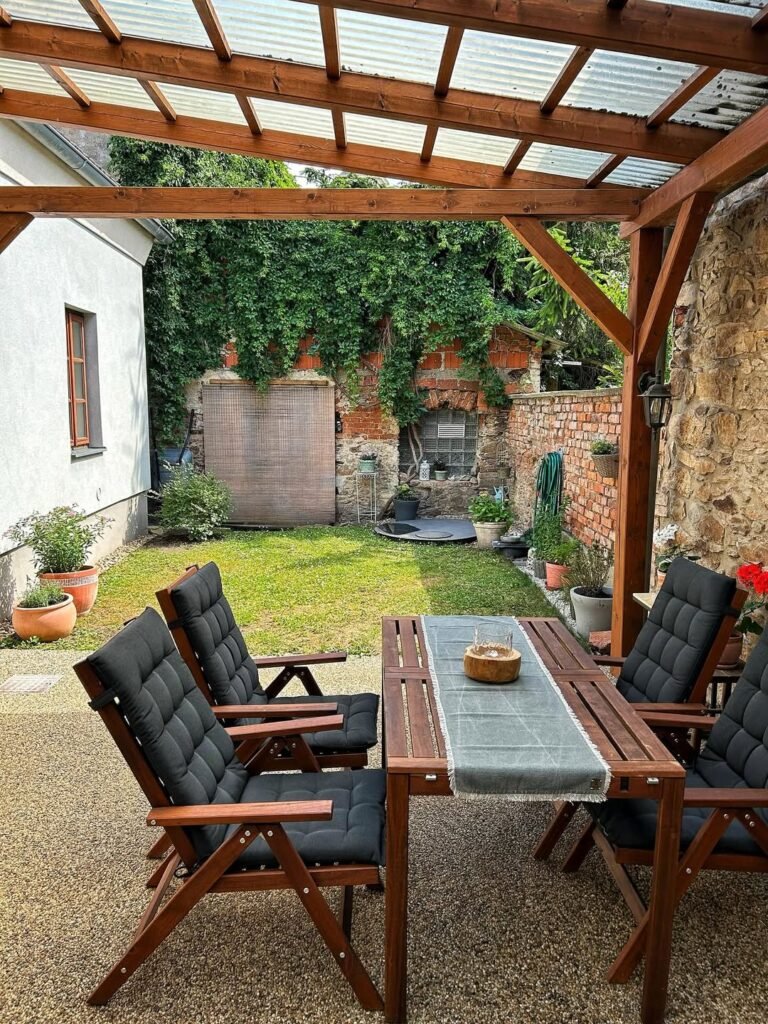
Half my plants live in pots and containers on my small patio. This lets me rearrange things whenever I want. I move stuff around to follow the sun or make room for parties.
Containers are perfect for renters or people who might move. You can take your whole garden with you. I started gardening in containers before I owned a house.
I use every kind of container you can imagine. Plastic pots, ceramic planters, old buckets with holes drilled in the bottom, even an old wheelbarrow. If it holds soil and drains, it works.
The biggest benefit is I can use perfect soil in each pot. My yard soil is terrible clay. In containers, I use good potting mix and everything grows amazing.
My container collection:
| Container Type | Cost | What I Grow | How Many |
| 5-gallon buckets | Free | Tomatoes, peppers | 8 |
| Plastic pots 12″ | $3 each | Herbs, flowers | 12 |
| Ceramic planters | $15 each | Decorative flowers | 4 |
| Window boxes | $8 each | Lettuce, greens | 3 |
I drill drainage holes in the bottom of everything. Plants hate sitting in water. I learned this by killing about $50 worth of plants in containers with no drainage. Oops.
5. Mirrors to Make Space Feel Bigger (Weird But Works)
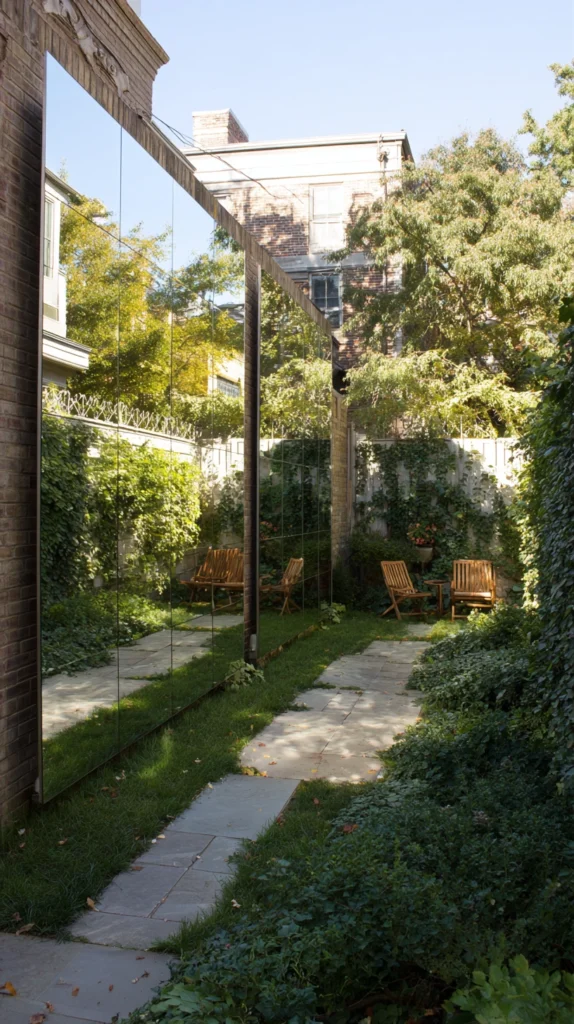
I hung two outdoor mirrors on my fence. Sounds crazy but it actually makes my tiny yard look twice as big. The reflection tricks your brain into seeing more space.
The mirrors reflect light back into my garden too. Plants near the mirrors grow better because they get light from two directions. Happy accident that turned out super useful.
I got weatherproof mirrors from HomeGoods for $20 each. They’re made for outdoor use so they don’t rust or get ruined by rain. Regular mirrors would fall apart outside.
Position mirrors to reflect your prettiest plants or flowers. Don’t point them where they’ll reflect ugly stuff like garbage cans or your neighbor’s junk. Reflect the good stuff only.
6. Tiered Plant Stands (Grow More in Same Footprint)
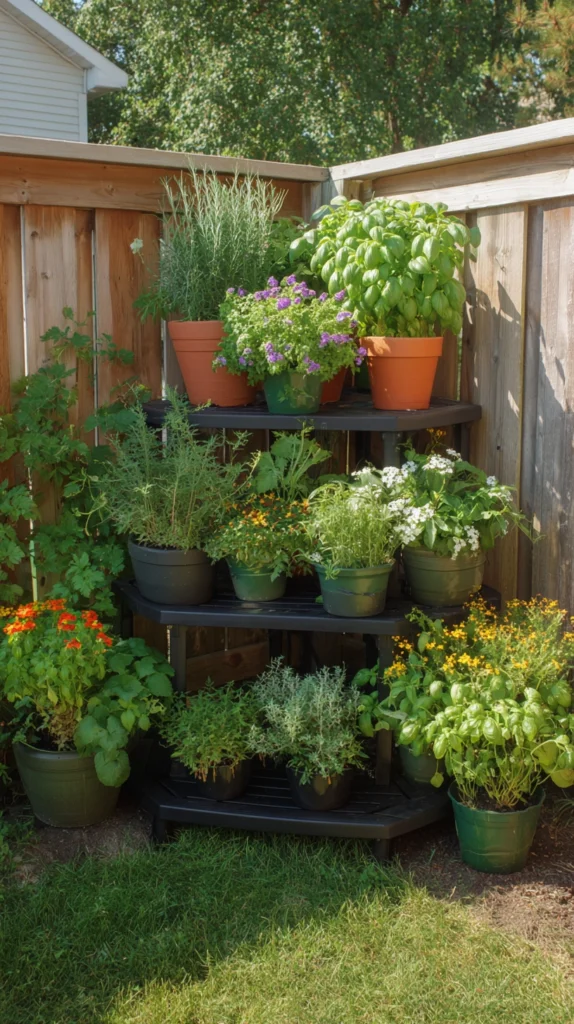
I bought three-tiered metal plant stands from Walmart for $15 each. Each stand holds 6-8 pots in the same floor space that one pot would use. Instant space multiplication.
The stands let me grow different things at different heights. Tall plants on top, medium in middle, trailing plants on bottom. Creates this layered jungle look that’s really pretty.
I put the stands in corners where they don’t block walking paths. Corners are usually wasted space anyway. Now those corners are bursting with plants and flowers.
Make sure stands are stable before loading them with heavy wet pots. I had one tip over in wind and lost three pots of herbs. Now I secure them to the fence with zip ties.
7. Dwarf Fruit Trees in Big Pots (Yes Really)
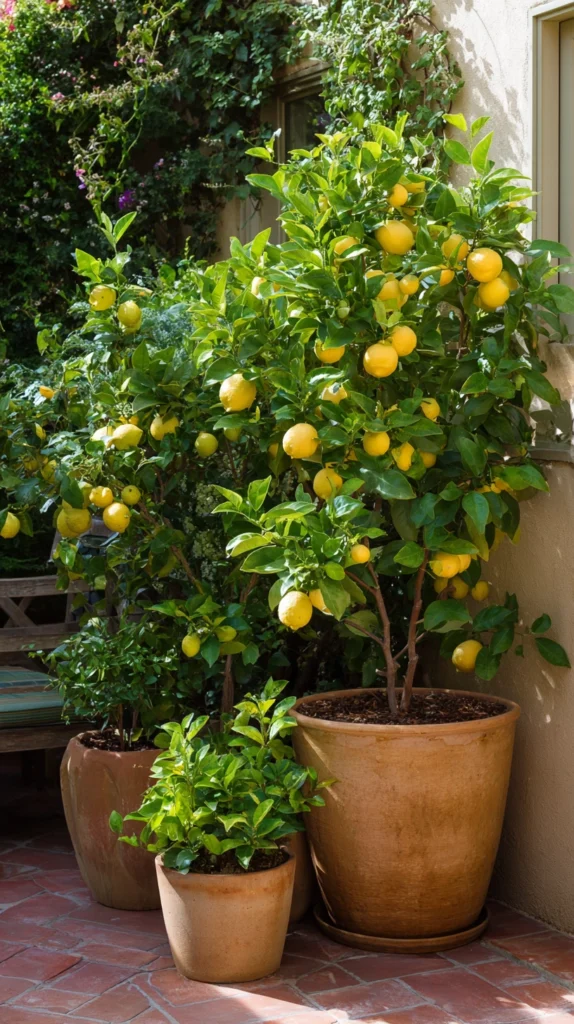
I grow a lemon tree, a fig tree, and a dwarf apple tree all in large pots. They produce real fruit every year. People are shocked when I tell them they’re in containers.
Dwarf trees stay small naturally. My apple tree is only 5 feet tall but gave me 30 apples last year. Perfect for small spaces where a regular tree would take over.
I use the biggest pots I can find – like 20-25 gallon size. Trees need room for roots. Small pots means small trees with small harvests. Go big on pot size.
In winter I move the lemon tree into my garage so it doesn’t freeze. The fig and apple stay outside year-round. Having wheels on the pots makes moving them way easier.
Fruit trees that work in containers:
- Dwarf citrus (lemon, lime, orange)
- Figs (super easy and productive)
- Dwarf apples (many varieties available)
- Blueberries (need acidic soil)
- Dwarf peaches and nectarines
Trees in pots need more water and fertilizer than trees in the ground. I water them every 2 days in summer and feed monthly with fruit tree fertilizer. Worth the extra care for fresh fruit.
8. Living Privacy Screen (Block the Neighbors)
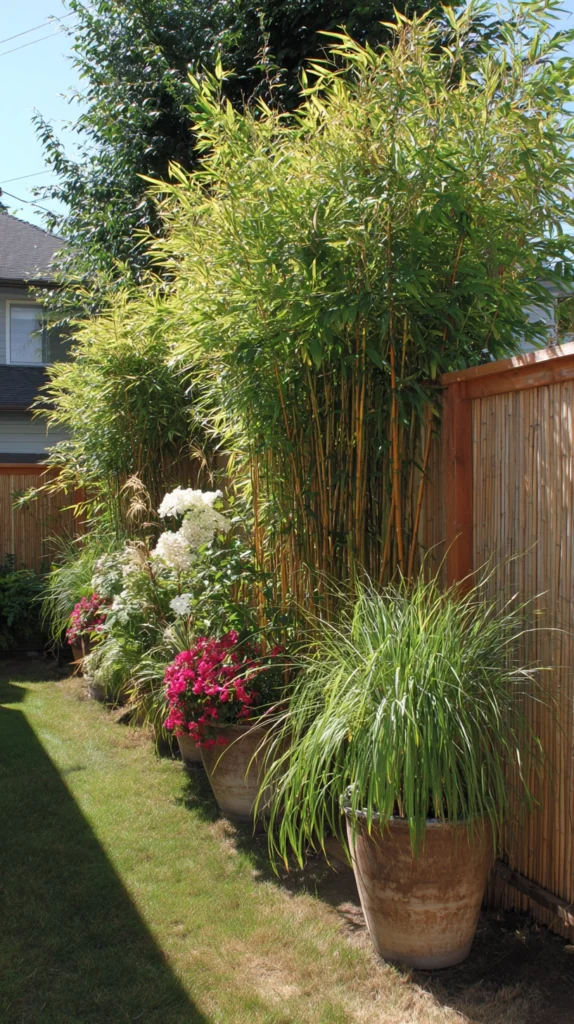
My neighbors are really close. We could practically shake hands from our back doors. I needed privacy without building an expensive fence or making enemies.
I planted tall ornamental grasses and bamboo in large pots along the property line. Creates a green screen that blocks their view into my yard. Natural and pretty instead of a harsh fence.
The plants move and rustle in the breeze. Way nicer than a static fence. Plus I can rearrange or remove pots if I ever change my mind. Fences are permanent.
I used clumping bamboo, not running bamboo. Running bamboo takes over everything and makes neighbors furious. Clumping bamboo stays in its pot and minds its own business.
Plants I use for screening:
| Plant | Height | Pot Size Needed | Privacy Rating |
| Clumping bamboo | 8-12 feet | 15+ gallons | Excellent |
| Ornamental grasses | 5-8 feet | 10+ gallons | Good |
| Tall evergreens | 6-10 feet | 20+ gallons | Excellent |
| Arborvitae | 8-12 feet | 20+ gallons | Excellent |
Space pots close together so there are no gaps between plants. I put mine about 2 feet apart. They grew together within one season and created a solid green wall.
9. Path Made of Stepping Stones (Adds Character)
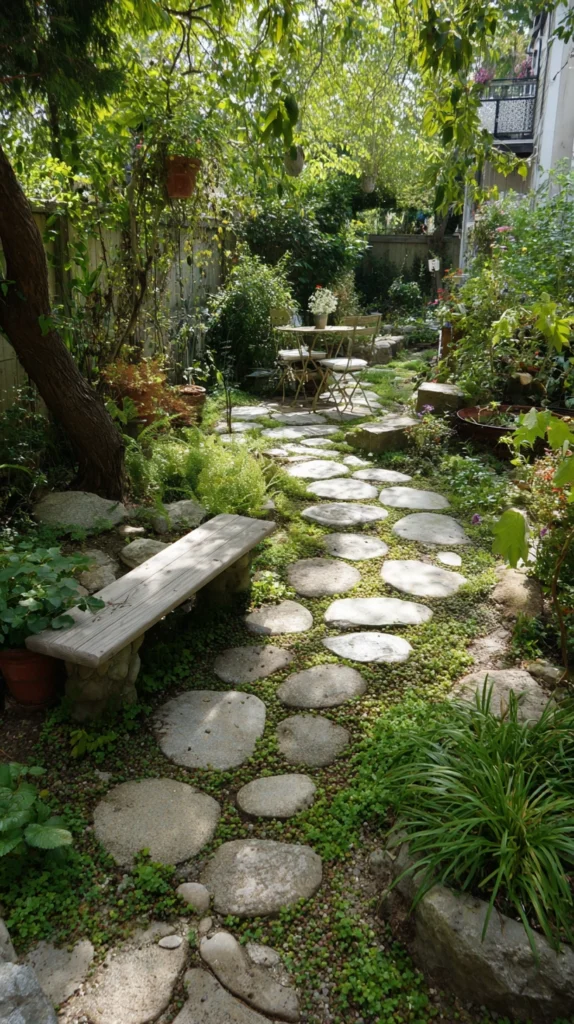
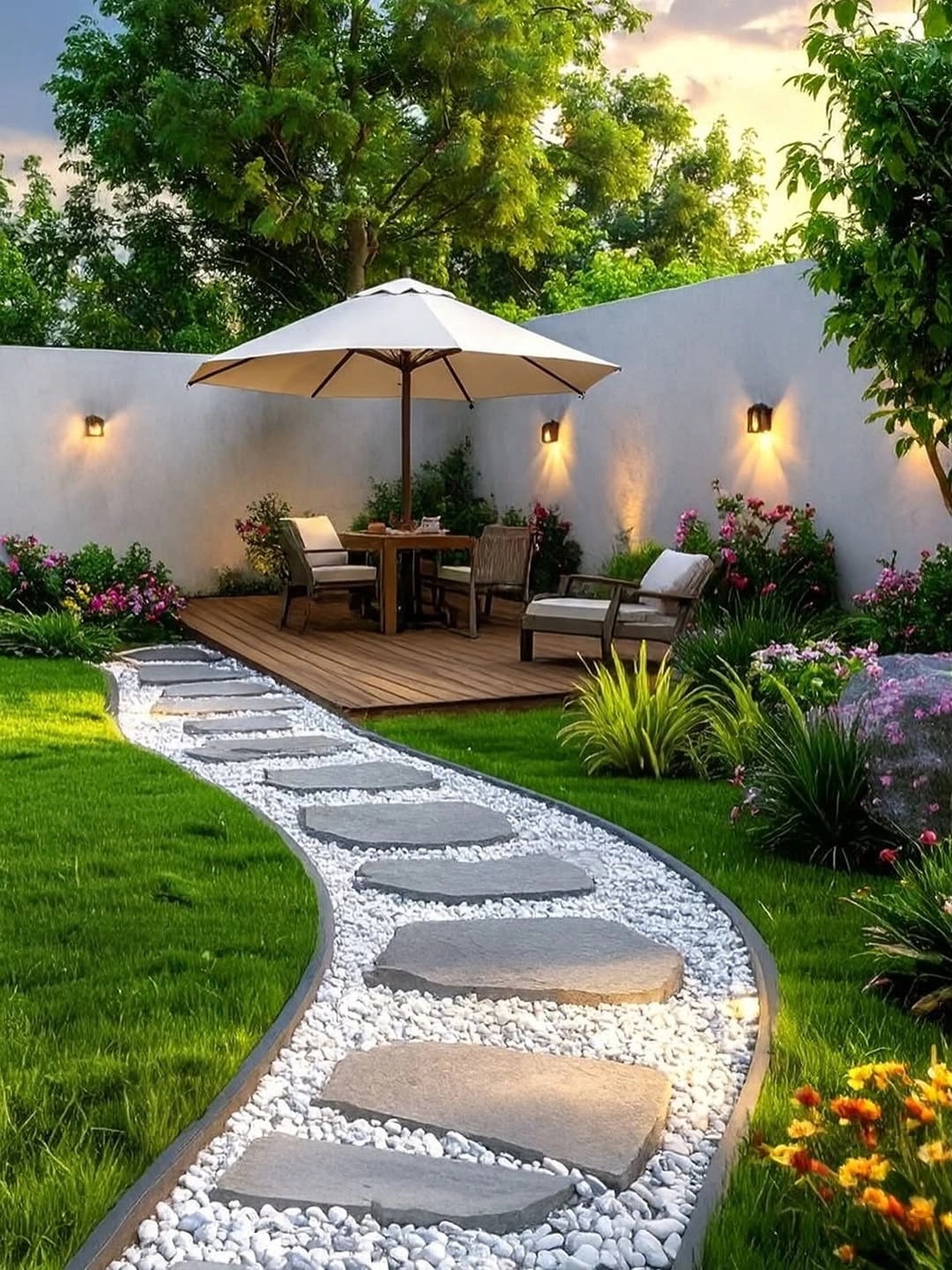
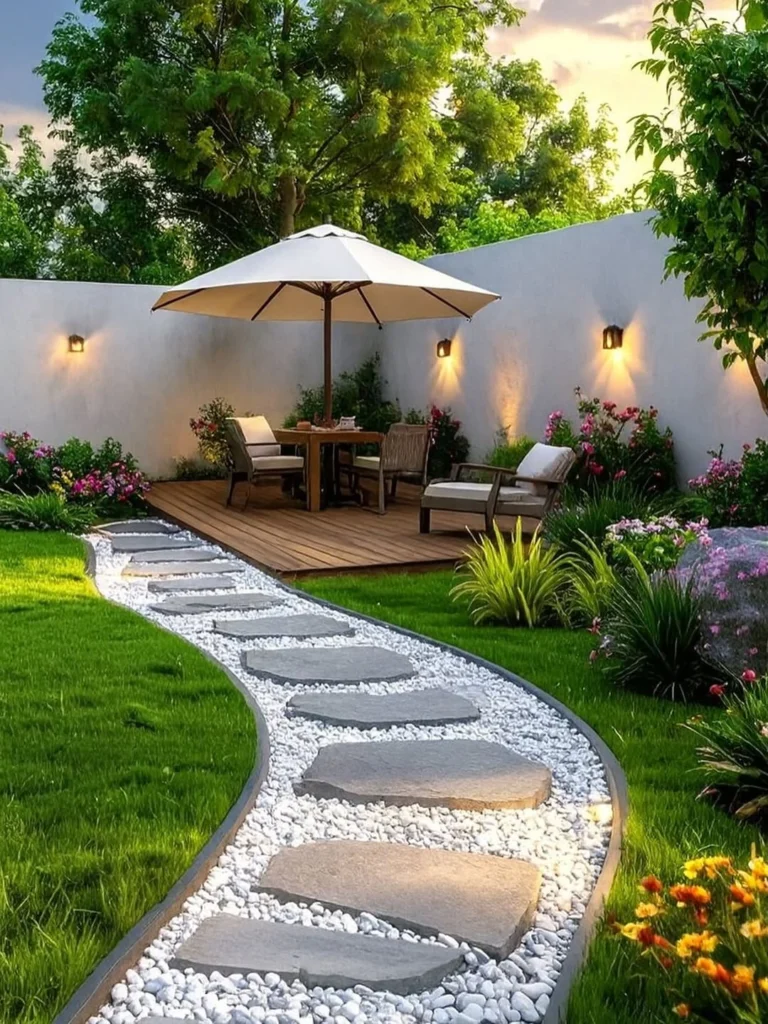
I laid stepping stones in a curved path through my small garden. This makes the space feel bigger because you can’t see the whole yard at once. The curve adds mystery.
The stones give me a clean place to walk without stepping on plants or compacting soil. My garden was getting destroyed from me walking through it constantly before I added the path.
I used flat natural stones that were like $2 each at a landscape supply place. Laid them right on top of the grass and let grass grow between them. Natural and easy.
The path leads to a small bench in the back corner. Having a destination makes the path feel purposeful instead of random. It creates a little journey through the garden.
10. Grow Lights for Shady Spots (Cheat the Sun)
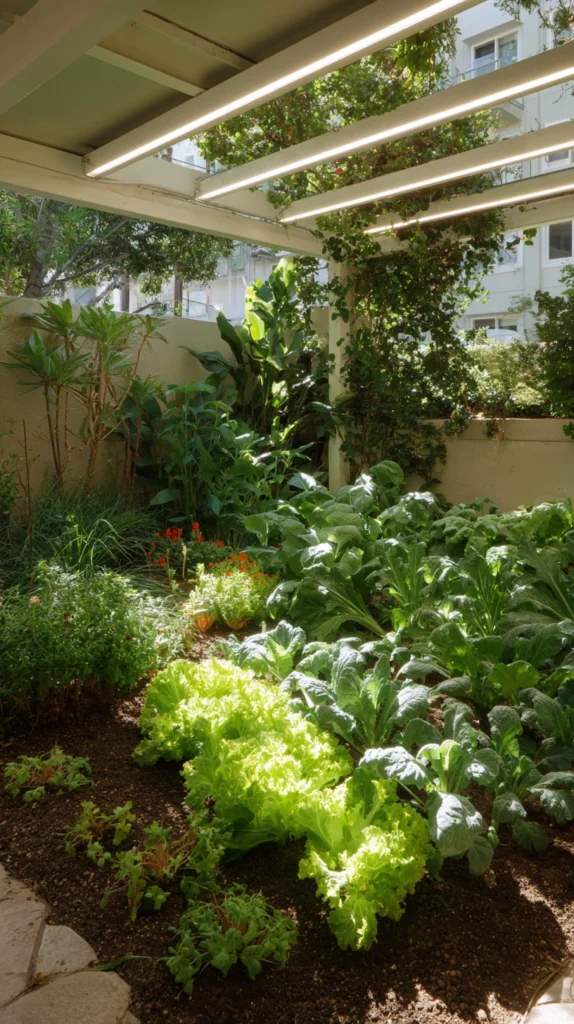
Part of my yard is shaded by my house and garage. Nothing would grow there. Just bare dirt and struggling weeds. Such wasted space.
I installed outdoor-rated LED grow lights under my patio cover. Now I can grow shade-loving plants in that area year-round. Even started seedlings there in spring.
The lights run on a timer and come on for 12 hours a day. My electric bill barely changed. LEDs use so little power compared to old bulbs.
This turned a useless shaded area into productive growing space. I grow lettuce, spinach, and herbs under the lights all year now. Fresh salads even in winter!
My grow light setup:
- Two LED shop lights ($35 each at Home Depot)
- Timer to automate on/off ($8)
- Hung 12 inches above plants
- Runs 12 hours daily
- Grows shade plants plus seedlings
The lights aren’t pretty but I don’t care. They’re under the patio cover so you barely notice them. Function over form for this solution.
11. Trellis Against Every Wall (Vertical Everything)
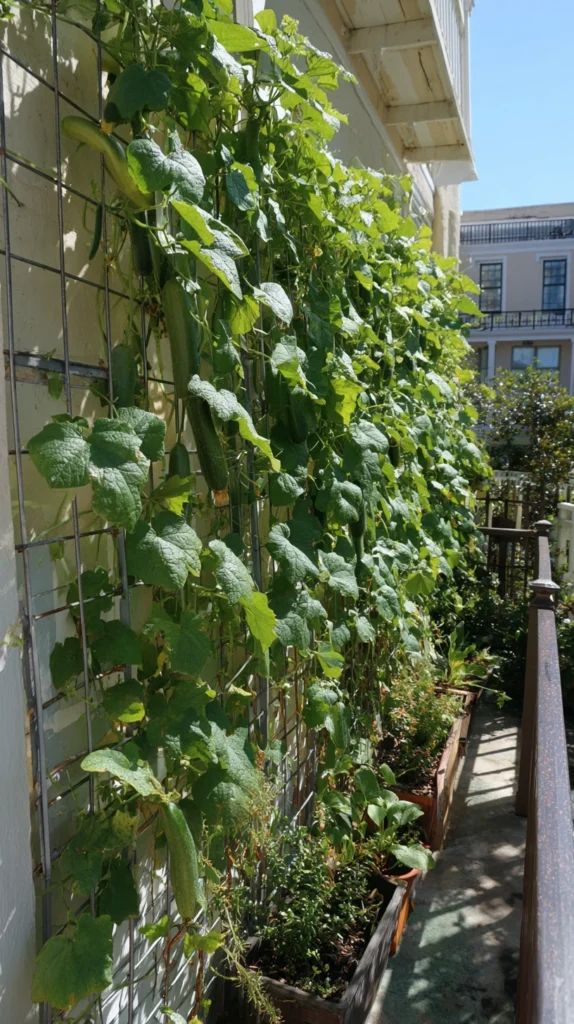
I have trellises on every available wall surface. My garage wall, fence, side of the house – anywhere I can attach one. Grows so many vining plants without using floor space.
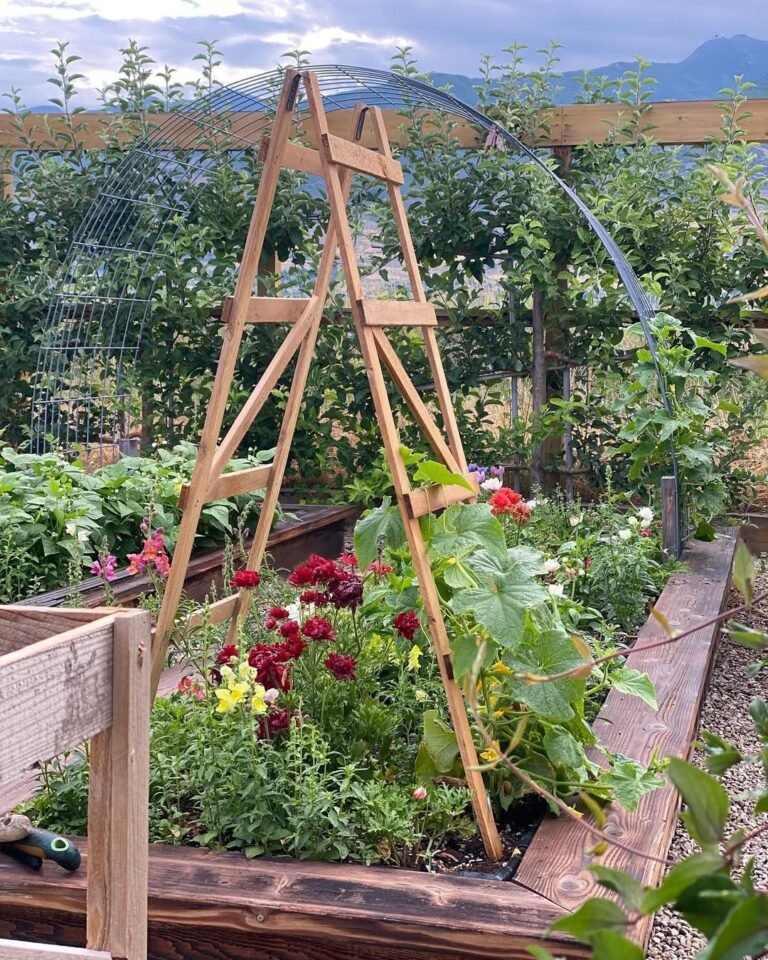
Cucumbers, beans, peas, and morning glories all climb happily. One trellis holds 6 cucumber plants that would normally sprawl over 20 square feet of ground. Huge space savings.
I made trellises from cattle panel fencing cut to size. Each 4×6 foot panel cost $15. Way cheaper than fancy garden trellises that cost $50+ and do the same thing.
Attach trellises securely to walls or they’ll fall when plants get heavy with fruit. I use heavy duty screws into studs. Learned this after a trellis ripped down with 10 pounds of cucumbers.
What grows great on trellises:
- Cucumbers (way easier to harvest when vertical)
- Pole beans (produce for months)
- Sugar snap peas (kids love picking these)
- Squash and small pumpkins (need strong trellis)
- Flowering vines like morning glories
Vertical growing also prevents diseases because plants get better air circulation. My cucumbers stopped getting powdery mildew once I grew them vertically instead of on the ground.
12. Colorful Paint on Fence and Pots (Make It Pop)
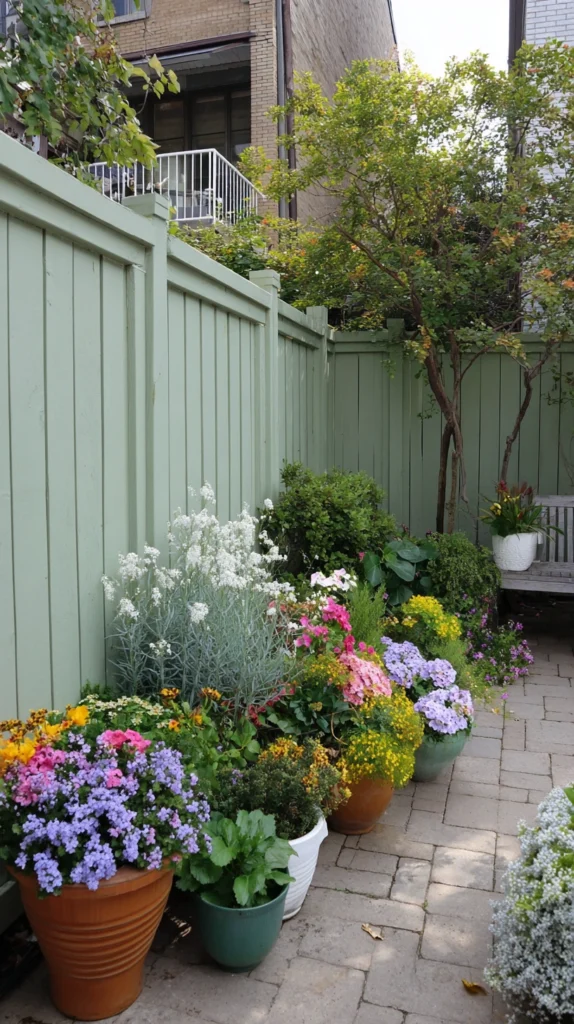
My fence was ugly brown and made the whole yard feel dark and depressing. I painted it a soft sage green color. Completely transformed the feel of my garden.
The green paint makes plants stand out more. It’s like a backdrop that highlights all the flowers and foliage. Way better than boring brown wood.
I also painted some of my plain terracotta pots in bright colors. Blues, yellows, corals – fun colors that add personality. My yard looks cheerful and intentional now instead of random.
Outdoor paint costs about $30 per gallon. One gallon painted my whole fence with two coats. Worth every penny for how much better it looks.
Paint colors that work well:
- Sage green (makes plants pop)
- Soft blue-gray (peaceful feeling)
- Warm terracotta (Mediterranean vibe)
- Charcoal gray (modern look)
- Crisp white (classic clean style)
My neighbors weren’t sure about the green fence at first. Now three of them have painted their fences too. It started a trend on our whole street!
13. Fairy Lights and Solar Lanterns (Use It at Night)
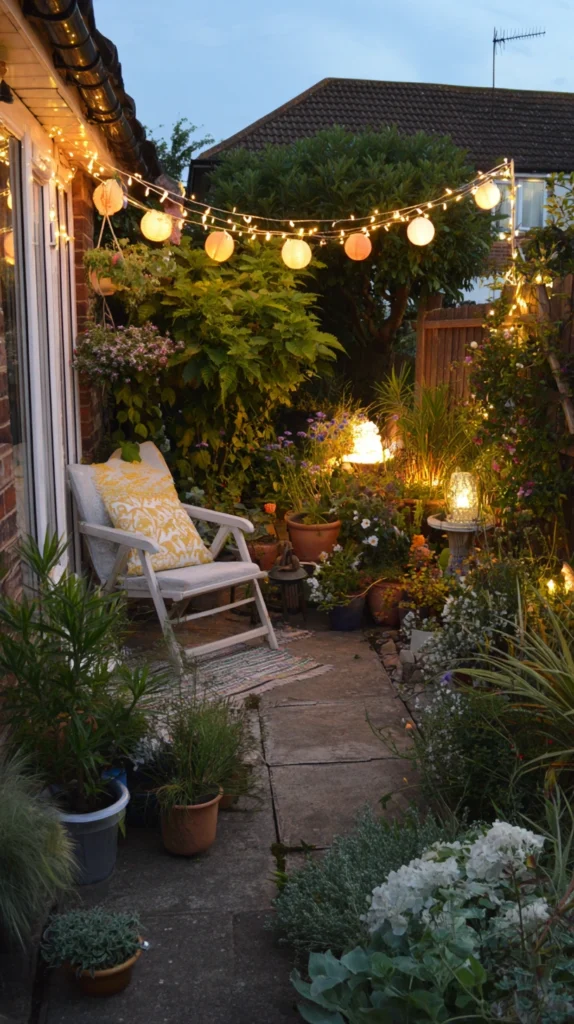
I strung LED fairy lights along my fence and through my pergola. Added solar lanterns on stakes throughout the garden. Now my yard is magical at night.
This extended my usable outdoor time into the evenings. Before, the yard was just dark and unusable after sunset. Now we eat dinner out there and hang out until bedtime.
The fairy lights cost $20 for a 50-foot string. Solar lanterns were $3 each at Target on clearance. Cheap way to make a huge impact on how the space feels.
Everything is solar or LED so my electric bill didn’t go up. The lights charge during the day and glow automatically at night. Zero maintenance or electricity cost.
14. Herb Spiral (Fits Multiple Herbs in Tiny Space)
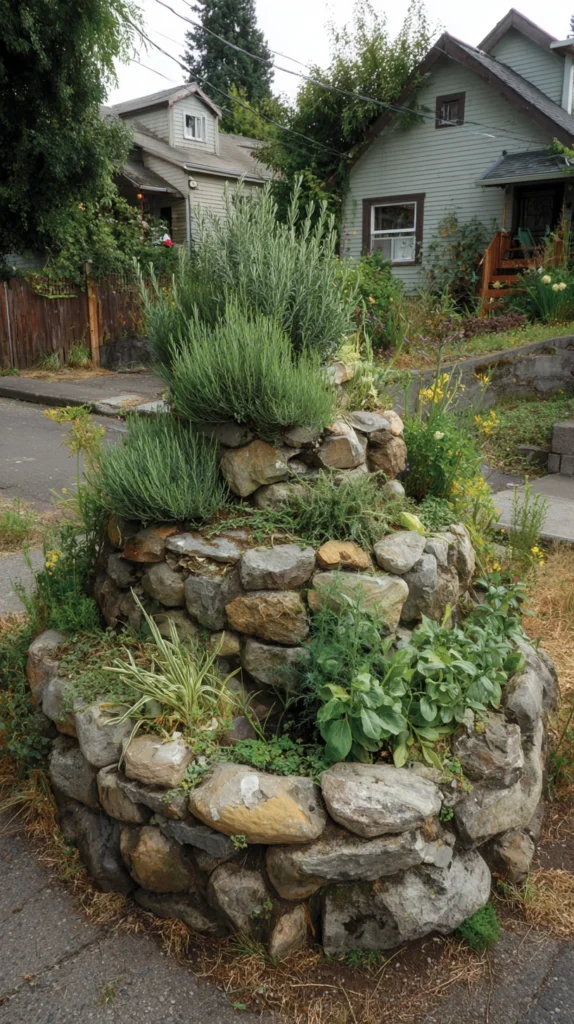
I built an herb spiral in one corner of my yard. It’s maybe 4 feet across but grows 15 different herbs at different heights and moisture levels. Super space-efficient design.
The spiral shape creates different microclimates. Top is dry and sunny for rosemary and thyme. Bottom is moist and partly shaded for parsley and cilantro. One structure, multiple growing conditions.
I built mine with stacked rocks I found free on Craigslist. Took about 3 hours to build. Filled it with good soil and planted herbs in a spiral pattern going up.
It looks like a piece of garden art. Guests always ask about it and are impressed. But really it’s just a practical way to grow lots of herbs in a small footprint.
Herbs in my spiral by level:
| Level | Conditions | Herbs I Grow |
| Top | Dry, full sun | Rosemary, thyme, oregano |
| Middle | Medium moisture | Basil, sage, marjoram |
| Bottom | Moist, part shade | Parsley, cilantro, chives, mint |
The spiral is only 3 feet tall at the highest point. Easy to reach everything for harvesting without bending down much. Perfect height for frequent use.
15. Foldable Furniture (Flexible Space)
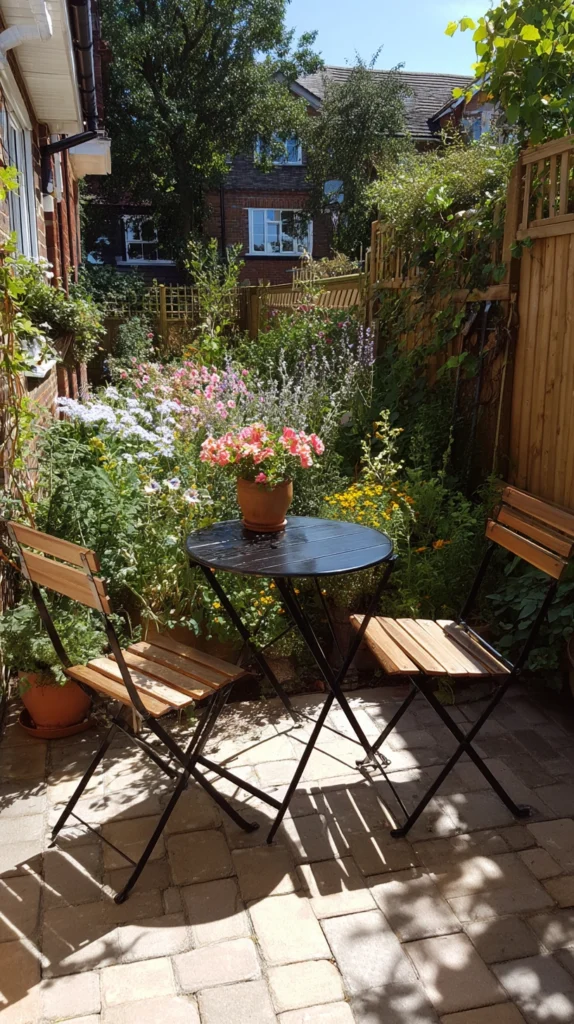
My yard is too small for permanent patio furniture that sits there all the time. I’d have no room left for anything else. So I use folding chairs and a folding table.
I set up furniture when I want to sit outside. When I’m done, I fold it up and store it in the garage. Instantly get my whole yard back for gardening or kids playing.
The foldable approach lets me use my small space for multiple purposes instead of dedicating it all to one thing. Sometimes it’s a dining area, sometimes a play area, sometimes all garden.
I bought decent quality folding furniture that doesn’t look cheap. Metal bistro set for $60 at HomeGoods. Looks nice but stores flat when not needed.
Other flexible space ideas:
- Rolling plant carts (move plants to make room)
- Portable raised beds on wheels
- Hammock I hang only when using it
- Temporary shade umbrella in table base
The key to small yards is being flexible with how you use the space. Don’t lock yourself into one permanent setup. Keep it changeable and multipurpose.
What Makes These Ideas Work for Small Yards
They all use vertical space instead of just horizontal space. You have way more vertical space than floor space in a small yard. Use the air above ground!
Multiple purposes for everything. My raised bed is also a bench edge. My trellis is also a privacy screen. Dual purpose means you need fewer separate things.
Containers and pots can move around as needed. This flexibility is crucial in small spaces. You’re not stuck with permanent choices that don’t work later.
Visual tricks like mirrors and curved paths make the space feel bigger than it is. Your brain sees more than what’s actually there. Perception matters as much as reality.
Mistakes I Made in My Small Yard
I planted too much at first. Crammed every inch with plants. It looked messy and chaotic instead of nice. Less is more in small spaces. Leave some breathing room.
I used too many different plant types. Twenty different plants in 300 square feet was visual chaos. Now I stick to 5-7 plant types repeated throughout. Looks way more cohesive and intentional.
I forgot about access paths. Planted so densely I couldn’t reach the back without stepping on plants. Now I plan 18-inch wide paths to reach everything comfortably.
I ignored vertical space for the first year. Wasted all that wall and air space. Once I went vertical my usable growing space tripled without making the yard bigger.
What Changed the Most About My Small Yard
It went from embarrassing to my favorite part of my house. I used to avoid taking pictures that showed the boring yard. Now I show it off constantly.
Neighbors actually stop to compliment it now. Some have asked for advice on their own small yards. That feels amazing after thinking my yard was too small to matter.
My grocery bill went down. I grow so many herbs, tomatoes, peppers, and greens that I barely buy produce anymore. All from a 15×20 foot space.
My kids play outside more. The garden made the yard interesting instead of boring. They like checking for ripe tomatoes and picking strawberries. Gets them off screens.
How Much Did All This Cost?
Here’s every penny I spent transforming my small boring yard:
Vertical pallet garden: $30 Raised bed materials: $120 Hanging baskets and hooks: $85 Containers and pots: $90 (many found free or cheap) Mirrors: $40 Plant stands: $45 Fruit tree containers: $60 Privacy screen pots and plants: $100 Stepping stones: $30 Grow lights: $80 Trellis materials: $60 Paint for fence and pots: $50 Lighting (fairy lights and solar): $45 Herb spiral rocks: Free Folding furniture: $60
Total: $895
Sounds like a lot but I spent this over 18 months, not all at once. I added one project at a time as I could afford it. Started with the cheapest impactful things first.
Compare this to a professional landscape design which would cost $3,000-5,000 minimum. I saved thousands by doing it myself with these simple ideas.
What I Wish I’d Known From the Start
Small doesn’t mean limited. I can grow just as much as people with big yards. I just have to think vertically and intensively instead of sprawling horizontally.
You don’t need perfect conditions. My yard has clay soil, partial shade, and weird drainage. I worked around all of it with containers, grow lights, and raised beds. Problems have solutions.
Start with one area and make it really nice. Don’t try to do everything at once. I started with just the vertical pallet wall. Once that looked good I moved to the next project.
Neighbors are more supportive than you think. I worried they’d complain about my colorful fence and changes. Instead they complimented everything and asked for tips. People like seeing nice yards.
Small Yard Benefits I Didn’t Expect
Maintenance is way faster than a big garden. I can water, weed, and tend my whole yard in 20 minutes. Big gardens take hours. Small is efficient.
Less waste because I’m not growing more than we can eat. Big gardens often produce too much and food gets wasted. My small space grows just enough.
I actually know every plant personally. In a big garden you forget what’s where. In my small space I notice everything. Better plant care and fewer problems.
It’s easier to keep looking nice. Keeping 300 square feet pristine is doable. Keeping 2,000 square feet perfect is exhausting. Small stays beautiful with less work.
Ready to Transform Your Small Yard?
Stop thinking your small space isn’t good enough for a real garden. My tiny 15×20 yard grows vegetables, fruits, herbs, and flowers. Yours can too.
Start with one vertical project. Just one. Maybe a pallet wall or some hanging baskets. See how much that changes things before moving to the next idea.
Don’t compare your small yard to huge Instagram gardens. Those people have different space and different budgets. Make YOUR space work for YOUR life and budget.
The best garden is the one you actually use and enjoy. Size doesn’t matter. My small yard gets used daily. I see neighbors with huge yards who never go outside. Small and loved beats big and ignored.
Now go look at your small yard with fresh eyes. It’s not too small. It’s perfectly sized for these ideas to transform it into something stunning!
Quick Summary:
- Use vertical space with walls, trellises, and hanging baskets
- Grow in containers for flexibility and perfect soil
- Create privacy with tall potted plants as screens
- Add mirrors to make space feel twice as big
- Use tiered stands to multiply growing space
- Paint fences and pots to add color and personality
- Install lights to extend usable time into evenings
- Choose dwarf fruit trees in large pots
- Build herb spiral for many herbs in small footprint
- Keep furniture foldable for multipurpose space
- Use curved paths to make yard feel bigger
- Grow vertically on every available wall
- Focus on 5-7 plant types for cohesive look
- Plan 18-inch paths to access everything
- Start with one project, add more over time