15 Houseplant Display Ideas That Just Feel Right
My houseplants used to sit randomly on whatever surface had space. Windowsills, floor, kitchen counter – no rhyme or reason.
It looked messy. Like I’d just scattered pots around and called it decorating.
Then I learned that how you display plants matters as much as the plants themselves. Same plants, better arrangement, completely different vibe.
Now my plant collection looks intentional and pulled together instead of chaotic.
Let me show you 15 display ideas that actually work.
Why Random Plant Placement Looks Wrong
My apartment before I figured this out:
- 15 plants in random spots
- All different pot styles
- No visual flow
- Looked cluttered, not collected
- Guests said, “You have a lot of plants” (not a compliment)
The problem wasn’t too many plants. It was zero intentional display.
After redesigning with purpose:
- Same 15 plants
- Grouped and arranged
- Coordinated pots
- Visual intention
- Guests say, “Wow, this looks amazing.”
What changed: Organization, not quantity.
Design Principles That Work
I learned these from trial and error:
Group in odd numbers:
- 3, 5, or 7 plants together
- Not 2 or 4 (looks too symmetrical)
- Creates natural visual interest
Vary heights:
- Tall, medium, short in each grouping
- Not all same level
- The eye travels up and down
Repeat colors:
- Same pot color in multiple spots
- Creates cohesion throughout space
- Ties the room together
Create triangles:
- Arrange three plants in a triangle
- Most pleasing shape to the human eye
- Works with furniture too
These rules transformed my random collection into a designed space.
1. The Layered Shelf Display (My Living Room Setup)
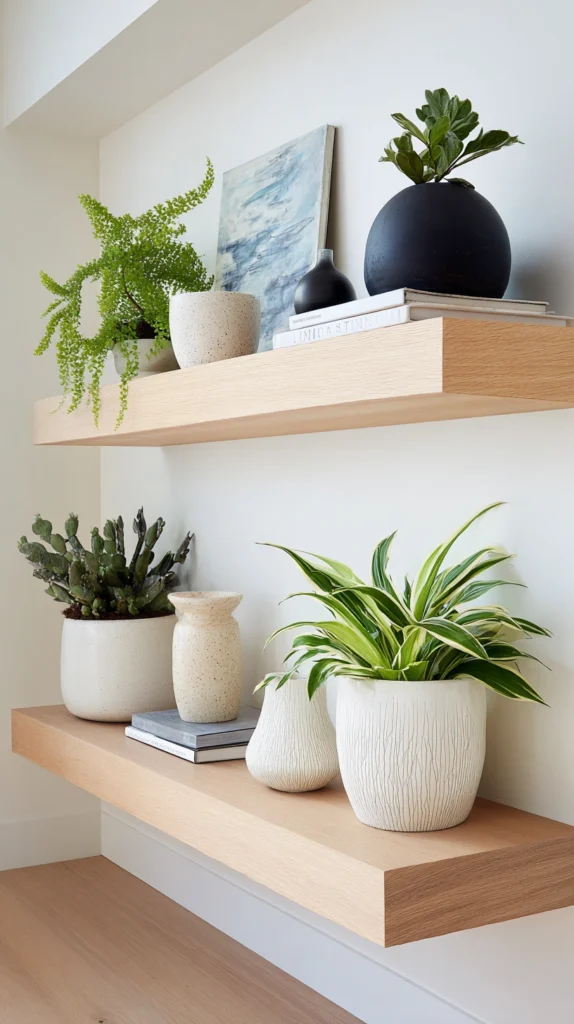
Floating shelves at different heights create a museum-like display.
My configuration:
Three floating shelves:
- Top shelf: 6 feet high
- Middle shelf: 4.5 feet high
- Bottom shelf: 3 feet high
- Staggered horizontally (not stacked directly)
Plant arrangement:
Top shelf (light-loving):
- 2 trailing pothos (cascade down)
- 1 small snake plant
Middle shelf:
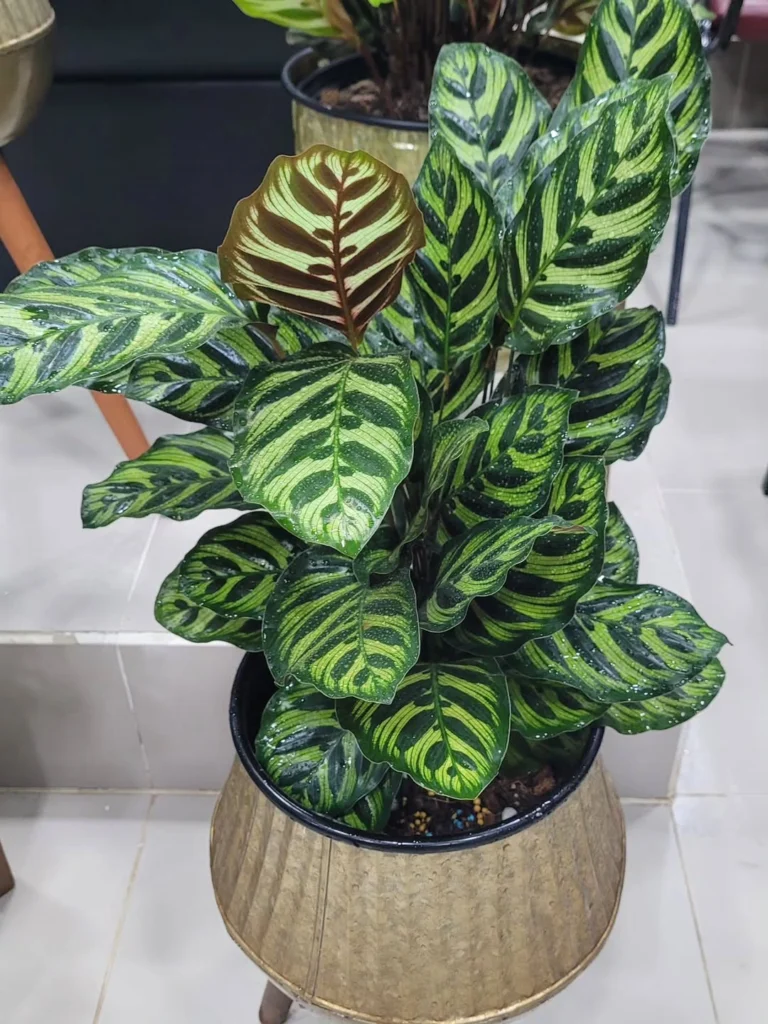
- 3 medium plants (prayer plant, peperomia, fern)
- Varied leaf textures
Bottom shelf:
- 1 large peace lily
- 2 small succulents as bookends
Why it works:
- Creates depth (not flat wall)
- Height variation interesting
- Trailing plants add movement
- Can see all plants clearly
Cost: $45 for 3 shelves + brackets
Installation: 2 hours (studs required)
Styling the Shelves
Not just plants:
- Small books between plants
- Decorative object (ceramic bird)
- Not too cluttered
I made mistake of putting too much on shelves. Looked busy and overwhelming.
Now I use: 70% plants, 30% other objects
Rule: If you can’t see the wall behind, it’s too full.
2. The Plant Stand Collection (Corner Focal Point)
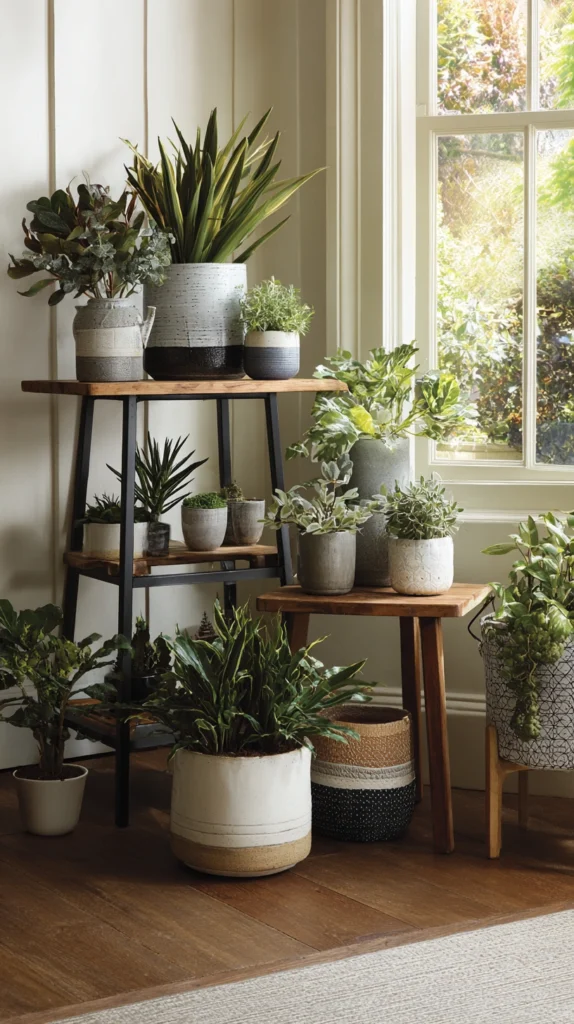
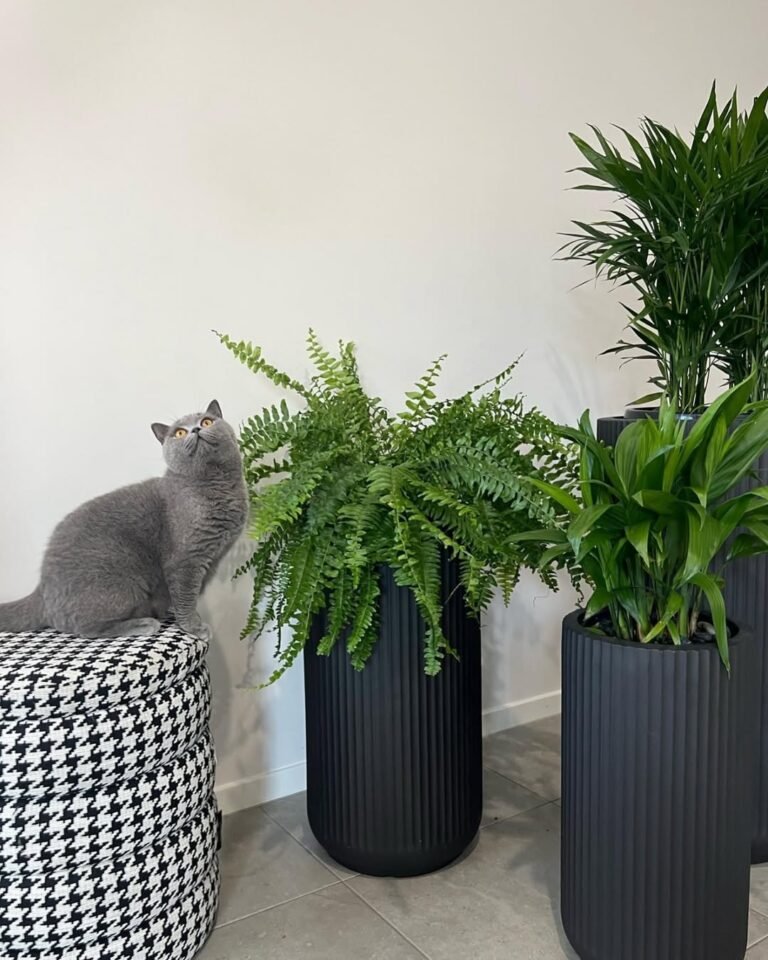
Three plant stands clustered in the corner create an intentional vignette.
My corner setup:
Tall stand (30 inches):
- Large fiddle leaf fig
- Back corner position
Medium stand (20 inches):
- Snake plant
- Offset to the side
Short stand (12 inches):
- Trailing pothos
- Front of grouping
Creates a triangle when viewed from the room.
Stand materials:
- Tall: Wood mid-century style ($40)
- Medium: Black metal ($25)
- Short: White ceramic ($18)
Mixed materials work because plants create visual cohesion.
Corner Display Benefits
Why corners work:
- Dead space becomes a focal point
- Plants get light from two walls
- Creates a room dimension
- Easy to water (contained area)
I have three corner displays in my apartment. Each one anchors a room.
Placement tips:
- Near window (light access)
- Away from heating vents
- Where you’ll see it daily
My bedroom corner is my favorite. Wake up seeing plants.
3. Hanging Plant Cascade (Window Treatment)
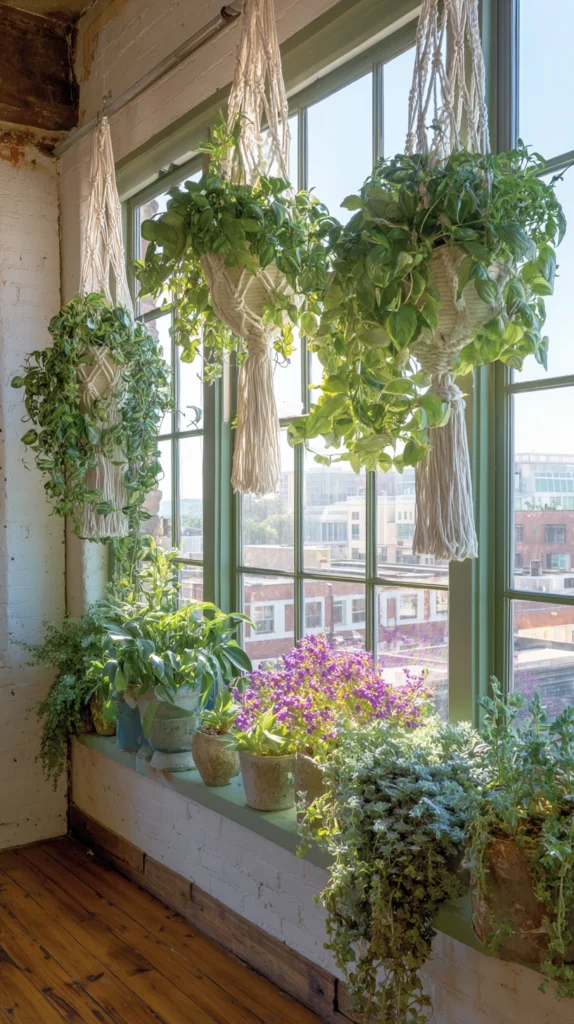
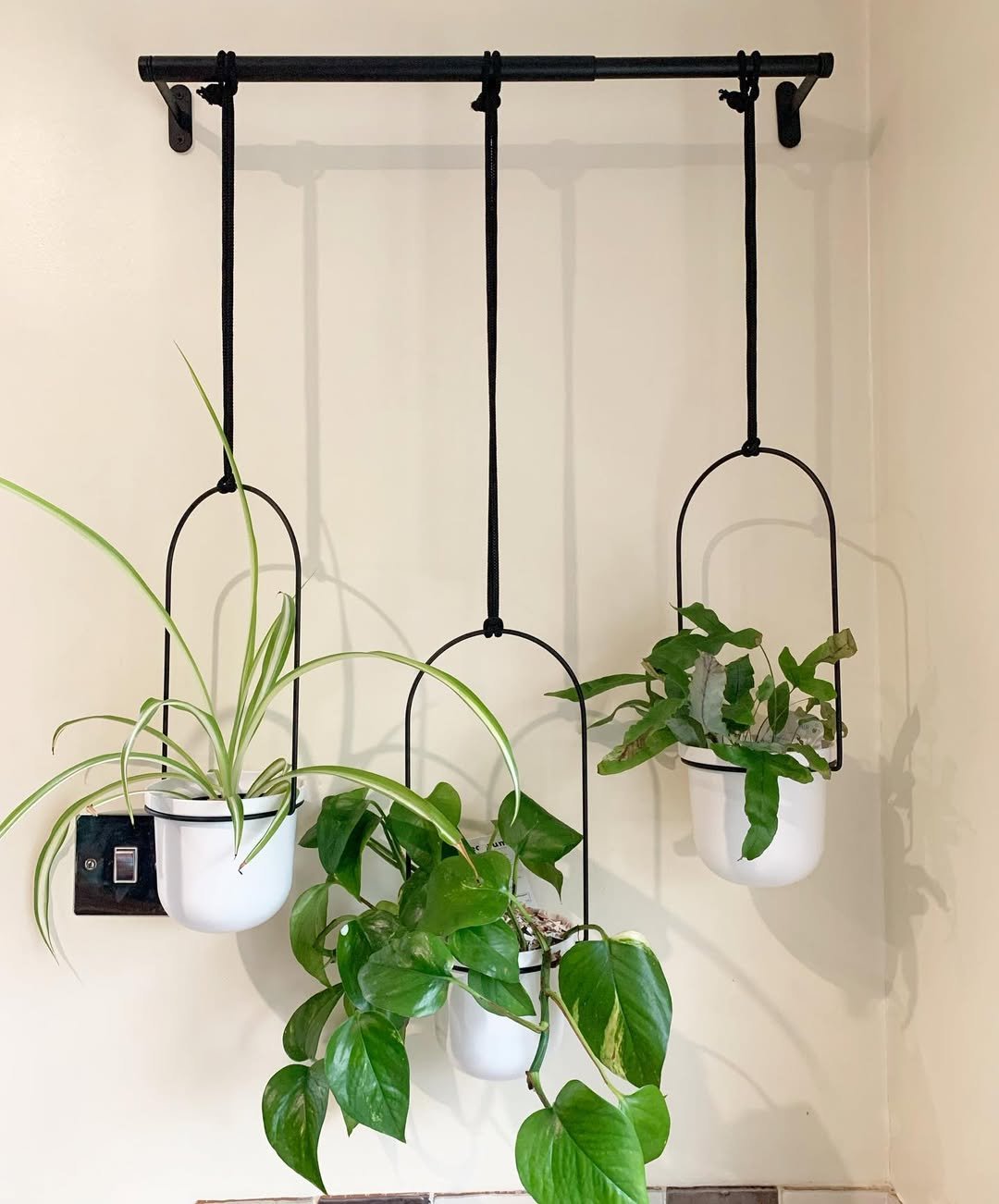
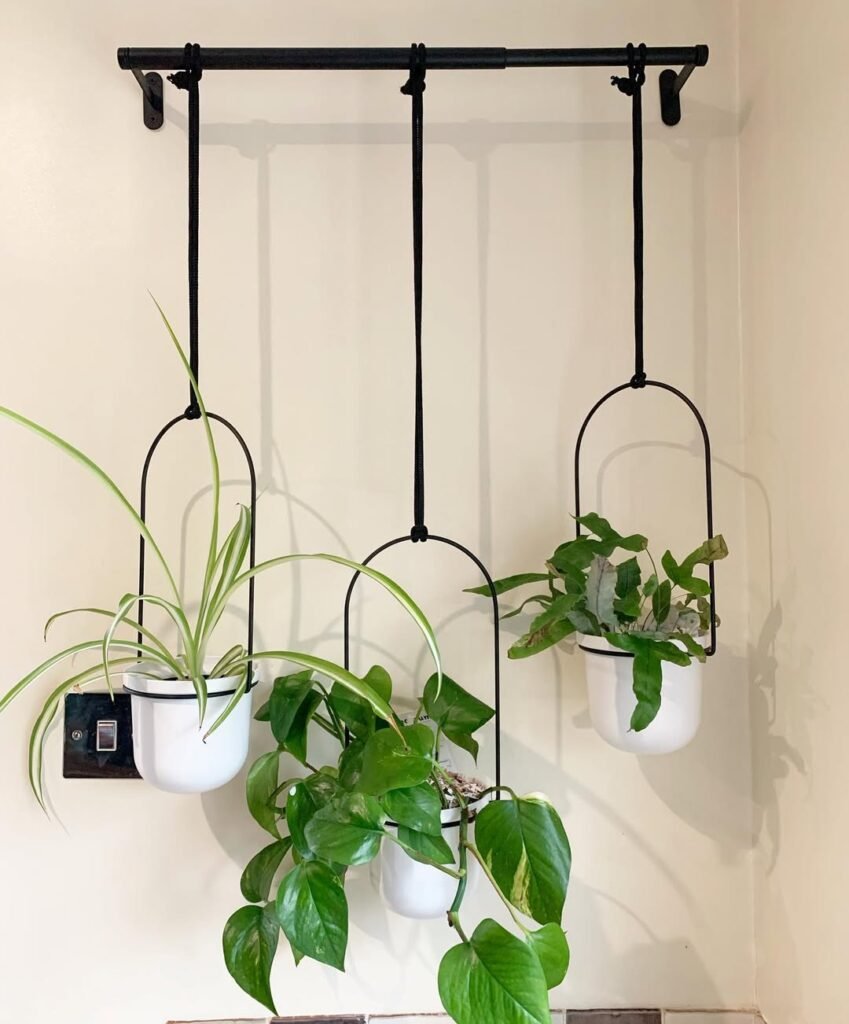
Macramé hangers at varying heights in front of window.
My window setup:
5 hanging plants:
- 2 at curtain rod height (8 feet)
- 2 at mid-window (5 feet)
- 1 just above the sill (3 feet)
Staggered across window:
- Not in straight line
- Creates waterfall effect
- Doesn’t block all light
What I hang:
- Pothos (2 plants, different lengths)
- String of pearls (trailing)
- Spider plant
- Philodendron
Result: Living curtain that still lets light in.
Making Hanging Work
My hanging setup:
Ceiling hooks: $2 each, screw into studs. Macramé hangers: $8-15 each. Or: DIY macramé (YouTube tutorials)
Total investment: $60 for 5 plants
Watering challenge: Take down to water in the sink
My solution:
- Water Sunday mornings (routine)
- Let drain completely
- Rehang
Takes 15 minutes weekly, but worth the dramatic effect.
4. The Bookshelf Integration (Mixed Display)
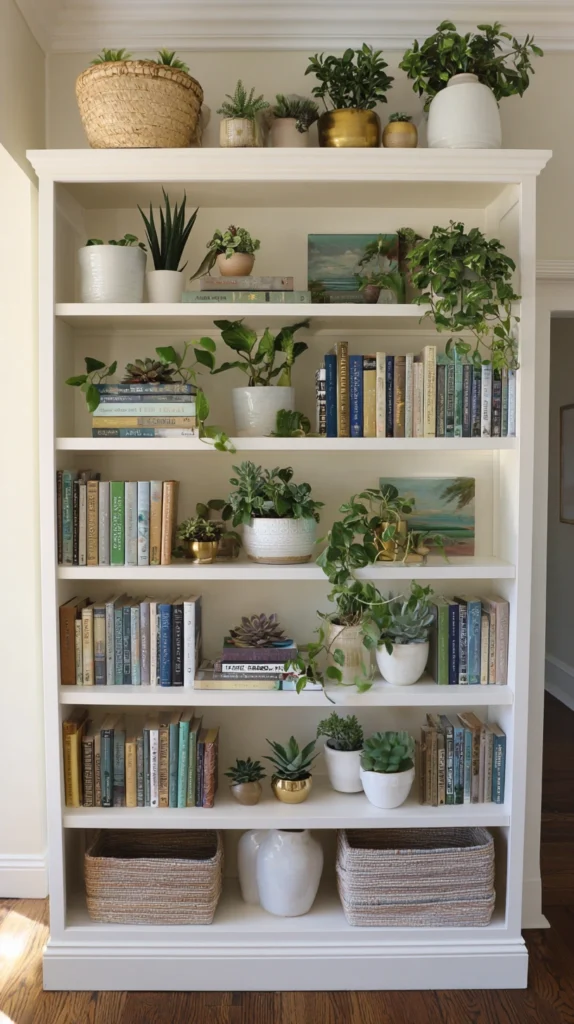
Plants AND books on the same shelves create a collected look.
My bookshelf arrangement:
5-shelf bookcase:
Top shelf: 3 small plants only (gets most light)
Shelves 2-4: Mix of books and plants
- Books on one side
- Plant on the other side
- Or plant between book sections
Bottom shelf: 2 larger plants (shade-tolerant)
Plant choices for shelves:
- Top: Succulents, pothos
- Middle: Pothos, philodendron, peperomia
- Bottom: Snake plant, ZZ plant
Pot coordination: All white ceramic (unifies look)
Bookshelf Styling Rules
What works:
- Books vertical, some horizontal
- Plants break up book rows
- Leave some space
- Not every shelf needs plant
What doesn’t work:
- Too cluttered (can’t see anything)
- All plants are the same size
- Random pot colors
I rotate plants monthly – ones needing more light go up, shade-tolerant go down.
5. Floor Plant Grouping (Empty Corner Solution)
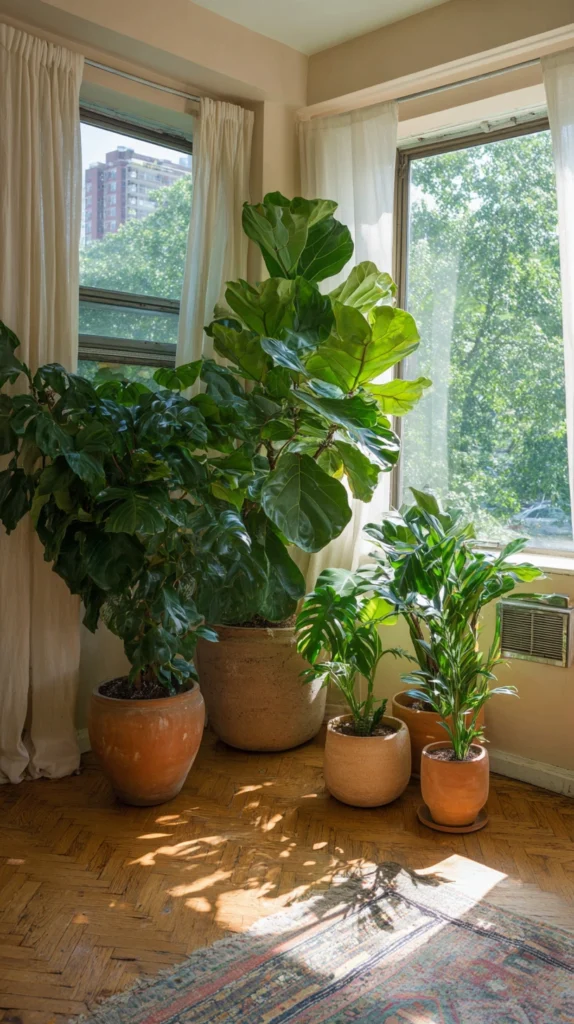
Large floor plants clustered transform a boring corner.
My floor grouping:
Three large plants:
Tallest (6 feet):
- Fiddle leaf fig in back
- 14-inch pot
Medium (4 feet):
- Monstera to the side
- 12-inch pot
Shortest (2 feet):
- ZZ plant in front
- 10-inch pot
Pot coordination:
- All terracotta
- Different sizes
- Natural material ties together
Footprint: 3×3 feet corner space
Impact: Massive. Feels like an indoor garden.
Floor Plant Maintenance
Challenges:
- Hard to move for watering
- Collect dust
- Need saucers (water damage)
My solutions:
Wheeled plant stands: $15 each
- Roll to sink for watering
- Easy cleaning
Monthly leaf wiping: Damp cloth on large leaves
Saucers mandatory: Water damage to floor is expensive
I learned this ruining landlord’s hardwood. $200 repair bill.
6. The Windowsill Garden (Maximum Light Display)
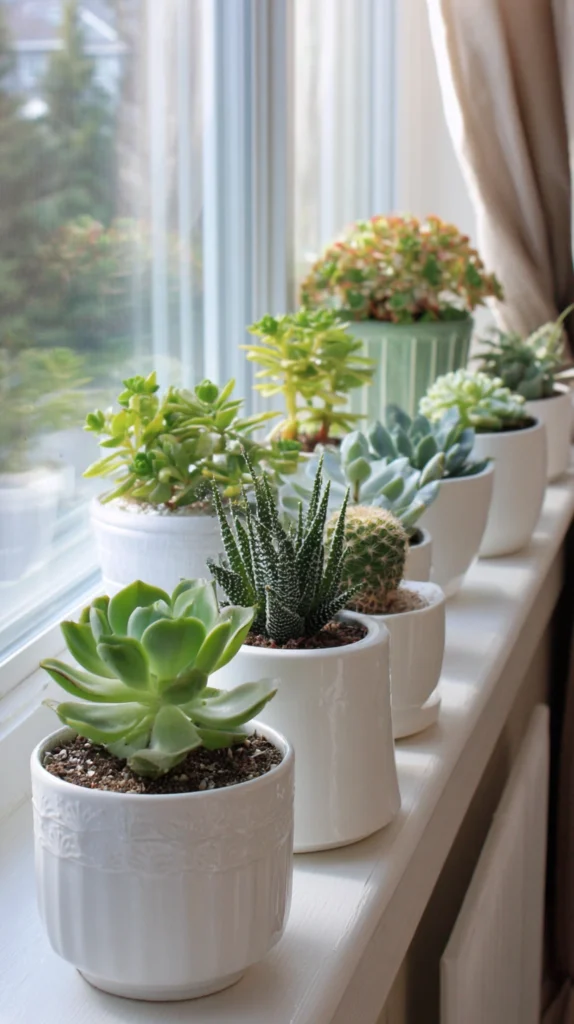
Window sill completely lined with same-height plants.
My south window setup:
12 plants across 6-foot sill:
- All 4-6 inches tall
- Creates horizontal line
- Uniform height important
What grows:
- 6 succulents (different types)
- 3 cacti
- 3 herbs (basil, thyme, oregano)
Pot coordination:
- All 4-inch white ceramic
- Matching creates calm
- Could do terracotta too
Looks like: Intentional collection vs random pots
Windowsill Success
Why this works:
- All plants get equal light
- Easy to water (all in one place)
- Visual uniformity calming
- Can see from outside (curb appeal)
Challenge: Limited to small plants
My rotation:
- Summer: Succulents and herbs
- Winter: Forced bulbs (tulips, paperwhites)
Seasonal change keeps it interesting.
7. Bathroom Jungle (Humid Spa Vibe)
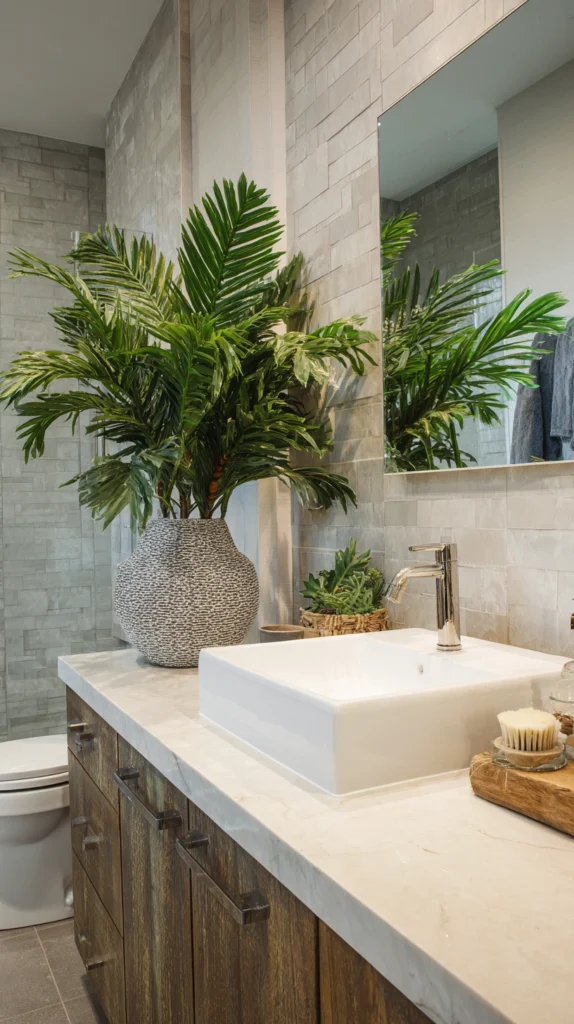
High-humidity lovers create spa atmosphere.
My small bathroom:
5 plants in 40 square feet:
Hanging from ceiling:
- Boston fern (loves humidity)
- Trailing pothos
On toilet tank:
- 2 small peace lilies
On corner shelf:
- 1 prayer plant
Result: Feels like tropical retreat
Bathroom Plant Benefits
Why it works:
- Shower steam = humidity plants love
- Feels luxurious
- Natural air purification
- Green while you shower
My guests always comment on bathroom plants. Makes impression.
Best bathroom plants:
- Ferns (humidity lovers)
- Pothos (low light tolerant)
- Peace lily (blooms in bathroom!)
- Prayer plant (humidity thrives)
Avoid: Succulents (hate humidity)
8. Kitchen Herb Garden Display (Functional Beauty)
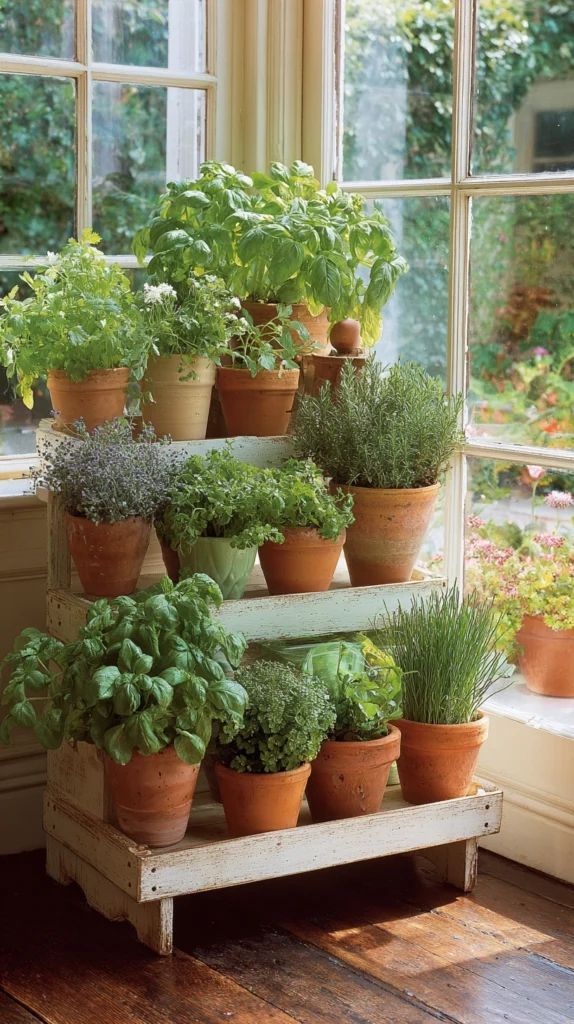
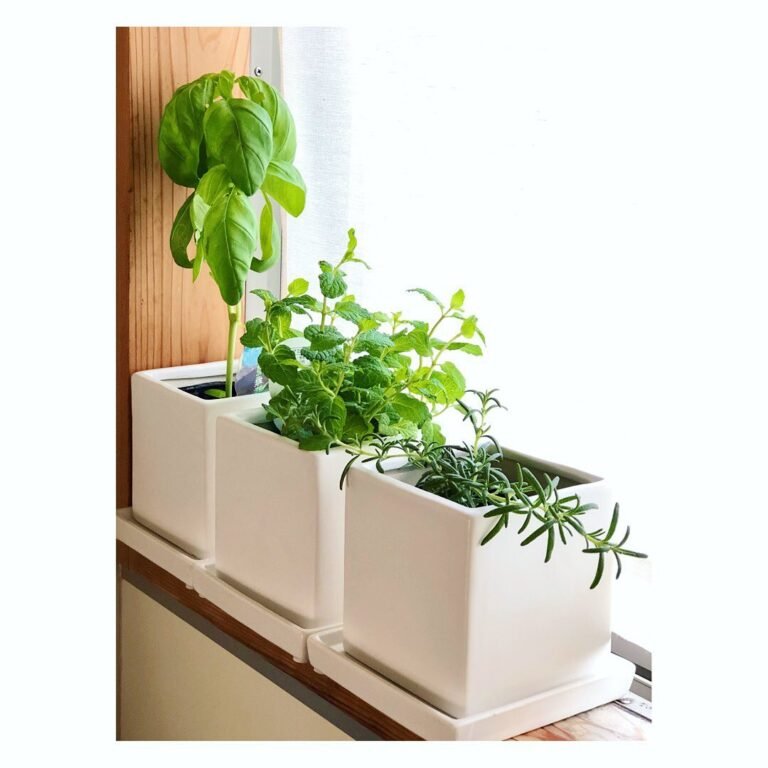
Cooking herbs arranged as both decor and ingredient source.
My kitchen counter:
Three-tier stand near window:
Top tier:
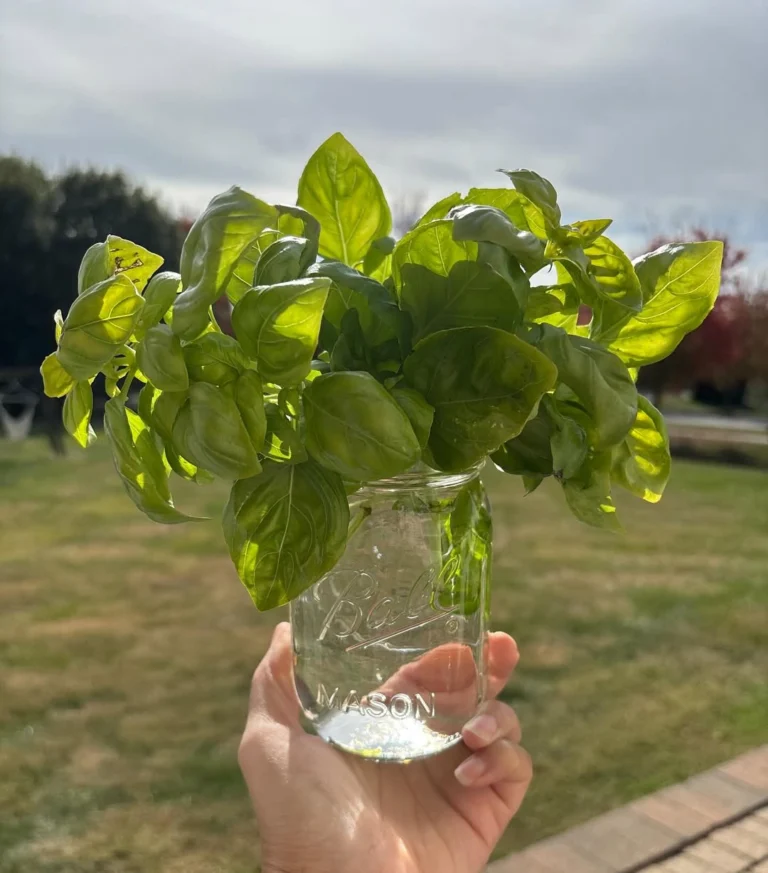
- Basil (2 pots, different varieties)
Middle tier:
- Parsley, cilantro
Bottom tier:
- Thyme, oregano, chives
Why this arrangement works:
- Most-used herbs (basil) at top (easy reach)
- Tiered stand saves counter space
- All get window light
- Looks intentional not cluttered
Stand cost: $30 (metal three-tier)
Harvest: Snip while cooking, literally 2 feet away
Kitchen Display Tips
What works:
- Matching pots (I use small terracotta)
- Labels (chalkboard plant markers)
- Saucers (prevent water damage)
- Near window (herbs need light)
Mistakes I made:
- Put herbs too far from window (leggy growth)
- Mismatched random pots (looked messy)
- No labels (forgot which was which)
Now it’s both beautiful and functional.
9. The Statement Plant Solo (Drama Focus)
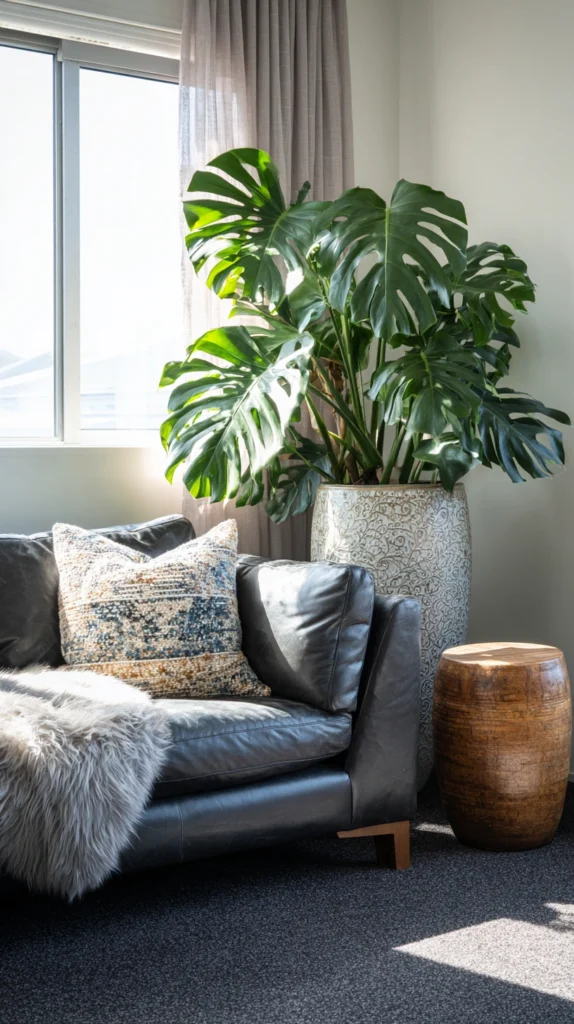
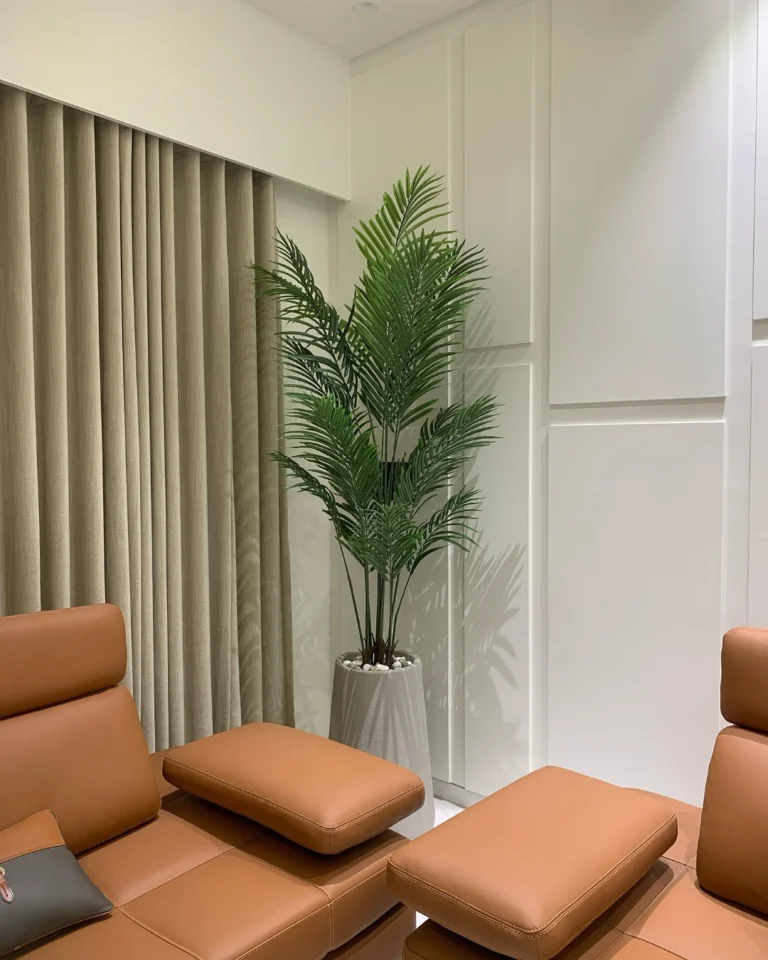
One large dramatic plant as room centerpiece.
My living room focal point:
Single large monstera:
- 6 feet tall
- 16-inch decorative pot
- Next to sofa
- Fills empty corner
Why solo plant works:
- Creates drama
- Doesn’t compete with other elements
- Easy to maintain (just one!)
- Makes strong statement
Pot matters here:
- Decorative ceramic ($50)
- Matches room colors
- Worth investment (focal point)
Choosing Statement Plants
Best dramatic solo plants:
- Monstera (big leaves, tropical)
- Fiddle leaf fig (tall, architectural)
- Bird of paradise (dramatic, tropical)
- Large snake plant (architectural, easy)
I rotate statement plants between rooms seasonally. Keeps things fresh.
Rule: One statement plant per room maximum. More competes for attention.
10. Ladder Shelf Display (Vertical Garden)
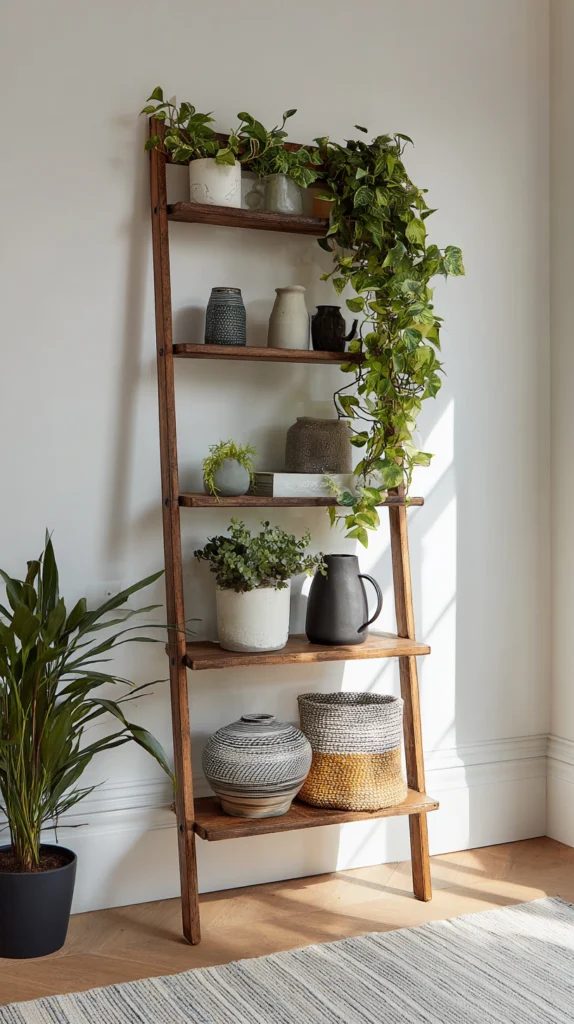
Leaning ladder shelf creates vertical garden in small footprint.
My ladder setup:
5-tier ladder shelf:
Top tier (narrow):
- 1 small trailing pothos
Tiers 2-4 (wider):
- 2-3 plants each tier
- Mix of sizes and textures
Bottom tier (widest):
- 1 large plant + decorative object
Total plants: 10-12 Footprint: 2×1.5 feet (3 square feet) Visual impact: Huge
Ladder cost: $45 (wood, white finish)
Ladder Styling
What works:
- Vary plant heights on each shelf
- Some trailing down (visual interest)
- Mix pot materials (ceramic, terracotta)
- Not every shelf overfull
My arrangement:
- Odd numbers per shelf (1, 3, 1, 3, 1)
- Trailing plants on top tiers
- Heavier plants on bottom (stability)
Looks like: Designed plant display
Alternative: Use actual vintage ladder. More character.
11. Terrarium Collection Display (Mini Worlds)
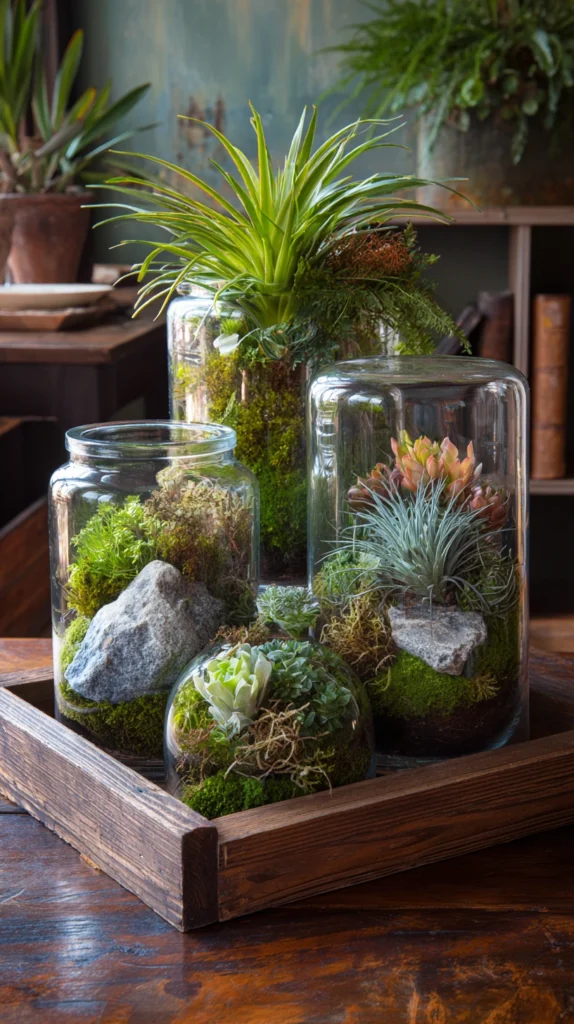
Multiple terrariums grouped creates cohesive display.
My coffee table grouping:
Three terrariums:
Large (12 inches):
- Closed terrarium
- Ferns and moss
- Centerpiece
Medium (8 inches):
- Open terrarium
- Succulents and rocks
Small (6 inches):
- Closed terrarium
- Air plants
Grouped on tray:
- Wooden tray (18×12 inches)
- Contains the collection
- Easy to move
Creates: Miniature garden landscape
Terrarium Benefits
Why I love this display:
- Low maintenance (closed terrariums)
- Conversation starter
- Can see from all angles
- Portable (whole tray moves)
My guests are fascinated by the mini ecosystems.
Cost:
- Glass containers: $8-20 each
- Plants: $15 total
- Tray: $12
- Total: $50-75
Lifespan: Years with minimal care
12. Wall-Mounted Planters (Living Wall Art)
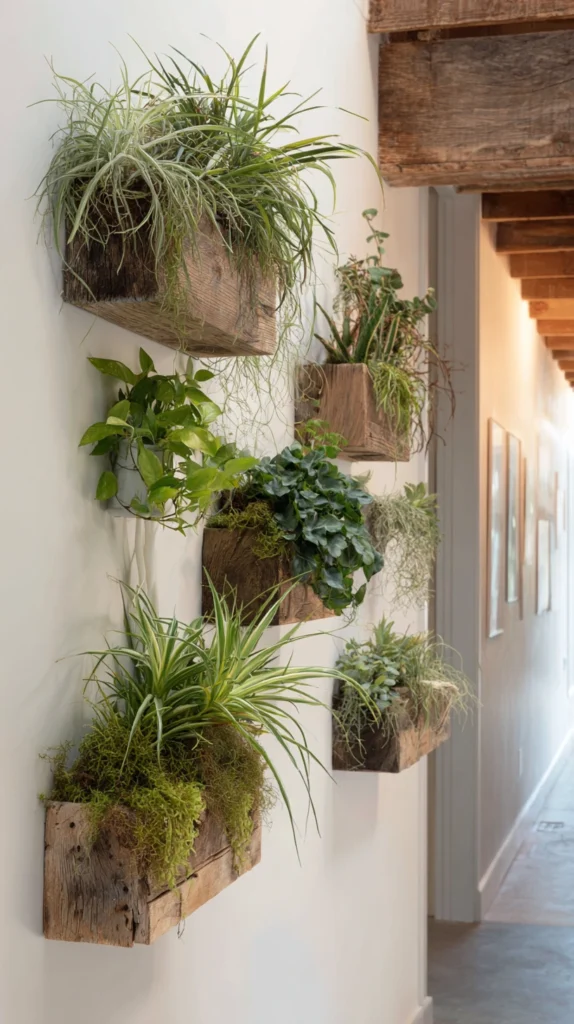
Planters hung like picture frames create living wall gallery.
My hallway wall:
5 wall planters:
- Arranged like photo gallery
- Different heights and positions
- Creates visual flow
Planter types:
- 3 ceramic wall pockets
- 2 mounted shelves with plants
What I plant:
- Pothos (trailing)
- Small ferns
- Air plants in holders
Looks like: Living art installation
Wall Mounting Tips
Installation:
- Find studs (mandatory)
- Use proper anchors
- Consider weight when wet
- Add catch saucers (prevent drips)
I made mistake not using studs. Planter fell, broke pot, made mess.
Now always: Stud finder first, proper mounting.
Maintenance:
- Take down weekly to water
- Rotate for even growth
- Check for wall damage
13. Bar Cart Plant Display (Mobile Garden)
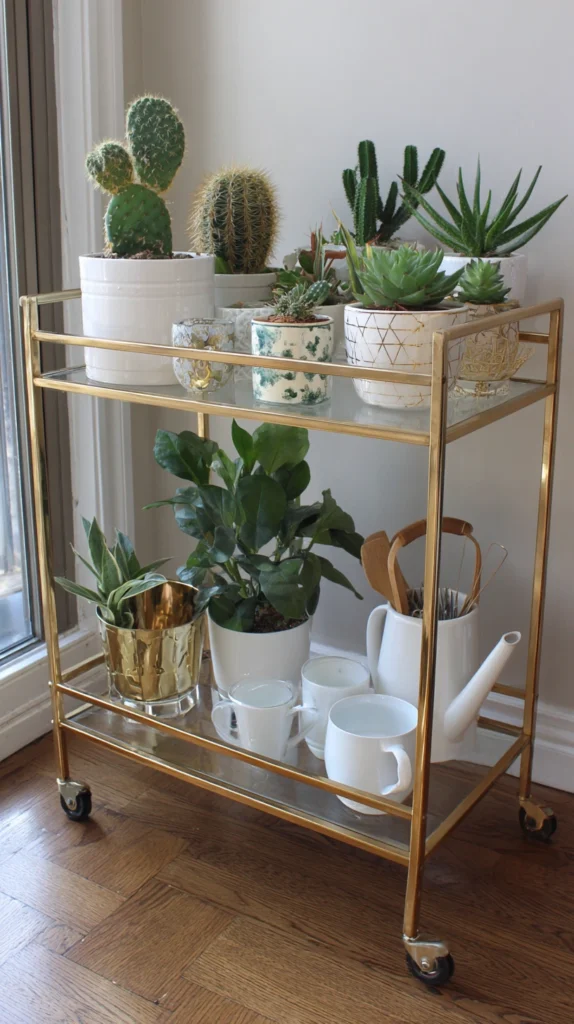
Rolling bar cart becomes portable plant stand.
My repurposed bar cart:
Three tiers:
Top tier:
- 3 small cacti
- Morning coffee spot view
Middle tier:
- 2 medium pothos
- Trailing sides
Bottom tier:
- Watering can
- Plant supplies
- Fertilizer
Benefits:
- Mobile (roll to window for light)
- Multi-functional
- Looks styled
- Easy rearranging
Cart cost: $60 (gold metal cart)
Cart Styling
What makes it work:
- Coordinated pots (all white)
- Includes tools (looks intentional)
- Not overcrowded
- Can roll for parties (becomes bar again)
My cart moves:
- By window during day
- To corner at night
- Wherever I need plants
Versatility is key.
14. Bedroom Plant Sanctuary (Calming Display)
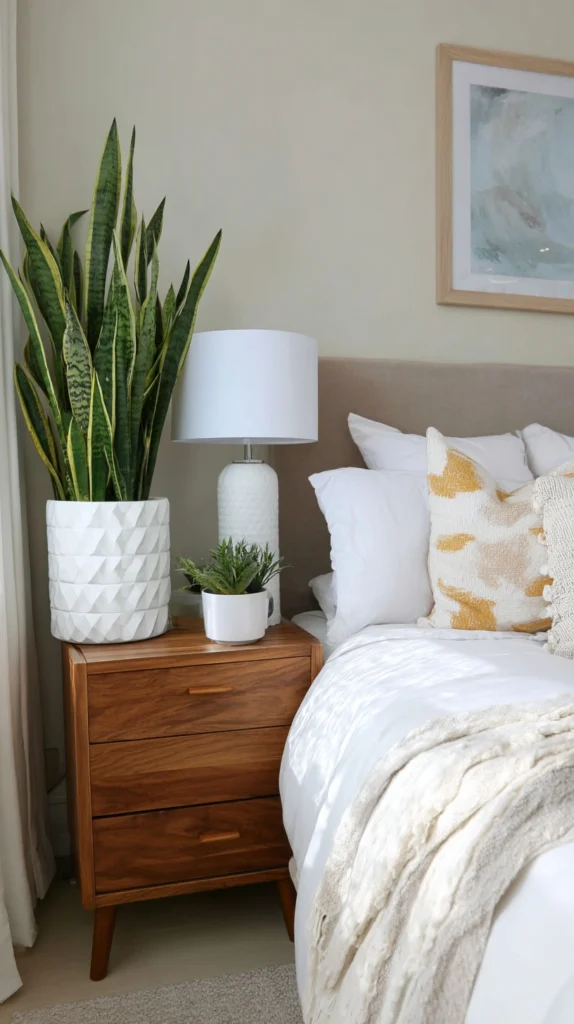
Strategic plant placement creates peaceful sleeping environment.
My bedroom plants:
Nightstand (his and hers):
- 1 small snake plant each
- Symmetrical, calming
Dresser top:
- 3 plants in triangle arrangement
- Peace lily, pothos, ZZ plant
Corner:
- Large floor plant (rubber tree)
Hanging:
- 1 trailing philodendron above bed
Total: 7 plants
Feeling: Serene, spa-like
Bedroom Plant Rules
What works:
- Symmetry creates calm (matching nightstands)
- Air-purifying plants (snake plant, peace lily)
- Nothing too dramatic (avoid overstimulation)
- Soft colors (white/green only)
What to avoid:
- Strong-scented plants (jasmine)
- Too many (overwhelming)
- Flowering plants (allergies)
My bedroom is sanctuary – plants enhance, not distract.
15. The Plant Shelf Ledge (Picture Rail Display)
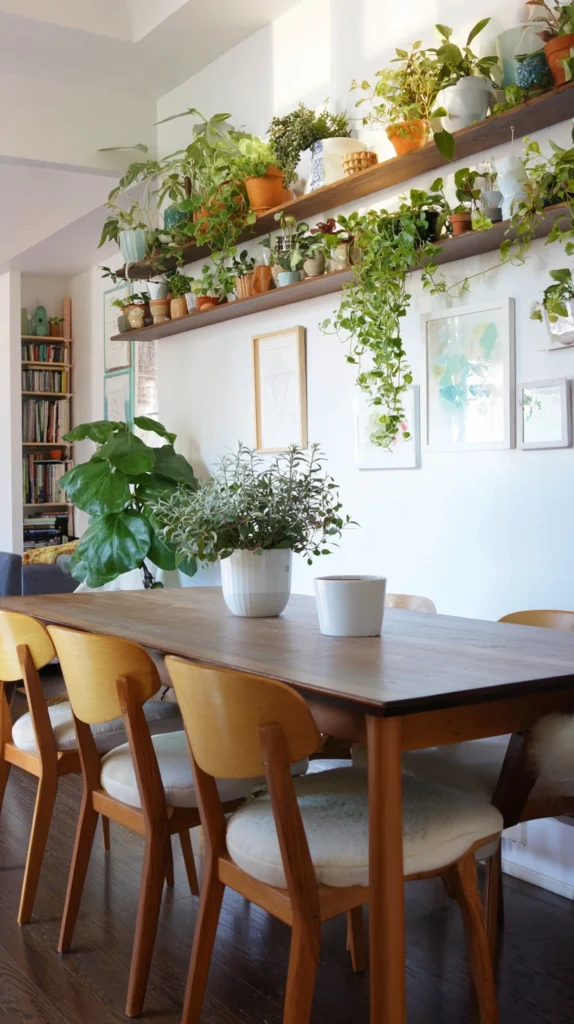
Narrow floating ledge becomes plant shelf.
My dining room:
One 6-foot floating ledge:
- 4 inches deep (narrow!)
- 5 feet high (eye level seated)
- Runs length of wall
What fits:
9 small plants:
- 3-4 inch pots
- Mix of trailing and upright
- Spaced evenly
Creates: Living art above the dining table
Ledge Specifications
Installation:
- Proper anchoring is critical (weight)
- Level is mandatory (looks wrong if tilted)
- 4-6 inch depth minimum
Cost: $25 for a 6-foot ledge
Plants I use:
- Pothos (trails down)
- Small succulents
- Air plants in holders
- Philodendron
Looks like: Designed element, not an afterthought
Common Display Mistakes to Avoid
I made all these errors:
Mistake 1: All Same Height
Boring and flat. Eye has nowhere to go.
Fix: Vary heights with stands, shelves, hanging
Mistake 2: Random Pot Colors
Looks chaotic when every pot is a different color/material.
Fix: Choose 2-3 pot styles max, repeat throughout space
Mistake 3: Cluttered Surfaces
Can’t see individual plants when they’re too crowded.
Fix: Leave breathing room, group intentionally
Mistake 4: Ignoring Furniture Scale
Tiny plant on huge console table looks lost.
Fix: Match plant size to furniture size
Mistake 5: No Consideration for Light
Put plants where they look good, even if in the wrong light.
Fix: Light needs first, then arrange beautifully within those constraints
Pot Selection for Cohesive Look
Pots matter as much as arrangement.
My pot strategy:
Main collection: All white ceramic
- 10 white pots, various sizes
- Creates cohesion
Accent pots: Terracotta
- 5 terracotta for contrast
- Warm vs cool tones
Statement pieces: 2 decorative pots
- Fiddle leaf fig pot ($50)
- Monstera pot ($40)
- Worth investment for focal plants
Total spent on pots: $200 over 2 years
Worth it: Transformed from random to designed
Pot Shopping Strategy
Where I buy:
Bulk basics: Home Depot, IKEA
- White ceramic cheap ($3-8)
- Stock up on multiples
Decorative: HomeGoods, TJ Maxx
- Statement pots
- Hunt for deals
Terracotta: Local nursery
- Support local
- Better quality
Don’t buy: Dollar store pots (crack easily, look cheap)
Creating Cohesion Between Rooms
Each room has plant display, but they relate to each other.
My whole-apartment strategy:
Consistent elements:
- White pots throughout
- Terracotta accents in each room
- Similar plant varieties repeated
Room-specific:
- Different arrangements
- Scale appropriate
- Function matches the room
Result: Flows together while each room is unique
Walking Through My Apartment
Entrance: One statement plant (first impression)
Living room: Layered shelf display (most dramatic)
Kitchen: Herb garden (functional)
Bedroom: Calming symmetrical (peaceful)
Bathroom: Humidity lovers (spa vibe)
Each room different purpose but visually connected through pot choices and plant repetition.
Budget-Friendly Display Ideas
You don’t need expensive stands.
My budget solutions:
Cinder blocks + wood board:
- $15 for a modern plant stand
- Stack blocks, top with a board
- Looks industrial-chic
Vintage finds:
- Thrift store plant stands ($5-15)
- Mid-century charm
- Unique character
DIY macramé hangers:
- Cord: $8
- YouTube tutorial: Free
- 3 hangers made
Repurposed items:
- Old ladder ($0, found)
- Wooden crates stacked ($10)
- Vintage suitcase opened ($8 thrift store)
Total for creative displays: Under $100
Looks custom and intentional, not cheap.
Styling for Your Space Size
Different strategies for different spaces:
Small Studio (My Friend’s 400 sq ft)
Strategy: Vertical only
- Hanging plants
- Wall-mounted shelves
- No floor plants
Result: 20 plants in a tiny space without crowding
Medium Apartment (My 800 sq ft)
Strategy: Mix of displays
- Floor plants in corners
- Shelves on walls
- Some tabletop
Result: 35 plants feeling abundant, not overwhelming
Large House (My Parents’ 2000 sq ft)
Strategy: Room-specific displays
- Each room is dedicated to a style
- Larger-scale plants
- More breathing room
Result: Plants feel integrated, not scattered
Lighting Considerations for Display
Pretty placement means nothing if the light is wrong.
My approach:
Assess light first:
- Track sun patterns full day
- Note which windows get what light
- Plan displays around the light
Then style within constraints:
- Highlight spots: Dramatic displays
- Medium light: Most versatile
- Low light: Choose carefully
I wanted plants by the sofa (low light corner). Had to choose shade-tolerant varieties, then style beautifully.
Can’t force it: Light requirements trump aesthetic preferences.
Seasonal Display Changes
I rotate displays seasonally.
Spring (March-May):
- Lighter pots (white, cream)
- Flowering plants highlighted
- Fresh, bright feeling
Summer (June-August):
- Tropical plants featured
- Lush full displays
- Maximum abundance
Fall (September-November):
- Warmer pots (terracotta)
- Rust-colored accents
- Cozy groupings
Winter (December-February):
- Minimal displays
- Evergreen focus
- Forced bulbs added
Keeps space feeling current and gives me a project each season.
My Current Favorite Display
The layered shelf in the living room (Design #1) gets the most compliments.
Why it works:
- First thing guests see
- Multiple heights create interest
- Mix of plant types and textures
- Trailing plants add movement
- Can see all plants clearly
Plants featured:
- 2 pothos (different varieties, trailing)
- 1 snake plant (architectural)
- 3 prayer plants (colorful)
- 2 ferns (texture)
- 1 peace lily (blooms!)
Cost:
- Shelves: $45
- Pots: $60 (all white ceramic)
- Plants: $80 (over time)
- Total: $185
Impact: Priceless. Defines my living room.
Starting Your Display Transformation
Don’t redesign everything at once.
Weekend plan:
Saturday:
- Choose ONE display idea from this list
- Gather materials
- Buy matching pots if needed
Sunday:
- Rearrange plants
- Install shelves/hooks if needed
- Step back and assess
Following weeks:
- Live with it
- Adjust as needed
- Move to the next display
I transformed my apartment over 6 months, one display at a time.
Start with:
- Most visible area (living room)
- Smallest project (windowsill or shelf)
- What excites you most
Recommendation: Layered shelf or floor grouping for the biggest impact with moderate effort.
Now go assess your space and start creating displays that feel right!
Quick Summary:
Easiest displays to start:
- Floor plant grouping (just rearrange, no installation)
- Windowsill garden (small investment)
- Bookshelf integration (use existing furniture)
- Plant stand collection (buy stands, arrange)
Highest impact displays:
- Layered floating shelves (dramatic, multi-level)
- Hanging plant cascade (uses vertical space)
- Statement solo plant (instant focal point)
- Living wall planters (art installation vibe)
Budget-friendly options:
- Floor grouping (no new furniture needed)
- Repurposed ladder ($0-20)
- DIY macramé hangers ($10)
- Cinder block stands ($15)
Design principles that work:
Group in odd numbers: 3, 5, 7 plants together
Vary heights: Tall, medium, short in each grouping
Repeat colors: Same pots throughout space
Create triangles: Most pleasing arrangement shape
Leave space: Breathing room prevents a cluttered look
Pot coordination strategies:
Option 1: All white ceramic (my choice) Option 2: All terracotta (warm, cohesive) Option 3: Two materials mixed (white + terracotta)
Avoid: Randomly different pots in every color
Best displays by room:
Living room: Layered shelves, floor grouping, statement plant
Bedroom: Symmetrical nightstands, calming corner
Bathroom: Hanging plants, humidity lovers
Kitchen: Tiered herb garden, functional beauty
Entryway: Single statement plant, first impression
Common mistakes to avoid:
- All the same height (boring)
- Random pot colors (chaotic)
- Too cluttered (can’t see plants)
- Wrong scale for furniture
- Ignoring light needs
Investment ranges:
Minimal: $0-50 (rearrange existing, DIY) Standard: $50-150 (shelves, coordinated pots) Premium: $150-300 (statement pieces, multiple displays)
Space-saving displays:
- Hanging cascade (uses air space)
- Ladder shelf (small footprint)
- Wall-mounted (no floor space)
- Windowsill (existing surface)
Maintenance considerations:
Easy access: Floor grouping, shelves, and stands. Needs ladder: Hanging plants, high shelves. Built-in watering: Terrariums (minimal), High maintenance: Wall-mounted (take down weekly)
Creating flow between rooms:
- Repeat pot styles throughout
- Use similar plants in different rooms
- Consistent color palette
- Each room unique but related
Quick wins for better display:
- Match pots in one room (instant cohesion)
- Group in 3s instead of spreading out
- Add height variation with stands
- Create one focal display vs scattered plants
Timeline expectations:
- Single display: One weekend
- Whole room: 2-3 weekends
- Entire apartment: 2-3 months
- Finding perfect arrangement: Ongoing!
Signs your display works:
- Guests compliment it
- You enjoy seeing it daily
- Photos look intentional
- Easy to maintain
- The room feels complete