15 Best Air Purifying Plants for a Healthier Home
I bought three “air purifying” plants after reading they’d clean my indoor air. Put them in my bedroom and expected magic.
Nothing changed. My allergies were the same, air felt the same, no difference at all.
Then I learned the truth about air purifying plants. They do clean air, but you’d need 10+ plants per room to actually notice a difference. Three plants do basically nothing.
Now I have 25 plants throughout my house and the air quality genuinely feels better. Let me show you what actually works.
The Truth About Air Purifying Plants
NASA did a famous study in 1989 testing plants in sealed chambers. Plants removed toxins. Everyone started claiming houseplants purify air.
The problem: NASA’s study used sealed chambers with high toxin concentrations and perfect conditions. Your house is not a sealed chamber.
Reality check:
- One plant cleans air in about 100 square feet (very slowly)
- You need 2-3 plants per 100 square feet for real effect
- Takes 24 hours to notice any air quality change
- HEPA filter purifiers work 1,000× faster
So why bother with plants?
- They do remove some toxins (just slowly)
- Add humidity to dry air
- Look beautiful
- Make you feel better psychologically
- Cost way less than air purifiers
I use both plants AND a HEPA filter. Plants for long-term gradual cleaning, filter for immediate results.
1. Snake Plant (My Top Pick for Beginners)
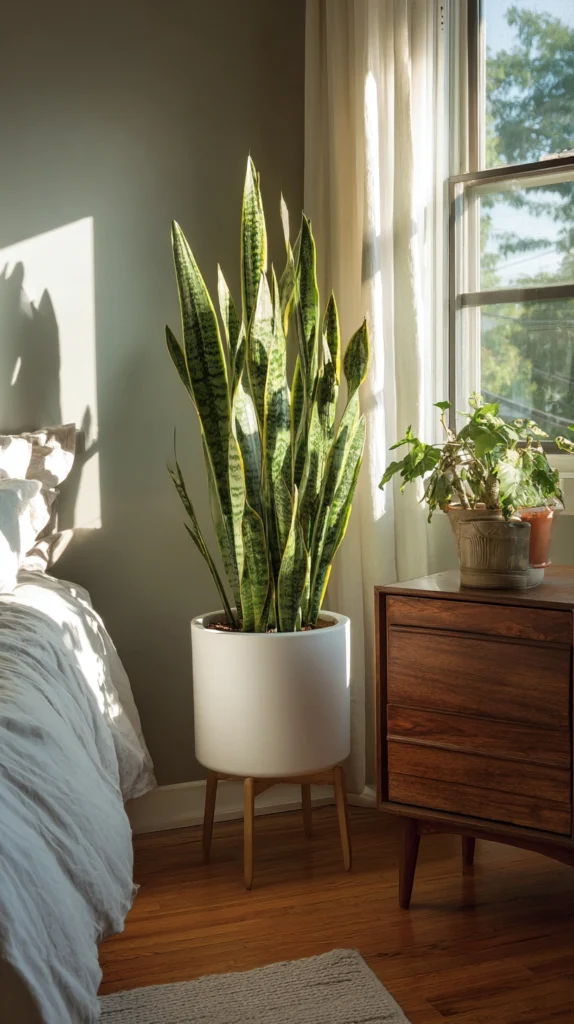
Also called Mother-in-Law’s Tongue. Nearly impossible to kill and actually removes formaldehyde, benzene, and other nasties from air.
I have seven snake plants throughout my house. They survive my neglect better than any other plant.
Why it’s perfect:
- Tolerates low light
- Needs water every 2-3 weeks
- Grows in any temperature
- Releases oxygen at night (most plants don’t)
- Filters formaldehyde and benzene
My care routine:
- Water every 2-3 weeks
- Any light level works
- Never fertilize
- Repot every 2-3 years
- That’s it
Best locations:
- Bedroom (releases oxygen at night)
- Bathroom (handles humidity)
- Office with no windows
- Anywhere you kill other plants
I started with one $12 snake plant. Cut off “pups” and now have seven plants from that original one. Free air purification.
2. Spider Plant (Easiest to Propagate)
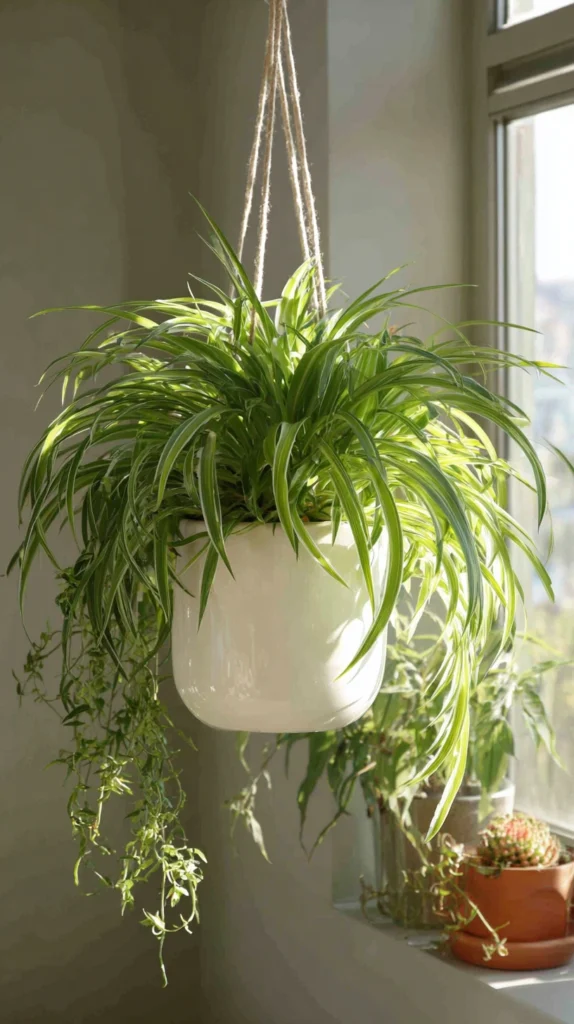
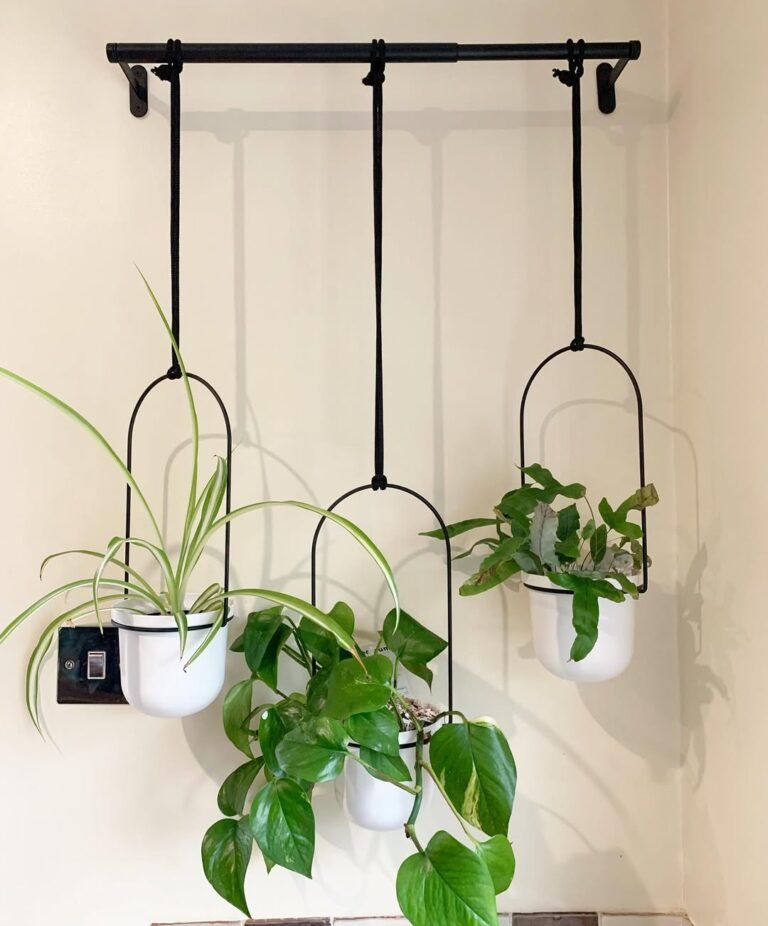
Removes formaldehyde and xylene from air. Also makes tons of baby plants you can give away or spread around your house.
I have 12 spider plants now from one original plant. They make babies constantly.
What it removes:
- Formaldehyde (from furniture, carpets)
- Xylene (from paint, markers)
- Carbon monoxide (small amounts)
Care basics:
- Bright indirect light
- Water when top inch dry (weekly-ish)
- Room temperature
- Tolerates neglect well
Propagation is stupid easy:
- Plant makes baby spiderettes on stems
- Cut baby off with scissors
- Stick in water until roots grow
- Plant in soil
- New free plant in 2 weeks
I give away spider plant babies to anyone who visits my house. Spread the air purification.
Why My First Spider Plant Died
Brown leaf tips everywhere. Looked terrible before dying.
The problem: Tap water with fluoride and chlorine. Spider plants hate both.
Solution: Let tap water sit 24 hours before watering (chlorine evaporates), or use filtered water.
My spider plants look perfect now using filtered water. Green healthy tips, no browning.
3. Pothos (Survives Anything)
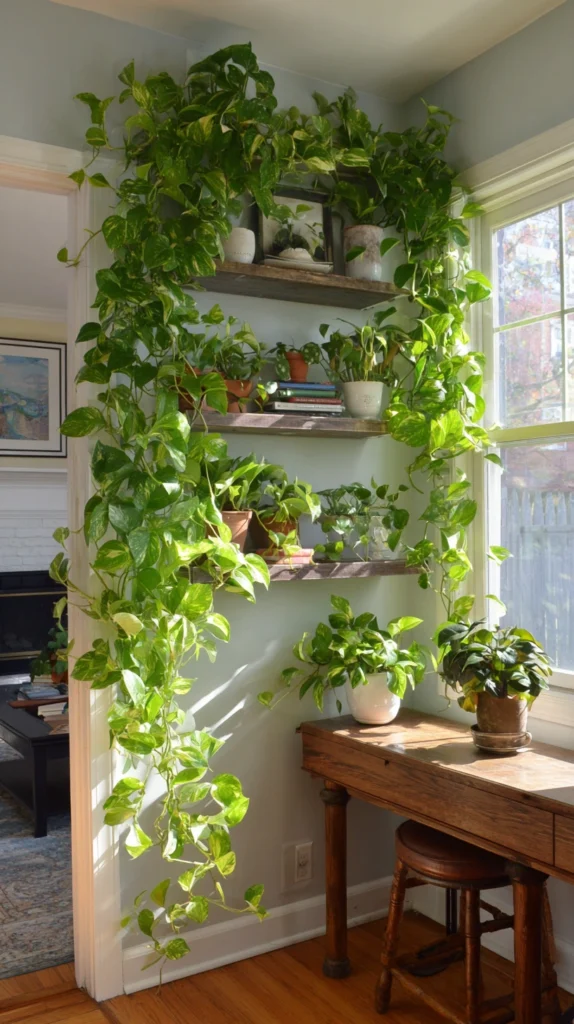
Removes formaldehyde, benzene, and xylene. Also called Devil’s Ivy because it’s nearly impossible to kill.
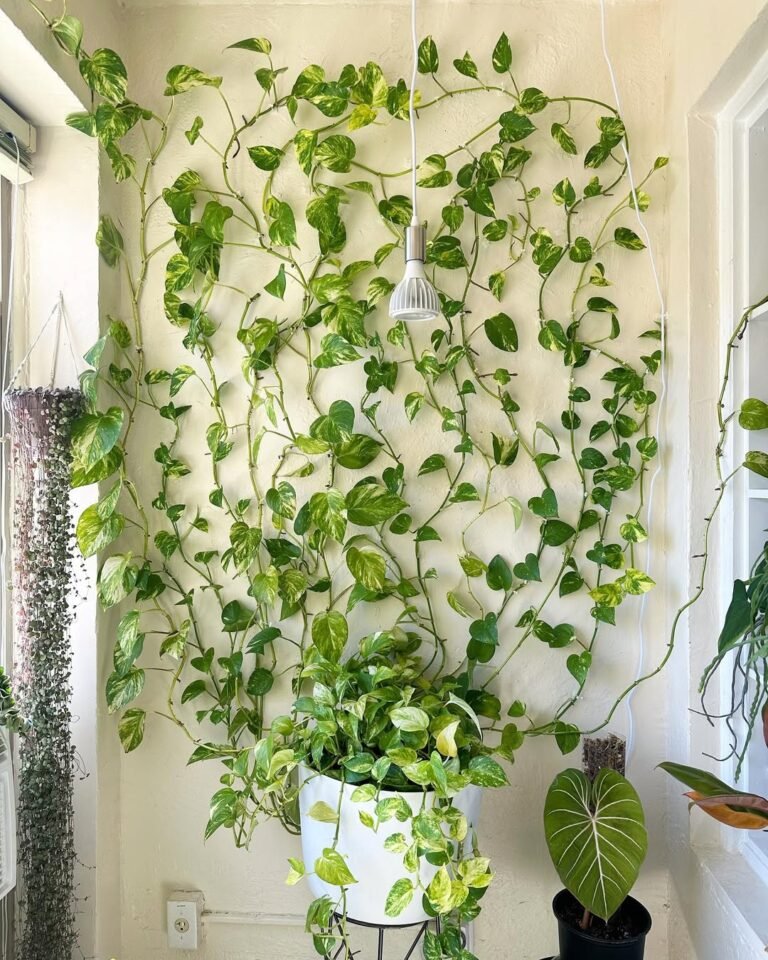
I have pothos vines 20 feet long growing across my living room wall. Started as a 6-inch cutting.
Air cleaning power:
- Formaldehyde removal
- Benzene filtering
- Xylene absorption
- Works in terrible conditions
Why everyone should own one:
- Grows in low light or bright light
- Tolerates missed waterings
- Looks beautiful trailing from shelves
- Propagates instantly in water
- Costs $8 at any store
My pothos locations:
- Bathroom (loves humidity)
- Kitchen (filters cooking fumes)
- Bedroom (long vines look amazing)
- Office on high shelf (trails down)
Warning: Toxic to cats and dogs if eaten. Keep out of reach or choose different plant if you have nibbly pets.
Growing Pothos on Walls
I trained pothos vines along my wall with tiny command hooks every foot. Looks like living wall art.
Setup:
- Command hooks along wall path
- Gently drape vine over hooks
- Vines grow and fill in
- Removes air toxins while looking incredible
Cost: $8 for plant, $5 for command hooks. Best $13 wall decoration ever.
4. Peace Lily (Filters Most Toxins)
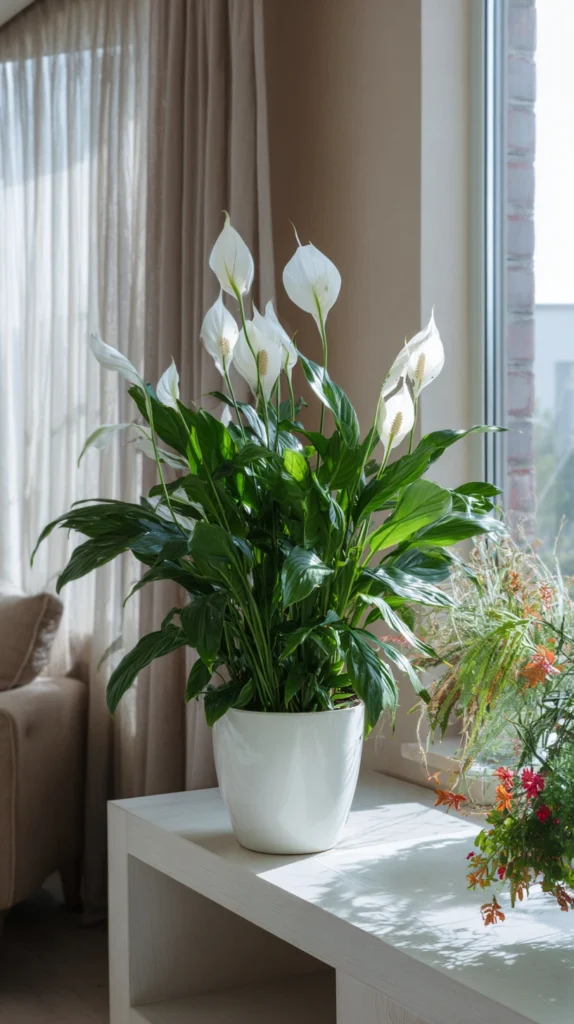
NASA’s top air purifier. Removes ammonia, benzene, formaldehyde, and trichloroethylene. Basically everything.
I have three peace lilies in high-traffic areas. They actually make a noticeable difference in air quality.
What makes it special:
- Removes most common indoor toxins
- Produces beautiful white flowers
- Thrives in low light
- Tells you when it needs water (droops dramatically)
Care requirements:
- Low to medium light (no direct sun)
- Water when it droops (very obvious)
- Average room temperature
- Wipe dust off leaves monthly
Best placement:
- Bathroom (loves humidity, filters ammonia)
- Bedroom (removes formaldehyde from furniture)
- Laundry room (filters cleaning product fumes)
Downside: Also toxic to pets. All the best air purifiers are, unfortunately.
The Drooping Trick
Peace lilies droop dramatically when thirsty. Leaves flop over completely.
Water it and within 2-3 hours it perks back up like nothing happened. Built-in watering indicator.
I check mine visually. Perky = don’t water. Drooping = water now. Impossible to overwater using this method.
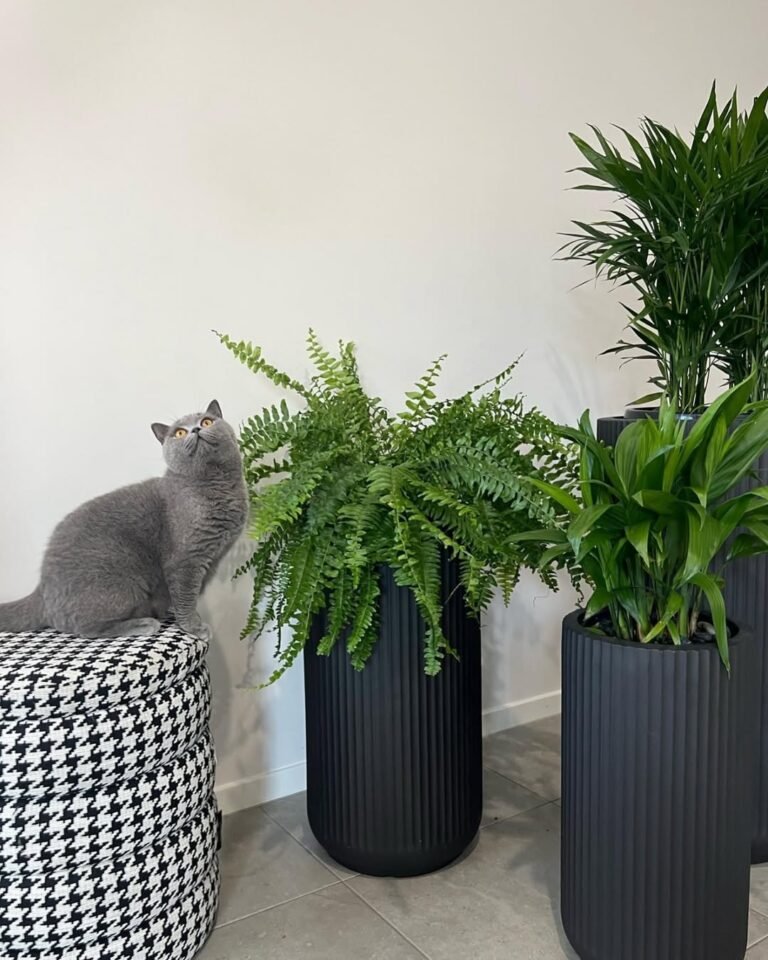
5. Boston Fern (Humidity and Air Cleaning)
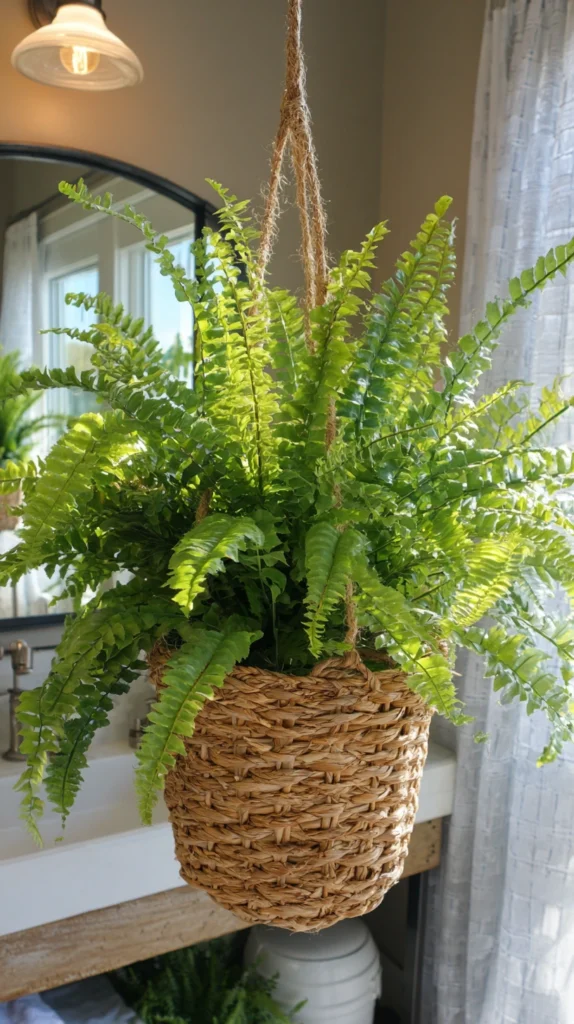
Removes formaldehyde better than most plants. Also adds tons of humidity to dry air.
I killed two Boston ferns before figuring out what they need. They’re pickier than most plants on this list.
What it does:
- Excellent formaldehyde removal
- Adds significant humidity
- Filters xylene and toluene
- Natural air humidifier
Why they’re tricky:
- Need consistent moisture (not wet, not dry)
- Want high humidity
- Prefer cooler temperatures
- Hate dry air or heating vents
My successful fern care:
- Bathroom location (high humidity)
- Water every 3-4 days (always moist)
- Mist twice weekly
- Away from heating vents
Better alternatives if you kill ferns: Snake plant or pothos instead.
6. Rubber Plant (Removes Formaldehyde)
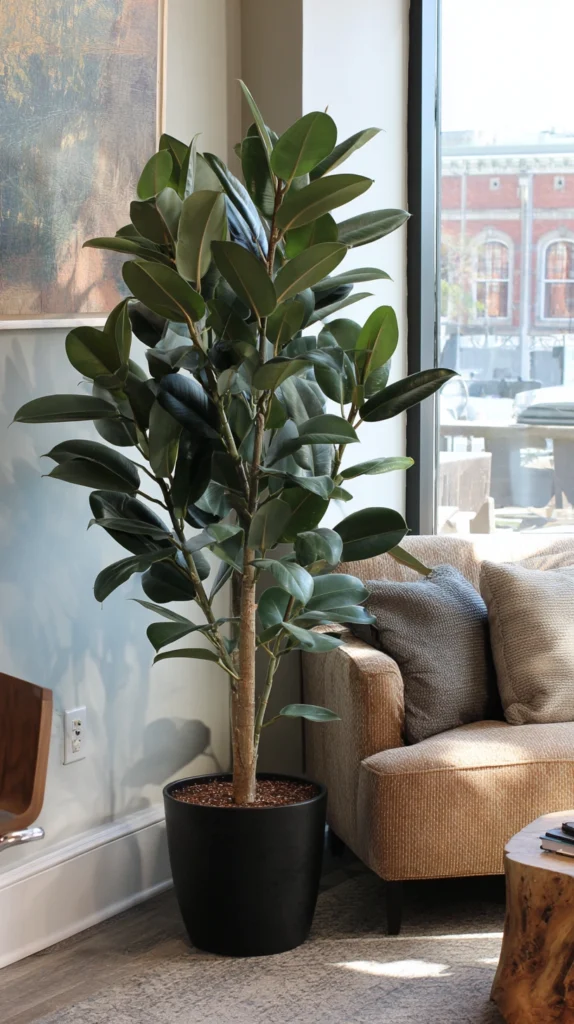
Big shiny leaves remove lots of formaldehyde. Also looks like an actual tree indoors.
I have one 6-foot rubber plant in my living room. Started as a 12-inch plant three years ago.
Air cleaning:
- High formaldehyde removal
- Filters mold spores
- Processes airborne bacteria
- Large leaves = more surface area for cleaning
Care is simple:
- Bright indirect light
- Water when top 2 inches dry
- Wipe leaves monthly (they collect dust)
- Fertilize monthly in summer
Grows fast. Mine grew from 1 foot to 6 feet in three years with minimal care.
Best for:
- Living rooms (statement plant size)
- Offices (professional appearance)
- Near new furniture (removes off-gassing)
Rubber plants are toxic to pets like most on this list. Noticing a pattern?
7. Aloe Vera (Air Cleaning and Healing)
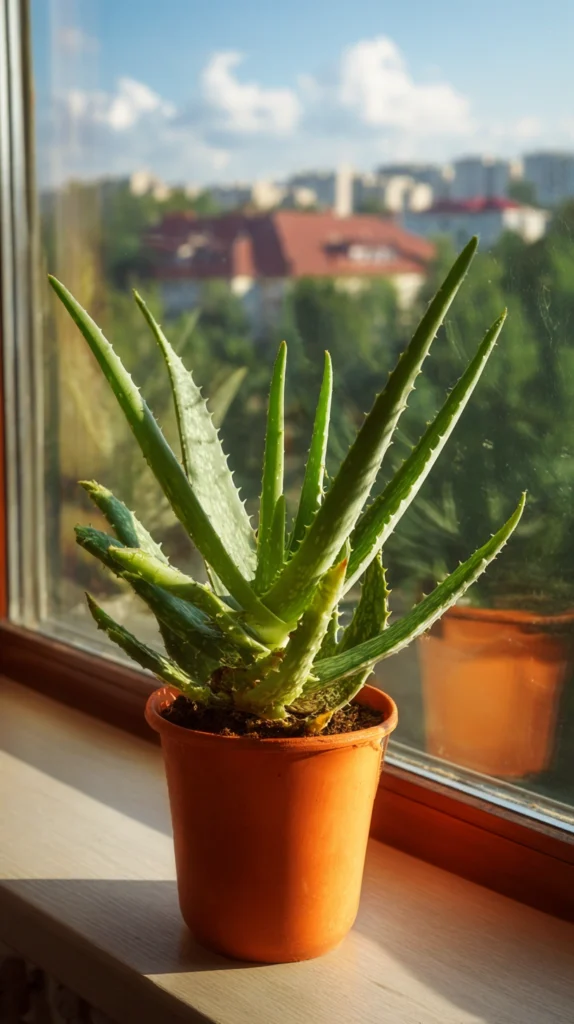
Removes formaldehyde and benzene. Also provides gel for burns and skin care.
I keep aloe in my kitchen. Cut a leaf when I burn myself cooking (often). Instant soothing gel.
Dual purpose plant:
- Cleans air slowly
- Provides medicinal gel
- Looks architectural and modern
- Nearly indestructible
Super easy care:
- Bright light (loves windowsills)
- Water every 2-3 weeks
- Let soil dry completely between
- No fertilizer needed
Using the gel:
- Cut off outer leaf near base
- Slice open lengthwise
- Scoop out clear gel
- Apply to burns or dry skin
- Works instantly
I’ve had the same aloe for 5 years. Made 20+ baby plants from offshoots. Free medicine cabinet.
8. Dracaena (Many Varieties, All Work)
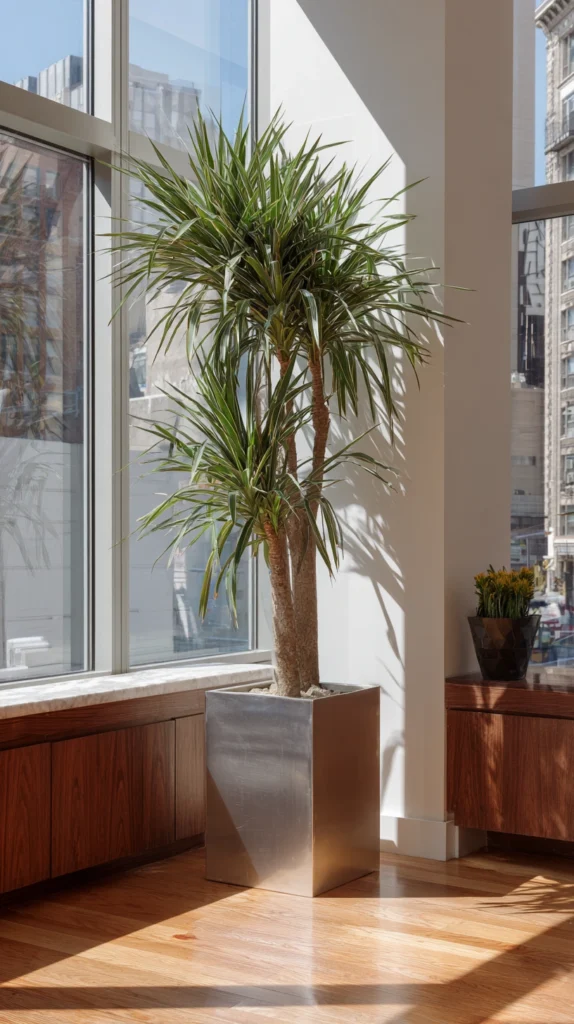
Removes benzene, formaldehyde, trichloroethylene, and xylene. Comes in many varieties with different looks.
I have three different dracaena types. All clean air, all look different, all easy to grow.
Common varieties:
- Dragon tree (spiky leaves, modern look)
- Janet Craig (dark green, low light tolerant)
- Warneckii (striped leaves, architectural)
- Marginata (thin leaves, tree-like)
What they all share:
- Excellent air purification
- Tolerate low light
- Slow growing
- Easy care
- Toxic to pets
My care routine:
- Water every 7-10 days
- Medium to low light
- No direct sun (burns leaves)
- Rotate monthly for even growth
Dracaenas are very forgiving. I’ve forgotten to water for 3 weeks and they survived fine.
9. English Ivy (Removes Mold Spores)
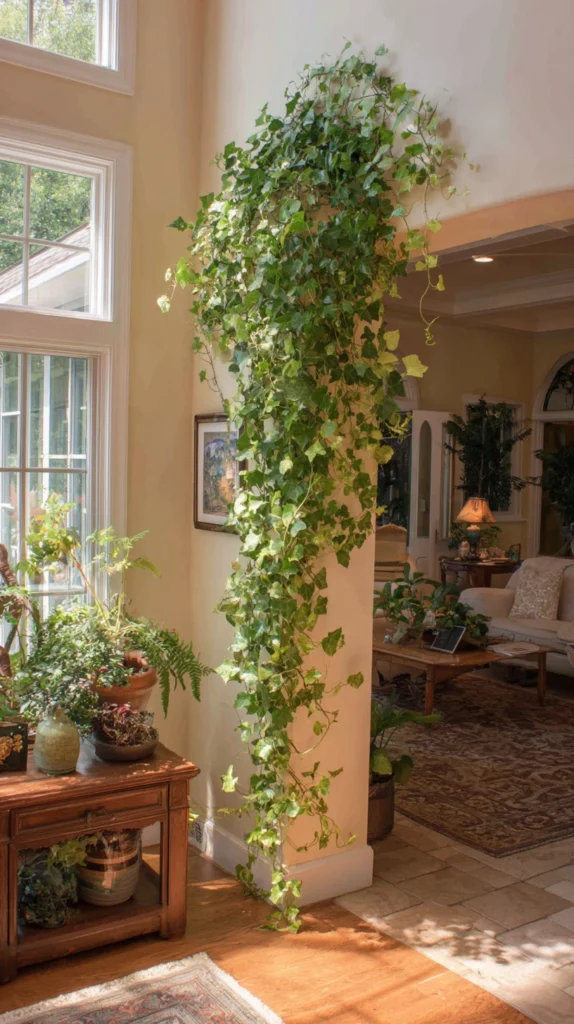
Best plant for filtering airborne mold. Also removes formaldehyde and benzene.
I keep English ivy in my bathroom where humidity breeds mold. It actually helps control it.
Special abilities:
- Reduces airborne mold by up to 94%
- Filters fecal matter particles (gross but true)
- Removes formaldehyde
- Grows as vine or topiary
Where it works best:
- Bathrooms (fights mold)
- Basements (same reason)
- Anywhere with moisture issues
- Trailing from high shelves
Care needs:
- Bright indirect light
- Keep soil moist
- Cool temperatures (60-70°F)
- Humidity helps
Growth habit: Vines everywhere. I trim mine monthly to control the spread. Use cuttings to make new plants.
The Pet Warning
English ivy is especially toxic to pets. More so than other plants on this list.
If you have curious cats or dogs, skip this one and use spider plant or Boston fern instead.
10. Bamboo Palm (Natural Humidifier)
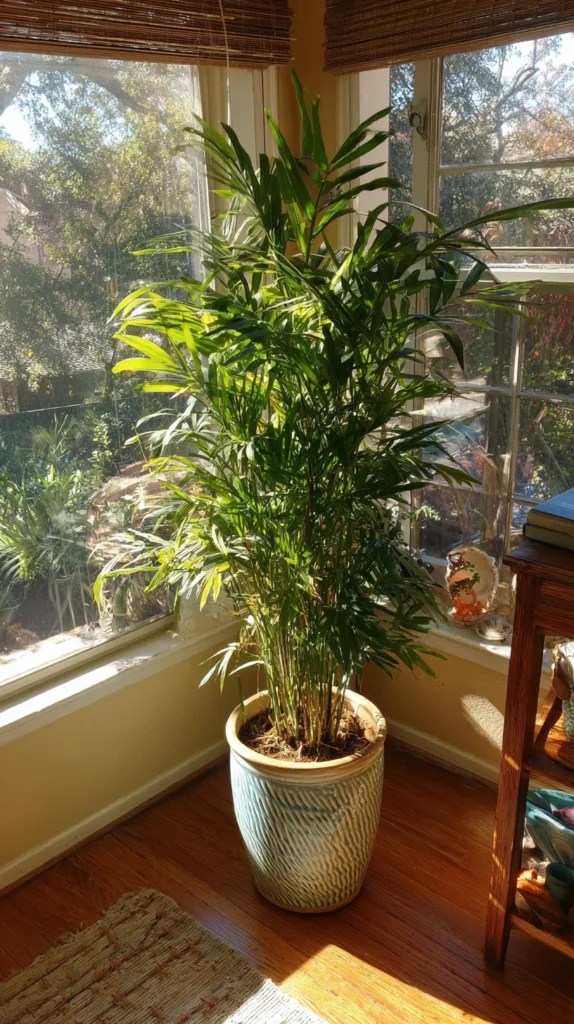
Removes formaldehyde, benzene, and trichloroethylene. Also adds lots of moisture to dry air.
I have one in my bedroom. Humidity went from 30% to 45% with this plant alone (measured with hygrometer).
Why I love it:
- Excellent air purification
- Natural humidifier
- Non-toxic to pets (finally!)
- Grows tall and tropical-looking
Air benefits:
- Filters multiple toxins
- Releases significant moisture
- Processes carbon dioxide efficiently
- Safe around animals
Care requirements:
- Bright indirect light
- Keep soil moist (not soggy)
- Average room temperature
- Fertilize monthly in growing season
Size: Mine is 6 feet tall in a 14-inch pot. Makes a statement and purifies lots of air.
11. Chinese Evergreen (Low Light Champion)
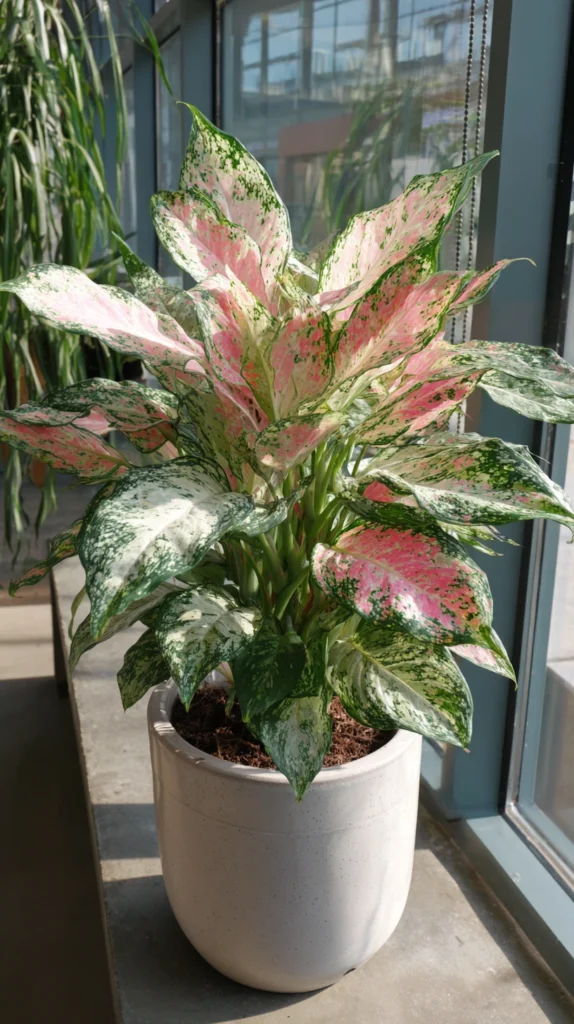
Removes benzene and formaldehyde. Thrives in offices with terrible fluorescent lighting.
I keep one in my windowless bathroom. Only plant that actually grows there.
Perfect for:
- Low light rooms
- Offices with no windows
- Bathrooms without natural light
- Corners that need greenery
Air cleaning power:
- Formaldehyde removal
- Benzene filtering
- Works in poor conditions
- Still effective with minimal light
Minimal care:
- Low to medium light
- Water every 7-10 days
- Average temperatures
- Rarely needs fertilizer
Varieties: Come in different colors – green, silver, red, pink. All clean air equally.
My Chinese evergreen has survived two years in a windowless bathroom with only overhead light. Tough plant.
12. Gerbera Daisy (Pretty and Purifying)
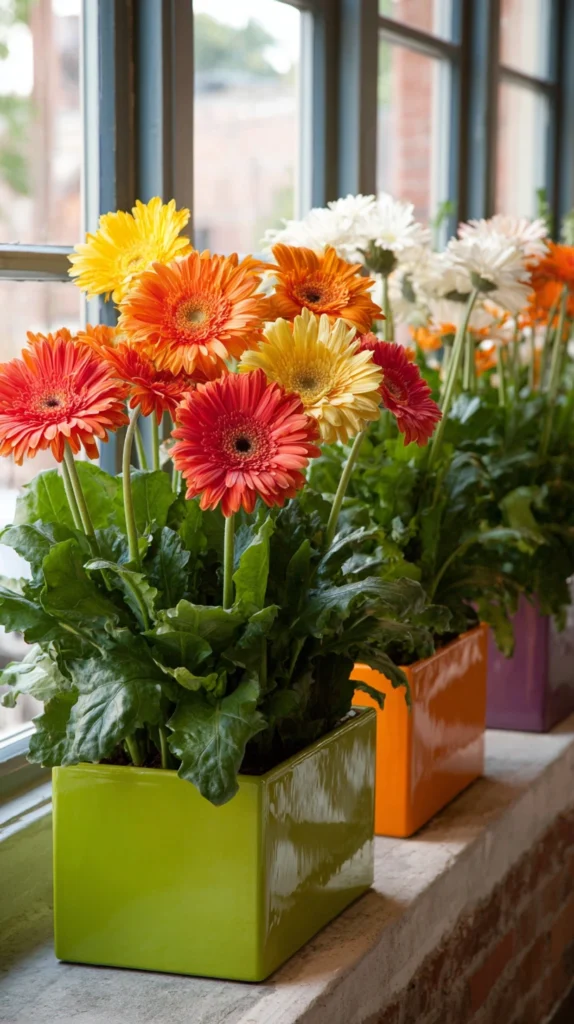
Removes benzene and trichloroethylene. Also produces oxygen at night like snake plants.
I keep gerbera daisies near my home office printer. They filter the chemical fumes from printing.
What’s special:
- Bright cheerful flowers
- Removes printer/copier chemicals
- Oxygen production at night
- Multiple bloom colors available
Care is trickier:
- Needs bright light (6+ hours)
- Keep soil consistently moist
- Remove dead flowers regularly
- Can be finicky indoors
Best placement:
- Near printers or copiers
- Bright windowsills
- Bedrooms (oxygen at night)
- Laundry rooms (chemical filtering)
Honestly: Harder to keep alive than snake plant or pothos. Worth it if you have bright light available.
13. Philodendron (Easy and Effective)
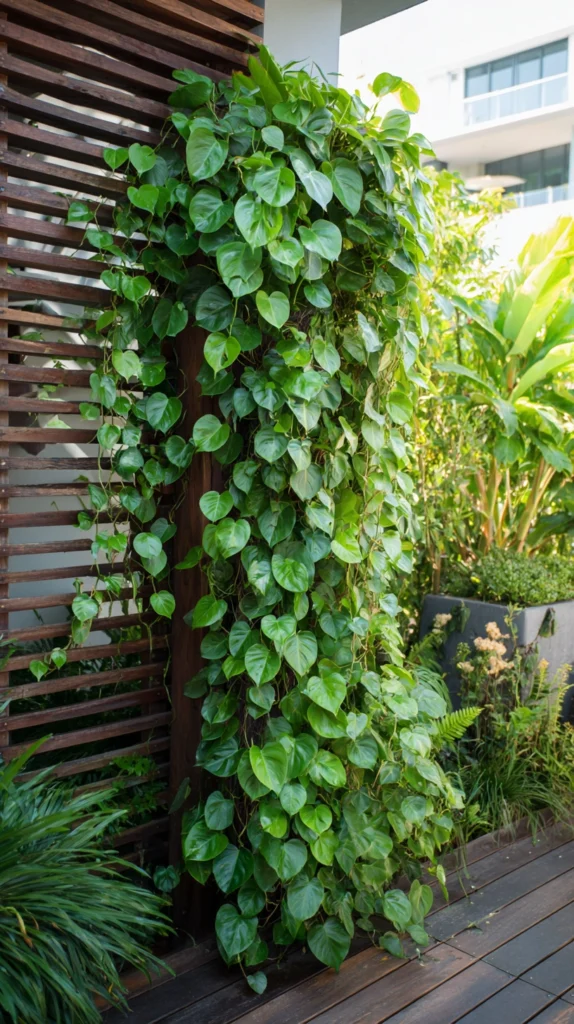
Removes formaldehyde especially well. Very similar to pothos in appearance and care.
I have philodendrons mixed with pothos throughout my house. Can barely tell them apart.
Air purification:
- High formaldehyde removal
- Filters xylene
- Easy care like pothos
- Fast growing vines
Care basics:
- Low to bright indirect light
- Water when top inch dry
- Room temperature
- Propagates in water easily
Difference from pothos:
- Heart-shaped leaves (pothos more oval)
- Leaves more uniform
- Slightly faster growing
- Equally easy to care for
Also toxic to pets. Notice most air purifiers are? It’s because the compounds that filter air are also toxic when eaten.
14. Areca Palm (Big Air Cleaner)
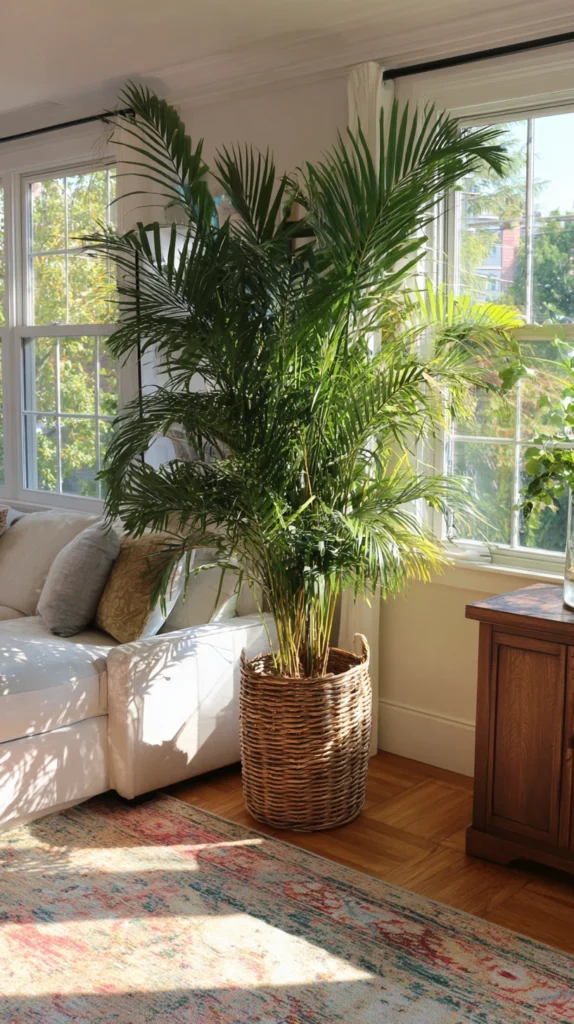
Removes more toxins than almost any other plant. Also humidifies air significantly.
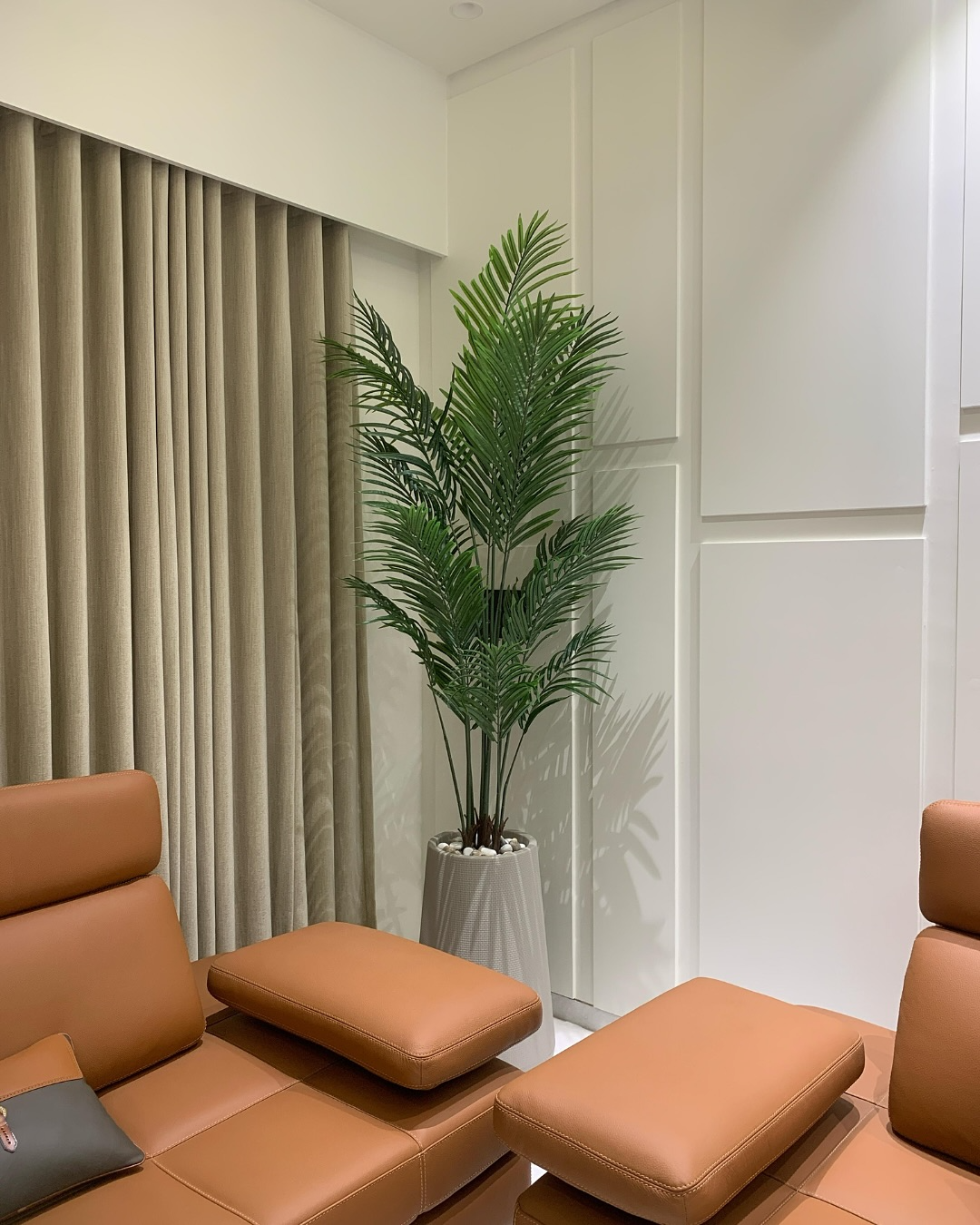
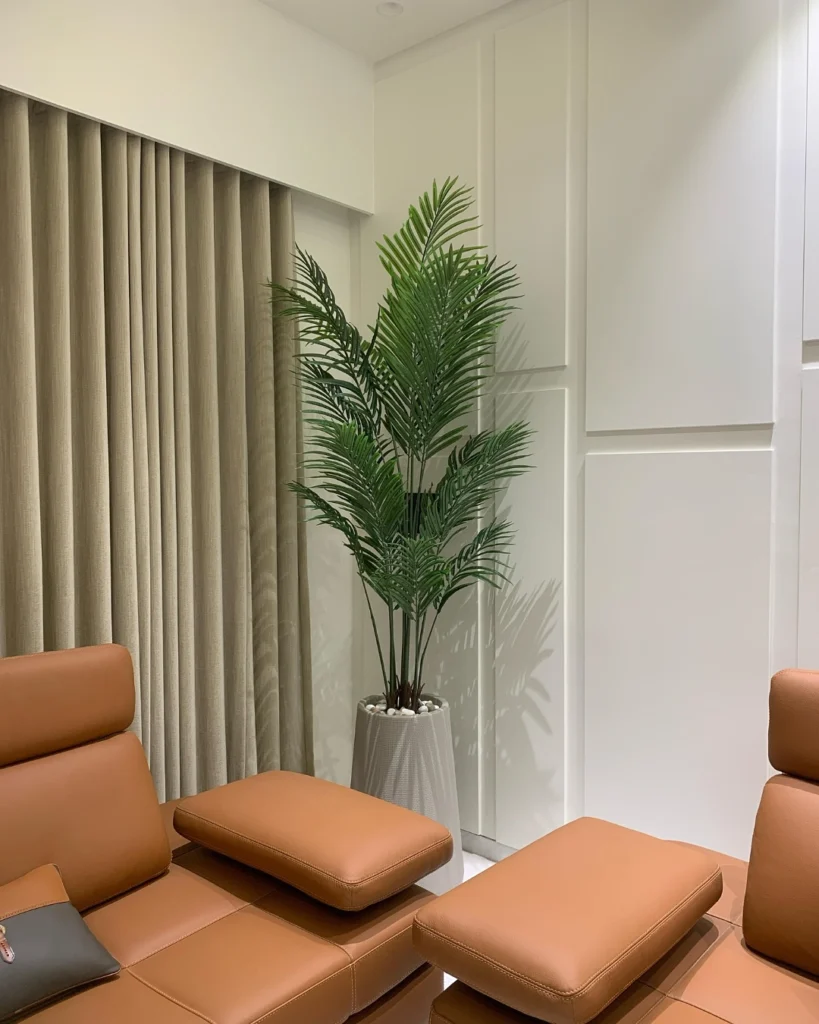
My areca palm is 8 feet tall and cleans air in my entire living room noticeably.
Why it’s powerful:
- Large surface area (many leaves)
- Removes formaldehyde, xylene, toluene
- Adds tons of humidity
- Non-toxic to pets
Space requirements:
- Needs room to grow (gets 6-8 feet)
- Requires bright indirect light
- Likes high humidity
- Better for large spaces
Care needs:
- Water when top 2 inches dry
- Bright indirect light
- Mist leaves weekly
- Fertilize monthly in summer
Best for: Living rooms, large bedrooms, offices with space. Too big for small apartments.
15. ZZ Plant (Indestructible Air Purifier)
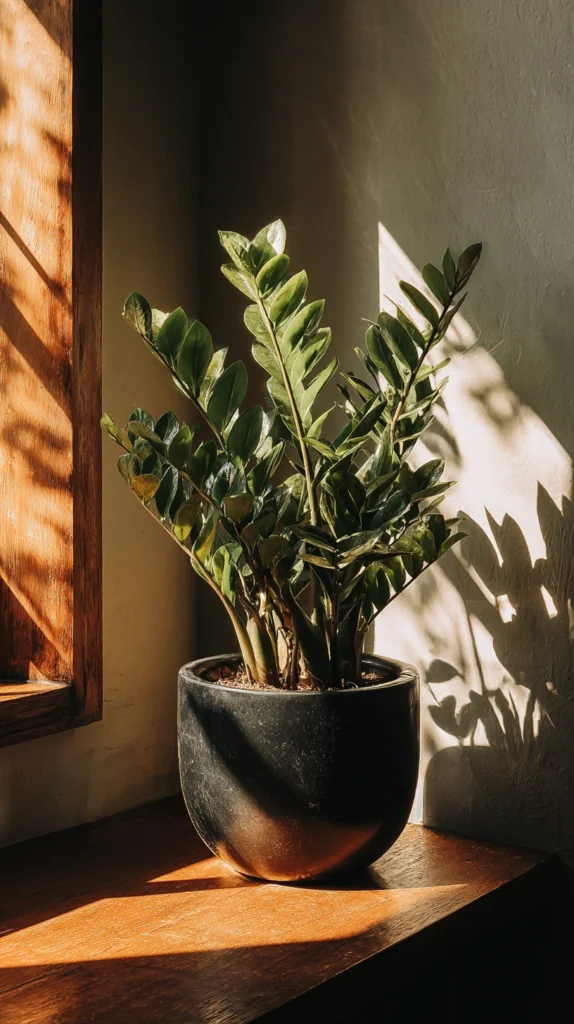
Removes xylene, toluene, and benzene. Also survives extreme neglect better than any plant I’ve owned.
I have one ZZ plant I’ve watered maybe 6 times in a year. Still alive and growing.
Why it’s amazing:
- Extremely drought tolerant
- Grows in low light
- Basically indestructible
- Modern architectural look
Air cleaning:
- Filters xylene and toluene
- Removes benzene
- Works in low light
- Still effective with neglect
My neglect schedule:
- Water every 3-4 weeks (sometimes longer)
- No fertilizer ever
- Low light corner
- Never repotted in 3 years
- Still thriving
Perfect for: People who kill everything, dark corners, forgetful waterers, beginners.
Downside: Grows very slowly. Don’t expect rapid growth. But it never dies either.
How Many Plants You Actually Need
One plant per room does basically nothing. Sorry, but it’s true.
NASA recommends:
- 1 plant per 100 square feet minimum
- 2-3 plants per 100 square feet for real effect
- More is better
My 1,200 sq ft house:
- Living room (250 sq ft): 6 plants
- Bedroom (150 sq ft): 4 plants
- Kitchen (100 sq ft): 3 plants
- Bathroom (50 sq ft): 2 plants
- Office (100 sq ft): 4 plants
- Hallway: 6 plants scattered
Total: 25 plants for actually noticeable air quality improvement.
The Math
Standard bedroom (120 square feet):
- Minimum effective: 1-2 medium plants
- Better results: 3-4 plants
- Optimal: 5-6 plants
I started with 3 plants total in my house. Added 2-3 per month over a year. Now at 25 plants and air quality noticeably better.
Plants vs HEPA Filters (Real Talk)
I use both. They serve different purposes.
HEPA filter pros:
- Cleans air in 30 minutes
- Removes particles plants can’t
- Quantifiable results
- Works 24/7 actively
Plant pros:
- Remove chemical toxins filters can’t
- Add humidity and oxygen
- Look beautiful
- Last forever (filters need replacing)
- One-time cost
What I do:
- HEPA filter in bedroom (allergies)
- Plants throughout house (chemical removal)
- Both working together
Plants alone won’t fix allergies. But they will reduce formaldehyde from furniture and other chemicals HEPA filters don’t catch.
Caring for Multiple Plants Efficiently
Watering 25 plants individually would take forever. Here’s my system:
Weekly Watering Route
Sunday morning routine (15 minutes):
- Fill watering can
- Check each plant quickly (finger test)
- Water only dry ones
- Rotate plants for even light
- Remove dead leaves
Not all plants need water weekly. I maybe water 15 out of 25 each week. Others wait.
Monthly Deep Care
First Sunday of month (30 minutes):
- Wipe dust off large leaves
- Fertilize actively growing plants
- Check for pests
- Trim overgrown vines
- Rotate all plants
That’s it. 15 minutes weekly, 30 minutes monthly. Not a huge time commitment for cleaner air.
Best Plants for Specific Rooms
Bedroom
Best choices:
- Snake plant (oxygen at night)
- Peace lily (removes everything)
- Gerbera daisy (nighttime oxygen)
- Spider plant (easy care)
Why: These release oxygen at night while most plants release CO2.
Bathroom
Best choices:
- Boston fern (loves humidity)
- Peace lily (filters ammonia)
- English ivy (fights mold)
- Spider plant (tolerates humidity)
Why: High humidity helps these plants thrive while they filter bathroom chemicals.
Kitchen
Best choices:
- Pothos (filters cooking fumes)
- Spider plant (removes formaldehyde)
- English ivy (general air cleaning)
- Aloe vera (bright window, useful for burns)
Why: Cooking produces formaldehyde and other gases these plants filter well.
Home Office
Best choices:
- Snake plant (low maintenance)
- ZZ plant (survives neglect)
- Gerbera daisy (near printer)
- Rubber plant (large, statement piece)
Why: You’re busy working, need low-maintenance plants that handle office chemicals.
Common Mistakes That Kill Air Purifying Plants
Overwatering is the #1 killer. More plants die from too much water than anything else.
My killed plants:
- 3 peace lilies (overwatered, root rot)
- 2 Boston ferns (underwatered in dry house)
- 1 snake plant (overwatered in winter)
- 4 various plants (wrong light levels)
What I learned:
Light mistakes:
- Too much direct sun = burned leaves
- Too little light = leggy weak growth
- Wrong intensity for plant type
Watering mistakes:
- Set schedule instead of checking soil
- Watering when soil still damp
- Letting dry-loving plants sit wet
Temperature mistakes:
- Near heating vents (too dry)
- Next to AC (too cold)
- Drafty windows in winter
Now I check soil before watering every time. Finger in soil. Dry = water. Damp = wait. Simple rule saved my plants.
Budget-Friendly Air Purification
You don’t need to spend $500 on plants.
My budget approach:
Initial plants ($60):
- 3 spider plants: $12 each = $36
- 2 pothos: $8 each = $16
- 1 snake plant: $8
Propagated for free:
- Cut spider plant babies: +9 plants
- Rooted pothos cuttings: +6 plants
- Divided snake plant: +3 plants
Total plants: 24 Total cost: $60 Cost per plant: $2.50
One year later, I have more plants than I started with from propagation. Plants multiply themselves.
Where to Find Cheap Plants
Best sources:
- Grocery stores: Often cheaper than nurseries
- Home Depot/Lowe’s: Regular sales
- Facebook Marketplace: People giving away plants
- Friends: Ask for cuttings
- Clearance sections: “Ugly” plants are fine
I’ve found perfectly healthy plants for $2 in grocery store clearance sections. They just look a bit rough but recover quickly.
Pet-Safe Options Only
Most air purifying plants are toxic to pets. Here are the safe ones:
Pet-safe air purifiers:
- Spider plant (totally safe)
- Boston fern (non-toxic)
- Bamboo palm (safe for pets)
- Areca palm (pet-friendly)
- Parlor palm (safe option)
Toxic to pets (avoid if you have nibbly animals):
- Pothos
- Snake plant
- Peace lily
- Philodendron
- English ivy
- Aloe vera
- Rubber plant
- Dracaena
I have cats that ignore plants. But if your pets eat greenery, stick to the safe list above.
Measuring Actual Air Quality Improvement
I bought a $40 air quality monitor to track if plants actually work.
My results over 6 months:
Before plants (3 total):
- VOCs: 450 ppb
- PM2.5: 25 µg/m³
- Humidity: 28%
After 25 plants:
- VOCs: 280 ppb (38% reduction)
- PM2.5: 22 µg/m³ (12% reduction)
- Humidity: 42% (50% increase)
Noticeable improvements:
- Less dry air (humidity up)
- Fewer chemical smells
- Air feels fresher
Not magic, but measurably better. Combined with HEPA filters, indoor air quality is excellent now.
Starting Your Air Purifying Plant Collection
Week 1: Buy 3 starter plants
- 1 snake plant (bedroom)
- 1 pothos (bathroom)
- 1 spider plant (living room)
Week 3: Add 2-3 more
- Choose based on light availability
- Focus on high-traffic rooms
Week 6: Propagate what you have
- Take pothos cuttings
- Divide spider plant babies
- Free new plants
Month 3: Assess and expand
- Which plants thrived?
- Buy more of those types
- Target rooms with poor air
Month 6: Should have 10-15 plants
- Noticeable air quality change
- Propagation providing free plants
- System running smoothly
My timeline: Started with 3 plants. Had 15 plants after 4 months. Hit 25 plants at 12 months through buying and propagating.
Do They Really Work?
Yes, but with realistic expectations.
What plants actually do:
- Remove specific chemical toxins slowly
- Add oxygen to air
- Increase humidity
- Reduce some VOCs measurably
What plants don’t do:
- Replace HEPA filters
- Work instantly
- Clean air with just 1-2 plants
- Remove all pollutants
My honest assessment: 25 plants in my house made a measurable difference in air quality. But it took:
- 6 months to accumulate enough plants
- Consistent care and maintenance
- Strategic placement throughout house
Is it worth it? For me, yes. Better air, more humidity, beautiful greenery. Not a miracle, but definitely beneficial.
Start small. Get 3-5 easy plants. See how you like it. Expand if you enjoy caring for them.
Now go buy a snake plant and start your air purification journey!
Quick Summary:
Easiest air purifiers (start here):
- Snake plant (impossible to kill)
- Pothos (grows anywhere)
- Spider plant (makes free babies)
- ZZ plant (survives neglect)
Most effective cleaners:
- Peace lily (removes most toxins)
- Bamboo palm (large surface area)
- Areca palm (big and powerful)
- Boston fern (formaldehyde removal)
Pet-safe options:
- Spider plant
- Boston fern
- Bamboo palm
- Areca palm
How many you need:
- 1 plant per 100 sq ft minimum
- 2-3 per 100 sq ft for real effect
- Average bedroom: 3-5 plants
- Whole house: 15-25 plants
Care time required:
- 15 minutes weekly watering
- 30 minutes monthly maintenance
- Not intensive
Realistic expectations:
- Won’t replace HEPA filters
- Takes months to see effect
- Need multiple plants
- Works slowly but measurably
- Best combined with air purifier
Budget approach:
- Start with 3-5 plants ($30-50)
- Propagate for free plants
- Add 2-3 monthly
- Reach 15+ plants in 6 months
- Total investment: $100-150