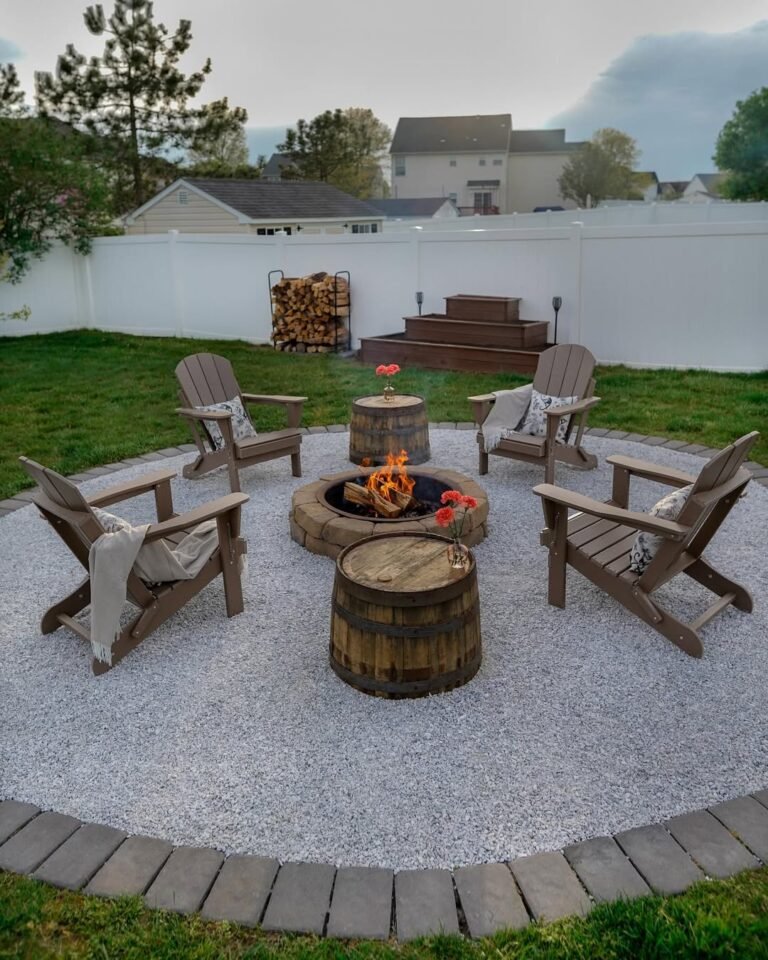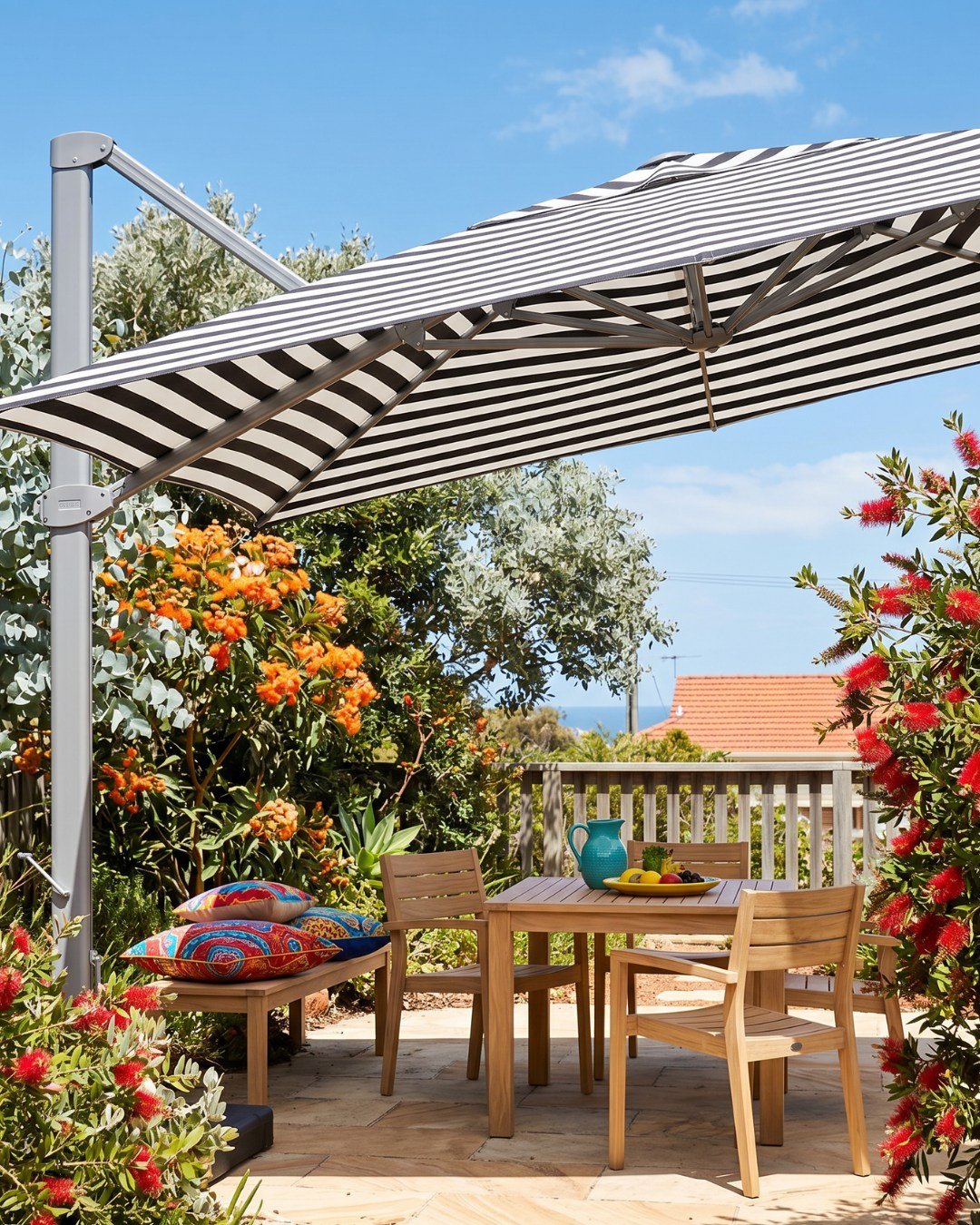
13 Outdoor Styling Ideas That Make Any Space Feel Bigger
Had a patio the size of a parking space and felt it every time anyone came over. Ten feet by twelve feet. Apologised for it before anyone sat down.
Then stopped apologising and started designing. Not for the space it was. For the space it could read as.
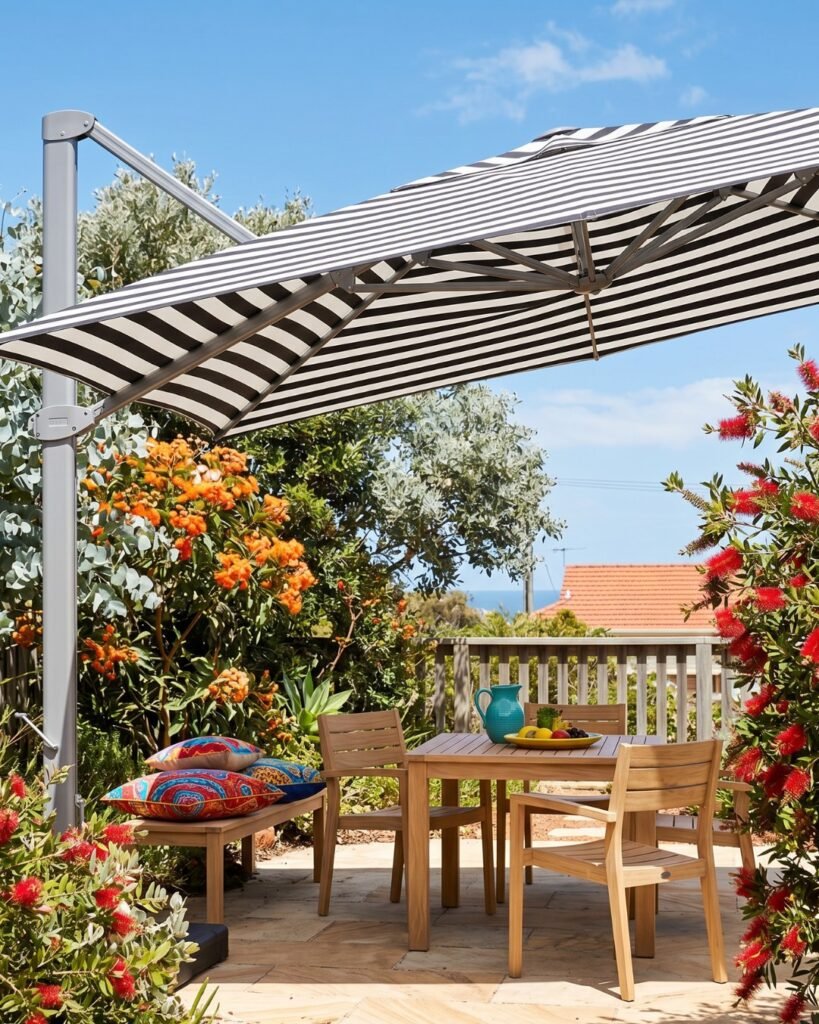
Small outdoor spaces do not need to become larger. They need to stop announcing their size. Every element in the wrong position makes a small space smaller. Every element in the right position stops the announcement entirely.
The patio is still ten by twelve. Nobody has mentioned the size since.
Here are 13 styling ideas that make any outdoor space read as larger than it is.
Why Small Outdoor Spaces Feel Small
It is not the square footage:
What makes a space feel small:
- Eye stops immediately at a boundary
- Furniture scale wrong (too large or too small)
- No depth or layering
- Nothing to draw the eye beyond the perimeter
- Clutter that fills every inch consciously
- Edges undefined (space has no clear beginning so ending is felt)
What makes a space feel large:
- Eye travels before stopping
- Scale appropriate or deliberately contrasted
- Depth created through layers
- Something draws eye beyond immediate perimeter
- Negative space within the design
- Defined zones within the space (space within space)
The perception principle:
Space is perceived, not measured.
A person standing in a room knowing it is small feels it as small. The same room styled so that the eye travels across layers, past depth, toward a distant point — felt as larger.
Same dimensions. Different perception.
Every idea on this list manages perception.
The Five Perception Levers
These are what every idea below pulls:
1. Depth (things in front of things):
- Layered planting creates depth
- Objects at different distances
- Eye reads distance as space
- Flat arrangements read as small
2. Vertical (draw the eye up):
- Eye assumes floor plan = total space
- Vertical elements break this assumption
- Height creates volume, not just area
- Volume feels larger than area
3. Borrowed scenery (take the view):
- What is beyond the boundary can be used
- Tree in neighbour’s garden: frame it
- Sky: maximise it
- Borrow what cannot be owned
4. Diagonal (longest line in any rectangle):
- Diagonal is longer than either side
- Diagonal path through small garden: maximum perceived length
- Furniture at diagonal: more dynamic
- Eye follows diagonal further
5. Continuity (no hard stops):
- Hard stops at boundary: space ends immediately
- Soft stops (planting, climbing plants): edge blurred
- Blurred edge: space seems to continue
- Continuation implies more space beyond
1. Diagonal Furniture Placement (The Longest Line Used)
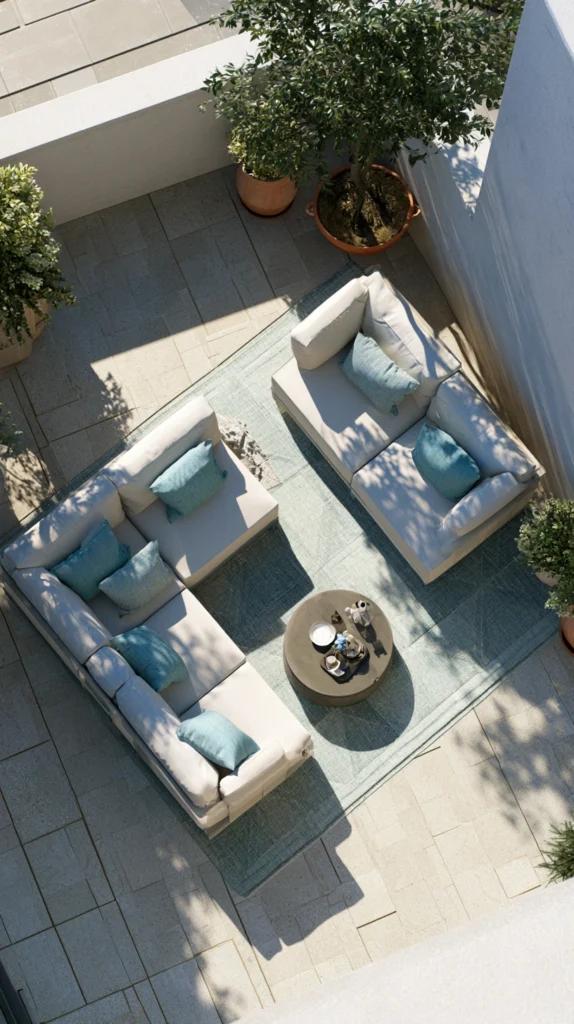
Place furniture at a 45-degree angle to the walls or fence — the geometric trick that adds perceived length to any rectangular space.
Why diagonal placement works:
The mathematics:
- 10×12 foot space
- Longest straight line along the sides: 12 feet
- Diagonal (corner to corner): 15.6 feet
- The diagonal is 30% longer than the longest wall
- Eye following the diagonal reads 30% more space
The visual dynamic:
- Parallel-to-wall placement: space measured immediately
- Diagonal placement: eye cannot measure directly
- Unmeasurable space feels larger than measured space
- Confusion about dimension registers as generosity
How to implement:
The dining table:
- Turn the table 45 degrees
- Chairs follow the table angle
- Diagonal from one corner of patio to the other
- Creates longest possible run of furniture
The sofa setup:
- L-shaped sofa in corner is a common mistake
- Angle the sofa across the corner at 45 degrees
- Coffee table follows the angle
- Rug beneath at the same angle
The rug (most important):
- Rug placed diagonally is the simplest implementation
- Everything else can follow or not
- Rug alone at diagonal: perceived space increases
- Most impactful single change in this list
What to place normally alongside the diagonal:
- Plants stay vertical (ground level irregular is enough)
- Lighting stays overhead (cannot be diagonal)
- The furniture is the diagonal — everything else supports
Cost breakdown:
- No additional cost
- Rearrange existing furniture
- Move rug diagonally
- Total: £0
My small patio: diagonal rug and table placement. Guest arrived and said “this is bigger than I expected.” Nothing else changed. The diagonal did it.
Diagonal Placement Tips
The clearance rule:
- Diagonal furniture needs clearance on all points
- 18-inch minimum from each corner
- Less than 18 inches: furniture touches boundary
- Touching boundary: the trick stops working
The rug size increases:
- Diagonal placement shows more rug edge
- Go up one size if placing diagonally
- Rug that was borderline: definitely right placed on diagonal
2. Mirrors Facing the Garden (Space Doubled)
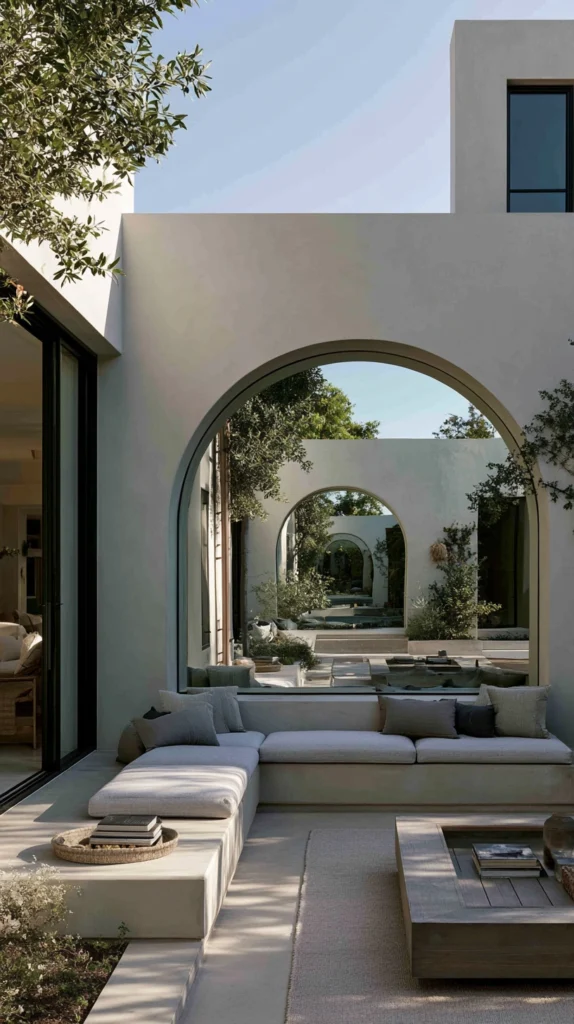
An outdoor-rated mirror on the least interesting fence — the oldest trick in small space design, applied outside.
Why mirrors are the most literal small-space solution:
The physics:
- Mirror reflects the garden back into itself
- Eye reads the reflection as continuation
- Garden appears to extend beyond the mirror
- Same garden, twice as deep
The garden through the mirror:
- Green reflected: more garden visible
- Sky reflected: more openness
- Plants at mirror edge: reflection continues them
- The mirror shows what would be there if there were more space
Positioning:
Face the best view:
- Mirror positioned opposite the most planted area
- Garden reflected in mirror: best view doubled
- Opposite a fence with climbing plant: plant appears to continue
- Opposite a specimen tree: tree framed and reflected
Height:
- At eye level when seated (not standing)
- Outdoor mirrors used from seated position predominantly
- Lower than interior mirrors
- Test from sitting position before fixing
The arch shape:
- Round or arched mirrors: most commonly saved outdoor design
- Suggests doorway or entrance to beyond
- Depth illusion strongest with arched form
- Circle: softest and most universally appealing
Outdoor mirror materials:
Steel-framed:
- Most weatherproof
- Powder-coated black or aged bronze
- Lightweight (important for fence-mounting)
- $45–90 depending on size
Upcycled window:
- Old sash window
- Multiple panes: pattern interest
- Frame weathers naturally
- $0–25 from salvage
Framed by planting:
- Climbing plant grows around mirror frame
- Frame integrated into living wall
- Mirror appears to be looking through the planting
- Most convincing depth illusion
Cost breakdown:
- Round outdoor mirror (24-inch): $55
- Climbing plant to frame: $18
- Mounting hardware: $8
- Total: $81
The test: stand at the entrance to the space. Look toward the mirror. The garden appears to extend. The extension is not real. The perception of space is.
3. Vertical Planting on Every Wall (Height Over Width)
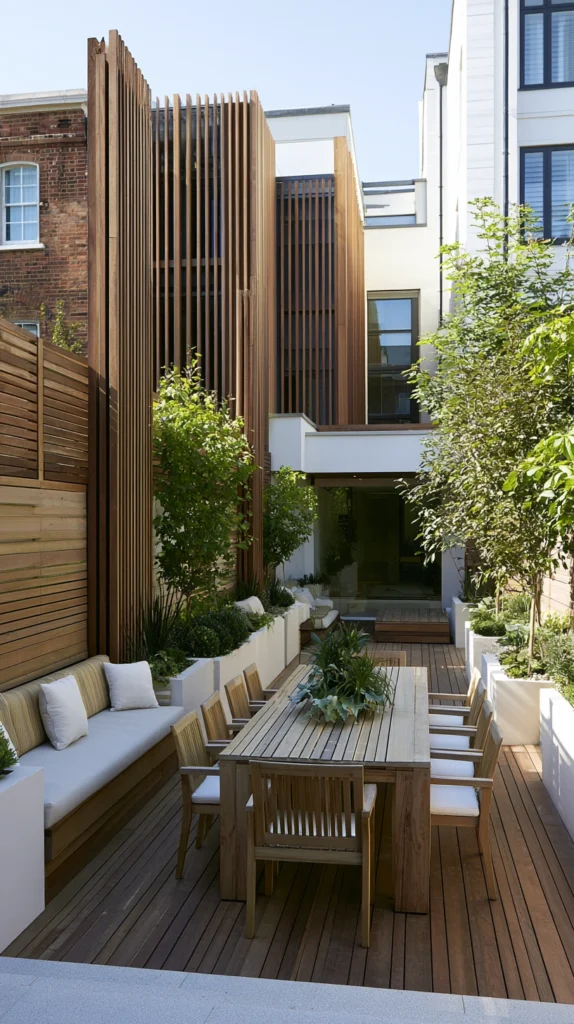
Plants growing upward on all boundary surfaces — the styling that trades unavailable floor space for abundant vertical space.
Why vertical planting makes small spaces feel larger:
The ceiling effect:
- Plants growing high create a soft ceiling
- Enclosed space with high ceiling: large
- Low-ceilinged enclosed space: small
- Vertical planting raises the perceived ceiling
The boundary softening:
- Hard fence boundary: space stops clearly there
- Fence with climbing plant: boundary becomes soft
- Soft boundary: space seems to continue beyond
- The plant reaches beyond the boundary — so does perceived space
The volume addition:
- Small floor space + tall vertical planting = significant volume
- Volume, not area, creates the feeling of space
- 10×12 feet at 6 feet tall: 720 cubic feet
- Same footprint with 10-foot climbing plants: 1,200 cubic feet
- 67% more perceived volume from planting alone
Implementing vertical planting:
Every fence panel addressed:
- One climbing plant per panel minimum
- Or trellis with multiple plants
- No bare fence visible from seating
- Green boundary: soft and large-feeling
The plant types:
Fast climbers (year one results):
- Clematis: flowers in first season
- Honeysuckle: fast and fragrant
- Nasturtium: annual, covers fast, colourful
Permanent and structural:
- Climbing rose: the long investment, the best result
- Jasmine: fragrant, persistent
- Wisteria: patient, extraordinary
Evergreen (year-round screen):
- Trachelospermum jasminoides: evergreen, fragrant
- Ivy: fastest coverage, reliable
- Climbing hydrangea: slow start, vigorous after
The layered approach:
Ground level:
- Low spreading plant at fence base
- Hostas or ferns in shaded bases
- Ground cover between
Mid level (fence height):
- Main climbing plants
- Maximum coverage area
Top of fence and above:
- Tall grasses in containers add height beyond fence
- Or columnar plants in pots at fence line
- Soft ceiling above fence line
Cost breakdown:
- Six climbing plants (two fence panels each): $85
- Trellis panels (4): $50
- Total: $135
The boundary disappears: what was a fence 12 feet away becomes green at 12 feet, then more green beyond. Space reads deeper.
4. One Large Rug Instead of Multiple Small Ones (Scale Confidence)
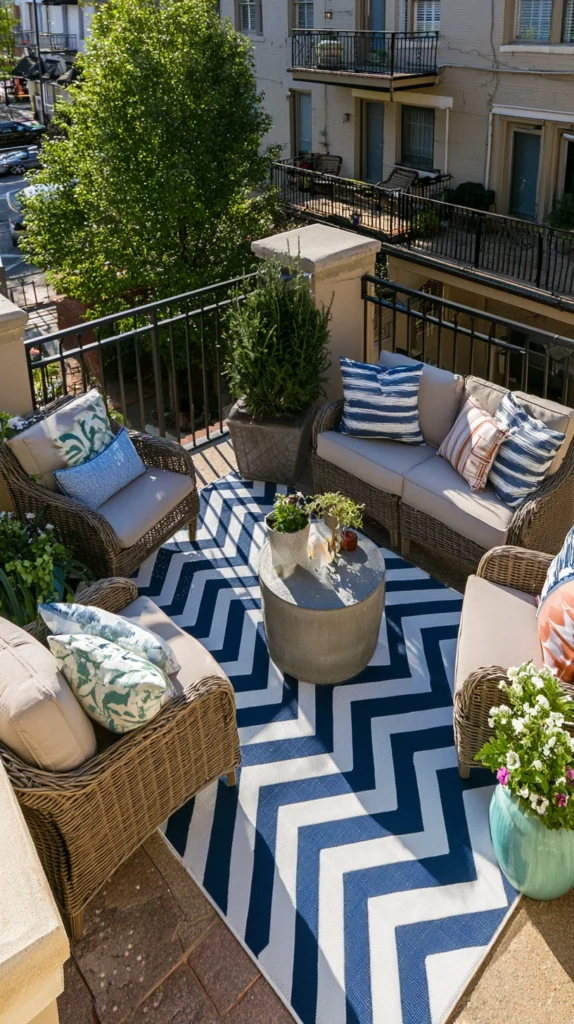
A single outdoor rug that covers most of the floor — the counterintuitive idea that big makes small feel bigger.
Why large rugs expand small spaces:
The instinct that is wrong:
- Small space: use small things
- Small furniture: space will feel larger
- Small rug: won’t crowd the space
- Wrong on all counts
Why it is wrong:
Small items in small spaces:
- Eye counts the items
- Counting items: measuring the space
- Measured space: felt as small
- Small rug surrounded by paving: both rug and paving measured separately
Large rug covering most of floor:
- One surface, not two
- Eye does not measure what it reads as one thing
- Paving and rug become one floor
- Floor is continuous: space is not interrupted
The coverage target:
Ideal coverage:
- 80% of floor space covered by rug
- Paving visible at edges only (perimeter strip)
- Furniture all on the rug
- Complete floor plane: one surface
Minimum effective:
- All front legs of all furniture on rug
- Coffee table entirely on rug
- Rug extends 18 inches beyond seating on all sides
- Below this: small rug surrounded by paving (makes space smaller)
The pattern:
Bold pattern (counterintuitive but effective):
- Strong pattern: eye engages with pattern, not with space measurement
- Engaged eye: stops measuring
- Stops measuring: space feels larger
- Bold pattern in small space: usually the right call
Horizontal stripe:
- Stripe running toward the far boundary
- Eye follows stripe to the boundary
- Boundary reached later than without guide
- Stripe lengthens perceived depth
Cost breakdown:
- Large outdoor polypropylene rug (9×12): $95
- Total: $95
The size upgrade: went from 6×9 to 9×12 on a 10×12 patio. The rug was almost the entire floor. The patio felt twice as large.
5. A Focal Point at the Far End (Draw the Eye Across)
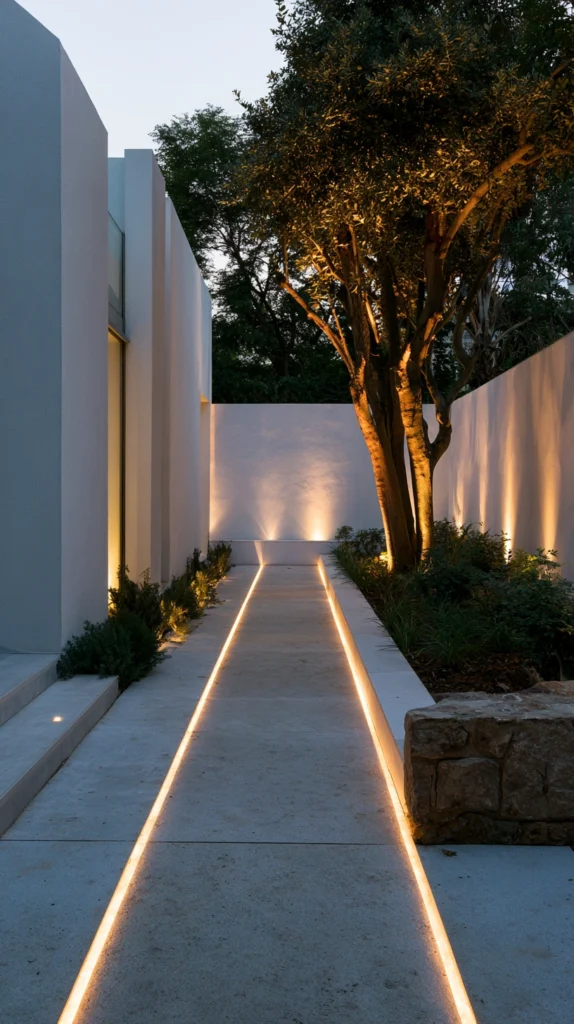
A deliberate focal point positioned at the furthest boundary — the styling trick that makes the eye travel the full length of the space.
Why a distant focal point makes spaces feel longer:
Where the eye goes:
- Eye moves toward points of interest
- Focal point: the most interesting thing
- Focal point at far end: eye must travel full length to reach it
- Full length travelled: full length perceived
Without a focal point:
- Eye wanders without direction
- Stops at nearest interesting thing
- Near stop: space feels shorter
- Nothing draws attention to the far boundary
What works as a focal point:
The specimen plant:
- Japanese maple or olive tree at far boundary
- Container so can be positioned precisely
- Interesting year-round
- Eye goes there repeatedly
The water feature:
- Sound draws attention as well as sight
- Movement (ripple, bubble, overflow)
- Multiple senses engaged at distance
- Most compelling focal point available
The mirror (combined with Idea #2):
- At far boundary: maximum depth illusion
- Eye drawn to it: space is traversed visually
- Reflection suggests more beyond
- Two ideas combined: double effect
The piece of art:
- Weather-resistant wall piece
- Large enough to read from across the space
- Positioned at the far boundary
- Visual destination
Lighting the focal point:
Uplight from below:
- Spotlight at base aimed upward
- Focal point visible at night as well as day
- Night: even more compelling (warm light in darkness)
- Solar uplighter: $15, sufficient for most plants
The path toward it:
Path from seating to focal point:
- Creates journey
- Journey implies distance
- Distance is perceived space
- Even 10 feet of journey: 10 feet of space experienced
Cost breakdown:
- Specimen plant (olive or Japanese maple): $80
- Quality container: $45
- Solar uplight: $15
- Stepping stones toward: $35
- Total: $175
The focus point installed: three guests over the next week. Every one of them walked to the end of the patio to look at it more closely. Walking there: experiencing the full length of the space.
6. Raised Planting to Create Depth Layers (Things in Front of Things)
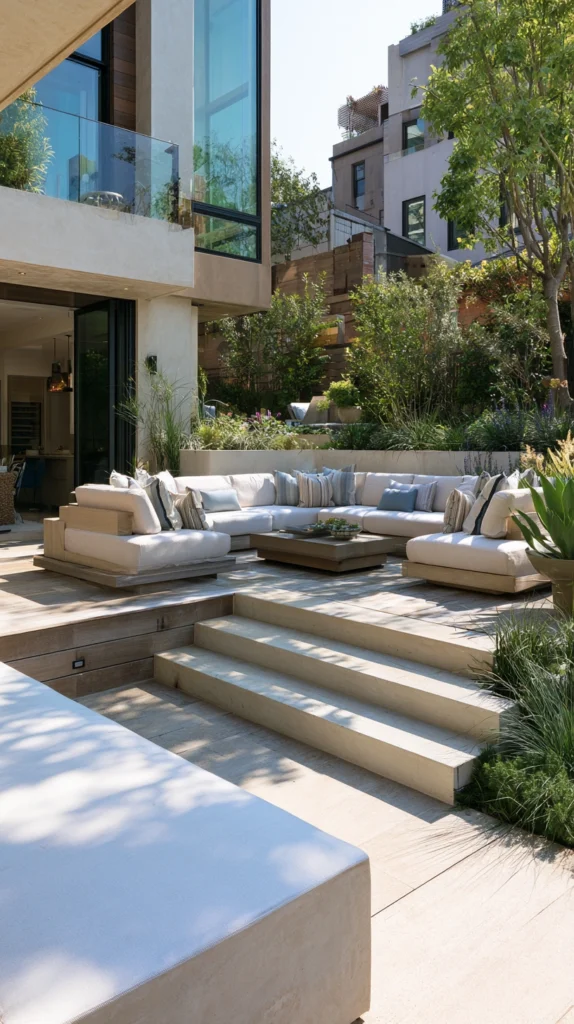
A raised bed or elevated planters creating foreground layers — the styling that adds perceived depth by placing things in front of things.
Why depth makes spaces feel larger:
The photography principle:
- Wide-angle photographs feel spacious
- They have foreground, middle ground, background
- Three layers: depth
- Depth: the brain reads as distance
- Distance: space
Applied to outdoor styling:
- Seating area: the viewer’s position
- Low plants in front: foreground
- Medium plants at sides: middle ground
- Tall plants or fence at back: background
- Three layers: perceived depth added
Creating the foreground layer:
Raised bed at patio edge:
- Built into or beside patio boundary
- Plants at various heights within
- Viewer looks across bed toward garden
- Bed is foreground: garden feels further away
Elevated container at patio boundary:
- Large pot on stand or plinth
- Plant spilling over toward seating
- Plant is in the space between viewer and boundary
- Intermediate layer created
The trough along a fence:
- Long narrow trough at fence base
- Dense low planting
- Looking from seating: planting in front of fence
- Fence recedes: boundary feels further
What to plant for depth effect:
Foreground (low, 6–12 inches):
- Sedum, thyme, erigeron
- Ground-hugging
- Viewer looks over, not at
Middle ground (18–36 inches):
- Lavender, salvia, ornamental grass
- Main planting layer
- Where the eye settles
Background (36+ inches):
- Tall grasses, climbing plants on fence
- Back of the composition
- Feels further because it is behind two layers
Cost breakdown:
- Long trough planter (48-inch): $45
- Plants (mid and low): $50
- Plinth for elevated pot: $25
- Total: $120
My layered patio edge: sitting at table, looking toward the garden, three clear layers visible. The fence is behind two of them. Fence feels far away. It is 8 feet. It feels like 20.
7. Overhead Elements (Adding the Volume Dimension)
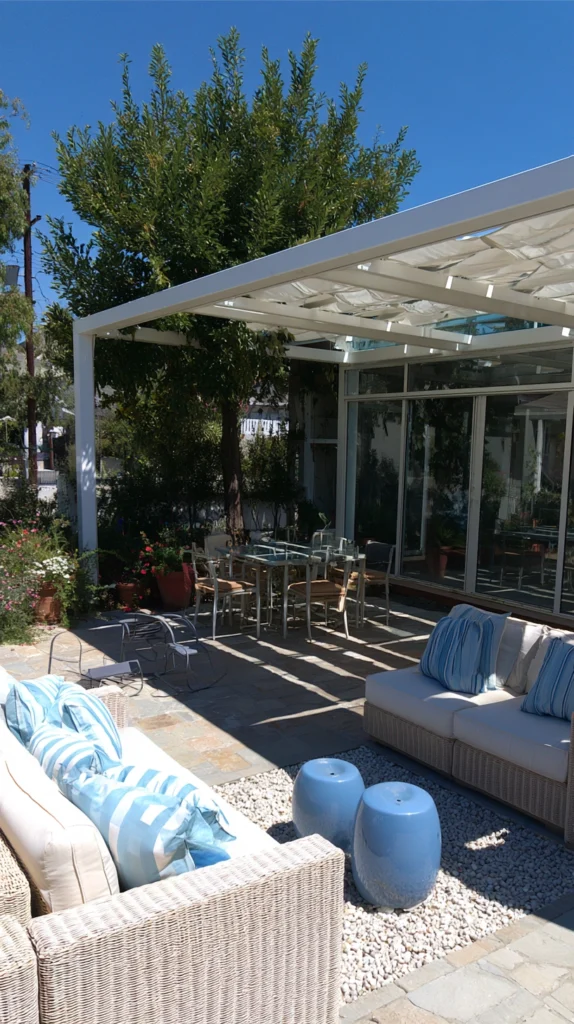
A pergola, shade sail, or string light canopy overhead — the styling that adds the volume dimension small spaces completely lack.
Why overhead elements expand perceived space:
What small spaces have:
- Floor area (measured)
- Boundary (felt immediately)
- Sky (infinite, unused)
What overhead elements do:
- Claim the sky
- Add height to the space
- Create volume from unused dimension
- Eye looks up: space continues
The ceiling paradox:
Interior design truth:
- High-ceilinged room: feels large
- Low-ceilinged room: feels small
- Same floor area: ceiling height changes perceived size
Applied outside:
- No ceiling: space is floor area only
- Overhead element: vertical dimension added
- Space becomes volumetric not just planar
- Volume is always larger than area
Overhead options:
Shade sail (quickest):
- Triangle or rectangle
- Three or four attachment points
- Installed in one afternoon
- $60–120 for quality
- Takes vertical space from sky to sail
String light canopy:
- Already recommended in previous articles
- Warmth and definition
- Light creates the ceiling effect
- $28–55 for lights plus posts
Pergola (most permanent):
- Four posts with overhead beams
- Climbing plant grows over time
- Most complete overhead element
- $300–600 DIY kit
Umbrella (most flexible):
- Move to follow sun
- No installation required
- No posts
- Less architectural but immediate
The height rule:
Higher than seems necessary:
- 7-foot pergola: cramped
- 8-foot pergola: comfortable
- 9-foot pergola: spacious
- Go higher than feels right
Height is the variable that matters most:
- Low overhead: claustrophobic (worse than none)
- High overhead: sky claimed, volume added
- 8 feet minimum for any overhead element
Cost breakdown:
- Shade sail (triangle, 12-foot): $80
- String lights (already installed ideally): $0 additional
- Or pergola DIY kit: $350
- Total: $80–350
The canopy installed: same patio, overhead claimed. Guest said “this feels like a proper room.” It is. Adding the ceiling made it one.
8. Continuous Flooring (No Visual Interruption)
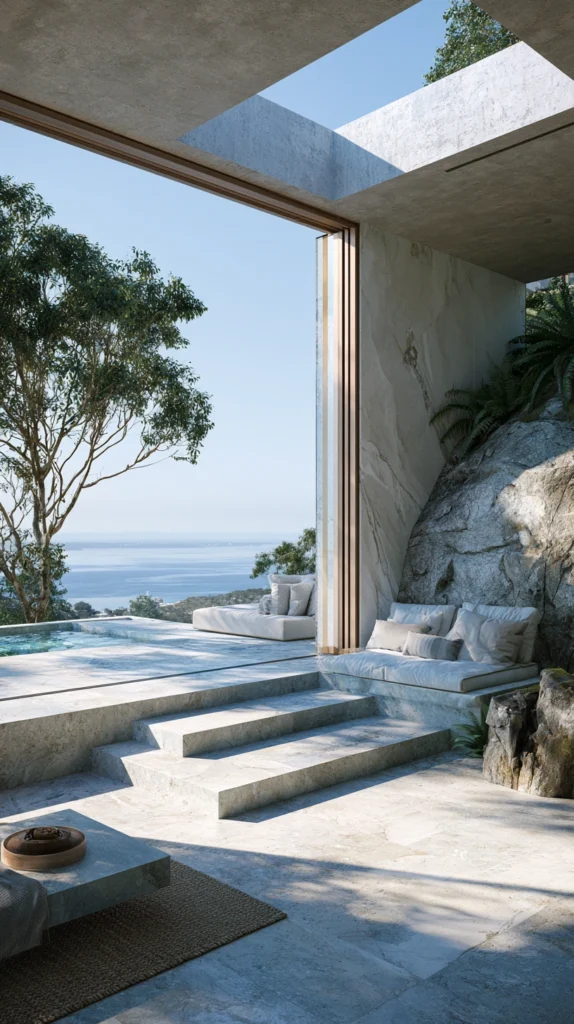
Extending the same floor material from inside to outside — the styling that removes the visual stop at the threshold and continues space.
Why continuous flooring expands perceived space:
The stop at the threshold:
- Inside: wooden floor
- Threshold: visible break
- Outside: paving or decking (different material)
- Break at threshold: space counted as separate
The continuation:
- Same material inside and out
- Or same colour family (close enough)
- Threshold not marked as boundary
- Inside and outside read as one continuous space
- Total perceived space: interior plus exterior
Implementation options:
Same wood tone:
- Interior hardwood: warm oak or walnut tone
- Outdoor decking: same tone, stained to match
- Not identical material: similar enough
- Eye reads continuation
Indoor tile extended:
- Interior large format tile (grey, stone)
- Same or matching tile to exterior patio
- Threshold: material continues
- Strong continuity signal
Same colour, different material:
- Interior: dark wood floor
- Exterior: dark stained concrete or decking
- Colour matches: continuation implied
- Most achievable without full renovation
The threshold treatment:
Flush threshold (ideal):
- No height change
- No door bar visible
- Floor continues without interruption
- Requires planning at installation
Low threshold bar:
- Thin metal or flush timber bar
- Barely visible
- Not the barrier of a raised threshold
- Minimal interruption
The visual from inside:
- With continuation: looking from interior through glass
- Garden feels like an extension of the room
- Total visible space: house plus garden
- Effective indoor space enlarged
Cost breakdown:
- Dark wood stain for existing decking (to match interior): $35
- Or matching floor tile for small patio: $150–250
- Total: $35–250
The simplest version: stained existing patio decking to match the warm oak of the interior floor. From the kitchen table, looking through the glass doors, the space appeared to continue.
9. Furniture That Disappears (Visual Weight Reduction)
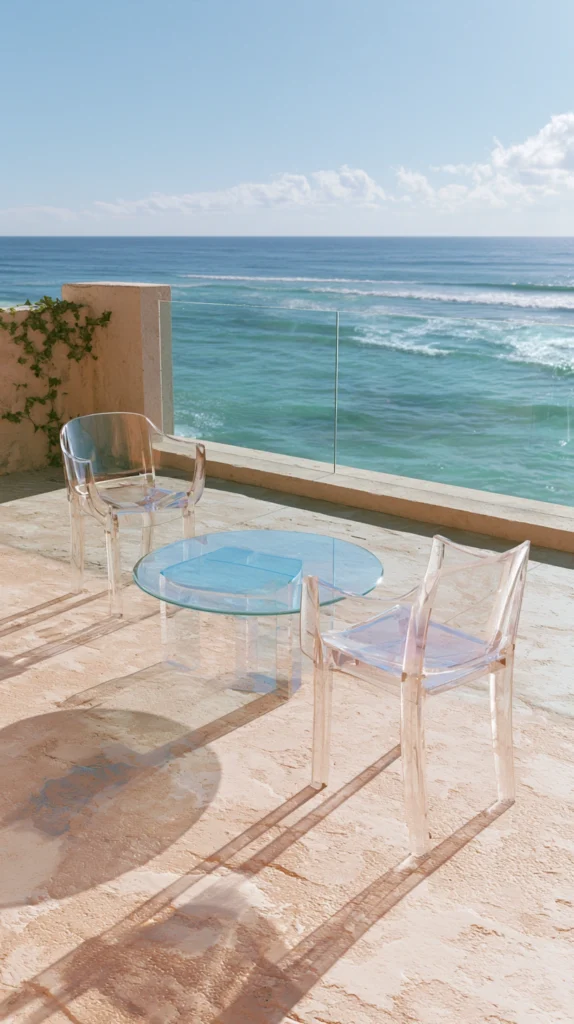
Transparent, lightweight, or folding furniture — the styling that removes visual mass from a small space.
Why visual weight matters:
Heavy furniture in small space:
- Occupies physical space
- Occupies visual space (mass)
- Visual mass counted by brain as part of space used
- Less space appears available even when not in use
Light or transparent furniture:
- Physical footprint same or smaller
- Visual mass much reduced
- Brain subtracts less from available space
- More space appears available
The transparency principle:
Clear or translucent materials:
- Acrylic or polycarbonate chairs
- Glass-top tables (visual floor continues beneath)
- Wire mesh furniture (see-through from most angles)
- Each allows eye to see what is behind it
Why this matters:
- Solid chair: stops the eye
- Transparent chair: eye continues past
- Behind the chair: more space seen
- More space seen: more space felt
Furniture types that reduce visual weight:
Acrylic ghost chairs:
- Clear, almost invisible
- Seat four but appear to seat nobody
- French designer Starck original (Louis Ghost)
- Outdoor versions: $30–60 each (not originals)
Wire bistro chairs:
- Open metal mesh
- See-through from most angles
- Weather-resistant
- $20–40 each
Folding and stacking:
- When not in use: flat against wall
- Occupies no visual or floor space
- Set out for use, stored when not
- Most flexible small-space solution
Glass-top table:
- Floor visible beneath table
- Continuous floor plane (see Idea #8)
- Less visual interruption than solid table
- Works with any chair style
Cost breakdown:
- Two acrylic ghost chairs (outdoor): $75
- Glass-top bistro table: $85
- Total: $160
My acrylic chairs: patio felt used-up with four standard chairs. Same space with two acrylic chairs and two wire chairs: space appeared available even when all four occupied.
10. Lighting at Ground Level Only (Lowering the Eye)
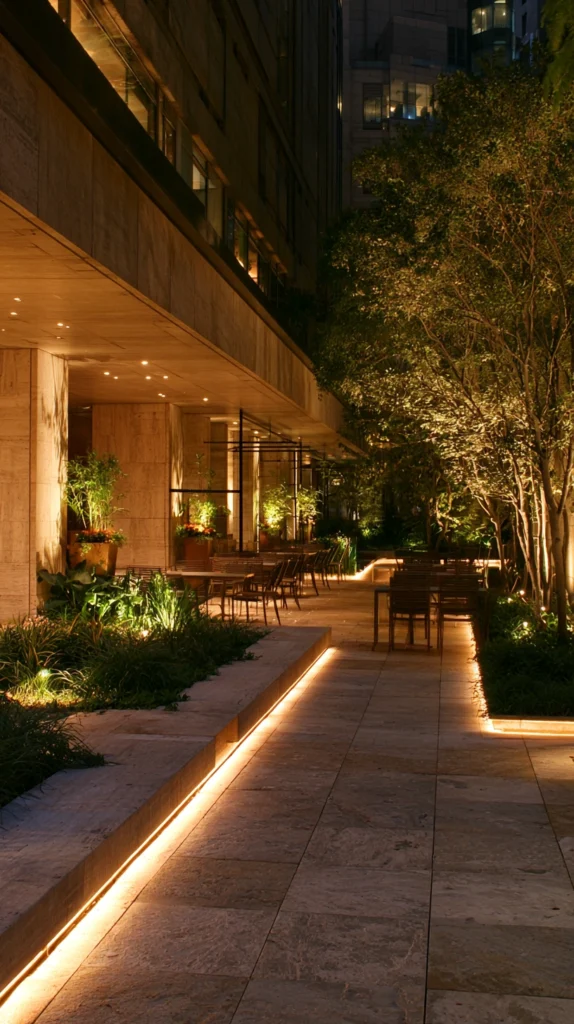
Path lights, uplights, and lanterns at ground level rather than overhead — the styling that uses light to draw the eye outward and downward, suggesting distance.
Why ground-level lighting expands perceived space:
Overhead lighting:
- Illuminates the ceiling (the overhead element)
- Eye goes up
- Up: the dimension already claimed
- Overhead: space revealed but bounded
Ground-level lighting:
- Eye drawn downward and outward
- Follows the light toward the boundary
- Boundary reached: light continues along path or upward into plant
- Suggestion of space beyond the light
The path of light:
Solar stake lights along path:
- Pools of warm light extending away from seating
- Eye follows each pool toward the next
- Journey of light: implies journey of space
- Distance suggested by receding pools
Uplights at base of plants:
- Light aims upward from ground into plant
- Plant lit from below: dramatic shadow above
- Shadow extends above the fence line
- Vertical space suggested beyond boundary
Lanterns at ground level:
- Low clusters beside seating
- Warm amber at floor height
- Eye level drops to floor height
- Floor-level eye: floor space is the primary experience
The boundary lighting trick:
Light at the far boundary:
- Spotlight at fence base aimed at climbing plant
- Far boundary becomes a feature, not a stop
- Feature at far end: eye drawn to far end
- Far end experienced: full length perceived
Cost breakdown:
- Solar path stake lights (6): $45
- Solar uplights at fence base (3): $35
- Ground-level lanterns (3): $35
- Total: $115
Evening transformation: same small patio. Ground lit only. Space seemed to extend along the path into the darkness. Where path ended was unclear. Unclear ending: space seems larger.
11. Strategic Plant Placement (Creating Rooms Within a Room)
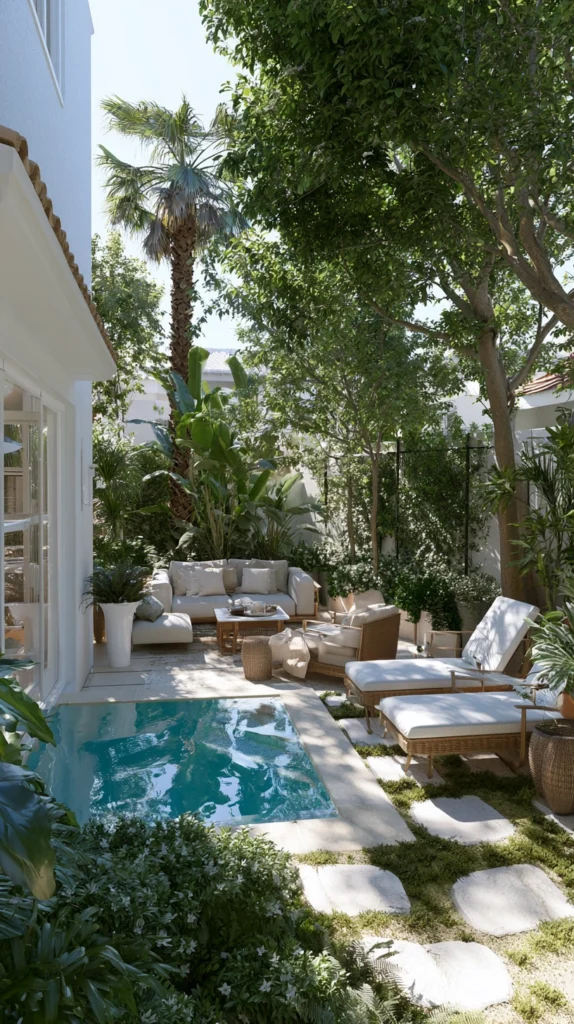
Dividing a small space into zones with plants — the counterintuitive trick that makes smaller-feeling zones add up to a larger-feeling whole.
Why dividing makes spaces feel bigger:
The hotel lobby principle:
- Large hotel lobby: feels large because of scale
- But: zone it into seating areas, walkways, focal points
- Each zone: smaller than whole
- Total: experienced as larger than one undivided space
Applied to small garden:
- One undivided small patio: felt as small
- Same space divided into two zones by low plants: two spaces experienced
- Each zone: intimate and complete
- Total experience: richer and larger
The division without walls:
Low plant divider (most effective):
- Row of pots or low planting
- Suggests boundary without creating barrier
- Both zones visible from either side
- Division implied, not enforced
What the division achieves:
- Zone one: seating area (primary)
- Zone two: plant or feature area (secondary)
- Movement from one to other: journey
- Journey implies distance
- Distance implies space
The planting divider:
Pot row:
- Three to five matching pots in a line
- Between zones
- Low plants (not blocking view)
- Physical division, visual continuity
Raised bed as divider:
- Low raised bed between zones
- Plants in bed at varied heights
- Foreground layer (see Idea #6)
- Divider plus depth layer: two effects
The path as divider:
- Path running through the space
- Divides without blocking
- Defines two areas without walls
- Journey created
Cost breakdown:
- Three matching pots as divider: $45
- Low plants: $30
- Total: $75
The zoned patio: divided 10×12 into a 6×10 seating zone and a 4×10 planting zone. Each zone felt complete. Together they felt like more than one small patio.
12. Borrow the Sky (Overhead Openness Maximised)
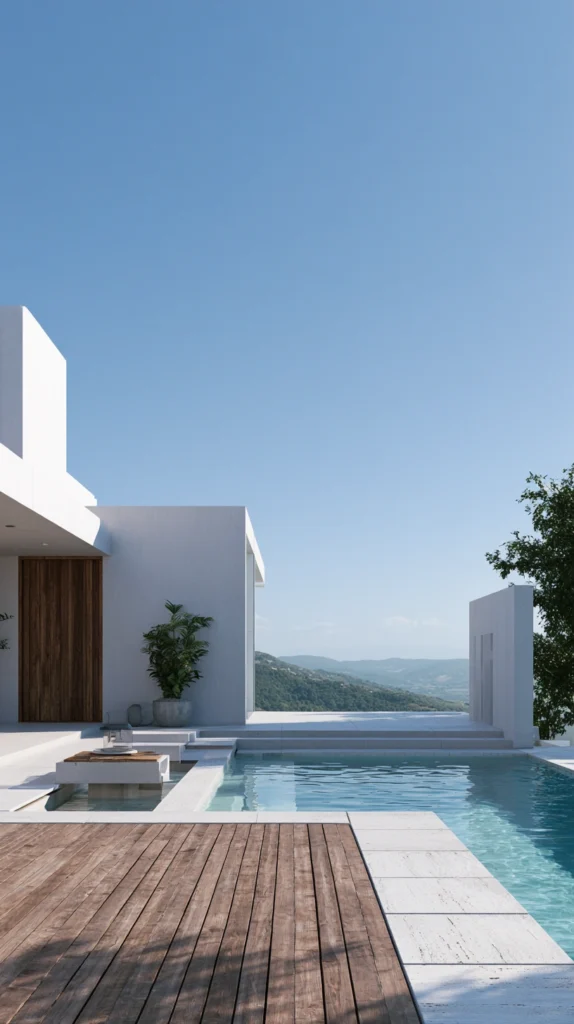
Deliberately maximising upward openness — the styling that uses the infinite dimension above to make the bounded space feel unbounded.
Why the sky makes small spaces feel large:
The only unlimited resource:
- Square footage: fixed
- Boundaries: fixed
- Sky: infinite
- Using the infinite dimension: the space becomes infinite
The blockage problem:
Most small gardens:
- Trees overhanging (blocking sky)
- Large shrubs at corners (blocking light and sky)
- Solid overhead structure (blocking)
- Sky reduced: space contracted
Opening the sky:
- Remove or thin overhanging branches
- Remove solid overhead where possible
- Use shade sail (defines edge but does not block all)
- Sky is the largest design element available and it is free
What to remove:
Overhanging branches:
- Reduce canopy above seating
- Not remove tree (lose privacy and structure)
- Lift the canopy: sky visible above fence line
- Professional arborist for significant pruning
Dark or heavy overhead structure:
- Solid pergola roof: blocks sky entirely
- Replace with shade cloth (filters but does not block)
- Or polycarbonate (transparent)
- Sky must be available if possible
What to maximise:
Reflective surfaces facing sky:
- Mirror facing upward (angled slightly)
- Reflects sky into seated view
- Water feature (still surface): sky reflected in water
- Ground level sky: doubling the sky experience
The star view:
Clear overhead at night:
- Sky at night: infinite depth
- Stars: distance beyond measurement
- Reclining chair to view directly up
- Most effective boundlessness available
Cost breakdown:
- Arborist to lift canopy: $150–300
- Replace solid roof with shade cloth: $80
- Water feature (reflects sky): $90
- Total: $80–470 depending on what exists
The sky revealed: removed two large branches overhanging the patio. Lost privacy? No — fence still private. Gained: afternoon sky, more light, space that breathed.
13. The Receding Colour Palette (Cool Colours Push Boundaries Back)
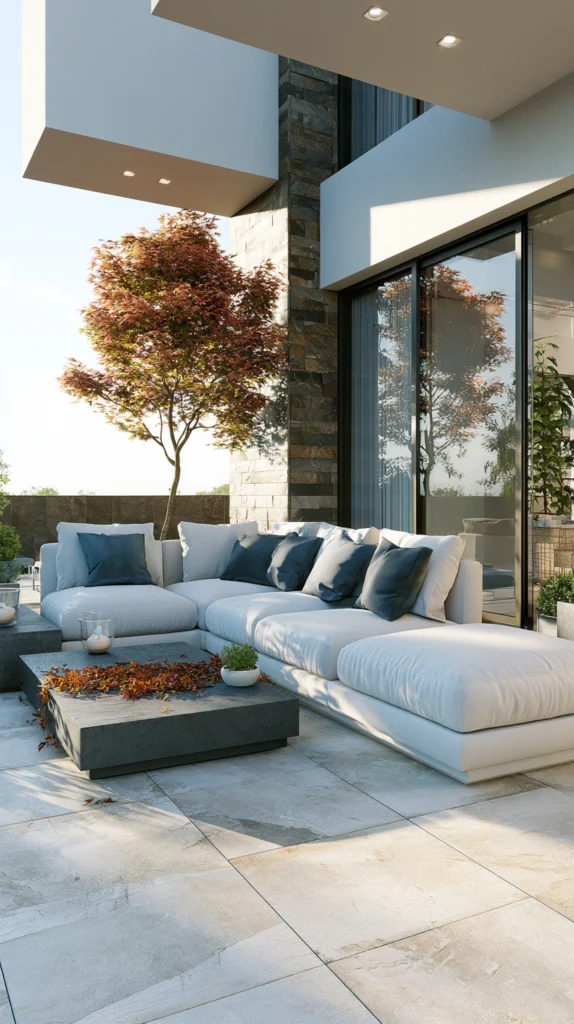
Cool colours at the boundary, warm at the seating — the colour perspective trick that adds perceived depth.
Why colour creates perceived distance:
The physics of colour and distance:
- Warm colours (red, orange, yellow): advance toward viewer
- Cool colours (blue, blue-green, purple): recede away from viewer
- Sky is blue: the furthest thing visible
- The association is embedded in perception
Applied to outdoor space:
- Seating area: warm colours (close, intimate)
- Boundary planting: cool colours (far, receding)
- Warm in front: close, immediate
- Cool at back: distance suggested
- Perceived depth between warm and cool: space
Implementing the colour gradient:
At the seating:
- Cushions in warm tones (terracotta, rust, cream)
- Pots in warm clay or amber
- Flowers in warm colours (red, orange, yellow if applicable)
- Lanterns in warm amber light
At the boundary:
- Cool-coloured planting (blue salvia, agapanthus, catmint)
- Blue-grey foliage (artemisia, senecio, rue)
- Purple (verbena, lavender, nepeta)
- Blue-painted fence element (recedes further)
The gradient between:
- Mid-space: transitional colours (pink, soft purple)
- From warm (near) through transitional (middle) to cool (far)
- Gradient implies distance
- Distance: perceived space
Plant choices:
Cool boundary planting:
- Agapanthus (blue, architectural)
- Salvia ‘Caradonna’ (deep blue-purple)
- Catmint Nepeta (soft blue-purple sprawl)
- Lavender (blue-grey, fragrant)
- Artemisia (silver-grey, cool foliage)
- Veronica (blue spires)
Warm seating-area planting:
- Helenium (warm gold-orange)
- Rudbeckia (clear warm gold)
- Geranium ‘Ann Folkard’ (magenta-warm)
- Dahlia (warm varieties at front)
- Geum (coral-orange)
The fence colour:
Blue-grey or cool green fence:
- Fence recedes more than dark charcoal
- Charcoal: recedes (dark = depth)
- Blue-grey: recedes further (cool + dark)
- Boundary pushed back by both dark and cool
Cost breakdown:
- Cool boundary plants (5 varieties): $55
- Warm seating plants (3 varieties): $35
- Cool fence paint (if repainting): $25
- Total: $90–115
The colour-zoned small patio: warm terracotta cushions at the seating, blue agapanthus and silver artemisia at the far fence. Standing at the entrance: the fence seemed further away. It was not.
The Ideas That Combine Best
Some pairs from this list multiply each other’s effect:
Diagonal rug + large size (#1 + #4):
- Largest possible floor surface perceived
- Diagonal lengthens, large size unifies
- Most impact on floor-space perception
Focal point at far end + ground-level lighting toward it (#5 + #10):
- Eye drawn to far point by both sight and light at night
- Both day and night: full length traversed
- Day version plus night version: space perceived all day
Vertical planting + overhead element (#3 + #7):
- Boundaries soft (vertical)
- Volume added (overhead)
- Every dimension of perception addressed
Mirror + borrowed scenery (#2 + #12):
- Mirror reflects sky
- Sky above reflects in mirror below
- Infinite dimension doubled by reflective surface
Cool boundary colours + focal point at boundary (#13 + #5):
- Focal point draws eye to far boundary
- Cool colours make that boundary recede
- Eye drawn to something that appears further: space perceived larger
Getting Started This Weekend
The highest-return immediate actions:
Free (rearrange only):
- Move furniture diagonally
- Remove anything plastic or randomly placed
- Clear visual clutter from boundary (open the boundary)
- Cost: £0, impact: significant
Under £50:
- Diagonal outdoor rug (used or end-of-season): £35–45
- Ground-level lanterns (three, matching): £35
- Total: under £80 for two ideas
The single most effective upgrade for perceived space:
The large rug placed diagonally.
It addresses three perception levers simultaneously:
- Diagonal: longest line
- Large size: no interruption
- Single surface: floor unified
One object. Three effects. Space reads as larger immediately.
Choose by the specific problem:
- Boundary too close: Idea #3 (vertical planting) and #13 (cool colours)
- Space feels flat: Idea #6 (raised depth layers) and #7 (overhead)
- Nothing draws the eye: Idea #5 (focal point) and #10 (ground lighting)
- Furniture crowds the space: Idea #9 (visual weight) and #1 (diagonal)
- Everything feels same distance: Idea #13 (colour) and #6 (depth)
Space is not the problem.
The patio is ten feet by twelve feet and always will be. The problem was that every decision made it announce that fact.
Change enough of those decisions and the announcement stops. The space remains. The smallness does not.
That is the entire idea.