15 Summer Vegetable Garden Ideas for Beginners
Growing your own vegetables in summer is one of those activities that rewards you far beyond the effort you put in. There is something deeply satisfying about eating a tomato you grew yourself, or tossing homegrown herbs into a meal you cooked the same evening. The good news is that a productive summer vegetable garden does not require a large plot, years of experience, or an expensive setup. It requires a few good choices, some basic knowledge, and a willingness to learn by doing.
Whether you have a sprawling backyard, a narrow balcony, or just a few pots on a windowsill, the ideas below cover every scale and every level of commitment. Each one includes what you will need, what to expect, and a practical tip to help you succeed from the very first season.
1. The Classic Raised Bed Garden
Budget: $50 – $200
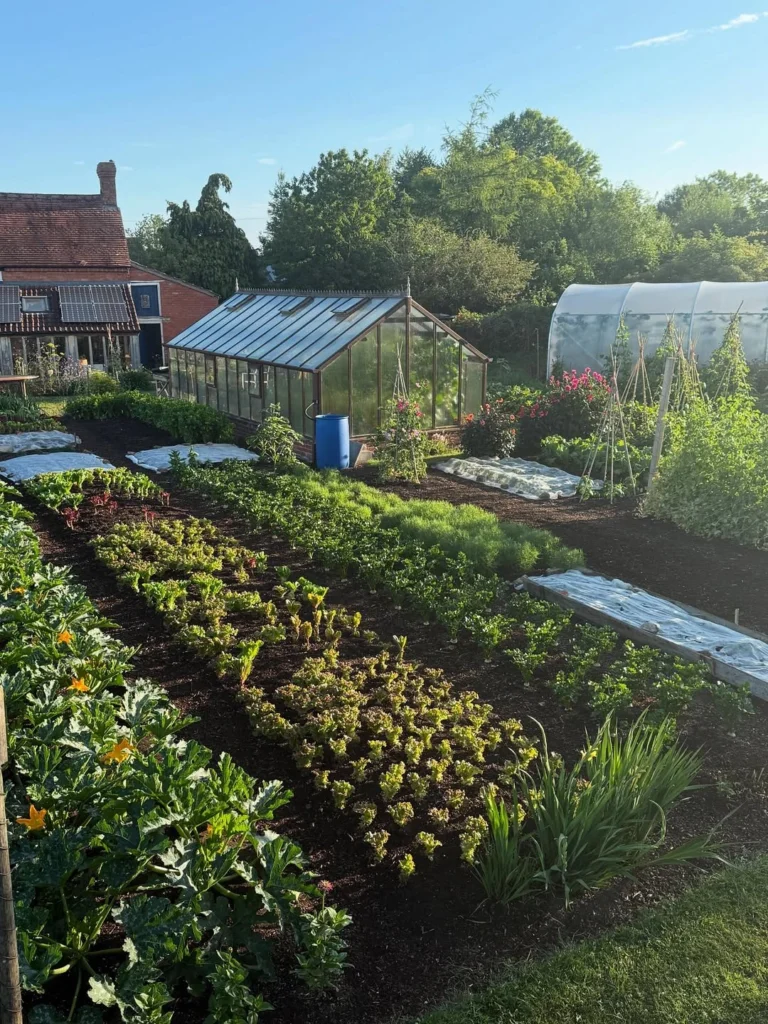
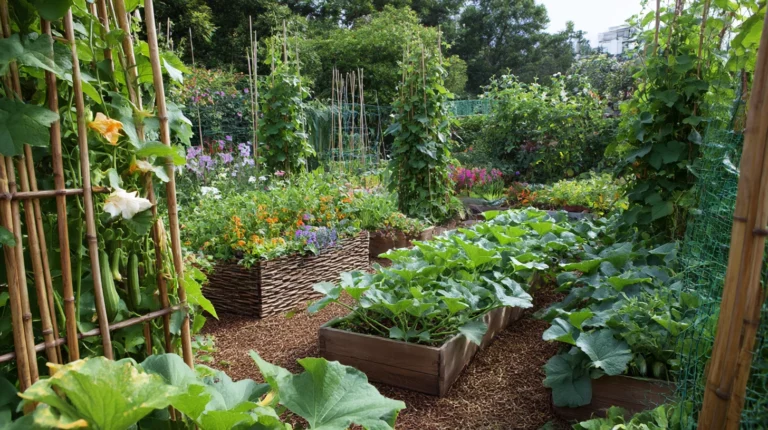
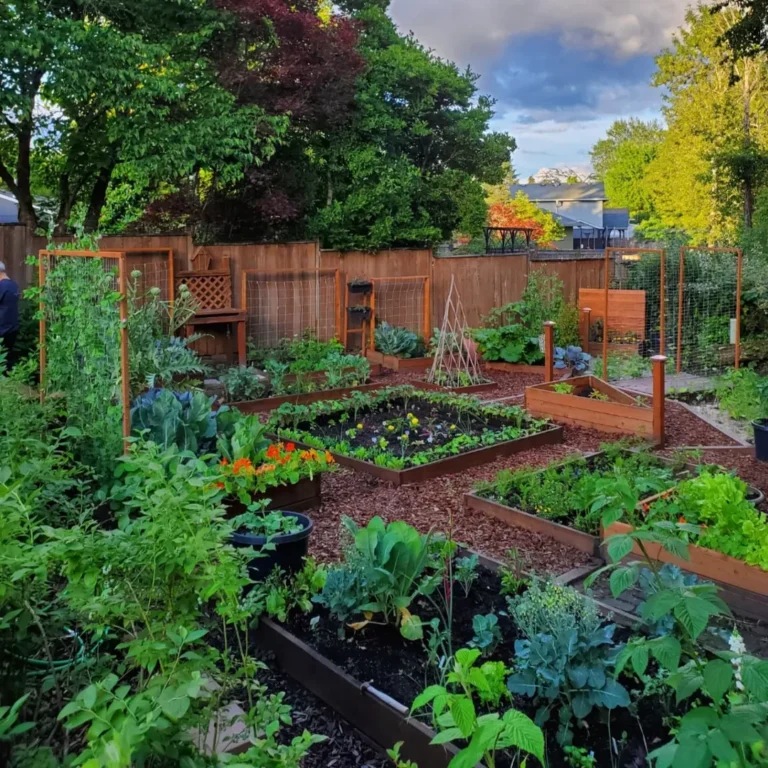
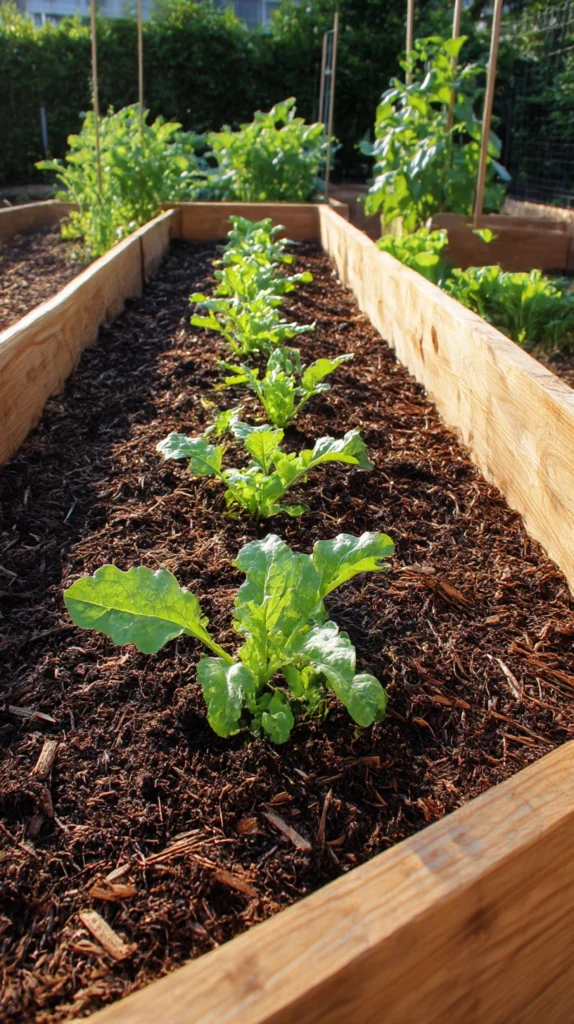
A raised bed is the single best starting point for any beginner vegetable gardener. It gives you complete control over your soil quality, drains reliably, warms up faster in spring, and keeps weeds and pests easier to manage than an in-ground plot. A standard 4×8-foot raised bed gives you enough growing space to produce a meaningful harvest without being overwhelming to maintain.
Timber raised bed kits start at around $40–$80 from garden centres or hardware stores. Fill them with a mix of topsoil, compost, and a little horticultural grit for drainage — bagged raised bed soil mixes are widely available for $15–$30 per bag. Four to six bags will typically fill a standard bed. Start with easy crops: lettuce, radishes, green beans, and courgettes all thrive in raised beds with minimal intervention.
Growing tip: Place your raised bed where it receives at least six hours of direct sunlight per day. This is the single most important factor in vegetable growing, and no amount of good soil or careful watering will compensate for a poorly positioned bed in deep shade.
2. The Tomato Container Garden
Budget: $30 – $100
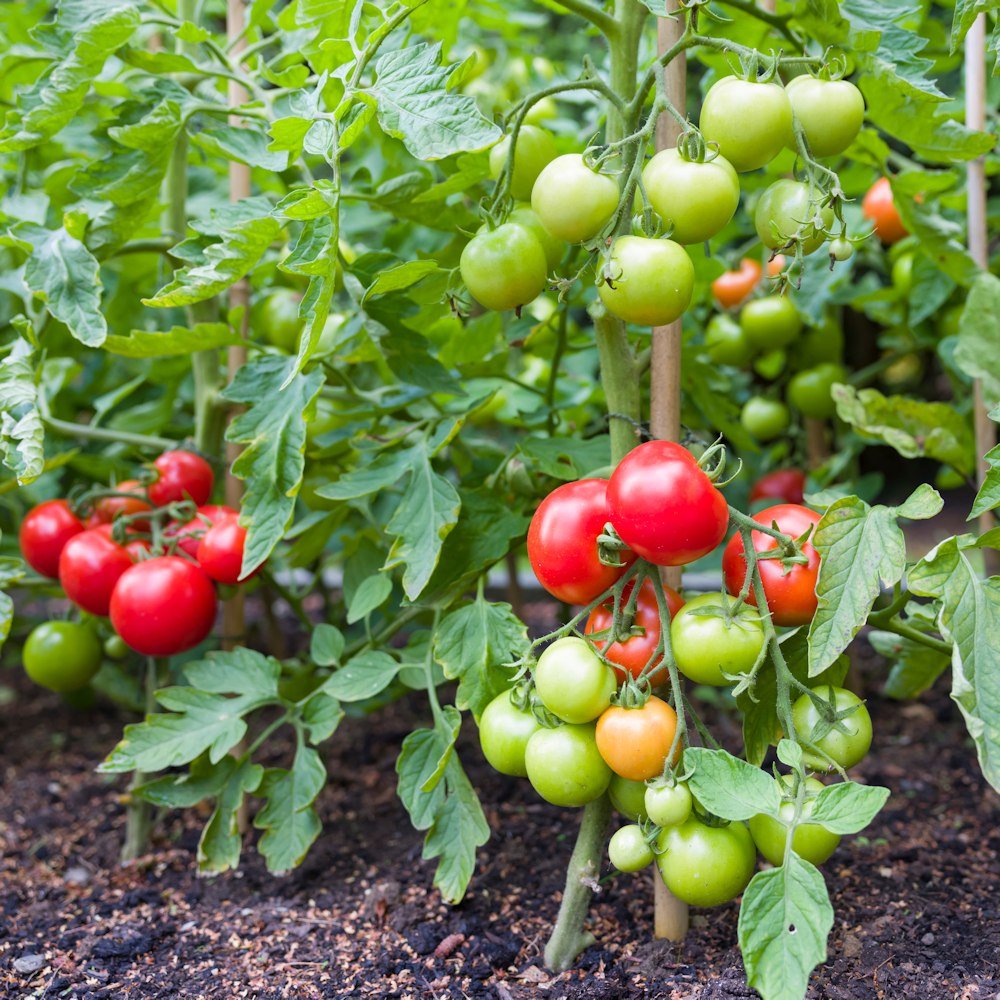
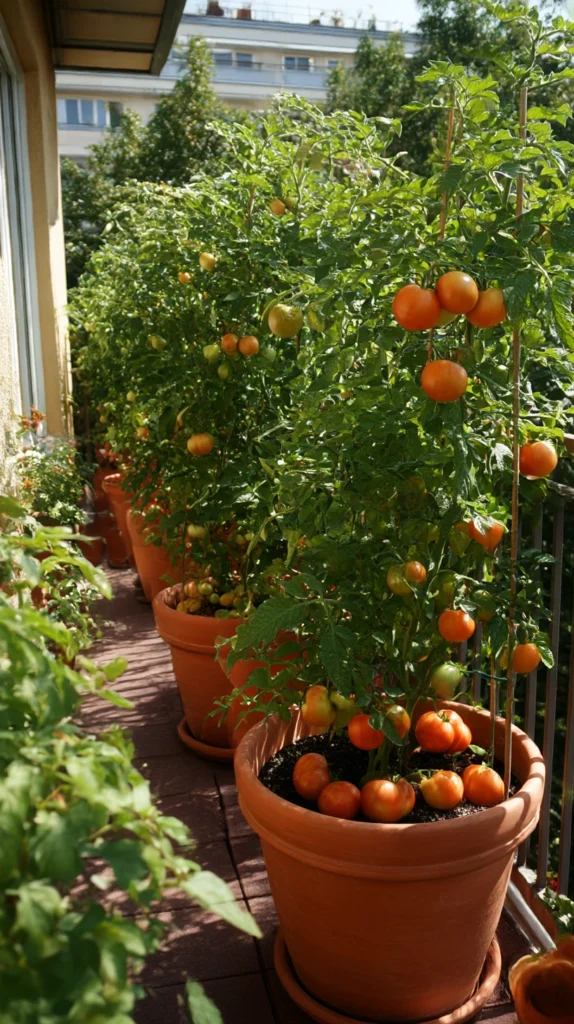
Tomatoes are the most popular home-grown vegetable for good reason — nothing from a supermarket comes close to the flavour of a sun-warmed homegrown tomato. They grow beautifully in large containers, which makes them ideal for beginners who do not yet have a dedicated garden bed. A single large pot on a sunny patio can produce dozens of fruits across a summer season.
Use pots at least 30–40 centimetres in diameter — tomatoes have deep roots and will underperform in anything smaller. Compact bush varieties such as Tumbling Tom, Balcony Red, or Patio F1 are bred specifically for container growing. Stakes or a simple tomato cage ($5–$15) keep the plant upright as it grows. Water consistently — irregular watering is the main cause of problems like blossom end rot and split fruit.
Growing tip: Pinch out the side shoots that appear between the main stem and the leaf branches on cordon varieties. This directs the plant’s energy into producing fruit rather than excessive foliage, and makes a noticeable difference to your yield.
3. The Salad Leaves Window Box
Budget: $15 – $40
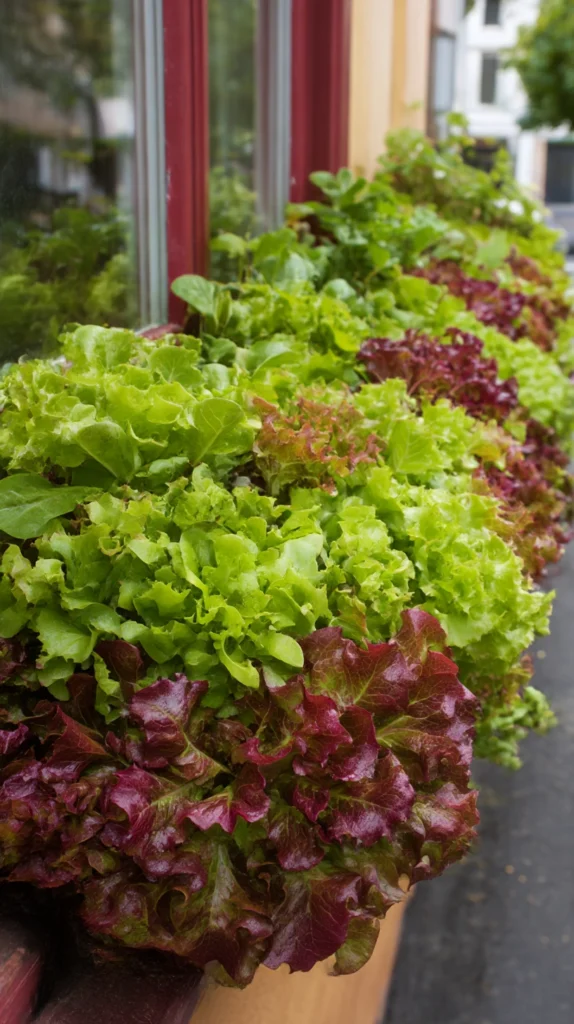
If space is genuinely limited, a window box planted with cut-and-come-again salad leaves is the most productive small-space option available to a beginner. Sow a packet of mixed salad leaves — varieties like Lollo Rosso, Oakleaf, and Rocket — and within four to six weeks you will be harvesting fresh greens for your dinner table on a near-daily basis.
A standard plastic or terracotta window box costs $8–$20. Potting compost ($10–$15 per bag) is all the growing medium you need. Sow seeds thinly across the surface, cover with a light dusting of compost, water gently, and place in a bright spot. Harvest by cutting leaves about 3 centimetres above the base — the plant will regrow and give you two or three more cuts before you need to resow.
Growing tip: Sow a new row of seeds every three weeks throughout summer. This practice, called succession sowing, ensures you always have fresh young leaves at the perfect stage rather than everything maturing at once and going to waste.
4. The Three Sisters Garden
Budget: $20 – $60
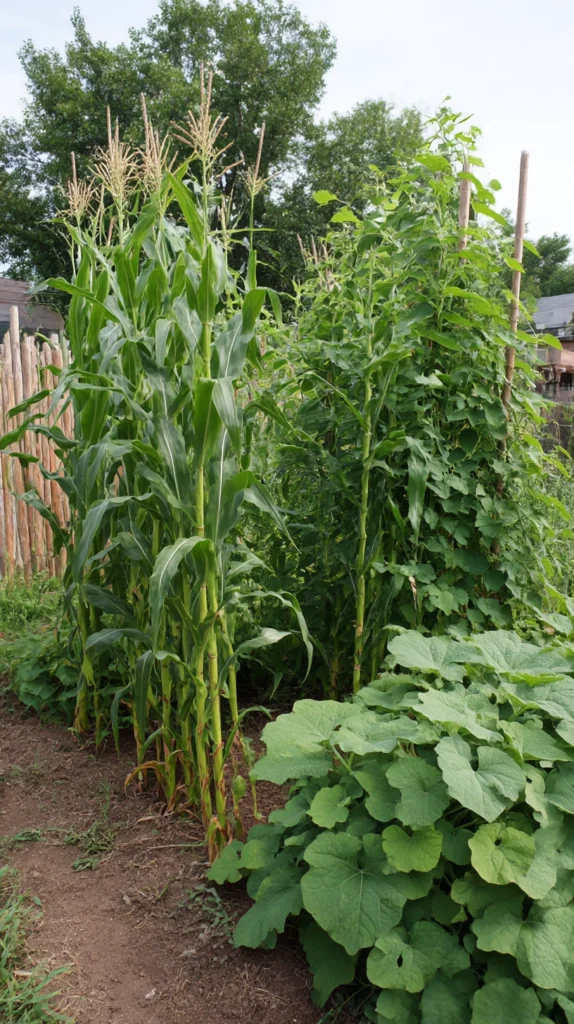
The Three Sisters is one of the oldest and most elegant planting systems in existence, developed by Indigenous peoples of North America over thousands of years. It combines corn, climbing beans, and squash in a mutually beneficial arrangement: the corn provides a natural pole for the beans to climb, the beans fix nitrogen in the soil that feeds the corn and squash, and the squash spreads across the ground, shading out weeds and retaining soil moisture. Three crops in one bed, each helping the others grow.
Seeds for all three crops are inexpensive — a packet of each typically costs $2–$5. You need a reasonably large sunny spot, ideally at least 2×2 metres, for the system to work well. Plant the corn first, add the beans once the corn is 15 centimetres tall, and tuck the squash seedlings around the outside a week or two later.
Growing tip: Use a climbing bean variety rather than a dwarf bush bean — only the climbing type will use the corn stalks as a support. Scarlet Runner or Kentucky Wonder are reliable, widely available choices that beginners will find easy to manage.
5. The Herb Spiral
Budget: $40 – $150
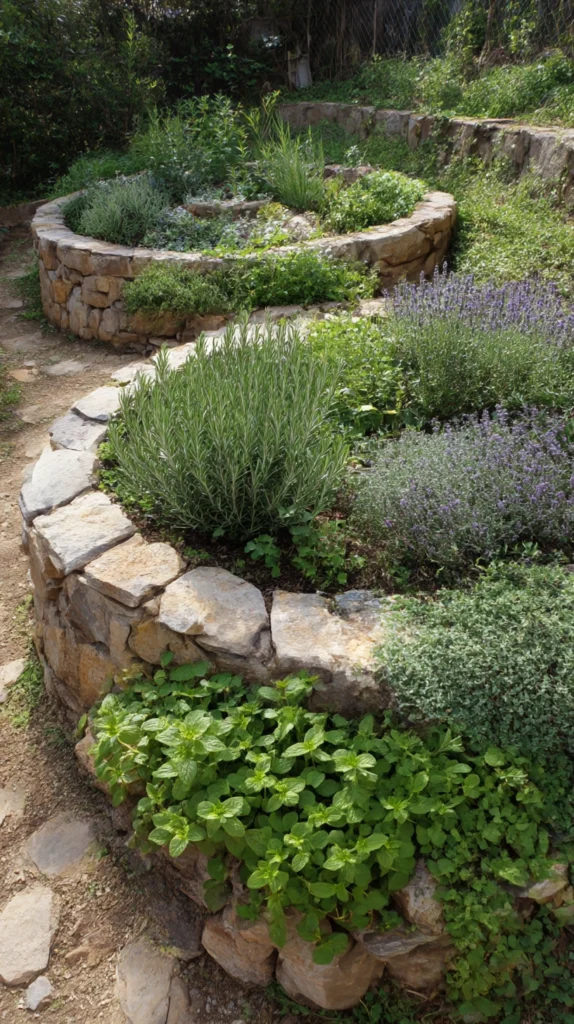
A herb spiral is a clever spiral-shaped mound of soil and stones that creates multiple different growing conditions — sunny and dry at the top, shadier and moister at the base — within a very small footprint. This means you can grow a wide range of herbs with different requirements all in the same structure: rosemary and thyme at the sunny top, mint and chives at the moist base, basil and parsley in between.
Build the spiral using reclaimed bricks, stones, or even stacked timber ($20–$80 depending on materials). Fill each level with a mix of compost and grit, adjusted to the moisture preferences of the herbs you are planting. The whole structure typically fits within a 1.5-metre diameter circle, making it suitable for most backyards and even large patios.
Growing tip: Plant mint in a buried pot rather than directly in the spiral soil. Mint spreads aggressively by underground runners and will crowd out neighbouring herbs within a single season if left unchecked. Sink a 15-centimetre pot into the soil and plant the mint inside it — the container walls contain the roots.
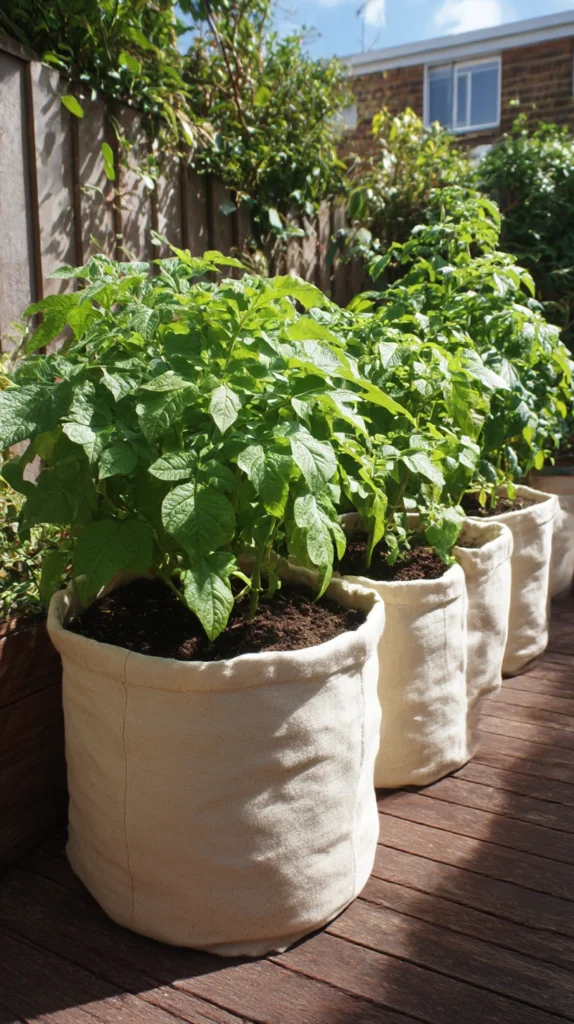
6. The Grow Bag Potato Patch
Budget: $25 – $70
Growing potatoes in fabric grow bags or purpose-made potato planters is one of the most satisfying beginner projects available. You plant seed potatoes in the base of the bag with a small amount of compost, then progressively add more compost as the shoots grow — a process called earthing up — until the bag is full. At harvest time, simply tip the bag over and pick through the compost to find the potatoes. No digging, no mess, and a genuinely exciting reveal.
Fabric grow bags designed for potatoes cost $5–$15 each and are reusable across multiple seasons. Seed potatoes are available from garden centres from late winter onwards and cost $3–$8 per bag. Choose an early variety like Charlotte or Swift for the quickest harvest — early potatoes are typically ready 10–12 weeks after planting.
Growing tip: Water grow bag potatoes more frequently than you might expect — the fabric walls allow moisture to evaporate from the sides as well as the top, and potatoes that dry out during the growing period produce small, disappointing tubers.
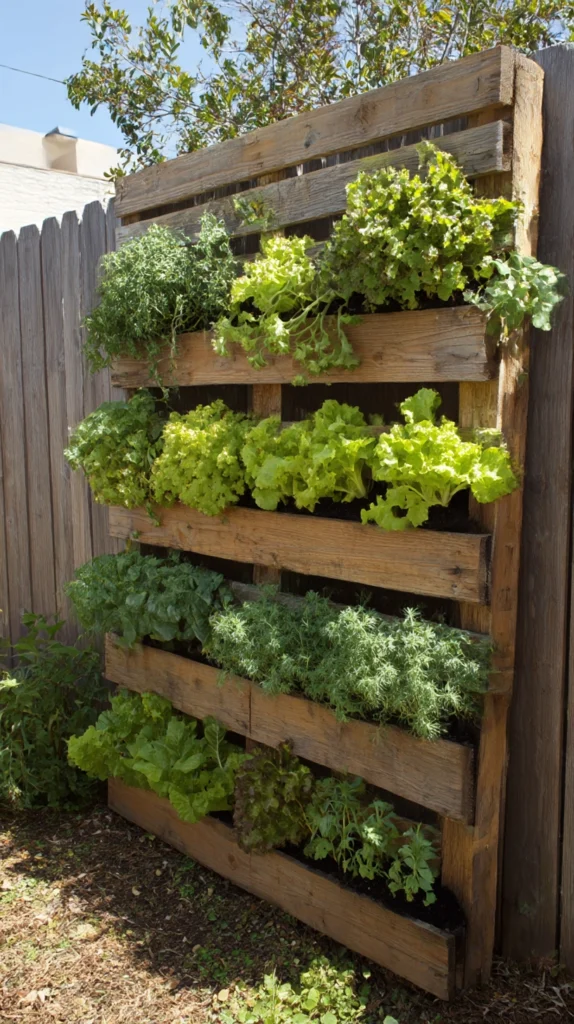
7. The Vertical Pallet Garden
Budget: $10 – $50
A reclaimed wooden pallet stood upright against a fence or wall and filled with compost becomes a surprisingly productive vertical growing surface for shallow-rooted crops. Herbs, strawberries, lettuce, and spring onions all grow well in the pockets between the pallet slats. A single standard pallet can accommodate 20 or more individual plants in a footprint of less than one square metre.
Pallets are often available free from garden centres, builders’ merchants, or online marketplaces. Line the back and sides with landscaping fabric ($8–$15 per roll) before filling with potting compost to prevent the soil from falling out through the slats. Secure the pallet firmly before planting — once filled with damp compost, a pallet is considerably heavier than it looks.
Growing tip: Choose a pallet stamped with the letters HT (heat treated) rather than MB (methyl bromide treated). HT pallets are safe for food growing; MB pallets have been treated with a pesticide that can leach into the soil and ultimately into your vegetables.
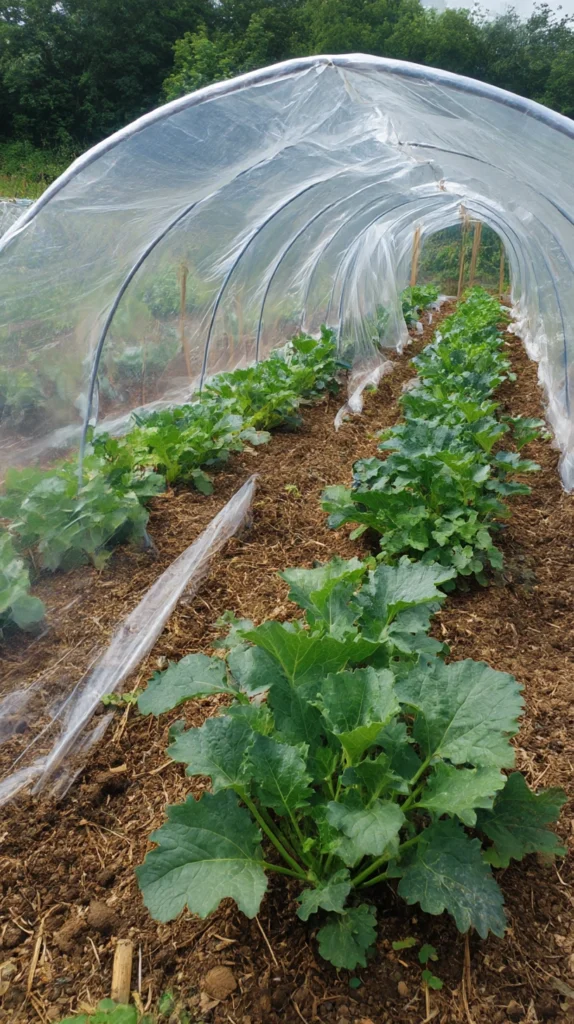
8. The Beginner Polytunnel or Cloche Row
Budget: $30 – $150
A simple polytunnel cloche — a low curved frame covered in clear polythene sheeting — extends your growing season at both ends of summer and protects vulnerable crops from sudden cold snaps, pests, and heavy rain. For beginners, even a basic cloche can make the difference between a successful crop of cucumbers, peppers, or aubergines and a disappointing one.
Low tunnel cloche kits with hoops and polythene start at around $15–$40 for a 3-metre length. A small walk-in polytunnel, suitable for a larger garden, costs $80–$200. Inside, the temperature can be 5–10 degrees warmer than outside, which is transformative for heat-loving crops that struggle in cooler summers. Ventilate on warm days by rolling up the sides or opening the ends to prevent overheating.
Growing tip: Water plants inside a polytunnel more frequently than those outside. The cover prevents rainfall from reaching the soil, and in hot weather a polytunnel can dry out surprisingly quickly — sometimes needing water twice a day at peak summer temperatures.
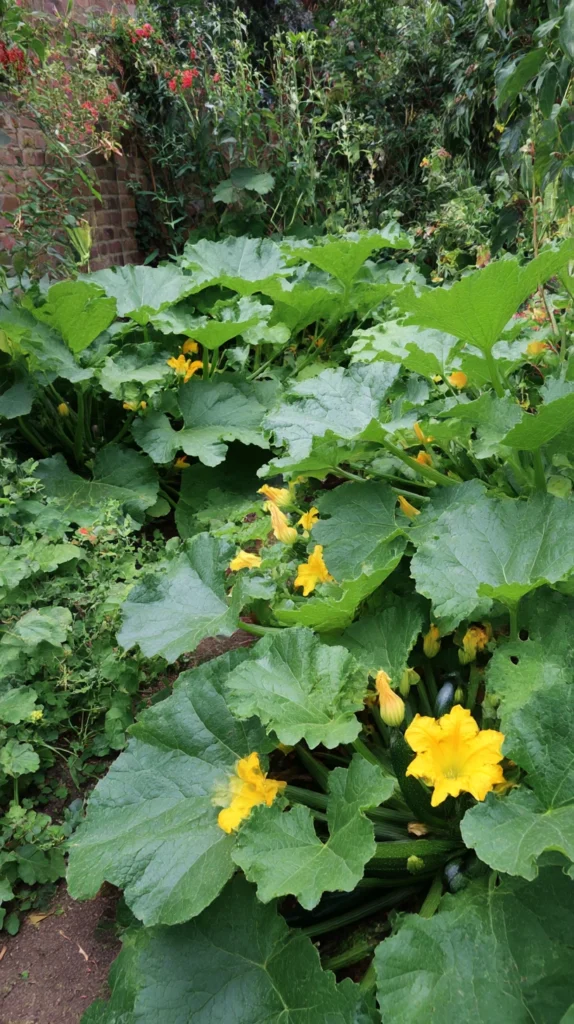
9. The Courgette and Squash Corner
Budget: $10 – $30
Courgettes are arguably the easiest, most productive vegetable a beginner can grow. A single healthy plant, given decent soil and regular watering, will produce more courgettes than most households can comfortably eat across a summer. They require very little attention, grow quickly from seed, and give a visual satisfaction — large, architectural leaves on an impressively sprawling plant — that makes the vegetable garden feel abundant almost immediately.
Two or three courgette plants, grown from seed ($2–$4 per packet) or bought as young plants from a garden centre ($3–$6 each), are all most families need. Give each plant at least a square metre of space — courgettes spread widely. Defender, Astia (for pots), and Black Beauty are reliable beginner-friendly varieties.
Growing tip: Harvest courgettes when they are 15–20 centimetres long rather than waiting for them to grow larger. Fruits left on the plant become marrows quickly — within days in warm weather — and a plant busy swelling an oversized fruit will pause production of new ones. Regular harvesting keeps the plant productive for months.
10. The Cut-and-Come-Again Chard and Kale Patch
Budget: $10 – $25
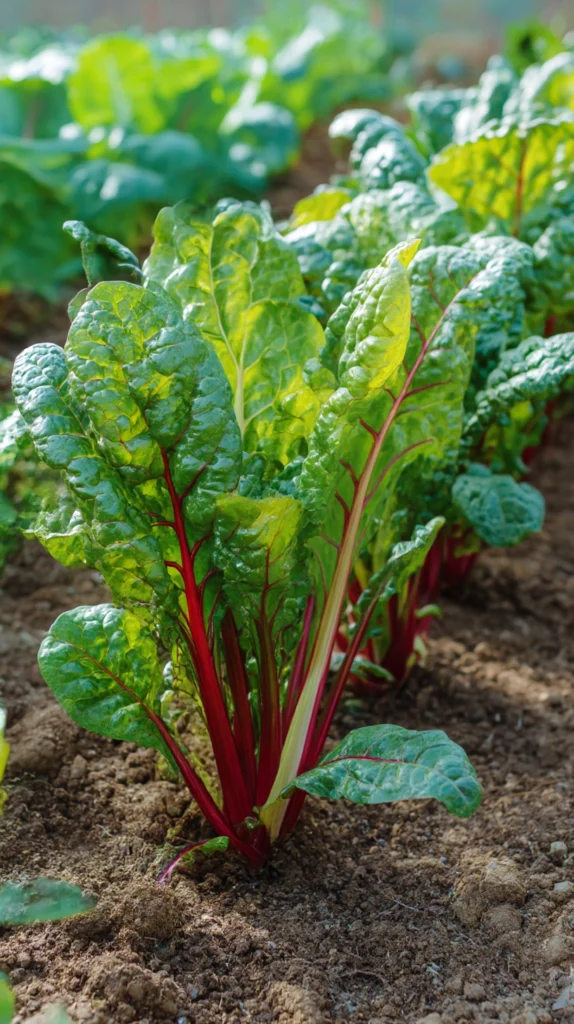
Swiss chard and kale are among the most forgiving vegetables a beginner can grow. They tolerate a wide range of soil conditions, cope reasonably well with both dry spells and heavy rain, and produce reliably across a long season. Most importantly, both are cut-and-come-again crops — harvest the outer leaves and the plant continues producing from the centre, giving you months of fresh greens from a single sowing.
A packet of chard or kale seeds costs $2–$4 and contains far more seeds than you will ever use in one season. Rainbow Chard is particularly rewarding for beginners — the vividly coloured stems make the vegetable patch look beautiful as well as productive, and the flavour is mild enough to suit most palates.
Growing tip: Do not harvest more than a third of the plant’s leaves at any one time. Taking too much in a single cut weakens the plant and slows regrowth significantly. Consistent, moderate harvesting keeps the plant in active production for far longer than occasional heavy cutting.
11. The Edible Flower Garden
Budget: $15 – $50
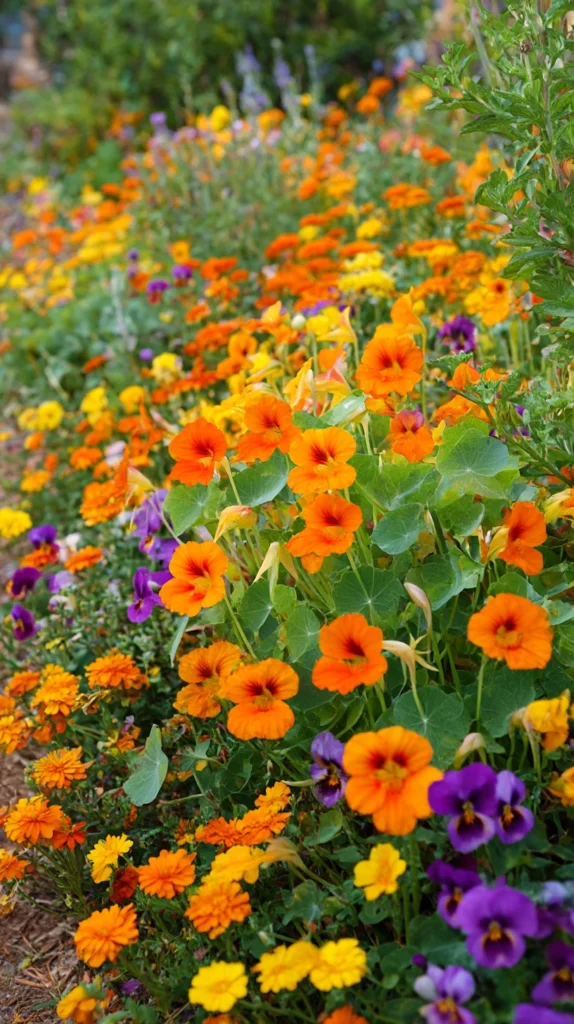
Edible flowers — nasturtiums, calendula, borage, and violas — sit at the joyful intersection of ornamental and productive gardening. They look beautiful in the garden, attract pollinating insects that benefit every other crop in the vegetable patch, and produce edible petals and blooms that bring colour to salads, garnish summer dishes, and make homemade drinks look extraordinary. For beginner gardeners, they also build confidence: all four are fast-growing, hard to kill, and deeply forgiving of neglect.
Seed packets for all four cost $2–$4 each. Nasturtiums in particular are famously easy — direct sow them into poor soil in a sunny spot and they will flower prolifically all summer with almost no attention. In fact, too much rich soil encourages leaf growth at the expense of flowers, making them one of the few crops that actively prefers a neglectful approach.
Growing tip: Deadhead spent flowers regularly — remove blooms as they fade before they set seed. This signals the plant to keep producing new flowers rather than directing energy into seed development. A few minutes of deadheading every couple of days extends the flowering season by weeks.
12. The Container Pepper Collection
Budget: $30 – $80
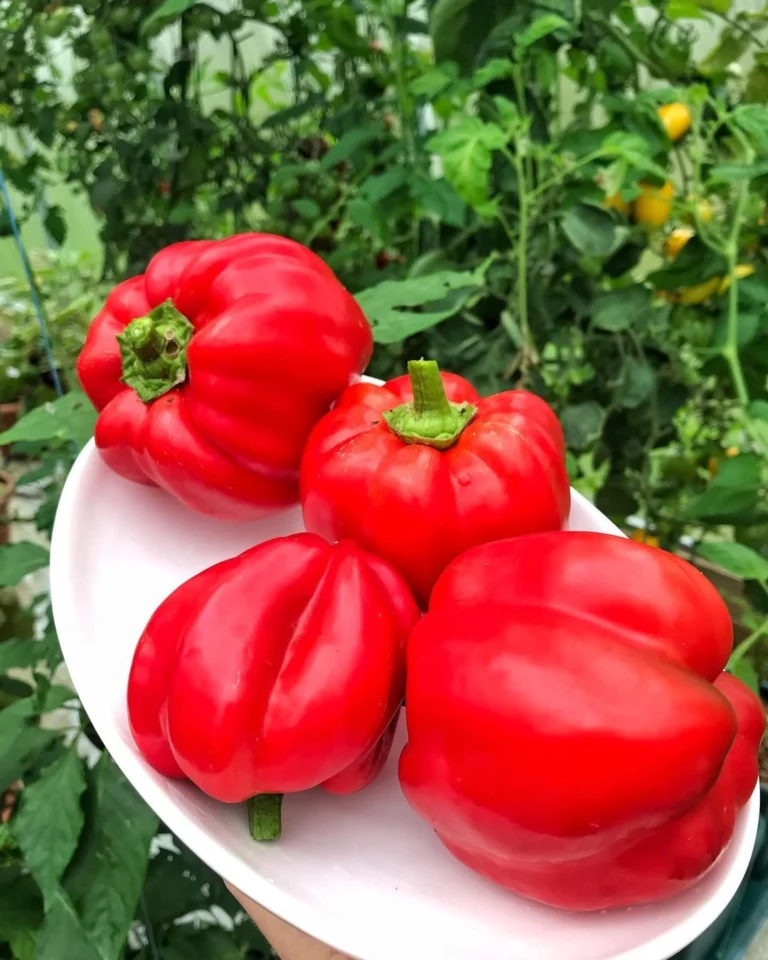
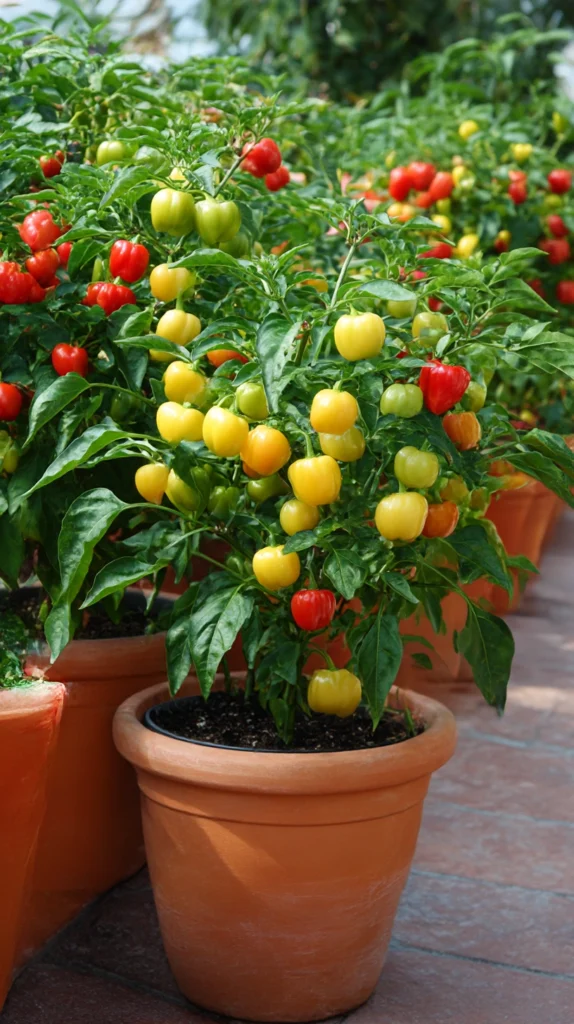
Sweet peppers and chilli peppers thrive in containers on a sunny patio or deck, and they are significantly more achievable for beginners than their reputation suggests. They require warmth, consistent moisture, and a sunny position — provide those three things and they will reward you with a colourful, productive harvest that continues until the first frost of autumn.
Start with young plants from a garden centre ($3–$6 each) rather than seeds if it is your first season — pepper seeds need warmth and time to germinate, and buying young plants lets you focus on the growing rather than the propagation stage. Use 20–30 centimetre pots filled with good quality compost. California Wonder is a classic, reliable sweet pepper for beginners; Apache is an excellent compact chilli variety that produces prolifically.
Growing tip: Peppers need consistent watering but are vulnerable to waterlogging. Ensure every pot has drainage holes and never allow plants to sit in saucers of standing water. More peppers are lost to root rot from overwatering than from drought, especially in cooler, wetter summers.
13. The Strawberry Hanging Basket Tower
Budget: $20 – $60
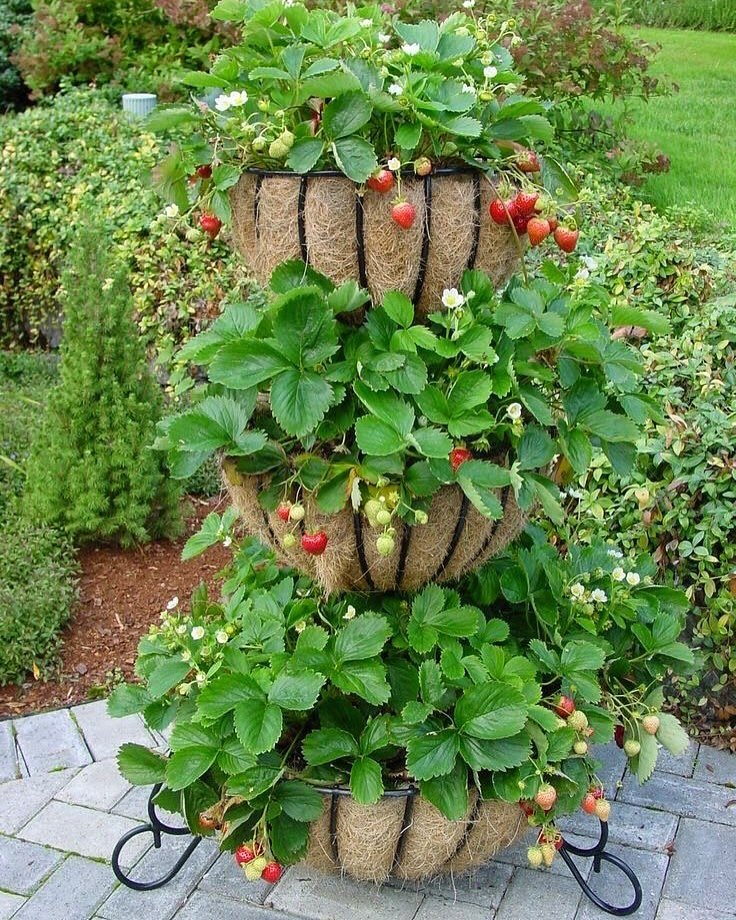
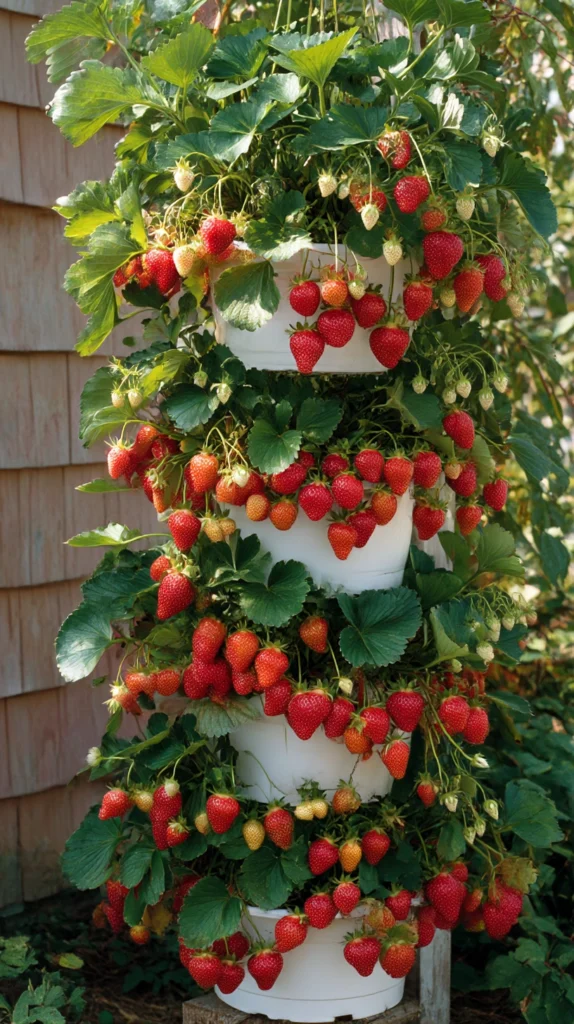
Strawberries are among the most rewarding crops for beginner gardeners, and growing them in stacked hanging baskets or a purpose-made strawberry tower gets the fruits up off the ground where slugs cannot reach them and where the red berries are immediately visible and easy to harvest. A tower of three stacked baskets takes up no floor space and can produce a meaningful crop of fruit across a warm summer.
Hanging baskets cost $5–$15 each. Strawberry runners — the young plants propagated from established strawberry plants — are available cheaply from garden centres or online suppliers ($3–$8 for a pack of five). Elsanta and Cambridge Favourite are reliable, heavy-cropping varieties well suited to containers.
Growing tip: Remove the first flowers that appear on newly planted strawberries rather than allowing them to fruit. This directs the plant’s energy into establishing a strong root system in its first season, resulting in a significantly larger and better-quality harvest the following year and for several years thereafter.
14. The Pizza Garden Bed
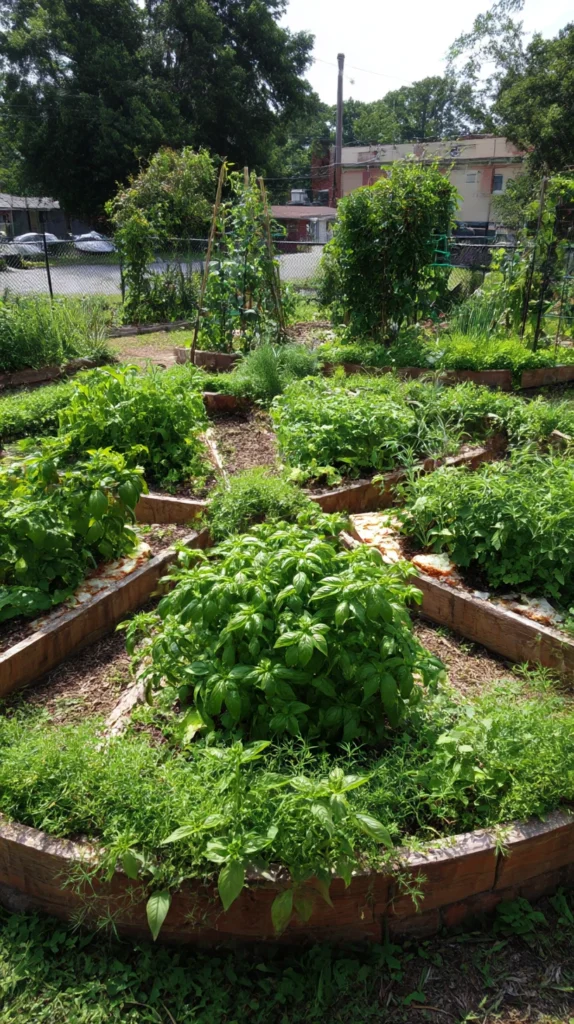
Budget: $25 – $80
The pizza garden is a themed bed planted exclusively with the ingredients you need to make a pizza from scratch: tomatoes, basil, oregano, thyme, and optionally a pepper plant for the topping. Designed in a circular shape and divided into wedge-shaped segments — one per ingredient, like the slices of a pizza — it is both a productive kitchen garden and a genuinely fun teaching tool for children who are learning where food comes from.
Mark out a circle approximately 1.5–2 metres in diameter and divide it into five or six wedges using small bamboo canes. Each wedge needs only two or three plants or a small pinch of herb seeds. The concept handles itself — grow the bed, make the pizza, and the connection between garden and table is impossible to miss.
Growing tip: Plant the basil in the sunniest, most sheltered wedge of the circle. Of all the pizza garden crops, basil is the most sensitive to cold and wind — it sulks in a draught and blackens at the first hint of cold. A warm, protected spot is non-negotiable for a productive basil plant.
15. The Children’s Vegetable Patch
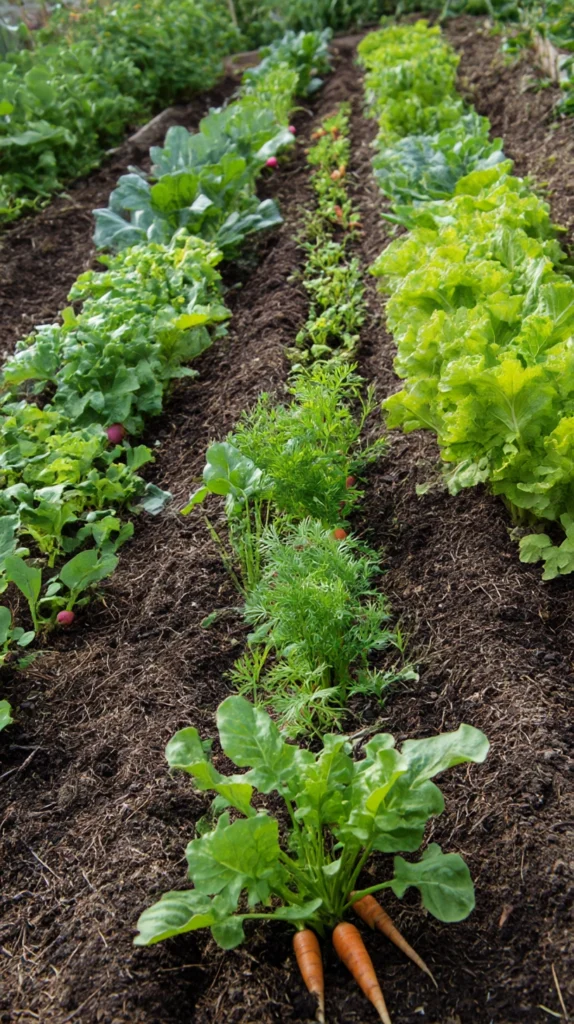
Budget: $20 – $60
A small dedicated vegetable patch designed for and maintained by children is one of the best ways to spark a lifelong interest in growing food. The key is choosing crops that are fast to germinate, hard to fail with, and genuinely exciting for children to harvest. Radishes (ready in as little as three weeks), cherry tomatoes, sunflowers with edible seeds, peas (eaten straight from the pod), and rainbow carrots are all ideal.
Mark out a small raised bed or section of ground — two square metres is generous, one is plenty — and hand full ownership to the children. Let them plant, water, weed (with guidance), and harvest entirely on their own terms. The investment in seeds and simple tools ($10–$20 for child-sized trowel, dibber, and watering can) is minimal; the return in enthusiasm and outdoor time is considerable.
Growing tip: Choose varieties with the fastest seed-to-harvest times for every crop in a children’s patch. A child who waits three weeks for radishes will stay engaged; the same child asked to tend parsnips for five months will almost certainly not. Speed and visible progress are everything in a beginner’s — and a child’s — first vegetable garden.
Whatever scale you choose to start at, the most important thing a beginner vegetable gardener can do is begin. A single pot of tomatoes on a sunny windowsill teaches you more about growing food than any book, and every small success builds the confidence to try something more ambitious the following season.
Start with one or two ideas from this list, get comfortable with the basics of watering, soil, and sunlight, and add more beds, pots, and crops each year. The vegetable garden rewards patience and curiosity in equal measure — and by midsummer, when you are eating something you grew entirely yourself, you will understand exactly why so many people find it one of the most quietly satisfying things they do.