15 Vegetables You Can Still Plant in Summer
Missing the spring planting window does not mean the growing season is over. Summer is a perfectly valid starting point for a productive vegetable garden — you simply need to know which crops thrive when sown or planted into warm soil rather than struggling against it. Many vegetables actually perform better when started in summer than in spring, germinating faster in warm ground, establishing quickly, and delivering a harvest that carries the garden well into autumn.
The fifteen vegetables below can all be planted or sown in summer with realistic expectations of a good harvest. Some are fast-maturing crops that go from seed to table in under six weeks. Others are slower and planted now specifically to deliver in early autumn when other crops have finished. Costs, timing, and a growing tip are included with each so you can get started with the right information and no wasted effort.
1. French Beans
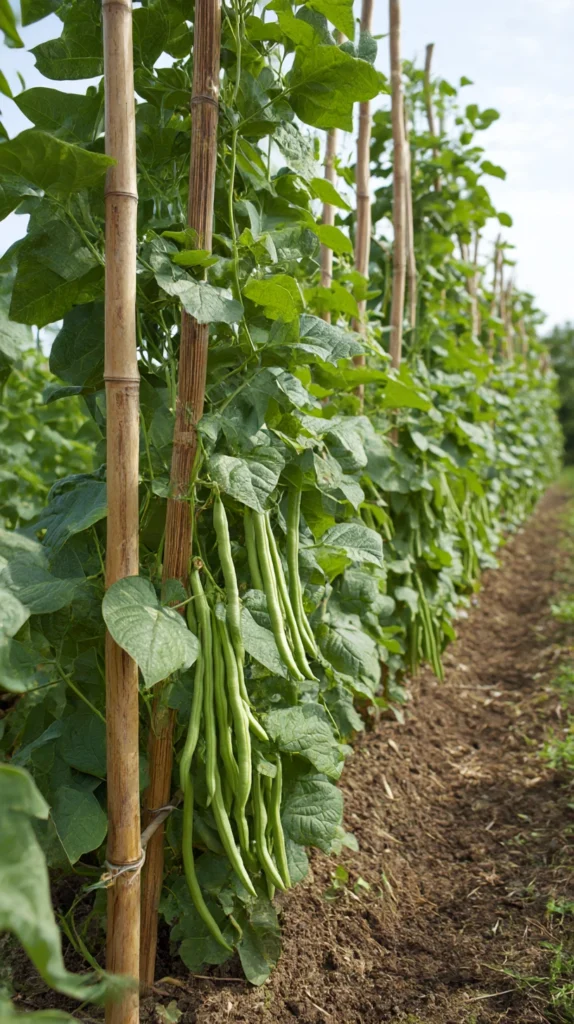
Cost: $2 – $5 per seed packet
French beans are one of the most rewarding summer sowings available. They germinate rapidly in warm soil — often within five to seven days when the temperature is above 18°C — and produce their first harvest within eight to ten weeks of sowing. Both climbing and dwarf varieties can be sown directly into the ground or into large containers through June and July, and a succession of small sowings every two to three weeks extends the harvest well into September without a single plant becoming overwhelmed.
Sow seeds 5 cm deep and 15 cm apart directly in their final growing position — French beans dislike transplanting and establish significantly better from direct sowing than from plug plants started elsewhere. Dwarf varieties need no support and suit containers well. Climbing varieties need a cane or string support structure in place before sowing. Keep soil consistently moist through germination and the early weeks of growth — the pods develop best in warm, evenly moist conditions rather than in cycles of drought and heavy watering.
Growing tip: Pick pods regularly as soon as they reach usable size — every two to three days at peak production. Leaving pods to mature and set seed on the plant signals that reproduction is complete and stops further flowering almost immediately. Regular picking is the single most effective way to extend the harvest window by several additional weeks.
2. Courgette
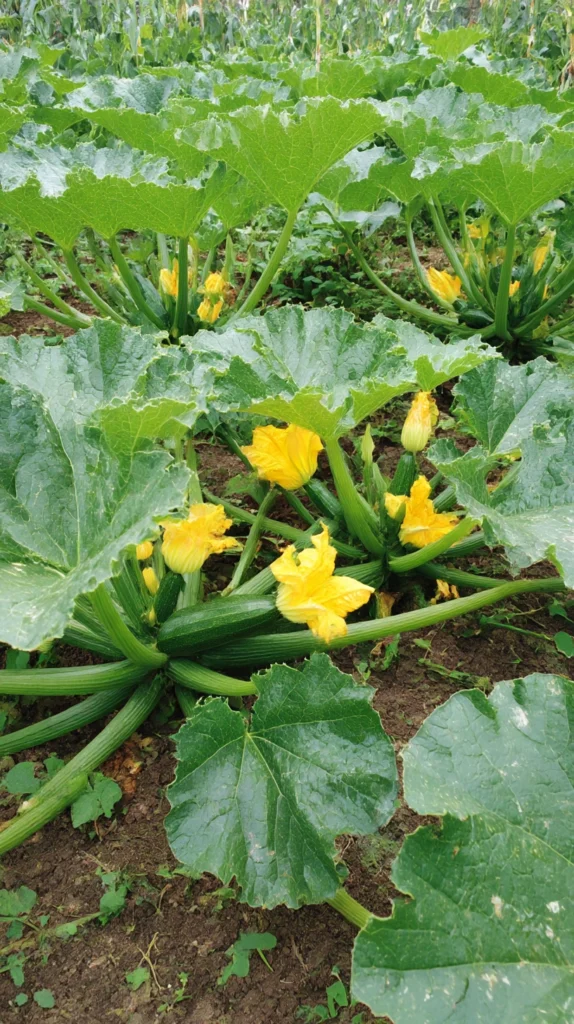
Cost: $3 – $6 per plant or $2 – $4 per seed packet
Courgette is one of the fastest-maturing and most productive vegetables available for a summer planting. A single plant sown in early summer can be harvesting within six to eight weeks and will continue producing prolifically until the first autumn frost. Even a late June or early July sowing gives a courgette plant enough growing season to deliver a generous harvest before temperatures drop in October. It is a forgiving, vigorous crop that rewards warm soil and regular watering with astonishing productivity.
Sow two seeds per large pot or station, 2 cm deep, and remove the weaker seedling once both have germinated. Courgettes need generous space — allow at least 90 cm in every direction for each plant. Feed with a high-potassium liquid fertiliser every two weeks once the first flowers appear to support continuous fruiting. Each plant needs both male and female flowers present for pollination — the female flower has a small immature courgette at its base and the male does not. Both appear naturally as the plant matures.
Growing tip: Harvest courgettes when they are 15–20 cm long rather than allowing them to develop into marrows. Oversized courgettes reduce the plant’s productivity and the flavour is noticeably better in smaller fruits. Check plants every two days at peak season — a courgette that is 15 cm on Monday will be a marrow by Thursday in warm summer conditions.
3. Cucumber
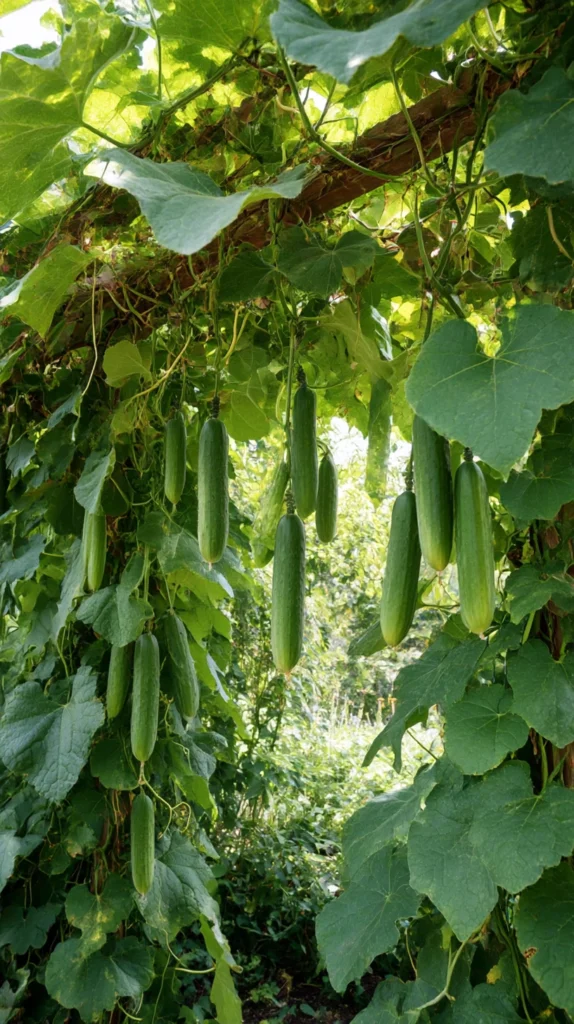
Cost: $3 – $7 per plant or $2 – $5 per seed packet
Cucumber is a genuinely tropical vegetable that thrives in summer heat and produces poorly in the cool conditions of early spring. A plant started in late May or June often overtakes one planted in April once the temperature rises, making summer planting perfectly viable for a strong autumn harvest. Both indoor greenhouse varieties and outdoor ridge varieties can be planted now, with outdoor types being the more straightforward choice for most home gardeners without a greenhouse or polytunnel.
Outdoor cucumber varieties such as Marketmore or Burpless Tasty Green are reliable summer performers. Plant into large containers or prepared outdoor beds with rich, moisture-retentive compost. Provide a vertical support — a trellis, a cane frame, or a fence — and tie the main stem in as it grows. Water consistently and deeply rather than little and often — cucumber has a large root system and surface watering does not deliver moisture where it is most needed. Feed with high-potassium fertiliser fortnightly once fruits begin to develop.
Growing tip: Pinch out the growing tip of the main stem once it reaches the top of its support structure. This redirects the plant’s energy into the lateral fruiting shoots rather than continued upward growth and results in significantly more fruits across the plant than an unpinched plant of the same age and size.
4. Salad Leaves
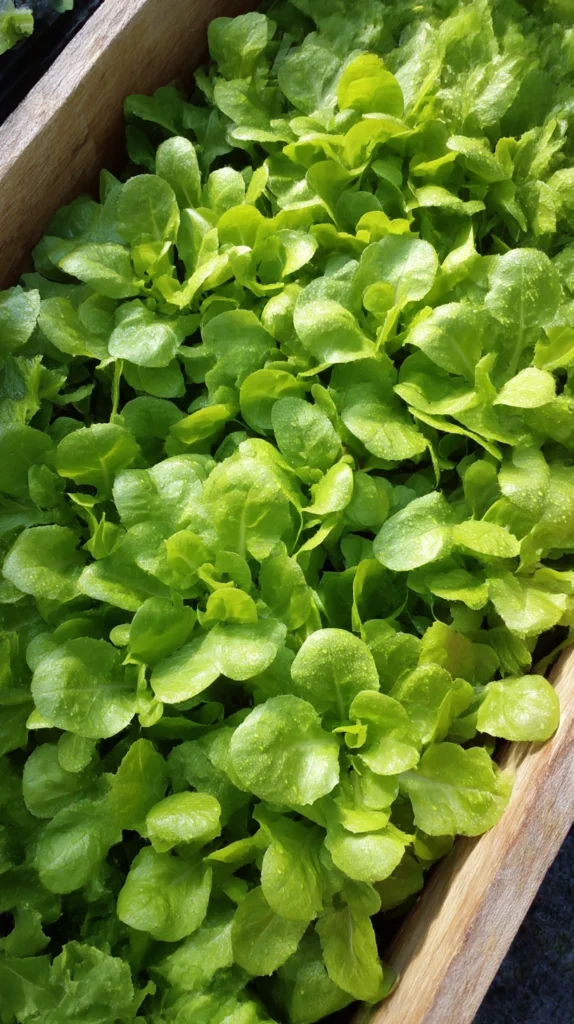
Cost: $2 – $4 per seed packet
Salad leaves are the fastest and most continuously productive vegetable available for summer planting. A cut-and-come-again mix of lettuce, rocket, spinach, and mustard leaves can be harvested within three to four weeks of sowing and will produce new growth for six to eight weeks if the outer leaves are cut rather than the whole plant pulled. Successive sowings every two weeks through summer and into early autumn ensure a constant supply of fresh salad leaves right up to the first hard frosts.
Scatter seed thinly onto the surface of moist compost in a container, tray, or prepared border and press gently into contact with the soil — salad seeds need light to germinate and should not be buried deeply. Water with a fine rose to avoid displacing the seed. In hot weather, provide light midday shade to prevent bolting — a sheet of shade cloth or a piece of fine netting laid over the container during the hottest hours significantly extends the productive life of each sowing by delaying the plant’s urge to run to seed.
Growing tip: Sow salad leaves in the evening rather than the morning during a hot spell. Evening sowing allows the seed to absorb moisture from the soil overnight in cooler temperatures before the heat of the following day arrives. Germination rates in summer are noticeably better from evening-sown seed than from the same seed sown at midday into dry, warm soil surface.
5. Radish
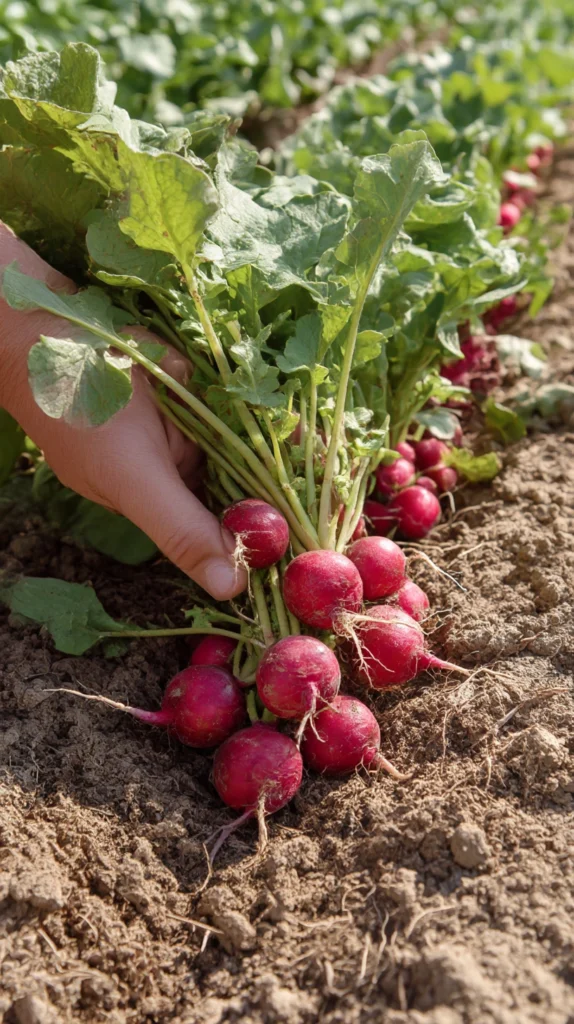
Cost: $1 – $3 per seed packet
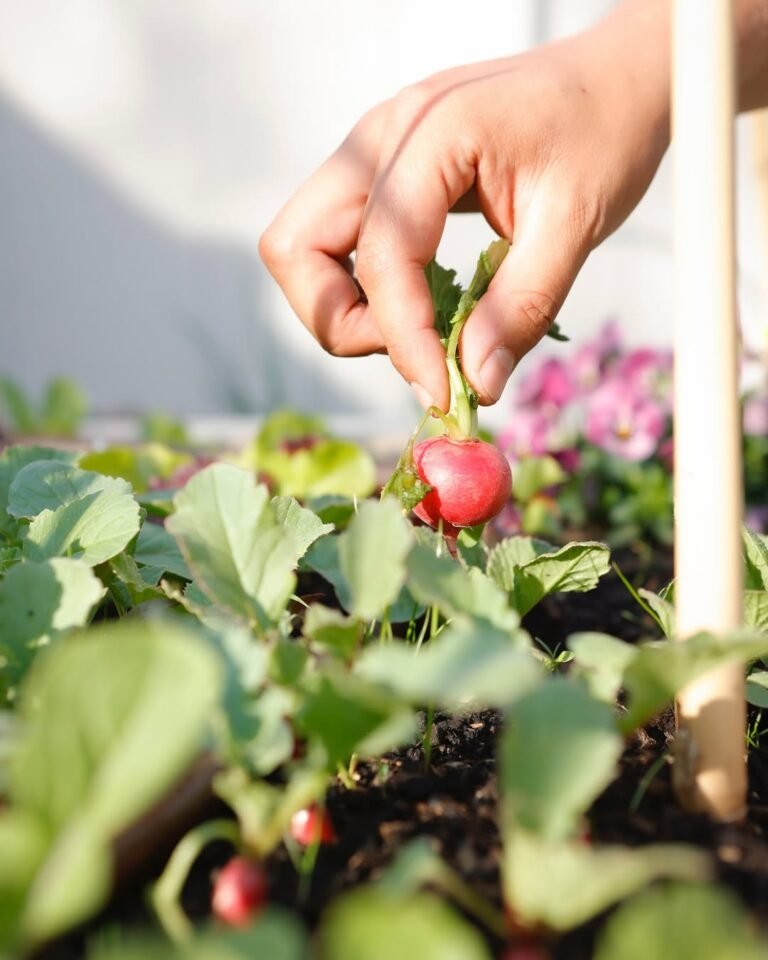
Radish is the fastest vegetable from seed to harvest of anything on this list — summer varieties are ready to pull in as little as three to four weeks from sowing, making them the most immediate return available in a summer vegetable garden. They occupy very little space, can be sown between slower-maturing crops as a catch crop, and cost almost nothing in seed. A packet of mixed radish seed sown every two weeks produces a continuous supply through summer without requiring any dedicated bed space.
Sow seeds 1 cm deep and 3–5 cm apart directly where they are to grow — radish dislikes transplanting. Thin to 5–8 cm spacing once seedlings are established. The main challenge with summer radish is bolting — running to seed before the root has developed — which is triggered by heat and dryness. Keep the soil consistently moist and harvest promptly the moment the roots reach a usable size. A radish left in the ground even a few days past its peak becomes pithy, hot, and unpleasant to eat.
Growing tip: Sow radish seed in partial shade during the hottest weeks of summer rather than in full sun. The slightly lower temperature and more consistent soil moisture in a partially shaded position dramatically reduces bolting and produces better-formed, milder-flavoured roots than the same variety grown in full summer sun.
6. Spring Onion
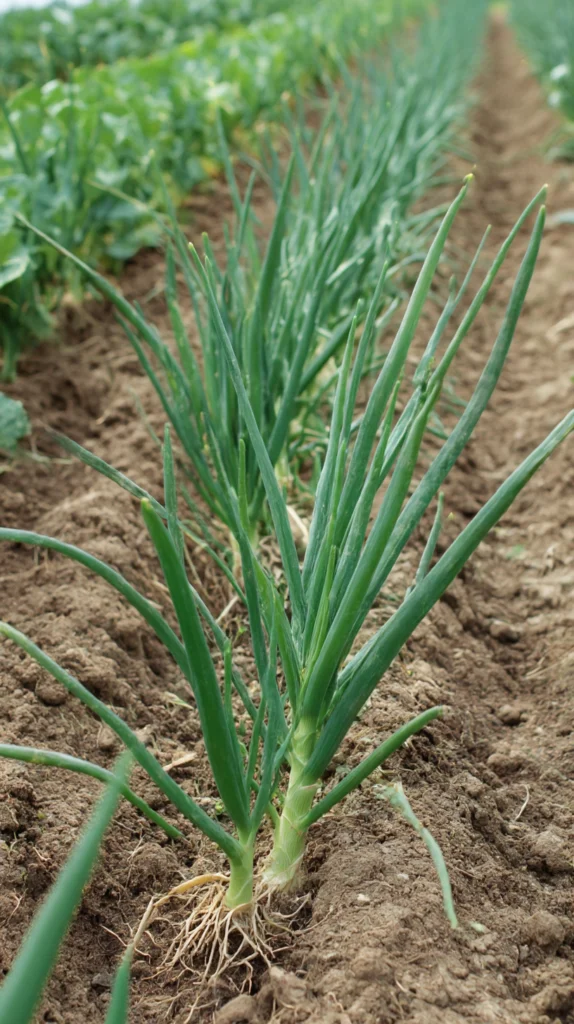
Cost: $1 – $3 per seed packet
Spring onions are one of the most consistently useful and quickest-maturing crops for a summer sowing. From seed to harvest takes six to eight weeks, they occupy minimal space in any configuration, and they can be sown directly between larger crops as a productive gap-filler throughout the summer months. Varieties such as White Lisbon are reliable, fast, and available from every garden retailer at negligible cost — a packet of spring onion seed costs less than a bunch of spring onions from the supermarket and produces ten times the quantity.
Sow in shallow drills 1 cm deep and 10 cm apart, directly where they are to grow. No thinning is necessary if sown thinly — spring onions tolerate growing in close proximity better than most other vegetables. Keep soil evenly moist through the growing period. Harvest when the stems are finger-thick by pulling the whole plant rather than cutting — the white base is the most flavourful part and is only accessible by pulling. Successive sowings every three weeks through summer maintain a continuous supply.
Growing tip: Sow spring onions between rows of slower-maturing vegetables such as carrots or brassicas. The spring onions are harvested and out of the ground before the main crop needs the space, and some evidence suggests that the scent of onion foliage deters carrot root fly from neighbouring rows — a useful secondary benefit at no additional cost.
7. Beetroot
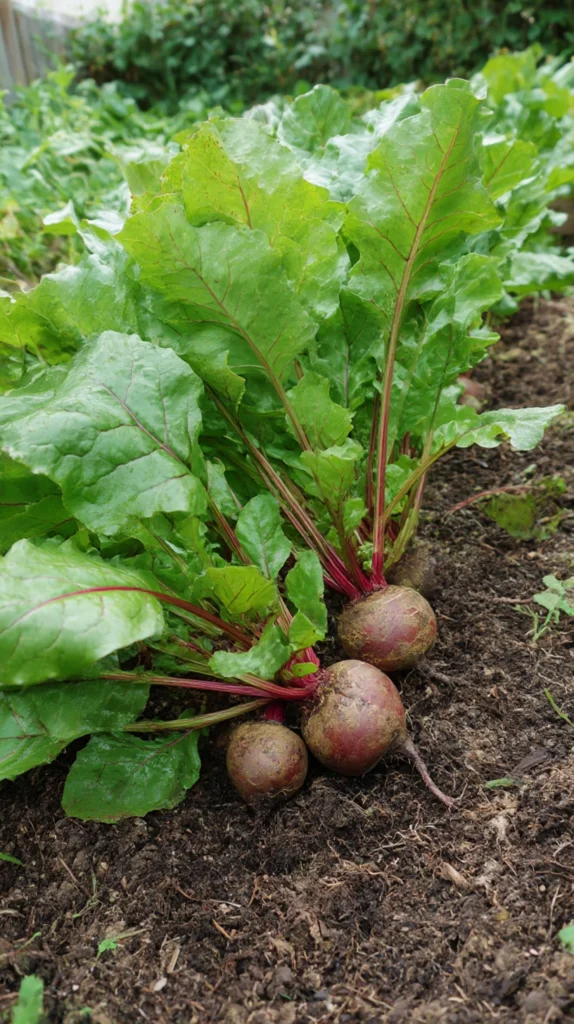
Cost: $2 – $4 per seed packet
Beetroot is one of the most underrated summer sowings available. It germinates reliably in warm soil, grows steadily through the summer months, and is ready to harvest eight to ten weeks after sowing — which means a July sowing delivers roots ready in September and October, exactly when the early summer crops have finished and the garden most needs something still producing. Both the roots and the young leaves are edible, giving the plant a longer productive window than the harvest date alone suggests.
Each beetroot seed is actually a cluster of two to four seeds within a corky capsule — sow one capsule per station, 2–3 cm deep and 10 cm apart, and thin to the strongest seedling once germination is complete. Water consistently to prevent the root from becoming woody and split — irregular watering is the most common cause of poor-quality beetroot. Varieties such as Boltardy are specifically bred for resistance to bolting and are the best choice for summer sowing when heat and day length trigger bolting in less adapted varieties.
Growing tip: Harvest beetroot when the roots are golf-ball to tennis-ball size — roughly 5–8 cm in diameter. Roots left in the ground beyond this point become coarse, fibrous, and significantly less sweet than younger ones. Twist rather than cut the tops off harvested beetroot to prevent the colour from bleeding during cooking.
8. Kale
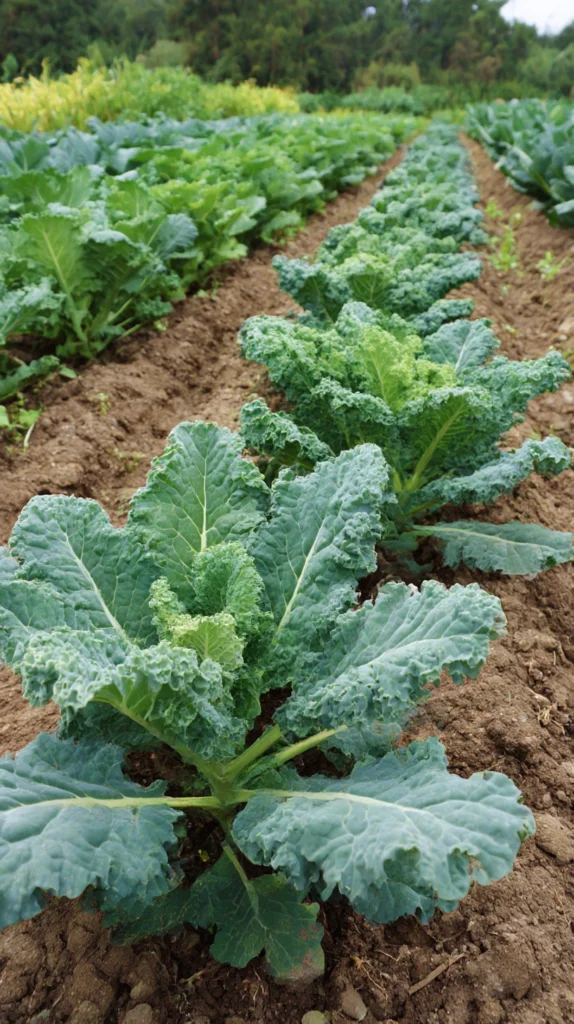
Cost: $2 – $5 per seed packet or $3 – $6 per plant
Kale planted in summer is specifically for an autumn and winter harvest — it is one of the few vegetables that genuinely improves in flavour after the first autumn frost, which converts starches in the leaf to sugars and produces a sweetness that summer-grown kale never achieves. A June or July sowing gives plants enough time to establish before temperatures drop and provides harvests from October through to February or March the following year. Summer planting is the correct time for kale if an extended winter harvest is the goal.
Sow seed 1 cm deep into small pots or a seedbed and transplant to their final positions at 45–60 cm spacing once seedlings reach 8–10 cm in height — typically four to six weeks after sowing. Kale grows large and needs generous spacing to develop its full productive potential. Firm the transplants in well and water thoroughly after planting. Varieties such as Cavolo Nero, Red Russian, and Curly Scotch are all reliable summer-planted types that perform well through autumn and winter in most temperate climates.
Growing tip: Net kale plants immediately after transplanting with fine insect mesh. Cabbage white butterflies are active through summer and lay eggs on brassica leaves that hatch into caterpillars capable of stripping a young kale plant to the stem within days. A mesh cover fitted at transplanting and left in place until autumn prevents this entirely without the need for any other pest control measure.
9. Pak Choi
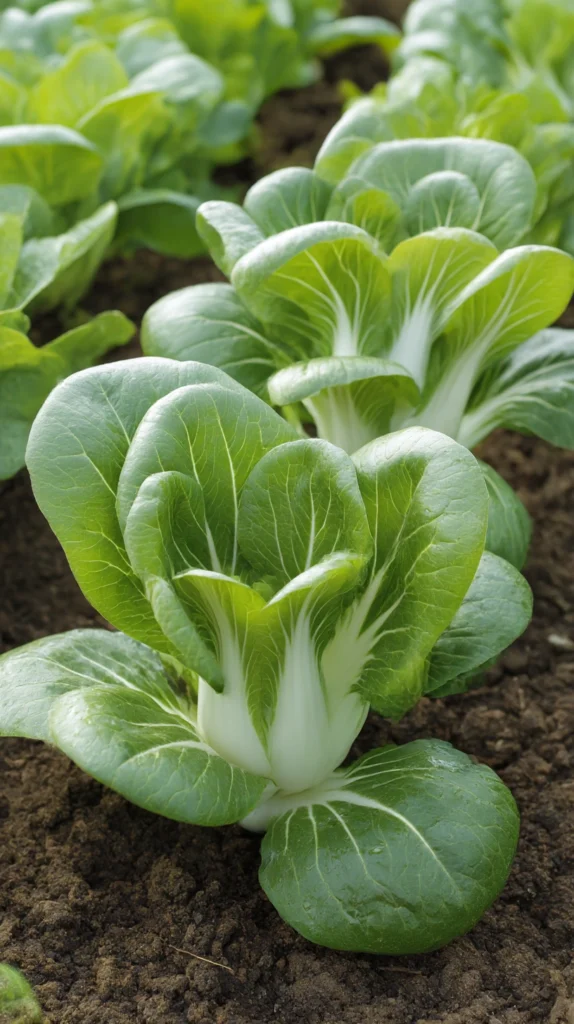
Cost: $2 – $4 per seed packet
Pak choi is a fast-maturing Asian brassica that performs well as a summer-to-autumn crop when sown from July onward — earlier sowings in hot weather bolt rapidly, but late summer sowings in cooling temperatures produce the best, most reliable results. From sowing to harvest takes four to six weeks, the plants are compact enough for container growing, and both the crisp white stems and the dark green leaves are edible and useful in a wide range of cooked and raw preparations.
Sow seed 1 cm deep and 15 cm apart directly where they are to grow, or start in small pots and transplant at 20–25 cm spacing once seedlings have developed their first true leaves. Water consistently — pak choi is shallow-rooted and dries out quickly in warm soil, which stresses the plant and triggers bolting more effectively than almost any other cause. Varieties such as Canton White and Joi Choi are reliable performers for late summer sowing and tolerate the transition from warm to cool autumn temperatures better than more heat-sensitive types.
Growing tip: Harvest pak choi as a cut-and-come-again crop by removing the outer leaves individually rather than pulling the whole plant. The central growing point continues producing new leaves for several additional weeks when the outer leaves are harvested selectively, significantly extending the productive life of each plant beyond the single harvest that a whole-plant approach delivers.
10. Turnip
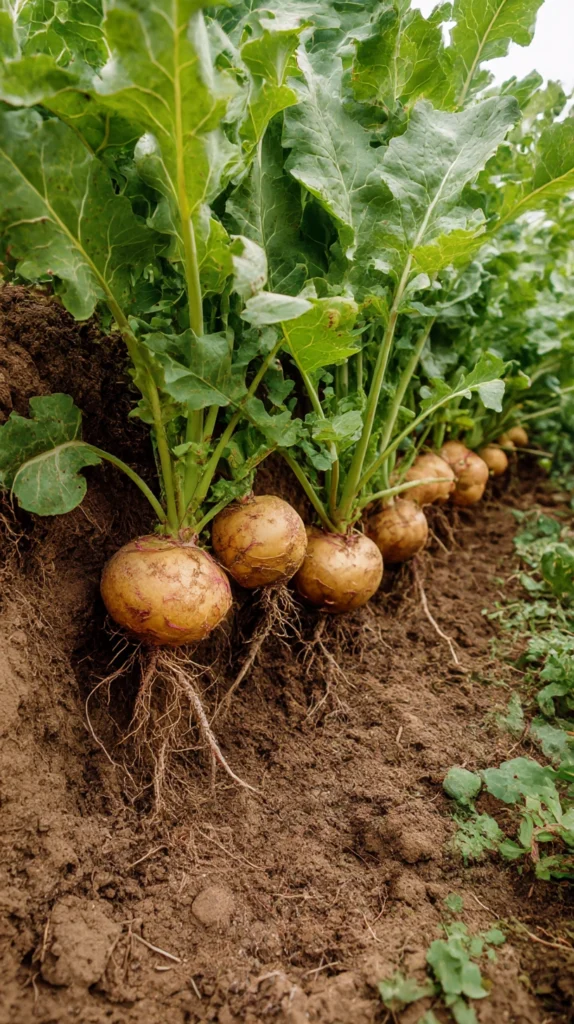
Cost: $1 – $3 per seed packet
Turnip is one of the most underused quick-maturing crops for summer sowing. Sown in July or August, it produces tender, mild-flavoured roots in six to eight weeks and the young tops — harvested as turnip greens before the root has fully developed — are a useful leafy vegetable in their own right. Turnip prefers the cooling temperatures of late summer and autumn to the peak heat of midsummer, making a July or August sowing considerably more successful than one made in June.
Sow seed 1 cm deep in drills 23 cm apart and thin seedlings to 13–15 cm spacing within the row once established. Consistent watering is more important for turnip than for most other root vegetables — irregular moisture causes the roots to become split, pithy, and strongly flavoured in a way that consistent watering prevents entirely. Harvest when roots are 5–7 cm in diameter. Varieties such as Purple Top Milan and Snowball are reliable choices for late summer sowing and mature quickly enough for a full harvest before the first autumn frosts.
Growing tip: Leave a few turnip plants in the ground through winter without harvesting the root. They produce a generous flush of turnip greens — similar to spring greens in texture and flavour — in late winter and early spring when almost nothing else in the vegetable garden is producing. It is one of the most useful and most overlooked seasonal harvests available from a single summer sowing.
11. Spinach
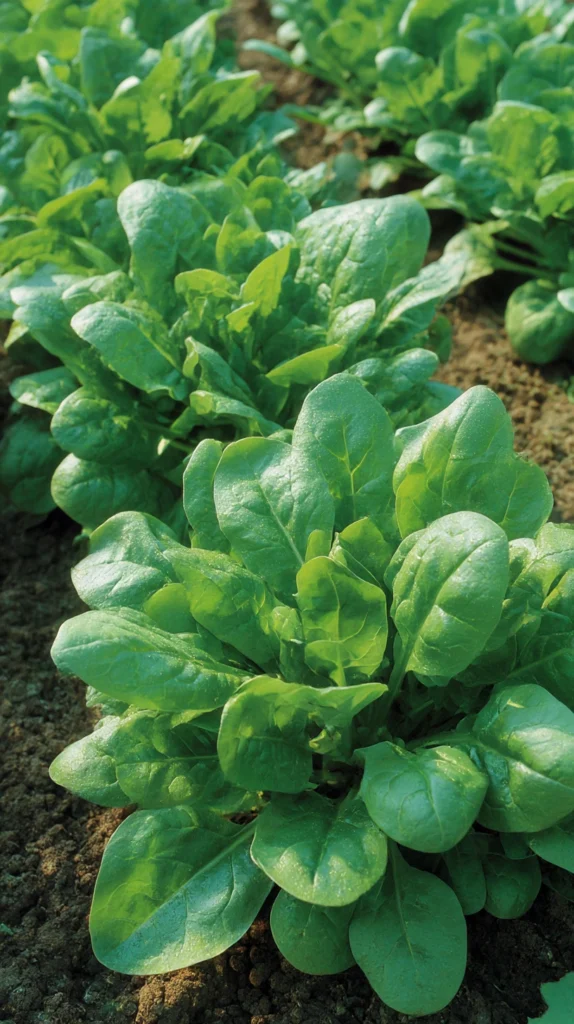
Cost: $2 – $4 per seed packet
Spinach is one of those vegetables that performs poorly in the heat of midsummer but flourishes when sown from late July onward into the cooling days of late summer and early autumn. An August sowing produces leaves ready to harvest in five to six weeks and the plant continues producing through autumn and into early winter in mild climates, providing fresh leaves at a time of year when very few other crops are still actively growing. The combination of warm germination temperatures and cooling autumn days is exactly what spinach grows best in.
Sow seed 2 cm deep in rows 30 cm apart and thin to 8–10 cm spacing within the row once seedlings are established. Keep soil consistently moist — spinach is shallow-rooted and bolts rapidly in dry conditions regardless of temperature. Varieties such as Perpetual Spinach (technically a chard but used identically) and Medania are among the most bolt-resistant choices for late summer sowing and the most productive through the autumn months. Harvest outer leaves individually to extend the productive life of each plant significantly beyond a single cut.
Growing tip: Cover an August-sown row of spinach with a low tunnel of horticultural fleece from October onward. The fleece raises the temperature beneath it by two to three degrees — enough in most climates to extend productive leaf harvesting by four to six additional weeks into winter compared to uncovered plants of the same sowing date.
12. Peas (Second Sowing)
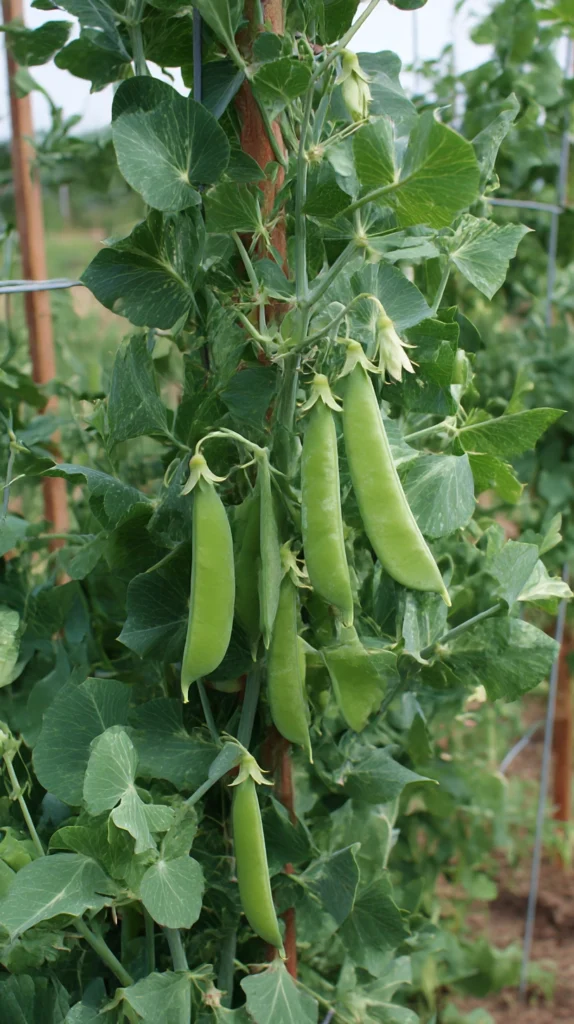
Cost: $2 – $5 per seed packet
A second sowing of peas in early to midsummer — using a fast-maturing dwarf variety — produces a second harvest in early autumn that the main spring crop rarely overlaps with. The gap between the two harvests is one of the most frustrating features of a single spring pea sowing, and a summer second sowing fills it reliably. Choose varieties with a days-to-maturity count of 60 days or fewer for the best chance of harvest before the first autumn frosts arrive in temperate climates.
Sow peas 4 cm deep and 8–10 cm apart in double rows, with support netting or twiggy sticks in place before sowing. Water well at sowing and again once pods begin to swell — the critical watering period for pea yield is during flowering and pod development rather than during early vegetative growth. Varieties such as Kelvedon Wonder and Ambassador are reliable fast-maturing types suited to summer sowing. Sow in a position with afternoon shade if possible — a slightly cooler position extends the productive life of the plants compared to full afternoon sun exposure through the hottest weeks of establishment.
Growing tip: Soak pea seeds in water for 12 hours before sowing in summer. Warm, dry soil can prevent the seed coat from softening quickly enough for rapid germination, and soaked seeds germinate noticeably faster and more evenly than dry seeds sown directly into summer conditions.
13. Perpetual Spinach and Swiss Chard
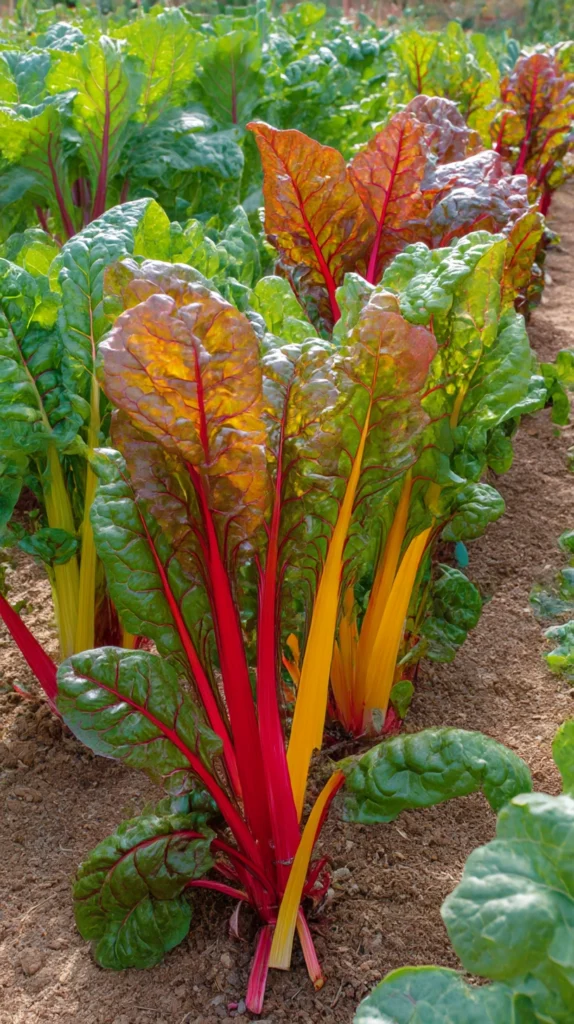
Cost: $2 – $4 per seed packet
Swiss chard and perpetual spinach are two of the most productive and versatile vegetables available for summer planting. Both tolerate heat better than true spinach, both produce harvestable leaves within six to eight weeks of sowing, and both continue producing generously through autumn and into winter without the bolting tendency that makes true spinach difficult through warm conditions. The brightly coloured stems of rainbow chard varieties — in red, yellow, orange, and white — also make them one of the most visually attractive vegetables in any kitchen garden.
Sow 2 cm deep in rows 30 cm apart and thin to 20–25 cm spacing within the row once seedlings are well established. Both crops are cut-and-come-again by nature — harvest the outer leaves from each plant every week or two and the central growing point continues producing new growth throughout the season. A single summer sowing in June or July can supply fresh leaves from August through to the following April in mild climates, making it one of the longest-productive crops available from a single planting date.
Growing tip: Harvest chard and perpetual spinach leaves when they are young and mid-sized rather than allowing them to grow to their maximum size before picking. Younger leaves are more tender, more flavourful, and less coarse in texture than large mature ones, and regular harvesting of young growth keeps the plant in a continuously productive state rather than periodically stalling as large leaves exhaust the plant’s reserves.
14. Climbing Beans (Borlotti or Runner)
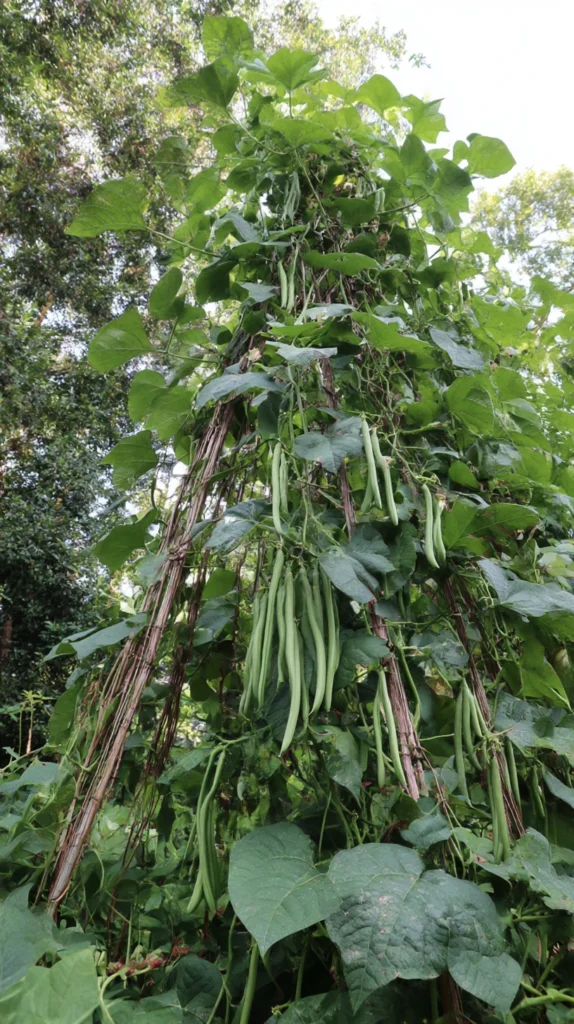
Cost: $2 – $5 per seed packet
Runner beans and borlotti beans sown in early summer establish quickly in warm soil and produce a harvest from August onward that continues until the first autumn frost. A June sowing gives climbing beans the full warm season to develop their root system and produce the succession of flowers and pods that makes them one of the highest-yielding vegetables available per square metre of growing space. The tall, ornamental plants also add vertical structure and colour to a summer garden that few other vegetables can match.
Sow seeds 5 cm deep and 15 cm apart at the base of a cane wigwam or trellis support structure. Sow two seeds per station and remove the weaker seedling once both have germinated. Water consistently and deeply once the plants are established — runner beans drop their flowers without setting pods in dry conditions, which is the most common cause of poor yields in an otherwise healthy-looking plant. Pick pods regularly as they reach usable size to encourage continuous flowering and pod set through the remainder of the season.
Growing tip: Mist the flowers gently with water during very hot, dry spells when pollinating insects are less active through the middle of the day. Runner beans rely on pollinator visits for pod set and a brief reduction in insect activity during a heat wave can cause a visible gap in pod production. Misting is a simple intervention that helps maintain humidity around the flowers and attracts pollinators during cooler morning and evening hours.
15. Autumn Cauliflower and Broccoli
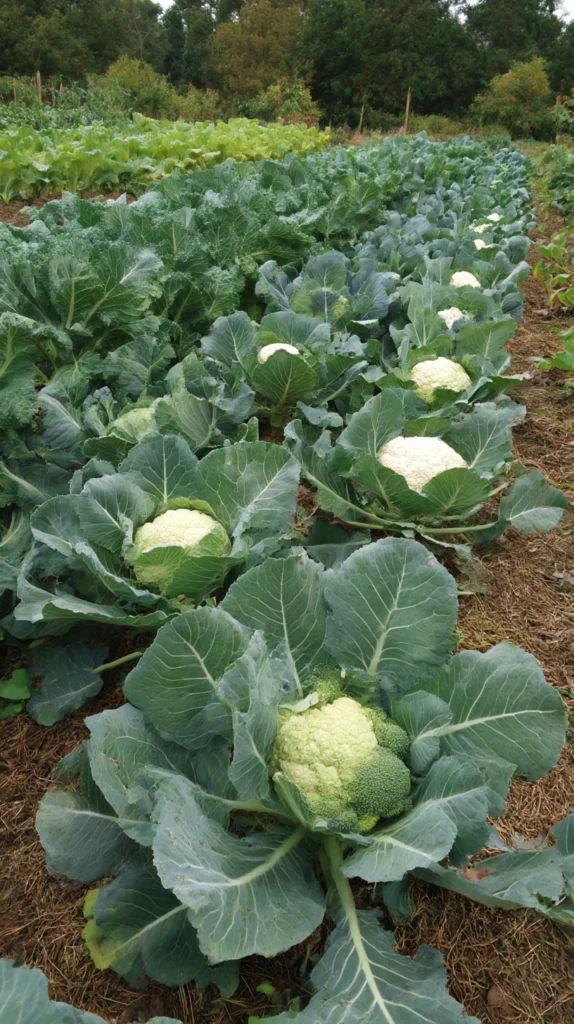
Cost: $2 – $5 per seed packet or $3 – $7 per plant
Cauliflower and broccoli planted in summer are not for an immediate harvest — they are for the finest autumn and early winter brassicas available from any garden. A June or July sowing gives these slow-maturing crops the growing time they need to develop fully before the cold sets in, delivering heads and florets from September through to December depending on variety. This is precisely the planting window recommended by most experienced growers for a reliable autumn brassica harvest, and it is frequently overlooked by those who think brassicas are exclusively a spring concern.
Sow seed into small pots or a seedbed and transplant to their final positions — 45–60 cm spacing for broccoli, 60–75 cm for cauliflower — once seedlings reach 8–10 cm. Firm transplants in well and water thoroughly. Net immediately with fine mesh to protect from cabbage white butterfly. Feed with a nitrogen-rich fertiliser three to four weeks after transplanting to support the rapid leafy growth these crops need before winter slows them down. Varieties such as Autumn Gem cauliflower and Calabrese Green Sprouting broccoli are reliable performers for a summer planting.
Growing tip: Fold the outer leaves of a cauliflower over the developing curd once it reaches the size of a golf ball and secure them loosely with a rubber band or garden twine. This protects the white curd from sunlight, which turns it yellow and reduces its quality and shelf life. Broccoli does not require this treatment — the florets develop best in full light.
The summer vegetable garden is not a consolation prize for missing the spring planting window — it is a genuinely productive season in its own right, with crops that are faster, more heat-adapted, and in many cases more rewarding than their spring equivalents. Warm soil speeds germination, reduces transplant shock, and gives many of these vegetables a running start that cool spring conditions simply cannot provide.
Choose two or three crops from this list that match your available space, your preferred harvest timing, and the time you have to tend them. Get seeds in the ground this week rather than next — in summer, every week of growing time counts and the season moves faster than it appears to from the outside. The harvest is closer than you think.