15 Backyard Designs That Feel Like a Private Escape
I came home from a week away and stood in the backyard for a long moment. Realized I had felt more rested at that rental cottage than I had at home in months.
Same weather. Same workload. Different spaces.
The cottage had hedges on every side, a gate that clicked shut, a bench facing nothing but the garden. No sightlines to the road. No neighbors visible. Just enclosed, quiet, and entirely its own world.
Came home and spent the rest of that year making the backyard feel like that.
Here are 15 designs that create that feeling — the private escape that does not require leaving.
What Makes a Backyard Feel Like an Escape
Not distance. Not size. Not budget:
What an escape actually requires:
Psychological separation:
- The domestic world must not be visible from the escape
- No pile of mail visible through the kitchen window
- No to-do list implied by what is in view
- The backyard must feel like a different place from the house
Enclosure:
- Open spaces cannot be escapes
- The body stays alert in open spaces
- Alert is the opposite of escaped
- Walls — even soft plant walls — change this
No reminders:
- A patio chair beside garden tools is not an escape
- A deck with the bins in view is not an escape
- Zones must be visually separated
- The escape zone must contain only escape things
One experience designed:
- Escape means one thing to different people
- Morning solitude for one person
- Evening gathering for another
- Specific design serves specific escape
- Generic design serves neither
The escape formula: Enclosure + warm light + one comfort + one sensory element + zero domestic cues = genuine escape
Every design on this list satisfies all five. Some more elaborately. None with less.
The Privacy Problem Most Backyards Have
Overlooked from every angle:
The typical backyard:
- Neighbors visible on left and right
- Upper floor windows look down
- Back fence not tall enough
- Everywhere exposed
The feeling this creates:
- Self-conscious when outside
- Unable to fully relax
- Awareness of being seen
- Quick trips not long stays
The fix is not one thing:
- Fence taller (immediate but industrial)
- Planting on fence (takes time but beautiful)
- Overhead element (unexpected but transformative)
- Internal zones (clever and overlooked)
The best privacy is layered:
- No single solution covers every angle
- Side screening plus overhead plus internal zone
- Together they create what none achieves alone
- This list shows each approach and combinations
1. The Hedged Garden Room (Full Green Enclosure)
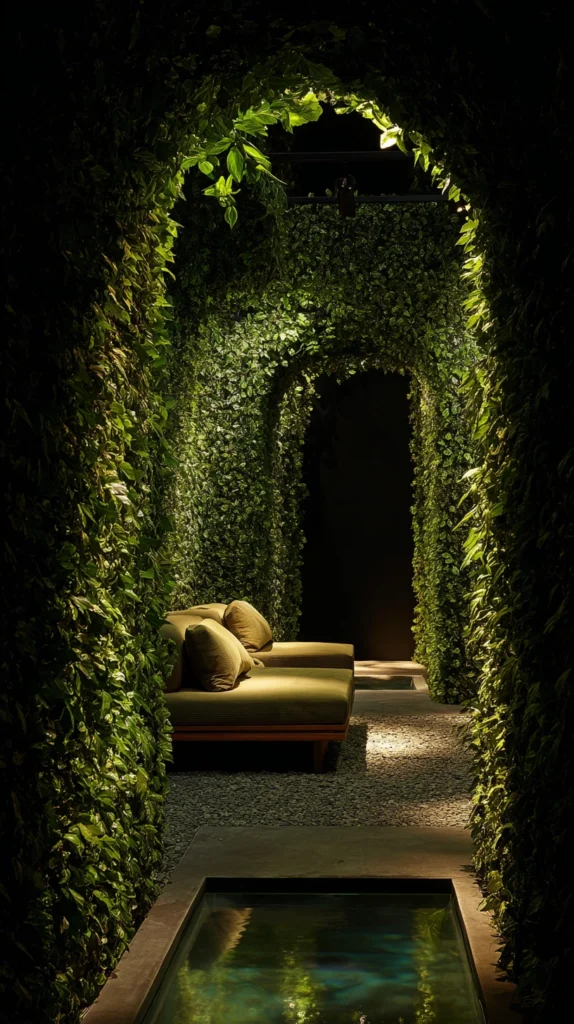
A complete room made of living walls — the design that creates the most total sense of private escape available in any backyard.
Why hedge enclosure is the most complete solution:
What it achieves that nothing else does:
- Sound absorption (traffic and neighbor noise reduced significantly)
- Temperature moderation (hedge breaks wind, holds warmth)
- Visual privacy from all angles
- Psychological separation complete
The room within the garden:
Not the entire garden hedged:
- A room within the backyard
- 12×15 feet ideal scale
- Accessed through gap or arch
- Rest of garden exists outside it
The journey in:
- Walking to the hedged room
- Transition creates the escape feeling
- Arrival more significant than in an open space
- The approach matters
Building the hedged room:
Fast options (results in one to two seasons):
Bamboo:
- Running bamboo in root barrier (non-negotiable)
- 6–8 feet in first season
- Dense screen immediately
- Tropical character
- Root barrier: $30–50 (install before planting)
Hornbeam:
- Pleached or as hedge
- Keeps dead leaves in winter (privacy year-round)
- More elegant than bamboo
- Slower (three to four seasons for full screen)
Photinia ‘Red Robin’:
- Red new growth (beautiful)
- Evergreen
- Dense privacy
- Clips to formal hedge
Slow but best (years one to five):
Yew:
- Finest hedge plant available
- Dense black-green
- Clips to absolute precision
- Best long-term investment
Pleached trees:
- Clear stem, canopy trained flat
- Privacy at head height and above
- Dramatic and architectural
- Best for narrow spaces
The opening:
One arch or gap (only):
- Entry to the room
- Climbing plant over the arch
- Rose or jasmine (fragrance arriving with you)
- One entry = one world inside
What goes inside:
Seating only:
- No dining table (implies task)
- Deep sofa or daybed
- Or two chairs facing each other
- Designed for staying, not doing
Ground:
- Gravel (quiet underfoot, no mowing)
- Or brick (warm, aged, belonging)
- No lawn (requires mowing = maintenance intrudes)
One water feature:
- Inside the room
- Sound fills the acoustic space
- Rain and traffic replaced
- Quiet achieved
One tree:
- Specimen inside the room
- Not competing with hedges
- Japanese maple or small ornamental
- Interior focal point
Cost breakdown:
- Bamboo (12 plants in root barrier): $180
- Arch: $75
- Deep seating: $380
- Gravel ground: $120
- Water feature: $90
- Specimen tree: $80
- Total: $925
My hedged room: Sat inside it during a thunderstorm once. Rain on the bamboo, thunder outside. Inside: warm, enclosed, completely elsewhere.
Hedged Room Tips
The root barrier non-negotiable:
- Running bamboo without root barrier: disaster
- Spreads under everything within three years
- Install correctly or choose clumping variety
- Clumping (Fargesia): slower, no barrier needed, less invasive
The maintenance inside:
- Hedge: clip twice yearly
- Inside: minimal — that is the point
- No flowers that require deadheading
- Designed for use not for tending
2. The Walled Courtyard Design (Hard Enclosure)
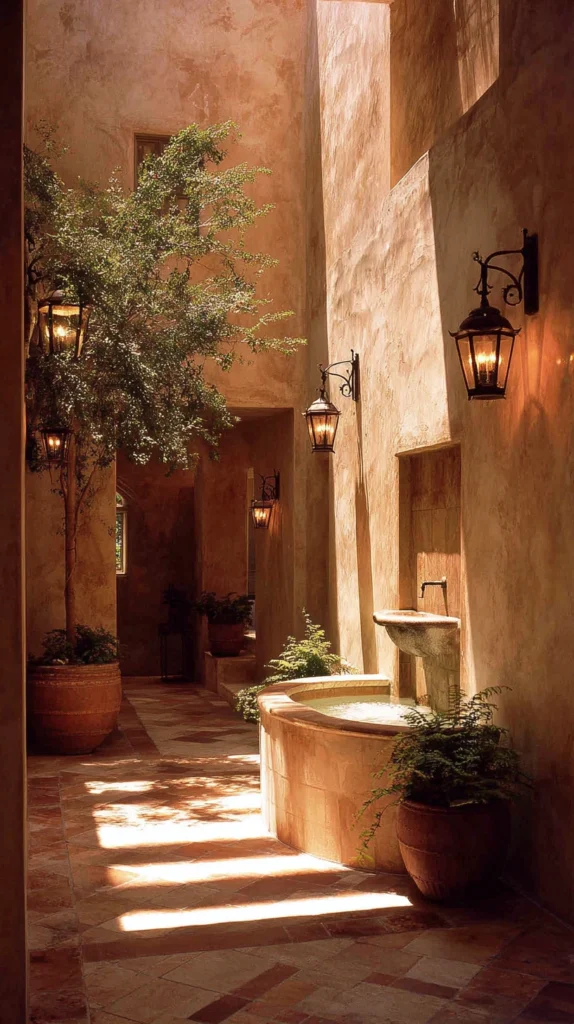
High walls creating a Mediterranean courtyard feel — the hard-sided enclosure that creates total privacy and dramatic atmosphere.
Why walled courtyards feel like escapes:
The Mediterranean association:
- Whitewashed walls, terracotta, fragrance
- Holiday memory triggered
- Body remembers previous relaxation
- Environment signals the same response
The completeness:
- No gaps in visual privacy
- Sky above (always open)
- Enclosed sides
- Protected but not claustrophobic
Building the courtyard feel:
Work with existing walls and fences:
- Most backyards already have three sides
- Fourth side: house wall
- Existing fence height may only need topping
- Trellis extension on fence: adds 18 inches cheaply
Wall treatment:
Lime wash or exterior paint:
- White or cream (most Mediterranean)
- Or warm terracotta (warmer climate)
- Paint changes the reading entirely
- Same wall, different world
Climbing plants on walls:
- Jasmine (fragrant, fast, lush)
- Trachelospermum (star jasmine, evergreen, intense)
- Climbing rose (classic, seasonal drama)
- Wisteria (the ultimate but patient)
The floor:
Terracotta tiles:
- Most Mediterranean
- Warm color
- Heats up and releases warmth in evenings
- Expensive but authentic
Reclaimed brick:
- Most charming
- Often available cheaply from salvage
- Herringbone pattern (most beautiful)
- DIY achievable
Gravel:
- Fastest installation
- Mediterranean feel with right plant palette
- Warm buff gravel (not gray)
- Most affordable
The planting palette:
Mediterranean plants:
- Olive tree (in large pot, architectural)
- Lavender (multiple, fragrant)
- Rosemary (structural and culinary)
- Agapanthus (summer blue spires)
- Bougainvillea (if climate allows)
The atmosphere elements:
Terracotta pots (many):
- Clustered in groups
- Varied sizes
- All same material
- Abundance signals the Mediterranean
Wall-mounted water spout:
- Lion head or simple spout
- Into trough below
- Sound of falling water
- Most authentic courtyard feature
Lanterns on walls:
- Mounted brackets
- Both sides
- Warm light at wall level
- Evening: entirely different world
Cost breakdown:
- Wall paint/limewash: $80
- Climbing plants (4): $70
- Terracotta floor (gravel alternative): $180
- Olive tree: $90
- Terracotta pots (8): $70
- Wall fountain: $150
- Wall lanterns (4): $80
- Total: $720
My courtyard corner: Sat in it on a warm evening with jasmine in flower. Needed three seconds to remember which country I was in. Correct outcome.
3. The Sunken Garden (Below Eye Level Privacy)
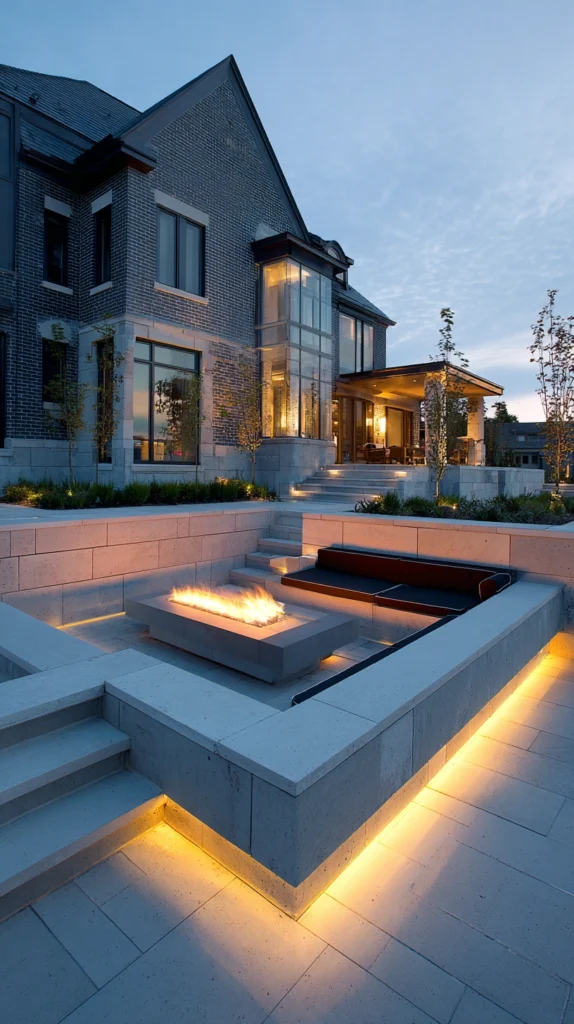
A seating area sunk below the surrounding garden level — the design that creates total privacy without any vertical element.
Why sunken spaces feel like escapes:
The physics of it:
- Seated in sunken area: sight lines go upward
- Neighbors at ground level: looking across not down
- Natural privacy without screens
- Sky becomes the primary view
The enclosure from below:
- Earth walls on all sides (if fully sunken)
- Or retaining walls (partial sunk)
- Instantly enclosed feeling
- No fence, no hedge, no screen required
The proportions:
Depth:
- 18 inches below garden level: visual privacy from same-height neighbors
- 24 inches: comfortable seated privacy from most angles
- 36 inches: maximum privacy, requires steps
- 18–24 inches is the functional sweet spot
Size:
- Minimum 10×10 feet (anything smaller feels like a pit)
- 12×14 feet ideal
- Large enough for seating plus movement
- Proportion to garden overall
The construction:
Excavation:
- Remove soil to desired depth
- This is the main labor cost
- Skip hire for soil removal: $200–400
- Or: use excavated soil to raise surrounding beds (net zero)
Retaining walls:
Dry-stack stone:
- Most beautiful option
- Natural and charming
- Becomes garden feature not just structure
- Planting in crevices over time
Sleeper walls:
- Bold and contemporary
- Fast to build
- Warm brown color
- Most achievable DIY
Brick:
- Most formal
- Matches house brick (best integration)
- Requires skill to build well
- Most permanent
Access:
Steps (minimum two, ideally four):
- Wide steps (36 inches minimum)
- Same material as retaining wall
- Plants at each side of steps (framing)
- Arrival matters — steps are part of experience
What goes at the bottom:
The ground:
- Deck (wood, warm underfoot)
- Or stone flags (thermal mass — warm in evenings)
- Or gravel (drainage, informal)
- Nothing cold and hard (defeats the escape)
The seating:
- Low and horizontal (sunken spaces suit low furniture)
- Sectional sofa or built-in seating
- Along two walls (maximizes space)
- Faces into the space not outward
The sky:
- Primary view from sunken space
- Position to show the best sky angle
- Plant trees outside the perimeter (frame the sky)
- Star-gazing at night: extraordinary
Planting in and around:
Top of retaining walls:
- Plants cascading downward
- Trailing varieties (creeping thyme, aubretia)
- Softens the hard retaining edge
- Plants frame view from inside looking out
Bottom of steps:
- Low planting (does not block)
- Fragrant (arrives with you)
- Seasonal interest
- Welcomes the descent
Cost breakdown:
- Excavation and soil removal: $350
- Dry-stack stone retaining: $400
- Steps (stone or sleeper): $180
- Deck or paving: $300
- Low seating: $380
- Planting: $100
- Total: $1,710
Largest investment on this list. Permanent and transformative. A sunken garden cannot be undone once built. The commitment is part of the luxury.
4. The Secret Garden Gate Design (Hidden Entrance)
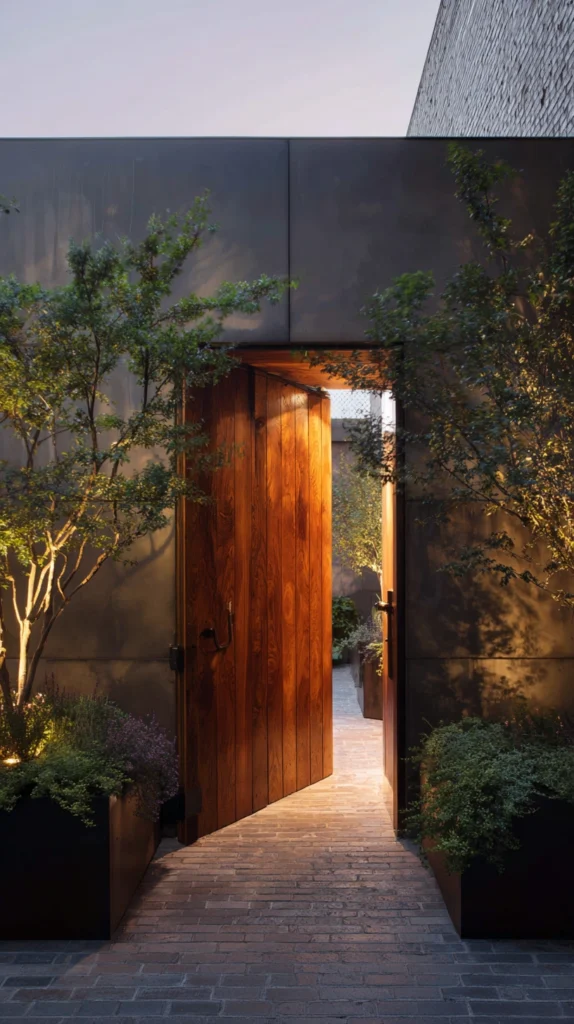
A gate and arch concealing a garden area beyond — the design that creates escape through concealment and discovery.
Why hidden gardens are escape by definition:
The discovery effect:
- Something concealed is more valuable when found
- Entering a hidden space: immediate heightened experience
- The space beyond a gate feels more private
- Privacy amplified by concealment
The narrative it creates:
- Door or gate implies another place
- Another place implies an escape
- The garden becomes a story
- Walking through the gate is entering the story
Creating the hidden garden:
The concealing element:
Dense hedge with cut gap:
- Gap barely visible when not standing directly before it
- Walk past and miss it
- Discover: stop. Enter: transported.
- The most effective concealment
Wooden gate in fence:
- Same material as fence (invisible until close)
- Or darkened gate in dark fence (deliberate camouflage)
- Latch creates audible click (arrival)
- Most achievable option
Arch with curtain of climbing plant:
- Jasmine or honeysuckle hanging down
- Walk through the plant curtain
- Arrival marked by fragrance
- Most romantic version
The gate itself:
Materials:
- Weathered wood (most charming)
- Aged metal (most permanent)
- Matching fence material (most concealed)
- Contrasting material (most deliberate statement)
What happens at the gate:
The click of a latch:
- Sound marks crossing the threshold
- Auditory signal the outside world is closed
- Body responds to the click
- Simple mechanism, significant effect
What is beyond:
Different from what is outside:
- If outside is formal: inside is wild
- If outside is open: inside is enclosed
- The contrast is the experience
- Same on both sides: the gate means nothing
The space beyond:
Designed for one purpose:
- Reading garden: single chair, books, shade
- Cutting garden: flowers grown for the house
- Vegetable garden: productive and private
- Meditation space: minimal, water, stone
Cost breakdown:
- Wooden gate: $80
- Arch with climbing plant: $65
- Concealing hedge (fast): $120
- Space beyond (varies with purpose): $200–400
- Total: $465–665
The click of the gate: Designed this specifically. Every time: the world stays on the other side.
5. The Tropical Escape Design (Another Climate)
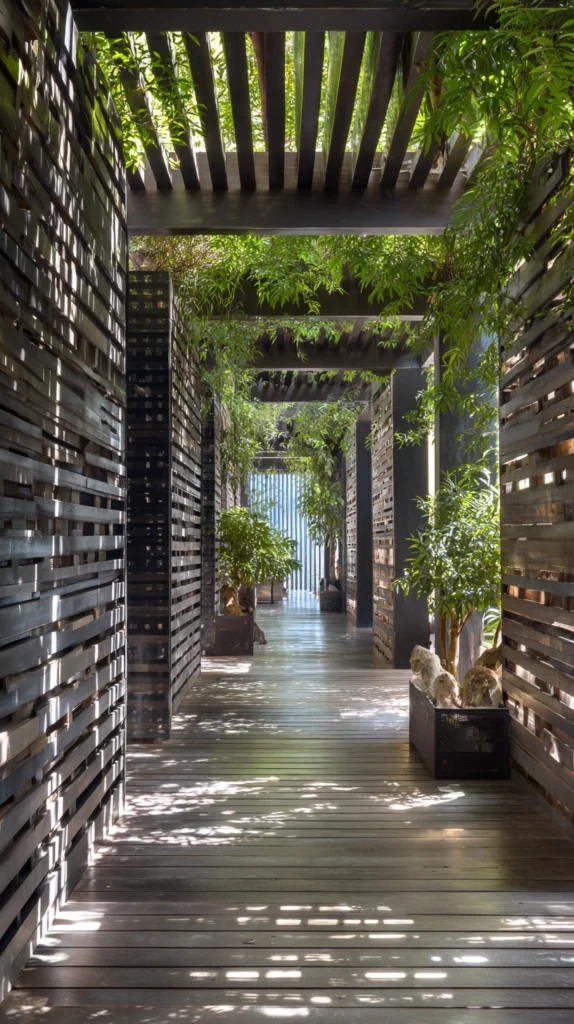
Dense tropical or tropical-feeling planting — the design that makes the body believe it is somewhere warmer and further away.
Why tropical designs feel like escape:
The climate association:
- Dense lush green = humidity = tropics
- Tropics = holiday
- Holiday = escaped
- The association runs in the body not the brain
The contrast to the everyday:
- Most domestic landscapes: tidy, controlled, familiar
- Tropical design: abundant, wild-feeling, unfamiliar
- Unfamiliarity is part of escape
- The garden should not look like every other garden on the street
Building tropical in non-tropical climates:
Plants that read tropical but survive cold:
Hardy banana (Musa basjoo):
- Zone 5 hardy with mulching
- Giant paddle leaves
- 8–12 feet in a season
- Most tropical-looking hardy plant available
Canna lily:
- Zone 7+ in ground, elsewhere in pots
- Giant leaves plus flower
- Orange, red, and yellow (tropical palette)
- Lift and store in cold winters
Elephant ear (Colocasia/Alocasia):
- Dramatic bold leaves
- Tropical appearance immediately
- Container in cold climates (bring in)
- Single plant changes the character of a space
Gunnera:
- Extraordinary scale (leaves to 6 feet)
- Needs moisture
- Hardy in most temperate climates
- One plant = tropical landscape
Fatsia japonica:
- Bold architectural leaves
- Evergreen
- Shade-tolerant
- Most reliable tropical-look for northern climates
The density:
Tropical design is dense:
- No bare soil visible (ever)
- Plants touching
- Layers overlapping
- Abundance is the design
Creating the layers:
Ground (0–12 inches):
- Ferns, hostas, creeping plants
- Ground covered completely
- Transition from hardscape to planting
Mid (2–5 feet):
- Fatsia, large hostas, cannas
- The body of the planting
- Most visible zone
High (6–12 feet):
- Banana, bamboo, tall grasses
- Canopy effect created
- Overhead sense of enclosure
The hardscape:
Dark surfaces (recede, plants come forward):
- Dark decking (or stain existing)
- Dark gravel
- Never pale stone (competes with plants)
Water:
- Any water feature amplifies tropical feeling
- Moisture association
- Sound of water = humidity suggests itself
- Even small feature significant
Cost breakdown:
- Hardy banana (2): $60
- Canna lily (5): $35
- Fatsia (2): $50
- Tree fern (1): $120
- Bamboo (screen): $150
- Dark gravel ground: $120
- Water feature: $90
- Total: $625
My tropical corner: Guest asked which holiday the plants came from. None of them. All from the local garden center.
6. The Outdoor Sauna or Steam Space (Wellness Escape)
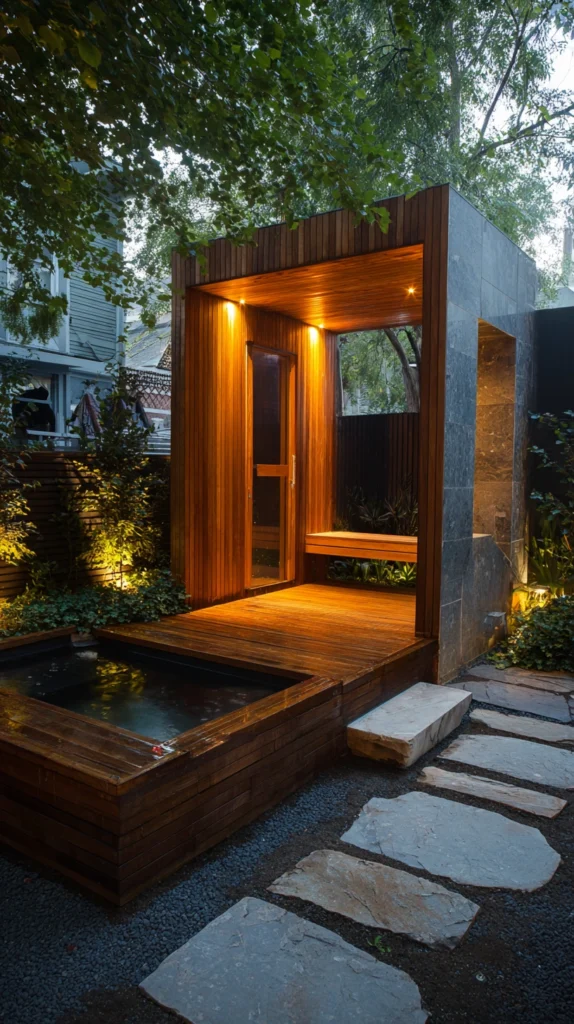
A small outdoor sauna structure — the wellness feature that makes home feel like a destination spa.
Why outdoor saunas feel like the ultimate escape:
The ritual:
- Entering a sauna is a deliberate act
- An act of choosing rest over productivity
- The ritual itself signals escape before the heat begins
- The body knows what is coming and begins to relax
The isolation:
- Sealed from the outside world (the door closes)
- No phone typically (too hot)
- No conversation required (if alone)
- Complete sensory focus on the body
Options by scale and budget:
Barrel sauna (most popular):
- Prefabricated round structure
- 4×6 or 4×8 feet
- Fits in any backyard corner
- Electric or wood-burning heater
- $1,500–3,500 depending on size
Converted shed or structure:
- Existing shed retrofitted
- Sauna panels fitted inside
- Electric heater installed
- Most cost-effective if structure exists
- $600–1,200 for conversion
Sauna tent (entry level):
- Portable fabric structure
- Sets up anywhere
- Smaller and less permanent
- $300–600
- Reasonable entry point before committing
Positioning:
The sequence that works:
- Sauna to outdoor shower (cool rinse)
- Outdoor shower to resting bench
- Resting bench surrounded by plants
- The circuit is the experience
Surrounding the sauna:
Planting:
- Birch trees (Nordic association, spa aesthetic)
- Or bamboo (Asian spa association)
- Or simple hornbeam hedge (enclosed)
- Visual context changes the experience
The cold element:
Cold plunge or outdoor shower:
- Not optional for genuine sauna experience
- Stock tank cold plunge: $500
- Or garden hose shower: $30
- Hot-cold alternation: the therapeutic point
The resting element:
Bench or chair beside the sauna:
- Cool-down position
- Looking into the garden
- Drink of water within reach
- Wrap or robe hanging nearby
Cost breakdown:
- Barrel sauna (small): $2,200
- Outdoor shower: $180
- Surrounding planting: $150
- Resting bench: $90
- Total: $2,620
Most expensive design on this list. Most used per hour. The sauna user chooses to go there. The choice makes it an escape not just a feature.
7. The Enclosed Deck Design (Elevated Privacy)
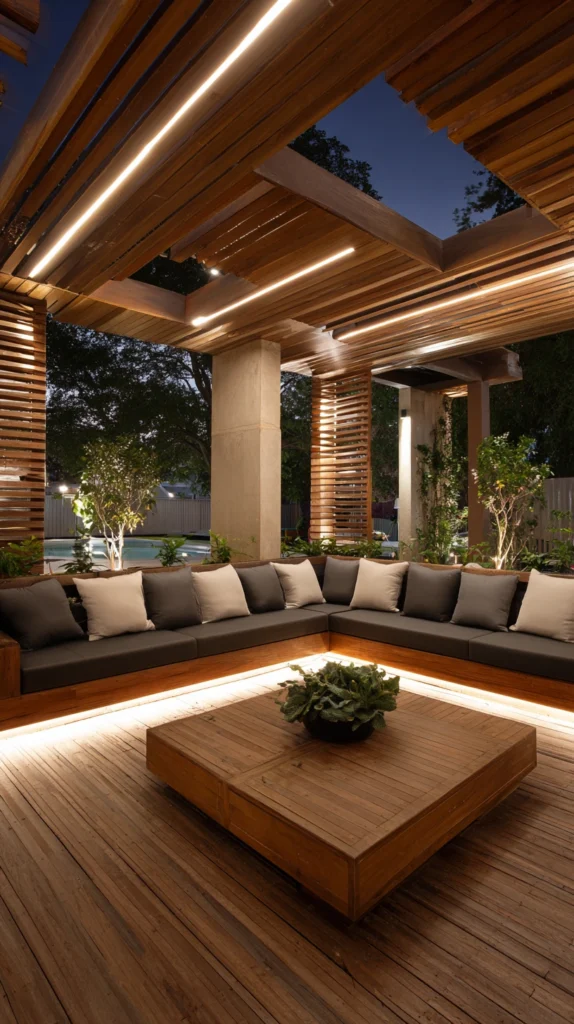
A deck with built-in side panels and overhead element — the elevated space that creates privacy through structure not planting.
Why enclosed decks feel like private escapes:
The elevation:
- Even 18 inches above garden level changes perspective
- Different view = different world
- Looking out over the garden: overview not immersion
- Elevated = apart from, not just in
The structure:
Built-in side panels:
Horizontal timber slats (most popular):
- Spaced 1 inch apart
- Blocks 70% of sightlines
- Air and light still pass
- Contemporary and clean
Vertical board:
- More enclosed feeling
- Less light through
- Better wind protection
- Formal and private
Cable wire panels:
- Most minimal appearance
- Maximum light and air
- Plants grow through cables
- Modern and architectural
Overhead element:
Pergola with shade cloth:
- Overhead coverage without full enclosure
- 40% light block (filtered not dark)
- Rain-resistant options
- Outdoor room feeling
Retractable roof:
- Open or closed
- Full rain protection
- Most flexible
- Higher investment ($500–1,500)
Climbing plant overhead:
- Wisteria, jasmine, grapevine
- Natural coverage over time
- Dappled light (most beautiful)
- Years to achieve (worth starting now)
The deck surface:
Hardwood decking (teak, ipe):
- Ages to silver naturally
- Most refined appearance
- Most durable
- Higher initial cost, zero replacement
Composite decking:
- Consistent color maintained
- Splinter-free
- Lower maintenance than hardwood
- Less character
The furniture scale:
Larger than seems right:
- Enclosed deck needs furniture to fill it
- Empty enclosed deck feels like a box
- Sectional sofa plus coffee table minimum
- Built-in bench along one side (maximizes space)
Lighting the enclosed deck:
Within the structure:
- Recessed lights in overhead beams
- LED strip under railing cap (subtle)
- Lanterns at post bases
- String lights as canopy (inside the pergola)
At perimeter:
- Low bollard lights on deck edge
- Defines the elevated zone from garden level
- Warm temperature only
Cost breakdown:
- Deck structure (12×14 feet): $2,000
- Side panel installation: $600
- Pergola overhead: $400
- Lighting: $180
- Furniture: $600
- Total: $3,780
Largest structural investment. Adds permanent property value. Every day it is used is a day the investment is working.
8. The Scented Garden Escape (Fragrance as Transport)
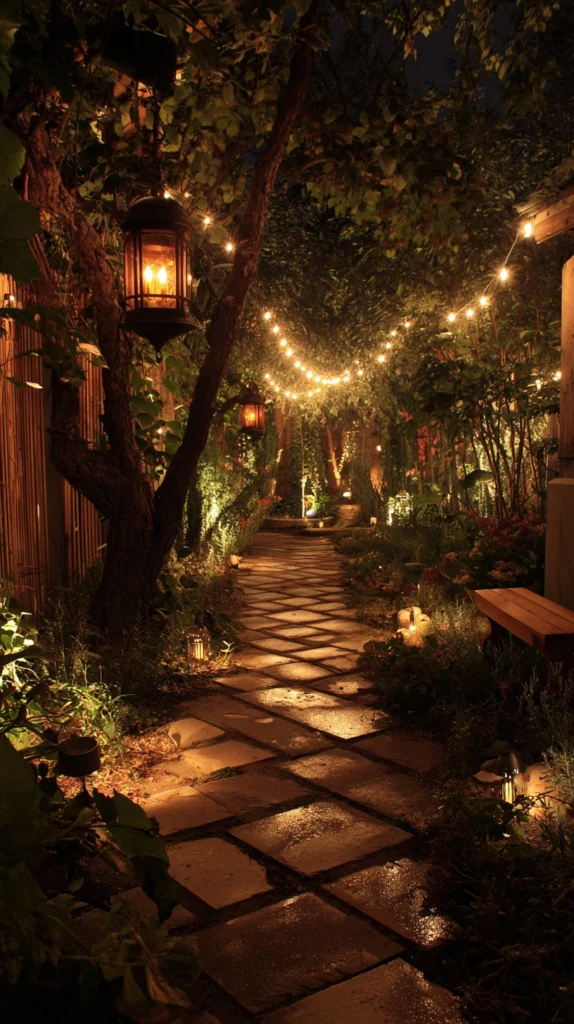
A garden designed primarily around fragrance — the design that escapes through the nose before the eye.
Why scent creates escape more effectively than sight:
The neurological route:
- Scent processed in the limbic system
- Limbic system governs emotion and memory
- No rational processing between smell and feeling
- The response is immediate and involuntary
The transport effect:
- Jasmine at dusk: somewhere warm
- Lavender: Provence, ease, warmth
- Honeysuckle: childhood summer, freedom
- These associations are not ideas — they are physical responses
Designing for scent:
The fragrance calendar (something every month):
January–February:
- Sarcococca (sweet box): tiny flowers, extraordinary cold-air scent
- Mahonia: yellow, honey-fragrant
- Daphne: intense, poisonous, worth it
March–April:
- Hyacinth: muscular fragrance, spring signal
- Viburnum x bodnantense: clusters, cold-weather scented
- Osmanthus: small flowers, huge scent
May–June:
- Wisteria: the standard against which others measured
- Rose (old varieties, not modern hybrids): deep, complex
- Lilac: brief, unmistakable, nostalgic
July–August:
- Jasmine (Jasminum officinale): evening intensifies it
- Lavender: peak season, bees included
- Sweet peas: cut regularly, it flowers again
September–October:
- Honeysuckle: still going, intensified in autumn air
- Late roses: second flush often more fragrant
- Cosmos: faint anise scent, underappreciated
November–December:
- Sarcococca again: carries through to Christmas
- Wintersweet (Chimonanthus): pale flowers, intense scent
- Witch hazel: ribbon flowers, cold-air fragrance
Positioning:
Beside seating (most important):
- Scent should reach the seated person
- Not across the garden
- Within 4 feet of where you sit
- Positioned downwind of prevailing direction
Beside paths:
- Brushed as you walk past
- Lavender and rosemary: leg-height, brushed into release
- The walk becomes scented
- Journey as experience
Around the entrance:
- First breath of the garden
- Sets expectation for what follows
- Jasmine around the gate
- Never wasted here
Cost breakdown:
- Sarcococca (2): $30
- Jasmine (climbing): $18
- Three old roses: $55
- Lavender border (10 plants): $40
- Sweet peas (annual, seed): $4
- Honeysuckle: $16
- Total: $163
Highest escape return per pound or dollar on this list. Fragrance is free once plants are established. The investment is in the plants, not the experience.
9. The Garden Studio or She-Shed Escape (A Room of One’s Own)
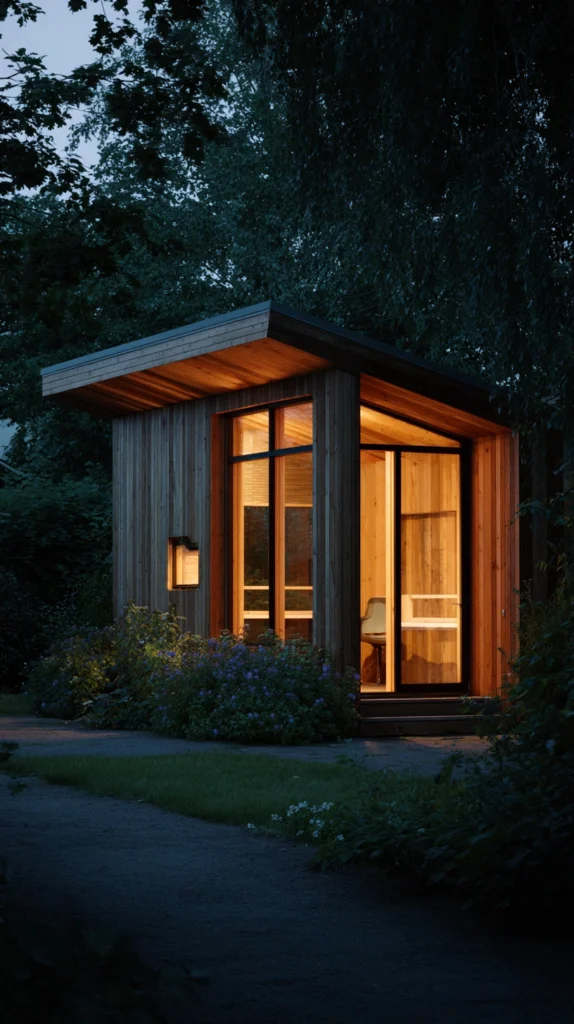
A small outbuilding in the garden — the most complete separation from the domestic world available.
Why a garden building is the most total escape:
The door:
- A door that closes and latches
- The act of closing it is the act of leaving
- Physical separation that no planting fully replicates
- Inside the building: another world
The room itself:
- Four walls: completely enclosed
- Insulated and heated: year-round use
- Decorated for the specific escape
- Not a storage building — a retreat
Types of garden building:
Log cabin style:
- Most charming exterior
- Insulation possible
- Ages to silver (beautiful)
- $2,000–5,000 depending on size
Modern garden studio:
- Flat or mono-pitch roof
- Contemporary materials
- More architectural
- $3,000–8,000
Converted existing shed:
- Cheapest route if structure exists
- Line with insulated panel
- Add power (electrician)
- Add floor covering and decoration
- $500–1,500 for conversion
The insulation question:
Without insulation:
- Usable perhaps 6 months (too cold/hot at extremes)
- Half the year’s escape potential lost
- Insulation cost: $200–400 DIY
- Worth it without question
What the escape room contains:
One comfortable chair (minimum):
- Better than the indoor alternatives
- This chair is for this room
- No compromise on comfort
- The room justifies the best chair
One desk or surface (if creative use):
- Writing, painting, sewing, reading
- The activity that needs separation
- Impossible indoors with domestic interruption
- Here: possible
Good lighting:
- For dark days and evenings
- Warm (always)
- Directional (for work) and ambient (for rest)
- Both on different switches
No clutter:
- Nothing from the house migrates here
- The escape is protected from domestic accumulation
- Strict curation
- Only escape things inside
The exterior:
Climbing plant on the structure:
- Integrates building into garden
- Becomes part of the landscape not object in it
- Rose or jasmine (scent arriving)
- One season to begin, three to look established
Window box:
- Planted generously
- Changed seasonally
- Building has a face
- Garden character extended to it
Cost breakdown:
- Log cabin studio (8×10 feet): $3,500
- Insulation: $300
- Power installation (electrician): $400
- Interior fitting (floor, walls, furniture): $600
- Exterior planting: $80
- Total: $4,880
The most used room in the house — despite being outside it. Everyone who builds a garden room says the same thing.
10. The Night Garden Design (The Evening Escape)
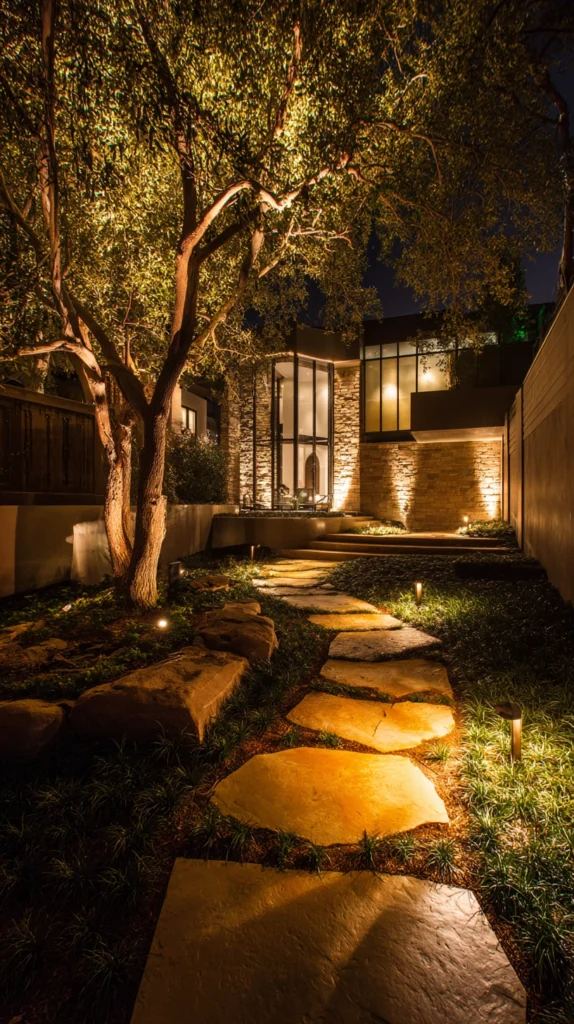
A garden designed for after-dark use — the escape that most people never unlock because their garden exists only in daylight.
Why night gardens are the most underused escape:
The calculation:
- Evening hours available: 5–10pm (in good weather)
- Most people use outdoor space: daylight only
- Evening: the hours most available after work
- Night garden: unlocks the hours the day garden cannot
The different character of after dark:
What is better at night:
- Warm light on plants (dramatic differently from daylight)
- Sound more noticeable (traffic reduced)
- Stars (never seen from inside)
- Temperature (summer evenings cooler and more comfortable)
- Privacy (darkness is its own screen)
What changes:
Darkness is the privacy:
- No neighbor can see into a dark garden
- No overhead window looks in meaningfully
- Night removes the privacy problem
- Existing dark corners become the private ones
Designing the night garden:
The lighting plan:
Three layers (already established in previous articles):
- High (string lights, overhead)
- Mid (lanterns on surfaces, candles)
- Low (path lights, uplights at base of plants)
- Together: complete warm illumination
The uplight drama:
- Spotlights at base of key plants aimed upward
- Shadows on the fence behind
- Different garden from the day version
- Invest here more than anywhere
White and silver planting (visible at night):
Plants that glow after dark:
- White roses (luminous in low light)
- White hydrangea (heads visible from distance)
- Silver artemisia (reflects any light)
- White nicotiana (fragrant, opens at dusk)
- Stachys (lamb’s ear, silver mounds glow)
- White phlox (fragrant, bright)
The moon garden tradition:
- Centuries-old design approach
- White and silver palette
- Designed for evening viewing
- Moonlight on white flowers: irreplaceable
Sound:
At night, sound design matters more:
- Water feature heard more clearly
- Wind in grasses: prominent
- Leaves moving: textural audio
- Traffic reduced (later evening)
Seating positioned for star view:
- Face upward option (reclining chair)
- Or hammock (natural upward orientation)
- Or daybed (lying flat, sky above)
- Star viewing is an underrated outdoor luxury
The transition ritual:
Evening sequence:
- Lights on (timer does this)
- Candles lit (5 minutes, the ritual)
- Drink carried outside
- Chair taken
- Night garden begins
Cost breakdown:
- String lights: $28
- Solar uplights (4): $55
- White and silver plants (6): $70
- Water feature for sound: $90
- Reclining chair for star viewing: $150
- Lanterns (5): $65
- Total: $458
The hours between 7 and 10pm outside instead of inside. The best hours of a summer day, unlocked.
11. The Meadow and Wildflower Retreat (Naturalistic Escape)
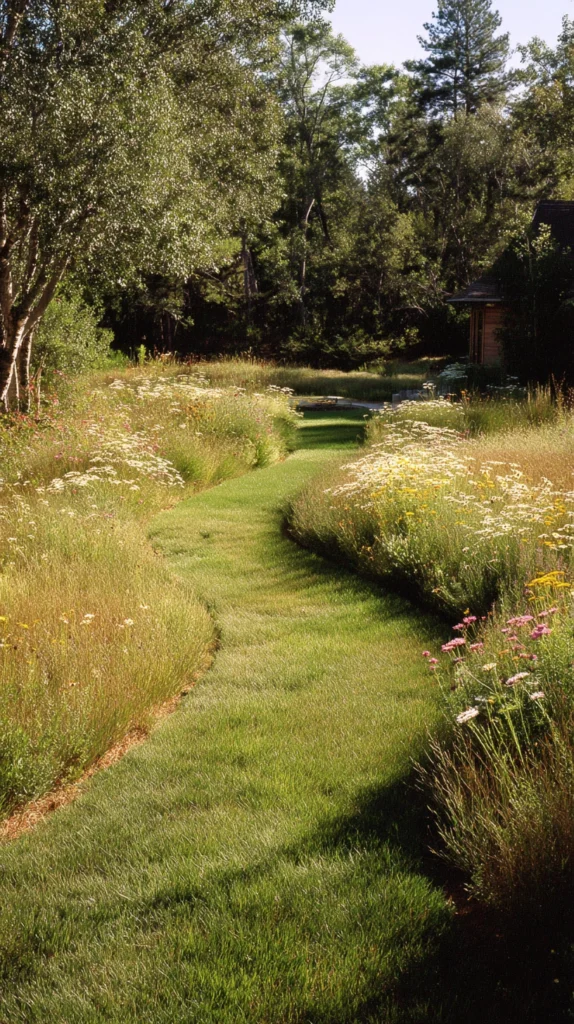
A section of garden given over entirely to naturalistic wildflower planting — the design that escapes through release of control.
Why naturalistic gardens are escapes:
The permission:
- Formal gardens imply judgment
- Something out of place reads as wrong
- Wrong creates low-level anxiety
- Naturalistic gardens have no wrong
The aliveness:
- Wildflowers attract insects visibly
- Insects attract birds
- Wind moves everything
- The garden is constantly in motion
- Motion is life, life signals escape from stillness of domestic
The maintenance paradox:
Less maintenance, more escape:
- Wildflower areas need less work
- The escape is maintained by doing less
- Doing less is itself an escape
- Designed to need nothing most of the year
Creating the meadow retreat:
The area:
- Minimum 20 square feet for impact
- Part of lawn converted (not all)
- Or a dedicated section beyond main seating
- Or entire garden for commitment
Preparation:
Kill existing lawn:
- Cardboard mulch method (slow, free)
- Or herbicide (fast, effective)
- Or lift turf entirely (most thorough)
- Bare soil ready for seed
Seed selection:
Annual for quick results:
- Cornflower, poppy, cosmos, phacelia
- Results in 8–10 weeks
- Re-seed each autumn
- Easiest entry
Perennial for permanence:
- Echinacea, rudbeckia, verbena bonariensis, scabious
- Year two onwards the design reward
- Self-seeding after establishment
- Better every year
The seating within the meadow:
Not beside it — within it:
- Path mown through (serpentine)
- Bench at the center
- Surrounded by flowers on all sides
- Inside the escape not observing it
The mown path:
- Single mower width (intimate)
- Winding not straight
- Changes direction three times minimum
- Journey through, not to
The bench in the center:
- Faces in any direction (all views are flowers)
- Simple and weathered
- Something left on it (book, cup)
- Inhabited not installed
The edge:
Where meadow meets garden:
- Steel edging (defines intention)
- Mown strip beside the edge (frames it)
- Meadow looks deliberate not neglected
- The edge is what transforms wild into designed wild
Cost breakdown:
- Wildflower seed mix (annual): $15
- Perennial plug plants (supplement): $35
- Mowing service or labor: $0 (DIY path)
- Wooden bench: $90
- Steel edging at perimeter: $60
- Total: $200
Second lowest cost on this list. Among the most alive. The meadow grows into its escape character over seasons. Start now.
12. The Water Garden Escape (Sound as Separation)
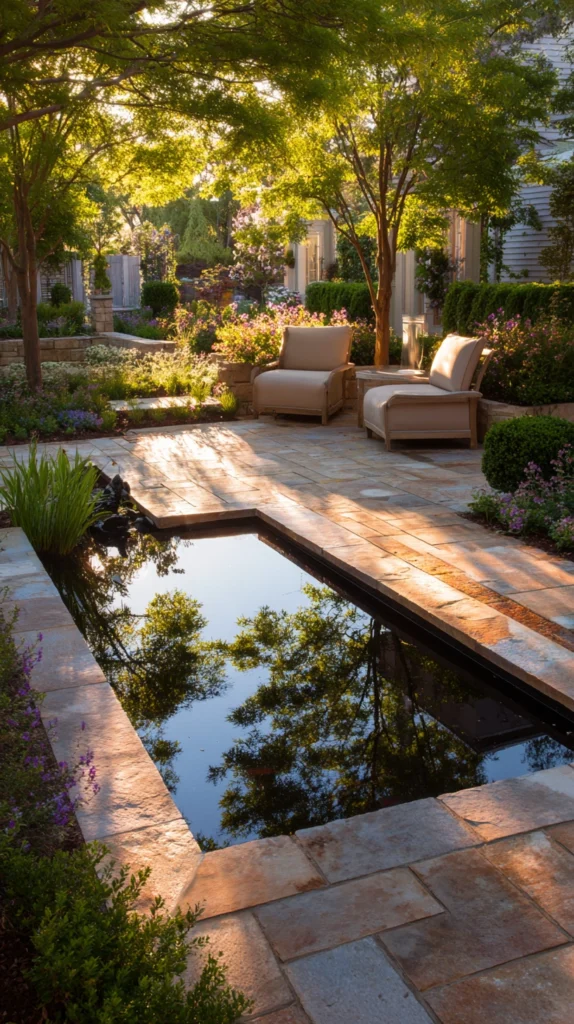
A garden designed around a central water feature — the design where the sound of water creates the wall that screens out everything beyond it.
Why water gardens escape through sound:
The acoustic replacement:
- Traffic at 60 decibels
- Water feature at 55 decibels
- Water fills the frequency
- Traffic pushed to background
- Brain switches attention to water
The movement:
- Still gardens have no motion (except in wind)
- Water always moves
- Moving things demand gentle attention
- Gentle attention is rest
The wildlife:
- Water brings birds
- Birds bring more wildlife
- Watching birds: proven stress reduction
- Garden becomes ecosystem, not just space
Designing around water:
The feature scale:
Small (still useful):
- Glazed bowl with recirculating pump
- Tabletop: gentle bubble
- Sound: 3-foot radius
- Effect: present and personal
Medium (most practical):
- Urn or large container fountain
- Sound: 10-foot radius
- Covers seating area
- Most homes: this is correct scale
Large (statement):
- Formal canal (rectangular reflecting pool)
- Or naturalistic pond
- Sound: entire garden
- Wildlife: significant
- Most complete water garden escape
The formal canal:
Why canals photograph and feel different:
- Still water reflects sky
- Reflection doubles the sky
- Calming without sound (sound optional pump)
- Formal and ancient design element
Construction:
- Concrete base and walls
- Pond liner inside
- Coping stones at edge (stone or brick)
- 12–18 inches deep (still and reflective)
Planting beside the canal:
- Iris (in or at edge)
- Architectural grasses
- Clipped balls (yew or box) at intervals
- Formal not wild (canal aesthetic)
The naturalistic pond:
Most wildlife escape:
- Shelved edges (wildlife access in and out)
- Marginal planting
- Oxygenating plants (water clarity)
- No fish (or goldfish only — koi eat other life)
Sitting at the water:
The bench or chair facing water always:
- Obvious but often missed
- View of water from seated position
- Movement and reflection both visible
- Not beside it facing away
Cost breakdown:
- Large urn fountain: $180
- Submersible pump: $30
- Seating facing water: $150
- Surrounding planting: $80
- Total: $440
Or formal canal: $800–1,500 (constructed).
Sound does what fences cannot. Privacy through replacement of what is screened out.
13. The Forest Garden Design (Woodland Escape)
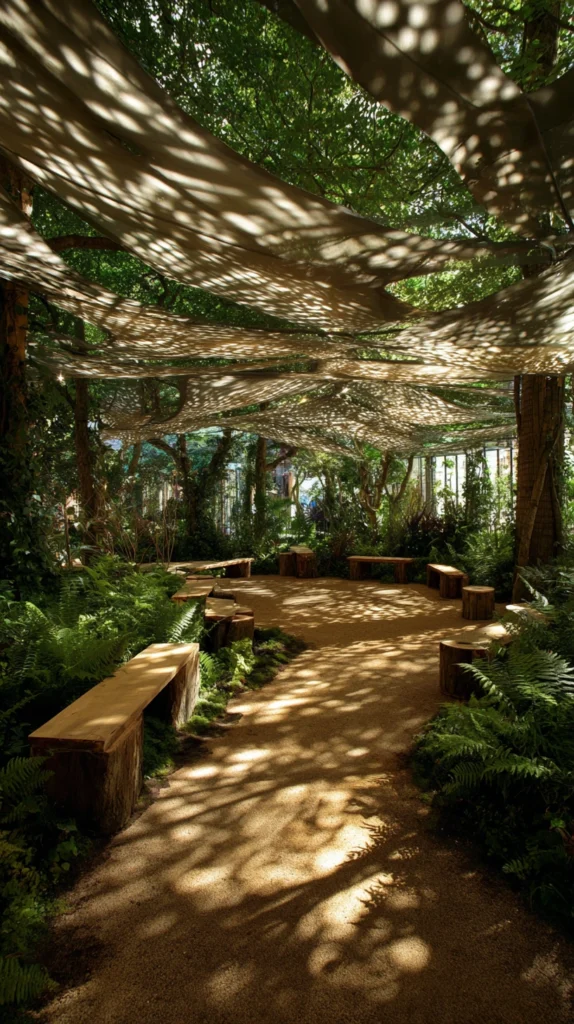
A shaded, multi-layered planting — the design that creates the feeling of a private woodland glade within a suburban garden.
Why woodland gardens feel like escapes:
The canopy effect:
- Trees overhead: different world below
- Temperature drops (5–10 degrees)
- Light filtered (golden and dappled)
- Sound muffled
- Every sense changed by the canopy
The age it implies:
- Trees take time
- Woodland implies decades
- Even a young woodland planting reads as established
- Permanence creates safety, safety creates rest
Creating the woodland feel:
The canopy trees:
Small garden appropriate:
- Multi-stem birch (light canopy, white stems beautiful)
- Japanese maple (spring to autumn drama)
- Amelanchier (four seasons: flower, leaf, berry, autumn)
- Cercis canadensis ‘Forest Pansy’ (purple leaves, extraordinary)
Fast canopy:
- Acer platanoides (Norway maple): fast and dense
- Prunus (ornamental cherry): fast, spring flower
- Gleditsia (honey locust): light canopy, fast
The understory:
Plants that thrive in tree shade:
- Hydrangea (woodland native — shade is natural for it)
- Rhododendron and azalea (acid soil, woodland)
- Ferns (all varieties, all textures)
- Hostas (bold foliage, shade)
- Foxgloves (tall, vertical, self-seeding)
The ground layer:
Complete coverage:
- Epimedium (evergreen ground cover, shade)
- Pachysandra (dense, dark green)
- Vinca (trailing, flowers)
- Cyclamen (autumn flowers, shade)
The path through woodland:
Bark mulch path:
- Soft underfoot
- Appropriate material
- Silent (no gravel crunch)
- Smells of forest
Irregular stepping stones through:
- Embedded in the mulch
- Disappears into woodland floor
- Irregular spacing (natural stride)
- Moss growing between over time
The glade:
Open area within the planting:
- Circle of lawn or gravel
- Trees surrounding
- Bench or chairs in center
- Looking out into the woodland
This is the escape destination:
- Journey through the planting (the woodland walk)
- Arrival at the glade (the clearing)
- The sitting and looking outward into the trees
- Complete woodland narrative
Cost breakdown:
- Multi-stem birch (2): $200
- Japanese maple: $90
- Understory plants (8): $80
- Ground cover (flats, 3): $45
- Bark mulch path: $50
- Bench in the glade: $90
- Total: $555
My woodland glade: Three years planted. Last summer the canopy closed overhead for the first time. Sat below it and understood what the word dappled means in the body not just the mind.
14. The Kitchen Garden Escape (Productive Sanctuary)
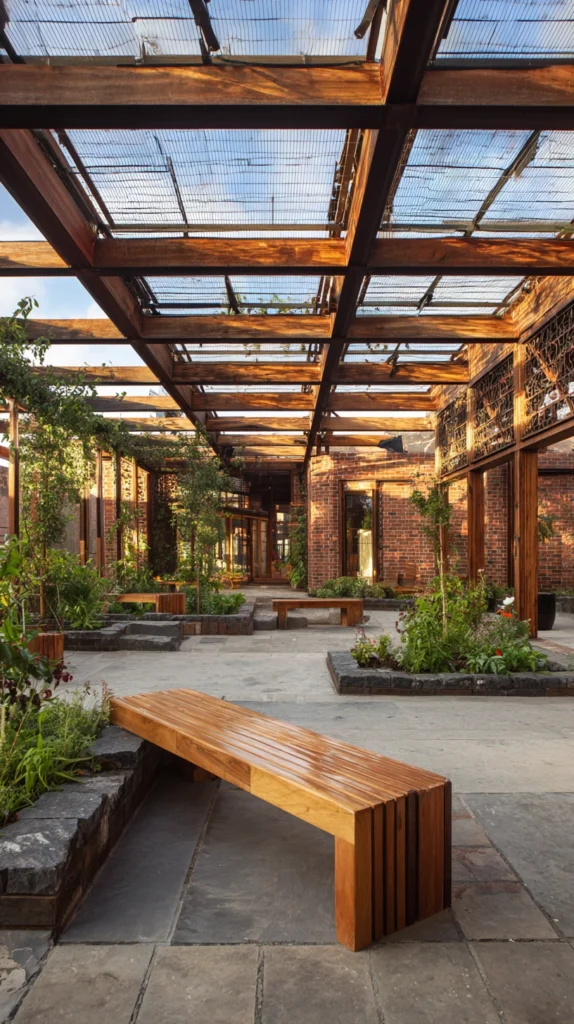
A walled or hedged kitchen garden — the escape through productivity that nourishes as it calms.
Why kitchen gardens are a specific kind of escape:
The activity escape:
- Not all escape is passive
- Some people: gardening is how they leave the day
- Hands in soil: meditative, absorbing
- The mind that cannot sit still escapes through doing
The abundance:
- Productive garden: always something growing
- Always something to do (in the best way)
- Always something to harvest
- The garden gives back
The enclosure:
- Traditional walled kitchen garden: enclosed from outside
- Walls moderate temperature (warmer microclimate)
- Enclosed: private and purposeful
- Potager style: beautiful as well as productive
Designing the kitchen garden escape:
The structure:
Four raised beds in a grid:
- Classic potager layout
- Gravel paths between
- Central feature (fountain, sundial, or specimen plant)
- Ordered and beautiful
Or beds within a hedge enclosure:
- Yew or hornbeam surround
- Beds inside
- Gate entry (the click of arrival)
- Microclimate improved by hedge
The beds:
Height (18 inches minimum):
- Back-saving
- Better drainage
- Warming faster in spring
- Defined and visible as raised
Material:
- Reclaimed brick (most beautiful)
- Sleepers (most bold)
- Cedar (most natural)
- Cor-ten steel (most modern)
What to grow:
For beauty as well as eating:
- Purple basil (color and culinary)
- Ruby chard (architectural red stems)
- Bronze fennel (feathery and dramatic)
- Nasturtiums at edges (edible, trailing)
- Sweet peas climbing obelisks (fragrant, cut flower)
The seating within:
Bench against the south wall:
- Warmest position in the garden
- Wall absorbs heat, releases in evening
- Watching the beds from this seat
- The best seat in any kitchen garden
The ritual:
Morning tour:
- Walk the beds
- Assess overnight growth
- Pick for breakfast
- The productive ritual that begins each day
Cost breakdown:
- Four raised beds (cedar): $200
- Gravel paths: $80
- Hedge enclosure (hornbeam, 20 plants): $140
- Gate: $80
- Plants and seeds: $60
- Bench against wall: $90
- Total: $650
The escape with the lowest cost-per-minute. Gardeners know: once the gate closes behind you, the rest of the world genuinely disappears.
15. The Complete Escape Garden (All Elements Combined)
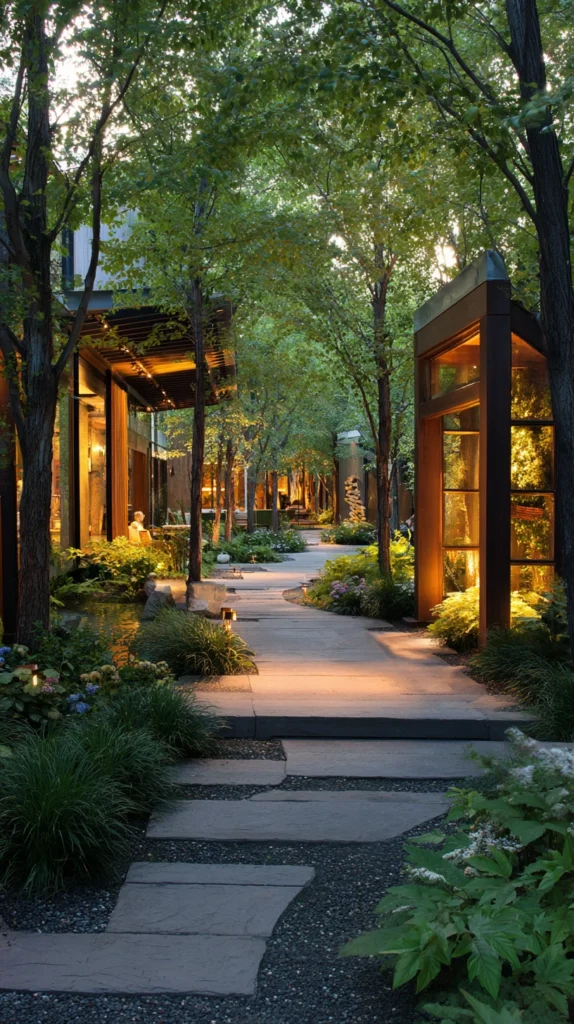
A backyard designed from the ground up as a total escape — every element from the previous 14 combined into one coherent design.
Why this is different from adding elements:
The whole exceeds the sum:
- One escape element: nice feature
- Three escape elements: interesting garden
- All elements designed together: different world
The design principle:
Zones, not features:
- Each area has a purpose
- Purposes do not overlap
- Transition between zones designed
- Journey through the garden is designed
The complete escape garden zones:
Zone 1 — Arrival and transition:
- From house to garden: the decompression
- Dark fence (visually separates)
- Gate (audible threshold)
- Path (the walk that shifts gear)
- Fragrant planting along path (sensory cue)
Zone 2 — The main escape:
- Primary seating area
- Enclosed by planting or structure
- Best light (afternoon and evening)
- Every comfort element present
- Fire or water feature
Zone 3 — The active escape:
- Kitchen garden or wildflower meadow
- Something productive or alive
- Separate from resting zone
- Gate or path to reach it
Zone 4 — The solitary corner:
- Single chair
- Most enclosed
- Furthest from the house
- The place to be alone completely
The threading between zones:
Paths:
- Connect zones deliberately
- Not straight lines
- Something to see at each corner
- Journey as pleasure not just transit
Fragrance at transitions:
- Scented plant at every zone entry
- Nose notifies arrival
- Each zone smells different
- Sensory map of the garden
Lighting the complete garden:
Designed for evening use specifically:
- Every zone lit (warm)
- Path lighting connects zones at night
- Each zone has its own lighting character
- Fire zone: fire and candles
- Solitary corner: single lantern
- Main seating: full overhead and surface
The cohesion:
One material language throughout:
- Same stone for paths and walls
- Same wood for furniture and raised beds
- Same pot material throughout
- One language: designed. Multiple: assembled.
Cost range:
Phased over two years:
- Year one: main escape zone, paths, lighting: $1,500
- Year two: additional zones, planting, features: $1,200
- Total: $2,700
Or built at once:
- Design fees (if used): $500
- Complete build: $3,500–5,000
- Property value addition: typically exceeds cost
My complete garden:
Built over three years.
Year one: Dark fence, gate, paths, main seating area. Year two: Hedged inner room, water feature, wildflower strip. Year three: Kitchen garden, woodland corner, night lighting throughout.
What changed: Holidays feel less necessary. Not because the garden replaces travel. Because the need that travel was serving — the need to be somewhere else — is met at the bottom of the garden.
That was the goal. That is what a private escape does.
What Every Escape Garden Has
Strip away the styles:
A threshold:
- Physical or psychological crossing
- Gate, arch, or path beginning
- The moment the domestic world is left behind
- Every escape design has one
Enclosure of some kind:
- No exposed space on all sides
- At minimum: planting on three sides
- Body needs back against something to relax
- Sky open above (always)
One sensory focus:
- Fragrance (scented garden)
- Sound (water garden)
- Touch (texture of plants, warmth of sun)
- Sight (night garden, wildflower)
- Each design privileges one
Zero domestic reminders:
- No visible bins
- No tools left out
- No view of the house’s problem areas
- The escape zone sees only itself
Permission to stay:
- Comfortable seating always
- No uncomfortable chair in any of these designs
- Comfort is prerequisite of escape
- If the seat says leave: the escape fails
Getting Started This Weekend
The question before the first action:
What am I escaping from?
- From visibility: Design #1 or #3 (hedged room, sunken)
- From noise: Design #12 (water garden)
- From productivity guilt: Design #11 or #14 (meadow or kitchen garden)
- From the day’s pace: Design #8 (scented garden)
- From inside: Design #9 (garden studio)
- From daylight limitation: Design #10 (night garden)
The answer determines the design.
This weekend under $200:
- One fast-growing screening plant (bamboo in pot): $25
- String lights on timer: $28
- Deep comfortable outdoor chair: $110
- One fragrant plant beside it: $18
- Gate latch on existing fence: $12
- Total: $193
That is the beginning of an escape.
Not the complete design. Not the full vision.
But a chair that is comfortable, a light that comes on at dusk, something fragrant nearby, and a latch that clicks when closed.
Everything else the designs above describe grows from those four things.
The click of the latch. That is where the escape begins.