15 Summer Herb Garden Ideas for Fresh and Functional Spaces
I bought $200 worth of fresh herbs from the grocery store last year. Basil wilted in the fridge, cilantro turned to mush, $8 for a tiny package.
Most went to waste before I could use it all.
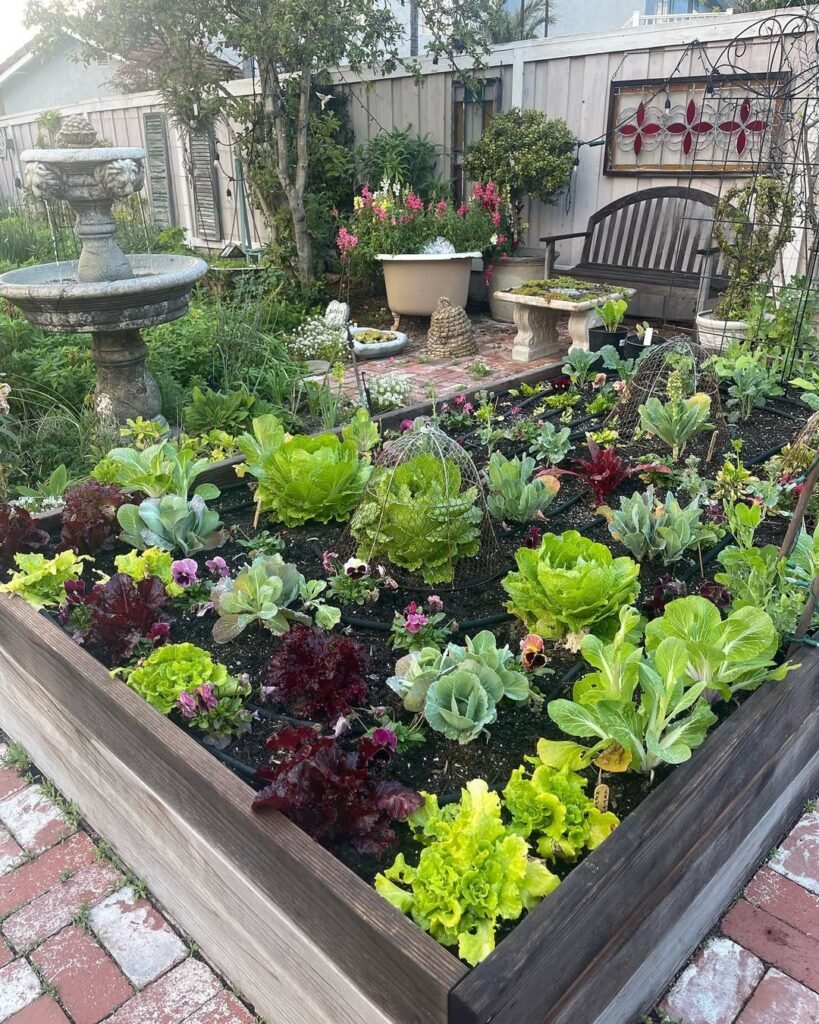
Then I planted a simple herb garden in summer. $30 in plants, constant fresh herbs all season, saved hundreds of dollars.
Now I harvest handfuls daily, preserve the excess, and never buy herbs. Same yard space, completely different kitchen experience.
Let me show you 15 summer herb garden ideas that provide fresh flavors and save serious money.
Why Summer Herbs Changed My Cooking
My grocery store herb reality:
Weekly purchases:
- Basil: $3.99 (used half, rest rotted)
- Cilantro: $2.99 (slimy after 4 days)
- Parsley: $2.99 (forgot about it, wasted)
- Mint: $3.99 (needed 3 leaves, rest died)
- Weekly waste: $8-10
Annual total: $416-520 spent on herbs, 60% wasted
After planting summer herb garden:
Initial investment:
- 8 herb plants: $24 ($3 each)
- Potting soil: $8
- Total: $32
Daily harvest:
- Basil: Handfuls for pesto, caprese, pasta
- Cilantro: Fresh for salsa, tacos, curries
- Parsley: Always available
- Mint: Teas, mojitos, desserts
- More than I can use
Annual savings:
- Grocery herbs eliminated: $400+
- Preserved for winter: $100+ value
- Total value: $500+ from $32 investment
ROI: 2 weeks (paid for itself in eliminated grocery purchases)
Summer Herb Advantages
Why summer is herb season:
Heat lovers thrive:
- Basil explodes in heat
- Cilantro grows fast (before bolting)
- Mint spreads vigorously
- Optimal growing conditions
Constant harvest:
- Cut and come again
- Weekly harvests
- Non-stop production
- Abundance
Perfect timing:
- Summer cooking uses herbs heavily
- Tomato season = basil season
- Grilling = fresh herbs
- Seasonal synergy
Preservation opportunity:
- Peak production summer
- Dry or freeze excess
- Winter supply
- Year-round enjoyment
My revelation: Fresh herbs cost pennies to grow, transform cooking, available steps from kitchen.
1. Kitchen Window Herb Box (My Most-Used Setup)
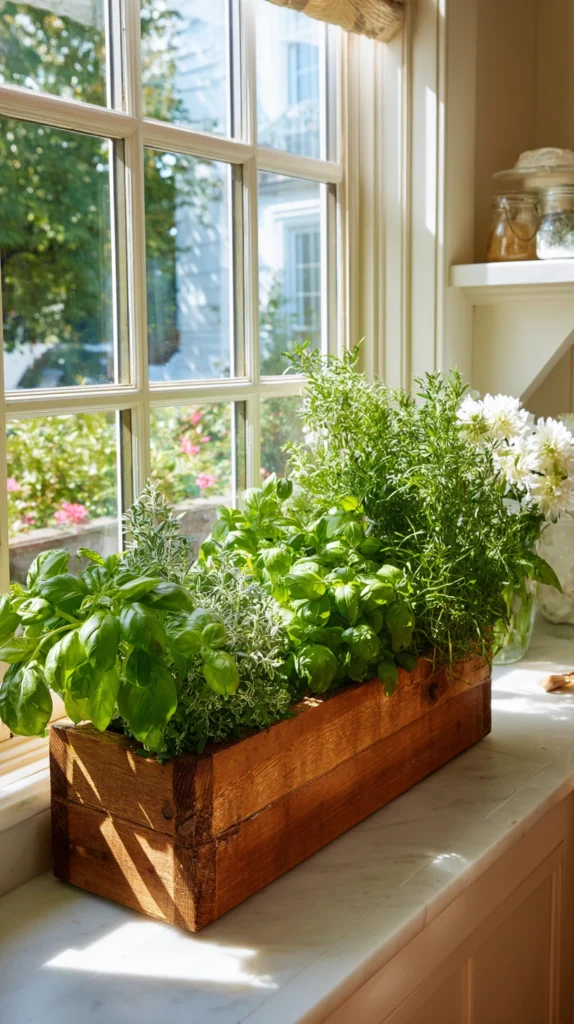
Window box right outside kitchen – ultimate convenience.
My 3-foot window box:
Location:
- Outside kitchen window (south-facing)
- 2 feet from stove
- Visible while cooking
- Perfect placement
What I grow:
- Basil (2 plants, most-used)
- Parsley (1 plant, constant use)
- Chives (1 clump, garnish everything)
- Thyme (1 plant, hardy)
Daily use:
Cooking process:
- Start cooking
- Open window
- Snip herbs
- Drop in pan
- 30 seconds fresh to food
No interruption:
- Don’t leave stove
- Reach out window
- Grab what’s needed
- Immediate use
Production:
- Basil: 2-3 cups leaves weekly
- Parsley: Constant supply
- Chives: Unlimited garnish
- Thyme: Always available
Cost: $15 (window box + 4 plants), saves $200+ yearly in grocery basil alone.
My window box: Most convenient garden feature, use daily, never run out of fresh herbs.
Window Box Success Tips
What works:
Drainage critical:
- Drill extra holes
- Elevate slightly
- Never waterlogged
- Herbs hate wet feet
Daily watering:
- Small containers dry fast
- Check every evening
- Consistent moisture
- Summer essential
Aggressive harvesting:
- Cut frequently (encourages growth)
- Never let basil flower
- Keeps plants bushy
- Maximum production
My mistakes:
- First box: No drainage, plants rotted
- Second try: Perfect drainage, thriving
- Now: 3 years same window box
2. Dedicated Herb Spiral (Permaculture Classic)
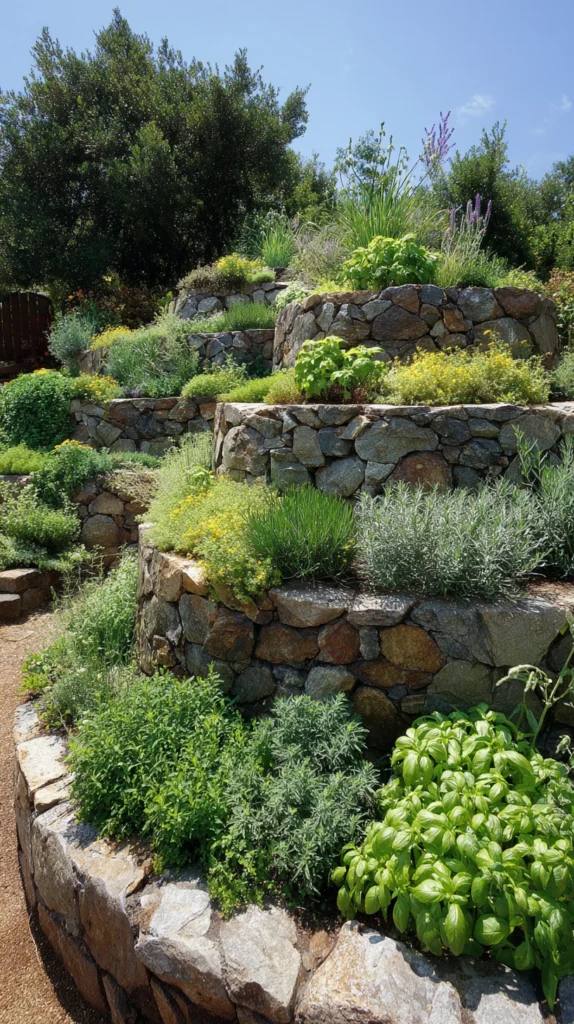
Raised spiral creates microclimates – one structure, multiple herbs.
My 6-foot diameter spiral:
Construction:
- Stone spiral rising to 3 feet center
- Lowest point: Moist, cool
- Highest point: Hot, dry
- Creates 5+ microclimates
Herb placement by needs:
Top (hot, dry):
- Rosemary (Mediterranean)
- Oregano
- Thyme
- Sage
Middle spiral:
- Basil (moderate moisture)
- Tarragon
- Summer savory
Bottom (cool, moist):
- Parsley
- Cilantro (lasts longer here)
- Chives
- Mint (in pot to contain)
Benefits:
All in one space:
- 15+ herb varieties
- 28 square feet footprint
- Intensive growing
- Beautiful focal point
Perfect conditions for each:
- Mediterranean herbs on dry top
- Moisture-lovers at bottom
- Natural irrigation (water flows down)
- Self-organized system
Year-round interest:
- Evergreen herbs (rosemary, thyme)
- Winter structure
- Four-season garden feature
- Architectural element
Cost: $80 (stones, soil, plants), provides entire herb garden in one feature.
My spiral: Most beautiful, most productive per square foot, always something to harvest.
3. Container Herb Garden (Deck/Patio Solution)
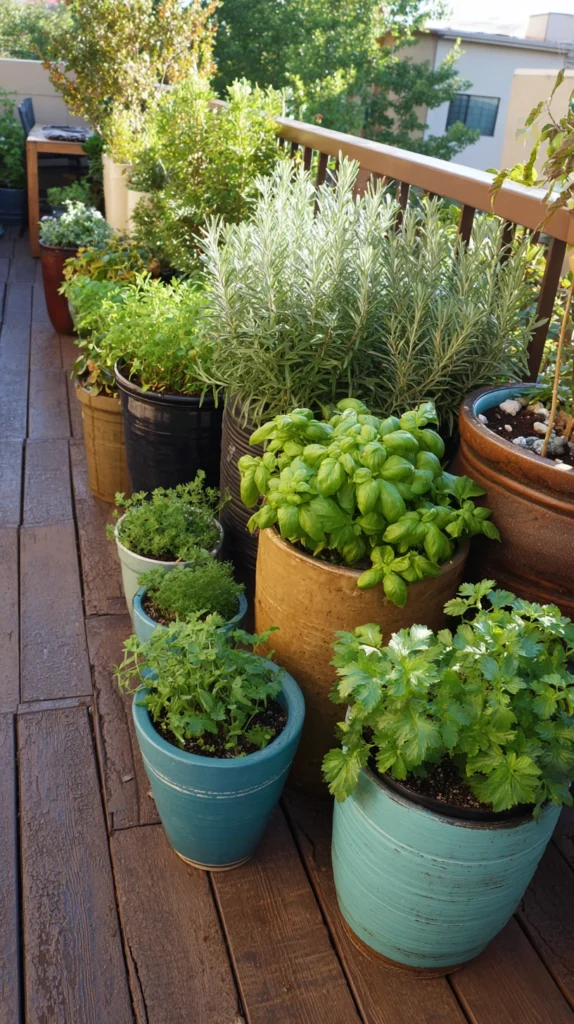
Multiple pots clustered together – portable and flexible.
My deck setup (12×16 deck):
Container arrangement:
Large pots (14-16 inches):
- Basil (2 pots, constant use)
- Rosemary (1 pot, perennial)
- Mint (1 pot, MUST contain!)
Medium pots (10-12 inches):
- Cilantro (succession plantings)
- Parsley
- Oregano
Small pots (6-8 inches):
- Thyme (3 varieties)
- Chives
- Marjoram
Grouping strategy:
By water needs:
- High water: Basil, cilantro, parsley (together)
- Low water: Rosemary, thyme, oregano (together)
- Efficient watering
- Healthier plants
By use frequency:
- Most-used near door
- Occasional-use farther out
- Organized by access
- Convenience matters
Container benefits:
Moveable:
- Follow sun seasonally
- Protect from extreme heat
- Bring indoors (winter herbs)
- Ultimate flexibility
Controlled soil:
- Perfect drainage
- Ideal mix each herb
- No garden pests
- Clean growing
My container garden: 15 pots, all herbs I use, deck looks designed, zero ground space needed.
4. In-Ground Herb Bed (Traditional Approach)
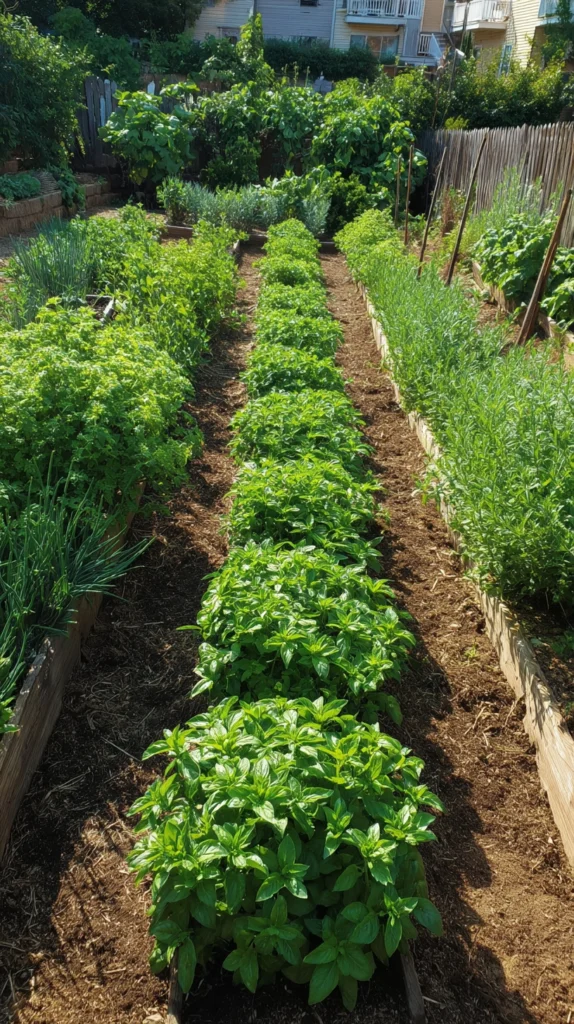
Dedicated garden bed – permanent herb production.
My 4×8 raised bed:
Layout:
Perennial section (60%):
- Rosemary (2 plants)
- Sage (2 plants)
- Thyme (3 varieties)
- Oregano (2 types)
- Chives (1 large clump)
- Return yearly, established
Annual section (40%):
- Basil (6 plants, succession)
- Cilantro (replant every 3 weeks)
- Dill (3 plantings)
- Replant as needed
Why dedicated bed works:
Permanent location:
- Know where to find herbs
- Established root systems
- Perennials get better yearly
- Long-term investment
Proper spacing:
- Not crowded like containers
- Air circulation (disease prevention)
- Room to grow
- Healthy plants
Easy maintenance:
- All herbs one place
- Harvest route established
- Weeding simple
- Organized system
Production:
- Enough for family of 4
- Plus preservation
- Gift excess to neighbors
- Abundant harvest
My herb bed: Lowest maintenance, highest production, permanent solution.
5. Hanging Basket Herb Garden (Vertical Growing)
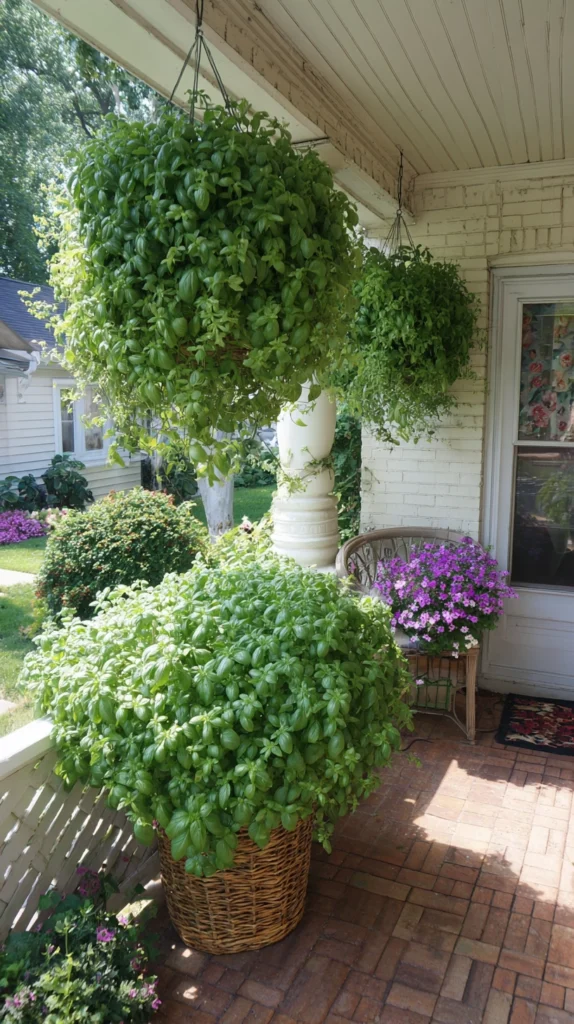
Suspended baskets – uses air space.
My 6 hanging baskets:
What grows in baskets:
Best performers:
- Trailing thyme (cascades beautifully)
- Oregano (spills over edges)
- Mint (contained, can’t invade ground)
- Compact basil (small varieties)
Basket placement:
- Shepherd’s hooks (6 feet tall)
- Scattered around patio
- Different heights (visual interest)
- Easy access
Benefits:
Space-saving:
- Zero ground footprint
- Uses overhead space
- Perfect for small areas
- Maximize growing area
Slug-free:
- Elevated = no slugs
- Clean herbs
- No soil splash
- Better quality
Decorative:
- Hanging gardens beautiful
- Softens hardscapes
- Living decoration
- Functional art
Challenges:
Daily watering:
- Dry out fast (air exposure all sides)
- Check every evening
- Sometimes twice daily (heat)
- High maintenance
Wind damage:
- Baskets swing
- Herbs battered
- Need protected locations
- Consider this
My hanging herbs: Beautiful display, slug-free growing, requires daily attention.
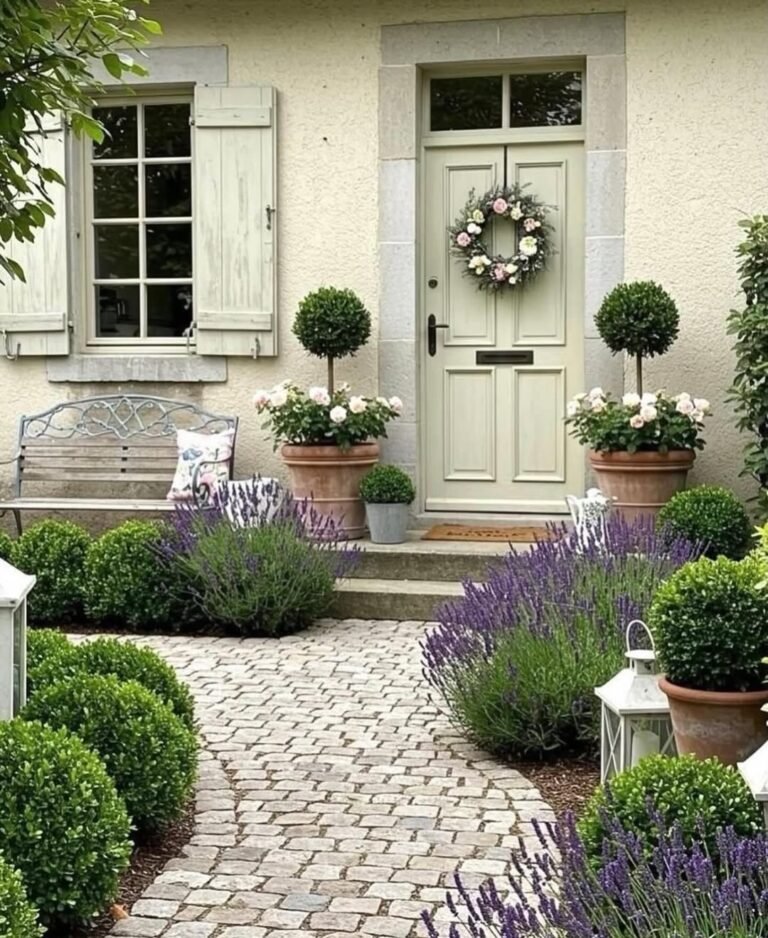
6. Edible Landscape Herb Border (Front Yard Herbs)
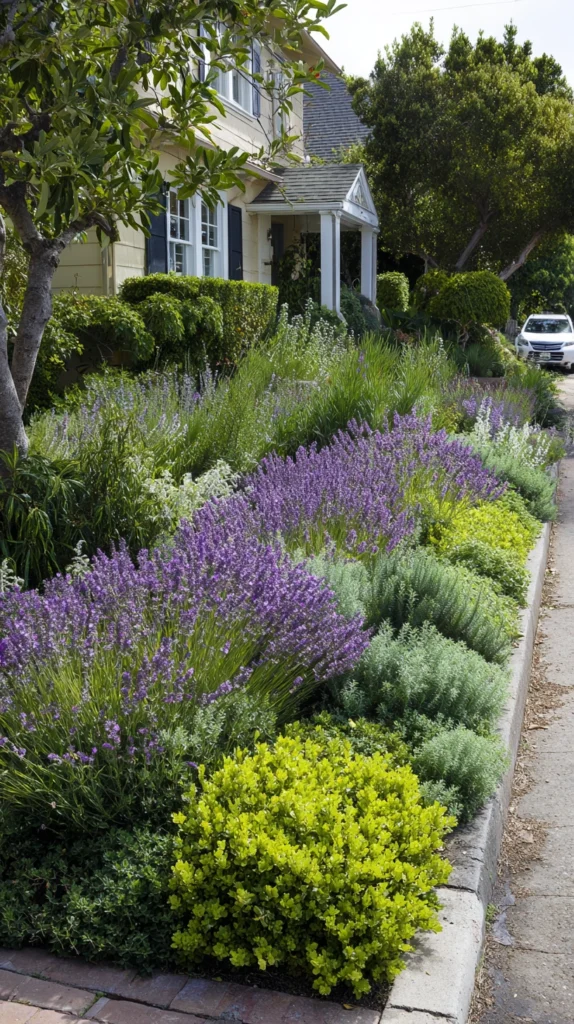
Herbs as ornamental border – productive and beautiful.
My front yard border (40 feet):
Design:
Repeating pattern:
- Purple basil (every 3 feet, dark foliage)
- Gray santolina (silver contrast)
- Green parsley (texture variety)
- Lavender (purple blooms)
- Creates rhythm
Appearance:
- Looks like designed landscaping
- Not “vegetable garden”
- Neighbors compliment
- HOA-approved
What I harvest:
- Basil constantly (pinching maintains shape)
- Parsley regularly
- Lavender for drying
- All edible and ornamental
Benefits:
Dual purpose:
- Curb appeal (primary)
- Food production (bonus)
- Beautiful and functional
- Best of both
Minimal maintenance:
- Perennials established
- Mulched (weed suppression)
- Drip irrigation
- Self-maintaining mostly
My front border: Prettiest garden bed, produces food, neighborhood showpiece.
7. Succession Planting Herb Rows (Restaurant Supply)
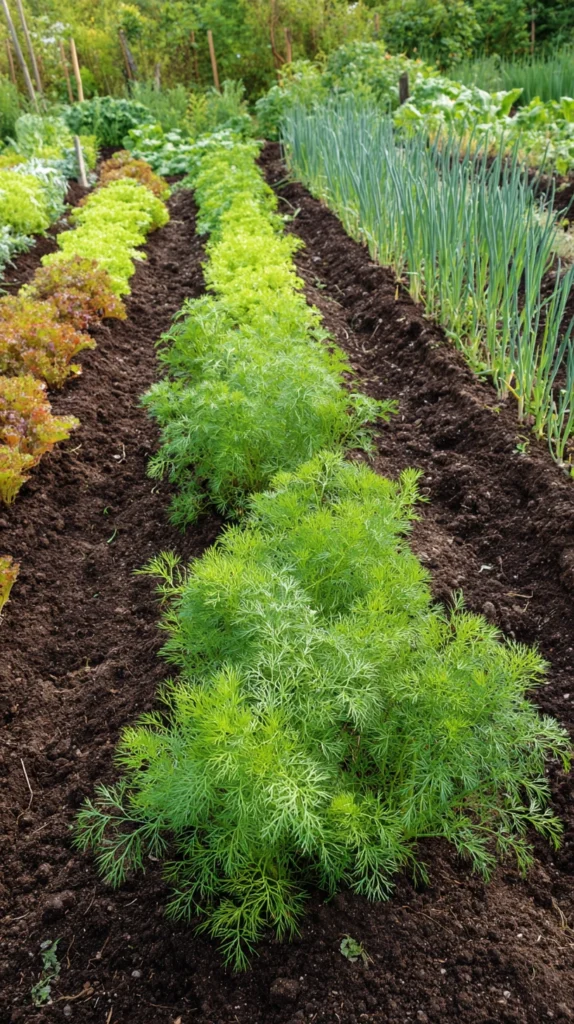
Multiple plantings staggered – constant fresh supply.
My cilantro succession system:
Planting schedule:
Every 3 weeks plant new row:
- Week 1: First row
- Week 4: Second row
- Week 7: Third row
- Week 10: Fourth row
Harvest rotation:
Week 6: First row ready Week 9: Second row ready Week 12: Third row ready, first row bolted Week 15: Fourth row ready, second bolted
Continuous harvest:
- Always fresh cilantro
- Never without
- No gaps
- Restaurant-style supply
Same system for:
- Basil (every 4 weeks)
- Dill (every 3 weeks)
- Arugula (every 2 weeks)
My succession garden: Never run out, always peak quality, steady production.
8. Herb Pizza Garden (Theme Garden)
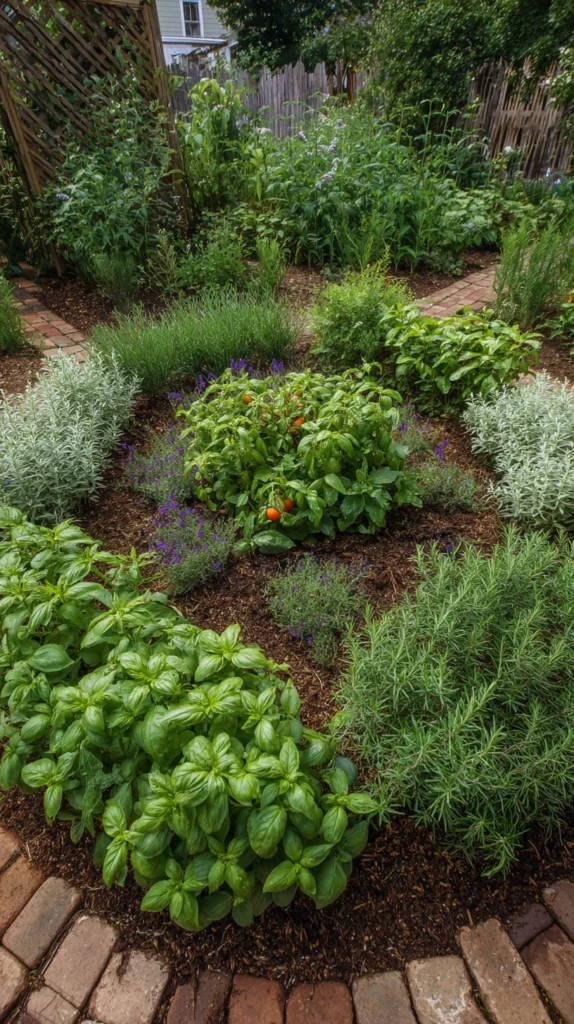
All pizza herbs one place – functional grouping.
My circular pizza bed (6 feet diameter):
Divided like pizza slices:
Slice 1: Basil (classic margherita) Slice 2: Oregano (Italian essential) Slice 3: Thyme (white pizza) Slice 4: Rosemary (focaccia) Slice 5: Garlic chives (garlic bread) Slice 6: Parsley (garnish)
Center: Cherry tomato plant (pizza topping)
Use:
- Friday pizza night
- Walk to garden
- Harvest what’s needed
- Fresh toppings and herbs
- 5 minutes to fresh pizza
Kid involvement:
- Children choose “slices”
- Pick their toppings
- Learn herb names
- Fun and educational
My pizza garden: Family favorite, themed planting, functional and fun.
9. Salsa Garden (Mexican Herb Focus)
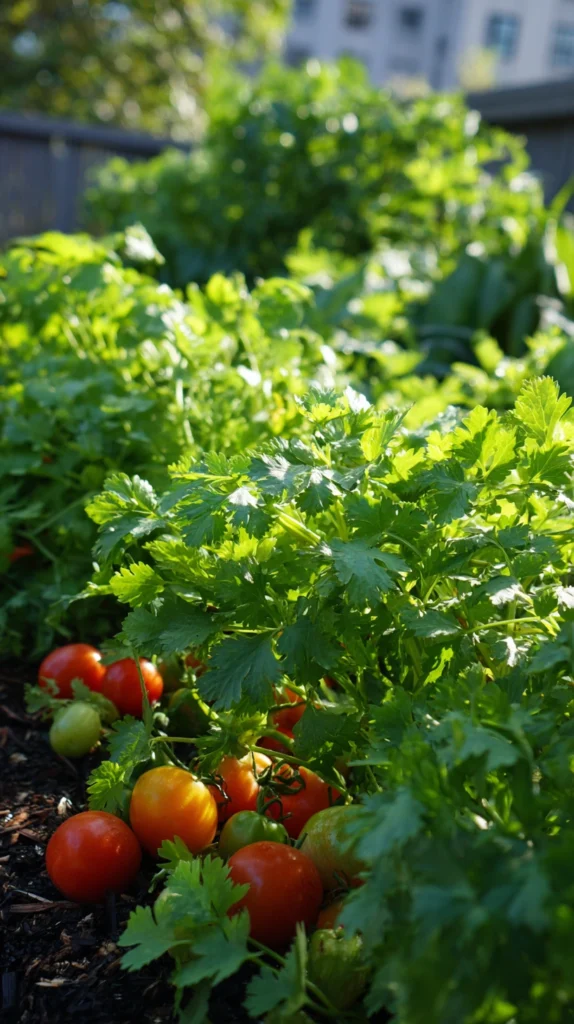
Herbs for Mexican cooking – cultural cuisine grouping.
My salsa garden setup:
Herbs planted:
- Cilantro (3 succession plantings)
- Mexican oregano (different from Italian)
- Epazote (authentic bean seasoning)
- Culantro (cilantro alternative, doesn’t bolt)
Companions (not herbs but essential):
- Jalapeños (3 plants)
- Tomatoes (cherry and paste)
- Tomatillos (2 plants, need pollination partner)
Weekly salsa production:
- Pick tomatoes, peppers
- Harvest cilantro
- Fresh salsa in minutes
- Zero grocery purchases
Preservation:
- Can salsa (peak season)
- Freeze cilantro cubes
- Dry oregano
- Year-round supply
My salsa garden: Specific purpose, matches cooking style, heavy use.
10. Tea Garden (Beverage Herbs)
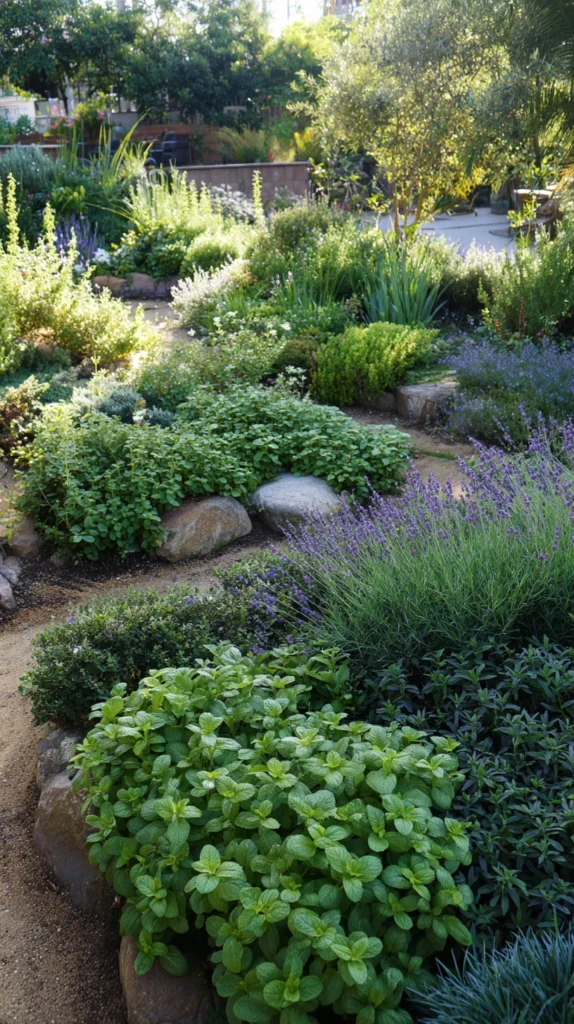
Herbs for tea and drinks – wellness focus.
My tea garden bed (3×6 feet):
Tea herbs:
- Mint (3 varieties: peppermint, spearmint, chocolate mint)
- Lemon balm (citrus flavor)
- Chamomile (calming)
- Lemon verbena (intense lemon)
- Stevia (natural sweetener)
Daily use:
Fresh tea:
- Morning mint tea
- Afternoon lemon balm
- Evening chamomile
- Hot or iced
Cocktails:
- Mojitos (mint)
- Herb-infused water
- Garnishes
- Fresh ingredients
Drying for winter:
- Peak season harvest
- Dry in bundles
- Store in jars
- Winter tea supply
My tea garden: Daily use, wellness focus, self-care integrated with gardening.
11. Companion Planting Herb System (Integrated Growing)
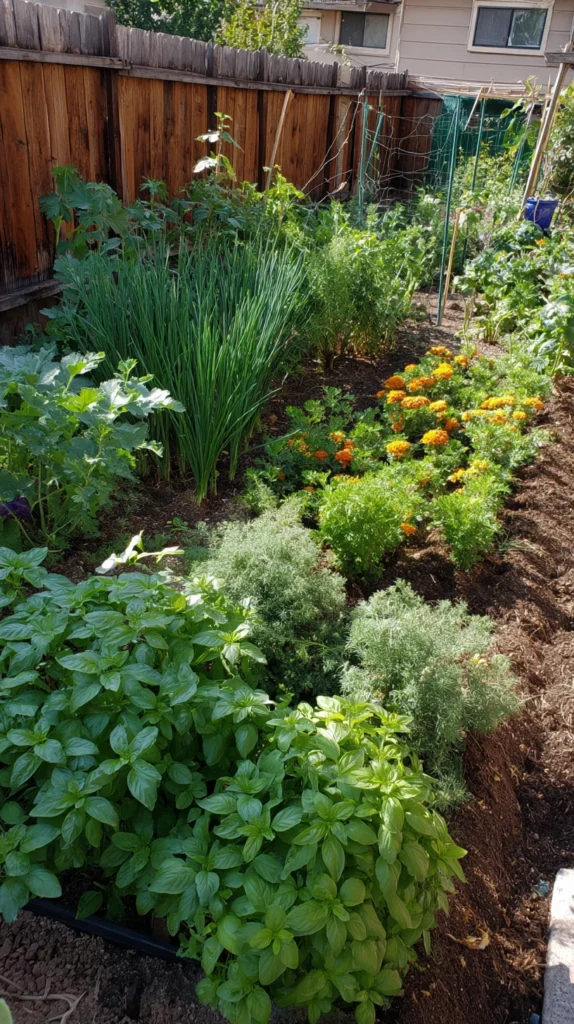
Herbs throughout vegetable garden – pest management and production.
My integration strategy:
Basil with tomatoes:
- 1 basil per tomato plant
- Repels aphids (maybe)
- Harvest together (perfect pairing)
- Efficient space use
Nasturtiums (edible herb) with squash:
- Trailing around squash
- Aphid trap crop
- Flowers and leaves edible
- Peppery salad addition
Marigolds (calendula) throughout:
- Edible petals
- Pest confusion
- Pollinator attraction
- Beautiful and functional
Chives with carrots:
- Traditional pairing
- Onion smell deters pests
- Both harvest together
- Space-efficient
Benefits:
No separate herb bed needed:
- Herbs scattered throughout
- Saves dedicated space
- Integrated system
- Efficient use
Pest management:
- Companion benefits (if real)
- Diverse plantings
- Confuses pests
- Organic approach
My integrated herbs: Throughout 400 square feet vegetables, no separate space needed, dual benefits.
12. Cutting Herb Garden (Bouquet Production)
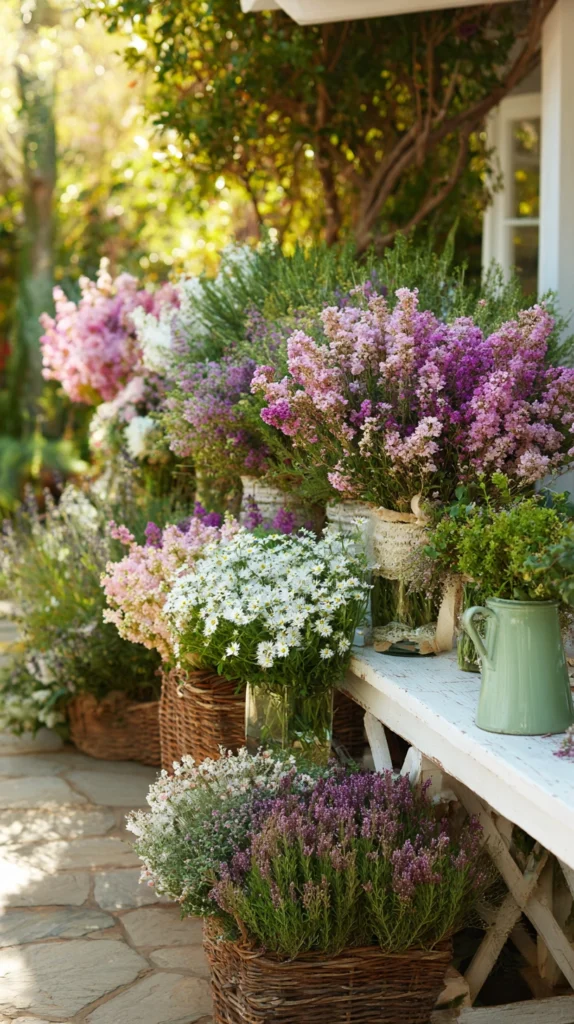
Herbs for arrangements – decorative harvesting.
My cutting garden section:
Flowering herbs:
- Lavender (purple spikes)
- Chive blossoms (purple globes)
- Oregano flowers (pink clusters)
- Dill umbels (yellow lace)
- Fennel (yellow)
Foliage herbs:
- Silver sage (textural)
- Purple basil (dark accent)
- Variegated thyme (ground cover)
- Rosemary branches (evergreen)
Bouquet use:
Fresh arrangements:
- Mix with flowers
- Fragrant bouquets
- Edible components
- Gift-worthy
Special occasions:
- Dinner party centerpieces
- Wedding herb bundles
- Hostess gifts
- Beautiful and useful
My cutting garden: Harvests go indoors, decorative and edible, multi-use herbs.
13. Self-Seeding Herb Meadow (Low Maintenance)
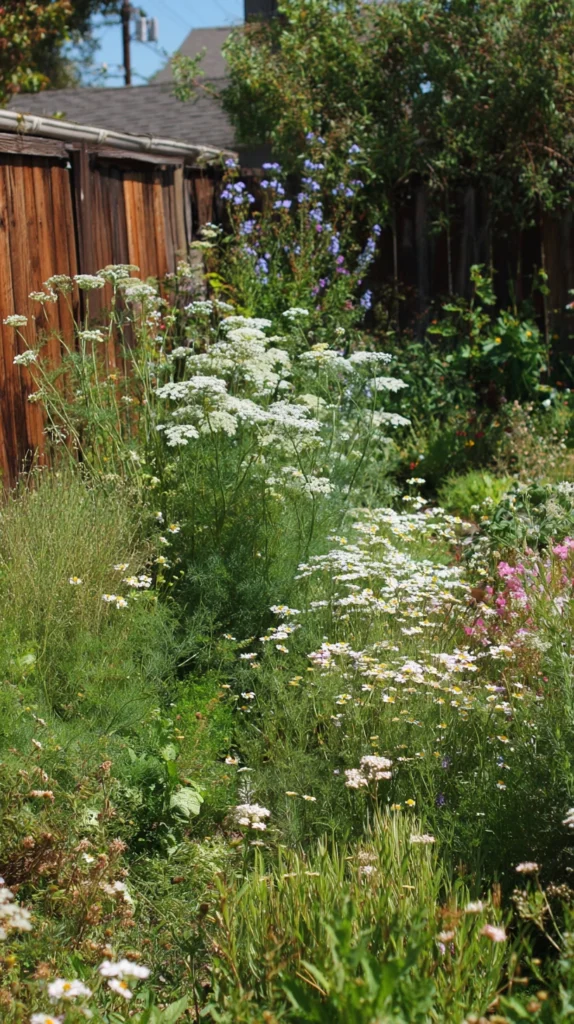
Allow herbs to naturalize – self-sustaining system.
My herb meadow (10×10 area):
Self-seeding stars:
Dill:
- Plant once
- Drops seeds
- Appears yearly
- Never replant
Cilantro:
- Goes to seed (coriander)
- Self-sows abundantly
- Constant volunteers
- Free plants
Chamomile:
- Seeds everywhere
- Appears in paths
- Delicate flowers
- Self-maintaining
Fennel:
- Vigorous self-seeder
- Beautiful foliage
- Seeds and leaves edible
- Naturalized
Management:
Thin seedlings:
- Too many volunteers
- Pull excess
- Leave best specimens
- Easy weeding
Enjoy bounty:
- More than planted
- Free herbs
- Natural succession
- Zero effort
My meadow: Planted once 4 years ago, still producing, minimal intervention.
14. Vertical Herb Tower (Maximum Density)
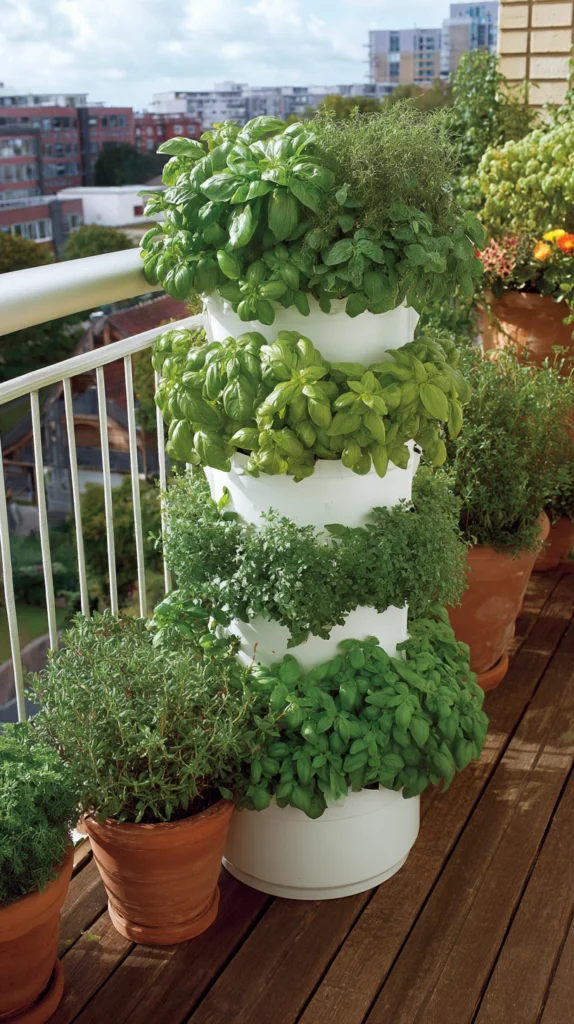
Stacked planter tower – 20+ herbs in 2 square feet.
My 5-tier tower:
Structure:
- Commercial tower planter
- 5 levels
- 4 pockets per level
- 20 planting spots
What fits:
- Small herb plants (compact varieties)
- One herb per pocket
- Mix of varieties
- Intensive growing
Best tower herbs:
Compact growers:
- Bush basil (not tall varieties)
- Thyme (all types)
- Oregano (trails nicely)
- Marjoram
- Compact parsley
Avoid in towers:
- Large basil (too big)
- Rosemary (needs space)
- Mint (too aggressive)
Challenges:
Watering intensive:
- Top dries fastest
- Bottom stays wetter
- Different needs per level
- Daily attention required
Harvest access:
- Top easy
- Bottom awkward
- Rotate seasonally
- Plan accordingly
My tower: Small balcony solution, maximum herbs minimum space, daily maintenance.
15. Perennial Herb Foundation (Year-Round Structure)
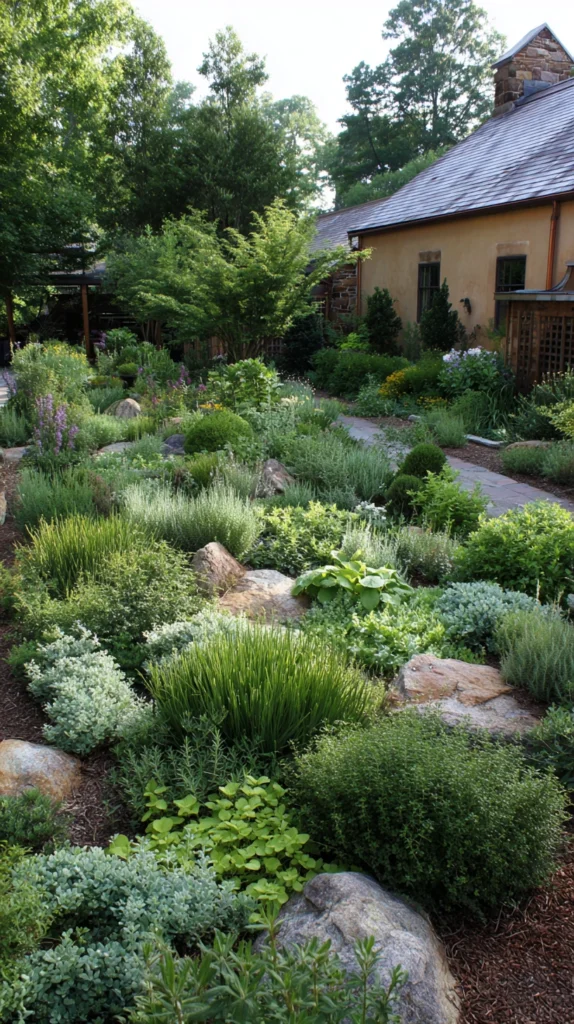
Permanent herb planting – comes back yearly.
My perennial collection:
Hardy perennials (Zone 7):
Woody herbs:
- Rosemary (borderline hardy, mulch heavily)
- Sage (reliable, beautiful)
- Thyme (completely hardy)
- Oregano (spreads vigorously)
- Lavender (drainage critical)
Herbaceous perennials:
- Chives (first up in spring)
- Tarragon (slow to emerge)
- Mint (contained!)
- Lemon balm (aggressive)
- Lovage (tall, celery flavor)
Benefits:
Plant once:
- Year 1 investment
- Years 2+ free herbs
- Established systems
- Long-term thinking
Earlier harvest:
- Perennials up first spring
- Annuals need replanting
- Head start
- Extended season
Winter interest:
- Evergreen types (rosemary, thyme)
- Structure in snow
- Year-round garden
- Four-season value
My perennial bed: 6 years old, better every year, minimal work.
Growing Summer Herbs Successfully
What actually works:
Sunlight Requirements
Most herbs need 6-8 hours:
Full sun lovers (8+ hours):
- Basil (essential)
- Rosemary
- Thyme
- Oregano
- Lavender
Tolerant of partial shade (4-6 hours):
- Parsley
- Cilantro (actually prefers some shade)
- Mint
- Chives
- Lemon balm
My site: South-facing deck gets 10+ hours, perfect for basil (my most-used herb).
Watering Strategy
Summer watering needs:
High water (daily):
- Basil (wilts dramatically)
- Cilantro
- Parsley
- Container herbs
Moderate water (every 2-3 days):
- Mint (spreads to water)
- Chives
- Most annuals
Low water (weekly):
- Rosemary (hates wet feet)
- Thyme
- Oregano
- Mediterranean herbs
My system:
- Drip irrigation on timer (high-water herbs)
- Hand water others every 2-3 days
- Let Mediterranean herbs fend for themselves
Soil Preferences
What herbs need:
Well-draining essential:
- Most herbs hate soggy soil
- Add perlite or sand
- Raised beds ideal
- Drainage critical
Moderate fertility:
- Don’t over-fertilize (reduces flavor)
- Compost at planting
- Maybe monthly light feed
- Lean soil = stronger flavor
My mix:
- 60% potting soil
- 20% compost
- 20% perlite
- Perfect for containers
Harvesting for Maximum Production
How to cut encourages growth:
Pruning Technique
The right way:
Cut above leaf node:
- New growth emerges from nodes
- Cut just above
- Two new branches form
- Bushier plant
Take 1/3 maximum:
- Never strip plant bare
- Leave 2/3 foliage
- Plant recovers quickly
- Continuous production
Morning harvest:
- After dew dries
- Before heat
- Peak flavor
- Best oils
My routine: Harvest every 3-5 days, keeps plants bushy, prevents flowering.
Preventing Flowering
Why it matters:
Flowers end production:
- Plant energy goes to seeds
- Leaf production stops
- Flavor declines
- Season over
Prevention:
Pinch flower buds:
- Daily inspection
- Remove immediately
- Extends harvest weeks
- Simple maintenance
Aggressive harvesting:
- More cutting = less flowering
- Use herbs heavily
- Share with neighbors
- Prevents bolting
My basil management: Pinch tips weekly, never flowers, produces until frost.
Preservation Methods
Saving summer abundance:
Drying Herbs
My process:
Best for drying:
- Oregano (perfect dried)
- Thyme
- Rosemary
- Sage
- Bay leaves
Method:
- Harvest in morning
- Bundle with rubber band
- Hang upside down (dark, dry location)
- 7-10 days until crispy
- Strip leaves, store in jars
What NOT to dry:
- Basil (turns black, flavor lost)
- Cilantro (tastes like hay)
- Parsley (minimal flavor)
- Better frozen
Freezing Herbs
Superior for some:
Best frozen:
- Basil (pesto or chopped)
- Cilantro (chopped)
- Parsley
- Chives
Methods:
Ice cube method:
- Chop herbs
- Pack in ice cube trays
- Cover with olive oil or water
- Freeze
- Pop out, store in bags
- Use in cooking (drop cube in pan)
Pesto preservation:
- Make large batch (peak basil)
- Freeze in portions
- Ice cube trays or small containers
- Winter pesto supply
My freezer: 40+ cubes basil, 20 cilantro, 10 parsley = year-round fresh flavor.
Common Summer Herb Problems
Issues I’ve solved:
Problem 1: Basil Keeps Flowering
The struggle:
- Flowers appear constantly
- Can’t keep up with pinching
- Production declining
My solution:
- Daily inspection (30 seconds)
- Aggressive tip harvesting
- Use more basil (big batches pesto)
- Succession plant (new plants replace old)
Problem 2: Cilantro Bolts Immediately
Hot weather triggers:
- Cilantro hates heat
- Bolts to seed fast
- Short harvest window
My fix:
- Plant in partial shade
- Succession plant every 2 weeks
- Accept bolting (harvest coriander seeds)
- Switch to heat-tolerant culantro (summer)
Problem 3: Mint Taking Over
Aggressive spreader:
- Roots everywhere
- Invades other herbs
- Unstoppable
Containment:
- Always plant in pot
- Bury pot in ground (if desired look)
- Never plant directly in bed
- Monitor for escapees
I learned this hard way – mint escaped, took over entire bed, 2 years to eradicate.
Problem 4: Woody Herbs Getting Leggy
Rosemary, lavender stretch:
- Long bare stems
- Foliage only at tips
- Unattractive
Prevention:
- Regular harvesting
- Light pruning (never into old wood)
- Pinch new growth
- Maintain shape
Budget Herb Garden
Maximum herbs, minimum cost:
Starting from Seed ($5-10)
Easy from seed:
- Basil (95% germination)
- Cilantro (direct sow)
- Dill (sprinkle and forget)
- Parsley (slow but sure)
Seed packet = 100+ plants:
- $2.50 per packet
- Share with neighbors
- Unlimited plants
- Best value
Grocery Store Propagation (Free)
My free herb method:
Basil from produce:
- Buy organic basil bunch ($3)
- Place stems in water
- Roots appear 7-10 days
- Plant in soil
- Free plant (plus used leaves from bunch)
Works for:
- Basil (best success)
- Mint (easy)
- Cilantro (sometimes)
Division (Free from Existing)
Multiply perennials:
Chives:
- Dig up clump
- Split into 10 pieces
- Replant
- Instant multiplication
Mint, oregano, thyme:
- Similar division process
- Or take cuttings
- Root easily
- Free plants
My strategy: Started with $30 in plants, now have $200+ worth through propagation.
My Complete Summer Herb System
What’s actually growing:
Primary production (window box):
- Basil, parsley, chives, thyme
- Daily use
- Most convenient
Dedicated herb bed:
- Perennials: Rosemary, sage, oregano, thyme varieties
- Annuals: Basil (6 plants), cilantro (succession)
- Main harvest source
Container collection:
- Mint (contained!)
- Specialty herbs (lemon verbena, stevia)
- Deck display
Integrated plantings:
- Basil throughout tomatoes
- Marigolds everywhere
- Nasturtiums with squash
Total investment: $100 over 3 years Annual value: $400+ (eliminated grocery herb purchases) Time saved: 20+ grocery trips (no emergency herb runs)
Best decision: Started with simple window box, expanded as saw benefits.
Getting Started This Week
Don’t plant everything at once.
This weekend:
Buy 4 herb plants ($12):
- Basil (most-used)
- Parsley (versatile)
- Cilantro (if you use it)
- Mint (contained!)
Plant in:
- Window box near kitchen ($8)
- Or 4 pots on deck
- Sunny location
- Easy access
Use immediately:
- Harvest small amounts
- Encourages growth
- Builds habit
- Enjoy fresh flavor
After 2 weeks success:
- Add 4 more varieties
- Expand slowly
- Build confidence
- Match to cooking
My recommendation:
Basil-focused start:
- 3 basil plants (different varieties)
- 1 parsley
- Window box location
- Weekly pesto guarantee
See how much you use, expand from there based on actual cooking habits.
Now go plant some herbs and transform your summer cooking!
Quick Summary:
Most useful summer herbs:
Essential 5: Basil, parsley, cilantro, mint, chives (covers 90% of cooking) Mediterranean 5: Rosemary, thyme, oregano, sage, lavender (hardy perennials) Specialty additions: Dill, tarragon, lemon balm, fennel (based on cuisine)
Best garden designs:
Smallest space: Window box (3 feet, 4 herbs, $15) Most productive: Dedicated bed (4×8, all herbs, $40) Most beautiful: Herb spiral (6-foot diameter, 15+ herbs, $80) Most convenient: Kitchen window box (harvest while cooking) Zero ground space: Container collection (deck/patio)
By space available:
Tiny (balcony): Window box, 2-3 containers, vertical tower Small (deck/patio): Container collection (10-15 pots), hanging baskets Medium (small yard): Dedicated bed (4×6 feet), integrated plantings Large (full yard): Herb spiral, meadow, multiple zones
Sunlight requirements:
Full sun (8+ hours): Basil, rosemary, thyme, oregano, lavender Partial sun (4-6 hours): Parsley, cilantro, mint, chives, lemon balm Shade tolerant (4 hours): Mint, parsley, chervil (limited options)
Investment levels:
Starter ($12-20):
- 4 herb plants
- Simple containers or window box
- Immediate use
Standard ($30-50):
- 8-10 plants
- Dedicated bed or container collection
- Covers most needs
Complete ($80-100):
- 15-20 varieties
- Herb spiral or multiple zones
- Everything you’d ever use
ROI timeline:
Week 2: Paid for itself (vs grocery basil purchases) Month 2: 3× investment value (heavy summer use) Season total: 10-15× return (preserved herbs + fresh use)
Water requirements:
Daily: Basil, cilantro, parsley (especially containers) Every 2-3 days: Mint, chives, most annuals Weekly: Rosemary, thyme, oregano (Mediterranean types)
Maintenance schedule:
Daily: Check water (5 min), harvest as needed Weekly: Aggressive harvesting (encourages growth, 10 min) Monthly: Pinch flowers, light fertilize (15 min) Seasonal: Plant annuals, divide perennials
Harvest guidelines:
How much: 1/3 maximum per harvest (leave 2/3) How often: Every 3-5 days (encourages bushiness) When: Morning after dew dries (peak flavor) Where to cut: Above leaf node (two new branches emerge)
Preventing bolting (flowering):
Aggressive harvesting: More cutting = less flowering Pinch buds: Daily inspection, remove flowers immediately Succession plant: New plants replace bolting ones Shade (cilantro): Partial shade extends harvest window
Preservation methods:
Drying (best for): Oregano, thyme, rosemary, sage, bay Freezing (best for): Basil, cilantro, parsley, chives Pesto: Basil peak season (freeze in portions) Ice cubes: Chop + olive oil (drop in cooking)
Common problems:
- Basil flowering (pinch daily, harvest heavily)
- Cilantro bolts fast (succession plant, shade, accept it)
- Mint invasive (ONLY in containers, never in ground)
- Woody herbs leggy (regular harvesting, pinch tips)
- Container herbs dry out (daily watering essential)
Free/cheap options:
From seed: $2.50 = 100+ plants (basil, cilantro, dill) Grocery store: Root basil stems in water (free plants) Division: Split chives, mint, oregano (multiply existing) Self-seeding: Plant once, volunteers forever (dill, cilantro)
Themed gardens:
Pizza garden: Basil, oregano, thyme, rosemary, garlic chives Salsa garden: Cilantro, Mexican oregano, epazote Tea garden: Mint varieties, lemon balm, chamomile, stevia Cocktail garden: Mint, basil, rosemary, lavender
Container-specific tips:
Drainage critical: Extra holes, elevate pots Daily watering: Summer essential (twice in extreme heat) Quality soil: Potting mix + perlite (never garden soil) Self-watering: Consider for high-maintenance herbs
Succession planting schedule:
Cilantro: Every 3 weeks (continuous supply) Basil: Every 4 weeks (replacement for bolters) Dill: Every 3 weeks (quick to bolt) Result: Never without fresh herbs
Quick start plan:
Week 1: Buy 4 plants ($12), plant in window box Week 2: First harvest, see value, add 4 more varieties Month 1: Establish routine, harvest regularly Month 2: Expand based on what you actually use Season end: Preserve excess, plan winter strategy
Success indicators:
- Using fresh herbs daily (replacing dried)
- Harvesting faster than plants grow
- Sharing excess with neighbors
- Making pesto, herb butter, preserves
- Zero grocery herb purchases
- Cooking improved noticeably
- Planning next season expansion
Remember: Start with window box (most convenient, $15), plant what you actually cook with (check recipes), basil most-used (plant 2-3 minimum), harvest aggressively (encourages growth), containers need daily water (summer essential), preserve peak abundance (winter supply), fresh herbs transform cooking (worth every penny).