12 Summer Garden Trends Everyone Is Trying Right Now
Garden trends move more slowly than fashion or interiors, but they move. What is showing up in backyard after backyard this summer reflects something real — a shared shift toward gardens that are wilder, more personal, more ecologically useful, and more genuinely enjoyable to spend time in. Less clipped formality, more relaxed abundance. Less lawn, more life. Less maintenance for its own sake, more intention behind every choice.
The twelve trends below are the ones gaining the most momentum right now — in garden design, on social media, and in the questions people are actually asking at garden centres. Each one is achievable at home, at a range of budgets, and most of them can be started this weekend. A practical tip and cost guide is included with each so you can try the ones that suit your garden and your style without any guesswork.
1. The Rewilded Corner
Cost to try: $10 – $60
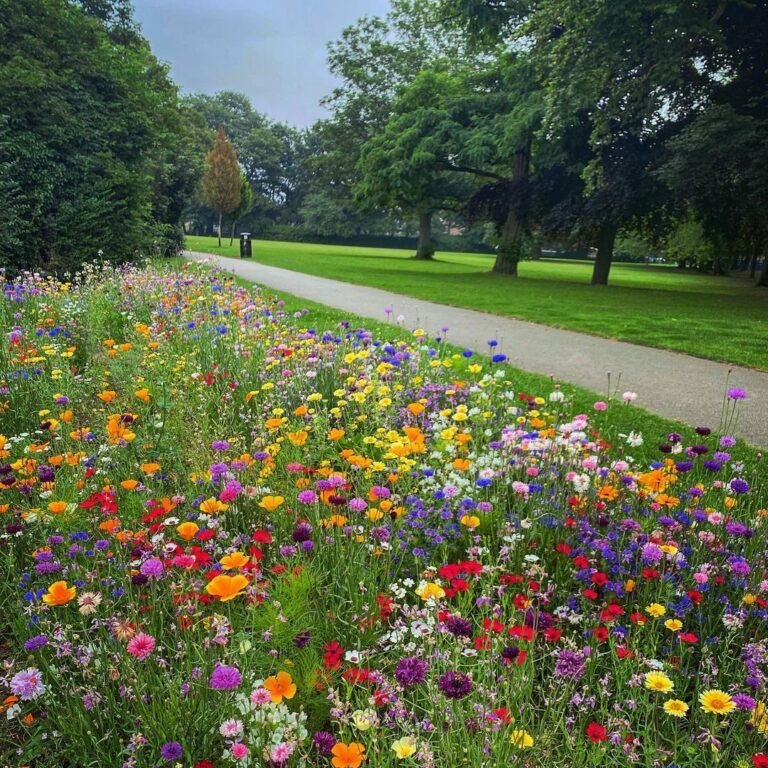
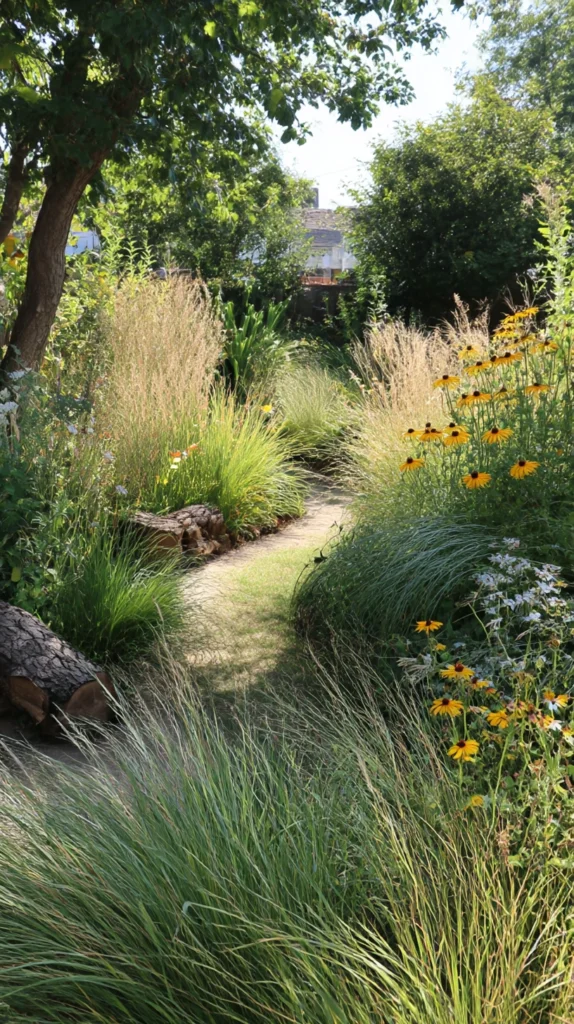
Leaving a section of garden deliberately unmanaged — a corner of long grass, a log pile, a patch of nettles and wildflowers — has moved from niche ecological practice to mainstream garden trend faster than almost anything else in recent years. The rewilded corner acknowledges that a garden is not just a space for people but a habitat for insects, birds, and small mammals, and that managed disorder can be as visually interesting as manicured planting if it is framed and positioned thoughtfully.
The cost of creating a rewilded corner is almost nothing beyond a packet of native wildflower seed ($5–$15) and the decision to stop mowing a defined area. Edge the rewilded section clearly with a mown path or a low border to signal that the wildness is deliberate rather than neglected — that single detail is what separates a rewilded corner that looks designed from one that simply looks like a garden that got away from its owner. A small handwritten sign identifying the space as a wildlife habitat adds charm and context for visiting guests.
Trend tip: Cut the rewilded area once in late autumn rather than leaving it completely unmanaged year-round. A single annual cut removes the thatch that builds up, allows new seed to reach the soil, and keeps the planting from becoming too coarse and shrubby over successive seasons.
2. Edible Flowers Everywhere
Cost to try: $5 – $40
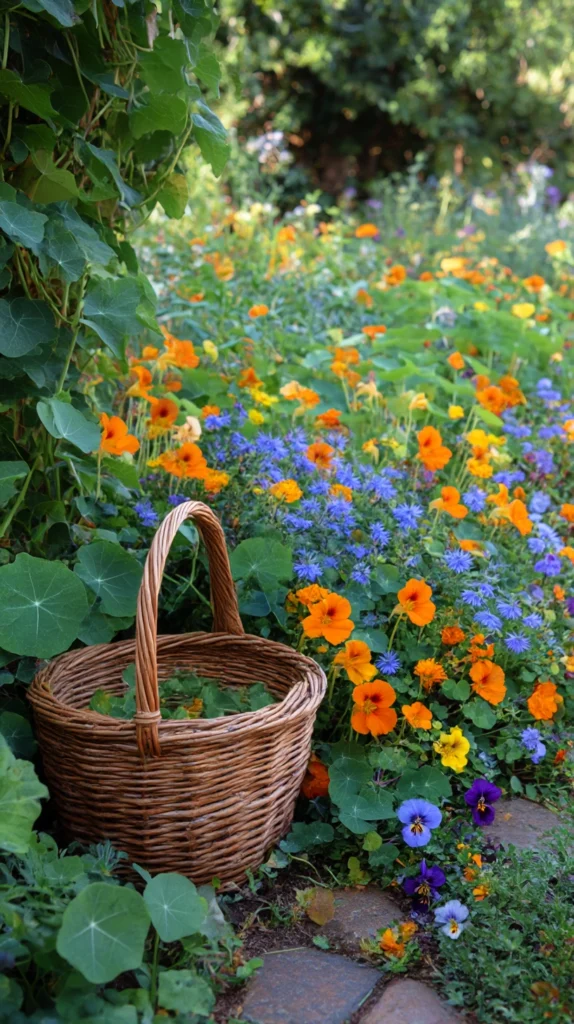
Growing flowers specifically to eat — nasturtiums, borage, calendula, viola, and courgette blossoms — has moved from restaurant kitchen gardens into everyday home growing with genuine momentum this summer. The appeal is partly aesthetic, partly practical, and partly the pleasure of a garden that contributes to the table as well as the eye. Edible flowers scattered through a salad, pressed into butter, frozen into ice cubes, or used to garnish a dessert make food look extraordinary for almost no effort or cost.
Nasturtium seeds cost $2–$4 per packet and are among the easiest plants in cultivation — sow directly in a sunny spot in May and expect flowers within eight weeks. Borage seeds cost $2–$5 and produce the most beautiful individual blue flowers of any edible plant, with a mild cucumber flavour that works in summer drinks. Calendula plug plants cost $3–$8 each. All three together establish a generous edible flower patch for under $20 in seed costs.
Trend tip: Harvest edible flowers in the early morning when they are freshest and most hydrated. Rinse gently and dry on a clean cloth before using. Pick only flowers you can identify with certainty as edible — not all garden flowers are safe to eat, and some are toxic.
3. The Outdoor Living Room
Cost to try: $200 – $1,500
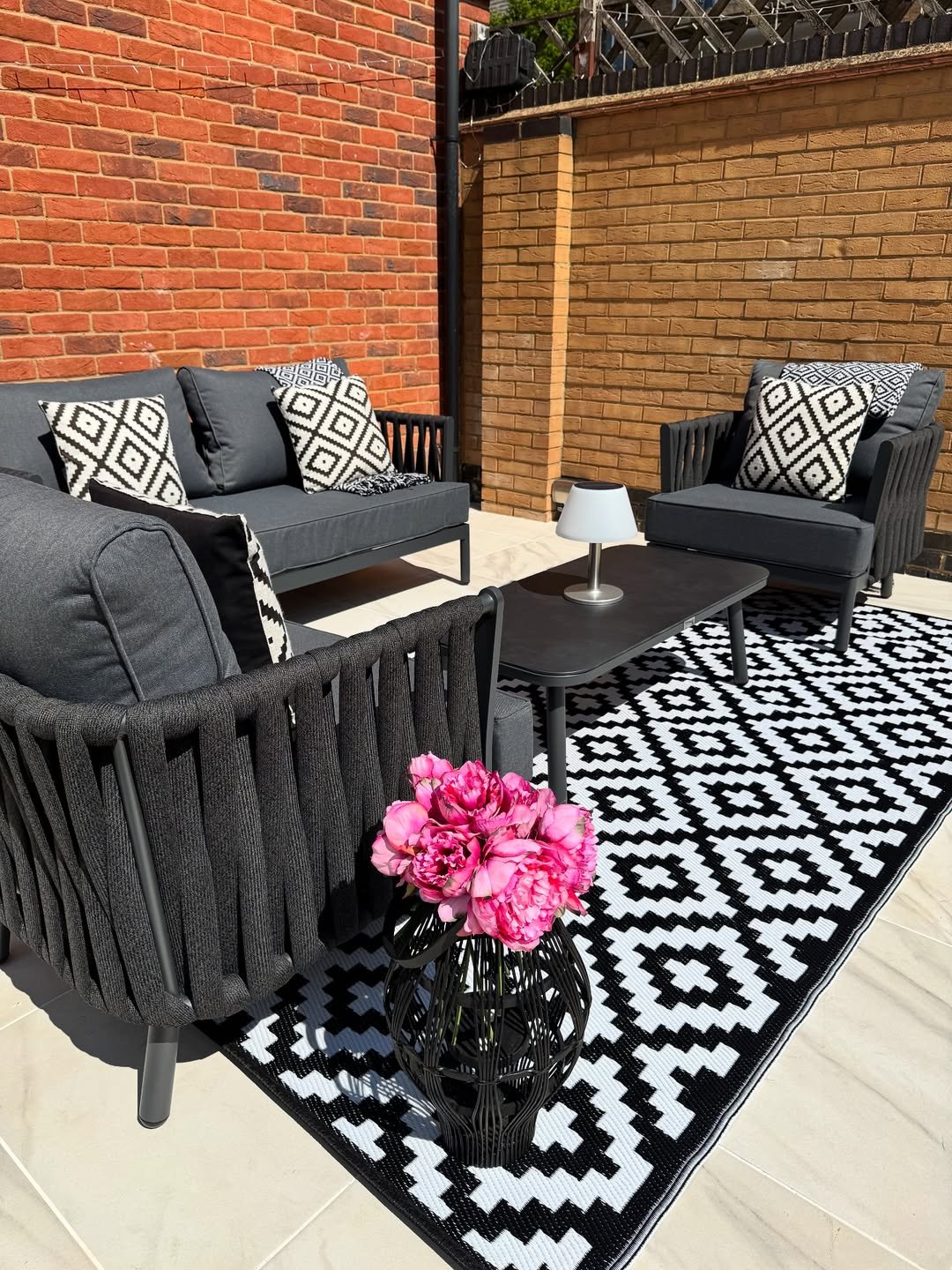
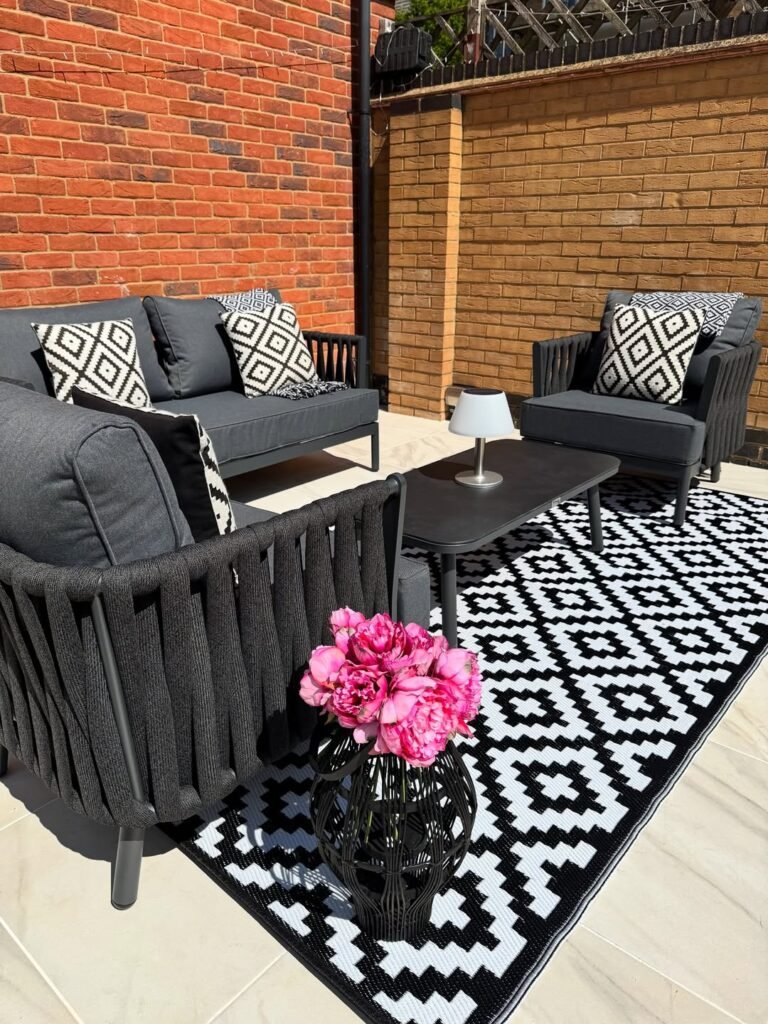
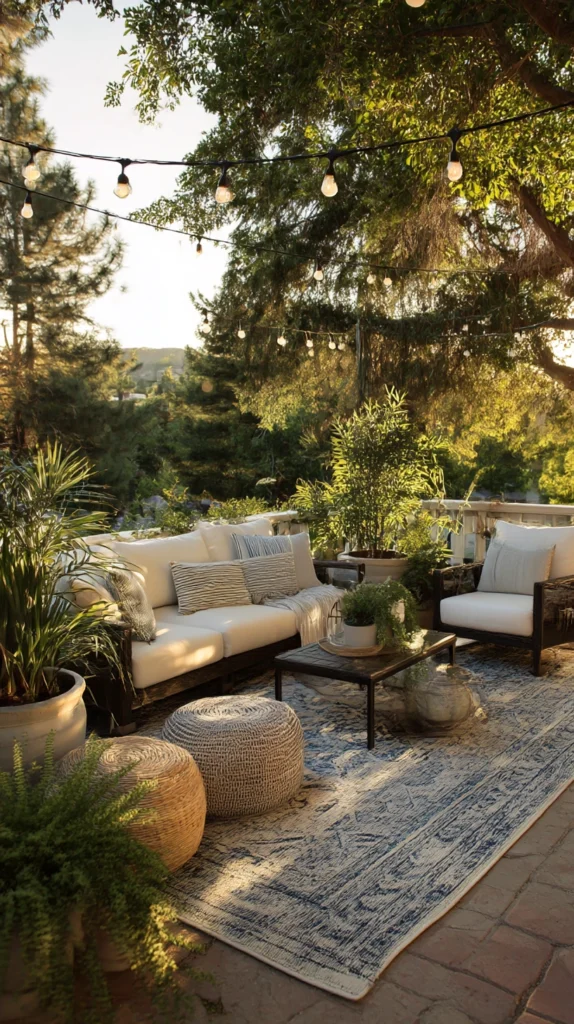
The idea of the outdoor living room — a defined area outside furnished and equipped with the same intention as an interior space — has accelerated significantly since more people began spending extended time at home. Weather-resistant sofas, coffee tables, rugs, pendant lights, and even outdoor curtains are showing up in gardens that previously had nothing more than a plastic table and four folding chairs. The garden has become a genuine room, used daily through summer rather than occasionally.
A quality outdoor sofa and coffee table set in powder-coated aluminium or acacia wood costs $300–$800. An outdoor rug costs $50–$200. String lights or a pendant lantern above the seating area runs $30–$150. The total for a complete outdoor living room setup sits between $400 and $1,200 depending on quality and scale. The return on that investment — in daily use through three or four months of summer — makes it one of the most cost-effective home upgrades available for the money spent.
Trend tip: Define the outdoor living room with a clear boundary — a rug, a change of surface, a low planter — that separates it from the rest of the garden. A seating area without a defined edge feels provisional. One with a clear boundary feels like a room.
4. No-Mow or Low-Mow Lawns
Cost to try: $15 – $100
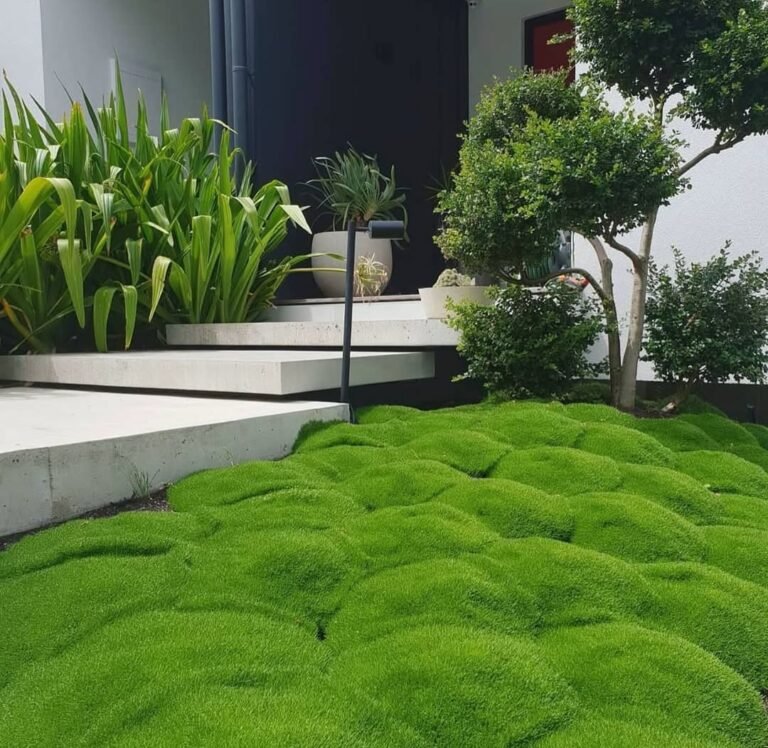
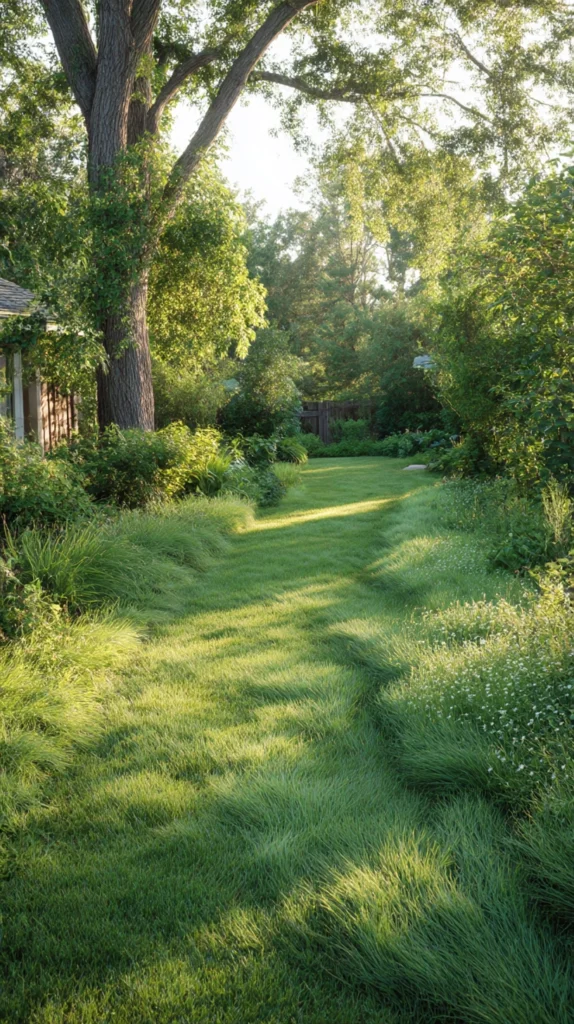
The perfectly striped, weed-free, bowling-green lawn is losing ground rapidly to the no-mow and low-mow movement. Allowing the lawn to grow longer, introducing clover and native grasses, or replacing sections of lawn entirely with ground cover plants reduces maintenance time, eliminates the need for chemical treatments, dramatically increases biodiversity, and — increasingly — looks genuinely better than a monoculture of short-cut grass. The low-mow lawn is the trend that saves effort and improves ecology simultaneously.
A no-mow or low-mow lawn requires nothing more than the decision to mow less frequently — cut to 7–10 cm rather than 3–4 cm and allow clover, self-heal, and native grasses to establish naturally over one to two seasons. To accelerate the process, oversow with a clover and native grass mix ($10–$25 per packet) in spring. For a more dramatic transformation, replace a section of lawn with a chamomile or creeping thyme lawn ($20–$60 in plug plants) that releases fragrance underfoot and needs cutting only two or three times per year.
Trend tip: Leave a mown path through or around the low-mow lawn to keep the design looking intentional. The contrast between the longer, wilder grass and the clean-cut path is what makes the whole arrangement read as a design decision rather than simply a lawn that has been forgotten.
5. Vertical Gardens and Living Walls
Cost to try: $40 – $400
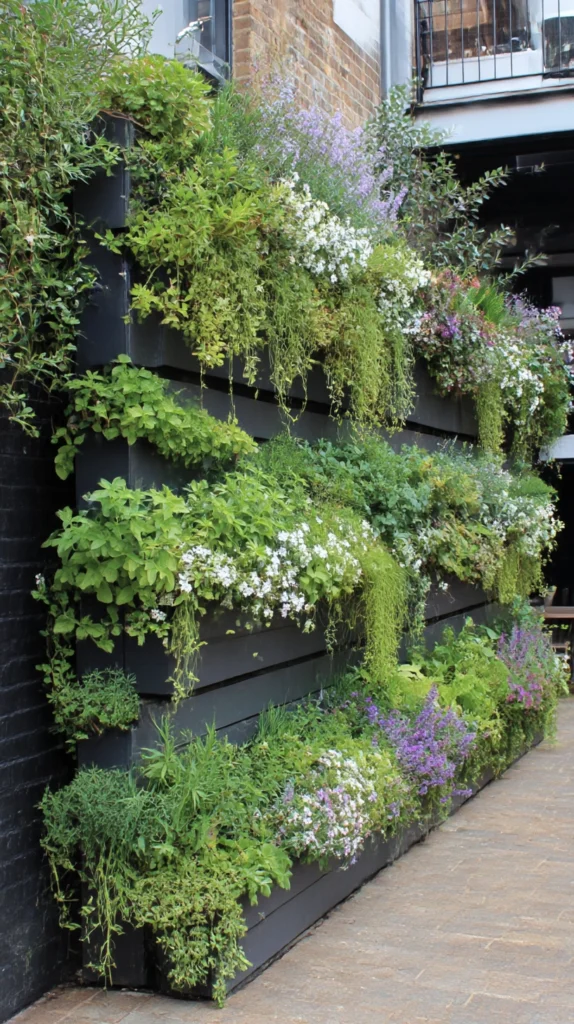
Vertical planting — on fences, walls, and purpose-built modular frames — has become one of the most popular garden trends for smaller urban spaces where ground area is limited. A living wall of herbs on a kitchen wall, a cascade of trailing plants down a fence panel, or a modular pocket planter system attached to a garden boundary adds planting density and visual interest in spaces that have no room to expand horizontally. It also insulates walls, reduces urban heat, and softens hard surfaces in a way nothing else achieves as efficiently.
Modular vertical planter systems in UV-resistant plastic or powder-coated steel cost $40–$120 for a starter set of six to twelve pockets. Freestanding vertical garden frames for patio use run $80–$200. Wall-mounted trellis panels for climbing plants cost $20–$60 per panel. Fill vertical planters with herbs ($2–$5 per pot), trailing petunias ($4–$8 each), or strawberries for a productive and decorative result. Water vertical wall planters more frequently than ground-level beds — the reduced soil volume and increased sun exposure dries them out significantly faster.
Trend tip: Install a simple drip irrigation line through a vertical wall planter before filling it with plants. Watering a living wall by hand is time-consuming and uneven — a drip system delivers consistent moisture to every pocket for a one-off installation cost of $15–$40 in materials and saves significant effort through the summer months.
6. The Gravel and Drought-Tolerant Garden
Cost to try: $80 – $400
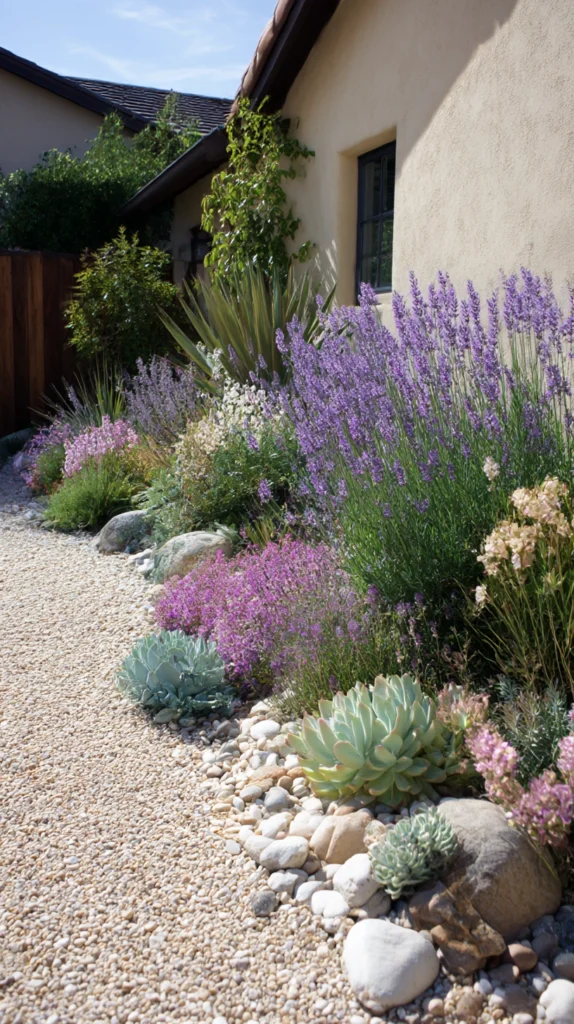
As water costs rise and hosepipe restrictions become more common through summer, the gravel garden planted with drought-tolerant Mediterranean and prairie species has shifted from a stylistic choice to a genuinely practical one. A gravel mulch suppresses weeds, retains soil moisture, reflects heat away from plant crowns, and eliminates the need for regular watering once plants are established — typically after the first growing season. The aesthetic is clean, contemporary, and works particularly well in sunny, south-facing gardens.
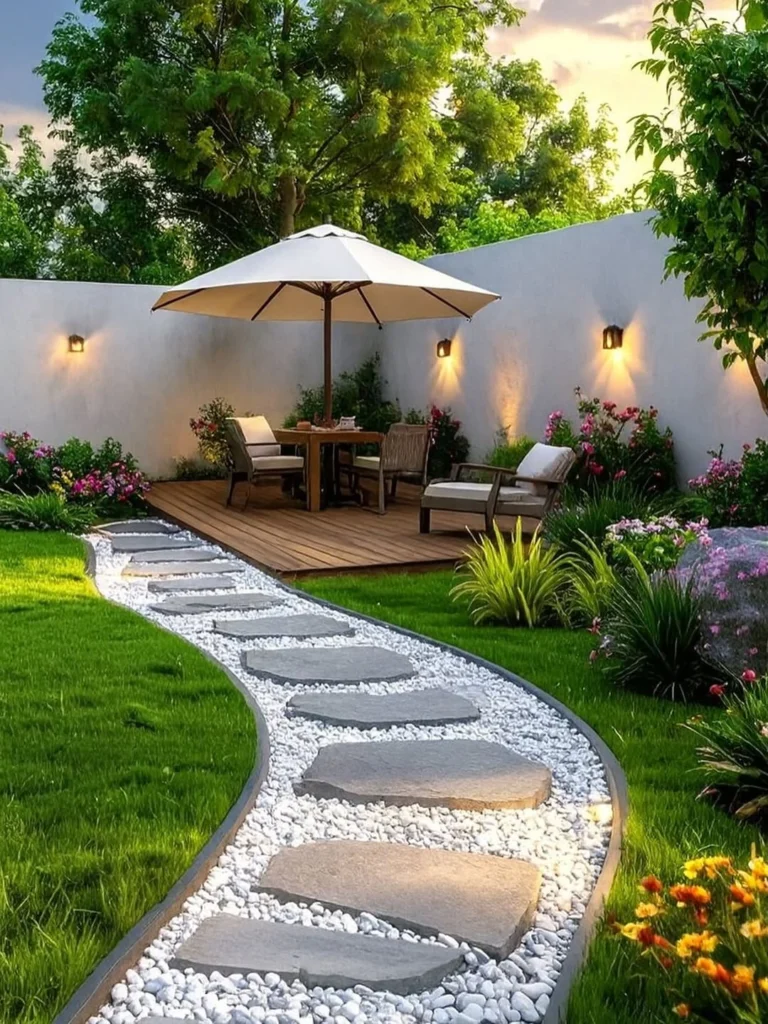
Horticultural gravel or slate chippings cost $20–$50 per large bag. A typical bed requires a 5 cm depth for effective weed suppression. Key plants for this style include lavender ($5–$15), sedum ($5–$12), verbascum ($6–$14), alliums ($1–$3 per bulb), and cistus ($8–$18). A water-permeable membrane beneath the gravel reduces weed breakthrough significantly and costs $15–$30 per roll. The initial setup requires more effort than a conventional bed but the ongoing maintenance drops to almost nothing from the second season onward.
Trend tip: Use two or three different sizes and colours of gravel within the same bed — a fine pale grit as the main ground cover with larger dark cobbles around the base of key plants adds texture and depth that a single gravel size never achieves. The contrast reads as thoughtfully designed rather than simply surfaced.
7. Cottage Garden Maximalism
Cost to try: $60 – $200
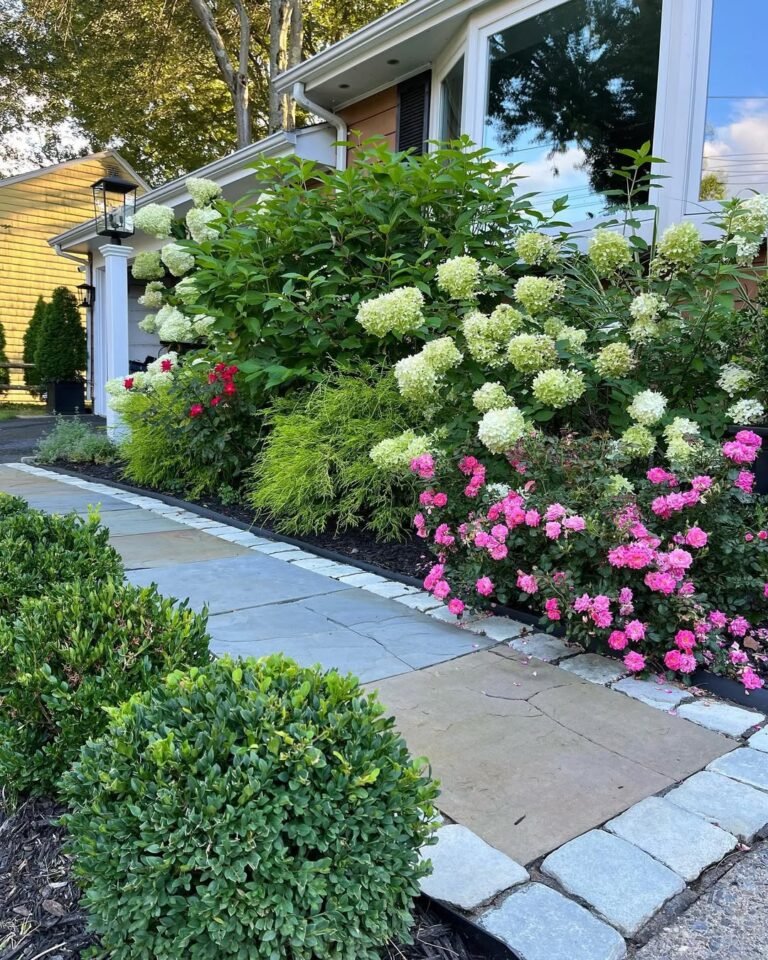
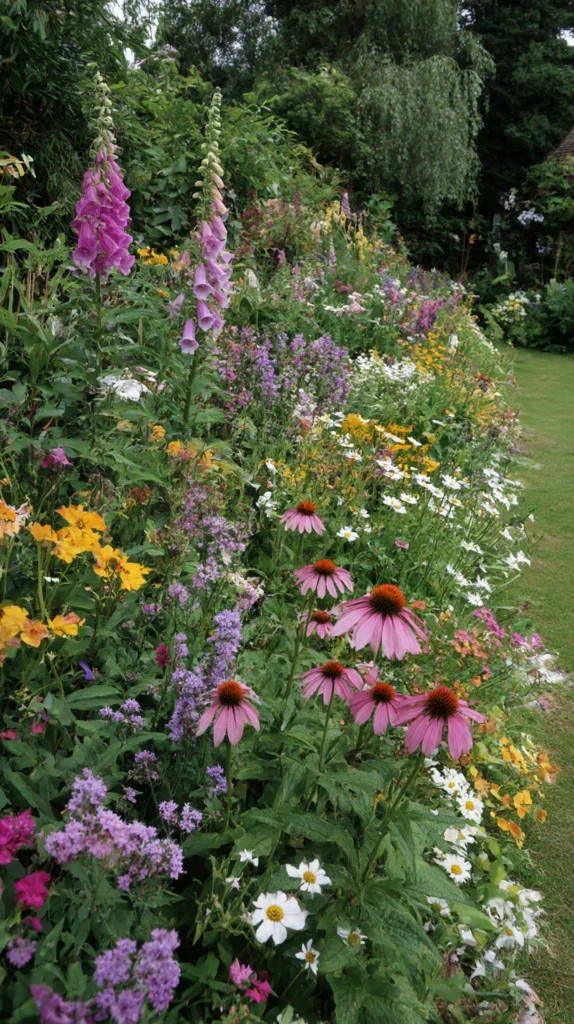
As a reaction to years of minimalist garden design, cottage garden maximalism — more plants, more colour, more texture, borders that spill and overflow rather than sit neatly within their edges — is one of the strongest aesthetic movements in gardening right now. The influence of designers like Piet Oudolf and the growing popularity of naturalistic planting has given permission to gardeners everywhere to fill every gap, mix every colour, and let the garden be genuinely abundant rather than restrained.
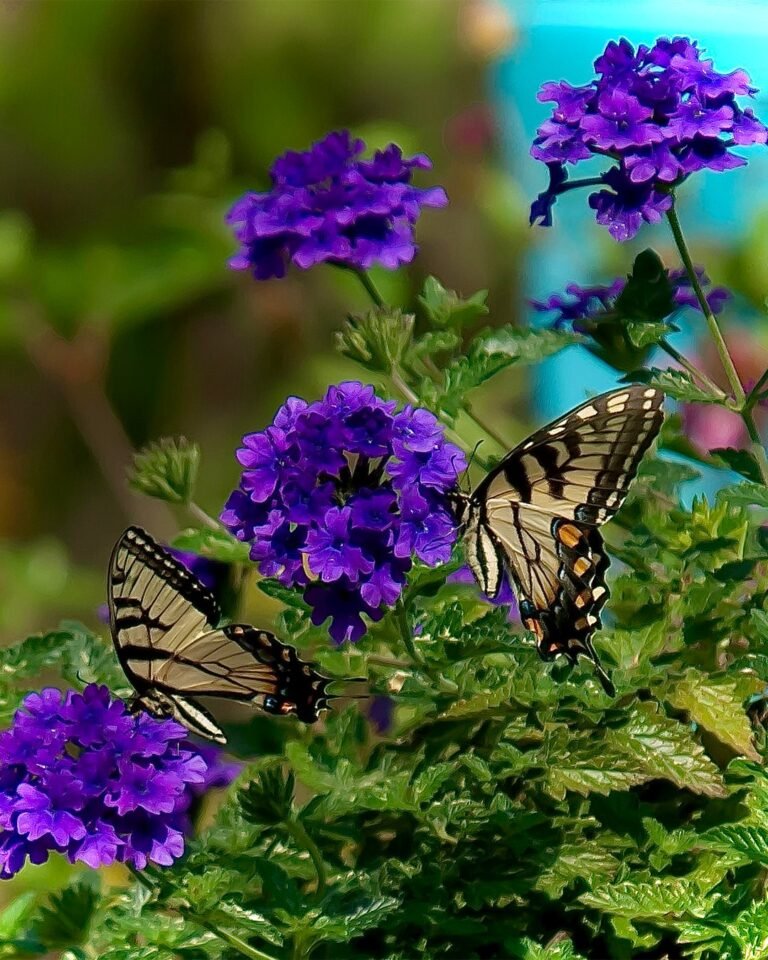
The maximalist cottage garden is built from self-seeding perennials and hardy annuals that do the replanting themselves: echinacea, foxglove, verbena bonariensis, achillea, aquilegia, and hardy geraniums are the foundation. A starter collection of six varieties at three plants each costs $90–$180 in small pots. Add direct-sown annuals — cosmos, nigella, and cornflower — from seed packets at $2–$5 each to fill gaps in the first season while the perennials establish. Within two seasons the bed looks after most of its own replanting.
Trend tip: The key to maximalism that looks intentional rather than chaotic is repetition — using the same three or four plants in multiple places across the bed rather than introducing a new variety at every position. Repeated plants create rhythm and coherence within the abundance, which is what separates a rich, layered planting from something that simply looks overcrowded.
8. Homegrown Cut Flowers
Cost to try: $15 – $80
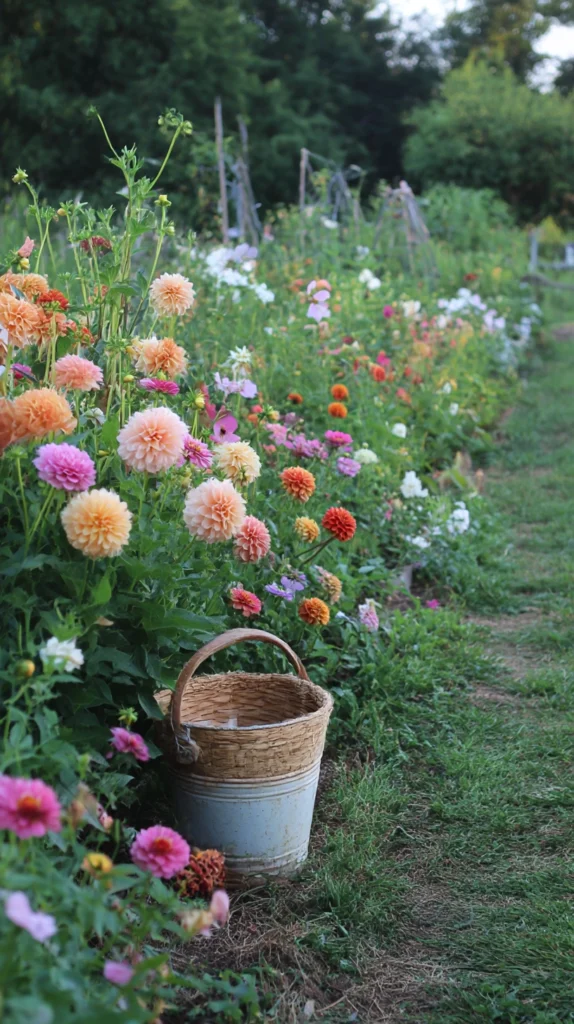
Growing your own cut flowers — rather than buying them from a supermarket where they have typically travelled thousands of miles — has become one of the most satisfying and widely adopted home growing trends of recent summers. A dedicated patch of dahlias, zinnias, cosmos, sweet peas, and rudbeckia costs a fraction of bought flowers, produces stems for months rather than days, and connects the home to the garden in a way that a shop-bought bouquet never can.
Dahlia tubers cost $3–$10 each and produce cut flowers from July to the first frost. Zinnia seeds cost $2–$4 per packet and flower within eight weeks of sowing. Cosmos seeds run $2–$5 per packet and produce stems continuously through the summer when cut regularly. Sweet pea seeds cost $3–$6 per packet and give the most fragrant cut flowers available from any garden plant. A cutting patch producing flowers from June through October can be established from seed for $15–$30 in total — less than the cost of two shop-bought bouquets.
Trend tip: Cut flowers in the early morning and place them immediately in a bucket of cool water. Strip all leaves from the lower two thirds of the stem before arranging. Change the vase water every two days. These three steps alone extend the life of homegrown cut flowers from three or four days to seven to ten — the difference between a bunch that feels worth growing and one that disappoints.
9. The Kitchen Garden on the Patio
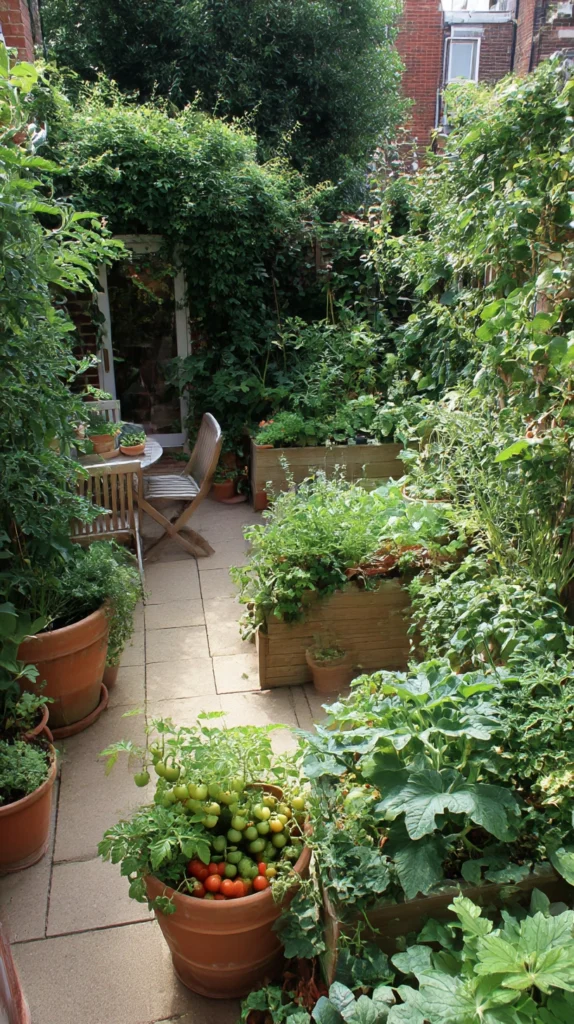
Cost to try: $50 – $200
Growing vegetables, herbs, and fruit in containers on a patio or terrace — rather than in a dedicated vegetable plot — has become the most accessible entry point into food growing for gardeners without dedicated growing space. Cherry tomatoes in pots, trailing courgettes in large planters, herb towers on the kitchen windowsill, and strawberries in hanging baskets bring the kitchen garden onto any outdoor surface, regardless of the size or layout of the garden behind it.
A self-watering planter suitable for tomatoes or courgettes costs $20–$50. Cherry tomato plants in 9 cm pots cost $3–$6 each from garden centres in late spring. A mixed herb pot costs $4–$10 and provides fresh leaves through the summer from a single container. Strawberry plants cost $2–$5 each and trail attractively from hanging baskets or window boxes. The total for a productive patio kitchen garden — tomatoes, courgettes, herbs, and strawberries — sits between $50 and $150 including containers and compost.
Trend tip: Feed container vegetables with a liquid tomato fertiliser every two weeks from the moment the first flowers appear. Containers exhaust their compost nutrients within six to eight weeks of planting and regular feeding is the single most important factor in productive patio growing — more impactful than pot size, variety choice, or watering frequency.
10. Solar Lighting Everywhere
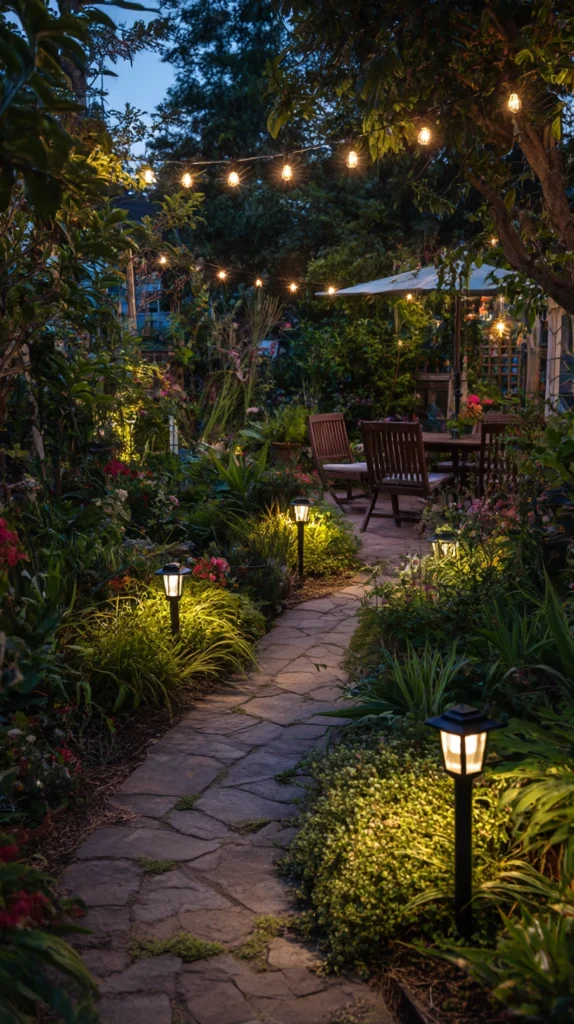
Cost to try: $20 – $150
Solar garden lighting has improved dramatically in quality and dropped significantly in price over the past two or three years, and the result is that solar-powered path lights, wall lanterns, hanging lights, and stake lights are showing up in gardens that previously had no outdoor lighting at all. The appeal is obvious — no wiring, no running costs, no electrician required, and the garden looks entirely different after dark from the moment the lights go in. Summer evenings outside are extended by a practical hour or more.
Solar path stake lights cost $2–$8 each and are available in multipacks for $15–$40. Solar wall lanterns with a dusk-to-dawn sensor run $15–$40 each. Solar string lights on a reel cost $20–$60 for a 10-metre run. The quality varies significantly between price points — budget solar lights from discount retailers often fail within one season. Mid-range solar lights from established garden brands cost more upfront but perform reliably through three or four summers, which makes them significantly better value over time.
Trend tip: Position solar lights where they receive direct, unshaded sun for at least six hours during the day. Solar lights that sit in shade during daylight hours charge inadequately and provide only one to two hours of light in the evening rather than the six to eight hours they are capable of when fully charged. Placement matters as much as the product itself.
11. The Sensory Garden
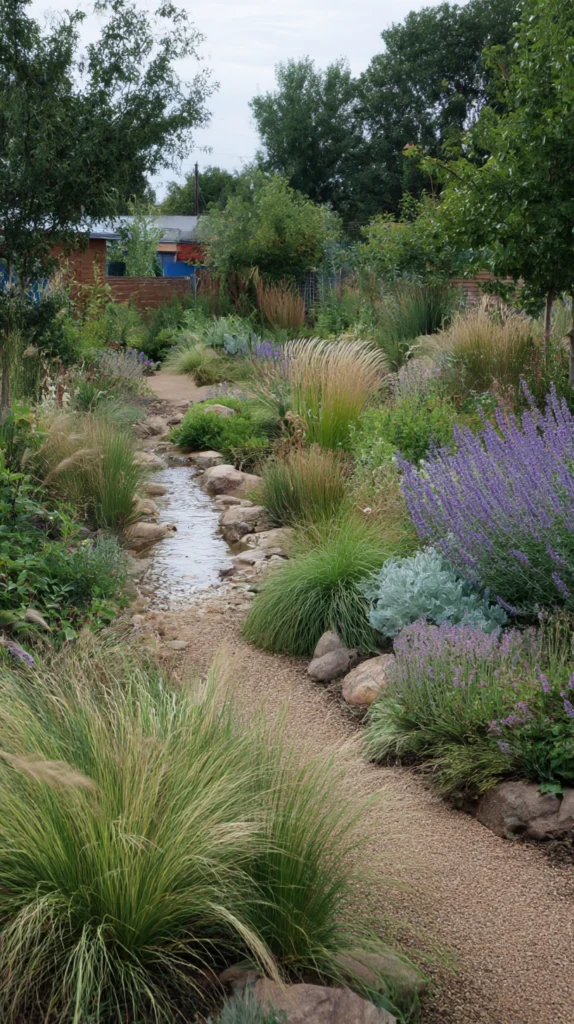
Cost to try: $40 – $200
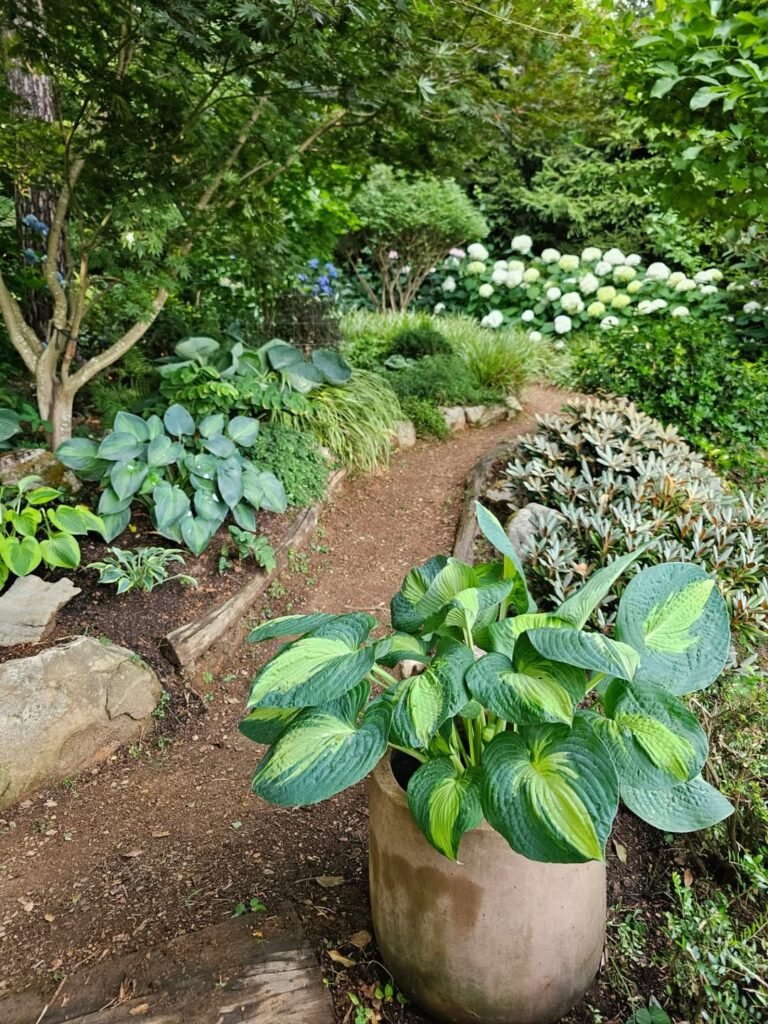
The sensory garden — designed to engage touch, smell, sound, and texture as well as visual interest — is a trend that has crossed over from therapeutic garden design into mainstream home gardening with growing enthusiasm. Planting that rustles in the wind, fragrant herbs that release scent when brushed, rough and smooth surfaces placed side by side, and the sound of moving water all contribute to a garden that feels fully inhabited rather than simply decorated. It is a richer, more involving experience of outdoor space.
Grasses for sound and movement — Stipa tenuissima, Pennisetum, Miscanthus — cost $7–$18 each. Fragrant plants for touch — lavender, rosemary, chocolate cosmos, scented pelargoniums — cost $5–$15 each. A small solar-powered water feature for sound costs $25–$80. Textural planting like lamb’s ear (Stachys), sea holly (Eryngium), and ornamental thistles add contrast to touch and cost $5–$12 each. A sensory corner assembled from five or six of these elements costs $60–$150 and transforms a quiet section of garden into something genuinely interesting to spend time in.
Trend tip: Position the most fragrant plants beside paths, gates, and seating areas where people naturally pause or brush past them. Scent released by contact or movement — rather than always drifting passively — creates moments of surprise that make a garden feel generous and alive in a way that visually-only planting cannot.
12. Slow Gardening
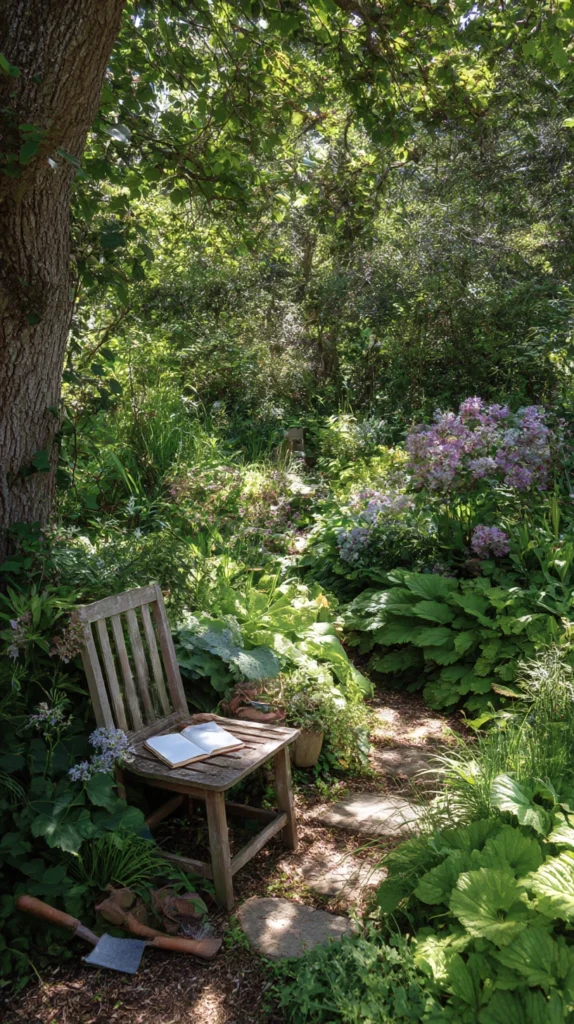
Cost to try: $0 – $30
Slow gardening is less a practical technique than a philosophical shift — the deliberate decision to garden with attention rather than efficiency, to observe what is already in the garden before adding more, and to measure success by enjoyment rather than output. It is a reaction to the productivity mindset that treats a garden as a project to be completed, and it resonates with a growing number of gardeners who find that slowing down in the garden is the most effective way to actually enjoy it. The trend has been gathering pace steadily and shows no sign of stopping.
The cost of slow gardening is almost nothing — a good notebook for recording observations ($5–$15), perhaps a simple hand tool or two ($10–$25), and the time to sit still in the garden for twenty minutes without doing anything. The practice involves noticing what is already there — which plants are self-seeding, which insects are visiting which flowers, how the light changes across the garden through the day — and making decisions based on observation rather than impulse. It is the gardening trend with the lowest entry cost and, for many people, the highest return.
Trend tip: Keep a simple garden journal through one full growing season — noting what is flowering each week, what the weather has been, what you noticed on a particular morning. Reading it back the following year reveals patterns in the garden that no amount of active management would have uncovered, and makes every decision in the second year more informed and more satisfying.
The strongest thread running through all twelve of these trends is a move toward gardens that feel genuinely lived in — spaces that serve the people using them and the wildlife depending on them, without demanding constant management in return. The gardens gaining the most attention right now are not the most manicured. They are the most alive.
Pick the trend that fits your garden, your time, and the way you actually want to spend a summer afternoon outdoors. Try one thing this weekend and see how it feels. The best garden trends are the ones that quietly become habits — and the best habits are the ones you barely notice you have formed.