13 Ways to Design Butterfly Gardens That Attract Dozens of Species
My garden had zero butterflies for years. Just grass, a few generic shrubs, nothing interesting flying around.
I watched my neighbor’s yard full of butterflies while mine stayed empty and lifeless.
Then I planted three simple nectar flowers. Within a week: 5 butterfly species. Within a month: constant activity all day.
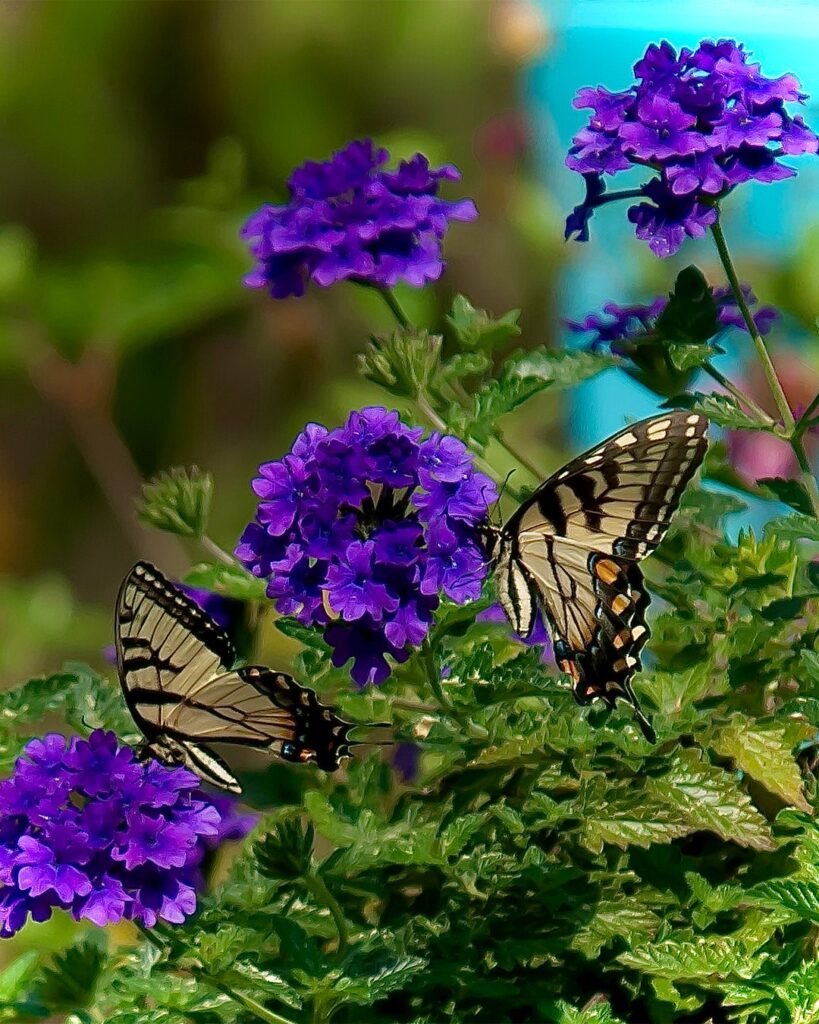
Now I see 20+ species regularly, hundreds of individual butterflies daily, and my garden feels alive. Same yard, completely different ecosystem.
Let me show you 13 butterfly garden designs that transform yards into pollinator havens.
Why My Yard Had No Butterflies
What I had wrong:
Generic landscaping:
- Mowed grass (zero butterfly value)
- Decorative shrubs (non-native, no nectar)
- Mulched beds (no host plants)
- Pesticide treatments (killing caterpillars)
Butterfly count: Basically zero, maybe 1-2 cabbage whites all summer
What butterflies actually need:
Nectar sources:
- Flowers with accessible nectar
- Blooming spring through fall
- Variety of colors and shapes
- Continuous food supply
Host plants:
- Specific plants for laying eggs
- Food for caterpillars
- Species-specific requirements
- Critical for reproduction
Shelter:
- Protected spots from wind
- Sunny locations (butterflies cold-blooded)
- Undisturbed areas
- Safe zones
After planting butterfly garden:
First additions (Year 1):
- Butterfly bush (3 plants, $24)
- Zinnias (seed, $3)
- Black-eyed Susans (6 plants, $18)
- Total investment: $45
Results within 2 weeks:
- Swallowtails (first visitors!)
- Painted ladies
- Skippers
- Fritillaries
- Constant activity
Current garden (Year 3):
- 20+ butterfly species regular
- 50-100 butterflies daily (peak summer)
- Caterpillars everywhere (good sign!)
- Garden feels alive
My revelation: Butterflies everywhere around us, just need the right flowers – plant it and they will come.
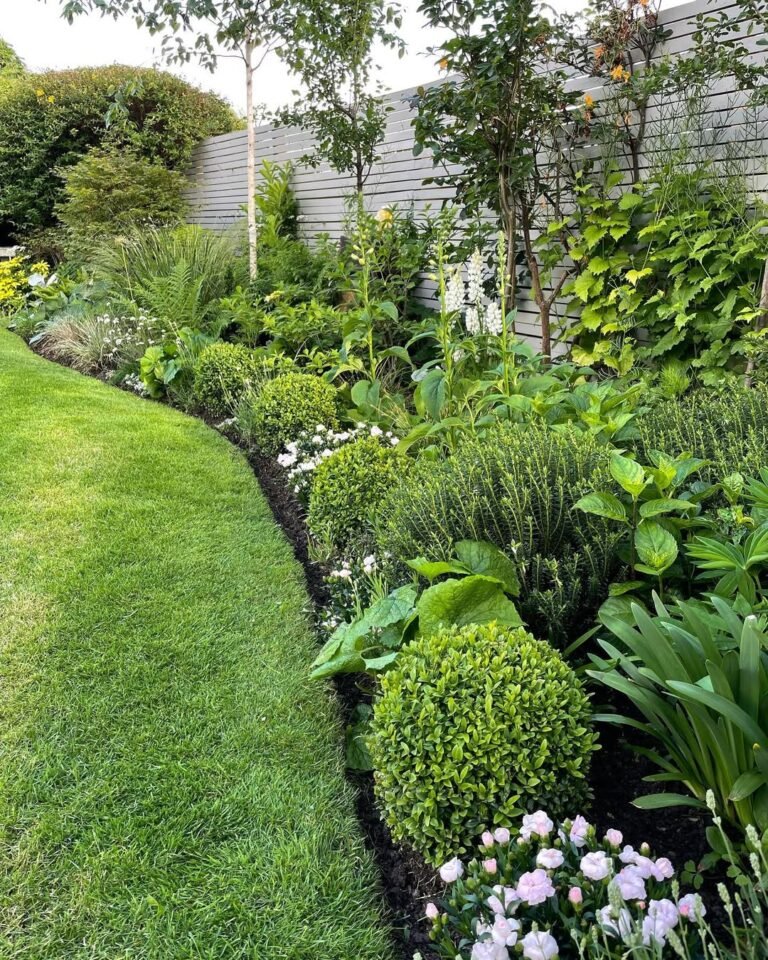
1. Classic Butterfly Border (My Gateway Design)
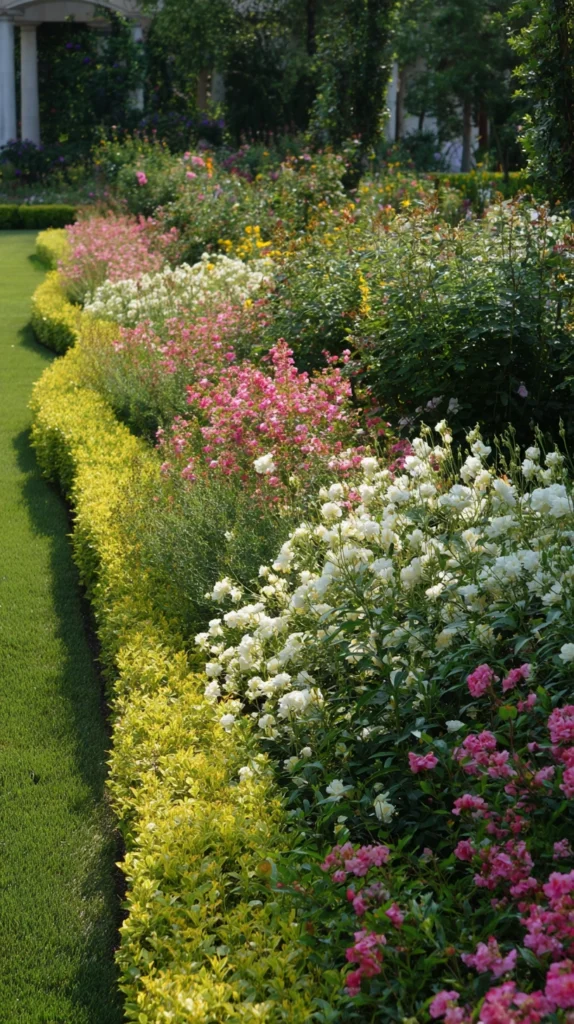
Flower border with continuous blooms – simple and effective.
My 20-foot border:
Spring bloomers (March-May):
- Violets (host plant for fritillaries)
- Dame’s rocket (purple, fragrant)
- Primrose (early nectar)
Summer stars (June-August):
- Butterfly bush (3 plants, main attraction)
- Coneflowers (purple, 8 plants)
- Black-eyed Susans (12 plants)
- Zinnias (annuals, replant yearly)
Fall finale (September-October):
- Asters (native, critical fall food)
- Goldenrod (monarch migration fuel)
- Sedum (late nectar)
Planting arrangement:
Back row (tallest):
- Butterfly bush (6 feet)
- Tall coneflowers (4 feet)
Middle row:
- Black-eyed Susans (3 feet)
- Asters (2-3 feet)
Front row (shortest):
- Zinnias (1-2 feet)
- Sedum (1 foot)
Color blocking:
- Groups of 3-5 same plant
- Mass plantings more visible
- Easier for butterflies to find
- More impactful
What visits my border:
Common species:
- Monarchs (love the butterfly bush)
- Swallowtails (both black and tiger)
- Painted ladies
- Red admirals
- Various skippers
Peak activity:
- Mid-morning (10 AM – noon)
- Sunny days (butterflies need warmth)
- Calm weather (wind keeps them away)
Cost: $120 (perennials last 5+ years), worth every penny.
My border: Starting point that convinced me, easy to maintain, constant butterfly traffic.
Border Success Tips
What works:
Sunny location essential:
- 6+ hours direct sun
- Butterflies cold-blooded
- Need warmth to fly
- Shade = no butterflies
No pesticides:
- Any pesticide kills caterpillars
- Even “organic” options
- Accept some leaf damage
- Caterpillars = future butterflies
Deadhead regularly:
- Remove spent blooms
- Encourages more flowers
- Extended bloom time
- More nectar available
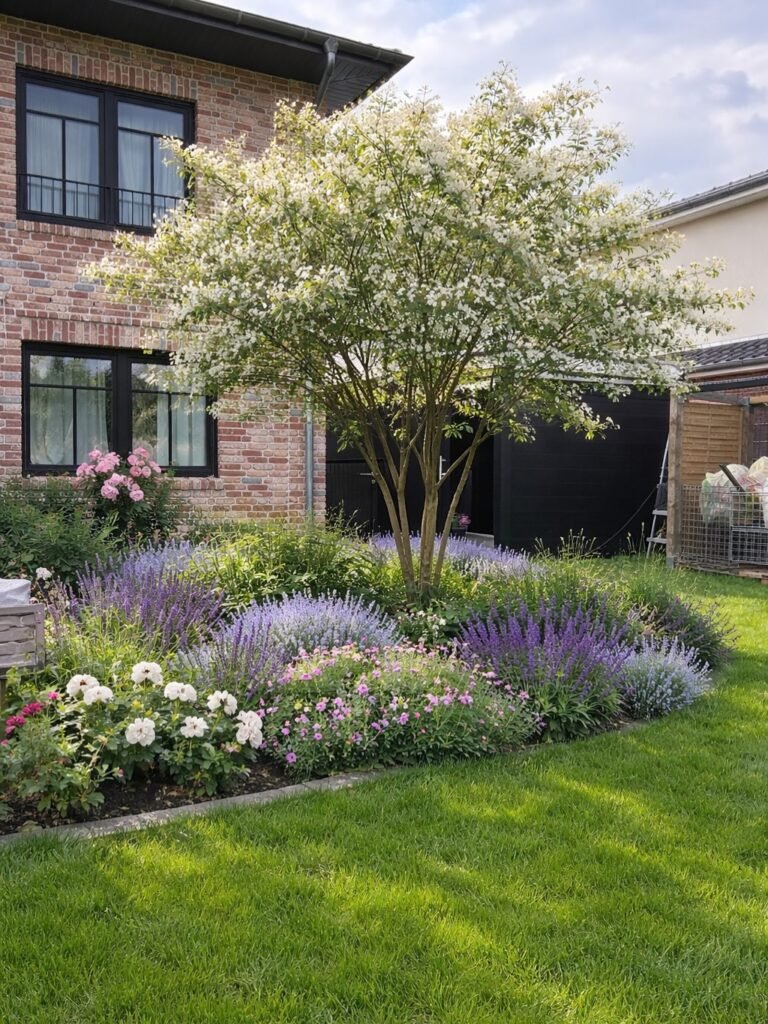
2. Butterfly Island Bed (360-Degree Viewing)
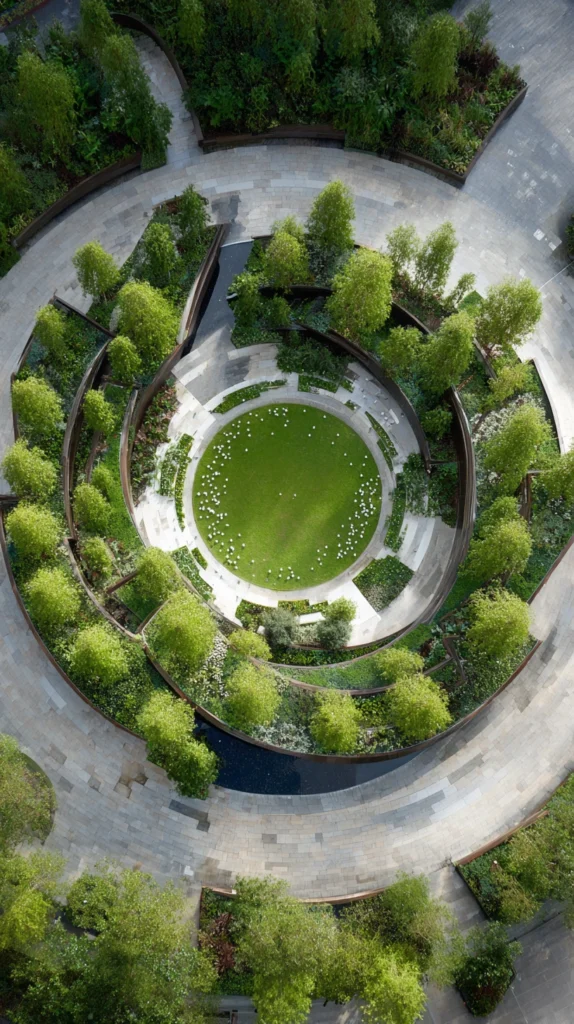
Circular planting in lawn – visible from all sides.
My 12-foot diameter island:
Center (tallest):
- Joe Pye weed (6-8 feet tall, butterfly magnet)
- Single specimen
- Focal point
- Dramatic height
Inner ring:
- Purple coneflowers (8 plants)
- Circle around center
- 4 feet tall
- Main nectar source
Middle ring:
- Black-eyed Susans (12 plants)
- Golden color
- 2-3 feet
- July-September bloom
Outer ring:
- Lantana (annuals, 10 plants)
- Low growing (1-2 feet)
- Continuous bloom
- Front edge
Why island design works:
All-side access:
- Butterflies approach from any direction
- No “back” to the garden
- Maximum visibility
- Open and inviting
Lawn backdrop:
- Green grass contrast
- Flowers stand out
- Easy to see butterflies
- Beautiful view
Central feature:
- Creates focal point
- Defines space
- Visible from house
- Landscape impact
My island: Most-photographed garden feature, butterflies constantly, neighbors always compliment.
3. Container Butterfly Garden (Deck/Patio Solution)
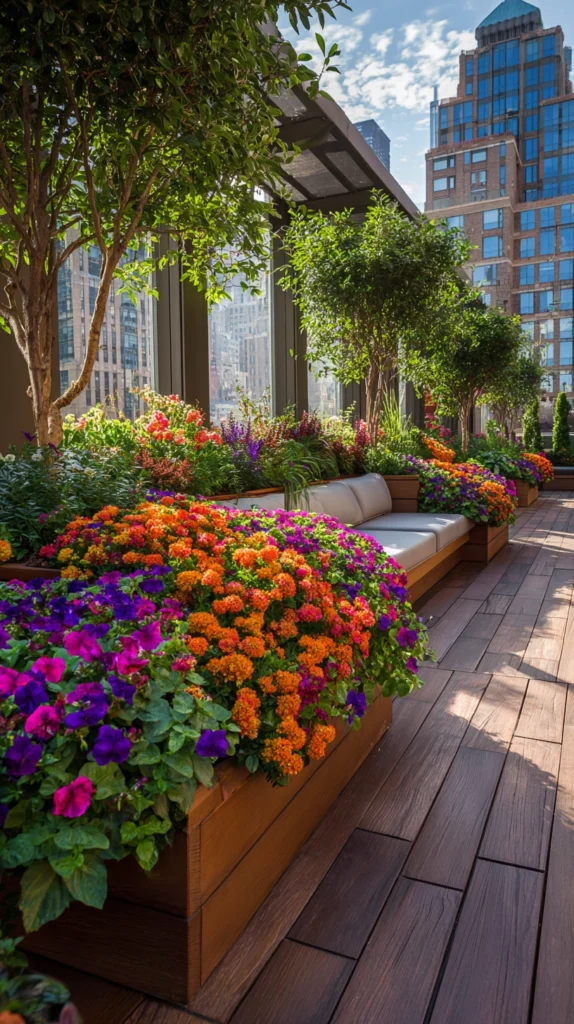
Potted nectar plants – no ground space needed.
My deck setup (12×16 deck):
Large containers (14-16 inch):
- Butterfly bush dwarf varieties (2 pots)
- Lantana (3 pots, different colors)
- Pentas (2 pots, red and purple)
Medium pots (10-12 inch):
- Zinnias (4 pots, succession planted)
- Salvia (3 pots, purple)
Arrangement:
Clustered grouping:
- Not scattered randomly
- Grouped in corner
- Creates “butterfly station”
- Concentrated attraction
Varied heights:
- Tall pots on deck floor
- Medium on tables
- Creates levels
- Visual interest
Benefits:
No garden space needed:
- Apartment balconies
- Condos
- Rental properties
- Temporary situations
Moveable:
- Follow sun seasonally
- Rearrange for events
- Bring indoors (freeze warning)
- Ultimate flexibility
What visits:
- Same species as ground gardens
- Butterflies don’t care about containers
- Just need the flowers
- Height doesn’t matter
Challenges:
Daily watering:
- Containers dry fast
- Summer = twice daily sometimes
- High maintenance
- Essential commitment
Limited host plants:
- Containers better for nectar
- Host plants need space
- Focus on adult feeding
- Reproduction happens elsewhere
My container garden: 10 pots, constant butterflies, zero ground space used.
4. Butterfly Meadow (Naturalistic Design)
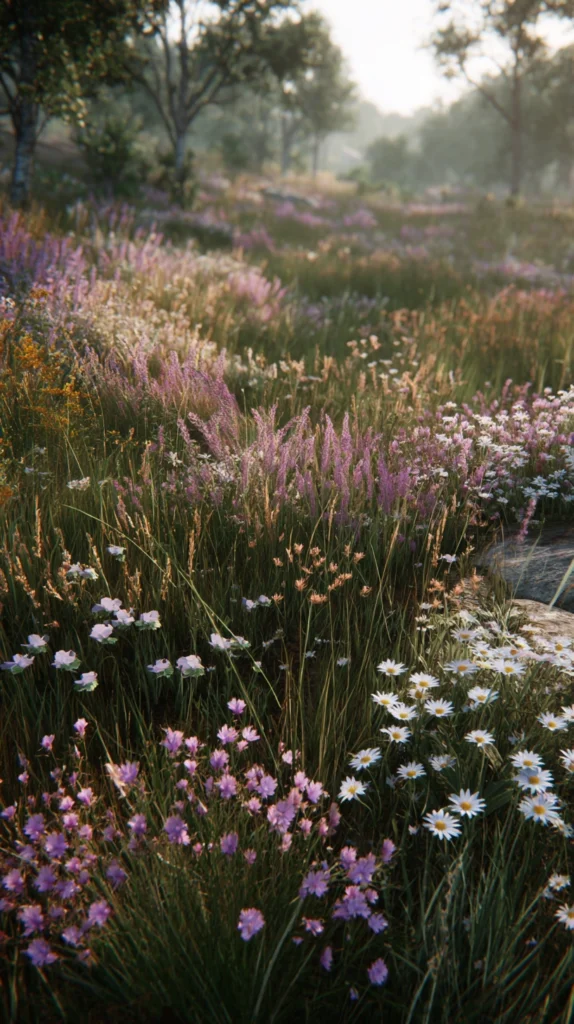
Native wildflowers in grass – low maintenance beauty.
My 15×15 meadow:
Planted mix:
- Native wildflower seed (1 lb, $30)
- Purple coneflower
- Black-eyed Susan
- Butterfly weed (monarch favorite)
- Asters
- Goldenrod
- Bee balm
Installation:
Fall planting:
- Mowed existing grass short
- Scattered seed
- Raked lightly
- Watered until established
Year 1 (establishment):
- Mostly weeds and grass
- Mow 3-4× (6 inches height)
- Keeps weeds down
- Lets wildflowers establish
- Disappointing first year
Year 2 (emergence):
- Wildflowers dominate
- Stop mowing
- Let grow naturally
- Beautiful transformation
Year 3+ (mature meadow):
- Self-sustaining
- Mow once yearly (late winter)
- Native plants spreading
- Peak beauty
Maintenance:
Minimal effort:
- Zero watering (after year 1)
- No fertilizing (ever)
- Annual mow (February)
- That’s it
vs traditional lawn:
- Was: 3 hours weekly mowing
- Now: 1 hour yearly mowing
- 99% time reduction
- Way more butterflies
My meadow: Easiest garden I maintain, most butterflies per square foot, neighbors fascinated.
5. Layered Butterfly Garden (Vertical Structure)
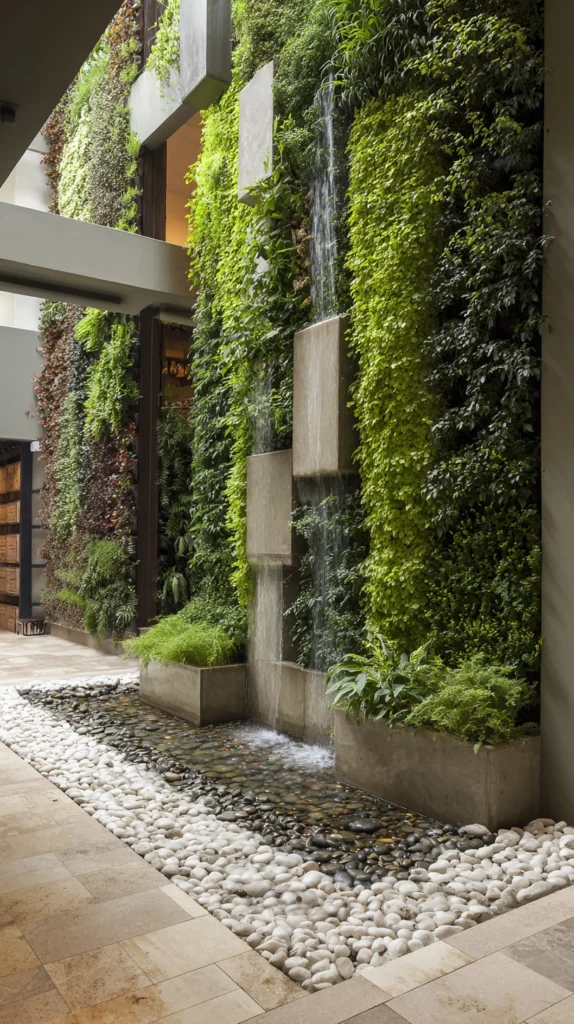
Multiple height levels – maximizes space and species.
My 10×15 layered garden:
Tree layer (overhead):
- Tulip poplar (swallowtail host)
- Provides dappled shade
- Wind protection
- Existing tree utilized
Shrub layer (4-6 feet):
- Butterfly bushes (3 plants)
- Lilac (great white admiral)
- Chokecherry (swallowtail host)
Perennial layer (2-4 feet):
- Coneflowers
- Black-eyed Susans
- Bee balm
- Joe Pye weed
Ground layer (under 1 foot):
- Violets (fritillary host)
- Sedum (late season nectar)
- Creeping thyme (butterflies love it)
Benefits of layering:
More species attracted:
- Different heights appeal to different butterflies
- Creates microclimates
- Diverse habitat
- Maximum biodiversity
Wind protection:
- Upper layers shelter lower
- Butterflies need calm conditions
- Protected feeding zones
- Better activity
Extended bloom:
- Tree blooms spring
- Shrubs early summer
- Perennials mid-summer
- Ground cover fall
- Season-long nectar
My layered garden: Most diverse butterfly species (15+ regulars), complex ecosystem, beautiful structure.
6. Host Plant Specialization Garden (Caterpillar Focus)
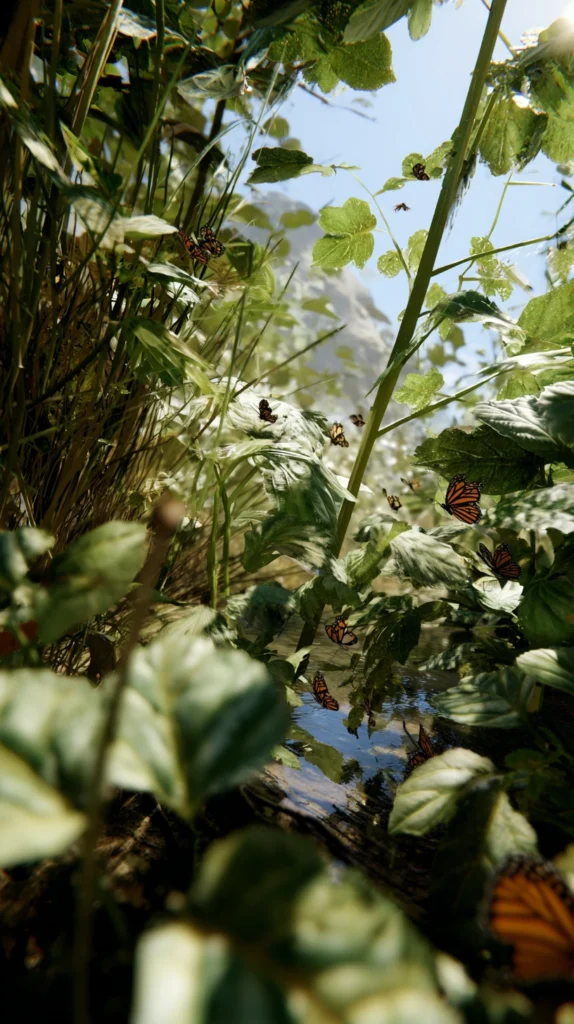
Plants for breeding – butterfly nursery.
My caterpillar garden:
For monarchs:
- Milkweed (swamp milkweed, 10 plants)
- Only monarch host plant
- Essential for breeding
- Most important
For swallowtails:
- Parsley (Black swallowtails)
- Fennel (also Black swallowtails)
- Dill (bonus herb harvest)
- Tulip poplar tree (Tiger swallowtails)
For painted ladies:
- Hollyhocks (beautiful and functional)
- Thistles (wild ones allowed)
- Sunflowers
For fritillaries:
- Violets (naturalized throughout)
- Passion vine (Gulf fritillary, southern)
For skippers:
- Native grasses (left unmowed in corner)
- Various species use grasses
What happens:
Egg laying:
- Female butterflies find host plants
- Lay eggs on specific plants
- Instinctually know correct ones
- Reproduction in my garden
Caterpillars everywhere:
- Munching leaves (expected)
- Growing rapidly
- Some plants stripped bare (accept this)
- Sign of success
Chrysalis sightings:
- Hanging from stems
- Hidden under leaves
- Magical transformations
- Educational opportunity
Next generation emerges:
- New butterflies born here
- Immediate population
- Self-sustaining system
- Complete lifecycle
My host plant garden: See entire butterfly lifecycle, educational for kids, feels like contributing to conservation.
7. Butterfly Puddling Station (Mineral Supplement)
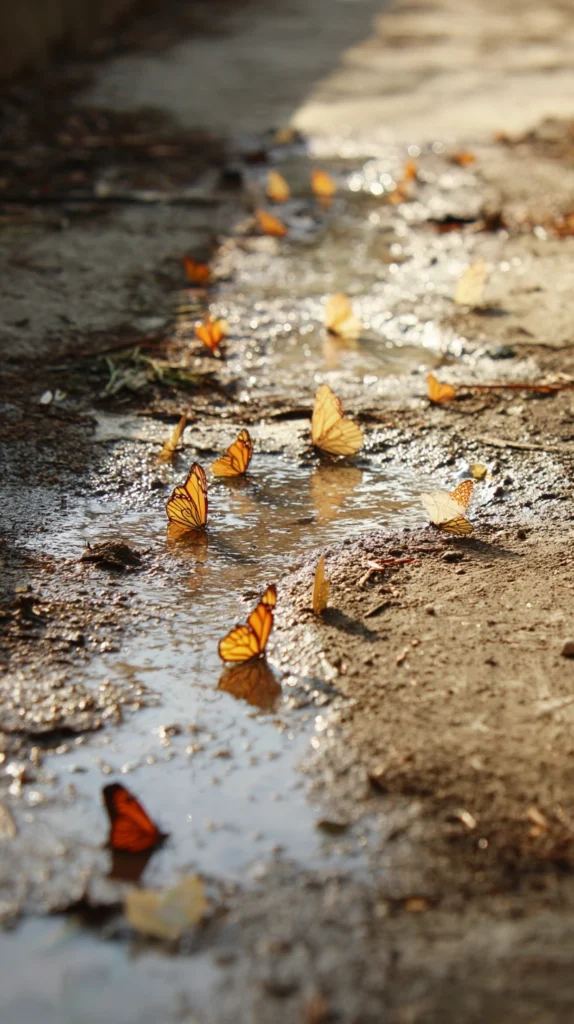
Wet sand/mud area – provides essential minerals.
My puddling station:
Simple construction:
- Shallow dish (12 inches diameter)
- 1 inch coarse sand
- Flat rocks scattered on top
- Placed near flowers
Maintenance:
Keep wet:
- Add water daily
- Saturate sand
- Standing water puddles
- Like muddy area
Add minerals:
- Pinch of sea salt (once weekly)
- Or wood ash (occasionally)
- Butterflies need sodium
- Especially males
What uses it:
Male butterflies primarily:
- Need sodium for reproduction
- “Puddle parties” (groups of 10+)
- Swallowtails especially
- Skippers common
Peak activity:
- Hot afternoons
- After getting nectar
- Males gather in groups
- Beautiful sight
Location matters:
Near flowers but separate:
- Within 10 feet of nectar sources
- Sunny spot (butterflies need warmth)
- Protected from wind
- Easy to monitor
My puddling station: Cost $8 (dish + sand), attracts 5-10 males daily, butterfly “bar” in garden.
8. Butterfly Border with Sitting Area (Human + Butterfly Space)
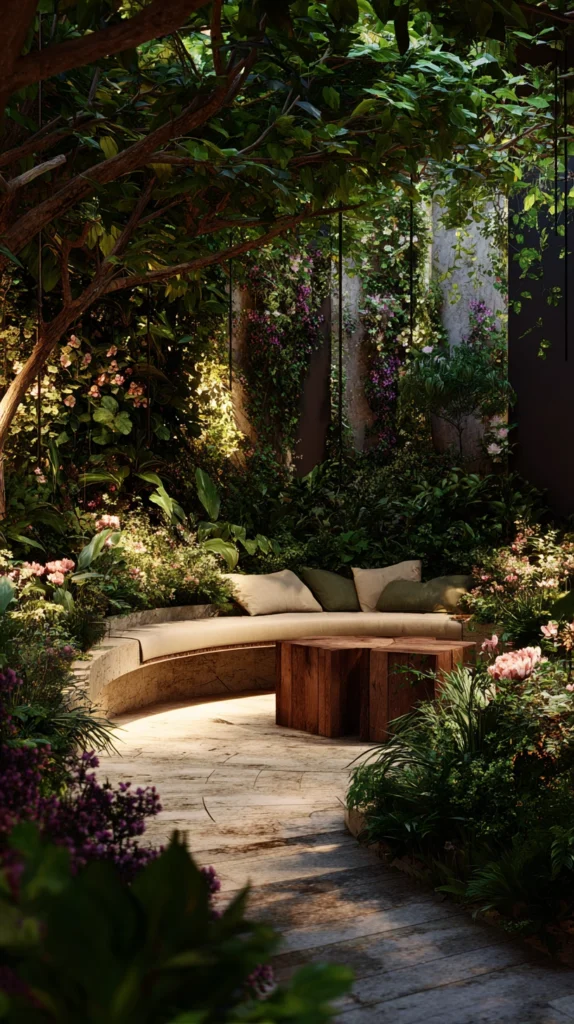
Flowers surrounding bench – immersive experience.
My butterfly sanctuary corner:
Seating:
- Small bench (2-person)
- Surrounded by flowers
- Sitting at butterfly level
- Intimate experience
Flower arrangement (around bench):
Behind bench:
- Tall butterfly bush (backdrop)
- Joe Pye weed
- 5-6 feet tall
- Privacy screen
Side plantings:
- Coneflowers (arm’s reach)
- Zinnias (close viewing)
- 2-3 feet away
- Can watch details
Front (feet area):
- Low-growing lantana
- Sedum
- Ground-level activity
- Complete surround
Experience:
Morning coffee:
- Sit with tea/coffee
- Butterflies inches away
- See wing patterns clearly
- Meditative
Photography:
- Close-up opportunities
- Natural lighting
- Patient waiting
- Incredible shots
My sanctuary: Favorite morning spot, butterflies land on me sometimes, peaceful and magical.
9. Succession Bloom Butterfly Garden (Season-Long Food)
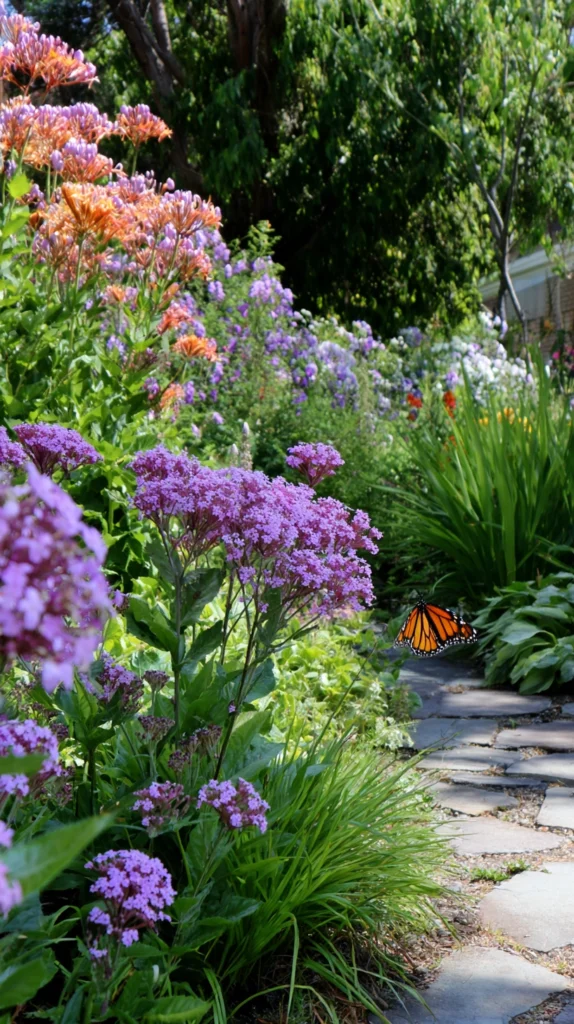
Timed plantings – nectar available March-October.
My bloom schedule:
March-April (early spring):
- Violets (appear first)
- Crocus (very early)
- Wildflower mix emerging
May-June (late spring):
- Columbine
- Dame’s rocket
- Lilac (shrub blooms)
- Phlox
July-August (peak summer):
- Butterfly bush (prime time)
- Coneflowers
- Black-eyed Susans
- Zinnias (annuals)
- Bee balm
September-October (fall):
- Asters (critical for monarchs)
- Goldenrod (migration fuel)
- Sedum (last nectar)
Planning strategy:
Something always blooming:
- Gap analysis (fill bloom gaps)
- Overlapping bloom times
- Continuous food supply
- Migration support
My succession garden: Never without butterflies, supports spring through fall, critical for migration.
10. Themed Color Butterfly Garden (Monochromatic Design)

Single color family – artistic and functional.
My purple theme garden:
All purple/violet flowers:
- Purple coneflower (main plant)
- Lavender (Mediterranean look)
- Salvia (deep purple)
- Verbena (trailing purple)
- Asters (purple variety)
- Butterfly bush (purple blooms)
Why single color works:
Visual impact:
- Cohesive appearance
- Designer look
- Memorable
- Photograph beautifully
Butterfly attraction:
- Butterflies see purple well
- UV patterns visible to them
- Highly attractive
- Mass planting effect
Varieties within theme:
- Light purple to deep violet
- Different textures
- Varied heights
- Unity with variety
My purple garden: Most beautiful aesthetically, still attracts many species, designer look + function.
11. Butterfly Herb Garden (Dual Purpose)
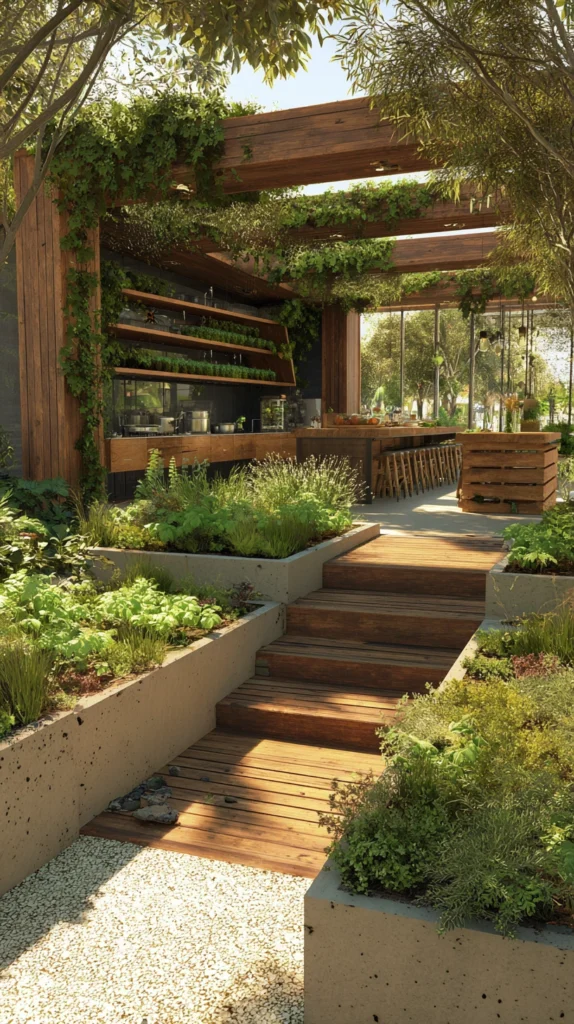
Culinary herbs that attract butterflies – functional integration.
My herb/butterfly combo:
Herbs butterflies love:
Fennel:
- Swallowtail host plant
- Harvest for cooking
- Beautiful foliage
- Dual purpose
Dill:
- Also swallowtail host
- Use in pickles
- Self-seeds
- Continuous supply
Lavender:
- Butterfly nectar
- Harvest for sachets
- Mediterranean cooking
- Drought-tolerant
Oregano:
- Flowers when blooming
- Cooking staple
- Perennial
- Low maintenance
Chives:
- Purple globe flowers
- Onion flavor
- Edible flowers
- Pretty and useful
Benefits:
Space efficiency:
- One garden, two purposes
- Food and butterflies
- Maximum productivity
- Efficient use
Harvest timing:
- Take leaves, leave flowers
- Butterflies use blooms
- Share the harvest
- Coexistence
My herb garden: Near kitchen, constant butterflies, harvest cooking herbs, beautiful and productive.
12. Native Plant Butterfly Garden (Ecological Approach)
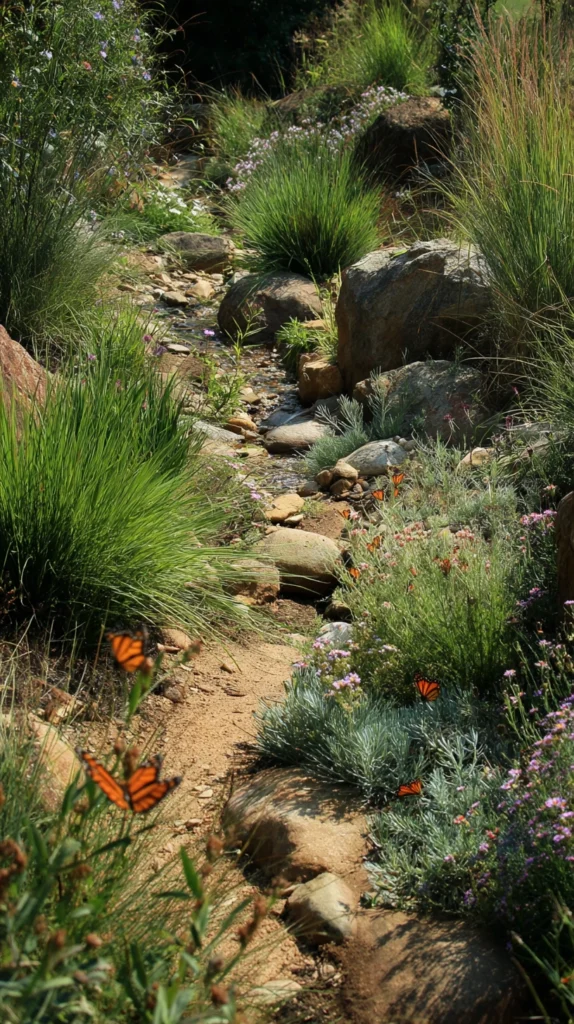
All native species – supports local ecosystem.
My native garden (Zone 7):
Native nectar plants:
- Purple coneflower (Echinacea purpurea)
- Black-eyed Susan (Rudbeckia hirta)
- Joe Pye weed (Eutrochium purpureum)
- New England aster (Symphyotrichum novae-angliae)
- Butterfly weed (Asclepias tuberosa)
- Bee balm (Monarda didyma)
Native host plants:
- Milkweed (Asclepias species)
- Violets (Viola species)
- Native grasses (for skipper larvae)
- Tulip poplar (existing tree)
Why native matters:
Co-evolved relationships:
- Local butterflies adapted to these plants
- Nutritional requirements met
- Recognize plants instinctively
- Better survival rates
Support complete lifecycle:
- Nectar for adults
- Host plants for caterpillars
- Overwintering sites
- Year-round support
Low maintenance:
- Adapted to local conditions
- Less water needed
- Disease resistant
- Thrives without help
Conservation value:
- Preserves local genetics
- Supports entire food web
- Birds eat caterpillars
- Ecosystem benefits
My native garden: Most sustainable, attracts rarest species, feels like restoration work.
13. Raised Bed Butterfly Garden (Controlled Growing)
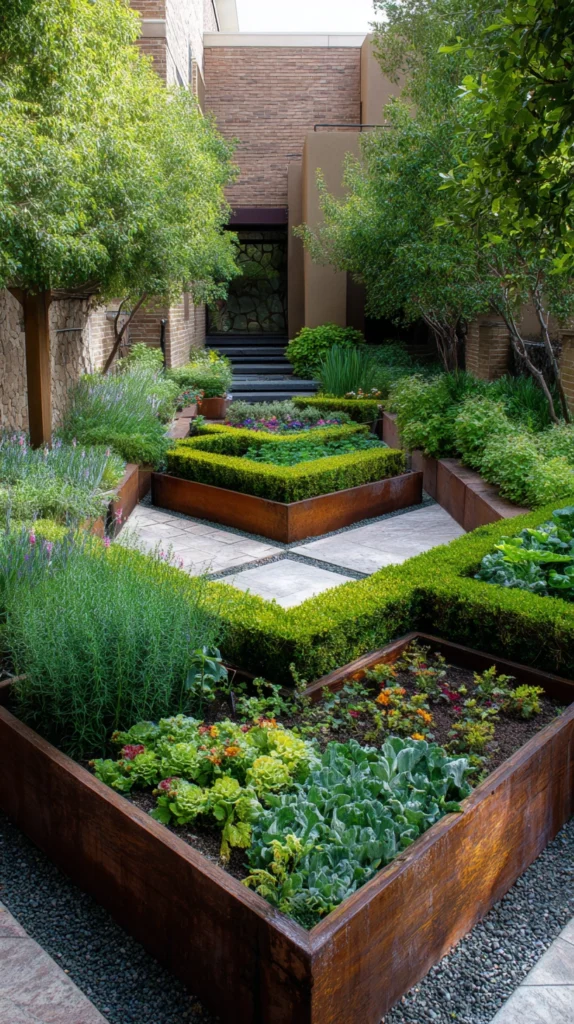
Elevated planters – accessibility and design.
My 4×8 raised butterfly beds:
Bed design:
- Cedar frames (18 inches tall)
- Quality soil mix
- Excellent drainage
- Weed-free start
Planting:
Perennials (permanent):
- Coneflowers (6 plants)
- Black-eyed Susans (8 plants)
- Asters (4 plants)
- Sedum (edge planting)
Annuals (seasonal color):
- Zinnias (replant yearly)
- Marigolds (gap fillers)
- Cosmos (tall background)
Benefits:
Accessibility:
- Higher = less bending
- Easier maintenance
- Better viewing angle
- Ergonomic
Controlled environment:
- Perfect soil (not native clay)
- Better drainage
- Optimal conditions
- Healthier plants
Visual impact:
- Defined edges
- Designed appearance
- Landscape feature
- Intentional look
My raised beds: Back-friendly gardening, excellent plant performance, beautiful structure.
Designing for Maximum Butterfly Attraction
What actually works:
Plant Quantity Matters
Mass plantings essential:
Minimum effective:
- 3-5 of same plant (butterflies notice)
- 10+ better (creates visual target)
- Single plants ignored
- Groups attract
My test:
- One coneflower: 2 butterfly visits daily
- Five coneflowers grouped: 15+ visits daily
- Mass planting works
- Numbers matter
Bloom Overlap Critical
Continuous food supply:
Gaps are bad:
- 2-week bloom gap = butterflies leave
- Go elsewhere for food
- Hard to re-attract
- Lost momentum
Succession planning:
- Always 3+ flowers blooming
- Overlapping bloom times
- Safety margin
- Reliable food
Flower Shape Variety
Different butterflies different preferences:
Flat landing platforms:
- Zinnias, coneflowers
- Large butterflies prefer
- Easy nectar access
- Swallowtails love
Tubular flowers:
- Butterfly bush, salvia
- Long proboscis species
- Smaller butterflies
- Skippers excel
Cluster flowers:
- Lantana, verbena
- Multiple blooms
- Sustained feeding
- All species
My mix: All three types, maximum species diversity, something for everyone.
Butterfly Garden Maintenance
Keeping it functional:
Deadheading vs Leaving Seed Heads
Conflicting advice:
Deadhead for continuous bloom:
- Removes spent flowers
- Encourages new blooms
- Extended nectar period
- More butterfly food
Leave for seeds:
- Goldfinches love coneflower seeds
- Self-seeding (free plants)
- Winter interest
- Bird food
My compromise:
- Deadhead 50% (keep blooming)
- Leave 50% (seeds for birds)
- Best of both
- Balance approach
Pesticide-Free Essential
Zero tolerance:
No pesticides ever:
- Any pesticide kills caterpillars
- Even organic options (Bt, spinosad)
- Systemic killers in nectar
- Non-negotiable
Accept damage:
- Swallowtail caterpillars strip parsley
- Expected and good
- Sign of success
- Embrace it
Natural predators:
- Wasps control excess caterpillars
- Birds eat some
- Natural balance
- Let nature manage
Water Source Helpful
Butterflies need water:
Shallow water:
- Birdbath with rocks (landing spots)
- Puddling station
- Wet sand
- Easy access
My setup:
- Birdbath + puddling station
- Doubles butterfly activity
- Essential resource
- Inexpensive addition
Common Butterfly Garden Mistakes
What doesn’t work:
Mistake 1: Only Butterfly Bush
Limited palette:
- Planted only butterfly bushes
- Blooms July-September (gap before and after)
- Limited host value
- Incomplete solution
Fix: Butterfly bush + 10 other species, season-long coverage, host plants added.
Mistake 2: Shady Location
Wrong placement:
- Planted flowers in shade
- Butterflies need sun warmth
- They’re cold-blooded
- Empty garden
Fix: Moved to full sun (6+ hours), instant butterfly traffic, location critical.
Mistake 3: Small Single Plants
Scattered approach:
- One of many different plants
- Scattered throughout
- Butterflies missed them
- Ineffective
Fix: Groups of 5-10 same plant, mass plantings visible, butterflies found them immediately.
Mistake 4: All Non-Native Plants
Exotic-only garden:
- Beautiful flowers
- Zero caterpillars
- Adults visited but didn’t breed
- Incomplete ecosystem
Fix: Added native host plants (milkweed, parsley, violets), now see complete lifecycle.
Mistake 5: Gave Up Year 1
Impatience:
- Planted, expected instant butterflies
- Takes time for discovery
- Was disappointed
- Almost quit
Reality: Year 1 modest, Year 2 good, Year 3+ excellent – patience essential.
Species-Specific Attraction
Target butterflies:
Monarch Magnets
Milkweed essential:
- Only host plant for monarchs
- Multiple species available
- Swamp milkweed (my favorite, no aphids)
- Common milkweed (aggressive spreader)
- Butterfly weed (Asclepias tuberosa, orange flowers)
Fall migration needs:
- Asters and goldenrod (September-October)
- Fuel for 2,000-mile journey
- Critical timing
- Conservation value
My monarch garden: 10 milkweed plants, 30+ caterpillars summer, watch migration fueling fall.
Swallowtail Hosts
Herb family:
- Parsley, dill, fennel (Black swallowtail)
- Plant extra (for you and caterpillars)
- Share the harvest
- Beautiful caterpillars (green with yellow dots)
Trees:
- Tulip poplar (Tiger swallowtail)
- Wild cherry (also Tiger)
- Spicebush (Spicebush swallowtail)
My swallowtail success: 20+ caterpillars on fennel, stripped bare (expected), worth it for butterflies.
Painted Lady Favorites
Thistles:
- Native thistles (if you can tolerate)
- Or buy plants, keep contained
- Primary host plant
Alternatives:
- Hollyhocks (easier for gardens)
- Sunflowers
- More manageable
Budget Butterfly Garden
Maximum butterflies, minimum cost:
Start from Seed ($10-20)
Easy from seed:
- Zinnias ($3, 100+ plants)
- Cosmos ($3)
- Sunflowers ($3)
- Black-eyed Susans ($4)
One season = $13:
- Hundreds of plants
- Continuous bloom
- Incredible value
- Annuals return via self-seeding
Native Plant Exchanges (Free)
Find local:
- Native plant societies
- Garden clubs
- Facebook groups
- Neighbor swaps
My free plants:
- 20 coneflower divisions
- 30 black-eyed Susan seedlings
- 15 aster divisions
- $0 cost, thriving garden
Let It Self-Seed
Plant once, free forever:
- Black-eyed Susan volunteers everywhere
- Cosmos self-seeds reliably
- Columbine spreads
- Violets naturalize
My self-seeding areas: Planted 4 years ago, now dozens of plants, zero additional cost.
My Complete Butterfly Garden
What’s actually growing:
Nectar garden (main area, 20×30 feet):
- Butterfly bushes (5 plants)
- Coneflowers (20+ plants)
- Black-eyed Susans (30+ plants, self-seeded)
- Zinnias (annual beds)
- Asters (fall color)
Host plant areas:
- Milkweed patch (10 plants, monarchs)
- Herb garden (fennel, dill, parsley – swallowtails)
- Violet groundcover (fritillaries)
- Native grasses (skippers)
Supplemental features:
- Puddling station
- Birdbath (with rocks)
- Butterfly bench (sitting area)
- Undisturbed corners (overwintering)
Total investment: $200 over 3 years
Current value:
- 20+ butterfly species regular
- 50-100 individuals daily (summer peak)
- Complete lifecycle observations
- Educational resource
- Property value increase
- Priceless enjoyment
Time investment:
- Spring planting: 10 hours
- Weekly maintenance: 1 hour (deadheading, watering)
- Annual: ~60 hours total
- Pure enjoyment time: Hundreds of hours
Best decision: First butterfly bush planted, opened new world, garden transformed.
Getting Started This Weekend
Don’t create entire garden at once.
This weekend:
Buy 3 starter plants ($20):
- Butterfly bush (1 plant)
- Purple coneflower (1 plant)
- Zinnias (seed packet)
Plant in sunny spot:
- 6+ hours sun minimum
- Grouped together
- Near viewing area
- Easily accessible
Add puddling station ($8):
- Shallow dish
- Sand
- Place near flowers
- Keep wet
Total investment: $28
First 2 weeks:
- Water daily (establishment)
- Watch for first visitors
- Be patient
- Keep faith
After first butterflies arrive:
- Add 3 more plant varieties
- Expand slowly
- Build on success
- Create momentum
My recommendation:
Butterfly bush first:
- Guaranteed attraction
- Blooms first year
- Easy success
- Builds confidence
See that first swallowtail land, you’ll be hooked like me.
Now go create your butterfly sanctuary and watch your garden come alive!
Quick Summary:
Best butterfly garden designs:
Easiest start: Butterfly border (20 feet, 3-5 plant types, $50) Most beautiful: Island bed (360° viewing, dramatic height, focal point) No ground space: Container garden (deck/patio, 10+ pots) Lowest maintenance: Native meadow (plant once, mow yearly) Most species: Layered garden (multiple heights, complex habitat)
Essential plants for all designs:
Nectar (adult food):
- Butterfly bush (most attractive, July-September)
- Purple coneflower (reliable, native)
- Black-eyed Susan (self-seeds, tough)
- Zinnias (annual, easy from seed, continuous)
- Asters (fall critical, migration fuel)
Host plants (caterpillar food):
- Milkweed (monarchs only, essential)
- Parsley/dill/fennel (swallowtails)
- Violets (fritillaries)
- Native grasses (skippers)
- Passionvine (fritillaries, southern)
Investment levels:
Starter ($20-30):
- 3 plants (butterfly bush, coneflower, zinnia seed)
- Puddling station
- Immediate attraction
Standard ($50-100):
- 10-15 perennials
- Annual seeds
- Covers 100-200 sq ft
- Good diversity
Complete ($150-250):
- 30+ plants
- Multiple species
- Season-long blooms
- Host + nectar plants
Critical design requirements:
Sun: 6-8 hours minimum (butterflies cold-blooded, need warmth) Mass plantings: 5-10 same plant (singles ignored, groups attract) Continuous bloom: March-October (gaps = butterflies leave) Host plants: Essential for breeding (complete lifecycle support) No pesticides: ANY pesticide kills caterpillars (non-negotiable)
Bloom timeline (season-long nectar):
Spring (March-May): Violets, columbine, dame’s rocket Early summer (June-July): Coneflowers, bee balm, butterfly bush Peak summer (July-August): Zinnias, black-eyed Susans, all at once Fall (September-October): Asters, goldenrod, sedum (monarch migration fuel)
Maintenance schedule:
Daily: Check puddling station (add water, 2 min) Weekly: Deadhead 50% (continuous blooms, 30 min) Monthly: Nothing (low maintenance) Annually: Cut back perennials (late winter, 2 hours)
Water features:
Puddling station: Shallow dish + sand + salt (males gather, $8) Birdbath with rocks: Landing spots essential (drowning prevention) Wet mud area: Natural approach (keep saturated)
Common mistakes:
- Shade location (butterflies need sun, cold-blooded)
- Single scattered plants (groups of 5-10 essential)
- Only butterfly bush (need variety, host plants)
- Used pesticides (kills caterpillars, defeats purpose)
- Impatient (takes 2-4 weeks discovery time)
- Gave up year 1 (year 2-3 much better)
Species attraction specifics:
Monarchs:
- Milkweed ONLY host plant (multiple species available)
- Fall asters/goldenrod (migration fuel)
- Orange flowers preferred (butterfly weed)
Swallowtails:
- Parsley, dill, fennel (Black swallowtail)
- Tulip poplar, wild cherry (Tiger swallowtail)
- Herb garden dual-purpose
Painted Ladies:
- Hollyhocks (garden-friendly host)
- Thistles (wild, best but weedy)
- Sunflowers (alternative)
Free/cheap options:
From seed: $3 per packet = 100+ plants (zinnias, cosmos, sunflowers) Native plant swaps: Free divisions (garden clubs, Facebook groups) Self-seeding: Plant once, volunteers forever (black-eyed Susan, cosmos) Wild collect: Violet transplants, native grass divisions (permission required)
By space available:
Tiny (balcony): 3-5 containers, zinnias + lantana Small (100 sq ft): Border design, 10-15 plants Medium (500 sq ft): Island bed or layered garden Large (1000+ sq ft): Meadow or multiple zones
Quick start budget:
Weekend 1 ($28):
- Butterfly bush: $8
- Coneflower: $8
- Zinnia seeds: $3
- Puddling dish: $8
Month 2 ($30):
- Milkweed: $10
- Black-eyed Susans: $12
- Parsley (host): $3
- Asters: $5
Total season 1: $58 investment, 10+ species attracted
Success timeline:
Week 1-2: Plant establishment, first scouts arrive Week 3-4: Regular visitors (5-10 daily) Month 2: Increased traffic (20-30 daily) Year 2: Established garden (50+ daily peak) Year 3+: Mature ecosystem (100+ daily summer)
Supplemental features:
Sitting area: Bench surrounded by flowers (immersive experience) Photography setup: Close-up opportunities (early morning best) Educational: Label plants, lifecycle observation (kids love it) Art integration: Decorative stakes, painted rocks (whimsy)
Native vs non-native:
Native plants: Best for host plants, ecological value, low maintenance Non-native nectar: Many excellent (butterfly bush, zinnias) Balanced approach: Native hosts + some exotic nectar (my strategy) Local sources: Native plant societies, local nurseries
Success indicators:
- Multiple species visiting (5+ different types)
- Caterpillars present (eggs laid, breeding confirmed)
- All-day activity (morning through evening)
- Repeat visitors (same individuals return)
- Puddling observed (males gathering)
- Neighbors commenting (visible impact)
- You watching instead of TV (engagement success)
Remember: Start small (3 plants, $20), full sun essential (6+ hours minimum), group plantings (5-10 same plant), continuous blooms (season-long nectar), add host plants (complete lifecycle), zero pesticides (caterpillars = future butterflies), be patient (discovery takes 2-4 weeks), year 2 better (mature garden attracts more).