15 Raised Garden Bed Ideas for a Clean and Modern Look
Raised garden beds have become one of the most consistent garden trends in recent years — and the appeal is straightforward. They improve drainage, warm the soil faster in spring, eliminate the back-breaking work of ground-level cultivation, and give the garden a visual structure and clarity that flat-level planting rarely achieves. Done well, a raised bed layout makes a backyard look considered, productive, and genuinely modern all at once.
The fifteen ideas below cover every material, height, and configuration for raised beds — from a simple timber kit to a fully rendered concrete bed with integrated seating. Each includes what it costs and a practical tip to help you build, plant, and maintain the setup that suits your garden and your growing goals.
1. Classic Untreated Oak Sleeper Beds
Budget: $80 – $300 per bed
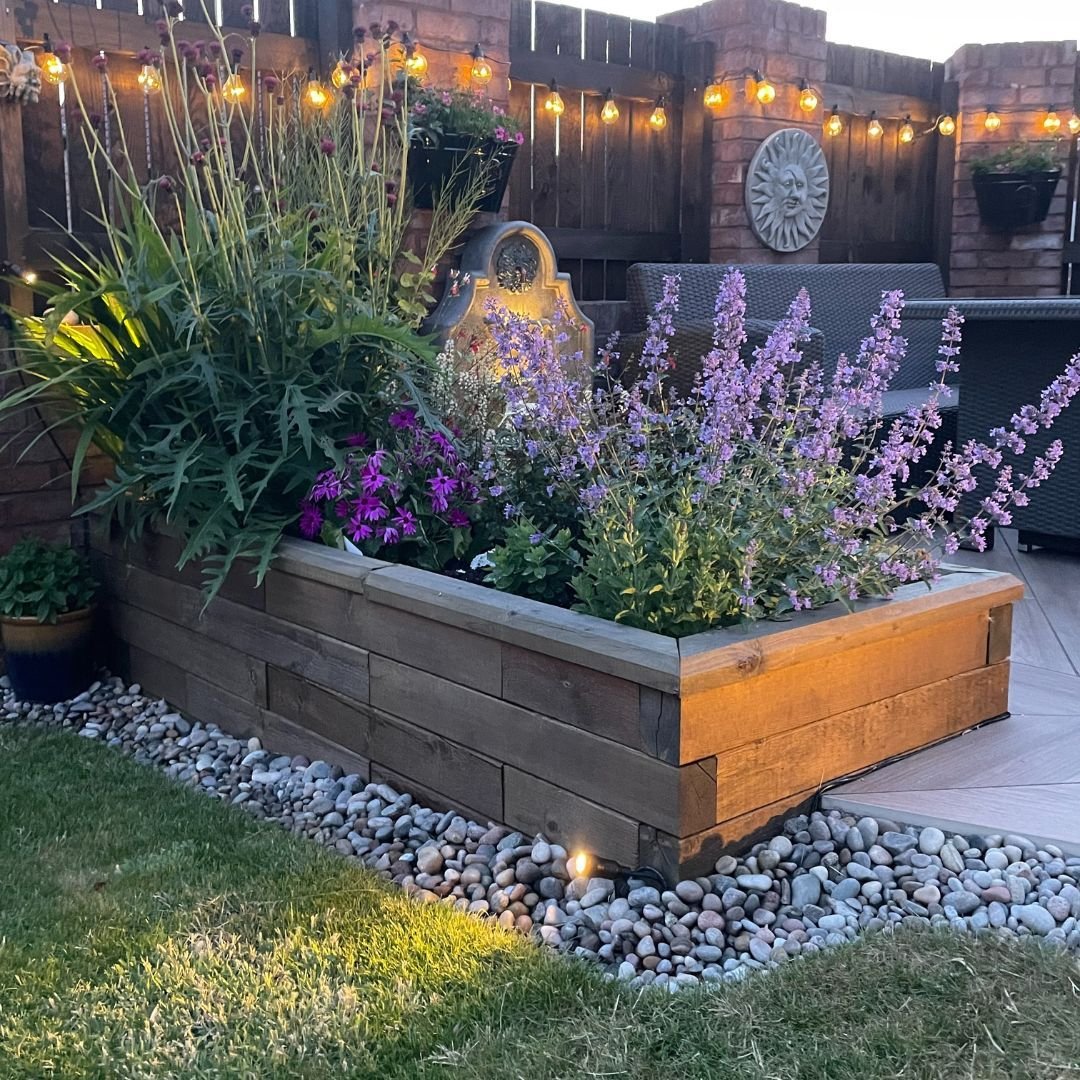
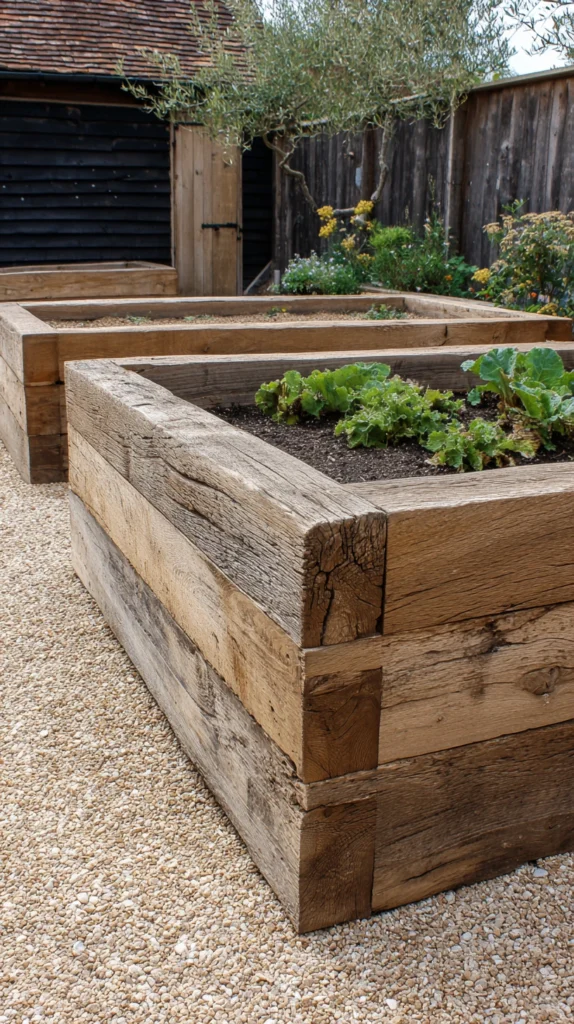
Solid oak railway sleepers stacked two or three high create the most structurally substantial and most visually handsome timber raised bed available. The natural weathering of untreated oak from golden honey to a silvery grey is one of the most attractive timber ageing processes in garden construction — the beds look better each year rather than deteriorating.
New oak sleepers cost $20–$50 each depending on length and grade. A standard 120×60 cm bed built three sleepers high requires six sleepers per layer at $120–$300 in materials. No fixings are required for beds up to two sleepers high — the weight of the sleepers holds them in position. Three-high beds benefit from corner dowels ($5–$10) to prevent movement from the weight of wet compost within.
Build tip: Leave 3–5 mm gaps between sleepers on the same layer rather than butting them tightly together. The small gaps allow the wood to expand and contract with moisture changes without bowing or splitting — a common failure mode in timber raised beds built with tight-butted joints that have no room for seasonal timber movement.
2. Powder-Coated Steel Beds
Budget: $100 – $400 per bed
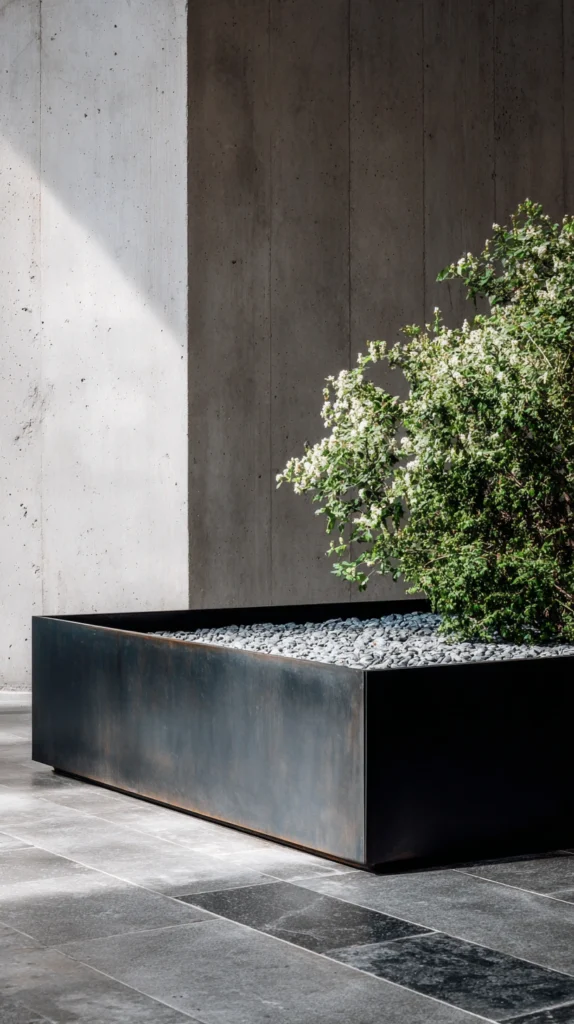
Powder-coated steel raised beds in anthracite, sage green, or matt black create the sharpest, most contemporary raised bed aesthetic available — the clean, precise lines of formed steel sheet with a consistent powder coat finish are impossible to achieve in timber and create a bed that looks architectural rather than constructed.
A 120×60 cm powder-coated steel raised bed costs $80–$200. A larger 180×90 cm version runs $150–$400. Position on level ground and check for level in all directions before filling — a steel bed once filled with 200 kg of wet compost is extremely difficult to adjust. The powder coat finish is UV-stable and typically guaranteed for ten years against fading or peeling.
Build tip: Line the inside base of a steel raised bed with a layer of coarse gravel before adding compost — 8–10 cm of gravel beneath the growing medium improves drainage significantly, particularly in gardens where the underlying soil is compacted or poorly draining. A steel bed on poorly drained ground without a gravel base becomes waterlogged in wet seasons and the plants within it suffer more than plants in an equivalent ground-level bed would.
3. Galvanised Metal Trough Beds
Budget: $60 – $250 per bed
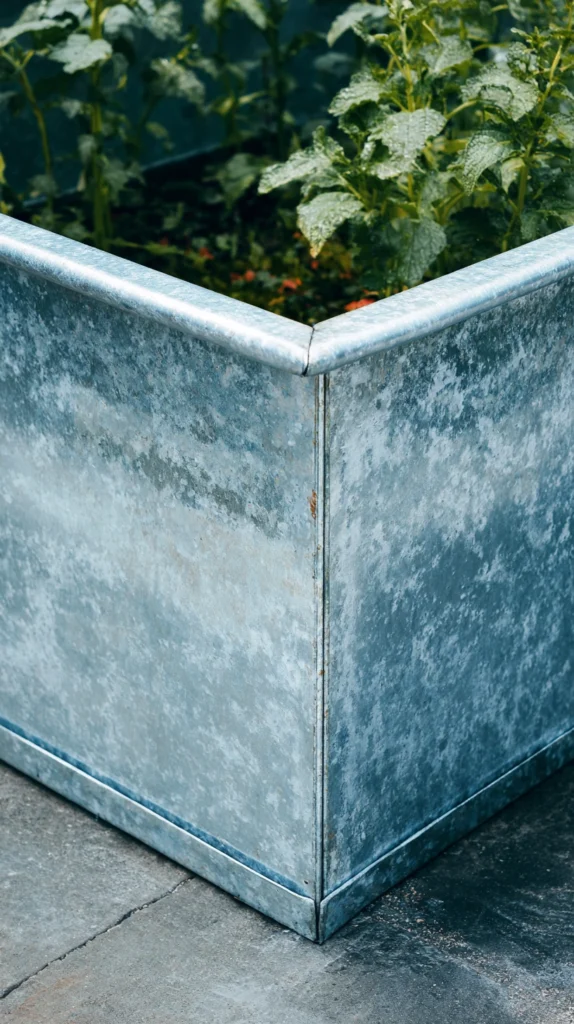
Repurposed galvanised animal water troughs, stock tanks, or purpose-made galvanised steel raised bed troughs create a utilitarian-meets-contemporary garden aesthetic that suits both productive kitchen gardens and ornamental planting equally. The material weathers to a warm silver-grey with time and develops the slight mottled quality that makes galvanised surfaces so visually interesting at close range.
Galvanised stock tank troughs in 180×60 cm size cost $80–$200. Purpose-made galvanised raised bed kits run $60–$150. Drill five to eight drainage holes in the base of any repurposed trough before filling — stock tanks have no drainage holes and waterlogging is immediate and complete without them. Line the base with crocking material or coarse gravel before adding compost.
Build tip: Paint the inside of a galvanised trough with a food-safe sealant before filling if growing edible crops. Galvanised metal contains zinc, which in a brand new trough can leach into the growing medium in quantities that may affect some sensitive plant species. An interior sealant creates a barrier between the metal and the compost without affecting drainage or plant performance in any other way.
4. Rendered Concrete Block Beds
Budget: $150 – $600 per bed
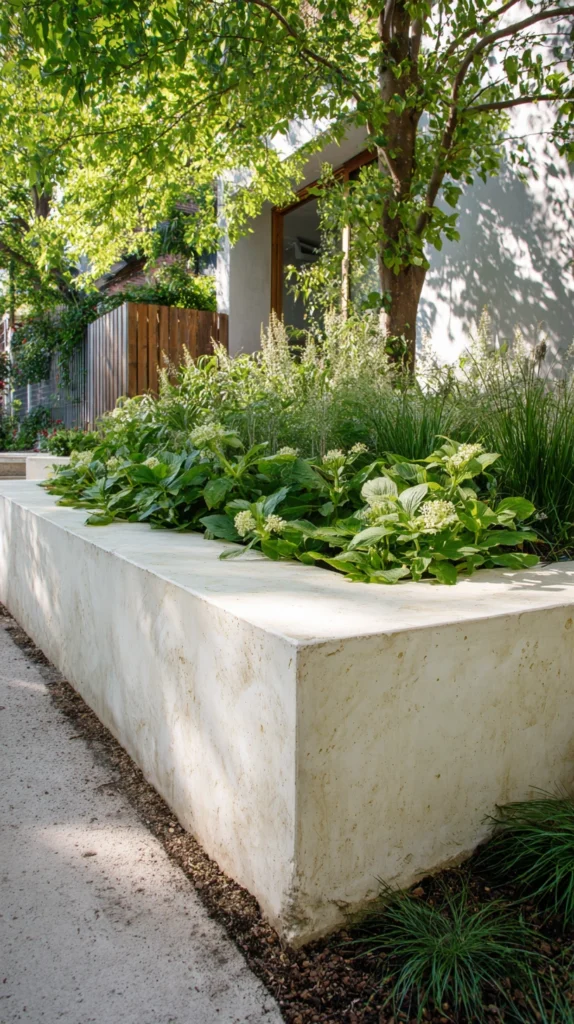
Raised beds built from concrete blocks and finished with a smooth exterior render — painted in white, warm grey, or terracotta — create the most architectural and most permanent raised bed structure available. They suit a formal or Mediterranean garden style and produce a bed that genuinely becomes a structural feature of the garden rather than a temporary growing installation.
Concrete blocks cost $1–$3 each. A standard 120×60 cm bed of 40 cm height requires approximately thirty blocks at $30–$90. Render at $15–$30 per bag covers a standard bed exterior in one coat. Paint in a masonry or exterior emulsion at $15–$35 per litre. The total material cost for a rendered concrete bed sits between $60 and $150 — labour-intensive to build but indefinitely durable once complete.
Build tip: Build the concrete block walls on a poured concrete footing of 10 cm depth rather than on bare soil or paving. A concrete footing prevents the block walls from shifting or sinking under the weight of wet compost and freeze-thaw cycles — the most common structural failure mode in concrete block raised beds built without an adequate foundation beneath the first course of blocks.
5. Slim Steel Edge Beds at Ground Level
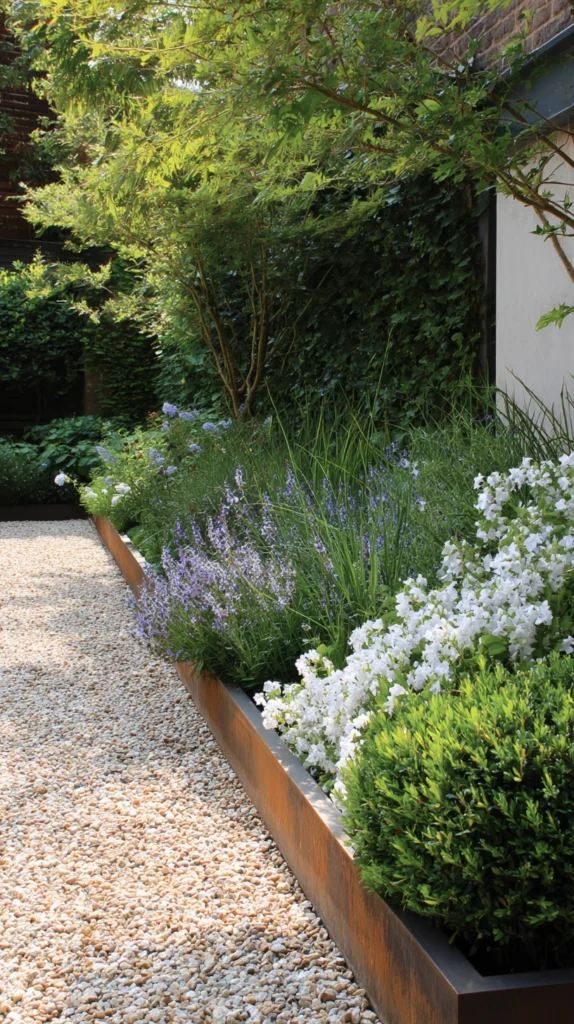
Budget: $40 – $150 per bed
A raised bed created by installing a 15–20 cm deep steel edge around a planting area — rather than building a full raised structure — creates a shallow raised bed that improves drainage and defines the planting area with a clean, minimal edge for a fraction of the cost of a full raised bed structure. It suits a contemporary garden where the raised height is less important than the clean visual definition of the bed.
Flexible steel garden edging in a 100-metre roll costs $50–$120. A shallow raised bed of 120×60 cm requires 3.6 metres of edging at $1.80–$4.30 in edging material. Add topsoil and compost to raise the growing surface 10–15 cm above the existing soil. The steel edge creates a precise, permanent definition between the bed and the surrounding path or lawn without the visual bulk of a full raised bed structure.
Build tip: Use Corten (weathering) steel rather than standard mild steel for a shallow edge bed. Corten develops a stable, warm rust patina that requires no painting or sealing and does not progress to structural deterioration the way conventional steel rusting does — it weathers to a consistent red-brown surface that suits both contemporary and naturalistic garden styles equally well.
6. Timber and Steel Combination Beds
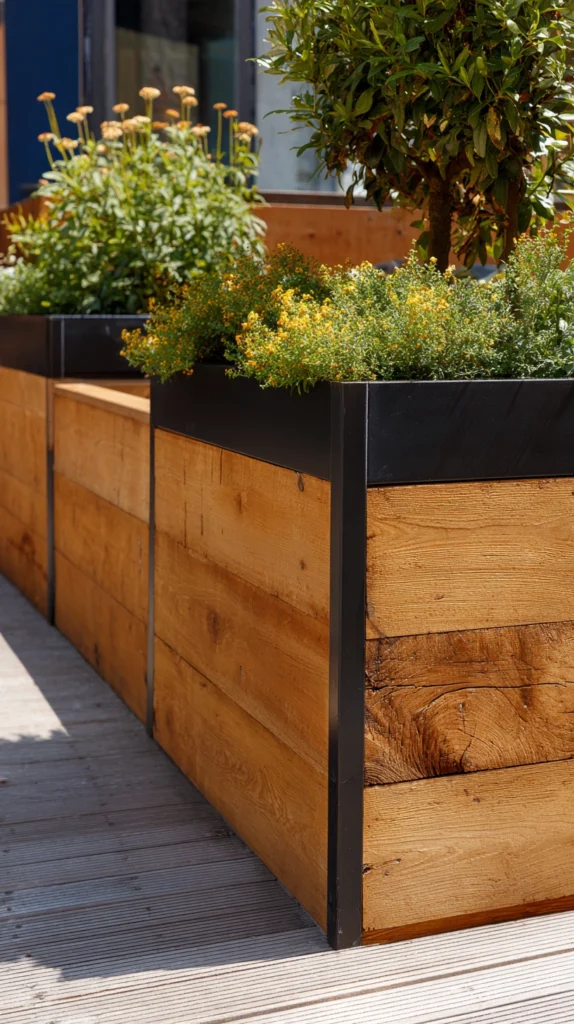
Budget: $120 – $450 per bed
A raised bed built from timber sides with steel corner posts creates the warmth of wood with the precision and durability of metal corner fixings — addressing the two most common failure points of an all-timber bed (corner joints that loosen and timber ends that rot) while maintaining the natural material aesthetic that most gardeners prefer to an all-metal structure.
Steel corner post sets for raised beds cost $20–$60 per set of four. Treated timber boards to fit the posts cost $15–$40 per length. A standard 120×60 cm bed using a corner post system costs $50–$150 in total and takes thirty minutes to assemble without any fixings, screws, or tools beyond the corner posts. The boards can be replaced individually if one develops rot without rebuilding the whole structure.
Build tip: Use hardwood boards — oak, sweet chestnut, or larch — rather than softwood pine for the horizontal board sections. Hardwood boards in contact with soil last three to five times longer than pressure-treated pine in the same position — larch and sweet chestnut in particular are naturally durable without any chemical treatment, making them the best choice for an organic or edible growing space.
7. A Tall Waist-Height Bed for No-Bend Gardening
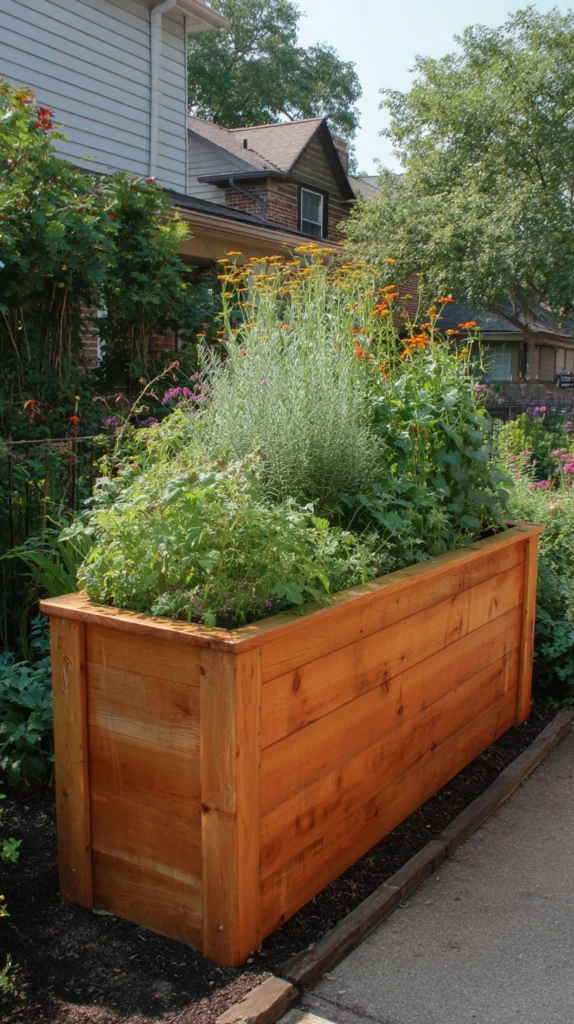
Budget: $150 – $600
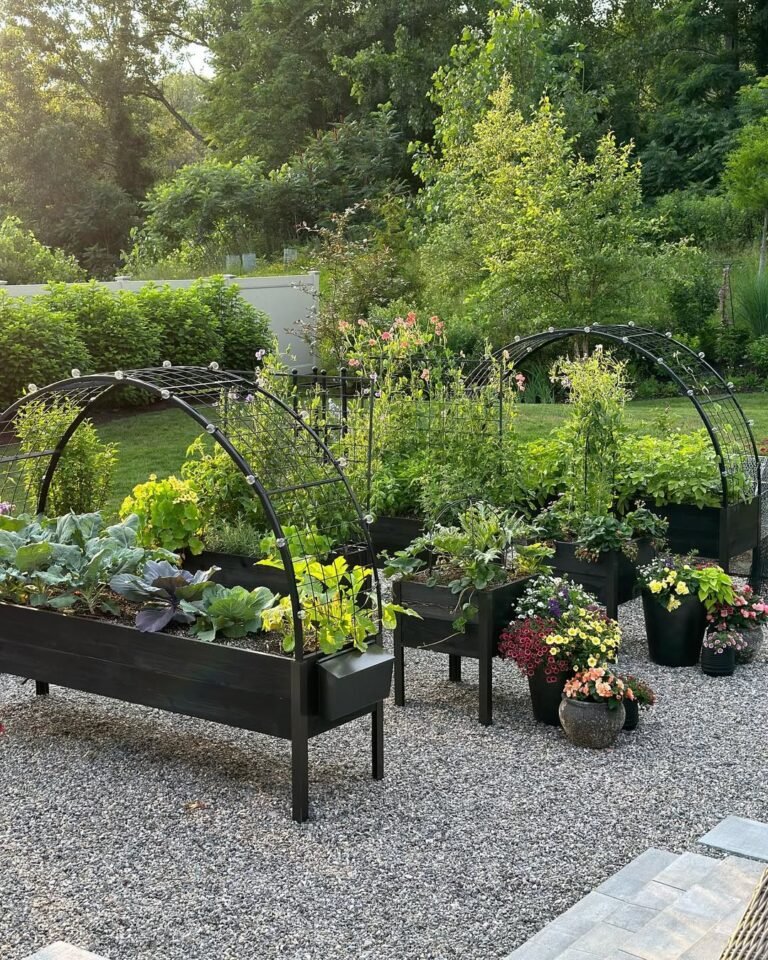
A raised bed at 75–90 cm height — accessible from a standing position without any bending — is the most ergonomically comfortable growing setup available and one that suits gardeners of any ability. At this height it is also the most visually dramatic raised bed format, creating a strong structural presence in the garden that low beds cannot achieve regardless of their material or planting quality.
A tall timber raised bed kit at 80 cm height costs $100–$300. A professional built version in hardwood or powder-coated steel runs $200–$600. Fill the lower 40 cm with a mix of coarse wood chip and subsoil as a cheap bulk filler — only the upper 35–40 cm of growing medium needs to be quality compost for most vegetable and herb crops. This filling strategy reduces the compost cost of a tall bed by 40–50 percent.
Build tip: Add a capping board to the top edge of a tall raised bed — a 90×20 mm timber board laid flat across the top of the bed frame creates a narrow seat and a useful resting surface for tools, pots, and harvested produce. The capping board costs $10–$20 in timber and takes thirty minutes to fix but makes daily interaction with the bed significantly more comfortable and practical.
8. A Modular Interlocking Bed System
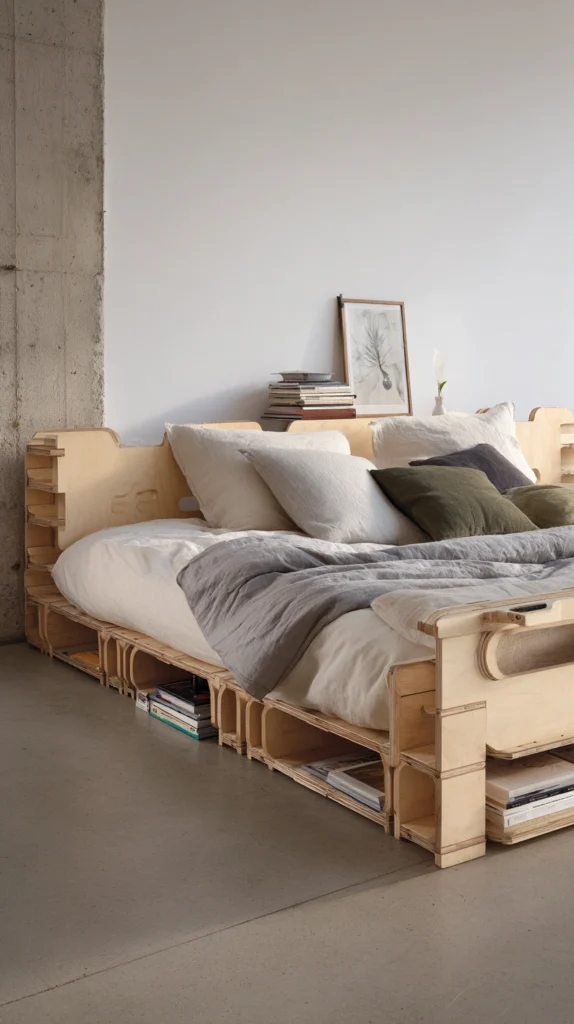
Budget: $60 – $200 per module
Modular raised bed systems — interlocking corner posts and timber or composite boards that can be assembled into any configuration and extended with additional modules — provide the most flexible growing setup available. Beds can start small, be extended as confidence and space allow, and be completely disassembled and relocated if the garden layout changes.
Modular corner post systems in cedar or powder-coated aluminium cost $30–$80 per corner set. Replacement boards run $10–$25 per length. A starter bed of 120×120 cm using a modular system costs $60–$150 and can be extended to 240×120 cm by adding one additional module set at $30–$60. The interchangeability of the components across multiple growing seasons makes the initial investment in a quality modular system better value than any fixed raised bed structure at the same price.
Build tip: Level the ground beneath a modular bed before assembly rather than shimming the bed structure after it is built. Modular bed systems rely on the stability of the board-to-post connections for structural integrity — a bed assembled on uneven ground develops racking forces that progressively loosen the board-to-post connections over time regardless of how well they were initially fitted.
9. White Painted Raised Beds in a Formal Grid
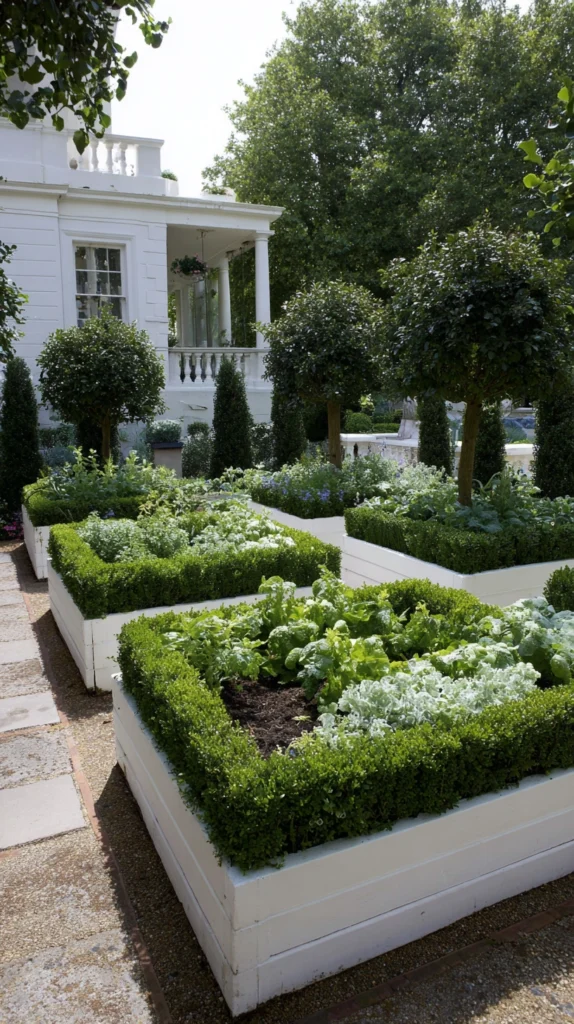
Budget: $200 – $800 for a set of four
Four identical raised beds in a formal 2×2 grid, painted white or warm off-white with matching paths between them, creates one of the most graphically clean and most formally organised kitchen garden layouts available. The white exterior makes the beds read as architectural elements of the garden rather than growing containers placed on a surface.
Build from painted MDF or plywood (suitable for non-edible ornamental planting) or from exterior-grade hardwood painted with a quality exterior paint for edible growing. A set of four 90×90 cm beds costs $150–$500 in materials painted to a consistent finish. Maintain the painted exterior with a light sand and a fresh coat every two to three years — the paint condition is the primary visual determinant of how well a painted bed set holds its formal, clean appearance over time.
Build tip: Paint the interior walls of a white raised bed with a dark exterior paint — charcoal or forest green — before filling. The dark interior prevents the white exterior from staining with soil and organic matter at the soil line and creates a clean colour boundary between the bed exterior and the growing medium within it that maintains the crisply finished appearance of the white exterior through multiple growing seasons.
10. A Living Edge Bed With Planted Sides
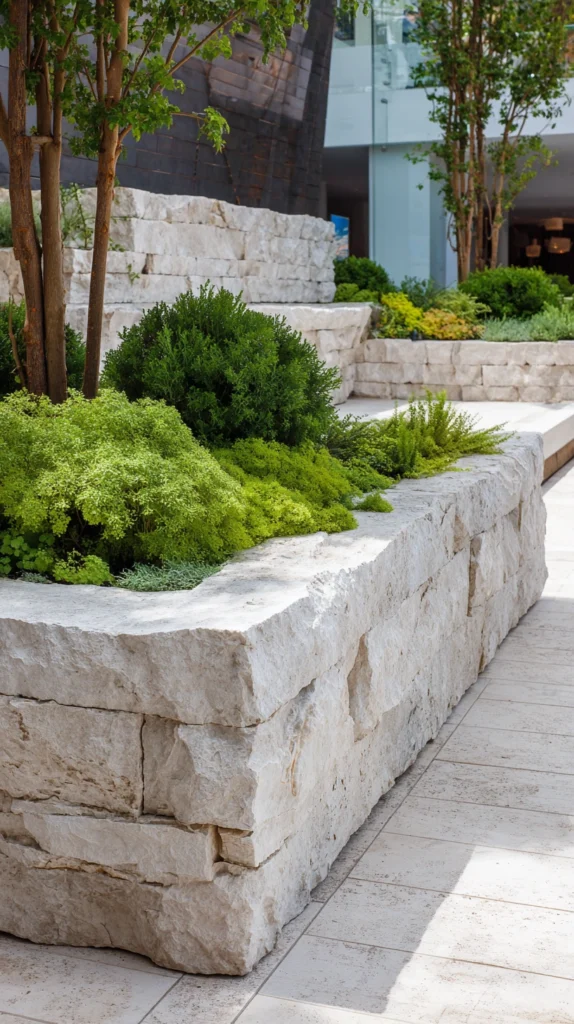
Budget: $80 – $300
A raised bed with planted side walls — sempervivum, sedum, and trailing herbs tucked into gaps between loosely stacked stones or in specially constructed planted pockets on the exterior — creates a bed that is as decorative on its exterior as it is productive on its surface. The planted exterior grows and changes through the season in a way that a fixed material never does.
A dry-stacked stone raised bed costs $50–$150 in reclaimed stone per bed depending on the stone type and source. Plant sempervivum plugs into the gaps between stones at $2–$4 each — they establish rapidly without any additional watering or feeding and naturalise further into the stone gaps through self-seeding over subsequent seasons. The planting softens the stone structure progressively with each growing season.
Build tip: Stack the stones with a slight backward lean — each course set 1–2 cm back from the course beneath — rather than perfectly vertical. The inward lean creates a stable, self-supporting structure that resists the outward pressure of the compost within the bed without any mortar or mechanical fixing. A perfectly vertical dry-stone bed face is less structurally stable than a slightly battered one at the same height.
11. A Corner L-Shaped Bed
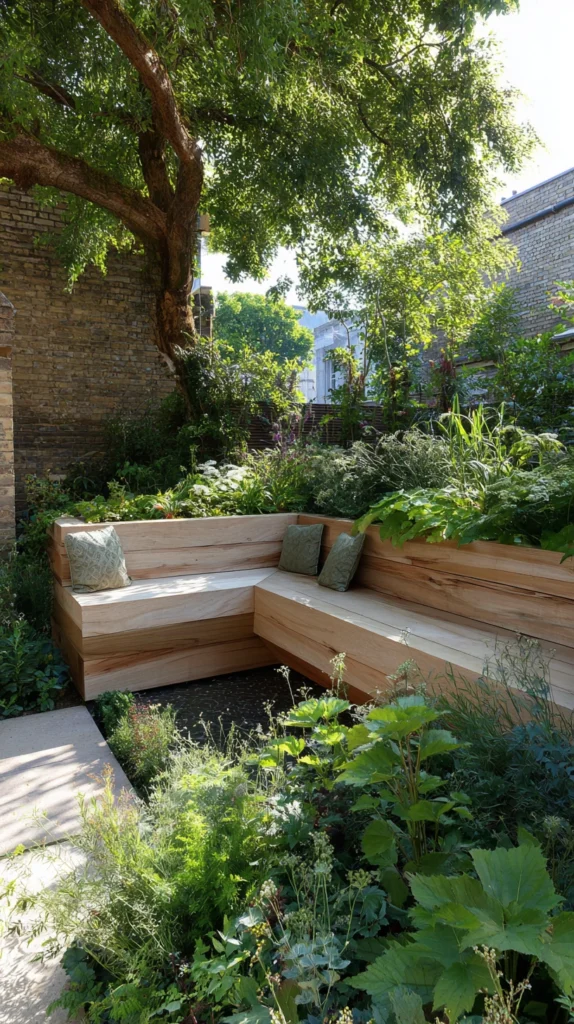
Budget: $100 – $400
An L-shaped raised bed fitted into a corner of the garden makes the most efficient use of boundary space available — the two arms of the L run along two fence or wall sections, leaving the central garden area open while providing a generous growing surface along both boundaries. The L-shape also creates a natural, sheltered working niche in the inside corner of the bed.
Build in timber sleepers, steel, or composite at the same height and material as any existing raised beds to maintain visual consistency across the growing area. Calculate the L dimensions by measuring both fence runs and deciding the arm width — 60 cm allows access from outside the bed to the full growing surface without stepping onto the growing medium. A standard L-bed for a 3×3 metre corner costs $120–$400 in materials depending on the material chosen.
Build tip: Position the tallest crops at the back inner corner of the L-shaped bed where they receive the most reflected warmth from the boundary walls and shade nothing else in the bed. Trailing crops can be planted at the outer corners where their growth falls outward and downward without encroaching on the accessible growing surface at the front and ends of the L’s two arms.
12. Composite Decking Board Beds
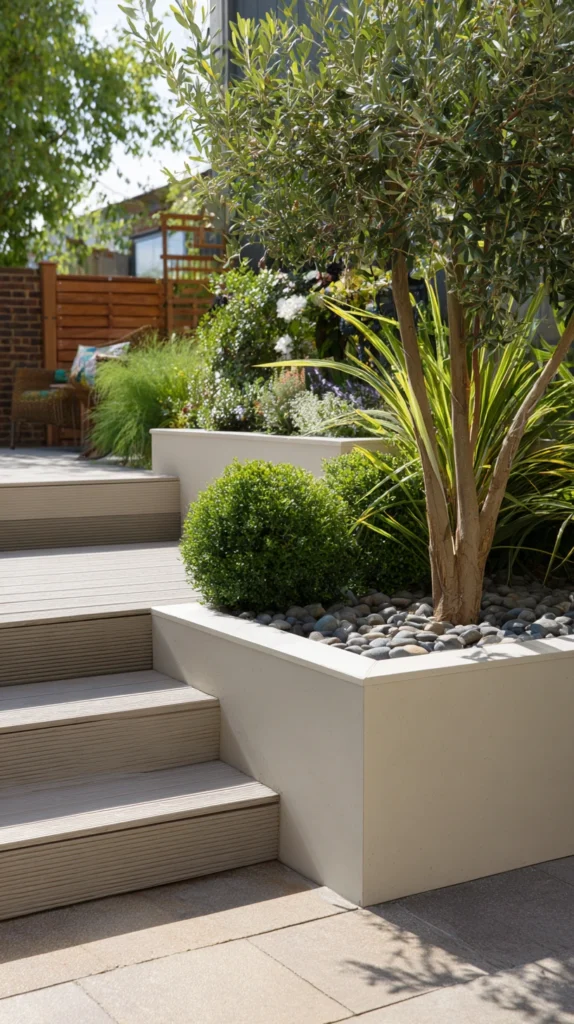
Budget: $100 – $350 per bed
Raised beds built from composite decking boards — a wood-polymer material that looks like timber, feels like timber, but does not rot, warp, split, or require any ongoing treatment — create the most maintenance-free timber-aesthetic raised bed available. A composite bed built today will look identical in fifteen years with no intervention beyond an occasional rinse with a hosepipe.
Composite decking boards in grey, brown, or charcoal tones cost $3–$8 per linear metre. A 120×60 cm bed of 40 cm height requires approximately 20 linear metres of board and four timber or steel corner posts at $60–$160 in materials. The higher initial cost compared to treated pine is recouped within four to five years in the absence of any maintenance, repainting, or replacement costs that timber beds require over the same period.
Build tip: Use stainless steel screws rather than zinc-plated ones for all fixings in a composite raised bed. Zinc-plated screws react with the polymer content of some composite materials and produce visible staining around the screw head within two to three years. Stainless steel screws at $5–$10 more per box eliminate this issue entirely and are worth the small additional cost in any outdoor construction that is intended to last more than five years.
13. A Raised Herb Mandala Garden
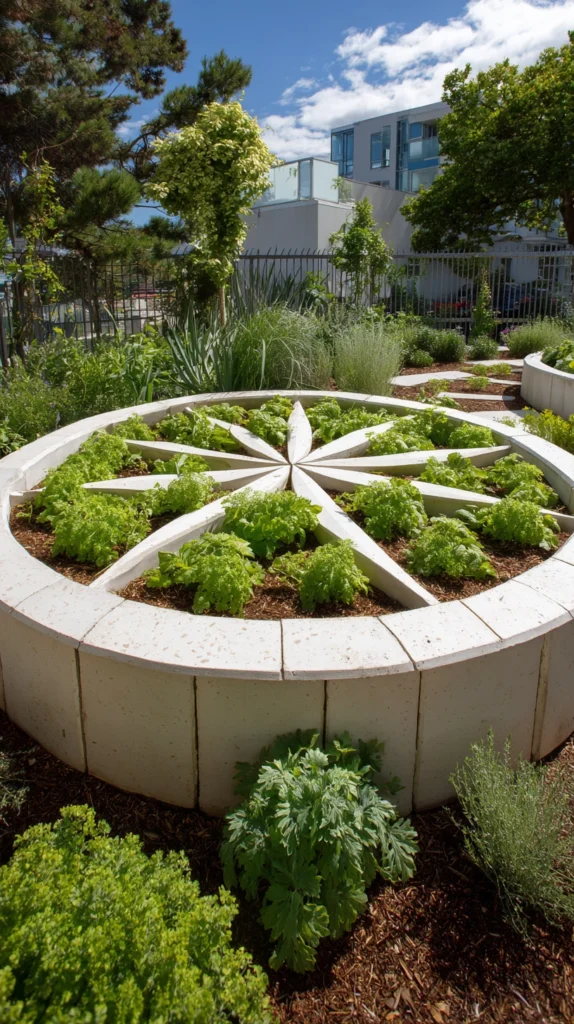
Budget: $100 – $400
A circular raised bed divided into six or eight equal segments by timber or stone dividers — with different herbs in each segment — creates a visually striking and productively efficient herb garden that uses the mandala form to organise multiple herb species within a single unified structure. Viewed from above it is one of the most beautiful kitchen garden layouts available.
A circular raised bed of 180 cm diameter built from timber or stone costs $80–$250 in materials. Internal dividers can be made from the same material as the outer wall or from a contrasting one — reclaimed brick dividers in a timber outer wall, for example, create a pleasing material contrast that adds visual interest to the mandala form. Plant each segment with one herb species at $2–$5 per plant.
Build tip: Position the mandala herb bed where it is visible from above — from a kitchen window, an upper terrace, or a slightly elevated viewpoint in the garden. The mandala form is experienced most fully as a geometric composition when seen from above rather than from ground level — a mandala bed visible only from ground level sacrifices its most distinctive quality and reads simply as a circular bed with internal dividers rather than as the intentional pattern it is designed to be.
14. A Stacked Stone Dry-Wall Bed
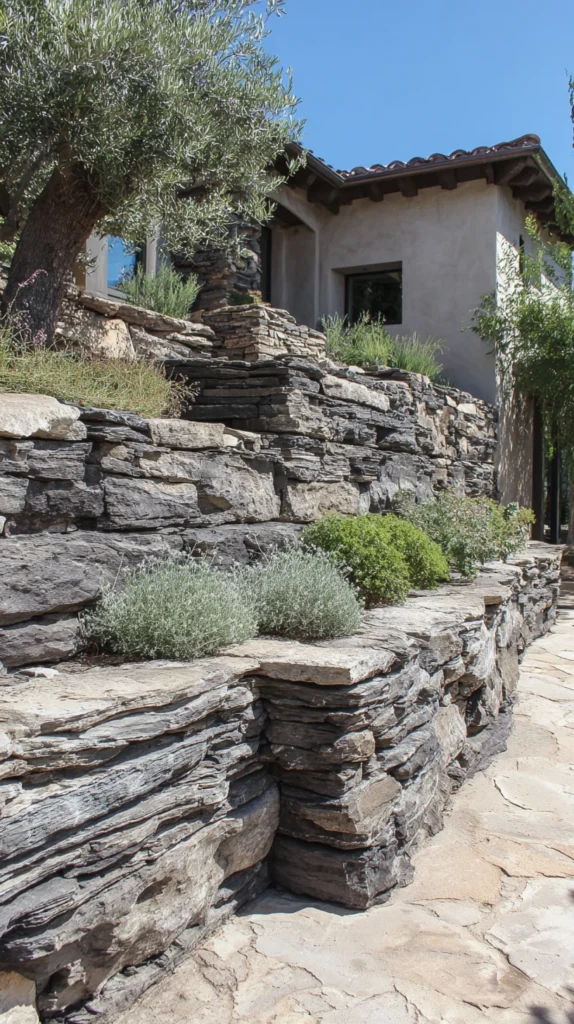
Budget: $100 – $500
A raised bed built from stacked natural stone — sandstone, limestone, or reclaimed field stone — without any mortar creates a genuinely beautiful and genuinely permanent garden feature that improves aesthetically with every season of weathering, moss colonisation, and plant softening at its edges. It is also a significant wildlife habitat, providing nesting sites for insects throughout the warm months.
Reclaimed field stone or sandstone costs $30–$80 per tonne from quarries, agricultural suppliers, and landscape material retailers. A standard raised bed of 120×60 cm at 40 cm height requires approximately 200–300 kg of stone at $30–$80 in materials. No mortar, no fixings, and no specialist tools are required — the wall is stable through the interlock of individual stones placed with the longest dimension horizontal and each course overlapping the joints of the one below.
Build tip: Place the largest, flattest stones as the top course — the capping stones — to create a stable, level surface at the top of the wall that prevents individual stones from being dislodged by tools, animals, or accidental contact. A well-capped dry-stone wall requires no maintenance and remains stable indefinitely. An uncapped wall gradually loses its top course through the small movements of daily garden use and needs periodic restacking.
15. A Minimalist Single Bed as a Garden Feature
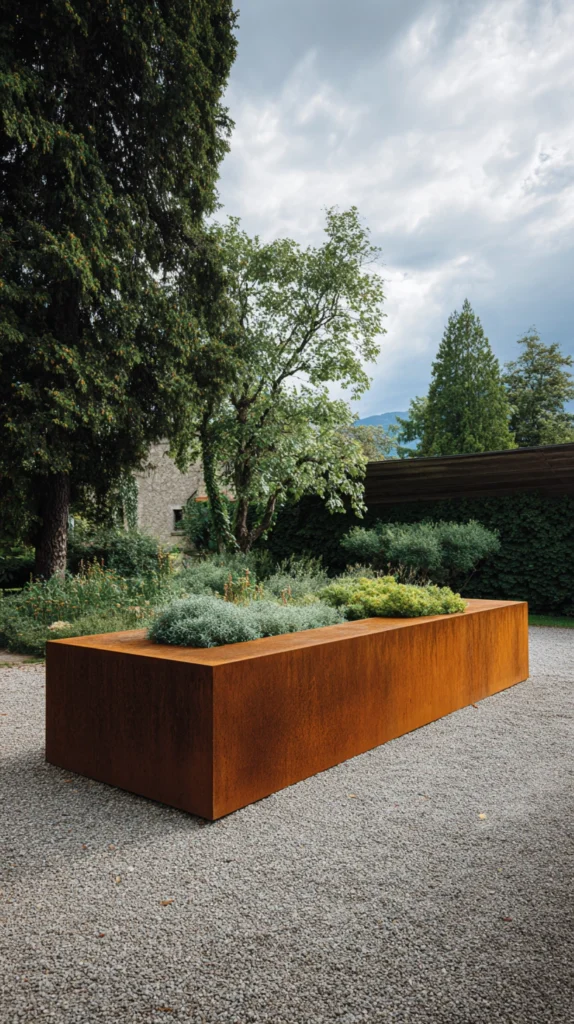
Budget: $80 – $350
A single, generously sized raised bed — 180×90 cm or larger — in a premium material positioned as a deliberate garden focal point rather than as one of many growing structures creates the most impactful raised bed statement available. One exceptional raised bed is always more visually powerful than five ordinary ones of the same total growing area.
Choose the best material the budget allows for a single statement bed — Corten steel at $150–$350, rendered concrete at $150–$300, or dressed hardwood at $100–$250 — and position it with the same consideration given to a piece of garden sculpture. Plant it with a single crop or a carefully edited combination rather than filling it with every available vegetable — a single bed of immaculate cut flowers or one dramatic stand of sweet peas is more beautiful and more intentional than the same bed divided between twelve different crops.
Build tip: Site the single statement bed where it is visible from the main seating area and from the house rather than in the most productive position in the garden. A raised bed treated as a garden feature earns its position through its visual contribution to the garden rather than through its proximity to the compost heap or the greenhouse — and a bed that is seen and admired daily is tended more attentively than one in a convenient but overlooked corner of the plot.
The raised bed that looks clean and modern is almost always the one that was built with precision — level, square, consistently finished, and positioned with as much thought as the planting within it. The material matters but the execution matters more, and a carefully built bed in a modest material always looks better than a carelessly built one in an expensive one.
Start with one bed, built to the highest standard the budget allows, and plant it with enough focus to make it genuinely productive and beautiful before adding the next. The garden built around one excellent raised bed is always more satisfying than the one assembled around six average ones in the same space and at the same total cost.