15 Budget-Friendly Small Backyard Ideas That Fit Any Home
A small backyard on a tight budget is one of the most creative design challenges available in home improvement — and one of the most satisfying to solve. The constraints are real but so are the solutions, and the best small budget backyards are consistently those where thoughtful decisions about materials, scale, and planting have been made rather than expensive ones. A backyard does not need to be large or costly to be genuinely enjoyable to spend time in.
The fifteen ideas below are all achievable for under $200 each and most for considerably less — chosen for their immediate visual impact, their long-term low maintenance, and their ability to transform a small backyard without major structural work or professional trades. Each includes what it costs and a practical tip to help you get the best result from every dollar spent.
1. Paint the Fence a Bold Colour
Budget: $20 – $60
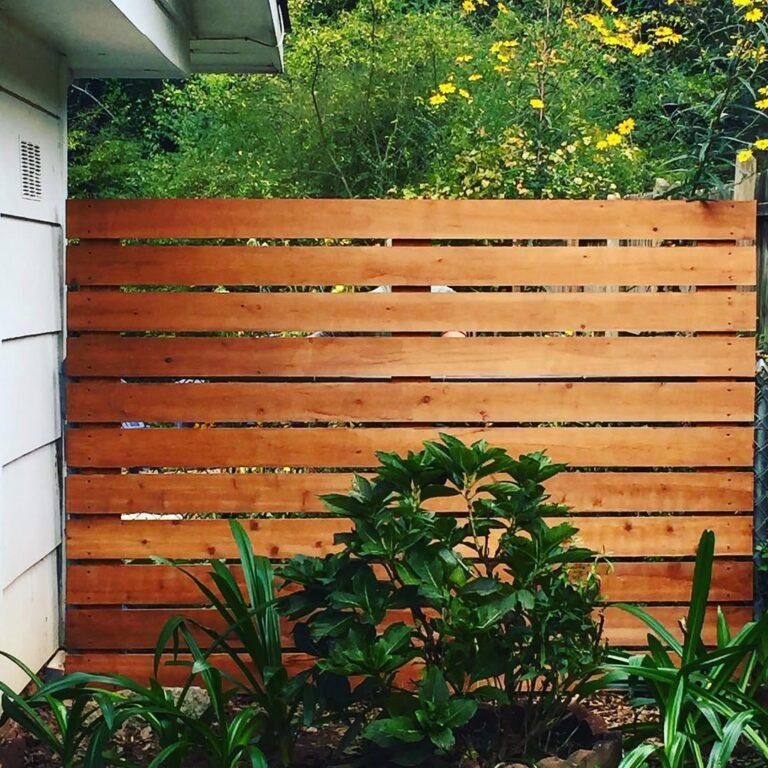
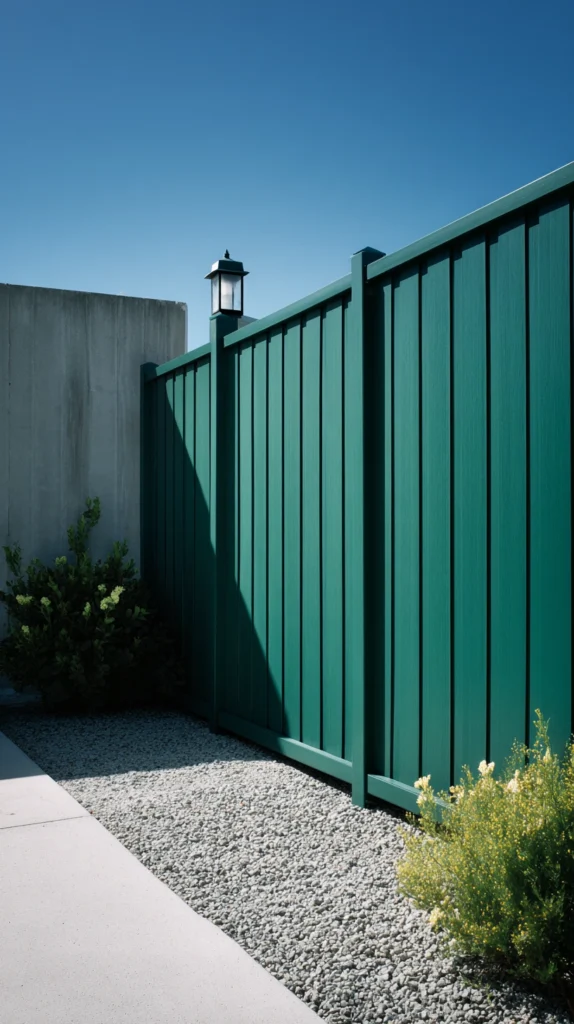
A fresh coat of paint on the boundary fence is the single highest-impact, lowest-cost backyard transformation available. The right colour — deep navy, forest green, warm terracotta, or charcoal — makes the fence disappear as a boundary and reappear as a backdrop that makes every plant in front of it look more considered and more deliberately placed. A painted fence takes a half day to complete and changes the entire feeling of the backyard from the moment the first coat dries.
Exterior fence paint or timber stain costs $15–$35 per litre and covers approximately 5–8 square metres per litre depending on the porosity of the timber. A standard fence panel of 180×180 cm requires roughly one litre per coat. Buy one litre more than the calculation requires — running out of the exact paint midway through a fence is always more disruptive than having a small amount left over at the end.
Budget tip: Paint only the fence sections that form the backdrop to the main seating area and the primary garden viewpoint rather than all fences simultaneously. Painting one key section first costs a third of the total fence project, delivers 80 percent of the visual impact, and allows the colour choice to be assessed in its actual context before committing to the full perimeter — a particularly useful approach when choosing a bold or unfamiliar colour.
2. Add Solar String Lights
Budget: $15 – $50
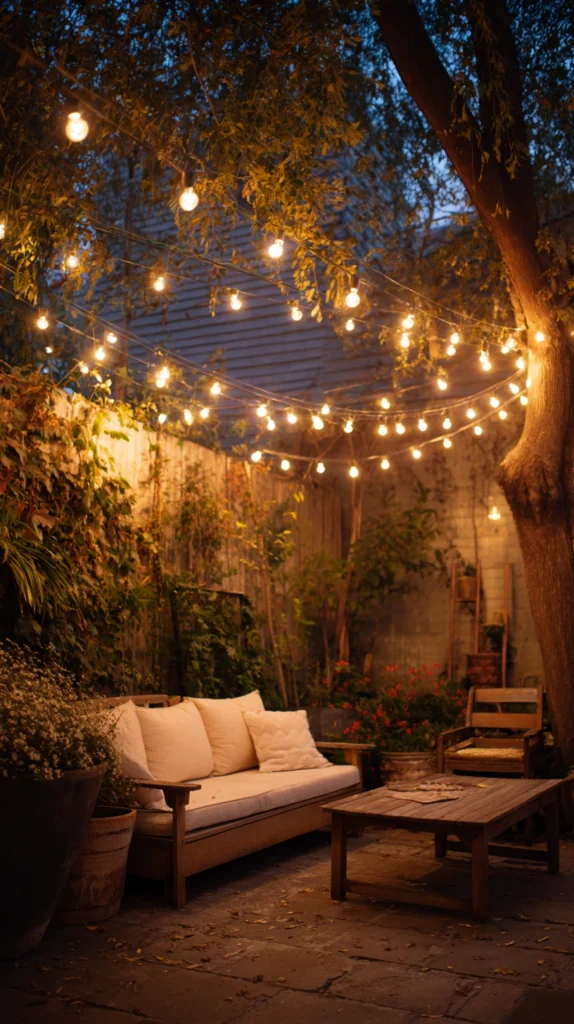
Solar string lights are the most cost-effective atmospheric upgrade available for any backyard. They cost nothing to run, require no electrical installation, and transform the garden at dusk from a space that feels finished for the day into one that invites staying for another hour. A backyard that works well in the evening is used more through summer than one that goes dark at sunset — which makes lighting the most high-return upgrade available per dollar spent.
Solar warm white string lights in a 10-metre reel cost $15–$40 from most online retailers and garden centres. Weave along the fence top, string between two posts across the seating area, or drape through a pergola structure. Warm white at 2700K is essential — cool white solar lights create the atmosphere of a work environment rather than a garden retreat. Place the solar panel in the sunniest available position for the longest evening light output.
Budget tip: Buy one longer reel rather than multiple shorter ones. A single 20-metre reel costs $25–$50 and provides enough light for a complete small backyard perimeter and seating area canopy in one purchase. Three separate 5-metre reels for the same coverage cost more individually, require three separate solar panels competing for the same sun exposure, and produce a less coherent finished arrangement than a single continuous light run.
3. Lay a Simple Gravel Surface
Budget: $30 – $120
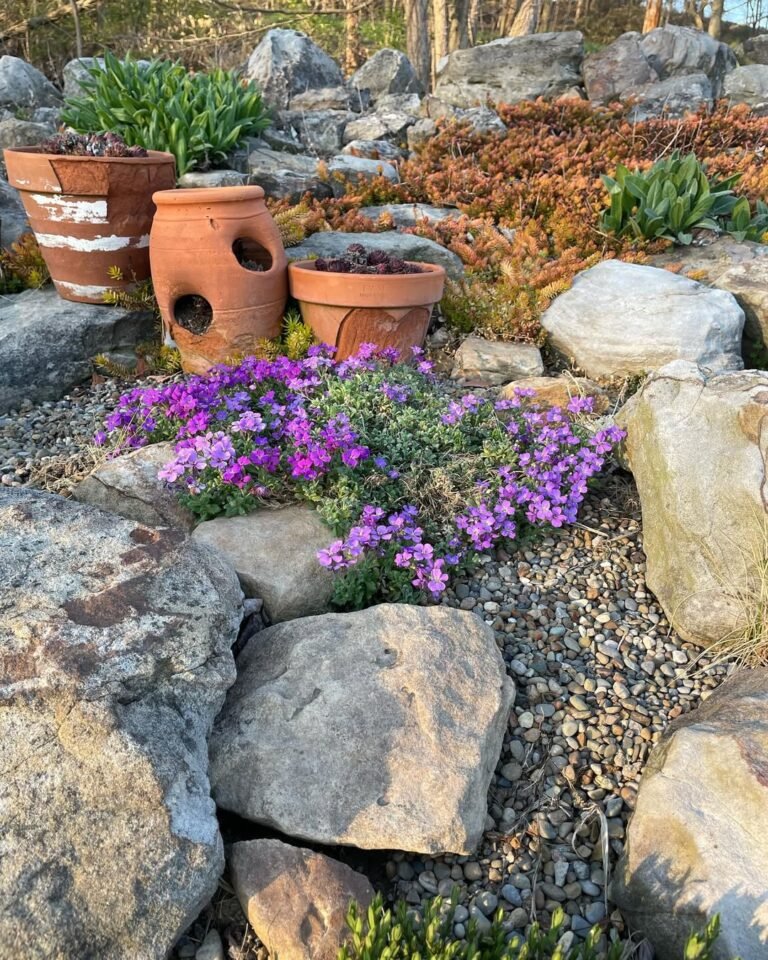
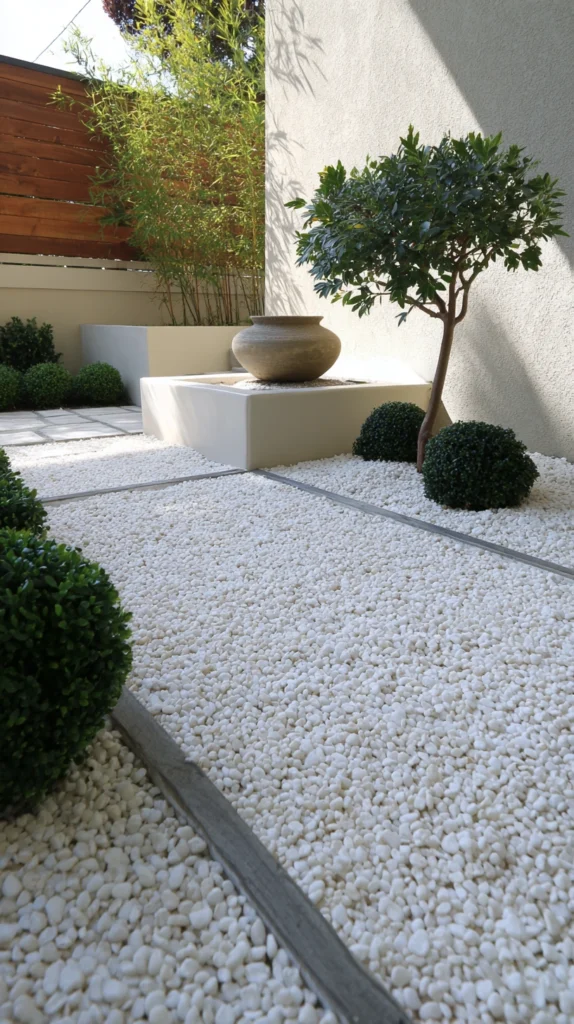
Replacing bare soil, patchy grass, or an unloved corner of the backyard with a layer of gravel creates an immediately cleaner, more intentional surface for far less than any other hard landscaping option. A gravel surface looks considered from the first day it is laid, requires almost no maintenance, and — paired with a weed-suppressing membrane beneath — stays weed-free with only occasional attention through the growing season.
Weed-suppressing membrane costs $10–$20 per roll. Pale gravel or slate chippings cost $20–$40 per large bag at 5 cm depth. A 2×2 metre area requires three to four bags at $60–$120 total in material. Lay the membrane first, cutting slits for any existing plants, and pour the gravel over it. A consistent depth of 5 cm provides both the weed-suppressing and the finished visual quality that shallower applications fail to achieve.
Budget tip: Use the cheapest available gravel rather than specialist decorative aggregates for the main surface and reserve a small quantity of a more attractive top-dressing material for the areas most directly in view. Pale gravel at $20 per bag beneath a thin scatter of pea gravel at $25 per bag where it most matters delivers the same finished appearance as using expensive aggregate throughout at a fraction of the total material cost.
4. Build a Simple Raised Bed From Reclaimed Timber
Budget: $0 – $50
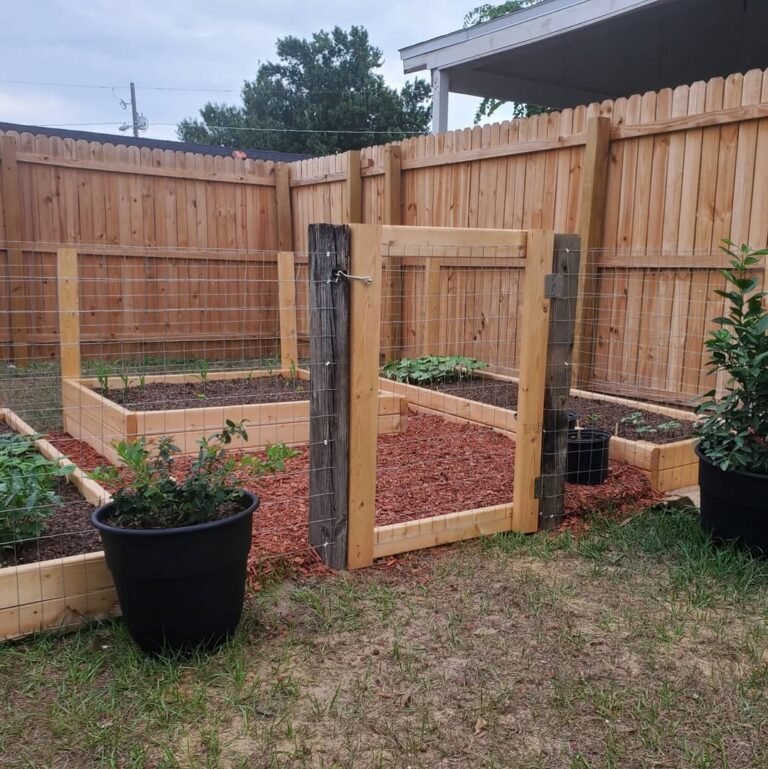
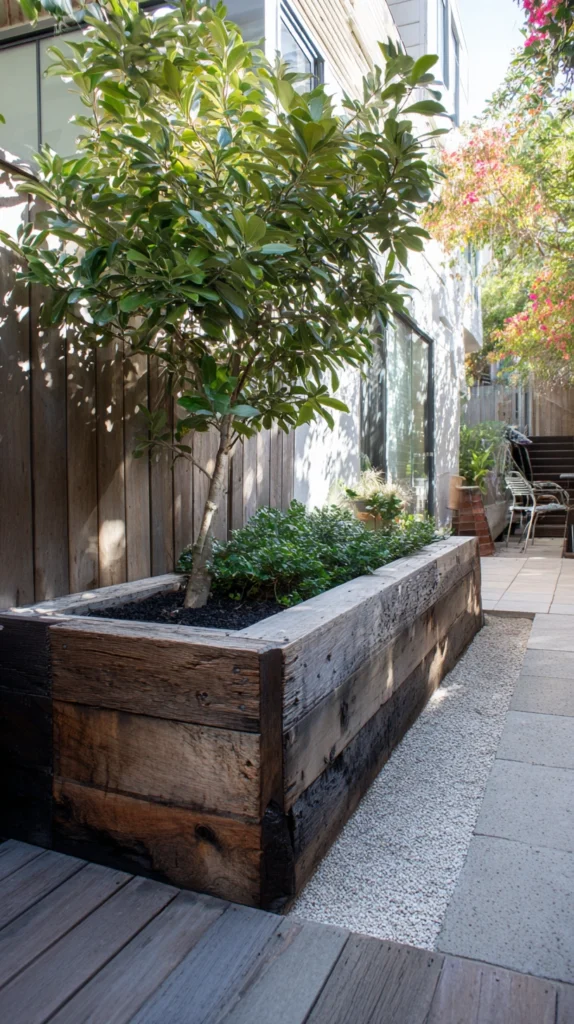
A raised bed assembled from reclaimed timber — old fence boards, scaffolding planks, or pallets — costs almost nothing in materials and creates the most immediately purposeful and most visually structured feature available for a small backyard. A planted raised bed makes the backyard feel productive and considered simultaneously, which is a quality that no amount of purely ornamental decoration achieves at the same cost.
Reclaimed scaffold boards or old fence panels cost $0–$20 from building sites, online marketplaces, and neighbourhood requests. Four boards of 2.4 metres length cut down create a standard 120×60 cm raised bed without the need for specialised tools beyond a saw and basic screws ($3–$5). Fill with a free-draining compost mix and plant with whatever is most useful — herbs, salad leaves, or cherry tomatoes provide the fastest and most satisfying return for the minimal investment in the bed itself.
Budget tip: Ask for free scaffold planks from building sites in the neighbourhood — construction companies regularly dispose of planks that are past their load-bearing certification but are structurally sound for garden bed construction. A polite request at a nearby building site often produces enough timber for two or three raised beds at zero material cost, and the weathered, used quality of old scaffold boards suits the rustic aesthetic of a reclaimed timber raised bed perfectly.
5. Create a Seating Area With Secondhand Furniture
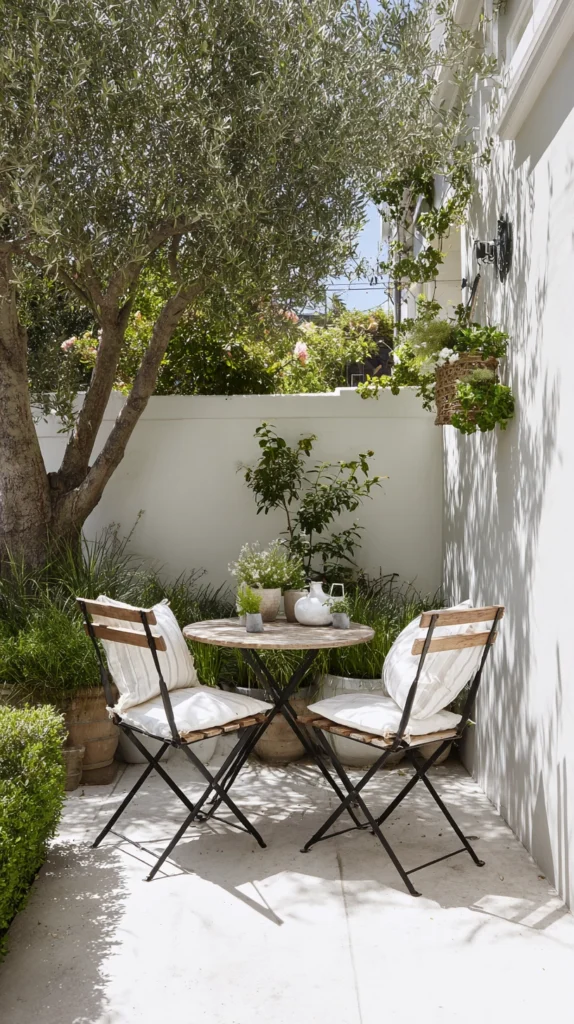
Budget: $20 – $100
A small seating area assembled from secondhand garden furniture — a bistro table and two chairs found at a car boot sale, a wooden bench from a charity shop, or a reclaimed pallet converted to a low sofa — creates the most-used and most valued feature in any backyard. The specific source and cost of the furniture is entirely invisible once it is outside, painted, and cushioned: what registers is the seating area itself, not the amount paid for it.
A secondhand bistro set costs $15–$50 from car boot sales, Facebook Marketplace, and charity shops. A reclaimed pallet converted to outdoor seating costs $0 in the pallet and $10–$20 in outdoor cushions. Refresh any wooden secondhand furniture with an exterior paint or wood stain ($10–$15 per tin) in a colour that suits the backyard palette. The painted finish unifies mismatched secondhand pieces and makes the assembled seating area read as coordinated rather than collected from different sources.
Budget tip: Choose secondhand outdoor furniture with simple, clean lines rather than ornate, heavily detailed pieces. Simple furniture is easier to paint uniformly, easier to supplement with additional pieces if the seating area needs to grow, and less likely to clash with the overall aesthetic of the backyard. A matching pair of simple metal chairs painted the same colour always looks more considered than two elaborate but mismatched chairs of different designs.
6. Grow Climbing Plants on the Fence
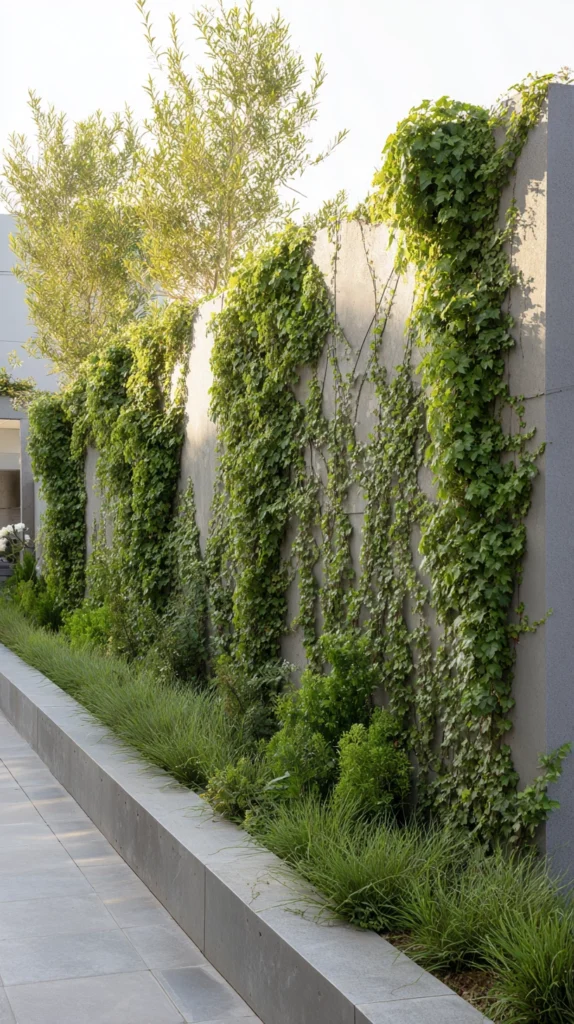
Budget: $10 – $50
Climbing plants on the fence convert the boundary from a bare surface into a planted one at the lowest possible cost per square metre of coverage. In a small backyard where ground space is limited, the vertical surface area of the fence is often greater than the total planting area at ground level — making the fence the most productive planting surface in the garden if it is used properly.
Fix horizontal wires to the fence using screw-in vine eyes at 30–40 cm vertical intervals — vine eyes cost $0.30–$0.50 each and a standard fence panel needs six to eight. A fast-growing climbing plant — Clematis montana ($10–$20), passionflower ($8–$18), or a climbing rose ($15–$30) — planted at the base covers a standard fence panel within two to three seasons. The combined cost of vine eyes and one climber for a 3-metre fence run sits between $25 and $60.
Budget tip: Propagate additional climbing plants for free from the first purchased plant once it is established. Clematis and honeysuckle both root readily from softwood cuttings taken in early summer — a single purchased plant can provide four to six free rooted cuttings within two seasons, enough to cover a full fence perimeter without any additional plant purchase costs in the third year of the project.
7. A No-Mow Wildflower Patch
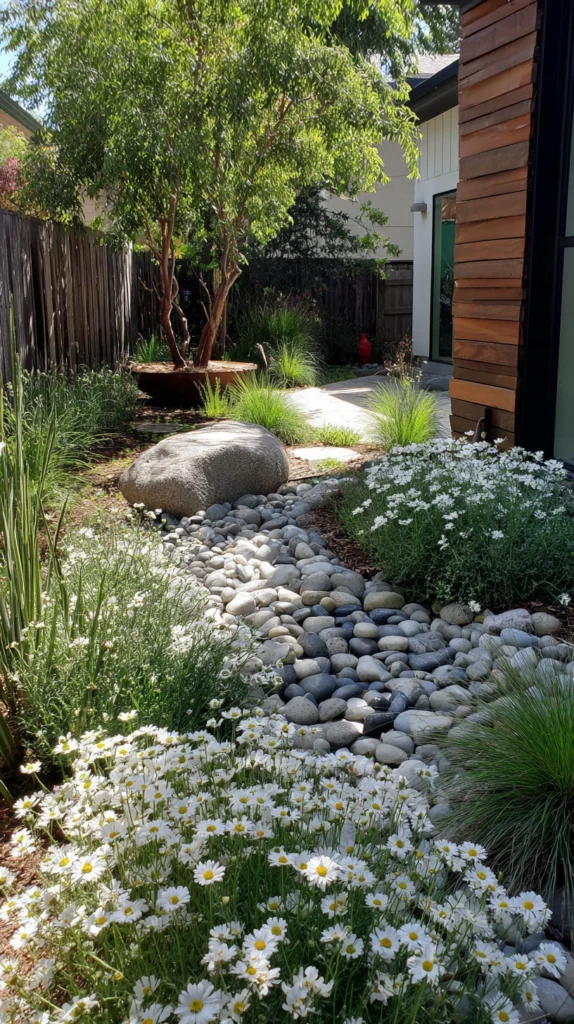
Budget: $5 – $15
Converting part or all of a small backyard lawn to a wildflower patch requires only a packet of seed and the decision to stop mowing. The transformation from close-mown grass to a flowering wildflower meadow happens within one growing season and costs a fraction of any alternative ground-cover treatment. In a small backyard where a lawn is difficult to maintain and provides limited practical use, the wildflower patch provides more beauty, more wildlife value, and less weekly effort for almost no outlay.
A native wildflower seed mix costs $5–$15 per 100g packet and covers approximately 10 square metres. Scratch the lawn surface with a rake to expose bare soil before sowing — wildflowers compete poorly with established grass and need bare soil contact for reliable germination. A mown edge strip around the wildflower patch signals that the planting is intentional and prevents the transition from looking like an unmanaged lawn edge rather than a deliberately managed wildflower feature.
Budget tip: Sow in autumn rather than spring for the most reliable and most diverse germination. Many native wildflower species require a cold period before germinating — a condition that autumn sowing provides naturally through the winter months and that spring sowing bypasses, resulting in fewer species germinating from the same packet of seed in their first season.
8. Use Large Pots to Create Instant Structure
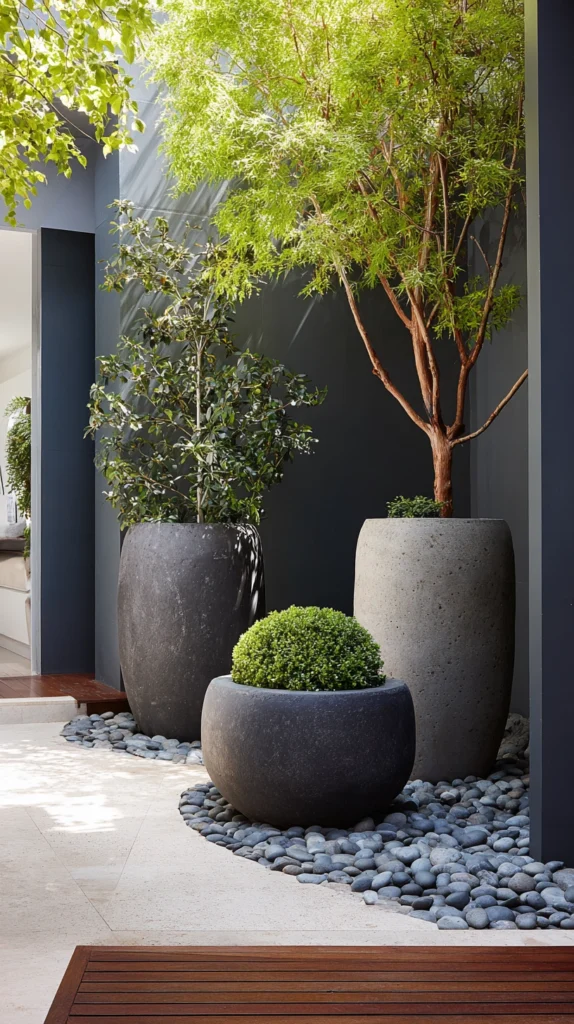
Budget: $30 – $100
Three large pots — 40 cm diameter or above — positioned in deliberate locations within a small backyard create more visual structure and more sense of a designed garden than twelve small pots in the same locations. Large pots have presence. They anchor corners, define path junctions, and frame entrances in a way that smaller containers never achieve regardless of their number. In a small backyard with a tight budget, three large pots chosen well outperform any alternative use of the same money.
Large terracotta pots of 40 cm diameter cost $15–$40 each. Three matching pots cost $45–$120 — a budget that delivers the most impactful structural planting available for the money in a small backyard context. Plant each with a single species — one olive tree, one large ornamental grass, one architectural agave — rather than a mixed planting. Single-species planting in large pots always reads more confident and more designed than a crowded mix of different plants in the same container.
Budget tip: Source large terracotta pots from garden centre end-of-season sales — typically from September through November — when prices drop to 30–50 percent below in-season retail price for pots that are identical to those sold at full price in spring. The same quality of pot bought in October and stored through winter plants up just as well the following April at a saving of $10–$20 per pot on the spring purchase price.
9. A Simple Pergola From Timber and Wire
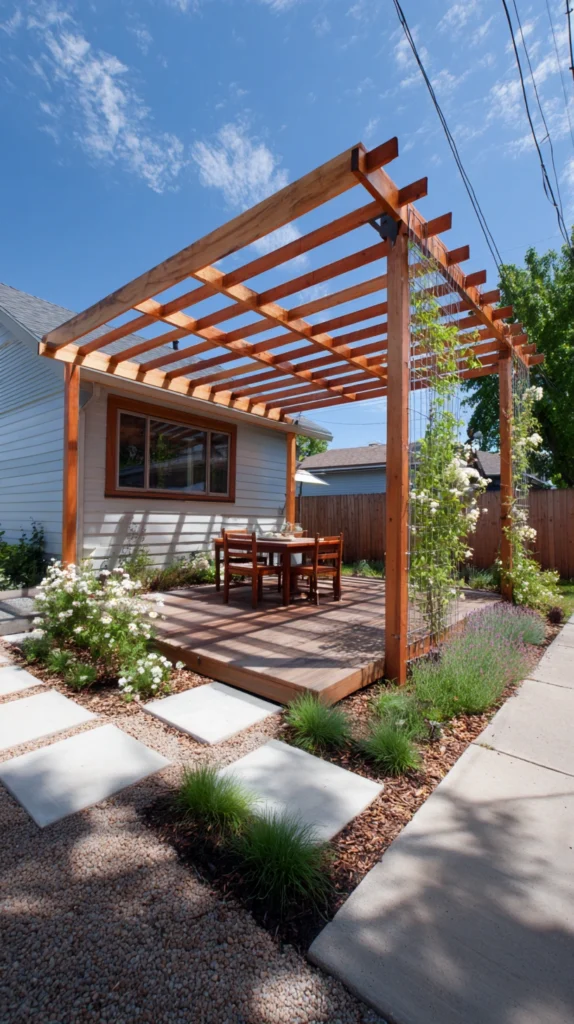
Budget: $60 – $200
A simple timber pergola — four posts driven into the ground with horizontal beams connecting them overhead — creates the most transformative structural feature available for a small backyard at the lowest possible cost. The overhead structure defines the seating area as a room, provides a surface for string lights and climbing plants, and creates a sense of enclosure that completely changes how the backyard feels to spend time in. No other structural feature delivers the same atmospheric shift per dollar spent.
Four pressure-treated timber posts of 90×90 mm section in 2.4-metre lengths cost $8–$15 each. Horizontal connecting beams in 45×90 mm timber cost $5–$10 each for a 2.4-metre span. A standard 3×3 metre pergola uses four posts and four to six cross-beams at a total timber cost of $60–$100. Basic fixings — joist hangers and structural screws — add $15–$25. The total material cost for a standard DIY pergola sits between $75 and $125 — significantly less than any equivalent purpose-built kit.
Budget tip: Drive timber posts directly into the ground using a post pounder rather than setting in concrete — the direct burial method is faster, reversible if the position needs to change, and entirely adequate for a lightweight pergola structure not subject to high wind loading. Pressure-treated timber posts rated for ground contact last fifteen to twenty years in direct burial installation without any additional protection or concrete surround.
10. Paint an Outdoor Mural on the Fence
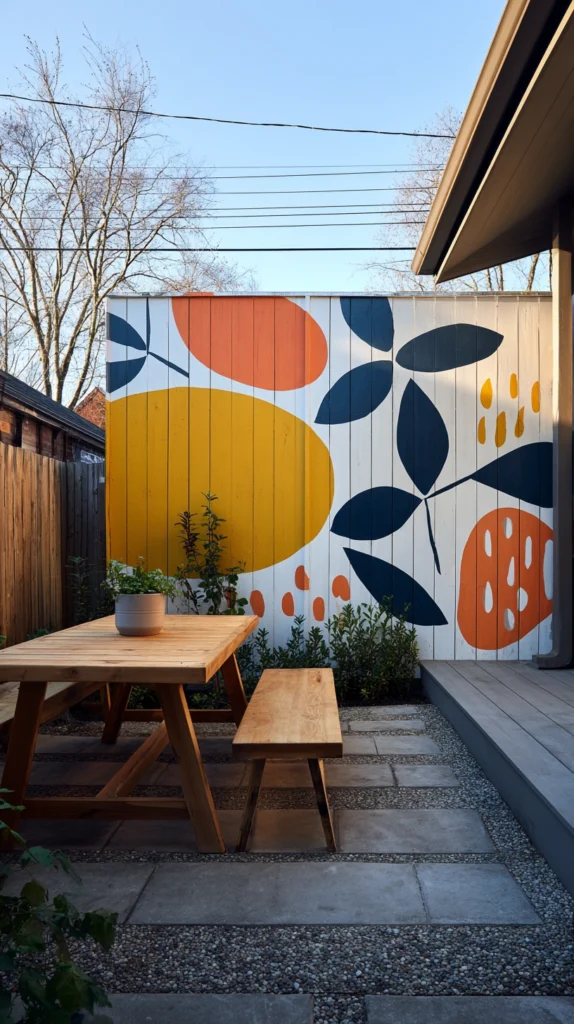
Budget: $10 – $40
An outdoor mural painted directly onto a fence panel — a botanical design, an abstract colour field, a graphic pattern, or a simple geometric shape — creates a garden art installation at the cost of a tin of exterior paint and an afternoon. In a small backyard where there is no room for a sculpture or a water feature, a painted mural provides the visual focal point that anchors the whole space and makes the garden feel specifically designed rather than simply planted.
Exterior paint in the required colours costs $10–$30 depending on the number of colours used. A simple botanical design — large-scale leaves or stems painted in two or three tones — requires only basic painting skills and no artistic training. Use a pencil or chalk to sketch the design on the fence panel before applying paint. A mural painted in exterior paint rated for outdoor use lasts four to five seasons before needing to be freshened or replaced with a new design.
Budget tip: Paint the entire fence panel in a base colour first and allow it to dry completely before adding the mural design. The base coat provides a consistent background colour that makes subsequent decorative layers easier to paint neatly and more visible against the fence surface. A mural applied directly to raw or inconsistently coloured fence timber requires more paint and more effort to achieve clean edges than the same design applied over a consistent base coat.
11. Edge the Lawn or Borders Neatly
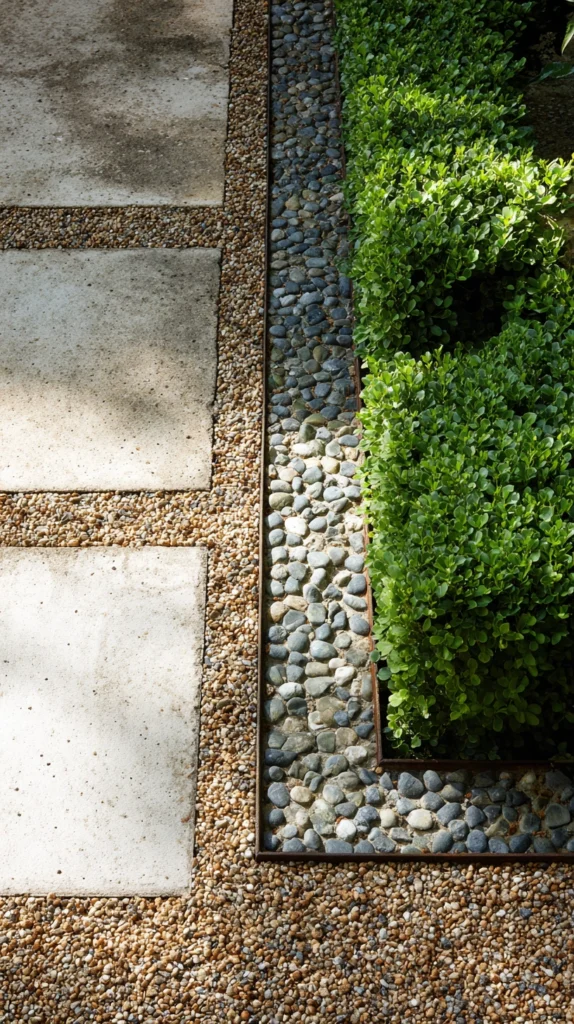
Budget: $0 – $30
Clean, sharp edges between lawn and border, between gravel and planting, or between different surface materials are the detail that most reliably separates a backyard that looks maintained from one that does not. The most beautifully planted small backyard with ragged, encroaching edges looks untidy from a distance. The most simply planted backyard with crisp, defined edges looks designed and cared for from thirty metres away. Edge definition is always the highest-value maintenance task available.
A half-moon edging spade costs $20–$40 and lasts indefinitely. A long-handled rotary lawn edger costs $25–$45 and takes a quarter of the time of a manual half-moon spade for the same result. Re-cut all border and lawn edges in spring and once more in midsummer — these two cuts per season maintain the definition that makes the whole backyard look intentional. The ten minutes per ten metres that sharp edging takes is the best-spent garden maintenance time available for the visual return it produces.
Budget tip: Install permanent steel lawn edging at the garden’s most visible border edges — the total material cost of $30–$60 for the most-used border edges eliminates the need for seasonal re-cutting at those positions permanently. The one-time investment in permanent edging removes the recurring time cost of maintaining those edges manually and keeps the most visible sections of the backyard consistently sharp between the less frequent maintenance sessions that the remaining edges still require.
12. Add a Simple Water Feature
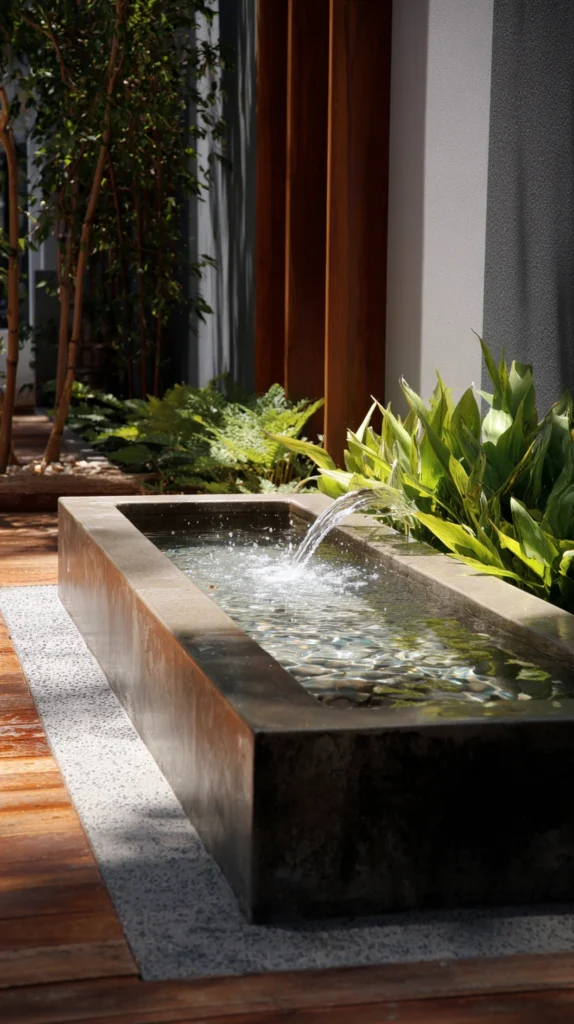
Budget: $25 – $80
A small self-contained solar water feature — a bubbling millstone, a ceramic bowl fountain, or a pebble pool with a solar pump — costs under $80, requires no plumbing, no electrical connection, and no ongoing maintenance beyond occasional cleaning of the pump filter. The sound of moving water in a small backyard is disproportionately transformative to the atmosphere of the space — it masks urban noise, creates a sense of calm, and makes the backyard feel like somewhere genuinely designed for enjoyment rather than simply used.
A self-contained solar pebble pool or ceramic bowl fountain costs $25–$80 from garden centres and online retailers. Place the solar panel in the sunniest available position — direct sun for at least four hours per day is the minimum for reliable pump operation through the day. Surround the feature with smooth river pebbles ($8–$15 per bag) to create the finished, complete appearance that makes the water feature look designed rather than simply placed on whatever surface was convenient.
Budget tip: Clean the solar pump filter every three to four weeks through the summer season rather than waiting for the flow to reduce noticeably. A progressively blocked filter reduces pump output slowly — the degrading flow is rarely noticed until the fountain is barely running and the pump motor is under additional stress from operating against the partial blockage. A regular quick clean costs three minutes and extends the pump motor’s working life significantly beyond what inconsistent maintenance produces.
13. Plant a Fragrant Border for Free
Budget: $0 – $20
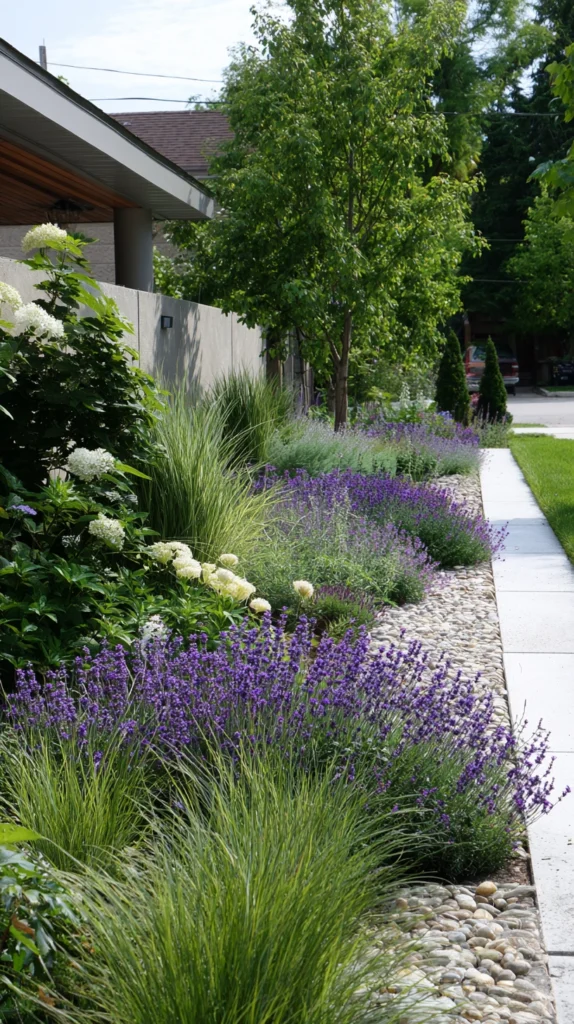
A fragrant border assembled entirely from plants sourced free — from neighbour’s garden divisions, online plant-sharing communities, local plant swaps, and self-seeded seedlings from existing garden plants — fills the backyard with scent through the summer without any nursery expenditure. Fragrant plants divide and share particularly easily: lavender from cuttings, mint from runners, sweet williams from self-seeded seedlings, and hostas and hardy geraniums from division all transfer between gardens freely and establish quickly.
Online plant-sharing platforms and local Facebook gardening groups are the primary sources for free plants — a post requesting lavender divisions or sweet pea seeds from a local gardening group typically generates a generous response within hours. A garden swap event — where each participant brings surplus plants and takes home what others have brought — provides an entire border-worth of plants for the cost of the one or two divisions the participating gardener contributes to the event.
Budget tip: Collect seed from fragrant garden plants in late summer for free sowings the following spring. Lavender, sweet William, verbena bonariensis, and cosmos all produce abundant seed that germinates reliably from a direct outdoor sowing in April — a packet’s worth of seed collected from a neighbour’s garden or from your own existing plants provides enough plants for a generous border at zero cost and in the most sustainable way available.
14. Create a Focal Point With a Mirror
Budget: $20 – $80
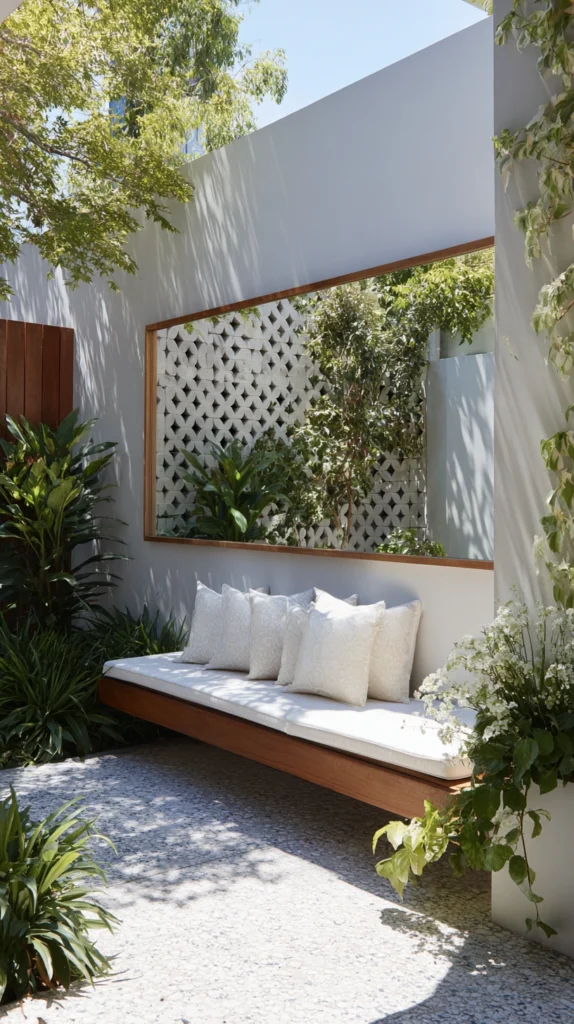
An outdoor mirror fixed to the fence at the end of the garden’s main sight line — positioned to reflect the planting, a pot, or the seating area back toward the viewer — doubles the apparent depth of the small backyard without adding a single centimetre of actual space. The reflected garden appears to continue beyond the mirror’s surface and the small backyard feels significantly larger and more generous than its actual dimensions.
An outdoor-rated garden mirror in a 60×80 cm size costs $30–$60 from garden retailers. Frame the mirror on each side with a climbing plant or a large pot to soften the visible edges and make the reflection more convincing as a view beyond rather than a reflection of the space in front. Position at eye level when seated — approximately 100–120 cm from the ground — for the most effective perspective illusion from the main seating position in the backyard.
Budget tip: Source outdoor mirrors from bathroom renovation disposal at zero cost — mirrors removed during bathroom refits are frequently listed free on local marketplace platforms. An old bathroom mirror is identical in reflective quality to a purpose-made garden mirror and simply needs an outdoor-rated frame or mounting treatment to suit the garden context. A wooden frame painted with exterior paint costs $5–$10 and completes the transition from bathroom mirror to garden feature.
15. Plant Self-Seeding Annuals for Ongoing Free Colour
Budget: $5 – $20 in the first year, $0 thereafter
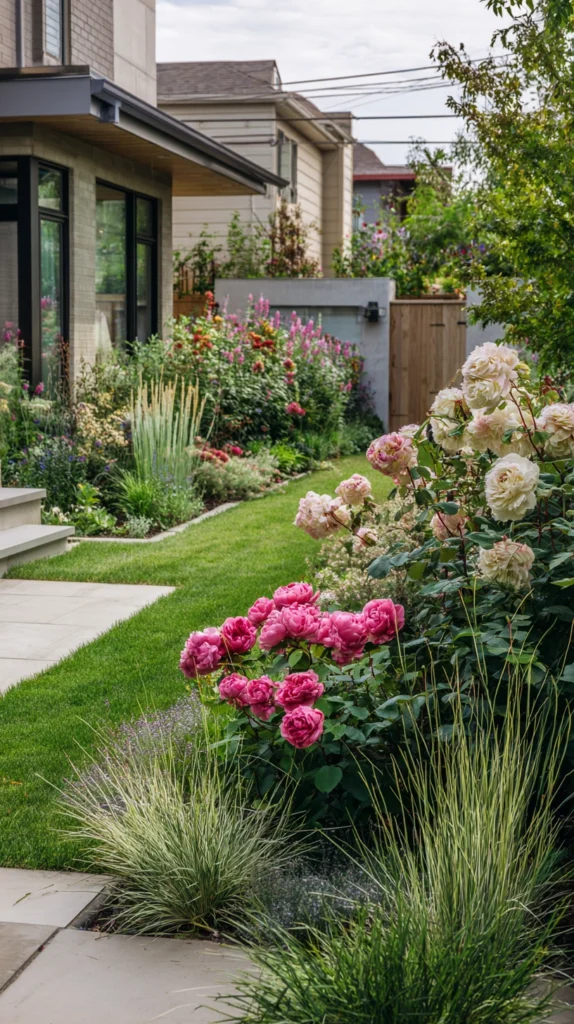
Planting self-seeding annual flowers — cosmos, nigella, californian poppies, and cornflowers — in the first year of a small backyard project provides colour through the first summer and plants the seeds for every subsequent summer at zero cost. Self-seeding annuals drop their seed in the autumn, germinate in the spring, and produce the following season’s display without any intervention from the gardener beyond the initial decision to let them seed rather than deadheading every spent bloom.
A packet of mixed self-seeding annual seed costs $2–$5 each. A small investment in three or four packets in the first year — cosmos ($2–$4), nigella ($2–$4), californian poppy ($2–$3), and cornflower ($2–$4) — provides the first season’s display and seeds the following three to five seasons of colour without any further expenditure. The self-seeding garden improves with each passing year as the plants settle into the positions that suit them best, filling gaps and occupying spaces that were never part of any original planting plan.
Budget tip: Thin rather than weed the self-seeded plants that appear each spring — removing the weakest seedlings and leaving the strongest in the positions that work best for the design of the backyard. An unthinned self-seeded border becomes crowded and competitive as the season progresses. A selectively thinned one provides the same visual abundance with each plant given sufficient space to develop to its full size and flowering potential.
A small backyard on a budget is not a limitation — it is a specific creative challenge that consistently produces more thoughtful and more genuinely enjoyable outdoor spaces than the unlimited budget and unlimited space that most people assume they need. Every idea on this list costs under $200. Most cost under $50. None of them requires a professional tradesperson or a specialist tool. All of them work.
Choose two or three from this list that address the most obvious gap in the backyard you currently have — the missing structure, the absent colour, the surface that needs defining, the evenings that end too early. Start there, implement this weekend, and let the improvement show you where to go next. The best small budget backyard is always the one that is being actively worked on rather than perfectly planned.