13 Backyard Garden Ideas to Make Your Neighbors Jealous
The backyard garden that makes the neighbours slow down as they walk past is not necessarily the largest or the most expensively planted — it is the one where someone clearly cared enough to make every decision deliberately.
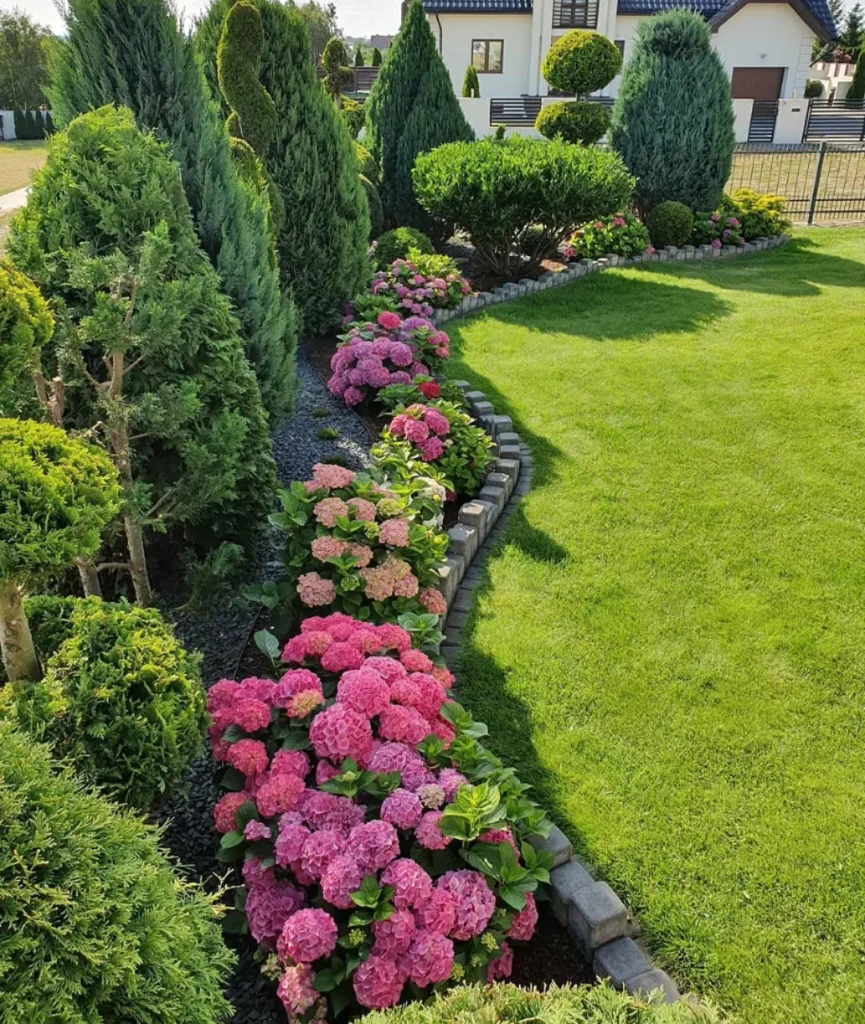
A crisp lawn edge, a bold fence colour, a rose-covered arch, string lights at dusk, a dining table under a pergola in full flower — these are the details that communicate that the garden behind this fence is genuinely worth having. Each one is achievable, and most of them cost considerably less than they look.
The thirteen ideas below are the specific backyard garden moves that produce the most consistently admired results — the kind that guests remember, that neighbours mention, and that make coming home on a summer evening genuinely pleasurable. Costs and a practical tip are included with each.
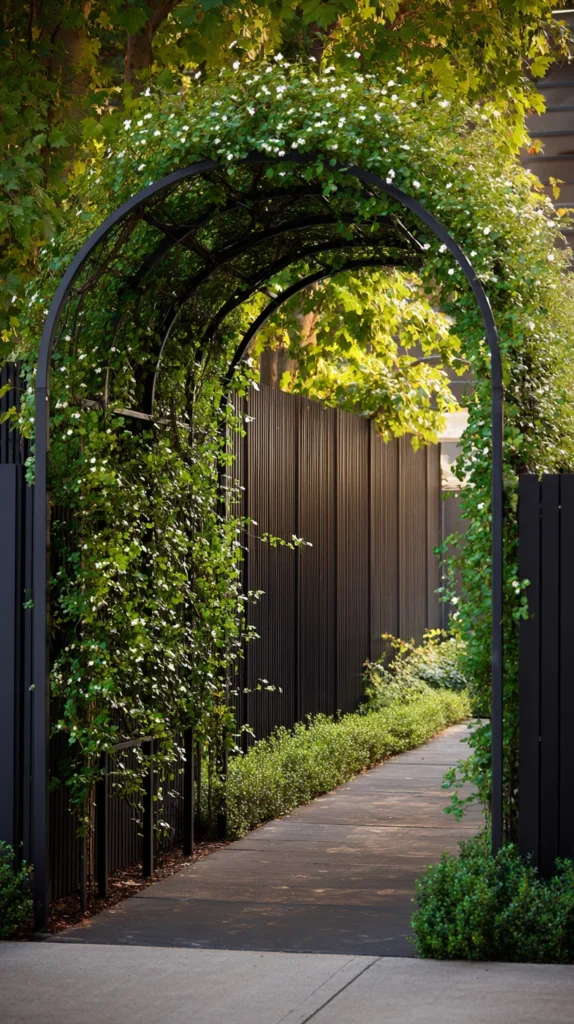
1. A Rose-Covered Arch at the Garden Entrance
Budget: $60 – $200
Nothing announces a garden as confidently or as beautifully as a climbing rose in full flower over an entrance arch. It is the image that defines the aspirational English garden in the global imagination and it is entirely achievable in any backyard with a path and two to three years of growing patience. By year three, the arch is the first thing anyone sees and the last thing they forget.
A powder-coated steel or timber arch costs $50–$150. A climbing rose in a 3-litre pot costs $15–$40. Varieties including The Generous Gardener, Compassion, and Zéphirine Drouhin are reliably fragrant, repeat-flowering, and vigorous enough to cover a standard arch in two full seasons. Plant one rose at the base of each upright and train the canes horizontally along the arch frame from the first growing season.
Garden tip: Paint the fence panels immediately behind the arch in a deep, complementary colour — navy, forest green, or charcoal — before the rose has grown large enough to obscure it. The dark backdrop makes the rose flowers appear more vivid and more three-dimensional than they would against a pale or natural timber fence, and it frames the arch as a considered composition rather than a plant leaning against a structure.
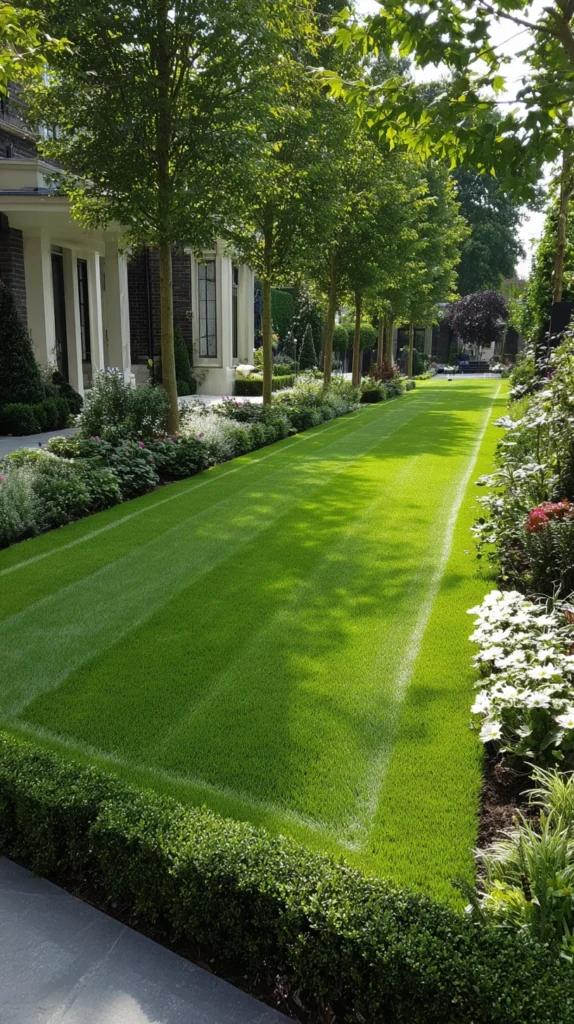
2. A Perfectly Edged Lawn
Budget: $0 – $40
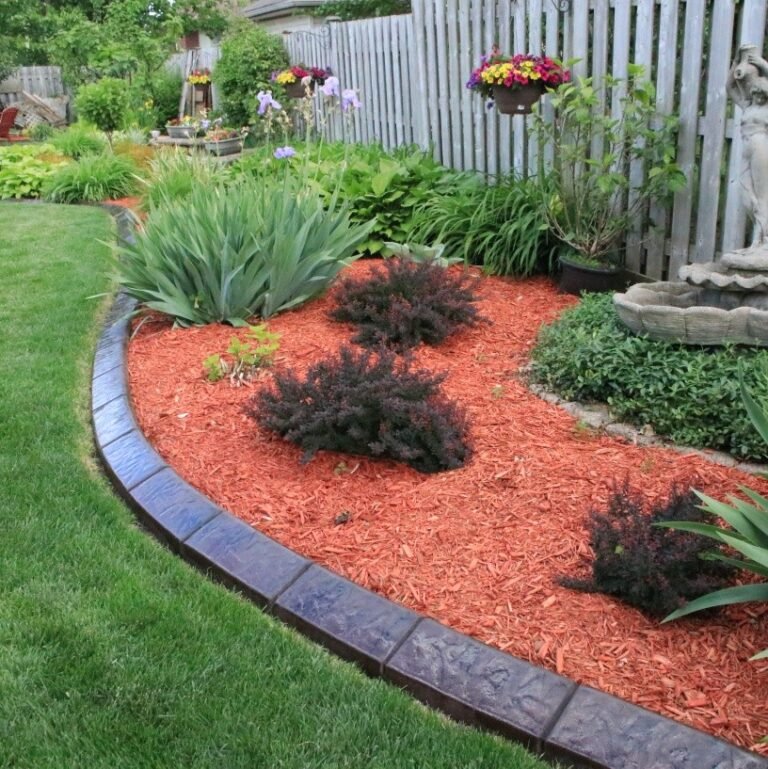
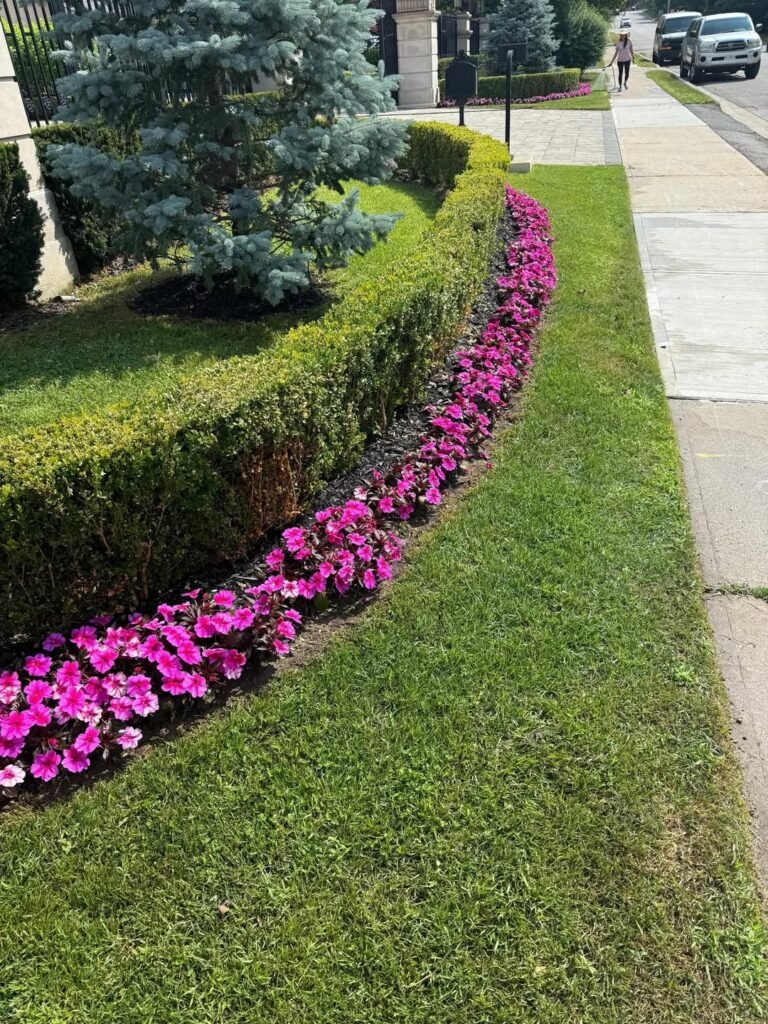
A lawn with perfectly crisp, clean edges — cut with a half-moon edging spade to a sharp vertical line between grass and border — is the single most immediately impactful maintenance upgrade available for any backyard. The well-maintained lawn edge communicates pride and attention in a way that is visible from the street, from the upstairs window, and from the neighbour’s garden simultaneously. It is the detail that separates a garden that is cared for from one that merely exists.
A half-moon edging spade costs $20–$40 and lasts indefinitely with minimal care. Re-cut every six weeks through the growing season — any more frequently and the return is negligible, any less and the grass encroaches noticeably. Ten minutes per ten metres of border edge is all this maintenance requires and the visual return is disproportionate to the time invested in almost every garden that takes it seriously.
Garden tip: Install permanent steel lawn edging along the most-viewed border edges — the sections visible from the house, the gate, and the seating area. Permanent edging eliminates re-cutting at those positions entirely and maintains the crisp edge line through every season without any maintenance beyond the occasional straightening of a section shifted by ground movement. The one-time installation cost of $30–$60 per 10-metre run pays back in time saved within the first season.
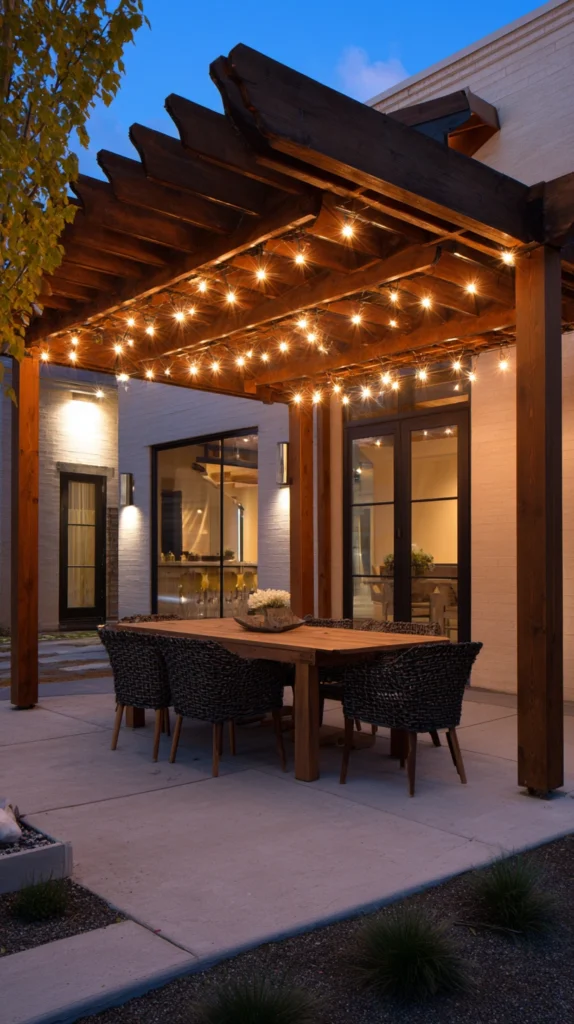
3. A Lit Pergola With Climbers and String Lights
Budget: $300 – $1,200
A timber pergola above the main seating or dining area — planted with wisteria, climbing roses, or jasmine, and strung with warm Edison bulb lights — is the backyard feature that makes every summer evening feel like a destination rather than an outdoor storage area. When the lights come on at dusk and the climbers are in flower, the pergola becomes the most beautiful room in the house regardless of what the interior looks like.
A timber pergola kit for a 3×3 metre dining area costs $300–$700. String lights in a 10-metre warm white Edison bulb format cost $35–$80. A climbing jasmine or wisteria at each upright costs $10–$25 per plant. The combined effect of a lit, planted pergola on a warm June evening — the scent of jasmine, the warm overhead light, the sense of enclosure — is one of the most completely satisfying outdoor experiences that any garden investment produces.
Garden tip: Train the climbing plants specifically to grow across the top of the pergola beams rather than upward along the uprights. The overhead canopy of leaves and flowers — with string lights woven through it — creates a completely different quality of experience from a pergola where the plants grow up the sides but leave the top open to the sky. The canopy is what makes the pergola feel like a room. Without it, it is just a frame.
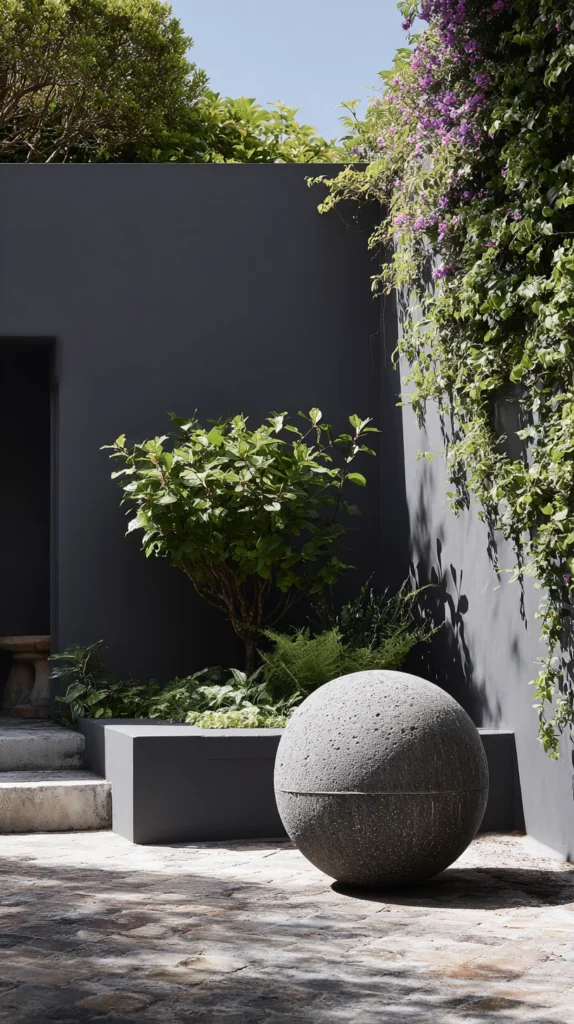
4. A Bold Fence Colour With a Statement Pot
Budget: $30 – $100
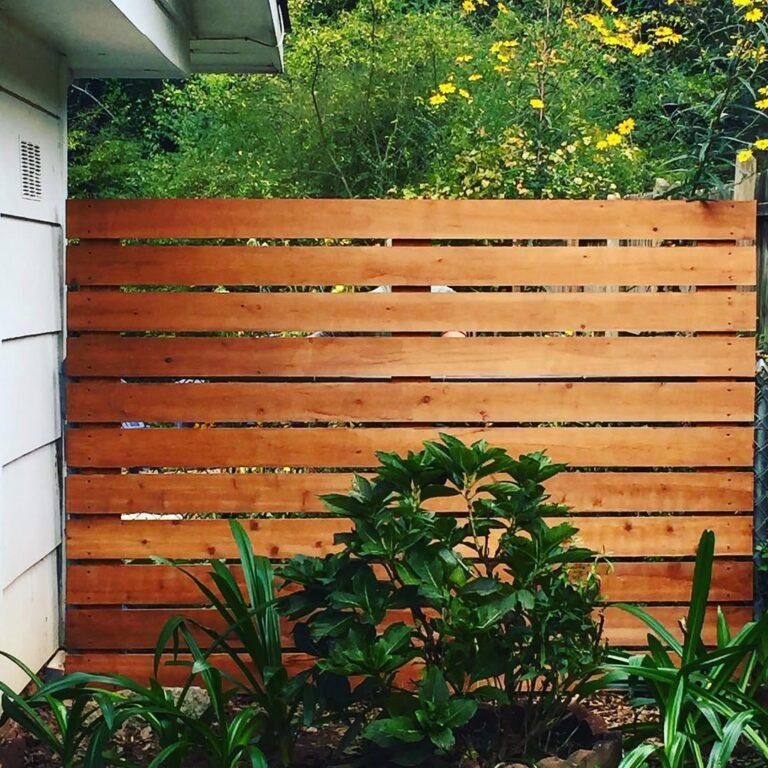
Painting a single fence section in a deep, confident colour — and positioning one large terracotta pot with a sculptural plant directly in front of it — creates a backyard vignette of immediate visual impact that costs less than most people assume and photographs better than almost any more expensive garden intervention available at the same price point. It is the garden equivalent of a feature wall and it works for the same reason — contrast, confidence, and a clear focal point.
A litre of exterior fence paint costs $15–$35 and covers a standard fence panel in two coats. A large terracotta pot of 40–50 cm diameter costs $20–$60. A statement plant — an olive tree, a large agapanthus, or a clipped bay — costs $20–$60. The complete feature costs $55–$155 and creates a focal point that is visible from the main garden viewpoint, from the upstairs window, and from the neighbouring garden simultaneously.
Garden tip: Choose the fence colour in relation to the dominant plant colours in the garden rather than in isolation. A sage green fence suits a planting palette of white, blue, and pale pink. A deep navy suits warm terracotta pot tones and orange or coral flowers. A charcoal fence suits almost any planting palette and is the safest choice for a first attempt at a bold fence colour in any garden where the overall scheme has not been fully established.
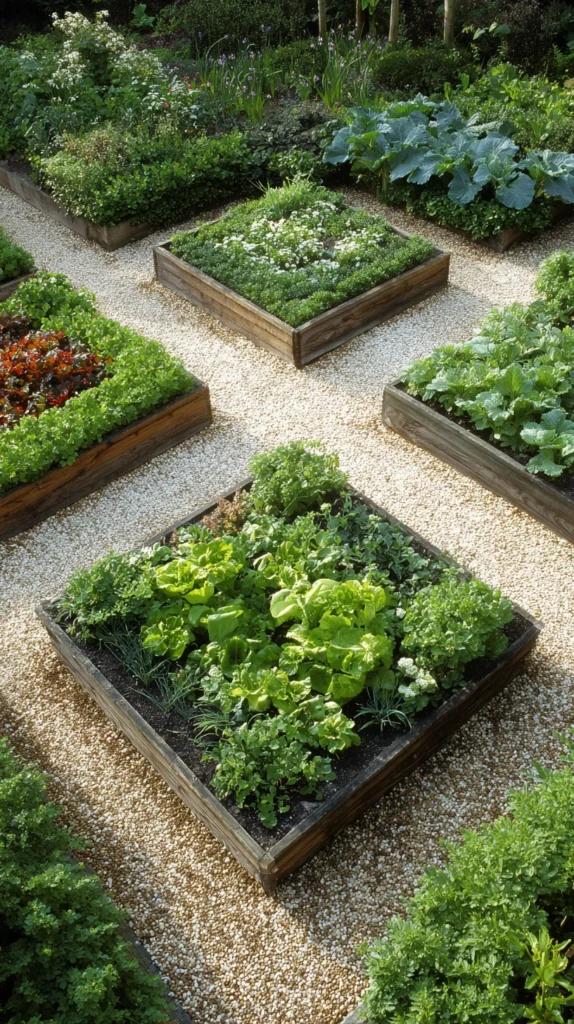
5. A Productive Kitchen Garden That Looks Beautiful
Budget: $100 – $400
A kitchen garden laid out in a formal quadrant pattern — four matching raised beds around a central focal point, with gravel paths between, an obelisk in each bed, and productive planting that is as ornamental as it is edible — creates the backyard feature that combines every quality any garden visitor finds impressive: beauty, purpose, organisation, and the evidence of genuine engagement with growing. A well-kept productive garden communicates more about the character of its owner than any purely ornamental planting.
Four matching raised beds in hardwood or powder-coated steel cost $200–$600. Gravel for the paths costs $30–$60 per bag. Four timber obelisks for the climbing crops cost $30–$60 each. A central focal point — a large pot, a standard tree, or a stone birdbath — costs $30–$100. The complete kitchen garden layout costs $350–$900 but produces food, beauty, and the specific satisfaction of a productive space well-managed through every week of the growing season.
Garden tip: Keep the kitchen garden immaculately tidy — harvested plants removed promptly, paths raked, tools stored, and labels visible and readable. A productive garden that looks like it is being actively worked is impressive. A productive garden where spent plants are left in beds and tools are lying across paths looks like an unfinished project. The tidiness of the productive garden is as important to its impact as the quality of the growing within it.
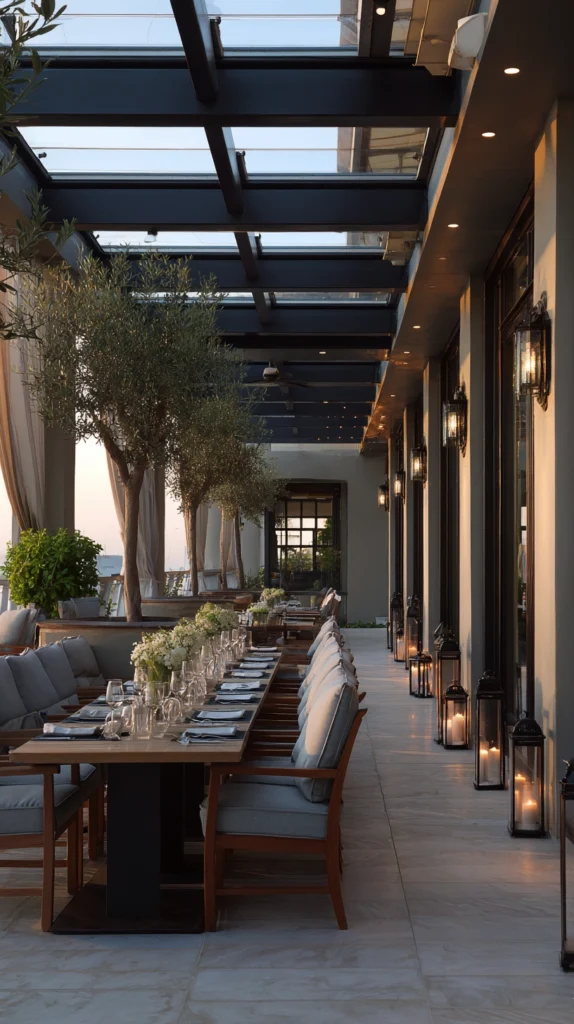
6. An Outdoor Dining Setup That Looks Like a Restaurant
Budget: $150 – $600
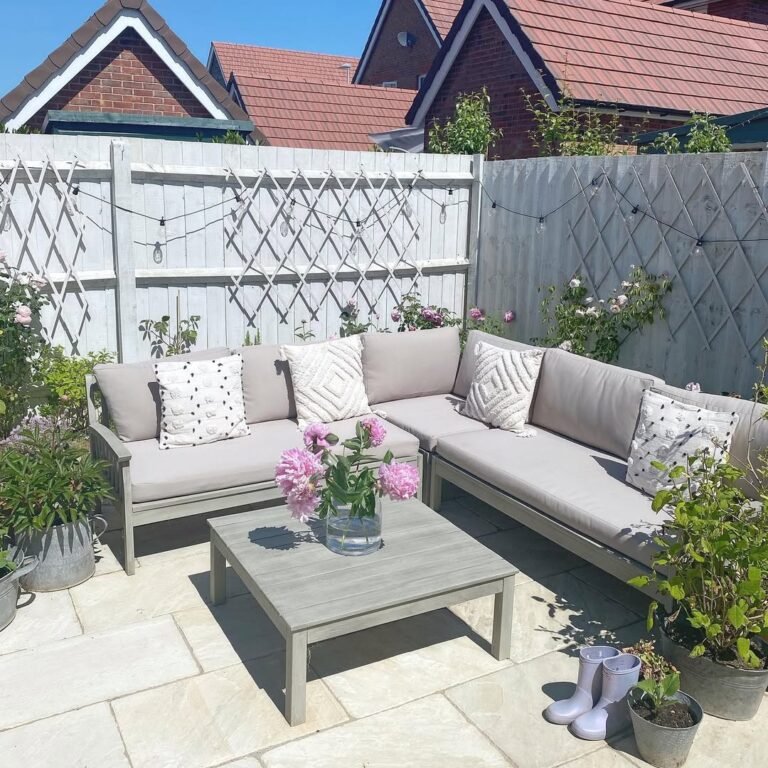
A large outdoor dining table — set with a linen cloth, mismatched glasses, a central arrangement of garden flowers, candles, and proper cloth napkins — positioned under a pergola or shade structure and surrounded by planted containers creates the backyard dining experience that guests request to return to. It is not the cost of the furniture that makes an outdoor dining setup impressive but the confidence and completeness of the arrangement around it.
A quality outdoor dining table in acacia or powder-coated aluminium costs $200–$500. Six matching chairs run $40–$100 each. A large parasol or shade sail overhead costs $80–$200. String lights above the dining area cost $35–$80. The table dressing — cloth, flowers, candles — costs $20–$50 per occasion. A well-appointed outdoor dining setup used regularly through summer provides a quality of daily and social life that exceeds its combined material cost many times over.
Garden tip: Position the outdoor dining table so that the cook faces the guests rather than standing with their back to them. An outdoor kitchen or grill positioned so the cook is part of the gathering fundamentally changes the social dynamic of every outdoor meal eaten there — it is the single most important layout decision in any backyard dining setup and it costs nothing to get right at the planning stage.
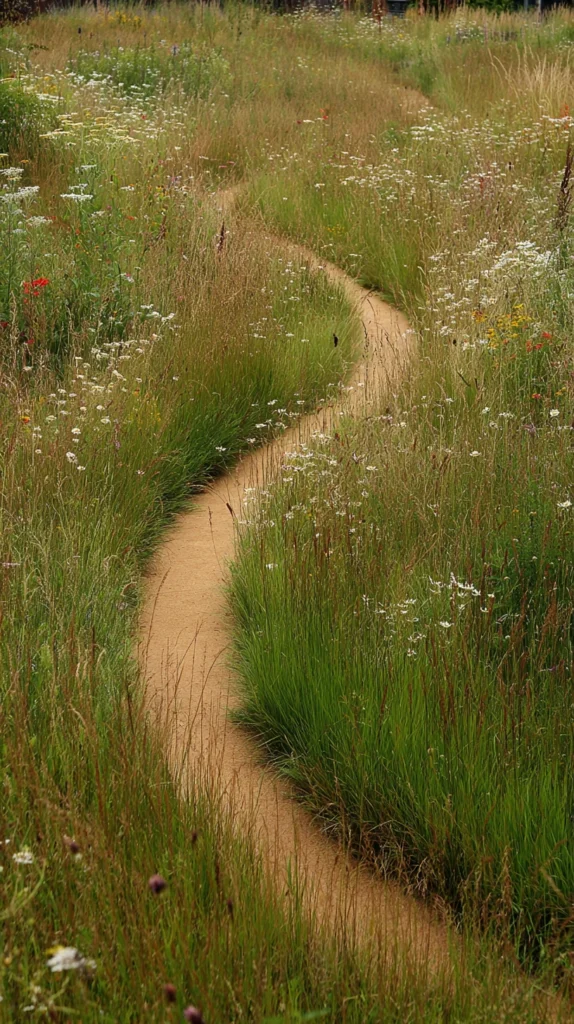
7. A Wildflower Meadow With a Mown Path
Budget: $10 – $40
A section of garden converted to wildflower meadow — with a single mown path curving through it to a bench, a birdbath, or a planted corner at the end — creates the backyard feature that generates the most consistent unsolicited admiration from neighbours and visitors. It looks effortless, it looks deliberate, it is ecologically rich, and it is genuinely among the least expensive backyard transformations available. Most people assume it takes expertise they do not have. It requires only a packet of seed and the decision to stop mowing.
A native wildflower seed mix costs $5–$15 per 100g packet and covers approximately 10 square metres. A mown path through the meadow requires no materials beyond the mower already in use. A simple bench at the meadow’s end costs $60–$150 as a destination that justifies the path and makes the meadow a space to enter rather than only to look at. The complete meadow setup — seed, path, bench — costs $75–$165 and improves with every passing season as the perennial species establish and multiply.
Garden tip: Mow the path through the meadow at least 60 cm wide — wider than feels necessary when the meadow is freshly seeded. The path becomes narrower as the meadow plants lean into it through the growing season, and a path that starts at 60 cm width finishes at a comfortable 45 cm. A path started at 45 cm width becomes too narrow to walk without brushing the growing meadow on both sides by July, which feels overgrown rather than romantically abundant.
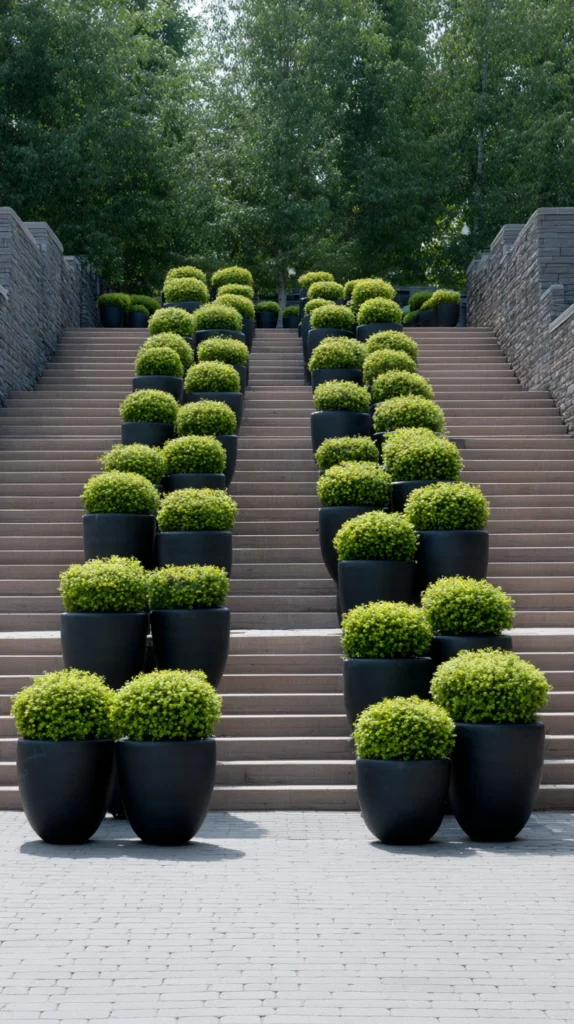
8. A Stunning Seasonal Container Display
Budget: $60 – $250
A group of five to seven large matching containers — all terracotta, all black ceramic, or all galvanised — planted with a single coordinated colour scheme and arranged at the main entrance to the garden or beside the main seating area creates a container display that guests and neighbours consistently comment on. The keys are matching containers, generous plant quantities, a unified colour scheme, and a position where the display is seen from its best angle.
A collection of seven matching terracotta pots in 30–45 cm diameters costs $60–$200. Plants for a coordinated summer display in the chosen palette — all orange and yellow, all white and silver, all purple and blue — cost $3–$8 each at $25–$60 for a generously planted group. Position the tallest pot at the back of the arrangement and graduate down toward the front. Water daily and feed fortnightly. A well-maintained coordinated container group is one of the most reliably admired garden features available at any budget level.
Garden tip: Deadhead the container display every two to three days without exception through the peak of the flowering season. A container group that is regularly deadheaded looks fresh, abundant, and professionally maintained. The same containers neglected for two weeks develop the tired, spent appearance that immediately undermines the impression of a garden that is actively loved and cared for — and the container display is the first thing any visitor sees from the garden entrance.
9. A Garden Room or Shed Transformed Into a Retreat
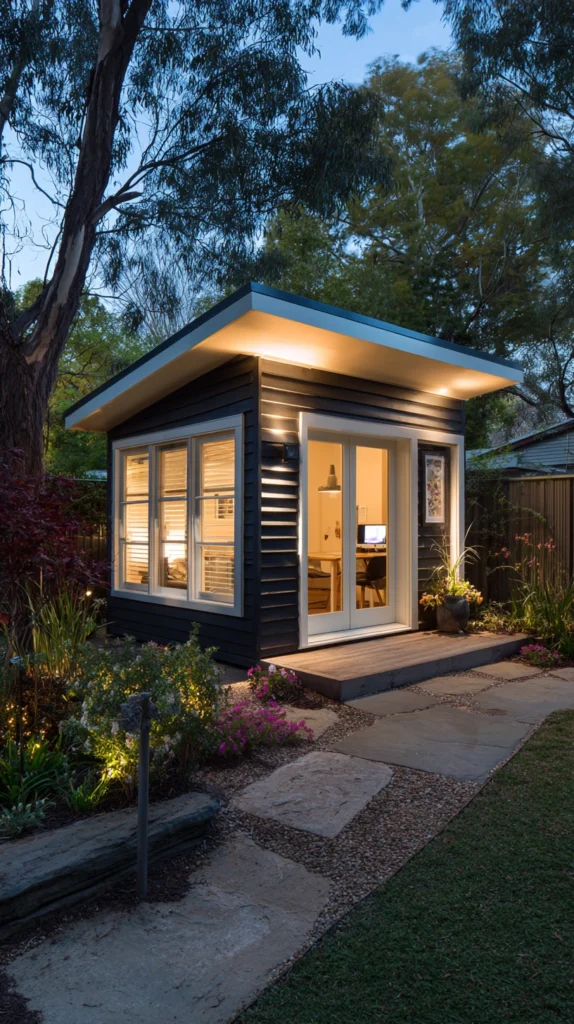
Budget: $100 – $800
A garden shed or summerhouse transformed into a proper outdoor room — painted inside and out, furnished with a comfortable chair, a small table, fairy lights, and a rug — creates the backyard feature that everyone who sees it immediately wants for their own garden. The garden room that looks genuinely finished and genuinely used is one of the most aspirational garden features available and one of the most achievable through renovation rather than new construction.
Exterior paint for a standard 2.4×1.8 metre shed costs $30–$60. Interior lining paint runs $15–$30. A comfortable indoor-style chair suitable for a garden building costs $80–$200. A small wooden crate or table costs $20–$50. Battery-powered fairy lights cost $10–$25. A small rug costs $20–$60. The complete retreat shed transformation costs $175–$445 and produces a garden feature of considerable charm that is genuinely used through every week of the summer season and that makes the garden feel like a property with a genuine outdoor room rather than simply a yard with a shed in it.
Garden tip: Plant climbing roses or jasmine on the exterior wall of the garden retreat shed — trained up and over the door frame and windows. A shed exterior covered in flowering climbers reads as an intentional garden feature rather than a storage building, and the transformation from shed to retreat is completed most convincingly by the exterior planting that connects it to the garden rather than separating it from it as a distinct utility structure.
10. A Night Garden That Glows After Dark
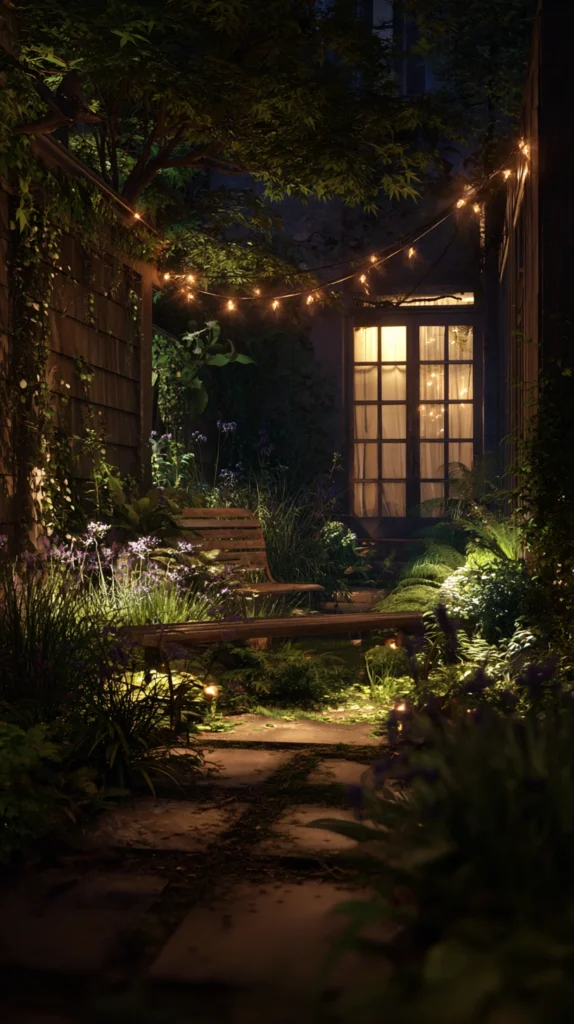
Budget: $60 – $250
A backyard that looks genuinely beautiful after dark — with warm string lights overhead, uplighters on key trees or architectural plants, lanterns along the path, and candles at the dining table — makes the garden usable through the summer evenings rather than ending the outdoor experience at sunset. The neighbours who see a warmly lit garden at dusk through the fence or across the street register it as one of the most aspirational backyard scenes available, because genuinely well-lit outdoor spaces are rare.
String lights for the main seating area cost $35–$80. Two to four solar uplighters for plants and trees cost $10–$25 each. A set of six path lanterns cost $30–$80. Candles for the dining table cost $5–$15 per occasion. The complete lighting scheme for a standard backyard costs $90–$250 in solar and battery-powered fixtures requiring no electrical installation — a total investment that extends the season of outdoor enjoyment by two to three hours every evening through the summer months and produces the most admired garden views visible from any neighbouring property after sunset.
Garden tip: Use warm white light exclusively throughout the garden lighting scheme — 2700K or below for every bulb and every LED fixture in the outdoor space. A single cool white light source in an otherwise warm-lit garden immediately undermines the atmosphere that all the other warm sources have created. Consistent warm white across all fixtures is the lighting principle that produces the golden, inviting quality visible from outside the garden that makes neighbours slow down as they walk past after dark.
11. A Water Feature That Sounds as Good as It Looks
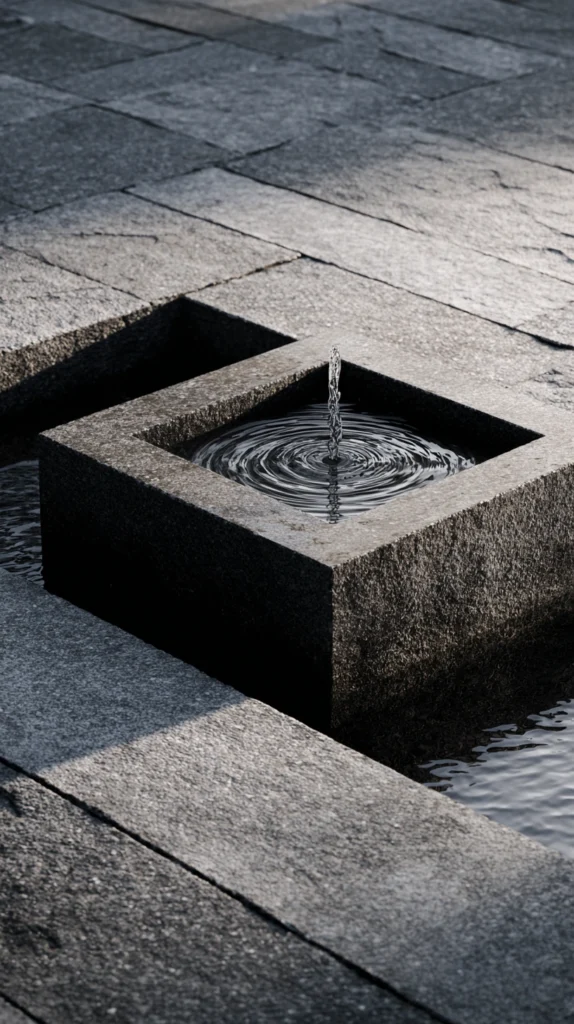
Budget: $50 – $400
A garden water feature — a wall-mounted spout into a stone basin, a millstone pebble pool, or a small formal rill — adds a dimension to the backyard that no visual element provides: the constant, calming sound of moving water that is audible from every seating position in the garden and that masks urban noise in a way that transforms the acoustic character of the whole outdoor space. Neighbours on the other side of the fence hear it too, which is part of what makes a garden water feature so specifically aspirational.
A self-contained solar pebble pool costs $50–$120. A wall-mounted spout with a basin runs $100–$250. A small formal rill built from rendered concrete or stone costs $200–$600 professionally built. Position the feature close to the main seating area where the sound is most directly experienced rather than at the garden’s far boundary where it becomes an ambient effect rather than an immersive one. A water feature heard clearly from the main seating position is a fundamentally different quality of garden than one that can only be heard from within two metres of the feature itself.
Garden tip: Surround the water feature with the most fragrant plants in the garden — lavender, jasmine, roses — so that the acoustic quality of the water and the olfactory quality of the surrounding planting combine at the same point in the garden. The simultaneous experience of moving water sound and intense floral fragrance is the most completely immersive and most memorably pleasurable outdoor sensory experience available and it makes the area around the water feature the place in the garden where people choose to sit and stay for the longest time.
12. A Greenhouse or Glasshouse as a Garden Feature
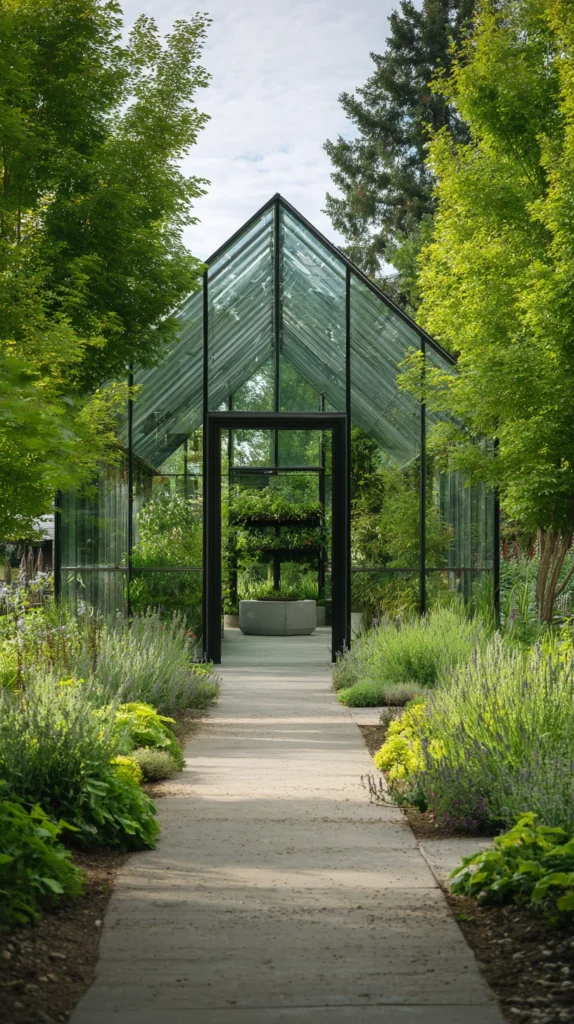
Budget: $200 – $2,000
A small glass or polycarbonate greenhouse — positioned where it can be seen from the main garden, from the house, and from the street — is one of the most consistently admired backyard features available because it communicates serious commitment to growing and to the garden as a productive, lived-in space. A well-maintained greenhouse with tomatoes, cucumbers, and basil growing inside it is a garden feature of genuine aspiration that very few backyards include and that almost every garden visitor immediately notices and responds to.
A small 1.8×1.2 metre lean-to greenhouse costs $200–$500. A freestanding 2.5×2 metre model runs $400–$1,000. A premium Victorian-style glasshouse costs $1,000–$2,000. Position the greenhouse where morning sun reaches it from the east and it benefits from reflected heat from a south-facing wall behind it — the warmest and most productive glasshouse position available in most residential backyards. Maintain the glass with an annual wash inside and out to maximise light transmission and to maintain the well-kept appearance that distinguishes an admired greenhouse from a neglected one.
Garden tip: Style the greenhouse exterior as thoughtfully as the interior — with a climbing plant on the adjacent wall, a gravel path leading to the door, and a pair of terracotta pots framing the entrance. A greenhouse that looks as considered from the outside as it functions on the inside reads as a genuine garden feature rather than a utility structure placed wherever it was most convenient. The five minutes spent styling the greenhouse exterior is the difference between a functional building and a garden destination.
13. A Complete Garden Makeover With One Design Principle
Budget: $500 – $3,000
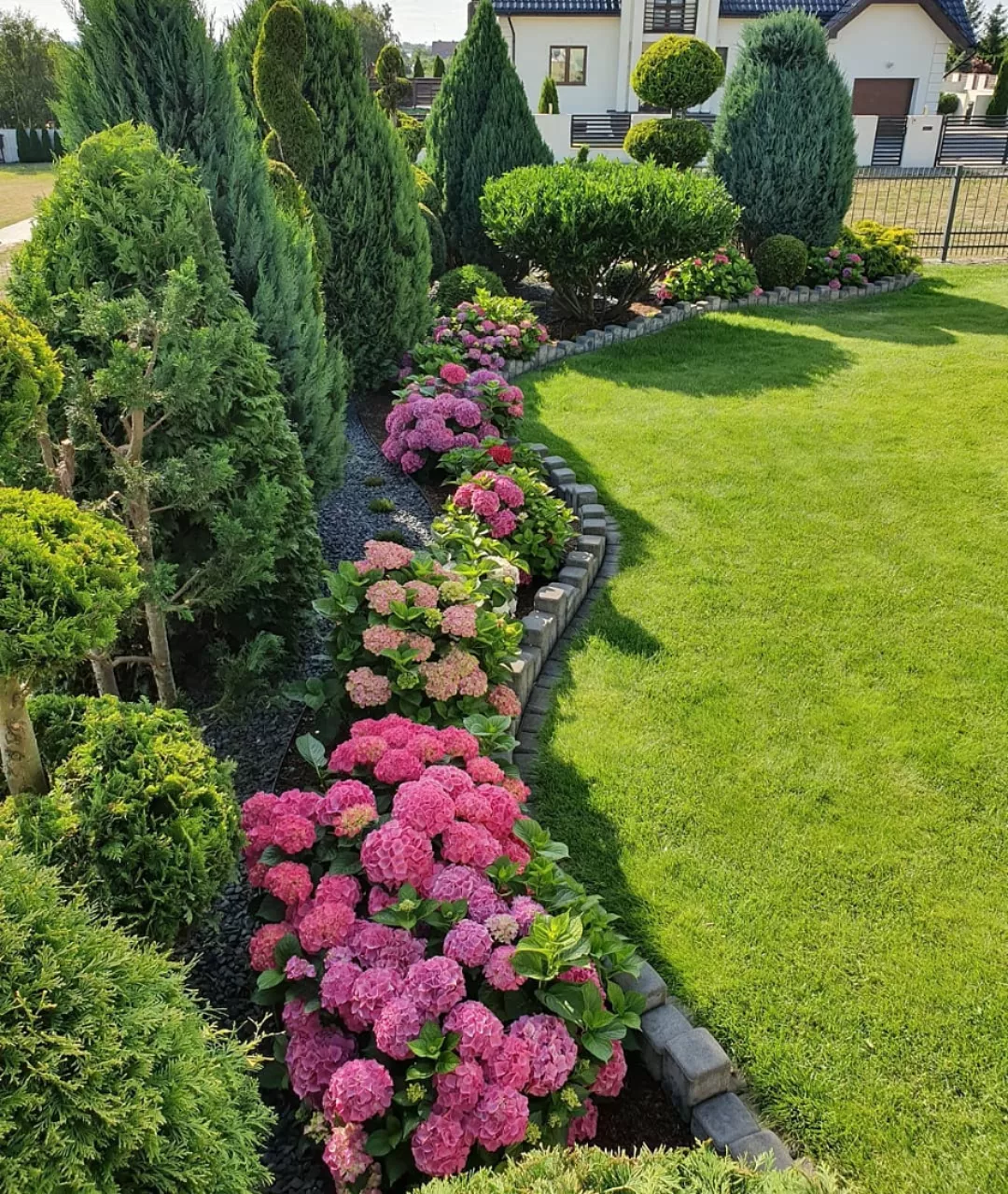
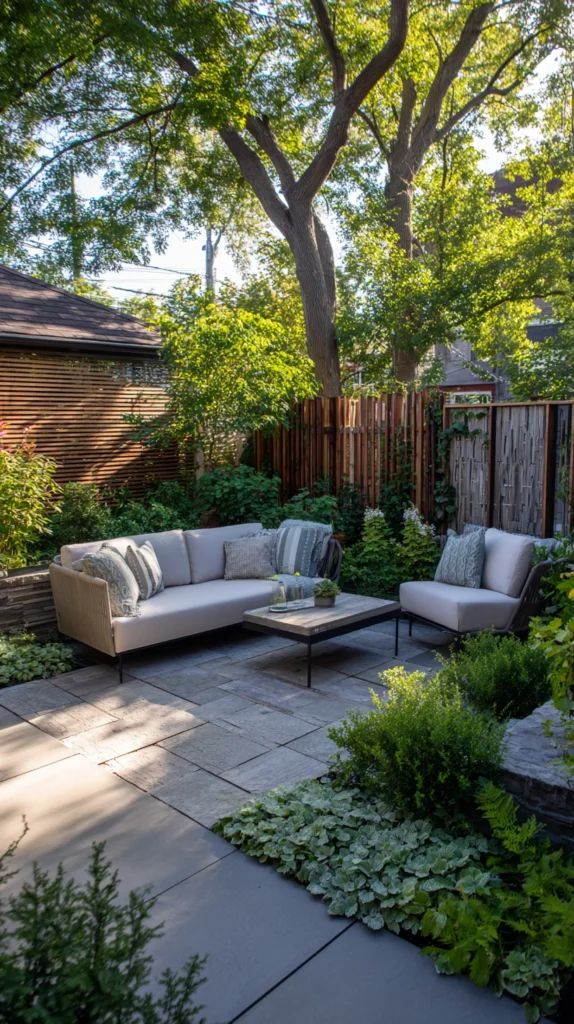
The backyard garden that generates the most consistent admiration is always the one that reads as designed by one clear idea — one material palette, one colour scheme, one structural approach that runs consistently through every decision from the fence colour to the pot material to the plant selection. It does not need to be expensive. It needs to be coherent. A coherent garden at modest cost always outperforms an incoherent garden at twice the budget in terms of the impression it makes on every person who sees it.
A clear design principle — all natural materials and a cool green-and-white palette, or all contemporary black steel and architectural plants, or all rustic reclaimed timber and wildflower meadow — applied consistently to fence paint, container choice, plant selection, lighting, and furniture creates a backyard that reads as the work of someone who thought carefully about what they wanted before beginning rather than someone who bought things they liked individually without considering how they would work together. That quality of apparent intention is the most admired garden quality available regardless of the budget it was achieved on.
Garden tip: Commit to the design principle completely — every element in the garden should either reinforce the chosen aesthetic or be removed. A garden where 90 percent of the decisions are consistent with one clear idea and 10 percent contradict it reads as almost-but-not-quite resolved, which is a less impressive and less satisfying visual result than a garden where 70 percent of the decisions are consistent but the inconsistent 30 percent has been edited out entirely. Restraint and commitment always produce better results than ambition and compromise in any garden design context.
The backyard that makes the neighbours jealous is not trying to make the neighbours jealous — it is a garden that its owner genuinely loves, genuinely uses, and genuinely invests attention in through every week of the season. The admiration it receives is a consequence of those qualities rather than their cause. The gardens that are designed specifically to impress always look slightly effortful. The gardens that are made for pleasure and then enjoyed generously always look effortless — which is the quality that produces genuine admiration from anyone who sees them.
Choose one idea from this list and implement it this season with the best materials and the most care available within the budget. Let it show you what the garden needs next. The backyard that earns genuine admiration is always built one well-made decision at a time.