15 Dreamy Garden Inspirations for Every Outdoor Space
There is something quietly transformative about a well-loved garden. It does not need to be large, expensive, or perfectly maintained — it simply needs to feel like somewhere you want to be. The best gardens are personal, layered, and alive, shaped as much by instinct as by planning.
Whether you have a sprawling country plot, a modest urban backyard, or a single sunny balcony, the inspirations below offer something worth borrowing. Each one captures a different mood, a different way of using outdoor space, and a different kind of beauty.
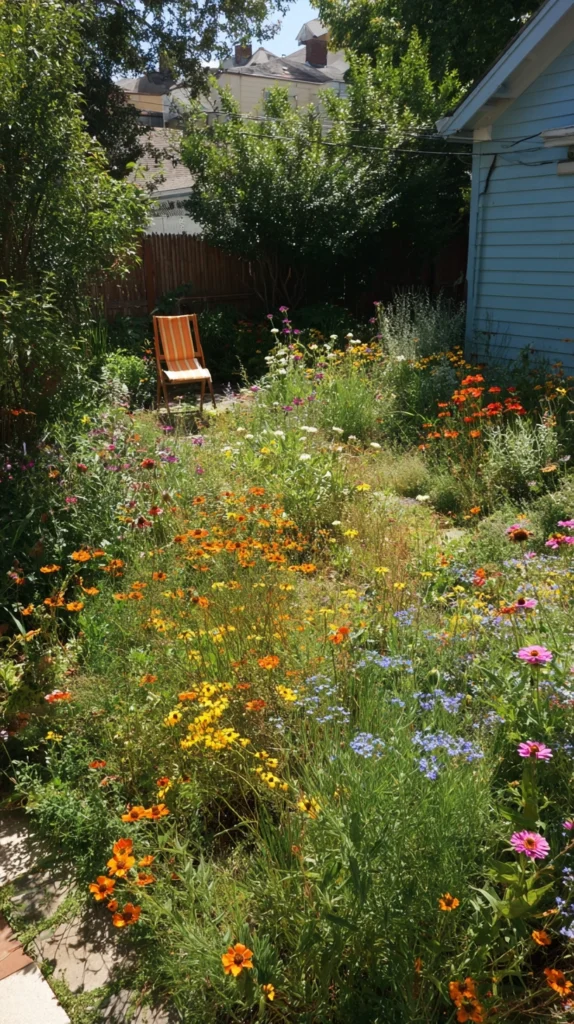
1. The Wildflower Meadow Corner
Budget: $15 – $60
Not every corner of a garden needs to be tamed. A patch given over to a wildflower seed mix — cornflowers, poppies, ox-eye daisies, and scabious — becomes a living tapestry of colour that shifts and changes all summer long. It requires almost no maintenance once established and attracts more pollinators than any carefully tended border.
Wildflower seed mixes cost $5–$15 per packet and cover several square metres. Clear the area of existing grass and weeds, scatter seeds thinly across bare soil in spring or autumn, and leave nature to take over. The result is beautifully imperfect in exactly the right way.
Garden tip: Cut the meadow back to ground level in late autumn and remove all the cuttings. Leaving the cut material on the soil adds nutrients that favour vigorous grasses over the delicate wildflowers you want to encourage.
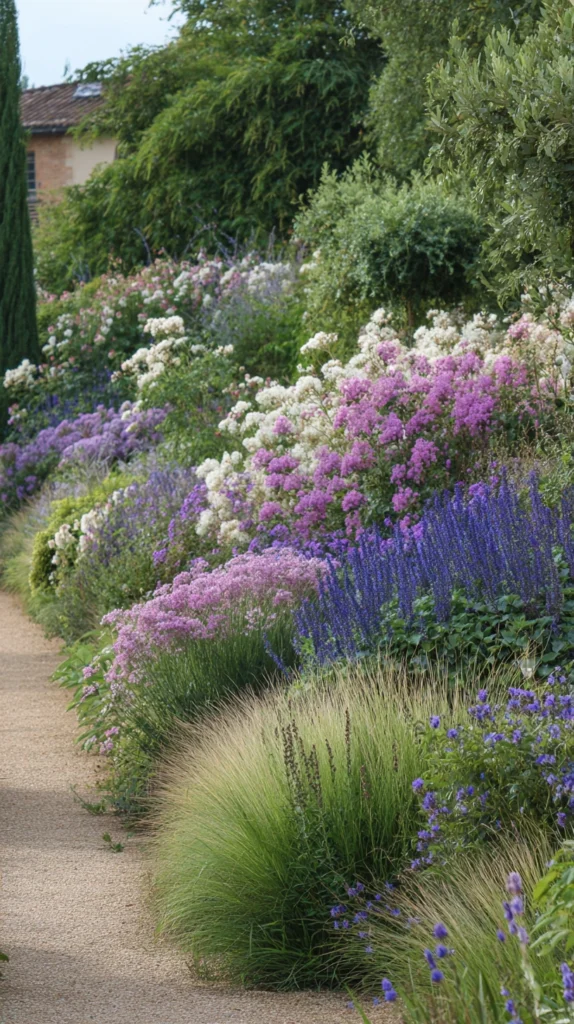
2. The Cottage Garden Border
Budget: $40 – $150
The cottage garden border is one of the most enduring garden styles for good reason — it is lush, romantic, and surprisingly forgiving. Roses, delphiniums, foxgloves, lavender, and sweet peas grown in loose, abundant drifts create a sense of controlled abundance that feels genuinely beautiful from midsummer onwards.
The key to a good cottage border is layering: tall plants at the back, medium in the middle, low-growing edging plants at the front. A single well-planted border transforms the mood of an entire garden and costs far less than hard landscaping.
Garden tip: Plant in odd numbers — groups of three, five, or seven of the same plant read as generous drifts rather than isolated specimens, and the border looks intentional rather than randomly assembled.
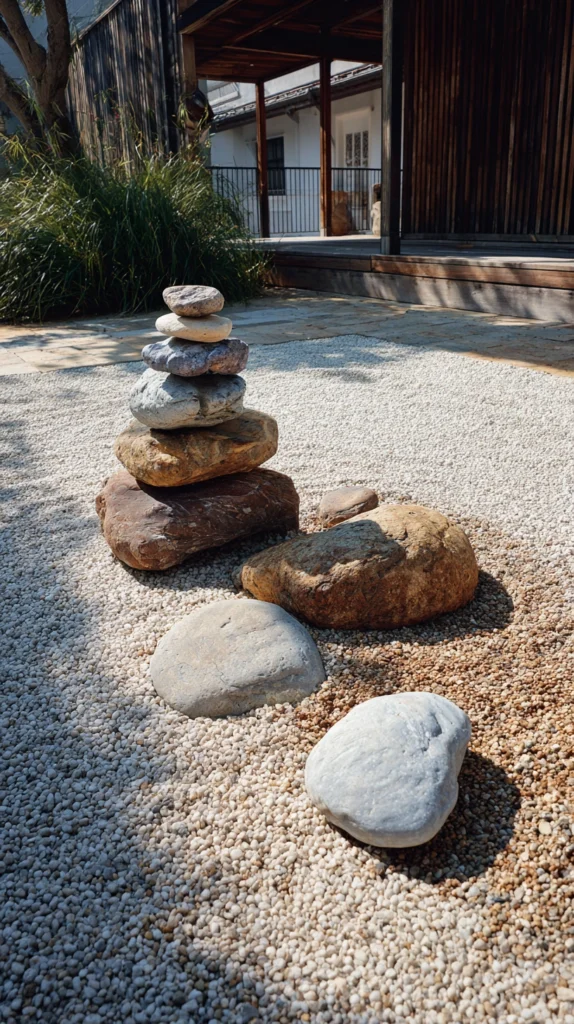
3. The Japanese-Inspired Zen Garden
Budget: $80 – $400
A zen garden brings stillness into outdoor space in a way few other styles can match. Raked gravel, carefully placed stones, clipped box or yew spheres, a single specimen Japanese maple, and clean, uncluttered lines create a space that feels genuinely restful. It works particularly well in smaller gardens where complexity would feel overwhelming.
Decomposed granite or pale gravel costs $20–$50 per bag. A mature Japanese maple in a large container costs $40–$150 but becomes the focal point of the entire garden. The discipline of the style means fewer plants, which also means a lower overall maintenance commitment than a traditional border.
Garden tip: Limit your plant palette to three or four species at most. The restraint is the point — every additional plant type dilutes the calm simplicity that makes this style so effective.
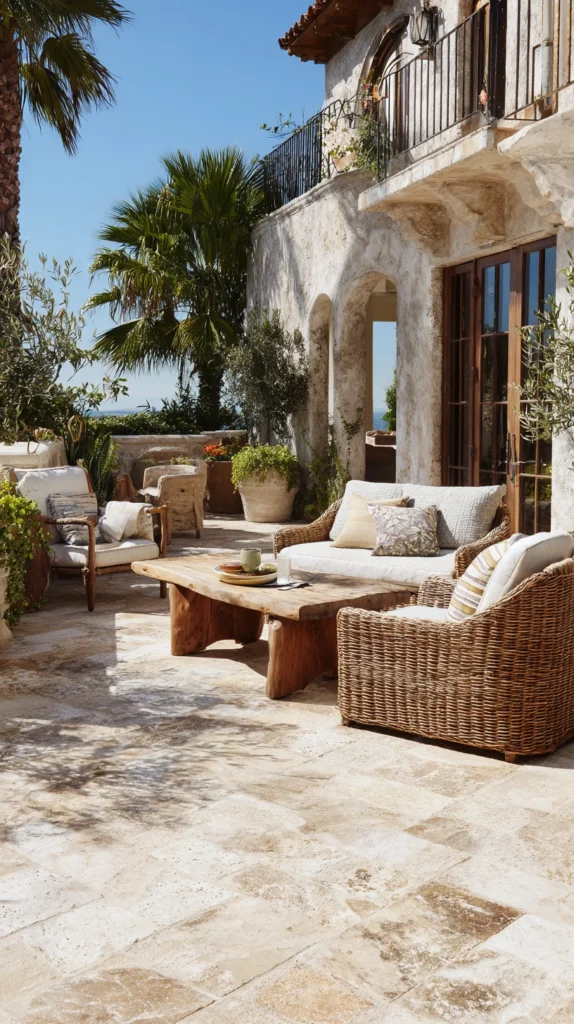
4. The Mediterranean Terrace
Budget: $60 – $250
Sun-baked terracotta pots overflowing with lavender, rosemary, agapanthus, and bougainvillea. Bleached stone paving. A wrought iron table and two chairs in a sunny corner. The Mediterranean terrace is an exercise in warmth, texture, and sensory pleasure — the scent of the herbs alone is worth the effort.
Terracotta pots in varying sizes cost $5–$40 each and look better the older they get. Cluster them in groups of three or five at varying heights rather than spacing them evenly apart. Uneven groupings read as curated and considered; evenly spaced pots look like a garden centre display.
Garden tip: Mediterranean plants thrive on neglect. Water them far less than your instincts suggest — most are drought-tolerant by nature and will rot at the roots if overwatered in containers.
5. The Secret Garden Path
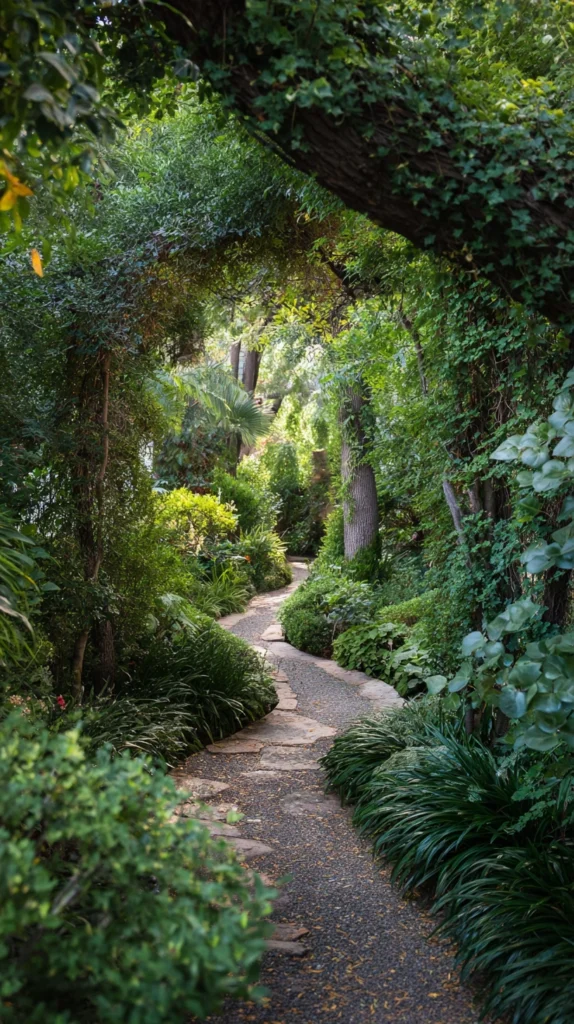
Budget: $50 – $300
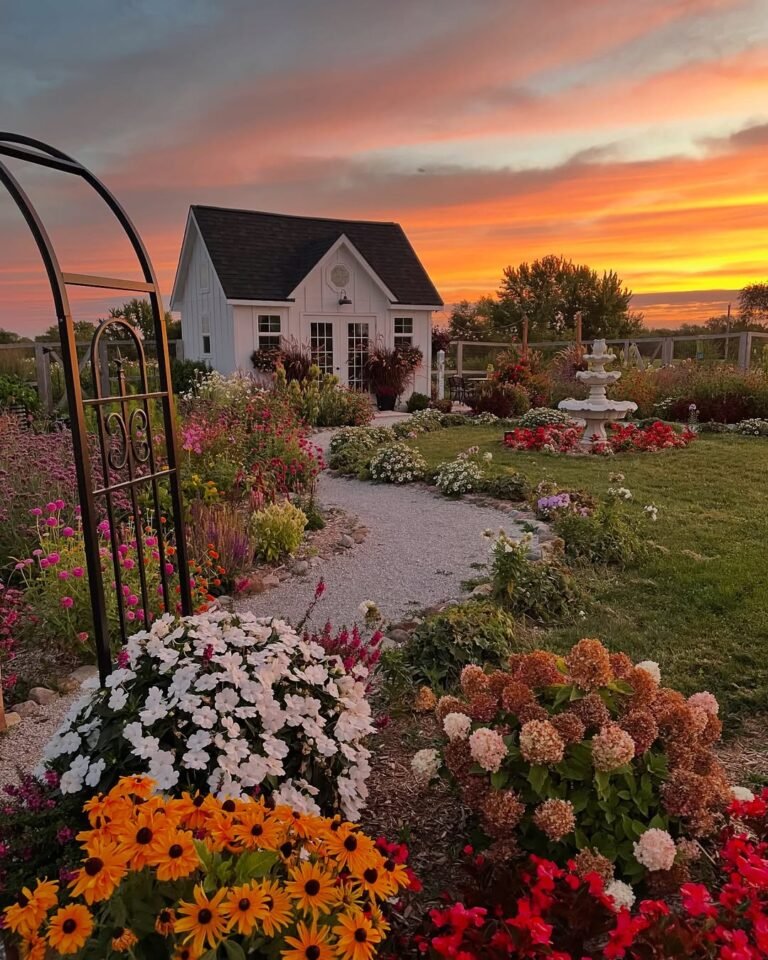
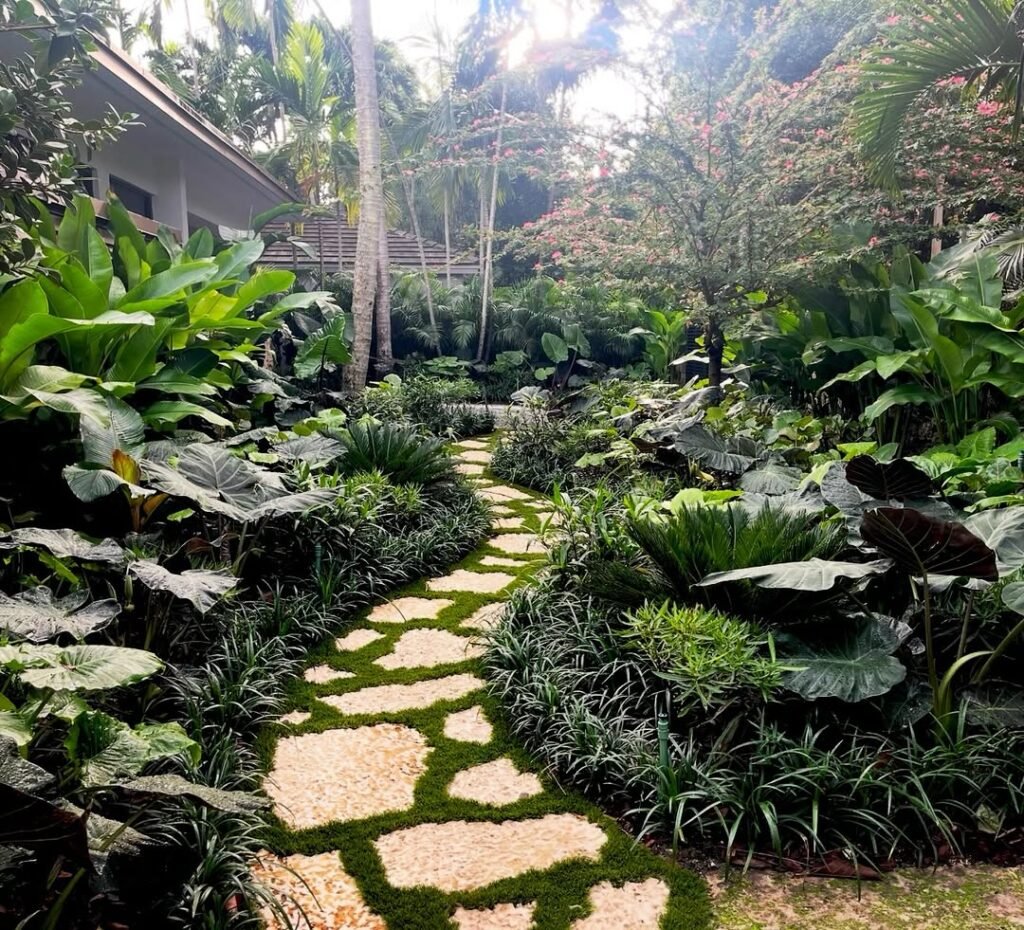
A path that curves out of sight invites exploration in a way that a straight path never can. Line it with tall grasses, climbing roses over an arch, or dense hedging on either side, and the act of walking through the garden becomes an experience rather than a shortcut. Even a small garden can create the illusion of depth and discovery with a thoughtfully curved route.
Reclaimed brick or natural stone pavers cost $30–$100 for a short path. A simple metal arch ($25–$60) planted with a climbing rose or jasmine marks the transition between garden zones beautifully. The plant does the work — within two seasons, the arch disappears beneath growth.
Garden tip: Position a focal point — a pot, a bench, a sculpture — at the end of the path where it curves out of sight. The eye needs something to travel towards, and even a glimpse of something interesting around the corner is enough to draw a person through the garden.
6. The Shaded Woodland Garden
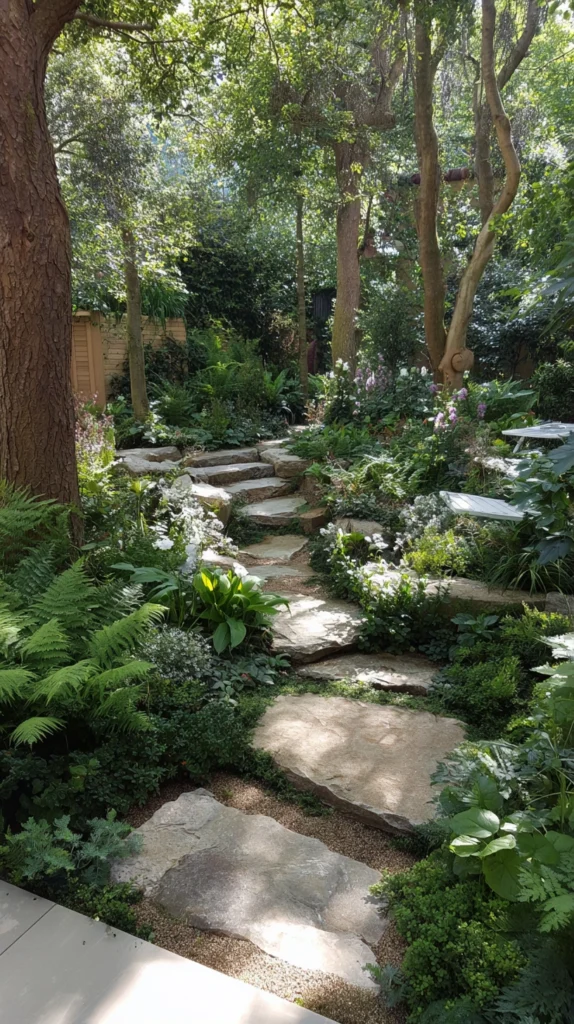
Budget: $40 – $180
A shaded corner that feels like a problem is often an opportunity. Ferns, hostas, hellebores, astilbes, and foxgloves create a layered, lush understorey that looks beautiful in the kind of dappled, indirect light that most flowering plants dislike. A garden with a genuinely good shaded area is rarer and more interesting than one that is uniformly sunny.
Moss encouraged to grow between stepping stones costs nothing and adds an ancient, settled quality that takes years to achieve in other garden styles. A single large fern in a decorative pot can anchor an entire shaded corner for under $20.
Garden tip: Water shade garden plants deeply but infrequently rather than giving them a little water every day. Shallow, frequent watering encourages surface roots that are vulnerable to drought; deep, occasional watering builds the root system the plants need.
7. The Kitchen Garden With Style
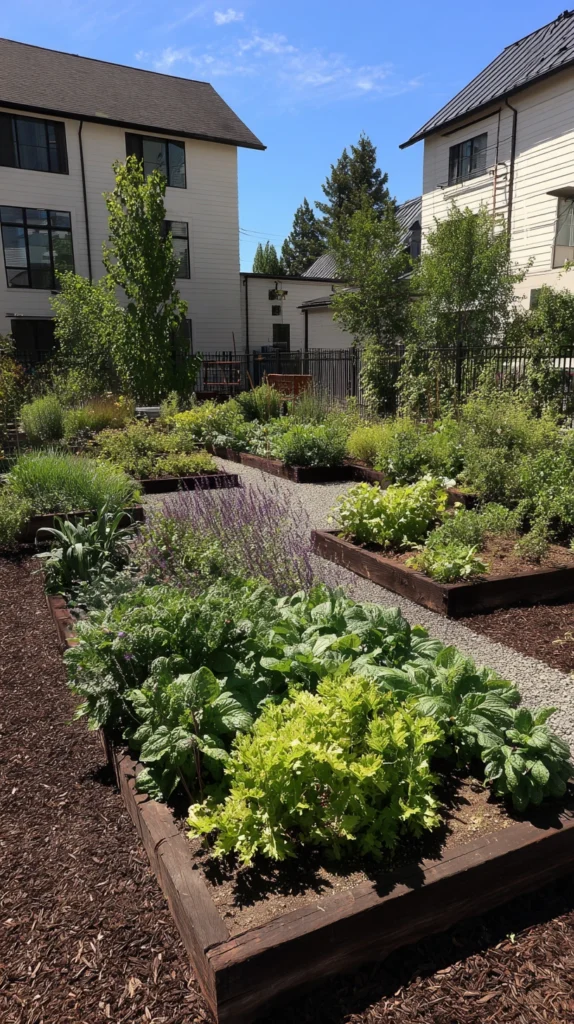
Budget: $60 – $200
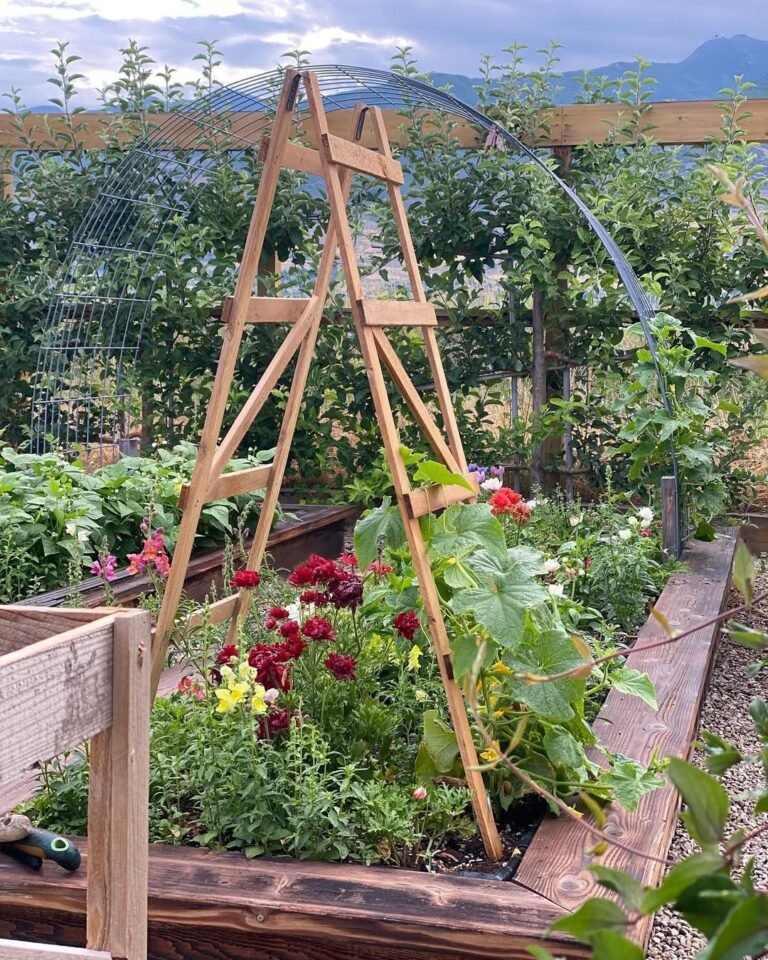
A kitchen garden does not have to be purely functional. Trained fruit trees as espaliers against a warm wall, vegetables planted in neat rows within a box-edged bed, terracotta forcing pots over rhubarb crowns, a wigwam of climbing beans as a central feature — a productive kitchen garden arranged with care is as visually satisfying as any ornamental border.
Mix edible and ornamental plants freely. Nasturtiums scrambling through lettuce rows, bronze fennel as a feathery backdrop, calendula planted along the edges — the kitchen garden that blurs the line between useful and beautiful is the most inspiring kind.
Garden tip: Use vertical space deliberately. A row of wigwams, a espalier apple, or a trellis of climbing peas adds height and structure that makes a kitchen garden look designed rather than simply planted.
8. The Cottage Courtyard
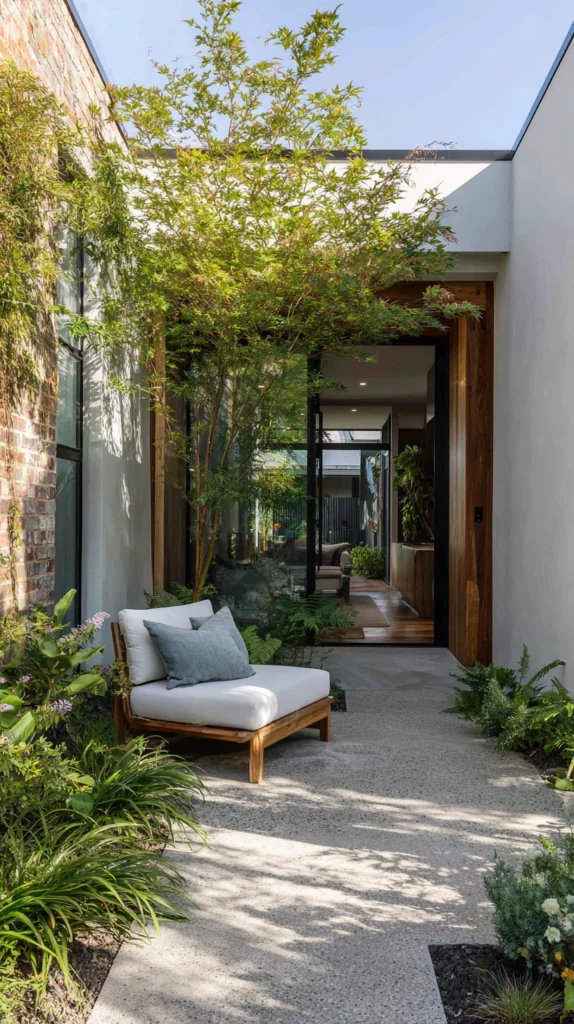
Budget: $50 – $200
A small, enclosed courtyard space — even one that receives limited sunlight — can become one of the most intimate and beautiful areas in any garden. Climbing plants covering the walls, potted plants at every level, a small water feature for sound, and a comfortable chair in the corner are all it takes. Enclosure creates a sense of sanctuary that open gardens rarely achieve.
Clematis, ivy, climbing hydrangea, and Virginia creeper will cover a courtyard wall within two or three seasons and cost $10–$25 per plant. A small solar-powered water feature costs $20–$50 and adds the sound of moving water, which transforms a quiet courtyard into something that feels genuinely alive.
Garden tip: Paint the courtyard walls a warm, pale colour — stone, cream, or soft white — before planting climbers against them. Light walls reflect more brightness into a shaded space and make the whole courtyard feel larger and more welcoming.
9. The Prairie-Style Planting
Budget: $50 – $180
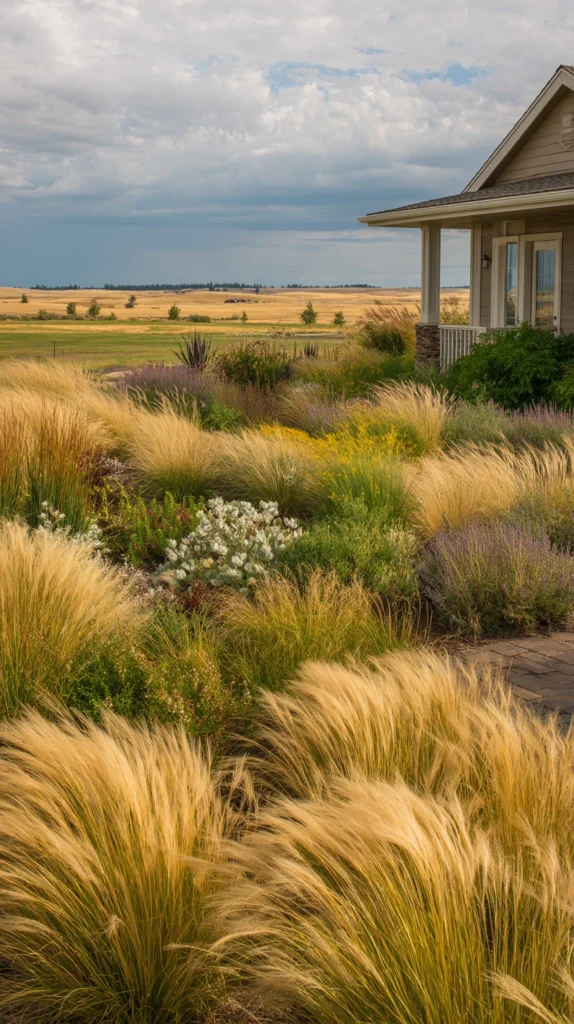
Inspired by the naturalistic planting style pioneered by designers like Piet Oudolf, a prairie-style bed uses ornamental grasses and long-flowering perennials — echinacea, rudbeckia, verbena bonariensis, salvia, and miscanthus grasses — to create a garden that looks beautiful from midsummer right through to the first hard frosts of winter.
The style is particularly forgiving for beginners because it celebrates natural growth habits rather than fighting them. Plants are allowed to seed, spread, and self-organise within the overall structure you set up, which means the garden improves and fills in with each passing season rather than requiring constant replanting.
Garden tip: Leave the dead seed heads standing through autumn and winter rather than cutting everything back in autumn. Frosted seed heads and dried grass plumes are genuinely beautiful, provide food for birds, and give the garden a structural presence through the coldest months.
10. The Tropical Backyard
Budget: $80 – $350
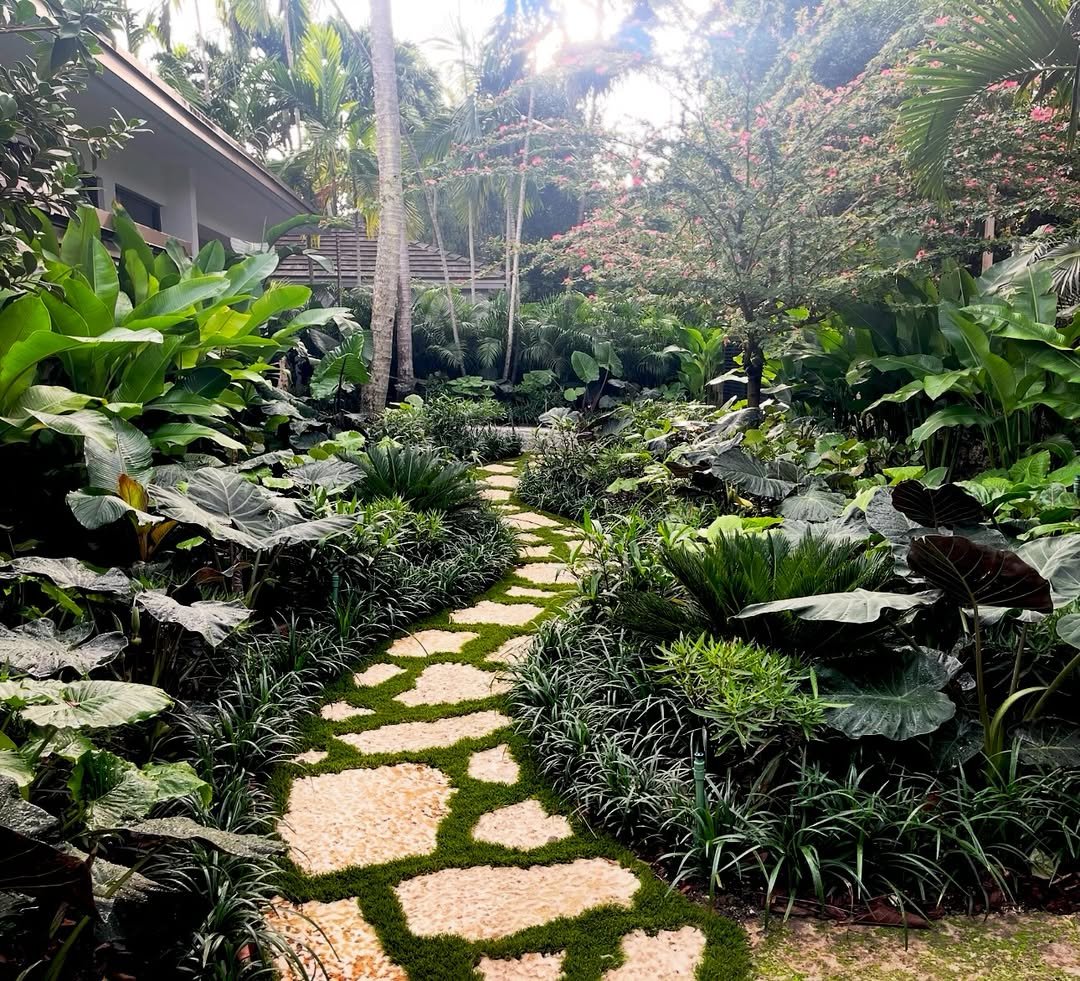
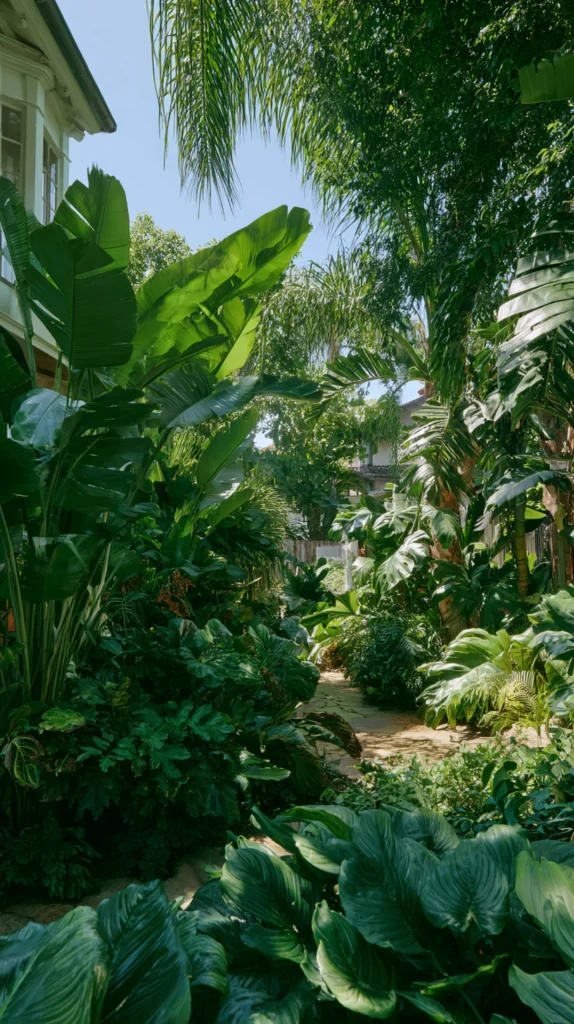
Large, bold, exotic-looking foliage plants — cannas, dahlias, gunnera, banana plants, and phormiums — create a lush, tropical atmosphere that is surprisingly achievable in temperate climates during summer months. The key is scale: generous, oversized leaves planted in bold groups rather than timid individual specimens.
A single large canna or banana plant in a statement pot costs $15–$40 and creates an immediate focal point. Group several large-leaved plants together for maximum drama — a tropical planting scheme that tries to be subtle generally ends up looking confused rather than exotic.
Garden tip: Most tropical-looking plants are not frost hardy and will need to be brought inside or their roots mulched heavily before the first autumn frosts. Factor the overwintering plan into your choice of plants before you fall in love with something too tender for your climate.
11. The Scented Evening Garden
Budget: $30 – $120
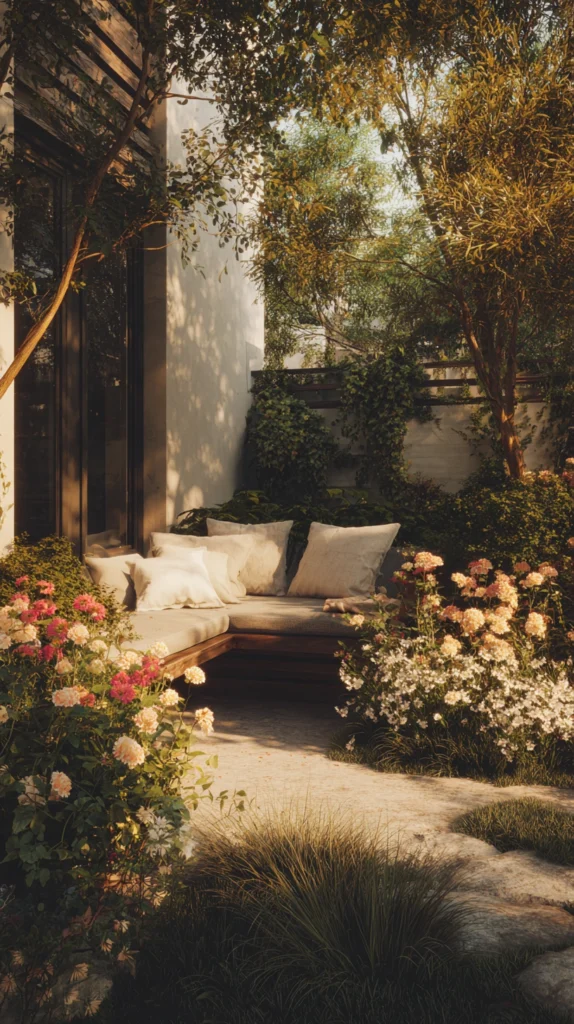
A garden designed to be enjoyed after dark needs a different plant palette than one planted for daytime beauty. Nicotiana, night-scented stock, jasmine, honeysuckle, moonflowers, and evening primrose all release their fragrance most intensely as the light fades, filling the evening air with scent in a way that no daytime garden can match.
Pale-coloured flowers — whites, creams, and soft yellows — also catch the last evening light and remain visible long after darker colours have disappeared into dusk. A bench positioned near a fragrant climber becomes one of the best seats in the garden from midsummer onwards.
Garden tip: Plant nicotiana and night-scented stock directly beside any outdoor seating area rather than in a distant border. These plants are modest in appearance and their beauty is almost entirely in the fragrance — they need to be close to where people sit to make their full impact.
12. The Water Garden
Budget: $60 – $400
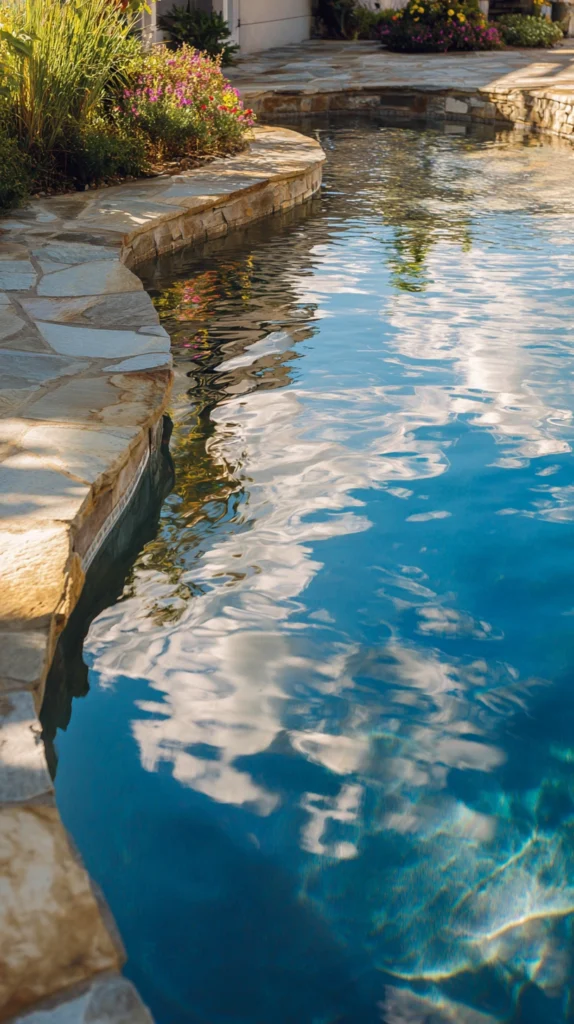
A garden pond — even a small one — introduces a dimension of life and movement that no other garden feature can replicate. Water lilies, iris, marsh marigold, and water mint planted around the edges create a naturalistic setting. Dragonflies, frogs, birds, and hedgehogs will arrive within months, and the garden becomes a small ecosystem rather than simply a planted space.
A pre-formed fibreglass pond costs $40–$120 for a modest size and can be installed in a single afternoon. A flexible pond liner ($20–$60) allows any shape and size you choose. Position the pond where it receives at least five hours of sunlight — a shaded pond will never produce good water lily growth and is more prone to algae problems.
Garden tip: Never add fish to a wildlife pond. Fish eat frog and toad spawn, aquatic insect larvae, and the small invertebrates that make a wildlife pond ecologically rich. A fishless pond attracts dramatically more wildlife and requires far less maintenance.
13. The White Garden
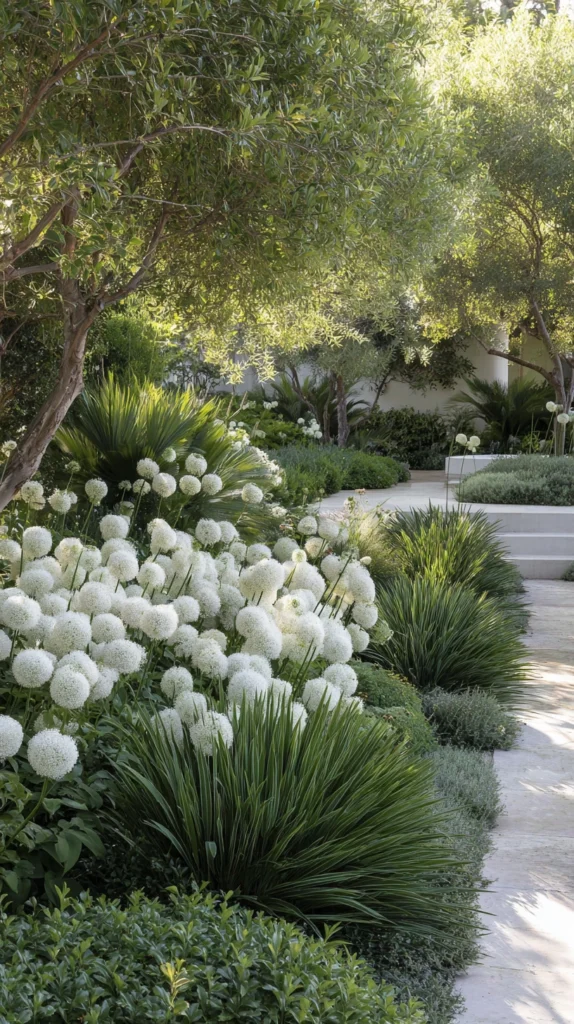
Budget: $40 – $160
Inspired by Vita Sackville-West’s famous White Garden at Sissinghurst, an all-white planting scheme is one of the most sophisticated and luminous things a garden can achieve. White roses, cosmos, agapanthus, phlox, foxgloves, and alliums in white or palest cream, set against silver foliage plants like stachys and artemisia, create a garden that glows in the evening light and feels calm and deliberate in the daytime.
The discipline of a single-colour scheme forces you to think more carefully about texture, form, and height — the elements that make a planting design genuinely interesting rather than simply colourful.
Garden tip: Include as many different shades of white as you can find — pure white, cream, ivory, and the faintest blush pink all work together. A white garden with too many exactly identical white flowers can look clinical rather than beautiful; tonal variation keeps it warm and alive.
14. The Gravel Garden
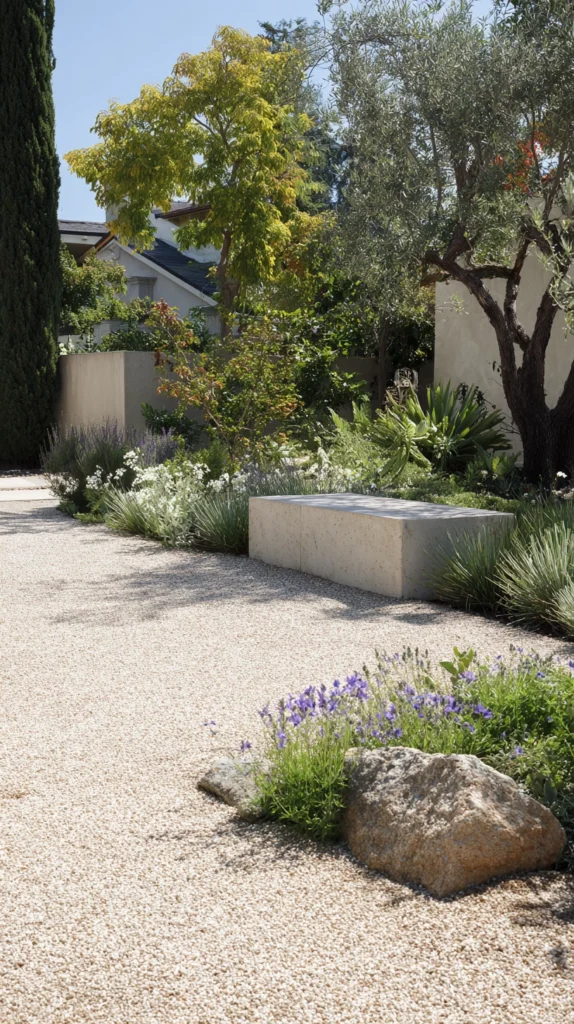
Budget: $60 – $250
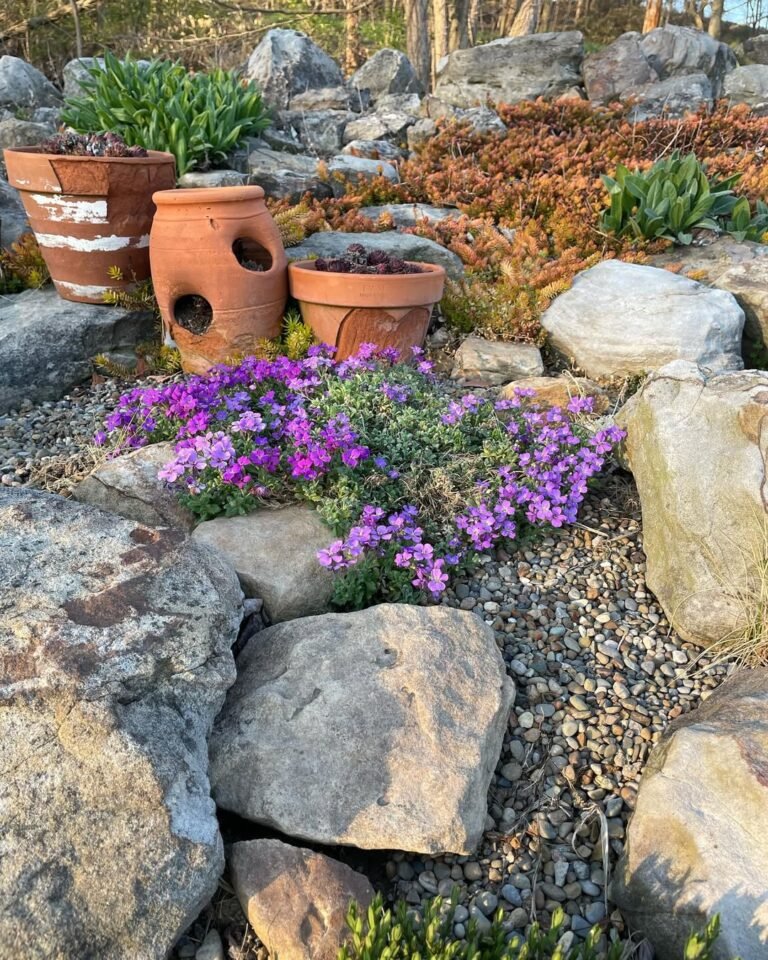
A gravel garden — drought-tolerant plants set into a deep mulch of pale gravel with no lawn to mow and minimal watering required — is one of the most low-maintenance, high-impact approaches to garden design available. Lavender, salvia, penstemon, alliums, euphorbias, and ornamental grasses all thrive in the free-draining conditions a gravel garden provides.
Lay a 5–10 centimetre depth of gravel over a permeable membrane to suppress weeds. Once established, the garden largely takes care of itself — the gravel retains soil moisture, suppresses weeds, and reflects light upwards through the plant stems in a way that makes colours look more vivid than they would in a traditional border.
Garden tip: Vary the size and colour of the gravel in different areas of the garden for a more naturalistic effect. A single uniform gravel throughout a large space can look monotonous; a mix of fine and coarse grades, or a transition from pale to darker stone, adds visual interest at ground level.
15. The Living Wall
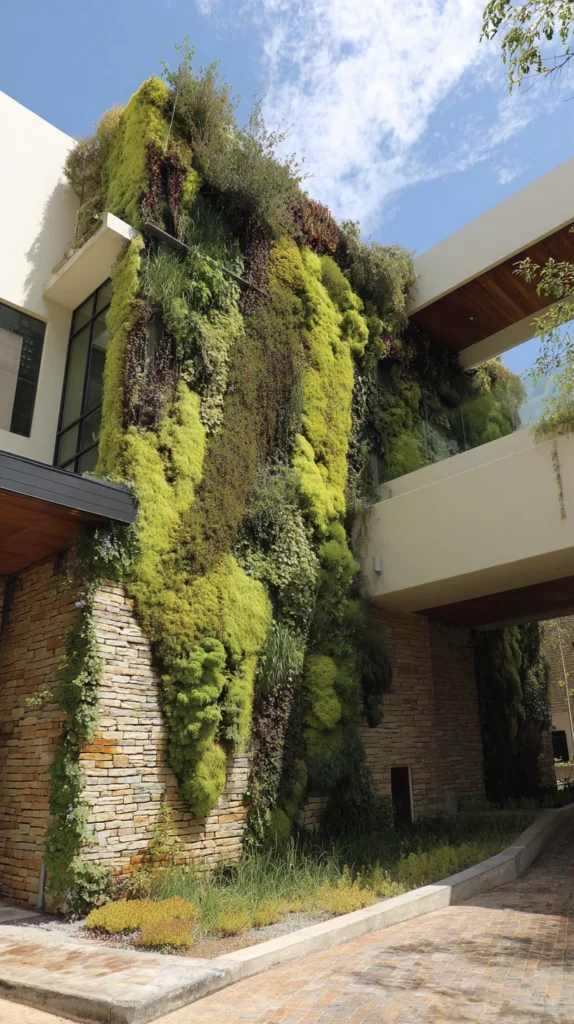
Budget: $50 – $300
A living wall — a vertical surface covered in plants — takes a bare fence, an exposed wall, or a plain boundary and turns it into one of the most striking features in any garden. Ferns, succulents, trailing herbs, strawberries, and mind-your-own-business all work well in modular pocket planters fixed to a vertical surface, creating a dense, layered green backdrop that makes the rest of the garden feel richer by contrast.
Modular pocket planter systems cost $30–$80 for a section covering approximately one square metre. Self-watering versions ($60–$150) significantly reduce maintenance. A living wall on a south-facing fence, planted with herbs, is also one of the most practical uses of vertical space a kitchen garden can offer.
Garden tip: Water living walls more frequently than ground-level plantings — the vertical orientation means gravity pulls moisture downward and away from the upper pockets quickly. Top pockets dry out fastest and need checking daily in warm weather.
The most inspiring gardens are rarely the most expensive or the most elaborate. They are the ones that feel genuinely cared for, that reflect the personality of the person who made them, and that offer something worth looking at in every season. Pick the idea that resonates most with your space and your instincts, start simply, and let the garden grow into itself over time.