15 Hardy Ground Cover Plants That Thrive in Clay Soil
Clay soil has a reputation for being difficult, but it’s not something you have to fight against. It simply requires the right approach and the right plants. Because clay holds moisture and nutrients well, it can actually support strong, healthy growth once you match it with plants that tolerate its density and slower drainage.
Ground cover plants are especially useful in clay soil because they help improve structure over time. Their roots gradually break up compaction, improve aeration, and reduce issues like water runoff and erosion. Instead of struggling with bare patches or poor growth, you can use these hardy plants to create a dense, attractive, and low-maintenance landscape.
If you’re working with heavy soil, the following ground covers are reliable, resilient, and well-suited for long-term success.
1. Creeping Jenny (Lysimachia nummularia)
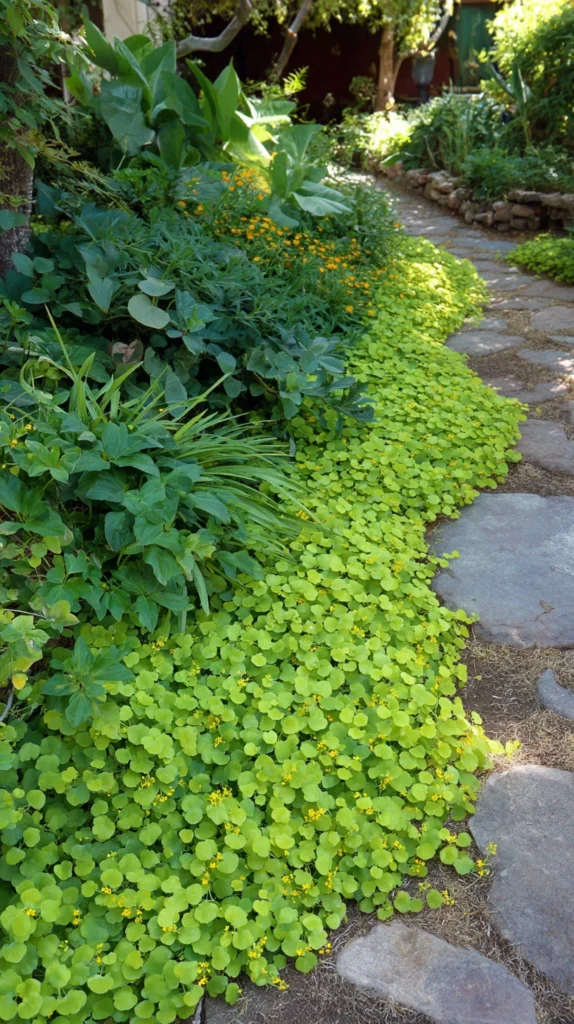
Creeping Jenny is a vigorous, fast-spreading ground cover that thrives in moist clay soil. Its trailing stems create a dense mat of bright green or golden foliage, instantly brightening up dull areas in the garden. Because it spreads quickly, it’s ideal for covering large patches where grass struggles to grow.
This plant performs particularly well in areas that tend to stay damp, such as low spots or near drainage areas. In late spring and summer, it produces small yellow flowers that add subtle color. Once established, Creeping Jenny requires very little maintenance, making it a great choice for beginners.
2. Ajuga (Bugleweed)
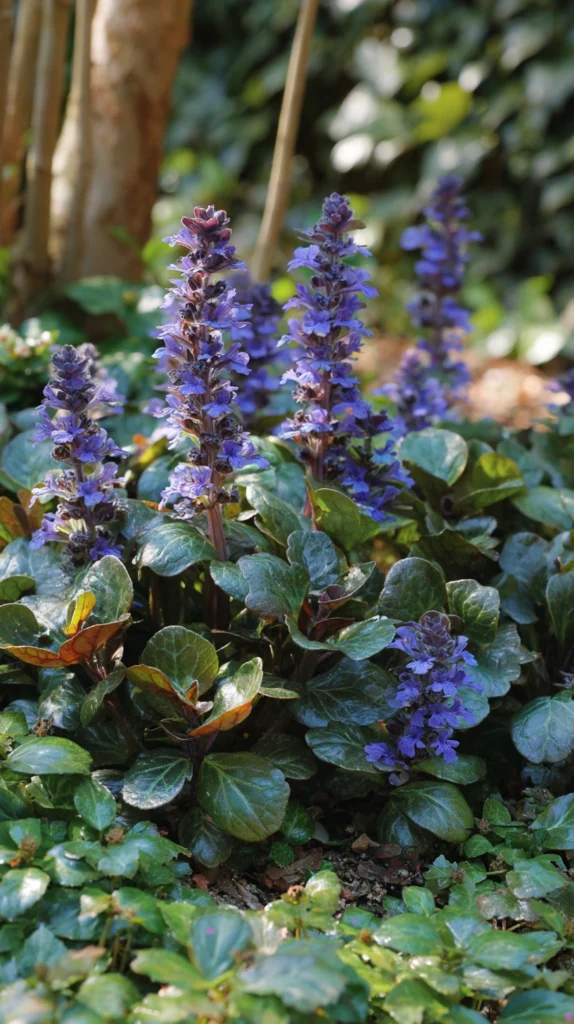
Ajuga is one of the most dependable ground covers for heavy soil. It forms a thick carpet of glossy leaves that effectively suppress weeds while tolerating a wide range of conditions, including clay. Its foliage comes in shades of green, bronze, and purple, adding visual depth to your garden.
In spring, Ajuga sends up spikes of blue or purple flowers that attract pollinators. It grows well in both sun and partial shade, which makes it highly versatile. Whether you’re filling in gaps under trees or covering bare ground, Ajuga is a strong performer.
3. Creeping Thyme
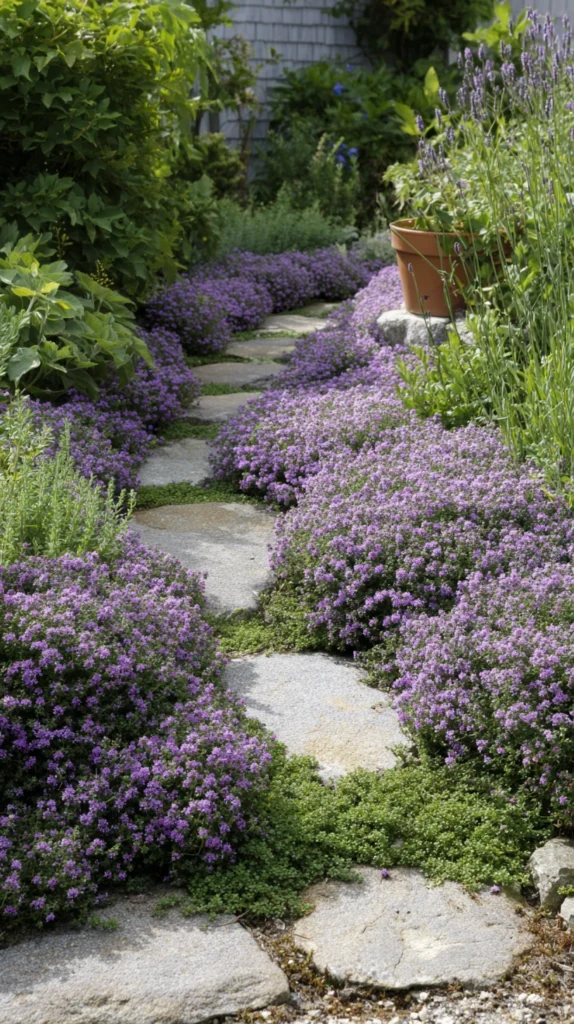
Creeping thyme is a low-growing herb that works beautifully as a ground cover in sunny areas. While clay soil can be heavy, creeping thyme adapts well if drainage is slightly improved. Once established, it becomes drought-tolerant and requires very little attention.
One of its standout features is its fragrance. When stepped on, the leaves release a pleasant herbal scent. During the blooming season, it produces small pink or purple flowers that attract bees and butterflies. It’s perfect for pathways, borders, and rock gardens.
4. Sedum (Stonecrop)
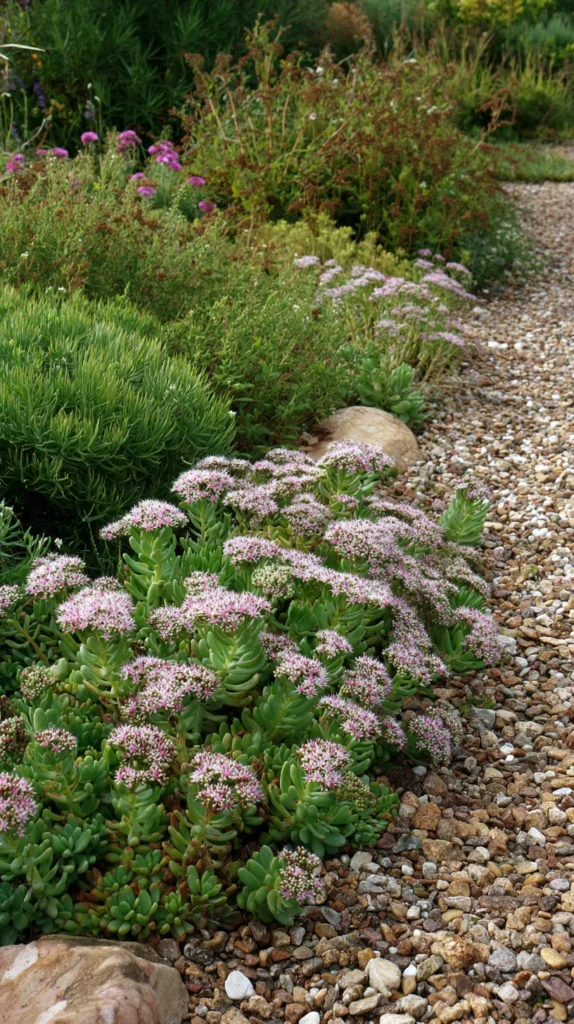
Sedum is a tough, drought-resistant plant that can handle clay soil conditions, especially when mixed with a bit of organic matter. Its thick, fleshy leaves store water, allowing it to survive in challenging environments where other plants might fail.
There are many varieties of sedum, offering different colors and textures. Some stay low and spread, making them ideal as ground covers. In addition to their resilience, sedums produce clusters of star-shaped flowers that attract pollinators, adding both beauty and ecological value.
5. Lamium (Dead Nettle)
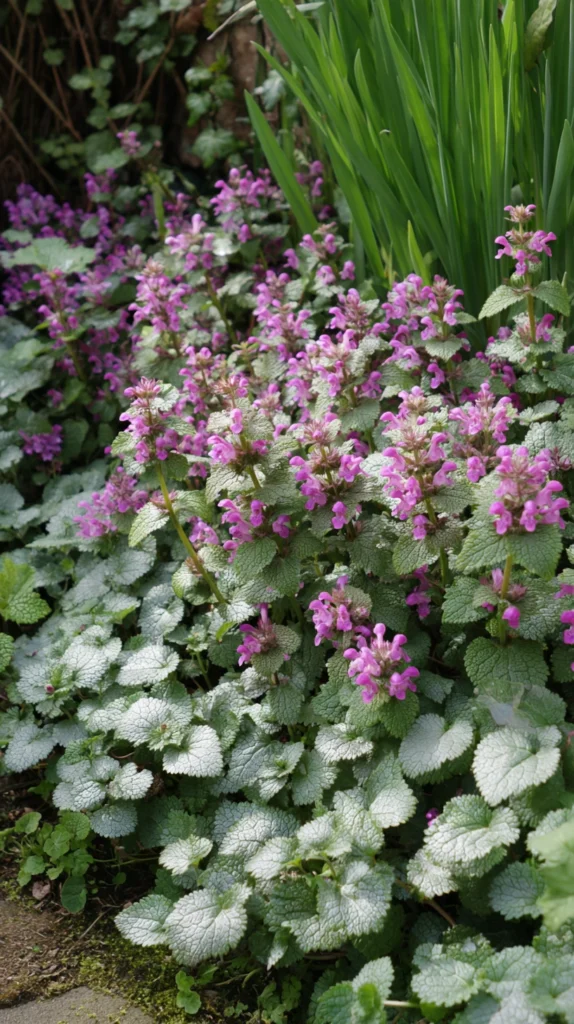
Lamium is a shade-tolerant ground cover that thrives in moist clay soil. It forms a soft, spreading mat of foliage, often with attractive silver markings that brighten darker areas of the garden. This makes it especially useful for shaded borders or under trees.
It blooms with small pink, purple, or white flowers throughout the growing season. Lamium is easy to maintain and spreads steadily without being overly aggressive. It’s a great choice if you want a balance of beauty and practicality.
6. Sweet Woodruff
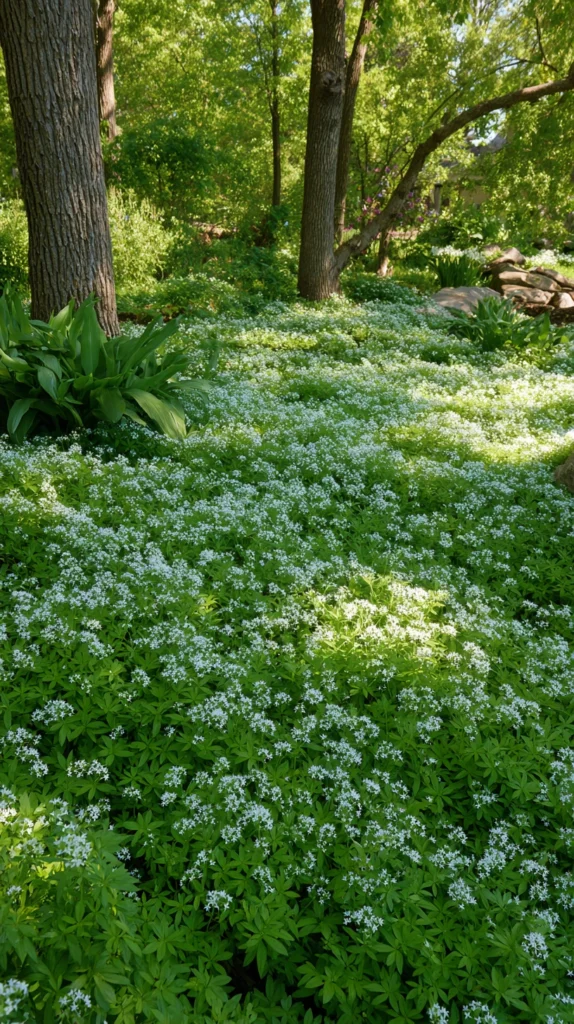
Sweet woodruff is a charming ground cover that performs exceptionally well in shady areas with clay soil. Its delicate, whorled leaves create a lush carpet that looks soft and inviting. Despite its gentle appearance, it is quite hardy and reliable.
In spring, it produces tiny white flowers with a light fragrance. It spreads gradually, making it easy to control. Sweet woodruff is perfect for woodland-style gardens or areas where grass struggles due to shade.
7. Bishop’s Weed (Aegopodium podagraria)
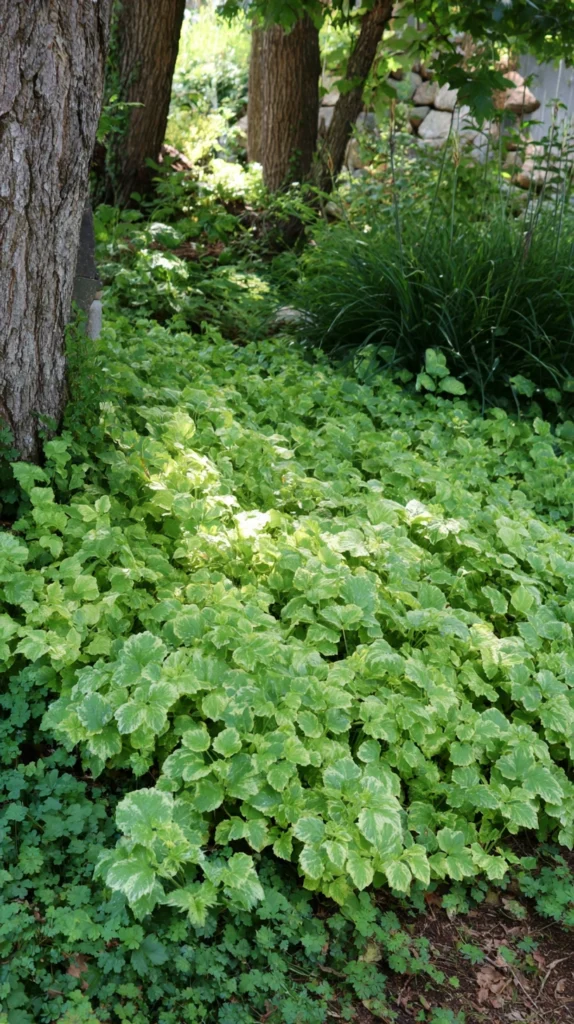
Bishop’s weed is known for its ability to thrive in tough conditions, including heavy clay soil. It spreads rapidly and forms a dense cover, making it useful for large areas that need quick coverage.
Its variegated leaves add brightness, especially in shaded spots. However, it is important to note that this plant can be quite aggressive. It’s best used in contained areas or where you want a strong, low-maintenance ground cover that can outcompete weeds.
8. Liriope (Lilyturf)
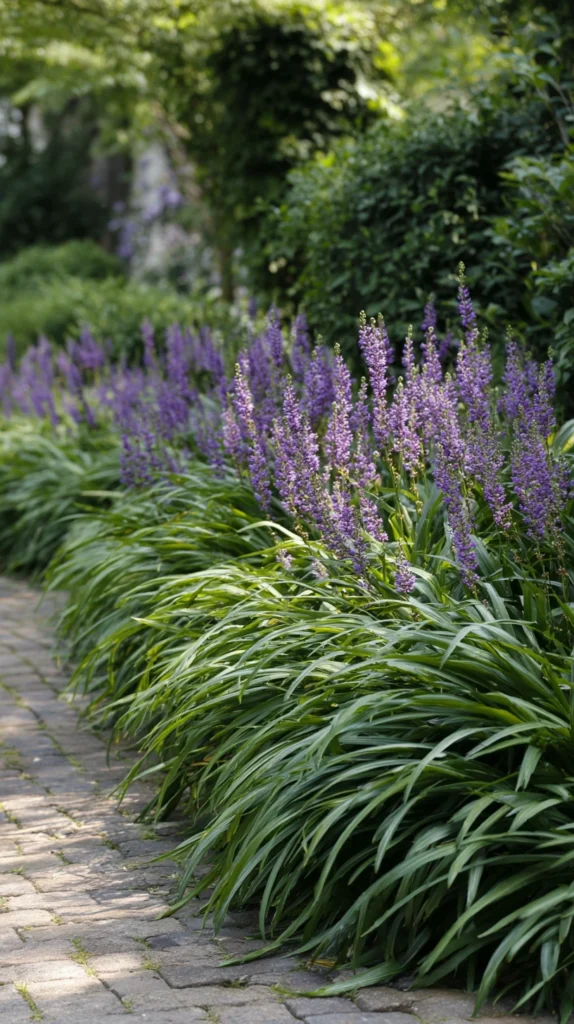
Liriope is a grass-like perennial that works well as a ground cover in clay soil. It forms neat clumps that gradually spread, helping to stabilize soil and prevent erosion. It’s commonly used along borders and pathways.
In late summer, liriope produces spikes of purple or white flowers, followed by small berries. It adapts well to both sun and partial shade and requires minimal care once established. Its tidy appearance makes it a popular choice for structured garden designs.
9. Pachysandra
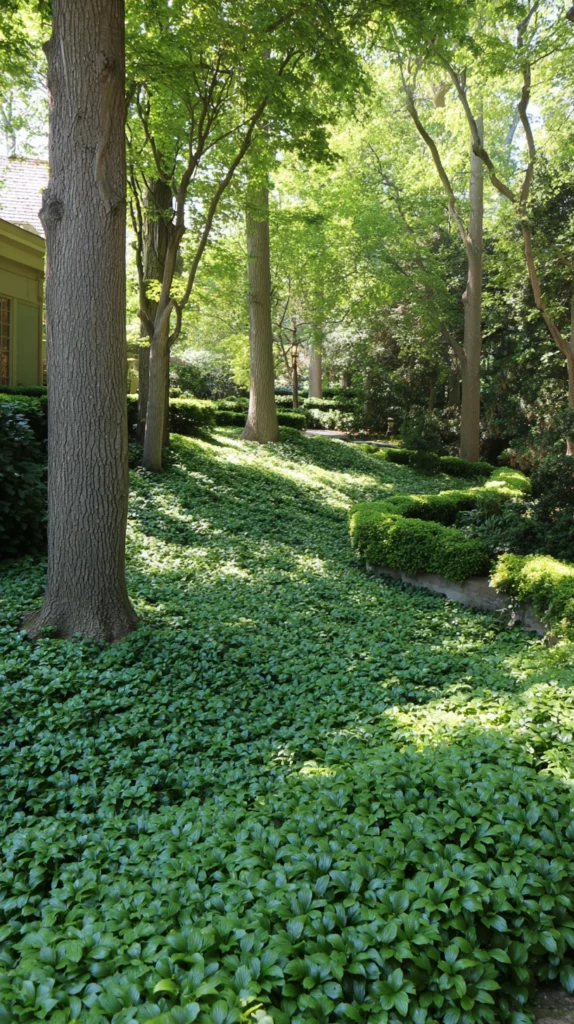
Pachysandra is a classic evergreen ground cover for shaded areas. It thrives in clay soil and creates a dense, low-growing carpet of glossy green leaves. This makes it ideal for areas where you want year-round coverage.
It is particularly effective at suppressing weeds and requires very little maintenance. Once it fills in, it creates a uniform and polished look. Pachysandra is often used in large shaded spaces where grass is difficult to maintain.
10. Periwinkle (Vinca minor)
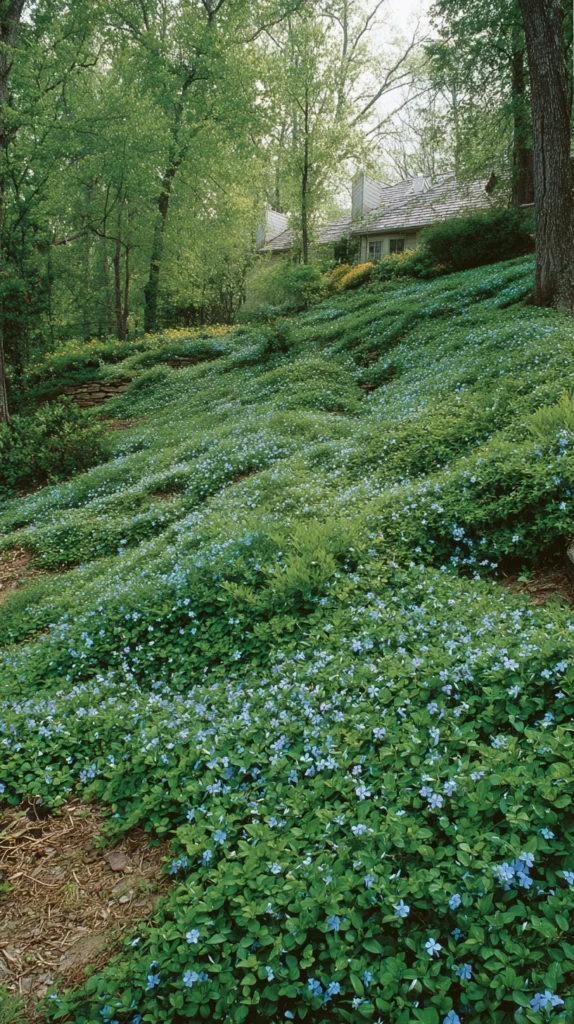
Periwinkle is a fast-growing, hardy ground cover that adapts well to clay soil. Its trailing stems root easily, allowing it to spread quickly and cover slopes or uneven areas.
It features glossy green leaves and produces attractive blue or purple flowers. Periwinkle thrives in both sun and shade, making it a versatile option. It’s especially useful for erosion control on slopes or banks.
11. Bugleweed (Ajuga reptans)
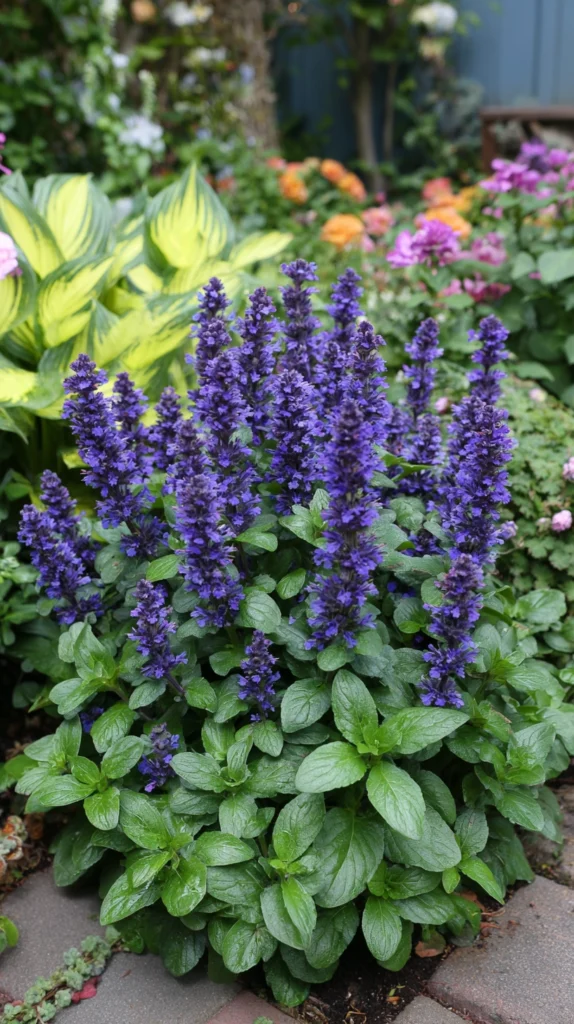
Another variation of Ajuga, bugleweed is equally suited for clay soil. It forms dense mats of foliage that help keep weeds at bay while adding color and texture to the landscape.
Its spring blooms create a striking display, and its adaptability makes it easy to grow in various conditions. It’s a practical and decorative solution for filling in garden gaps.
12. Daylily (Hemerocallis)
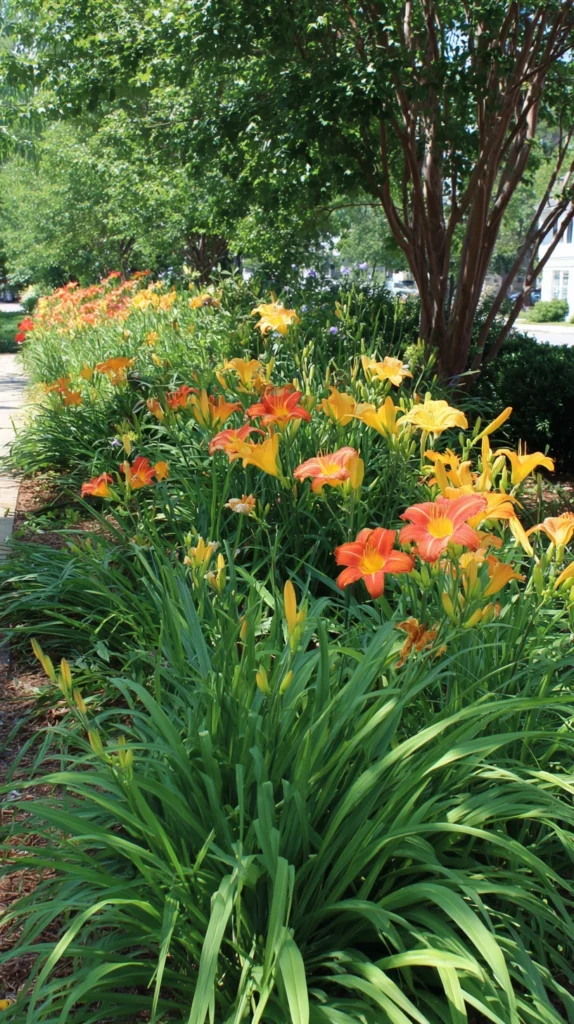
Daylilies are incredibly tough plants that tolerate clay soil with ease. While they are not traditional ground covers, they spread over time and can effectively fill large areas.
Their arching leaves create a dense, grassy look, and their flowers add vibrant color throughout the growing season. Daylilies are low-maintenance and reliable, making them a favorite among gardeners.
13. Clover
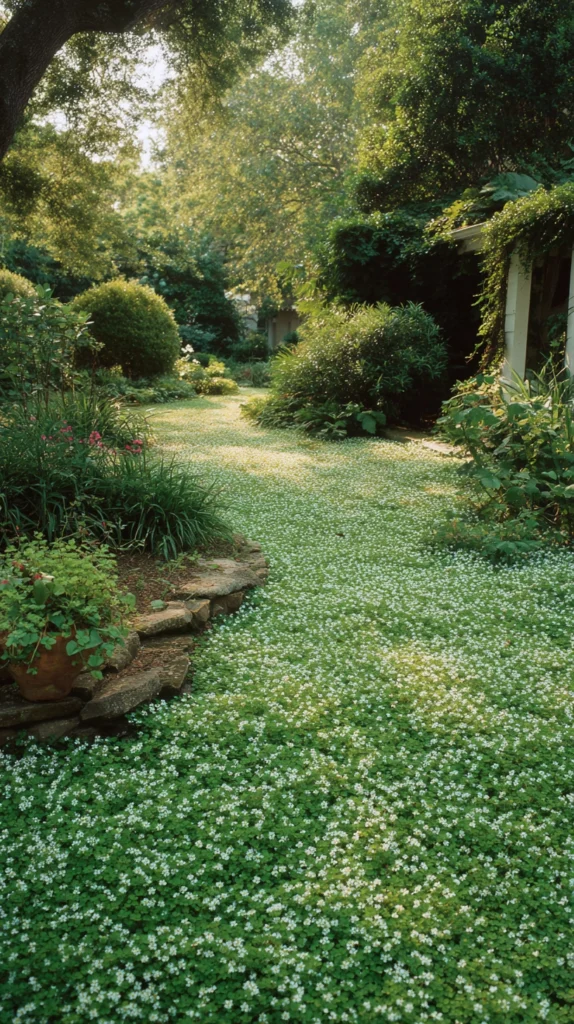
Clover is a simple yet highly effective ground cover for clay soil. It grows quickly and forms a soft, green carpet that requires little maintenance. One of its biggest advantages is its ability to fix nitrogen in the soil, improving overall soil health.
It is also drought-tolerant once established and stays relatively low, making it a good alternative to traditional lawns. Clover is both practical and environmentally friendly.
14. Low-Growing Ornamental Grasses
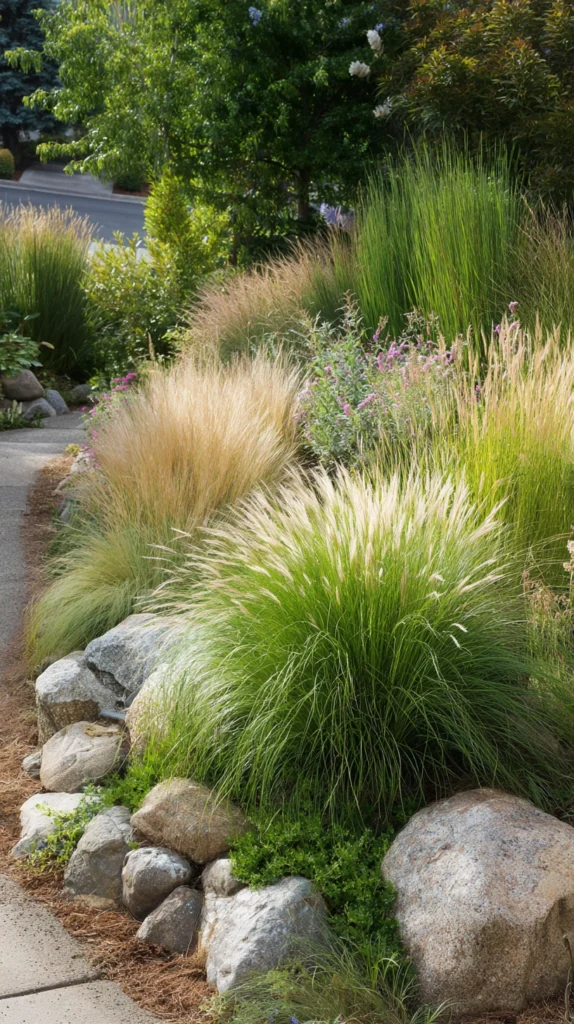
Certain ornamental grasses adapt well to clay soil and can be used as ground covers. They add texture and movement to the garden while helping to break up compacted soil with their root systems.
These grasses are typically low-maintenance and can tolerate a range of conditions. They work well in both modern and natural garden designs, adding visual interest without requiring much care.
15. Mazus (Mazus reptans)
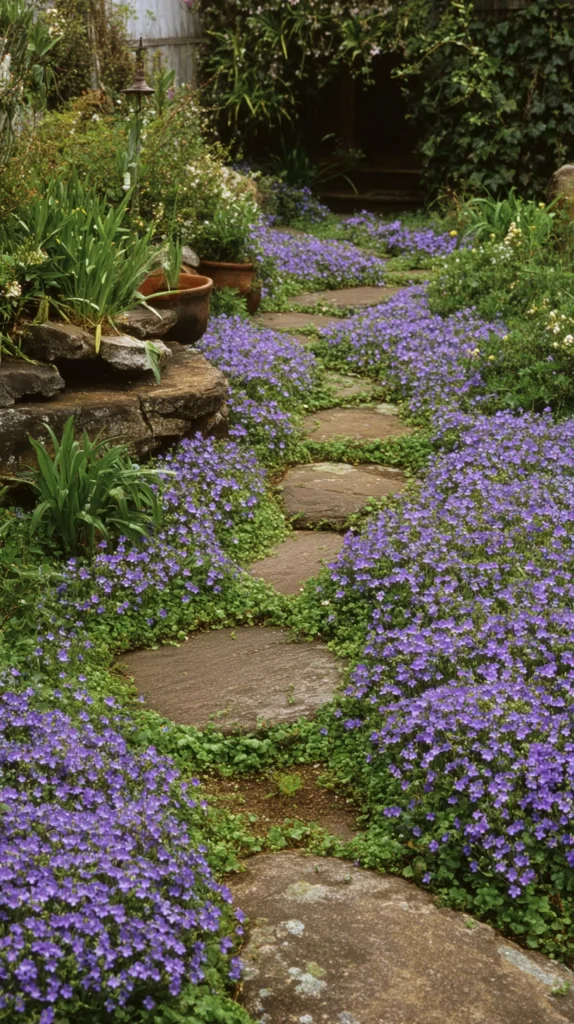
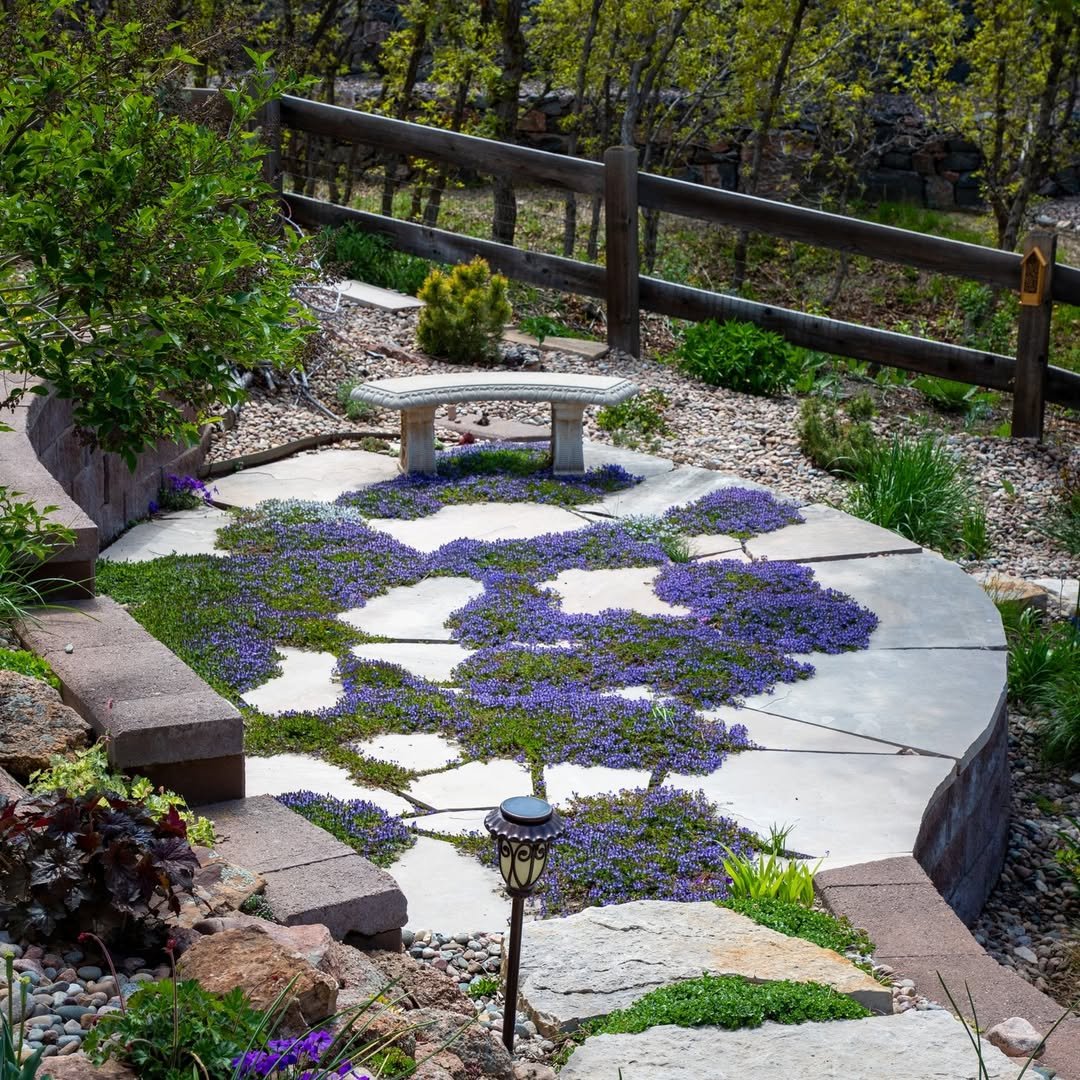
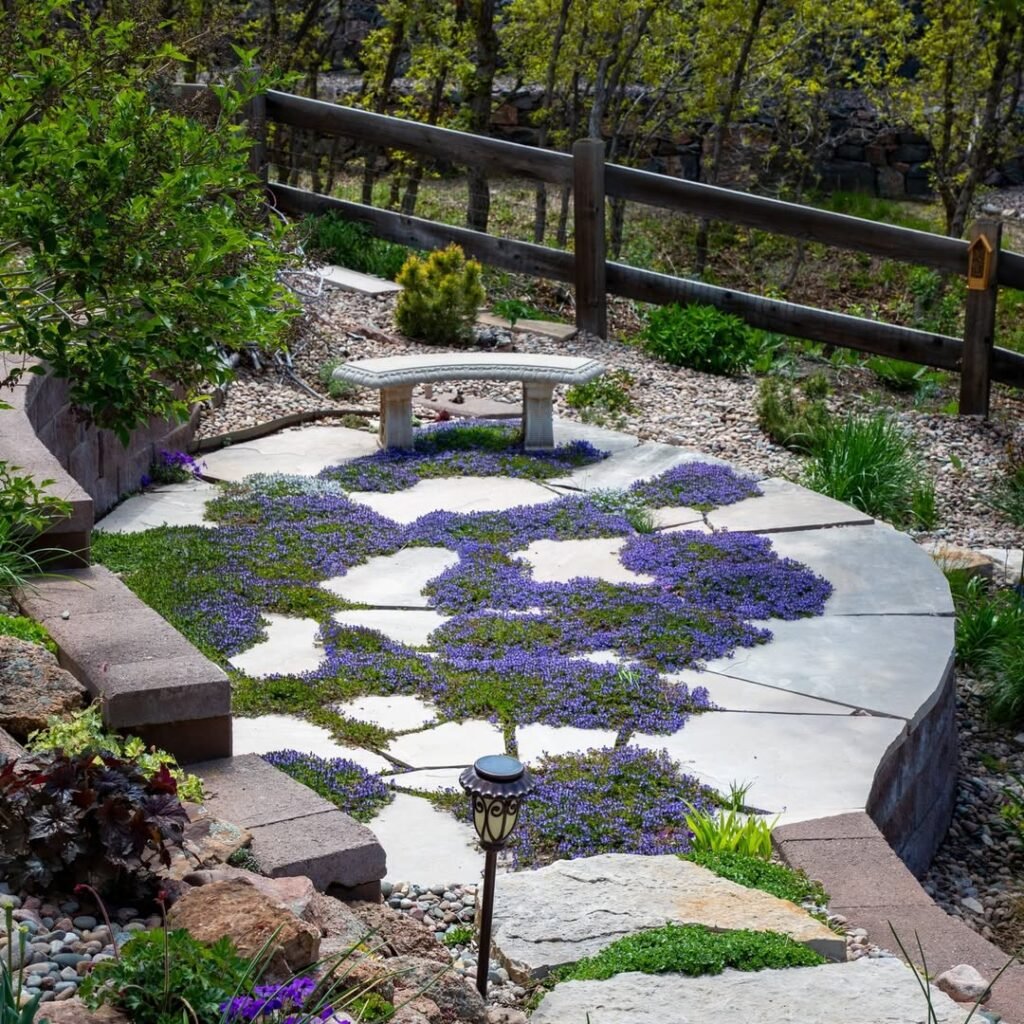
Mazus is a fast-spreading ground cover that thrives in moist clay soil. It forms a dense mat of greenery and produces small, vibrant flowers in shades of purple or blue.
It’s particularly useful between stepping stones or in areas with light foot traffic. Mazus establishes quickly and provides excellent coverage, making it a great choice for filling small gaps.
Tips for Growing Ground Covers in Clay Soil
To get the best results, it’s helpful to improve clay soil gradually rather than trying to completely change it. Adding compost or organic matter can improve structure and drainage, making it easier for roots to grow.
It’s also important to avoid overwatering, as clay retains moisture longer than other soil types. Choosing plants that naturally tolerate these conditions will make your garden much easier to maintain.
Mulching can help regulate soil temperature and moisture levels while reducing weeds. With time, the combination of the right plants and good practices will significantly improve your soil.
Final Thoughts
Clay soil doesn’t have to limit your gardening success. By choosing hardy ground cover plants that are naturally suited to these conditions, you can create a lush, low-maintenance landscape.
Over time, these plants will not only thrive but also improve the soil itself. With patience and the right approach, your clay soil garden can become one of the most productive and beautiful areas of your outdoor space.