15 Backyard Orchard Ideas for Small Space Fruit Production
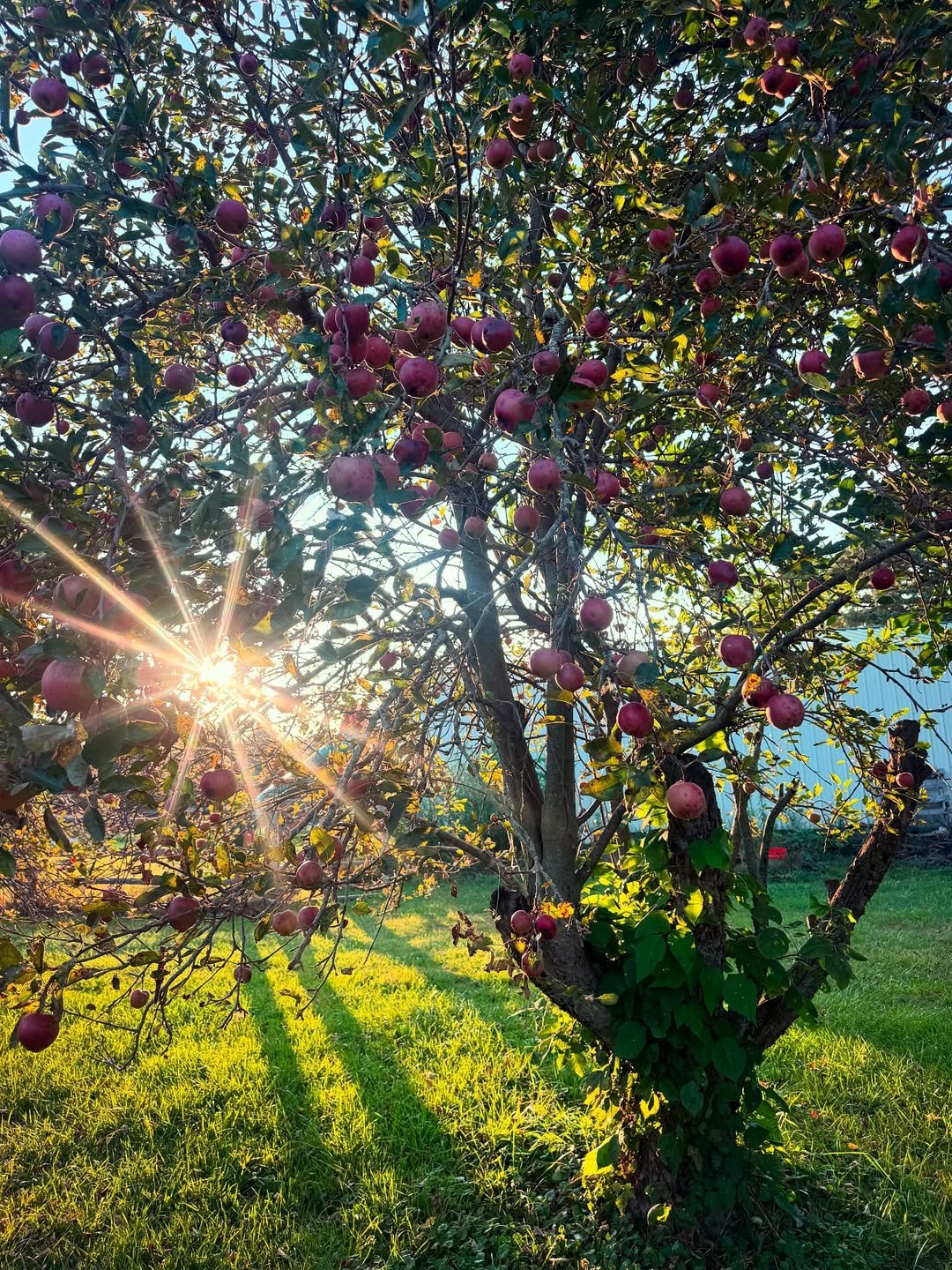
Creating a backyard orchard in a small space might seem impossible at first, but with the right strategies, it can become one of the most rewarding parts of your garden. You don’t need a large property to grow fruit successfully. In fact, many modern gardening techniques are specifically designed to help you produce more in less space.
Small-space orchards are all about efficiency. Instead of letting trees grow large and unmanaged, you control their size, shape, and placement. This not only saves space but also improves fruit quality, makes harvesting easier, and keeps maintenance manageable.
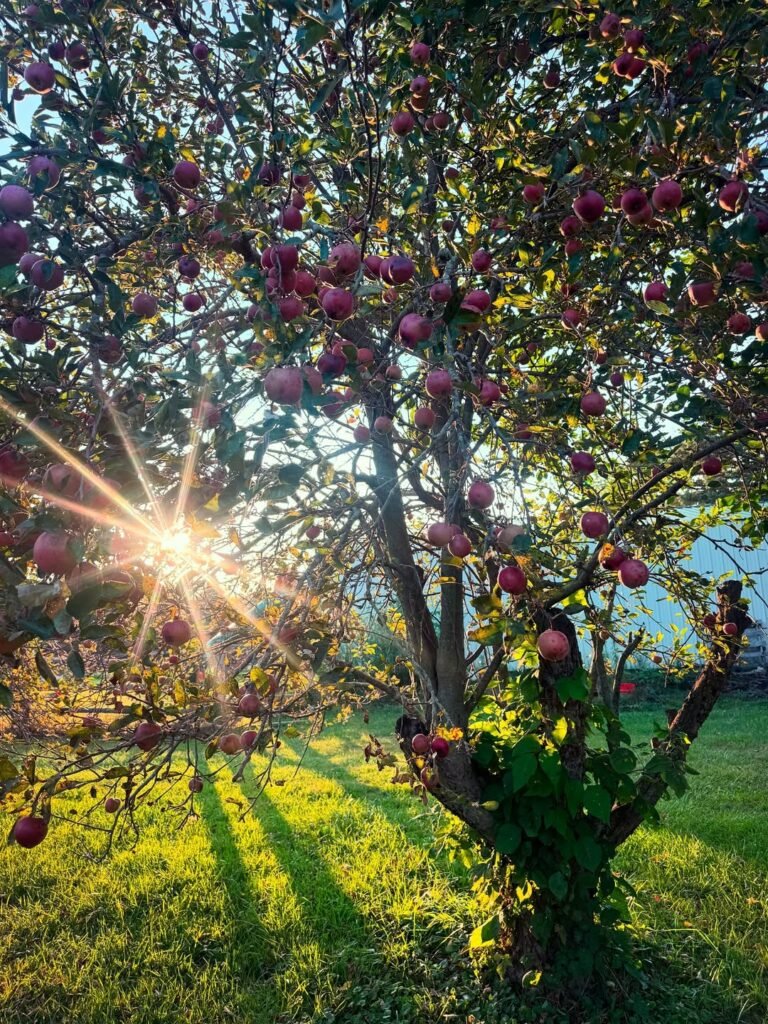
Whether you have a compact backyard, a narrow side yard, or even just a patio, there are creative ways to grow a wide variety of fruits. From vertical growing systems to multi-functional planting designs, the ideas below will help you turn even the smallest area into a productive fruit garden.
1. Espalier Fruit Trees
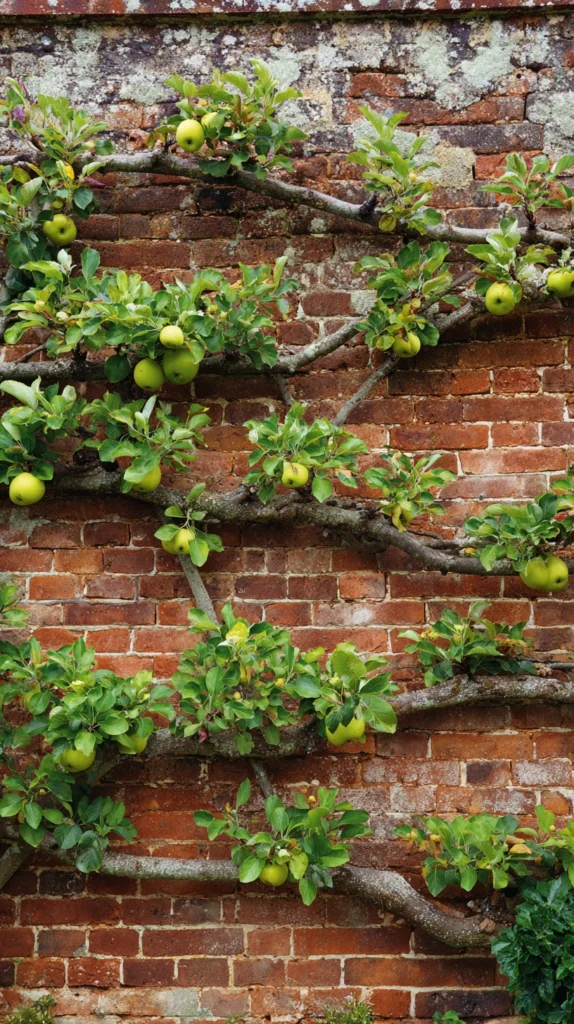
Espalier is one of the most effective techniques for growing fruit trees in limited space. This method involves training a tree to grow flat against a wall, fence, or trellis. Instead of expanding outward in all directions, the branches are carefully pruned and tied into a structured, two-dimensional form.
This approach allows you to grow fruit trees in areas that would otherwise go unused, such as along fences or the sides of buildings. Because the tree is spread out, sunlight reaches all parts evenly, which improves fruit production and reduces disease issues caused by poor airflow.
Espalier works especially well with apples, pears, and figs. While it requires some initial training and regular pruning, the long-term benefits make it worth the effort. It also adds a decorative element to your garden, turning functional plants into living design features.
2. Dwarf Fruit Trees
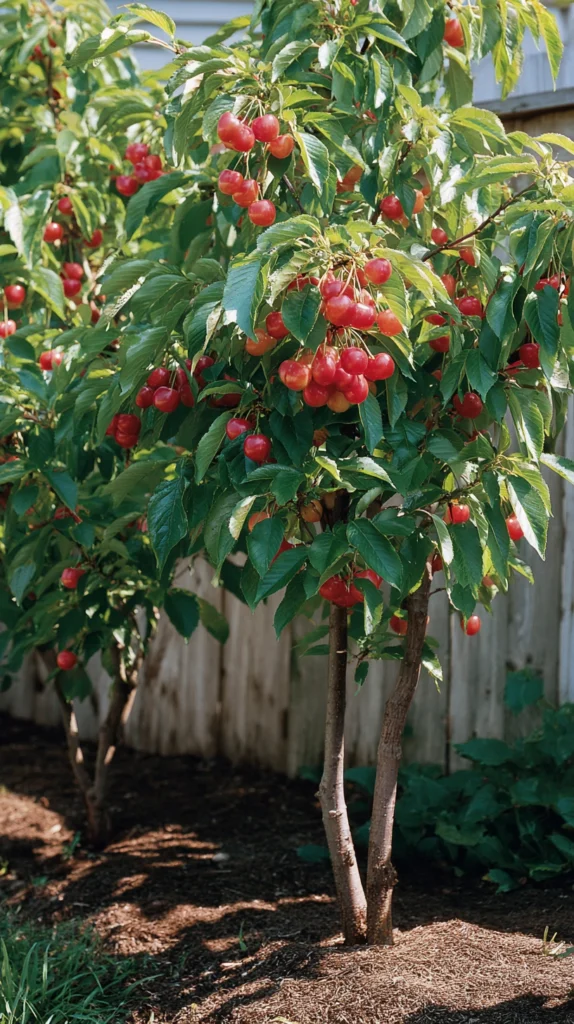
Dwarf fruit trees are a must-have for small backyard orchards. These trees are bred to stay compact while still producing full-sized fruit. Unlike standard trees that can grow quite large, dwarf varieties typically remain small enough to manage easily.
Because of their size, they can be planted closer together, allowing you to grow multiple varieties in a limited area. This increases both productivity and diversity in your orchard. You can enjoy different fruits throughout the season without needing a large garden.
They are also easier to prune, spray, and harvest. This makes them ideal for beginners or anyone looking for a low-maintenance option. With proper care, dwarf trees can be just as productive as their full-sized counterparts.
3. Columnar Fruit Trees
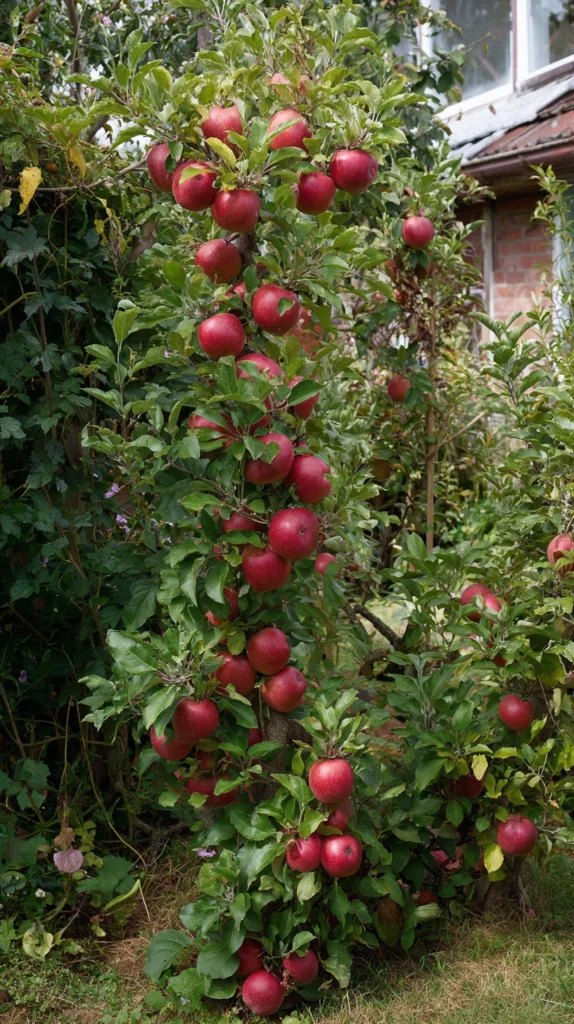
Columnar fruit trees are perfect for extremely tight spaces. These trees grow straight up with very little side branching, giving them a tall, narrow shape. This makes them ideal for areas where width is limited but vertical space is available.
You can plant them along pathways, fences, or even in rows to create a compact orchard layout. Their unique shape allows you to fit several trees into the space where only one traditional tree might fit.
They require minimal pruning and are easy to maintain. Despite their slim form, they can produce a surprising amount of fruit. For small urban gardens or narrow backyards, columnar trees are an excellent solution.
4. Fruit Tree Hedge
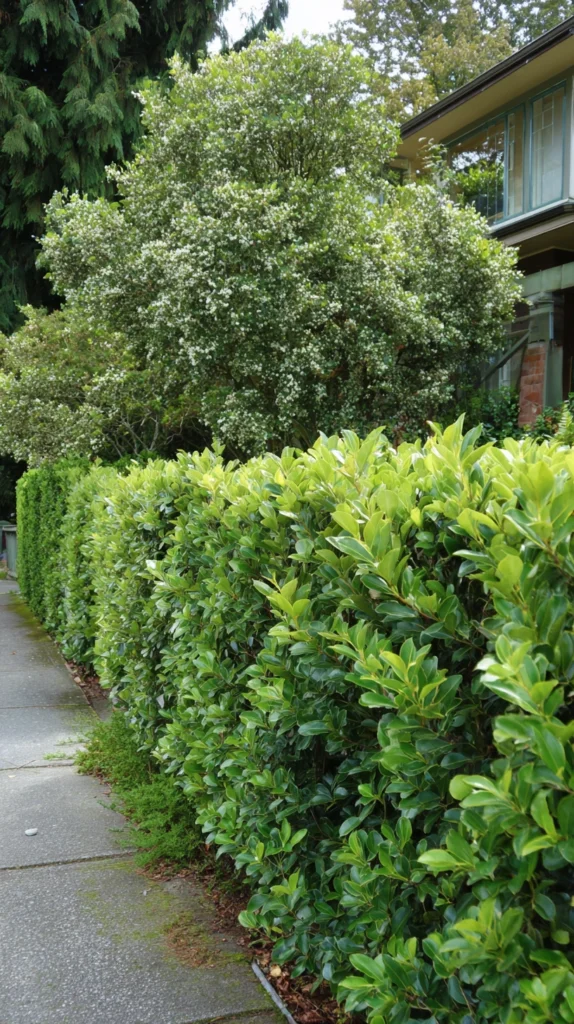
A fruit tree hedge is a smart way to combine privacy with productivity. Instead of planting ornamental hedges, you can grow fruit-bearing shrubs or small trees to create a living barrier that also provides food.
Plants like blueberries, guava, and pomegranate can be shaped and maintained as hedges. They offer seasonal harvests while also enhancing the look of your garden. This approach makes every plant in your yard serve a purpose.
In small spaces, multifunctional planting is key. A fruit tree hedge allows you to maximize both space and usefulness without sacrificing aesthetics. It’s a practical and visually appealing solution.
5. Multi-Grafted Fruit Trees
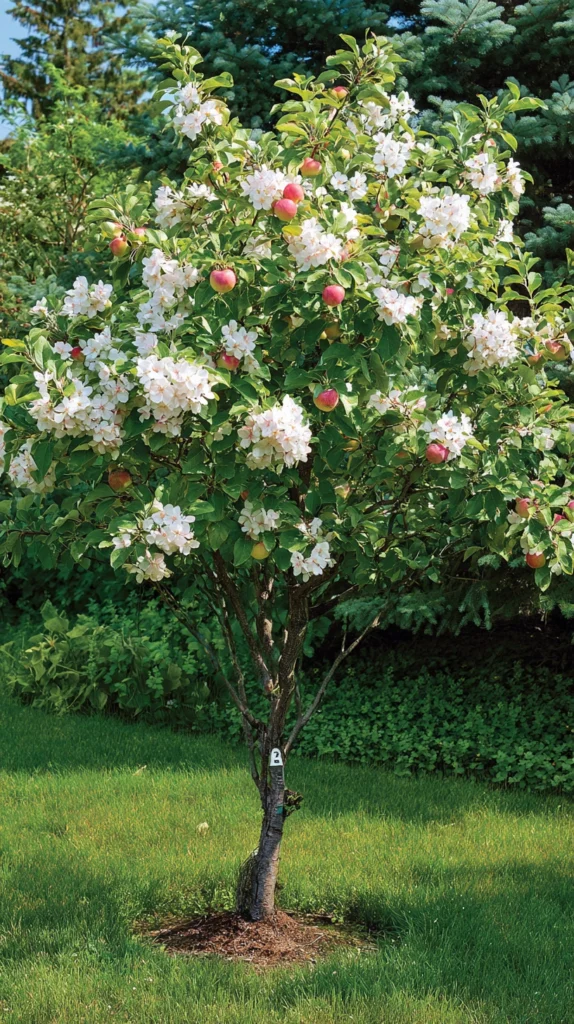
Multi-grafted trees are designed to produce multiple types of fruit on a single tree. Different varieties are grafted onto one rootstock, allowing each branch to grow a different fruit type.
This is ideal for small gardens where space is limited but variety is desired. Instead of planting several trees, you can enjoy multiple harvests from just one. It also helps extend the fruiting season, as different varieties may ripen at different times.
These trees are especially popular for apples and stone fruits. They require the same care as regular trees but offer much more in return. For anyone looking to maximize variety in a small space, this is a great option.
6. Container Fruit Orchard
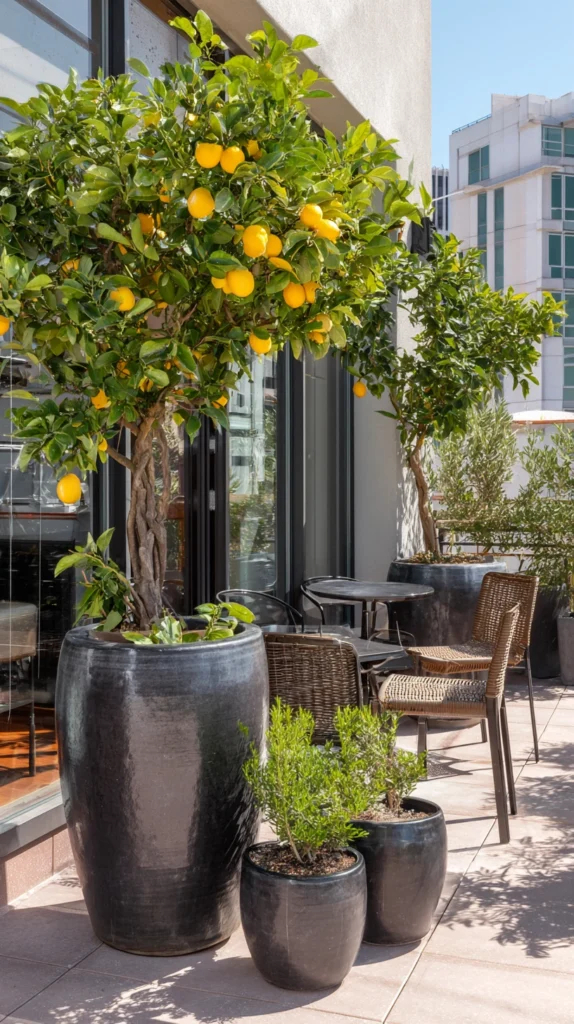
Growing fruit in containers is one of the most flexible ways to create a small orchard. Pots can be placed on patios, balconies, or rooftops, making fruit growing possible even without a traditional garden.
Containers allow you to control soil quality, drainage, and placement. You can move plants to follow the sun or protect them from extreme weather. This level of control can lead to healthier plants and better yields.
Figs, citrus trees, and even small apple trees can thrive in containers. The key is choosing large enough pots and providing consistent care. For renters or those with limited outdoor space, container orchards are an ideal solution.
7. Vertical Strawberry Growing
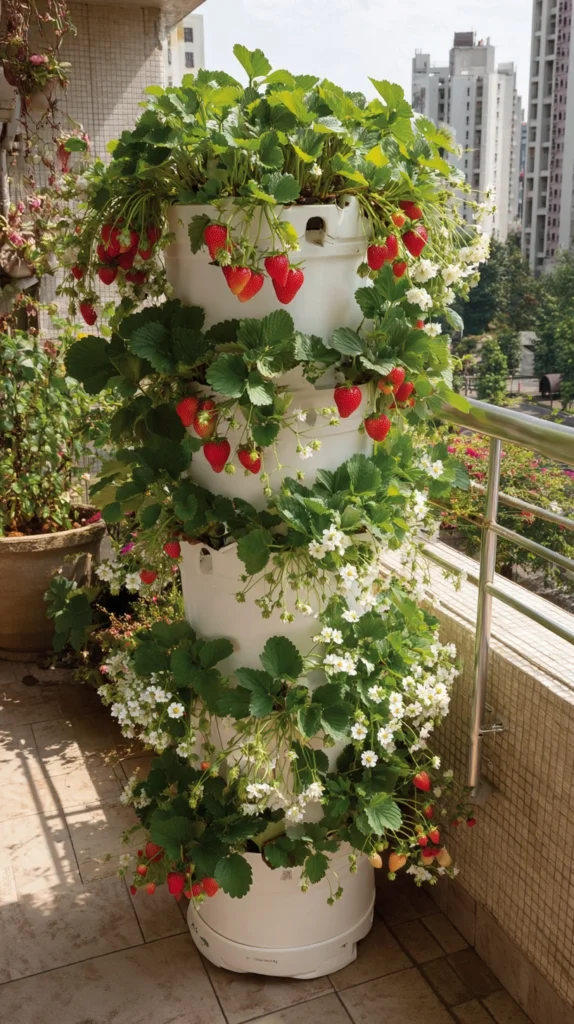
Strawberries are perfect for vertical gardening. Instead of spreading across the ground, they can be grown in stacked planters, hanging baskets, or vertical towers.
This method allows you to grow many plants in a small footprint. It also keeps the fruit off the soil, reducing the risk of rot and pests. Harvesting becomes easier since the berries are more accessible.
Vertical strawberry systems are great for patios, balconies, and small garden corners. They make efficient use of space while providing a steady supply of fresh fruit.
8. Trellised Fruit Plants
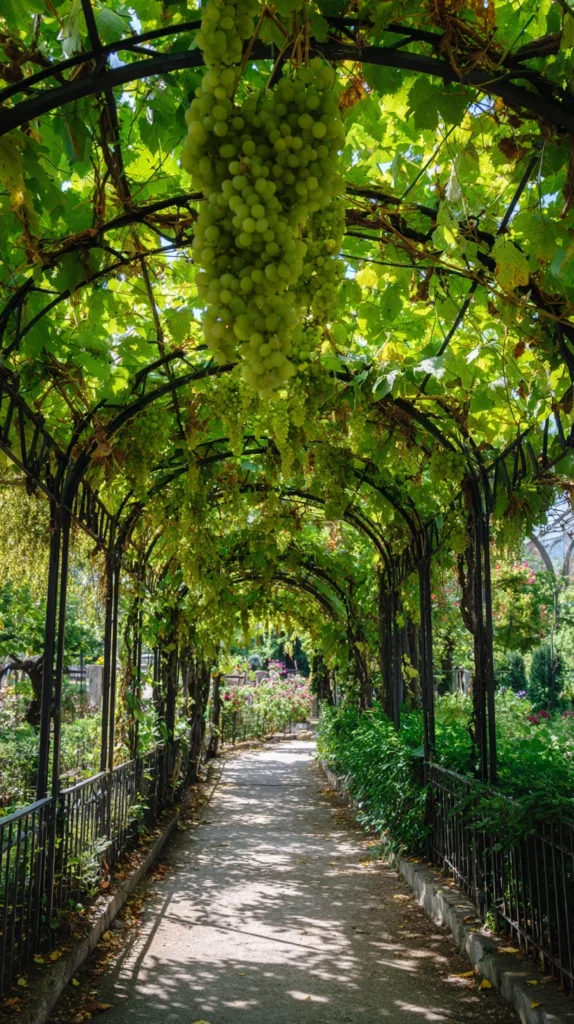
Trellising is another effective way to grow fruit in small spaces. By training plants to grow along a support structure, you can control their shape and keep them compact.
Grapes, kiwi, and even some apple varieties respond well to trellising. This method improves sunlight exposure and airflow, which leads to healthier plants and better fruit production.
Trellises can be installed against walls, along fences, or as standalone structures. They help keep your orchard organized while maximizing vertical space.
9. Raised Bed Orchard
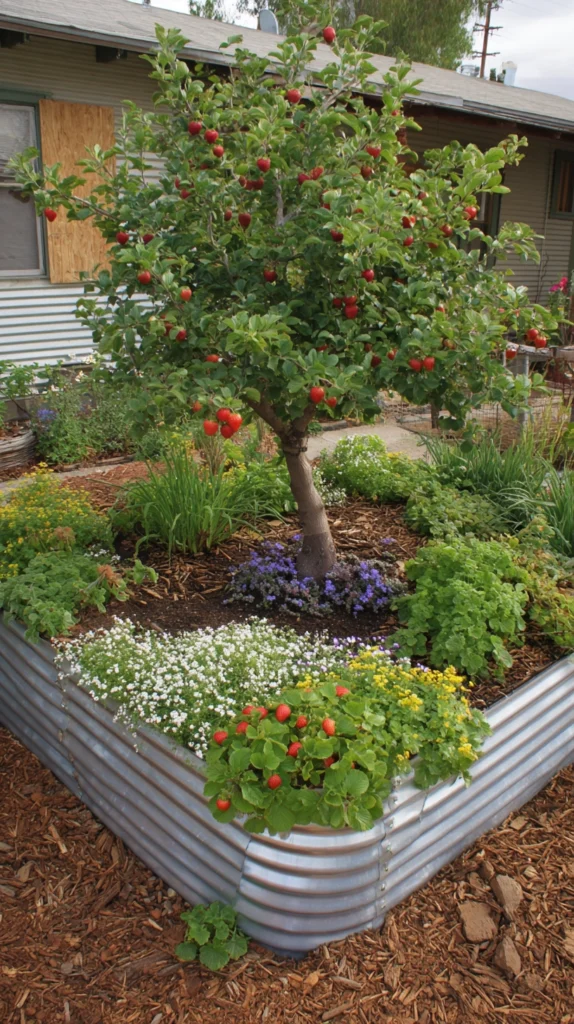
Raised beds are often associated with vegetables, but they can also be used for fruit trees and shrubs. They provide better control over soil conditions, which is especially useful if your native soil is poor.
In a raised bed, you can plant a dwarf fruit tree and surround it with smaller plants like strawberries or herbs. This creates a layered planting system that uses space efficiently.
Raised beds also improve drainage and make maintenance easier. They are a great option for gardeners who want more control over their growing environment.
10. High-Density Planting
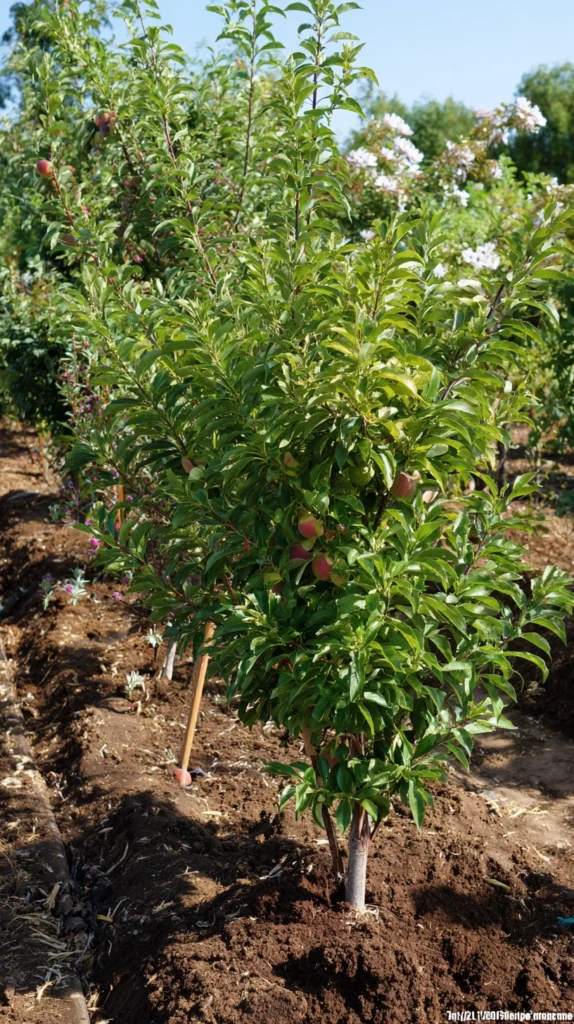
High-density planting involves growing fruit trees closer together than usual. Instead of allowing them to grow large, you keep them small through regular pruning.
This method allows you to fit more trees into a limited space, increasing overall production. It also gives you access to a wider variety of fruits in the same area.
While it requires consistent maintenance, the results can be impressive. High-density planting is widely used in modern orchards and works well in backyard settings too.
11. Fruit Tree Guilds
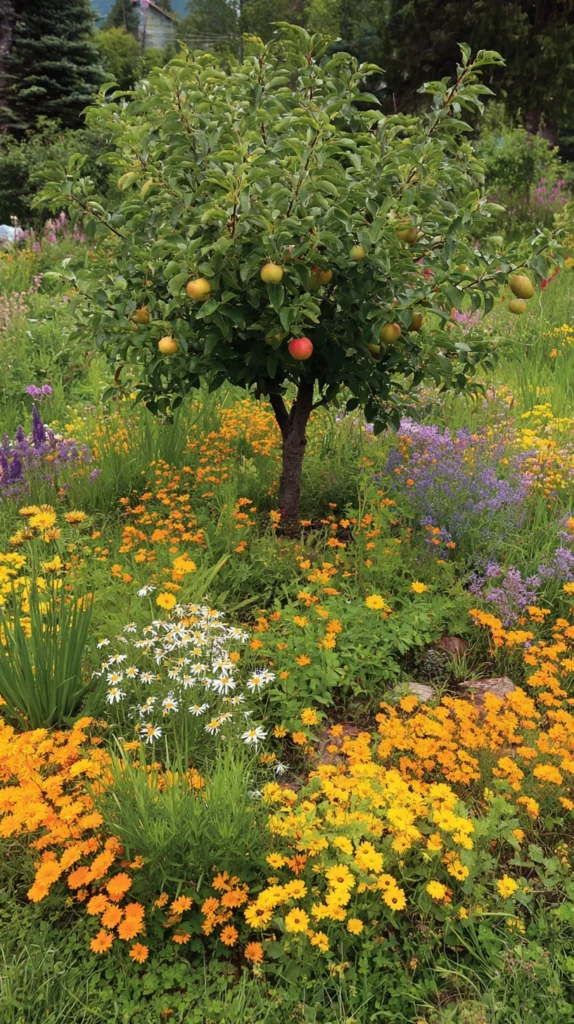
A fruit tree guild is a planting system that surrounds a tree with supportive plants. These companion plants help improve soil health, attract beneficial insects, and deter pests.
This creates a small ecosystem where each plant plays a role. The result is healthier trees and reduced need for chemical inputs.
Guilds are especially useful in small spaces because they maximize productivity within a single planting area. They also promote sustainable gardening practices.
12. Fence Line Orchard
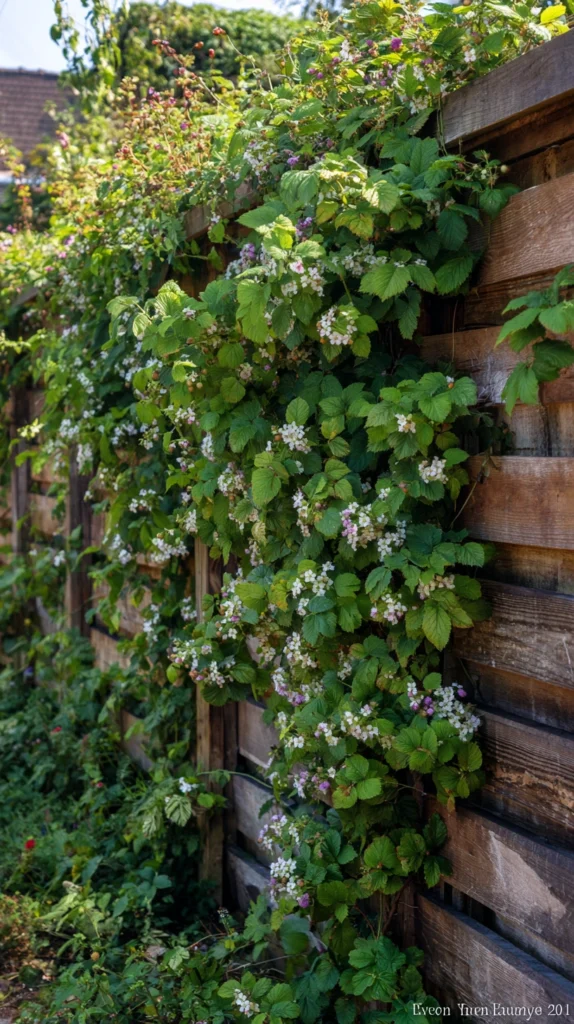
Fence lines are often overlooked in garden design, but they offer valuable growing space. By using fences to support climbing or trained fruit plants, you can expand your orchard without using additional ground space.
Plants like grapes, blackberries, and passionfruit thrive in this setup. They grow vertically, keeping your garden organized and open.
This method is simple, effective, and perfect for small backyards. It turns unused space into a productive part of your garden.
13. Mini Citrus Grove
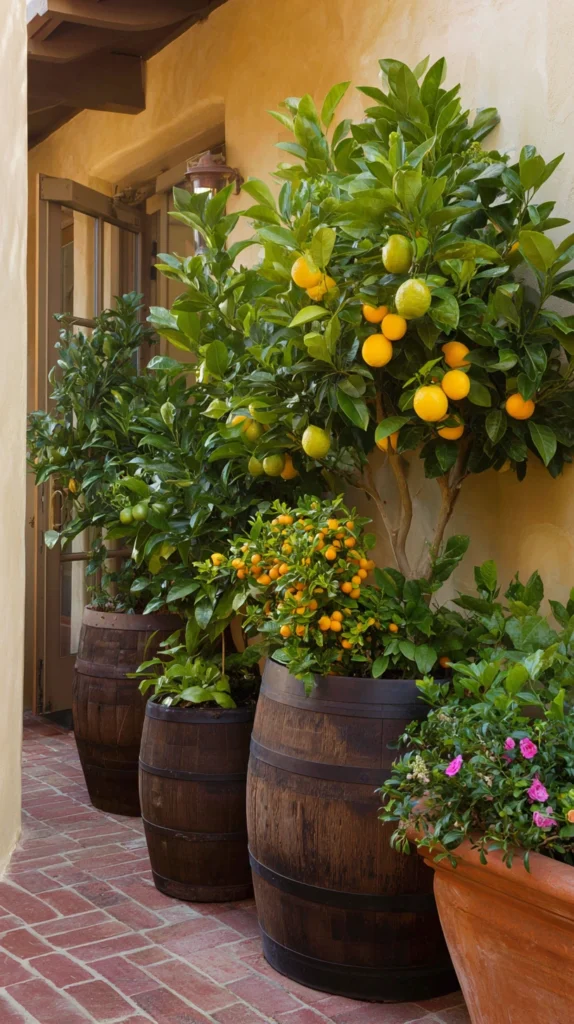
Citrus trees are well-suited for small spaces, especially in warm climates. They grow well in containers and can be grouped together to create a mini orchard effect.
This not only looks attractive but also improves pollination and fruit production. Citrus trees like lemons, oranges, and mandarins are popular choices.
With proper sunlight and care, they can produce fruit year after year. They are both decorative and highly productive.
14. Tiered Orchard Layout
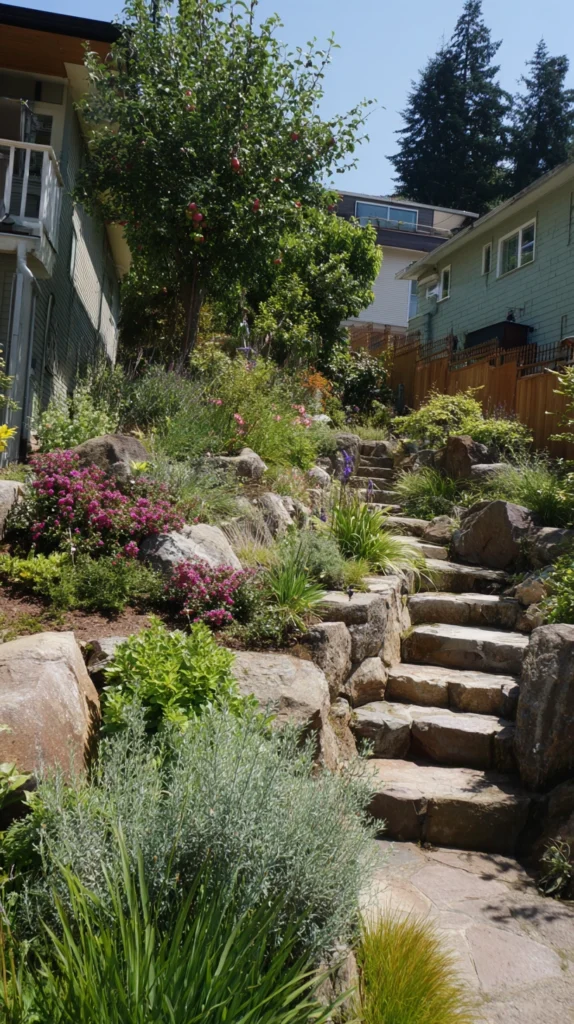
A tiered layout helps you make the most of both vertical and horizontal space. By arranging plants in layers, you can fit more into a single area without overcrowding.
Larger plants are placed at the bottom, while smaller ones are positioned above or around them. This ensures that all plants receive adequate sunlight.
This design is both practical and visually appealing. It works well in small gardens where space needs to be carefully managed.
15. Compact Food Forest
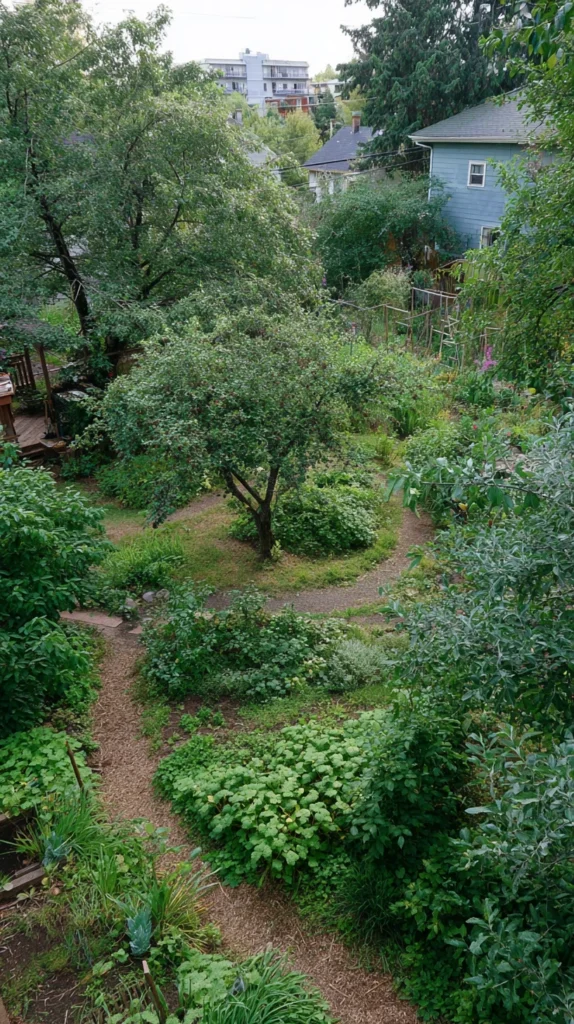
A compact food forest is a layered planting system inspired by natural ecosystems. It combines trees, shrubs, and ground covers to create a self-sustaining environment.
Each layer supports the others, improving soil health and reducing maintenance. This approach allows you to grow a wide variety of plants in a small space.
Over time, a food forest becomes more productive and resilient. It’s one of the most efficient ways to grow food in a limited area.
Tips for Success in a Small Backyard Orchard
To get the best results from your small orchard, focus on proper planning and care. Choose plants that are suited to your climate and space. Dwarf and self-pollinating varieties are often the best choice.
Make sure your plants receive enough sunlight, as most fruit trees require at least six to eight hours per day. Regular pruning is essential to keep trees small and productive.
Use vertical space wherever possible, and consider efficient watering methods like drip irrigation. With the right approach, even a small area can produce a surprising amount of fruit.
Final Thoughts
A small backyard doesn’t limit your ability to grow fruit—it simply encourages smarter gardening. By using techniques like espalier, container growing, and high-density planting, you can create a productive orchard in almost any space.
Start with a few plants and expand as you gain experience. Over time, your small orchard can provide fresh, homegrown fruit while enhancing the beauty of your outdoor space.