14 Low-Maintenance Garden Ideas Perfect for Hot Summers
Gardening in hot summers can feel overwhelming, especially when plants dry out quickly and constant watering becomes a daily task. High temperatures, intense sunlight, and dry soil conditions can make even simple garden care seem exhausting. But the good news is—you don’t have to give up on having a beautiful outdoor space.
A low-maintenance garden is all about working smarter, not harder. By choosing the right plants, materials, and layouts, you can create a space that thrives in the heat with minimal effort. The goal is to reduce watering, limit upkeep, and still enjoy a lush, inviting garden throughout the summer months.
Whether you’re dealing with extreme heat or just want a more relaxed gardening routine, these ideas will help you build a garden that looks great without constant attention.
1. Choose Drought-Tolerant Plants
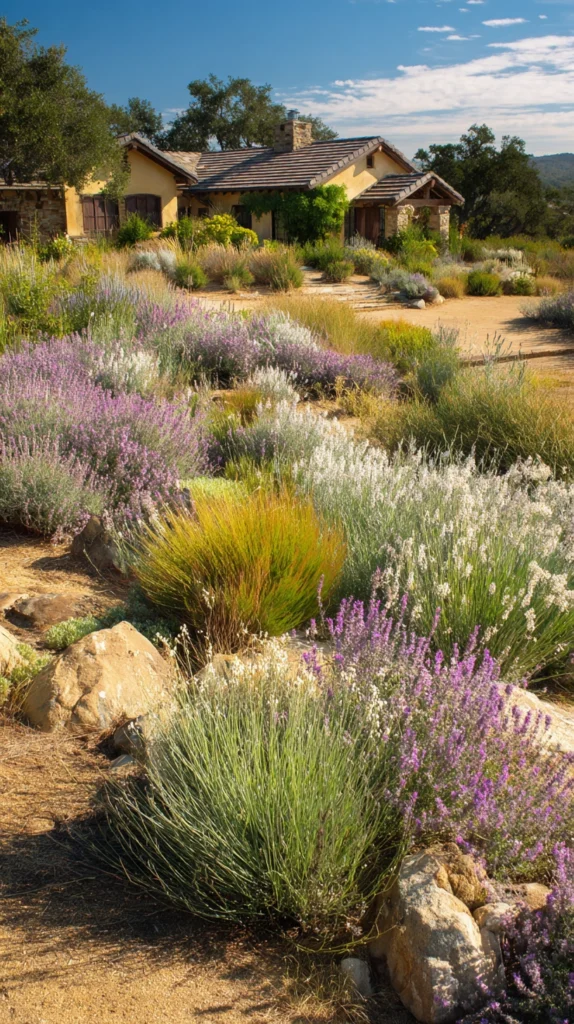
One of the simplest ways to reduce maintenance is by selecting plants that naturally handle heat and dry conditions. Drought-tolerant plants are adapted to survive with minimal water, making them perfect for hot climates.
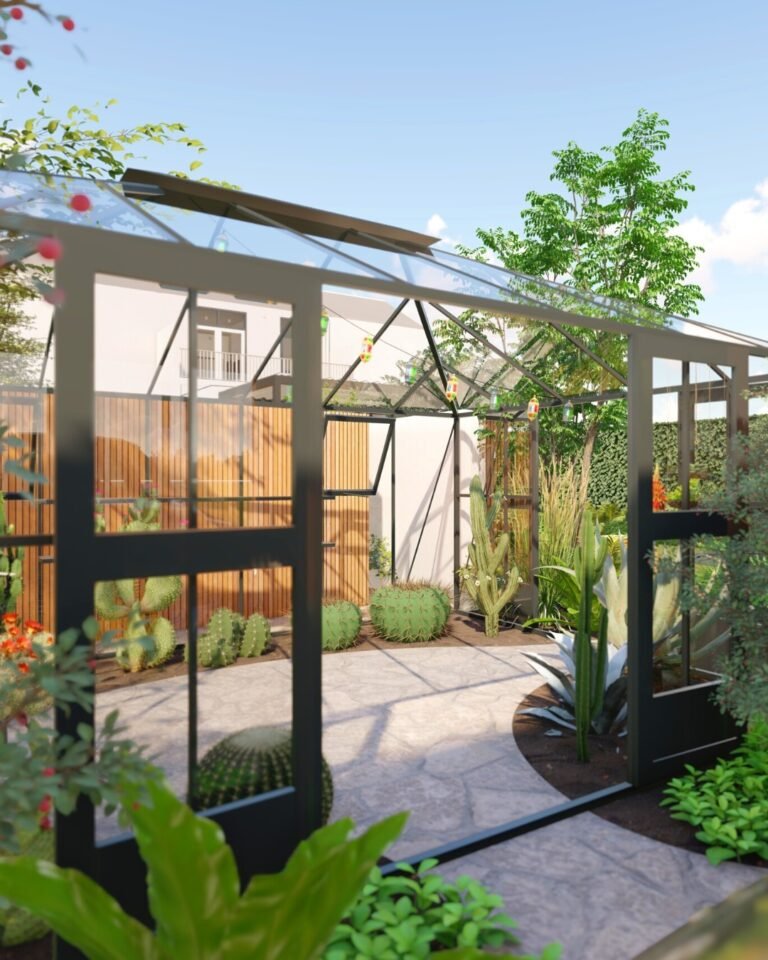
Plants like lavender, succulents, ornamental grasses, and rosemary thrive in sunny, dry environments. Once established, they require very little watering and continue to look vibrant even during heatwaves. This reduces both effort and water usage.
Grouping plants with similar water needs together also makes irrigation more efficient and easier to manage.
2. Use Mulch to Retain Moisture
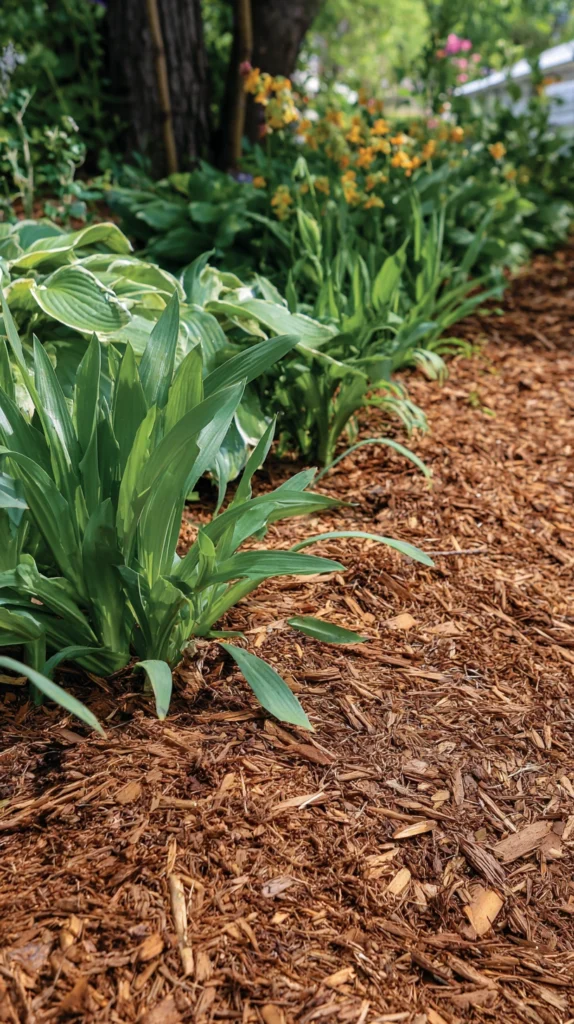
Mulching is one of the most effective ways to protect your garden during hot summers. A layer of mulch helps retain soil moisture, regulate temperature, and reduce evaporation.
Organic mulches like wood chips, bark, or straw also improve soil health as they break down over time. They prevent weeds from growing and reduce the need for frequent watering.
Applying a thick layer around plants can significantly cut down maintenance while keeping your garden healthier.
3. Install Drip Irrigation
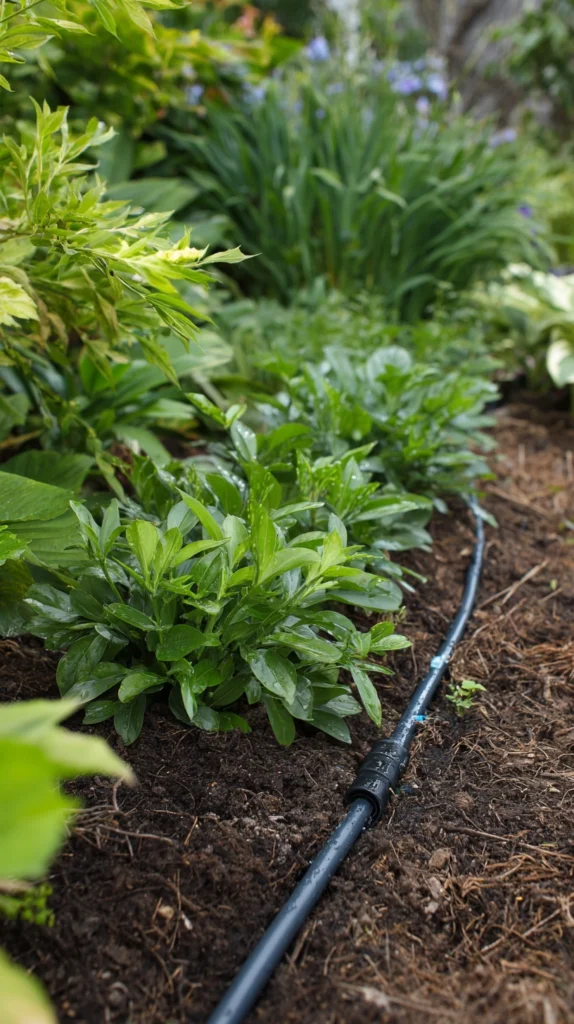
Watering can be time-consuming, especially in summer. A drip irrigation system delivers water directly to plant roots, reducing waste and ensuring consistent moisture.
Unlike sprinklers, drip systems minimize evaporation and prevent water from landing on leaves, which can cause stress in hot conditions. They are efficient, reliable, and easy to automate.
Once installed, they save time and effort while keeping your plants properly hydrated.
4. Opt for Native Plants
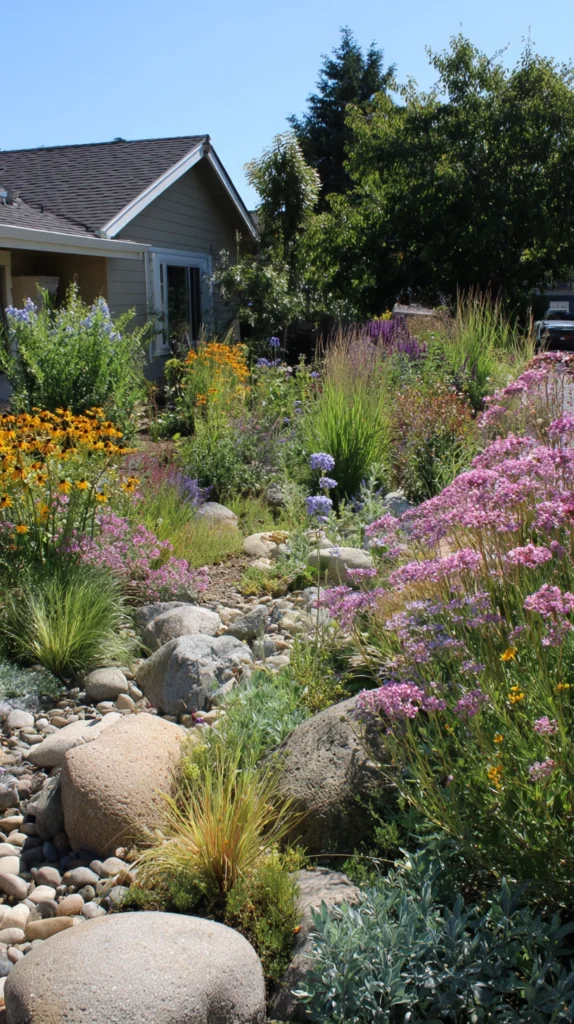
Native plants are naturally adapted to your local climate, including heat and soil conditions. This makes them one of the best choices for a low-maintenance garden.
They require less water, fewer fertilizers, and minimal care compared to non-native species. They are also more resistant to pests and diseases.
Using native plants creates a sustainable garden that thrives with little intervention.
5. Create a Gravel Garden
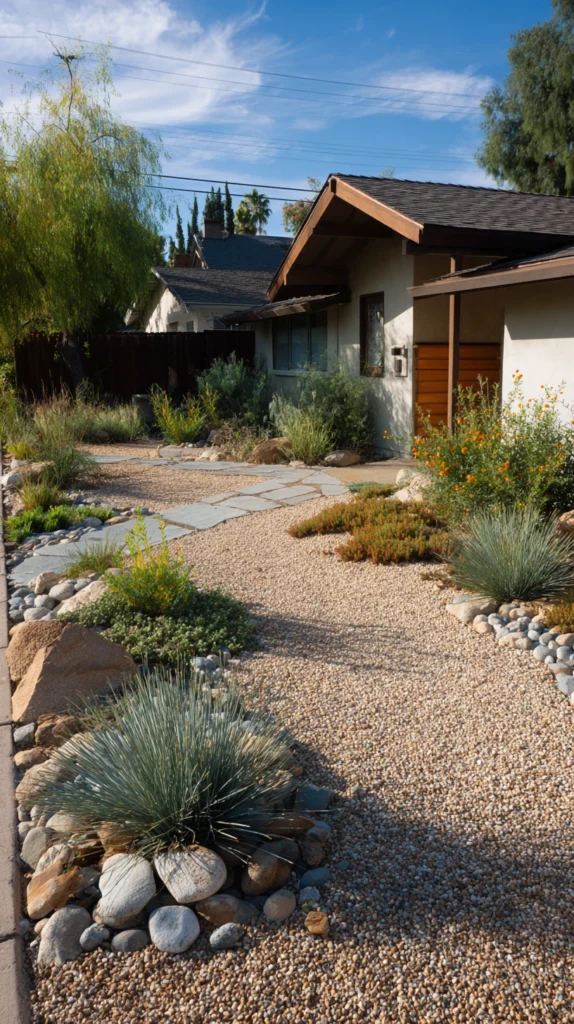
Gravel gardens are stylish, modern, and extremely low-maintenance. Instead of traditional lawns or dense planting, you use gravel as a base and add drought-tolerant plants.
Gravel helps with drainage and reduces water loss. It also prevents weeds and eliminates the need for mowing. Combined with heat-loving plants, it creates a clean and structured look.
This type of garden is perfect for hot climates where water conservation is important.
6. Replace Lawn with Ground Covers
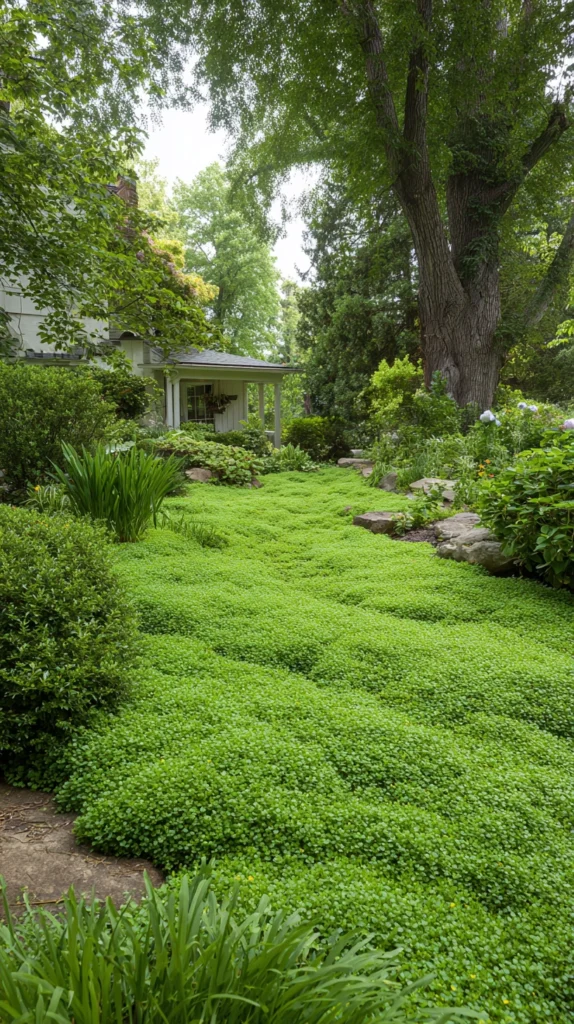
Traditional lawns require a lot of water and maintenance, especially in summer. Replacing grass with hardy ground covers can save time and resources.
Options like creeping thyme, clover, or sedum stay low, spread easily, and require less watering. They also add texture and visual interest to your garden.
Ground covers are a practical alternative that reduces mowing and upkeep.
7. Use Raised Beds for Better Control
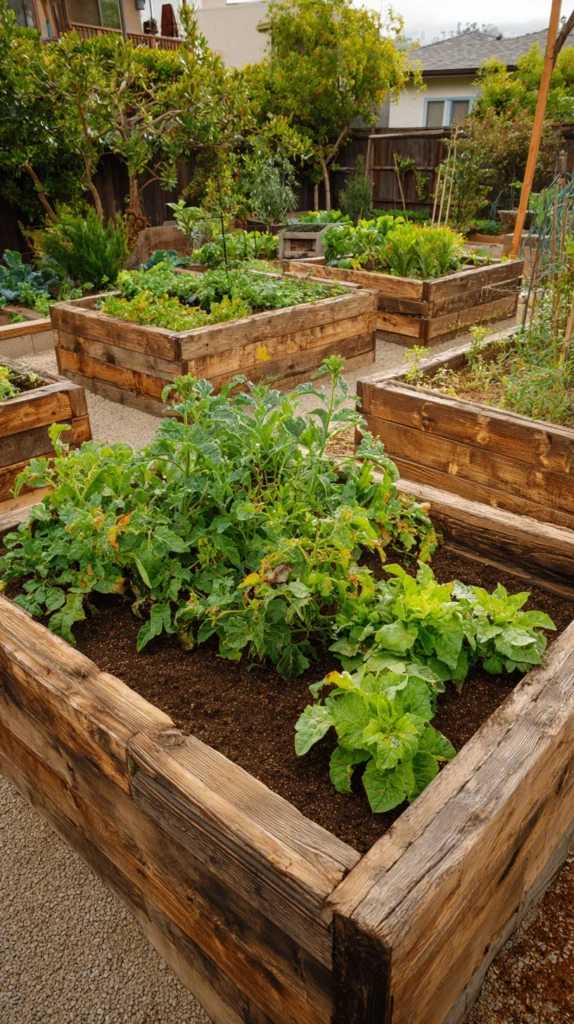
Raised beds make gardening more manageable, especially in hot weather. They improve drainage and allow you to control soil quality more effectively.
Because the soil is contained, it’s easier to maintain moisture levels and prevent compaction. Raised beds also make planting and harvesting more convenient.
They are ideal for growing vegetables, herbs, or small fruit plants with less effort.
8. Add Shade Structures
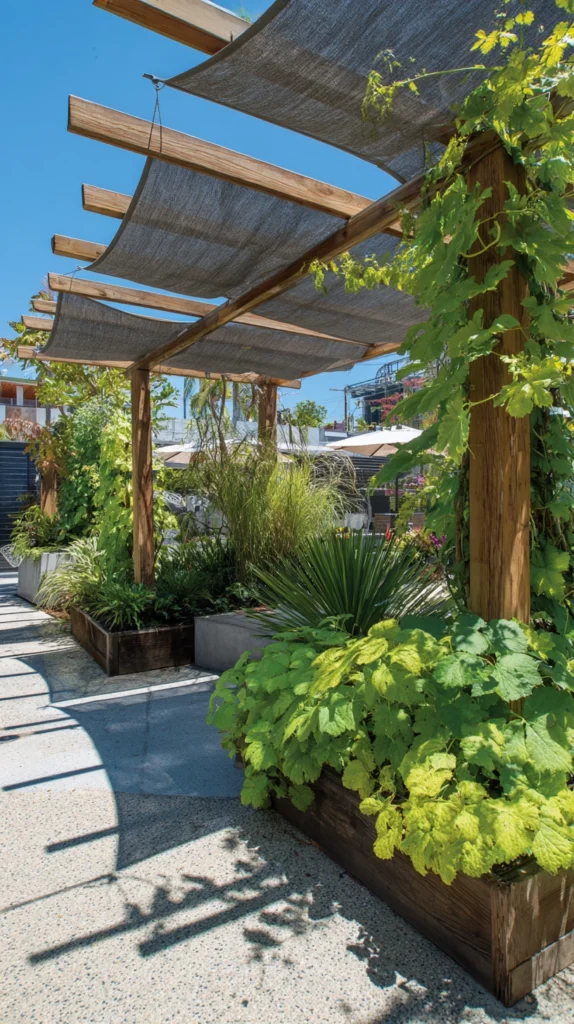
Providing shade is essential for reducing plant stress and maintenance. Structures like pergolas, shade sails, or umbrellas protect plants and outdoor spaces from intense sunlight.
Shade reduces water evaporation and keeps the soil cooler. It also creates more comfortable areas for you to relax in your garden.
Combining shade with heat-tolerant plants can significantly improve your garden’s resilience.
9. Choose Container Gardening
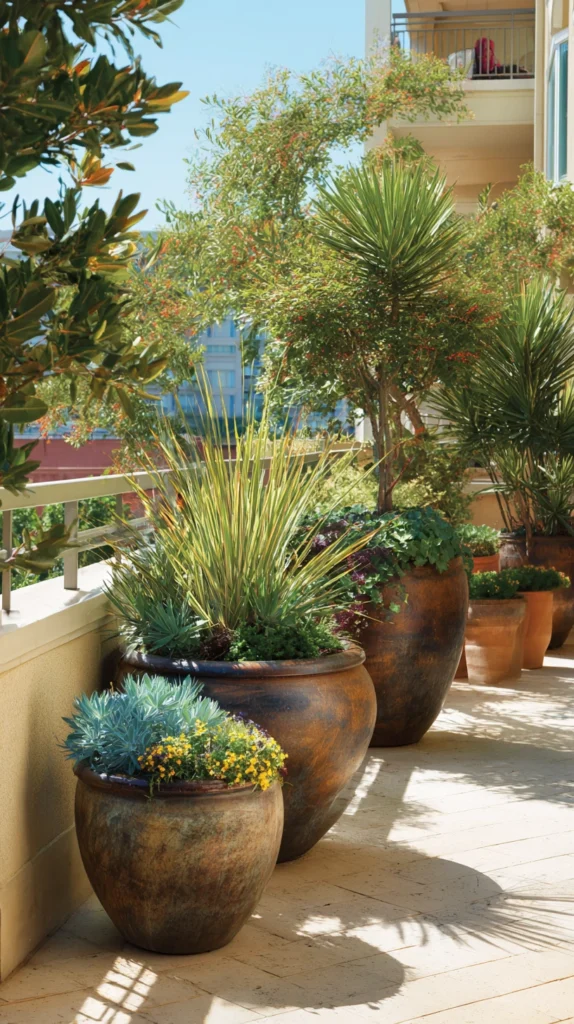
Container gardening allows you to control soil, water, and placement more easily. Pots can be moved to shaded areas during extreme heat, helping protect plants.
Using larger containers helps retain moisture longer. Choosing drought-tolerant plants for pots further reduces maintenance.
This method is especially useful for patios, balconies, or small spaces.
10. Group Plants by Water Needs
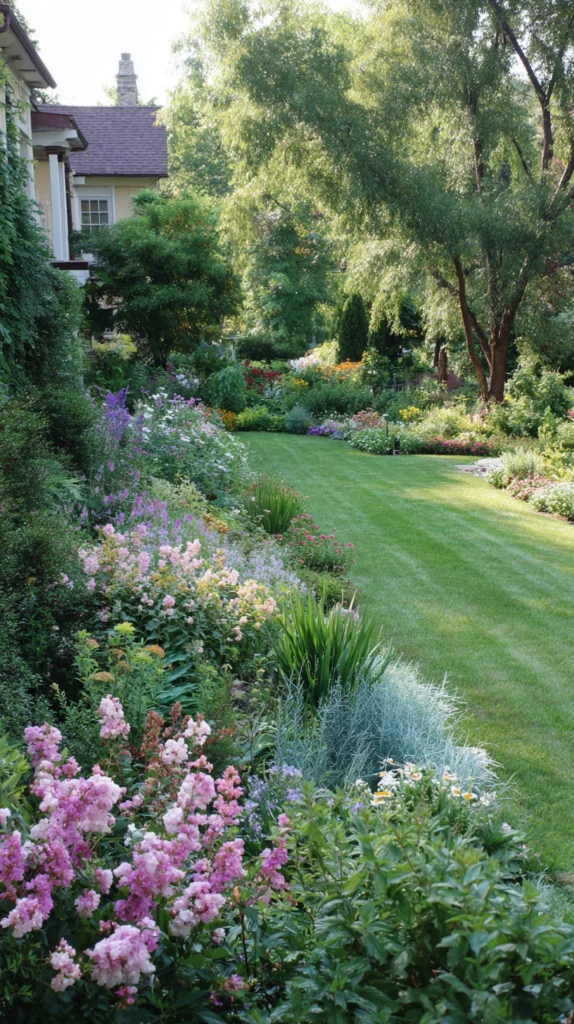
Organizing plants based on their water requirements makes maintenance much easier. This technique, often called hydrozoning, ensures that plants with similar needs are watered together.
It prevents overwatering some plants while underwatering others. This not only saves water but also keeps plants healthier.
A well-planned layout reduces guesswork and simplifies care.
11. Use Heat-Resistant Materials
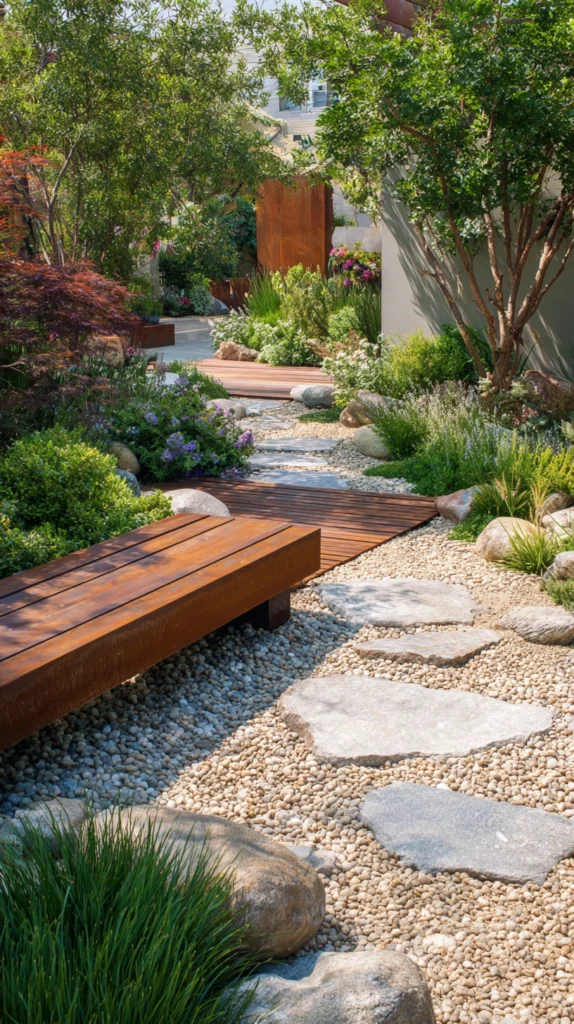
Garden materials can also impact maintenance. Choosing heat-resistant options like stone, metal, or treated wood ensures durability in hot climates.
These materials don’t degrade quickly under intense sun. They also require less upkeep compared to more delicate options.
Using the right materials helps your garden stay functional and attractive with minimal effort.
12. Add Low-Maintenance Hardscaping
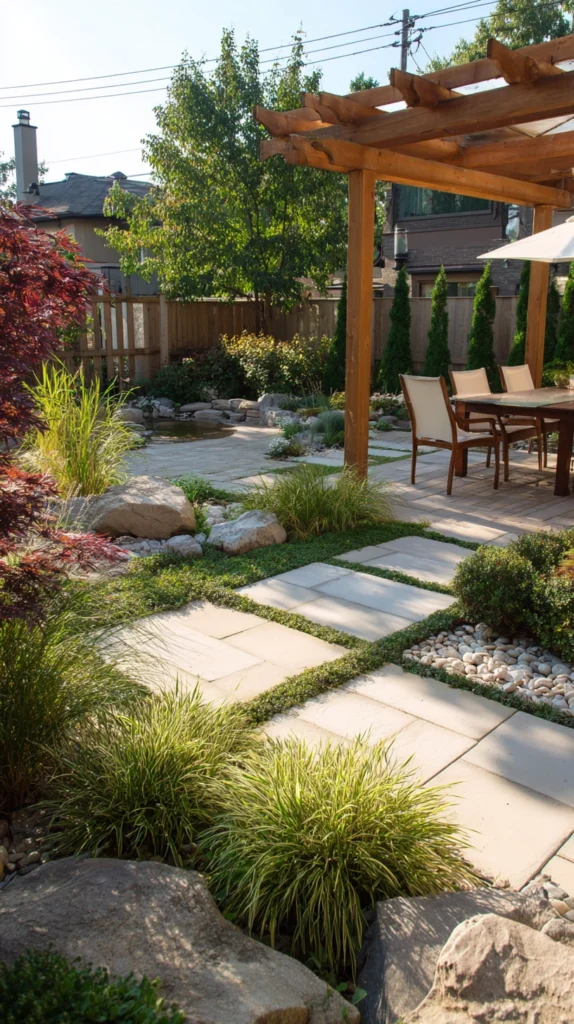
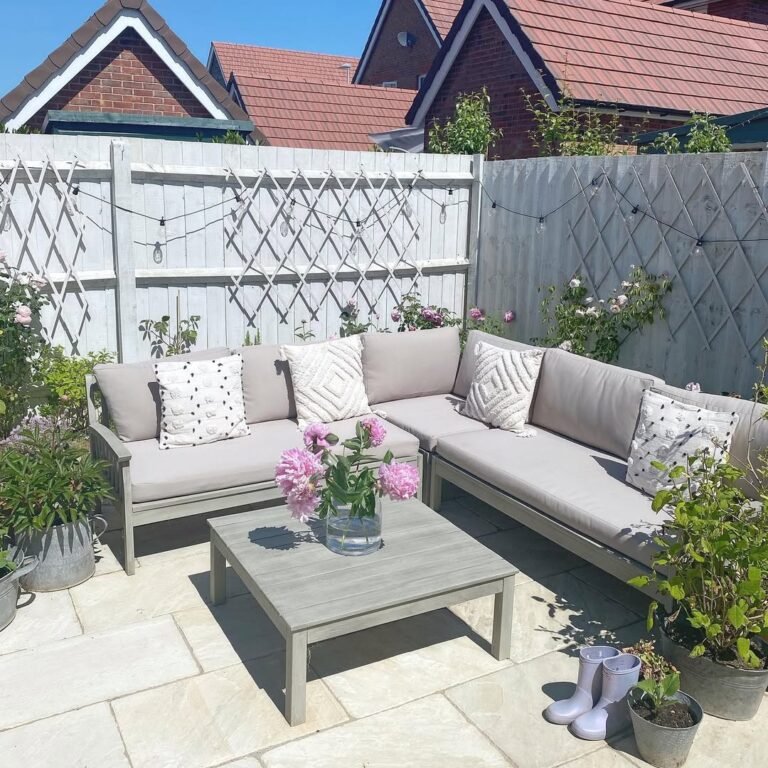
Hardscaping elements like patios, pathways, and decorative stones reduce the amount of planted area that needs care. They add structure and style while lowering maintenance.
Combining hardscaping with minimal planting creates a balanced and manageable garden. It also reduces watering and weeding tasks.
This approach is perfect for busy gardeners or those in very hot regions.
13. Choose Slow-Growing Plants
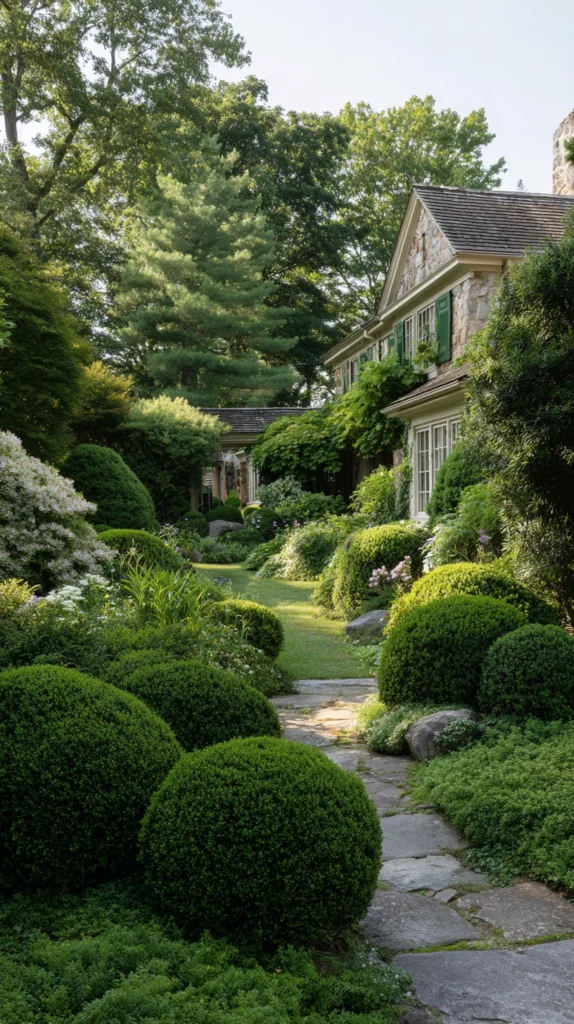
Slow-growing plants require less pruning and upkeep. They maintain their shape longer and don’t need constant trimming.
This reduces the time and effort needed to keep your garden looking neat. It also helps maintain a consistent design over time.
Selecting the right plants from the start makes a big difference in long-term maintenance.
14. Keep the Design Simple
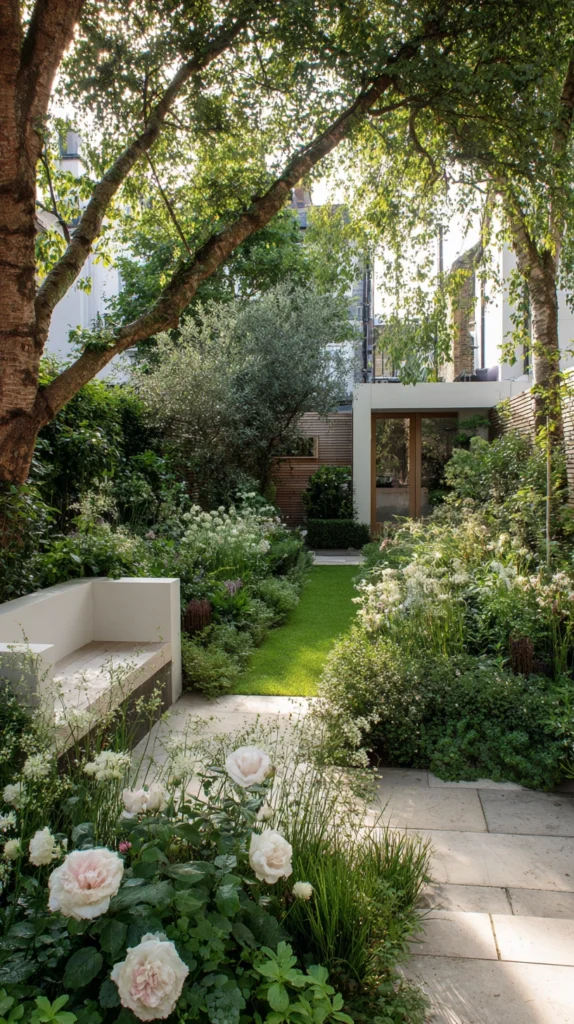
A simple garden design is easier to maintain. Avoid overcrowding and stick to a clear layout with defined areas.
Using fewer plant varieties and repeating them throughout the garden creates a cohesive look. It also makes care routines more straightforward.
Simplicity not only reduces effort but also enhances the overall aesthetic of your space.
Final Thoughts
Hot summers don’t have to mean high-maintenance gardening. With the right strategies, you can create a beautiful outdoor space that thrives in the heat without constant care.
By choosing drought-tolerant plants, improving soil moisture retention, and simplifying your design, you can enjoy a garden that works with the climate instead of against it. Over time, these changes will make your garden more sustainable, efficient, and enjoyable.