14 Small Garden Ideas Perfect for Hot Weather
A small garden in a hot climate is not a limitation — it is an opportunity to get the conditions exactly right in a compact space. Less ground to cover means every plant, every surface, and every seating decision can be made with more intention than a larger garden ever allows.
The challenge is not the size. The challenge is the heat, and that is solved by choosing the right materials, the right plants, and the right layout from the beginning rather than fighting the conditions once the garden is already in place.
The fourteen ideas below are all scaled for smaller gardens and all designed with hot-weather performance in mind — shade where it is needed, drought-tolerance where it counts, and enough colour and life to make the space genuinely enjoyable through the warmest months of the year. Each idea includes what it costs and a practical tip to help you get the most from it.
1. The Shaded Courtyard Retreat
Budget: $150 – $800
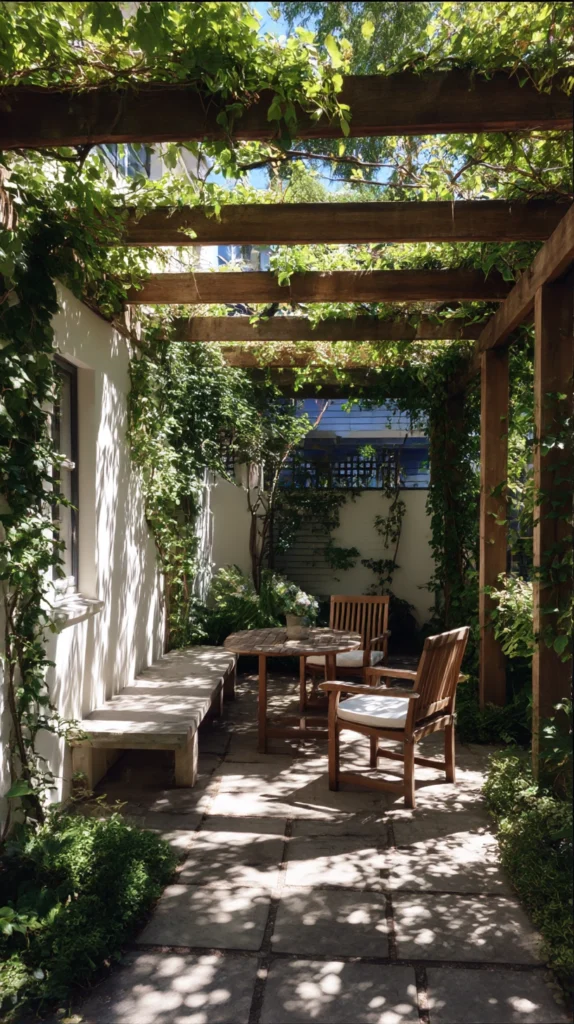
A small courtyard that bakes in full sun becomes one of the most uncomfortable outdoor spaces imaginable without some form of overhead shading. With the right shade structure in place it becomes the opposite — enclosed, private, and significantly cooler than the surrounding garden because the walls trap the cool morning air and the shade prevents the afternoon sun from heating the paving to unbearable temperatures. Shade is the single most transformative upgrade for a small hot courtyard.
A timber pergola kit sized for a small courtyard costs $300–$600. A stretched shade sail over the same area costs $80–$200 and installs in an afternoon. For a more atmospheric result, train a fast-growing climber — wisteria, jasmine, or grapevine — over the pergola frame within two to three seasons for living overhead shade that also provides fragrance and seasonal interest. The combination of structure and climbing plant is the most effective and most beautiful shading solution available for a small courtyard space.
Design tip: Leave a gap in the shade coverage on the eastern side of the courtyard so that morning sun reaches the space before the heat of the day builds. A courtyard with morning sun and afternoon shade is one of the most pleasant small garden environments possible in a hot climate.
2. A Mediterranean Container Garden
Budget: $60 – $250
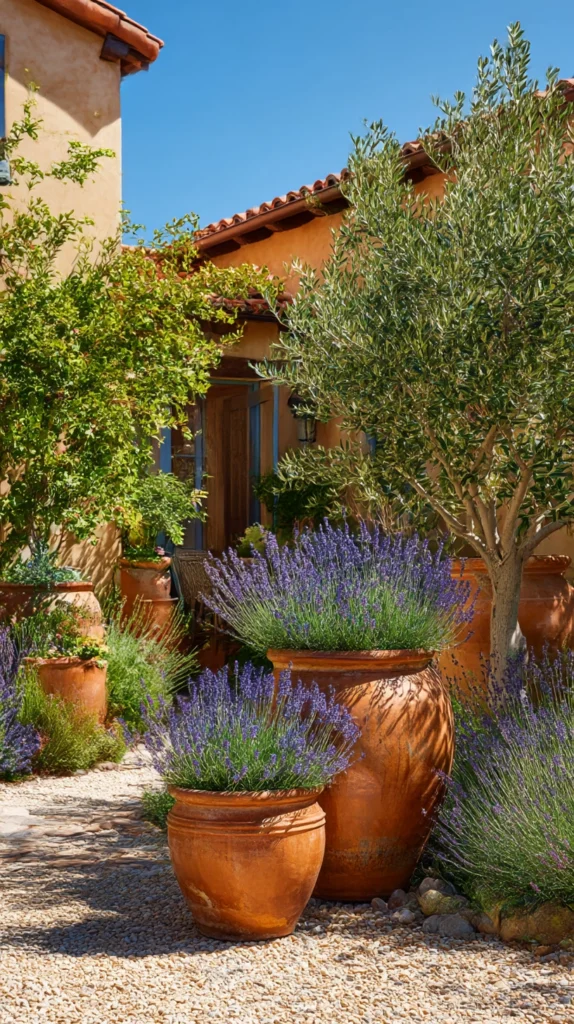
A collection of terracotta pots planted with lavender, rosemary, dwarf olive trees, ornamental alliums, and trailing rosemary transforms a small paved space into a Mediterranean courtyard garden with minimal effort and zero ground preparation. The plants are chosen specifically for heat and drought tolerance — they ask for very little water once established and look better, not worse, as the summer temperature rises. The terracotta pots themselves suit the warm palette of a sunny small garden better than any other container material.
Terracotta pots in varying sizes cost $8–$40 each depending on diameter. A dwarf olive tree in a 10-litre container costs $25–$60 and makes an excellent centrepiece. Lavender plants cost $5–$15 each. Trailing rosemary for softening pot edges costs $5–$10. Use a gritty, free-draining compost or mix standard potting compost with 30 percent horticultural grit — Mediterranean plants rot in waterlogged container compost and the grit is the single most important factor in keeping them healthy through periods of summer rain.
Design tip: Group pots at different heights using upturned pots or low tables beneath the largest containers. A cluster of pots at a single height looks flat and unconsidered. Varying the levels by even 15–20 cm creates depth and a sense of abundance that makes a small container garden look significantly larger than it is.
3. The Vertical Herb Wall
Budget: $40 – $150
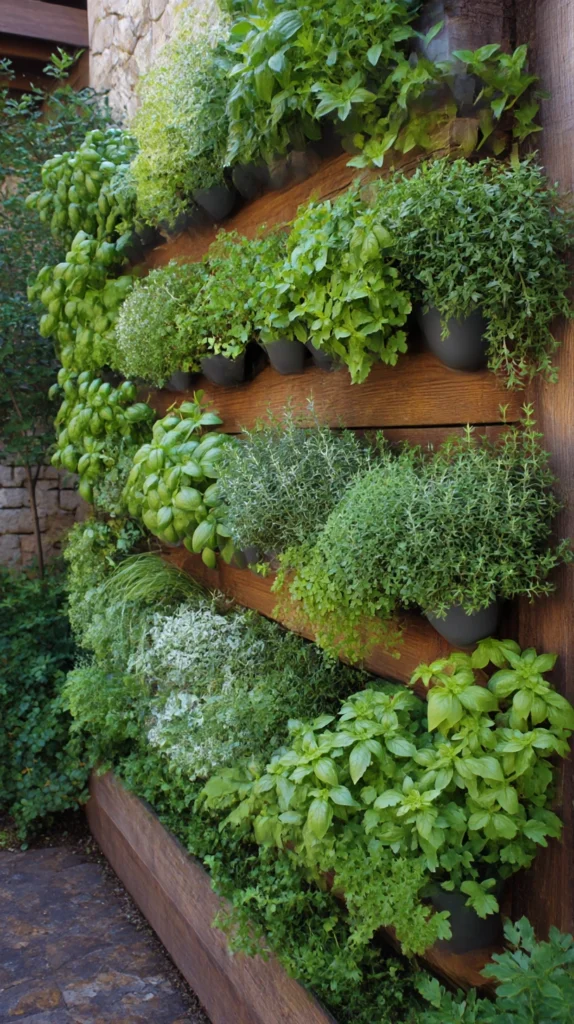
In a small garden where ground space is limited, the walls and fences are the most underused planting surfaces available. A vertical herb wall — a modular pocket planter, a repurposed pallet with inserted pots, or a purpose-built wall-mounted frame — brings productive planting onto a vertical surface that was previously contributing nothing to the garden. Herbs are ideal for this format because they are shallow-rooted, heat-tolerant, and most useful when positioned close to the kitchen.
Modular vertical pocket planter systems cost $30–$80 for a starter set of six to twelve pockets. Mount on a south or east-facing fence or wall for the best growing conditions. Fill with basil, thyme, oregano, flat-leaf parsley, and chives — all of which thrive in the warm, well-drained conditions that a wall-mounted planter provides in summer. Water vertical planters more frequently than ground-level containers — the limited soil volume and increased air exposure dries them faster, particularly in direct sun.
Design tip: Install a simple drip irrigation line through the planter pockets before filling them with herbs. A basic gravity-fed drip kit costs $15–$30 and eliminates the need for daily hand watering through the hottest weeks of summer — the most common reason vertical herb walls fail is inconsistent watering rather than anything more complicated.
4. Gravel Ground Cover With Bold Planting
Budget: $80 – $300
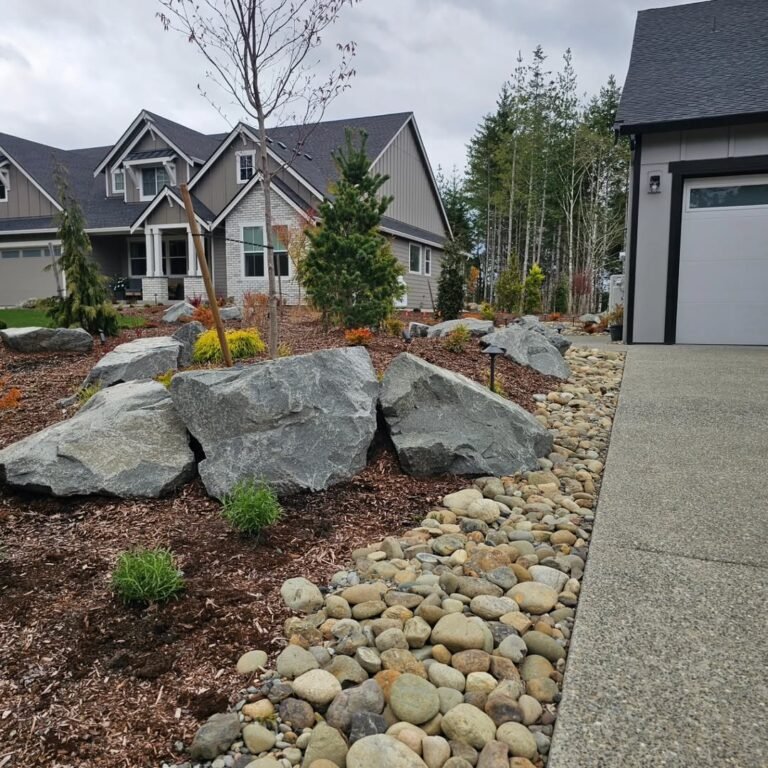
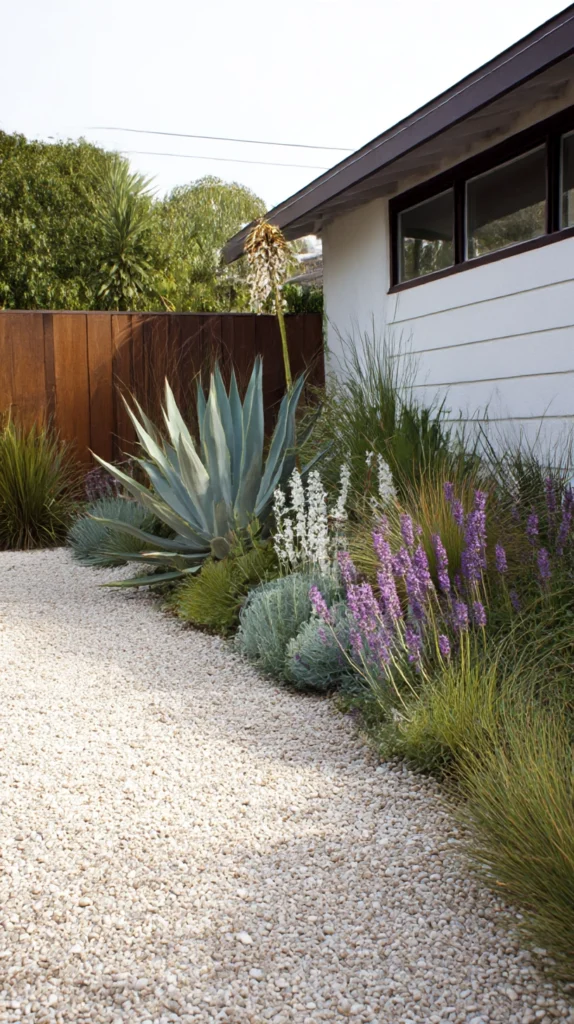
Replacing lawn or bare soil with a gravel ground cover in a small garden removes the largest ongoing maintenance task — mowing or weeding — and creates a surface that handles hot, dry conditions far better than grass ever will. Through the gravel, plant bold, architectural specimens in small numbers: an agave, a clump of ornamental grasses, a lavender hedge, three allium bulbs in a cluster. The simplicity of the palette is what makes the small space work — restraint reads as confidence in a compact garden.
Gravel or slate chippings cost $20–$50 per large bag. Lay water-permeable membrane beneath the gravel to suppress weed growth — membrane costs $15–$30 per roll and significantly reduces the occasional weeding that even a well-laid gravel surface eventually requires. Key plants for this style cost $10–$50 each for specimen plants worth featuring. The total for a complete gravel makeover of a small garden — membrane, gravel, and five or six statement plants — sits between $100 and $300 depending on the area covered.
Design tip: Use a single variety and colour of gravel across the entire space rather than mixing different aggregates in different zones. A small garden with two or three different gravel types looks fragmented and smaller than it is. One consistent ground material makes the space read as a unified whole and feel more generous in its proportions.
5. A Small Water Feature for Cooling Atmosphere
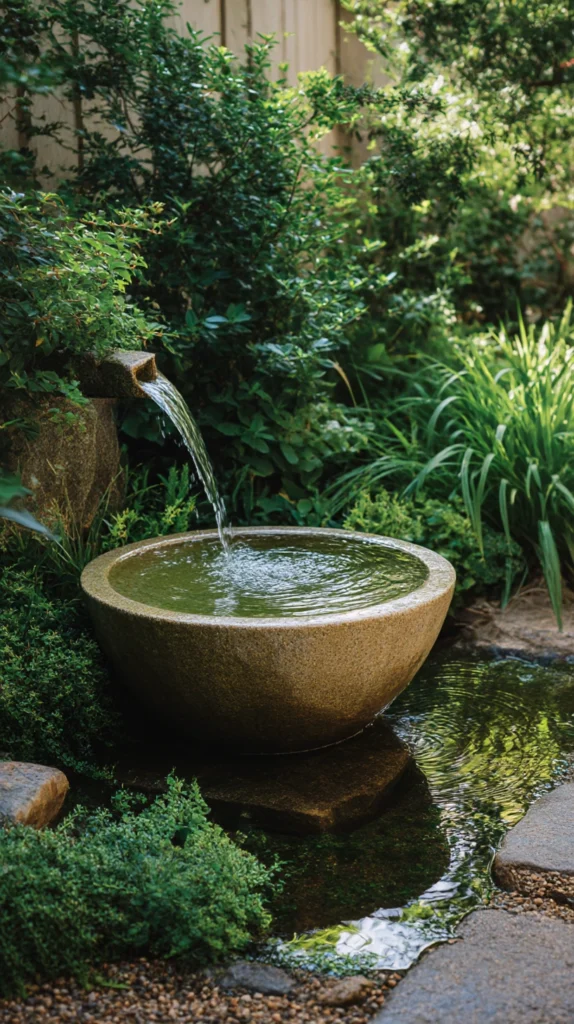
Budget: $40 – $300
Moving water cools the air around it through evaporation, attracts birds and beneficial insects, and introduces a sound that masks urban noise and creates a sense of calm that no amount of planting can fully replicate on its own. In a small garden a single modest water feature — a wall-mounted spout into a basin, a bubbling millstone, or a small tiered fountain — does all of this while taking up almost no floor space. It is one of the highest-return upgrades available for a hot, small garden.
A self-contained solar-powered fountain in a glazed or stone bowl costs $40–$100. A wall-mounted water spout with a reservoir basin runs $80–$200. A millstone or pebble pool feature with a submersible pump costs $100–$300 depending on scale. All of these are self-contained and require no plumbing connection — only a power source for the pump, which a solar panel or a nearby outdoor socket can provide. Position the feature close to the main seating area where the sound and cooling effect are most directly experienced.
Design tip: Clean the pump filter every two to three weeks through summer to maintain good water flow. A partially blocked pump produces a weak, uneven trickle rather than the consistent flow that makes a water feature sound and look its best. Five minutes of maintenance every few weeks keeps everything running well through the entire season.
6. The Drought-Tolerant Raised Bed
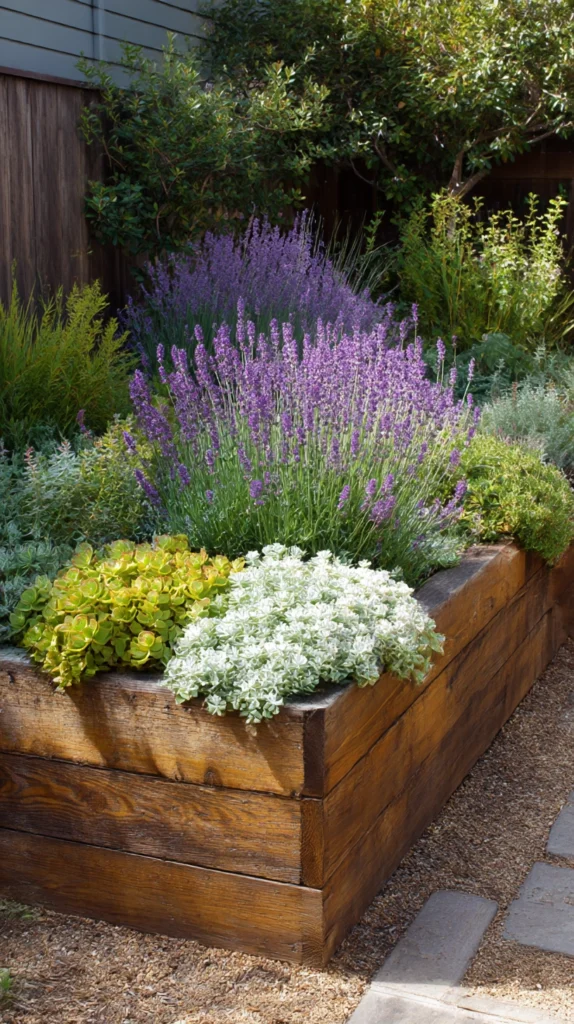
Budget: $80 – $300
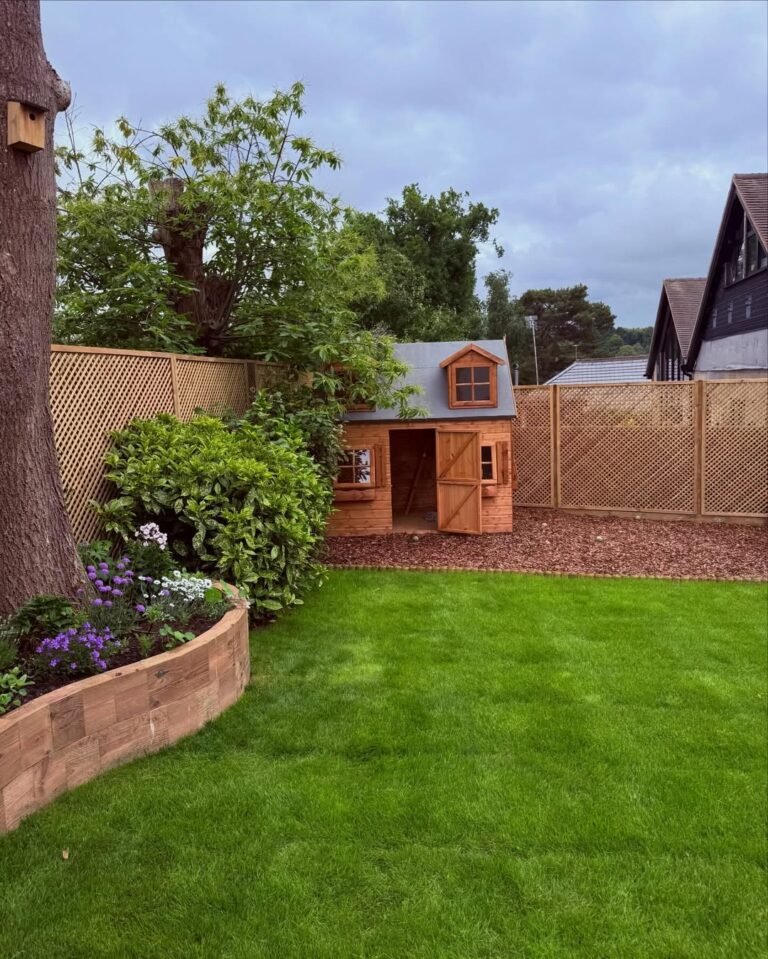
A raised bed in a small hot garden is more than a planting solution — it is a design feature that adds height, structure, and definition to a space that can otherwise feel flat and undifferentiated. Filled with a free-draining, gritty compost and planted with drought-tolerant perennials, it requires watering only in the first season and virtually none after that. The raised position also improves drainage for plants that would struggle in the compacted, poorly drained ground typical of many small urban gardens.
A simple timber raised bed kit in 120×60 cm format costs $40–$80. Sleeper-style raised beds in treated hardwood or composite material cost $80–$200 for a similar footprint with more visual weight. Fill with a 50/50 mix of topsoil and horticultural grit for drought-tolerant planting. Key plants — sedum, lavender, ornamental sage, and alliums — cost $5–$15 each. A single well-planted raised bed in a small garden provides more visual impact per square metre than almost any other intervention of comparable cost.
Design tip: Position the raised bed against a wall or fence rather than freestanding in the middle of the space. A bed against a boundary frees up the centre of the garden for movement and seating, which makes the overall space feel larger and more functional than a centrally placed bed of the same size.
7. Climbing Plants on Every Vertical Surface
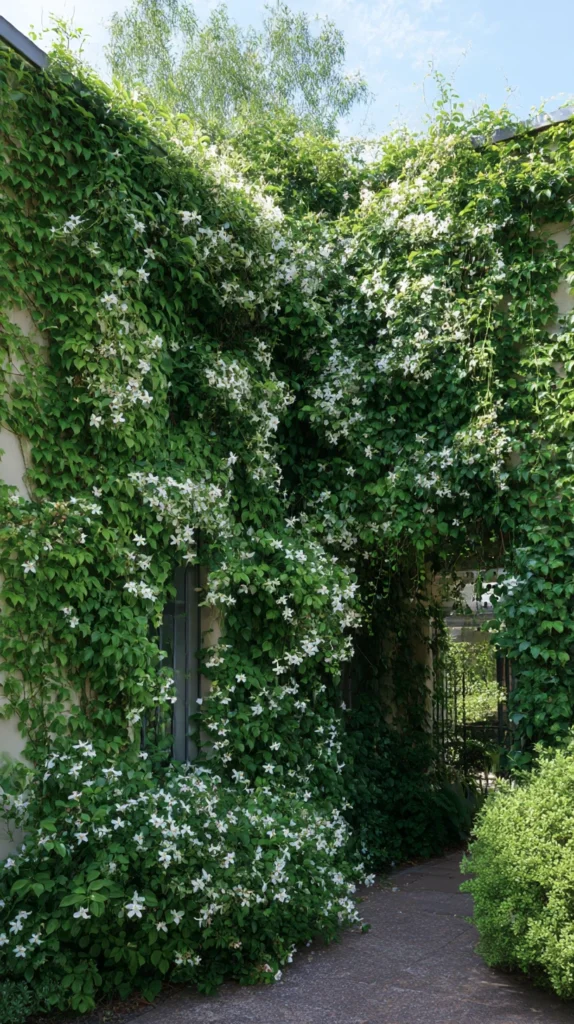
Budget: $30 – $150
In a small garden, vertical surfaces — fences, walls, trellis panels — represent as much or more planting area than the ground itself. Covering them with climbing plants is the most space-efficient planting strategy available. A fence covered in jasmine, a wall trained with a climbing rose, or a trellis panel draped in a passion flower adds substantial planting to the garden without consuming a single square metre of ground space — and in a hot climate, the additional foliage also shades and cools the hard surfaces behind it.
Climbing jasmine costs $10–$25 and produces fragrant white flowers through summer that scent a small enclosed garden particularly effectively. Passion flower (Passiflora) costs $8–$20 and grows fast enough to cover a fence panel in a single season. A climbing rose costs $15–$40 and flowers for months with minimal intervention. Trellis panels to support climbing plants cost $15–$40 per panel. Fix trellis 5 cm away from the wall surface rather than flush against it — the air gap allows the plant to twine naturally and prevents moisture damage to the fence or wall behind.
Design tip: Choose one or two climbing species for the whole garden rather than a different plant on every surface. A small garden with five different climbers on five different walls looks busy and unresolved. Two well-chosen species used consistently create the sense of an intentional design rather than a collection of individual plants.
8. The Shaded Dining Corner
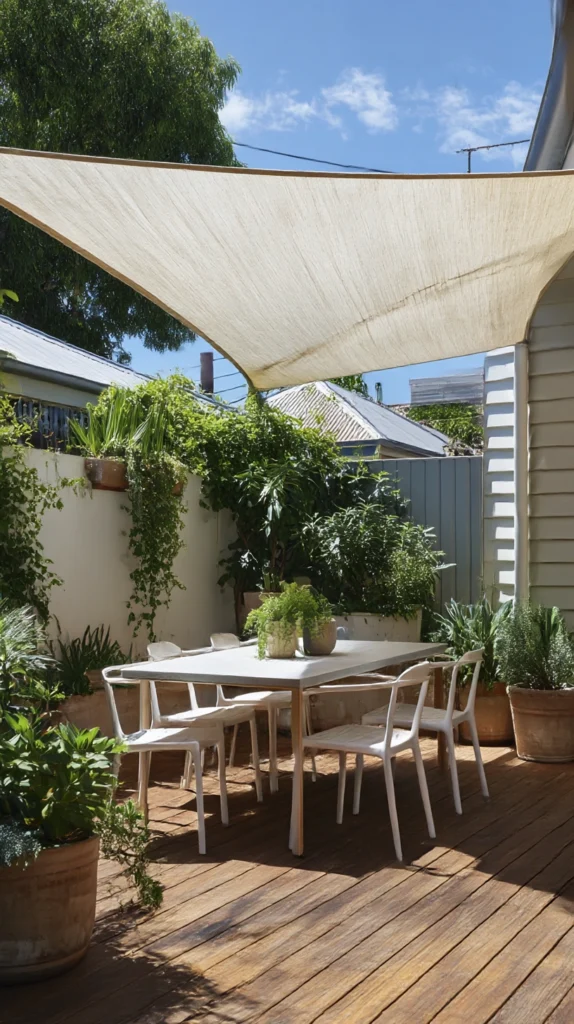
Budget: $100 – $600
A dedicated outdoor dining corner with reliable shade overhead is one of the most practical investments in a small hot garden. It does not need to be large — a 180×90 cm table with four chairs occupies roughly 3×3 metres including comfortable movement space — but it needs to be shaded from approximately midday onward if it is to be usable through the hottest part of a summer day. The shade structure is the priority; the furniture is secondary to it.
A large cantilever parasol providing 3-metre diameter shade coverage costs $100–$250. A sail shade over the dining area costs $80–$200. A fixed pergola structure above the dining corner costs $300–$600 for a kit version. A compact outdoor dining set in powder-coated aluminium — table and four chairs — costs $150–$400. Prioritise the shade first and buy the best furniture the remaining budget allows. A beautiful table in full afternoon sun is used far less than a modest table in reliable shade.
Design tip: Orient the dining table so that guests sit with their backs to the strongest afternoon sun rather than facing into it. The comfort difference for a two-hour outdoor meal is significant and costs nothing to arrange — it is purely a question of which way the table is turned when it is first placed.
9. Heat-Tolerant Fragrant Planting
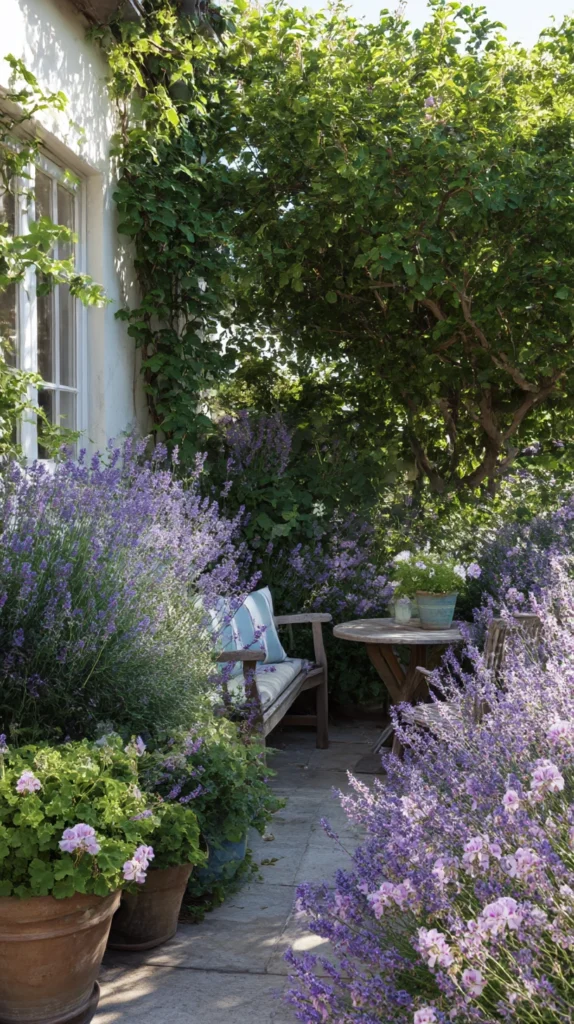
Budget: $40 – $160
A small garden has one significant advantage over a large one: fragrance concentrates within an enclosed space rather than dissipating into the open air. A few well-chosen fragrant plants in a compact courtyard or terrace garden create a scent experience that a large garden with ten times more planting cannot match. In the heat of summer, fragrance from lavender, jasmine, night-scented stock, and scented pelargoniums becomes one of the most distinctive qualities a small outdoor space can have.
Lavender plants cost $5–$15 each. Scented pelargoniums — in varieties including rose, lemon, mint, and nutmeg — cost $5–$12 each and release fragrance intensely when the leaves are brushed or bruised, which happens naturally as people move through a small garden. Night-scented stock (Matthiola bicornis) costs $2–$4 per seed packet and produces its strongest fragrance after sunset — sow a row close to where you sit in the evening. Jasmine officinale costs $10–$20 and covers a fence or trellis with sweetly fragrant white flowers through midsummer.
Design tip: Plant fragrant species along paths and beside seating rather than at the boundary of the garden. Fragrance experienced at a distance is pleasant. Fragrance released by touch as you brush past a plant or sit beside it is genuinely memorable — and that quality of experience is what makes a small garden feel rich rather than merely adequate.
10. A Cooling Colour Palette
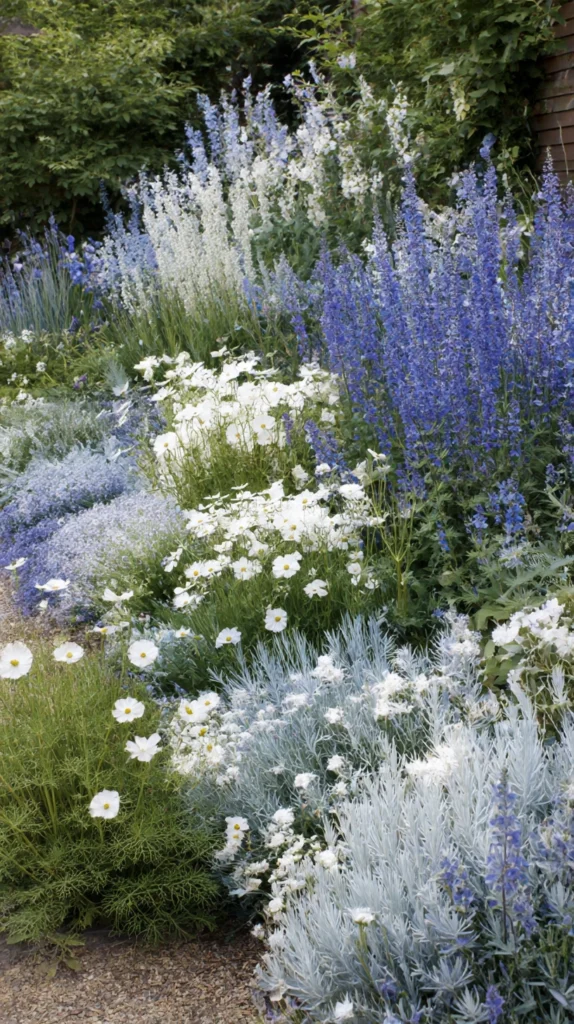
Budget: $50 – $180
Colour in a garden has a measurable effect on how hot or cool a space feels to the eye. White, silver, pale blue, and soft lavender tones read as cool even on the hottest days, while orange, red, and deep yellow advance visually and amplify the perception of heat. A small garden planted in a cooling palette — white agapanthus, silver artemisia, pale blue salvia, lavender, and white cosmos — feels noticeably more comfortable in high summer than the same garden planted in hot, saturated colours, regardless of the actual temperature.
White agapanthus costs $10–$20 per plant. Artemisia Silver Mound costs $6–$12 and provides year-round silver foliage. Blue salvia nemorosa costs $6–$14. White cosmos grown from seed costs $2–$5 per packet and fills gaps quickly through the summer. Pale blue Plumbago auriculata costs $10–$25 and flowers continuously through the warmest months. A complete cooling palette planted into a small border or a collection of containers costs $60–$150 for a generous, well-filled result that transforms the visual temperature of the garden.
Design tip: Include at least one strongly silver or grey-leaved plant in every grouping within the cooling palette. Silver foliage reflects light rather than absorbing it, reads as distinctly cool against white or blue flowers, and provides visual interest on days when few flowers are open. It is the glue that holds a pale palette together through the whole season.
11. Low-Water Ground Cover Instead of Lawn
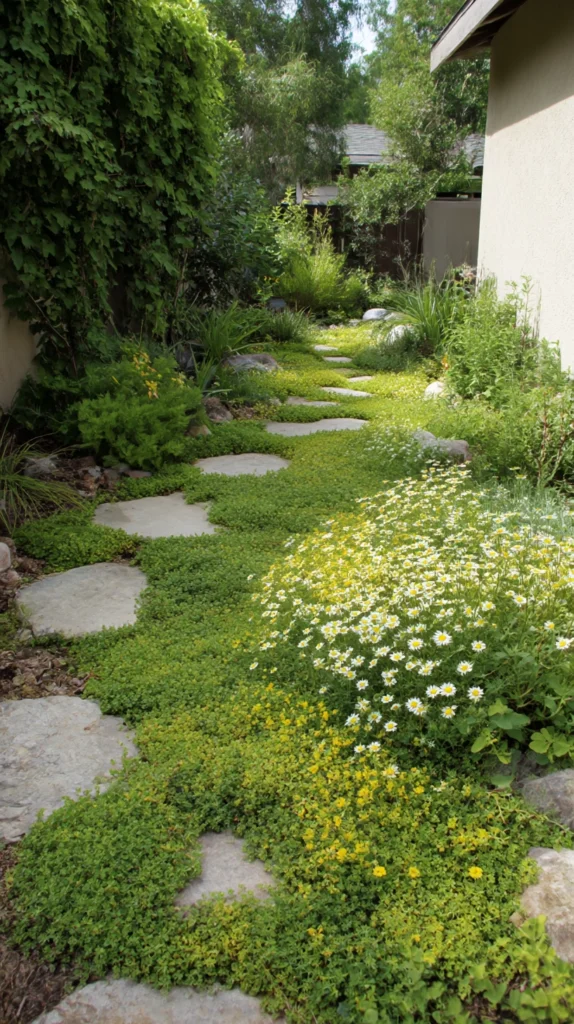
Budget: $30 – $150
A small patch of lawn in a hot climate is one of the highest-maintenance and most water-intensive features a garden can include. It browns in drought, needs regular mowing, and contributes little to the ecology of a small space. Replacing it with a low-water ground cover — creeping thyme, chamomile, sedum, or a native grass mix — removes all of that maintenance, reduces water use dramatically, and creates a surface that looks better through the hottest weeks of the year than stressed lawn ever does.
Creeping thyme plug plants cost $2–$5 each and space 20–25 cm apart to form a dense, fragrant mat within two seasons. A 2×2 metre area requires 16–25 plugs at a total cost of $30–$80. Chamomile lawn seed costs $5–$15 per packet for the same coverage. Sedum album — a low, spreading succulent ground cover — costs $4–$8 per pot and tolerates extreme heat and drought better than any of the alternatives. All three release fragrance when walked upon and require cutting only two or three times per year once established.
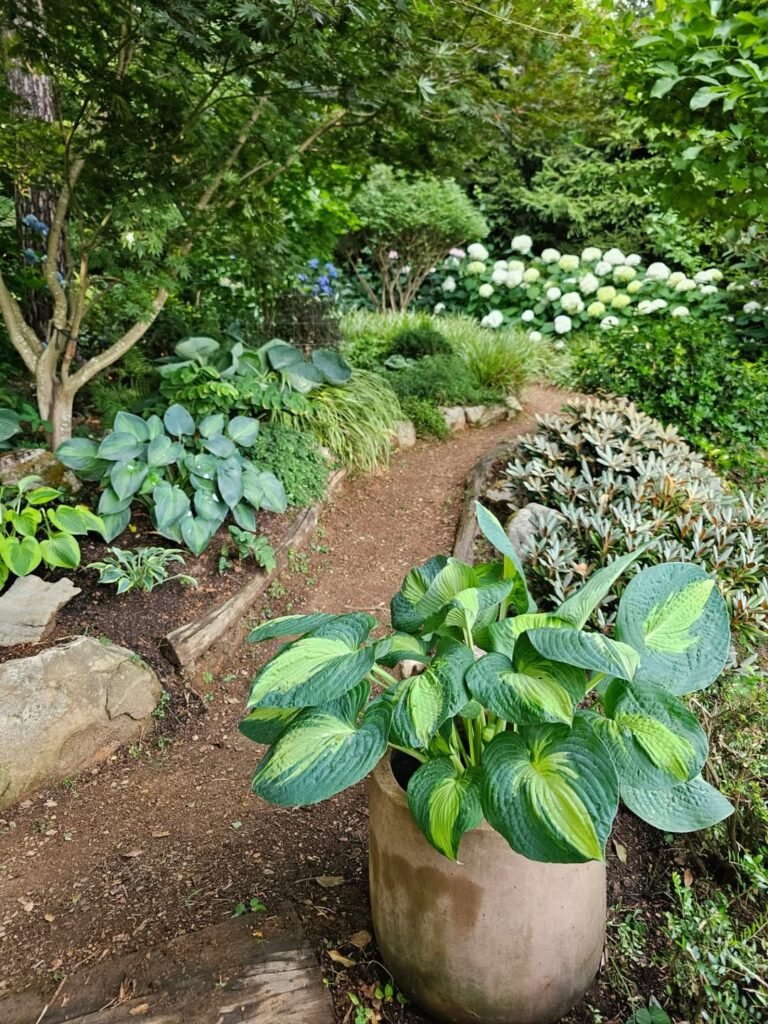
Design tip: Leave a simple stepping stone path through the ground cover planting rather than expecting it to take full foot traffic across the whole surface. Even the toughest ground covers establish more slowly under regular walking pressure. A few flat stones through the planting protects the ground cover and adds a design element that makes the space look considered.
12. Evening-Focused Planting and Lighting
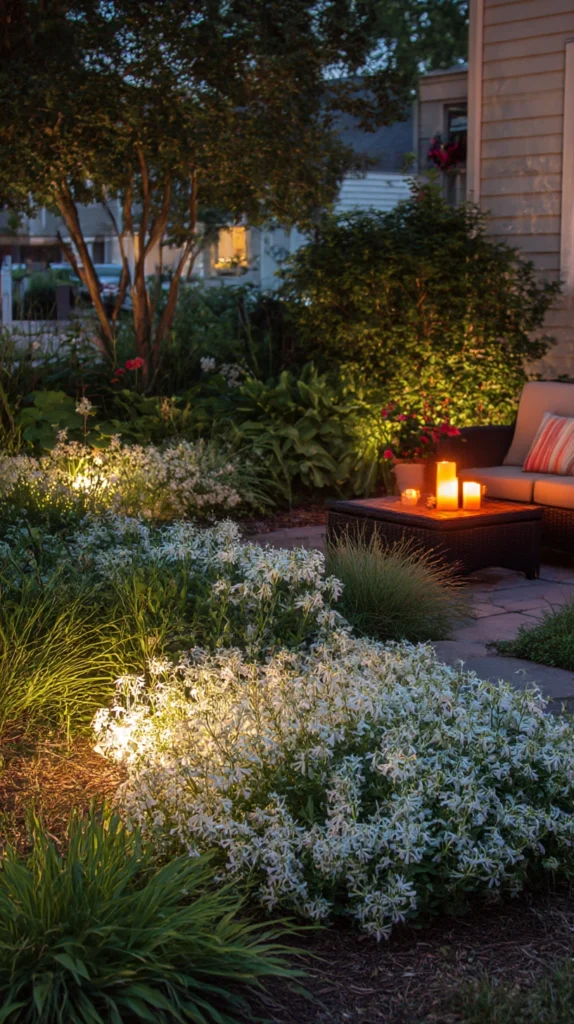
Budget: $50 – $200
In a hot climate the small garden is often at its most enjoyable after sunset — when the temperature drops, the white and pale flowers glow in the dusk, and the fragrant plants release their strongest scent in the cooling air. Designing the garden specifically for evening use — with white and pale-coloured planting, warm lighting at low levels, and a comfortable seat positioned where the evening light falls best — turns the hottest part of the year into the most beautiful time to be outside in the garden.
White-flowered plants for evening impact include white agapanthus ($10–$20), white cosmos ($2–$5 per seed packet), white nicotiana ($3–$8 per plant), and white Japanese anemone ($8–$18). Solar stake lights for path and border edges cost $3–$8 each. A set of outdoor candles in glass holders costs $15–$30 and provides warm, flickering light that no electric alternative fully replicates. Battery-powered outdoor fairy lights cost $8–$20 for a reel and can be draped through plants or wound around the frame of a pergola without any wiring.
Design tip: Place at least one night-fragrant plant beside the main seating area specifically for evening use. Night-scented stock, nicotiana, and evening primrose all produce their strongest fragrance after sunset and are barely noticeable during the day — they are plants that exist almost entirely for the hour before dark, and in a small garden that hour is often the best one of the day.
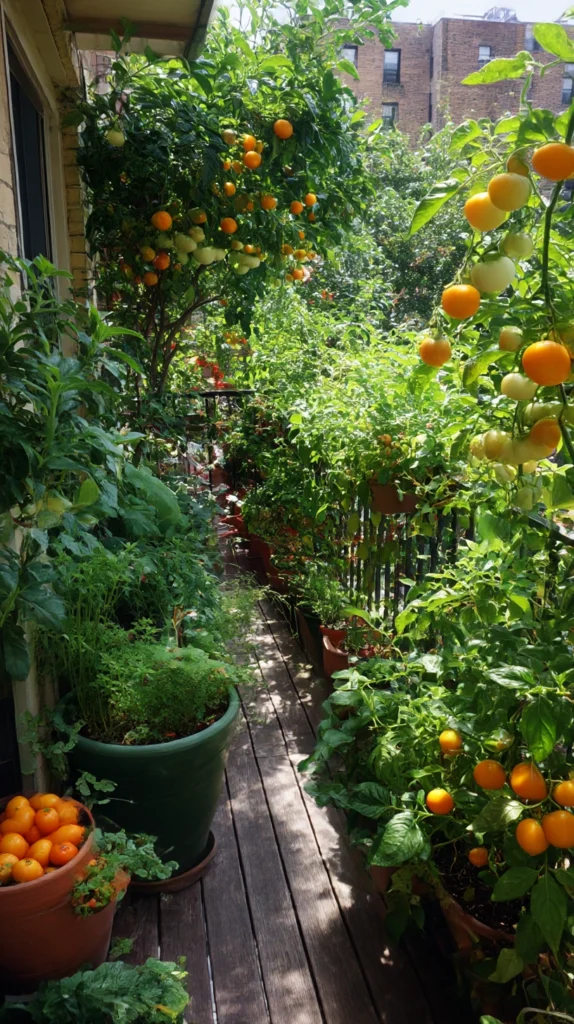
13. The Productive Micro-Garden
Budget: $40 – $180
A small garden in a hot climate is ideal for a tightly edited productive micro-garden — cherry tomatoes, chillies, herbs, and dwarf aubergines all thrive in heat and can be grown in containers, raised beds, or a single sunny border without requiring more space than a modest patio provides. Growing even a small amount of food in a hot small garden changes how the space is used — it becomes somewhere visited daily, tended consistently, and harvested regularly, which keeps the garden alive and interesting through the whole season.
Cherry tomato plants cost $3–$6 each and fruit prolifically in heat from a single large container. Chilli plants cost $3–$8 each and are among the most heat-tolerant productive plants available, performing better as temperatures rise rather than struggling under them. Dwarf aubergine varieties cost $4–$8 per plant. A 40-litre grow bag costs $8–$15 and provides enough volume for two tomato or three chilli plants. A productive micro-garden across four or five containers can be established for $50–$100 including containers, compost, and plants.
Design tip: Feed container-grown vegetables with a high-potassium liquid fertiliser every two weeks from the moment flowers first appear. Containers exhaust their compost nutrients within six to eight weeks and feeding is the difference between a productive plant that continues fruiting through the summer and one that stalls after the first flush and produces little else.
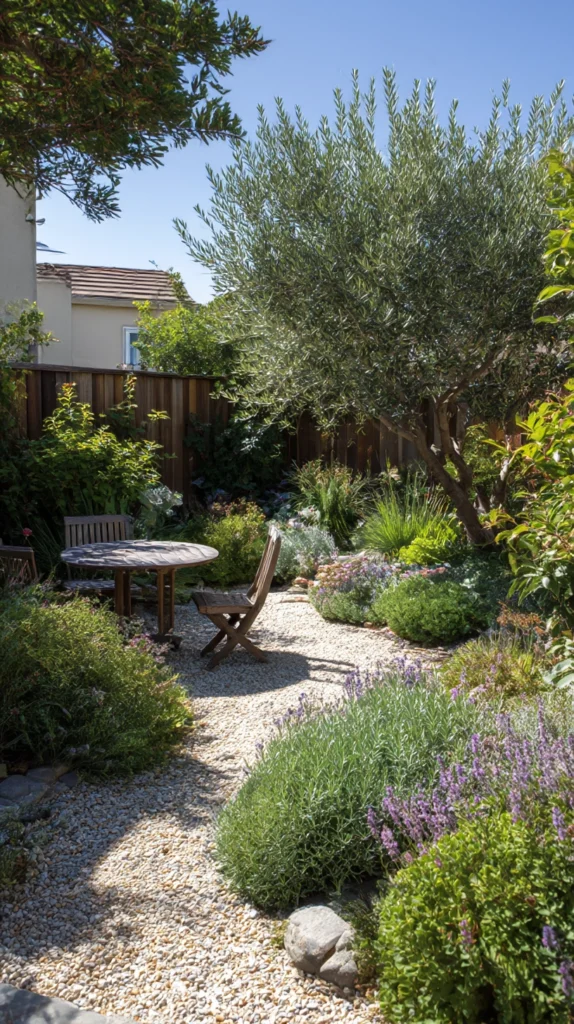
14. The All-Season Low-Maintenance Small Garden
Budget: $200 – $600
A small garden designed for low maintenance in hot weather is built on three things: a surface that needs no mowing or watering (gravel, paving, or low-water ground cover), structural plants that provide interest year-round without constant intervention (evergreen shrubs, ornamental grasses, and drought-tolerant perennials), and a seating area with reliable shade. These three elements together produce a small garden that looks genuinely good through the hottest summer and requires perhaps an hour of attention per week to maintain.
The surface — gravel with membrane beneath — costs $100–$200 for a small garden area. Three to five structural plants in 5–10 litre pots cost $15–$40 each. A shade structure over the seating area costs $80–$300 depending on type. The total sits between $250 and $600 for a complete, coherent small garden setup that handles hot weather well and asks very little in return. The investment is made once and the ongoing maintenance is minimal enough to feel like no maintenance at all after the first settling-in season.
Design tip: Choose one structural plant as the clear centrepiece of the small garden — an olive tree, an agave, a well-shaped ornamental grass — and build every other element in the garden around it. A small garden with one confident focal point always reads better than one where every element competes for attention equally. The hierarchy is what makes a compact space feel resolved rather than crowded.
The best small gardens in hot climates are not trying to replicate what a large garden does on a reduced scale. They are doing something different and more considered — creating enclosure, concentrating fragrance, making shade feel like a gift rather than an absence of sun, and using every vertical surface as generously as every horizontal one. The constraints of a small space in a hot climate, approached with the right ideas, produce some of the most enjoyable outdoor spaces it is possible to spend time in.
Pick two or three ideas from this list that suit the space you have and the way you want to use it through summer. Start with the shade and the seating — everything else improves once those two things are right. The rest of the garden falls into place around them more easily than you might expect.