15 Rustic Garden Ideas That Feel Cozy and Natural
A rustic garden is not a neglected one. It is a garden where the choices are deliberate but the materials are honest — reclaimed timber, natural stone, found objects, untreated wood that has been left to weather, and planting that is allowed to move and self-seed rather than held in precise formation. The coziness comes from the same quality that makes old buildings and well-worn furniture feel welcoming: the evidence of time, use, and genuine character rather than the uniformity of anything recently manufactured.
The fifteen ideas below bring that quality into any garden through specific, achievable changes that work with natural materials, found objects, and the kind of planting that fills space with generosity rather than precision. Each includes what it costs and a practical tip to help you create the effect that feels genuinely settled rather than recently styled.
1. A Reclaimed Timber Raised Bed
Budget: $30 – $150
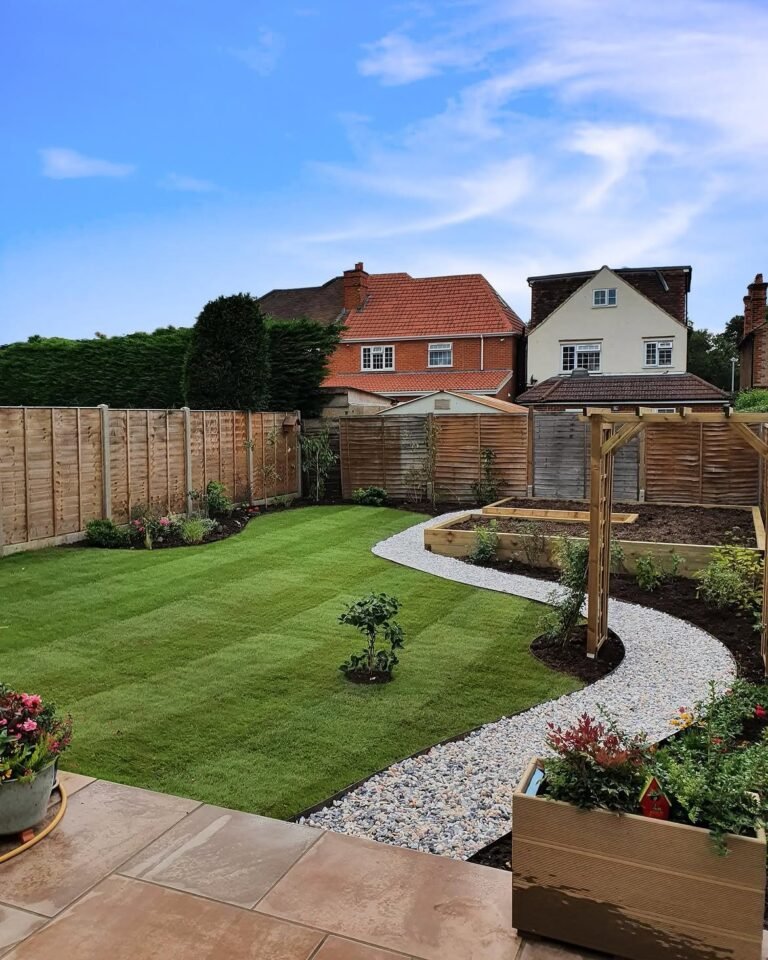
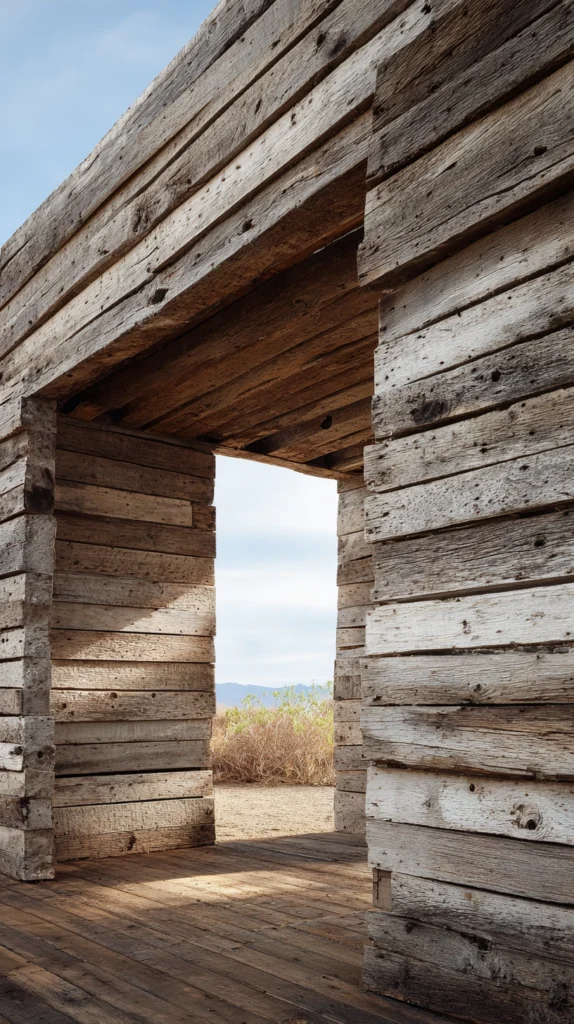
A raised bed built from reclaimed railway sleepers or salvaged timber planks has an immediate sense of history and permanence that no new timber product matches. The weathered grain, the variations in colour from previous weathering, and the occasional nail hole or bolt mark in old sleepers are all qualities that make the raised bed look as though it has been part of the garden for decades rather than installed last weekend.
Reclaimed railway sleepers cost $15–$40 each depending on condition and source from timber salvage yards, demolition merchants, and online reclamation platforms. Avoid sleepers that have been treated with creosote — identifiable by their strong chemical smell — for edible growing. Oak and pine sleepers that have been used in construction rather than on railway lines are the safest choice for vegetable and herb beds and usually the most characterful in appearance.
Style tip: Leave reclaimed sleepers completely untreated after installation. Oiling or sealing a reclaimed sleeper homogenises its surface and removes the tonal variation and gentle texture of genuinely weathered wood that makes the material worth using over a new equivalent. The weathered surface already has its protection built in through years of outdoor exposure — additional treatment is unnecessary and visually counterproductive.
2. A Wildflower Meadow Corner
Budget: $5 – $25
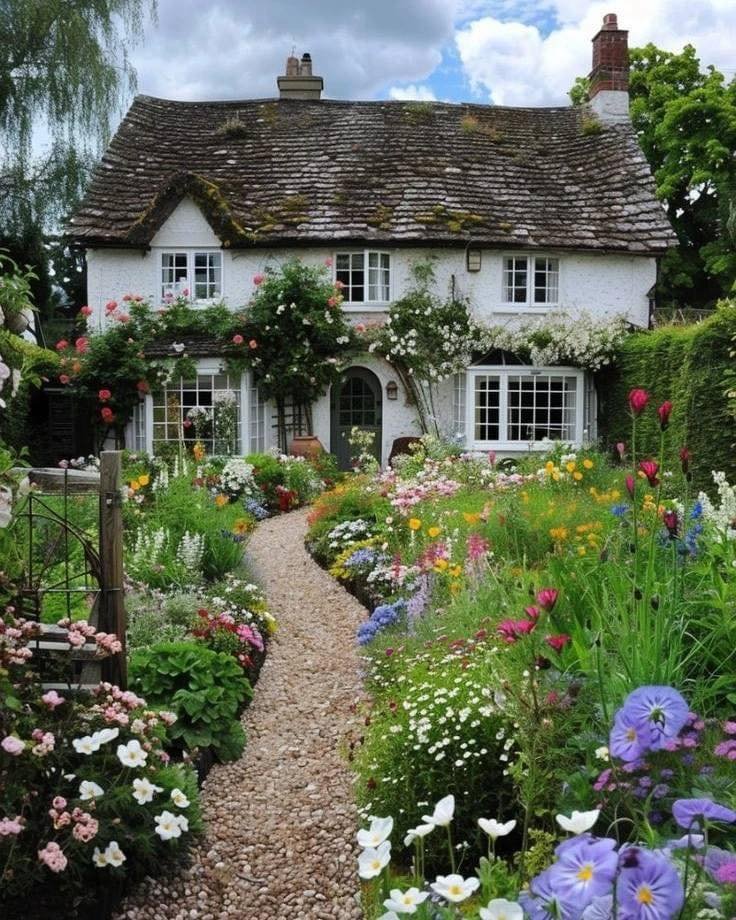
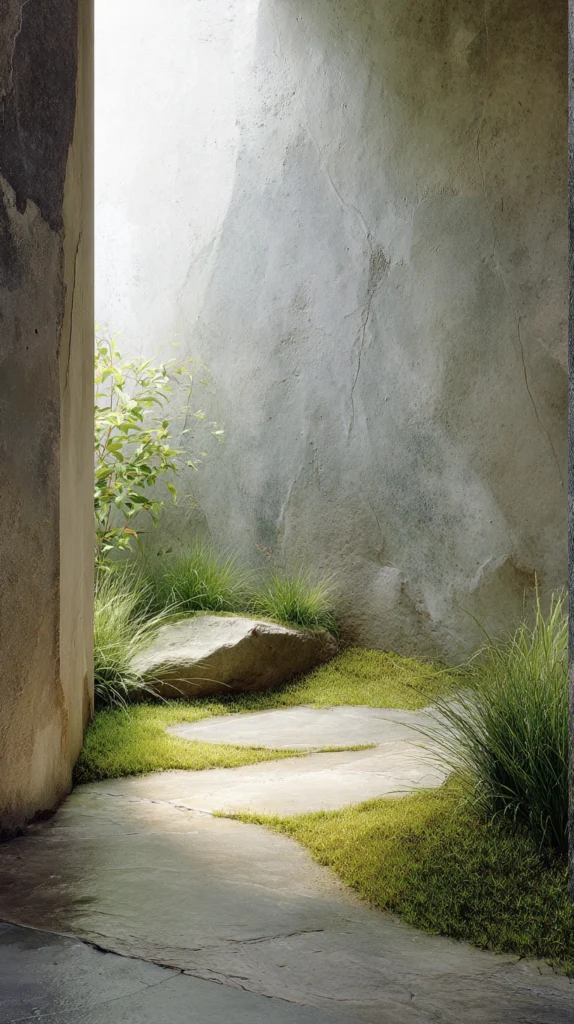
A corner of the garden converted to wildflower meadow — mown once in late autumn and otherwise left entirely alone — creates the most naturally cozy garden atmosphere of any low-maintenance garden style. The tall, swaying grasses and flower stems through summer, the dried seed head structure through autumn, and the brief bare period in late winter before regrowth begins are all genuinely beautiful in the specific way that only naturally managed planting achieves.
A native wildflower and grass seed mix costs $5–$15 per 100g packet for approximately 10 square metres. Sow onto cleared, bare soil in spring or autumn. Edge the meadow corner with a clearly mown strip or a simple timber border to signal that the wild planting is deliberate — without some form of clear boundary the transition from managed to unmanaged garden reads as neglect rather than intention, which is the most important distinction in any rustic garden.
Style tip: Place a single object within the wildflower corner — a large reclaimed ceramic pot, a lichen-covered stone, or a simple weathered bird bath — to give the wild planting a focal point and to reinforce the sense that the space has been considered rather than simply abandoned. One placed object in a wildflower corner turns it from a maintenance decision into a garden feature.
3. Log Pile Seating and Sculpture
Budget: $0 – $60
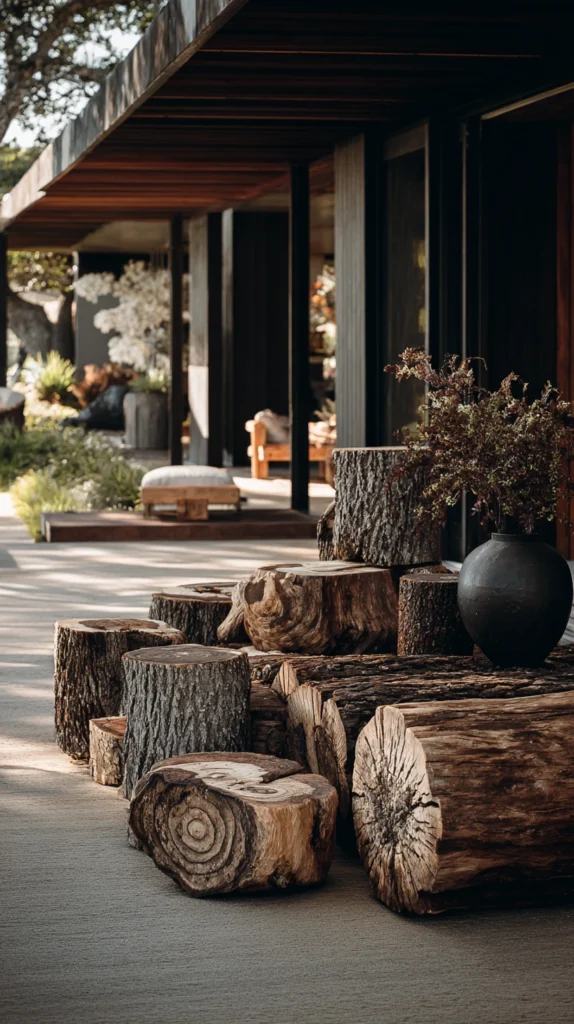
A stack of logs — arranged as an informal seat, as a low table beside a fire pit, or as a purely sculptural pile against a boundary fence — is simultaneously the most rustic, the most ecologically valuable, and the most cost-effective garden feature available. A log pile provides overwintering habitat for insects, amphibians, and small mammals and looks genuinely beautiful in a garden where natural materials and textures are the primary aesthetic language.
Logs from an arborist, a tree surgeon, or a firewood supplier cost $0–$30 per barrow load depending on source. Arrange in stacked rows for a formal, structured appearance or in a more casual pile for a naturalistic effect. Leave bark intact and mix species if possible — different wood species decay at different rates and attract different invertebrate species, creating a more ecologically rich habitat than a single-species stack over the same three to five year period.
Style tip: Position the log pile in partial shade where it remains cool and moist — the conditions that most benefit the invertebrates and amphibians using it as habitat and the conditions under which it ages most attractively. A log pile in full sun dries, bleaches, and cracks more quickly than one in dappled shade, reducing both its ecological value and its visual contribution to the rustic garden aesthetic.
4. A Stone Path Through the Garden
Budget: $50 – $250
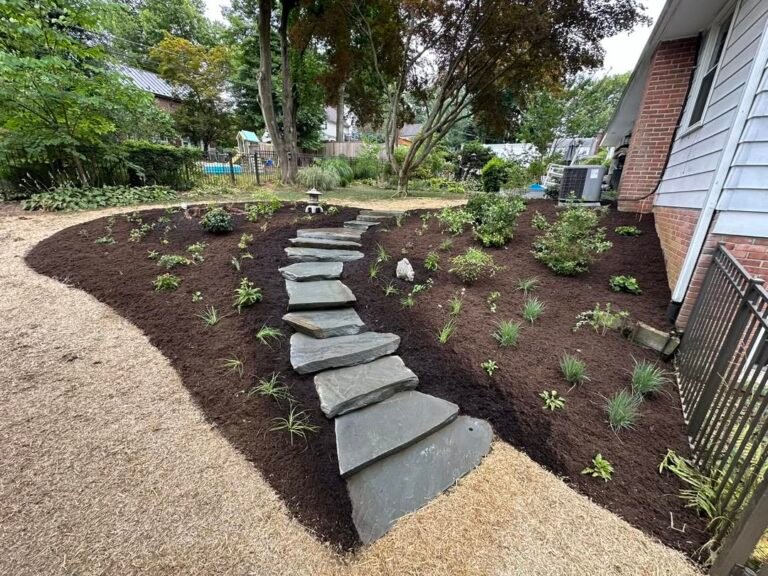
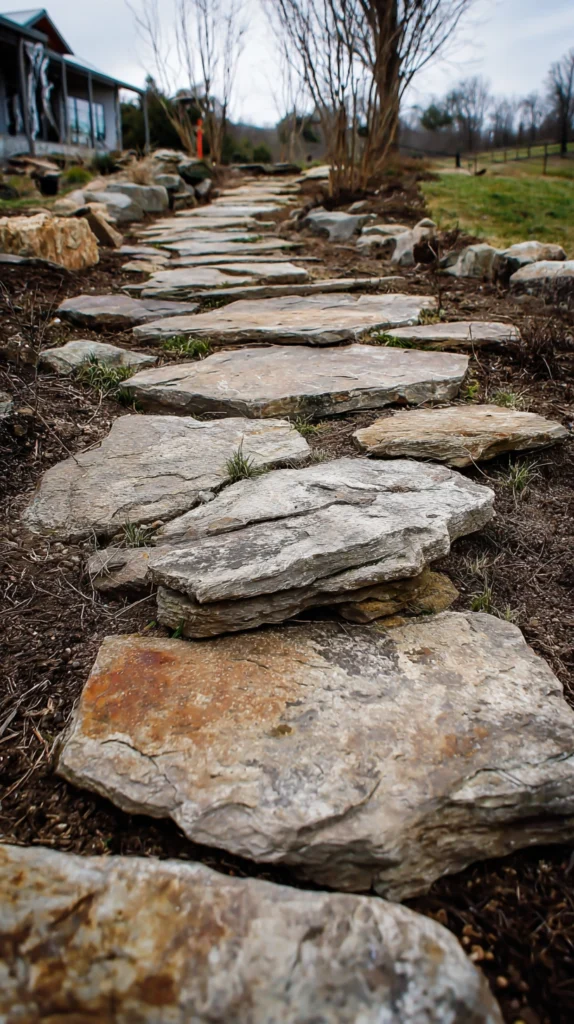
Irregular flat stones set into the ground — sourced from a salvage yard, collected from building sites, or found at a reclamation dealer — create a path with the settled, organic quality of a route that has been there for many years rather than recently installed. The variation between individual stones in colour, texture, and size is what produces the rustic character — the path that uses only precisely matched, uniform pieces looks too new to feel genuinely rustic regardless of the stone type used.
Reclaimed sandstone or limestone pieces cost $1–$5 each at salvage yards. A 5-metre path requires fifteen to twenty pieces at $15–$100 depending on stone size and source. Bed each stone in compacted sharp sand at a consistent depth for stability. Allow moss and thyme to establish in the gaps between stones — the naturalisation of the gaps is the process that gives a stone path its most settled, organic quality and it happens without any intervention in most garden conditions within one to two seasons.
Style tip: Walk the intended path before placing any stones and mark where your feet land naturally at a comfortable walking pace rather than measuring equal spacing. The uneven but instinctively comfortable spacing that results from this approach produces the most natural-feeling path available — evenly measured spacing produces a rhythm that feels designed rather than discovered, which works against the rustic quality the path is intended to create.
5. A Hazel Wigwam and Bean Frame
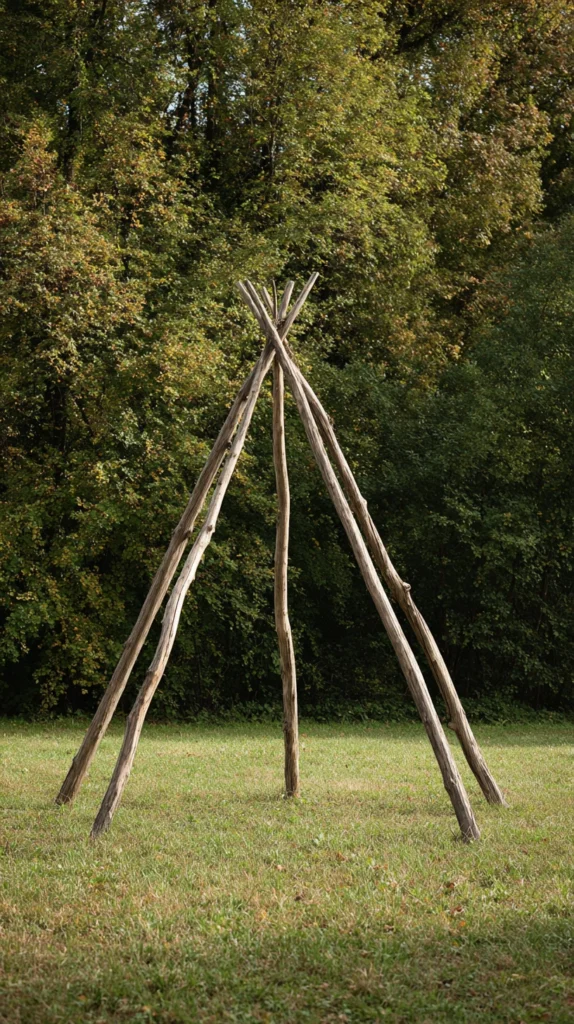
Budget: $10 – $40
A wigwam of hazel poles — cut from a coppiced hedge, sourced from a garden centre, or bought from a rural supplier — creates the most characterful and most contextually authentic support structure for climbing beans, sweet peas, and cucumbers. The natural variation in pole diameter, the slight curves, and the texture of the bark give a hazel wigwam a warmth and character that bamboo cane equivalents at the same height never achieve.
Hazel poles cut from coppiced material cost $3–$8 per bundle of five to ten poles. A wigwam of eight poles costs $5–$15 in material at 2–2.5 metres in height. Lash at the top using natural jute twine rather than plastic ties — the natural material suits the rustic aesthetic and decomposes harmlessly at the end of the season rather than requiring retrieval and disposal. A hazel wigwam can be composted whole at the end of the growing year with no waste.
Style tip: Use poles of slightly varying heights and diameters within the same wigwam rather than selecting for uniformity. The slight variation between individual poles gives a hazel wigwam its handmade character — a wigwam of perfectly uniform poles of identical diameter and height looks like a manufactured product rather than something made from materials found and gathered with intention.
6. Terracotta Pots in a Clustered Display
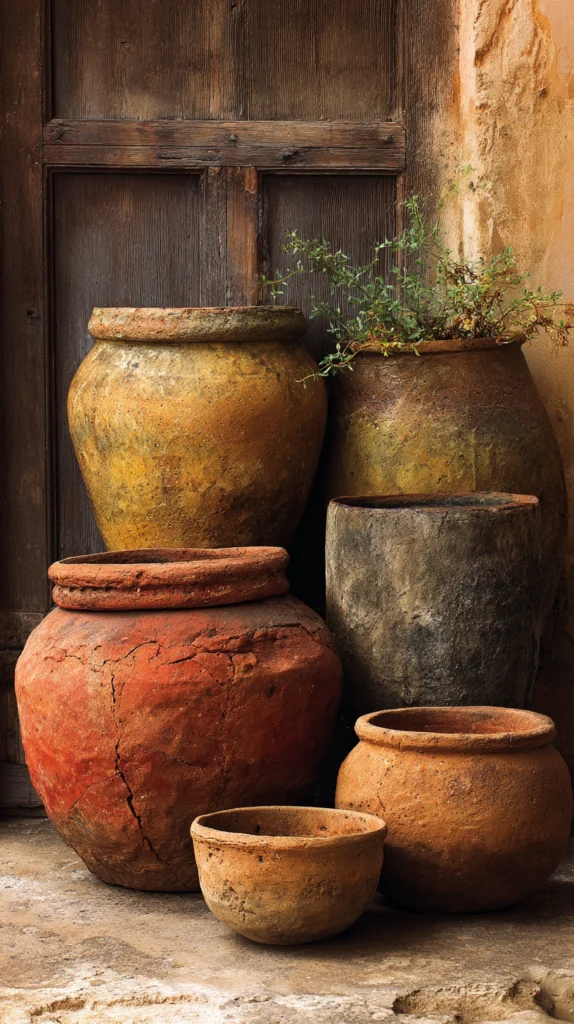
Budget: $20 – $100
A cluster of terracotta pots — in varying sizes, at different stages of weathering, some mossy, some cracked at the rim, all in use — creates one of the most warm and most specifically rustic garden displays available. Terracotta that has aged outdoors through multiple seasons has a colour depth and a surface character that new terracotta pots cannot reproduce and that plastic or glazed ceramic alternatives have no equivalent for regardless of their design.
New terracotta pots in standard sizes cost $3–$20 each. Aged or cracked terracotta from salvage markets costs $2–$15 per pot and provides immediate character. Allow new pots to age naturally outdoors by leaving them unplanted in a moist, partially shaded position through their first winter — the lime bloom and early moss colonisation that develops accelerates the natural ageing process significantly compared to pots kept dry and sheltered.
Style tip: Group pots at three different heights — on the ground, on an upturned pot, on a low wooden crate or step — rather than all at ground level. Varied heights within a terracotta cluster create visual depth and a sense of abundance that flat, single-level arrangements of the same number of pots never achieve. The height variation makes a collection of five pots look like a considered composition rather than a group of containers waiting to be arranged.
7. A Reclaimed Wood Bench
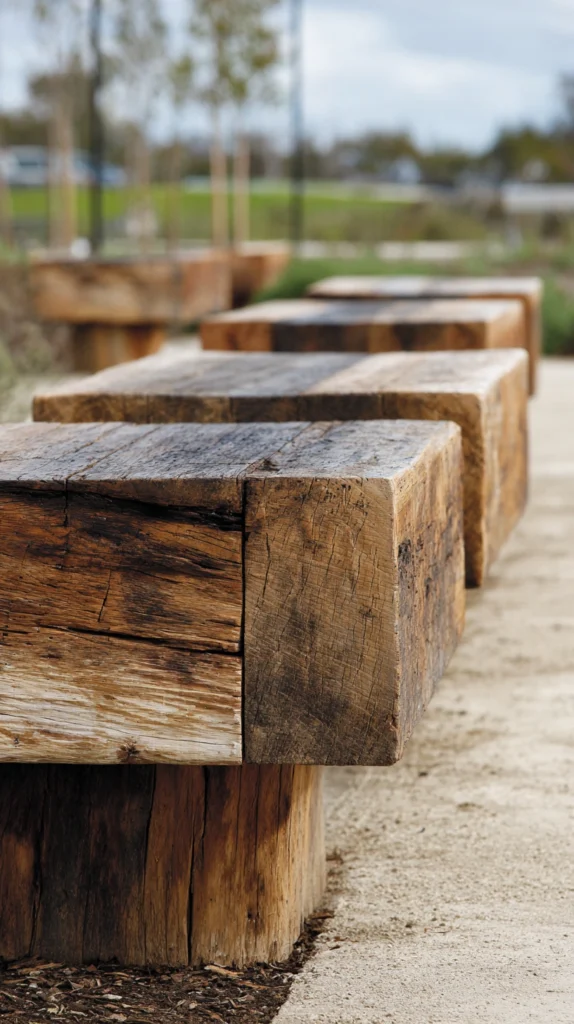
Budget: $30 – $150
A garden bench made from reclaimed timber — a simple plank on two stone or brick supports, a salvaged door repurposed as a bench back, or a timber beam cut to seat height with two short upright sections as supports — creates a seating feature with genuine history and material character that no manufactured garden furniture matches. It is also typically the lowest-cost seating option available for a garden with access to reclaimed materials.
A thick reclaimed oak or pine plank for a bench seat costs $20–$60 from a timber merchant or salvage yard. Two reclaimed brick piers or stone blocks as supports cost $5–$15 in materials. The total bench cost in reclaimed materials sits between $25 and $75 — a fraction of any equivalent garden seating product purchased new. Add an outdoor cushion in a plain linen or canvas fabric ($20–$50) for comfort without undermining the rustic aesthetic of the materials beneath it.
Style tip: Position the reclaimed bench with its back to a planted boundary — a hedge, a fence with climbing plants, or a planted wall — and facing the most interesting view in the garden. The planted backdrop makes the bench feel enclosed and sheltered in a way that an open position never achieves, and the directional focus toward a view gives the seating position a sense of purpose that makes it a genuine destination rather than simply a place to sit.
8. A Dry Stone Wall Feature or Planter
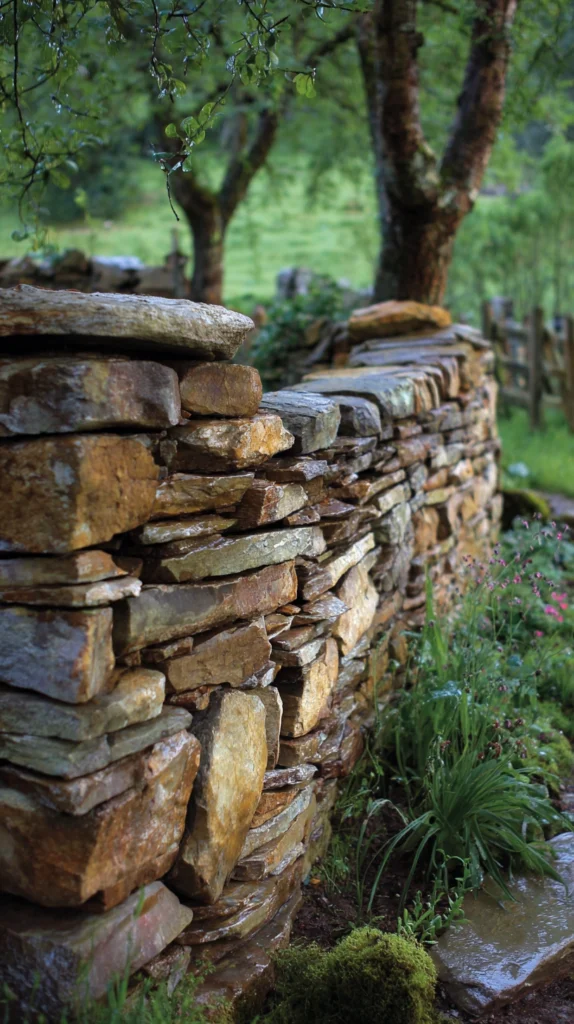
Budget: $80 – $400
A dry stone wall — either as a garden boundary, a retaining wall on a sloped site, or a freestanding low wall used as a raised planting bed — creates one of the most naturally beautiful and most ecologically rich rustic garden features available. Built correctly, a dry stone wall lasts indefinitely without any maintenance and provides habitat for moss, ferns, insects, reptiles, and small mammals in the crevices between its stones.
Reclaimed field stone or sandstone costs $30–$80 per tonne from quarries and agricultural suppliers. A freestanding low wall of 60 cm height and 3 metres length requires approximately 400–600 kg of stone at $15–$50 in materials. Dry stone walling requires no mortar — the wall is stable through the interlock and correct placement of individual stones, with each course overlapping the joints of the one below. The skill takes an afternoon to learn at a basic level and produces reliable results in simple, straight-run walls.
Style tip: Plant the crevices of a dry stone wall immediately after construction with small ferns, sempervivum, and thyme pushed gently into the gaps between stones. Early planting establishes the root systems in the small pockets of soil and debris that accumulate between stones before the gaps close — these plants, once established, are what transforms the wall from a stone structure into a living garden feature that improves its character with every growing season.
9. A Fire Pit With Rustic Seating
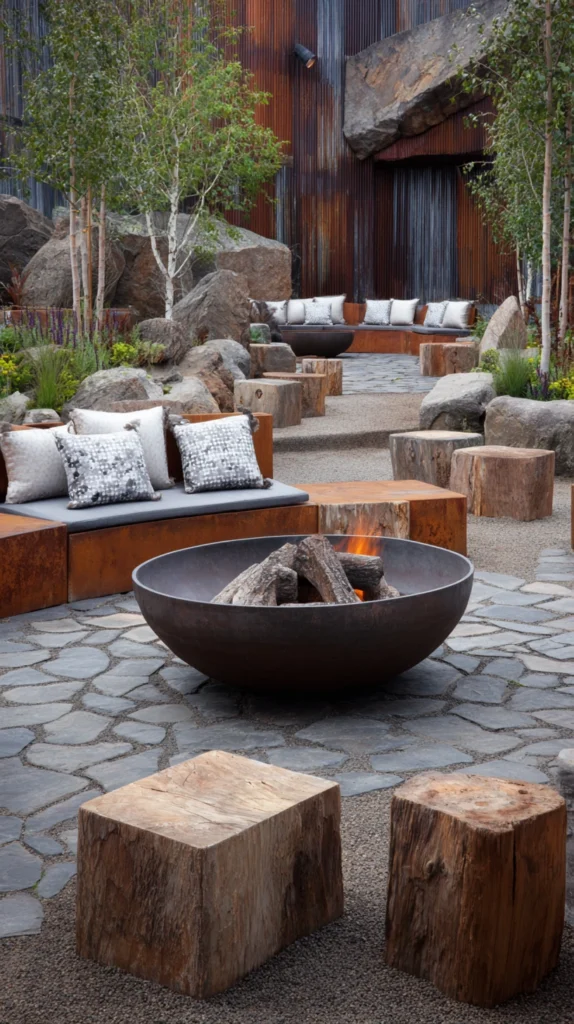
Budget: $60 – $300
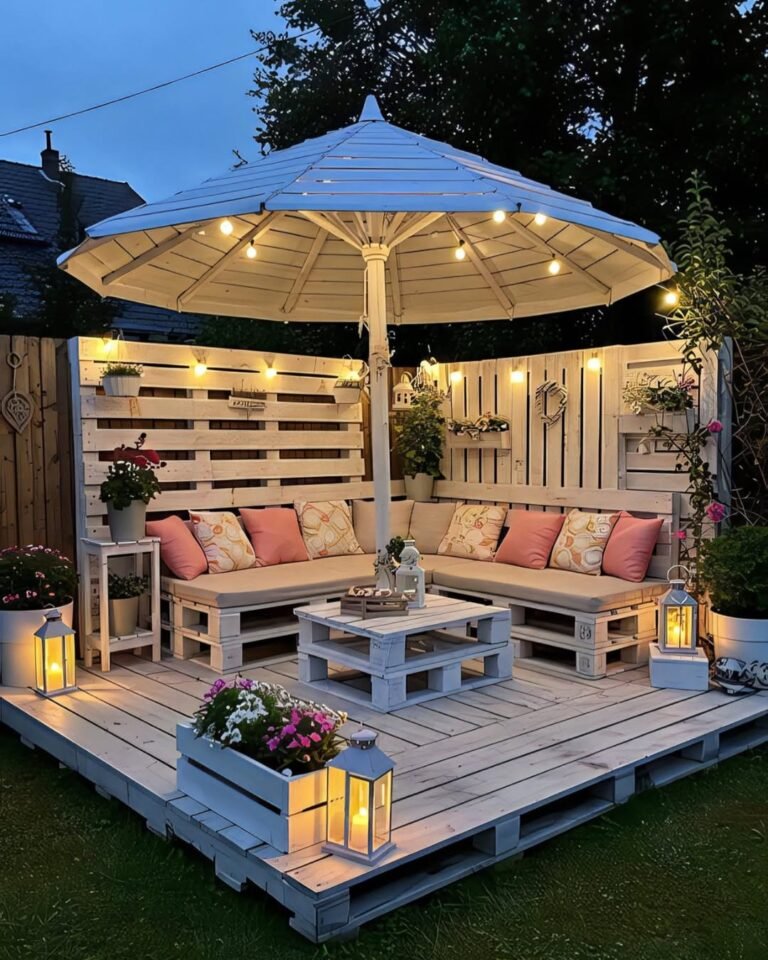
A simple fire pit — a steel bowl, a ring of large stones, or a reclaimed metal drum — surrounded by informal seating of varying materials (a log, a stone bench, a reclaimed wooden chair, a large flat rock) creates the most cozy and most socially inclusive outdoor gathering place in any rustic garden. The lack of matching furniture is the point — the intentional variety of the seating materials communicates that the seating has been gathered and collected rather than purchased as a set.
A steel bowl fire pit costs $50–$120. A ring of large reclaimed stones as a fire surround costs the price of sourcing the stones — typically nothing if collected from a building site, field edge, or landscape clearance. Surround with whatever seating is available: a split log section ($0–$20), a large flat sandstone slab ($5–$20), and a reclaimed wooden chair ($10–$40 from a charity shop or car boot sale). The variety of the seating is a quality, not a limitation, in a rustic garden context.
Style tip: Position the fire pit seating on a slight circle rather than in a straight line on one side. A circle creates a gathering quality — everyone faces everyone else — that is fundamentally different from a row of seating facing the fire. The social warmth of a circle around a fire is as important as the physical warmth the fire provides, and the arrangement of the seating determines which quality dominates the experience of the space.
10. A Kitchen Garden With Rustic Details
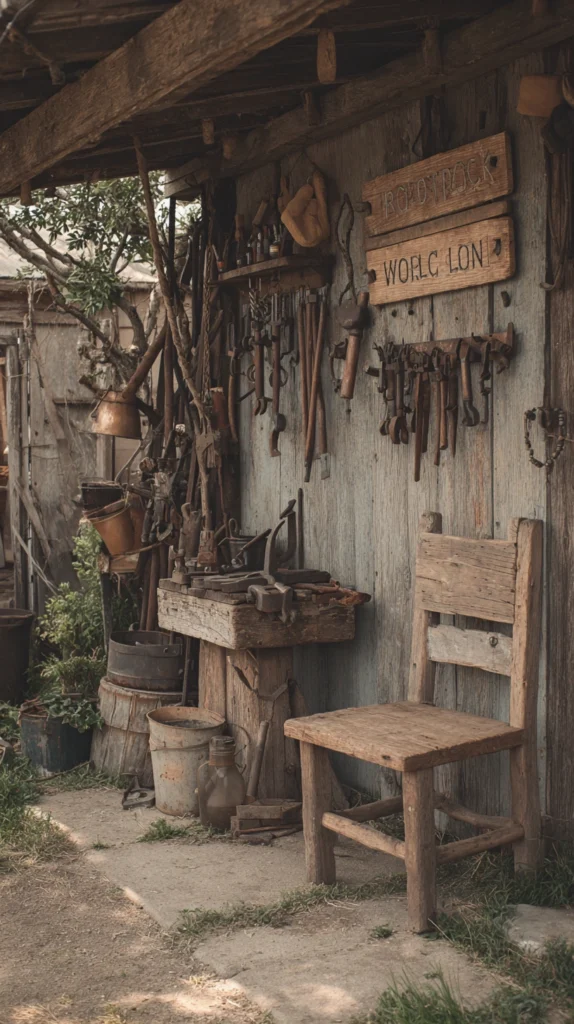
Budget: $50 – $200
A kitchen garden with rustic details — hazel plant supports, terracotta labels, reclaimed brick paths between the beds, old enamel buckets used as planters, and a weathered wooden sign above the gate — has a warmth and personality that a purely functional vegetable garden with manufactured fittings never achieves. The rustic details communicate that the garden is tended by a person rather than maintained by a system.
Hazel stakes for plant supports cost $3–$8 per bundle. Terracotta plant labels cost $5–$15 per set of ten. Old enamel buckets from car boot sales and charity shops cost $3–$10 each. Reclaimed bricks for paths cost $0.50–$2 each. A handmade wooden sign painted with exterior paint costs $5–$15 in materials. The total cost of a complete rustic kitchen garden detail kit sits between $30 and $80 — a modest investment that transforms how the productive garden feels to spend time in.
Style tip: Use chalk or pencil rather than permanent markers when writing plant labels in a rustic kitchen garden. The handwritten, slightly impermanent quality of a chalk label on terracotta communicates the seasonality and the active, ongoing nature of the productive garden — a permanent printed label feels administrative rather than personal, which works against the warm, tended quality that makes a rustic kitchen garden so enjoyable to be in.
11. An Old Water Pump as a Feature
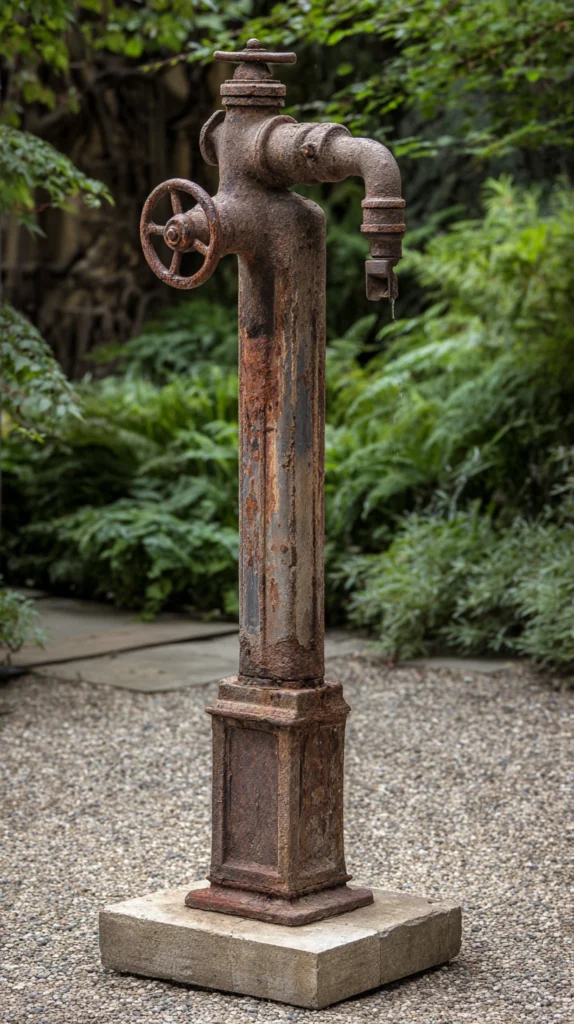
Budget: $40 – $200
A reclaimed cast iron hand pump — even one that is no longer functional — placed at the junction of two garden paths, at the edge of a raised bed, or beside a small pond creates an instantly characterful rustic garden feature that communicates history and use without any planting required around it. The pump’s worn surface, the patina of aged iron, and the suggestion of practical agricultural history make it one of the most immediately evocative found objects available for a rustic garden setting.
Decorative reclaimed cast iron hand pumps cost $40–$150 from antique markets, rural auction houses, and reclamation yards. Non-functional decorative versions suitable for garden display cost $30–$80. Position on a stone or brick plinth of 20–30 cm height to give it visual presence — a pump set directly on the ground level disappears into the garden rather than reading as an intentional feature. Surround with low planting of mint, thyme, or forget-me-not to integrate it into the garden rather than isolate it as a pure decoration.
Style tip: Do not clean or restore the patina of a reclaimed iron pump before installing it in the garden. The rust bloom, the worn paint, and the surface variation of genuinely old cast iron is the quality that makes the object valuable as a garden feature — a pump sandblasted and repainted in gloss black looks like a reproduction rather than an original and loses the entire character that justified finding and installing it.
12. A Wildflower Wreath and Foraged Decoration
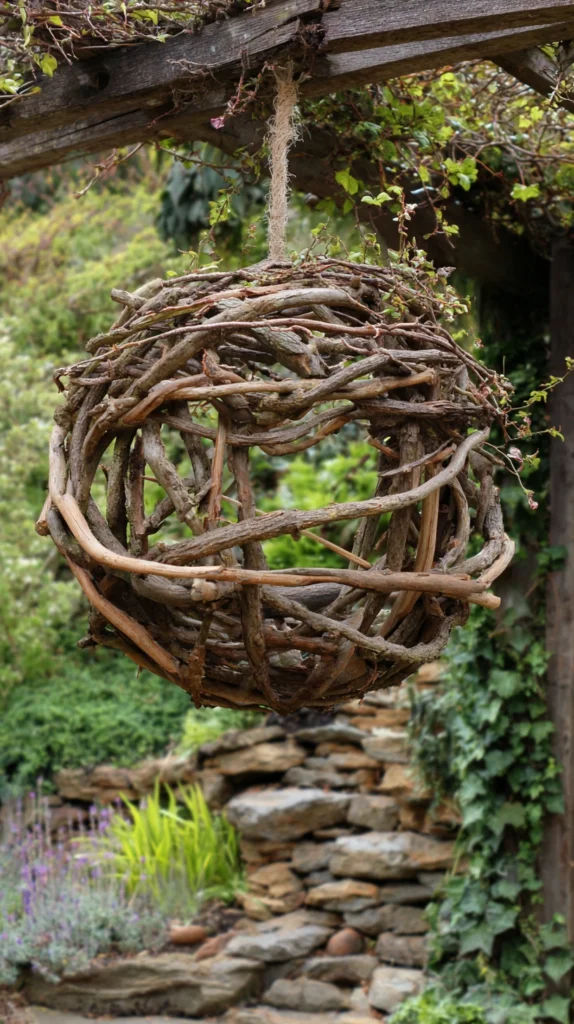
Budget: $0 – $20
Using materials foraged from the garden itself — dried seed heads, lichen-covered twigs, holly berries, dried lavender, and rose hips — to create wreaths, bundles, and informal displays for fences, gates, and outdoor walls creates the most specifically rustic and most personally characterful garden decoration available. Nothing communicates a connection to the garden’s seasonal rhythms as directly as decoration made from what the garden itself has produced.
All materials cost nothing if sourced from the garden. A simple wreath base of willow or hazel bent into a circle costs $0–$5 in materials cut from the garden. The foraged materials — seed heads of alliums, teasels, dried grasses, and rose hips — are gathered as they become available through autumn and bundled onto the frame with natural twine. The result is genuinely seasonal and uniquely personal — no two foraged wreaths from the same garden are ever identical.
Style tip: Hang foraged decorations on a rustic gate or fence hook at the end of the most-used path through the garden rather than in a position that is only seen occasionally. A foraged wreath or bundle experienced every time the garden is entered or exited becomes part of the daily garden relationship — it changes with the season, fades with time, and is replaced as new materials become available, which gives the garden a rhythm of seasonal decoration that purchased decorations rarely create.
13. A Stone Trough Planter
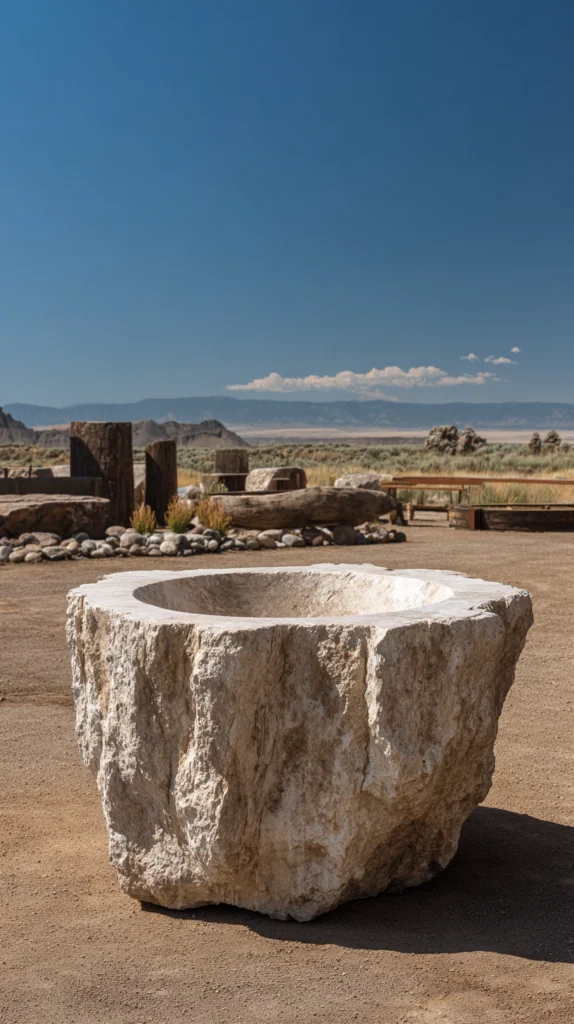
Budget: $40 – $300
An old stone trough — a livestock water trough, a sink, or a purpose-made hypertufa trough — is one of the most versatile and most specifically rustic planting containers available. Deep enough for alpine plants and rock garden species, wide enough for a herb collection, and with the weight and permanence of a material that looks as though it has been in the same position for fifty years, a stone trough planter is a garden feature that improves indefinitely with age and acquires character with every year of moss and weathering.
Genuine antique stone troughs cost $100–$400 from reclamation yards and antique markets depending on size and provenance. Reconstituted stone troughs cost $40–$120. Hypertufa troughs (a mixture of cement, peat, and perlite cast into a mould) can be made for $10–$20 in materials and look genuinely like aged stone within two to three seasons of outdoor exposure. Plant with sempervivum, saxifrage, alpine thyme, and small sedums for the most authentic alpine trough garden effect.
Style tip: Accelerate the natural weathering of a new stone or hypertufa trough by painting the outer surface with a slurry of yogurt or buttermilk and placing it in a damp, partially shaded position. The acidic environment encourages moss and algae colonisation of the outer surface within one growing season and produces the naturally aged appearance that an untreated trough takes two to three years to develop on its own.
14. A Rustic Pergola From Poles and Beams
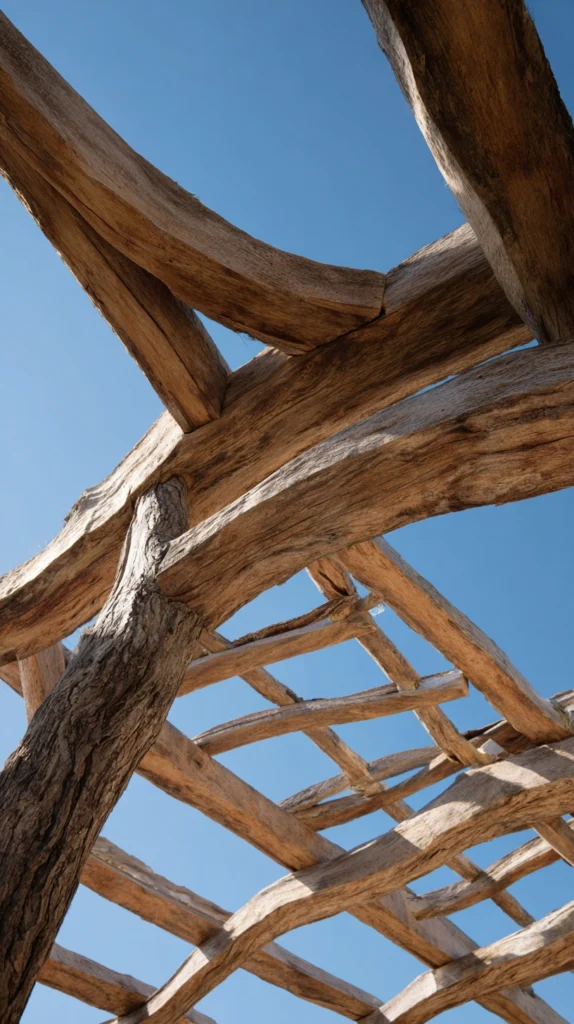
Budget: $100 – $500
A pergola built from natural timber poles — larch, oak, or sweet chestnut — rather than from planed and painted softwood creates an outdoor structure with a genuinely natural, woodland quality that no manufactured or precisely finished pergola replicates. The rounded pole profile, the retained bark on some surfaces, and the natural taper of the timber all produce a structure that reads as grown rather than made — which is the essential quality of the rustic garden aesthetic applied at architectural scale.
Round larch or sweet chestnut poles of 10–12 cm diameter cost $8–$20 per metre from specialist timber suppliers and forest management companies. A simple four-post pergola with two cross-beams and horizontal connecting rails costs $150–$400 in materials at a standard 3×3 metre footprint. Leave the timber completely untreated — larch and sweet chestnut are naturally durable without any chemical treatment and the untreated surface weathers to the silver-grey that suits the rustic pergola aesthetic perfectly within two to three seasons.
Style tip: Plant the pergola uprights with a mix of wild-looking climbing species rather than formal garden varieties — Lonicera japonica (Japanese honeysuckle) for fragrance, Vitis coignetiae (ornamental grape vine) for autumn colour, and Clematis montana for spring flower. The three together provide seasonal interest across nine months of the year and create the dense, abundant coverage that makes a rustic pergola feel genuinely embedded in the garden rather than standing above it.
15. A Complete Rustic Garden Scheme
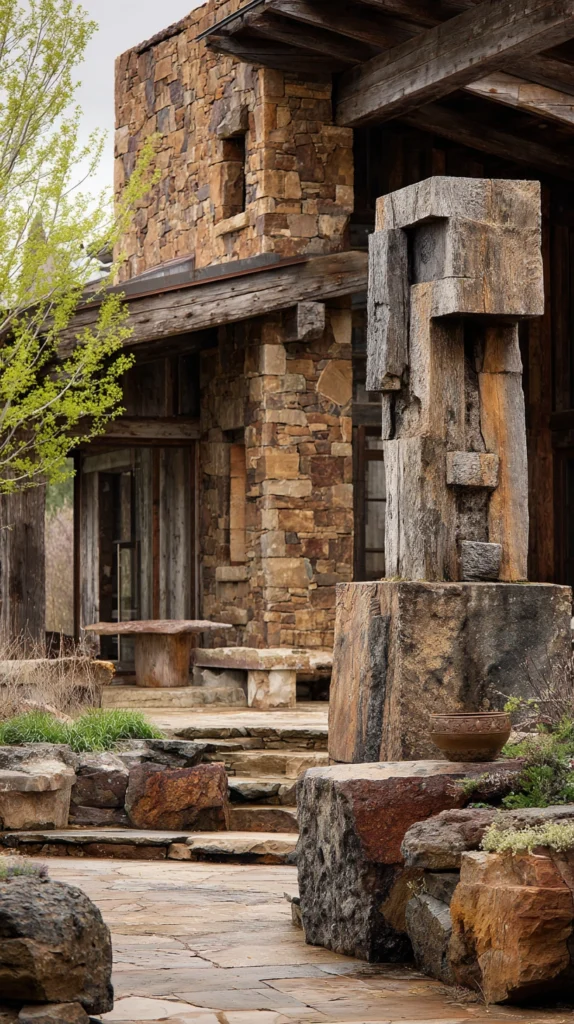
Budget: $200 – $800
A fully realised rustic garden — reclaimed sleeper raised beds, a dry stone wall border, a wildflower meadow corner, a hazel wigwam in the kitchen garden, a stone trough by the door, an informal fire pit seating area with reclaimed timber benches, and a pole pergola draped in honeysuckle — creates a garden that feels genuinely inhabited and genuinely personal in a way that no designed-and-installed scheme achieves within the same budget or within the same timeframe.
The rustic garden is built gradually and with intention — it accumulates rather than being completed. The stone trough is found at a car boot sale one Saturday morning. The sleeper raised beds are built when a demolition project nearby produces the right timber at the right price. The wildflower corner simply requires a decision and a packet of seed. Each element is better for having been found and chosen over time rather than purchased at a single visit to a garden centre and installed in an afternoon.
Style tip: Resist the urge to make the rustic garden look finished. The most appealing quality of a genuinely rustic garden is that it always appears to be in the process of becoming something rather than already arrived at a completed destination. A corner still being planted, a path being extended, a new trough to be positioned — these unfinished elements are not shortcomings in a rustic garden scheme. They are evidence that the garden is alive and still being made, which is the quality that makes it worth spending time in.
The rustic garden rewards patience, resourcefulness, and an eye for the character in materials that others overlook. Every reclaimed sleeper, every weathered terracotta pot, every stone trough found at a market has a history that a newly manufactured equivalent does not — and that history is what gives the rustic garden its particular warmth and depth. It cannot be bought all at once, and that is its greatest quality.
Start with what you already have or can find readily — a reclaimed plank, a stack of old bricks, a handful of wildflower seed. Let the garden begin from those materials and build outward from there as interesting objects and opportunities present themselves. The rustic garden is always made over time, from whatever time provides, and it always turns out better for it.