14 Garden Ideas Using Recycled Glass Bottles
Glass bottles are one of the most versatile and most underused recycled materials available for garden projects. They are free, they are attractive in natural light, they are durable outdoors, and they come in a range of colours — green, amber, clear, blue — that translate directly into garden decoration, plant containers, lighting, and edging.
Most of these ideas require nothing more than the bottles themselves, a little preparation, and the decision to use them rather than return them to the recycling bin.
The fourteen ideas below cover every way of using recycled glass bottles in the garden — from a simple vase display to a full bottle wall installation. Each includes what it costs beyond the free bottles and a practical tip to help you get the best result from each application.
1. A Bottle Vase Display on a Garden Table
Budget: $0 – $5
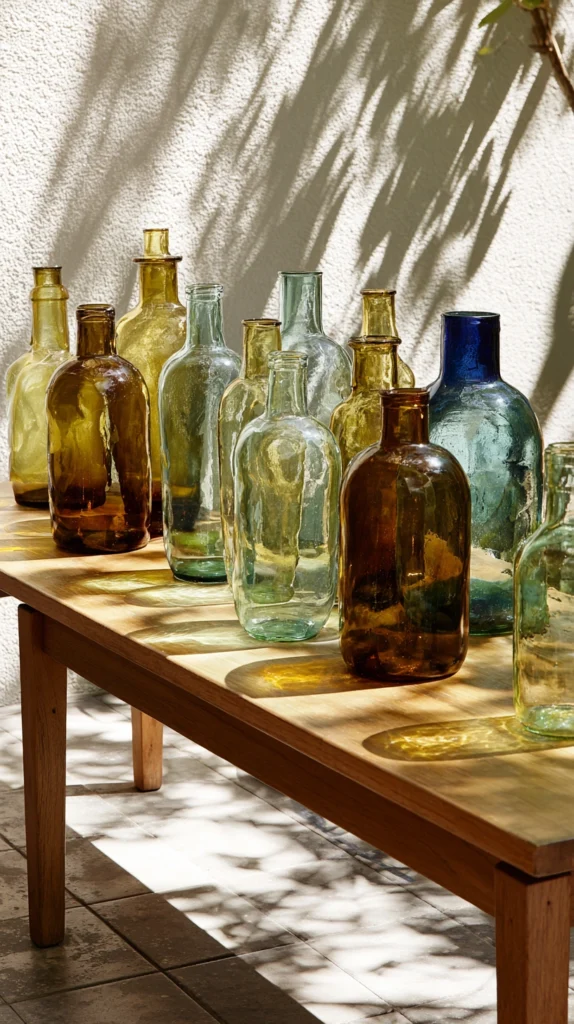
A collection of different-sized glass bottles — wine, olive oil, sparkling water, and sauce bottles in green, amber, and clear — arranged as a centrepiece on an outdoor dining table, each holding one or two stems of garden flowers, creates one of the most charming and most cost-free table decorations available for an outdoor summer gathering. The variation in bottle height, colour, and neck width makes individual arrangement decisions unnecessary — simply fill each bottle with whatever is in flower in the garden and the composition arranges itself.
Clean and remove labels from each bottle by soaking in hot water with a small amount of dish soap — most paper labels come away cleanly after fifteen minutes of soaking and a light scrub. A cluster of five to seven bottles in varying heights creates the most generous and most visually complete centrepiece. Use small-stemmed flowers — wildflowers, sweet peas, cornflowers, or single stems of lavender — that suit the narrow bottle necks better than large-headed blooms.
Garden tip: Group bottles at the centre of the table in an irregular cluster rather than in a straight line. An irregular grouping of bottles at different heights looks curated and abundant. The same bottles in a straight row of equal spacing looks like bottles lined up for display rather than a composed arrangement. The slight asymmetry and varied grouping is the styling decision that makes the difference between the two.
2. Bottle Border Edging
Budget: $0 – $10
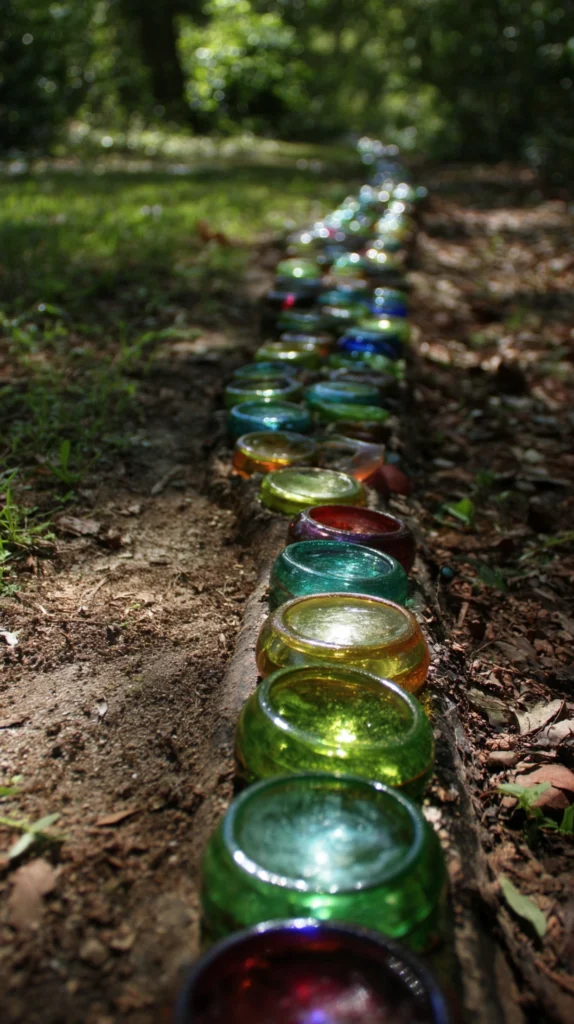
Upturned bottles pushed neck-first into the soil along the front edge of a garden border — standing 10–15 cm above the soil surface — create a colourful, recycled border edging that catches and refracts natural light through the coloured glass throughout the day. A row of green wine bottles alternated with clear bottles creates a light-catching, wave-like border edge that is genuinely decorative as well as structurally effective at defining the boundary between the border and the lawn or path beside it.
Collect thirty to fifty identical or complementary bottles for a consistent edging effect along a 3–5 metre border run. Push each bottle neck-first into prepared soil to a depth of 15–20 cm — the bottle is stable at this depth in firm soil without any additional fixing. Choose bottles with long necks rather than short stubby ones for the most stable installation. Single-colour runs — all green or all amber — read most coherently. Mixed colours in a deliberate pattern — alternating green and clear — create additional visual interest.
Garden tip: Soak the soil at the bottle installation points with water before pushing bottles in — dry, compacted soil makes bottle insertion difficult and risks breaking the neck. Wet soil around a bottle pushed in with a gentle rotational motion rather than direct downward pressure allows the bottle to enter the ground cleanly and to the required depth without forcing.
3. A Self-Watering Bottle Irrigation System
Budget: $0 – $5
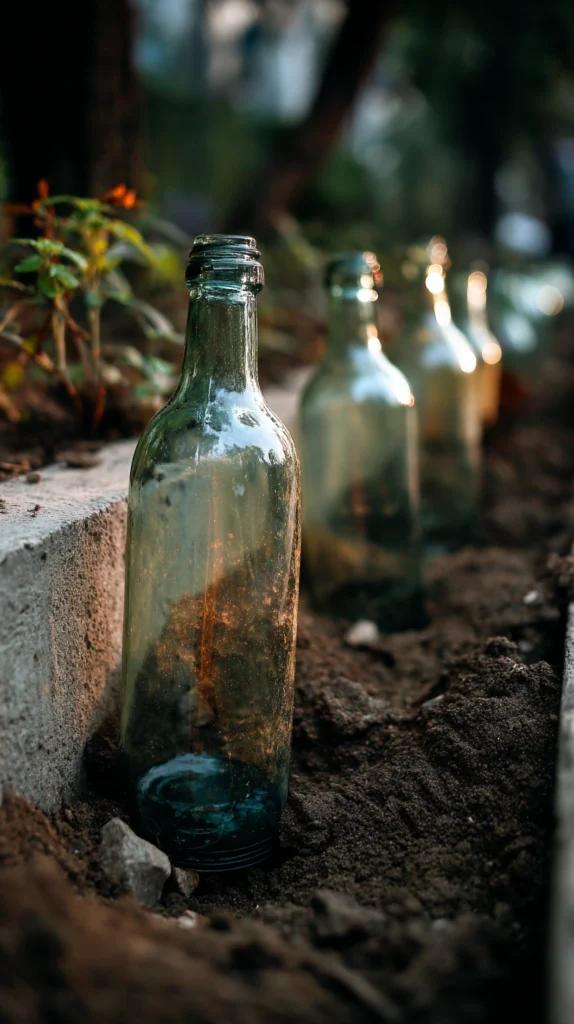
A wine bottle filled with water and inverted into the soil of a container plant or raised bed creates a slow-release irrigation system that delivers water directly to the root zone of the plant over one to three days as the soil draws water from the bottle by capillary action. It is the most effective low-tech solution available for keeping container plants watered during short holidays or through the hottest days of the week when daily watering is not possible.
Fill a clean wine bottle with water and invert quickly into the soil of the container — the soil creates an air seal that prevents the water from rushing out immediately and instead allows it to release gradually as the soil around the bottle dries. A 750 ml wine bottle provides one to three days of supplemental irrigation for a standard container plant in warm summer conditions. Multiple bottles can be used in larger containers or raised beds and they cost nothing beyond the time to fill and insert them.
Garden tip: Push the inverted bottle 8–10 cm into the soil rather than simply resting it on the surface. A shallowly placed bottle tips over easily and delivers its water as a single immediate spill rather than the slow, sustained release that makes the system effective. A bottle buried to its shoulder is stable, less visible from the main viewpoint of the garden, and releases water more evenly into the soil profile where the plant roots most need it.
4. Bottle Lanterns With Tea Lights
Budget: $2 – $15
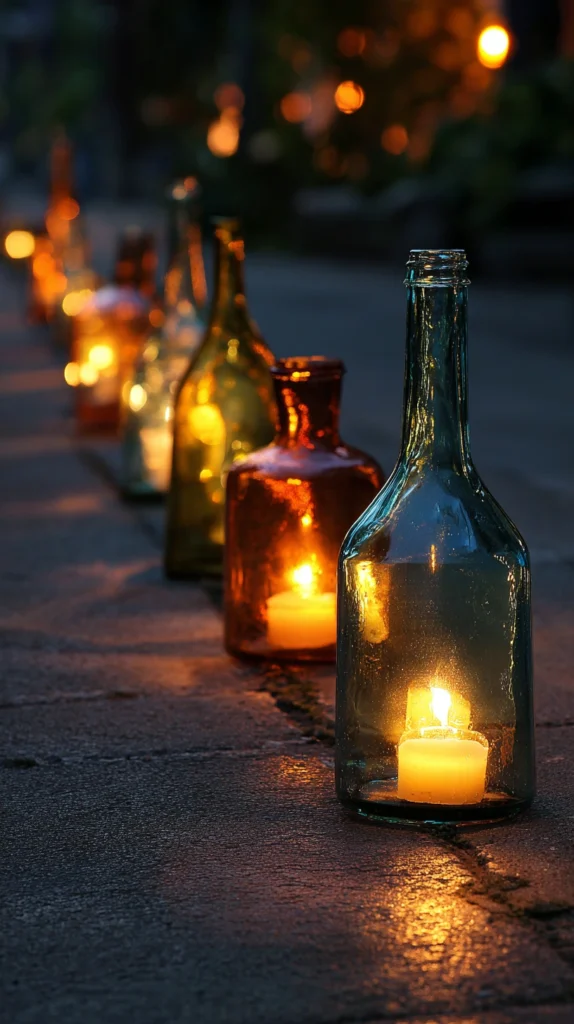
Glass bottles used as lanterns — with a tea light or battery-powered LED candle placed inside — create warm, coloured light through the glass walls that suits a garden table, a path edge, or a pergola surface at dusk. The green, amber, or blue tint of the coloured glass warms the light in a way that is immediately atmospheric and that costs almost nothing beyond the tea lights that fuel the display.
Drop a tea light into a clean, dry bottle — the tea light sits on the internal base of the bottle and burns safely with the air supply entering through the open neck. Battery-powered flameless tea lights ($5–$15 for a set of twelve) eliminate the fire risk entirely and are the safer option for a garden where children or pets are present. Arrange five to seven bottles of varying sizes and colours in a cluster on an outdoor table or along a path edge at dusk for an instant and completely free garden lighting feature.
Garden tip: Ensure the bottle is completely dry inside before inserting a flame tea light — even a small amount of residual moisture causes the tea light to extinguish quickly and produces a smoky smell as the flame dies. Rinse bottles thoroughly, allow to drain completely upside down, and leave in a warm position for at least 24 hours before use as flame tea light lanterns. Battery-powered alternatives are unaffected by moisture and can be used in freshly washed bottles without any drying period.
5. A Hanging Bottle Garden
Budget: $5 – $30
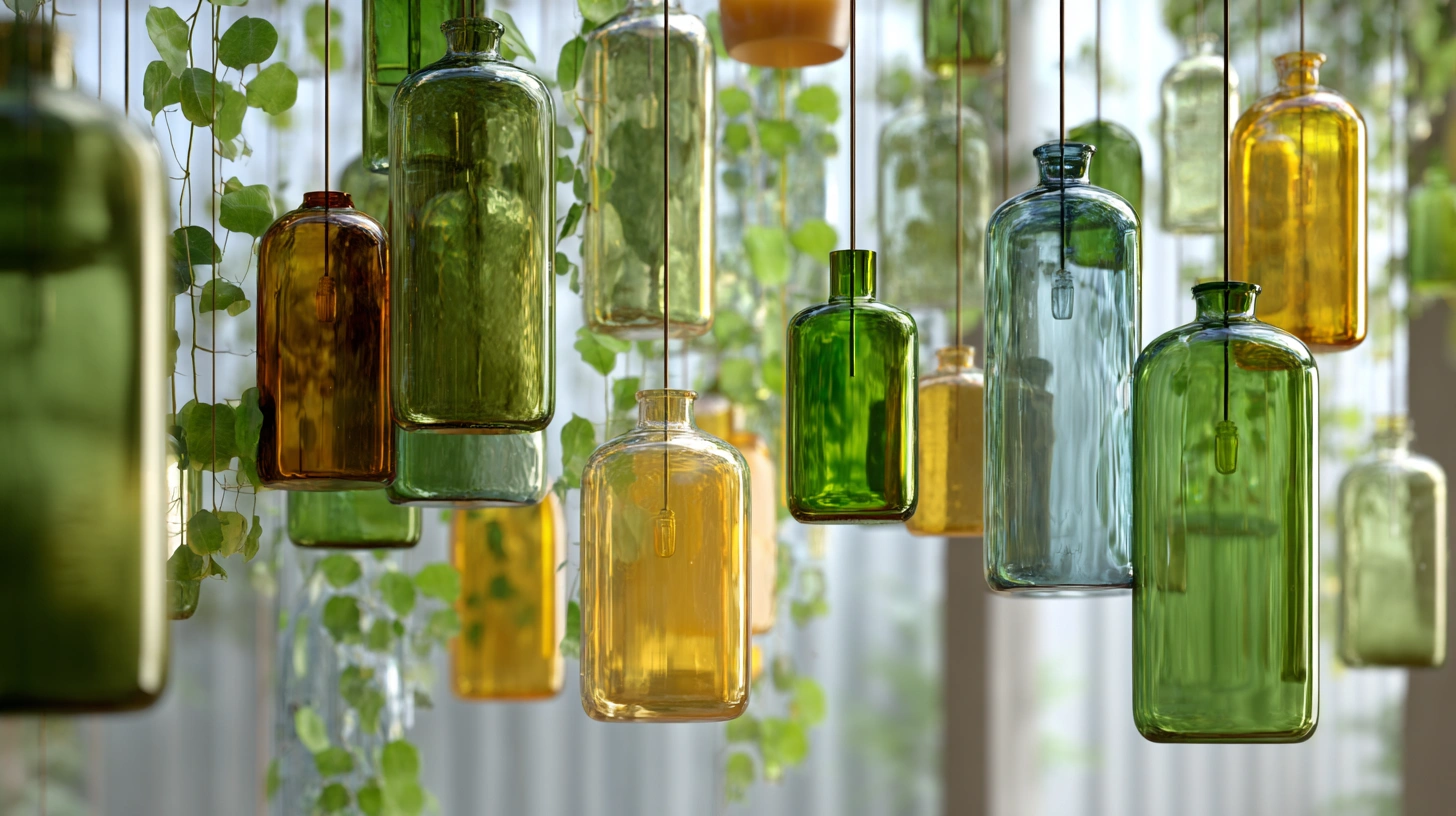
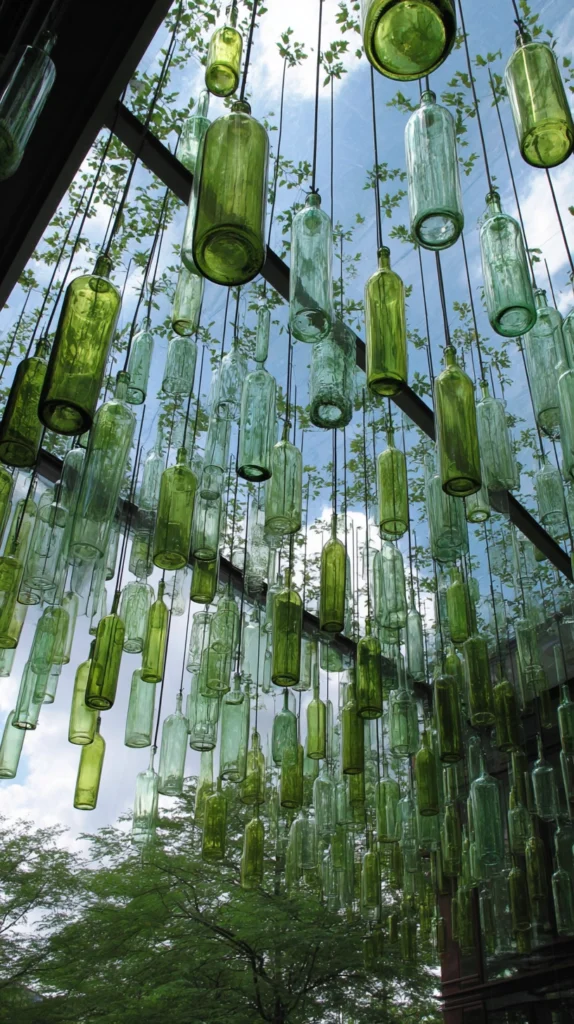
Bottles hung horizontally from a pergola, fence, or timber frame by their necks using wire or jute twine — with the base cut off and replaced with a small amount of compost and a trailing plant — create a hanging garden of genuine visual originality. The glass bottle planter, seen from below with the light passing through the coloured glass and the trailing plant growing from the open base, is one of the most striking recycled container ideas available for a covered outdoor space.
Cutting glass bottle bases cleanly requires a glass cutting tool ($5–$15) and a method of scoring and thermal shocking the glass — score around the circumference, apply hot and cold water alternately at the score line until the base separates cleanly. Alternatively, professional glass cutters will cut bottle bases for a nominal fee. Wire or jute twine for hanging costs $2–$5. Small trailing succulents or herbs planted in the cut bottle cost $2–$5 each. Hang at varying heights for the most visually interesting arrangement.
Garden tip: Line the inside of the cut bottle with a circle of coffee filter paper before adding compost — the filter paper prevents compost from washing out through the bottle neck during watering while allowing water to drain through the neck freely. This simple addition eliminates the most common failure mode of hanging bottle planters, which is the progressive loss of compost through the neck over the first several watering cycles.
6. A Bottle Wall or Mosaic Feature
Budget: $20 – $100
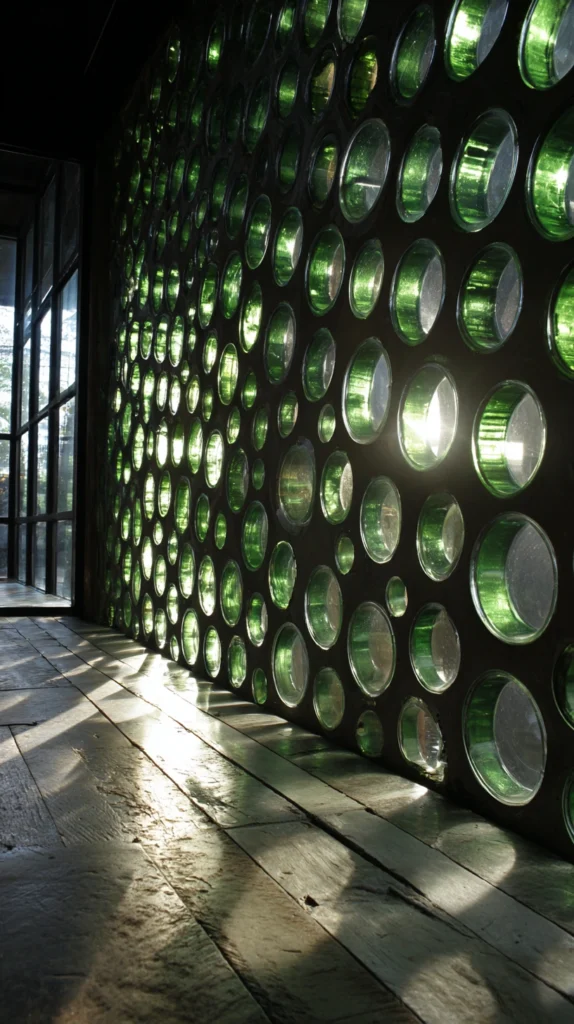
Bottles embedded horizontally in a mortar wall — with their bases facing outward — create a stained glass window effect in a garden wall or dividing screen that is genuinely stunning when backlit by afternoon or evening sun. The circles of coloured glass set into the masonry create a pattern of coloured light on the ground or surface behind the wall that changes in intensity and direction through the day as the sun moves.
A simple bottle wall panel of 60×60 cm requires approximately twenty-five bottles arranged in a 5×5 grid at $0 in bottle cost. Mortar to set them costs $5–$15 per bag, sufficient for a panel of this size. Build the panel on a timber frame or between two timber uprights for a freestanding installation — a freestanding bottle wall panel is repositionable and requires no planning permission, unlike a mortared masonry wall. Allow mortar to cure for 48 hours before standing the panel upright.
Garden tip: Use bottles of the same diameter throughout a bottle wall for the most even, consistent mortar joint width between pieces. Mixed bottle diameters require variable mortar joint widths that create an irregular surface quality and make the installation significantly more time-consuming. A consistent bottle diameter — all wine bottles at approximately 7.5 cm diameter or all beer bottles at approximately 6.5 cm — produces the cleanest, most professional-looking result from a straightforward installation process.
7. Bottle Cloches for Young Plants
Budget: $0
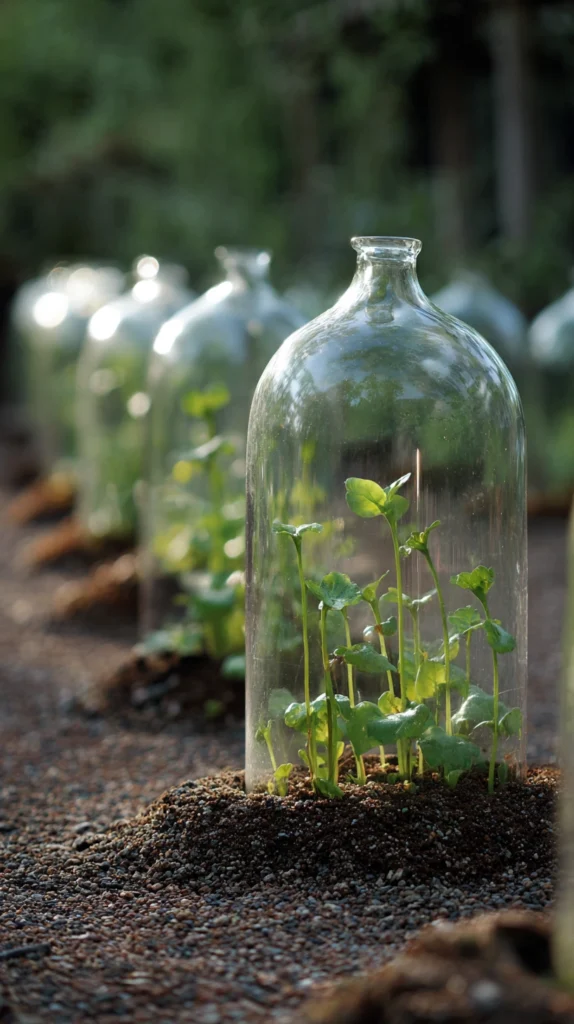
The bottom half of a cut plastic bottle is the classic garden cloche — but the bottom half of a large glass bottle, when the base is carefully removed, creates a more attractive, more durable, and more genuinely sustainable version of the same idea. Placed over individual seedlings or young plants in the kitchen garden or ornamental border, a glass bottle cloche protects tender plants from late frosts, wind damage, and slug attack while allowing light to reach the plant through the glass walls.
Large glass juice or water bottles of 1–2 litre capacity provide enough internal volume to cloche most seedlings without the plant making contact with the glass walls — contact between plant and cold glass in overnight frost conditions causes frost damage as readily as no protection at all. Remove cloches during warm, sunny days to prevent overheating inside the bottle and replace before evening in cold-weather periods. The bottles cost nothing and provide genuinely effective protection against frost temperatures down to approximately -3°C.
Garden tip: Push the open rim of the inverted bottle 2–3 cm into the soil around the plant rather than simply resting it on the surface. A bottle pushed slightly into the soil creates a seal that retains warmth more effectively and is significantly more wind-stable than one balanced on the surface. Even a light wind topples an unsecured bottle cloche — the slight soil engagement eliminates this problem entirely without damaging the plant beneath.
8. A Bottle Wind Chime
Budget: $3 – $15
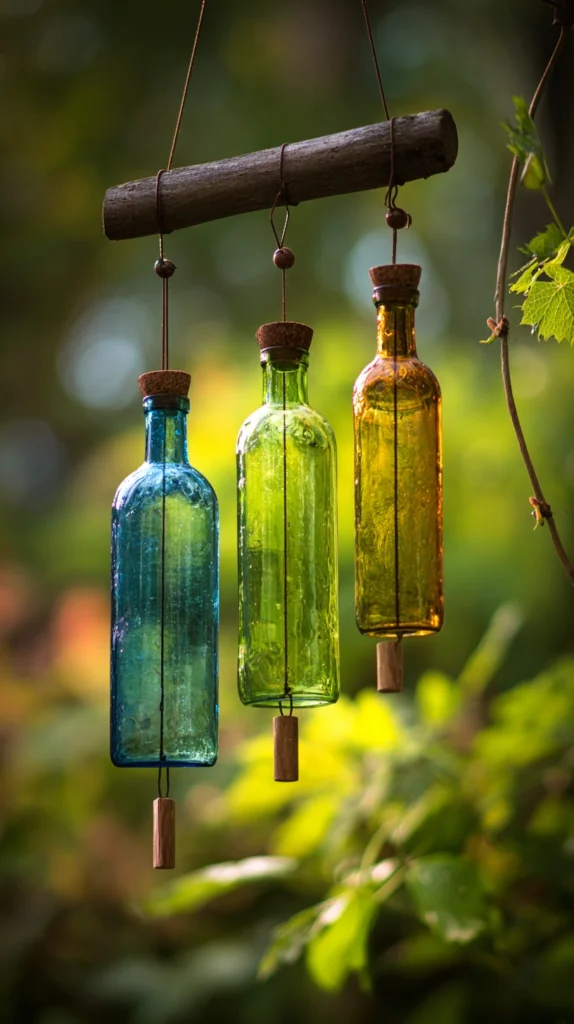
A wind chime assembled from four to six glass bottles hung at varying lengths from a driftwood branch or timber bar — the bottles touching lightly in the wind and producing a soft, musical clink — creates a garden sound feature of genuine charm. Coloured glass bottles in green, amber, and blue produce a warm, melodic sound when they contact each other and the visual quality of the hanging bottles catches and refracts light simultaneously.
Natural jute or hemp twine for hanging costs $2–$5 per reel. A section of driftwood or a smooth timber dowel of 40–50 cm length costs $0–$5 as a hanging bar. Tie each bottle at a different length — the variation in hanging height determines how frequently and how lightly the bottles contact each other in the wind. Hang in a position that receives a consistent light breeze rather than strong wind — bottles that contact each other too forcefully chip or crack at the point of contact rather than producing the gentle sound the chime is intended to create.
Garden tip: Wrap the section of jute twine that contacts the bottle neck in two or three additional layers of twine before tying to prevent the twine from cutting into the glass at the contact point over time. A single strand of twine under the weight of a filled bottle develops a sharp pressure point on the glass at the knot position — the additional wrapping distributes this pressure across a wider contact area and extends the life of each bottle hanger significantly.
9. A Path of Bottle Neck Stepping Stones
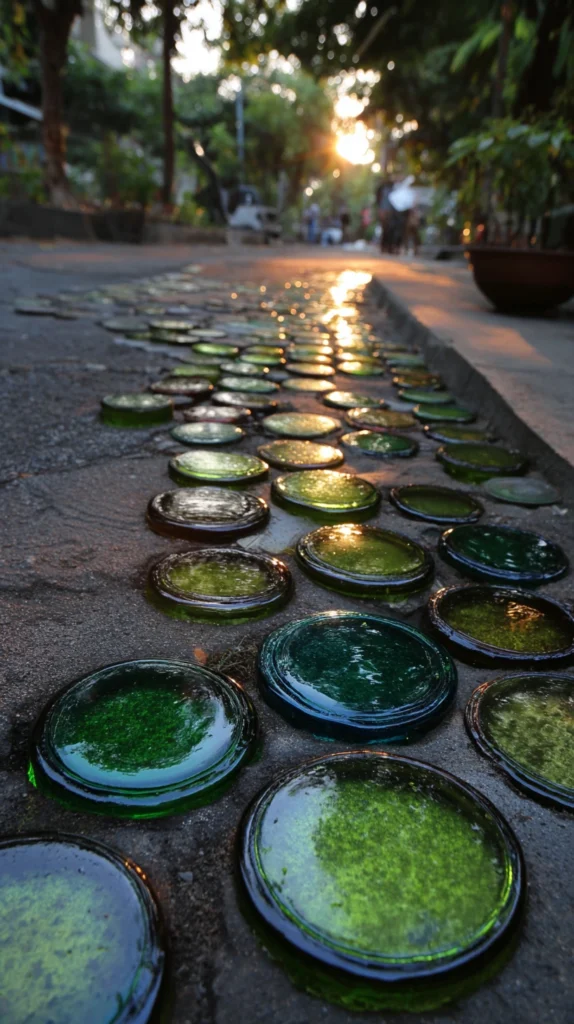
Budget: $5 – $20
Bottles set neck-up in a concrete or mortar bed — with only the circular base of each bottle showing at the surface — create a mosaic path of coloured glass circles that catches light at different angles throughout the day and provides a firm, durable walking surface with a completely unique visual character. Mixed bottle colours — green, amber, clear, and brown — create a stained glass effect in the path surface that is genuinely beautiful in afternoon light.
A standard path section of 60×30 cm requires approximately thirty to forty bottles set closely together at $0 in bottle cost. Ready-mixed concrete or mortar costs $5–$15 per bag. Set each bottle base-up in a 5 cm deep mortar bed — the base of the bottle at the top, the neck buried in the mortar below — and allow to cure completely before walking on the surface. The circular bottle bases create a non-slip texture at the path surface that is more grip-providing than smooth stone and more durable than any material of equivalent cost.
Garden tip: Arrange bottles in a test dry-lay on the ground before mixing any mortar — the density and pattern of the bottle base circles can be assessed and adjusted completely without commitment before the mortar is mixed. A dry-lay also identifies any bottle size inconsistencies that would create uneven gaps in the finished surface and allows them to be addressed by substituting similar-sized bottles before the mortar bed is prepared.
10. Bottle Vases on a Garden Shelf or Windowsill
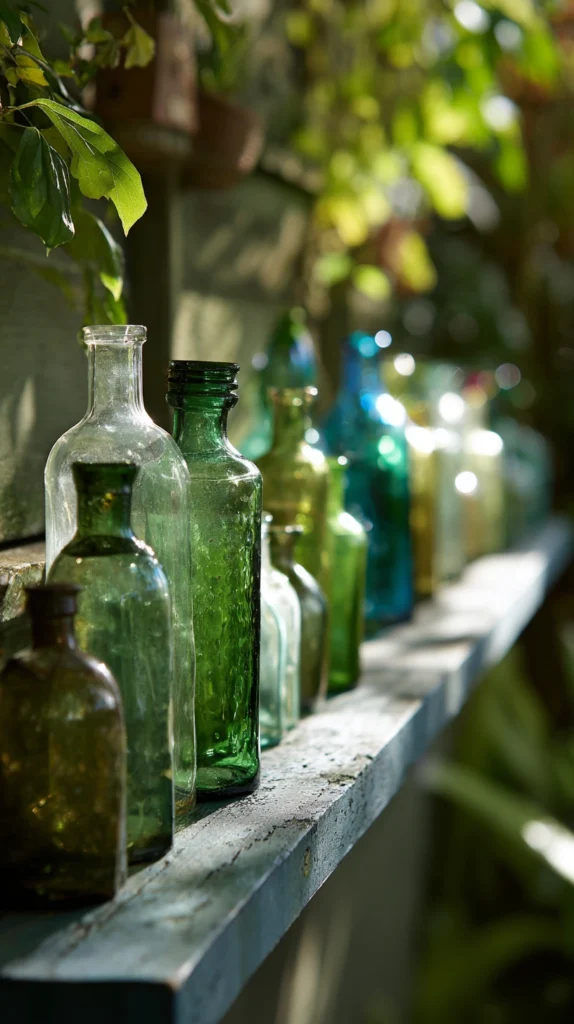
Budget: $0 – $10
A row of matching wine or spirit bottles along an outdoor shelf or windowsill — each holding one or two stems of whatever is in flower in the garden — creates a continuously changing seasonal display that is replenished weekly as different plants come into flower through the summer. The bottles are free, the flowers are free, and the display is the most directly garden-connected decoration available for any outdoor surface.
Collect matching bottles — all the same wine, all the same sauce, all the same mineral water — for the most consistent appearance along a shelf. Clean and de-label each bottle. Fill with cold water and cut flower stems at a sharp angle before placing. Change the water every two to three days and replace stems as they fade. The display connects the indoor shelf or windowsill to whatever is currently flowering outdoors in a way that purchased cut flowers or artificial flowers never achieves.
Garden tip: Leave the original embossed lettering on glass bottles where it is moulded into the glass rather than printed — the embossed text is part of the character and quality of the recycled bottle as a display object. Only paper or adhesive labels require removal — the moulded glass text on wine and spirit bottles is an intrinsic material quality that adds to rather than detracts from the appearance of a recycled bottle vase display.
11. A Garden Torch From a Wine Bottle
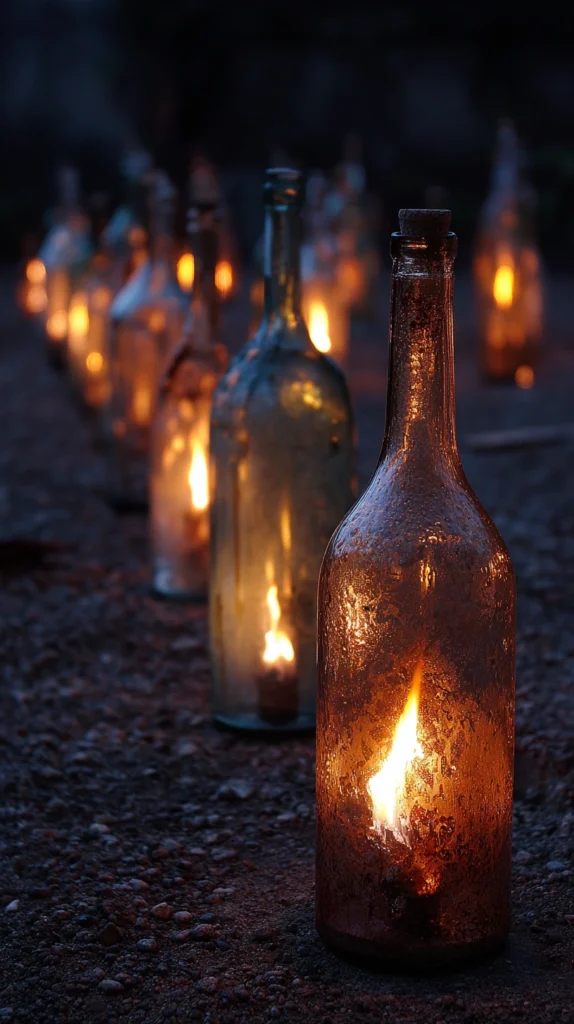
Budget: $5 – $15
A wine bottle converted into a garden torch — filled with citronella or lamp oil and fitted with a wick and a bottle stopper — creates an outdoor candle of three to four hours burn time that also deters mosquitoes and other insects through the citronella fragrance. Wine bottles in green or amber glass produce a warm, coloured light through the glass that is more atmospheric than any commercially produced garden torch at the equivalent price point.
A bottle torch wick and stopper kit costs $5–$12 per kit from garden centres and online retailers. Citronella torch fuel costs $5–$10 per litre and provides approximately eight to ten hours of burn time per 750 ml bottle. Fill the bottle to approximately one third capacity with fuel, insert the stopper and wick, and allow the wick to saturate for fifteen minutes before lighting. The partially filled bottle ensures sufficient air space above the fuel level for safe combustion and prevents any fuel overflow if the bottle is accidentally knocked.
Garden tip: Never use petroleum-based fuels or household lamp oil in a recycled glass bottle torch — glass bottles are not rated for the temperature of petroleum combustion and can crack or shatter in use. Use only purpose-made citronella torch fuel or plant-based lamp oil specifically rated for wick-fed outdoor torch use. The correct fuel burns at a temperature that standard glass bottles handle safely and produces no cracking risk under normal outdoor conditions.
12. A Bottle Bird Feeder
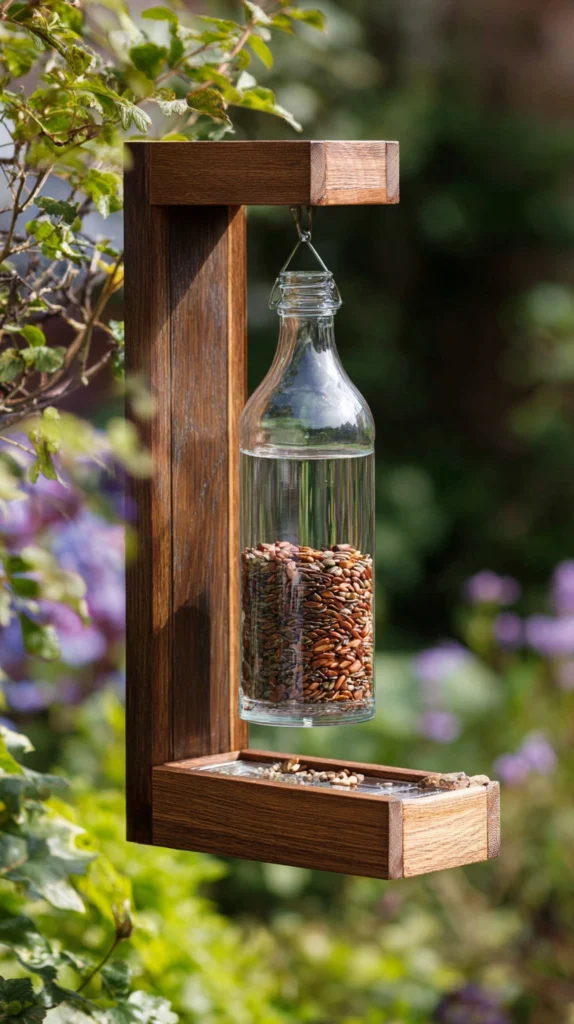
Budget: $3 – $15
A wine or juice bottle inverted and mounted above a small platform creates a gravity-fed bird seed dispenser that releases seed gradually as birds eat from the platform below — the seed level drops as birds feed and fresh seed flows from the inverted bottle to replace it. The coloured glass bottle adds a decorative quality to the functional bird feeder that manufactured plastic versions entirely lack.
A purpose-made bottle bird feeder base with a platform and mounting stake costs $8–$15 from garden centres. A DIY version can be assembled from a wooden board platform, a bottle neck holder (a bent wire hoop that clamps the neck), and a wooden stake for $3–$8 in materials. Fill the inverted bottle with sunflower hearts or mixed birdseed ($5–$10 per bag) and mount at 1.5 metres height — above cat-reach height but at a comfortable viewing height from the main garden seating area.
Garden tip: Clean the bottle feeder thoroughly every two weeks through the feeding season — wet seed in a glass bottle feeder ferments rapidly in warm weather and produces mould that is harmful to birds. Rinse the inverted bottle with hot water, allow to dry completely in the sun, and refill with fresh seed before reinstalling. A clean feeder visited daily by garden birds provides significantly more observation pleasure than one that is left unmanaged and gradually develops the hygiene issues that deter birds from returning.
13. A Coloured Bottle Mobile for the Garden
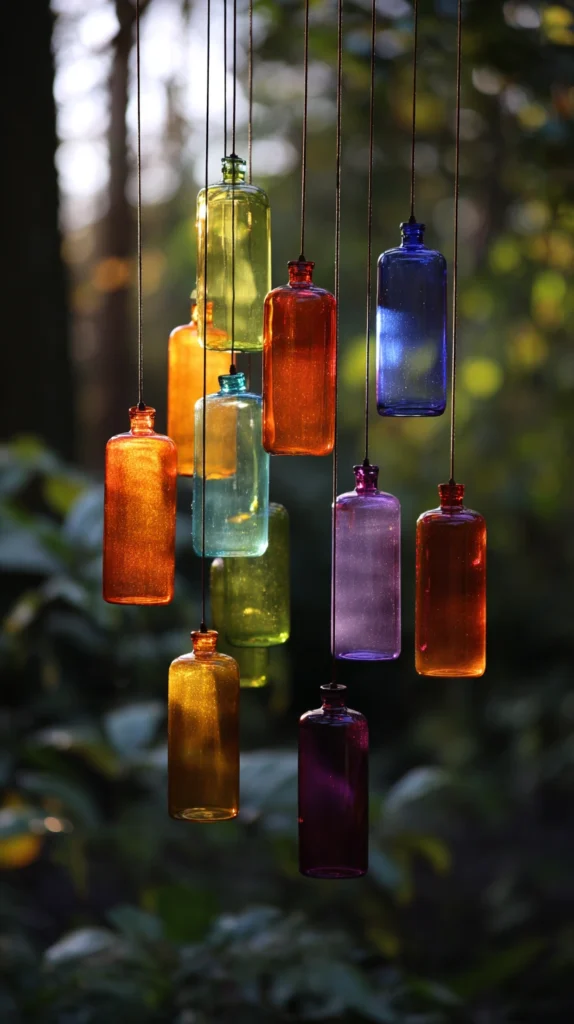
Budget: $5 – $20
A mobile assembled from coloured glass bottles hung at different lengths from a driftwood or bamboo crossbar — catching light and casting coloured shadows on surrounding surfaces as it moves gently in the breeze — creates a kinetic garden art installation of genuine visual interest from a material that costs nothing. The coloured shadows that green, amber, and blue glass cast on a white wall or pale paving surface in direct sun are one of the most beautiful and most unpredictable garden light effects available.
Natural twine for hanging costs $2–$5. A driftwood piece or a bamboo section of 40–60 cm for the crossbar costs $0–$5. Suspend bottles at varying lengths — 15 cm, 25 cm, 35 cm, and 45 cm — from the crossbar to create the layered, dimensional quality that makes a mobile visually interesting from all angles. Hang from a pergola, a tree branch, or a garden hook in a position that receives moving air through the day but is protected from strong wind that causes excessive movement and potential bottle-to-bottle contact at damaging speed.
Garden tip: Partially fill each mobile bottle with 2–3 cm of clean sand or pebbles. The ballast in each bottle stabilises its hanging position in light breezes — preventing excessive spinning that winds the twine above the bottle and eventually shortens each hanger to the point where bottles contact each other. Ballasted bottles hang vertically and move slowly and gracefully rather than spinning freely and uncontrollably in any air movement.
14. A Bottle Greenhouse Cloche Wall
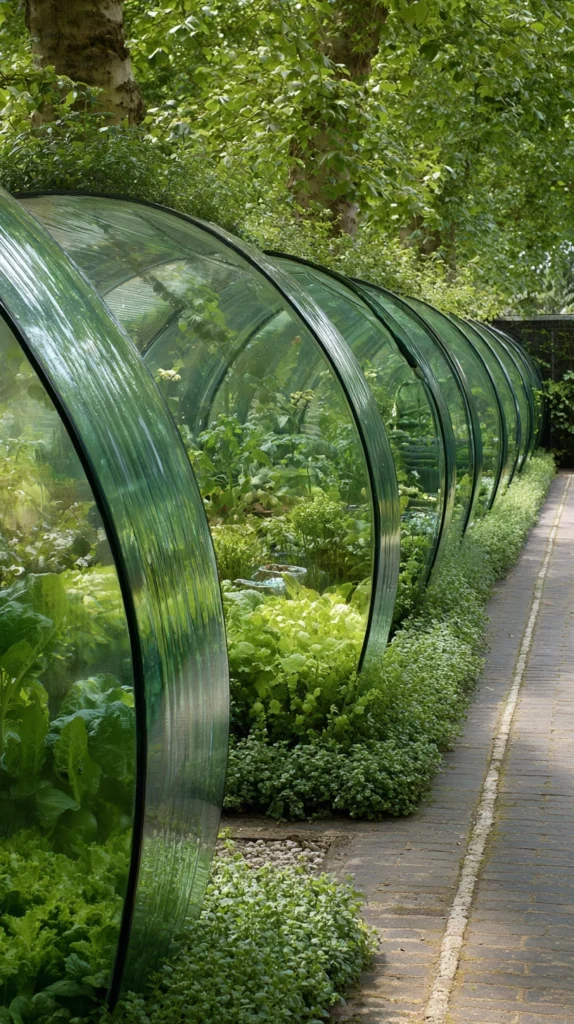
Budget: $10 – $40
A row of large plastic or glass bottles with their bases removed — lined up in a continuous row along a south-facing border edge — creates a transparent cloche wall that protects early and late-season crops from frost and wind while allowing light to reach the plants through the clear or green glass. It is the most effective and most free recycled material cold-frame available for a kitchen garden without the budget for a commercial cloche system.
Collect thirty to forty large clear plastic bottles — 2-litre water or juice bottles — and remove the bases cleanly with a sharp knife or scissors. Stand each bottle neck-upward in a row along the edge of the border to be protected, pushing the neck 5–8 cm into the soil for stability. The bottles overlap slightly at their shoulders to create a continuous transparent wall rather than individual isolated cloches. Remove the caps in warm daytime weather for ventilation and replace in the evening to retain warmth through cold nights.
Garden tip: Use green glass bottles rather than clear ones for the cloche wall if the plants being protected are leafy greens rather than fruiting crops. Green glass reduces the intensity of direct sunlight and prevents overheating inside the cloche on unexpectedly warm spring or autumn days — a risk with clear glass in full sun that can stress or scorch plants that would otherwise be well-protected from the overnight cold the cloche was installed to manage.
Glass bottles are one of the few garden materials that cost nothing, require no specialist skills to work with, and deliver genuine aesthetic and functional value in every application on this list. The garden enriched by recycled glass bottles is not a budget garden or a make-do garden — it is a garden that has found genuine beauty in the materials that pass through it daily and given them a second purpose that the original manufacturer never imagined.
Start with a handful of bottles, a garden shelf, and whatever is currently flowering in the garden. Arrange the bottles with flowers on the shelf. Stand back and look at the light passing through the coloured glass in the afternoon sun. That is the beginning — and it cost exactly nothing.