14 Sensory Garden Ideas
A sensory garden is a garden that engages every sense rather than only the visual one. Most gardens are designed almost entirely for the eye — for how they look from the main viewpoint, in the right light, at the right season.
A sensory garden asks a different question: how does it feel to stand in it, walk through it, and spend time within it? How does it smell at different hours of the day? What sounds does it produce? What textures does it offer to the hand?
A garden that answers all of these questions is a genuinely richer and more restorative experience than one that addresses only the visual dimension, regardless of how beautiful that visual dimension is.
The fourteen ideas below bring specific sensory elements into any garden — from the tactile to the acoustic, from the fragrant to the edible. Each can be introduced individually as a single sensory enhancement or combined into a complete sensory garden scheme. Costs and a practical tip are included throughout.
1. A Fragrant Plant Path
Budget: $30 – $120
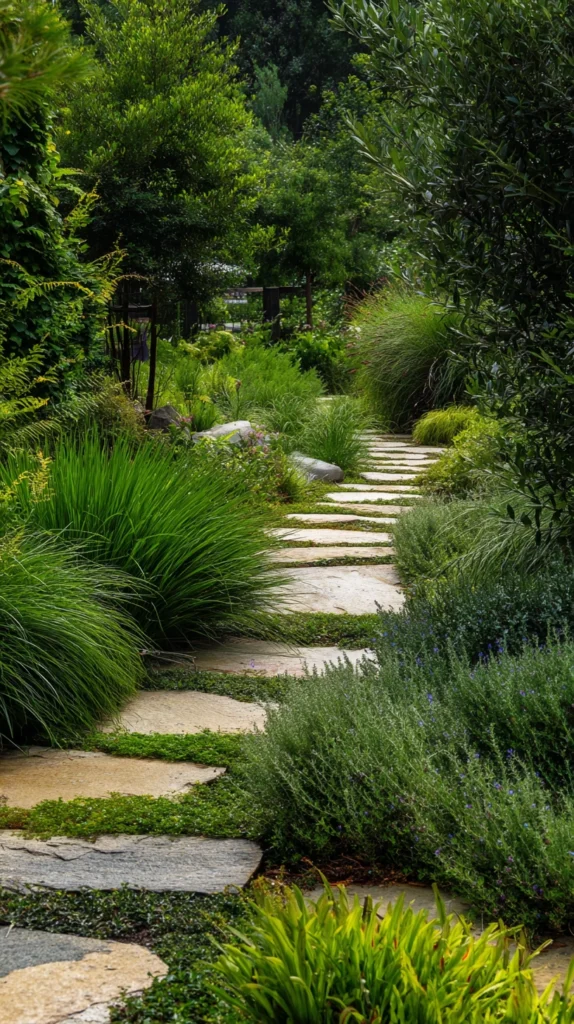
Plants positioned along a garden path so that anyone walking it brushes against fragrant foliage — lavender, rosemary, thyme, catmint, and scented pelargoniums — creates the most immediately sensory garden experience available. The fragrance released by contact or proximity is encountered in motion rather than at a fixed point, which means it is experienced differently at every step and never identical twice. A fragrant path changes the fundamental character of moving through the garden.
Lavender plants cost $4–$10 each. Rosemary runs $5–$12. Creeping thyme at the path edge costs $3–$8 each. Catmint (Nepeta) at $6–$12 per plant produces the longest fragrant flowering season of any path plant. Position plants so they grow slightly onto or over the path edge — a plant that must be brushed rather than simply approached releases its fragrance more reliably and more intensely than one that requires deliberate handling to produce scent. The slight encroachment onto the path is the functional quality the planting requires to be genuinely sensory rather than merely aromatic from a distance.
Sensory tip: Choose path-edge plants that release different fragrances at different times of day. Lavender is most aromatic in the morning warmth. Rosemary releases more intensely in heat. Evening primrose and white tobacco plants are most fragrant after sunset. A path that smells differently at different hours of the day is experienced as a richer and more complex sensory environment than one with a single consistent fragrance regardless of conditions.
2. A Water Sound Feature
Budget: $30 – $200
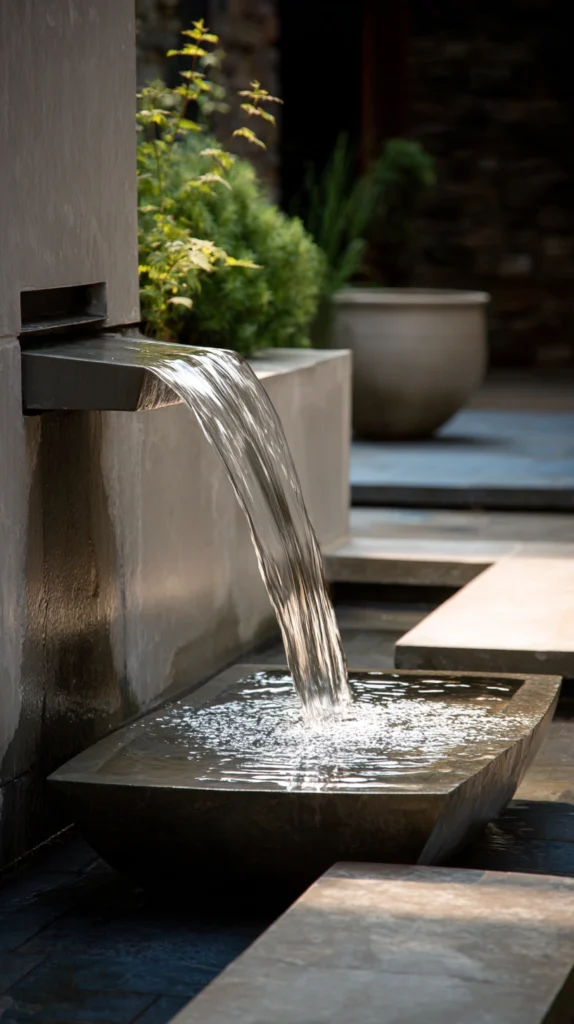
The sound of moving water is the most universally calming and most consistent sensory element available for a garden. It masks urban noise, creates a distinct acoustic boundary between the garden space and the world beyond it, and contributes to the sense of being in a genuinely separate environment from the house and street. The specific quality of the water sound — a trickle, a drip, a bubble, or a gentle cascade — determines the atmosphere of the garden as profoundly as any visual feature.
A solar-powered pebble pool or ceramic bowl fountain costs $30–$80. A wall-mounted water spout into a basin runs $80–$200. The sound a water feature produces is determined by the height from which the water falls and the surface it lands on — a high fall onto a hard surface produces a louder, more dramatic sound while a low fall onto a shallow pool or onto pebbles produces the quiet, rhythmic drip that is most appropriate to a genuinely calming sensory garden. Test the sound from the main seating position before fixing the installation permanently.
Sensory tip: Position the water feature close to the main seating area rather than at the periphery of the garden. Water sound at a distance provides pleasant background acoustics. Water sound within two to three metres of a seating position creates an immersive acoustic experience that genuinely separates the seating zone from the ambient noise environment around it. The closer the feature is to the person experiencing it, the more completely it functions as a sensory element rather than merely a garden feature.
3. A Tactile Plant Collection
Budget: $40 – $150
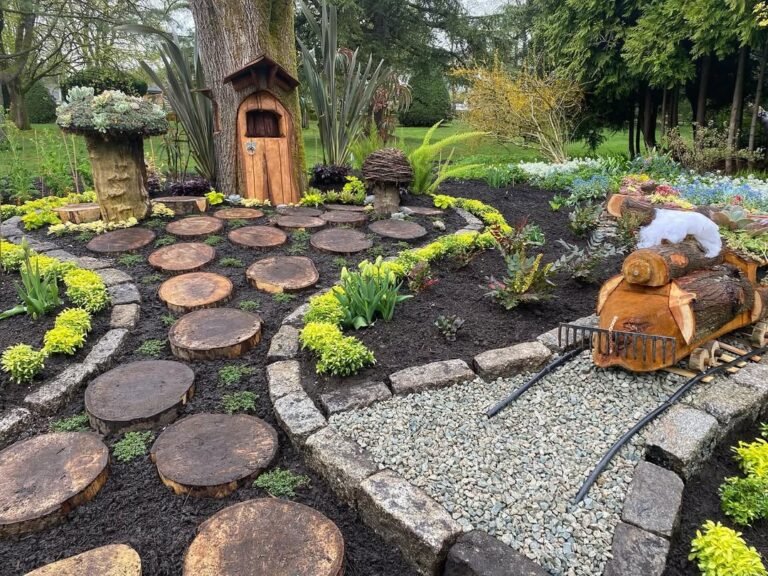
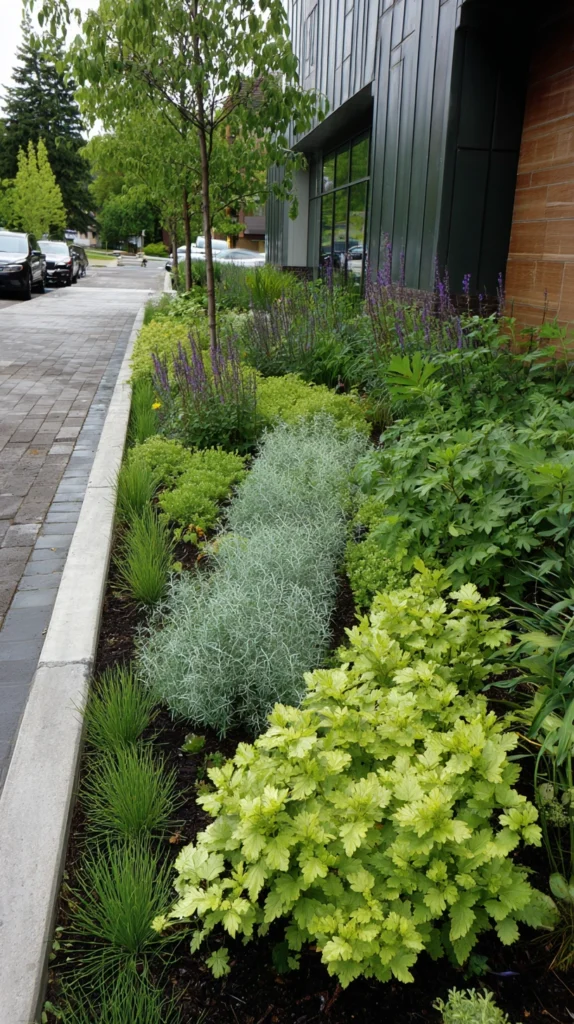
A border or path-side planting assembled specifically for touch — lamb’s ears (Stachys byzantina), soft ornamental grasses, rough-textured bark, smooth river stones, velvety sage leaves, spiky sea holly, and feathery fennel — creates a garden experience that invites handling in a way that purely visual planting does not. The variation between textures — from velvet to rough, from soft to sharp — is what makes a tactile garden interesting rather than simply comfortable.
Stachys byzantina costs $5–$10 per plant — the silver, intensely soft leaves are the most universally handled plant in any sensory garden. Stipa tenuissima ornamental grass costs $7–$15 and produces fine, silky stems that move and feel like hair in the hand. Eryngium sea holly costs $6–$12 and provides the sharp, architectural counterpoint that makes the tactile range of the collection interesting. Velvety sage (Salvia argentea) costs $5–$10. Together these four plants at three each cost $70–$140 and create a tactile border of extraordinary variety.
Sensory tip: Position the softest and most inviting tactile plants — lamb’s ears, fine grasses — at child height along a path edge, and the sharper, more dramatically textured plants — sea holly, teasel, thistles — at adult height behind them. This height organisation creates a sensory progression as the viewer moves from the path level upward through the planting, and it ensures that the most naturally handling-inviting textures are at the most accessible height for all visitors to the garden.
4. A Wind and Sound Garden
Budget: $20 – $100
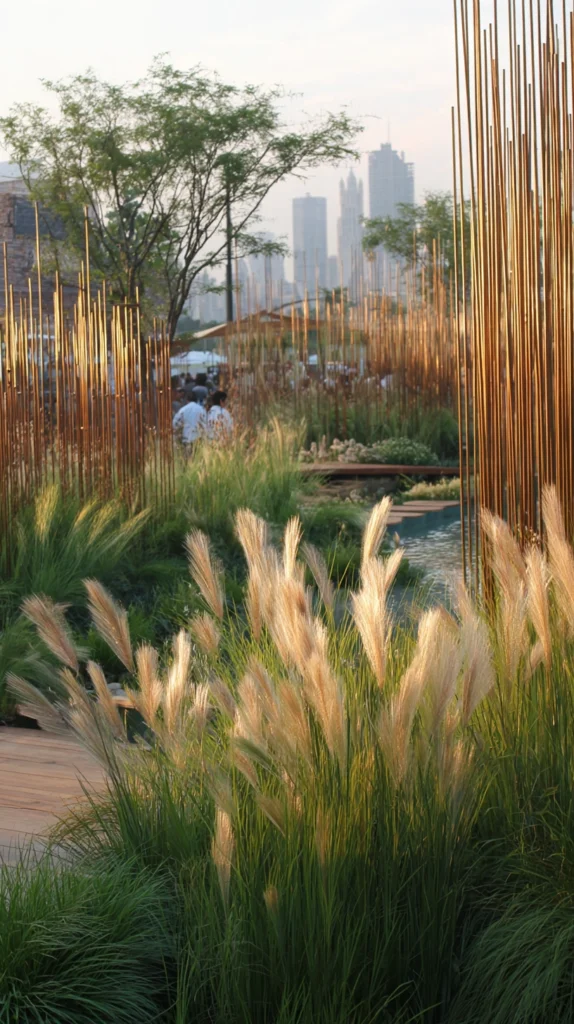
Plants and structures that respond to wind — ornamental grasses that rustle, bamboo that produces a distinctive hollow clacking sound, tall seed heads that rattle in the breeze, and wind chimes of natural or metallic materials — create an acoustic garden dimension that most gardens entirely ignore. The sound of a garden is as specific and as characteristic as its visual quality and the two together create a much more complete environmental experience than either provides alone.
Miscanthus sinensis ornamental grass produces the loudest and most consistently satisfying rustling sound of any commonly available garden grass — plants cost $12–$25. A clump of black bamboo (Phyllostachys nigra) produces the distinctive bamboo rattle in wind at $20–$50 per plant. A wind chime of natural materials — bamboo tubes, shells, or driftwood — costs $10–$30 and should be positioned in the primary air movement path through the garden rather than in a sheltered corner where it will rarely activate.
Sensory tip: Choose ornamental grasses specifically for their sound quality rather than their visual quality alone. Stipa gigantea produces a soft, whispering sound in the lightest breeze. Miscanthus produces a louder, more sustained rustle. Hakonechloa produces the quietest, most intimate movement. Each creates a different acoustic atmosphere and the selection should be made with the garden’s overall intended sensory quality in mind rather than purely on the basis of the visual appearance of the grass in catalogue photographs.
5. An Evening Fragrance Garden
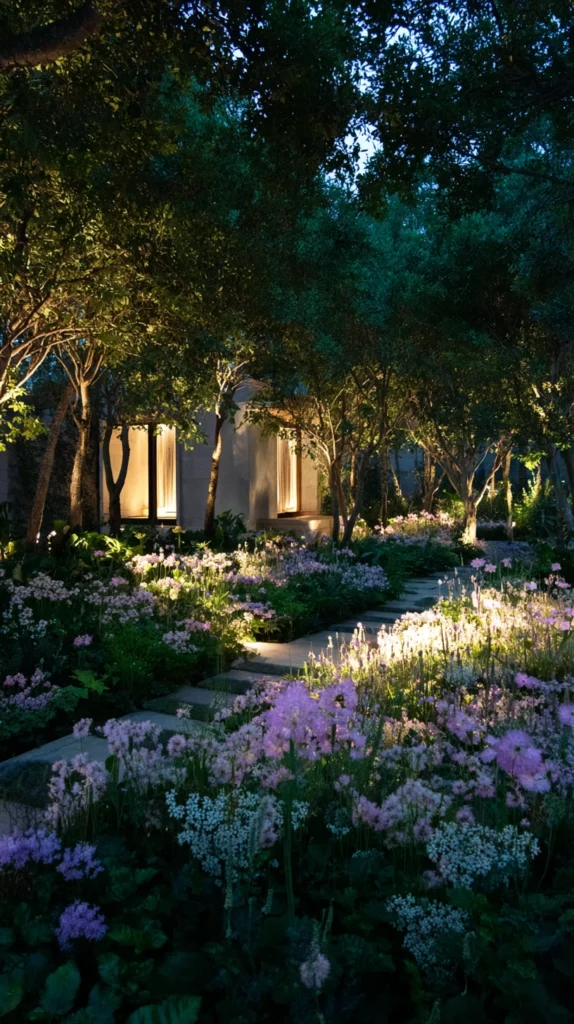
Budget: $25 – $100
A planting scheme composed entirely of species that release their fragrance most intensely after sunset — night-scented stock, white tobacco plant (Nicotiana sylvestris), evening primrose, moonflower, and sweet rocket — creates a garden that is at its most complete sensory experience in the evening hours when most people are actually in the garden after a working day. The scent of a well-chosen evening garden on a still summer night is one of the most transporting and most memorable experiences any garden can provide.
Night-scented stock seed costs $2–$4 per packet and is one of the most intensely fragrant evening plants available — the small, undistinguished flowers are invisible by day but the fragrance after dark is extraordinary. White Nicotiana sylvestris costs $3–$6 per plant and produces large, pendant white flowers on 1.5-metre stems that are barely noticeable by day and appear to glow at dusk. Evening primrose grows from seed at $2–$4 per packet. Position all evening fragrance planting within 3 metres of the main seating area — the fragrance dissipates rapidly beyond this range in most garden conditions.
Sensory tip: Plant the most intensely fragrant evening species beside the path or seating area used most frequently after dark. The garden that smells extraordinary at 9pm but is never actually visited at that hour delivers its most valuable quality to no one. The evening sensory garden is designed specifically for use — it requires the gardener to actually be outside in the evening hours to experience what makes it exceptional, which is also the habit it most effectively encourages.
6. A Barefoot Walking Path
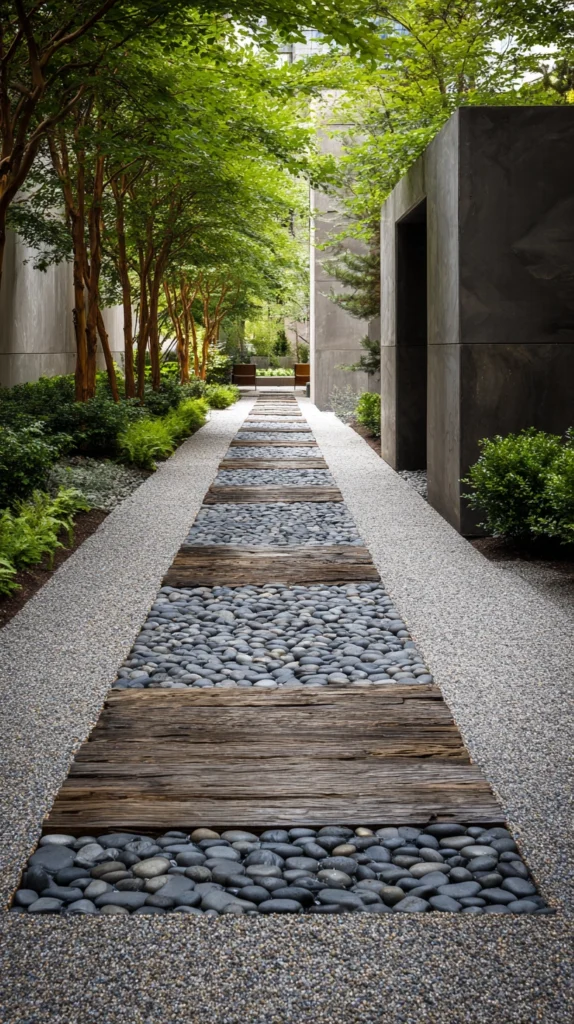
Budget: $20 – $100
A garden path designed to be walked barefoot — with sections of different surface textures including smooth river pebbles, soft grass, warm timber decking, fine gravel, and a fragrant lawn of thyme or chamomile — creates a genuinely therapeutic sensory experience that most Western gardens never consider providing. In reflexology and forest bathing traditions, barefoot contact with varied natural surfaces is considered one of the most restorative physical experiences available. A garden that can be walked barefoot is a different proposition from one that can only be looked at.
Smooth river pebbles for a pebble section cost $8–$20 per bag. Timber decking boards for a warm section cost $3–$8 per linear metre. Creeping thyme for a fragrant lawn section costs $2–$5 per plug plant at 20 cm spacing. Fine decorative sand for a sand section costs $5–$15 per bag. A barefoot path of 5 metres with four different texture sections costs $40–$80 in materials and provides a sensory experience that no amount of purely visual garden design can replicate at any budget.
Sensory tip: Include a section of chamomile or thyme lawn in the barefoot path — both release their distinctive fragrance when walked upon, creating a simultaneous tactile and olfactory sensory experience at the same point. The moment of stepping onto a chamomile lawn and releasing its apple-like fragrance underfoot is one of the most specifically pleasurable and most repeatedly sought-out sensory experiences in any garden that includes it.
7. A Colour Therapy Border
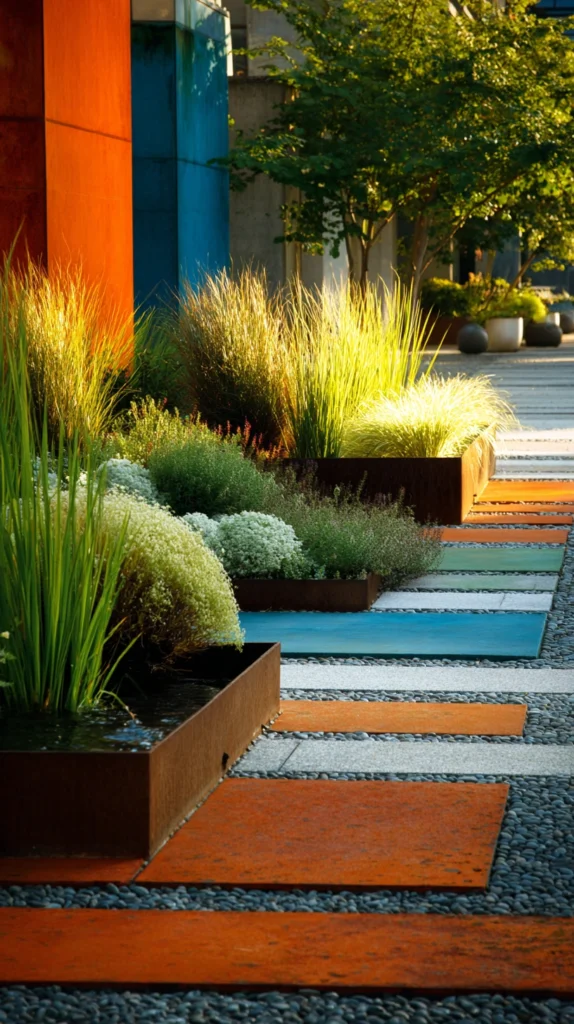
Budget: $60 – $250
Different flower colours produce measurably different psychological and emotional responses in the people who experience them. A border designed around a specific colour palette — cool blues and whites for calm and clarity, warm yellows and oranges for energy and optimism, soft pinks and purples for comfort and creativity — creates a garden that works on the viewer’s emotional state as directly as any other sensory element in the space. Colour is the most immediately experienced sensory dimension of any garden and it is almost entirely subconscious in its effect.
A calming cool border might include Agapanthus ($10–$20), Veronicastrum virginicum ($8–$16), Salvia nemorosa ($6–$14), and Geranium Rozanne ($8–$15) for a palette of blue, violet, and white from June through September. An energising warm border might combine Helenium ($7–$15), Rudbeckia ($6–$12), Crocosmia Lucifer ($5–$12), and single Dahlia varieties ($4–$10 per tuber) for a July-to-October display of gold, amber, and red. Each palette delivers a distinct and consistent emotional experience through its specific season.
Sensory tip: Position the calming cool-colour border in the area of the garden most used for rest and quiet contemplation, and the warm colour border in the area used for socialising and active outdoor living. The colour palette of the immediate surrounding environment influences the psychological tone of the time spent within it more profoundly and more consistently than most people consciously recognise — aligning the colour palette of each garden zone with its intended use amplifies the quality of the experience that zone provides.
8. An Edible Sensory Garden
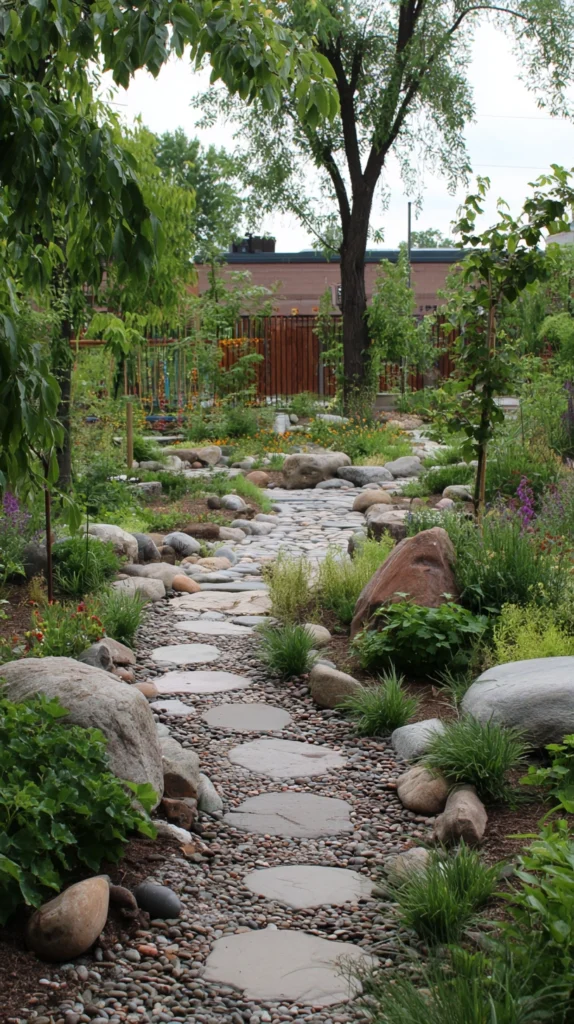
Budget: $30 – $120
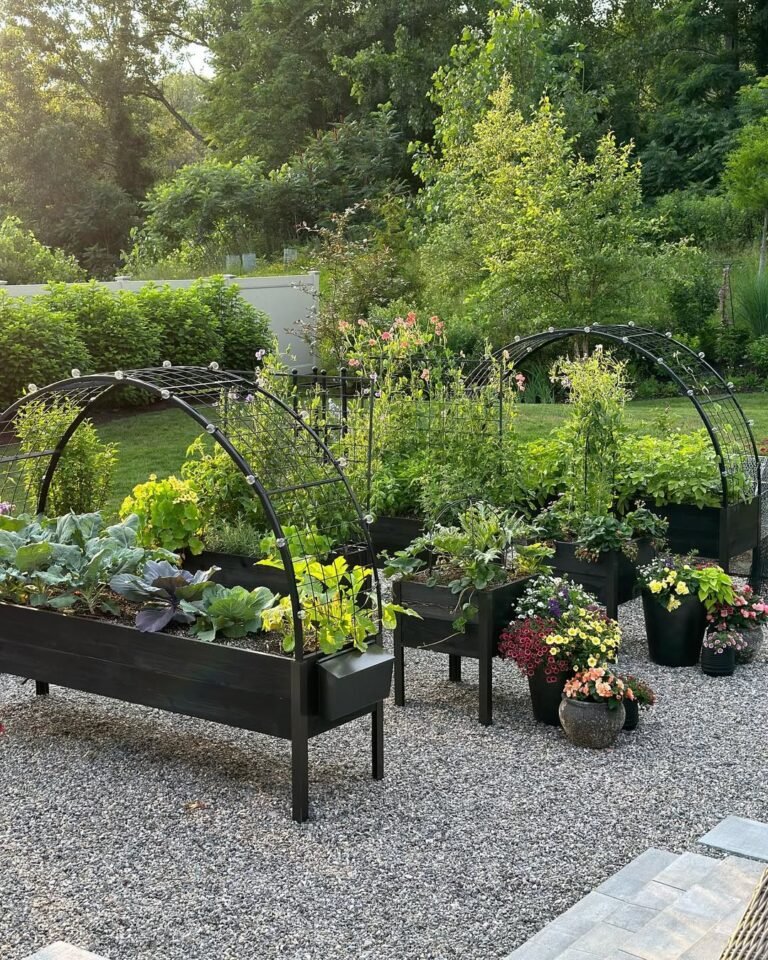
A garden that can be tasted — where edible leaves, flowers, and fruits can be picked and eaten directly from the plant — provides the most complete and most inclusive sensory garden experience available. The sense of taste, combined with the smell and texture of fresh-picked food from a plant that has been grown and tended, is one of the most grounding and most genuinely nourishing garden experiences available. An edible sensory garden is a garden that gives back in the most immediate and most literal way possible.
Alpine strawberries planted at the garden edge cost $2–$4 per plant and produce small, intensely flavoured fruit from June through October that can be eaten directly as anyone walks past. Borage flowers are edible and taste of cucumber — plants cost $2–$4 each. Nasturtium leaves and flowers (peppery, fresh) grow from seed at $2–$4 per packet. Lemon balm and mint at the path edge release fragrance on touch and can be pinched and tasted as they are handled. An edible sensory collection of five species costs $15–$25 in seed and plants and provides a genuine engagement with the garden as food source through the entire growing season.
Sensory tip: Position edible sensory plants at the most frequently visited points of the garden — beside the gate, along the main path, and around the seating area — rather than in a dedicated edible growing area separate from the rest of the garden. An edible plant encountered as part of everyday movement through the garden is tasted spontaneously and repeatedly through the season. The same plant in a dedicated growing bed is visited intentionally and much less frequently, producing a fundamentally different quality of sensory engagement with the garden.
9. A Mindfulness Seating Corner
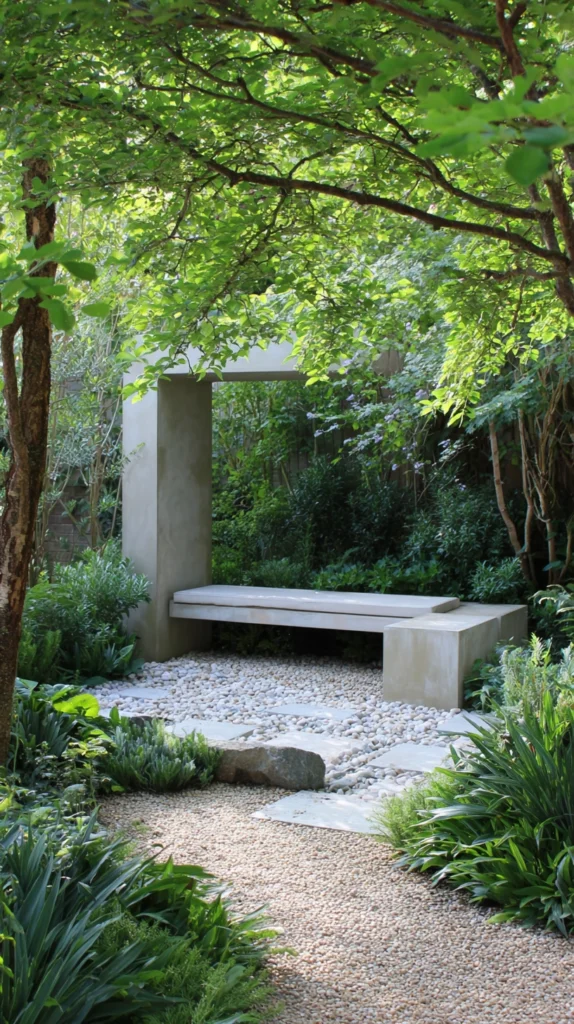
Budget: $60 – $300
A garden corner specifically designed for mindful sitting — with a comfortable seat, surrounding fragrant planting, a water sound element within earshot, textural plants within arm’s reach, and a view that is interesting at multiple scales from near-ground-level detail to distant garden composition — creates the most complete and most intentionally therapeutic sensory environment available in any garden. It is designed not for moving through but for being still within.
A simple garden bench or chair costs $40–$150. Surrounding fragrant plants — lavender, rosemary, and a scented climbing rose on the fence behind the seat — cost $30–$80 in total. A small water feature within earshot costs $30–$80. Tactile plants within arm’s reach — lamb’s ears, soft grasses — cost $15–$30. The complete mindfulness corner, fully assembled, sits between $115 and $340 in total — a range that delivers one of the most genuinely useful and most daily-relevant garden features available for any garden whose primary user values time spent outdoors as restoration rather than recreation.
Sensory tip: Orient the mindfulness seat toward the most visually complex and most naturally active part of the garden — the area with the most bird activity, the most insect-visited planting, or the most movement from grasses in the breeze. Mindful sitting is most sustained when the field of view contains enough natural activity to hold attention without demanding focused cognitive engagement — the middle distance of a garden at its most animated is the ideal visual focus for a sustained mindful sitting practice.
10. A Rain Garden for Sound and Sensation
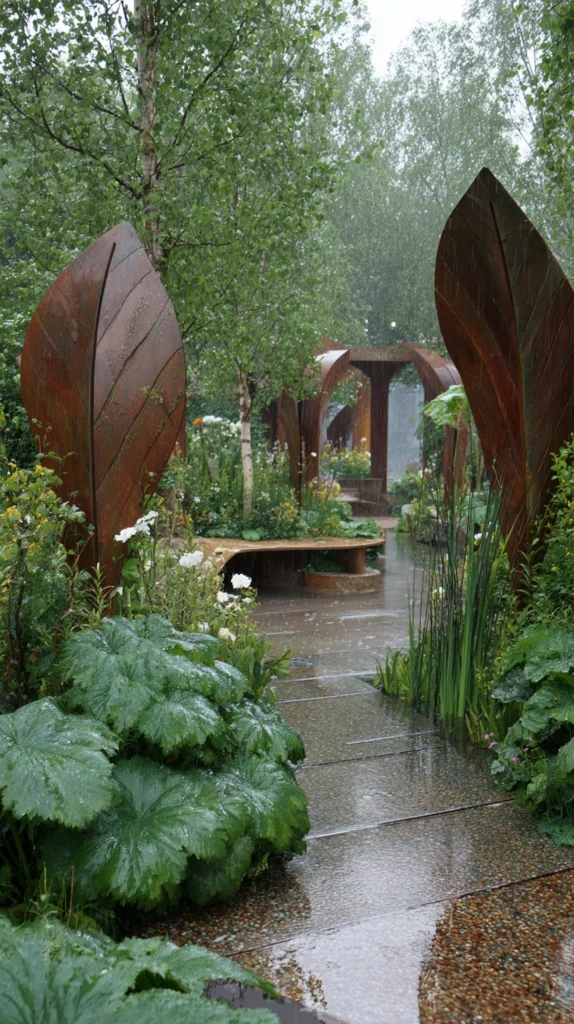
Budget: $20 – $100
A garden designed to be experienced in the rain as well as in sunshine — with large-leafed plants that produce satisfying drumming sounds in rainfall, open gravel or pebble surfaces that show rain patterns clearly, and a seated sheltered area from which rain can be watched and heard — provides a sensory experience that most garden design entirely ignores. Rain in a garden with large-leafed planting produces a range of acoustic textures that are among the most relaxing and most specifically natural sounds available.
Large-leafed plants for rain sound include Gunnera manicata ($20–$60) — the most dramatic rain-amplifying plant available, with leaves of 1–2 metres diameter — Ligularia ($8–$18), large hostas ($10–$30), and Tetrapanax ($15–$40). A covered garden shelter or deep pergola from which to experience rain in dry comfort costs $200–$800. A simple garden umbrella or large parasol over the seating area creates an adequate rain shelter for $40–$100 and allows the rain garden experience from a comfortable seated position in any garden without a permanent covered structure.
Sensory tip: Plant large-leafed rain plants at varying heights — Gunnera or Tetrapanax at 1.5–2 metres, Ligularia at 60–90 cm, and large hostas at 40–60 cm. The different heights mean rainfall hits each leaf at a slightly different angle and produces a slightly different sound frequency — the combined acoustic effect of large leaves at varying heights in heavy rain is one of the most complex and most naturalistic sounds available in any garden environment.
11. A Texture Wall or Panel
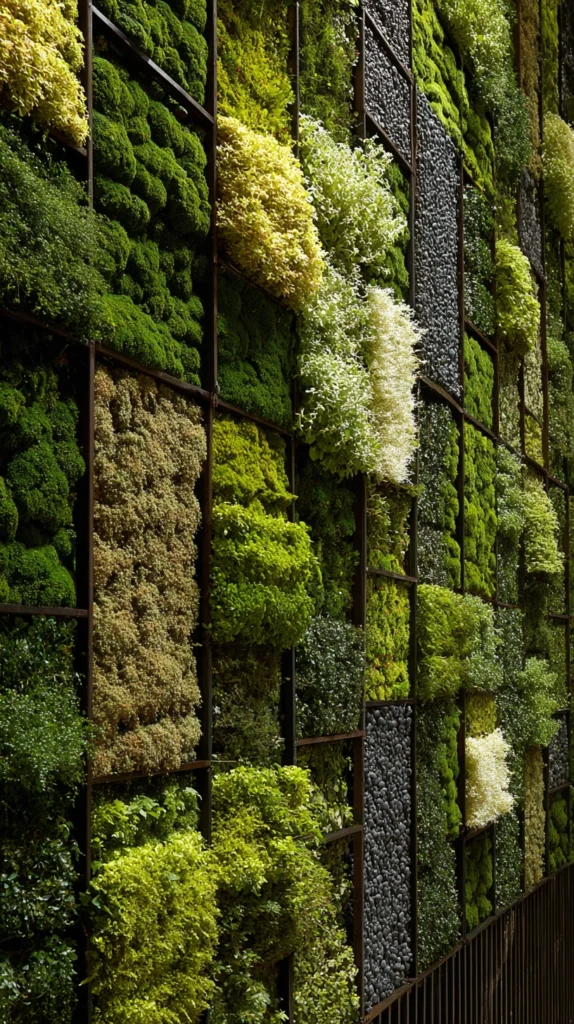
Budget: $30 – $150
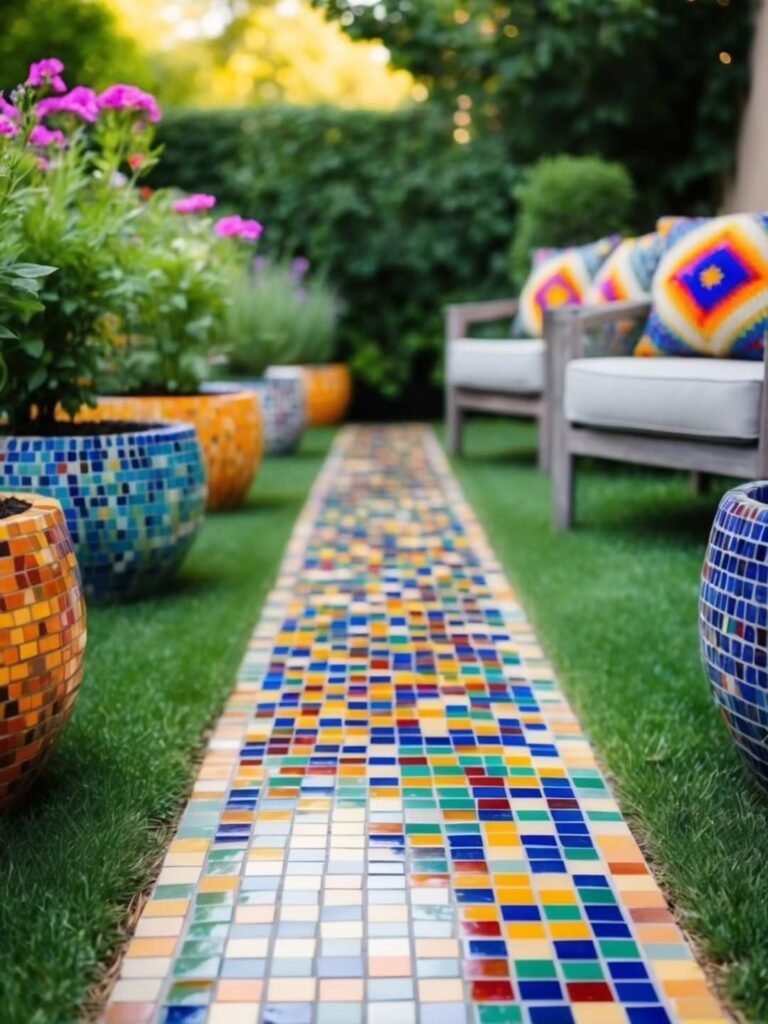
A wall panel or fence section deliberately assembled from a variety of surface textures — rough stone, smooth pebbles, bark pieces, dried seed heads, moss panels, and smooth ceramic tiles — creates a tactile art installation that invites handling and close investigation in a way that no single-material surface does. Positioned beside a path or a seating area where it is encountered at hand height, a texture wall provides sensory engagement that continues to reward repeated investigation as different textures are discovered and compared.
A timber backing panel of 60×90 cm costs $10–$20. Smooth pebbles for some sections cost $5–$15 per bag. Rough stone pieces cost $5–$10 per kg from building suppliers. Bark pieces cost $5–$10 per bag. Preserved moss panels cost $15–$30. Smooth ceramic tile offcuts from a tile shop are often free as waste material. Assembling all elements onto the backing panel with exterior adhesive costs $10–$20 in adhesive. Total project cost: $50–$115 for a genuinely tactile and genuinely original garden feature.
Sensory tip: Arrange textures on the panel so that the smoothest surfaces sit beside the roughest ones rather than grouping similar textures together. The sensory interest of a texture wall comes from the contrast between adjacent textures — the transition from smooth river pebble to rough stone to soft moss to sharp dried seed heads is what makes each texture more distinctly felt than it would be if all surfaces of a similar texture were grouped together. Contrast is the principle that makes sensory experience vivid rather than pleasant but undifferentiated.
12. A Sensory Herb Spiral
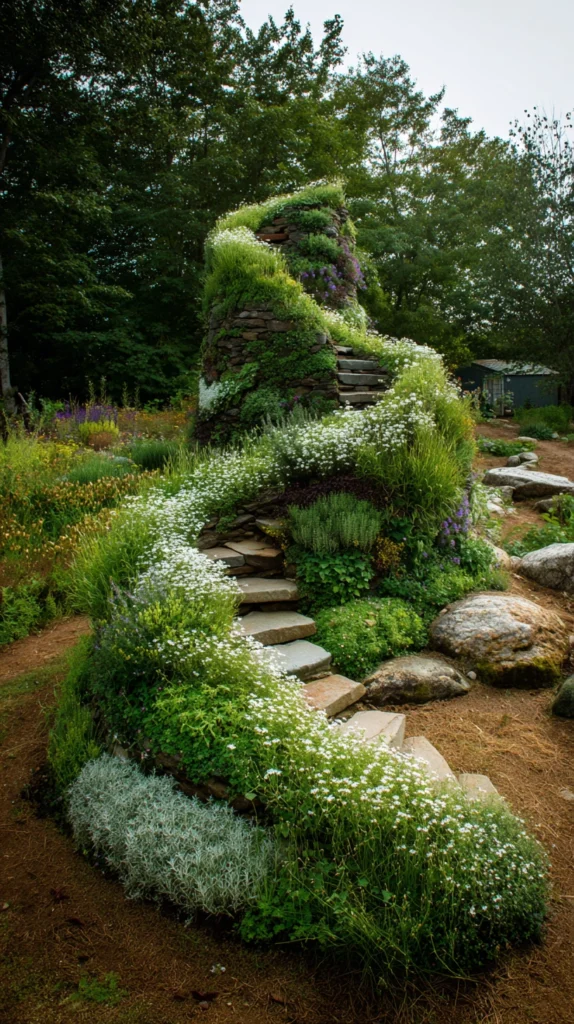
Budget: $50 – $200
A herb spiral — a small raised structure built in a spiral form from bricks, stones, or reclaimed material — planted with fragrant, edible, and texturally varied herbs at different heights creates the most compact and most sensorially complete garden feature available. Every herb on the spiral can be smelled, tasted, touched, and appreciated visually from the same standing position, and the variety of sensory experiences available within one square metre of the spiral planting is greater than any other equivalent-footprint garden feature provides.
A herb spiral of 1 metre diameter costs $30–$80 in stone or brick materials. Herb plants for the spiral — lavender, rosemary, sage, thyme, lemon verbena, chives, and mint at varying heights — cost $2–$8 each at $20–$60 for a fully stocked spiral. The placement of each herb on the spiral should reflect both its sensory quality and its growing conditions — the driest, most sun-exposed top position for the most aromatic Mediterranean herbs, the moister, shadier base for mint and parsley. The spiral form creates these different conditions automatically from its structure.
Sensory tip: Include at least one unusual or unfamiliar herb in the sensory spiral — chocolate mint, lemon verbena, pineapple sage, or liquorice plant — alongside the familiar culinary standards. The moment of unexpected recognition — identifying the unexpected fragrance of pineapple sage or the chocolate fragrance of Cosmos atrosanguineus — is one of the most memorable sensory experiences any garden can produce and one that makes the herb spiral genuinely surprising for visitors who already know what lavender and rosemary smell like.
13. A Bee and Pollinator Listening Garden
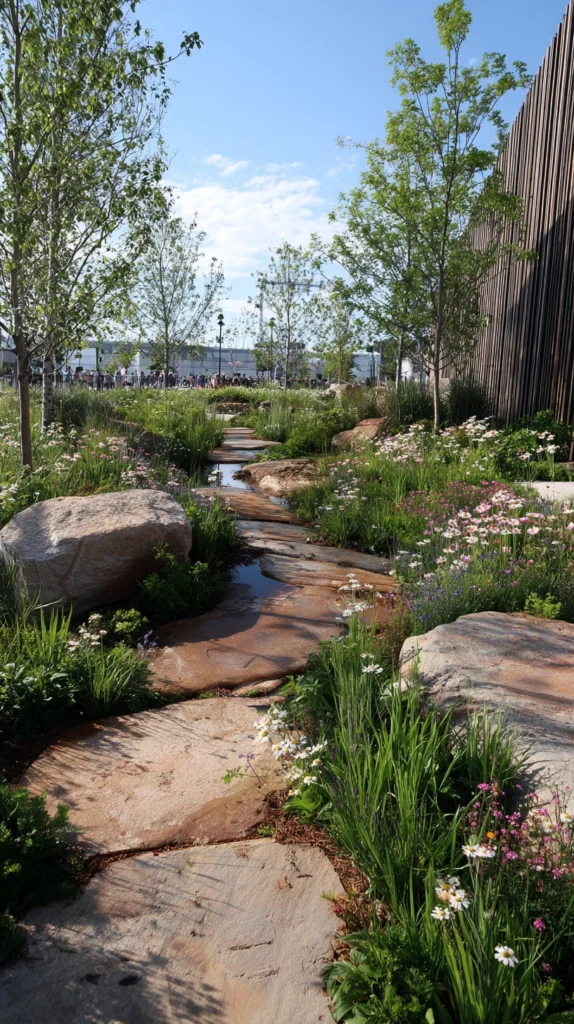
Budget: $40 – $150
A garden planted densely with nectar-rich flowers — lavender, borage, phacelia, nepeta, and single-flowered roses — and positioned so that a seat overlooks the planting creates a garden experience centred on the sound and sight of pollinator activity. The hum of bees at work in a well-planted lavender hedge on a warm July morning is one of the most specifically and most deeply calming sounds available in any outdoor environment — acoustic evidence of a living, productive ecosystem at work within the garden.
A lavender hedge of five plants costs $20–$50. A patch of borage from seed costs $2–$4. Phacelia tanacetifolia from seed costs $2–$4 and produces the most intensely visited single plant in any pollinator garden per square metre. Nepeta plants run $6–$12 each. A simple garden bench in front of the planting costs $60–$150. The combined planting and seating costs $90–$220 for a garden feature that is most fully enjoyed by sitting in front of it on a warm, still morning and doing nothing else.
Sensory tip: Visit the pollinator garden at different times of the day through the summer season. The acoustic character of the pollinator activity changes through the day — early morning brings the first bumblebee queens, midday the highest volume of honeybee activity, late afternoon the quieter solitary bees. Each hour of the day has a different acoustic profile and the garden that is visited at multiple times becomes a more complete sensory experience than one only ever seen in the same conditions.
14. A Complete Sensory Garden Scheme
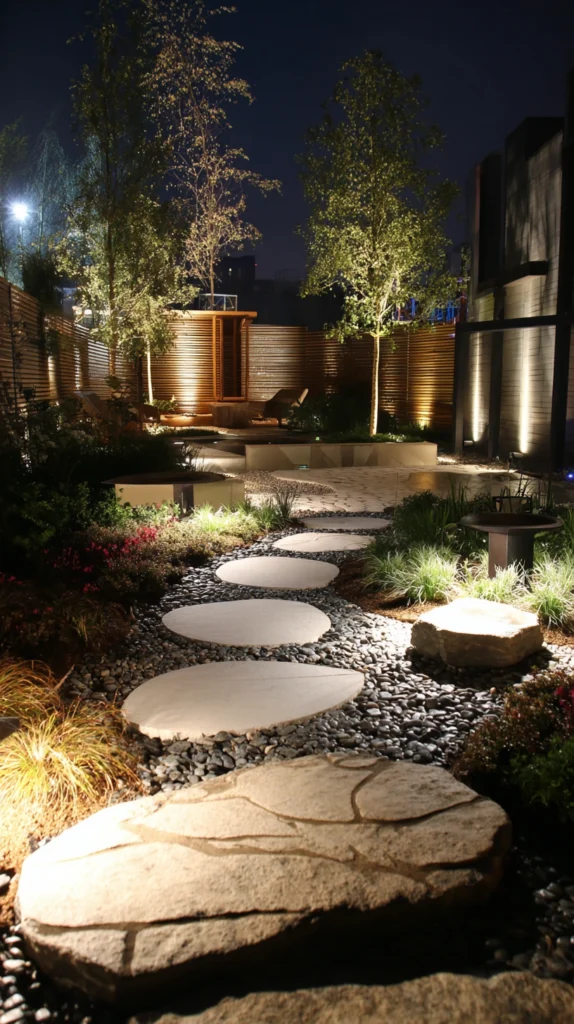
Budget: $300 – $1,200
A fully realised sensory garden — a fragrant path, a water sound feature, a tactile plant collection, a wind sound element, an evening fragrance planting, an edible plant edge, a mindfulness seating corner, and a barefoot walking path — creates the most complete outdoor sensory environment available in any residential garden. It addresses every sense through multiple different plant species, structural elements, and experiential moments and it does so in a way that makes the garden genuinely therapeutic rather than simply pleasant.
Built across one to two seasons rather than all at once, the complete sensory garden scheme is achievable for $300–$800 in plants, structures, and surface materials. Each element that is added strengthens the sensory richness of the whole — the fragrant path is more fully experienced when the water feature provides an acoustic backdrop, the mindfulness seat is more restorative when surrounded by tactile plants and fragrant planting, and the evening garden is more complete when the barefoot path leads through it to a scented destination at the end.
Sensory tip: Design the sensory garden for the specific sense or combination of senses that are most meaningful and most restorative to the people who will primarily use it. A garden designed for someone with a visual impairment will emphasise fragrance, sound, and texture above colour and form. A garden designed for anxiety recovery might prioritise calming sound and soft textures above edible and tactile excitement. The most effective sensory garden is always the one most specifically tailored to the sensory needs of its primary user rather than the one that most comprehensively addresses every possible sense in equal measure.
A sensory garden is ultimately a garden that has been designed for being in rather than looking at. That single shift in design intention produces spaces that are more restorative, more engaging, and more intimately connected to the natural world than gardens designed purely for visual effect — and it does so at no additional cost beyond the thoughtfulness of the choices made about which plants are placed where and why.
Start with scent — it is the most immediately powerful sensory element available in any garden and the one that requires the least structural change to introduce. Plant lavender beside the gate, rosemary at the path edge, and sweet peas beside the back door. Walk through on a warm morning. Notice the difference. That is the beginning of a sensory garden and it costs under $30.