13 Gravel-Lined Raised Bed Ideas for Better Drainage and Production
My first raised beds failed spectacularly. Plants rotted at the base, tomatoes got root diseases, yields were terrible.
The problem: Heavy clay soil underneath trapped water like a bathtub.
Then I rebuilt beds with 4 inches of gravel underneath. Drainage transformed overnight. Root rot disappeared. Production doubled.
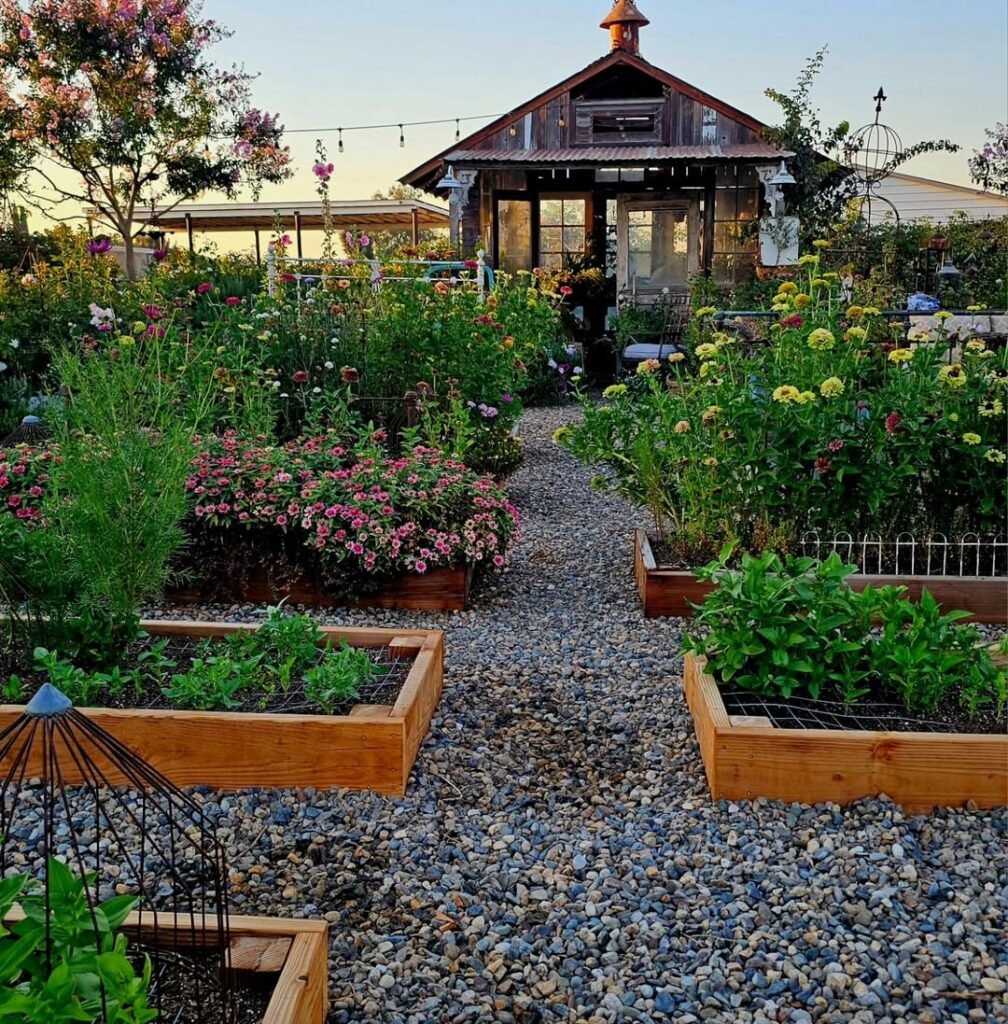
Same location, same beds, completely different results. The gravel layer made all the difference.
Let me show you 13 gravel-lined raised bed designs that solve drainage problems and boost production.
Why My Original Beds Failed
My first raised bed disaster:
Standard construction:
- Built 4×8 cedar frames
- 18 inches tall
- Filled with “perfect” soil mix
- Set directly on clay ground
Year 1 problems:
Standing water:
- Rain pooled in beds
- Took days to drain
- Roots sitting in water
- Constant sogginess
Disease issues:
- Tomato root rot
- Damping off seedlings
- Fungal problems
- Lost 40% of plants
Poor production:
- Stunted growth
- Yellow leaves (oxygen-starved roots)
- Minimal harvest
- Disappointing results
The diagnosis: No drainage path – water entered beds but couldn’t leave, trapped by clay beneath.
After adding gravel base:
Rebuilt same beds:
- Removed all soil (brutal work)
- Added 4 inches gravel bottom
- Landscape fabric over gravel
- Soil back on top
Year 1 results:
Perfect drainage:
- Water drains in minutes
- No standing water ever
- Roots access air
- Healthy root zone
Disease eliminated:
- Zero root rot
- No damping off
- Healthy plants
- Problem solved
Production doubled:
- Before gravel: 60 pounds tomatoes (4 beds)
- After gravel: 120 pounds tomatoes
- Same varieties, same care
- Gravel layer made the difference
My revelation: Drainage is foundation of raised bed success – without it, everything else fails.
1. Classic Gravel Base Raised Bed (My Standard Build)
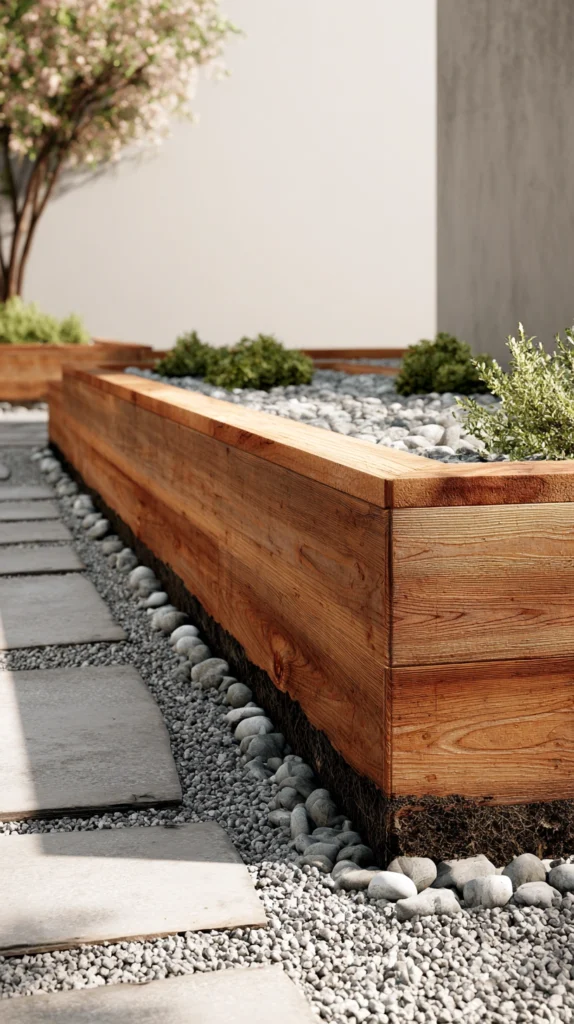
Traditional raised bed with drainage layer – solves 90% of problems.
My current standard (4×8 beds):
Construction layers (bottom to top):
Layer 1 – Gravel (4 inches):
- 3/4-inch crushed stone
- Creates drainage void
- Water highway away
- Critical foundation
Layer 2 – Landscape fabric:
- Weed barrier grade
- Prevents soil washing through
- Water passes, soil stays
- Simple but essential
Layer 3 – Soil mix (14 inches):
- 60% topsoil or garden soil
- 30% compost
- 10% perlite
- Perfect growing medium
Benefits I’ve seen:
Immediate drainage:
- Heavy rain soaks in
- Drains in 10-15 minutes
- Never waterlogged
- Perfect moisture level
Healthier roots:
- Access to oxygen
- No sitting in water
- Explore full depth
- Vigorous growth
Earlier spring planting:
- Beds warm faster (air underneath)
- Drain spring rains
- Start 2 weeks earlier
- Extended season
Cost breakdown (per 4×8 bed):
- Gravel (1 cubic yard): $35
- Landscape fabric: $8
- Delivery/hauling: $20
- Total: $63 upgrade
Worth every penny – transformed failing beds to thriving gardens.
Gravel Selection
What works best:
Size matters:
3/4-inch crushed stone (my choice):
- Optimal drainage
- Doesn’t compact
- Available everywhere
- $35-45 per cubic yard
1-2 inch river rock:
- Larger gaps = faster drainage
- More expensive
- Great for wet sites
- Overkill for most
Avoid:
- Pea gravel (too small, compacts)
- Sand (creates impermeable layer)
- Smooth river rock under 1/2 inch
- Construction debris
How much needed:
4×8 bed, 4 inches deep:
- 32 square feet × 0.33 feet = 10.67 cubic feet
- Divide by 27 = 0.4 cubic yards
- Round up to 0.5 cubic yards per bed
My 6 beds: 3 cubic yards total, delivered in one load = $105
2. French Drain Raised Bed (Extreme Drainage)
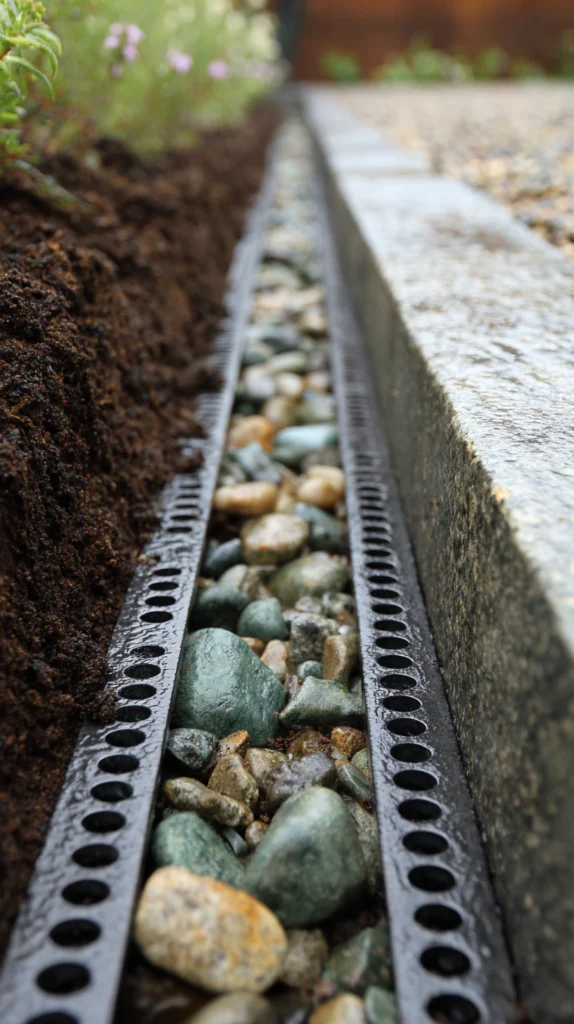
Perforated pipe in gravel – for worst clay soil.
My lowest-spot bed (water naturally collects):
Enhanced drainage system:
Perforated pipe:
- 4-inch corrugated drain pipe
- Runs length of bed (8 feet)
- Buried in gravel layer
- Exits at low end
Gravel trench:
- Dig below bed frame
- 6 inches deep
- 12 inches wide
- Fill with gravel
Pipe placement:
- Slight slope (1/4 inch per foot)
- Exits to daylight
- Water escapes completely
- Never backs up
Performance:
Before French drain:
- Waterlogged constantly
- Only spot in yard that pooled
- Couldn’t grow anything
- Wasted space
After installation:
- Drains in minutes
- Even after 3-inch rain
- Best-performing bed now
- Problem solved permanently
Cost: $80 (extra gravel + pipe), solved $0 space, huge value.
My French drain bed: Wettest spot now most productive, extreme solution for extreme problem.
3. Wicking Bed with Gravel Reservoir (Self-Watering)
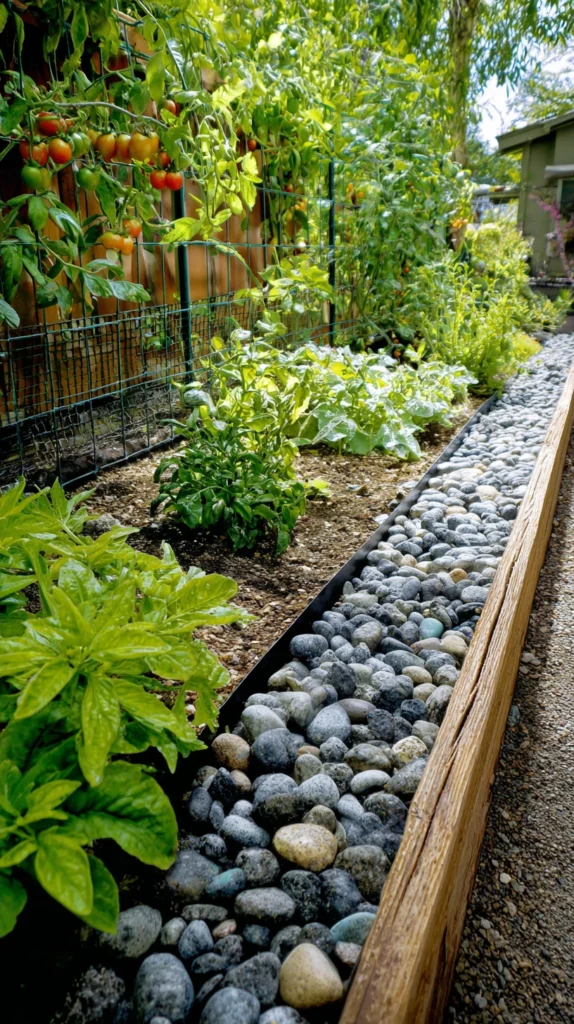
Water stored in gravel layer – bottom-up irrigation.
My self-watering design:
Modified gravel layer:
Bottom (6 inches):
- Coarse gravel reservoir
- Holds water
- Acts like underground tank
- Perforated pipe fills it
Middle (landscape fabric):
- Separates soil from gravel
- Allows wicking
- Prevents soil mixing
- Critical barrier
Top (12 inches soil):
- Growing medium
- Wicks water from below
- Roots never sitting in water
- Self-irrigating system
Fill pipe:
- PVC pipe to gravel layer
- Fill reservoir from top
- Monitor water level
- Easy maintenance
How it works:
Watering:
- Pour water in fill pipe
- Fills gravel reservoir
- Capillary action wicks upward
- Roots take what’s needed
Frequency:
- Fill reservoir weekly (summer)
- Lasts 5-7 days
- Way less than daily top watering
- Vacation-friendly
Perfect for:
- Tomatoes (consistent moisture)
- Peppers (hate drought stress)
- Greens (need steady water)
- Busy gardeners
My wicking bed: Best tomato production, least watering required, engineering solution to watering problem.
4. Tiered Gravel Drainage System (Slope Solution)
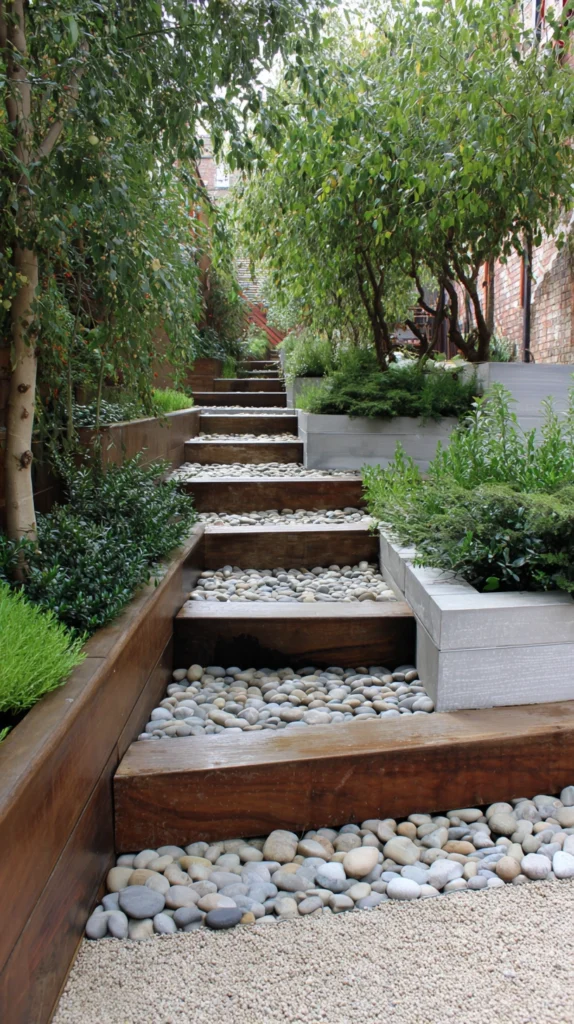
Multiple beds stepping downhill – gravel channels water.
My sloped backyard (12% grade):
Three-tier system:
Top bed (highest):
- Standard 4-inch gravel base
- Drains to middle bed
- Overflow pipe in side
Middle bed:
- Receives top bed drainage
- Own gravel layer (6 inches)
- Drains to bottom bed
- Distribution point
Bottom bed:
- Final drainage
- 8-inch gravel layer (largest)
- Drains to daylight
- System outlet
Water management:
Heavy rain:
- Top bed fills, drains to middle
- Middle receives, drains to bottom
- Bottom exits to yard
- Cascade system
- No erosion
Normal conditions:
- Each bed self-contained
- Independent drainage
- Water travels only if saturated
- Fail-safe design
Benefits:
Erosion control:
- Before: Slope washed away
- After: Stable terraces
- Water managed
- No runoff damage
Microclimates:
- Top bed: Hottest, driest
- Middle: Moderate
- Bottom: Coolest, most moisture
- Plant accordingly
My tiered system: Solved hillside problem, created three distinct growing zones, beautiful and functional.
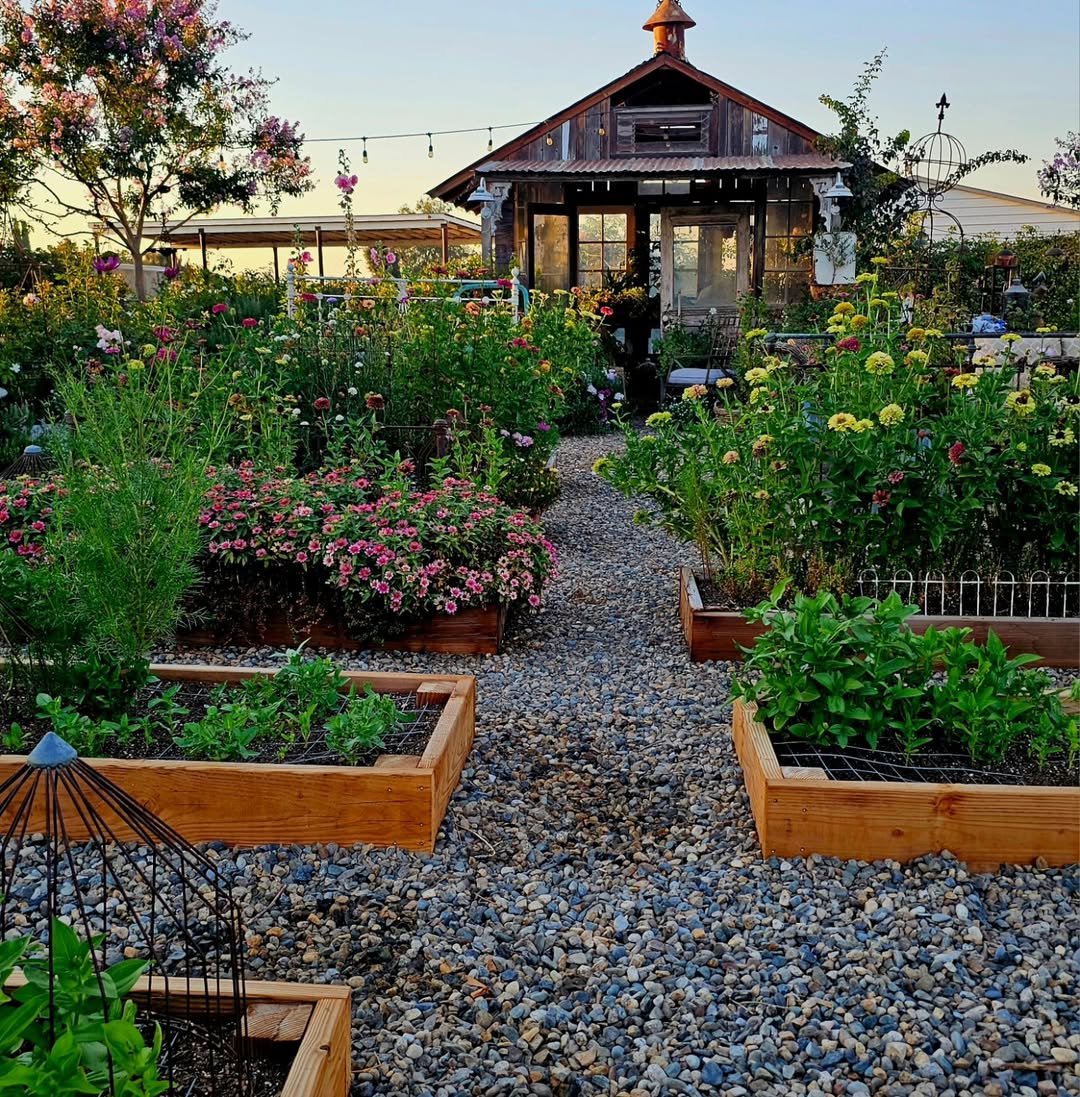
5. Gravel Pathway Beds (Integrated Design)
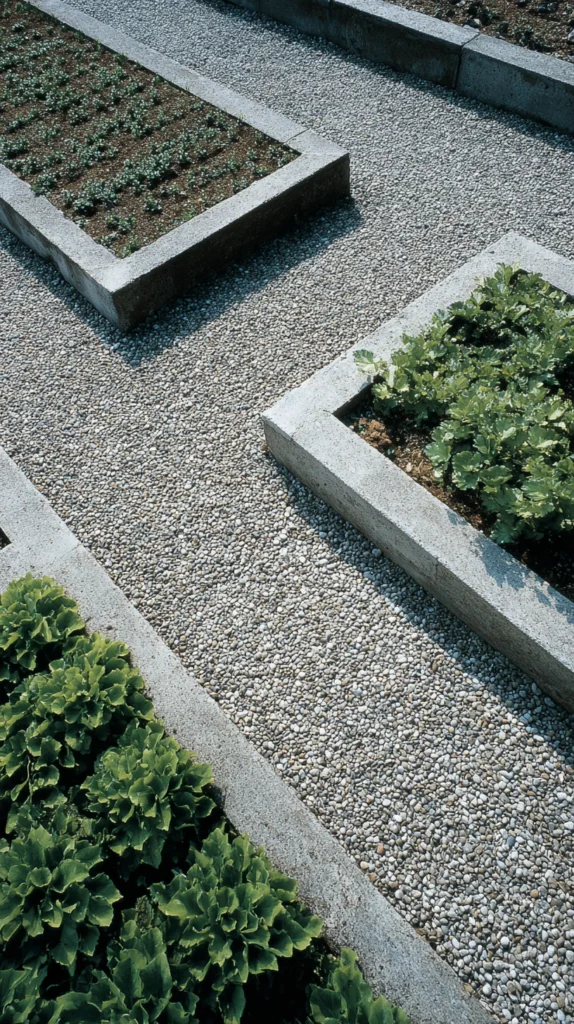
Gravel paths between beds – complete drainage system.
My 6-bed layout:
Bed arrangement:
- Six 4×8 beds
- 3-foot paths between
- Grid pattern
- Organized layout
Path construction:
Under paths:
- Excavate 4 inches
- Same gravel as bed bases
- Connects all beds
- Drainage network
Path surface:
- 2 inches decorative gravel (top)
- Different color (visual interest)
- Compacts firm walking surface
- Weed-free
How it works:
Bed drainage:
- Water exits bed bottoms
- Enters path gravel
- Flows to lowest point
- Disperses or exits yard
Path function:
- Permanent walkways (never muddy)
- Drainage infrastructure
- Clean appearance
- Dual purpose
Cost efficiency:
- Excavating paths anyway
- Use same gravel (bulk discount)
- One delivery, two purposes
- Smart economics
My gravel path system: Never muddy walkways, beds drain perfectly, looks designed and intentional.
6. Insulated Gravel Base (Season Extension)
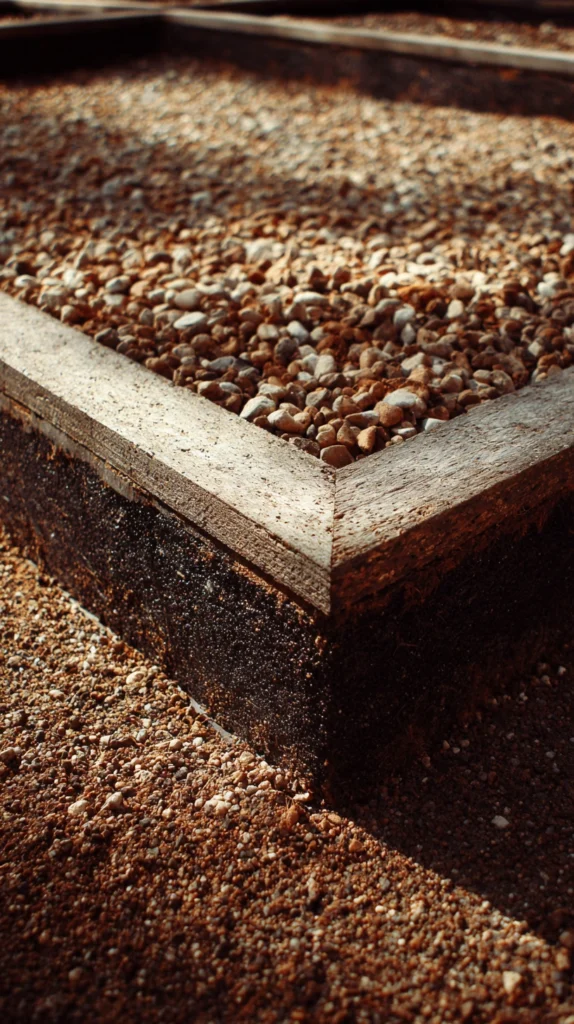
Gravel layer traps heat – earlier spring, later fall.
My season-extending bed:
Enhanced gravel layer:
Standard gravel (4 inches) plus:
- Black landscape fabric under gravel
- Absorbs sun heat
- Radiates warmth upward
- Thermal mass benefit
Air gap benefits:
- Gravel creates air space
- Insulates from frozen ground
- Beds warm faster spring
- Cool slower fall
Measured temperature:
Spring soil temperature:
- Standard bed (no gravel): 50°F (March 15)
- Gravel-base bed: 55°F (same day)
- 5°F warmer = 2 weeks earlier planting
Fall:
- First frost: October 15
- Standard bed frozen: October 20
- Gravel bed frozen: November 5
- 2 weeks longer harvest
Season extension:
- Start earlier (2 weeks)
- End later (2 weeks)
- Total gain: 4 weeks additional growing
- Significant difference
My insulated bed: First planted, last harvested, most productive per square foot.
7. Recycled Material Gravel Base (Budget Option)
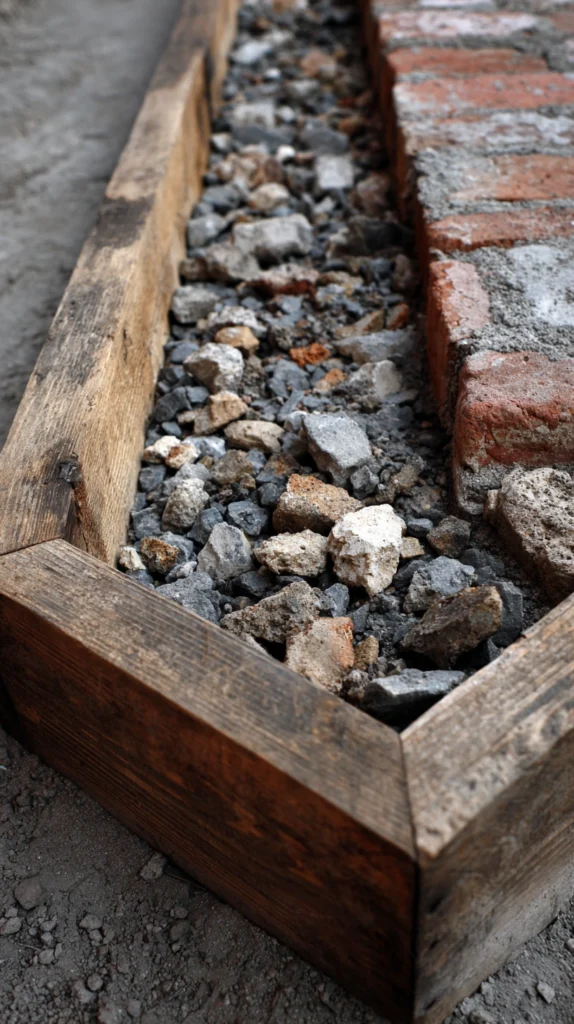
Free/cheap drainage materials – function over aesthetics.
My budget bed experiment:
Instead of purchased gravel:
Broken concrete (urbanite):
- Old sidewalk chunks
- Smashed into 2-4 inch pieces
- Free from Craigslist
- Perfect drainage
Mixed with:
- Crushed brick (free from renovation)
- Broken terracotta pots (my mistakes)
- Construction rubble (clean, no treated wood)
- Whatever’s available
Construction:
- 4-inch mixed layer
- Landscape fabric on top
- Soil as normal
- Cost: $0
Performance:
- Drains identically to gravel
- Visually hidden (under soil)
- Function over form
- Budget win
Free material sources:
- Craigslist “free” section
- Renovation sites (ask permission)
- Broken concrete paths
- Old brick patios
My recycled bed: Functions perfectly, cost nothing, sustainable reuse.
8. Gravel Bottom Livestock Trough Bed (Container Drainage)
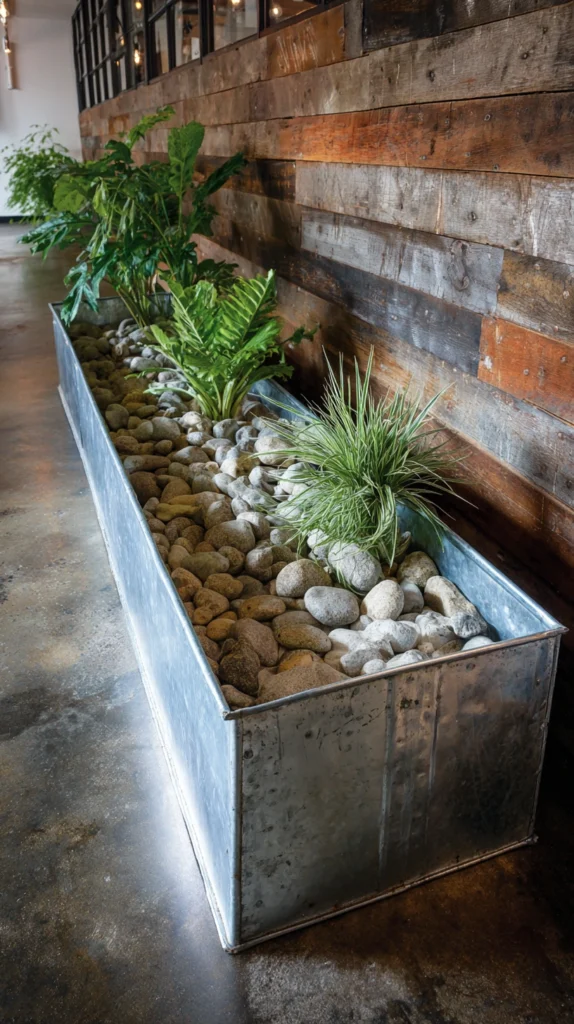
Stock tank raised beds – gravel solves container issues.
My 2×6 foot galvanized tanks:
Tank preparation:
Drill drainage holes:
- 1/2-inch holes
- Every 12 inches
- Bottom of tank
- Adequate drainage
Gravel layer (6 inches):
- More than ground beds
- Containers need more drainage
- Critical for success
- Don’t skip
Soil above gravel (18 inches):
- Growing depth
- Root zone
- Standard mix
- Generous amount
Why containers need more gravel:
Limited volume:
- Water can’t escape sideways
- Only down
- More drainage needed
- Prevent saturation
Metal heats up:
- Tank sides hot in sun
- Roots need protection
- Gravel insulates
- Buffer zone
Results:
Before gravel:
- Tried stock tank without gravel
- Plants struggled
- Soil stayed too wet
- Disappointing
After gravel:
- Tomatoes thrive
- Perfect moisture
- Better than ground beds
- Problem solved
My stock tank beds: 4 tanks, all with 6-inch gravel base, most productive containers I’ve ever used.
9. Shallow Gravel Wide-Spreading Bed (Root Crops)
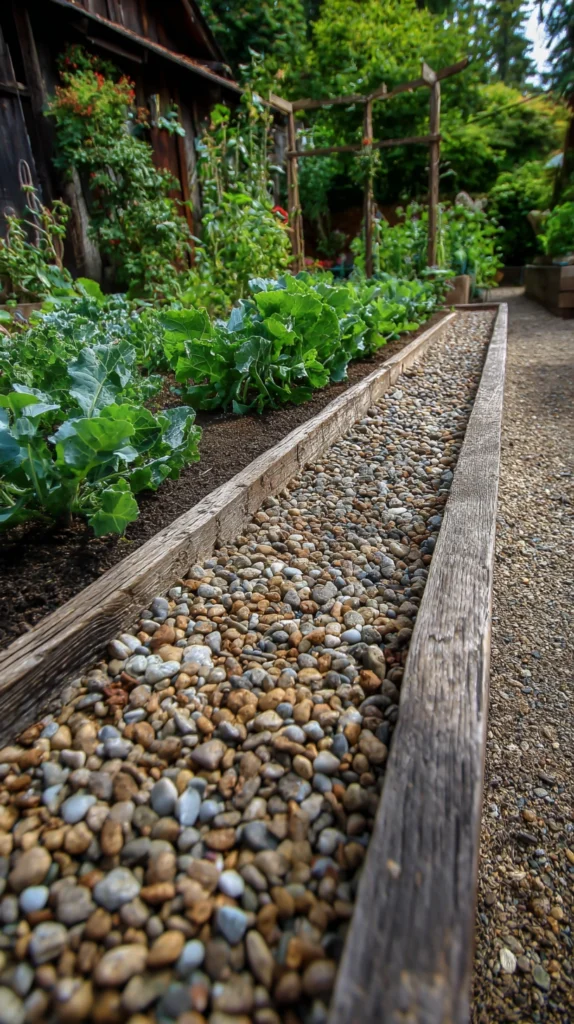
Minimal gravel depth, maximum width – carrot-friendly design.
My root vegetable bed:
Design:
Dimensions:
- 12 feet long × 4 feet wide
- Only 12 inches tall (shallow)
- 2 inches gravel (thinner layer)
- 10 inches soil above
Why shallow gravel:
Root depth needed:
- Carrots need 8-10 inches
- Parsnips need 12 inches
- Beets need 6-8 inches
- Can’t waste depth on thick gravel
Drainage strategy:
- Thinner gravel (2 inches)
- Compensate with coarser stone (1-inch)
- Faster drainage through larger gaps
- Works perfectly
Root crop results:
Before (no gravel):
- Carrots forked and twisted
- Compacted soil
- Poor quality
- Frustrating
After (with gravel):
- Straight, beautiful carrots
- Loose, perfect soil
- Drainage prevents compaction
- Exhibition quality
My root bed: 50 pounds carrots, 30 pounds beets, perfect specimens, gravel allows deep root penetration.
10. Raised Bed with Gravel Moat (Pest Barrier)
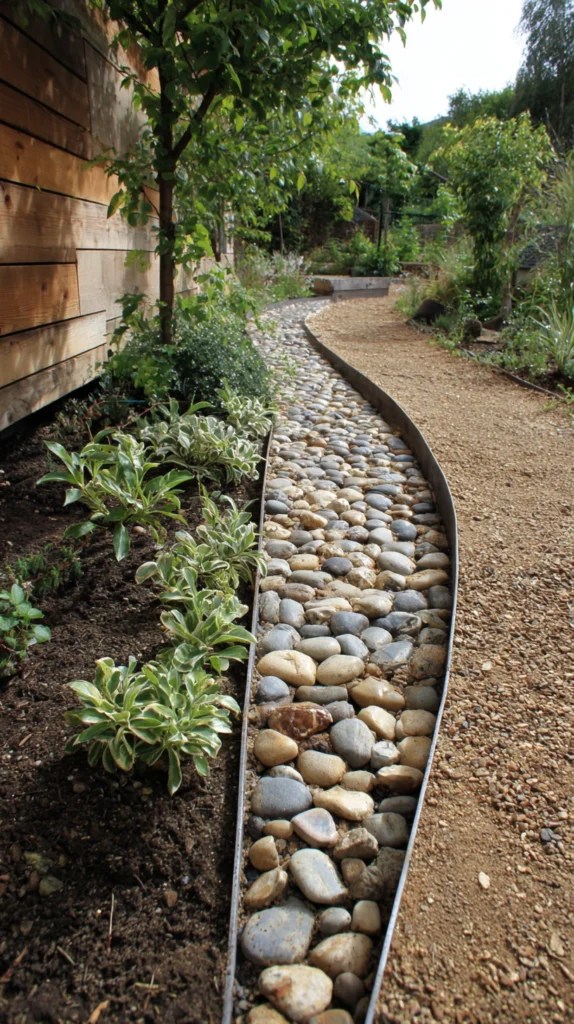
Gravel perimeter trench – deters digging pests.
My vole-plagued garden:
The problem:
- Voles tunneling under beds
- Eating roots from below
- Destroying entire plants
- Major losses
Gravel moat solution:
Excavation:
- Trench around entire bed
- 8 inches deep
- 6 inches wide
- Surrounds perimeter
Filling:
- Sharp crushed gravel
- Uncomfortable for digging
- Creates barrier
- Fills trench
Hardware cloth addition:
- 1/4-inch mesh
- Lines bottom and sides of bed
- Extends into gravel moat
- Complete protection
Results:
Before moat:
- Lost 30% of root crops
- Voles tunneling constantly
- Set traps (didn’t help much)
- Frustrating battle
After moat:
- Zero vole damage (3 years)
- Gravel too annoying to dig through
- They go elsewhere
- Problem solved
My moated beds: Vole-free zone, gravel creates uncomfortable barrier, best pest solution I’ve found.
11. Layered Gravel Sizes (Engineered Drainage)
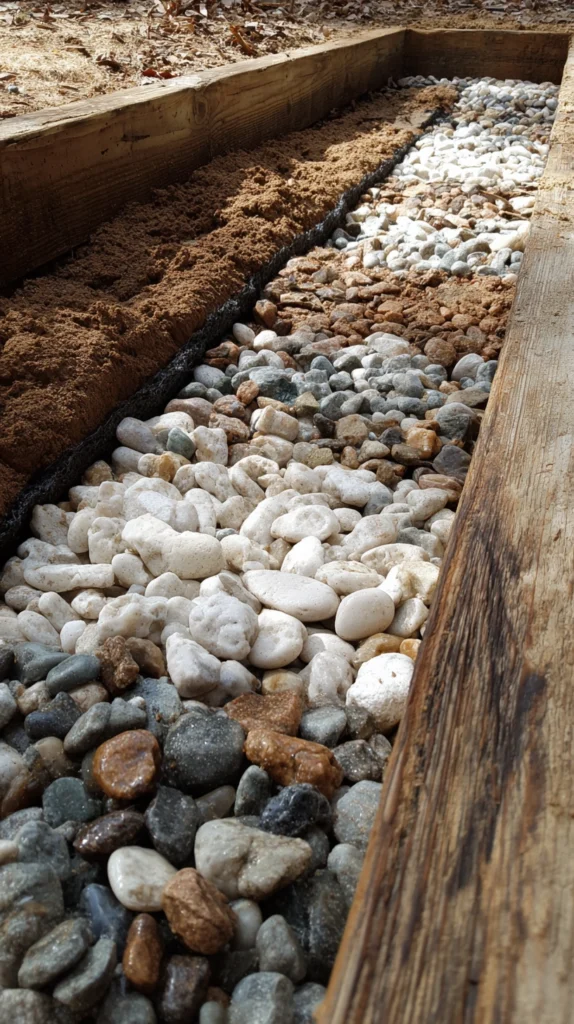
Multiple gravel layers – professional drainage system.
My engineer friend’s design:
Three-layer system:
Bottom (2 inches):
- Large river rock (2-3 inches)
- Maximum void space
- Fastest drainage
- Foundation layer
Middle (2 inches):
- 3/4-inch crushed stone
- Transition layer
- Good drainage
- Structural
Top (1 inch):
- 1/4-inch gravel
- Finer particles
- Prevents soil washing down
- No fabric needed
Filtration principle:
Water flows down easily:
- Large to small particles
- Water passes freely
- Gravity-fed
- Efficient
Soil stays up:
- Can’t penetrate fine top layer
- Natural filter
- No fabric needed
- Self-maintaining
My test bed:
- Built following engineer’s specs
- Drains in seconds (fastest I have)
- 3 years old, still perfect
- No fabric degradation (none used)
Cost: Same as single gravel layer (just divided differently), superior performance.
12. Gravel Base with Heating Cables (Active Season Extension)
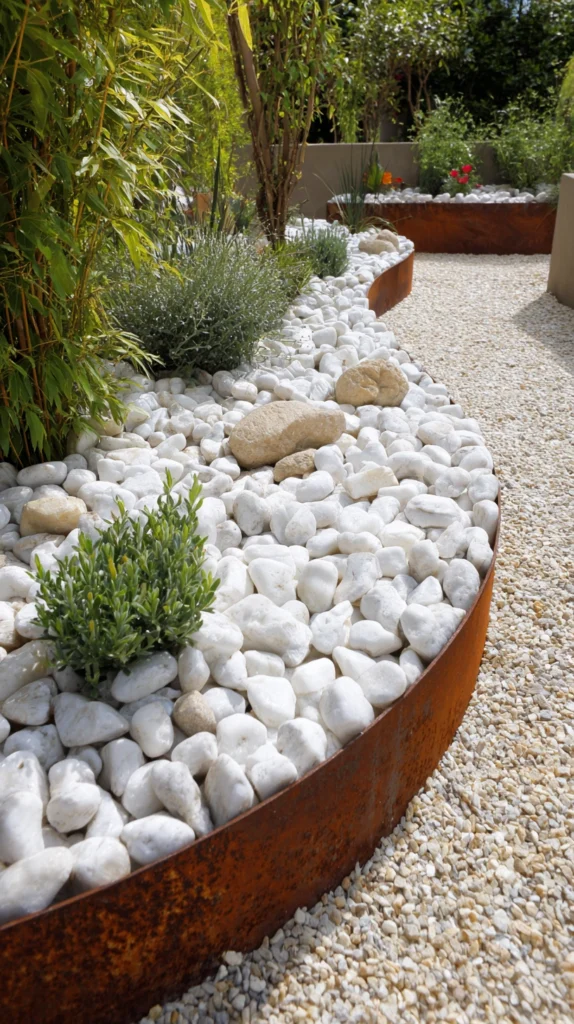
Electric heat in gravel layer – extreme season extension.
My experimental heated bed:
Installation:
Gravel layer (4 inches):
- Standard crushed stone
- Electric heating cable (soil warming type)
- Snaked through gravel
- Buried completely
Control system:
- Thermostat sensor
- Set to 50°F activation
- Heats gravel when soil drops below
- Automatic operation
Performance:
Spring planting:
- Normal beds plantable: April 15
- Heated bed plantable: March 20
- 4 weeks earlier
- Started tomatoes direct
Fall extension:
- Normal frost kill: October 20
- Heated bed protected: November 15
- 4 additional weeks
- Late tomatoes
Annual extra season: 8 weeks total
Cost analysis:
Installation: $120 (heating cable + thermostat) Electricity: $15-20 monthly (March + November only) Annual cost: $40 Extra production: 40 pounds tomatoes = $120 value ROI: 3× return
My heated bed: Expensive experiment, surprisingly effective, considering second bed.
13. Sunken Gravel Bed (Below-Grade Design)
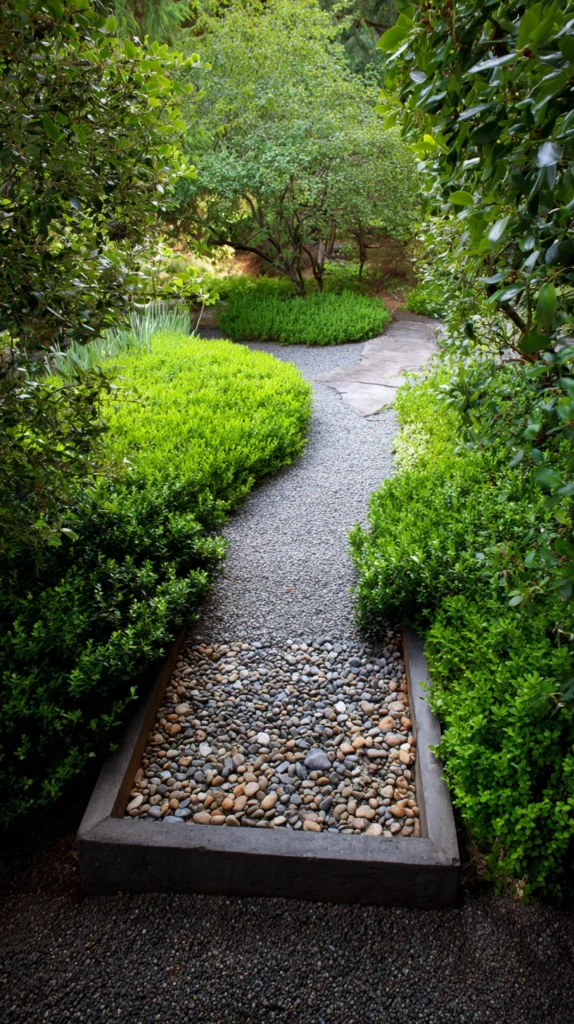
Excavate down instead of building up – in-ground drainage.
My permanent bed system:
Construction:
Excavation:
- Dig 16 inches deep
- 4×8 footprint
- Remove clay soil
- Set aside topsoil
Bottom layer (8 inches):
- Coarse gravel
- Deep drainage reservoir
- Large stone (2-inch)
- Maximum void space
Top layer (8 inches):
- Growing soil mix
- Level with ground
- Flush surface
- Looks natural
Benefits:
No raised sides needed:
- No lumber cost
- No building
- Just excavation
- Minimal materials
Ground-level appearance:
- Not “raised” bed
- Looks like regular garden
- HOA-friendly
- Subtle
Permanent installation:
- No rotting wood
- No replacement
- Decades lifespan
- Set and forget
Challenges:
Labor intensive:
- Digging 4×8×16 inches = 42 cubic feet
- Heavy work
- Wheelbarrow loads
- Weekend project
Not adjustable:
- Can’t move it
- Permanent commitment
- Plan carefully
- No flexibility
My sunken beds: 3 beds, most permanent solution, love the ground-level aesthetic.
Gravel Layer Construction Details
Critical installation steps:
Soil Preparation
Before adding gravel:
Level the base:
- Excavate high spots
- Fill low spots
- Perfectly level
- Use string and level
Reason:
- Water pools in low spots
- Even with gravel
- Level ensures even drainage
- Worth the effort
Compact the ground:
- Walk on it
- Or use hand tamper
- Firm surface
- Prevents settling
My mistake: Didn’t level first bed, gravel followed ground dips, water pooled in one corner anyway.
Landscape Fabric Choice
What actually works:
Commercial weed barrier:
- 3-4 oz weight (heavy duty)
- NOT cheap stuff
- Water permeable
- Durable
Avoid:
- Plastic sheeting (doesn’t drain)
- Thin fabric (tears easily)
- No fabric at all (soil washes down)
Installation:
- Overlap edges 6 inches
- Come up sides 2 inches
- Secure with soil weight
- Cut X for pipes
My fabric: DeWitt commercial landscape fabric, 6 years old still intact.
Gravel Depth Guidelines
By soil type:
Clay soil (my situation):
- 4-6 inches gravel minimum
- More is better
- Creates real drainage path
- Essential
Loam soil:
- 3-4 inches adequate
- Good natural drainage
- Gravel enhances it
- Standard depth
Sandy soil:
- 2 inches sufficient
- Already drains well
- Gravel mainly structural
- Minimal needed
My recommendation: Default to 4 inches unless you have sandy soil.
Cost-Benefit Analysis
Is gravel worth the expense?
My 4×8 bed costs:
Gravel layer:
- 0.5 cubic yard gravel: $35
- Landscape fabric: $8
- Delivery: $10 (split across 6 beds)
- Total: $53 per bed
Without gravel (my first year):
Losses from poor drainage:
- 40% plant loss: $30 value
- Reduced yield: $50 value
- Wasted soil/amendments: $20
- Annual loss: $100
With gravel (current):
- Zero waterlogging losses
- Full production
- Healthy plants
- Savings: $100 yearly
Payback: Under 6 months, then pure savings for life of bed (15+ years).
Hidden Benefits (Unquantified Value)
What gravel also provides:
Reduced disease:
- Better air circulation
- Roots healthier
- Less fungal issues
- Fewer pesticide needs
Earlier spring start:
- Warmer soil (air gap)
- Plant 1-2 weeks earlier
- Extended season
- More harvests
Reduced watering:
- Excess drains away
- But gravel holds some moisture
- More even moisture
- Less daily watering
My experience: $53 per bed is cheapest “bed insurance” I’ve found.
Common Gravel Bed Mistakes
What I learned the hard way:
Mistake 1: Skipped Landscape Fabric
Lazy first bed:
- Thought unnecessary
- Just gravel then soil
- Saved $8
Result:
- Soil washed into gravel
- Gravel layer clogged
- Drainage failed year 2
- Had to rebuild
Fix: ALWAYS use fabric, non-negotiable, learned this hard way.
Mistake 2: Used Pea Gravel
Looked prettier:
- Smooth round stones
- Nice appearance
- Seemed fine
Problem:
- Too small (1/4 inch)
- Compacted over time
- Drainage decreased
- Poor choice
Fix: Switched to 3/4-inch crushed stone, angular edges don’t compact.
Mistake 3: Insufficient Depth
Tried to save money:
- Only 2 inches gravel
- In heavy clay
- Figured “some is better than none”
Result:
- Still had waterlogging
- Clay overwhelmed thin layer
- Marginal improvement
- Wasted effort
Fix: Rebuilt with 4 inches, massive difference.
Mistake 4: No Side Drainage
Bed completely sealed:
- Gravel only on bottom
- Sides blocked by frame
- Water trapped inside
- Partial fix only
Solution:
- Drill holes in bed sides (near bottom)
- Allow lateral drainage
- Water escapes sides too
- Complete system
My Complete Gravel Bed System
What’s actually in my garden:
Six 4×8 beds with gravel:
Standard beds (4):
- 4-inch gravel base
- Landscape fabric
- 14 inches soil
- General vegetables
Wicking bed (1):
- 6-inch gravel reservoir
- Fill pipe
- Self-watering
- Tomatoes and peppers
Heated bed (1):
- 4-inch gravel with heating cable
- Season extension
- Earliest/latest crops
- Experimental
Path system:
- 4-inch gravel throughout
- Connects all beds
- Never muddy
- Integrated drainage
Total gravel investment:
- 6 beds × 0.5 yards = 3 yards
- Paths: 2 yards
- Total: 5 yards
- Cost: $175 delivered
Before gravel:
- Plant losses: 30%
- Production: Mediocre
- Disease problems: Constant
- Frustration: High
After gravel:
- Plant losses: Under 5%
- Production: Excellent
- Disease problems: Rare
- Satisfaction: Total
Best $175 invested – transformed entire garden permanently.
When Gravel Isn’t Needed
Honest assessment:
Skip gravel if:
Sandy or loamy soil:
- Already drains well
- Test: Dig hole, fill with water, drains in 1 hour
- Gravel overkill
- Save the money
Elevated beds:
- Already off ground (18+ inches)
- Natural drainage from height
- Gravel redundant
- Unnecessary
Arid climates:
- Drainage not the problem
- Need water retention instead
- Gravel counterproductive
- Wrong solution
My clay soil: Gravel absolutely essential, but I’ve seen sandy-soil gardens thrive without it.
Getting Started This Season
Don’t retrofit all beds at once.
This spring:
Test one bed:
- Choose worst-draining bed
- Empty soil (save it)
- Add 4 inches gravel
- Fabric and refill
- Compare to others
Cost for one 4×8 bed:
- 0.5 cubic yard gravel: $35
- Landscape fabric: $8
- Total: $43
Compare performance:
- Side-by-side test
- Same plants, same care
- See difference yourself
- Convincing proof
After seeing results:
- Retrofit remaining beds
- Spread over 2-3 years
- Gravel lasts forever
- No rush
My recommendation:
Start with problem bed:
- One that drains worst
- Most waterlogged
- Biggest failure
- Prove concept there
See dramatic difference, then expand system based on budget and need.
Now go improve your bed drainage and watch your garden thrive!
Quick Summary:
Best gravel-lined bed designs:
Standard raised bed: 4-inch gravel base (solves 90% of drainage issues) French drain bed: Perforated pipe in gravel (extreme drainage, worst sites) Wicking bed: 6-inch gravel reservoir (self-watering, vacation-friendly) Tiered system: Connected beds on slopes (erosion control + production) Sunken bed: Below-grade with deep gravel (permanent, ground-level)
Gravel selection:
Best choice: 3/4-inch crushed stone (optimal drainage, doesn’t compact) Premium: 1-2 inch river rock (faster drainage, wet sites) Budget: Broken concrete/urbanite (free, functions identically) Avoid: Pea gravel (too small, compacts), sand (impermeable layer)
Depth requirements:
Clay soil: 4-6 inches minimum (more is better) Loam soil: 3-4 inches adequate (good natural drainage) Sandy soil: 2 inches sufficient (enhances existing drainage) Standard recommendation: 4 inches (works for most situations)
Cost breakdown (4×8 bed):
Materials:
- Gravel (0.5 cubic yard): $35
- Landscape fabric: $8
- Delivery share: $10
- Total: $53
DIY labor: 2-3 hours (excavate, spread gravel, fabric, refill soil)
Benefits delivered:
Immediate: No waterlogging, perfect drainage Season 1: Healthier plants, reduced disease Years 2+: Warmer spring soil (2 weeks earlier), extended season Long-term: Permanent improvement (15+ year lifespan)
ROI timeline:
Initial cost: $53 per 4×8 bed Annual savings: $100+ (reduced losses, disease, better yields) Payback: 6 months Lifetime value: $1,500+ over 15 years
Construction steps:
- Level ground thoroughly (critical for even drainage)
- Add gravel layer (4 inches standard)
- Install landscape fabric (overlap edges 6 inches)
- Add soil mix (12-18 inches growing depth)
- Plant immediately (no settling time needed)
Fabric requirements:
Weight: 3-4 oz commercial grade (not cheap stuff) Water: Must be permeable (test: pour water, should drain) Coverage: Overlap edges, come up sides 2 inches Lifespan: 10+ years if quality fabric used
Gravel amounts needed:
4×8 bed, 4 inches deep: 0.5 cubic yards 4×8 bed, 6 inches deep: 0.75 cubic yards Paths (3 ft wide, 4 in deep): Calculate linear feet × 0.09 = cubic yards
Order 10% extra (account for settling, gaps)
Performance improvements:
Drainage: Water exits in 10-15 minutes (vs hours/days) Disease reduction: 80% fewer root rot issues Plant health: Vibrant growth, dark green leaves Yield increase: 30-50% more production Season extension: 2 weeks earlier spring, 2 weeks later fall
When gravel optional:
Sandy soil: Already drains well (test: water gone in 1 hour) Elevated beds: 18+ inches off ground (natural drainage) Arid climates: Need water retention, not drainage Perfect loam: If it ain’t broke (rare situation)
Enhanced designs:
French drain: Add perforated pipe in gravel (extreme drainage) Wicking: Fill pipe to reservoir (self-watering system) Heated: Electric cables in gravel (season extension) Layered: Three gravel sizes (engineered drainage)
Common mistakes:
- No landscape fabric (soil washes into gravel, clogs system)
- Pea gravel choice (too small, compacts over time)
- Insufficient depth (2 inches not enough in clay)
- Unlevel base (water pools despite gravel)
- Wrong drainage direction (no outlet for water)
Alternative drainage materials:
Free options: Broken concrete, brick rubble, clean construction debris Premium: Large river rock (1-2 inch, fastest drainage) Budget: Crushed stone (standard, most available) Avoid: Treated lumber scraps, contaminated materials
Installation timeline:
One 4×8 bed:
- Remove soil: 1 hour
- Spread gravel: 30 minutes
- Install fabric: 15 minutes
- Replace soil: 1 hour
- Total: 2.5-3 hours
Six beds: Full weekend project (with helper)
Special applications:
Container drainage: 6 inches gravel (more than ground beds) Root crops: 2 inches gravel (maximize soil depth) Pest barrier: Gravel moat around perimeter (deters voles) Pathways: Same gravel as beds (integrated system)
Problem-solving guide:
Still waterlogged: Increase depth to 6 inches, add French drain Drains too fast: Reduce to 2 inches, use finer gravel Soil washing through: Add landscape fabric, use correctly Compacted over time: Wrong gravel size, use 3/4-inch crushed
Quick start plan:
Week 1: Choose worst-draining bed, order gravel Week 2: Remove soil (save it), install gravel + fabric Week 3: Replace soil, plant, observe Month 1: Compare to non-gravel beds Season end: Evaluate, plan more retrofits
Success indicators:
- Water drains in 10-15 minutes after heavy rain
- No standing water ever
- Plants greener, more vigorous
- Root rot eliminated
- Earlier spring planting possible
- Disease issues reduced 80%
- Yields increased 30-50%
Remember: Gravel is foundation of healthy beds (literally), 4 inches minimum in clay soil (non-negotiable), landscape fabric essential (prevents soil migration), one-time investment (15+ year lifespan), drainage solves root of most problems (pun intended), test one bed first (prove concept), expand as convinced (retrofit over years).