13 Vertical Garden Wall Ideas
Vertical space is the most underused resource in any garden. A bare fence, a blank wall, or a plain trellis panel represents as much potential planting area as an equivalent stretch of ground — often more, because it is at eye level where it can be seen and enjoyed most directly. The thirteen ideas below turn those surfaces into productive, beautiful, and genuinely functional growing space.
Each setup works for a different wall type, budget, and planting goal — from a simple trellis with a climbing rose to a fully planted modular living wall. Costs and a practical tip are included with each to help you choose the right one for the space you have.
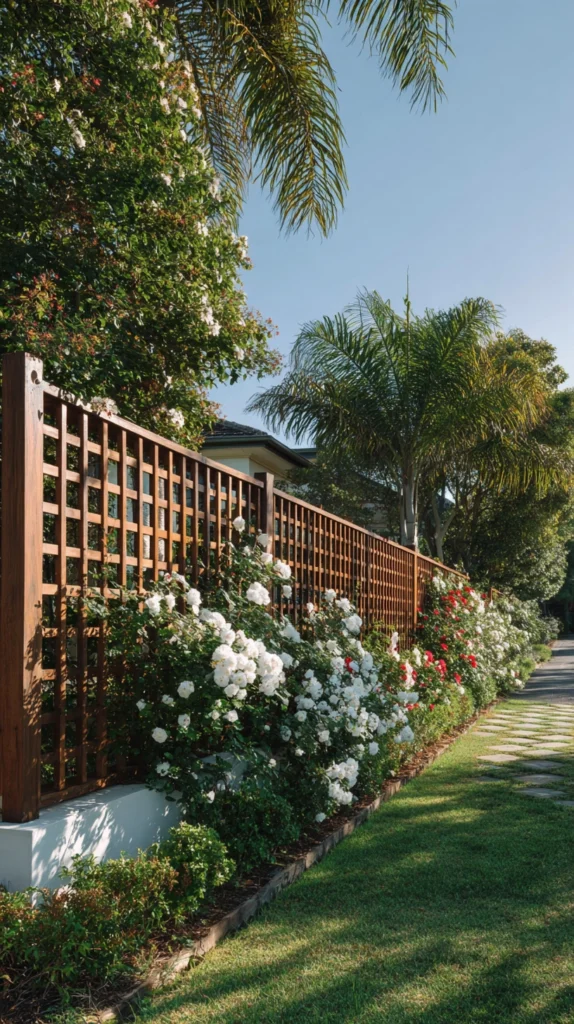
1. Trellis Panels With Climbing Roses
Budget: $40 – $180
Timber or metal trellis panels fixed to a fence or wall and planted with a repeat-flowering climbing rose create the most classic and most reliably beautiful vertical garden available.
Trellis panels cost $15–$40 each. A climbing rose runs $15–$40 per plant. Fix the trellis 5 cm away from the wall surface to allow stems to twine and air to circulate behind the foliage.
Growing tip: Train rose canes horizontally along the trellis rather than vertically. Horizontal training produces far more flowering sideshoots and a significantly fuller, more productive display than canes left to grow straight upward.
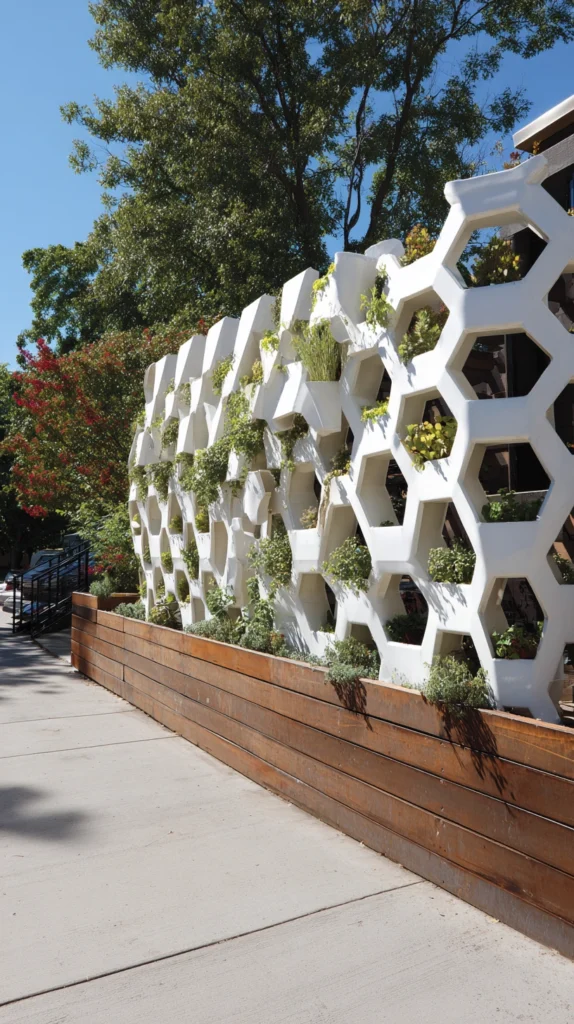
2. Modular Pocket Planter System
Budget: $40 – $150
A modular felt or plastic pocket planter system mounted on a fence or wall turns a single vertical surface into a dense planting of herbs, salad leaves, and trailing flowers within a single afternoon.
Pocket planter sets of 12–20 pockets cost $30–$80. Mount on a south or east-facing surface for best plant performance. Water daily in warm weather — the small soil volume in each pocket dries out considerably faster than a ground-level container.
Growing tip: Install a simple drip irrigation line through the pockets before planting. A basic gravity-fed drip kit costs $15–$30 and eliminates daily hand watering — the most common reason pocket wall systems fail within their first season.
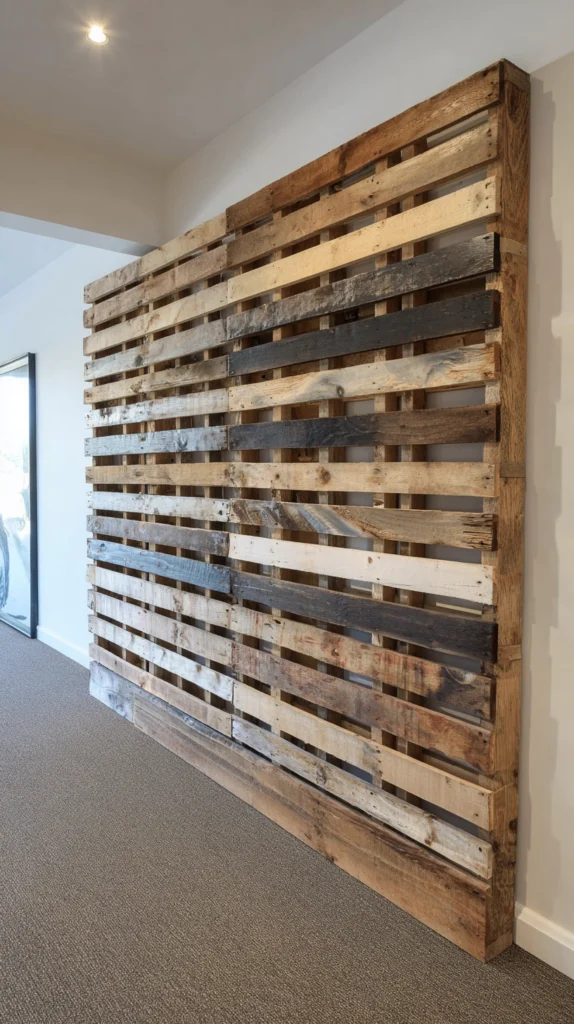
3. Repurposed Pallet Vertical Garden
Budget: $10 – $50
A reclaimed wooden pallet stood upright against a wall or fence, lined with landscape fabric and filled with compost between the slats, makes a productive herb and salad wall from a material that is widely available at zero cost.
Use only heat-treated pallets marked HT — chemically treated pallets contain pesticides that leach into food crops. Line the gaps with stapled landscape fabric, fill with compost, and plant herb plugs directly into the pockets at $2–$4 each.
Growing tip: Lay the pallet flat for two weeks after planting before standing it upright. This gives plant roots time to anchor in the compost before gravity works against them — plants placed in an upright pallet on the same day tend to slip and dry out before establishing properly.
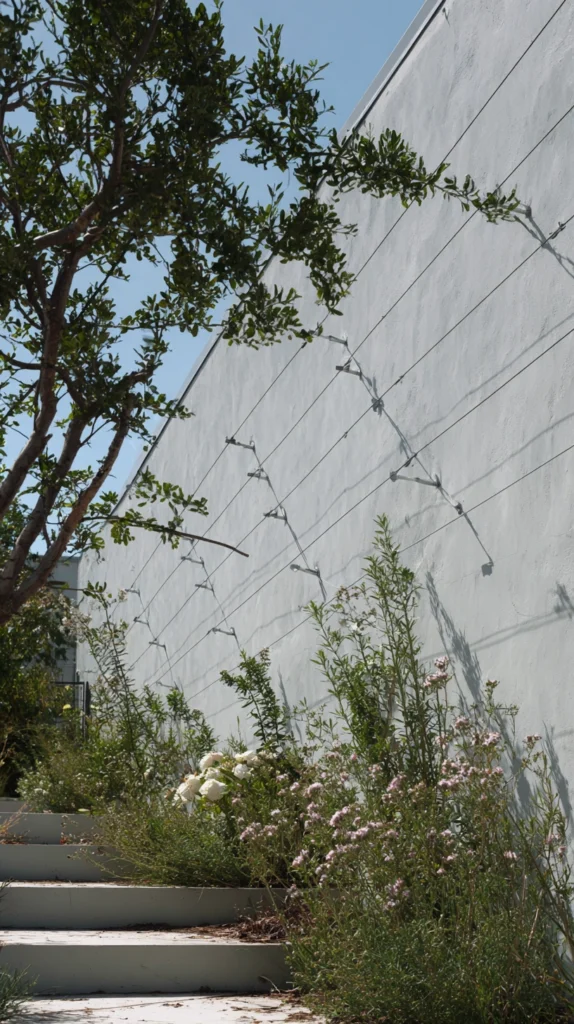
4. Wire and Espalier Fruit Tree
Budget: $60 – $250
Horizontal wires fixed to a south-facing wall at 40 cm intervals, with an apple, pear, or cherry tree trained flat against them in an espalier form, creates a productive fruit wall that occupies almost no depth while covering a large surface area with blossom, fruit, and autumn colour.
Galvanised wire and vine eyes for a 3-metre wall cost $15–$30. A young espalier-trained fruit tree costs $30–$80 from specialist nurseries. The tree takes three to four years to fill the allotted wall space and fruits reliably from the second or third year onward.
Growing tip: Tie lateral branches to the horizontal wires in early summer when the wood is still flexible. Branches trained in winter when they are brittle snap under the tension of bending — early summer training avoids breakages and produces the clean, flat form that makes an espalier both productive and visually striking.
5. A Living Moss Wall Panel
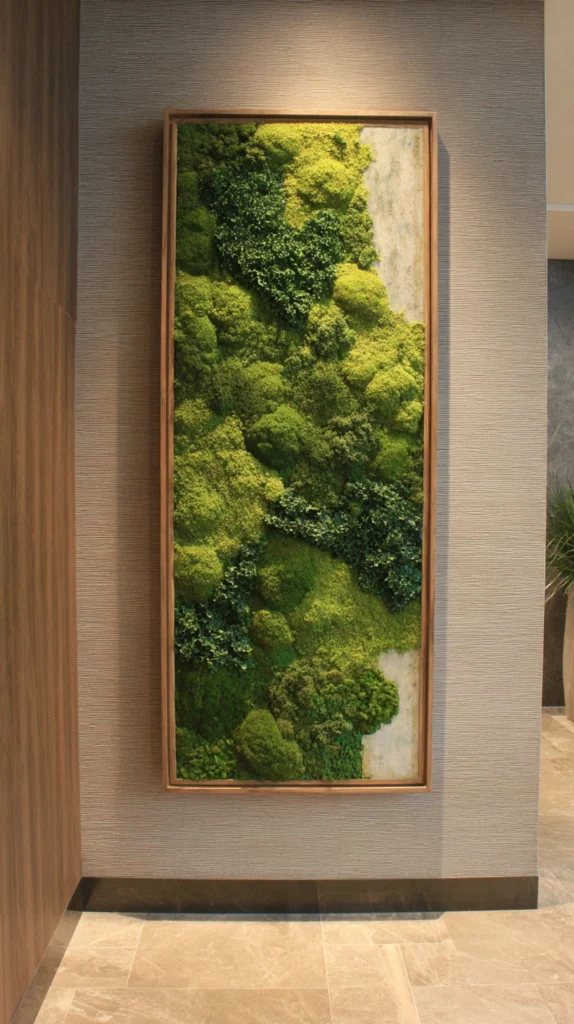
Budget: $50 – $200
A framed panel of preserved or living moss mounted on a wall creates a textural, all-green vertical surface that suits shaded positions where flowering plants struggle and that requires almost no maintenance in its preserved form.
Preserved moss wall art panels — requiring no watering or light — cost $50–$150 for a 60×40 cm size. Living moss panels suitable for a shaded outdoor wall can be established from moss mats at $15–$40 per square metre, kept moist, and left to establish over one growing season.
Growing tip: Mist a living outdoor moss panel twice weekly during dry spells rather than watering from above. Moss absorbs moisture through its surface rather than through roots — misting is more effective than directed watering and prevents the soil displacement that overhead watering causes in an established moss mat.
6. Climbing Hydrangea on a Shaded Wall
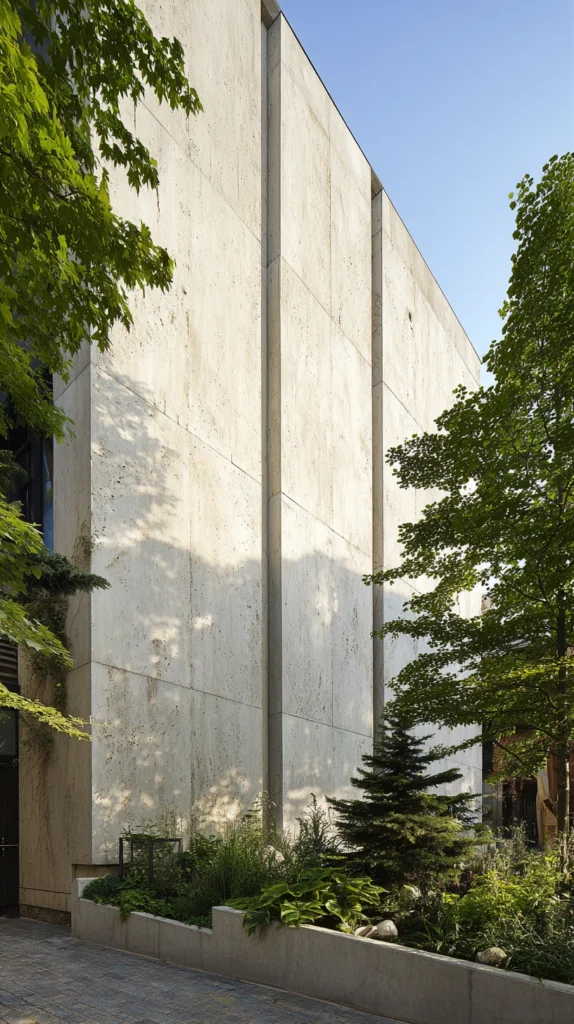
Budget: $20 – $60
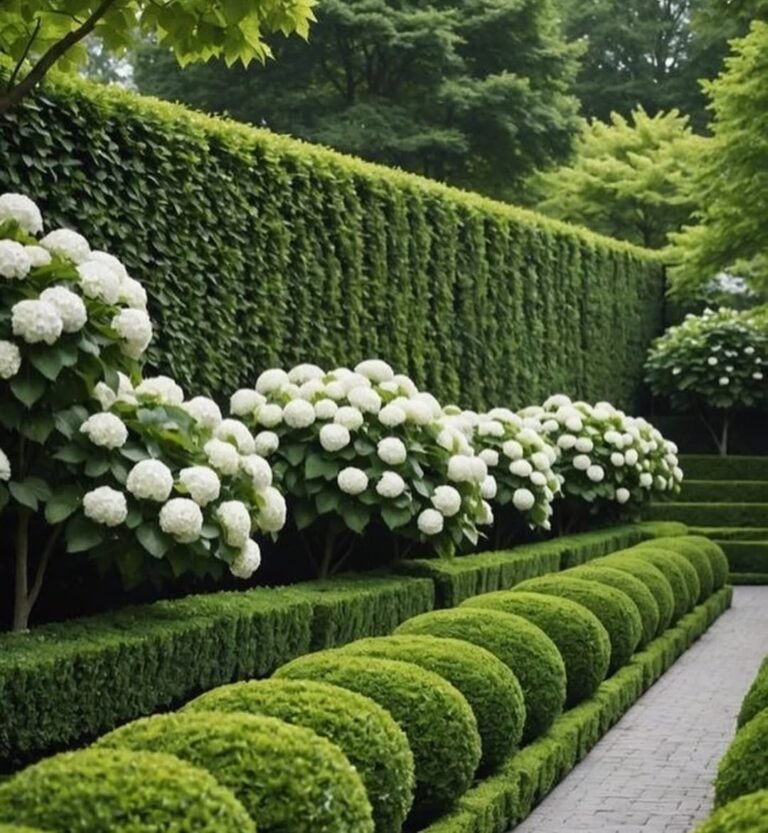
Hydrangea anomala petiolaris is the most reliable and most impressive climber for a north or east-facing wall where most other plants fail to flower. It clings by aerial rootlets without needing wire or trellis support and covers large surfaces with white lacecap flowers in early summer.
A climbing hydrangea in a 3-litre pot costs $20–$40. It establishes slowly in the first two seasons and then grows with increasing speed — the gardening saying spend three years sleeping, creeping, and then leaping describes it accurately. Allow 1.5–2 metres of wall per plant at maturity.
Growing tip: Do not be discouraged if a newly planted climbing hydrangea shows little above-ground growth in its first season. It is establishing an extensive root system underground during this period. By the second spring it begins to grow visibly and by the third it starts to behave like the vigorous, impressive climber it will eventually become.
7. Woven Willow or Hazel Panel With Planting
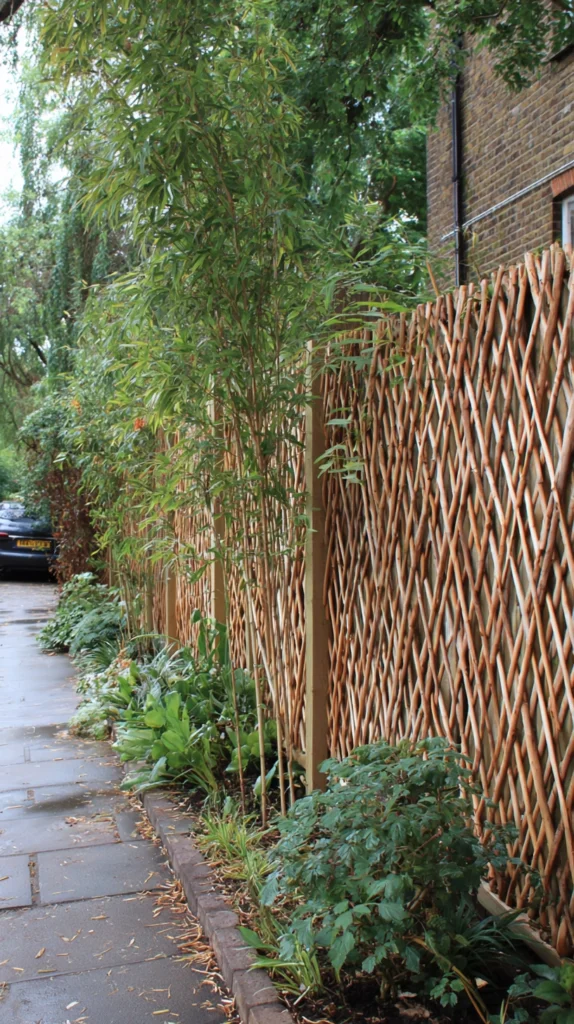
Budget: $60 – $200
A woven willow or hazel hurdle panel — either used as a freestanding screen or fixed to an existing fence — creates a natural, textured vertical surface that suits a cottage or wildlife garden style and provides an instant backdrop for climbing and scrambling plants without requiring any structural building work.
Willow hurdle panels in 180×90 cm size cost $30–$80 each. Fix to existing fence posts with wire ties or use as a freestanding screen supported by two driven stakes. Plant sweet peas, nasturtiums, or morning glory at the base at $2–$5 per seed packet for a dense flowering cover within one season.
Growing tip: Replace willow hurdle panels every four to five years as the woven stems eventually rot at the base, particularly where they contact damp soil. A fresh panel behind an established planting looks identical to the original and costs a fraction of any alternative fencing or screening material of comparable visual warmth.
8. A Vertical Herb Wall in the Kitchen Garden
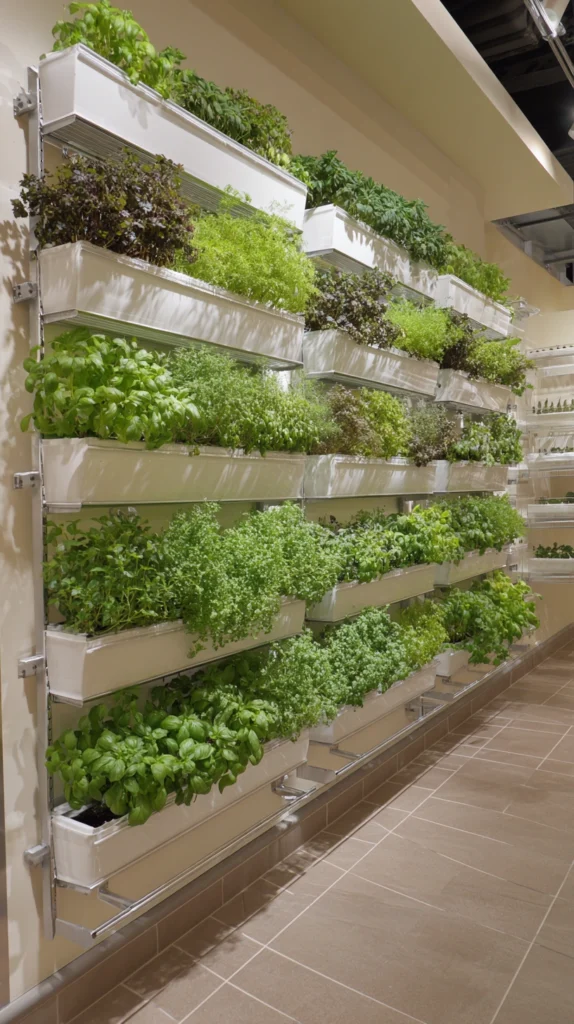
Budget: $30 – $120
A wall-mounted timber frame with horizontal rails, each holding a row of terracotta or metal clip-on pots, creates a structured vertical herb garden that looks as considered as it is practical — growing the herbs you use most within arm’s reach of the kitchen without occupying any ground space.
A simple wall-mounted rail system costs $20–$60 depending on size and material. Clip-on pot holders run $3–$8 each. Fill with thyme, basil, chives, flat-leaf parsley, and oregano at $2–$5 per pot plant. Position on a south or west-facing wall for the sun exposure that flavourful herb growth requires.
Growing tip: Water herb wall pots from the top of the rail downward, allowing excess to drain into the pot below. Staggering the pot positions slightly so each lower pot sits directly beneath the drainage hole of the one above creates a natural cascade watering effect that reduces the time spent on individual pot watering significantly.
9. Bamboo Screening With Climbing Jasmine
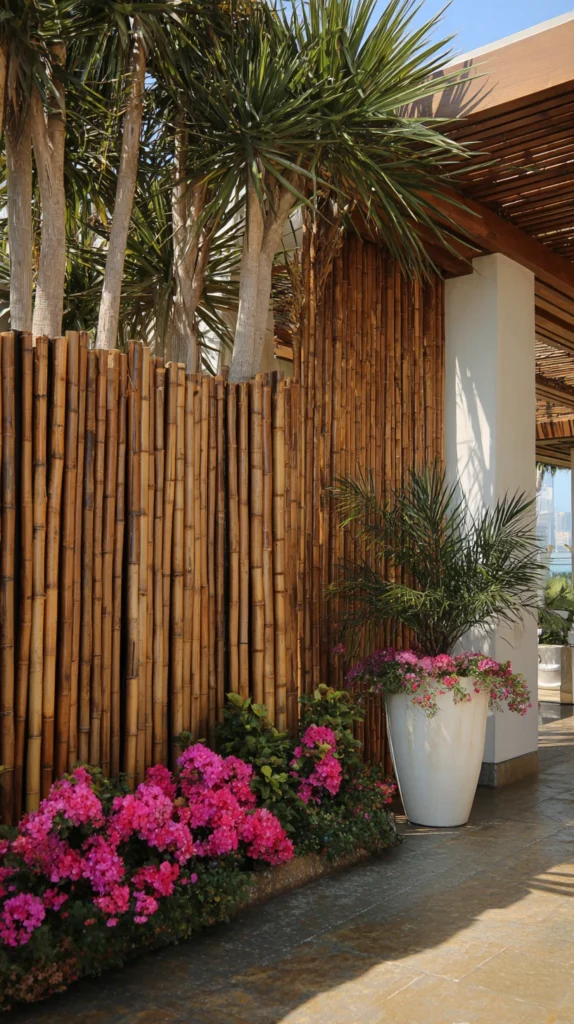
Budget: $50 – $180
Rolled bamboo screening fixed to an existing fence provides an instant warm-toned vertical surface that suits a contemporary or tropical garden aesthetic and doubles as a support for climbing jasmine planted at the base.
Bamboo screening rolls in 1.8×3 metre size cost $20–$50. Fix with galvanised wire ties at 30 cm intervals. A common jasmine plant (Jasminum officinale) costs $10–$20 and grows vigorously enough to cover a 2-metre panel within two seasons, adding fragrant white flowers through midsummer.
Growing tip: Choose natural, unbleached bamboo screening for the most durable result. Bleached or dyed bamboo loses its colour within one to two seasons of outdoor exposure. Natural bamboo weathers to a warm silver-grey that suits most garden colour palettes and continues to look intentional rather than faded.
10. Stacked Log Wall With Ferns and Moss
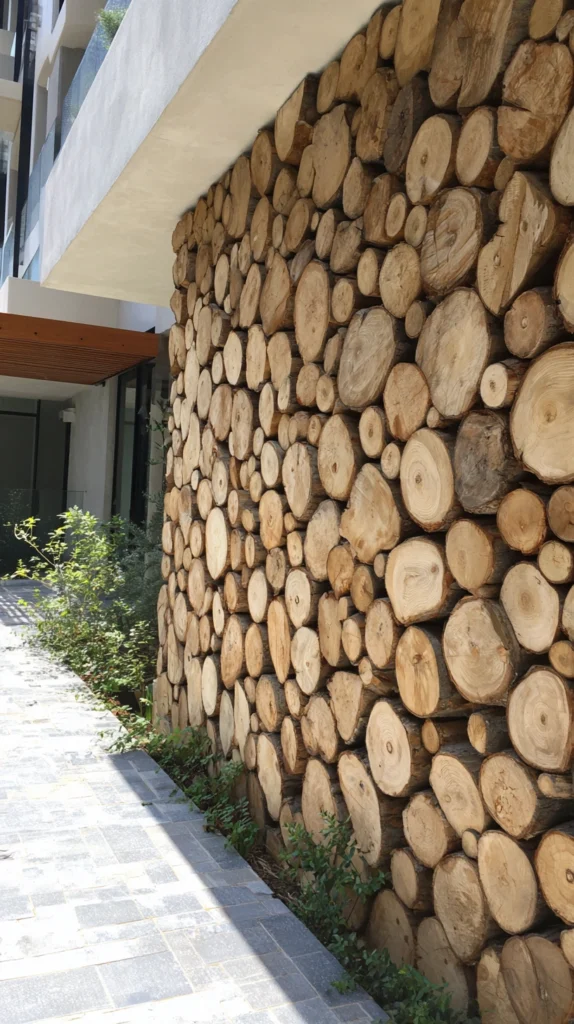
Budget: $20 – $100
A stack of logs arranged in a dry-stone-wall-like pattern against a fence or garden boundary creates a wildlife habitat feature that is also a genuinely attractive vertical garden element — particularly effective when ferns, mosses, and small-leafed trailing plants establish themselves in the gaps between logs over one to two seasons.
Reclaimed timber logs from tree surgeons or firewood suppliers cost $20–$60 per cubic metre. Stack in irregular layers to a height of 60–90 cm against a stable fence or boundary. Plant hart’s tongue fern plugs ($3–$6 each) into the gaps, or allow native mosses to colonise naturally in a shaded position.
Growing tip: Source logs from mixed hardwood species rather than a single species. Different species decay at different rates and attract different invertebrates — a mixed log stack provides habitat value and visual texture that a stack of uniform logs in a single species cannot match over the same period of establishment.
11. Galvanised Metal Grid With Climbing Vegetables
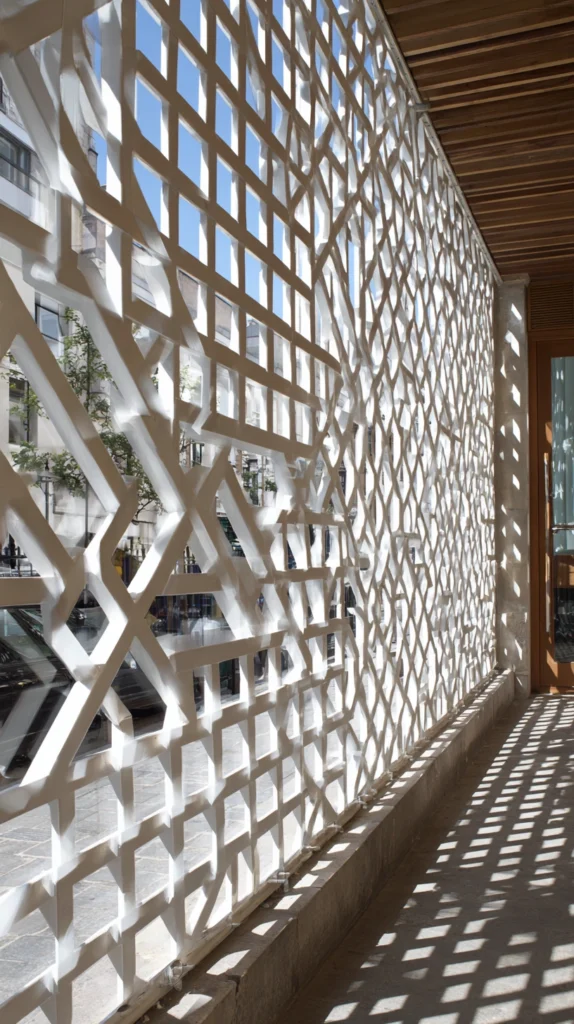
Budget: $30 – $100
A galvanised metal grid panel — welded wire mesh or a purpose-built garden grid fixed to a fence or wall — provides an immediate vertical support for climbing beans, cucumbers, courgettes, and peas without requiring any tying or training beyond the initial installation.
A galvanised welded wire grid panel of 120×60 cm costs $10–$25. Fix to fence posts or wall plugs and sow climbing French beans, peas, or runner beans at the base at $2–$5 per packet. The plants self-twine through the grid within two to three weeks of germination in warm summer conditions.
Growing tip: Install the grid at a slight forward angle rather than perfectly vertical — 10 to 15 degrees off perpendicular makes stems twine more naturally through the mesh and allows harvesting from both sides without the fruit being pressed hard against the fence surface behind the grid.
12. A Living Wall of Succulents in Planted Frames
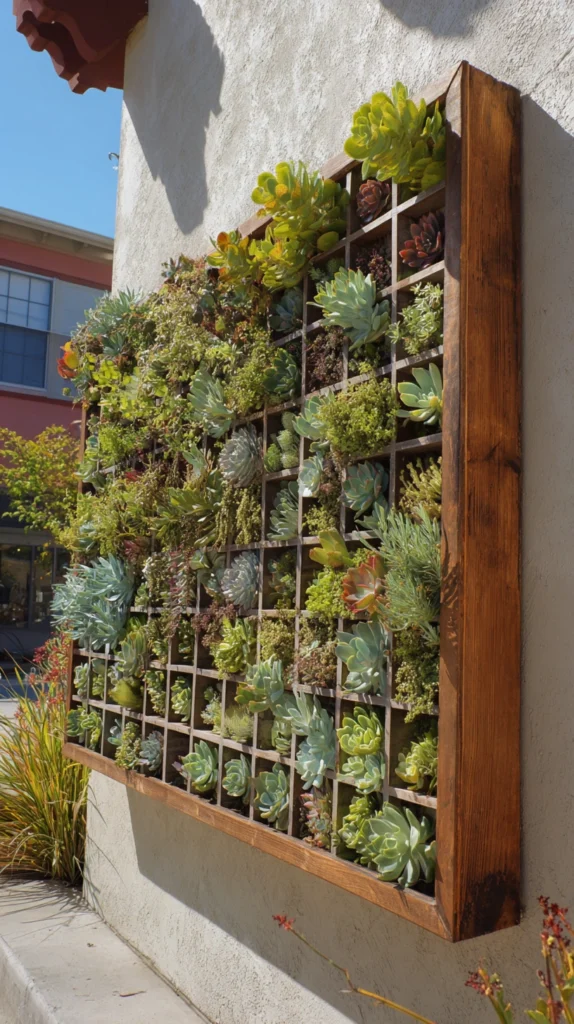
Budget: $60 – $200
A shallow timber frame filled with a free-draining cactus compost and planted with a dense mosaic of succulents — sempervivum, sedum, echeveria, and crassula — creates a low-maintenance living wall panel that requires watering only once or twice a month and looks striking year-round in full sun.
A shallow timber planter frame of 60×40 cm costs $20–$50 to build or buy. Fill with a 50/50 mix of cactus compost and horticultural grit. A collection of twelve to fifteen small succulent plugs or cuttings costs $15–$40. Allow the planted frame to lie flat for six weeks before hanging vertically to allow roots to establish in the compost.
Growing tip: Allow the compost to dry completely between waterings once the frame is hung vertically. Succulents in a wall frame have almost no drainage capacity compared to a conventional pot and overwatering is the only reliable way to lose a well-established succulent wall — far more damaging than the underwatering that most growers instinctively worry about instead.
13. A Full Planted Living Wall System
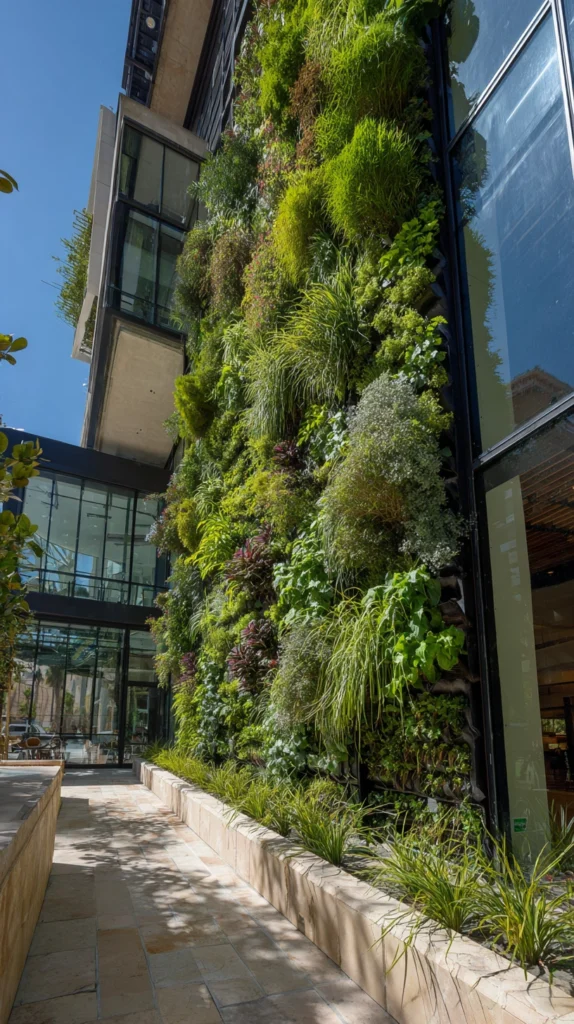
Budget: $200 – $1,500
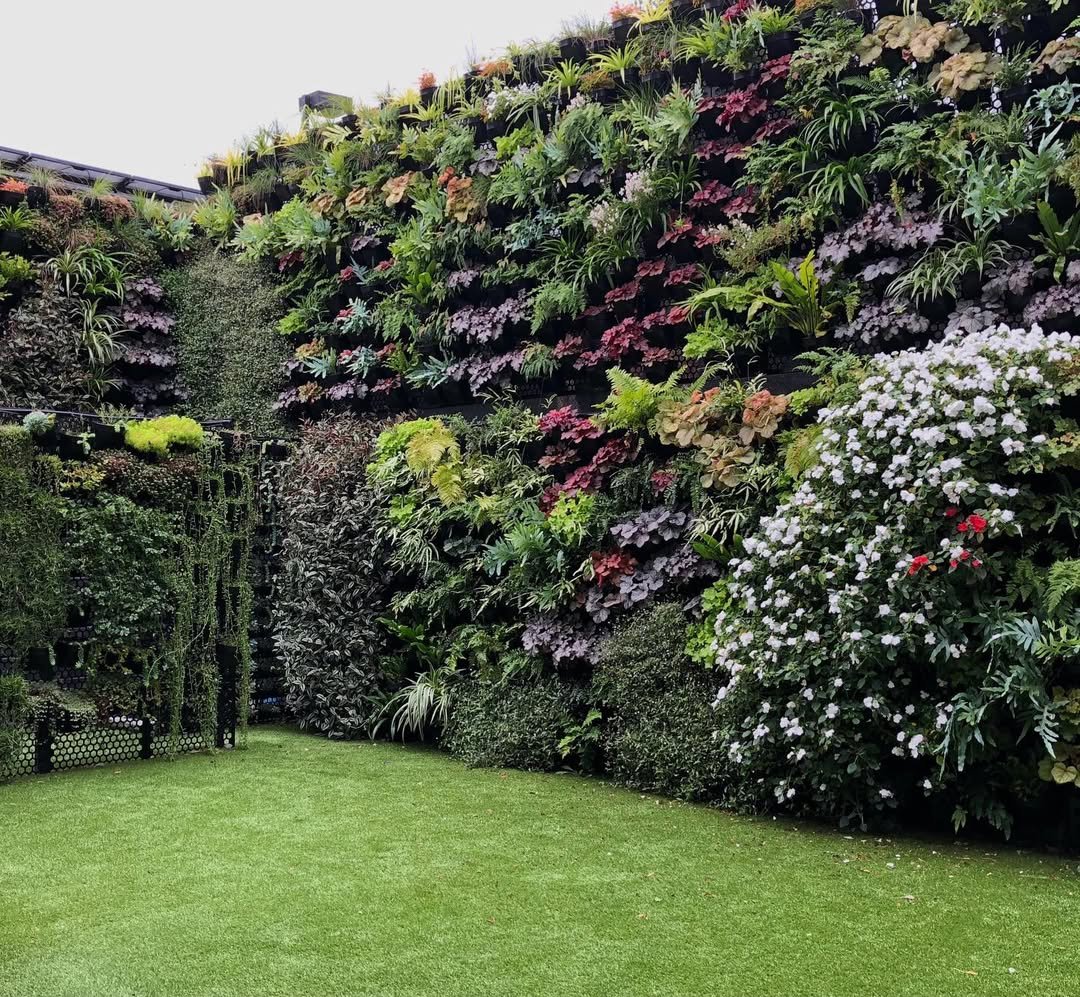
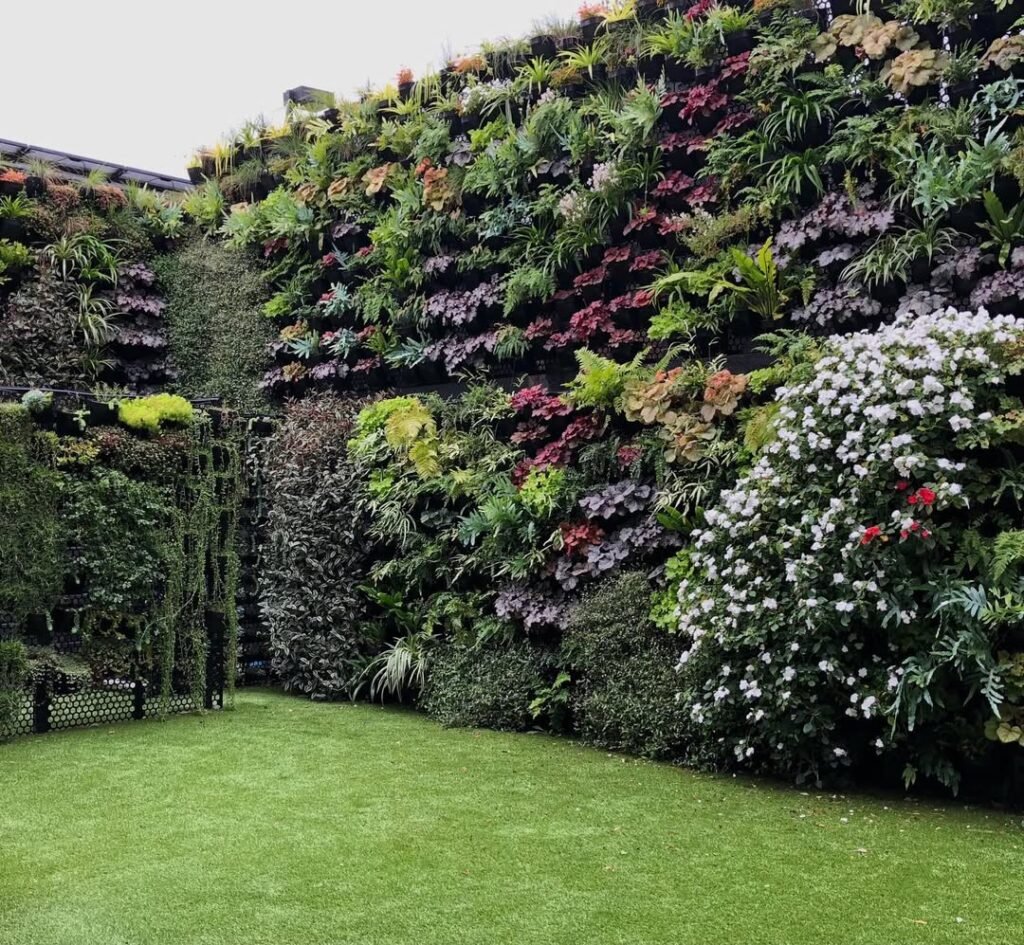
A purpose-built modular living wall system — interlocking planting panels fixed to a wall-mounted frame with an integrated irrigation supply — is the most ambitious and most visually impressive vertical garden available, capable of covering a full fence panel or external wall in dense, layered planting that reads from a distance as a green architectural surface.
Entry-level modular living wall systems with panels, frame, and basic irrigation start at $200–$400 for a 1×1 metre coverage area. Professional systems covering a full 3×2 metre wall with automated drip irrigation run $600–$1,500. Plants — a combination of ferns, hostas, heucheras, and grasses for shade or lavender, salvias, and sedums for sun — cost $5–$15 each and a full system requires 30–60 plants for dense coverage.
Growing tip: Commission an automatic timer-controlled drip irrigation system at the point of installation rather than adding it later. Hand watering a full living wall system consistently and evenly enough to keep all plants healthy is impractical in warm weather — the irrigation system is not an optional upgrade but the element that determines whether the wall thrives or declines through its first summer.
Vertical gardens work best when the planting is matched honestly to the wall’s conditions — sun or shade, sheltered or exposed, moist or dry. The most common reason a vertical garden fails is not the setup but the plant choice, and every idea on this list includes plants suited to the specific conditions that format creates.
Start with a single panel or a small section of wall and establish it well before expanding. A well-planted metre of vertical garden is worth more than three metres of struggling plants, and the confidence it builds in the approach makes the next section considerably easier to plan and plant successfully.