14 Garden Border Ideas That Instantly Upgrade Your Yard
A garden border is not simply a strip of soil at the edge of a lawn — it is the primary design element of the garden and the feature that does more work than any other to determine whether the yard looks genuinely well-kept or simply maintained. A border with clear edges, good plant structure, and the right combination of height, colour, and season makes the entire garden look considered. A border without those qualities makes the best lawn and the most expensive paving look like afterthoughts.
The fourteen ideas below cover every border type, style, and budget — from a simple grass-edge refresh to a fully planted cottage border. Each one includes what it costs and a practical tip to help you get the result that actually upgrades the yard rather than simply changing it.
1. Sharpen the Border Edge
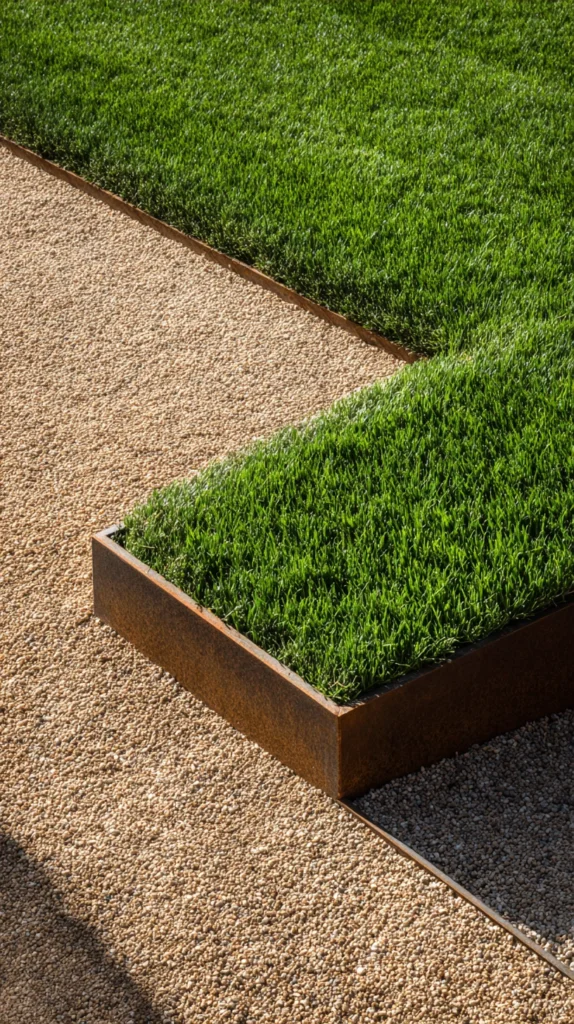
Budget: $0 – $30
The single most immediately impactful thing that can be done to any existing garden border costs almost nothing. A clean, sharp edge between the lawn and the border — cut with a half-moon edging spade to a depth of 8–10 cm — makes a garden look maintained and intentional in a way that even a well-planted but ragged-edged border never quite achieves. The edge is the first thing a trained eye sees and the last thing an untrained one forgets.
A half-moon edging spade costs $20–$40 and lasts a lifetime with minimal care. Re-cut border edges twice per season — in spring before growth begins and in midsummer when the grass has pushed back into the border. The cut itself takes ten minutes per ten metres of border edge and produces an instant improvement visible from thirty metres away that no amount of planting can replicate as rapidly or as affordably.
Design tip: Cut the edge slightly undercut — angled inward at 85 degrees rather than perfectly vertical. The slight inward angle creates a shadow line at the border edge that makes it appear crisper and deeper than a vertical cut, and it prevents the grass from bridging the cut and recolonising the border as quickly as it would against a perfectly flat vertical wall of soil.
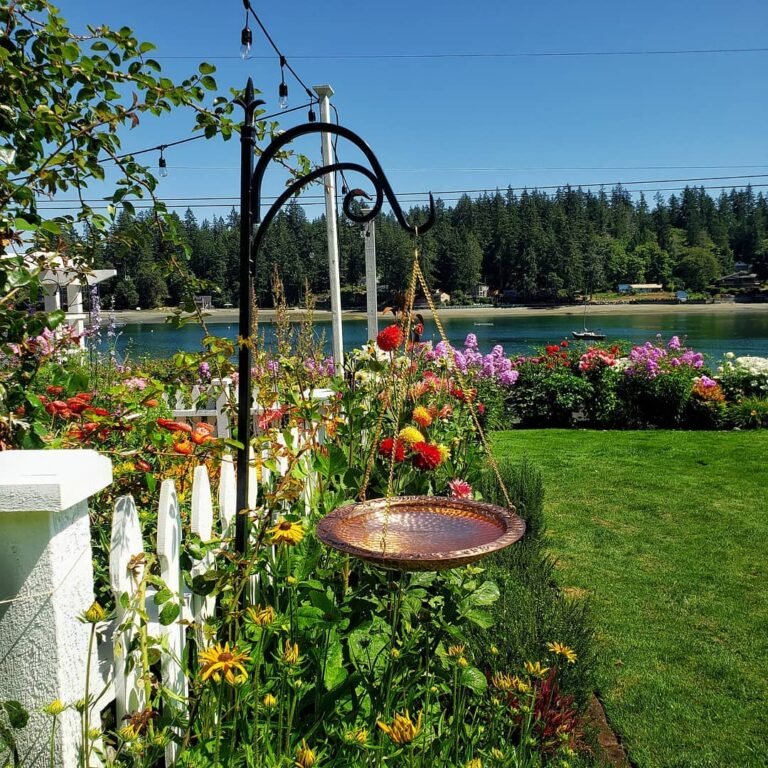
2. The Hot Colour Border
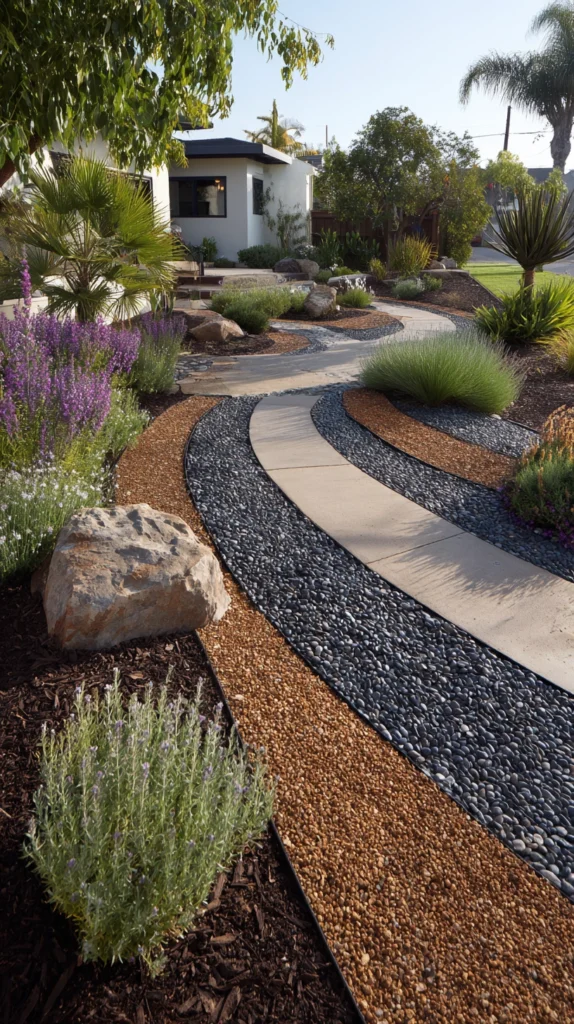
Budget: $80 – $300
A border planted exclusively in hot colours — deep red, vivid orange, golden yellow, and burnt copper — creates the most visually dramatic and most energising border type available. In late summer and early autumn when most borders are past their peak, a hot colour border is at its absolute best and fills the yard with a warmth and intensity that carries across the whole space.
Key plants for a hot border include Rudbeckia ($6–$12), Helenium ($7–$15), Dahlia tubers ($4–$10), Crocosmia Lucifer ($5–$12), and Hemerocallis in orange tones ($8–$18). Plant in bold drifts of a single colour rather than mixing all hot colours simultaneously throughout — a drift of deep red followed by a drift of orange followed by a drift of golden yellow creates rhythm and flow that a randomly mixed hot colour planting never achieves.
Design tip: Back the hot colour border with a dark foliage plant — a bronze fennel, a purple-leafed cotinus, or a dark-stemmed elder — rather than a green hedge or fence. Dark foliage behind vivid hot colours makes those colours appear even more saturated by contrast. Green foliage behind the same planting dulls the hot colours by association rather than intensifying them.
3. The Silver and White Cooling Border
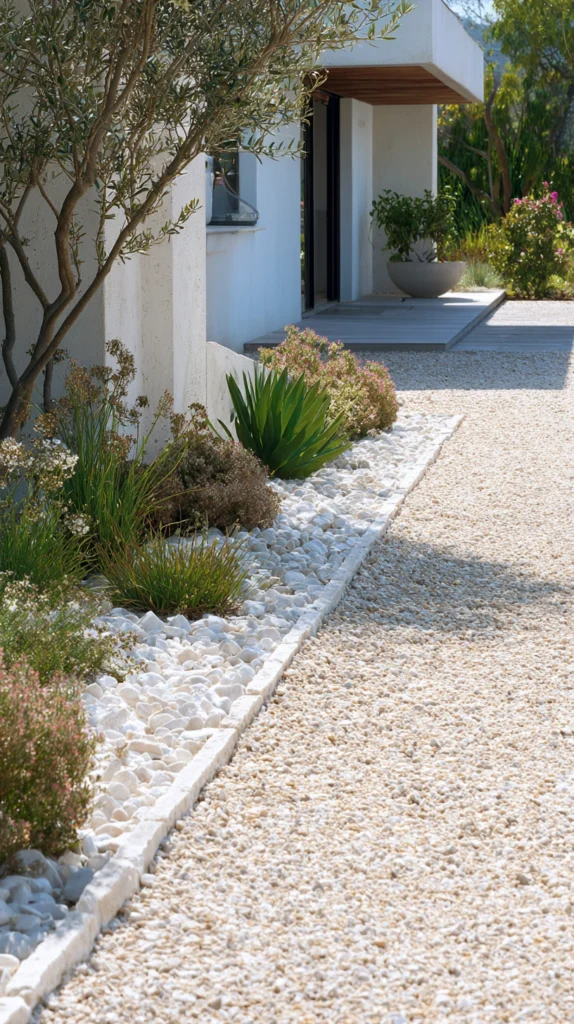
Budget: $70 – $250
A border planted in white flowers and silver foliage creates the most visually cooling and most evening-effective planting available — it glows at dusk in a way that no other colour combination matches and reads as serene and spacious through the hottest summer days when warm-coloured borders can feel visually overwhelming.
Key plants include white Echinacea ($8–$15), Artemisia Silver Mound ($6–$12), Stachys byzantina ($5–$10), white Agapanthus ($10–$20), and Verbascum chaixii Alba ($6–$14). White cosmos sown from seed ($2–$5 per packet) fills gaps quickly and cheaply through the summer months. Position the white border where it is visible in the evening — the glowing quality of white flowers at dusk is entirely wasted in a position not seen after 6pm.
Design tip: Deadhead white flowers more attentively than coloured ones. Spent white blooms brown noticeably against pale foliage and the deterioration reads more visibly than the same spent flowers in a mixed colour border. A ten-minute deadhead of the white border every two weeks keeps it looking genuinely fresh rather than intermittently tired.
4. The Grass and Perennial Prairie Border
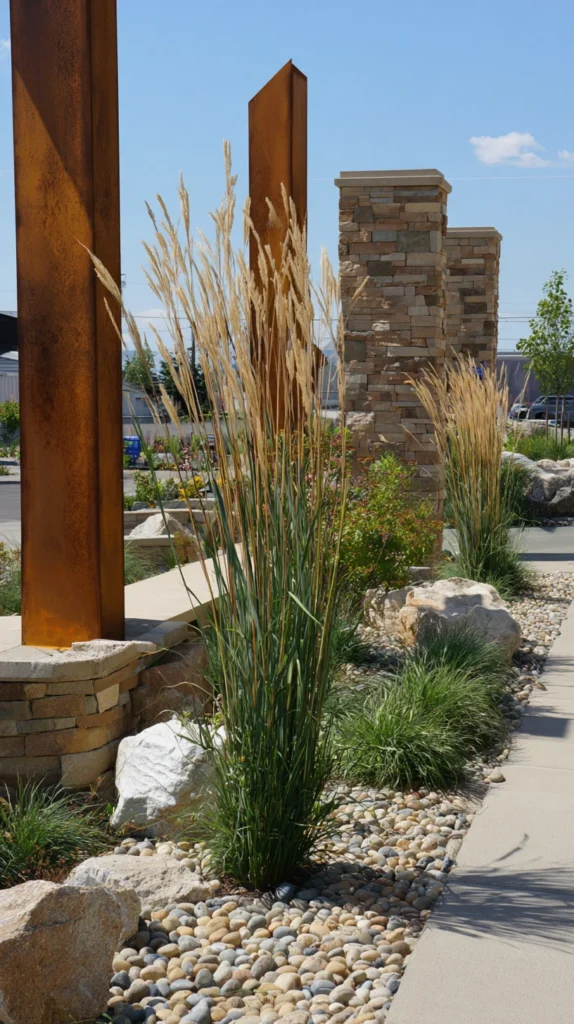
Budget: $100 – $400
A border of ornamental grasses interspersed with tall, naturalistic perennials — echinacea, rudbeckia, verbena bonariensis, and sanguisorba — creates the most seasonally complete and lowest-maintenance border available. It looks spectacular from July through to February and asks for almost nothing in return beyond one annual cut-back in late winter.
Key grasses include Calamagrostis Karl Foerster ($10–$20), Molinia Transparent ($10–$20), and Pennisetum Hameln ($8–$18). Tall perennials run $6–$15 each. Plant grasses and perennials in alternating drifts at a spacing of 45–60 cm for the look of a settled, naturalistic planting from the first season. Leave all stems and seed heads standing through winter — the dried structure is the border’s most architecturally interesting season.
Design tip: Cut the entire border to ground level in late February before new growth begins rather than in autumn. The winter structure of dried grass stems and seed heads is both beautiful and ecologically valuable — it provides shelter and food for insects and birds through the coldest months and frames the garden in a way that no living planting replicates from November to February.
5. A Metal Edging Border Upgrade
Budget: $30 – $120
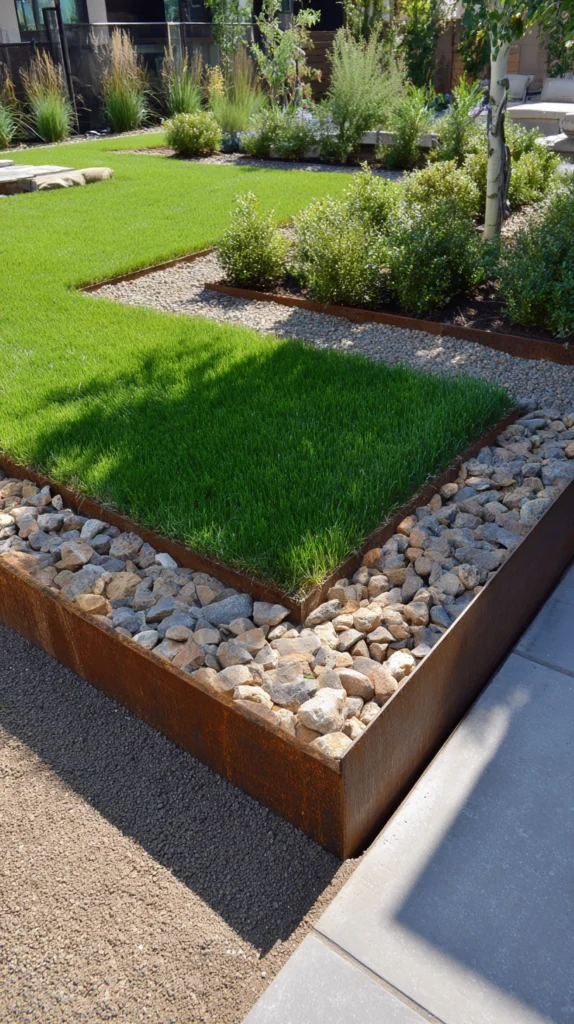
Fitting a permanent steel or aluminium lawn edging strip along the front of an existing border replaces the recurring twice-yearly re-cutting task with a permanent clean line that requires no maintenance and retains its crispness through every season regardless of rain, foot traffic, or grass growth. It is the infrastructure upgrade that changes the quality of the border appearance most permanently.
Flexible steel lawn edging in a 100-metre roll costs $50–$120. Aluminium edging runs $40–$100 for the same length. Both are hammered into the soil at the border edge to a depth of 8 cm, flush with the lawn surface, and require no maintenance beyond occasional straightening if the ground moves. The investment pays back within two seasons in time saved on edging maintenance alone.
Design tip: Set the metal edging so the top edge sits 3–5 mm above the lawn surface rather than flush with it. This slight protrusion creates a definitive visual boundary between the lawn and the border that a flush-set edging does not provide — the small raised lip casts a shadow line that reads clearly from the main viewpoint of the garden and makes the border edge look precisely defined at every time of day.
6. The Cottage Garden Border
Budget: $80 – $300
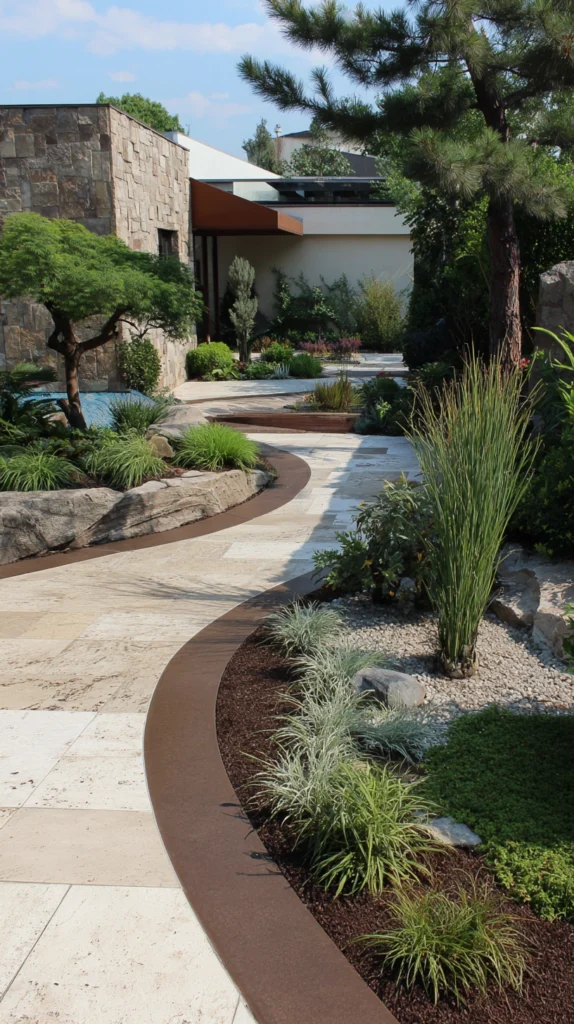
A cottage border — relaxed, full, and planted with self-seeding perennials and hardy annuals that fill every gap and spill slightly over the front edge — creates the most abundant and most personally characterful border type available. Done well it looks like it has always been there and tends itself with very little intervention beyond the initial planting.
The foundation plants — echinacea, achillea, foxglove, aquilegia, hardy geranium, and verbena bonariensis — cost $5–$15 each and self-seed freely once established, filling the border with new plants each year at no additional cost. Supplement with direct-sown annuals — cosmos, nigella, and cornflower at $2–$4 per packet — to fill gaps in the first season while the perennials are establishing their root systems.
Design tip: Plant in groups of three or five of each species rather than using single plants — grouped plantings create bold, readable colour and texture that isolated plants never achieve regardless of how large they eventually grow. One echinacea in a border is a plant. Three echinaceas planted together is a statement. The distinction is one of the most consistently reliable principles in any successful garden border design.
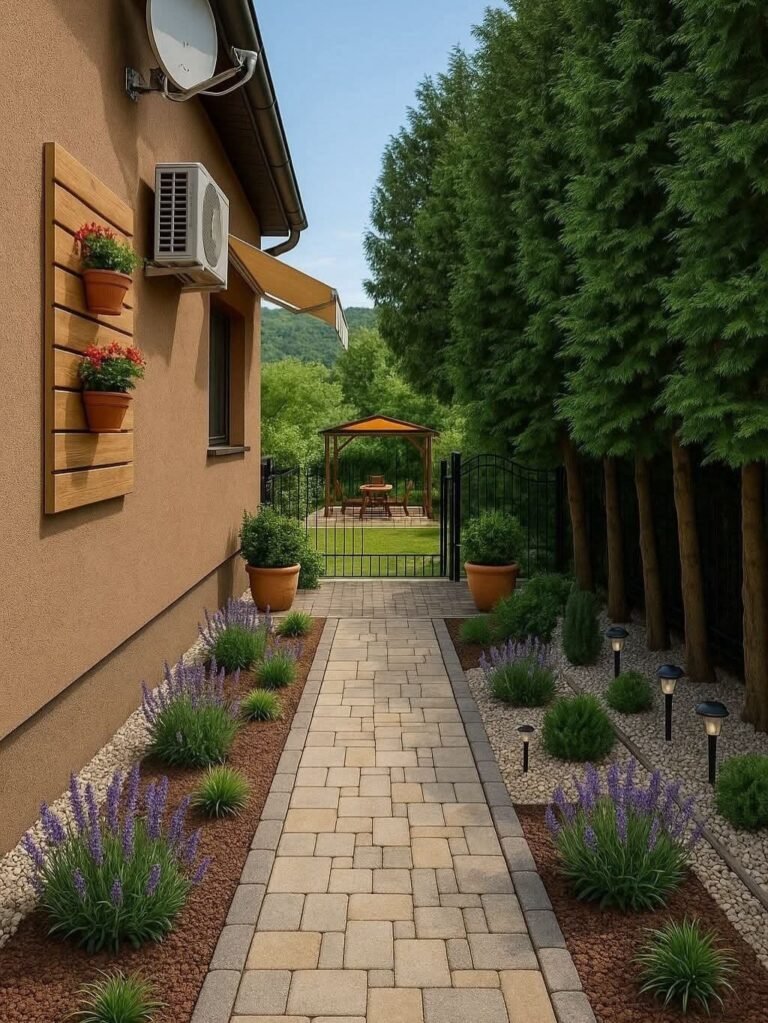
7. A Low Box or Lavender Edging
Budget: $40 – $200
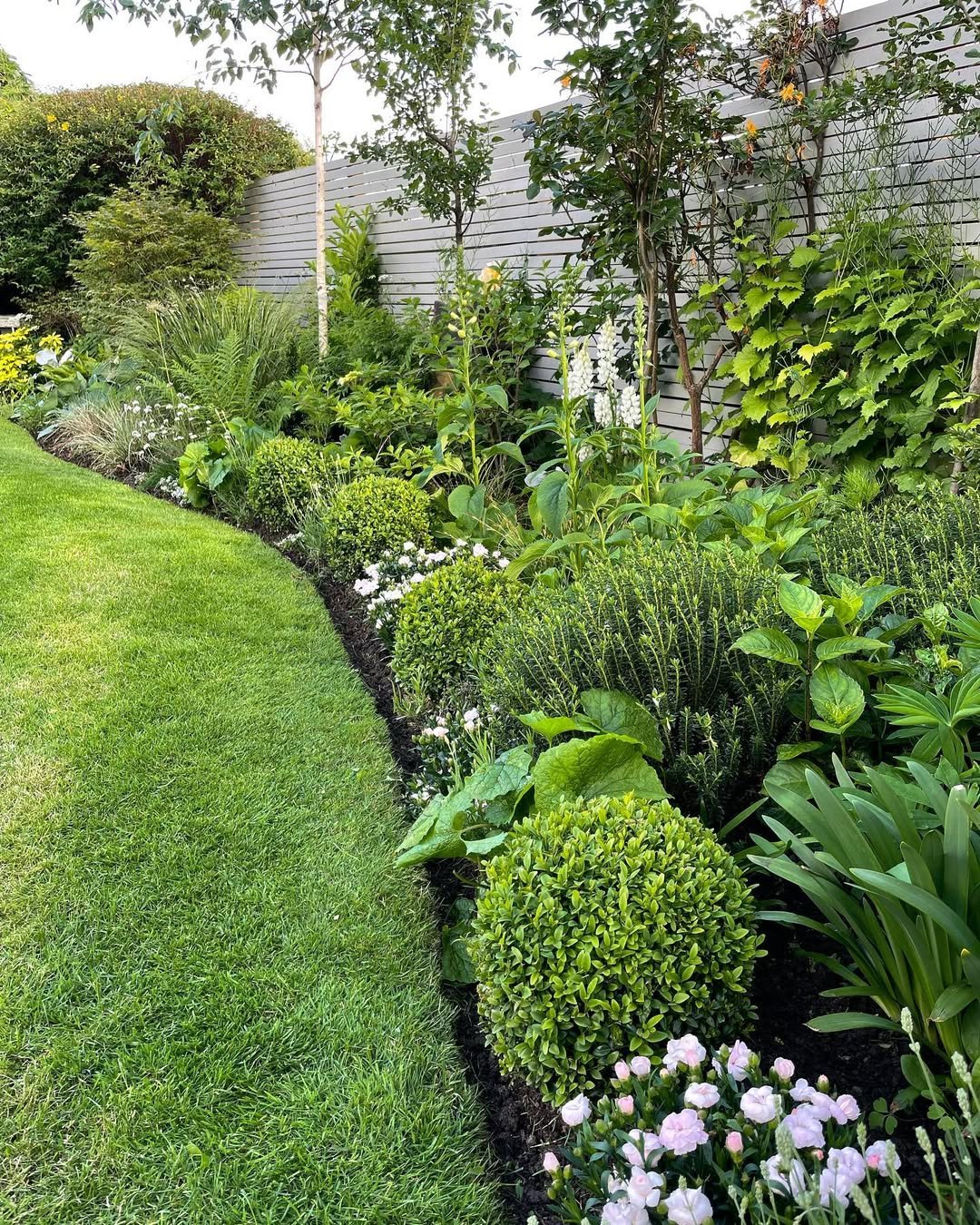
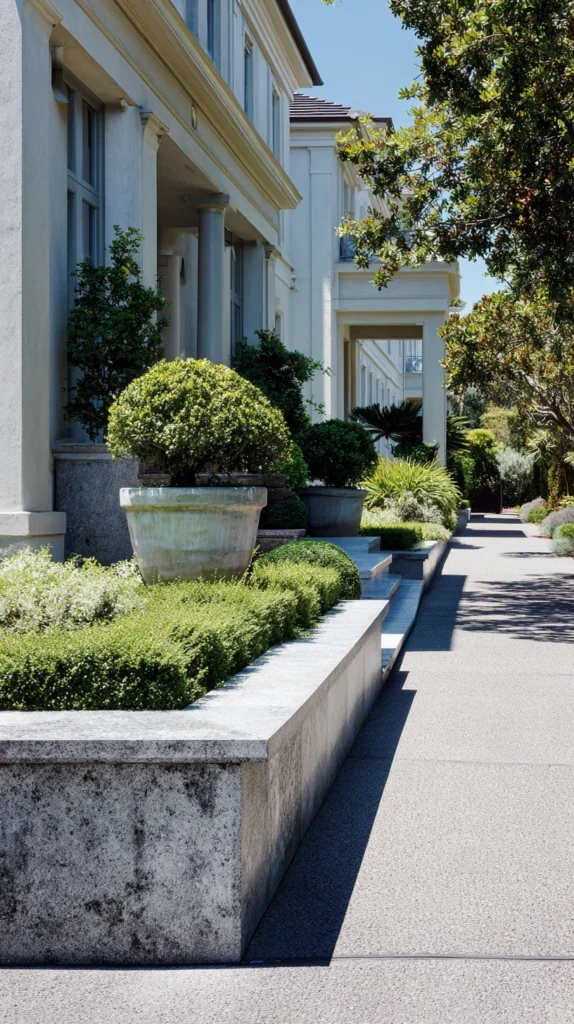
A low clipped hedge of box or lavender along the front edge of a border creates a permanent, formal definition between the border and the lawn that a cut soil edge alone cannot provide. It gives the border a contained, architectural quality that makes even informal planting within it look deliberate and organised from the outside.
Box plants suitable for low hedging cost $2–$5 each and need spacing at 20–25 cm intervals — a 3-metre border front edge requires twelve to fifteen plants at $25–$75. Lavender Hidcote costs $4–$10 per plant and provides fragrance and summer flower colour in addition to its structural function. Clip box in June and September each year. Trim lavender immediately after flowering to maintain the compact form and prevent the plant from becoming woody and open at the base.
Design tip: Keep the edging hedge clipped to no more than 25–30 cm in height. A taller edging hedge begins to compete visually with the plants behind it rather than framing them — the frame should always be smaller and less visually dominant than the picture it contains. A low, precise edging hedge at 20–25 cm performs its framing function without interfering with the viewing of anything growing behind it.
8. The Drought-Tolerant Mediterranean Border
Budget: $100 – $350
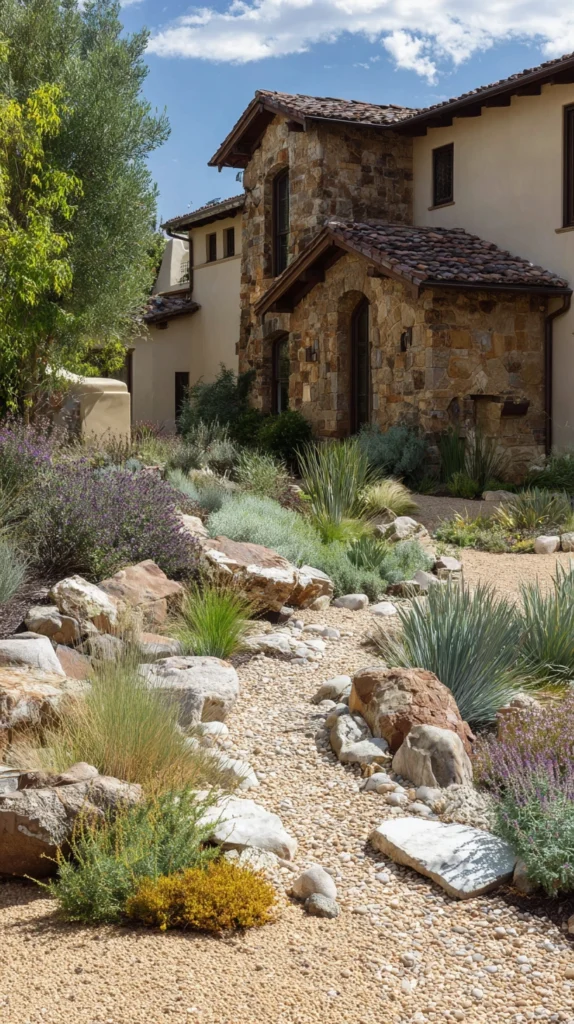
A border planted with drought-tolerant Mediterranean species — lavender, rosemary, cistus, perovskia, verbascum, and ornamental alliums — creates a planting that peaks in midsummer when most other borders are struggling with heat and dry soil. Once established it requires no watering, no feeding, and no staking — the maintenance demands of this border type are the lowest of any on this list.
Lavender plants cost $5–$15. Perovskia atriplicifolia runs $8–$20. Cistus costs $8–$18. Ornamental allium bulbs are $1–$3 each. Plant in free-draining soil — if the existing border soil is heavy clay, incorporate horticultural grit at a ratio of one part grit to three parts soil before planting. The grit improves drainage sufficiently for Mediterranean species to thrive in most soil types without requiring a complete soil replacement.
Design tip: Top-dress the Mediterranean border with a 5 cm layer of fine gravel or grit after planting. The gravel mulch suppresses weeds, retains soil moisture around plant roots, prevents soil splash onto the lower leaves, and creates the dry, well-drained surface that Mediterranean plants evolved in. It also gives the border a clean, contemporary finish that reinforces the visual character of the planting style.
9. A Statement Focal Plant Border
Budget: $60 – $250
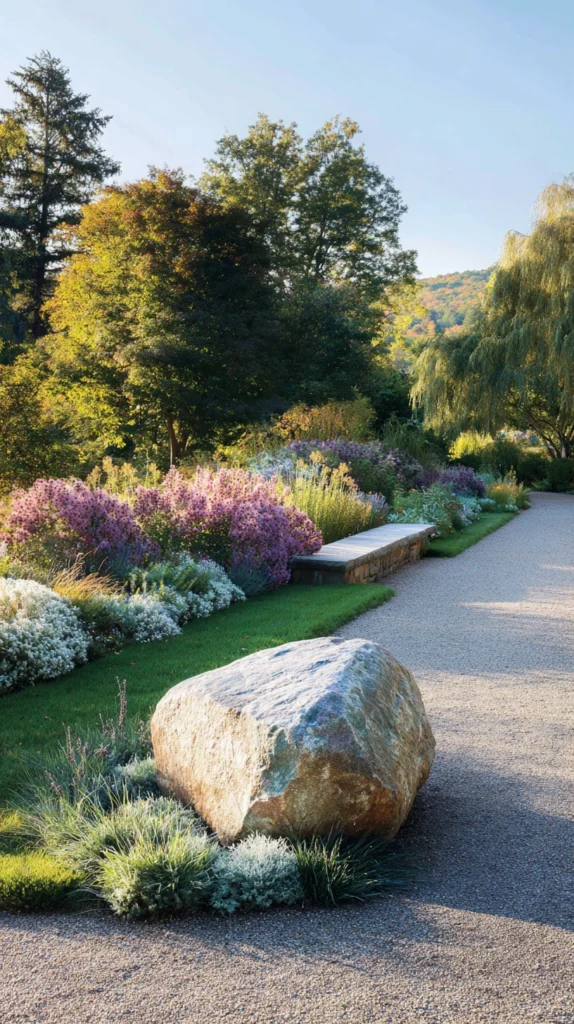
A border organised around a single statement focal plant — a magnificent specimen of giant allium, a bold agapanthus, a dramatic cardoon, or an architectural phormium — with everything else in the border chosen to support and frame that focal plant creates a border with a clear visual logic and a memorable, defined character that more eclectic planting rarely achieves.
A large cardoon (Cynara cardunculus) costs $15–$40 and reaches 2 metres in height with architectural silver leaves and giant purple thistle heads. A black-leafed phormium costs $20–$60. A giant ornamental allium (Allium christophii or Allium Gladiator) costs $3–$8 per bulb. Surround the focal plant with complementary planting in a consistent palette — cool greys and purples for cardoon, dark and bronze tones for phormium — that supports the focal plant’s character rather than competing with it.
Design tip: Position the focal plant at two-thirds of the border’s length from one end rather than at the centre. A centred focal plant divides the border into two equal halves. A plant at the two-thirds position creates an asymmetric composition with a larger and more generous section to one side — an arrangement that reads as more naturally designed and more interesting to look at from any viewpoint along the border’s length.
10. The Late Summer and Autumn Border
Budget: $80 – $280
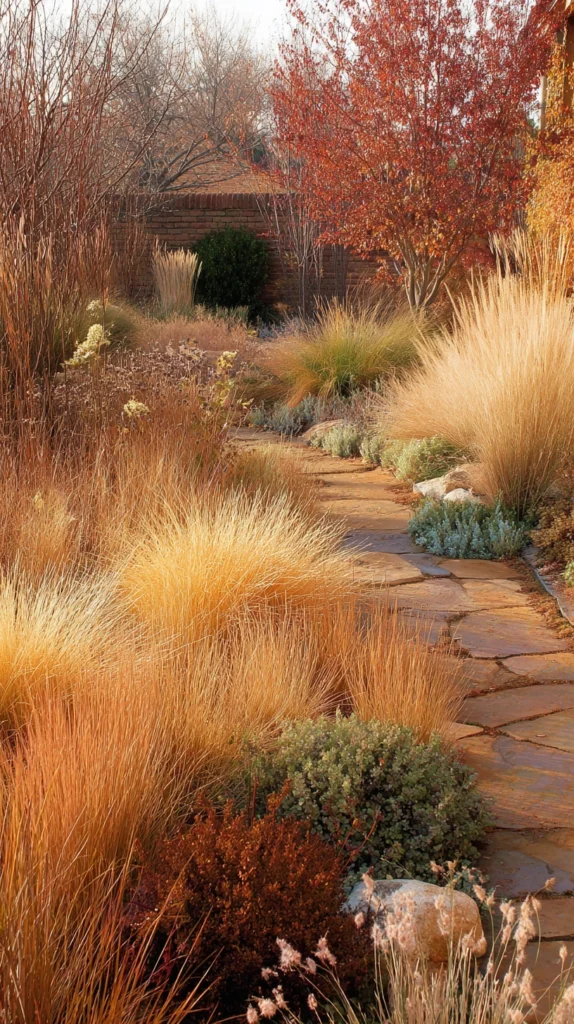
A border designed specifically to peak from August through October — when most other garden borders are declining — gives the yard its most colourful and most visually rich period at exactly the time of year when outdoor living is still genuinely enjoyable and the garden is most regularly used in the evening hours.
Key plants include Rudbeckia Goldsturm ($6–$14), Helenium Moerheim Beauty ($7–$15), Aster (Symphyotrichum) in purple and pink tones ($7–$15), Japanese anemone ($8–$18), Sedum Autumn Joy ($6–$12), and Pennisetum ornamental grass ($8–$18). All are fully hardy, ask for no deadheading to continue flowering, and improve with each passing season as established plants grow larger and produce more flowering stems from an expanding root system.
Design tip: Apply the Chelsea Chop to helenium and rudbeckia in late May — cutting the plants back by one third — to delay flowering by two to three weeks and produce shorter, sturdier stems that need no staking. The same plants without the Chelsea Chop flower from July and are often past their best by September. The cut-back versions hit their peak in September and October when the garden most needs them.
11. A Spring Bulb Border for Early Season Impact
Budget: $30 – $120
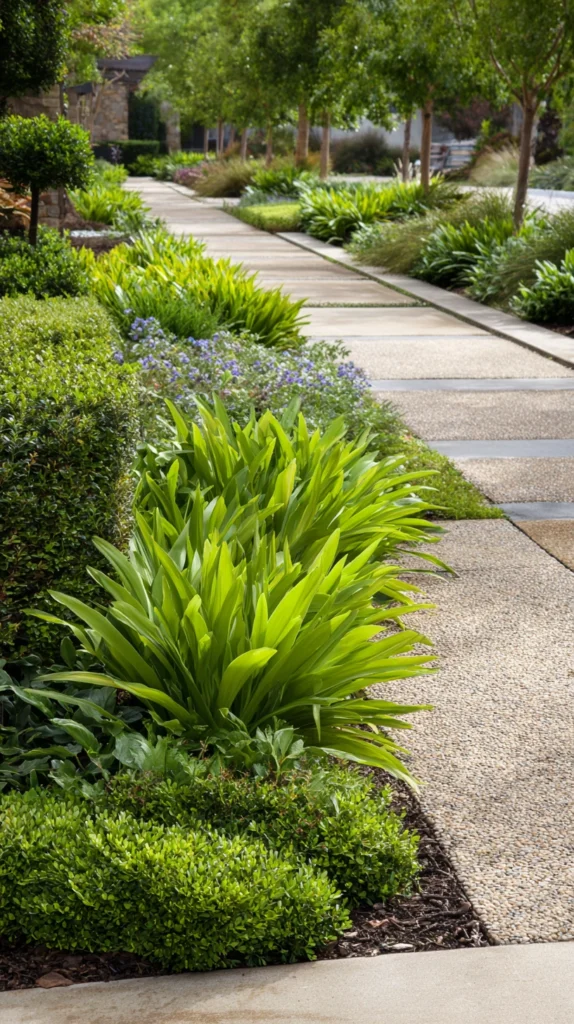
Planting a border heavily with spring bulbs — tulips, alliums, narcissus, and camassia — in autumn creates the most impactful early-season border available and provides weeks of colour before any perennial in the same border has produced significant leaf growth. The bulbs are planted once and many return reliably for multiple seasons at no additional cost.
Tulip bulbs cost $0.50–$2 each — buy in pre-packed bags of fifty for the best value. Alliums run $1–$3 each. Narcissus bulbs suitable for naturalising cost $0.30–$1 each. Plant tulips 15 cm deep and 10 cm apart in groups of ten to twenty of a single variety for the boldest impact. Alliums and narcissus planted in between provide a sequence of flowering that extends the spring display from March through to June.
Design tip: Plant tulips in a single colour per group rather than mixing varieties. A group of twenty identical tulips creates a concentrated colour statement visible from across the garden. Twenty mixed tulips in the same space create a multicoloured patch that lacks the visual punch of the single-colour group — the variety works against the concentration that makes spring bulb planting so effective at garden scale.
12. A Shaded Woodland Border
Budget: $80 – $300
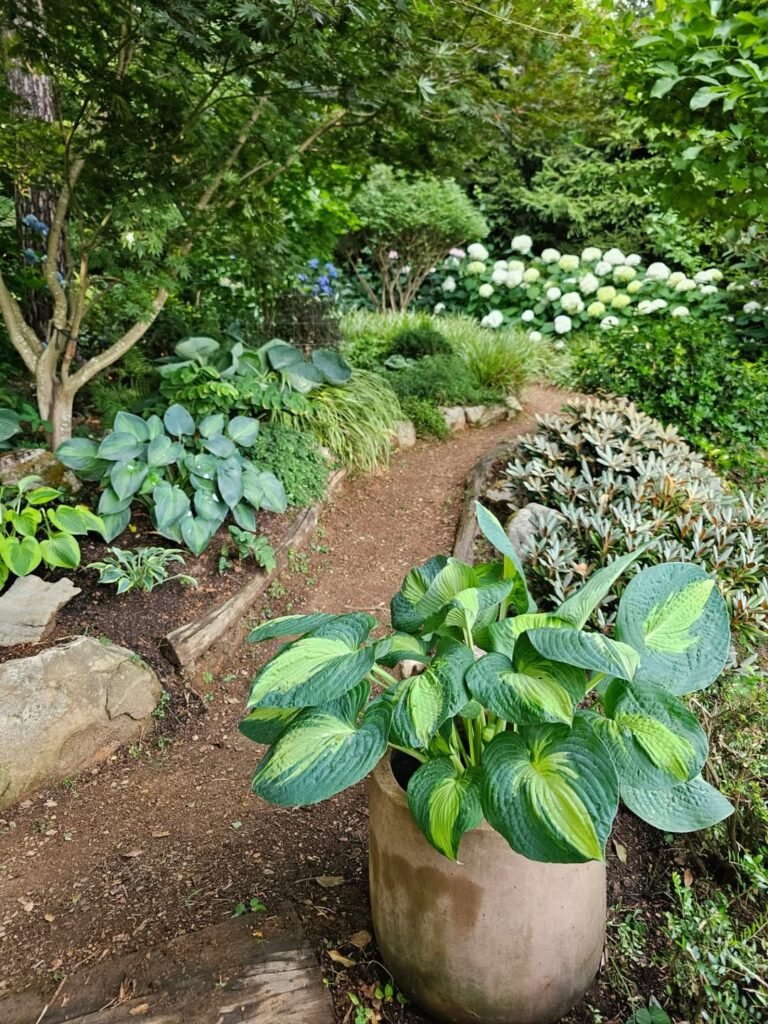
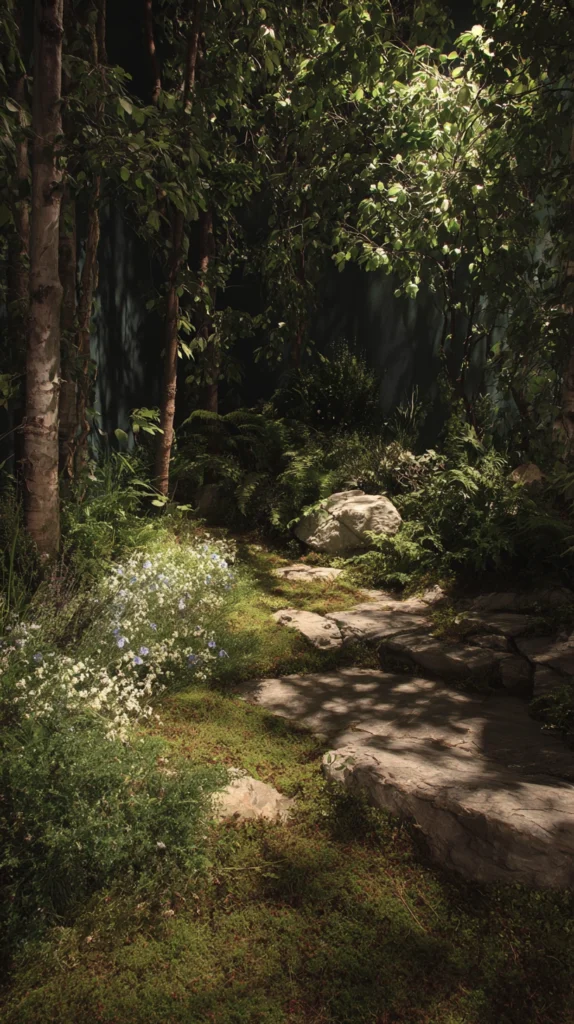
A border in full or partial shade planted with woodland species — hostas, astilbe, foxgloves, hardy ferns, and epimediums — creates a lush, layered planting that turns the most challenging garden position into one of the most rewarding. Shaded borders require less watering than sun-exposed ones, naturally suppress weeds through their dense foliage cover, and look their most beautiful on cloudy, overcast days when sun-loving borders appear dull.
Hostas cost $10–$30 depending on variety and size. Astilbe runs $8–$18. Hardy ferns cost $6–$15. Epimedium — one of the most reliable ground-covering plants for deep shade — costs $6–$12 per plant. The planting is best mulched annually with leaf mould ($15–$30 per bag) which feeds the soil while maintaining the woodland character of the border and suppressing weeds effectively through the growing season.
Design tip: Place large-leafed hostas at the front of the shaded border rather than the back. Large hosta leaves at the front edge create a strong visual definition between the border and the lawn that medium and small-leafed plants in the same position rarely achieve — the scale of the leaf makes the border edge definite and generous rather than soft and uncertain, which is the quality that a shaded border most needs to look deliberately planted rather than simply colonised.
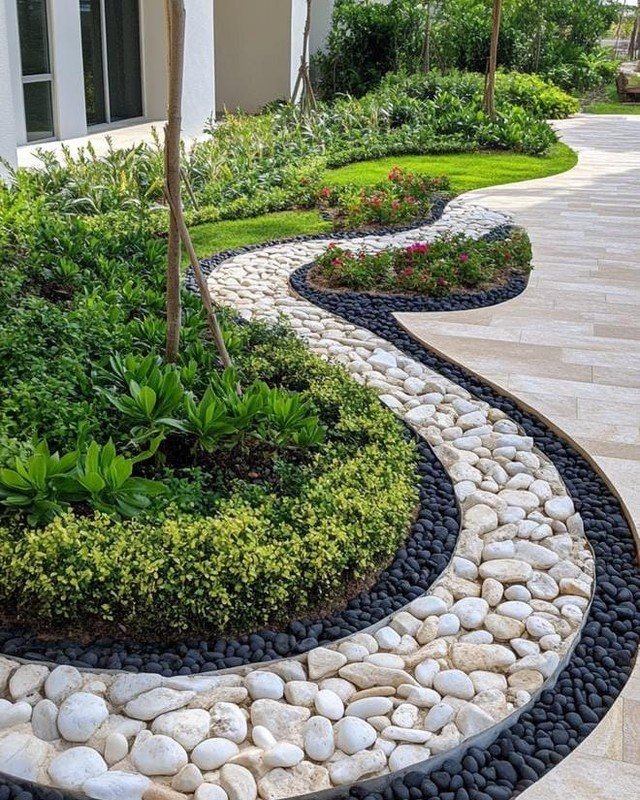
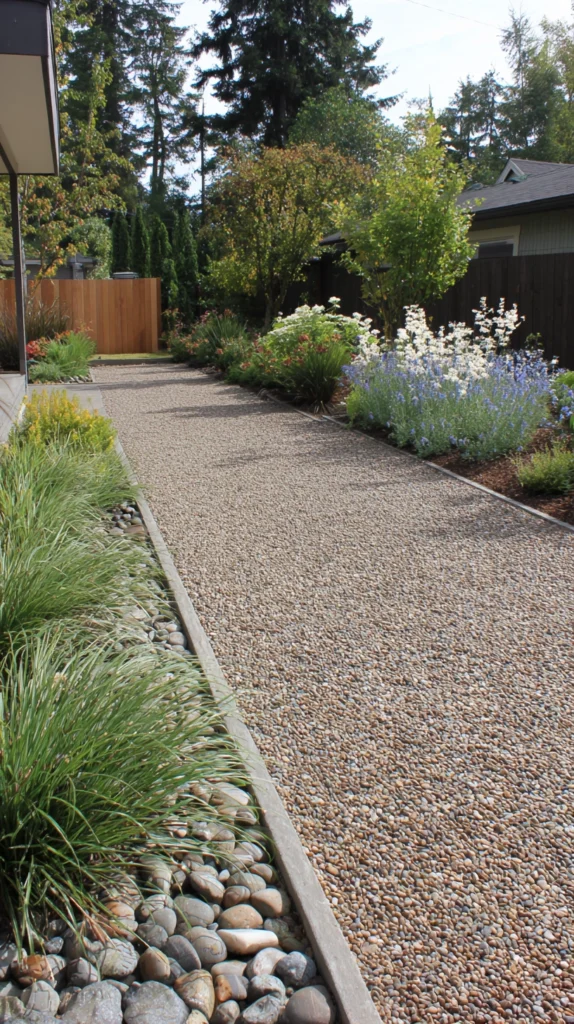
13. A Gravel Mulched Low-Maintenance Border
Budget: $80 – $300
Applying a 5 cm layer of gravel or slate chippings as a mulch across an existing border surface reduces weeding to almost nothing, retains soil moisture, prevents soil compaction from rain, and gives the border a clean, considered finish that bare soil or bark mulch alone cannot provide. It is the lowest-effort border upgrade available for an existing planting.
Horticultural gravel costs $20–$50 per large bag. Slate chippings run $25–$60 per bag. A standard border of 6×1.5 metres requires five to six bags for a 5 cm depth. Apply over a watered, weed-free border and allow gravel to settle around plant bases without burying the crowns. The gravel also works as a slug deterrent — the abrasive surface significantly reduces slug damage to plants at the border front edge.
Design tip: Use one consistent gravel colour across the whole border rather than mixing pale and dark chippings in the same surface. Two gravel tones in one border look like a surfacing decision that was made twice rather than once. A single consistent aggregate reads as a deliberate material choice that unifies the border floor and makes every plant on it stand out clearly against the consistent background.
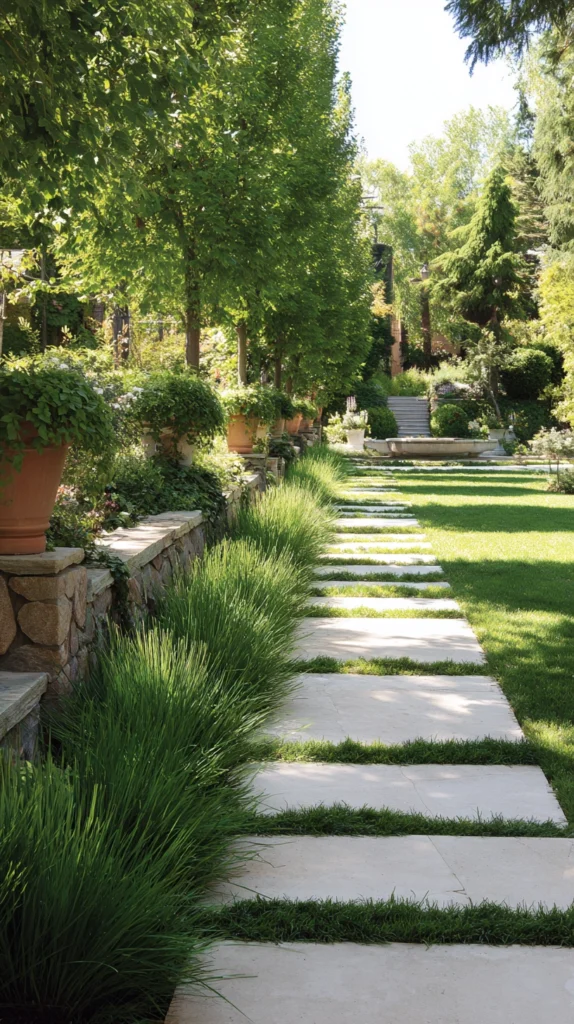
14. The Repeat Planting Border
Budget: $100 – $400
A border where the same three or four plant species recur at regular intervals along its length — creating a rhythm that unifies the whole border from end to end regardless of what other plants fill the gaps between the repeated ones — is one of the most consistently effective and most professiona-looking border design principles available for a home garden of any size.
Choose three plants: one tall structural grass at the back ($10–$20 each), one mid-height flowering perennial in the middle ($6–$15 each), and one low ground-covering plant at the front ($4–$10 each). Place each of these at 90 cm to 120 cm intervals along the full length of the border and fill the gaps between the repeated species with any other plants in a complementary palette. The repeated plants create coherence; the gap planting creates variety — the two together produce a border that is neither monotonous nor chaotic.
Design tip: Use the repetition plant at the same position in the border depth — always at the back, always in the middle, always at the front — rather than varying its position each time it appears. A repeated plant that moves from front to middle to back along the border disrupts the visual rhythm that makes the repeat principle work. Consistent depth placement is what makes the eye follow the rhythm of the repeated plant from one end of the border to the other.
Every border on this list upgrades a yard because it addresses the same underlying quality — clarity. A border with a clear edge, a clear planting logic, and a clear seasonal purpose always looks better than a border that is simply full of plants chosen without those considerations. The plants matter, but the decisions around them matter more.
Start with the edge — sharpen it, set permanent edging, or add a low clipped hedge — and then build the planting behind it. A well-edged border with simple planting always looks more considered than a richly planted border with a ragged edge. The edge is the frame, and no painting ever looked better without one.