15 Charming Coleus Planter Ideas
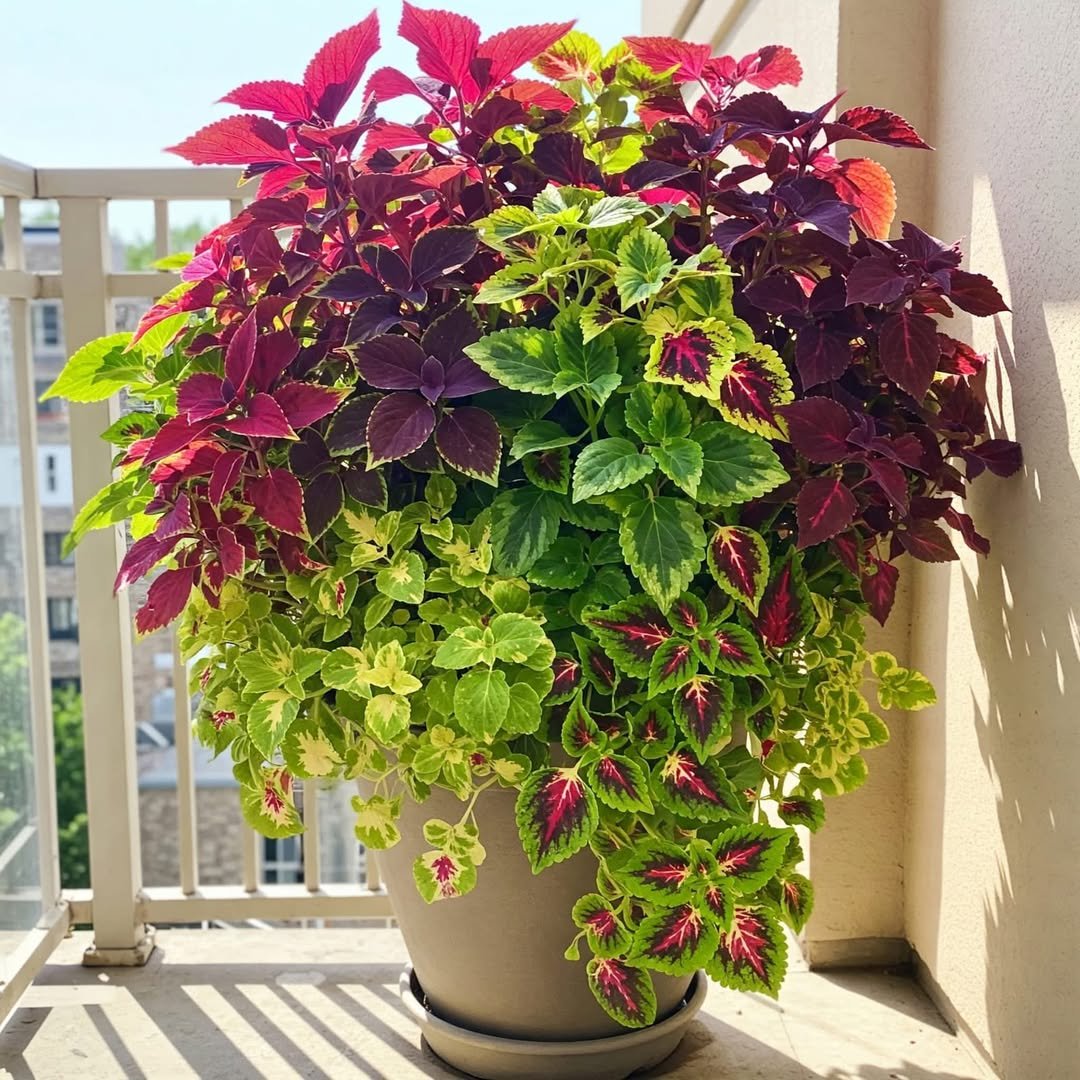
Coleus is the most colour-generous foliage plant available for a seasonal garden. While most ornamental plants deliver colour only through their flowers — for weeks at most — coleus delivers it through its leaves from the moment it is planted until the first frost, in a range of colours, patterns, and combinations that no flowering plant approaches for sheer decorative variety. Burgundy and lime, deep purple and copper, chartreuse and red — coleus produces combinations that look deliberately designed and cost almost nothing to establish in a container.
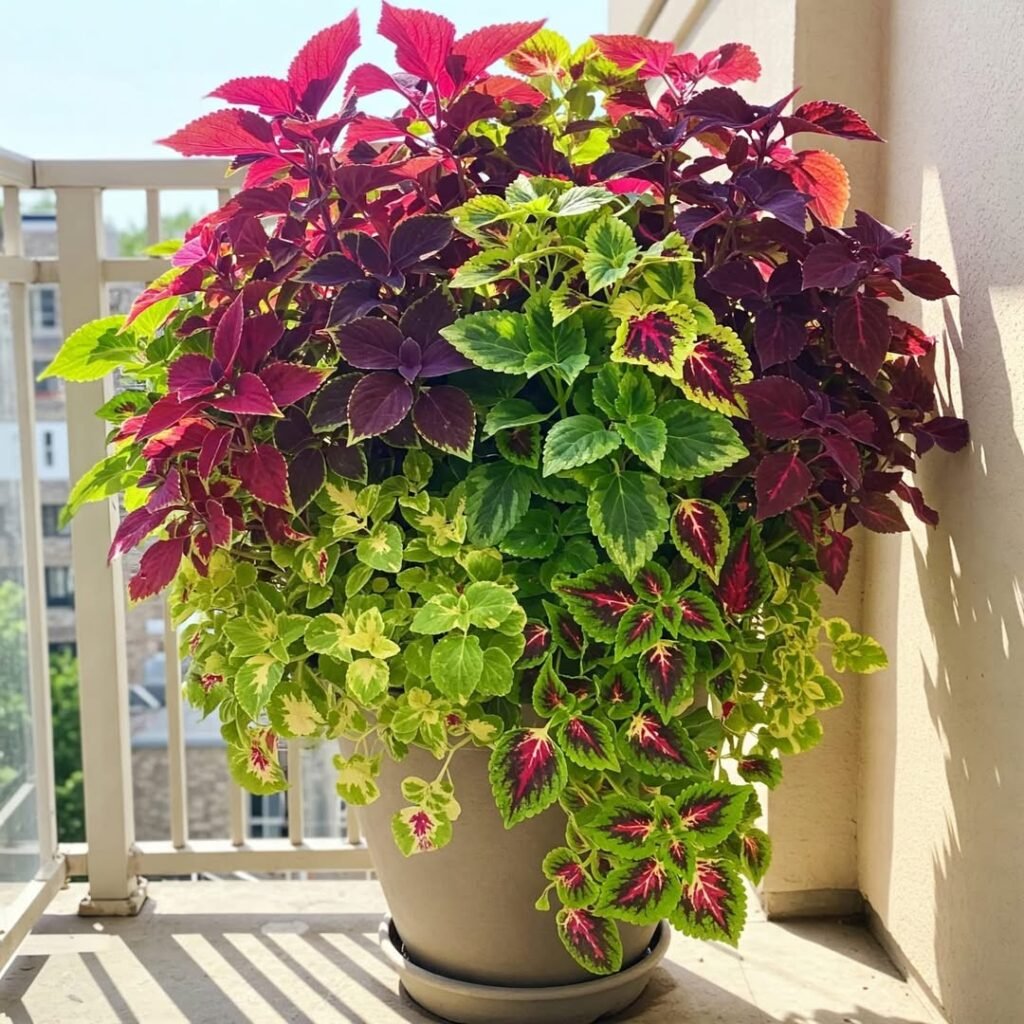
The fifteen ideas below cover every way of using coleus in a planter — from a single-variety statement pot to a mixed tropical-style container display. Each includes what it costs and a practical tip to help you get the most colour and the most longevity from every coleus planting through the growing season.
1. A Single Variety Statement Pot
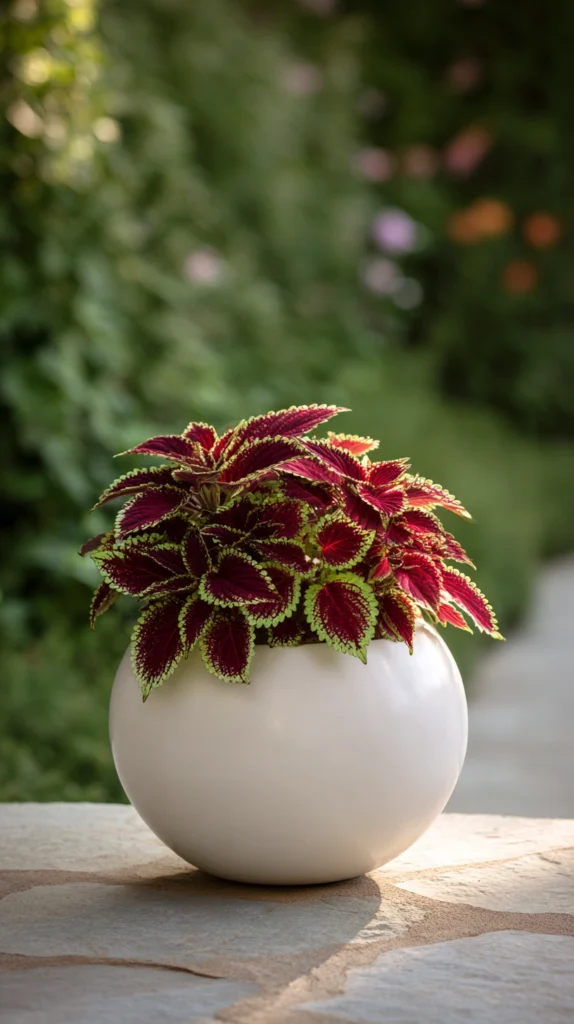
Budget: $15 – $50
One generously sized coleus variety planted as the sole occupant of a large, bold pot — allowed to fill the container completely over one growing season — creates a planting statement of remarkable simplicity and considerable visual impact. The confidence of a single-variety pot is in its commitment: no mixed planting, no supporting cast, just one exceptional coleus given the space and conditions to perform at its maximum potential.
A large glazed ceramic or terracotta pot of 35–45 cm diameter costs $20–$60. A single large coleus plant in a 9–12 cm pot costs $3–$8. Choose a variety with strong, clearly defined patterning — Kong Scarlet, Chocolate Covered Cherry, or Black Dragon — that reads clearly from a distance rather than a finely detailed pattern that requires close inspection to appreciate. A single-variety pot works best when the chosen variety is genuinely extraordinary on its own, and these three varieties qualify without reservation.
Planting tip: Pinch out the growing tips of a single-variety coleus planting every two to three weeks to encourage a bushy, mounded form rather than a tall, sparse one. Coleus left to grow without pinching develops a leggy, open structure with the most colourful leaves concentrated at the tips of long bare stems. Regular pinching produces the dense, full, overlapping foliage mass that makes a single-variety statement pot genuinely impressive from any viewing distance.
2. A Thriller-Filler-Spiller Combination
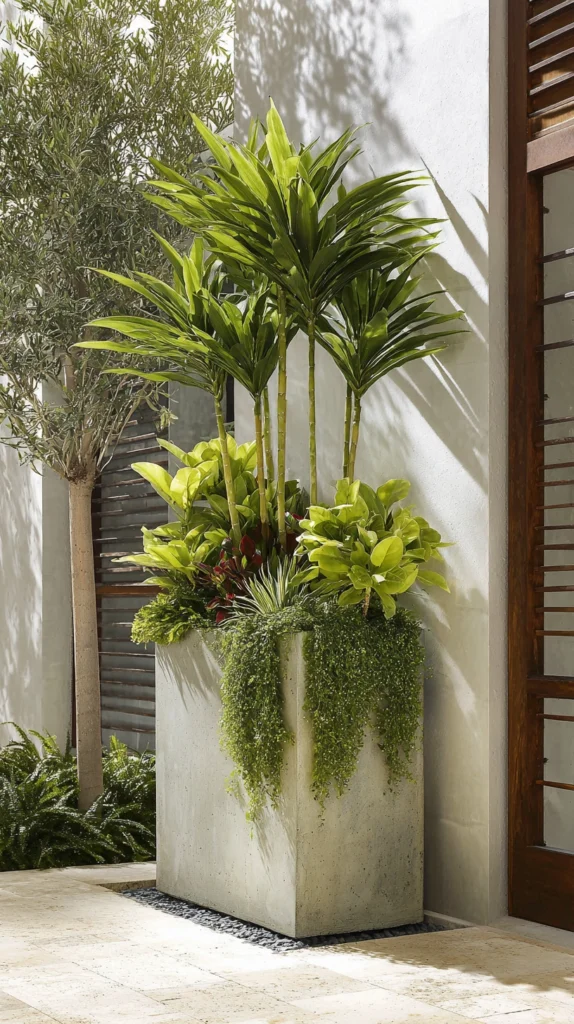
Budget: $20 – $70
The classic container planting formula — a tall thriller at the centre, medium fillers surrounding it, and trailing spillers at the edges — produces its most colourful and most visually dynamic version when coleus varieties are used across all three roles. A tall, upright coleus as the thriller, two medium varieties as the fillers in complementary tones, and a trailing coleus or complementary trailing plant as the spiller creates a container of multi-layered colour from a single plant genus.
A tall upright coleus (Solar varieties reach 45–60 cm) costs $4–$8. Two medium-height fillers cost $3–$6 each. A trailing plant for the spiller role — sweet potato vine (Ipomoea batatas) in chartreuse or black, or trailing verbena — costs $3–$6. A container of 30–40 cm diameter for the combination costs $15–$40. The three-role combination in a single container costs $25–$60 in plants and provides a continuously developing display through the season as each element grows into and around the others.
Planting tip: Choose coleus varieties for a thriller-filler-spiller combination that differ in height naturally rather than attempting to maintain height differences through selective pinching. A coleus variety that naturally reaches 60 cm used as a thriller alongside varieties that naturally reach 25–35 cm as fillers requires no height management through the season and maintains its proportional balance without weekly intervention.
3. A Monochromatic Coleus Colour Scheme
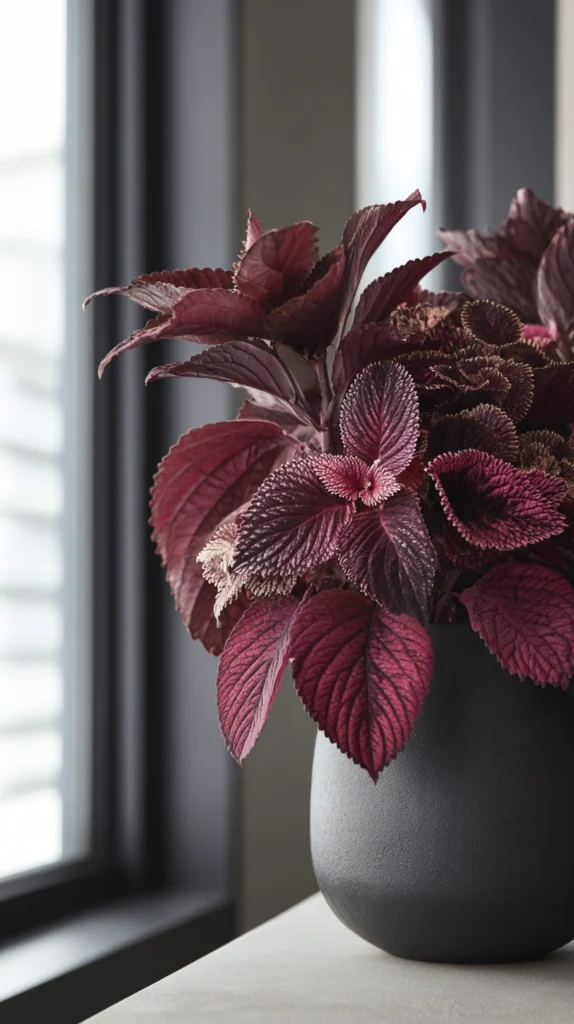
Budget: $20 – $60
A container planted with three or four coleus varieties in the same colour family — all red and burgundy, all lime and yellow-green, all purple and black — creates a planting with the visual sophistication of a monochromatic colour scheme and the textural interest of the varied leaf patterns that different varieties provide within the same colour range. The unity of colour makes the variety of pattern interesting rather than chaotic.
A red and burgundy monochromatic pot might combine Wizard Velvet Red ($3–$6), Black Dragon ($3–$6), and Chocolate Mint ($3–$6) in a 30 cm pot ($15–$35) for a total of $24–$53. A lime and chartreuse combination might use Lemon Lime ($3–$6), Chartreuse ($3–$6), and Neon Lime ($3–$6). All three combinations produce a container that looks designed by someone who understands colour theory rather than simply assembled from whatever coleus was available at the time of purchase.
Planting tip: In a monochromatic coleus combination, vary the leaf size and pattern more than the colour. Three varieties in the same colour range but with different leaf sizes — one large-leafed, one medium, one small and fine — create more textural interest and more visual depth than three varieties of the same leaf size with slightly different colour tones. Size variation produces depth. Colour variation produces contrast. The monochromatic scheme uses one and relies on the other.
4. A Shade Container With Coleus as the Star
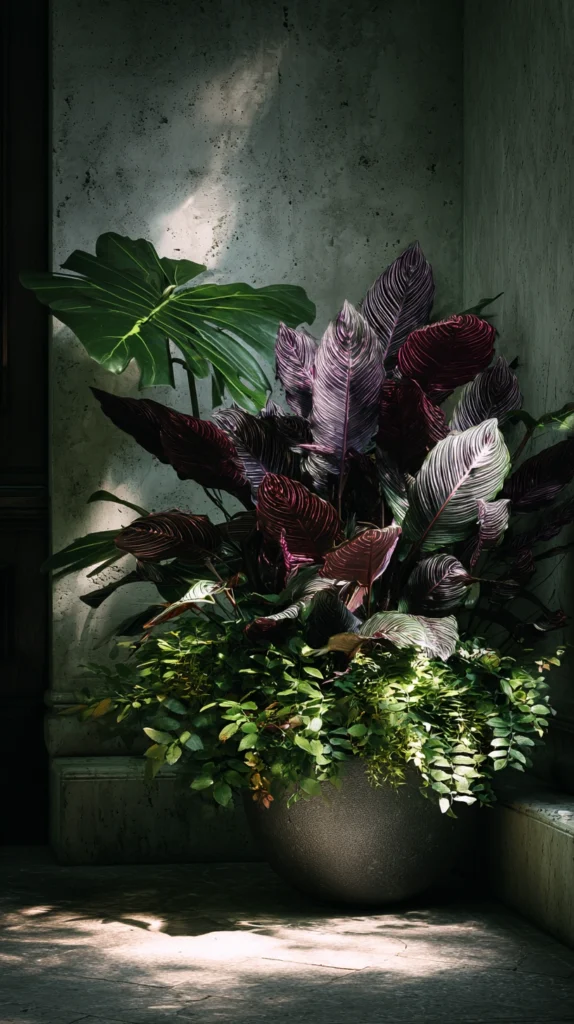
Budget: $20 – $70
Coleus is genuinely shade-tolerant — one of the very few highly colourful foliage plants that performs well in partial to full shade — which makes it the ideal container plant for the north-facing doorstep, the shaded terrace, or the corner that receives no direct sun. A shade container designed around coleus as the primary colour source provides a level of visual richness in difficult light conditions that no flowering plant available for the same position approaches in sustained colour through the season.
For a shade container, choose varieties specifically bred or selected for shade performance — Wizard series and Fairway series both perform reliably in lower light conditions where sun-loving varieties become pale and stretched. A combination of three shade coleus varieties ($3–$6 each) in a 30–35 cm pot ($15–$40) provides consistent colour in a position where most container plants would decline within weeks of planting. Add a trailing shade-tolerant plant — Lysimachia nummularia Aurea or trailing ivy — as a spiller at $3–$6.
Planting tip: Even shade-tolerant coleus benefits from two to three hours of indirect or filtered light per day for the best colour intensity. Coleus grown in total darkness produces pale, washed-out foliage that lacks the vivid patterning visible in better-lit conditions. Position shade containers in a location that receives indirect sky light rather than complete enclosure — the difference between open shade and closed shade is the difference between coleus at its most colourful and coleus at its most disappointing.
5. A Tropical-Style Mixed Container
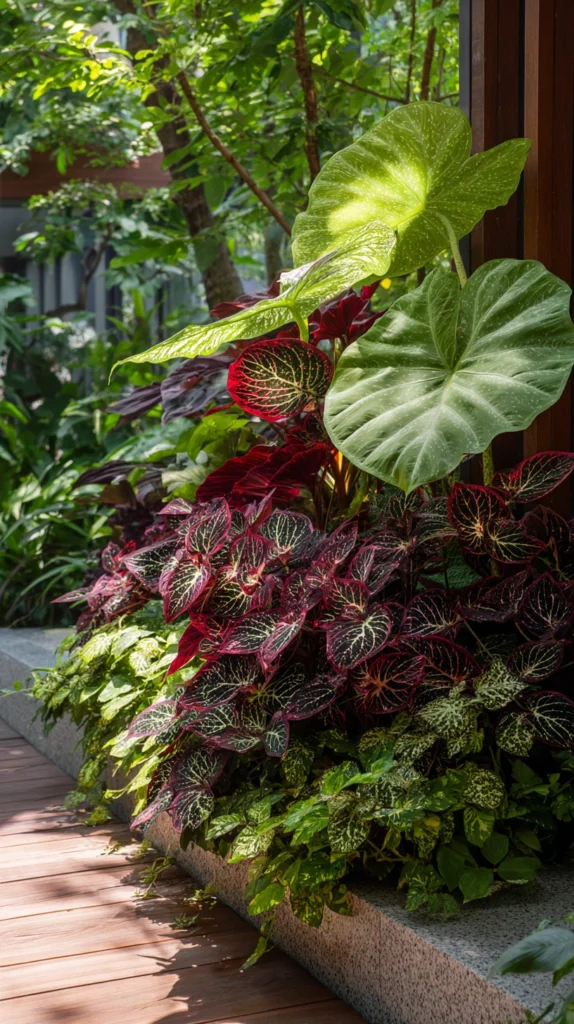
Budget: $30 – $100
Coleus combined with other tropical-looking foliage plants — elephant ears (Caladium or Colocasia), banana plants, canna lilies, and ornamental sweet potato vine — creates a container planting of exuberant, jungle-like abundance that suits a terrace or sheltered garden position where a bold, maximalist aesthetic is the goal. Coleus provides the fine-patterned colour detail that brings the large-leafed tropical plants into relief against a richly decorated background.
A large container of 50–60 cm diameter costs $30–$80. An elephant ear (Caladium) plant costs $5–$15. A canna lily in a 1-litre pot runs $8–$18. A coleus in a complementary colour ($3–$6) as the supporting foliage layer. An ornamental sweet potato vine (Ipomoea batatas) as the spiller at $3–$6. The complete tropical mixed container costs $49–$125 in plants and container — a display of tropical richness that fills its position completely by midsummer and requires only regular watering and fortnightly feeding to sustain its performance.
Planting tip: Place the coleus between and beneath the large-leafed tropical plants in the container rather than at the edges only. Coleus positioned at the centre and sides of the container peeks between the large tropical leaves and creates the layered, dense jungle quality that characterises the tropical planting aesthetic. Coleus placed only at the outer edges reads as a container edging rather than as an integrated element of a unified tropical composition.
6. A Window Box Coleus Display
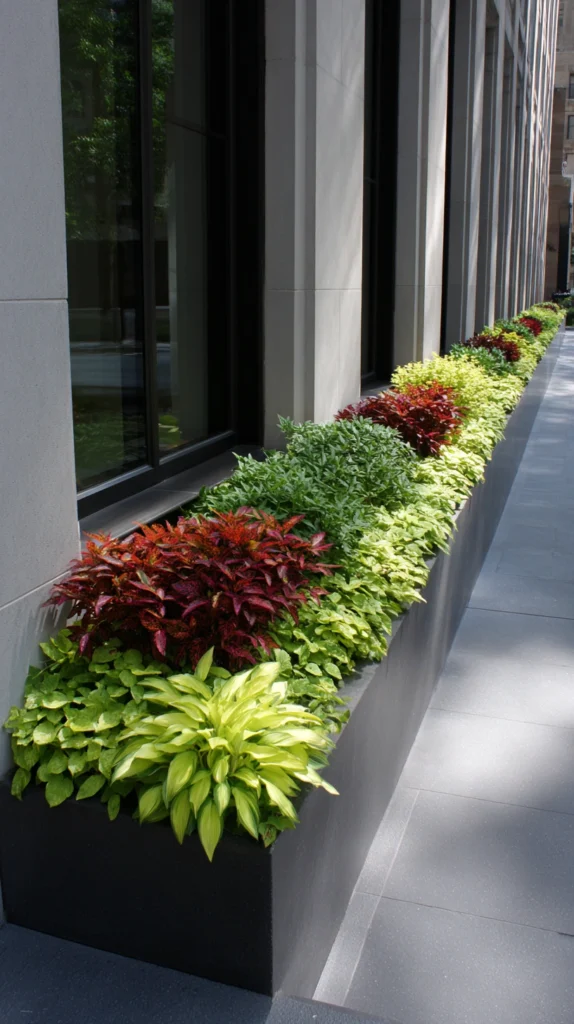
Budget: $15 – $50
A window box planted exclusively with three or four coleus varieties in a coordinated colour palette creates one of the most vibrant and most distinctive window box displays available for the full summer season. Unlike flowering window boxes that peak and decline in waves requiring regular replacement of spent plants, a coleus window box maintains its colour continuously from planting to the first frost with only watering and occasional pinching as ongoing maintenance.
A standard 60 cm window box costs $10–$25. Three coleus plants in 9 cm pots cost $3–$6 each for a 60 cm box — the three plants will grow together and fill the box completely within six to eight weeks of planting. Choose varieties that complement the colour of the house wall and the window frame — a white-rendered house suits any coleus palette, a red brick facade suits lime and chartreuse varieties most, and a painted house looks best with a coleus colour that references rather than clashes with the paint tone.
Planting tip: Water window box coleus from the bottom when possible by placing the box in a tray of water for thirty minutes rather than watering overhead. Overhead watering of coleus in a window box causes leaf spotting in direct sun — the water droplets act as lenses that concentrate sunlight onto the leaf surface and create the characteristic brown spots that mar otherwise perfect coleus foliage in a prominently displayed window box position.
7. A Coleus and Begonia Shade Partnership
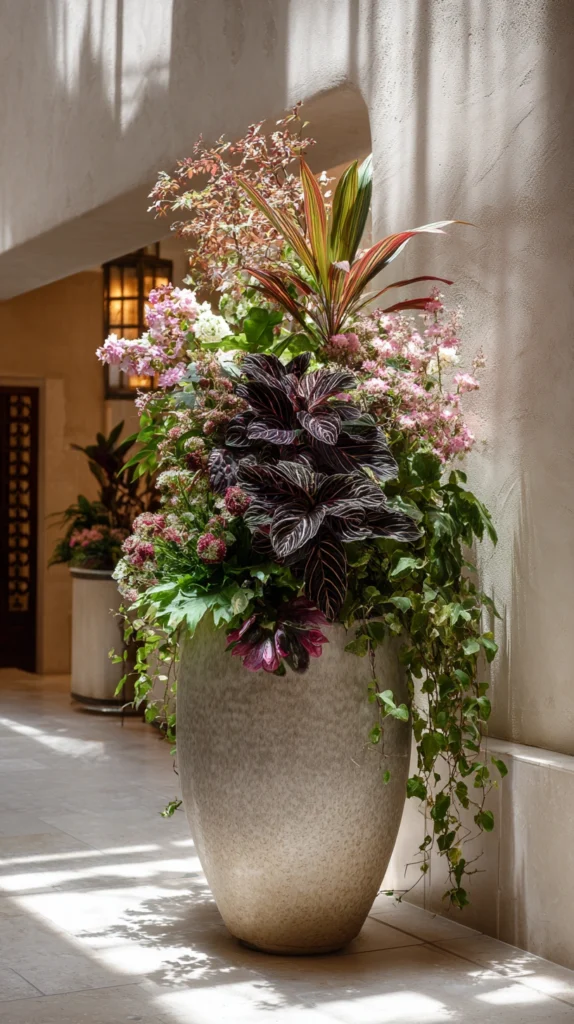
Budget: $20 – $65
Coleus and begonias are the two most reliably colourful shade container plants available and they grow together with complete compatibility — sharing the same moisture, light, and feeding requirements while providing complementary qualities. The coleus contributes bold, patterned foliage. The begonia provides the flower colour that the coleus, as a foliage plant, cannot offer. Together they create a shade container of sustained and varied colour across the full season.
A Begonia boliviensis or Begonia tuberhybrida in a cascading form costs $4–$10 and provides pendant flowers that hang over the container edge. Two coleus varieties in complementary tones cost $3–$6 each. A 25–30 cm pot costs $12–$30. The begonia flower colour should relate to one of the tones in the coleus leaf pattern rather than contrasting randomly with it — a red-flowered begonia beside a coleus with red-toned margins creates a deliberate colour echo. A mismatched colour introduces a third colour into a composition that works best with two.
Planting tip: Remove coleus flower spikes as soon as they appear — coleus flowers are small, pale, and unremarkable, and allowing the plant to flower diverts energy from the foliage production that is the sole reason for growing it. A coleus that is regularly de-flowered produces larger, more vivid leaves and a longer season of peak foliage quality than one allowed to complete its flowering cycle. This is the single most important maintenance task for sustaining coleus at its best performance through the season.
8. A Hot Colour Coleus Collection
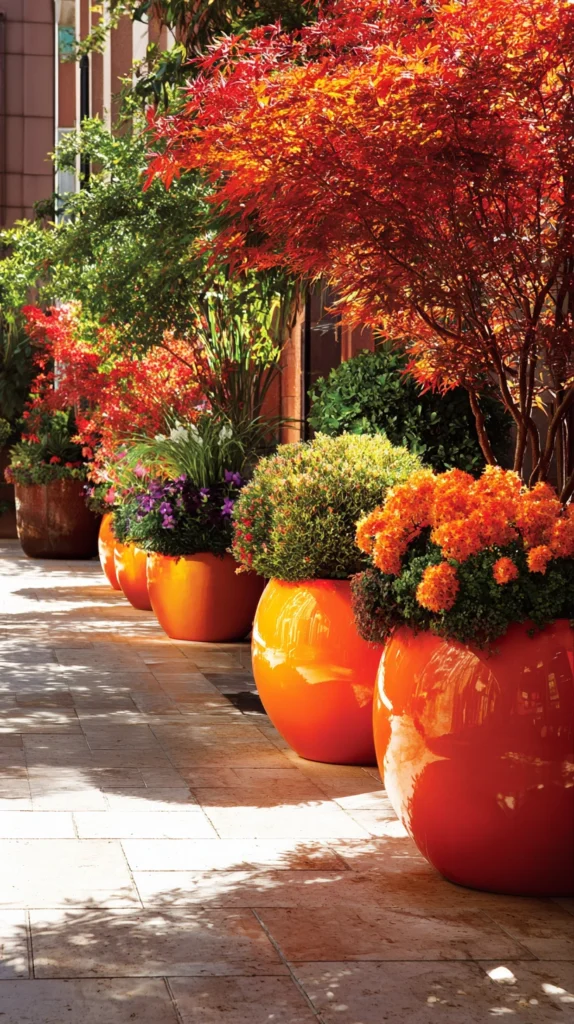
Budget: $25 – $80
A collection of coleus in the hottest, most vivid end of the colour range — scarlet, burnt orange, deep crimson, and golden yellow — arranged in a group of three to five matching terracotta pots creates a container display of incandescent warmth that suits a sunny south or west-facing terrace where the saturated colours are intensified rather than washed out by the strong light. No flowering plant provides this quality of sustained hot colour at the same cost across the same growing period.
Hot-toned coleus varieties include Wizard Scarlet ($3–$6), Solar Flare ($3–$6), Flame ($3–$6), and Alabama Sunset ($3–$6). Five plants in five matching terracotta pots of 20 cm diameter each cost $35–$70 total in plants and pots. Arrange as a cluster of five — with the tallest variety at the back and shorter, more spreading varieties to the front — for a composition that reads as a single large planted display from the main viewpoint of the terrace rather than five separate containers placed close together.
Planting tip: Hot-colour coleus varieties generally perform best in brighter light conditions than shade-tolerant varieties — position them in a location that receives at least four to five hours of direct sun per day for the most vivid colour expression. Hot-toned coleus in deep shade develops muted, less saturated versions of its catalogue colour. In direct morning sun with afternoon shade it develops the most vivid possible expression of the same colour — the difference between the two is the difference between a colour that impresses and one that simply satisfies.
9. A Cool Tonal Coleus Arrangement
Budget: $20 – $65
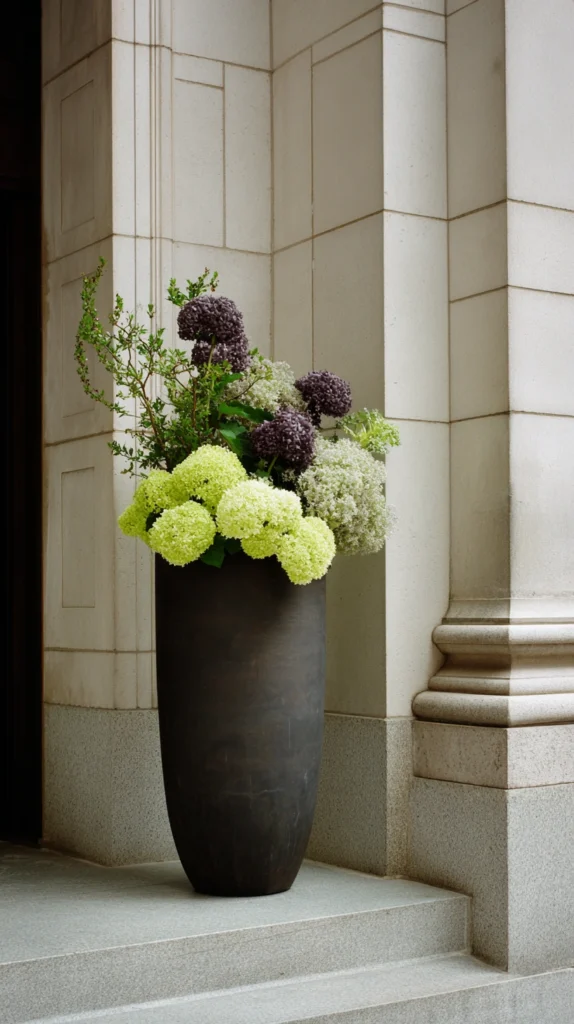
Coleus varieties in cool, sophisticated tones — deep purple and black, blue-green, silver-grey, and cream — planted together create a container combination of unusual restraint and elegance for a plant more commonly associated with vivid primary colour. Cool-toned coleus suits shaded positions, contemporary garden aesthetics, and any scheme where the overall palette is built around grey, blue, or white tones that a vivid coleus combination would disrupt.
Cool-toned coleus varieties include Midnight ($3–$6), Black Dragon ($3–$6), Blue Haze ($3–$6), and Limeade ($3–$6 — chartreuse as a cool foil to the darker varieties). Three varieties in a 30 cm glazed dark blue or charcoal ceramic pot ($20–$50) creates a container that suits a modern or minimalist garden context entirely — the cool tones of the coleus and the dark ceramic pot together produce a sophisticated, nearly monochromatic display that looks nothing like the exuberant primary-colour coleus containers that dominate most summer garden displays.
Planting tip: Pair cool-toned coleus with a single silver-leaved companion plant — Artemisia or Calocephalus — as a foil within the container. The silver-white foliage of these plants creates a precise, clean contrast to the deep purple and near-black of the darkest coleus varieties and prevents the cool-toned combination from reading as simply dark and heavy rather than sophisticated and considered. One silver plant per container is enough — more than one silver plant dilutes the depth of the dark coleus rather than enhancing it.
10. A Hanging Basket of Coleus
Budget: $15 – $50
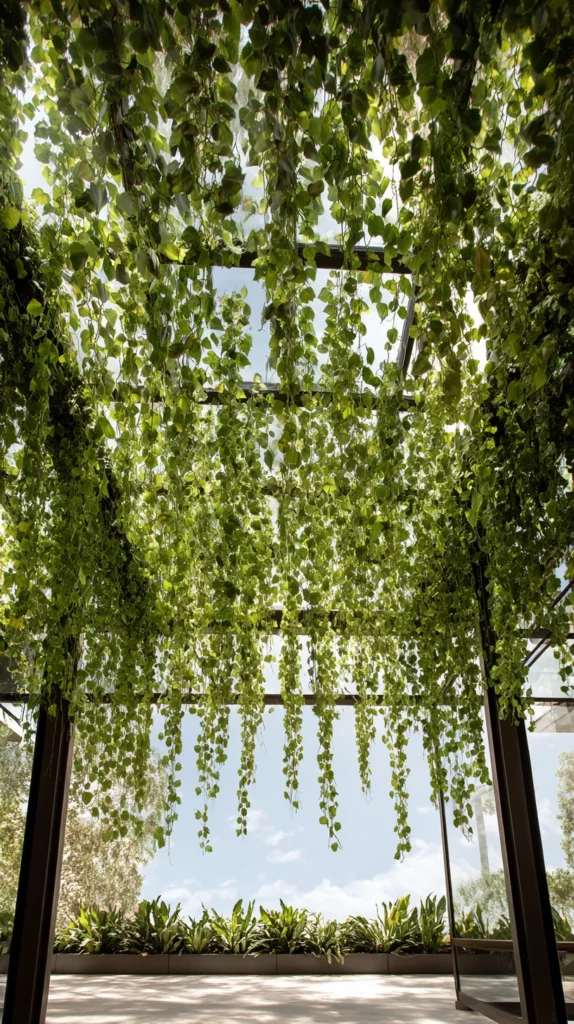
A hanging basket planted with a mix of upright and trailing coleus varieties — chosen so that the upright ones fill the basket interior and the trailing ones cascade over the edge — creates one of the most vibrant overhead plant displays available for a sheltered garden position, a covered porch, or a pergola. At eye level or slightly above, the dramatic patterning of coleus foliage is seen from directly above in a way that ground-level or table-level planting never provides.
A 35 cm hanging basket costs $8–$20. Four coleus plants — two upright varieties and two trailing or spreading ones — cost $3–$6 each. A self-watering basket liner ($5–$10) is particularly worthwhile in a hanging coleus basket where the elevated position and the large leaf surface area of dense coleus planting causes the basket to dry out more rapidly than most other hanging basket plants. The total hanging basket cost sits between $25 and $56 for a display that performs from planting to frost with consistent colour.
Planting tip: Feed hanging coleus baskets with a balanced liquid fertiliser every ten days rather than the fortnightly schedule appropriate for ground-level containers. The limited compost volume and rapid drying cycle of a hanging basket depletes nutrients faster than ground-level pots — the additional feeding frequency sustains the rapid foliage growth that dense coleus planting in a hanging basket requires to maintain its full, lush appearance through the middle of the growing season when the plants are at peak growth rate.
11. A Front Doorstep Coleus Pair
Budget: $30 – $100
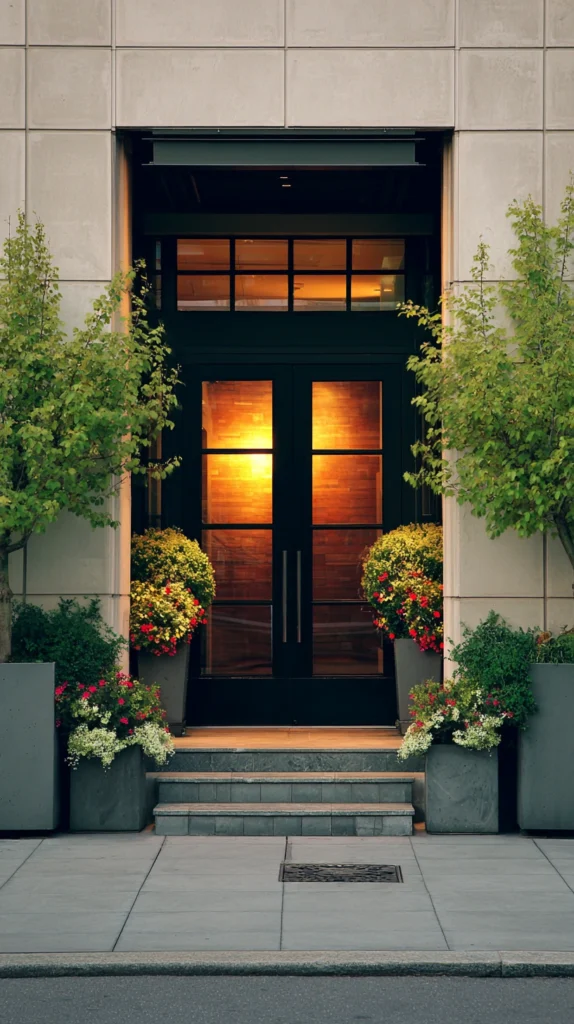
A pair of matching containers — one on each side of the front door or main garden entrance — each planted with an identical coleus variety creates a formal, welcoming entrance display of considerable visual impact. The symmetry of the matched pair communicates deliberate intention — this is a garden that is looked after and thought about — and the vivid coleus foliage provides the colour that most flowering annual pairs provide only at the cost of significantly higher maintenance and more frequent replacement through the season.
Two matching containers of 30–40 cm diameter cost $30–$80 in matching terracotta, ceramic, or stone-effect pots. Two identical coleus plants cost $3–$8 each — choosing a variety that grows symmetrically rather than lopsidedly is important for a matched pair arrangement. Kong Series varieties grow in a naturally mounded, symmetrical form and are well-suited to paired formal entrance displays. Maintain the symmetry of the pair through the season by pinching both plants equally at each pinching session.
Planting tip: Rotate the matched pair of coleus containers by 180 degrees every two weeks through the season. Plants growing beside a doorway typically receive more light from one direction than the other and develop an asymmetric growth pattern — one side growing more vigorously and more compactly than the other. Regular rotation maintains the even, symmetrical mounded form that makes a matched entrance pair look considered and well-maintained rather than lopsided and neglected by midsummer.
12. A Coleus and Caladium Combination
Budget: $25 – $80
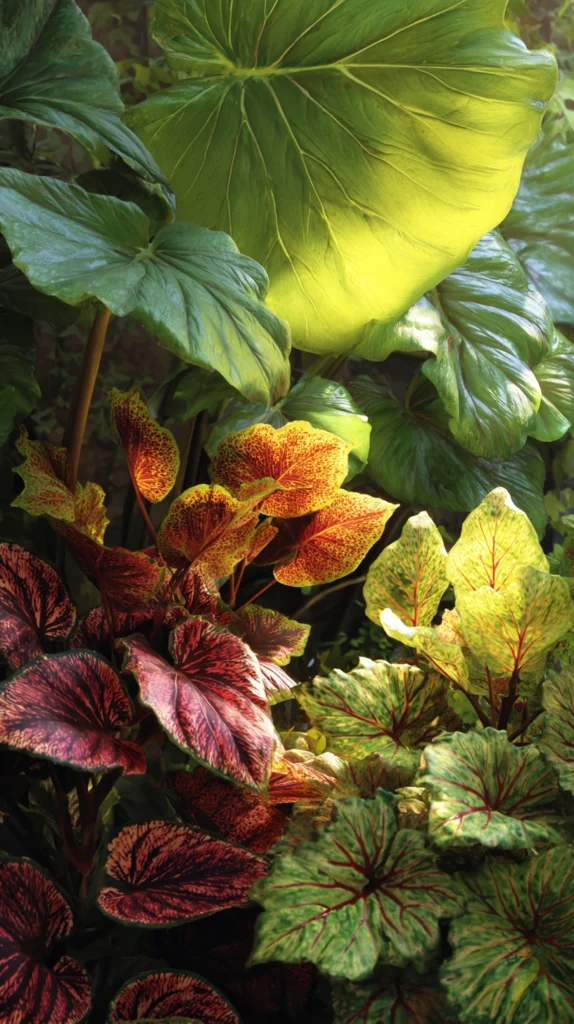
Coleus and caladiums share the same tropical origin, the same shade tolerance, the same growing conditions, and the same design quality — extravagant, patterned foliage that provides season-long colour without a single flower required. Together they create one of the most lush and most specifically tropical foliage combinations available for a container in partial or full shade, with each plant providing a different leaf form and scale against which the other reads most clearly.
Caladium bulbs cost $3–$8 each — White Christmas, Red Flash, and Candidum are the most reliable varieties for container growing in partial shade. Two caladium bulbs and two coleus plants in a 30 cm container cost $18–$40 in plants and $15–$40 in the pot. Choose a caladium with the same dominant colour as one of the tones in the coleus leaf pattern — a red-veined caladium beside a coleus with red margins creates a colour relationship that makes both plants look more deliberately chosen than either does when placed beside a randomly selected companion.
Planting tip: Wait until nighttime temperatures are consistently above 15°C before planting caladium bulbs in an outdoor container with coleus. Caladiums are highly sensitive to cold temperatures — bulbs planted into soil that drops below 15°C at night fail to emerge and rot rather than establishing. The coleus can be planted earlier in a cooler position and the caladiums added when temperatures are reliably warm enough, creating a phased planting approach that avoids wasted bulbs from cold-temperature exposure.
13. A Cottage Style Mixed Coleus Pot
Budget: $20 – $70
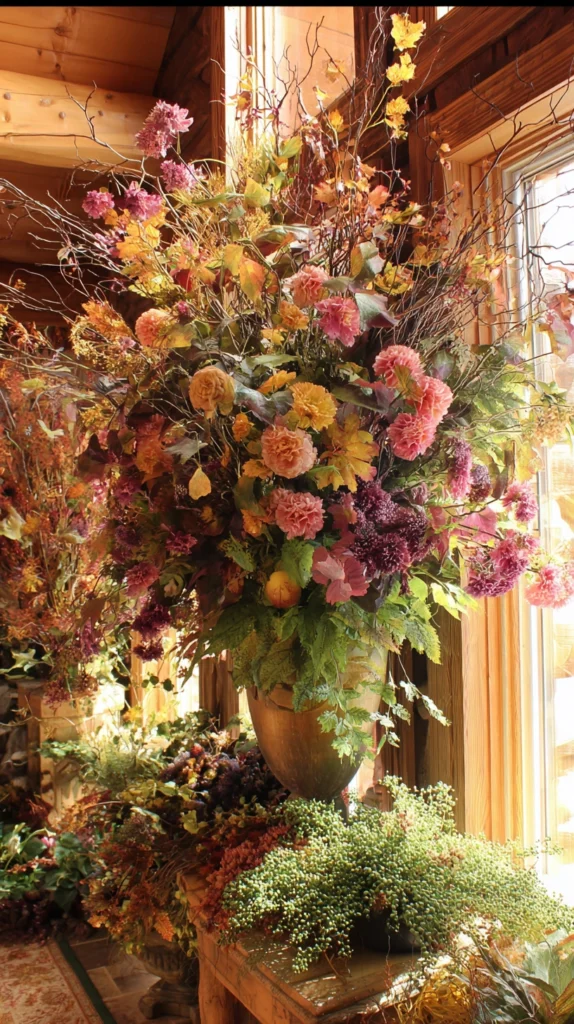
A generously planted terracotta pot — overflowing with four or five different coleus varieties in a mix of complementary warm tones, with a trailing verbena or lobelia adding flower colour to the foliage display — creates the casual, abundant quality of a cottage garden in a container. The key to this style is density and generosity of planting — the pot should look almost overfull from the first week of the season, with plants growing into and through each other as the season progresses.
Five coleus varieties at $3–$6 each cost $15–$30. A trailing verbena or lobelia for the spiller position costs $3–$6. A weathered terracotta pot of 35–40 cm diameter costs $15–$40. Plant at the density of one plant per 12 cm of pot diameter — significantly closer than standard container planting spacing — and feed weekly with a balanced liquid fertiliser from the outset to sustain the rapid growth that close planting requires to look genuinely lush rather than struggling and sparse within its crowded root space.
Planting tip: Choose coleus varieties whose leaf colours include tones from each other’s pattern — a variety with green and red margins beside a variety with red centres and green edges creates a colour echo between the two plants that makes them read as a designed pairing rather than two plants placed together randomly. This same principle extended to all five varieties in a cottage-style mixed pot produces a container where every plant relates visually to every other, which is the quality that distinguishes a mixed coleus pot that looks curated from one that simply looks mixed.
14. A Coleus Children’s Alphabet Garden
Budget: $20 – $80
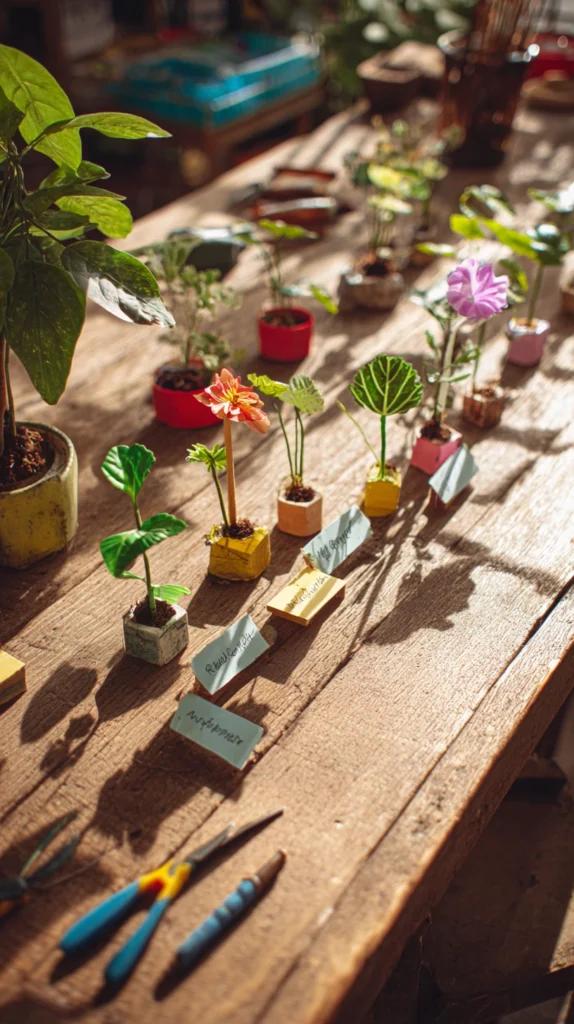
Coleus is one of the easiest plants to propagate from cuttings — a single purchased plant produces dozens of free new plants within one growing season — which makes it the ideal plant for a children’s planting project where the goal is low cost, fast results, and visible success. Each cutting rooted by a child becomes their individual plant: named, labelled, potted in their own container, and providing the specific pride of ownership that makes a child genuinely invested in a growing project.
A single coleus mother plant costs $3–$6 and provides enough cuttings for twelve to twenty individual children’s plants through one growing season. Small individual pots of 8–10 cm diameter cost $0.50–$1 each. Basic rooting compost costs $5–$10 per bag for a full class of children’s cuttings. The total materials cost for a children’s coleus propagation project — one mother plant, twenty small pots, compost, and plant labels — sits between $25 and $45 for a growing project that provides consistent weekly progress and visual change from the first week to the last frost.
Planting tip: Take coleus cuttings of 8–10 cm from the growing tips of the mother plant — removing the bottom set of leaves and inserting into moist compost to just below the lowest remaining leaf node. Keep the cuttings in warm, bright indirect light and they root within ten to fourteen days without any rooting hormone required. Coleus is one of the most forgiving propagation subjects available — nearly every cutting taken correctly from a healthy mother plant roots successfully, which makes the propagation experience consistently rewarding for children of any age.
15. A Year-Round Indoor Coleus Display
Budget: $15 – $60
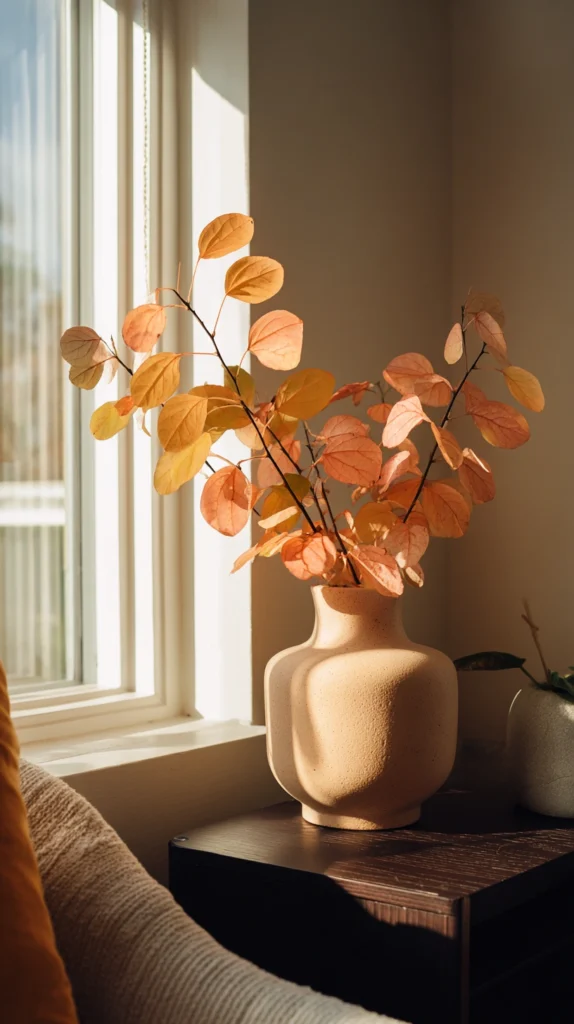
Coleus grown as an indoor houseplant — positioned in a bright, indirect-light position on a windowsill or plant stand — provides one of the most vivid and most continuously colourful foliage displays available for an indoor space through the entire year. Many coleus varieties perform as well or better indoors than outdoors, free from the temperature extremes and weather events that can stress outdoor container plants through the season.
A coleus plant in a 12 cm pot costs $4–$8 from garden centres and online retailers. A ceramic or terracotta indoor display pot of 15–20 cm diameter costs $8–$25. Position in the brightest available indoor light — a south-facing windowsill is ideal. Water when the top 2–3 cm of compost is dry — overwatering is the most common cause of indoor coleus failure and the plant tolerates moderate drought far better than consistently wet roots. Feed monthly with a balanced liquid fertiliser and pinch out flower spikes as they appear to sustain foliage production year-round.
Planting tip: Take cuttings from an indoor coleus plant in February and root in a glass of water on a warm, bright windowsill — the rooted cuttings become the new season’s outdoor container plants in May when temperatures allow. This propagation cycle turns a single indoor coleus plant purchased in autumn into five or six outdoor container plants the following summer at zero additional cost, and it maintains the indoor plant in a compact, actively growing state through the winter months by removing the stems that would otherwise cause it to become stretched and leggy in the lower winter light levels.
Coleus is the most generous plant in any summer garden — it asks for warmth, regular watering, and a pinch every two weeks, and it gives back more continuous colour per plant and per dollar than any alternative available for the same growing conditions. The fifteen planting ideas on this list show every scale and every style in which that generosity can be put to work — from a single statement pot to a complete summer display across a terrace.
Start with one variety in one pot and pinch it regularly. By midsummer it will be the most colourful plant in the garden, and by autumn it will have generated enough cutting material for five pots the following season. That is the particular quality of coleus — it rewards the gardener who pays it consistent attention with a return that always feels disproportionate to the effort involved.