15 Bird Bath Garden Ideas to Attract More Wildlife
My yard had bird feeders for two years but barely any birds. Maybe 5-6 species total, sporadic visits, nothing exciting.
I couldn’t figure out why my neighbor’s yard was full of birds and mine wasn’t.
Then I added a simple bird bath. Within days: 15 species, constant activity, birds I’d never seen before.
Turns out birds need water more than food. One $30 bird bath transformed my yard into a wildlife sanctuary.
Let me show you 15 bird bath designs that attract birds, butterflies, and beneficial wildlife.
Why Water Attracts More Than Food
My bird feeder-only setup:
What I had:
- 3 tube feeders (expensive seed)
- Suet cage
- Nyjer feeder for finches
- Total investment: $150+
What came:
- Chickadees (occasional)
- House finches (small flock)
- Cardinals (pair)
- Maybe 5-6 species total
Activity level: Light, sporadic visits
After adding $30 bird bath:
New visitors (first week):
- Robins (never came to feeders)
- Catbirds
- Warblers (migration)
- Waxwings
- Thrushes
Species count jumped: 6 species → 20+ species
Activity level: Constant, all-day traffic
Why Water Is Critical
Bird biology:
Food:
- Available seasonally (berries, seeds, insects)
- Natural sources abundant
- Feeders supplemental
- Not always needed
Water:
- Needed daily (drinking, bathing)
- Natural sources less common
- Critical survival resource
- Year-round necessity
Especially in:
- Summer drought (streams dry)
- Winter freeze (ice everywhere)
- Suburbs (paved over water sources)
- Extreme weather
My revelation: Water attracts species that never visit feeders – robins, thrushes, warblers, tanagers.
1. Classic Pedestal Bird Bath (My First Success)
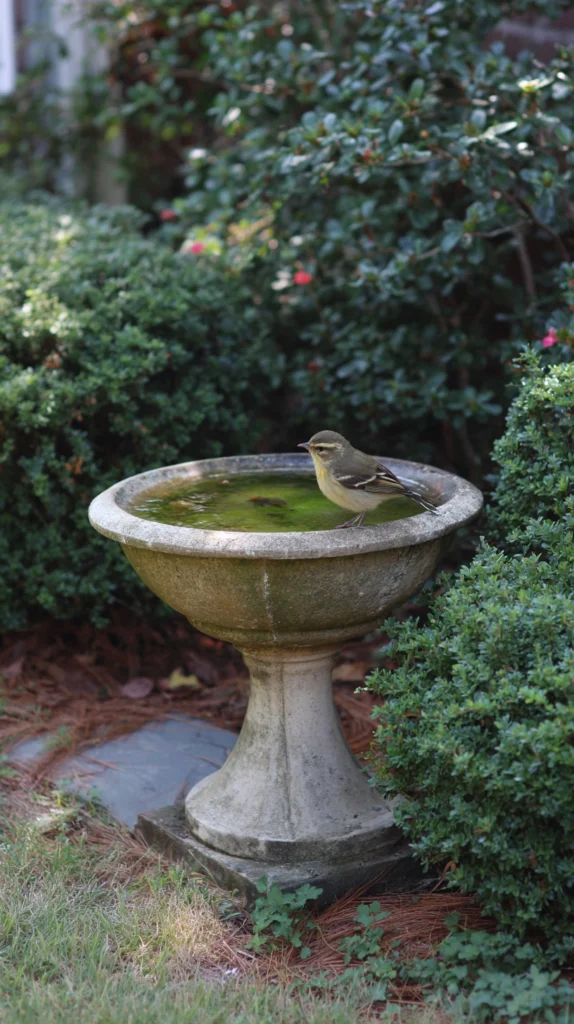
Traditional concrete basin on pedestal – the standard that works.
My setup:
Bird bath specs:
- Concrete basin (20 inches diameter)
- 28 inches tall pedestal
- 2-3 inches water depth
- $30 at garden center
Placement:
- 10 feet from shrub (cover/escape)
- Open area (predator detection)
- Visible from kitchen window
- Partial shade (water stays cooler)
What visits:
- Robins (daily bathers, splash enthusiasts)
- Cardinals (drink morning/evening)
- Chickadees (quick dips)
- Blue jays (messy bathers)
- Goldfinches (flock baths)
Maintenance:
Daily (summer):
- Check water level
- Top off if low (evaporation)
- 2 minutes
Weekly:
- Dump old water
- Scrub with brush
- Refill fresh
- 10 minutes
My classic bath: Still my most-used after 3 years, simple and effective, proves traditional design works.
Placement Lessons Learned
First location (wrong):
- Too close to window (3 feet)
- Birds too nervous
- Limited use
Second location (right):
- 10 feet from window
- 5 feet from shrub
- Perfect balance
- Heavy use
Key distances:
- Cover (shrubs/trees): 3-10 feet away
- Viewing window: 8-15 feet ideal
- Ground: Elevated 24-30 inches (cats can’t jump)
2. Heated Winter Bird Bath (Year-Round Water)
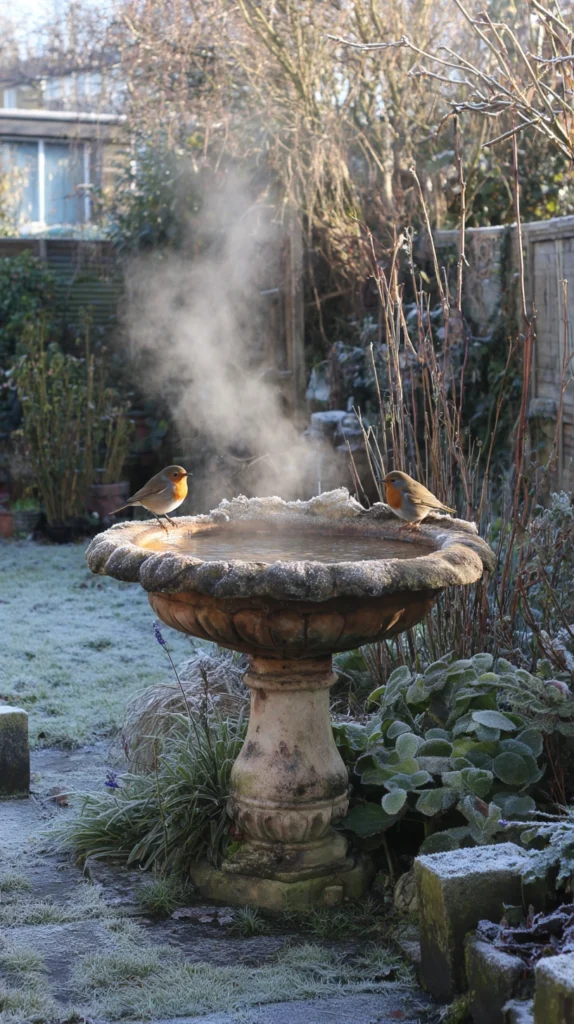
Thermostatically controlled heater – only open water in winter.
My winter game-changer:
Setup:
- Standard bird bath
- Immersion heater ($35)
- Outdoor outlet
- Runs when below 32°F
Why heating matters:
Winter challenge:
- All water frozen
- Birds need water (eating dry seeds = thirsty)
- Snow doesn’t hydrate well
- Scarce resource
My heated bath in January:
- Only liquid water in neighborhood
- 30+ birds daily
- Species I never see in summer
- Rare winter visitors
Unexpected winter visitors:
- Cedar waxwings (flock of 40)
- Pine siskins
- Evening grosbeaks
- White-crowned sparrows
Cost:
- Heater: $35
- Electricity: $8-12 monthly (December-March)
- Annual: ~$40
- Worth every penny
My heated bath: Single best wildlife investment, winter bird activity exceeds summer.
3. Ground-Level Naturalistic Basin (Low Bird Preference)
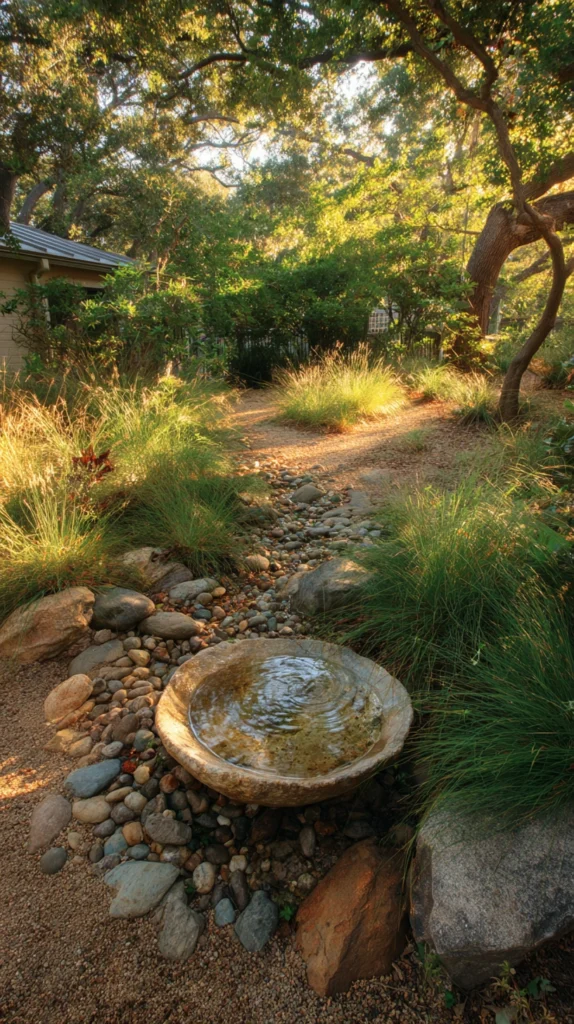
Shallow stone basin at ground level – mimics natural water sources.
My naturalistic setup:
Basin:
- Large flat stone (24 inches wide)
- Naturally concave center
- 1-2 inches max depth
- Sits on ground
Surroundings:
- Native grasses around edge
- Rocks for perching
- Looks completely natural
- Integrated design
What prefers ground-level:
Ground-feeding birds:
- Towhees (never use elevated bath)
- Juncos
- Sparrows (many species)
- Mourning doves
Bonus visitors:
- Butterflies (love shallow edges)
- Bees (need drinking water)
- Small mammals (at night)
Safety considerations:
Predator risk:
- Ground level = cat accessible
- Need excellent escape cover
- Shrubs within 3 feet
- Multiple escape routes
My ground basin: Different species than elevated bath, complements rather than replaces.
4. Multi-Tier Fountain (Sound and Movement)
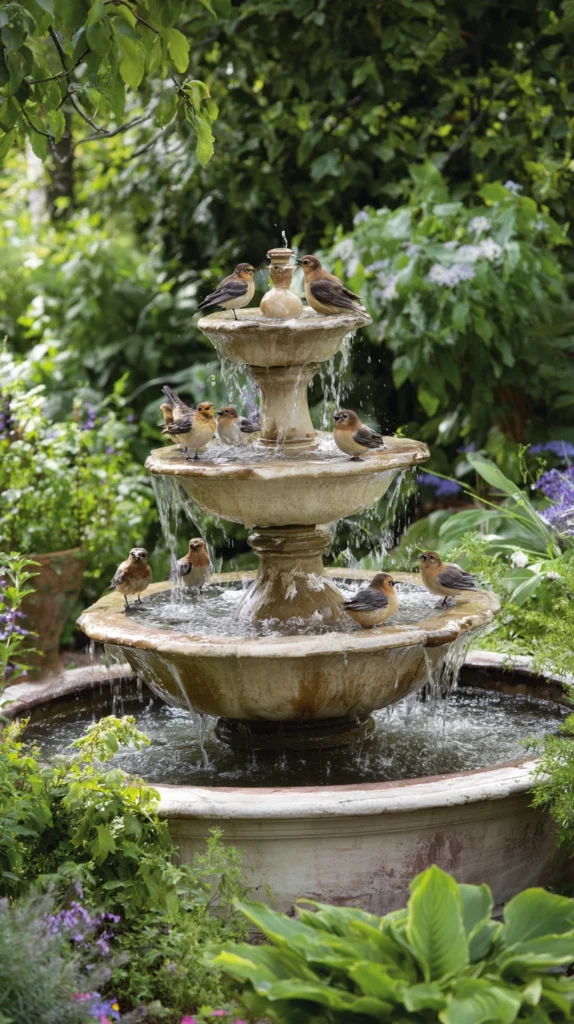
Recirculating fountain – moving water attracts more.
My fountain setup:
Design:
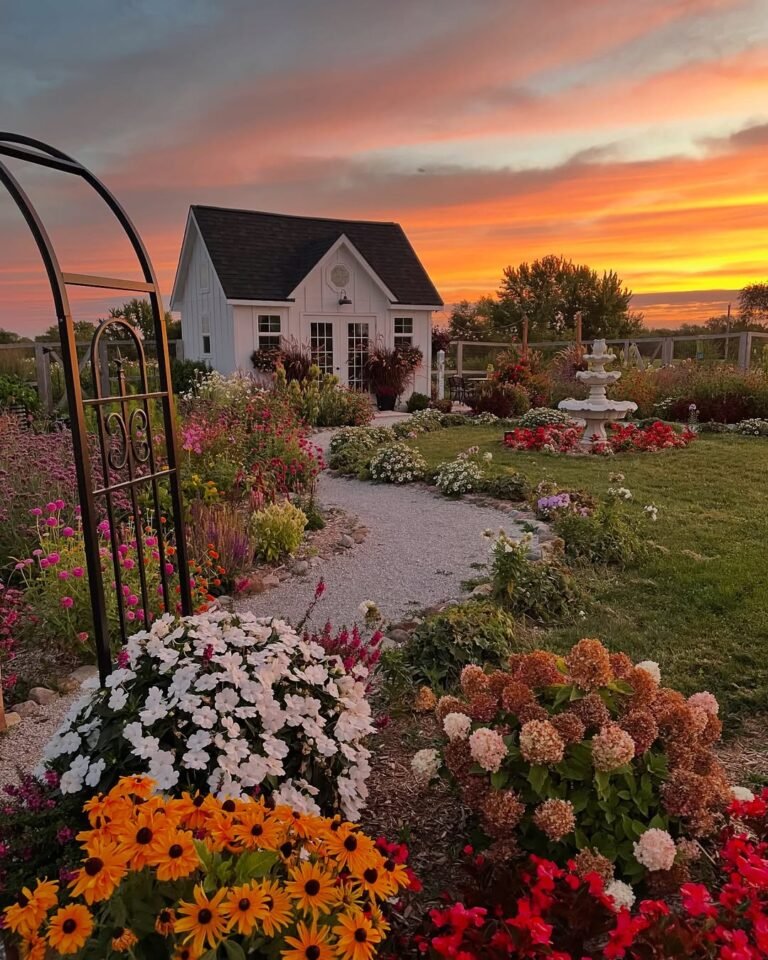
- 3-tier ceramic fountain
- Electric pump (recirculating)
- Gentle cascade
- Soft water sound
Why moving water works:
Sound attracts birds:
- Birds hear water from 50+ feet
- Investigate sound
- Find water source
- Bring friends
Movement prevents mosquitoes:
- Still water = mosquito breeding
- Moving water = no larvae survive
- Health benefit
- Maintenance reduction
Visitors:
- Double the species vs still water
- Warblers (love drips)
- Migrants hear it (stopover)
- Constant activity
Cost:
- Fountain: $80
- Electricity: $3-5 monthly
- Annual: $120 initial + $40 yearly
My fountain: Most activity, best for serious birders, higher investment but worth it.
5. Hanging Bird Bath (Small Space Solution)
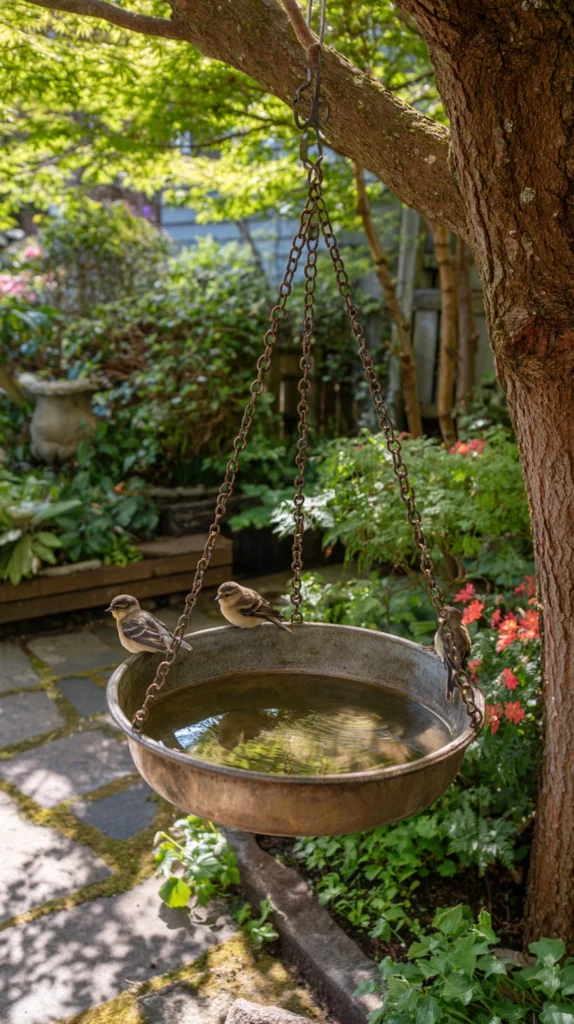
Suspended basin – deck, balcony, or small yard option.
My hanging bath:
Setup:
- Metal basin (12 inches)
- Chain hanging from tree branch
- 5 feet from ground
- Near deck railing
Benefits:
Space-saving:
- No ground footprint
- Hang anywhere
- Perfect for small yards
- Urban-friendly
Adjustable height:
- Raise/lower easily
- Change location
- Seasonal moves
- Flexible
What uses it:
- Small birds (chickadees, finches)
- Fewer large birds (jays struggle)
- Size-selective
- Less messy
Challenges:
Stability:
- Swings in wind
- Birds nervous
- Need stabilizing
- Learning curve
Filling:
- Higher = harder to refill
- Need step stool
- Less convenient
- Consider this
My hanging bath: Perfect for deck viewing, less traffic than ground bath, good supplemental option.
6. Solar-Powered Fountain Basin (Off-Grid Water)
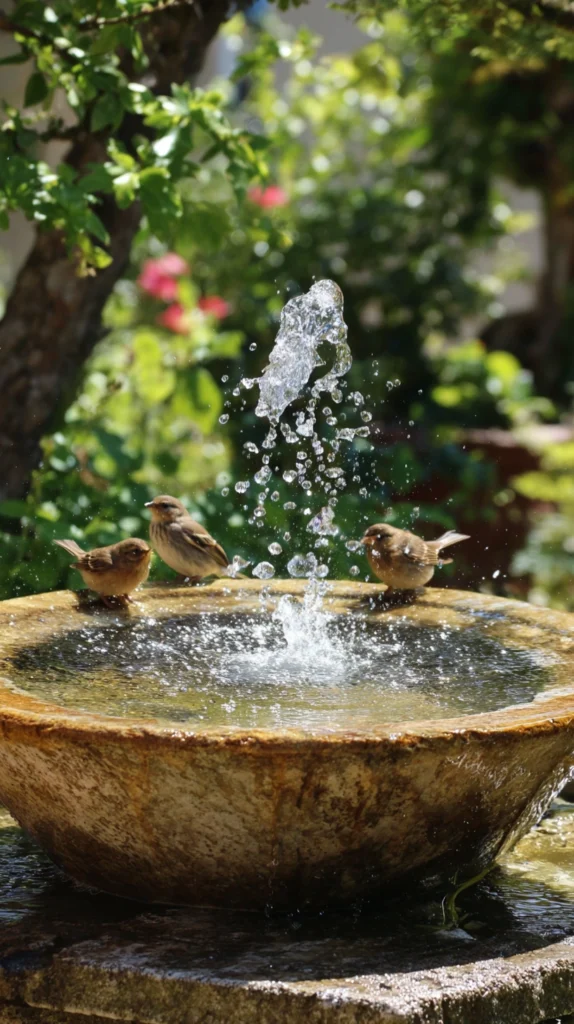
Solar panel runs pump – no electrical outlet needed.
My solar setup:
Equipment:
- Basin with built-in solar panel
- Small fountain pump
- Battery backup (runs cloudy days)
- $65 complete
Placement:
- Full sun location (panel needs sun)
- Open area
- South-facing
- Away from shade
Performance:
Sunny days:
- Runs continuously
- Great water movement
- Active bird use
- Perfect
Cloudy days:
- Battery runs 2-3 hours
- Then stops
- Still water remains
- Partial function
Benefits:
No wiring:
- Place anywhere
- No outlet needed
- Move seasonally
- Ultimate flexibility
Free operation:
- Zero electricity cost
- Environmentally friendly
- Solar-powered
- Sustainable
My solar bath: Perfect for remote yard locations, runs free, slight performance trade-off acceptable.
7. Tiered Rock Waterfall (Naturalistic Feature)
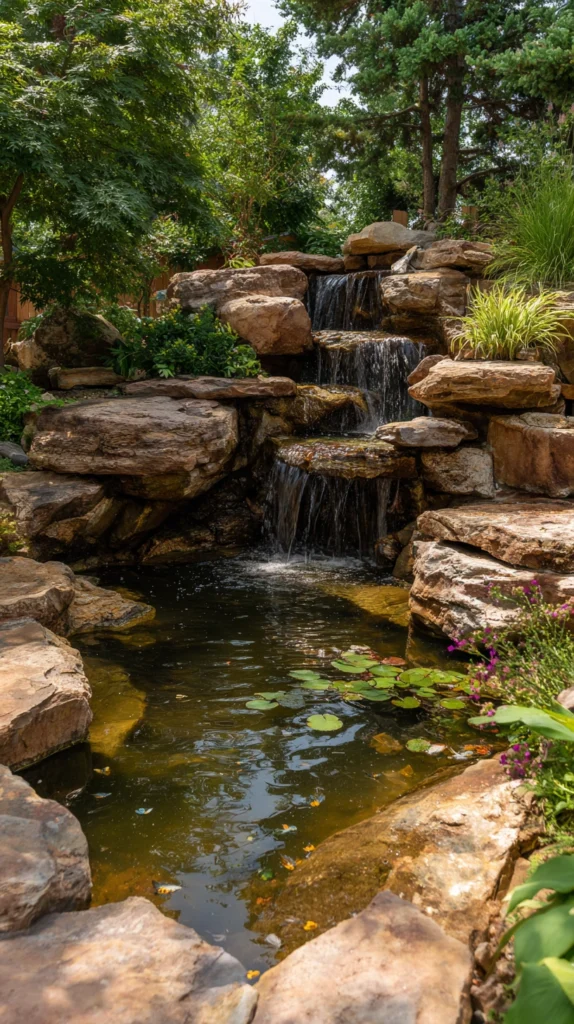
Stacked stones with recirculating pump – natural stream effect.
My rock waterfall:
Construction:
- Stacked flat rocks (5 tiers)
- Water cascades down
- Pool at base (bird bath)
- Pump recirculates
Dimensions:
- 3 feet tall
- 2 feet wide
- Natural appearance
- Garden focal point
What it attracts:
Beyond birds:
- Butterflies (puddle on rocks)
- Dragonflies (love water features)
- Frogs (discovered it!)
- Complete ecosystem
Bird activity:
- Warblers bathe in spray
- Robins in pool
- Hummingbirds fly through mist
- Multiple use zones
Cost:
- Rocks: Free (creek with permission)
- Pump: $40
- Liner: $20
- Total: $60
My waterfall: Most beautiful, most ecological, best for wildlife diversity beyond birds.
8. Dish Garden Bird Bath (Simple and Effective)
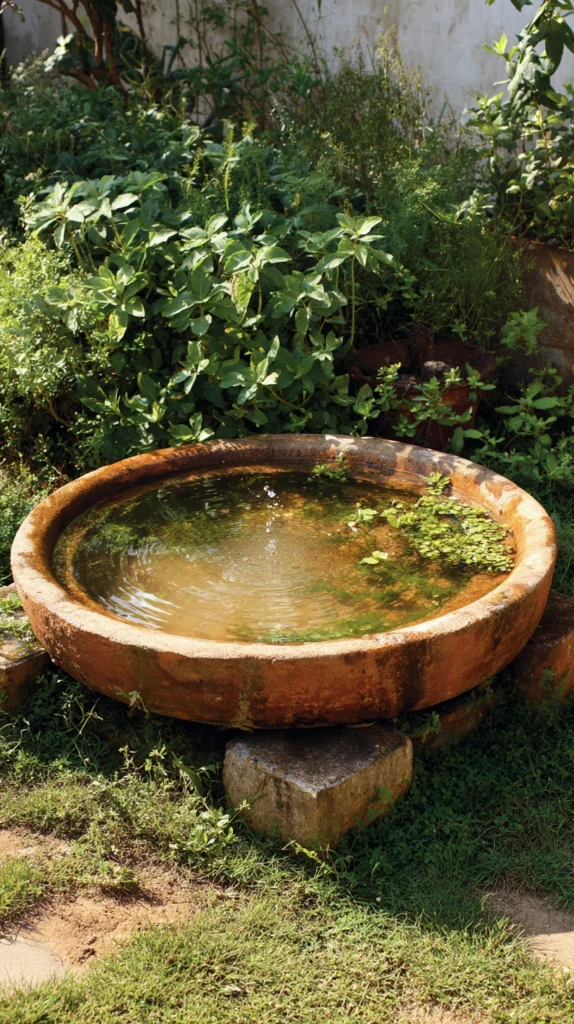
Large shallow dish – easiest possible design.
My basic dish setup:
Materials:
- Terracotta plant saucer (18 inches)
- On upturned pot (height)
- Or concrete blocks
- Total: $8
Why simple works:
Shallow is better:
- 1-2 inches deep ideal
- Birds feel safe
- Easy to use
- Prevents drowning
Wide surface:
- Multiple birds bathe together
- Social bathing (they do this!)
- Room to spread
- Communal resource
Cheap means multiple:
- $8 each = afford several
- Place throughout yard
- Different locations
- Increase traffic
My dish baths: Three scattered around yard, catch overflow from other baths, total cost $24.
9. Mosaic Tile Bird Bath (Artistic Feature)
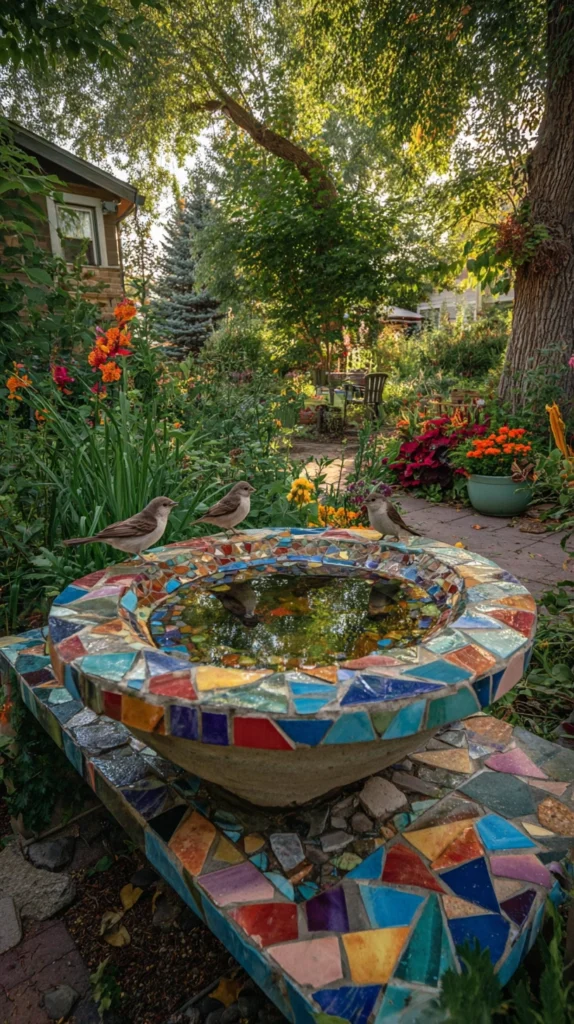
Decorated basin – functional art.
My mosaic project:
Creation:
- Plain concrete basin ($15)
- Broken tile scraps (free from friend)
- Tile adhesive ($8)
- Grout ($6)
- Weekend project
Process:
- Cleaned basin
- Arranged tile pattern
- Glued tiles
- Grouted (next day)
- Sealed (waterproof)
Result:
- Beautiful garden art
- Unique design
- Conversation piece
- Functional
Bird perspective:
- Don’t care about beauty
- Use it same as plain
- Humans appreciate art
- Birds appreciate water
Cost: $30 materials, priceless satisfaction
My mosaic bath: Most beautiful, DIY pride, guests always compliment.
10. Integrated Pond with Shallow Edge (Complete Water Feature)
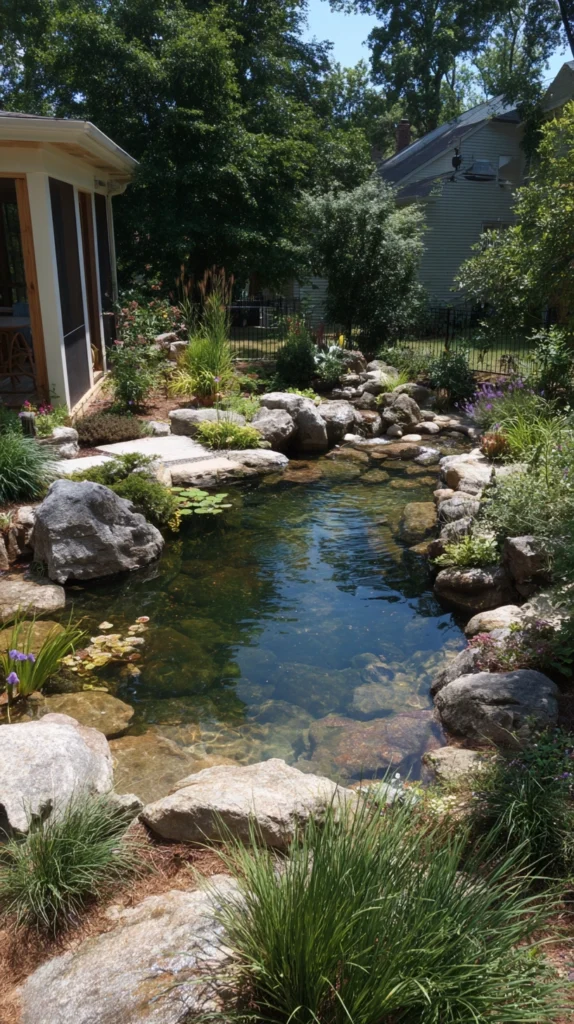
Small pond with graduated depth – ultimate bird water.
My 6×8 pond:
Design:
- Deep center (18 inches, fish)
- Graduated shallow edge (1-3 inches, birds)
- Rock rim (perching)
- Marginal plants
Shallow bathing area:
- 12 inches wide shallow shelf
- 1-2 inches water depth
- Pebble bottom
- Perfect for birds
Benefits:
Multiple species:
- Birds: Drinking, bathing
- Fish: Mosquito control
- Frogs: Breeding
- Insects: Dragonflies
- Complete ecosystem
Self-maintaining:
- Biological filter (plants)
- Fish eat mosquitoes
- Natural balance
- Minimal upkeep
Cost:
- Liner: $80
- Pump/filter: $120
- Rocks: $60
- Plants: $40
- Total: $300
My pond: Highest investment, most wildlife, centerpiece of yard.
11. Window-Mounted Bird Bath (Close-Up Viewing)
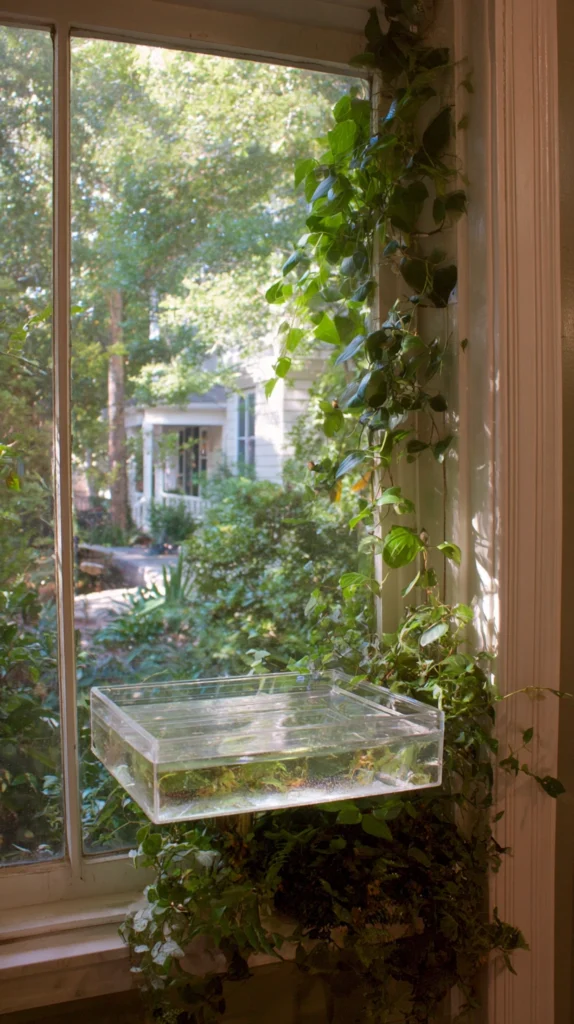
Suction cup basin – birds at window level.
My window bath:
Setup:
- Clear acrylic basin
- Strong suction cups
- Kitchen window
- Eye level
Viewing experience:
Unbelievable proximity:
- Birds 12 inches from face
- See every detail
- Eye contact possible
- Photography heaven
Species:
- Chickadees (fearless, first users)
- Titmice
- Cardinals (took 2 weeks to trust)
- Finches
Challenges:
Window strikes:
- Birds see reflection
- Occasional bumps
- Decals help
- Accepts some risk
Cleaning:
- Very visible when dirty
- Clean every 2-3 days
- Right there (convenient)
- Windex after
My window bath: Kids’ favorite, best viewing, educational tool.
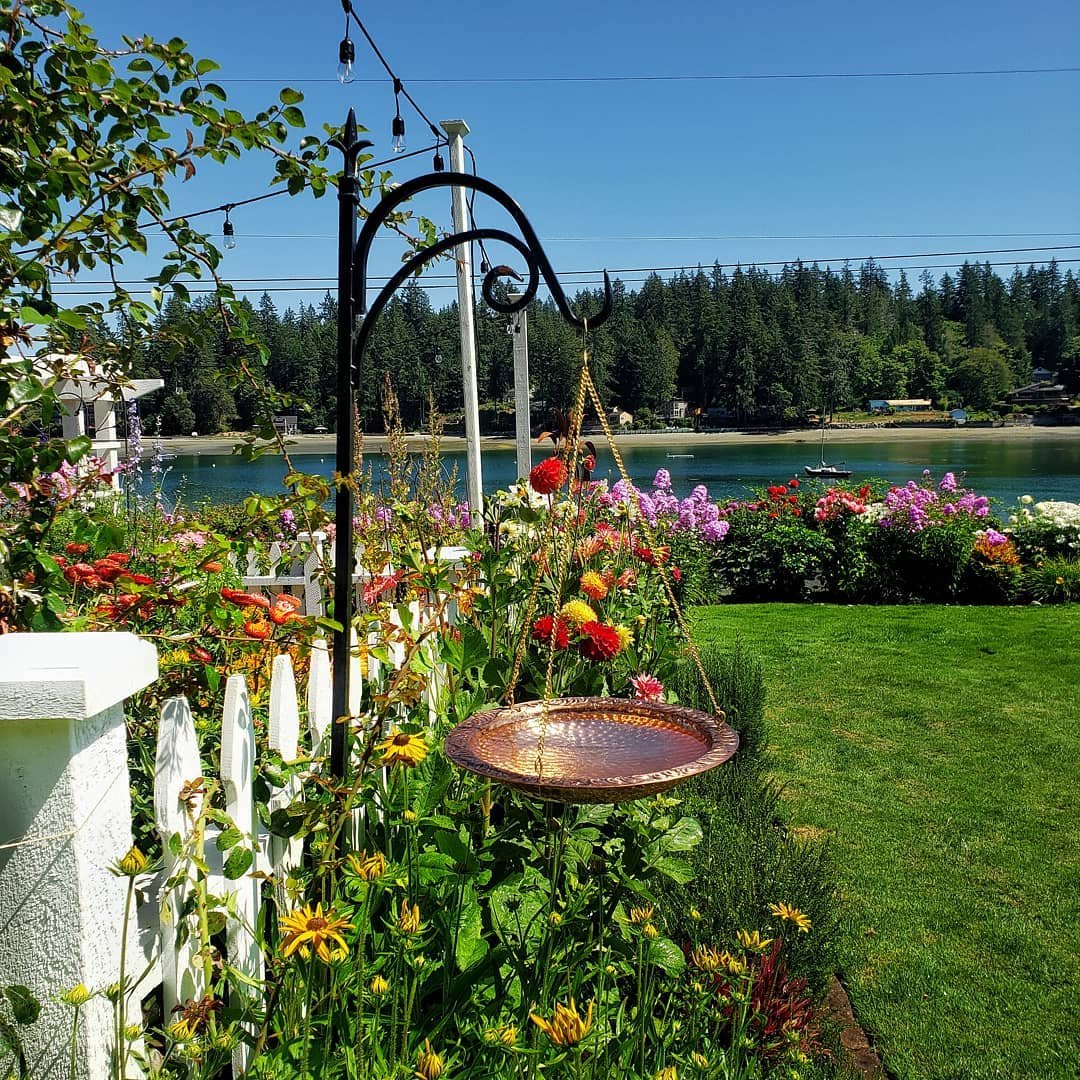
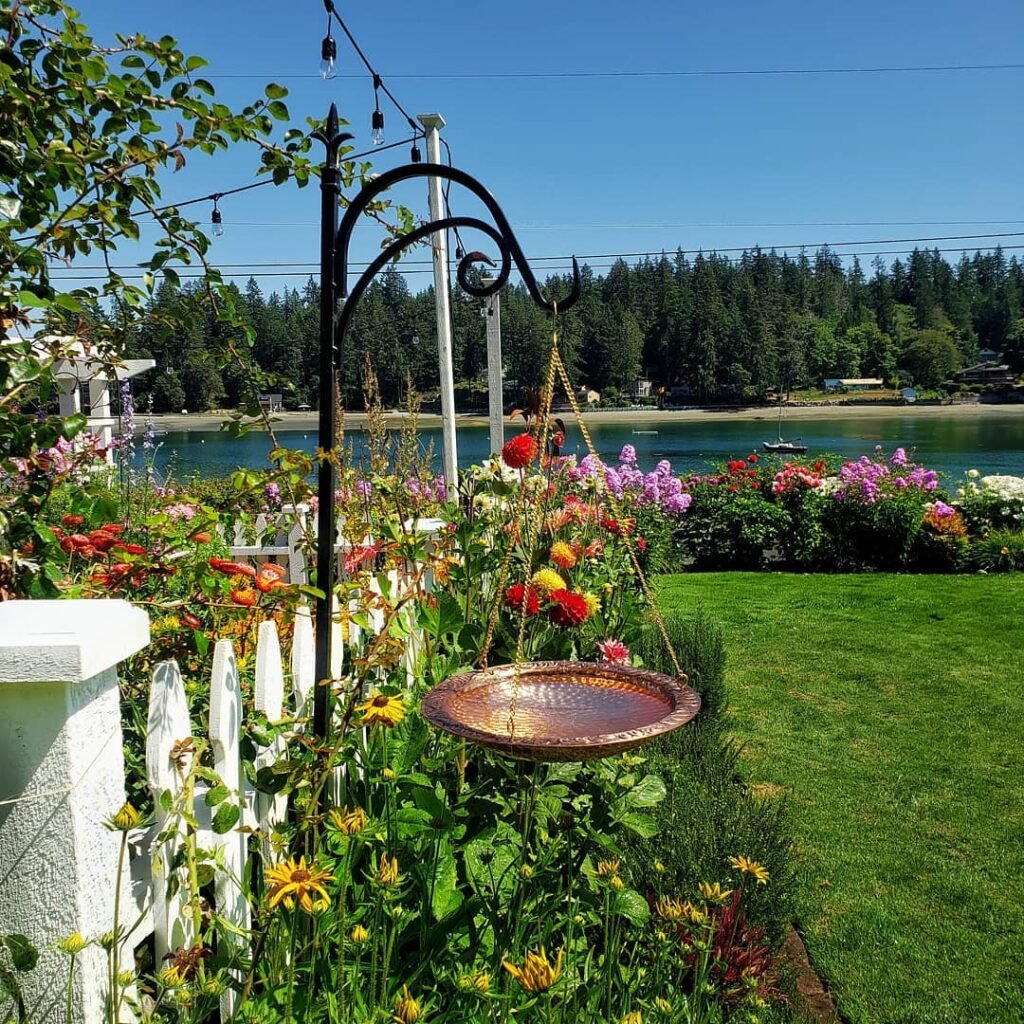
12. Copper Bird Bath (Premium and Aging)
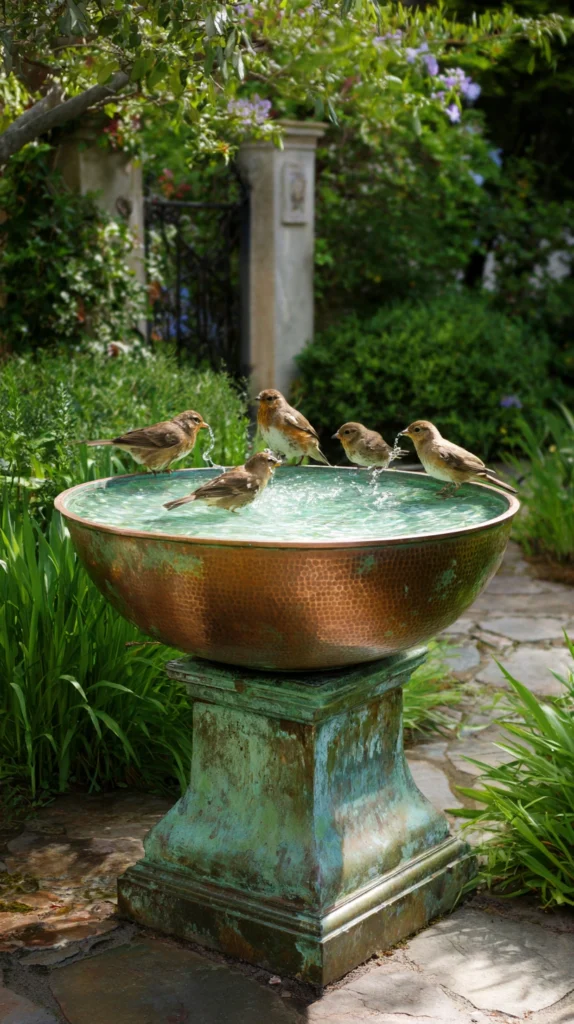
Hammered copper basin – develops beautiful patina.
My copper investment:
Purchase:
- Hammered copper basin
- $120 (expensive!)
- Pedestal included
- Premium piece
Aging process:
New: Shiny copper (pretty) Month 2: Darkening (oxidizing) Year 1: Green verdigris developing Year 2+: Full patina (stunning)
Why copper works:
Algae reduction:
- Copper naturally antimicrobial
- Less algae growth
- Cleaner longer
- Less scrubbing
Durability:
- Lasts forever
- Won’t crack (unlike concrete)
- Heirloom quality
- Investment piece
Birds’ opinion:
- Don’t care about cost
- Use it like $20 bath
- Humans appreciate beauty
- Function identical
My copper bath: Most expensive, most beautiful, front yard showpiece.
13. Rain Chain Basin (Downspout Conversion)
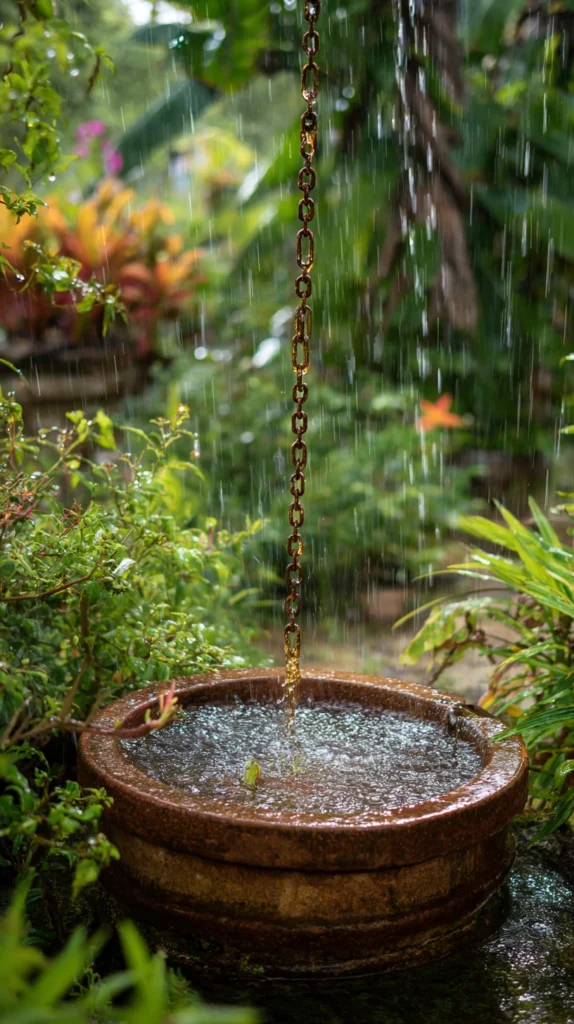
Collect rain in decorative basin – dual-purpose.
My rain chain setup:
Installation:
- Removed downspout
- Hung decorative rain chain
- Basin at bottom (catches rain)
- Bird bath + rainwater collection
Function:
During rain:
- Water cascades down chain
- Beautiful sight/sound
- Fills basin
- Free water
After rain:
- Basin full (bird bath)
- Fresh rainwater
- Birds arrive
- Dual purpose
Benefits:
Free filling:
- Rain fills it
- No hose needed
- Rainwater (chlorine-free)
- Birds prefer it
Garden feature:
- Decorative rain chain
- Water music
- Functional art
- Problem-solver
Cost:
- Rain chain: $40
- Basin: $25
- Total: $65
My rain chain basin: Solves downspout splash problem, creates bird bath, beautiful addition.
14. Butterfly Puddling Station (Multi-Species Water)
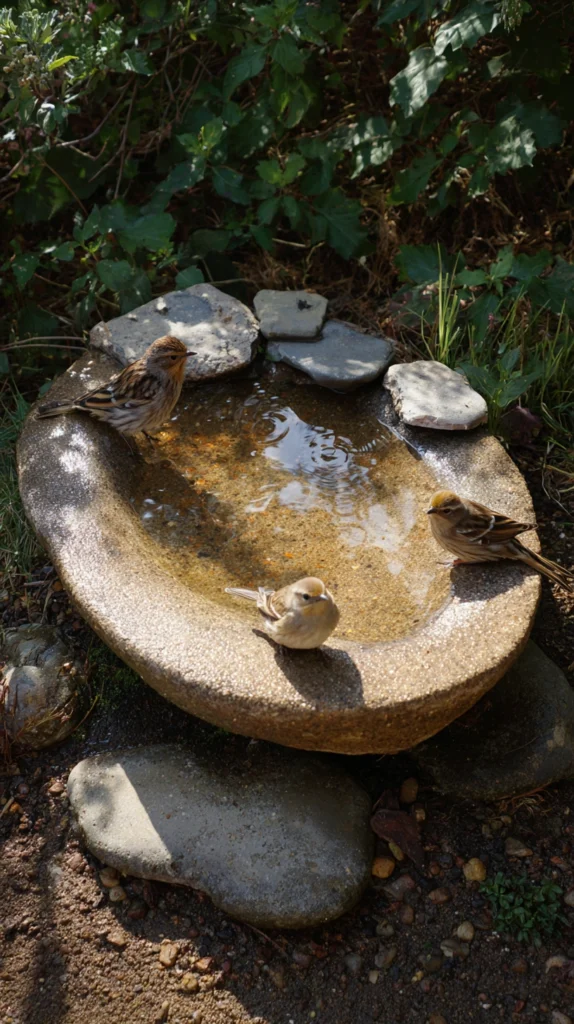
Shallow dishes with sand – butterflies and birds share.
My puddling setup:
Design:
- Large shallow dish (2 inches deep)
- 1 inch sand in bottom
- Water to barely cover sand
- Flat rocks for perching
What uses it:
Butterflies:
- “Puddle” for minerals
- Males especially
- 5-10 butterflies at once
- Beautiful display
Birds:
- Drink from edges
- Bathe in shallow areas
- Share peacefully
- Coexistence
Bees:
- Land on wet sand
- Drink safely
- Don’t drown
- Pollinator support
Maintenance:
- Refresh water daily (evaporates fast)
- Add more sand as needed
- 5 minutes daily
My puddling station: Most diverse users, supports pollinators, beautiful wildlife watching.
15. Rustic Log Bird Bath (Natural Wood Feature)
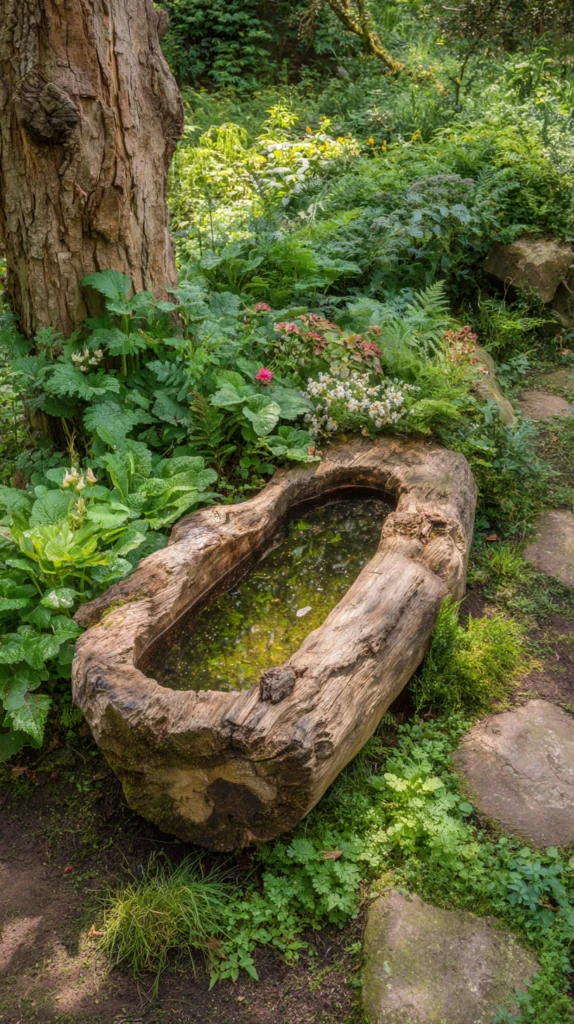
Hollowed log basin – woodland aesthetic.
My log bath:
Creation:
- Found fallen log (12 inches diameter)
- Chainsaw hollowed top
- Natural cavity
- Set on ground or stumps
Lining:
- Plastic pond liner inside
- Hidden by lip
- Holds water
- Prevents rot
Appearance:
- Completely natural
- Woodland aesthetic
- Looks like tree hollow
- Integrated design
What visits:
- Ground-feeding birds
- Chipmunks
- Squirrels
- Night visitors (camera caught raccoons)
Lifespan:
- 3-5 years (wood rots eventually)
- Part of natural cycle
- Replace easily
- Accepts impermanence
Cost: Free (found log), $5 liner, chainsaw access
My log bath: Most natural, woodland garden perfect, accepts temporary nature.
Bird Bath Design Principles
What actually matters to birds:
Depth Requirements
Critical measurement:
1-2 inches: Ideal for most birds 2-3 inches: Acceptable, larger birds okay 3+ inches: Too deep, birds avoid
My depth test:
- Measured all my baths
- Popular ones: 1.5-2 inches
- Unused one: 4 inches deep
- Depth matters more than beauty
Surface Texture
Smooth vs rough:
Glazed ceramic (smooth):
- Birds slip
- Struggle to grip
- Less use
- Add rocks for traction
Concrete (rough):
- Easy foot grip
- Confident use
- Preferred texture
- Natural choice
My fix for smooth basins:
- Add flat rocks
- Create rough surface
- Birds use it now
- Simple solution
Edge Design
Critical for safety:
Sloped edges:
- Gradual depth increase
- Birds wade in
- Comfortable approach
- Preferred design
Steep sides:
- Sudden depth
- Birds nervous
- Less use
- Avoid these
Perching spots:
- Flat rocks on edges
- Landing spots
- Rest while drinking
- Essential feature
Placement Strategy
Location determines success:
Sun vs Shade
My experience:
Full sun:
- Water evaporates fast
- Daily refills needed
- Gets hot
- Birds still use
Full shade:
- Water lasts longer
- Stays cool
- Algae grows faster
- Less maintenance
Partial shade (ideal):
- Morning sun, afternoon shade
- Or dappled light
- Best of both
- My preference
Distance from Cover
The 3-10 foot rule:
Too close (under 3 feet):
- Cat hiding spot
- Predator danger
- Birds nervous
- Reduced use
Too far (over 15 feet):
- Birds feel exposed
- Long flight to safety
- Less use
- Vulnerable
Just right (3-10 feet):
- Quick escape available
- Not hiding predators
- Safe feeling
- Maximum use
My setup: All baths 5-8 feet from dense shrub, heavy use, zero predation in 3 years.
Multiple Baths Strategy
Why I have 6 bird baths:
Different locations:
- Sun/shade options
- Ground/elevated choices
- Near different habitats
- Serve whole yard
Different species:
- Ground bath: Sparrows, towhees
- Elevated: Robins, jays
- Shallow: Warblers, small birds
- Deep: Larger birds
Reduced conflict:
- Territorial birds (robins!)
- Multiple options
- Less fighting
- Peaceful use
Water Maintenance
Keeping it clean and fresh:
Daily Tasks
My quick routine (5 minutes):
Check level:
- Evaporation (summer)
- Top off if needed
- Fresh water added
Remove debris:
- Fallen leaves
- Drowned insects
- Quick skim
- Looks better
Weekly Deep Clean
Sunday morning ritual (30 minutes all baths):
- Dump old water
- Scrub with stiff brush
- Rinse thoroughly
- Refill fresh
- Check stability
No soap needed:
- Water and elbow grease
- Occasionally dilute bleach (1:10)
- Rinse extremely well
- Simple is better
Mosquito Prevention
Standing water concerns:
Solutions:
Moving water: Fountain, dripper (mosquitoes can’t breed) Daily change: Fresh water = no larvae mature Mosquito dunks: BTI bacterial control (safe for birds) Fish: In pond edges (eat larvae)
My approach: Change water every 2-3 days, mosquito-free.
Seasonal Adaptations
Year-round bird bath operation:
Spring (Migration Time)
Peak use season:
Why spring is busy:
- Migrants stopping over
- Breeding residents
- Bathing for feather maintenance
- Nest building (wet beaks!)
What I do:
- Clean twice weekly (heavy use)
- Keep extra-full (evaporation starting)
- Watch for new species
- Best birding season
Summer (Daily Essential)
Critical water period:
Heat stress:
- Birds need water badly
- Bathing cools them
- Drinking essential
- Survival resource
Maintenance:
- Daily top-offs (evaporation)
- Shade becomes important
- Clean often (algae grows)
- Never let go dry
Fall (Migration Again)
Second rush:
- Southbound migrants
- Fueling up
- Last chances
- Preparing for winter
I add extra baths – temporary shallow dishes, maximize water availability.
Winter (Heated Baths Shine)
Frozen landscape:
- Only open water around
- Heated baths critical
- Rare species appear
- Most rewarding season
My winter routine:
- Check heated bath twice daily
- Break ice on unheated baths
- Keep water available
- Best bird watching
Attracting Specific Species
Different birds, different preferences:
Hummingbirds (Mist and Drips)
Special needs:
Won’t use basins:
- Too large
- Prefer spray/mist
- Bathe in flight
- Different approach
My hummingbird water:
- Mister on timer
- Fine spray
- They fly through
- Fountain drips
Watch them:
- Bathe in fountain spray
- Hover in mist
- Quick dips
- Adorable behavior
Warblers (Shallow and Moving)
Migration treats:
Warbler preferences:
- Very shallow (1 inch max)
- Moving water (drips)
- Low perches
- Hidden locations
My warbler bath:
- Shallow dish (1 inch)
- Drip system
- Under shrubs
- Migration seasons only
Species seen:
- Yellow warblers
- Black-and-white warblers
- American redstart
- Magnolia warblers
Robins (Splash Kings)
Messy bathers:
Robin bathing:
- Enthusiastic splashing
- Water everywhere
- Daily bathers
- Hilarious to watch
Their preference:
- 2-3 inches depth
- Room to spread wings
- Ground level or low
- Open approach
My robin bath:
- Ground-level basin
- 3 inches deep
- 24 inches wide
- Splashing encouraged
Common Bird Bath Problems
Issues I’ve solved:
Problem 1: No Birds Coming
My diagnosis checklist:
Too deep? Add rocks (create shallow areas) Wrong location? Move closer to cover (5-8 feet ideal) Dirty? Clean thoroughly No movement? Add dripper or fountain Patience? Can take 2-3 weeks for discovery
My first bath: No use for 10 days, then suddenly discovered, now constant traffic.
Problem 2: Aggressive Bird Dominance
Territorial robin syndrome:
The problem:
- One robin “owns” bath
- Chases all others
- Reduced diversity
- Frustrating
Solution:
- Add second bath (20+ feet away)
- Robin can’t guard both
- Others use second bath
- Problem solved
Problem 3: Algae Growth
Green water blues:
Causes:
- Sunlight + still water
- Nutrient buildup
- Natural process
Prevention:
- Partial shade placement
- Weekly cleaning (minimum)
- Moving water (fountain)
- Regular water changes
I had green bath – moved to partial shade, added dripper, problem gone.
Problem 4: Freezing (No Heater)
Winter ice:
My pre-heater solutions:
Daily ice breaking:
- Morning routine
- Pour warm water
- Crack ice
- Labor-intensive
Dark rocks:
- Absorb sun heat
- Melt ice slightly
- Minimal help
- Better than nothing
Gave up, bought heater – best $35 spent, ended daily ice battles.
Budget Bird Bath Options
Effective water on any budget:
Free/Nearly Free
What I’ve used:
Garbage can lid: Flip upside down, fill with water ($0) Large plant saucer: Already had, repurposed ($0) Shallow bowl: Kitchen discard, outside use ($0)
They work! Birds don’t care about aesthetics.
Budget-Friendly ($10-30)
Recommended basics:
Plant saucer on blocks: $8, effective Simple plastic basin: $15, lightweight Basic concrete: $25-30, durable
All attract birds – fancy isn’t necessary.
Premium Investment ($50+)
When to splurge:
Heated baths: $65-100, winter essential Fountains: $80-150, maximum attraction Artistic pieces: $100-300, beauty + function
My spending: Started free, upgraded over time, now mix of all levels.
My Complete Bird Bath System
What’s actually in my yard:
Six baths total:
- Heated pedestal (main, year-round, front yard)
- Solar fountain (back garden, spring-fall)
- Ground basin (naturalistic, woodland edge)
- Window suction (kitchen, close viewing)
- Rain chain basin (side yard, downspout)
- Dish on blocks (vegetable garden, utilitarian)
Species count:
- Before baths: 6 species
- After baths: 25+ species
- Current regulars: 18 species daily
Investment:
- Total: $280 over 3 years
- Heated bath: $65
- Solar fountain: $65
- Others: $150 combined
- Worth every penny
Maintenance:
- Daily checks: 10 minutes
- Weekly cleaning: 30 minutes
- Seasonal: 2 hours (winterizing, spring setup)
Best decision: Adding that first $30 bird bath, transformed yard from dead to thriving.
Getting Started This Week
Don’t overthink it.
Today:
Buy simplest bath:
- Plant saucer + blocks = $8
- Or concrete pedestal = $30
- Basic is fine
- Birds don’t care
Place it right:
- 5-8 feet from shrub
- Visible from window
- Partial shade
- Level and stable
Fill and wait:
- Fresh water (dechlorinate if possible)
- 1-2 inches deep
- Watch from inside
- Give it time
First week:
- May see nothing (discovery time)
- Keep filled
- Stay patient
- They’ll find it
My recommendation:
Start with one basic bath:
- $25-30 budget
- Place strategically
- Maintain faithfully
- Add more later if you love it
After seeing first robin bathe, you’ll be hooked like me.
Now go give birds the water they desperately need!
Quick Summary:
Most effective bird baths:
Best overall: Classic pedestal ($30, works everywhere) Maximum birds: Fountain ($80, moving water attracts more) Winter essential: Heated bath ($65, only open water) Budget winner: Plant saucer on blocks ($8, surprisingly effective) Close viewing: Window-mounted ($20, educational)
By location:
Small yards: Hanging bath, window mount Large properties: Multiple baths (different zones) Decks/patios: Container or hanging Ground-feeders: Shallow ground basin Woodland edges: Naturalistic log or stone
Critical design features:
Depth: 1-2 inches ideal (most birds) Width: 18-24 inches minimum (multiple birds) Texture: Rough better than smooth (grip) Edges: Sloped gradual (safe entry) Perches: Rocks or edges (landing spots)
Placement guidelines:
Distance from cover: 5-8 feet (safety zone) Sun exposure: Partial shade ideal (water lasts, stays cool) Viewing: 10-15 feet from window (comfortable for birds and humans) Height: 24-30 inches (elevated from cats) Ground baths: Need excellent cover nearby (3-5 feet)
Maintenance schedule:
Daily: Check water level, top off, remove debris (5 min) Weekly: Dump, scrub, refill fresh (10 min per bath) Monthly: Deep clean with dilute bleach (optional) Seasonally: Winterize or refresh setup
Seasonal needs:
Spring: Clean 2× weekly (heavy use, migration) Summer: Daily refills (evaporation), shade important Fall: Extra baths for migration, monitor levels Winter: Heated bath essential (only liquid water), check twice daily
Species attracted:
Won’t visit feeders but love baths:
- Robins (daily splashers)
- Catbirds
- Warblers (migration)
- Thrushes
- Waxwings
Use both feeders and baths:
- Cardinals
- Chickadees
- Finches
- Blue jays
Budget breakdown:
Starter ($8-30):
- Plant saucer: $8
- Basic concrete: $25-30
- Proves concept
Standard ($50-100):
- Pedestal bath: $30
- Heated version: $65
- Solar fountain: $65
Premium ($100-300):
- Multi-tier fountain: $150
- Copper artistic: $120+
- Integrated pond: $300+
ROI comparison:
Bird feeders:
- Initial: $50-150
- Ongoing: $30-50 monthly (seed)
- Species: 5-10 typically
Bird baths:
- Initial: $8-65
- Ongoing: $0-5 monthly (electricity if heated)
- Species: 15-25+ (more diversity)
Better value: Bird baths attract more species for less money.
Common mistakes:
- Too deep (3+ inches, birds avoid)
- Wrong placement (too far from cover or too close)
- Dirty water (change weekly minimum)
- No winter water (missing best season)
- Smooth surface (birds slip, add rocks)
- Impatience (takes 1-2 weeks discovery)
Problem solutions:
No birds: Move closer to cover, add movement (dripper), be patient Algae: Partial shade, weekly cleaning, moving water Freezing: Heater ($35), or daily ice breaking Mosquitoes: Change water every 2-3 days, or fountain/dripper Aggressive robin: Add second bath 20+ feet away
Water movement options:
Dripper: $20, gentle drips (attracts by sound) Fountain: $80, recirculating (prevents mosquitoes) Mister: $30, fine spray (hummingbirds love) Solar pump: $35, no wiring needed
Species-specific tips:
Hummingbirds: Mister or fountain spray (bathe in flight) Warblers: Very shallow (1 inch), moving water, migration times Robins: 2-3 inches deep, wide basin, ground level Large birds: Deeper options (3 inches), sturdy basin Small birds: Shallow areas, perching rocks, safe feeling
Multi-bath strategy:
Why multiple baths:
- Different species preferences
- Reduce territorial conflict
- Cover more yard area
- Seasonal options
My 6-bath system:
- Main heated (year-round)
- Fountain (spring-fall)
- Ground (year-round)
- Window (education)
- Rain chain (seasonal)
- Utilitarian (summer)
Quick start plan:
Week 1: Buy basic bath ($25), place strategically Week 2: Watch for first visitors (be patient) Month 1: Establish cleaning routine Month 2: Add second bath if enjoying Season 1: Evaluate, upgrade, expand
Success indicators:
- Multiple bird species using
- Daily bathing activity
- Birds waiting for refills
- Territorial behavior (robins guarding)
- Butterflies and bees also visiting
- You watching instead of TV
- Neighbors asking about your birds
Remember: Water attracts more species than food (fact), start simple and cheap ($8-30 works), placement matters more than beauty (cover proximity critical), moving water attracts 2× more birds (worth investment), winter heated bath = rare species (best birding), maintenance is minimal (10 min weekly), one bath transforms yard (personal experience proves it).