15 Summer Flower Garden Ideas That Add Instant Color
Summer is the season when your garden has the chance to truly shine. With longer days, brighter sunlight, and warmer temperatures, it’s the perfect time to fill your outdoor space with bold, vibrant blooms. A well-planned summer flower garden doesn’t just look beautiful—it creates energy, warmth, and a welcoming atmosphere that transforms your entire backyard.
The key to a colorful summer garden isn’t just planting flowers randomly. It’s about combining the right colors, layering heights, and choosing plants that bloom consistently throughout the season. Whether you’re working with a small patio or a spacious yard, there are endless ways to design a garden that feels full, lively, and visually stunning.
If you’re looking to add instant color and impact, these 15 summer flower garden ideas will help you create a space that feels bright, fresh, and full of life.
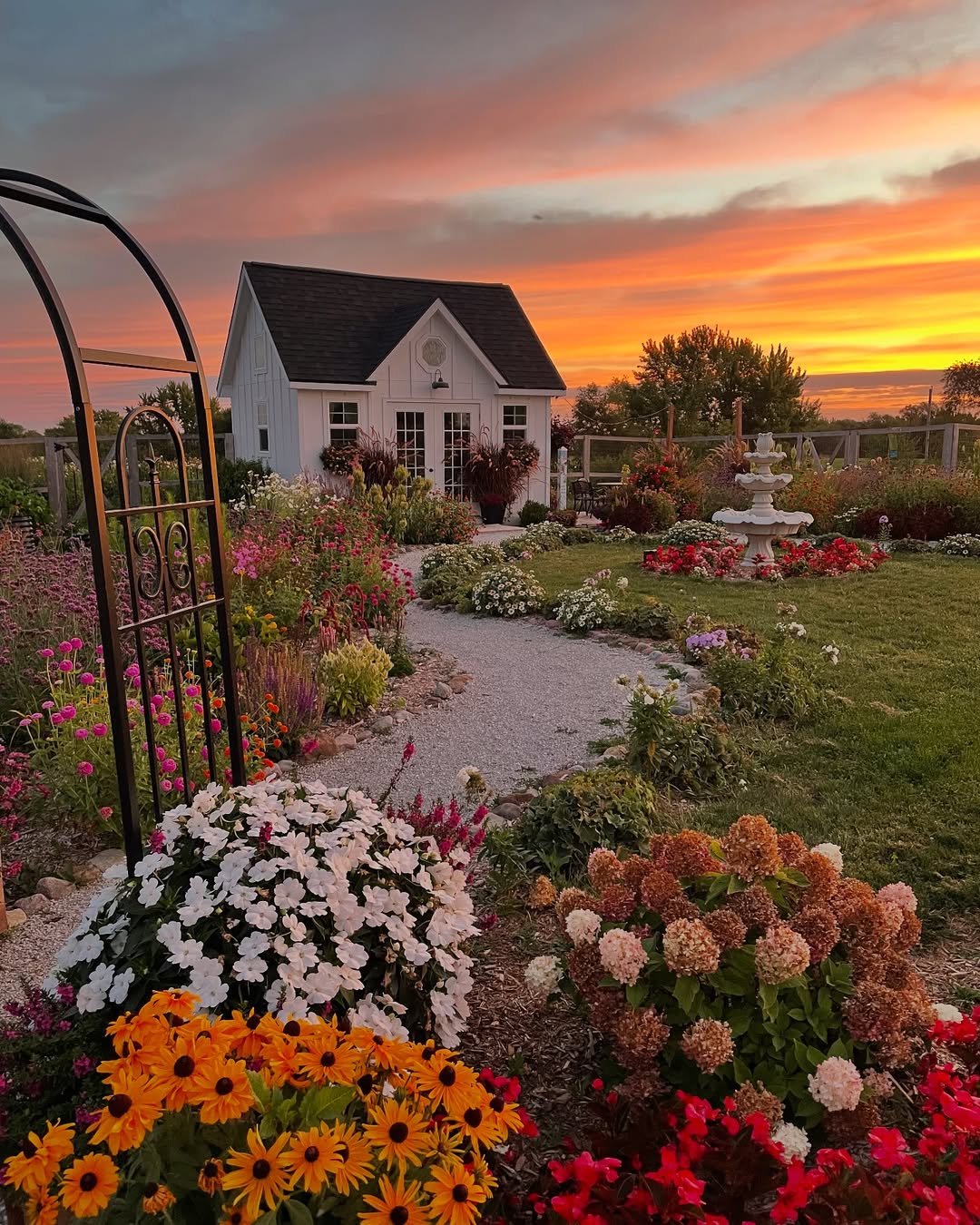
1. Create Bold Color-Themed Flower Beds
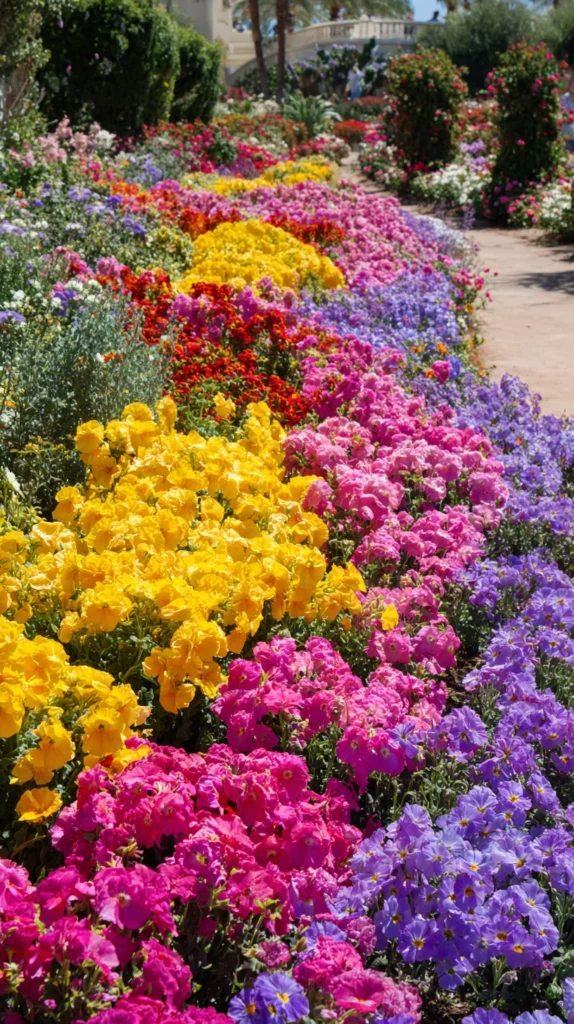
One of the easiest ways to make your garden stand out is by choosing a specific color theme. Instead of mixing everything together, focus on one or two dominant shades like pink and purple, red and orange, or yellow and white.
This creates a cohesive and visually striking look. When flowers of similar tones are grouped together, they appear more vibrant and intentional. You can also play with contrast by adding a few complementary colors to make the main palette pop even more.
Color-themed beds work especially well along borders or pathways where they can create a strong visual impact.
2. Layer Flowers by Height for Depth
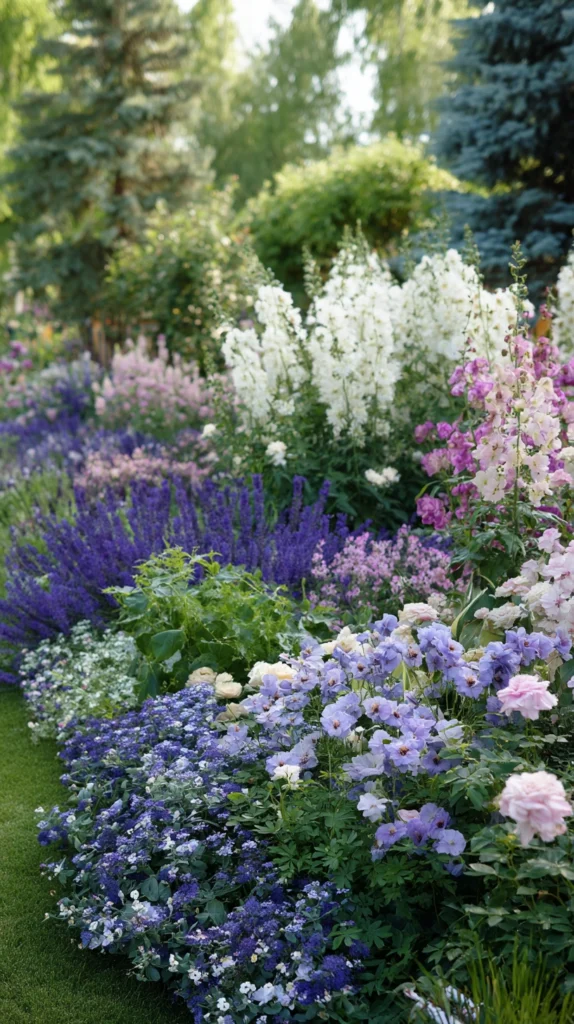
A flat garden can look dull, even with bright flowers. To create a lush, full appearance, layer your plants by height. Place taller flowers at the back, medium-height plants in the middle, and low-growing blooms at the front.
This technique not only makes your garden look more professional but also ensures that every plant gets enough sunlight. It allows each flower to be seen clearly, rather than hidden behind taller plants.
Layering adds depth and dimension, making your garden feel larger and more dynamic.
3. Use Container Flower Clusters
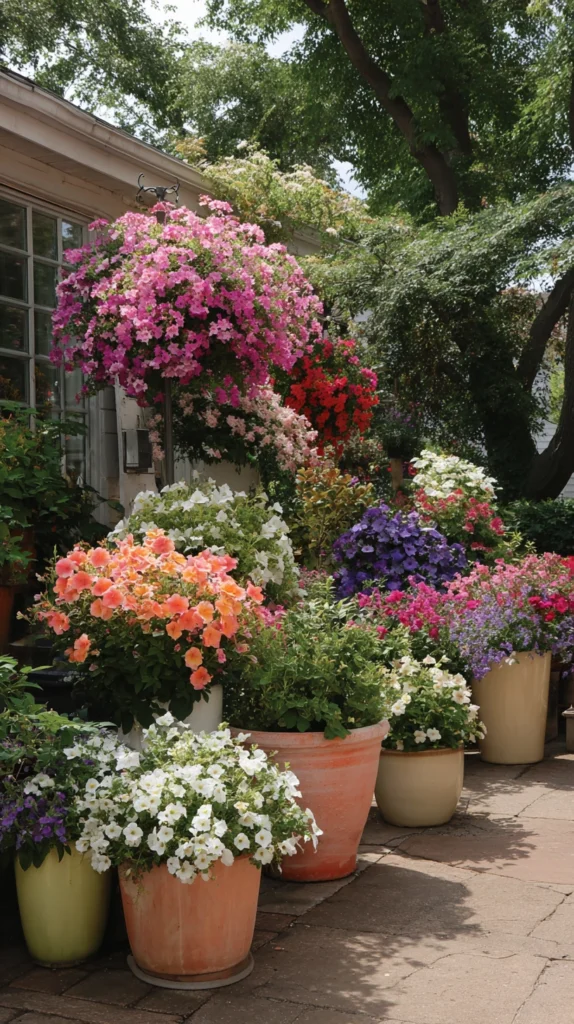
Containers are one of the quickest ways to add instant color to any space. Instead of placing single pots around your garden, group multiple containers together to create a bold visual statement.
Mix different pot sizes and shapes for added interest. You can also combine various flower types in one container for a fuller look. This approach works especially well for patios, balconies, and small gardens.
Container clusters are flexible and easy to rearrange, allowing you to refresh your garden layout whenever you like.
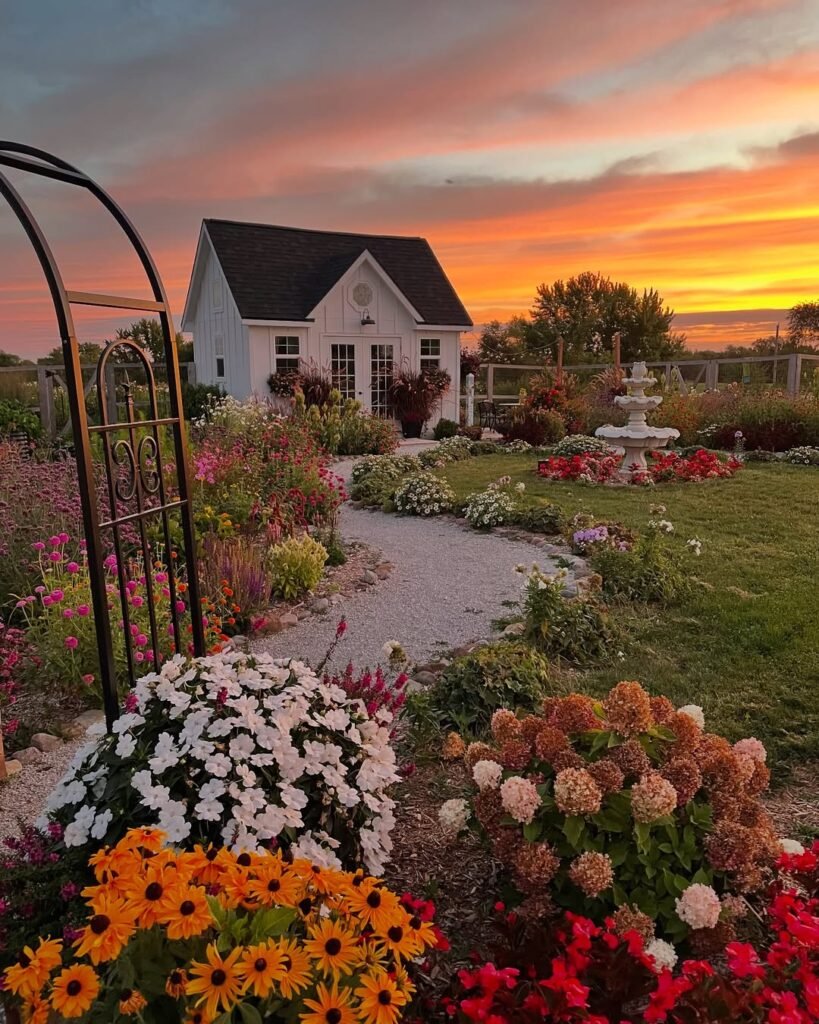
4. Plant a Flower Border Along Pathways
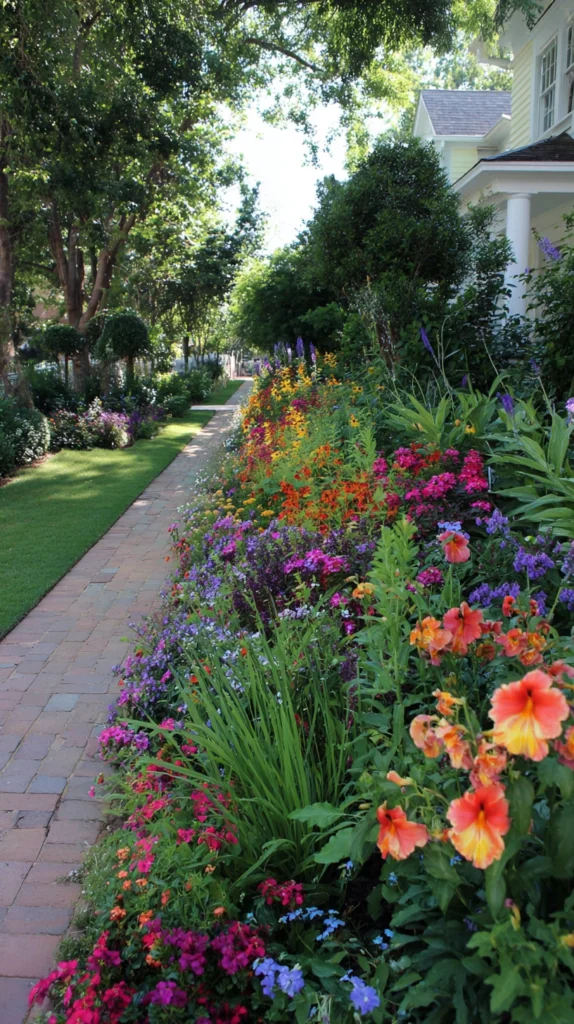
Flower borders instantly enhance the structure of your garden. Planting colorful flowers along pathways, driveways, or garden edges creates a clean and inviting look.
Choose long-blooming flowers to maintain color throughout the season. Repeating the same plants along the border creates a sense of rhythm and cohesion.
This idea not only adds beauty but also guides movement through your garden, making the space feel more organized.
5. Mix Annuals and Perennials for Continuous Color
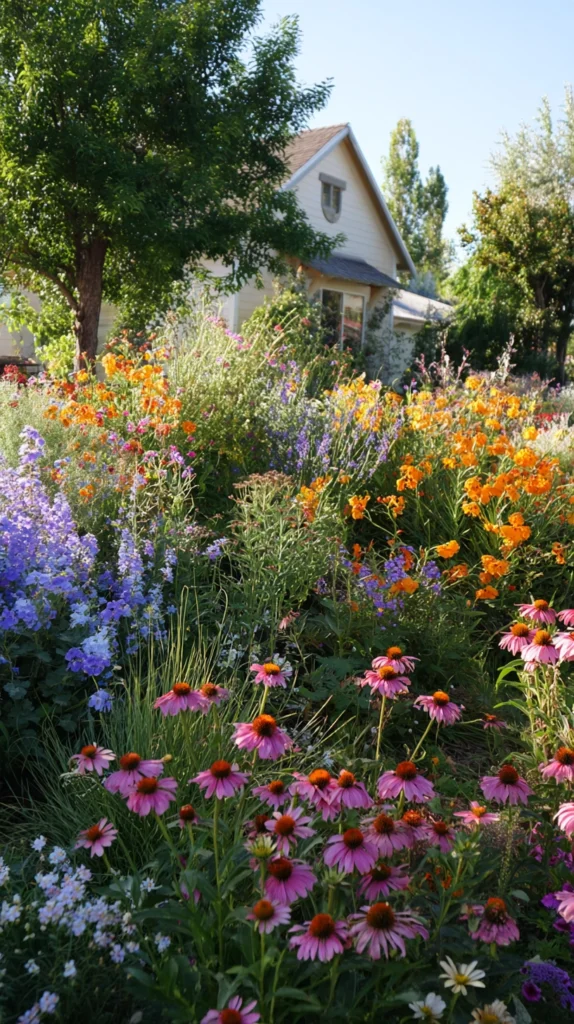
For a garden that stays colorful all summer, combine annuals and perennials. Annuals bloom quickly and provide intense color, while perennials return year after year and offer stability.
This combination ensures that your garden always has something in bloom. When one plant finishes flowering, another takes its place.
It’s a practical way to maintain consistent color without constantly replanting your garden.
6. Add Hanging Flower Baskets
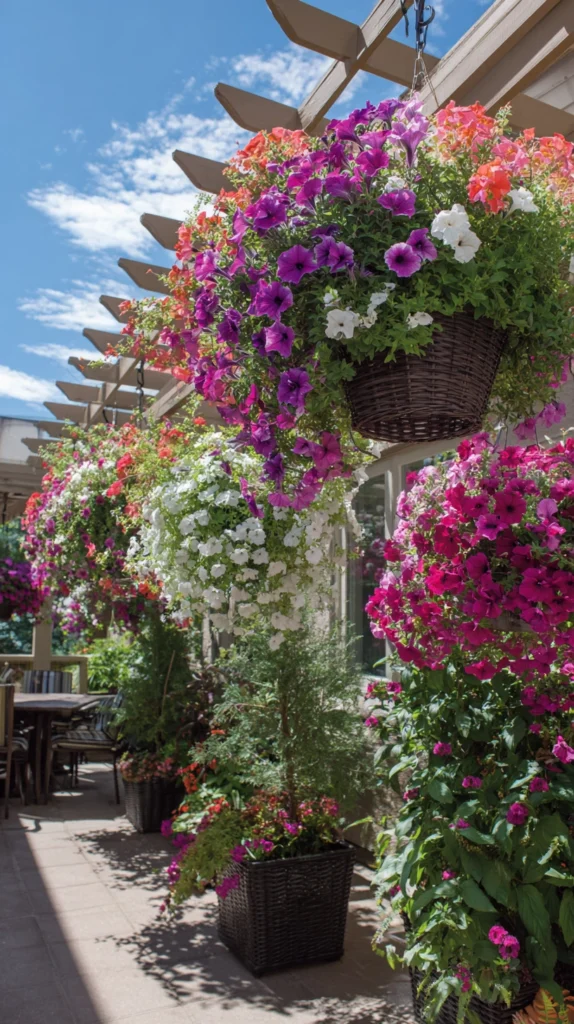
Hanging baskets bring color up to eye level and make your garden feel more immersive. They’re perfect for porches, pergolas, or tree branches.
Choose trailing flowers like petunias or calibrachoa for a cascading effect. These plants spill over the edges of the basket, creating a lush, overflowing look.
Hanging baskets are especially useful in small spaces where ground planting is limited.
7. Create a Wildflower Garden Look
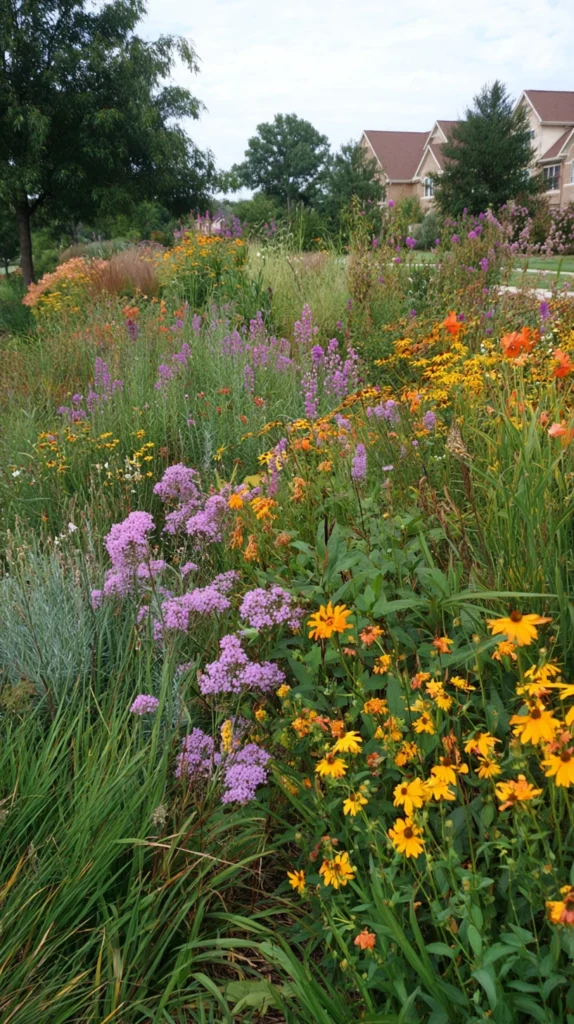
If you prefer a more natural and relaxed style, a wildflower garden is a great option. Instead of structured planting, allow flowers to grow in a more free-flowing way.
Mix different colors, shapes, and heights for a meadow-like effect. This creates a vibrant and dynamic garden that changes throughout the season.
Wildflower gardens are also beneficial for pollinators, attracting bees and butterflies.
8. Use Bright Focal Points
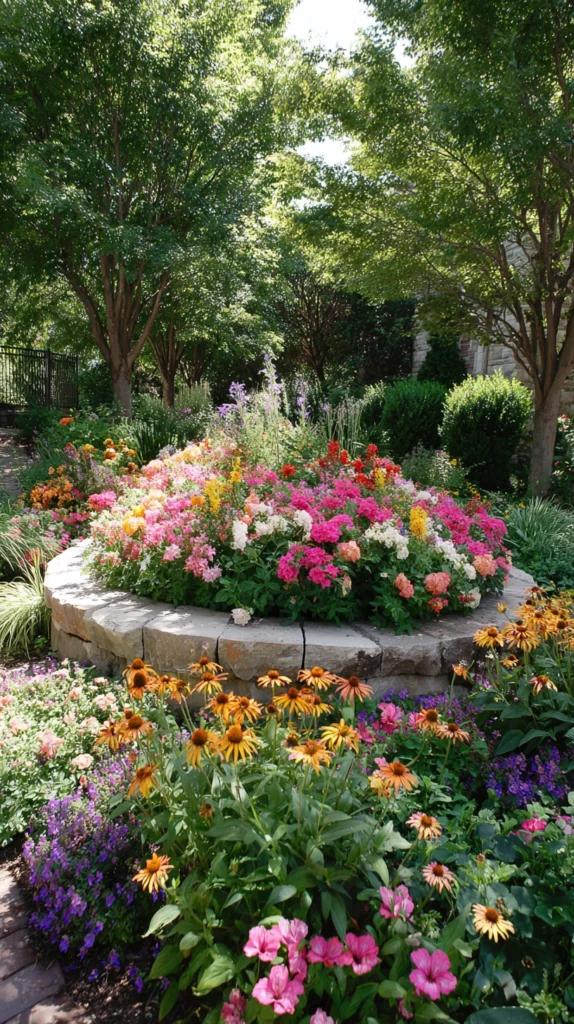
Every garden benefits from a focal point. Choose a specific area to highlight with especially bold or unique flowers.
This could be a circular bed, a raised planter, or a feature near your seating area. Using bright, eye-catching colors in this spot draws attention and anchors the design.
A strong focal point makes your garden feel more intentional and visually balanced.
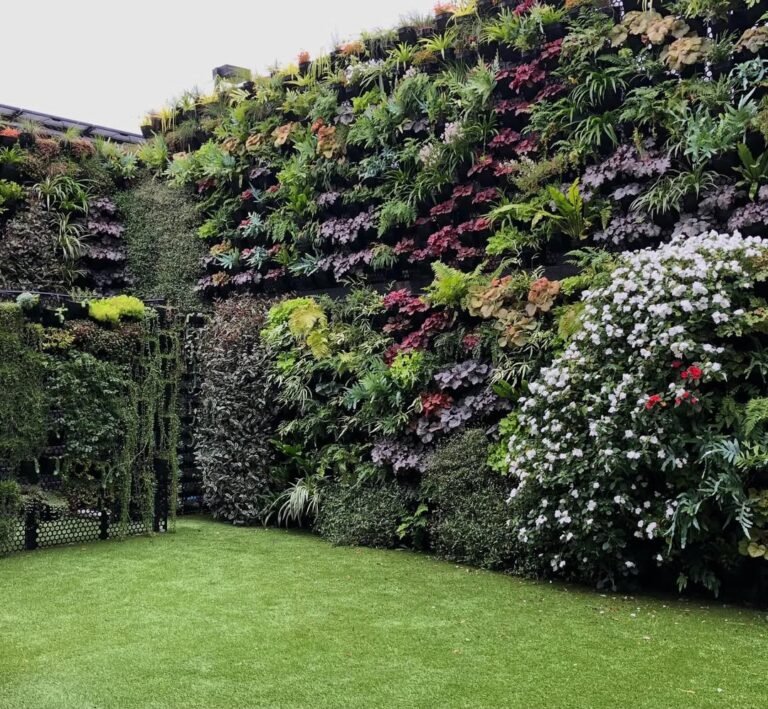
9. Incorporate Vertical Flower Displays
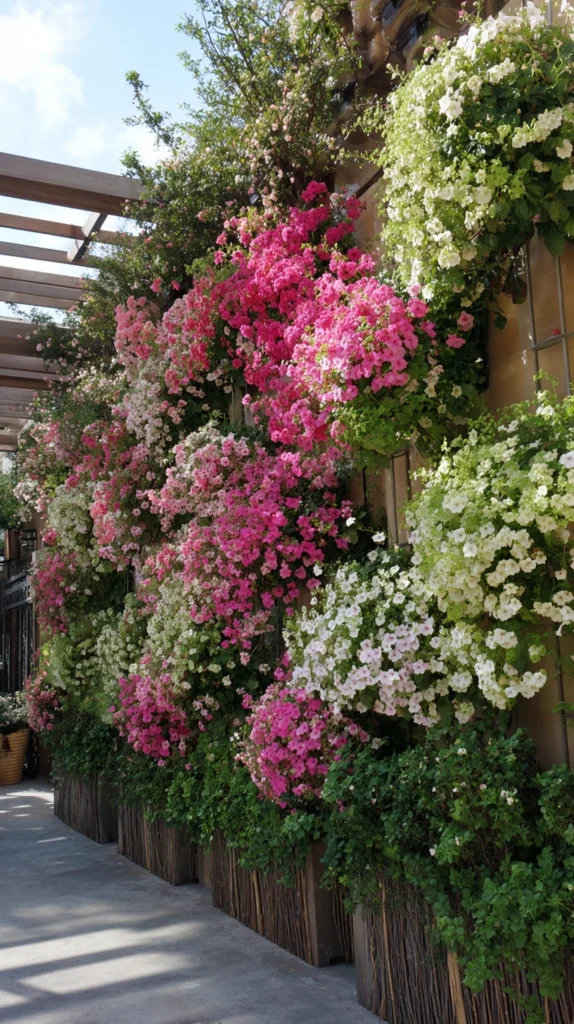
Vertical gardening isn’t just for foliage—it works beautifully with flowers too. Use trellises, wall planters, or vertical frames to grow flowering plants upward.
Climbing flowers like morning glories or sweet peas add height and color without taking up ground space. This is especially useful for small gardens.
Vertical displays create a layered look and make your garden feel more abundant.
10. Design a Monochromatic Garden Section
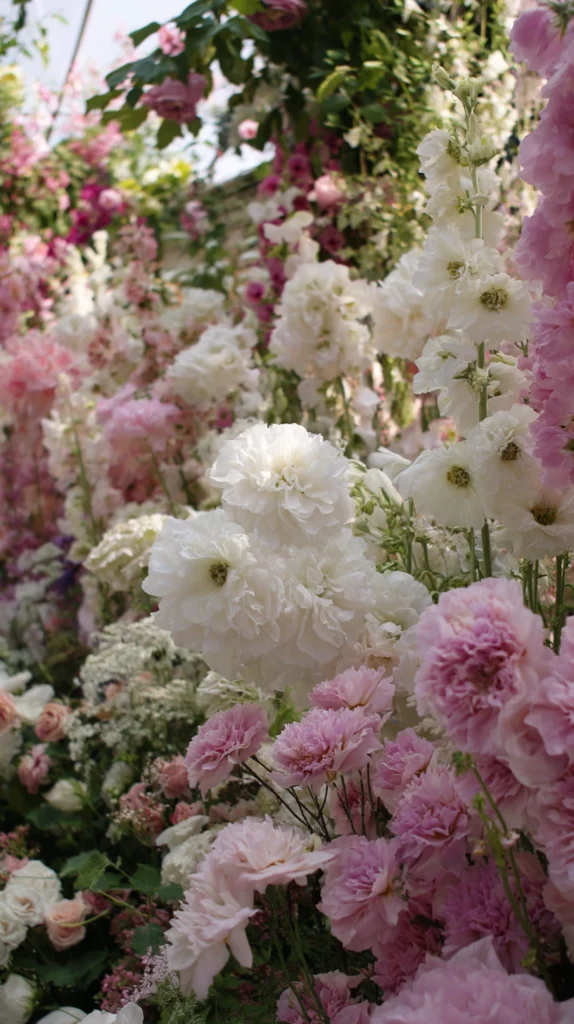
A monochromatic garden uses different shades of a single color. For example, you might create a section with only white flowers or varying tones of pink.
This approach creates a calm and elegant look while still being visually interesting. Texture and shape become more noticeable when color is consistent.
It’s a great way to add sophistication to your garden design.
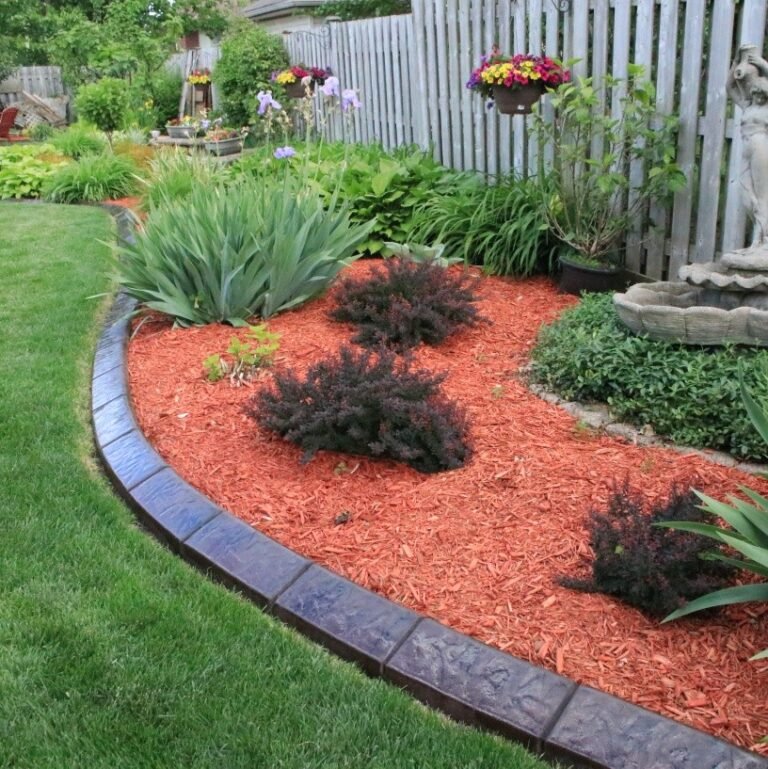
11. Add Edging Plants for a Polished Look
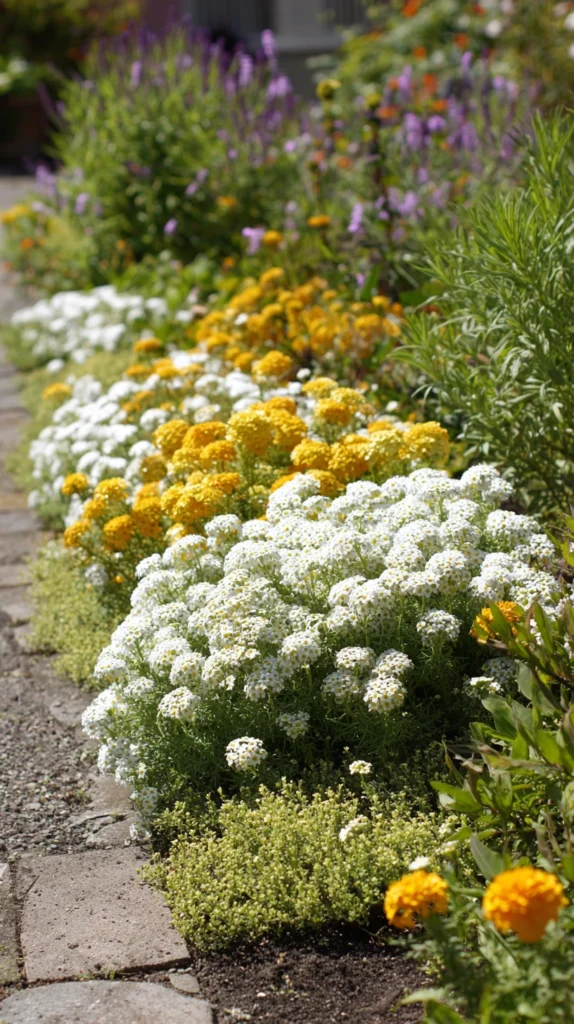
Low-growing flowering plants can be used as edging to define garden beds. They create a neat boundary and add a layer of color at the front.
Plants like alyssum or dwarf marigolds work well for this purpose. They soften the edges of your garden and make the overall design look more finished.
Edging plants also help tie different sections of your garden together.
12. Include Fragrant Flowers for a Sensory Experience
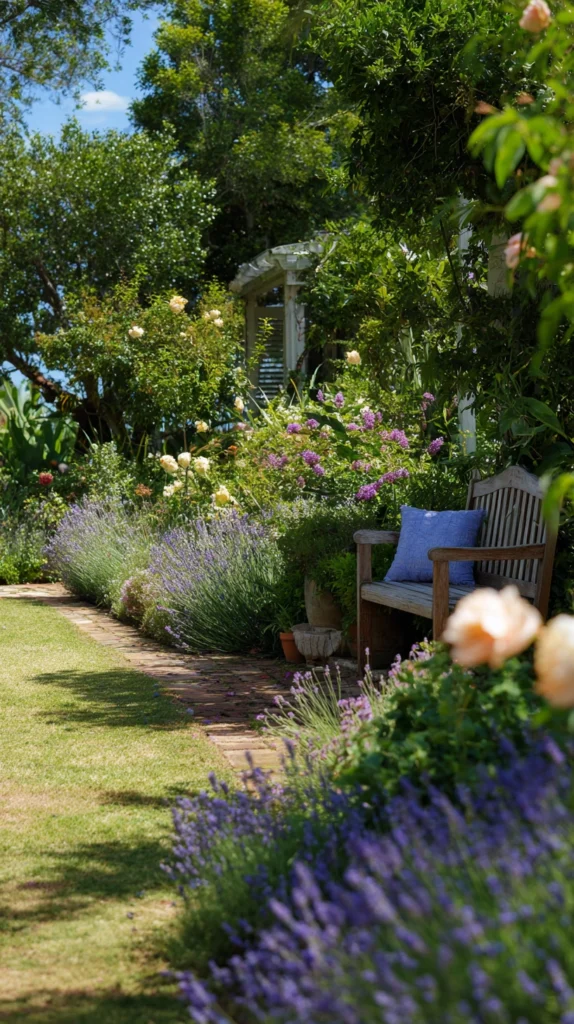
A beautiful garden isn’t just about visuals—it’s also about how it feels. Adding fragrant flowers enhances the experience and makes your garden more inviting.
Flowers like jasmine, roses, or lavender release pleasant scents, especially in the evening. Placing them near seating areas allows you to fully enjoy their fragrance.
This adds another layer of enjoyment to your summer garden.
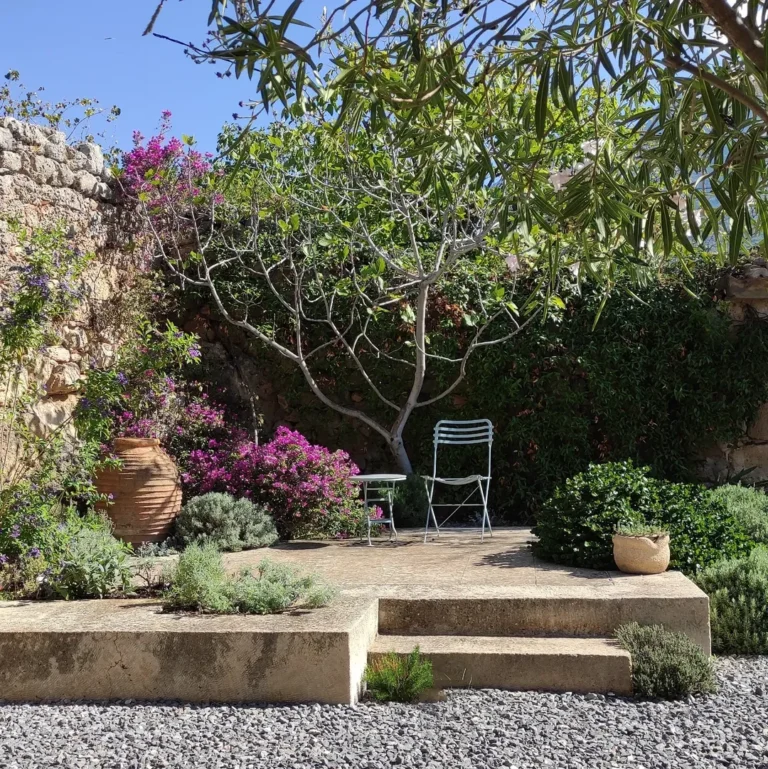
13. Create a Flower-Filled Seating Area
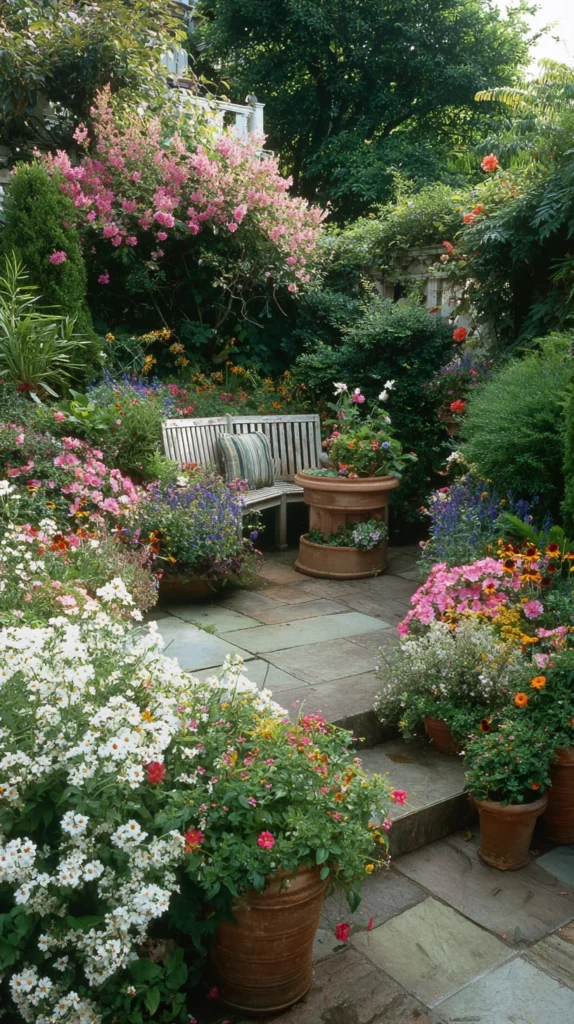
Surrounding your seating space with flowers makes it feel like a private retreat. Use raised beds, containers, or borders to bring color close to where you relax.
This creates an immersive environment where you’re surrounded by blooms. It’s perfect for enjoying morning coffee or evening relaxation.
Combining comfort with color transforms your garden into a true escape.
14. Use Repetition for a Cohesive Design
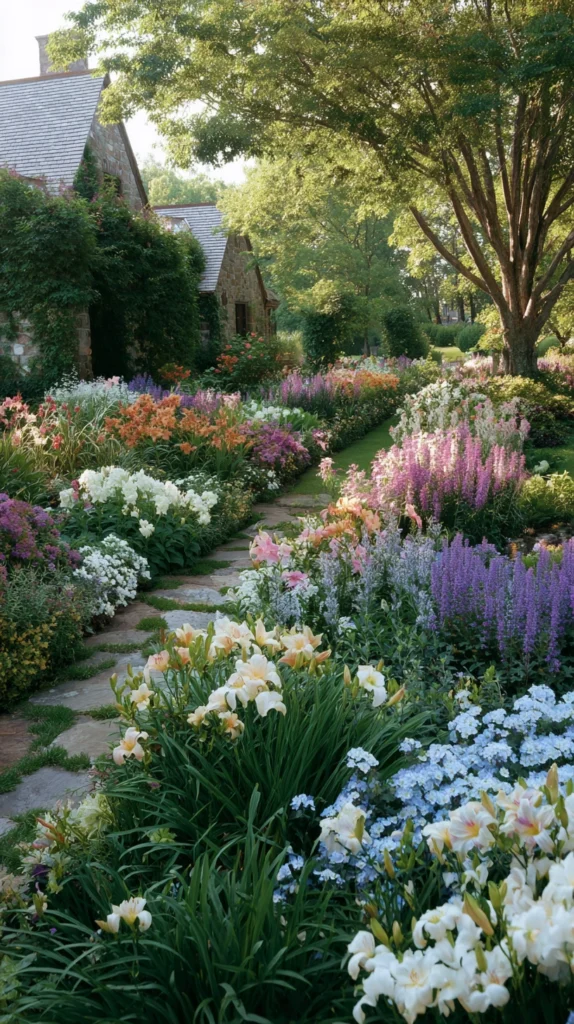
Repeating the same flowers or colors throughout your garden creates a sense of unity. Instead of using too many different plants, choose a few favorites and use them in multiple areas.
This makes your garden feel more organized and intentional. It also enhances the visual impact of your chosen flowers.
Repetition is a simple but powerful design technique.
15. Add Seasonal Flower Rotations
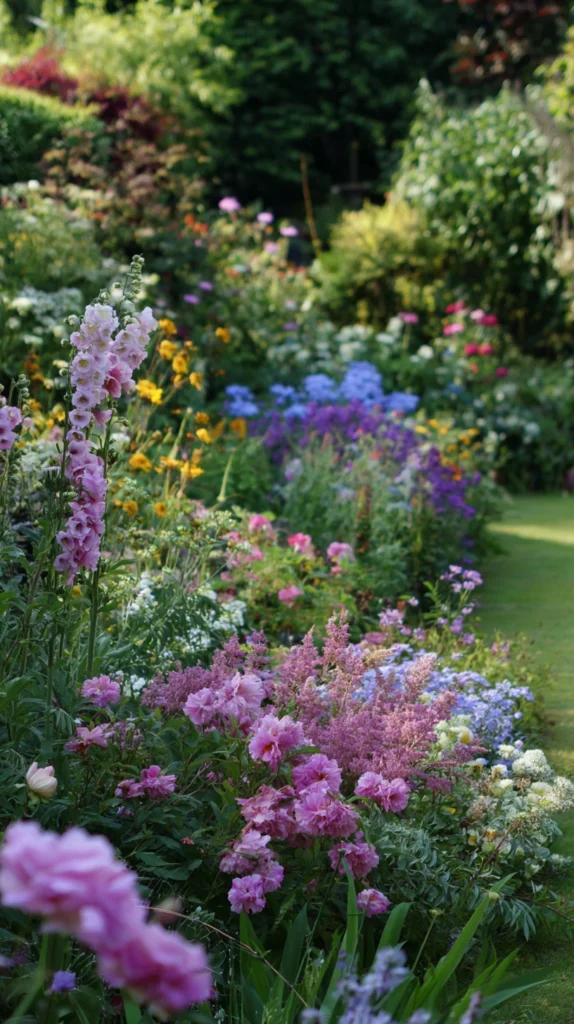
To keep your garden vibrant all summer, plan for seasonal rotations. Replace early-season flowers with mid- and late-summer bloomers as needed.
This ensures that your garden never looks dull or empty. It also gives you the opportunity to experiment with different plants throughout the season.
Regular updates keep your garden fresh and exciting.
Tips for Maintaining a Colorful Summer Flower Garden
To keep your garden looking its best, focus on consistent care. Water deeply but less frequently to encourage strong root growth. Deadhead spent blooms to promote continuous flowering.
Fertilizing regularly helps maintain vibrant colors and healthy plants. Mulching can also help retain moisture and reduce stress during hot weather.
Pay attention to sunlight requirements and plant placement. Flowers that receive the right amount of light will bloom more abundantly.
Final Thoughts
A colorful summer flower garden doesn’t require complicated techniques—just thoughtful planning and a creative approach. By combining bold colors, smart layouts, and a mix of plant types, you can create a space that feels lively and full of energy.
Start with a few ideas that suit your space and style, then build from there. With time and care, your garden will become a vibrant, ever-changing display that brings joy all season long.