13 Fast-Growing Veggies for a Quick Summer Harvest
Not every vegetable demands months of patience. Some of the most satisfying crops in the garden go from seed to table in three to six weeks — fast enough to fit several successions into a single summer, and forgiving enough to plant even when the season feels like it is already well underway. Fast-growing vegetables are also the best starting point for anyone new to food growing, because the short wait between sowing and harvesting keeps the experience engaging rather than testing.
The thirteen vegetables here are chosen specifically for speed. Each one can deliver a harvest within six weeks of sowing under good summer growing conditions, and most can be sown multiple times through the season for a continuous supply rather than a single glut. Costs, days to harvest, and a practical growing tip are included with each so you can choose the right ones for your space and get started without delay.
1. Radish
Cost: $1 – $3 per seed packet | Days to harvest: 22 – 30 days
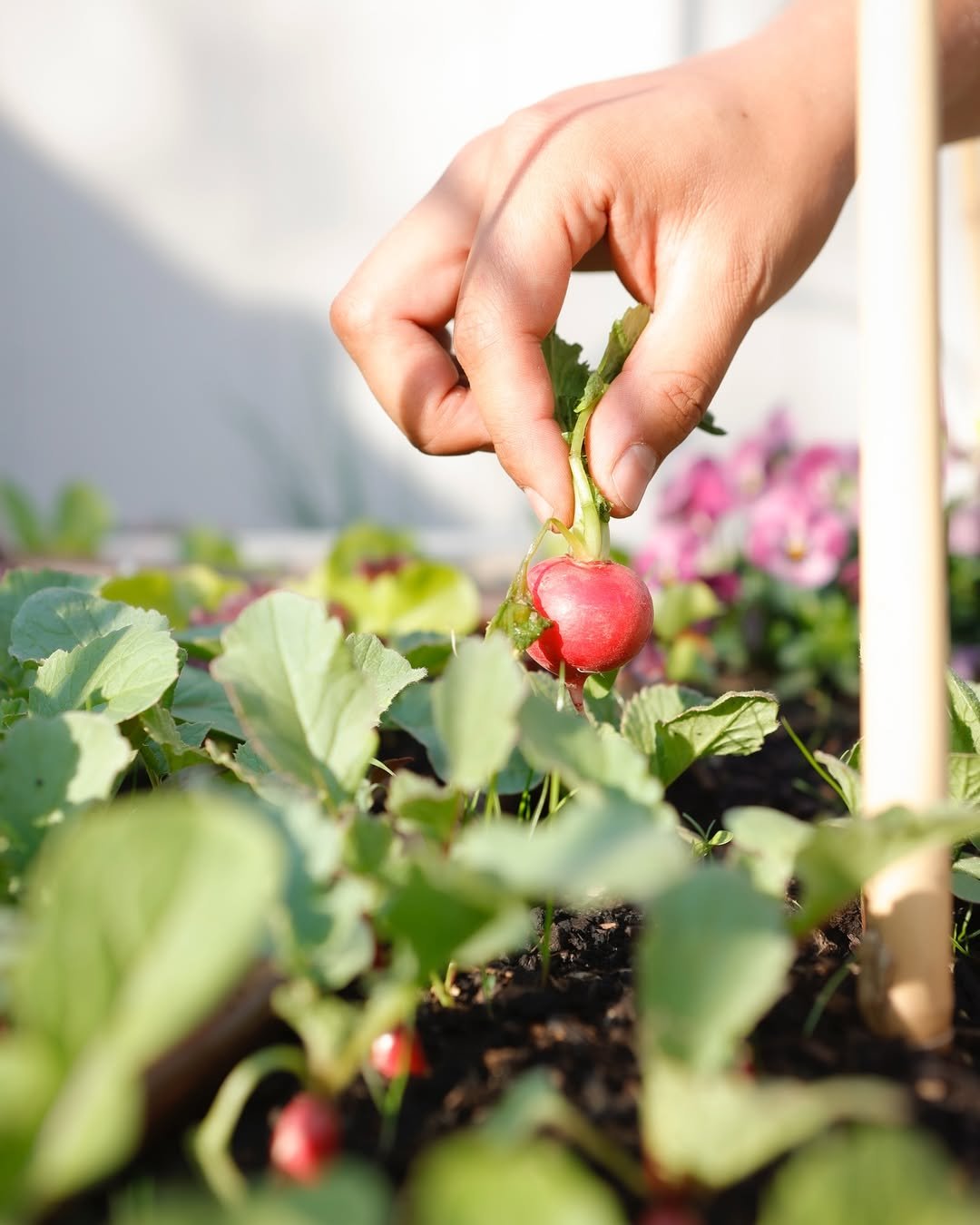
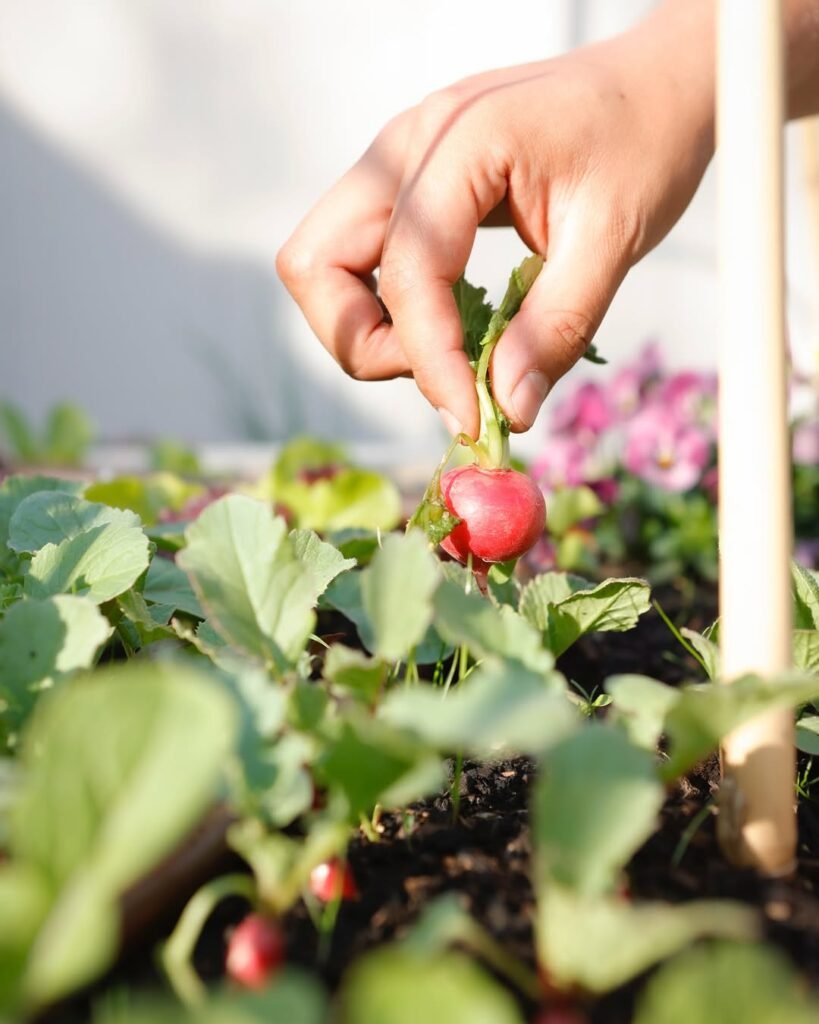
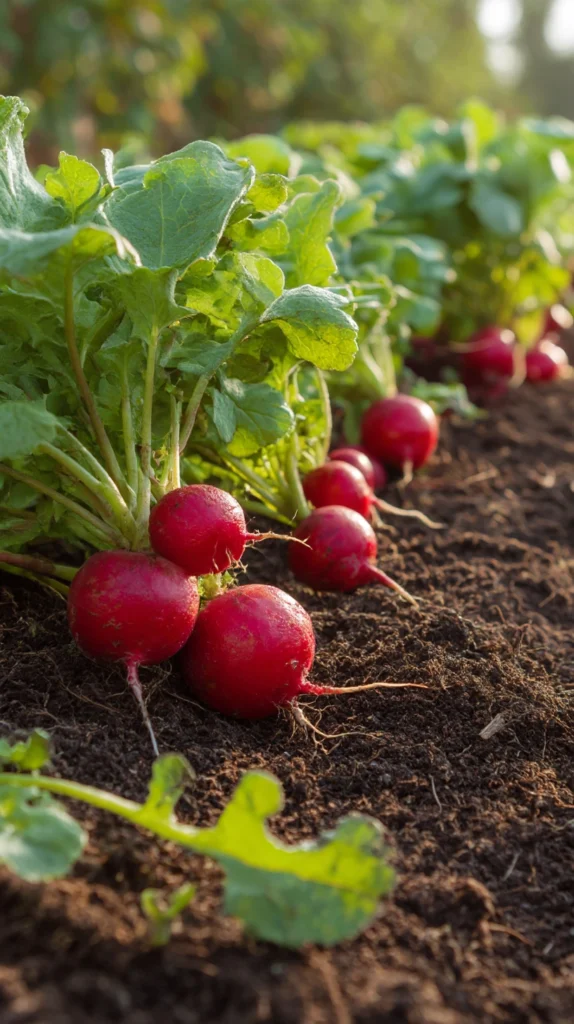
Radish is the undisputed speed champion of the vegetable garden. Summer varieties are ready to pull in as little as three weeks from sowing — faster than almost any other edible plant in cultivation. They occupy almost no space, cost almost nothing in seed, and can be tucked between slower-growing crops as a productive catch crop that is harvested and out of the ground before the main crop needs the room. A packet of mixed radish varieties sown every two weeks delivers a continuous supply through the whole summer with very little effort.
Sow seed 1 cm deep and 3 cm apart directly where they are to grow — radish dislikes transplanting and establishes far better from direct sowing. Thin to 5 cm spacing once seedlings are up. Keep the soil consistently moist throughout the growing period — dry conditions cause the roots to become pithy, hot, and unpleasant to eat far faster than any other stress factor. Harvest promptly once the root shoulders are visible at the soil surface and the roots have reached a usable size. Leaving radish in the ground even a few days past its peak causes the texture and flavour to deteriorate quickly.
Growing tip: Sow radish in light shade during the hottest weeks of summer. Full sun and heat push radish to bolt to seed before the root has time to develop. A position receiving morning sun and afternoon shade produces better-shaped, milder-flavoured roots and extends the productive life of each sowing by one to two weeks compared to plants grown in full summer sun.
2. Salad Leaves
Cost: $2 – $4 per seed packet | Days to harvest: 21 – 28 days
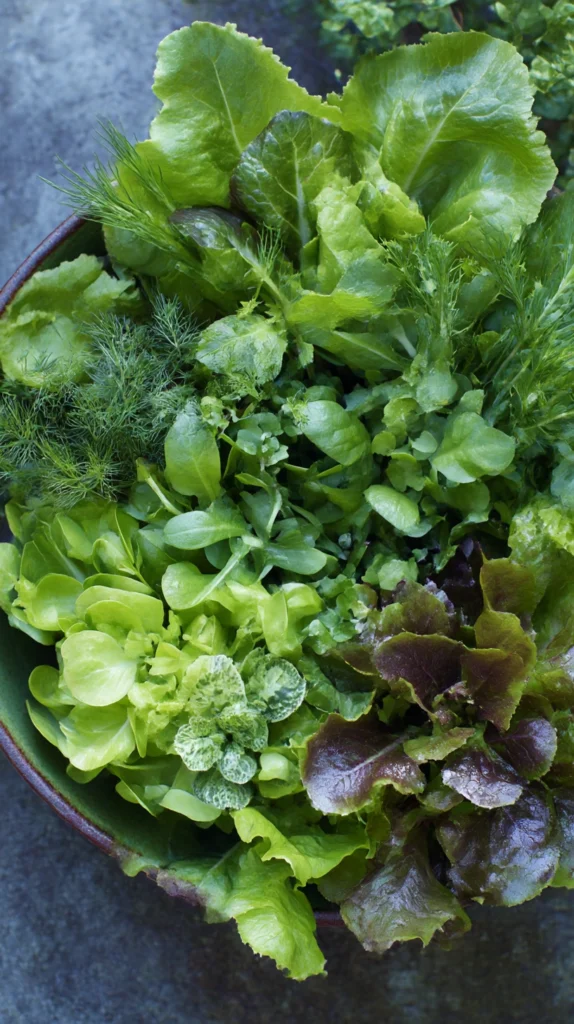
A cut-and-come-again salad mix — combining lettuce, rocket, spinach, mustard leaves, and mizuna — is the most continuously productive fast crop available for a summer garden. The first leaves can be harvested with scissors within three to four weeks of sowing, and cutting the outer leaves rather than pulling the whole plant allows the central growing point to produce new growth for a further six to eight weeks. A single sowing managed this way delivers far more volume than the packet size suggests.
Scatter seed thinly over the surface of moist compost in a container or prepared bed and press gently into contact with the soil — do not cover deeply, as salad seeds need light to germinate. Water with a fine rose to avoid displacing seed. Begin harvesting when leaves reach 8–10 cm in height by cutting 2–3 cm above the soil surface with clean scissors. The plant regenerates from the base and a second and third cut follow within two to three weeks of each harvest. Sow a fresh container every two weeks for a seamless succession through summer and into autumn.
Growing tip: Provide light afternoon shade for salad leaves in midsummer heat. Heat triggers bolting — the plant’s rush to set seed — which makes the leaves bitter and ends the harvest abruptly. A piece of shade cloth laid over the container during the hottest hours of the afternoon delays bolting by one to three weeks and noticeably improves leaf flavour through the hottest part of the growing season.
3. Spring Onion
Cost: $1 – $3 per seed packet | Days to harvest: 35 – 45 days
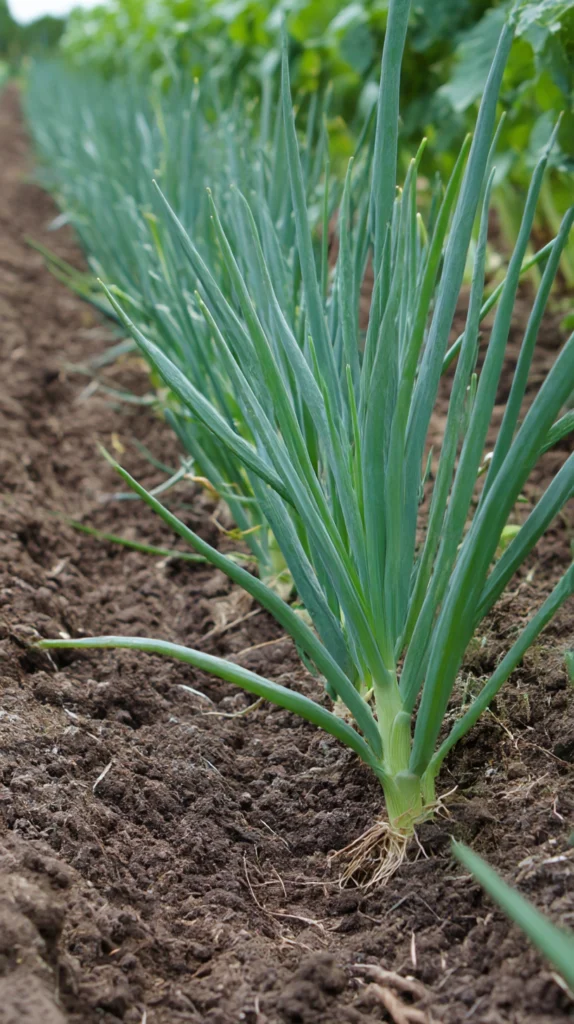
Spring onions are one of the most space-efficient and quickly rewarding crops for a summer sowing. A patch takes up almost no room, germinates readily in warm soil, and produces useful, flavoursome stems within five to six weeks of sowing. They can be sown between rows of slower-maturing vegetables as a productive gap-filler that is harvested and gone before the main crop needs the space. A cost-per-harvest calculation makes spring onions one of the best-value crops any kitchen garden can include.
Sow seed 1 cm deep in shallow drills 10 cm apart, directly in the growing position. No thinning is required if sown at a moderate density — spring onions tolerate close growing better than most other vegetables and the competition between plants actually produces the slim, upright stems that are most useful in the kitchen. Water evenly through the growing period and harvest by pulling the whole plant when stems are the thickness of a pencil. Sow every three weeks through summer for a continuous supply without a gap between harvests.
Growing tip: Sow spring onions alongside rows of carrots. The scent of onion foliage is believed to confuse and deter carrot root fly from laying eggs in neighbouring soil — a useful secondary benefit that costs nothing and requires no additional effort. The spring onions are harvested long before the carrots need the space, making the combination one of the most efficient uses of a raised bed or border available.
4. Rocket
Cost: $2 – $4 per seed packet | Days to harvest: 21 – 35 days
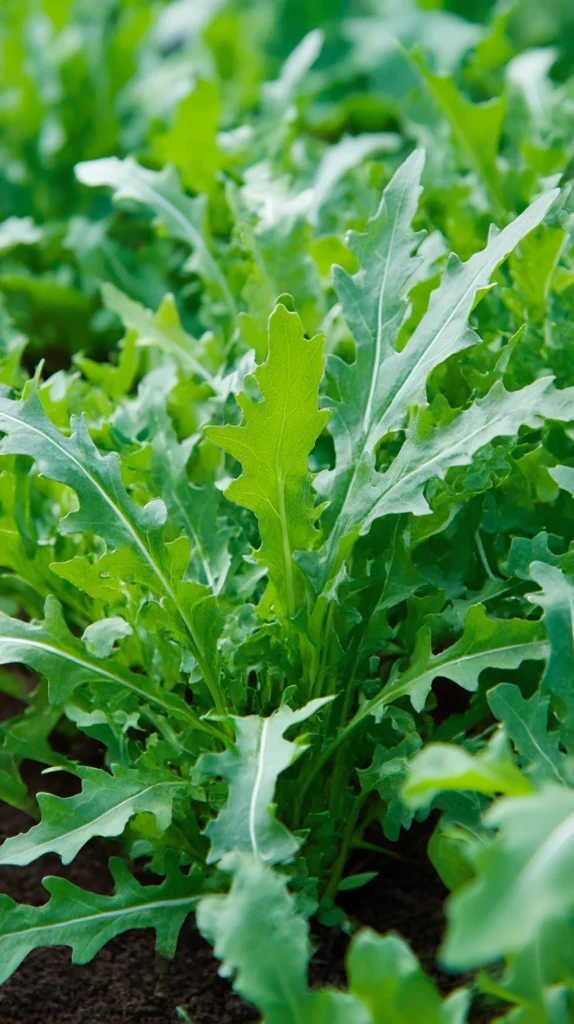
Rocket is one of the fastest salad crops in the garden and one of the most intensely flavoured. Wild rocket — the more strongly flavoured of the two main types — is ready to harvest within three to four weeks of sowing and is significantly more heat-tolerant and slower to bolt than cultivated rocket, making it the better choice for summer sowings when heat is a consistent factor. Both types can be cut and allowed to regrow multiple times before the flavour becomes too peppery and the plant needs replacing.
Sow seed thinly across the surface of moist compost in a container or directly into the ground and barely cover with a fine layer of soil. Rocket germinates in three to five days in summer warmth — one of the fastest germination rates of any vegetable. Begin harvesting individual leaves once plants reach 8 cm in height. The peppery flavour intensifies with heat and age — harvest young and regularly for the mildest flavour, or allow leaves to mature fully for a stronger, more assertive taste that pairs well with robust ingredients.
Growing tip: Sow a fresh container or row of rocket every two to three weeks through summer rather than relying on repeated cuts from a single sowing. Rocket in hot conditions bolts and becomes unpleasantly bitter faster than almost any other salad leaf — fresh sowings consistently outperform repeatedly cut older plants in terms of flavour and yield from the second month of the season onward.
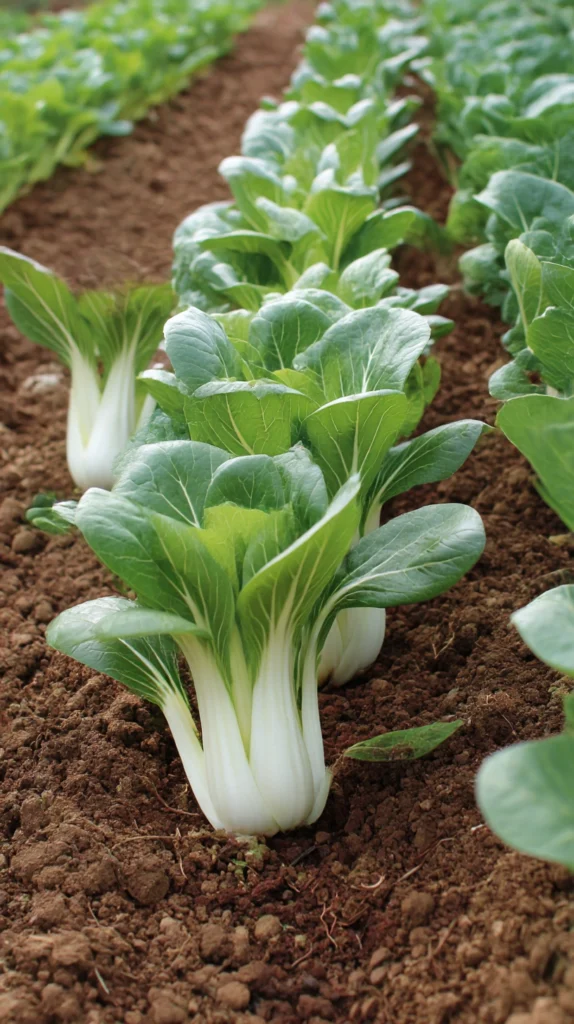
5. Pak Choi
Cost: $2 – $4 per seed packet | Days to harvest: 28 – 45 days
Pak choi is a reliable fast-maturing Asian brassica that performs particularly well as a late summer crop sown from July onward when temperatures begin to moderate. Earlier sowings in peak summer heat tend to bolt before the plant has properly developed, but late summer sowings in cooling conditions produce crisp, substantial plants within four to six weeks. Both the succulent white stems and the dark green leaves are edible raw or cooked, making pak choi one of the more versatile fast crops available from a single sowing.
Sow seed 1 cm deep and 15 cm apart directly in the growing position, or start in small pots and transplant at 20–25 cm spacing once seedlings have their first true leaves. Water consistently — pak choi is shallow-rooted and dries out quickly in warm conditions, which is the most reliable trigger for premature bolting. Harvest either as a whole plant once the head has formed or as individual outer leaves from a younger plant to extend the productive window. Varieties bred specifically for bolt resistance, such as Joi Choi and Canton White, are the most reliable choices for summer and early autumn sowings.
Growing tip: Sow pak choi in a position that receives afternoon shade during the hottest weeks of summer. A cooler, more consistent soil temperature delays bolting significantly and produces plants with better-developed stems and more tender leaves than those grown in full afternoon sun throughout the growing period.
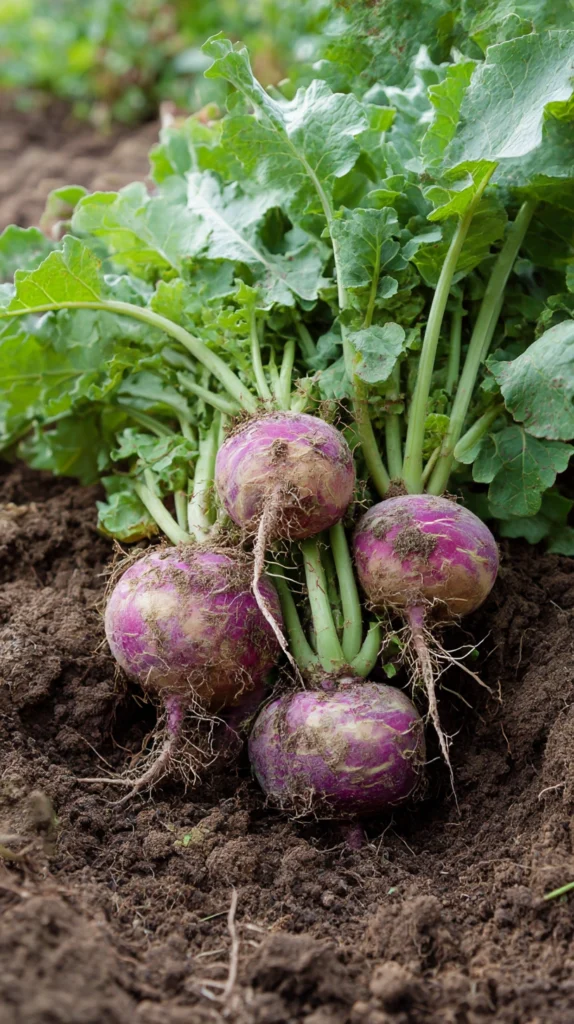
6. Turnip
Cost: $1 – $3 per seed packet | Days to harvest: 35 – 50 days
Turnip is one of the most underappreciated fast-growing vegetables available for summer planting. Summer varieties develop their roots in five to seven weeks from sowing and the young tops — harvested as turnip greens before the root has fully sized — are a useful leafy vegetable in their own right that can be harvested within two to three weeks of germination. The combination of an early green harvest and a later root harvest makes turnip one of the most productive crops available per square metre for the time invested.
Sow seed 1 cm deep in drills 23 cm apart and thin seedlings to 13–15 cm spacing within the row once established. Water consistently throughout the growing period — irregular moisture is the primary cause of split, pithy roots with a strong, unpleasant flavour that makes an otherwise reliable crop disappointing at harvest. Harvest roots when they reach 5–7 cm in diameter. Varieties such as Purple Top Milan and Tokyo Cross are both reliable summer performers that mature quickly and hold their quality in the ground for several weeks after reaching harvest size without becoming coarse.
Growing tip: Harvest turnip greens from thinned seedlings rather than discarding them. The thinnings pulled from an established row of turnips are tender, mild-flavoured, and entirely edible — wilted briefly in a pan with olive oil and garlic they are one of the more underrated seasonal vegetables available from any garden, and they are produced entirely as a by-product of routine thinning rather than requiring any additional growing space or effort.
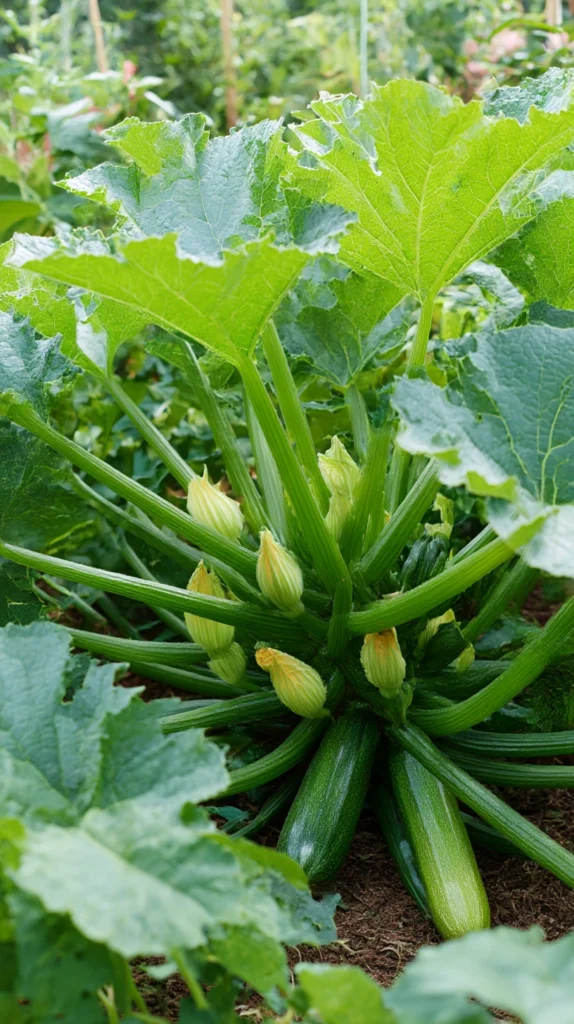
7. Courgette
Cost: $2 – $4 per seed packet or $3 – $6 per plant | Days to harvest: 45 – 55 days
Courgette is the most productive fast-growing vegetable in terms of total harvest weight per plant. A single courgette plant sown in early summer can be producing harvestable fruits within six to eight weeks and will continue with extraordinary generosity until the first autumn frost — sometimes delivering more courgettes per week than a household of four can reasonably consume. It thrives in summer heat, establishes rapidly in warm soil, and requires only consistent watering and fortnightly feeding to sustain its remarkable output through the season.
Sow two seeds per large pot or direct position, 2 cm deep, removing the weaker seedling after germination. Each plant needs at least 90 cm of space in every direction — courgette is a large plant and crowding reduces both yield and air circulation, which increases the risk of powdery mildew in warm, humid conditions. Water deeply and consistently rather than shallowly and frequently. Feed with a high-potassium liquid fertiliser every two weeks once the first flowers appear. Both male and female flowers are present on the same plant and pollination happens naturally once both flower types are open simultaneously.
Growing tip: Check courgette plants every two days at peak season without fail. A fruit that is an ideal 15 cm on Monday is a marrow-sized liability by Thursday in warm summer conditions. Oversized courgettes reduce the plant’s productivity, taste significantly worse than smaller ones, and take stored energy away from the formation of new flowers and fruits waiting to develop on the same plant.
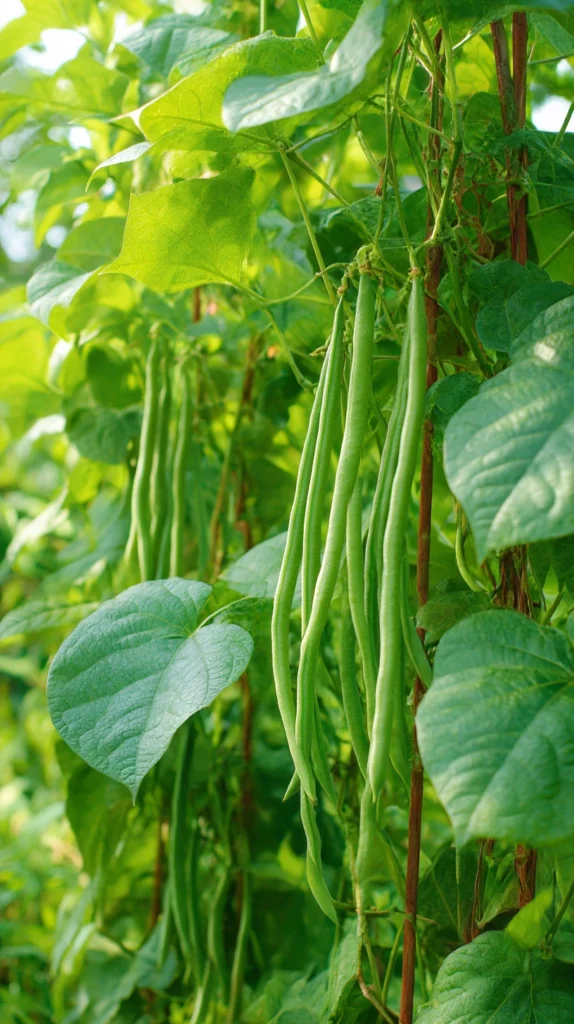
8. French Beans
Cost: $2 – $5 per seed packet | Days to harvest: 50 – 60 days
French beans germinate in five to seven days in warm summer soil and produce harvestable pods in eight to ten weeks from sowing — making them one of the most reliably quick pod vegetables available for a summer garden. They are productive from a small space, require minimal support in their dwarf form, and deliver a flavour and texture that shop-bought beans rarely match when harvested fresh and eaten within hours of picking. A small succession of sowings every two to three weeks extends the harvest across the entire summer without any individual sowing becoming overwhelming in its productivity.
Sow seed 5 cm deep and 15 cm apart directly in the growing position — French beans do not transplant well and establish significantly more reliably from direct sowing into warm soil. Dwarf varieties need no support and are the most practical choice for container growing or a small raised bed. Climbing varieties produce more pods per plant but require a cane or string support structure in place before sowing. Keep soil evenly moist through the growing period and harvest pods regularly as they reach finger-thickness — every two to three days at peak production — to maintain continuous flowering and pod development across the plant.
Growing tip: Soak French bean seeds in water for six to eight hours before sowing in warm summer conditions. The seed coat softens during soaking and germination proceeds noticeably faster and more evenly than from dry seed placed directly into warm soil. Pre-soaked seeds in summer conditions often emerge within four to five days rather than the seven to ten days typical of unsoaked seeds sown in the same conditions.
9. Beetroot
Cost: $2 – $4 per seed packet | Days to harvest: 50 – 60 days
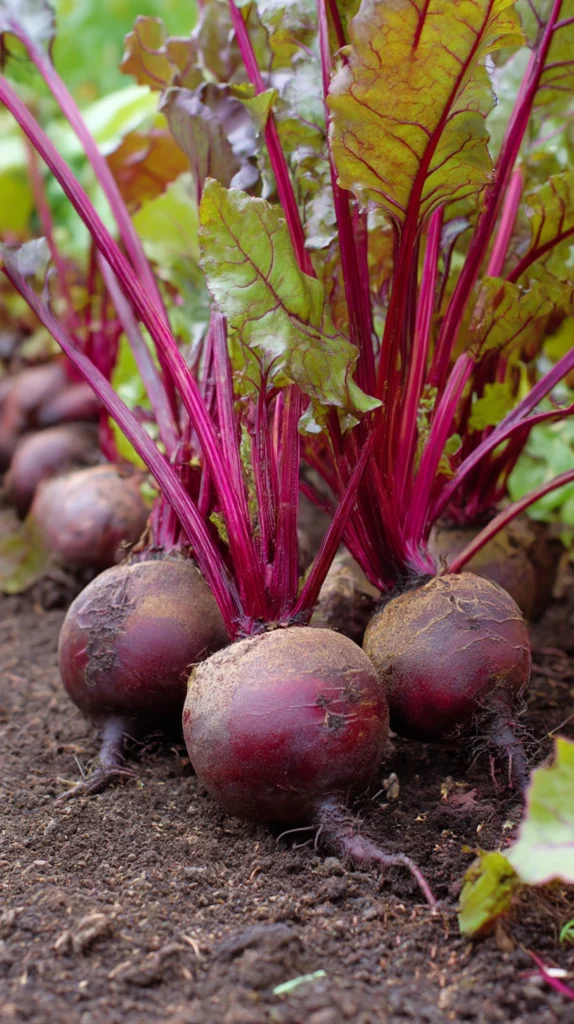
Beetroot sown in summer germinates rapidly in warm soil and produces its first harvestable roots in eight to ten weeks — which means a June sowing delivers roots from August onward and a July sowing extends the harvest into September and October when many other crops have already finished. The young leaves of beetroot plants are also entirely edible, providing an early harvest of salad greens within two to three weeks of germination while the roots are still developing below the soil surface.
Each beetroot seed capsule contains multiple seeds — sow one capsule per station 2–3 cm deep and 8–10 cm apart, and thin to the strongest seedling once established. Water consistently throughout the growing period, particularly in dry spells — irregular watering causes the roots to become split, tough, and less sweet than those grown in even moisture conditions. Variety Boltardy is the most reliable choice for summer sowing, bred specifically for resistance to bolting in warm temperatures and long summer days when other varieties run to seed before the root has time to size up properly.
Growing tip: Twist the leaf tops off harvested beetroot rather than cutting them with a knife. Cutting the tops causes the colour pigment to bleed freely from the cut surface during cooking, resulting in pale, washed-out roots by the time they reach the plate. Twisting leaves off 2–3 cm above the root seals the surface and preserves the deep colour and flavour through boiling or roasting.
10. Peas (Dwarf Varieties)
Cost: $2 – $5 per seed packet | Days to harvest: 55 – 65 days
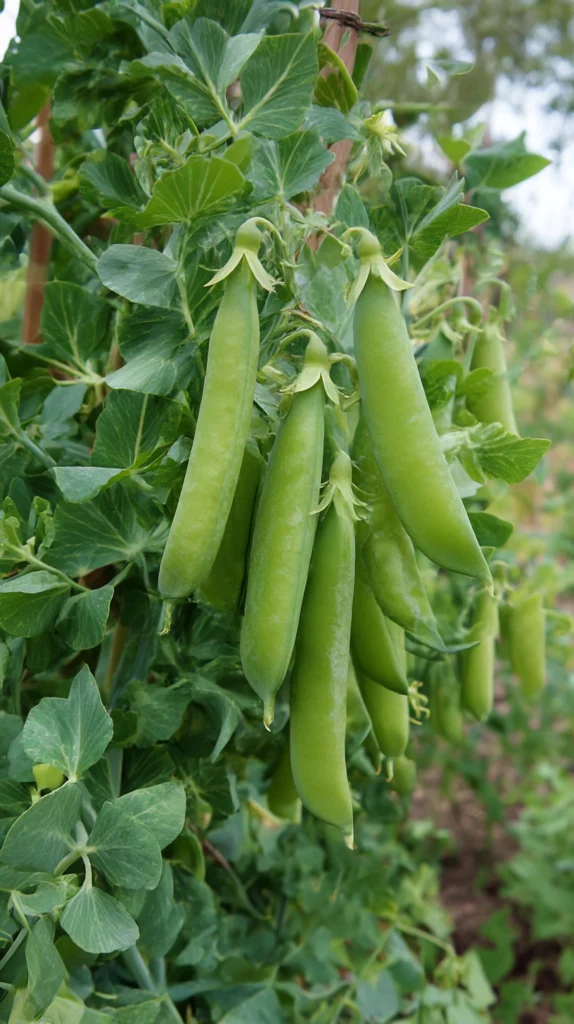
Dwarf pea varieties sown in early summer produce a harvest in eight to ten weeks — a useful second crop that fills the gap after the main spring harvest has finished and delivers fresh peas at a point in the season when they are most appreciated. Choose varieties with a days-to-maturity of 60 or fewer for the best chance of a full harvest before cooler autumn temperatures slow growth to a halt. Mangetout and sugar snap varieties are particularly well suited to a summer second sowing, as the entire pod is eaten and the harvest window is longer than for shelling varieties.
Sow seed 4 cm deep and 8 cm apart in double rows with support in place from the beginning — even dwarf varieties benefit from twiggy sticks or netting to lean against as they grow. Soak seed for 12 hours before sowing to speed germination in warm soil. Water consistently once plants are flowering and pods beginning to form — dry conditions during pod development cause empty or underdeveloped pods that reduce the yield significantly. Harvest regularly every two to three days once pods reach usable size to encourage the plant to continue producing new flowers and pods across the remaining stem.
Growing tip: Position a summer pea sowing where it receives afternoon shade rather than full sun all day. Peas are a cool-season crop by nature and the heat of midsummer stresses them during flowering and pod set. A slightly shadier position produces better pod set, fewer dropped flowers, and a noticeably higher yield than the same variety grown in full afternoon sun through the same growing period.
11. Spinach
Cost: $2 – $4 per seed packet | Days to harvest: 25 – 40 days
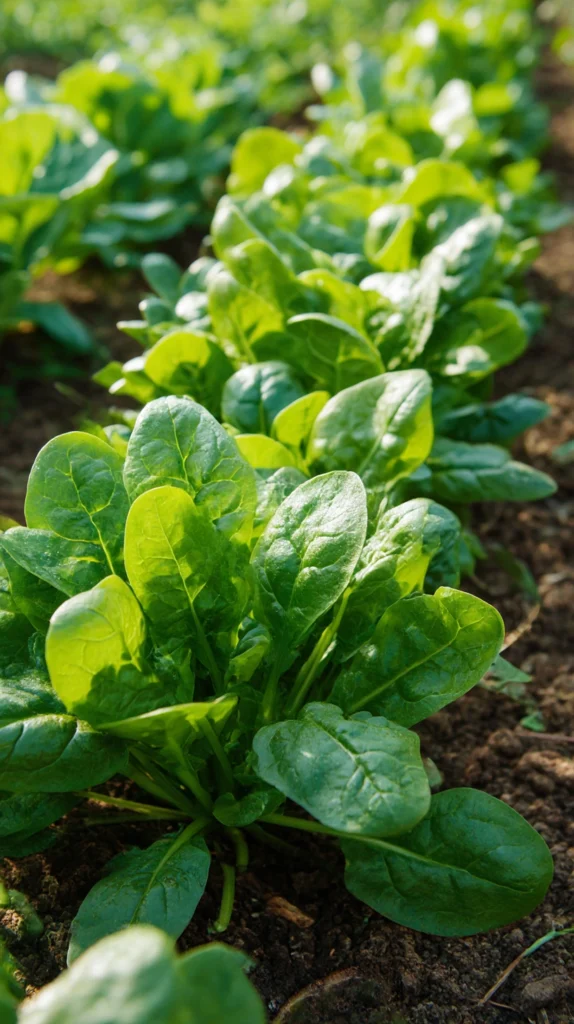
Spinach sown in late summer — from late July or August onward as temperatures begin to ease — is one of the most rewarding fast crops available for the tail end of the growing season. Earlier sowings in peak summer heat bolt rapidly and produce little usable leaf, but late summer sowings in cooling conditions germinate quickly and produce a generous, sustained harvest of tender leaves from September through to December in mild climates. The combination of fast initial growth and long productive autumn season makes a late summer spinach sowing one of the highest-return sowings of the year.
Sow seed 2 cm deep in rows 30 cm apart and thin to 8–10 cm spacing within the row once seedlings are established. Keep soil consistently moist — spinach is shallow-rooted and bolts rapidly when moisture becomes inconsistent, even in otherwise suitable conditions. Varieties such as Medania and Perpetual Spinach are the most reliable choices for late summer sowing, with strong bolt resistance and a productive habit that continues well into the cooler months without requiring any protection beyond a light horticultural fleece in the coldest nights of autumn.
Growing tip: Harvest spinach leaves individually from the outside of the plant rather than cutting the whole plant at once. Individual leaf harvesting keeps the central growing point intact and actively producing, extending the total harvest from a single plant to eight to ten weeks rather than the two to three weeks a single whole-plant cut delivers. The cumulative yield from individual leaf picking is substantially higher than any cut-and-regrow approach for spinach specifically.
12. Cucumber
Cost: $2 – $5 per seed packet or $3 – $7 per plant | Days to harvest: 50 – 65 days
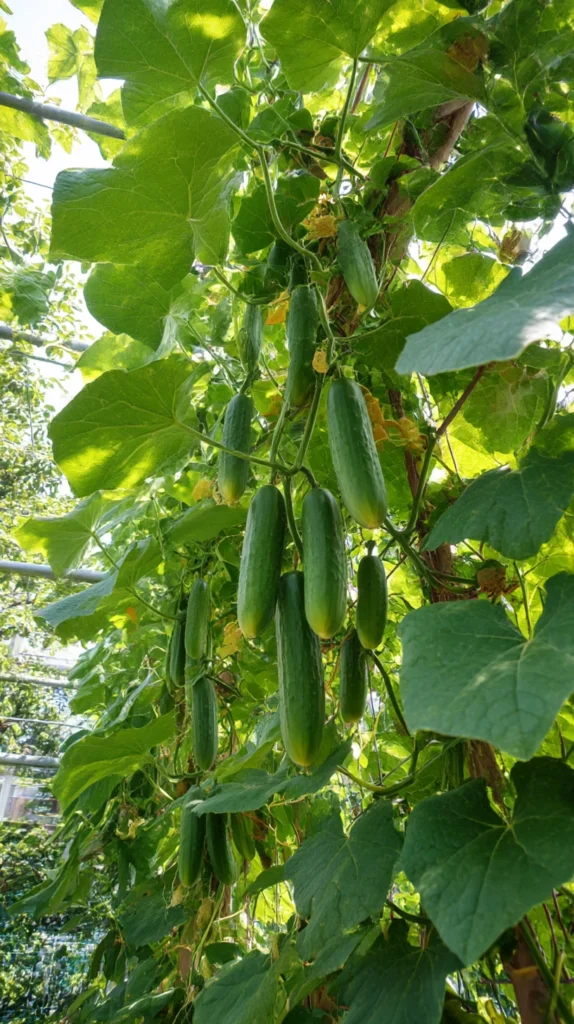
Cucumber is a genuinely tropical vegetable that flourishes rather than merely copes in summer heat, making it one of the best-suited fast crops for a summer garden. Plants started in late spring or early summer reach harvesting size in eight to ten weeks and then produce fruits continuously for six to eight additional weeks if picked regularly. A single well-grown cucumber plant in a large container on a sunny terrace can produce thirty to forty fruits across the season — a return that makes it one of the most productive plants per unit of space available for summer container growing.
Plant into large containers or prepared outdoor beds with rich, moisture-retentive compost in the sunniest position available. Provide a vertical support structure from the start and tie the main stem in weekly as it grows. Water deeply and consistently — cucumber has an extensive root system and shallow watering does not reach where the plant most needs moisture. Feed with a high-potassium liquid fertiliser every two weeks once fruits begin to form. Harvest cucumbers before they yellow at the ends — a yellowing tip indicates the fruit is past its best and is beginning to divert energy into seed development rather than further fruiting.
Growing tip: Pinch out the growing tip of the main stem once it reaches the top of its support structure. This single action redirects the plant’s energy from continued upward growth into the development of lateral fruiting shoots across the lower and middle sections of the stem, significantly increasing the total number of fruits produced across the remainder of the growing season.
13. Kohl Rabi
Cost: $2 – $4 per seed packet | Days to harvest: 45 – 55 days
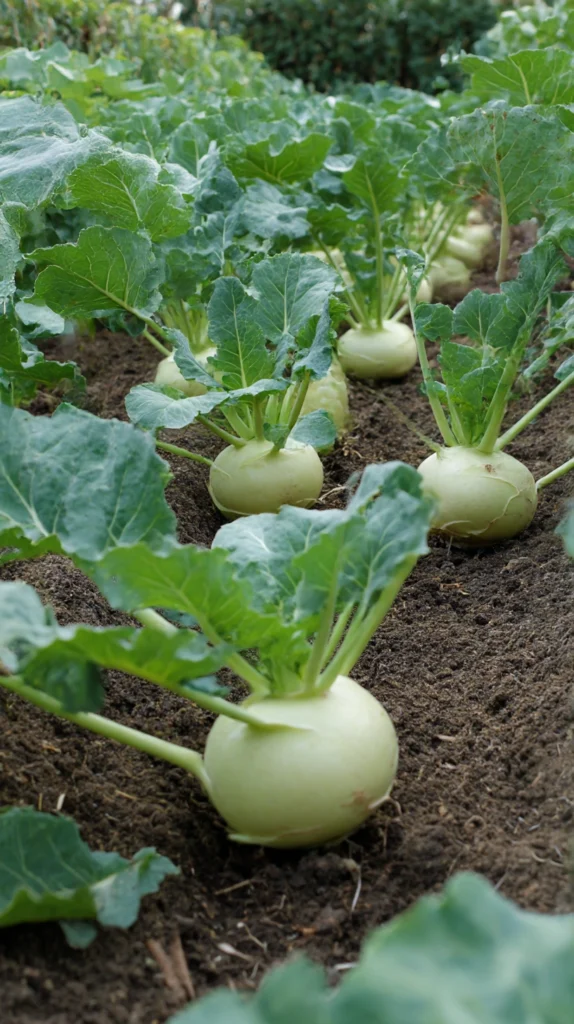
Kohl rabi is one of the fastest-maturing brassicas available and one of the most underused in home gardens. The swollen stem — which is the edible part, eaten raw like an apple or cooked like a turnip — develops in six to eight weeks from sowing, and the plant tolerates summer heat better than most of its brassica relatives, making it a reliable choice when other fast crops are struggling through the hottest weeks of the year. The flavour is mild and slightly sweet with a pleasant crunch that most people find more approachable than they expect from an unfamiliar vegetable.
Sow seed 1 cm deep and 15 cm apart directly in the growing position or start in small pots and transplant at 20 cm spacing once seedlings have two to three true leaves. Kohl rabi requires consistent moisture to develop the crisp, mild-flavoured stems it is valued for — dry conditions cause the stem to become woody, fibrous, and strongly flavoured rather than tender and sweet. Harvest when the stem swells to roughly tennis-ball size — around 6–8 cm in diameter. Larger specimens become coarse and are significantly less pleasant to eat than those harvested at the correct size.
Growing tip: Eat kohl rabi raw as well as cooked. Thinly sliced or grated raw kohl rabi has a crisp texture and a mild, slightly peppery flavour similar to broccoli stem that works exceptionally well in summer slaws and salads. Most gardeners who grow it exclusively as a cooked vegetable are missing the most immediate and effortless way to use it through the summer harvest period.
Fast-growing vegetables are the most satisfying entry point into food growing precisely because the feedback loop between effort and reward is so short. Three weeks from sowing to your first handful of radishes or rocket leaves is long enough to feel like genuine gardening and short enough to hold the attention of even the most impatient grower. The speed is not a compromise — it is the point.
Sow two or three crops from this list this week and set a reminder to sow the same ones again in three weeks. That single habit — consistent succession sowing — is the difference between a vegetable garden that delivers one brief harvest and one that supplies something fresh from late spring through to the first frost. Start small, sow often, and harvest before you think you need to. The best vegetable gardens are always the ones in motion.