13 Garden Walls for Sanctuary Vibes That Create Private Retreats
My backyard felt like a fishbowl for years. Neighbors on three sides, street noise, zero privacy.
I couldn’t relax outside. Always felt watched. Self-conscious in my own yard.
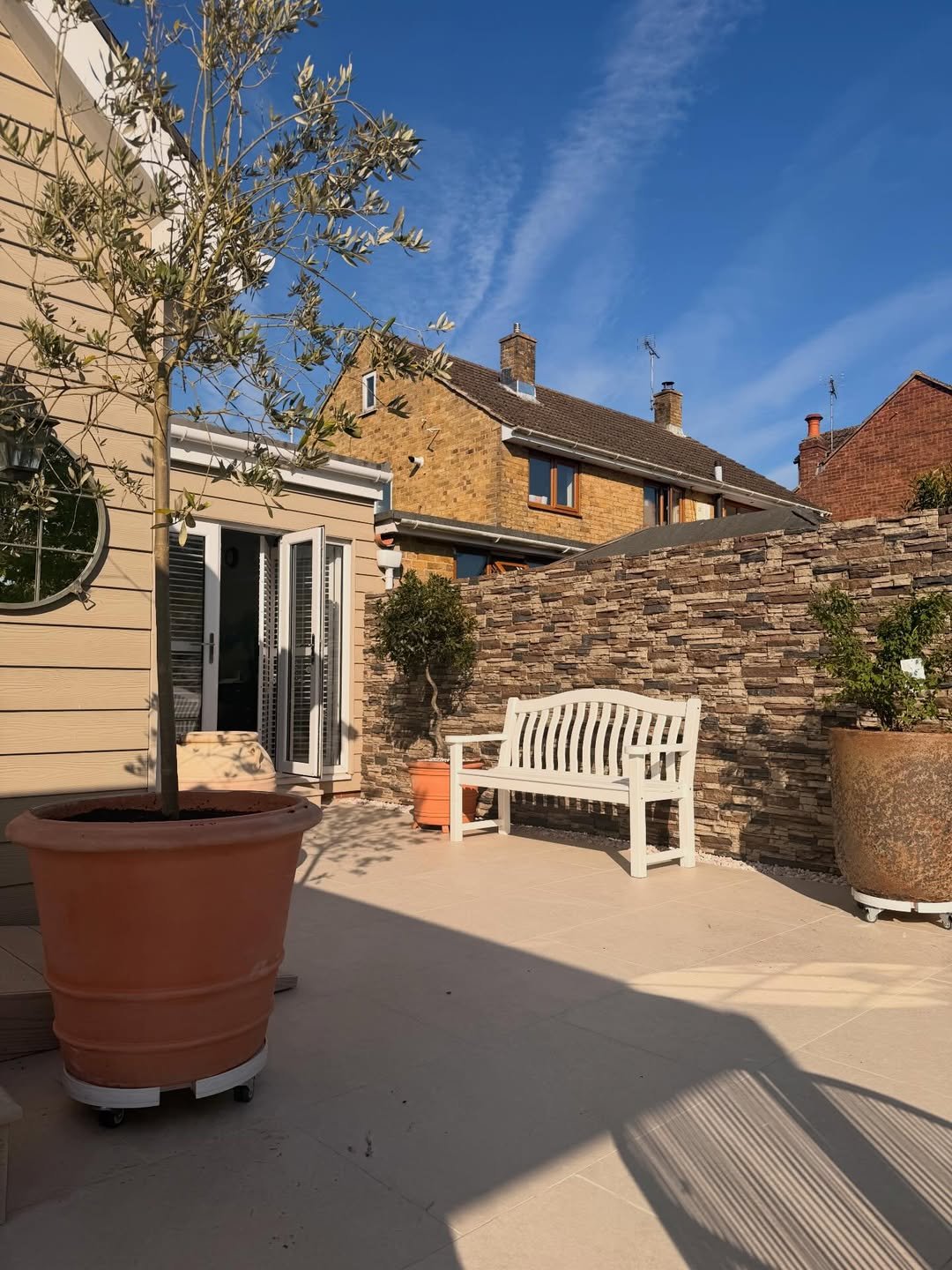
Then I built a living wall on one side. Instant transformation. That section became a sanctuary – peaceful, private, protected.
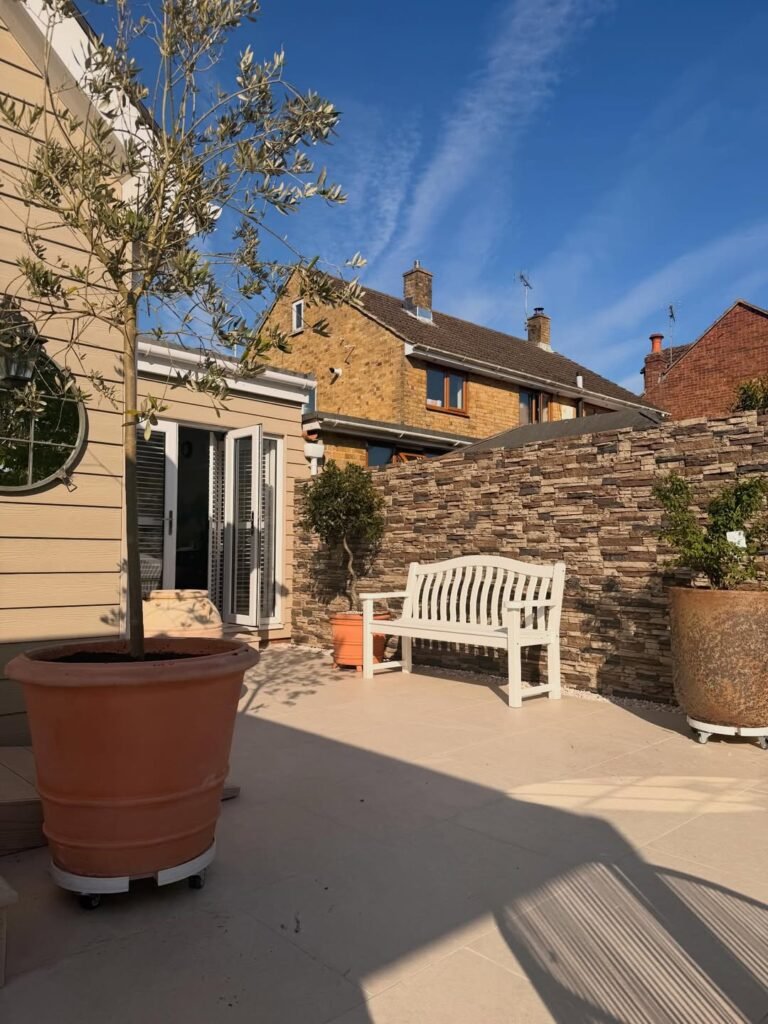
Now I’m adding walls everywhere. Same property, completely different feeling. Enclosed gardens create peace that open spaces never can.
Let me show you 13 garden wall ideas that turn exposed yards into private sanctuaries.
Why My Open Yard Never Felt Peaceful
The exposed problem:
What I could see:
- Neighbors’ yards (3 sides)
- Their activities constantly
- Street traffic
- Everything
What neighbors saw:
- My entire backyard
- Every activity
- No privacy
- Self-conscious
Sounds:
- Traffic noise (constant hum)
- Neighbor conversations (every word)
- Lawnmowers (theirs, not mine)
- Dogs barking
- Zero acoustic buffer
My behavior:
- Stayed inside mostly
- Quick trips outside only
- Never fully relaxed
- Felt exposed
After building first wall:
Immediate changes:
Visual privacy:
- Can’t see neighbors (one side)
- They can’t see me
- Enclosed feeling
- Psychological shift
Noise reduction:
- 40-50% traffic noise blocked
- Conversations muffled
- Actually peaceful
- Noticeable difference
Microclimate:
- Wind blocked
- Warmer in cool months
- Plants protected
- Comfortable
Usage shift:
- Spend 2-3 hours daily (vs 20 minutes)
- Actually relax outside
- Read, meditate, sit
- True sanctuary
Investment:
- First wall: $800 (DIY living wall)
- Peace of mind: Priceless
- Use increased 600%
- Best home improvement
My revelation: Walls don’t just block views – they create psychological safety that transforms space into sanctuary.
1. Vertical Living Wall (My First Success)
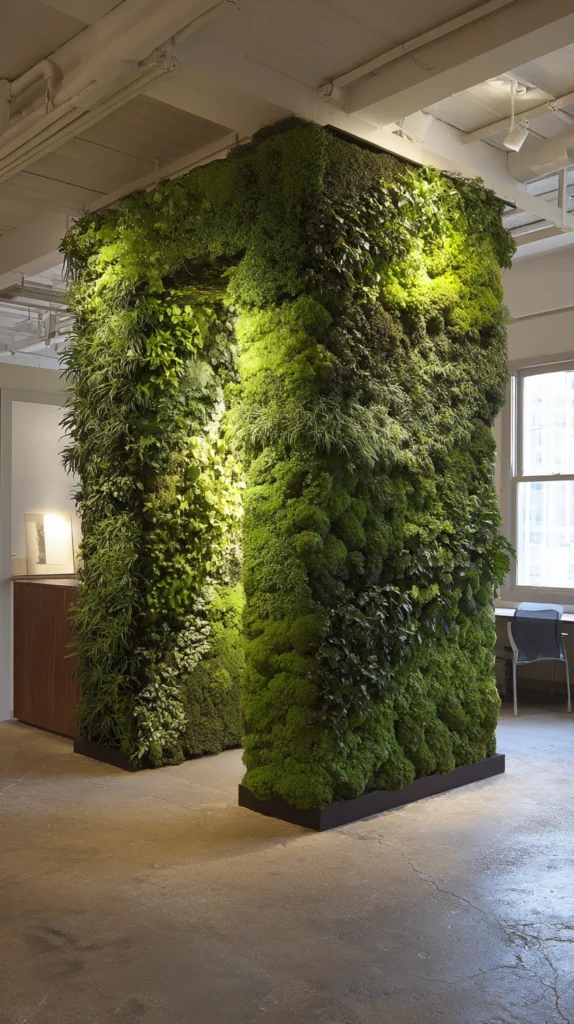
Plant-covered privacy screen – beauty meets function.
My 12-foot living wall:
Structure:
- Wooden frame (6×12 feet)
- Wire mesh backing
- Mounted on posts
- Freestanding
Planting system:
Pocket planters:
- Felt fabric pockets
- Mounted to mesh
- 30 pockets total
- Drip irrigation behind
Plant selection:
Evergreen base (60%):
- Small ferns (year-round)
- Ajuga (purple leaf)
- Ivy (trailing)
- Sedum (succulent)
Flowering accents (40%):
- Impatiens (shade color)
- Begonias (continuous bloom)
- Sweet alyssum (fragrant)
- Seasonal rotation
Irrigation:
Drip system:
- PVC frame top
- Drips down through pockets
- Timer controlled
- Waters twice daily (5 min each)
Why it works:
Living art:
- Changes seasonally
- Never static
- Growing tapestry
- Beautiful
Total privacy:
- 6 feet tall blocks view
- Thick growth (6 inches deep)
- Can’t see through
- Complete screen
Sound absorption:
- Plants absorb noise
- Better than solid wall
- Softer acoustic
- Peaceful
Microclimate:
- Cools air (evapotranspiration)
- Filters air
- Oxygen production
- Environmental benefits
Cost breakdown:
- Frame: $150 (cedar 2×4s)
- Mesh/fabric: $80
- Plants: $300 (30 plants)
- Irrigation: $120
- Total: $650
Maintenance:
Weekly: Check water, deadhead flowers (20 min) Monthly: Replace any dead plants (rare) Seasonal: Rotate flowering annuals
My living wall: Best investment, neighbors compliment it, created sanctuary on that side.
Living Wall Construction Tips
What I learned:
Frame stability critical:
- Set posts 2 feet deep
- Concrete footings
- Wind load substantial
- Don’t skimp
Irrigation essential:
- Hand-watering impossible (too high)
- Auto system mandatory
- Adjust seasonally
- Worth the cost
Start simple:
- Easy plants first year
- Learn system
- Expand complexity
- Patience
2. Stacked Stone Wall (Timeless Elegance)
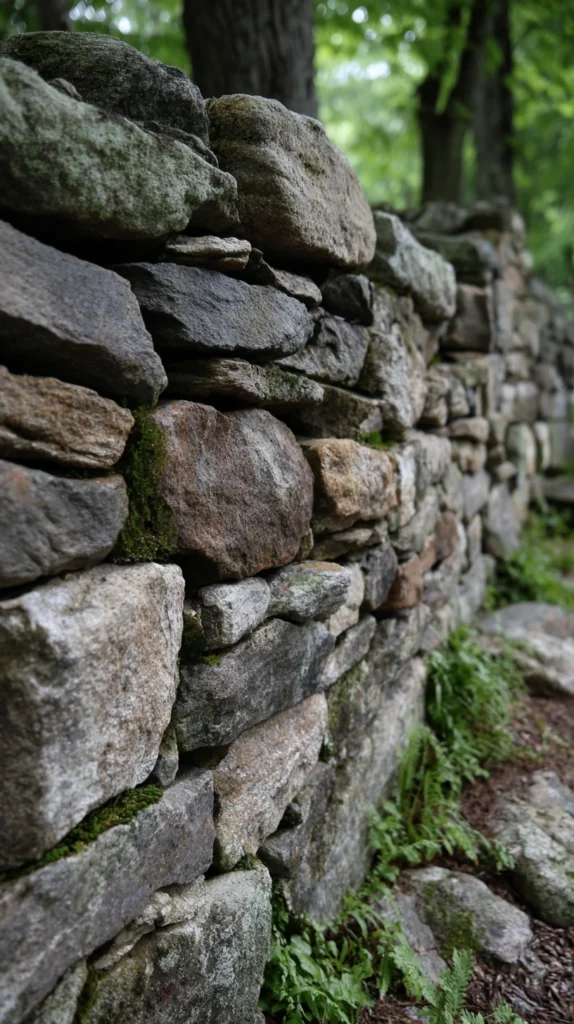
Natural stone creates permanence – centuries-old technique.
My neighbor’s stone wall (inspiration):
Dry-stack method:
- No mortar
- Stones fit together (gravity)
- 4 feet tall
- 30 feet long
Construction:
Base:
- Excavate 6 inches
- Gravel foundation
- Level base critical
- Drainage underneath
Stacking:
- Largest stones bottom
- Gradually smaller up
- Interlocking fit
- Slight backward lean
Materials:
Fieldstone:
- Natural irregular shapes
- Local stone (cheaper)
- Varied sizes
- Rustic appearance
Cost:
- Stone: $4-6 per square foot
- 30×4 wall = 120 sq ft
- Stone cost: $600
- Professional install: $2,000+
- DIY saved thousands
Benefits:
Permanent:
- Lasts centuries
- No maintenance
- No rot, no rust
- Forever solution
Thermal mass:
- Absorbs day heat
- Releases at night
- Moderates temperature
- Extends season
Habitat:
- Gaps shelter lizards
- Beneficial insects
- Garden wildlife
- Ecosystem value
Aesthetic:
- Timeless beauty
- Ages better
- Natural material
- High-end look
My assessment:
- Would DIY if I had time
- Consider for next phase
- Permanent solution appealing
- Classic choice
3. Bamboo Screen Wall (Fast Privacy)
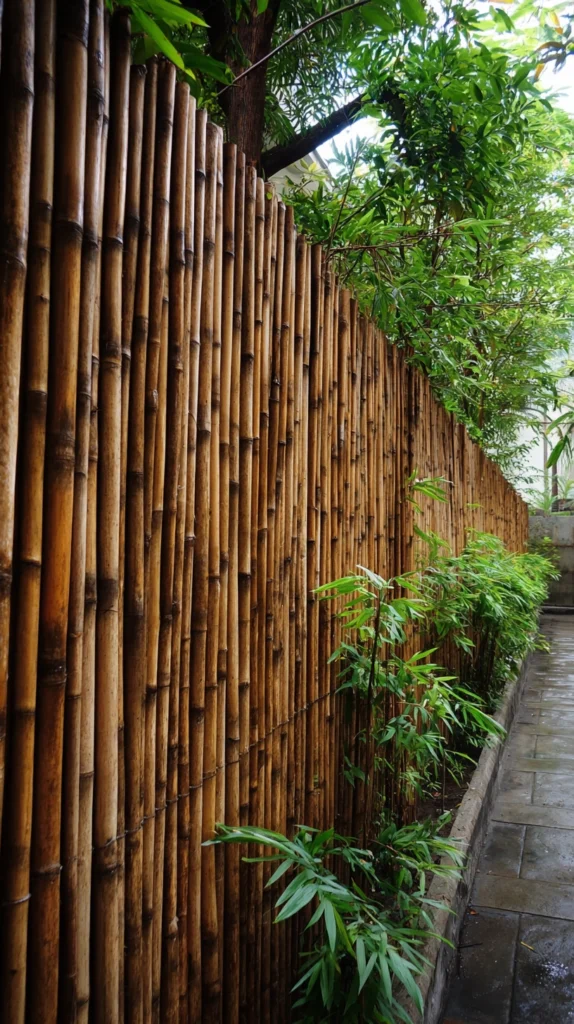
Rapid-growing screen – instant jungle feel.
My bamboo fence line:
Clumping bamboo (non-invasive):
- Fargesia species
- Won’t spread runners
- Dense growth
- Safe choice
Planting:
- 3 feet on center
- 20 feet total length
- 6 plants
- $240 investment
Growth timeline:
Year 1:
- 6 feet tall (planted height)
- Some new shoots
- Establishing roots
- Patience required
Year 2:
- 10-12 feet tall (rapid growth!)
- Many new culms
- Filling in
- Privacy developing
Year 3 (current):
- 15 feet tall
- Completely dense
- Total privacy
- Mature screen
Characteristics:
Evergreen:
- Year-round privacy
- Never bare
- Consistent screen
- Reliable
Movement:
- Sways in breeze
- Rustling sound
- Bamboo ambiance
- Peaceful
Fast results:
- Quickest screening option
- 3 years to maturity
- Better than slow trees
- Satisfying
Maintenance:
Annual pruning:
- Remove dead canes
- Thin interior (air flow)
- 2 hours yearly
- Minimal work
Important:
- ONLY clumping varieties
- Running bamboo invasive
- Check species carefully
- Ask nursery
Cost:
- 6 plants: $240 (@ $40 each)
- Amendments: $30
- Total: $270
My bamboo wall: Fastest privacy solution, tropical feel, zero spreading (3 years confirmed).
4. Gabion Wall with Plantings (Modern Industrial)
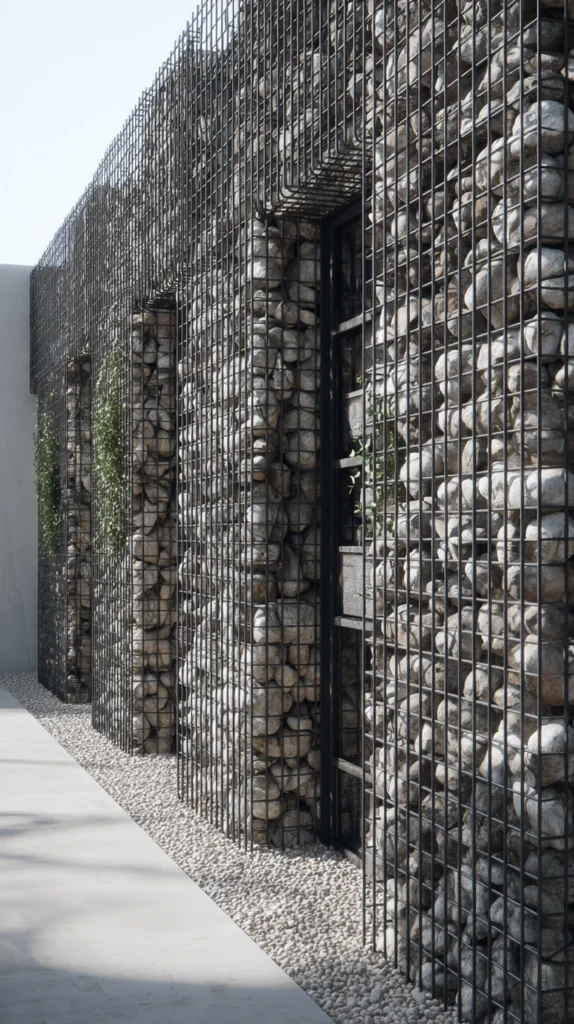
Rock-filled wire cages – contemporary aesthetic.
My modern fence replacement:
Gabion baskets:
- Wire mesh cages
- 3×3×1 foot units
- Stacked and connected
- Filled with stone
Configuration:
- 5 feet tall (2 baskets high)
- 15 feet long
- Single row
- Modern fence alternative
Fill material:
Large river rock:
- 4-6 inch stones
- Rounded appearance
- Mixed colors
- Visible through mesh
Planting pockets:
Strategic gaps:
- Left unfilled spaces
- Planted cascading plants
- Sedum, creeping thyme
- Softens industrial look
Benefits:
Drainage:
- Water flows through
- No water retention issues
- Won’t rot
- Permanent
Sound absorption:
- Stone mass dampens noise
- Better than expected
- Traffic noise reduced
- Effective
Modern aesthetic:
- Industrial chic
- Contemporary gardens
- Design statement
- Unique look
DIY-friendly:
- Baskets bolt together
- Fill yourself
- Weekend project
- No special skills
Cost:
- Gabion baskets: $300 (10 units)
- River rock: $250 (2 tons)
- Plants: $50
- Total: $600
My gabion wall: Most comments from visitors, modern look I wanted, easier than expected.
5. Hedge Wall (Classic Green Screen)
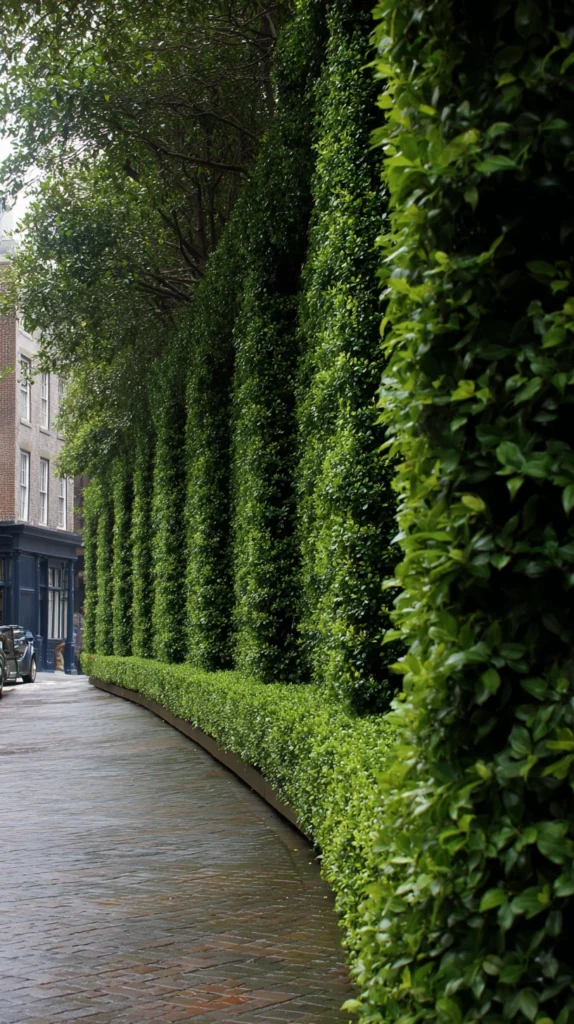
Dense evergreen hedge – traditional privacy.
My arborvitae hedge:
Plant selection:
- Green Giant arborvitae
- Fast-growing (3 feet/year)
- Evergreen privacy
- Classic choice
Installation:
- 6 trees planted
- 5 feet on center
- 25 feet total screen
- Staggered double row (extra dense)
Growth progression:
At planting (5-gallon):
- 4 feet tall
- Gaps between
- $40 each
- Starting point
Year 2:
- 7 feet tall
- Touching but not merged
- 50% privacy
- Developing
Year 4 (current):
- 12 feet tall
- Completely merged
- Solid green wall
- Full privacy
Maintenance:
Annual shaping:
- Light shearing (May)
- Maintain width
- Shape tops
- 2 hours work
Benefits:
Living privacy:
- Grows denser yearly
- Self-repairing (branches regrow)
- Natural appearance
- Gets better with age
Year-round:
- Evergreen constant
- Never bare
- Four-season screen
- Dependable
Budget-friendly:
- $240 initial (6 trees)
- Grows to 20+ feet
- Cheaper than fence
- Lifetime investment
Challenges:
Patience required:
- 3-4 years full privacy
- Delayed gratification
- Worth the wait
- Plan ahead
My hedge: Most economical privacy wall, maintenance minimal, classic for reason.
6. Reclaimed Window Wall (Artistic Screen)
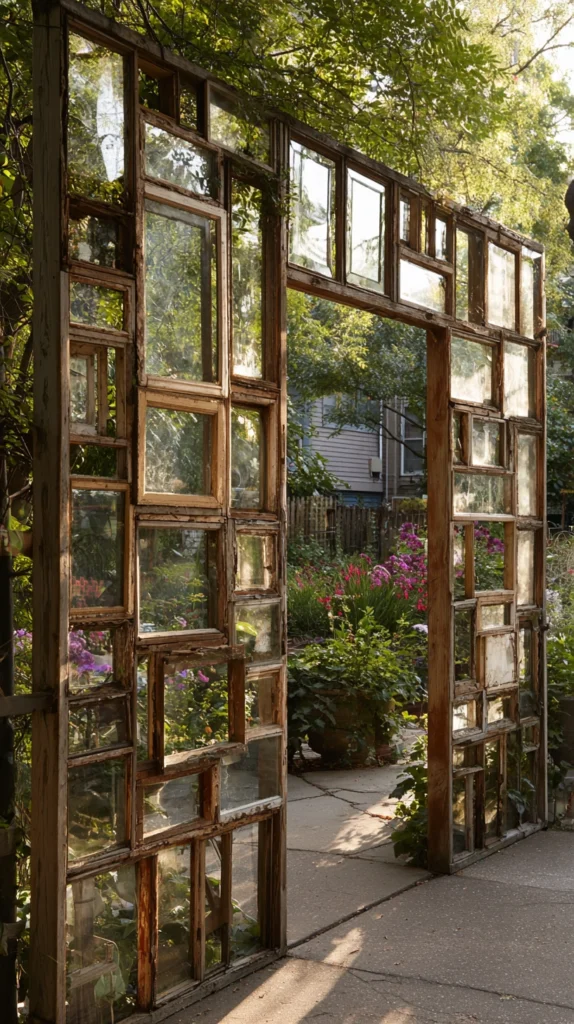
Vintage windows assembled – unique garden room.
My friend’s window wall:
Collection:
- 12 old windows (various sizes)
- Collected over 2 years
- Thrift stores, salvage
- $5-15 each
Assembly:
Wooden frame:
- 4×4 posts (corners)
- 2×4 cross members
- Windows attached
- Mosaic arrangement
Dimensions:
- 10 feet wide
- 8 feet tall
- Freestanding
- Room divider
Aesthetic:
See-through privacy:
- Glass partially blocks view
- Not completely hidden
- Filtered visibility
- Artistic
Light play:
- Sunlight through glass
- Colored glass effects
- Shadows and patterns
- Beautiful
Vintage charm:
- Distressed wood
- Old glass (wavy)
- Character
- Unique
Plantings:
Climbing vines:
- Clematis on sides
- Morning glories
- Partially cover
- Seasonal growth
Purpose:
Creates rooms:
- Divides large space
- Garden “walls”
- Defines areas
- Structure
Conversation piece:
- Everyone comments
- Story behind windows
- Artistic statement
- Personal
Cost:
- Windows: $120 (12 @ $10 avg)
- Frame lumber: $80
- Hardware: $30
- Total: $230
My take: Creative and cheap, perfect for artistic gardens, not total privacy but beautiful.
7. Pallet Wall Garden (Budget Solution)
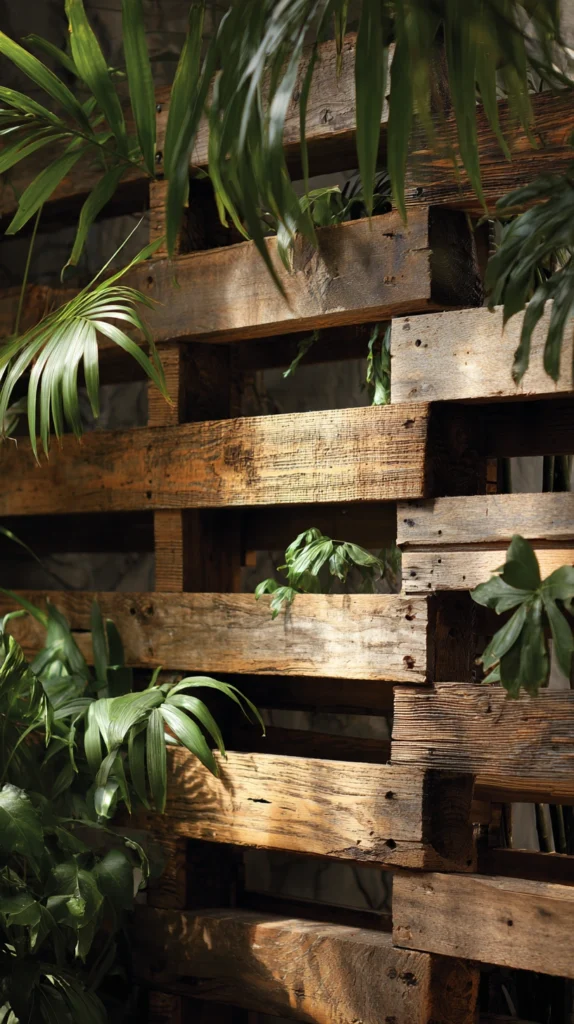
Stacked pallets planted – free materials.
My pallet wall experiment:
Materials:
- 6 wooden pallets (free)
- Landscape fabric
- Soil
- Plants
Construction:
Preparation:
- Pallets stood vertical
- Backed with landscape fabric
- Secured together
- Filled “pockets” with soil
Planting:
- Between slats
- 30+ plants total
- Herbs and flowers
- Dense planting
Stabilization:
- Posts behind (support)
- Connected together
- Lean back slightly
- Safe and stable
Plant choices:
Herbs (practical):
- Thyme cascading
- Oregano
- Mint (contained!)
- Culinary use
Flowers (beauty):
- Trailing petunias
- Lobelia
- Sweet alyssum
- Color
Benefits:
Nearly free:
- Pallets free (ask businesses)
- Soil $20
- Plants $60
- Total: $80
Functional:
- Herb garden vertical
- Screen and production
- Dual purpose
- Efficient
Temporary:
- Pallets rot (3-5 years)
- Acceptable for budget
- Easy replacement
- No permanent commitment
Challenges:
Watering intensive:
- Dries out fast
- Daily summer watering
- Hand water only
- Time commitment
Aesthetics:
- Rustic (some say shabby)
- Not everyone’s taste
- Works for cottage gardens
- Polarizing
My pallet wall: Proved concept cheap, replaced after 3 years, good starter project.
8. Steel Panel Wall (Contemporary Clean)
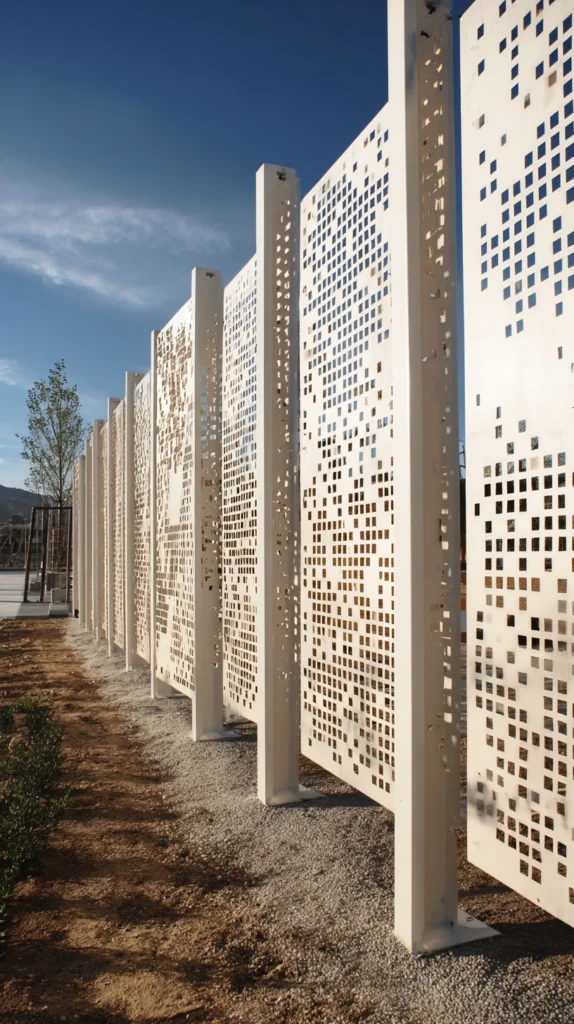
Metal privacy panels – modern minimalist.
My side-yard screen:
Corten steel panels:
- 6×3 feet each
- Rust patina (intentional)
- 4 panels total
- Contemporary look
Installation:
Metal posts:
- Steel posts in concrete
- Panels bolt to posts
- 1-inch gaps between panels
- Floating appearance
Design:
Laser-cut patterns:
- Geometric cutouts
- 30% open (ventilation)
- Partial privacy
- Design element
Benefits:
Modern aesthetic:
- Clean lines
- Industrial chic
- Contemporary gardens
- Statement piece
Durable:
- Steel lasts decades
- Rust finish protects
- No maintenance
- Permanent
Interesting shadows:
- Patterns cast shadows
- Changes with sun
- Moving art
- Dynamic
Ventilation:
- Not solid (air flows)
- Plants behind thrive
- No wind tunnel effect
- Smart design
Cost:
- Panels: $800 (custom laser-cut)
- Posts: $200
- Installation: $300 (welding)
- Total: $1,300
Expensive but: Unique look, permanent solution, modern aesthetic I wanted.
9. Brick Wall with Weep Holes (Classic Permanent)
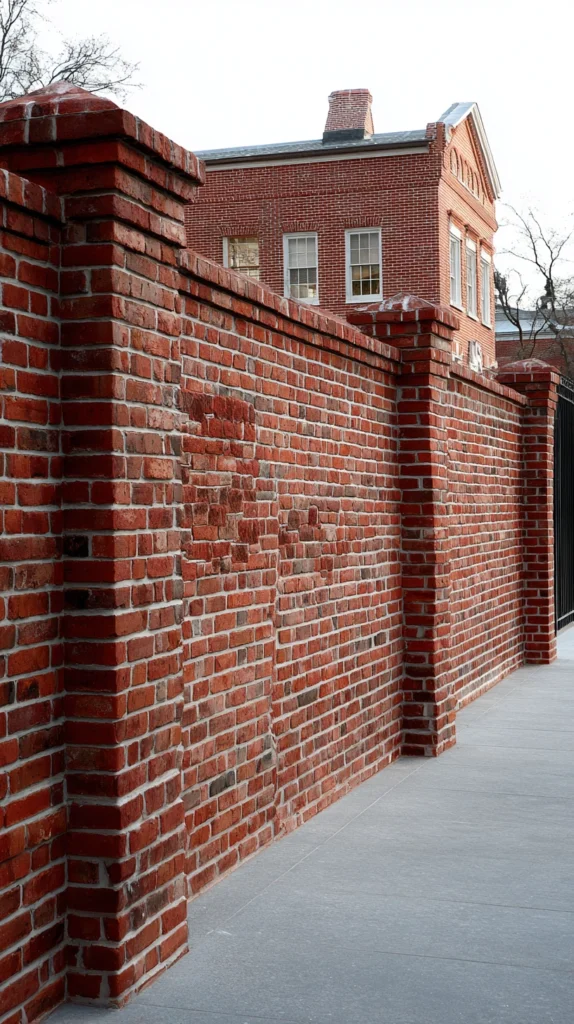
Traditional masonry – ultimate permanence.
My neighbor’s brick wall:
Construction:
- 6 feet tall
- 40 feet long
- Traditional brick
- Professional mason
Design features:
Weep holes:
- Every 4 feet
- Drainage essential
- Prevents moisture buildup
- Structural integrity
Cap stones:
- Concrete cap top
- Weather protection
- Finished look
- Professional
Mortar joints:
- Concave tooling
- Water shedding
- Classic appearance
- Proper technique
Benefits:
Truly permanent:
- Lasts 100+ years
- Zero maintenance
- No replacement ever
- Ultimate longevity
Sound blocking:
- Solid mass
- Best acoustic barrier
- Traffic noise eliminated
- Peaceful
Property value:
- Increases value
- Quality construction
- Desirable feature
- Investment
Thermal mass:
- Stores heat
- Moderates temperature
- Plant-friendly
- Microclimate
Cost reality:
- Professional required: $8,000-12,000
- Materials: $3,000
- Labor: $5,000-9,000
- Most expensive option
My assessment: Would do if money unlimited, permanent solution, classic for reason.
10. Woven Willow Wall (Living Fence)
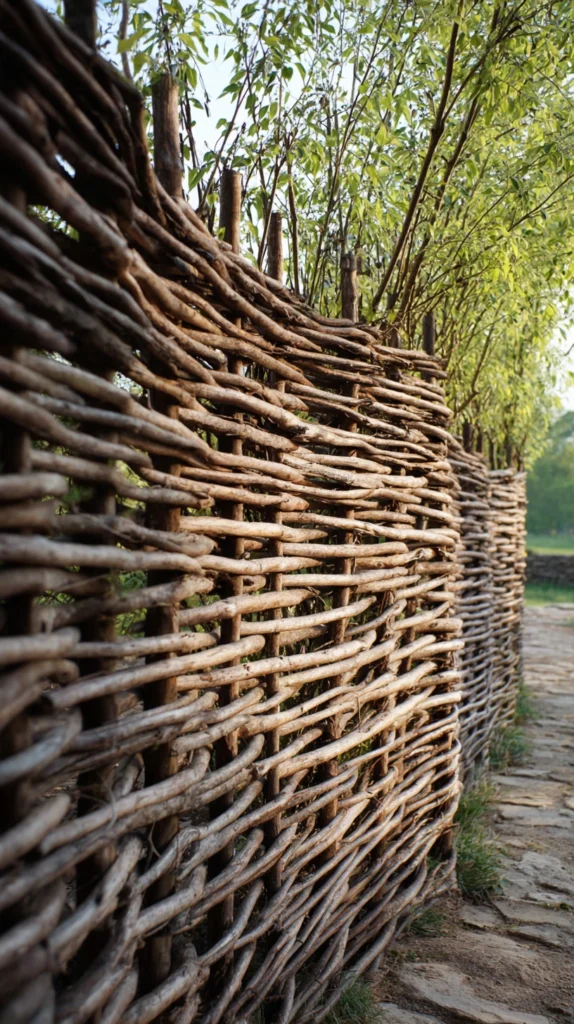
Traditional wattle technique – medieval garden feature.
My cottage garden wall:
Living willow posts:
- Fresh willow whips
- Pushed into ground (12 inches)
- 3 feet apart
- They root and grow!
Weaving:
Horizontal willow:
- Thinner willow woven
- Between posts
- Over-under pattern
- Traditional wattle
Growth:
Posts sprout:
- Leaves emerge from posts
- Roots establish
- Living structure
- Self-maintaining
Weavers stay dormant:
- Horizontal pieces dry
- Stay in place
- Eventually compost
- Replaced as needed
Height:
- 4-5 feet tall
- Rustic fence
- Partial privacy
- Cottage garden perfect
Maintenance:
Annual refresh:
- Add new weavers
- Old ones decay (natural)
- Posts prune (they grow)
- 3 hours yearly
Benefits:
Natural materials:
- Biodegradable
- Free if you harvest
- Renewable
- Sustainable
Living structure:
- Posts grow
- Increasing privacy
- Self-repairing
- Unique
Romantic aesthetic:
- Medieval garden feel
- Cottage appropriate
- Rustic charm
- Storybook quality
Cost:
- Willow: Free (if you cut)
- Or $50 (purchase)
- Total: $0-50
My willow wall: Cheapest option, labor-intensive, perfect cottage garden aesthetic.
11. Green Roof Wall (Eco Innovation)
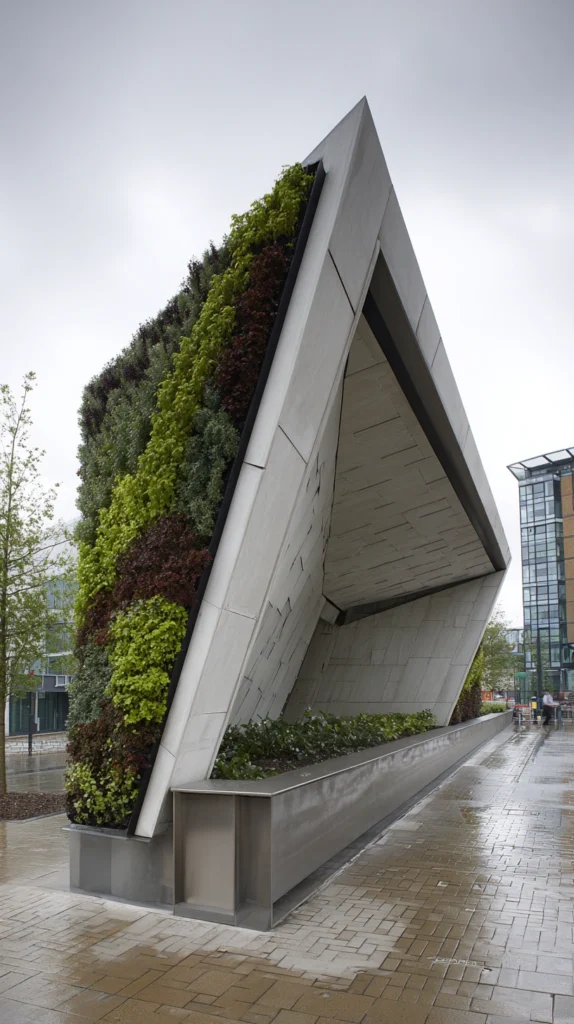
Planted wall with “roof” – environmental showcase.
My modern eco wall:
Structure:
- Wooden frame (6 feet wide, 7 feet tall)
- Angled top (shed roof style)
- Planted roof and face
- Living both sides
Planting:
Wall face:
- Sedums primarily
- Drought-tolerant
- Vertical planting
- Cascading effect
Roof section:
- Same sedums
- Creeping thyme
- Low-growing plants
- Green roof technique
Engineering:
Waterproof membrane:
- Under growing medium
- Protects structure
- Critical element
- Don’t skip
Irrigation:
- Soaker hose top
- Drips down face
- Waters roof and wall
- Efficient
Benefits:
Environmental:
- Insulates (cooling summer)
- Absorbs rainwater
- Reduces runoff
- Carbon sequestration
Educational:
- Conversation starter
- Teaches green building
- Showcase feature
- Inspiring
Unique:
- Rarely seen residential
- Design statement
- Cutting-edge
- Impressive
Challenges:
Complex construction:
- Engineering required
- Waterproofing critical
- Not beginner project
- Professional help advised
Cost:
- Structure: $300
- Waterproofing: $150
- Growing medium: $80
- Plants: $200
- Total: $730
My green roof wall: Most innovative, environmental values showcase, conversation piece.
12. Stucco Wall with Niches (Mediterranean)
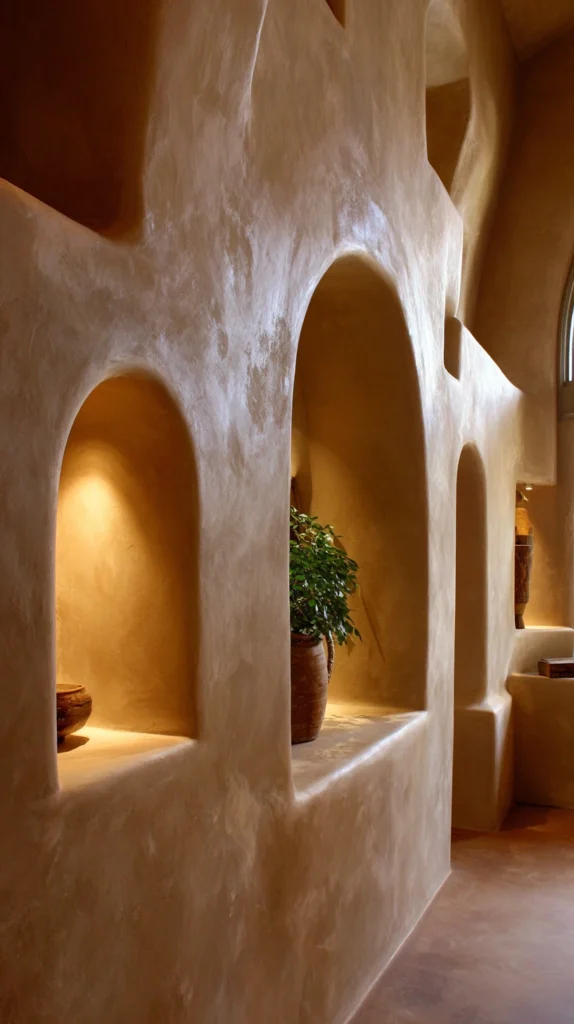
Smooth plaster finish – warm climate classic.
Friend’s Spanish-style wall:
Construction:
- Concrete block base
- Stucco applied (3 coats)
- Smooth finish
- Painted warm ochre
Design features:
Niches (hornacinas):
- Arched recesses
- 18 inches tall
- Built into wall
- Display spots
What fills niches:
- Potted succulents
- Candles (evening)
- Tile art
- Rotating display
Coping:
- Rounded top edge
- Tile or stone
- Weather protection
- Finished look
Color:
- Warm earth tones
- Terracotta, ochre
- Complements plants
- Mediterranean palette
Benefits:
Solid privacy:
- No gaps
- Complete visual block
- Sound barrier
- Total enclosure
Display opportunities:
- Niches add interest
- Personalization
- Rotating themes
- Gallery wall
Climate appropriate:
- Works best warm/dry
- Adobe heritage
- Regional authenticity
- Cultural connection
Cost:
- Professional required
- Block: $2,000
- Stucco: $3,000
- Total: $5,000+
My take: Perfect style for Spanish/Mediterranean gardens, warm climates, professional required.
13. Mixed Material Wall (Eclectic Design)
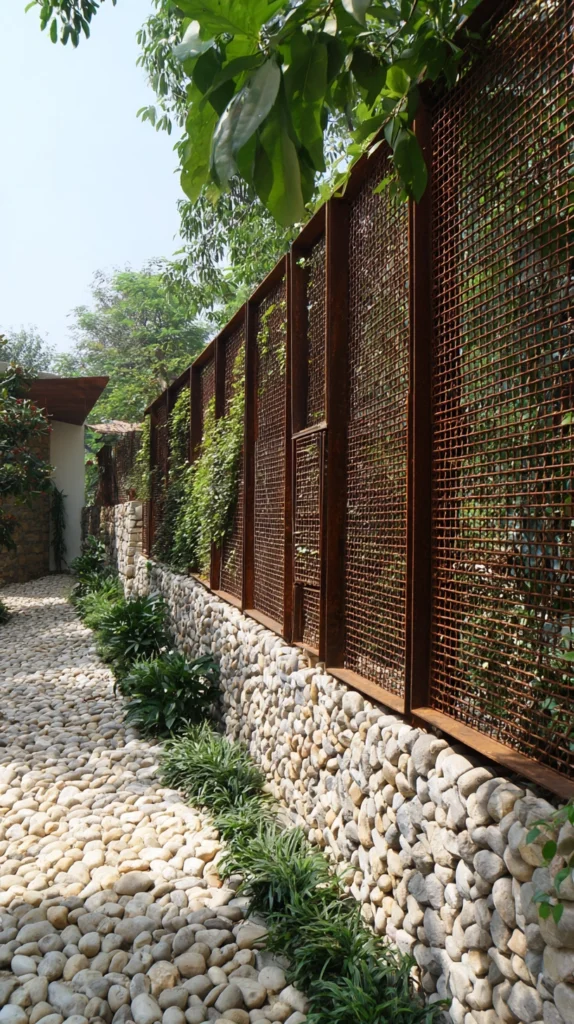
Combining techniques – unique personalized wall.
My side yard combo wall:
Three sections:
Section 1 (6 feet):
- Stacked stone base (2 feet)
- Topped with wood fence (4 feet)
- Mixed materials
- Interesting
Section 2 (8 feet):
- Steel frame
- Planted with vines
- Open and covered
- Transition
Section 3 (6 feet):
- Gabion baskets
- Planted pockets
- Living rock wall
- Finale
Why mix materials:
Visual interest:
- Not monotonous
- Each section unique
- Eye travels along
- Engaging
Budget spreading:
- Build over time
- Afford sections gradually
- Not all at once
- Manageable
Functional variety:
- Solid where needed (privacy)
- Open where wanted (light)
- Customized to needs
- Flexible
Cohesive elements:
Unifying factors:
- Color palette (grays and browns)
- Plant choices (same throughout)
- Height consistent (6 feet)
- Planned variety
Cost:
- Section 1: $400
- Section 2: $300
- Section 3: $500
- Total: $1,200 (over 2 years)
My mixed wall: Most personal, reflects my style, built gradually, interesting always.
Planning Your Garden Wall
Critical considerations:
Property Lines and Permits
What I learned:
Survey first:
- Know exact property lines
- Don’t encroach
- Expensive mistake possible
- $300 survey worth it
Permit requirements:
- Over 6 feet often needs permit
- Varies by location
- Check before building
- Fines possible
Neighbor communication:
- Inform neighbors
- Show plans
- Address concerns
- Maintain relationships
Wall Height Strategy
My approach:
6 feet standard:
- Blocks most views
- Doesn’t require permit (my area)
- Not overwhelming
- Sweet spot
Varied heights:
- Taller where needed (street side)
- Lower where less critical
- Stepped on slopes
- Responds to context
Foundation Importance
Don’t skip:
Proper footings:
- Frost depth (my zone: 18 inches)
- Concrete mandatory (permanent walls)
- Level critical
- Professional if unsure
My mistakes:
- First wall inadequate footing
- Leaned after year
- Rebuilt properly
- Expensive lesson
Cost Comparison
All walls aren’t equal:
Budget Options ($100-500)
DIY-friendly:
- Pallet wall: $80
- Willow wattle: $50
- Planted fence: $200
- Bamboo screen: $270
Mid-Range ($500-1,500)
Quality DIY or simple professional:
- Living wall: $650
- Gabion: $600
- Mixed material: $1,200
- Steel panels: $1,300
Premium ($3,000+)
Professional required:
- Stucco: $5,000+
- Brick: $8,000-12,000
- Stone (professional): $4,000+
- Custom steel: $2,000+
Acoustic Benefits
Sound reduction reality:
What Actually Works
Best sound blockers:
- Solid brick/stone (90% reduction)
- Stucco on block (85%)
- Dense wood fence (70%)
- Earth berm (65%)
Moderate blockers:
- Living walls (50%)
- Gabion (50%)
- Bamboo dense (45%)
Minimal effect:
- Open lattice (10%)
- Thin plants (15%)
- Decorative screens (20%)
My testing:
- Measured with phone app
- Before/after readings
- Results surprised me
- Mass matters most
Maintenance Realities
Long-term care:
Low Maintenance
Once established:
- Stone walls (wash yearly)
- Brick walls (inspect joints)
- Steel panels (none)
- Concrete (seal every 5 years)
Moderate Maintenance
Growing things:
- Hedges (annual trim, 2 hours)
- Bamboo (annual thin, 2 hours)
- Living walls (weekly checks, watering)
High Maintenance
Temporary materials:
- Pallet walls (3-5 year replacement)
- Willow wattle (annual additions)
- Some plantings (weekly attention)
My Complete Wall System
What I actually built (over 5 years):
North side (street):
- Steel panel wall (12 feet)
- Full privacy needed
- Modern aesthetic
- Cost: $1,300
East side (neighbor):
- Living wall (12 feet)
- Friendly solution
- Beautiful from both sides
- Cost: $650
South side (open):
- Bamboo screen (20 feet)
- Fast growing
- Tropical feel
- Cost: $270
West side (partial):
- Mixed materials (20 feet)
- Built over time
- Budget friendly
- Cost: $1,200
Total investment: $3,420 over 5 years
Results:
- Privacy achieved all sides
- Outdoor use increased 600%
- True sanctuary created
- Neighbors compliment
- Property value increased
- Best home improvement
Getting Started This Month
Don’t wall entire yard at once.
This month ($200-500):
Priority 1 – Most visible side:
- Choose worst exposure
- One wall only
- Prove concept
- Budget option first
Starter recommendations:
Budget ($200-300):
- Bamboo screen (fast privacy)
- Or pallet wall (creative)
- Immediate impact
- Affordable test
Mid-range ($500-800):
- Living wall (my choice)
- Beautiful and functional
- DIY-friendly
- High satisfaction
My approach:
- Started with living wall
- Saw huge difference
- Added walls gradually
- Built momentum
After experiencing first wall’s impact, you’ll prioritize completing enclosure.
Now go create your private sanctuary with walls that transform open yards into peaceful retreats!
Quick Summary:
Best starter walls:
Living wall: Plants create beauty + privacy ($650, DIY-friendly) Bamboo screen: Fastest privacy (3 years mature, $270) Hedge wall: Classic budget option ($240, grows free) Pallet wall: Cheapest test ($80, temporary) Gabion: Modern industrial ($600, unique)
By budget:
Under $300:
- Bamboo screen ($270)
- Pallet wall ($80)
- Willow wattle ($50)
- Hedge starts ($240)
$500-1,000:
- Living wall ($650)
- Gabion wall ($600)
- Reclaimed window wall ($230)
- Green roof wall ($730)
$1,000-3,000:
- Steel panels ($1,300)
- Mixed material ($1,200)
- Stone DIY ($1,500+)
$3,000+:
- Stucco professional ($5,000+)
- Brick wall ($8,000-12,000)
- Stone professional ($4,000+)
By primary function:
Maximum privacy:
- Brick/stucco (solid, no gaps)
- Living wall (dense plantings)
- Dense hedge (mature)
Sound blocking:
- Brick (90% reduction)
- Stucco (85%)
- Stone (80%)
- Dense wood (70%)
Fast results:
- Bamboo (3 years)
- Living wall (instant)
- Hedge fast-growing (4 years)
Artistic statement:
- Steel panels (modern)
- Window wall (vintage)
- Mixed material (eclectic)
- Green roof (eco)
Essential planning steps:
1. Survey property lines (know boundaries, $300) 2. Check permits (over 6 ft often requires) 3. Talk to neighbors (maintain relationships) 4. Choose highest priority (worst exposure first) 5. Budget realistically (include foundation, installation)
Height guidelines:
4 feet: Partial privacy, sitting areas 6 feet: Full privacy standing, permit-free often 8 feet: Complete enclosure, usually needs permit 10+ feet: Major structure, definitely requires permit
Foundation requirements:
Permanent walls (brick, stone, heavy):
- Frost-depth footings (18-24 inches)
- Concrete essential
- Professional recommended
Temporary/light walls:
- Posts 2 feet deep
- Gravel base adequate
- DIY-friendly
Living walls:
- Substantial posts (wind load)
- Concrete footings
- Irrigation planning
Material longevity:
Permanent (50-100+ years):
- Brick, stone, concrete
- Steel (Corten)
- Zero maintenance essentially
Long-term (20-30 years):
- Quality wood (treated)
- Gabion
- Dense hedges
Medium-term (10-15 years):
- Living walls (replant)
- Bamboo (renews)
- Untreated wood
Temporary (3-5 years):
- Pallet walls
- Willow wattle
- Fast hedges (replaced)
Acoustic performance:
Excellent (70-90% reduction):
- Solid brick/stone
- Stucco on block
- Earth berm
Good (40-60%):
- Dense wood fence
- Gabion (mass)
- Living walls (thick)
- Mature hedges
Fair (20-40%):
- Bamboo screen
- Young hedges
- Light plantings
Poor (under 20%):
- Open lattice
- Decorative screens
- Sparse plantings
Maintenance levels:
Minimal (under 2 hours yearly):
- Stone, brick, concrete
- Steel panels
- Mature low hedges
Moderate (2-5 hours yearly):
- Living walls (watering)
- Hedges (trimming)
- Bamboo (thinning)
High (weekly attention):
- Annual vines
- Complex plantings
- Temporary structures
DIY vs professional:
DIY-friendly:
- Living wall
- Pallet wall
- Bamboo planting
- Hedge planting
- Willow wattle
- Gabion assembly
Professional recommended:
- Brick masonry
- Stucco application
- Complex steel welding
- Major excavation
- Electrical (lighting)
Quick impact solutions:
Immediate (1 day install):
- Prefab panels
- Living wall modules
- Bamboo in containers
Fast (1-3 months visible):
- Fast-growing vines
- Summer annuals
- Quick hedges
Moderate (1-3 years):
- Bamboo screen
- Hedge wall
- Planted structures
Installation timeline:
Weekend projects:
- Pallet wall (1 day)
- Living wall (2 days)
- Gabion assembly (2 days)
- Window wall (1 day)
Week-long projects:
- Stone wall DIY (3-5 days)
- Mixed material (5-7 days)
- Hedge planting (2-3 days)
Professional (varies):
- Brick: 1-2 weeks
- Stucco: 1 week
- Complex steel: 3-5 days
Common mistakes:
- Ignored property lines (legal issues)
- Skipped permits (fines, removal)
- Inadequate footings (walls lean/fall)
- Wrong plants (too slow/invasive)
- No neighbor communication (conflicts)
- Underestimated costs (project stalls)
- All at once (overwhelming/expensive)
Success indicators:
- Outdoor time increased significantly
- Can’t see/hear neighbors
- Relaxation improved (actually peaceful)
- Self-conscious feeling gone
- Microclimate noticed (warmer, calmer)
- Property value increased
- Neighbors compliment design
Remember: Start with one wall (highest priority side), choose appropriate budget (don’t overspend proving concept), verify property lines (survey worth it), communicate with neighbors (maintain relationships), proper foundation essential (don’t skip), build gradually (spread investment), living walls give fastest satisfaction (plants + privacy immediately), mass blocks sound best (solid materials win).