15 Pollinator Garden Ideas That Attract Bees and Butterflies
A garden that supports pollinators is not a specialist project — it is simply a garden where the right plants are chosen with more intention than usual. Bees, butterflies, hoverflies, and moths are attracted by the same qualities in a garden that make it beautiful to the human eye: an abundance of flowers, a long season of bloom, and a diversity of plant species that provides nectar and pollen from spring through to autumn. Planting for pollinators and planting for beauty are almost always the same thing done at the same time.
@thompson_little_home_sweethome/
The fifteen ideas below cover every scale of pollinator gardening — from a single pot of lavender on a balcony to a complete garden redesigned around pollinator habitat. Each one includes what it costs and a practical growing tip to help you get the maximum ecological benefit from every plant you choose.
1. A Dedicated Pollinator Border
Budget: $80 – $300
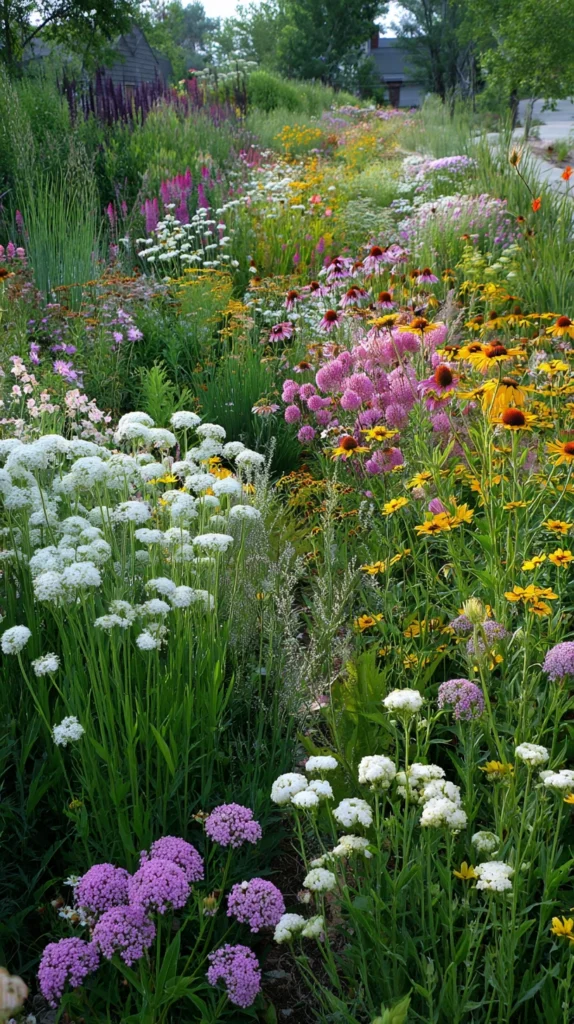
A border planted exclusively with pollinator-friendly species — single-flowered rather than double, native or near-native, and providing a continuous succession of nectar from April through to October — is the most impactful single contribution a home gardener can make to the local pollinator population. The continuity of the food source through the entire season is what makes it most valuable rather than the number of species included.
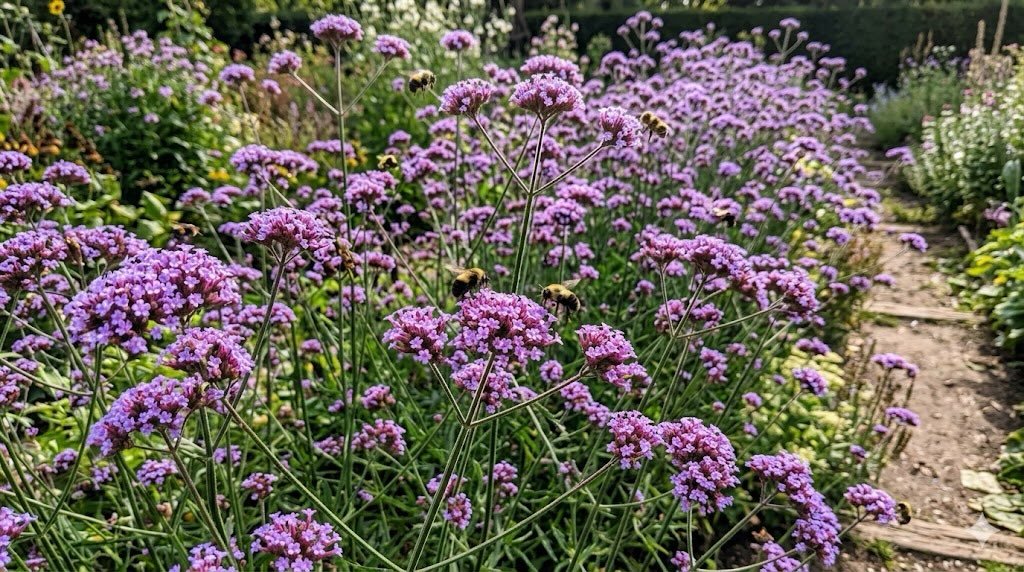
A well-designed pollinator border might include nepeta ($6–$12), salvia nemorosa ($6–$14), echinacea ($7–$15), agastache ($6–$12), verbena bonariensis ($5–$10), rudbeckia ($6–$12), and sedum ($5–$12) — seven species that together provide overlapping nectar from May through October with almost no maintenance required between the initial planting and the annual late-winter cutback.
Growing tip: Avoid all double-flowered varieties in a pollinator border. Double flowers are bred to produce extra petals at the expense of the nectary and the stamens — the structures that pollinators actually use. A beautiful double rose produces almost no food for any pollinator. The single-petalled version of the same species feeds dozens of visiting insects per day. Single flowers are always the right choice in any pollinator planting.
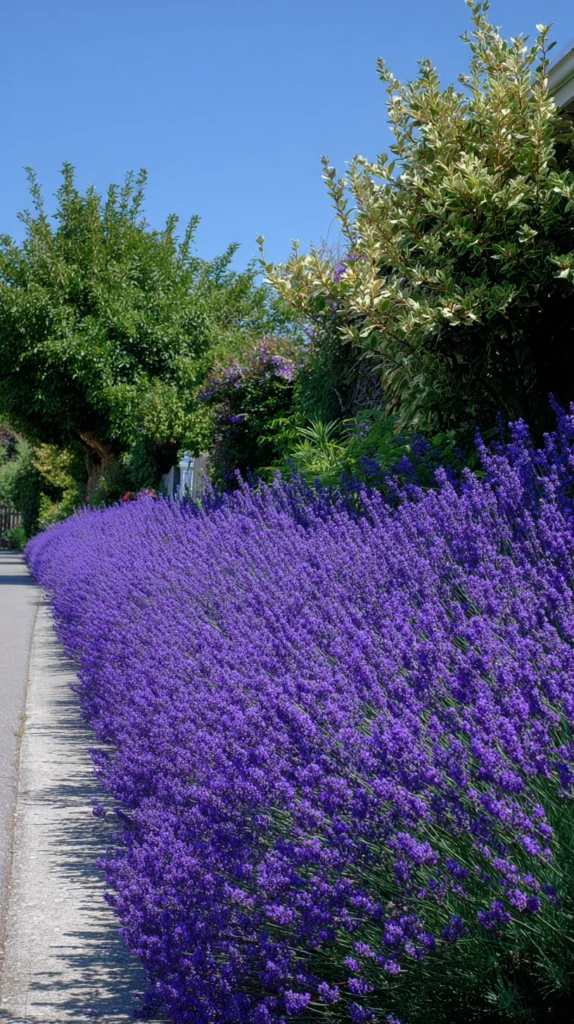
2. A Lavender Hedge for Bees
Budget: $50 – $200
A lavender hedge in full flower on a warm summer morning is one of the most densely populated pollinator habitats in any garden — the hum of visiting bees is audible from several metres away and the range of bee species visiting simultaneously on a sunny July morning is consistently extraordinary. No other commonly available garden hedge plant provides equivalent pollinator value per linear metre.
Lavender Hidcote or Munstead plants cost $4–$10 each and should be spaced 25–30 cm apart for a dense hedge effect. A 3-metre hedge requires ten to twelve plants at $40–$120. The hedge provides pollinator food from June through August and the dried flower spikes continue to attract insects in smaller numbers through September. Trim once after flowering to maintain the compact form — an untrimmed lavender becomes open and woody at the base within three seasons.
Growing tip: Plant lavender in full sun in the leanest, most free-draining soil available. Lavender in rich, moist soil produces excessive leafy growth with reduced essential oil concentration in the flowers — which makes it less attractive to pollinators as well as less aromatic to the human nose. The harsher the growing conditions within reason, the more intensely the flowers produce the nectar and fragrance that attracts pollinators in numbers.
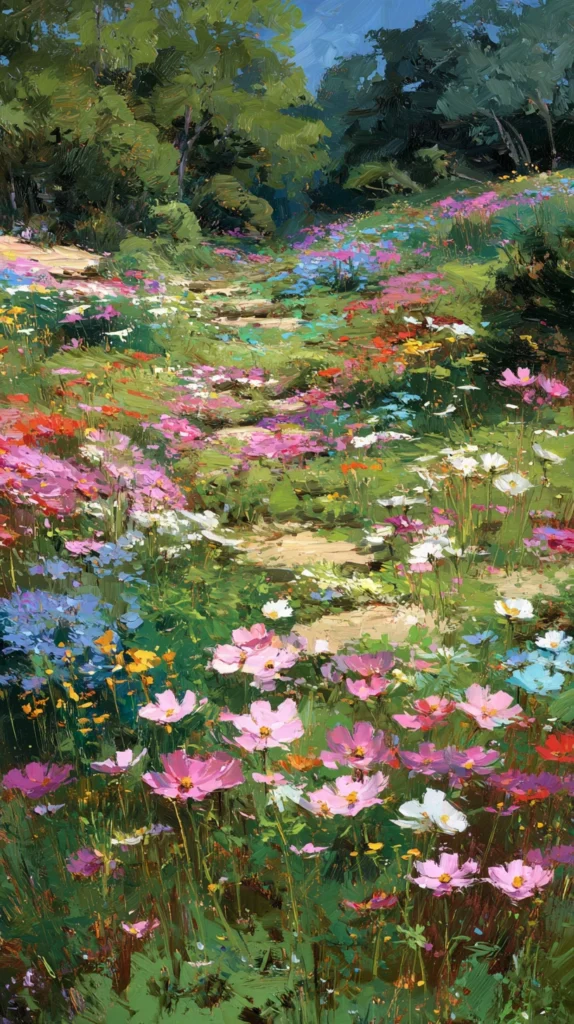
3. A Wildflower Patch for Butterflies
Budget: $5 – $20
Butterflies are attracted most reliably by native wildflowers — knapweed, field scabious, marjoram, ragged robin, and bird’s-foot trefoil are all among the most visited butterfly plants available, and all grow from direct-sown seed in a cleared patch of garden at minimal cost. A small wildflower patch of 2 square metres provides meaningful butterfly habitat and a genuinely beautiful display through the summer months.
A native wildflower seed mix specifically formulated for butterflies costs $5–$15 per packet and covers approximately 5 square metres at the recommended sowing rate. Sow onto cleared, bare soil in spring or autumn — wildflowers require bare soil rather than established turf or weed competition to germinate successfully. The patch attracts butterflies most effectively in a warm, sheltered position in full sun where the butterflies can bask on the flowers without being disturbed by wind.
Growing tip: Include at least one larval foodplant alongside the nectar plants in a butterfly wildflower patch. Butterflies need both nectar for energy and specific foodplants on which to lay their eggs and that their caterpillars can eat. Nettles attract small tortoiseshell and peacock butterflies. Bird’s-foot trefoil supports common blue and wood white. Including both elements transforms the patch from a butterfly feeding station into genuine butterfly habitat.
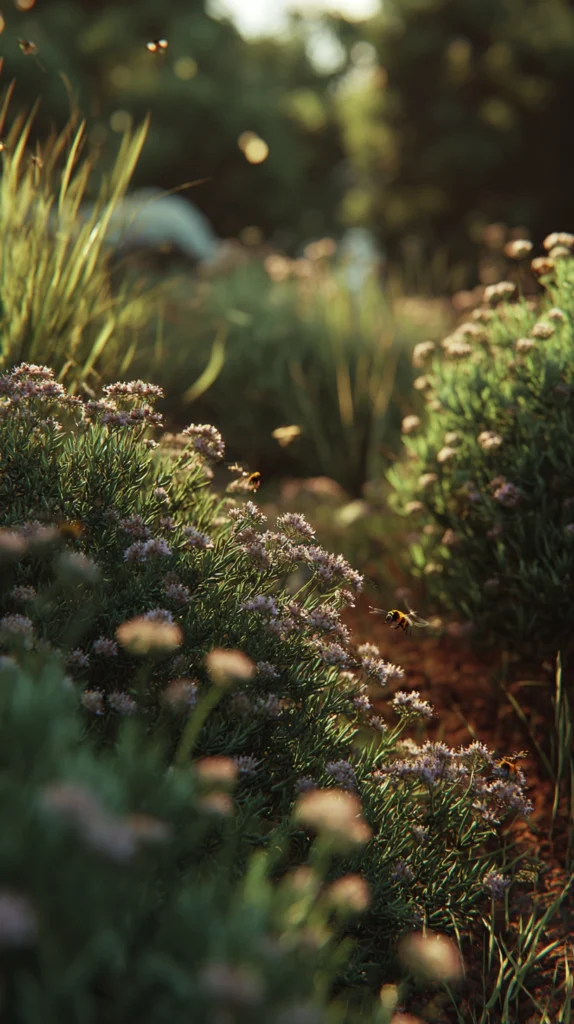
4. A Bee-Friendly Herb Garden
Budget: $20 – $80
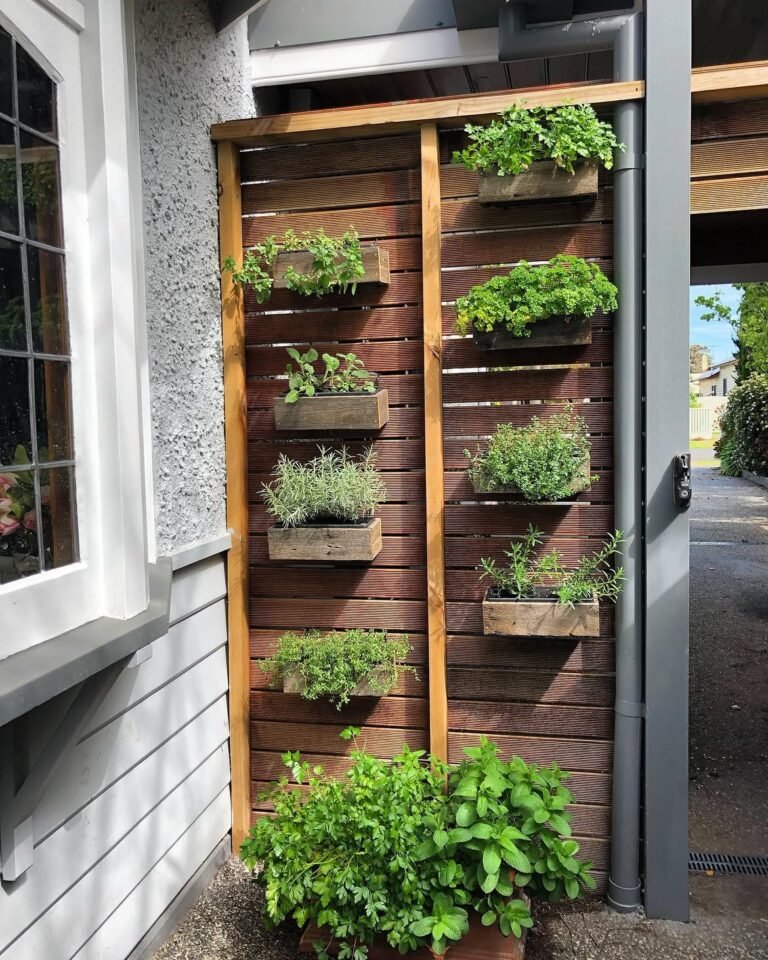
A herb garden allowed to flower — rather than perpetually harvested before the flowers open — becomes one of the richest bee habitats in any garden. Borage, thyme, marjoram, chives, rosemary, sage, and hyssop all produce prolific flowers that are visited continuously by bumblebees, honeybees, and solitary bee species through the summer months. The herbs remain entirely usable alongside this flowering function.
Herb plants cost $2–$6 each from garden centres. A collection of six flowering herbs costs $12–$36 in plants. Allow at least one third of each herb plant to flower at any given time rather than harvesting the whole plant before flower development — the flowers are not a sign that the herb has bolted and become useless but rather the peak of the plant’s contribution to the garden ecosystem as well as the kitchen.
Growing tip: Borage is the single most valuable bee plant available for a herb or vegetable garden. The vivid blue star-shaped flowers are visited almost constantly by bumblebees from the moment they open and the plant produces new flowers continuously from June through to October. Borage self-seeds freely once established and costs $2–$4 for a seed packet that supplies a lifetime of plants from the first season’s self-seeding onward.
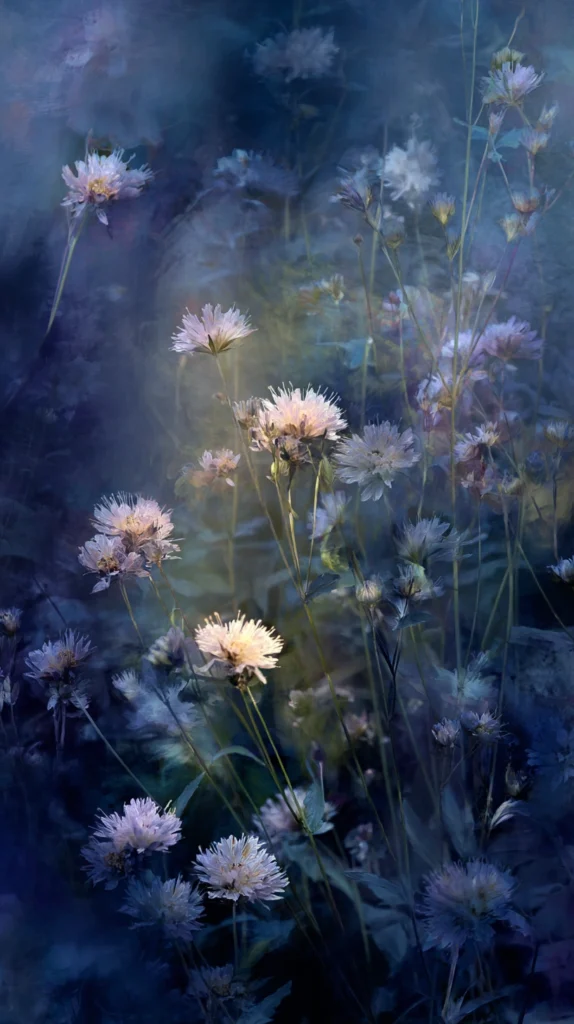
5. Planting for Moth and Evening Pollinator Activity
Budget: $20 – $80
Most gardeners focus on daytime pollinators and miss the equally rich but almost entirely invisible world of moth pollination that happens after dark through the summer months. White and pale-flowered plants that release their fragrance at dusk — evening primrose, night-scented stock, white tobacco plant, and sweet rocket — support a range of moth species that are every bit as important as bees in the garden ecosystem.
Night-scented stock seed costs $2–$4 per packet. White Nicotiana (tobacco plant) costs $3–$6 per plant. Evening primrose grows from seed at $2–$4 per packet and self-seeds prolifically once established. Sweet rocket (Hesperis matronalis) costs $5–$10 per plant. Position all evening-fragrant plants beside the main seating area where their scent can be experienced as well as their ecological function appreciated — a moth garden enjoyed at dusk is one of the most sensory and most memorable garden experiences of the summer season.
Growing tip: Leave outdoor lighting off or directed downward during summer evenings in a moth garden — artificial light at night significantly disrupts moth navigation and feeding behaviour, reducing the number of moths visiting the garden and the effectiveness of the evening pollinator habitat you have created. A garden kept dark after sunset in summer is measurably more valuable to moth pollinators than one illuminated by standard outdoor lighting.
6. A Butterfly Border in Hot Colours
Budget: $70 – $250
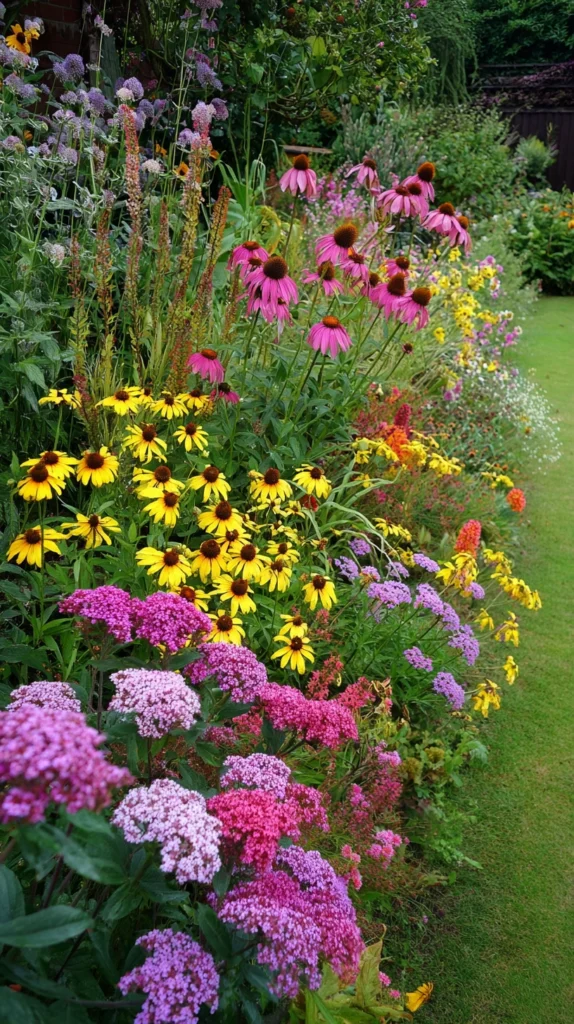
Butterflies are strongly attracted to flowers in the pink, purple, and yellow parts of the visible spectrum — buddleja, verbena, echinacea, rudbeckia, asters, and helenium are among the most consistently visited butterfly plants in any garden. Planted together in a border that peaks from July through September, when butterfly populations are at their highest and the need for nectar-rich food sources is most acute, this border produces genuinely spectacular butterfly activity on warm, still summer days.
Buddleja davidii — the butterfly bush — costs $10–$25 and attracts more butterfly species simultaneously than almost any other single garden plant. Verbena bonariensis costs $5–$10 and provides tall, airy purple flower heads visited by almost every butterfly species present in any temperate garden. Echinacea runs $7–$15. Asters cost $7–$15 each and extend the butterfly season significantly into September and October. A complete butterfly border of six species costs $50–$120 in plants.
Growing tip: Cut buddleja back hard — to 30 cm above ground level — each March. Buddleja flowers on the current season’s growth and unpruned plants become increasingly tall and ungainly with flowers concentrated at the unreachable top of the plant rather than at a height where butterfly activity can be observed and enjoyed. Hard pruning produces compact plants with flowers at eye height from July onward.
7. A Solitary Bee Nesting Bank
Budget: $20 – $80
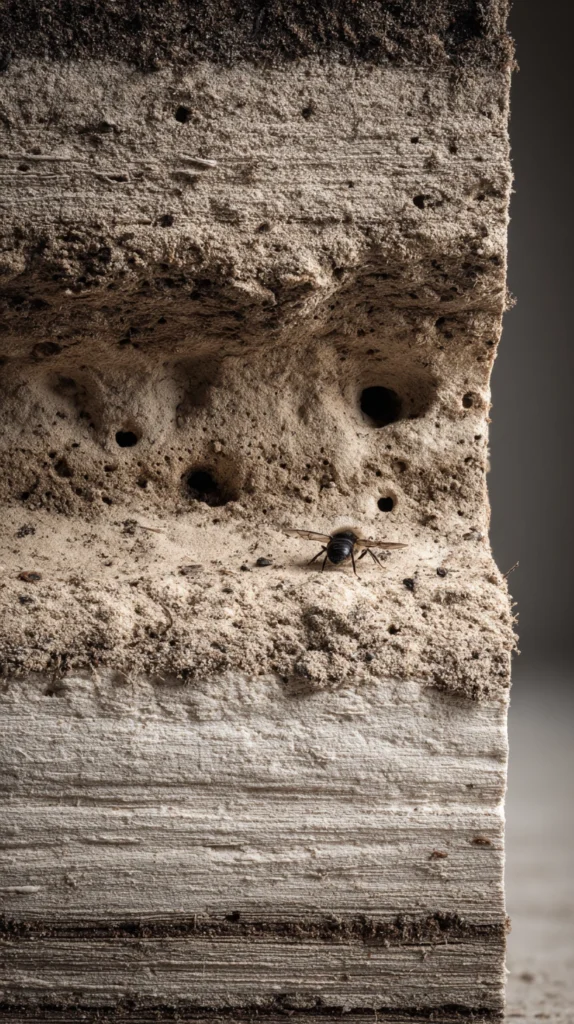
Solitary bees — mason bees, mining bees, and leafcutter bees — are among the most important pollinators in any garden and the most overlooked. They do not live in hives, do not produce honey, and are entirely non-aggressive. They nest in small tunnels in bare soil, hollow stems, and drilled holes in timber. Creating nesting habitat alongside the food plants a pollinator garden provides completes the habitat requirement that makes a garden genuinely supportive of solitary bee populations rather than simply a feeding station they visit and leave.
A commercial solitary bee hotel costs $15–$60 depending on size and construction quality. A DIY version made from a bundle of bamboo canes of varying diameters ($5–$10 in materials) inside a weatherproofed timber frame provides equivalent or better nesting habitat at a fraction of the cost. Position the nesting structure in full morning sun, facing south or south-east, at 1–1.5 metres above the ground — below this height the nest entrances are at risk from ground-level moisture and predation.
Growing tip: Position the bee hotel within 10 metres of the pollinator food plants in the garden rather than in an isolated corner or on a shed wall distant from any planting. Solitary bees do not travel long distances from their nest to forage — the closer the nesting habitat is to the food source, the more efficiently the bees can use both resources and the more likely the hotel is to be colonised in its first season.
8. A Spring Pollinator Border for Early Bees
Budget: $40 – $150
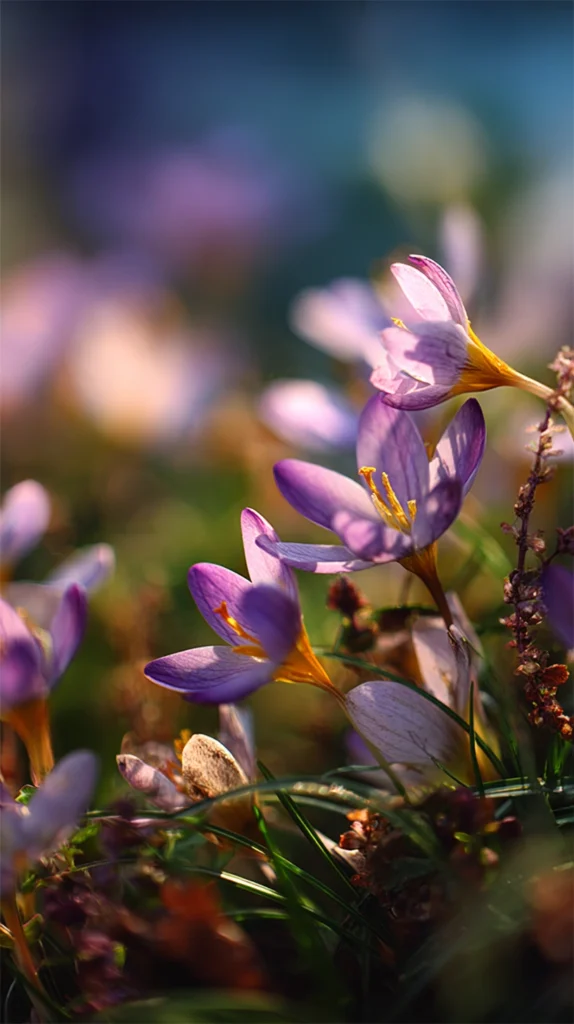
Bumblebee queens emerge from winter hibernation in February and March and face a critical food shortage — the period between their emergence and the main spring flowering season is the most dangerous time of year for pollinator populations. A border planted specifically to provide nectar in early spring — hellebores, pulmonaria, crocus, muscari, and single-flowered hyacinths — provides food at precisely the moment when it is most needed and least available in most gardens.
Hellebore orientalis plants cost $8–$20 each and flower from January through April — the earliest flowering nectar plant available for a temperate garden. Pulmonaria costs $6–$14 and flowers from February onward. Crocus bulbs cost $0.30–$1 each and are among the most important early spring bee plants available, particularly for hairy-footed flower bees (Anthophora plumipes) that emerge before most other solitary bee species. A spring pollinator border established for $60–$120 in plants provides critical food from January through April.
Growing tip: Include a patch of single-flowered snowdrops (Galanthus nivalis) at the front of the spring pollinator border. Snowdrops are among the very first nectar sources available for emerging bumblebee queens and their significance in the early pollinator food calendar is disproportionate to their modest size. A single clump of twenty-five snowdrops costs $5–$10 as in-the-green bulbs and naturalises freely into an increasing colony each successive year.
9. A Nectar-Rich Lawn
Budget: $5 – $30
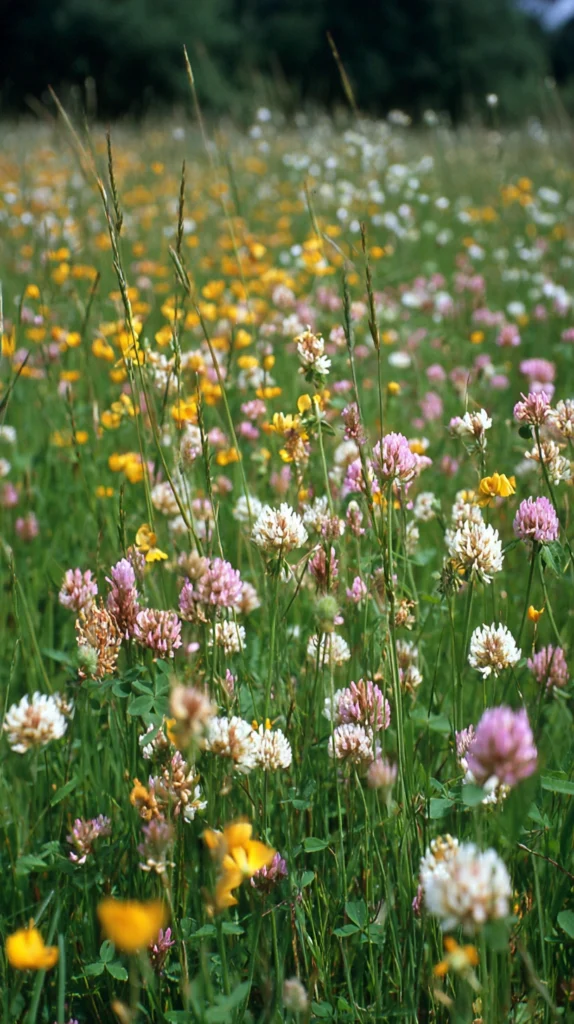
Allowing the lawn to grow slightly longer and oversowing with clover, self-heal, and bird’s-foot trefoil transforms the most ecologically barren surface in most gardens — a monoculture of intensively mown ryegrass — into one of the most flower-rich and most pollinator-valuable habitats available. The transition requires nothing more than mowing less frequently and scattering seed, and the result supports dozens of bee and butterfly species through the summer months.
A clover and wildflower lawn mix costs $8–$20 per 100g packet covering approximately 10 square metres. Mow to 7–10 cm rather than 3–4 cm and allow the flowers that are already present in the lawn flora to develop fully — most lawns contain self-heal, clover, plantain, and daisy that are kept permanently in check by regular close mowing. Reducing the mow height and frequency allows these existing nectar plants to flower for the first time in what may be years.
Growing tip: Leave a patch of lawn completely unmown through June and July specifically for bumblebees that nest underground. Ground-nesting bumblebees — including the white-tailed bumblebee — establish their colonies in undisturbed turf and the colony may be present in the lawn without the gardener ever knowing. An unmown patch of 1 square metre through the summer nesting season allows any established colony to complete its full annual cycle without disturbance.
10. A Pollinator-Friendly Climbing Plant on Every Wall
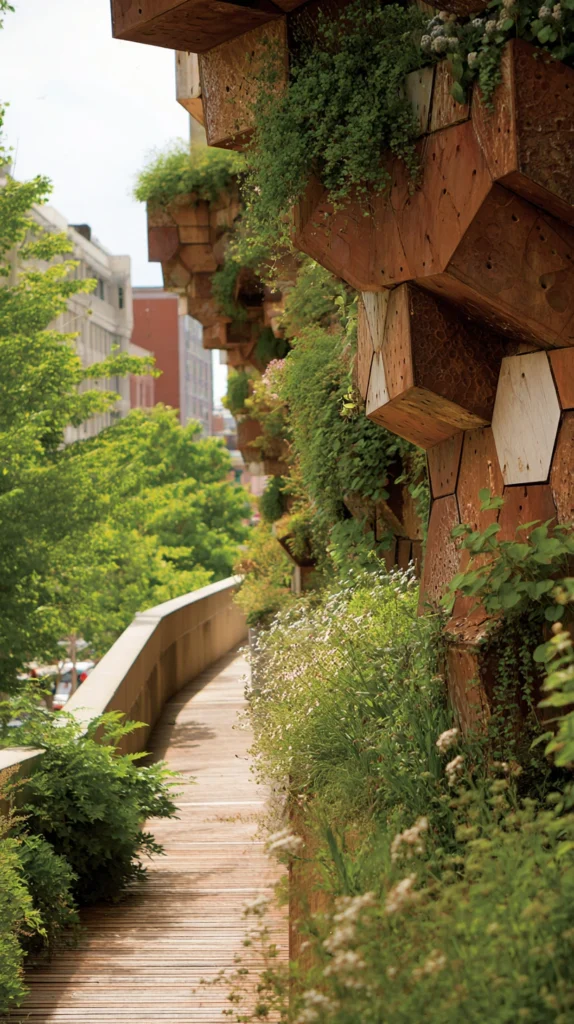
Budget: $30 – $120
Covering garden walls and fences with climbing plants that provide nectar and pollen multiplies the effective food-providing surface of the garden without consuming any additional ground space. Honeysuckle, climbing roses with open single flowers, ivy in flower, and climbing hydrangea all provide substantial pollinator food while covering surfaces that would otherwise contribute nothing to the garden ecosystem.
Lonicera periclymenum — native honeysuckle — costs $10–$25 and provides one of the richest and most fragrant nectar sources available for both daytime bumblebees and nighttime hawk moths. A single-flowered climbing rose costs $15–$40 and provides pollen-rich flowers from June through October. Ivy in flower — allowed to bloom on a mature plant in September through November — is one of the most important late-season nectar sources available and supports queen bumblebees building their winter fat reserves before hibernation.
Growing tip: Never cut ivy in September or October when it is in flower. Ivy flower is one of the most important late-season nectar sources for pollinators preparing for winter — it flowers at a time when almost no other nectar source is available and removing it in autumn tidying destroys a critical food source at precisely the moment when it matters most to the largest number of pollinator species.
11. A Pollinator Garden in Containers
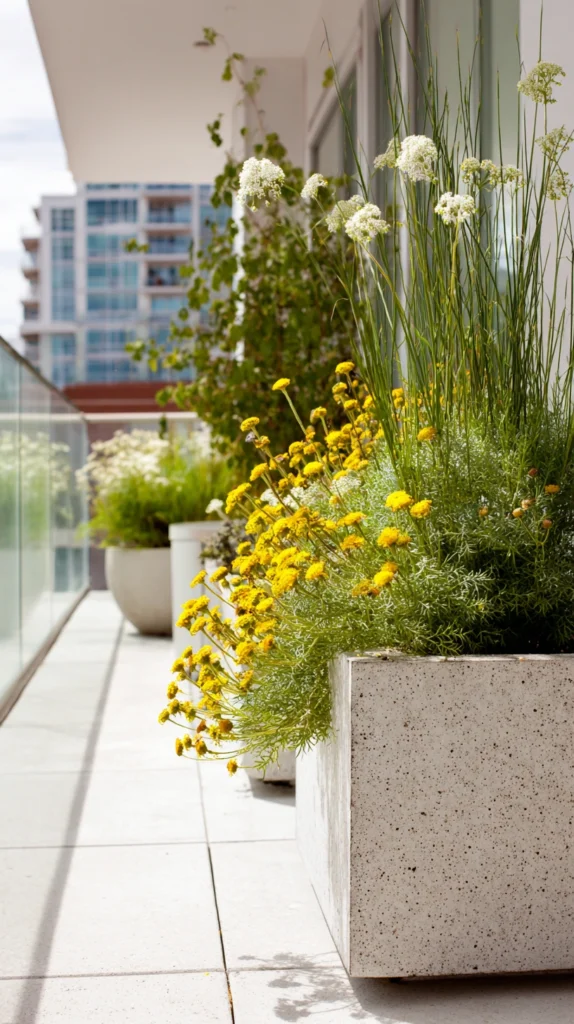
Budget: $40 – $150
A balcony, courtyard, or paved terrace with no access to open ground can still be a meaningful pollinator habitat through a thoughtfully planted container garden. Lavender, agastache, thyme, catmint, verbena, and single-flowered pelargoniums all grow well in containers and produce nectar that visiting bees, butterflies, and hoverflies actively seek out. A terrace with six to eight well-chosen pollinator plants in pots attracts and feeds pollinators as reliably as a modest ground-level border.
Lavender in a 2-litre pot costs $5–$12. Agastache in a similar size runs $6–$14. Catmint (Nepeta) costs $6–$12. All three are drought-tolerant, long-flowering, and excellent pollinator plants in container form. Group the containers together on the terrace rather than distributing them individually — a cluster of pollinator-friendly plants creates a concentrated food source that is more visible to foraging pollinators from a distance than the same number of plants spread across a large terrace.
Growing tip: Feed container pollinator plants with a low-nitrogen, high-potassium fertiliser rather than a balanced or high-nitrogen feed. High nitrogen produces excessive leafy growth at the expense of flowering — which directly reduces the nectar production of the plant and its value to visiting pollinators. A high-potassium feed ($8–$15 per bottle) encourages prolific flowering throughout the season and maximises the ecological benefit of every container in the pollinator garden.
12. A Late-Season Pollinator Border
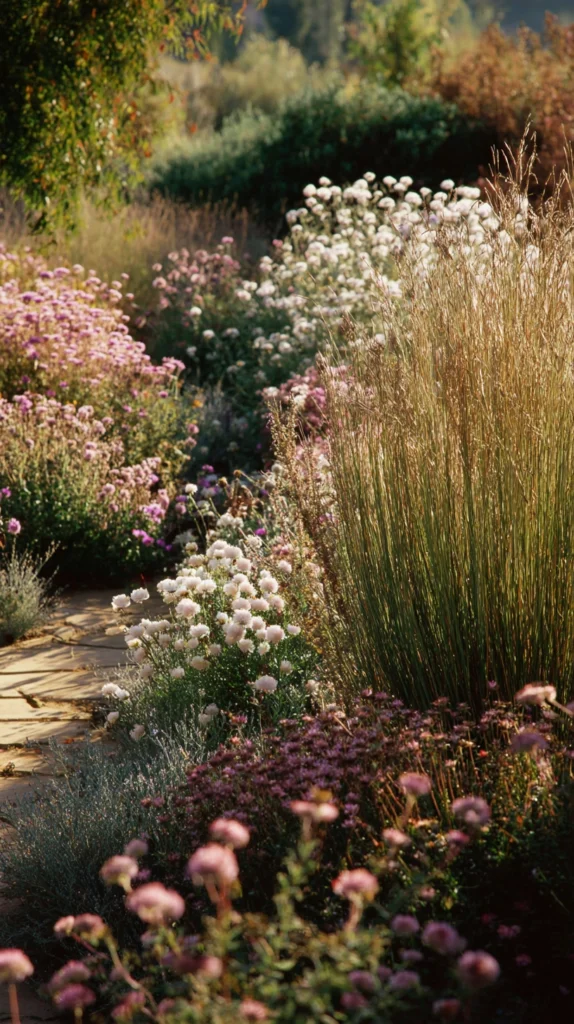
Budget: $70 – $250
August through October is the most critical period for pollinator food in most gardens — the main summer flush has passed, temperatures are falling, and insects building winter reserves need nectar urgently. A border planted specifically to peak through this period — asters, sedum, helenium, rudbeckia, single dahlias, and Japanese anemone — fills a gap that most gardens leave completely empty and provides food precisely when the ecological need is greatest.
Asters (Symphyotrichum) cost $7–$15 each and are among the most important late-season butterfly and bee plants available — the range of pollinator species visiting asters in September is often the most diverse of any plant in a garden through the entire year. Sedum Autumn Joy costs $5–$12 and is visited by butterflies continuously when in flower. Single-flowered dahlias — Dark Angel, Bishop of Llandaff, and Roxy — cost $4–$10 per tuber and provide pollen-rich flowers from July through October.
Growing tip: Leave the late-season border standing through winter without cutting back until late February. The dried stems of asters, sedums, and single dahlias provide overwintering habitat for beneficial insects and support seed-eating birds through the coldest months. A border managed for maximum ecological value through winter is cut back once in late February and regrows fully by May — the winter standing time costs nothing in maintenance and delivers significant ecological benefit in return.
13. A Native Plant Pollinator Garden
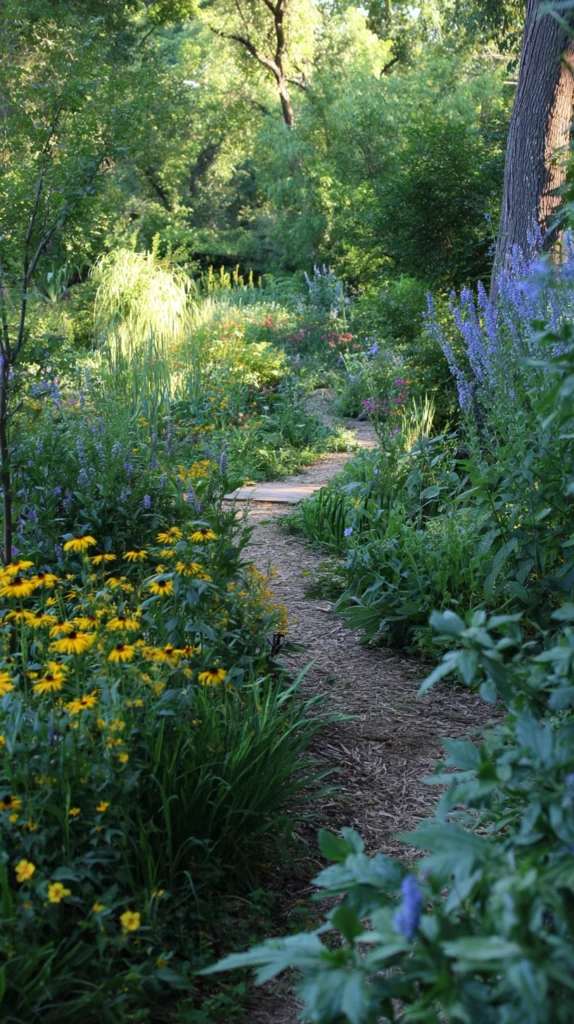
Budget: $60 – $250
Native plants — species that have evolved alongside the local pollinator fauna over thousands of years — provide nectar and pollen in forms that native pollinators are specifically adapted to use. A garden planted primarily with native species supports a measurably wider range of pollinator species than an equivalent garden of cultivated or exotic species, because many native bee and butterfly species have highly specific plant relationships that cultivated varieties cannot serve.
Key native UK pollinator plants include field scabious (Knautia arvensis, $5–$10), knapweed (Centaurea nigra, $4–$8), ox-eye daisy (Leucanthemum vulgare, $4–$8), wild marjoram (Origanum vulgare, $4–$8), and teasel (Dipsacus fullonum, $3–$6). For North American gardens substitute with native coneflowers (Echinacea purpurea), native asters, wild bergamot (Monarda fistulosa), goldenrod (Solidago), and black-eyed Susan (Rudbeckia hirta) — all of which are similarly powerful native pollinator plants in their respective regions.
Growing tip: Source native plants from specialist native plant nurseries rather than from general garden centres where native-looking varieties are often cultivated selections with altered flower forms that reduce their pollinator value. A native field scabious purchased from a specialist supplier produces the same flower as the plant found growing in a chalk meadow. A cultivated scabious from a general garden centre may have a doubled flower form or an altered colour that significantly reduces its accessibility and value to native pollinators.
14. A Pond and Wetland Pollinator Habitat
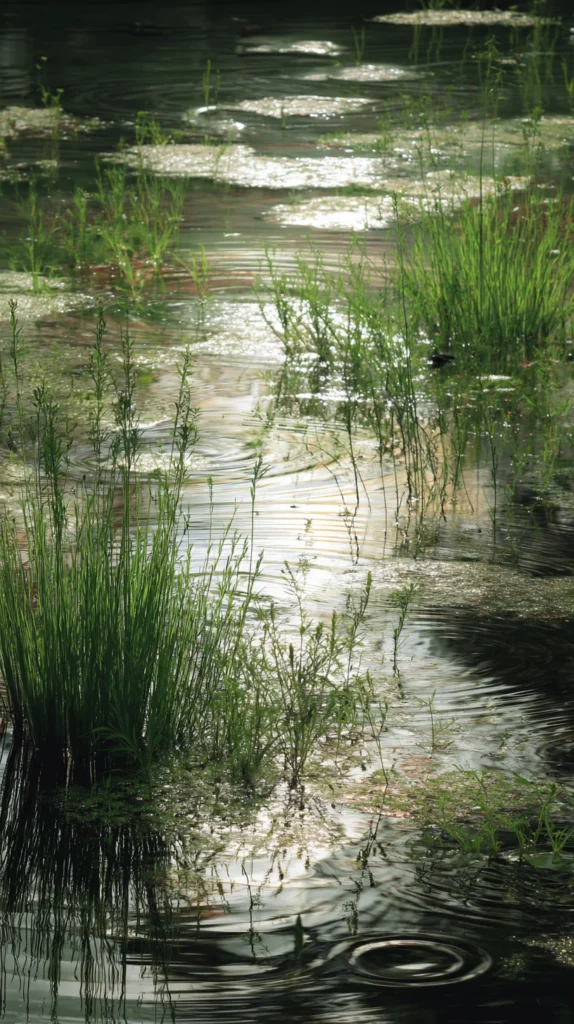
Budget: $50 – $300
A garden pond supports pollinators in two ways simultaneously — it provides water for bees and butterflies to drink from, and the marginal and aquatic plants around it provide nectar from a range of species that are unavailable in a dry garden. Water mint, purple loosestrife, meadowsweet, and yellow flag iris are all marginal plants that attract pollinators in large numbers while providing the visual abundance of a lush water garden.
A small preformed garden pond costs $30–$80 and creates an immediate water habitat for pollinators as well as for frogs, newts, and aquatic invertebrates. Water mint (Mentha aquatica) costs $5–$10 and is one of the most heavily visited bee plants available for a pond margin. Purple loosestrife (Lythrum salicaria) costs $6–$12 and produces tall, vivid pink flower spikes from July through September that are visited simultaneously by a wide range of bumblebee, honeybee, and butterfly species.
Growing tip: Provide a shallow entry point to any garden pond — a gently sloping stone ramp or a submerged rock that sits 2–3 cm below the water surface — so that bees and butterflies can drink safely without falling into deeper water. Pollinators need water but drown easily in steep-sided ponds with no shallow access point. A single flat stone placed at the pond edge at water level costs nothing and saves a significant number of insect lives through every summer season.
15. A Complete Pollinator Garden Scheme
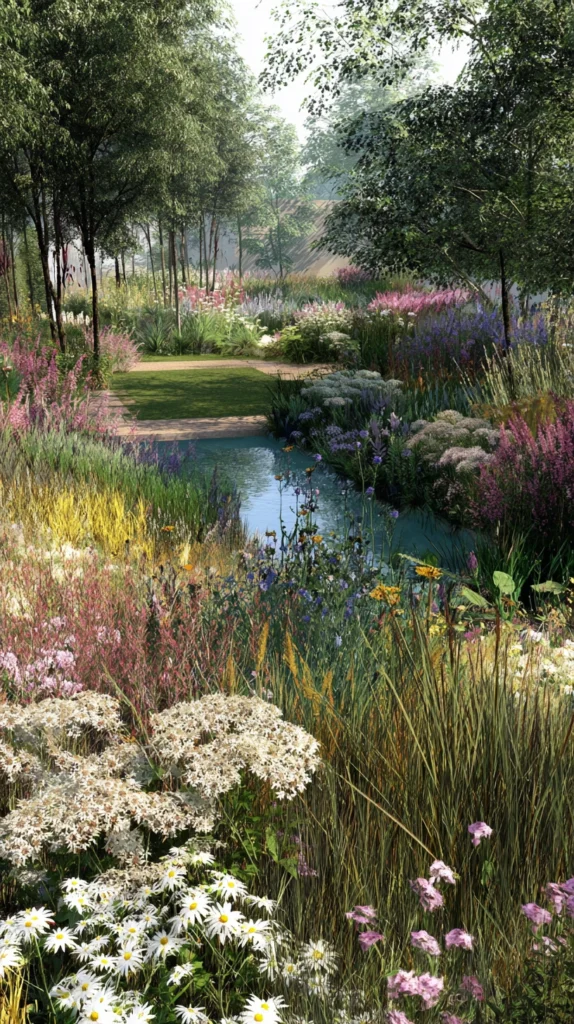
Budget: $200 – $800
A fully realised pollinator garden — a spring border for emerging bees, a summer pollinator border with continuous nectar from May through October, a late-season border for autumn-flying species, a wildflower patch for butterflies, a nectar-rich lawn, a pond with marginal planting, solitary bee nesting habitat, and climbing plants on every wall — creates a garden that functions as genuine wildlife habitat through every season of the year and supports a measurably richer pollinator community than any conventionally planted garden of equivalent size.
Built across two or three seasons rather than all at once, the complete pollinator scheme is achievable for $200–$600 in plants, seeds, and habitat structures spread over the establishment period. Each element strengthens the others — the bee hotel is more effectively used when the food plants are nearby, the late-season border is more valuable when the spring border has already sustained the population through its most vulnerable period. The cumulative effect of the whole scheme is always considerably greater than the sum of its individual parts.
Growing tip: Record which species visit each part of the pollinator garden and when — a simple notebook or phone photograph taken once a week through the summer provides a species record that reveals which plants are most visited in your specific garden location and guides future planting decisions more accurately than any general recommendation. A pollinator garden that is observed carefully always becomes more effective in its second and third seasons than one that is planted and left to manage itself without the gardener’s continuing attention.
Planting for pollinators is one of the few gardening decisions that delivers returns immediately and continues delivering them year after year as established plants grow larger, self-seeding species spread through the garden, and the local pollinator population responds to a consistent and reliable food source.
The investment is small, the maintenance is minimal, and the ecological impact is genuinely significant — which makes it one of the most straightforwardly worthwhile things a gardener can do with any available space.
Start with lavender for the bees, verbena bonariensis for the butterflies, and a patch of clover for the lawn. Those three changes together cost under $30 and immediately transform how the garden functions for every pollinator species in the neighbourhood. Add from there as the season and the garden suggest. The pollinators will tell you what is working — you only need to watch.