15 Heat-Loving Plants Perfect for Hot Climate Gardens
Gardening in a hot climate is not about working against the heat — it is about finding the plants that were built for it. The species below do not merely tolerate high temperatures; they perform better because of them, flowering more freely, holding their structure longer, and demanding far less water and attention than plants that are simply coping with conditions they were never designed for. A hot garden planted with heat-lovers is one of the most rewarding and lowest-effort gardens it is possible to create.
The fifteen plants here come from hot, dry regions across the world — the Mediterranean basin, the North American prairies, the South African coast, and the semi-arid zones of Central and South America. Each one is widely available, reliably rewarding, and genuinely suited to the conditions that challenge so many other garden plants. Typical costs and growing guidance are included throughout to help you choose and plant with confidence.
1. Bougainvillea
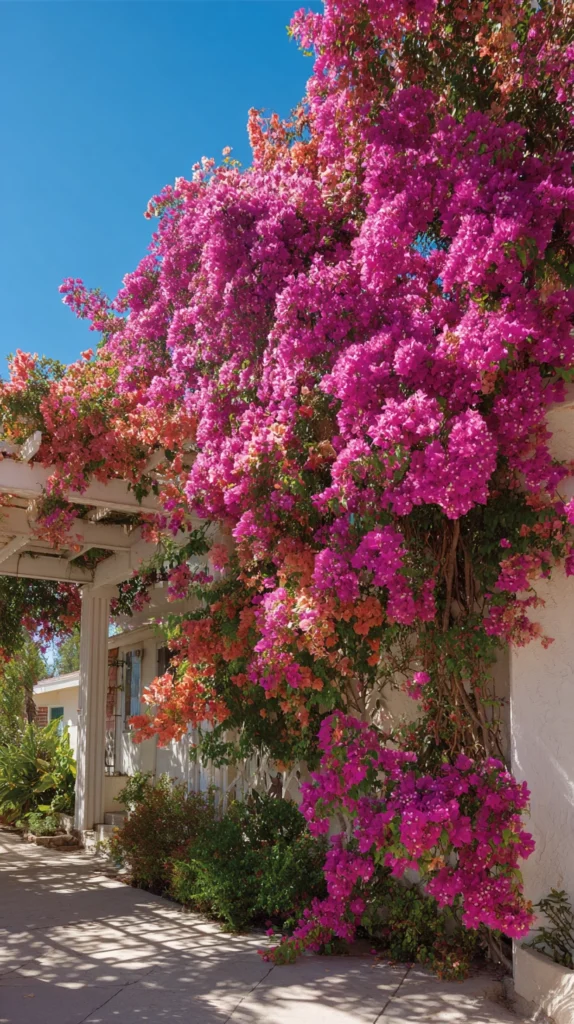
Cost: $15 – $60 per plant
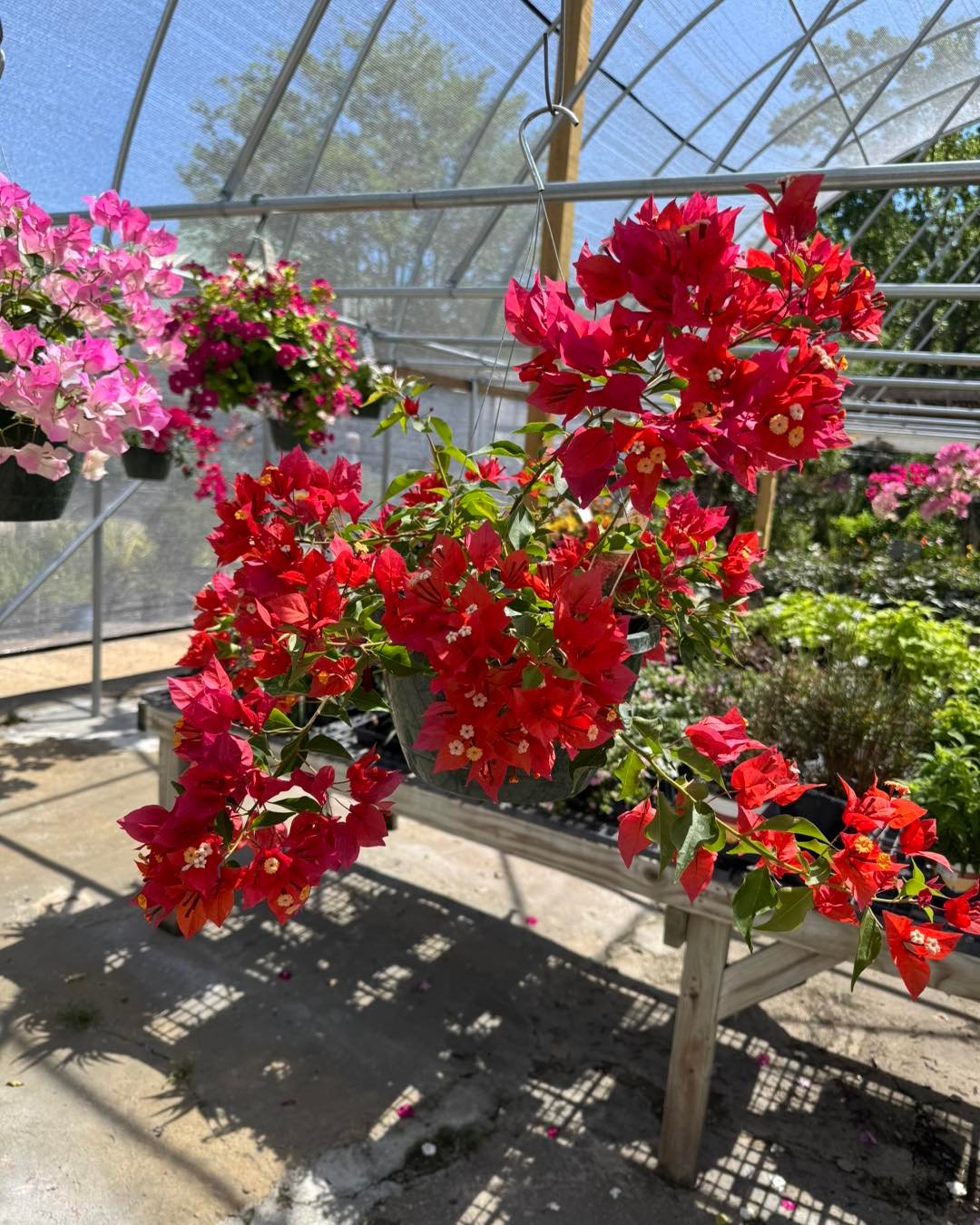
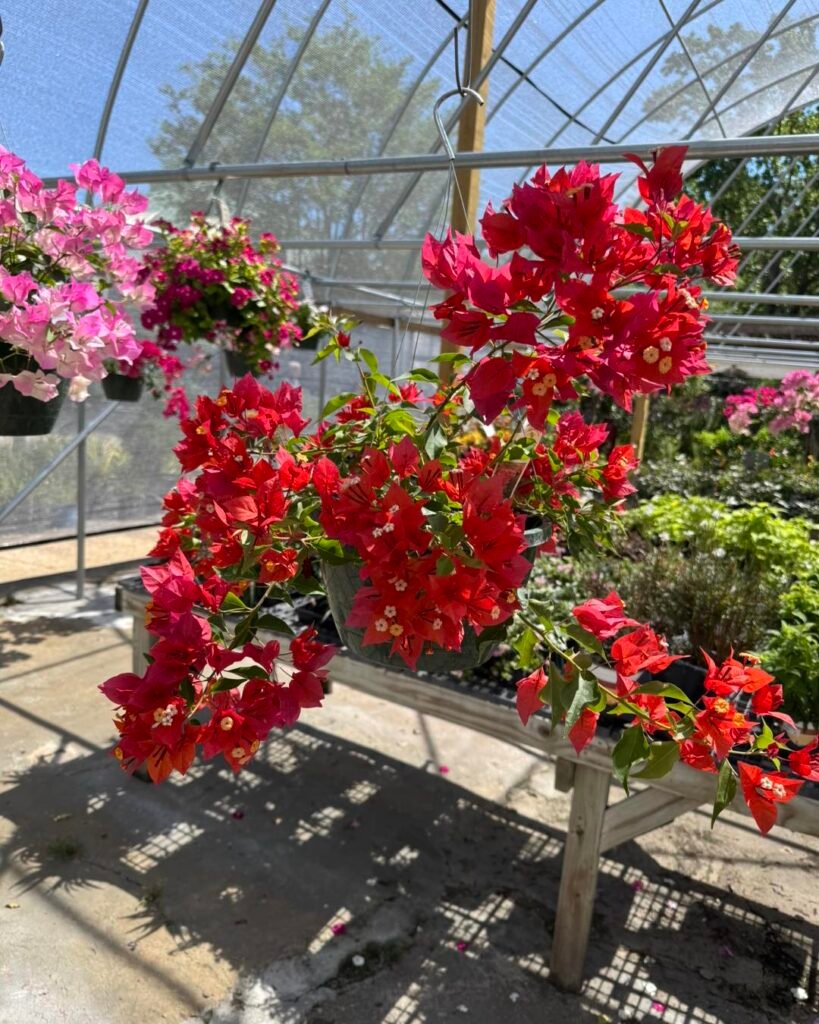
Bougainvillea is one of the great showstoppers of the hot-climate garden. The papery bracts — which are often mistaken for petals but are technically modified leaves — appear in vivid shades of magenta, orange, red, white, and pale pink, and in a warm climate they can cover a wall, fence, or pergola with colour for months at a time. It is a plant that genuinely thrives on neglect: the drier and hotter the conditions, the more prolifically it flowers.
Established bougainvillea can be purchased in 3–5 litre pots for $15–$40 from most garden centres in warm-climate regions. Larger, more mature specimens in 10–15 litre containers run $40–$60. Plant in the sunniest, most sheltered spot available and provide a sturdy support structure from the outset — bougainvillea grows fast and the stems become heavy with age. Water regularly in the first season to establish the root system, then reduce watering significantly once established to encourage flowering over leafy growth.
Growing tip: Withhold water deliberately for two to three weeks in midsummer and then resume normal watering. This mild stress triggers a prolific flowering response that a consistently watered plant rarely produces. Dry stress followed by moisture is the key to bougainvillea at its most spectacular.
2. Agave
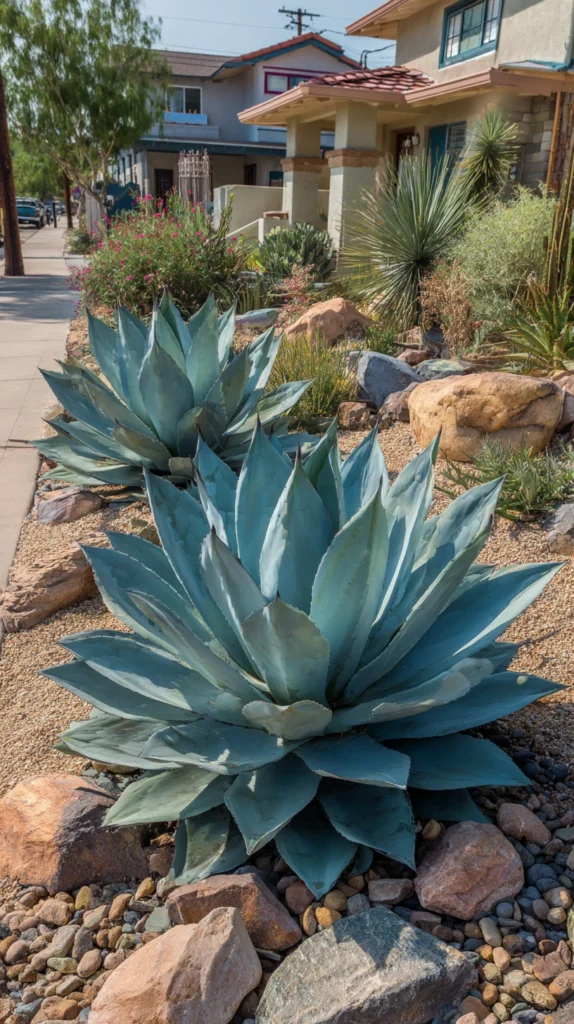
Cost: $10 – $80 per plant
Agave is the definitive architectural plant for a hot, dry garden. The rosettes of thick, fleshy leaves — edged with teeth and tipped with a sharp terminal spine — create a bold, sculptural presence that needs nothing around it to look complete. Agaves store water in their leaves against prolonged drought, making them among the most genuinely drought-tolerant plants in cultivation. In the right climate they ask for almost nothing and live for decades.
Small agave rosettes in 1–2 litre pots cost $10–$20. Mid-sized specimens in 5–10 litre containers run $25–$50. Large, mature plants with established rosettes can cost $60–$80 or more depending on variety and size. Agave americana is the most widely available species and produces an impressive blue-grey rosette reaching 1–2 metres across at maturity. Smaller varieties such as Agave parryi and Agave victoriae-reginae suit containers and smaller garden spaces better.
Growing tip: Plant agave in the sharpest, most free-draining soil or compost available. Root rot in waterlogged soil is the only reliable way to kill an agave that is otherwise suited to its climate. Add 30–40 percent coarse grit or perlite to the planting hole in heavier soils before planting.
3. Lantana
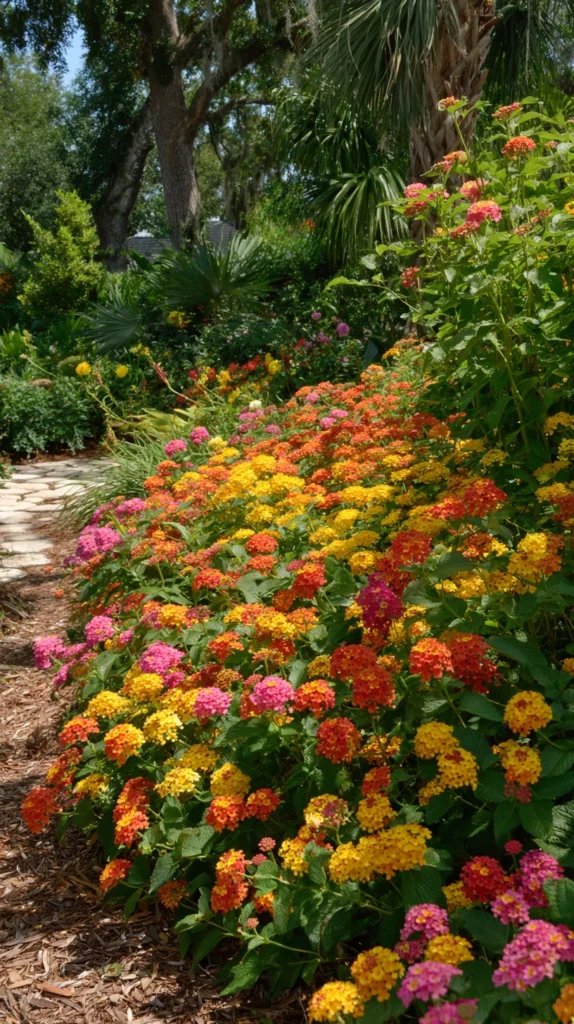
Cost: $8 – $25 per plant
Lantana is one of the toughest and most continuously flowering plants available for a hot garden. The small, clustered flower heads change colour as individual florets mature — opening yellow, shifting through orange, and deepening to red or pink — so a single plant often displays two or three colours at the same time. It flowers from late spring through to the first cool weather of autumn with almost no deadheading or intervention required, and it handles heat, humidity, and drought with equal composure.
Lantana is widely available as a shrubby perennial in warm climates, reaching 60–120 cm in height and spread depending on variety. Trailing varieties work well in containers and hanging baskets. Plants cost $8–$18 in smaller pots and $18–$25 for larger, more established specimens. Full sun and free-draining soil are the only requirements. In ideal conditions lantana becomes so vigorous that it occasionally needs cutting back hard to prevent it from overwhelming neighbouring plants.
Growing tip: Cut lantana back by one third in late winter before new growth begins. This prevents the plant from becoming woody and bare at the base, maintains a compact form, and encourages the season’s first flush of flowers to appear on strong, new stems rather than old, tired wood.
4. Portulaca (Moss Rose)
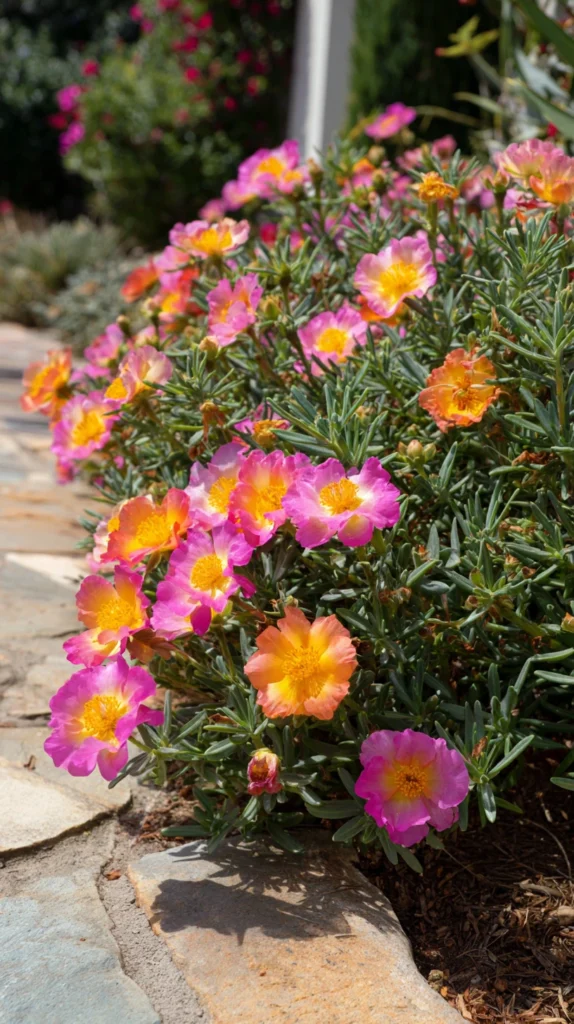
Cost: $3 – $10 per plant or $2 – $5 per seed packet
Portulaca is one of the most heat and drought-tolerant flowering annuals in existence. The succulent stems and leaves store moisture against dry spells and the bright, tissue-paper flowers — in shades of red, orange, yellow, pink, white, and bicolour — open fully in direct sun and close in the evening or on overcast days. For a sunny gravel garden, a dry stone wall, or a south-facing container, portulaca delivers colour through the hottest summer months when almost nothing else is still performing at full strength.
Portulaca plants are available as plug plants or small pots for $3–$8 each in late spring. Seeds are a more economical option at $2–$5 per packet and can be sown directly onto the soil surface in a warm, sunny spot — portulaca seed requires light to germinate and should not be covered. A single packet of mixed-colour seed will cover a generous area and self-seeds freely enough in warm climates to return the following season without replanting.
Growing tip: Sow or plant portulaca into the poorest, leanest soil available. Rich, fertile soil encourages excessive leafy growth at the expense of flowers. Sandy or gritty soil in full, uninterrupted sun produces the most compact, floriferous plants and the best overall display through the season.
5. Salvia (Tropical Varieties)
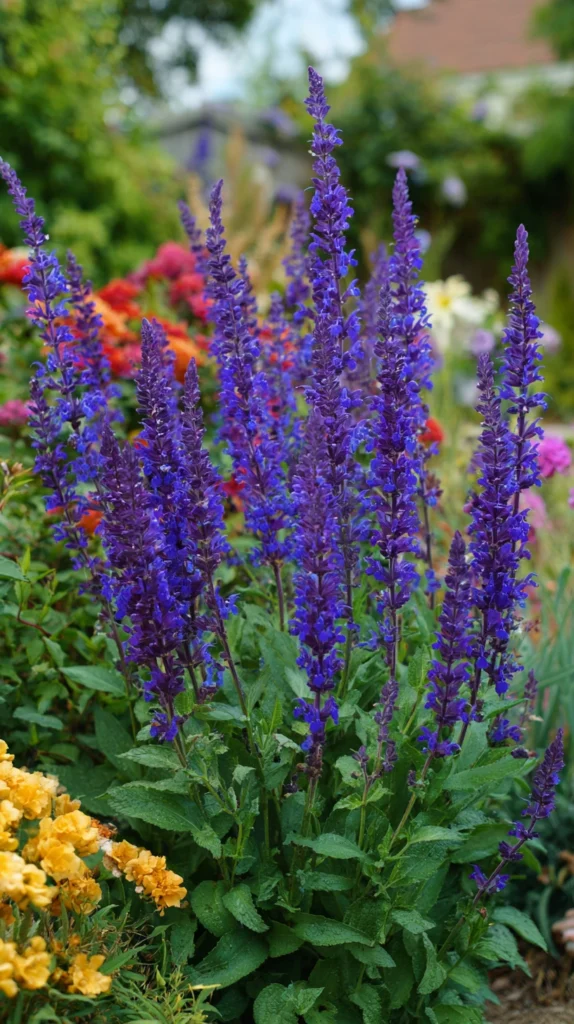
Cost: $8 – $22 per plant
While hardy salvias perform well in temperate gardens, the tropical species — Salvia guaranitica, Salvia involucrata, Salvia confertiflora, and Salvia madrensis — are the ones truly built for heat. These are large, dramatic plants with deep flower spikes in vivid blue, cerise, red-orange, and yellow respectively, flowering from midsummer through to the end of the warm season and reaching heights of 1–2 metres in a single growing year. In a frost-free climate they become permanent, increasingly impressive shrubs.
Tropical salvia plants cost $8–$18 in smaller pots and $15–$22 for larger, more established specimens. They prefer well-drained soil in full sun but unlike their Mediterranean relatives they tolerate more moisture in the growing season, which makes them versatile in hot-summer gardens with occasional heavy rainfall. Feed with a balanced fertiliser once a month during the growing season to support the vigorous growth these varieties are capable of in warm conditions.
Growing tip: Take cuttings of tropical salvias in late summer and root them on a warm windowsill if your winters are cold enough to kill the parent plant outdoors. Cuttings root readily and overwinter easily as small plants indoors, giving you established specimens to plant out the following spring at no additional cost.
6. Plumbago
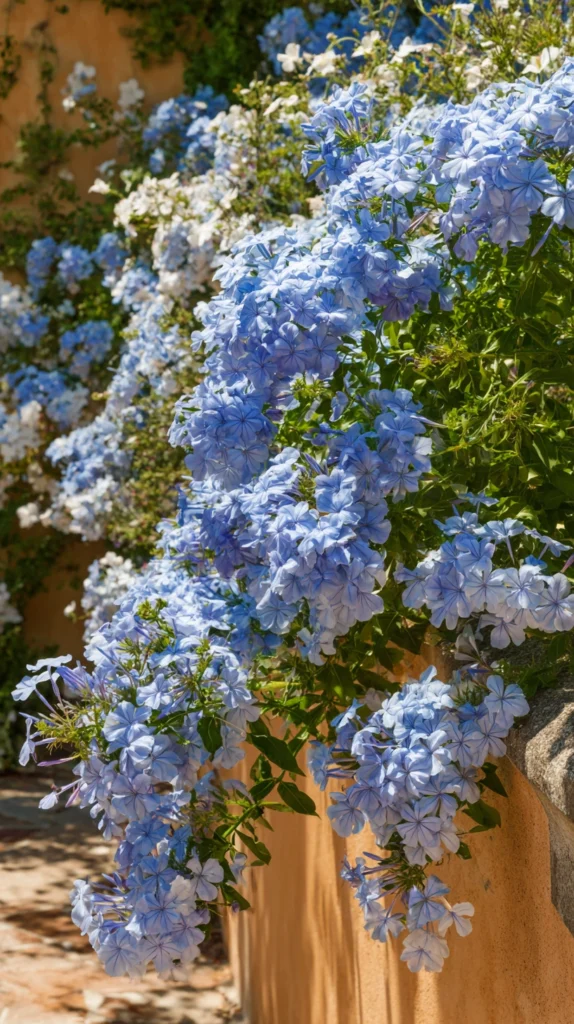
Cost: $10 – $30 per plant
Plumbago auriculata is one of the most reliably beautiful shrubs for a hot, dry garden. The sky-blue flower clusters — a colour genuinely rare among heat-tolerant shrubs — appear almost continuously through the warm months and cover the plant so completely at peak flowering that the foliage virtually disappears beneath them. It is equally effective as a freestanding shrub, a wall-trained climber, or a sprawling ground cover on a sunny bank.
Plumbago plants in 2–3 litre pots cost $10–$18. Larger specimens in 5–7 litre containers run $18–$30. A white-flowered variety, Plumbago auriculata alba, is also widely available for those who prefer a cooler palette. Both colours reach 1.5–3 metres in height and spread in frost-free conditions and can be kept smaller with an annual pruning in late winter. Plant in full sun in free-draining soil and water regularly until established, then reduce watering to let the plant find its natural drought tolerance.
Growing tip: Prune plumbago back hard — by up to two thirds — in late winter before new growth begins. It flowers on the current season’s growth and responds to hard pruning with a vigorous, compact flush of new stems that flower more prolifically than old, unpruned wood. A plant that has not been pruned for several years becomes open, leggy, and far less floriferous.
7. Gazania (Treasure Flower)
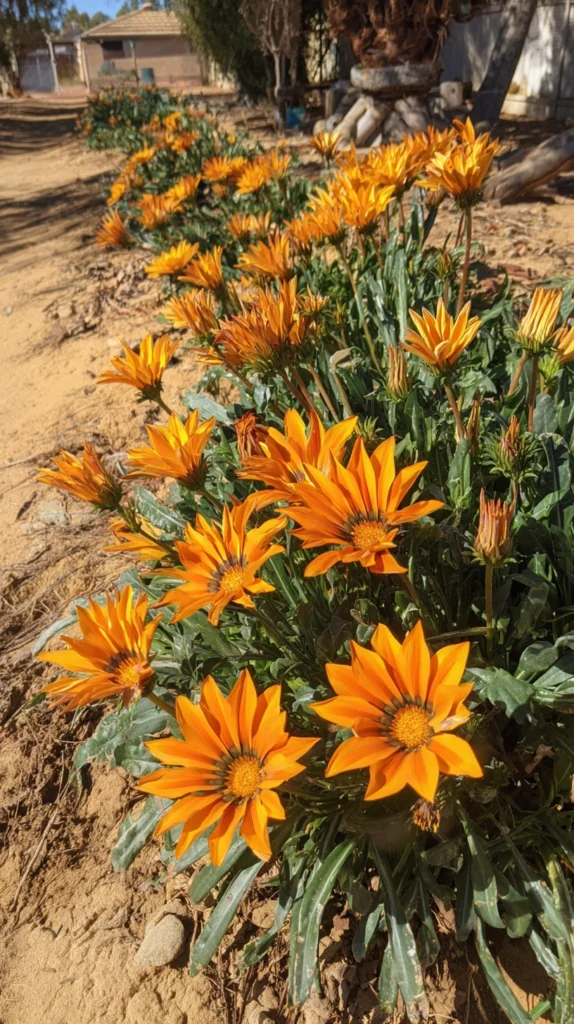
Cost: $4 – $12 per plant
Gazania is a South African native that thrives in exactly the conditions that stress most garden flowers: intense heat, direct sun, sandy soil, and minimal water. The large daisy flowers — in bold shades of orange, yellow, red, pink, and white, often with contrasting striped or zoned centres — open in full sun and close at night and in overcast weather, which means the display is at its most spectacular precisely when the garden is at its hottest and brightest.
Gazania plants are widely available as bedding plants in spring for $4–$8 each, or in larger mixed packs for $10–$20. They are typically grown as annuals in cooler climates but are perennial in frost-free gardens, where they form spreading clumps that increase in size and flower number each year. Plant in the hottest, sunniest position available in sharply drained soil. A position against a south-facing wall that reflects additional heat is ideal for maximum performance.
Growing tip: Deadhead gazanias regularly through the season to encourage continuous flowering. Unlike some perennials where deadheading makes little noticeable difference, gazanias respond visibly to spent flower removal by producing new buds quickly. A ten-minute pass through the bed every two weeks extends the display significantly.
8. Oleander (Nerium oleander)
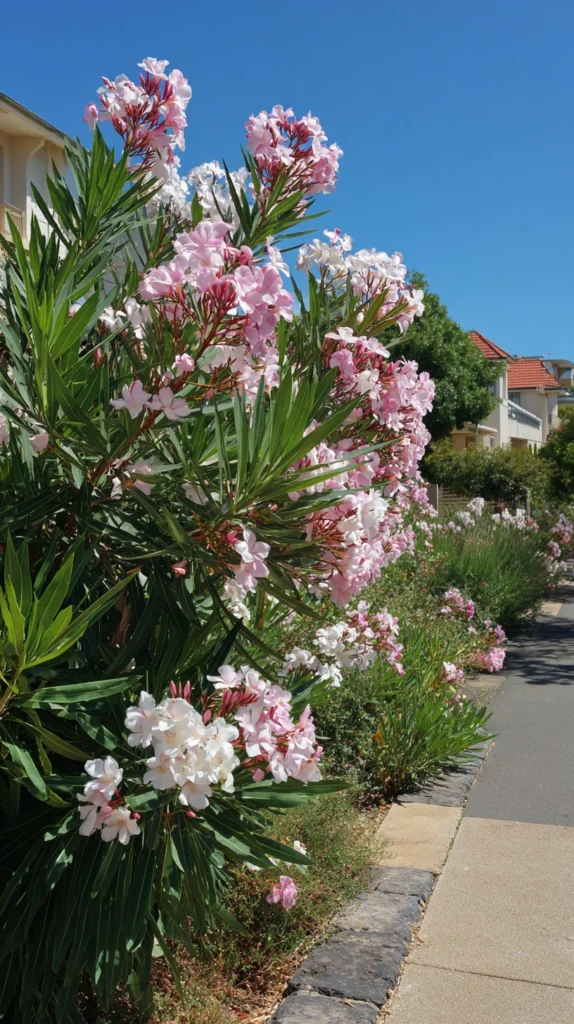
Cost: $12 – $50 per plant
Oleander is a Mediterranean and Middle Eastern native that handles heat, drought, salt spray, poor soil, and urban pollution better than almost any other flowering shrub in cultivation. The clusters of funnel-shaped flowers appear in shades of white, cream, yellow, pink, red, and deep rose from late spring through to autumn, and the narrow, dark green leaves remain attractive year-round in frost-free climates. It is one of the most commonly seen shrubs in hot coastal and urban gardens worldwide for the simple reason that it thrives where most others fail.
Small oleander plants in 2–3 litre pots cost $12–$20. Medium shrubs in 5–10 litre containers run $20–$35. Large, mature specimens in 15–20 litre pots can cost $40–$50 or more. Dwarf varieties reaching 60–90 cm are available for smaller spaces and containers. Full sun and free-draining soil are the only requirements. Oleander is tolerant of severe pruning, which makes it easy to control in size and shape.
Growing tip: All parts of oleander are toxic if ingested — wear gloves when pruning and wash hands thoroughly afterward. This is worth knowing before planting in gardens used by children or pets, but it does not prevent oleander from being one of the most useful and beautiful shrubs available for a hot-climate garden.
9. Bougainvillea Companion: Ipomoea (Morning Glory)
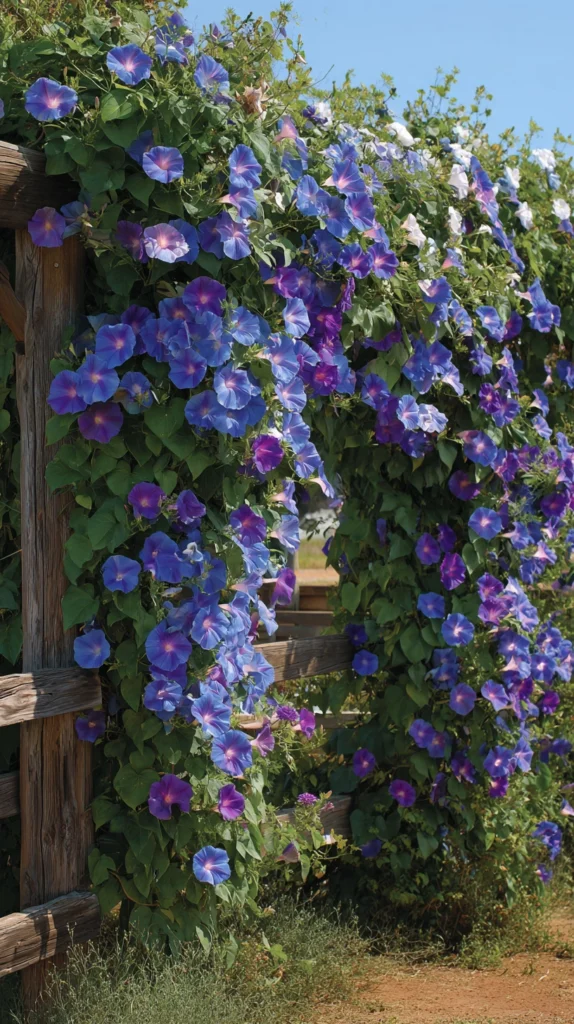
Cost: $2 – $8 per seed packet or $5 – $15 per plant
Ipomoea — morning glory — is one of the fastest-growing and most floriferous climbing annuals for a hot garden, capable of covering a fence, trellis, or pergola in a single growing season from a direct-sown seed. The large, trumpet-shaped flowers in deep blue-purple, magenta, or white open fresh each morning and are replaced by new buds throughout the day — a rhythm that gives the plant its name and makes it one of the most consistently beautiful climbers through the hottest summer months.
Morning glory seeds cost $2–$5 per packet and germinate rapidly in warm soil, making them one of the best-value plants in a hot-climate garden. Soak seeds in water for 12 hours before sowing to speed germination. Pot-grown plants are available in spring for $5–$12 each for those who prefer a head start. Provide a support structure from planting — morning glory climbs by twining and needs something to wrap around from the earliest stages of growth.
Growing tip: Sow morning glory seeds directly in their final position rather than starting them in pots for transplanting. The long taproot that develops early in the plant’s growth is easily damaged by transplanting and significantly sets back establishment. Direct sowing into warm soil produces faster, stronger plants than transplanted seedlings in almost every case.
10. Catharanthus (Vinca / Periwinkle)
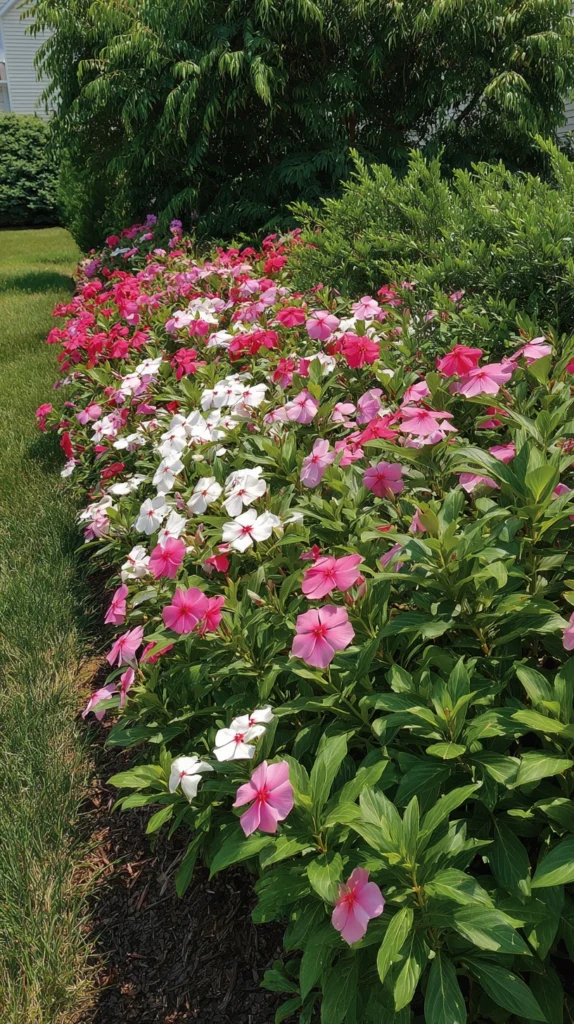
Cost: $3 – $10 per plant
Catharanthus roseus — commonly sold as vinca or Madagascar periwinkle — is one of the most heat-tolerant and consistently flowering bedding plants available for a hot-climate garden. The flat, five-petalled flowers in shades of white, pink, red, coral, and lavender appear continuously from planting until the end of the warm season, covering the plant so densely that the foliage is barely visible beneath them. Unlike many heat-loving plants, vinca performs equally well in both dry and humid heat — a rare quality that makes it invaluable in tropical and subtropical gardens.
Catharanthus plants are widely available as bedding plugs and small pots for $3–$8 each from late spring. Mixed packs of six or eight plants offer better value at $12–$20 per pack. They are grown as annuals in cooler climates and as perennials or short-lived shrubs in frost-free gardens. Full sun produces the most prolific flowering but catharanthus also tolerates partial shade better than most of the other plants on this list — a useful quality in a garden with mixed light conditions.
Growing tip: Catharanthus requires almost no deadheading — spent flowers drop cleanly and new buds appear continuously without intervention. The one maintenance task that noticeably improves performance is a light trim or pinch of the growing tips in early summer, which encourages a bushier, more branched plant with significantly more flowering stems through the rest of the season.
11. Tecoma (Yellow Bells)
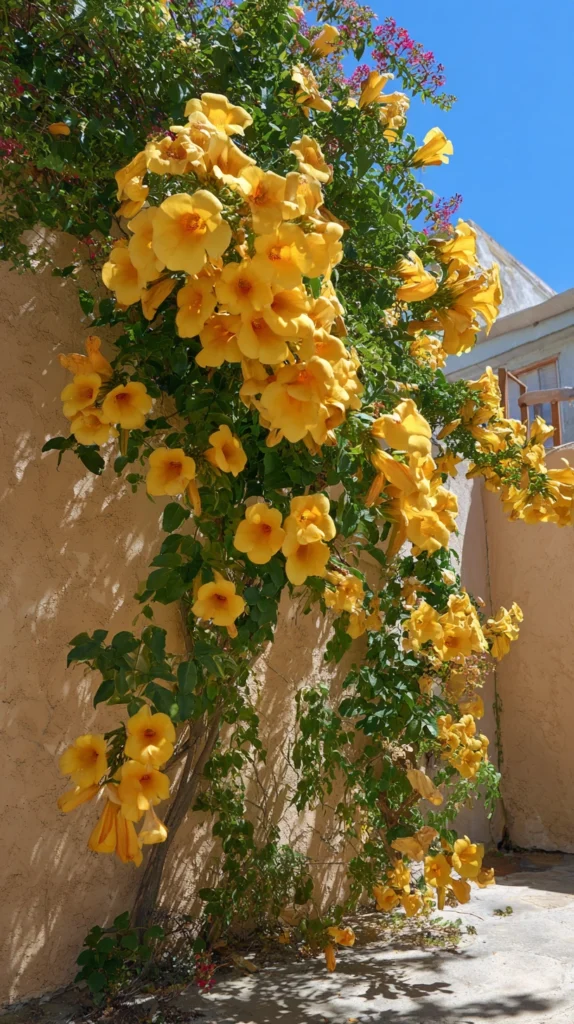
Cost: $12 – $35 per plant
Tecoma stans — yellow bells or yellow elder — is a fast-growing shrub or small tree native to the American Southwest and Central America that produces clusters of bright yellow trumpet flowers through the hottest months of the year. It is fully at home in baking heat, poor soil, and periods of drought, and in frost-free gardens it grows into a substantial flowering shrub reaching 2–4 metres in height that provides reliable colour through the summer and autumn seasons year after year.
Tecoma plants in 2–3 litre pots cost $12–$20. Larger, more established shrubs in 7–10 litre containers run $20–$35. Full sun is essential — tecoma in shade produces little to no flower. It responds well to pruning and can be kept at any size from a compact 1-metre garden shrub to a small multi-stemmed tree, depending on how frequently it is cut back. In ideal conditions it grows 60–90 cm per season and self-seeds moderately into surrounding soil.
Growing tip: Cut tecoma back by one half to two thirds in late winter or early spring before the new growing season begins. This maintains a compact, well-branched structure and produces the strongest flush of new growth on which the season’s best flowering appears. Unpruned plants become open and woody at the base with noticeably fewer flowers over time.
12. Porterweed (Stachytarpheta)
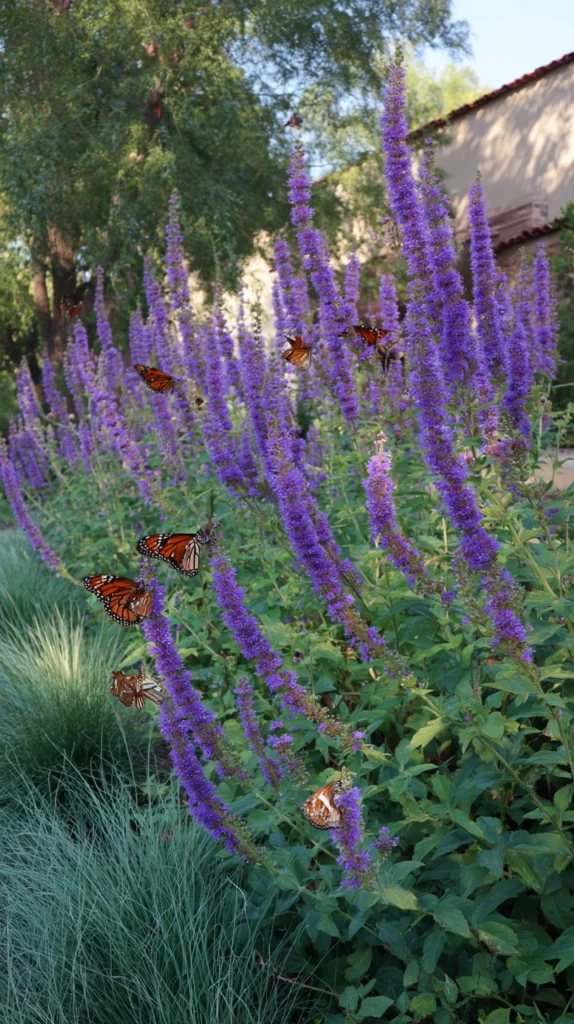
Cost: $6 – $18 per plant
Porterweed is a tropical perennial that flowers almost without pause through the hottest and most humid conditions that defeat most other garden plants. The long, whip-like flower spikes — in shades of deep blue-purple, pink, or red depending on species — appear continuously from late spring through autumn and are irresistible to butterflies, particularly swallowtails and monarchs. In a frost-free tropical or subtropical garden it becomes a reliable, long-lived shrub that seeds gently into surrounding soil and becomes more valuable with each passing season.
Porterweed plants in 1–2 litre pots cost $6–$12. Larger specimens cost $12–$18. Blue porterweed (Stachytarpheta jamaicensis) is the most widely grown species and one of the best butterfly plants available for a hot garden. Plant in full sun in well-drained soil. Once established, porterweed tolerates drought well and performs through periods of low rainfall that would reduce flowering in less adapted plants. Cut back by one third in late winter to encourage fresh growth and a strong start to the new season.
Growing tip: Allow porterweed to self-seed around the garden. Seedlings transplant easily when small and can be moved to any sunny gap in the border where butterfly activity would be welcome. The plant produces enough seed each year to supply a generous number of replacement and additional plants at no cost.
13. Pentas (Egyptian Star Flower)
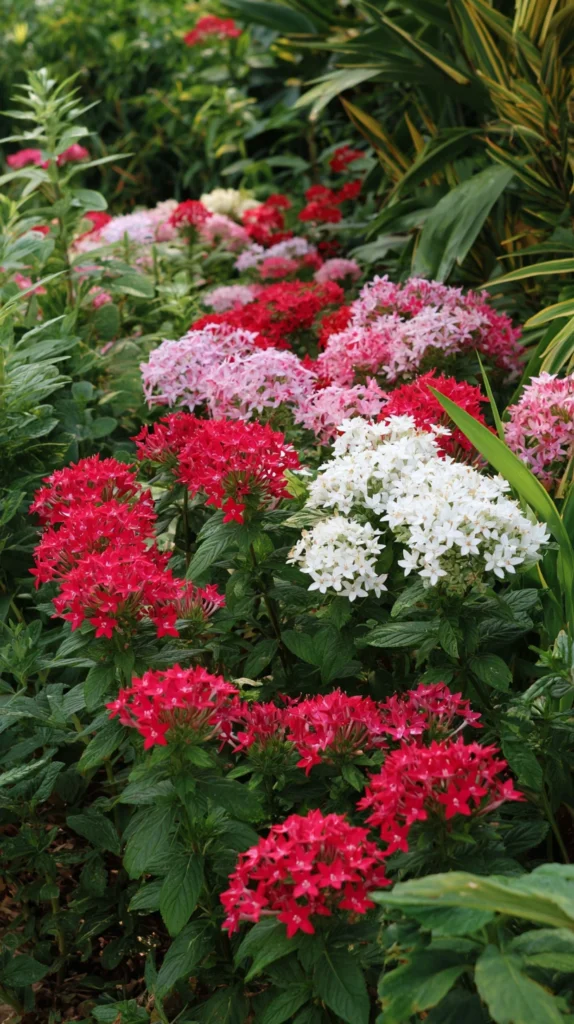
Cost: $5 – $15 per plant
Pentas lanceolata is one of the finest butterfly and hummingbird plants for a hot-climate garden, producing dense clusters of small star-shaped flowers in red, pink, white, and lavender from early summer through to the end of the warm season. It handles intense heat and high humidity equally well, making it one of the most versatile plants on this list for gardens in tropical and subtropical regions where summer conditions swing between dry heat and monsoon rainfall.
Pentas plants are widely available as bedding plugs and small pots for $5–$10 each. Larger, bushier specimens cost $10–$15. They are grown as annuals in temperate climates and as perennial shrubs in frost-free gardens, where they reach 60–90 cm in height and spread over several years. Full sun and moderately fertile, well-drained soil produce the best flowering. Deadhead regularly or trim lightly every few weeks to keep the plant compact and encourage a continuous succession of new flower clusters.
Growing tip: Plant pentas in bold groups of five or more rather than as single specimens scattered through a border. The clustered flower heads are small enough that a single plant makes little visual impact from a distance. A group planting creates a strong, visible block of colour and a concentrated nectar source that attracts far more butterflies and pollinators than isolated plants can.
14. Adenium (Desert Rose)
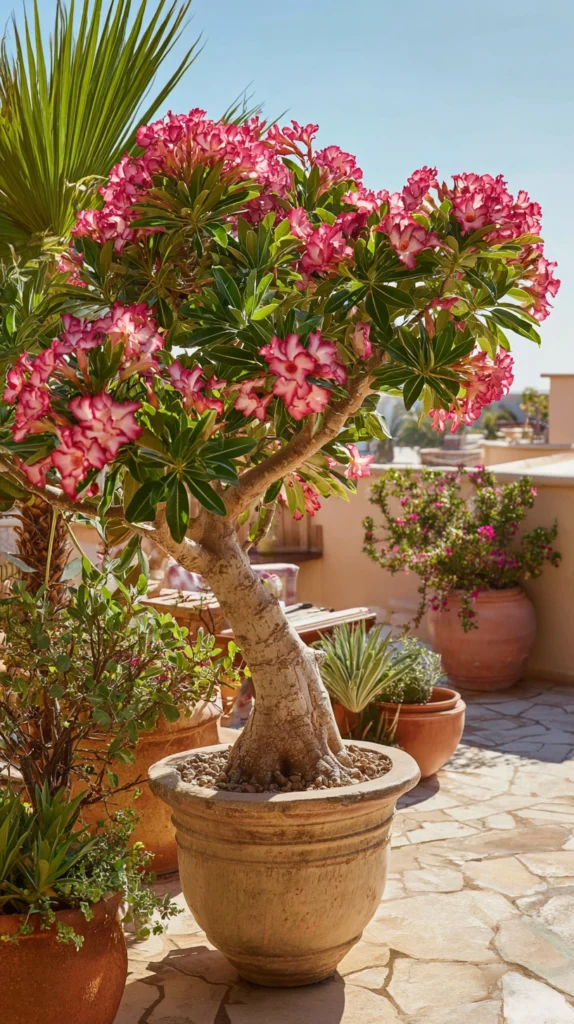
Cost: $10 – $50 per plant
Adenium obesum — the desert rose — is one of the most striking and drought-tolerant flowering plants available for a hot-climate garden or terrace. The swollen, succulent trunk stores water against prolonged dry periods, the glossy leaves are attractive year-round, and the trumpet-shaped flowers in shades of deep pink, red, white, and bicolour appear at the tips of the stems in flushes through the warm months. In a container on a hot terrace it becomes an increasingly impressive specimen with each passing year.
Small adenium plants in 1–2 litre pots cost $10–$20. More developed specimens with visible trunk thickening run $25–$50 depending on size and age. Adenium requires sharply drained soil or cactus compost in a container, full sun, and watering only when the soil has dried out completely. In warm, dry climates it is one of the easiest and most rewarding flowering plants to grow. In humid climates it needs more care with drainage to prevent root rot, but performs well once the right conditions are provided.
Growing tip: Reduce watering significantly during the cooler months of the year, even in frost-free climates, to mimic the plant’s natural dry season. This rest period encourages the most prolific flush of flowers when warm temperatures and regular watering resume in spring — the contrast between dry rest and active growing conditions is what triggers the best flowering response in adenium.
15. Celosia (Cockscomb)
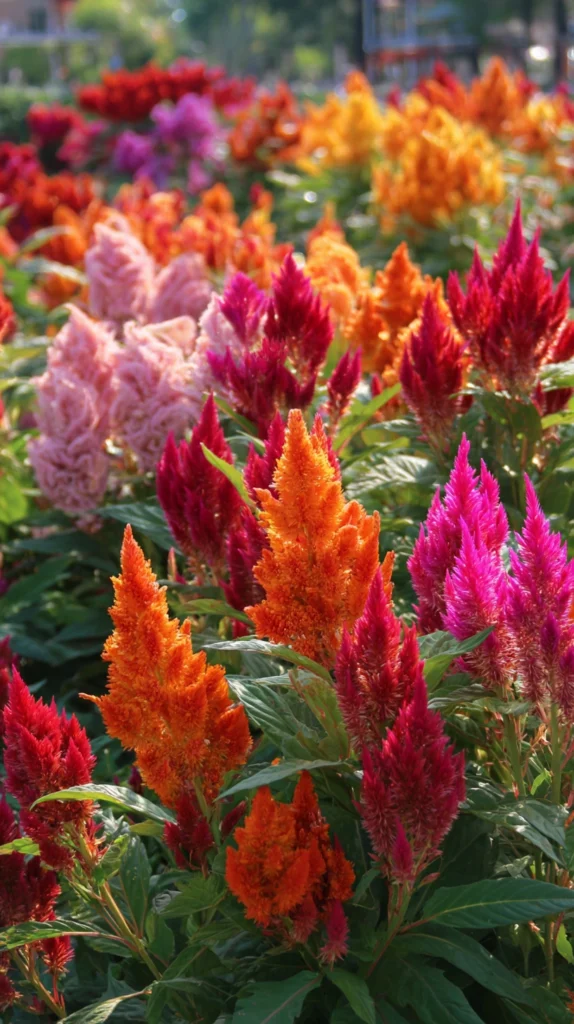
Cost: $3 – $10 per plant or $2 – $5 per seed packet
Celosia is a tropical annual that thrives in exactly the combination of heat, humidity, and sunshine that defines a hot-climate summer. The flowers — in the plumed feathery form or the distinctive velvety crested cockscomb shape — come in vivid shades of red, orange, yellow, pink, and purple and hold their colour and structure for weeks on the plant without fading or wilting in the heat. They are also excellent cut flowers and dry beautifully, retaining their colour almost indefinitely when hung upside down in a warm, airy space.
Celosia plants are available as bedding plugs in late spring for $3–$8 each, or grown from seed for $2–$5 per packet sown directly into warm soil after the last cool night of the season. They grow quickly in heat and begin flowering within eight to ten weeks of germination. Full sun and good drainage produce the best results — celosia in partial shade produces taller, weaker stems and significantly fewer and smaller flower heads than plants grown in uninterrupted direct sun through the growing season.
Growing tip: Do not plant celosia out too early in the season. It is genuinely tropical in its requirements and cold soil temperatures below 15°C significantly check growth and can cause the plant to bolt directly to seed without producing the foliage mass and flower display it is capable of in warmer conditions. Wait until the soil is consistently warm before planting and the results will be noticeably better.
The plants on this list share one quality above all others: they were shaped by heat over thousands of generations and they carry that adaptation in everything from the thickness of their leaves to the timing of their flowers. Placing them in the conditions they evolved for — full sun, lean soil, and warmth — is the most straightforward way to a garden that looks genuinely thriving rather than merely surviving through the hottest months of the year.
Start with two or three plants from this list that suit the scale and style of your garden, establish them well through their first season, and build outward from there as your confidence and your space grow. A hot-climate garden planted with the right species is one of the most rewarding and least demanding gardens it is possible to keep — and the hotter the summer, the better it looks.