12 “Why Didn’t I Think of This?” Football Garden Ideas
There is a particular kind of satisfaction that comes from a garden idea so obvious in hindsight that you cannot believe it took you this long to think of it. Football-themed garden ideas sit squarely in that category. They are fun without being garish, personalised without being impractical, and genuinely useful for families who spend summer evenings outside with a ball at their feet. The best ones blur the line between decoration and function so completely that the garden ends up serving the game as naturally as it serves everything else.
Whether you are creating a dedicated training space for a young player, building a backyard that doubles as a match day gathering spot, or simply looking for ways to bring a love of the game into your outdoor space in a way that looks considered rather than cobbled together, the ideas below cover every scale, every budget, and every level of commitment.
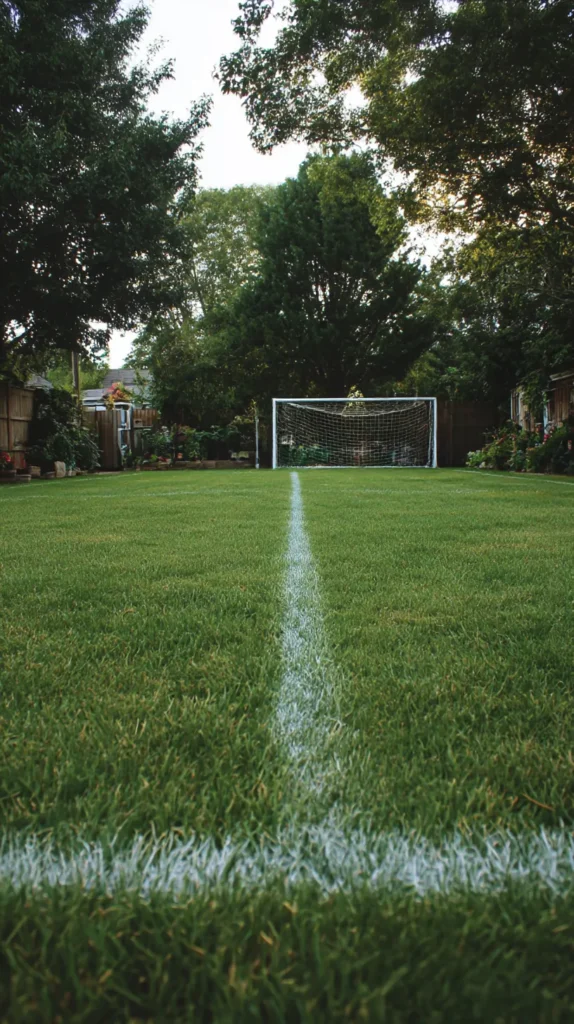
1. The Backyard Five-a-Side Pitch
Budget: $200 – $800
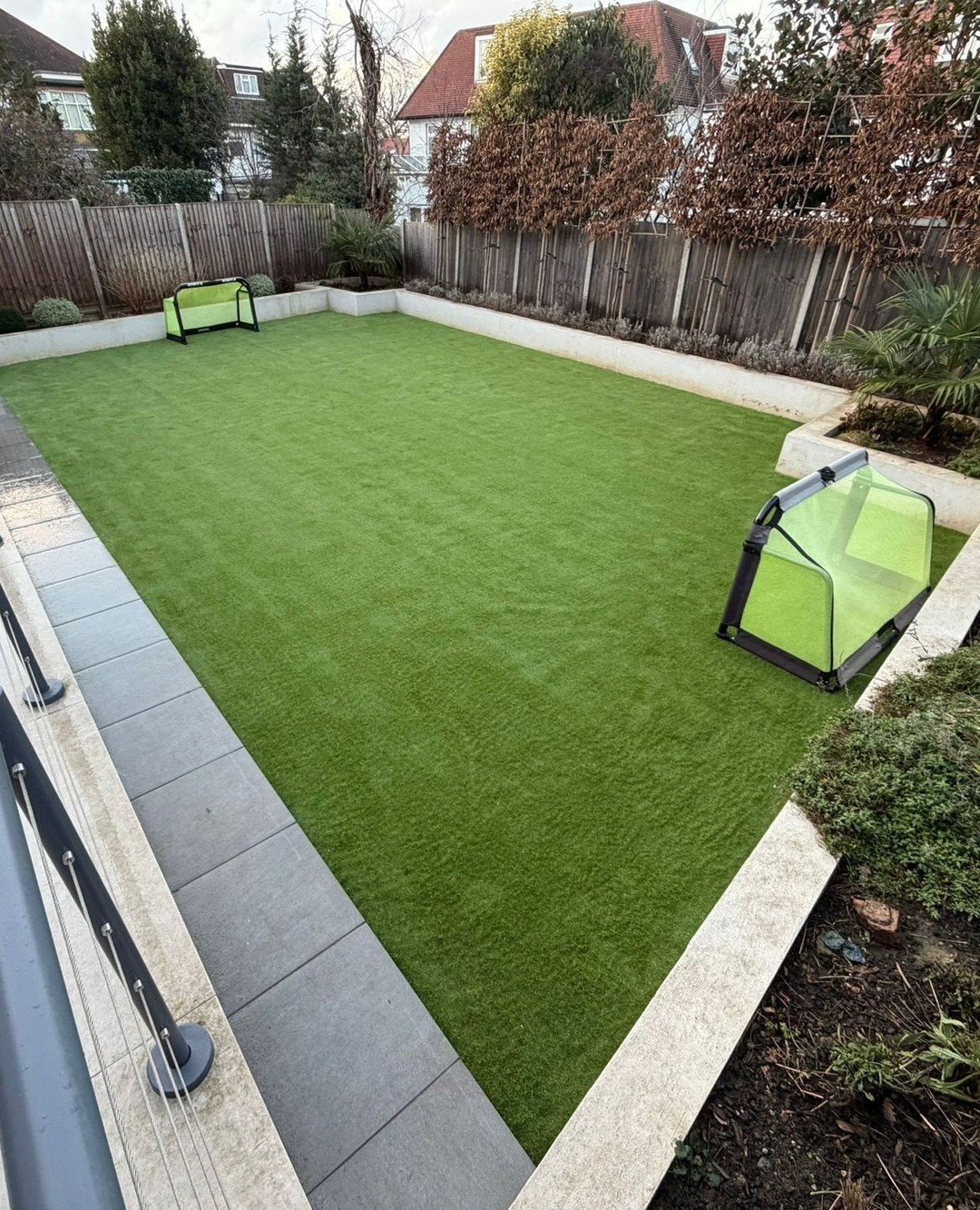
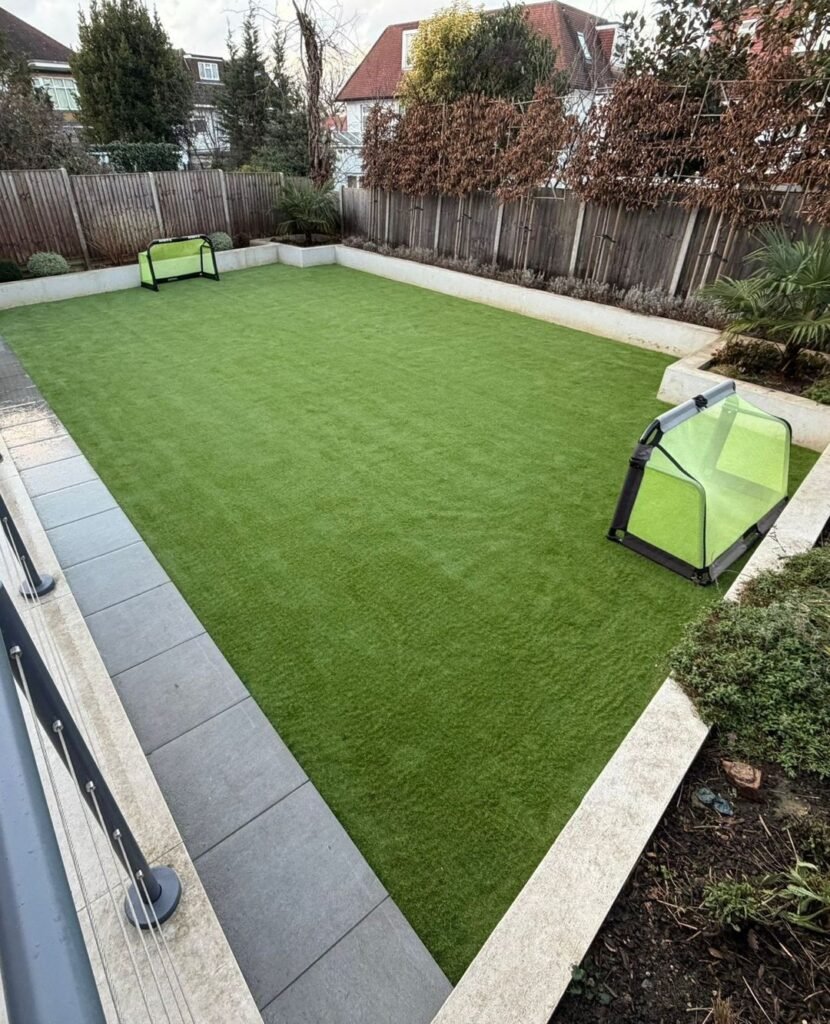
The most committed football garden idea and the one that delivers the most. A clearly marked five-a-side pitch — boundary lines, a centre circle, and a pair of portable goals at each end — transforms any reasonably sized lawn into a proper playing surface that children and adults will use every single day the weather allows. It costs a fraction of what a season of club football costs and it is there whenever you want it.
White pitch marking spray or line-marking paint costs $10–$20 per can and applies cleanly to grass. Portable folding goals in sizes ranging from 6×4 feet to 12×6 feet cost $40–$200 per pair depending on build quality. Artificial grass panels used to reinforce the goalmouth areas — the spots that take the most punishment — cost $30–$80 and prevent the bare mud patches that develop within weeks of regular use.
Garden tip: Mark the pitch lines with a string guide before spraying to keep the lines straight and parallel. Freehand lines on a lawn always drift, and a pitch with crooked lines looks abandoned rather than purposeful. A straight, clean line takes ten minutes extra and makes an enormous visual difference.
2. The Rebounder Wall
Budget: $50 – $300
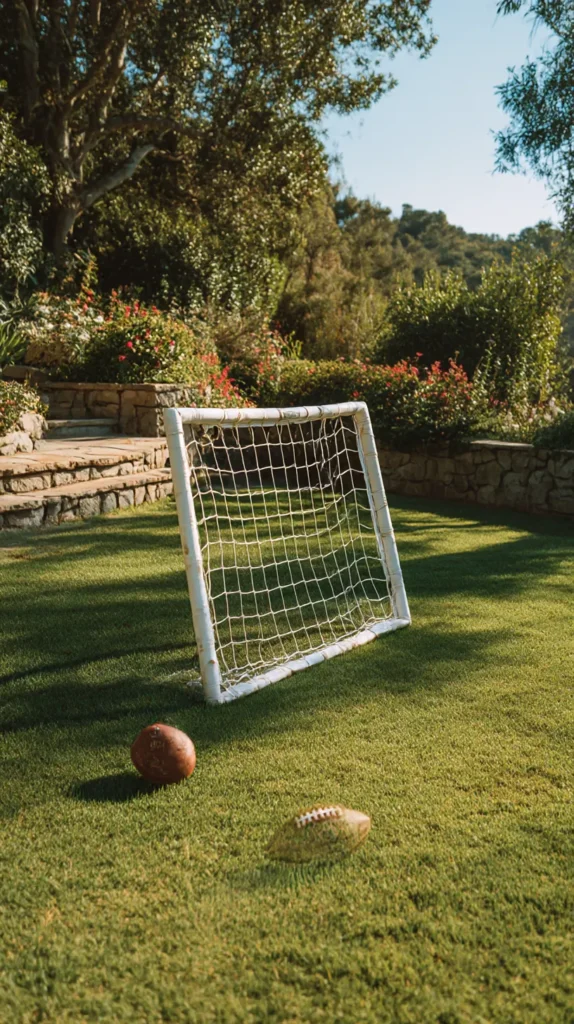
A rebounder — a taut net panel mounted in a frame that returns a kicked or thrown ball back to the player — is one of the most genuinely useful pieces of football equipment a backyard can contain, and one of the least considered when people plan outdoor spaces. A single player can practise passing, shooting, first touch, and volleying completely independently, which means it gets used far more consistently than a goal that requires a second person to be effective.
Freestanding rebounder frames cost $50–$150 for a standard size. Wall-mounted rebounders, fixed to a garden wall or fence, cost $80–$200 and are more stable for harder strikes. Angle the rebounder slightly so returns come back at varying heights — a flat, perpendicular rebounder always returns the ball to the same spot, which is useful but limited. An angled return forces the player to adjust and react.
Garden tip: Position the rebounder on the firmest, most level section of the lawn. A rebounder on soft or uneven ground shifts with use and the return angle changes unpredictably. Peg the frame legs into the ground with heavy-duty tent pegs on soft surfaces, or bolt the base plates to a concrete pad for a permanent installation.
3. The Skills and Dribbling Course
Budget: $20 – $80
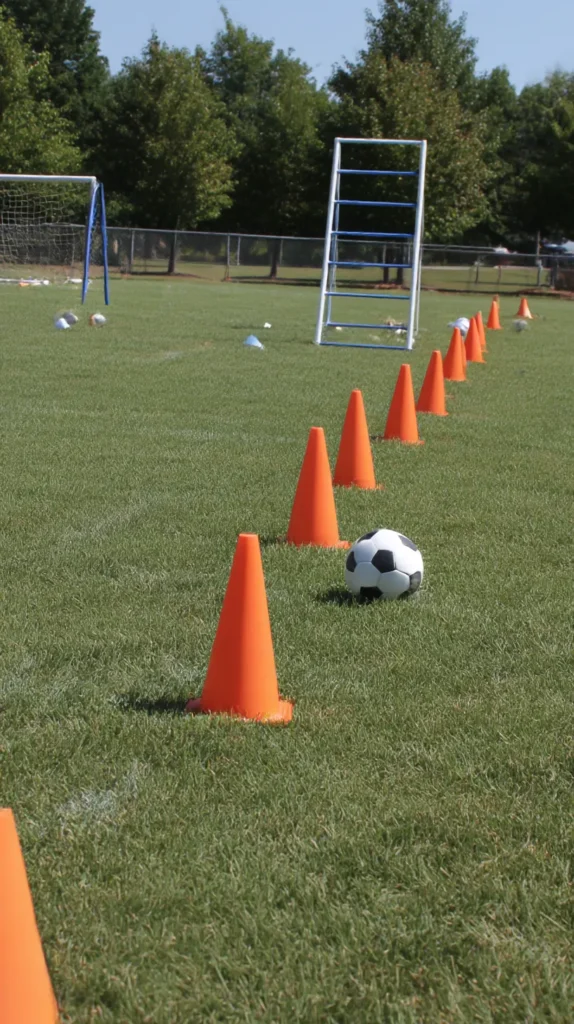
A set of agility poles, flat disc cones, and speed ladder panels laid out in a dribbling course turns a section of garden into a personal training ground that any youth player would recognise from club sessions. The equipment costs almost nothing, stores in a single bag, and can be reconfigured into dozens of different drills and exercises depending on what the player is working on.
Agility poles cost $15–$30 for a set of twelve. Flat rubber disc cones cost $10–$20 for a pack of fifty. A speed ladder costs $10–$25. Set them out in a slalom pattern for dribbling, a gate pattern for passing accuracy, or a random scattered arrangement for decision-making practice. The versatility of a simple cone set is genuinely impressive and most professional academies use exactly the same basic equipment.
Garden tip: Photograph your favourite course layouts before packing the equipment away. Recreating a good drill from memory takes longer than it sounds, and having a reference image means you can set up a proven session in under two minutes rather than spending ten minutes trying to remember how the gates were spaced.
4. The Club Colours Planting Scheme
Budget: $30 – $120
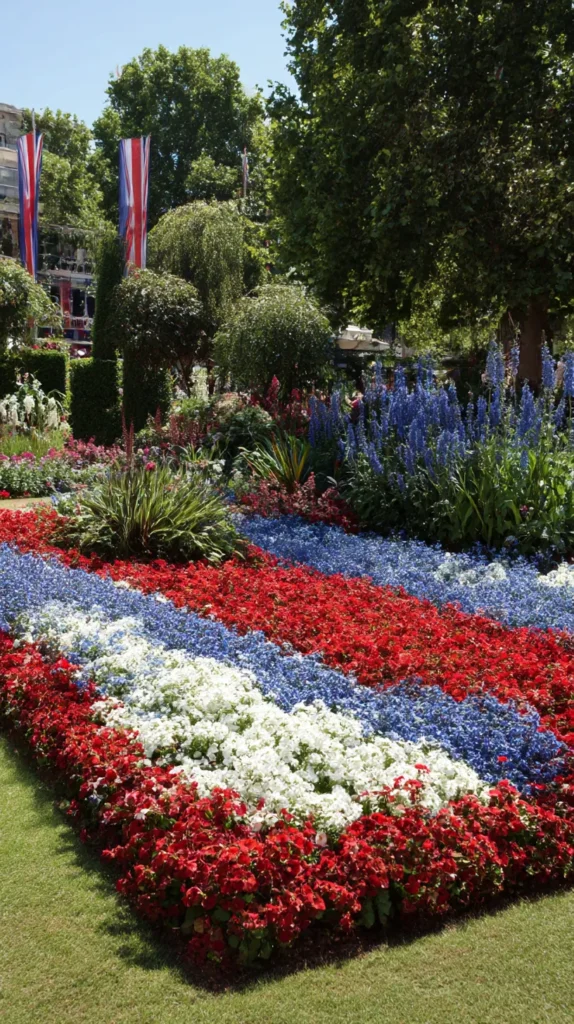
One of the most subtle and satisfying football garden ideas on this list — a planting scheme built entirely around your club’s colours. A red and white garden for Arsenal or Manchester United fans. A blue and white scheme for Chelsea or Manchester City. An all-red scheme for Liverpool. Done well, it reads as a beautiful, deliberately designed garden to anyone who does not know, and as an unmistakable statement of allegiance to anyone who does.
Choose flowering plants in the relevant colours and plant them in bold drifts rather than mixed together. Salvias, geraniums, and pelargoniums cover most of the red and blue palette. White cosmos, alyssum, and Japanese anemones handle the white. Yellow rudbeckias and marigolds work for clubs in amber and gold. The football reference is entirely deniable and entirely deliberate.
Garden tip: Stick to two colours maximum and keep the ratio close to the actual shirt proportions. A Manchester City garden that is approximately two-thirds sky blue to one-third white reads as a genuine design choice. An even split between three or four colours reads as an accident.
5. The Stadium Turf Lawn
Budget: $100 – $600
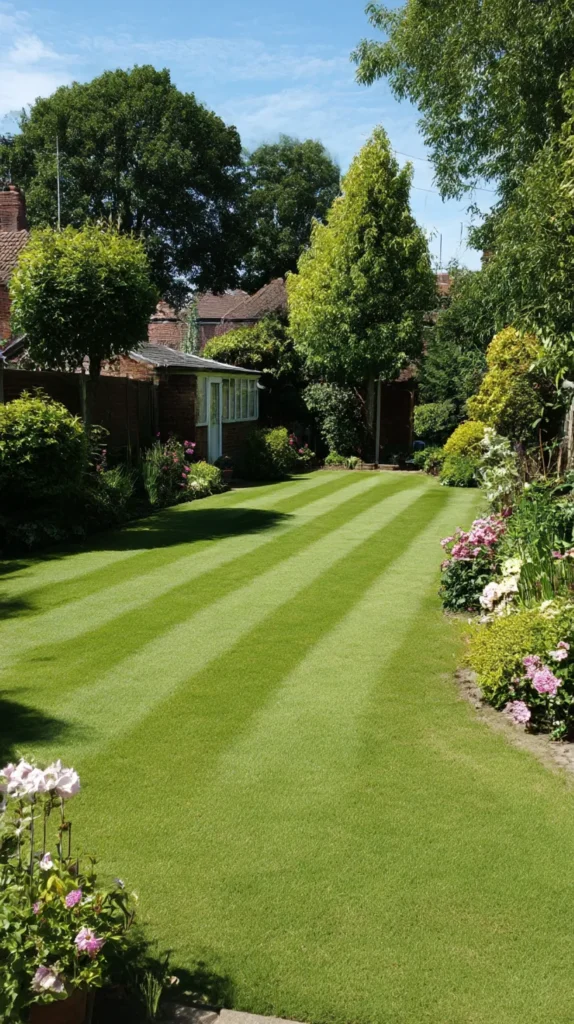
The iconic striped lawn — alternating bands of light and dark green created by mowing in opposite directions — is the most recognisable mark of a professional football pitch and one of the most achievable garden ideas on this list. A cylinder mower with a rear roller creates the stripe effect on a domestic lawn with the same mechanical principle used by professional groundskeepers. The result looks expensive, considered, and genuinely impressive from any angle.
A cylinder roller mower costs $80–$300 for a quality domestic model. The stripe effect works best on fine-leaved grass varieties — fescue and browntop bent lawns stripe more crisply than coarse-leaved ryegrass lawns. Mow in straight parallel lines, alternating direction with each pass, and the pattern develops naturally. The stripes look most dramatic in low, raking light — early morning and late afternoon.
Garden tip: Keep the mowing lines perfectly parallel by fixing a string line across the lawn for the first pass of each session. Subsequent passes are aligned against the previous stripe, but the first line sets the angle for the entire pattern — a slightly diagonal first pass sends every subsequent stripe off-axis and the effect looks skewed rather than sharp.
6. The Terrace Seating Area
Budget: $150 – $600
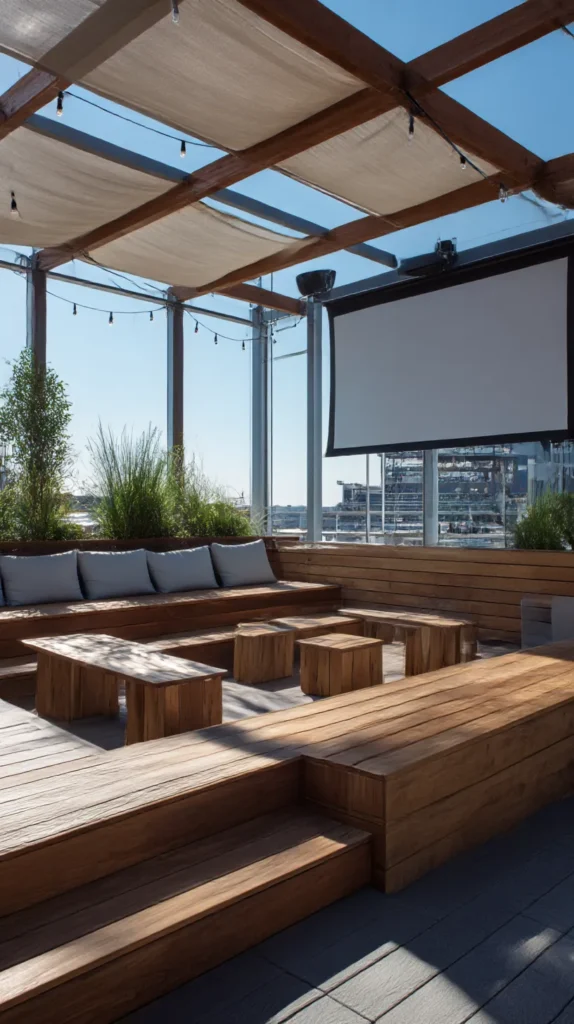
For the household that takes match watching seriously, a dedicated outdoor terrace seating area — oriented toward an outdoor screen, fitted with stepped seating levels so everyone has a clear view, and stocked with the appropriate refreshments — turns the back garden into a genuine viewing venue. Stepped timber decking platforms cost $100–$300 to build. An outdoor projector and screen setup ($150–$400) handles the screen. The atmosphere, on a warm summer evening with the right company and a live match, takes care of itself.
Long wooden benches work better than individual chairs for the terrace aesthetic and cost $30–$80 each. Cover the seating area with a pergola or sail shade ($80–$200) for protection from both sun and light rain — a covered terrace extends the viewing season significantly in climates where summer weather is unreliable.
Garden tip: Run power to the terrace area via a properly installed outdoor socket before building the seating structure. Trying to add electrical access to a completed decking platform involves significantly more disruption than routing the cable during the build, and a terrace without convenient power access quickly becomes inconvenient for projectors, fairy lights, and phone charging.
7. The Penalty Spot Practice Zone
Budget: $30 – $100
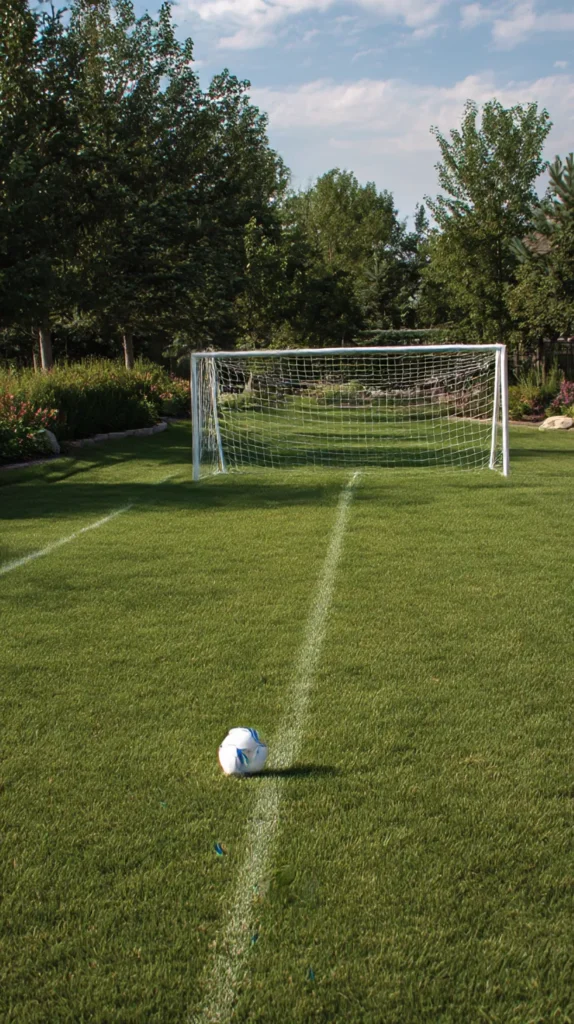
A permanent penalty spot marked in the lawn, positioned at the correct distance from a fixed goal or rebounder wall, creates a dedicated practice zone that any player in the household will use obsessively. The psychological component of penalty practice — the ritual of placing the ball, stepping back, and striking at goal — requires repetition to build composure, and a permanent spot makes that repetition easy and accessible.
Mark the penalty spot with a small rubber disc, a painted stone, or a ground-flush marker peg. Twelve yards from the goal line is the official distance — in a domestic garden, ten yards is practical for smaller spaces and still provides a meaningful challenge. Add a target — a pair of hanging pool noodles marking the inside edge of each post — to give the practice a specific focus beyond simply hitting the goal.
Garden tip: Vary the practice routine rather than simply striking repeatedly from the same spot. Approach from different angles, use both feet alternately, introduce a pause before striking to simulate pressure, or have someone call out a target zone at the last moment to force a late decision. Repetitive practice from identical conditions builds habit rather than adaptability.
8. The Trophy and Boot Room Garden Shed
Budget: $200 – $800
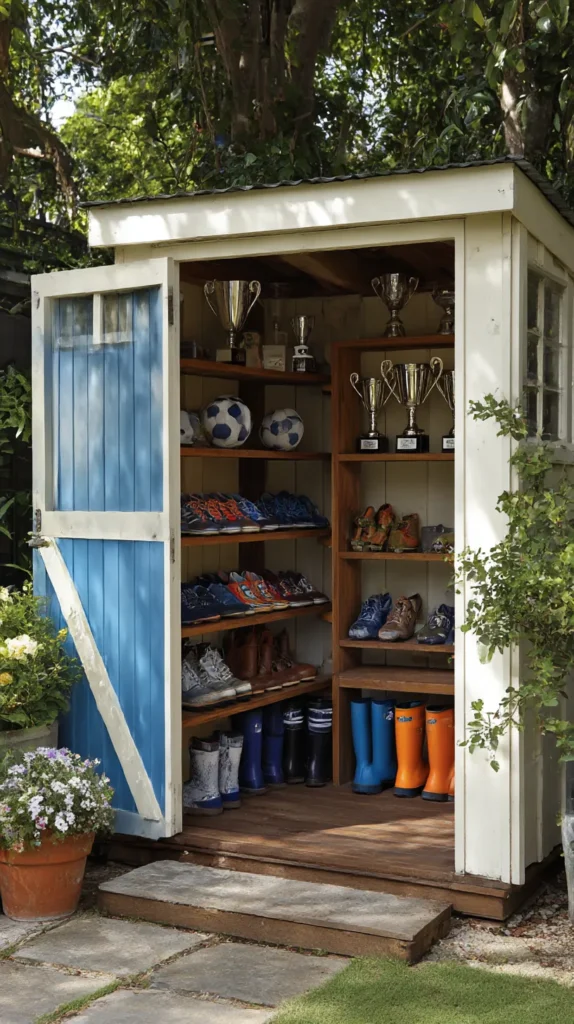
A garden shed reimagined as a football-themed boot room and trophy display space is one of those ideas that sounds extravagant until you price it up and realise how achievable it actually is. A standard wooden garden shed ($150–$400) fitted internally with a boot rack, wall hooks for kit bags, a shelf for trophies and medals, and a few framed prints or a painted club crest on the wall becomes a dedicated football space that keeps muddy boots out of the house and gives a young player somewhere genuinely their own.
Boot racks cost $15–$40. Wall-mounted hooks cost $5–$15 for a set. A coat of exterior paint in club colours on the outside of the shed ($20–$40 for a tin) turns it from a generic storage structure into a statement garden feature that any visiting player will immediately want to spend time in.
Garden tip: Install a small battery-powered light inside the shed. A dark shed with no lighting is used for storage; a lit shed is used as a room. The difference in how much time a child spends in the space is dramatic, and a battery LED strip costs less than five pounds to install.
9. The Football Herb and Vegetable Garden
Budget: $30 – $100
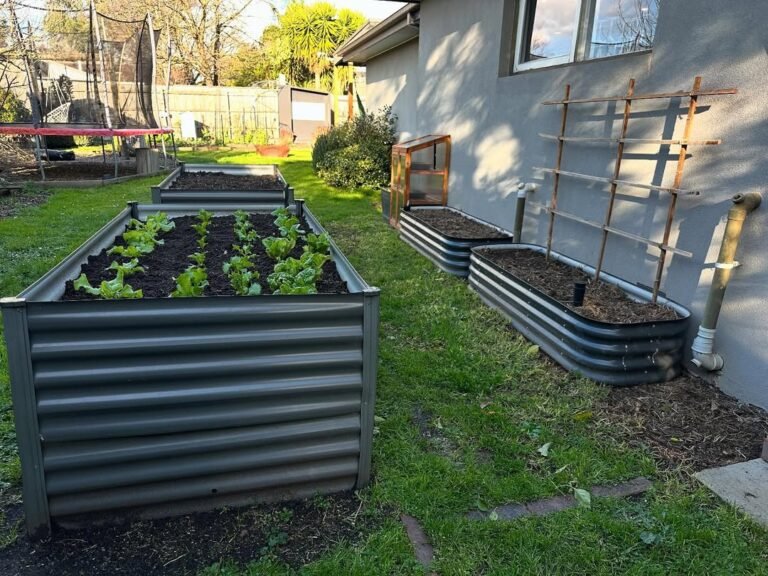
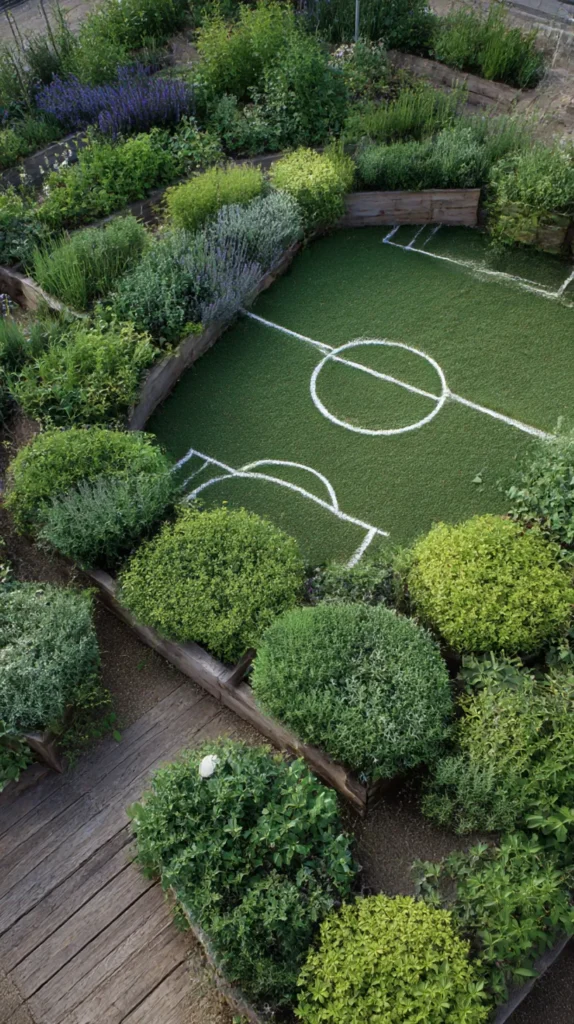
Lay out a raised herb or vegetable bed in the shape of a football pitch — complete with marked zones, a centre circle of a contrasting herb, and goal areas planted with a different variety at each end. It is a playful idea that works as both a kitchen garden and a conversation piece, and the geometry of a football pitch translates surprisingly naturally into a planting design.
Use low-growing herbs to mark the lines — chives, thyme, or chamomile planted in straight rows create clear boundaries within the bed. Fill each zone with a different herb or salad crop. A centre circle of basil surrounded by rings of parsley and oregano looks beautiful and smells extraordinary on a warm afternoon when the sun heats the leaves.
Garden tip: Choose herbs and vegetables with roughly similar growth rates and mature heights within each zone so the pitch proportions remain legible as the season progresses. A zone of vigorously spreading mint next to a neat row of slow-growing thyme will look like a pitch that has been abandoned by half-time within six weeks.
10. The Floodlight Garden Lighting Scheme
Budget: $80 – $400
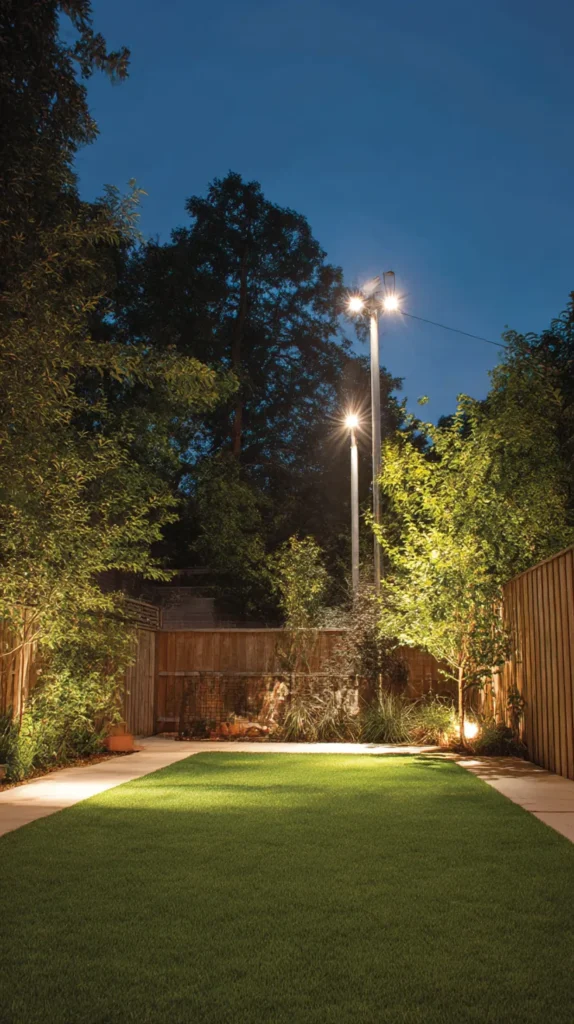
Tall post-mounted floodlights positioned at the corners of the lawn area — echoing the floodlights of a professional stadium — extend the usable playing and gathering time in the garden well beyond sunset and create one of the most dramatic garden lighting effects available. On a warm summer evening, a garden lit by four corner floodlights has an atmosphere that conventional garden lighting simply cannot match.
Solar-powered LED floodlights on tall stakes cost $20–$60 each. Wired low-voltage floodlights cost more to install but provide significantly stronger, more consistent illumination. Position them high enough to cast light across the full playing area without creating blinding glare at eye level — a minimum height of two metres is recommended for any floodlight used near an active playing space.
Garden tip: Point the floodlights inward at a slight downward angle rather than straight ahead. A light angled slightly downward illuminates the ground surface where it is needed without scattering excessive light upward into the sky or sideways into neighbouring gardens — a consideration that will matter to anyone living close to their neighbours.
11. The Match Day Snack and Drinks Station
Budget: $50 – $200
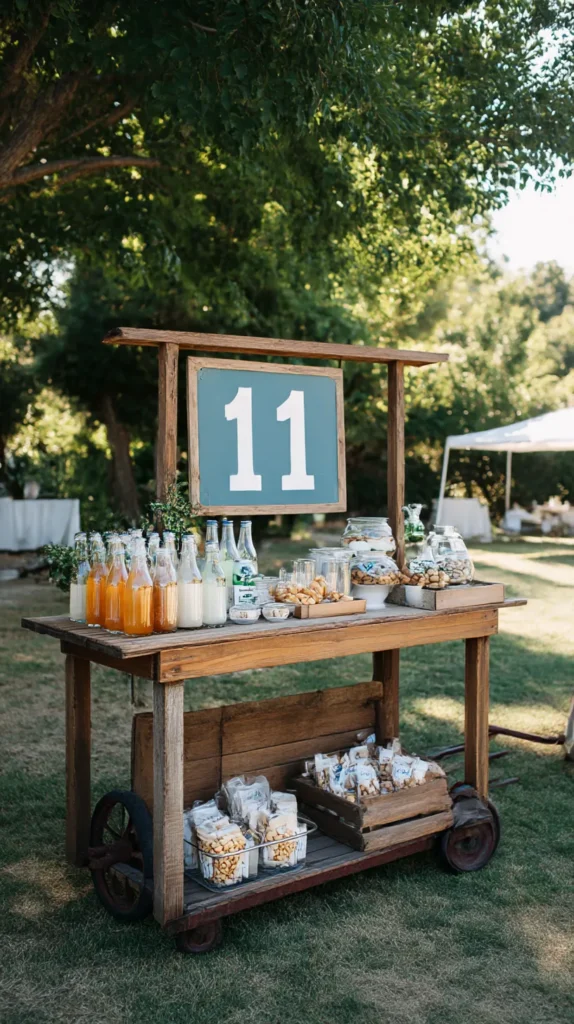
A dedicated outdoor snack and drinks station — a timber bar cart, a repurposed trolley, or a wall-mounted fold-down shelf fitted to a garden fence — stocked with the match day essentials keeps the energy up during backyard kickabouts and turns any outdoor gathering into something that feels genuinely hosted. Position it at the side of the playing area rather than behind a goal, exactly as a touchline refreshment point would be placed.
A timber bar cart costs $40–$120. A wall-mounted fold-down shelf costs $20–$60 to build from basic timber. Stock it with a cool box for drinks, a basket for snacks, and a portable speaker for prematch music. The ritual of a stocked refreshment station — even a modest one — elevates a casual kickabout into something that feels like an occasion.
Garden tip: Fix a chalkboard or whiteboard panel to the fence above the station for keeping a running score. A visible scoreboard changes the psychology of a backyard game completely — suddenly there is a record, a history, and something worth playing for. It costs almost nothing and is used every single time.
12. The Hall of Fame Garden Wall
Budget: $30 – $150
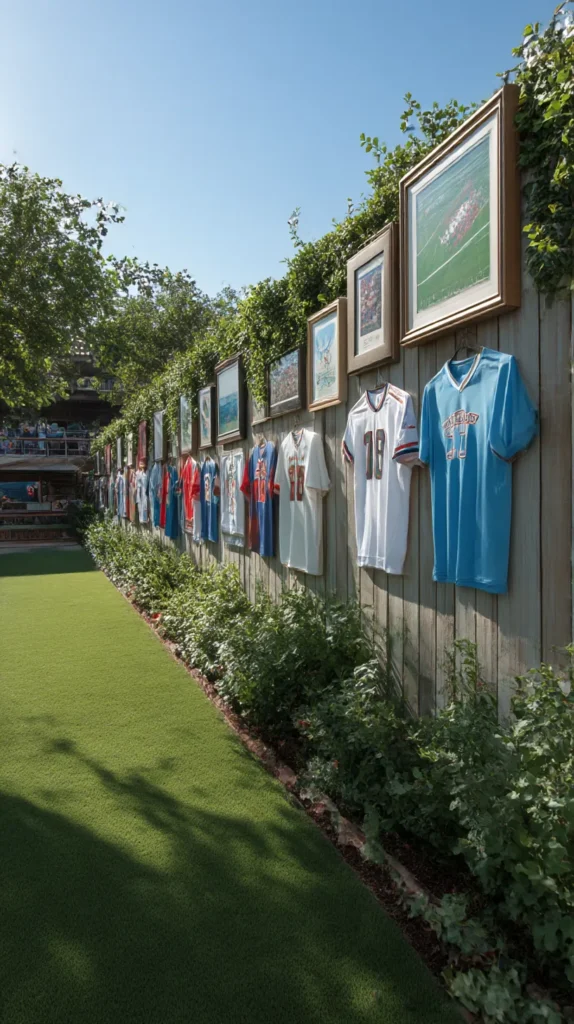
A section of garden wall or fence transformed into a football hall of fame — framed photographs of favourite players, a mounted club scarf or shirt in a weatherproof frame, a printed mosaic of the greatest moments in a club’s history, or a painted mural of a legendary goal — turns a blank boundary into the most personal and characterful feature in the outdoor space. It requires no planting, no digging, and no technical skill beyond the ability to hang a frame and weather-seal a print.
Outdoor-rated frames cost $10–$30 each. Weather-resistant prints can be ordered from most online print services on aluminium or outdoor-rated paper for $10–$40 per image. A club scarf or shirt mounted in a sealed outdoor display box ($20–$50) becomes a centrepiece that no amount of planting or paving could replicate for personality.
Garden tip: Use a consistent frame style and colour throughout the wall rather than mixing different frame types. A collection of mismatched frames looks chaotic; the same images in matching frames — all black, all white, or all natural timber — reads as a considered gallery rather than a random assembly, and the football content becomes the focus rather than the framing.
The best football gardens are the ones that get used. An elaborate setup that feels too precious to actually play on defeats the whole purpose, while even a simple pair of goals on a well-kept lawn becomes the centre of a family’s outdoor life for years. Start with the idea that fits your space and your household, build it properly, and then step back and let the game take over.